The beginning of the period started off unseasonally warm with westerly winds, swinging north-west before eventually adopting a strong northerly element with associated showers toward the week’s end.
The above conditions were no doubt highly conducive to Whooper Swan migration and Northants benefited from more UK arrivals on 22nd, when seventeen were found at Hollowell Res and six appeared at Clifford Hill GP, followed by four in flight over nearby Brackmills Industrial Estate the next day. In fact, it would appear that this autumn has seen the most arrivals of this species in the county for decades – perhaps reflecting the long-term trend, which has seen a 21% increase the UK wintering population over the 25 years 1989/90 – 2014/15 (WWT).

So, this former rare visitor is now the commonest wild swan to visit the county – a huge role reversal when comparing it to the now sadly declining Bewick’s Swan which, in former years, wintered relatively commonly in Northants, as this extract from the Bewick’s species summary in the 1978 Northamptonshire Bird Report illustrates:

Making it into this week were the two adult White-fronted Geese, which moved from Clifford Hill GP to relocate at Sywell CP, where they remained throughout from 21st. A solitary Pink-footed Goose appeared at Stanwick GP on 24th, remaining until the week’s end, while the female Ruddy Shelduck was still at Hollowell Res on 24th. Red-crested Pochards continued to be seen and included six at Summer Leys on 20th and three at Thrapston GP the following day, with four there on 26th.
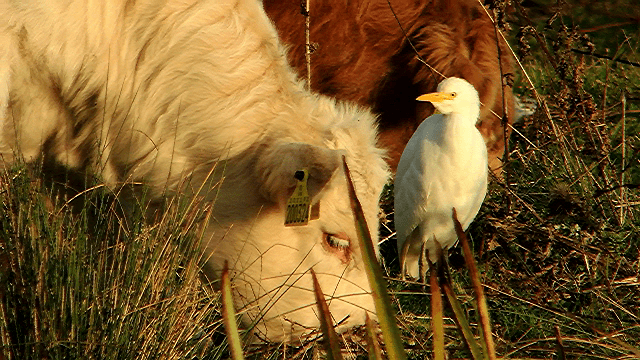
The two Cattle Egrets, discovered among cattle around the main lake at Stanwick GP on 18th, ultimately found their herd of choice by 20th as they chose to move about one kilometre up the valley to accompany the west end cows which grazed around the rough and reedy ditches opposite the Diamond Centre complex. Sometimes out of sight and difficult to see, they remained at Stanwick throughout the week.

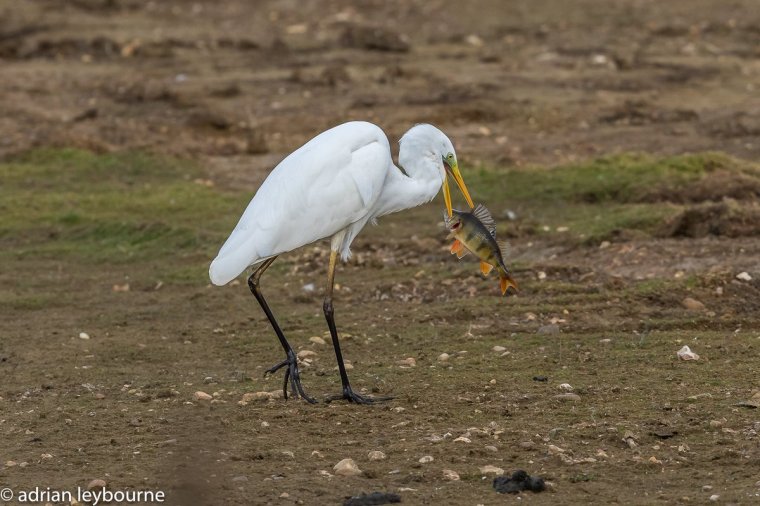
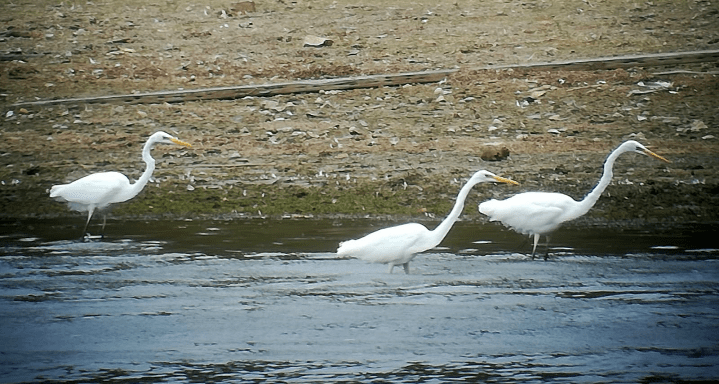
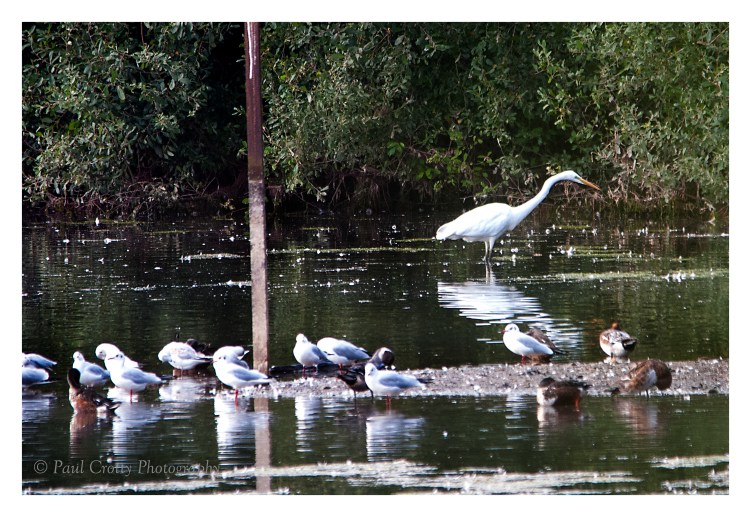
 There were no ‘high’ counts of Great White Egrets during the period and, apart from two at Stanwick GP on 25th, singles could be found at Abington Meadows/Clifford Hill GP, Daventry CP, Hollowell Res, Pitsford Res, Stanford Res and Summer Leys.
The autumn’s fourth Gannet was seen in flight, late in the afternoon on 21st as it passed west over Long Buckby.
Disregarding a long-staying, now late Common Sandpiper at Stanwick on 25th, Black-tailed Godwit was the only wader species of note, with last week’s juvenile remaining until 22nd at Summer Leys, while the lingering adult continued to frequent Daventry CP all week.
Yellow-legged Gulls continued to be seen in small numbers, with a maximum of eight at Boddington Res on 24th. Elsewhere, at least three were at Ditchford GP on 23rd, up to two were at Hollowell Res between 20th and 24th and one was at Stanwick on 20th. Like last week, one Short-eared Owl was seen at Harrington AF on 20th.
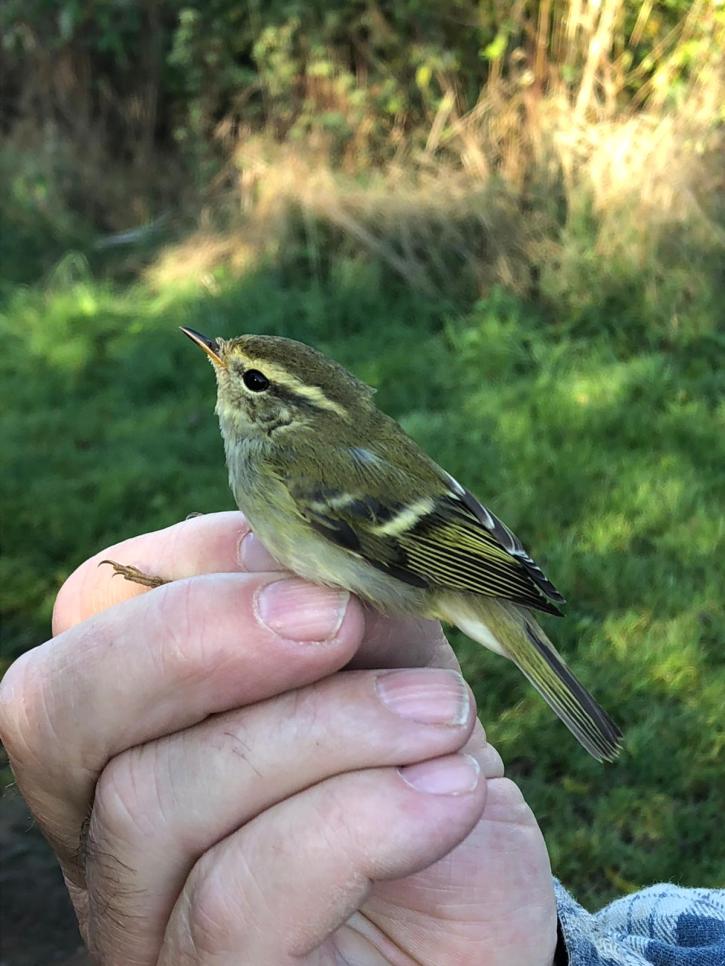
On the passerine front, the second Yellow-browed Warbler of the autumn was heard at Stoke Wood, north of Desborough, on 26th but promptly vanished; it must still be there … somewhere. A Rock Pipit was seen briefly at Hollowell Res on 20th and another flyover Brambling was on the move over Brackley on 23rd, while eight Crossbills flew over the University of Northampton’s Waterside Campus in Northampton on 24tth.


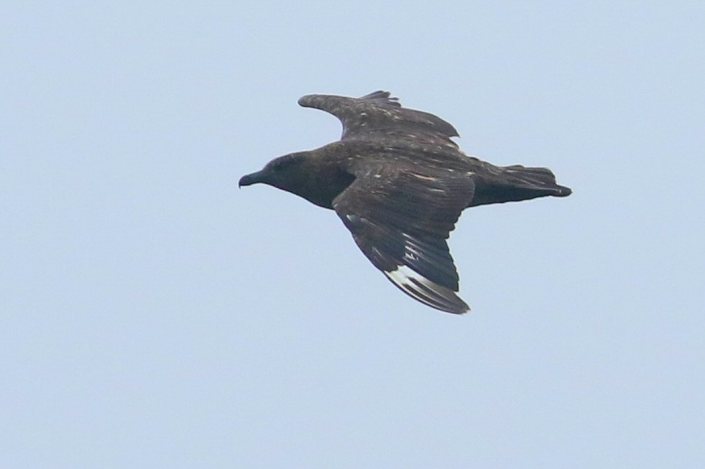

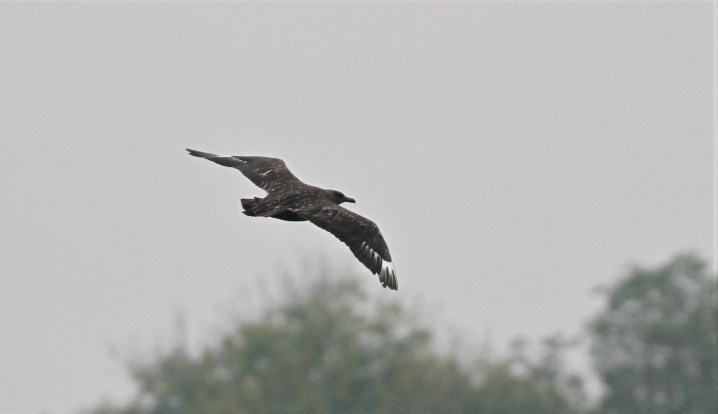


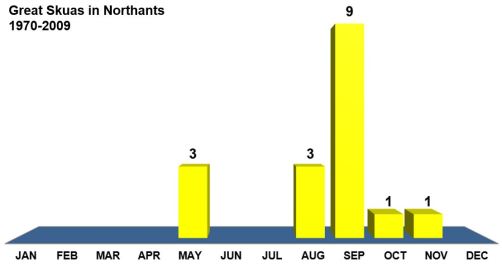 Exuding brute and charisma, this Bonxie was a welcome catch-up for local birders, being the first in the county for nine years. And they seem to be getting rarer. This species is now occurring less frequently than it did in the last century, when it appeared in seven out of ten years during the 1980s. This week’s individual was the twenty-first for the county.

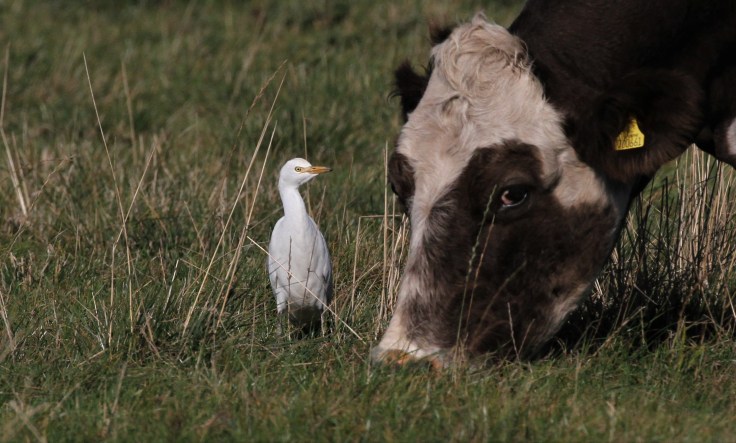


 With a liberal scattering of some two hundred across the UK, including at least one hundred and five roosting at Shapwick Heath, Somerset on 28th September, its occurrence was only to be expected. It was just a question as to who was going to be the first to find one. In this instance, it was Matt Hazleton’s lucky day! The first Cattle Egret for Northants was also found at Summer Leys, back in August 2006. In fact, only one of the six previous records has occurred away from the Summer Leys/Earls Barton GP complex. It would appear highly likely that many more will follow as this species seems to be on the brink of imminent colonisation.
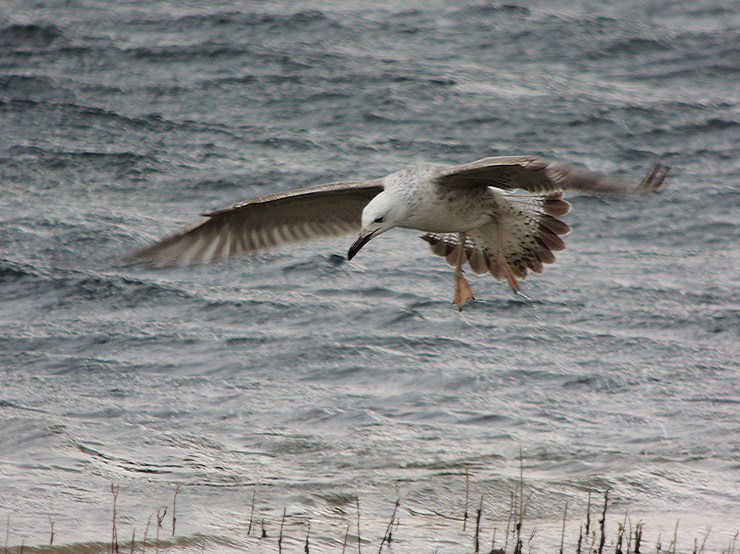
 Lest they should be forgotten, small numbers of Yellow-legged Gulls were scattered with up to three at both Pitsford Res and Daventry CP, two at Hollowell Res and one at Stanwick GP during the period.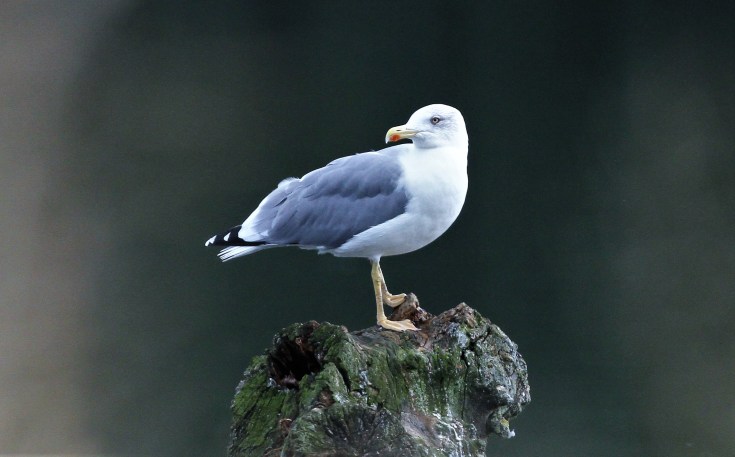




 Northants birds