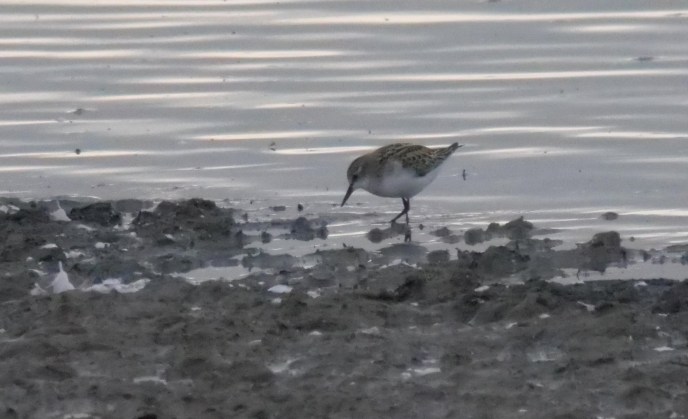
 South-easterlies, warm continental air and sunshine at the very beginning of the period quickly gave way to the more usual Atlantic low pressure systems, a westerly airflow and periods of gusty wind and rain throughout the week. Migrant passerine numbers dwindled, while bird of the week was undoubtedly the juvenile Little Stint, which graced Boddington Reservoir for the last three days of the period.
Wildfowl were thin on the water this week, with the drake Ruddy Shelduck again at Stanford Res on 22nd-23rd and the female being seen at Pitsford Res on 22nd and 27th, while a Common Scoter was reported from Summer Leys LNR on 24th.

As far as Cattle Egrets were concerned, the Stanwick six were seen only on 21st and four localities – Pitsford Res, Stanford Res, Summer Leys and Thrapston GP – enjoyed the presence of single Great Egrets at one time or another, although Pitsford produced two on 22nd. The only raptors were two Marsh Harriers – one flying north over Hartwell on 21st and one south at Thrapston GP on 24th.
But the week’s highlight was a juvenile Little Stint at Boddington Res from 25th to 27th. This is only the second in the county this year, which is a far cry from the days when this species was a guaranteed annual passage migrant.
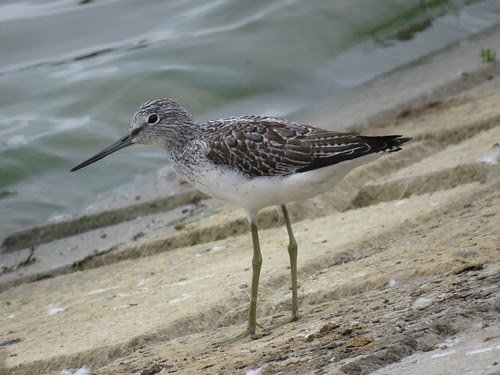
Also at Boddington during this period was a juvenile Ruff, on 26th – another wader exhibiting dwindling numbers in recent years. The only Greenshanks to be found were at Pitsford, where two favoured the dam throughout the week.

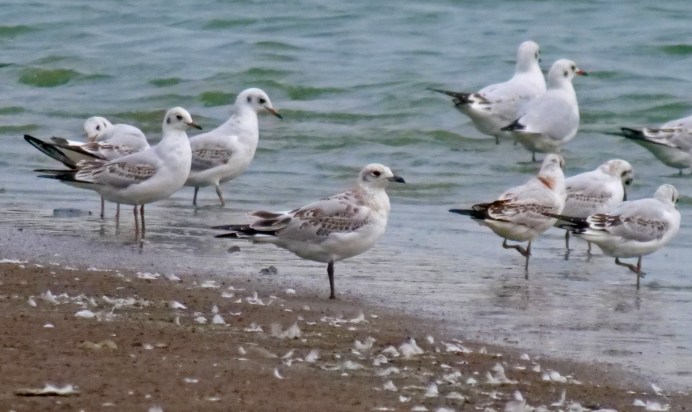
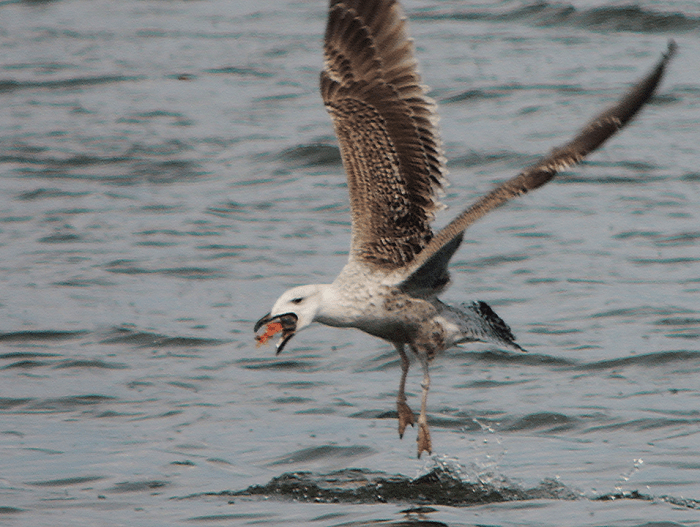
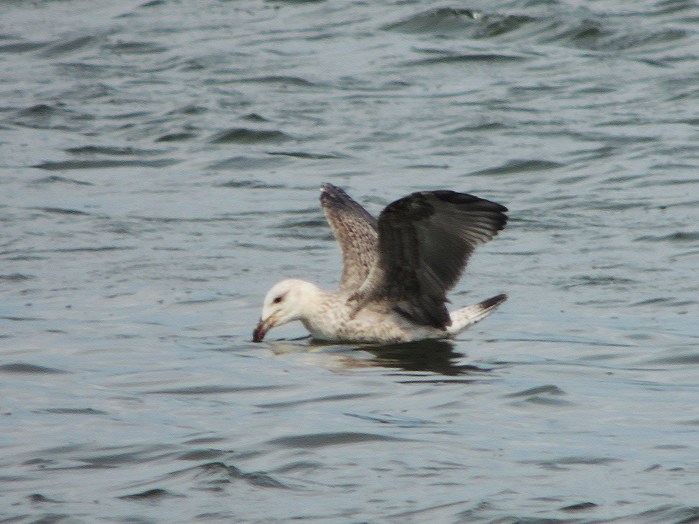
On the larid front, Pitsford’s gull roost also produced all of this week’s Mediterranean Gulls, which included a first-winter on 22nd and a second-winter on 23rd, 26th and 27th, while reports of Yellow-legged Gulls fell to just five, which included two at Stanwick GP on 21st, an adult at Pitsford and four at Hollowell Res on 22nd with an adult at the latter site on 23rd and a juvenile at Boddington Res on 26th.

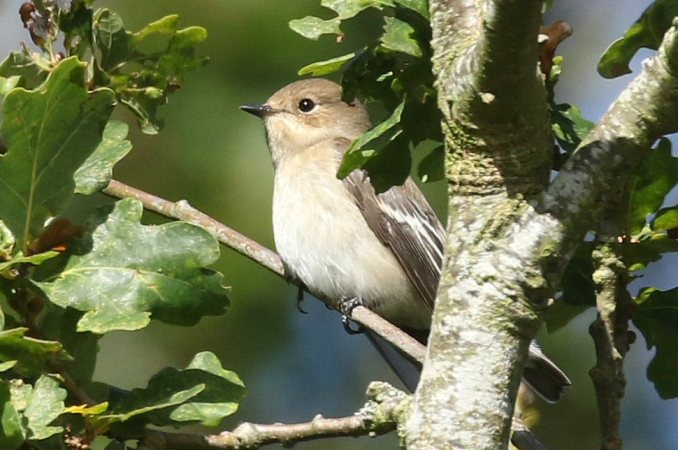
And so to passerines and just when you thought there could surely be no more Pied Flycatchers up popped two more, both of which were found at Yardley Chase on 26th, bringing this autumn’s total up to a whopping ten!
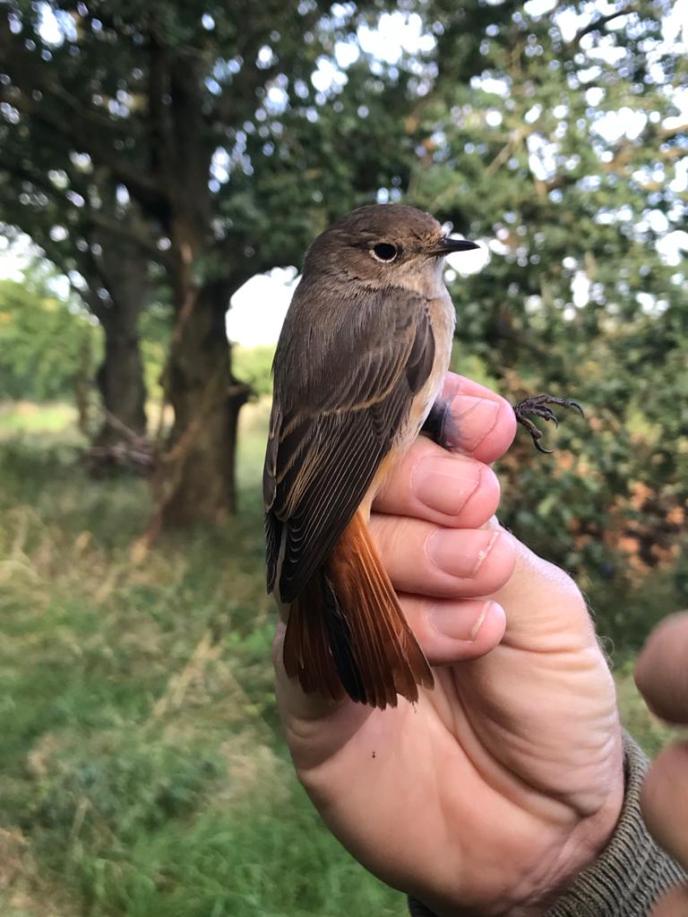
Considerably less sought-after but always guaranteed to brighten any birding day, Common Redstarts also kept coming, with singles in the Brampton Valley on 21st and at Little Irchester on 22nd and two at Harrington AF on 25th.

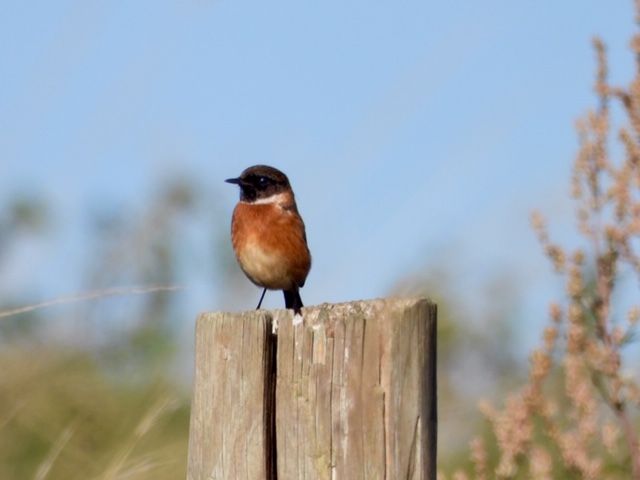
Just two Whinchats included one in the Brampton Valley on 21st and one at Sywell CP on 24th but more migrant Stonechats included one at Hollowell on 22nd-23rd and up to three at Stanford between 22nd and 27th and the week’s only Northern Wheatear was also at Hollowell Res on 21st.
The first Rock Pipit of the autumn was found at Daventry CP on 24th. Hopefully there will be more of these to come over the next couple of weeks.
 If a week is a long time in politics then two weeks is an even longer time – not just double – when it comes to autumn birding. For the major part of the duration, the weather was dry and temperatures were unseasonally high, hitting the mid-twenties. Winds were largely westerly, alternating between the addition of northerly and southerly components, before swinging a decisive south-easterly at the end of the period. While wader numbers tailed off, passerine migrants maintained their prominence at a number of favoured localities.


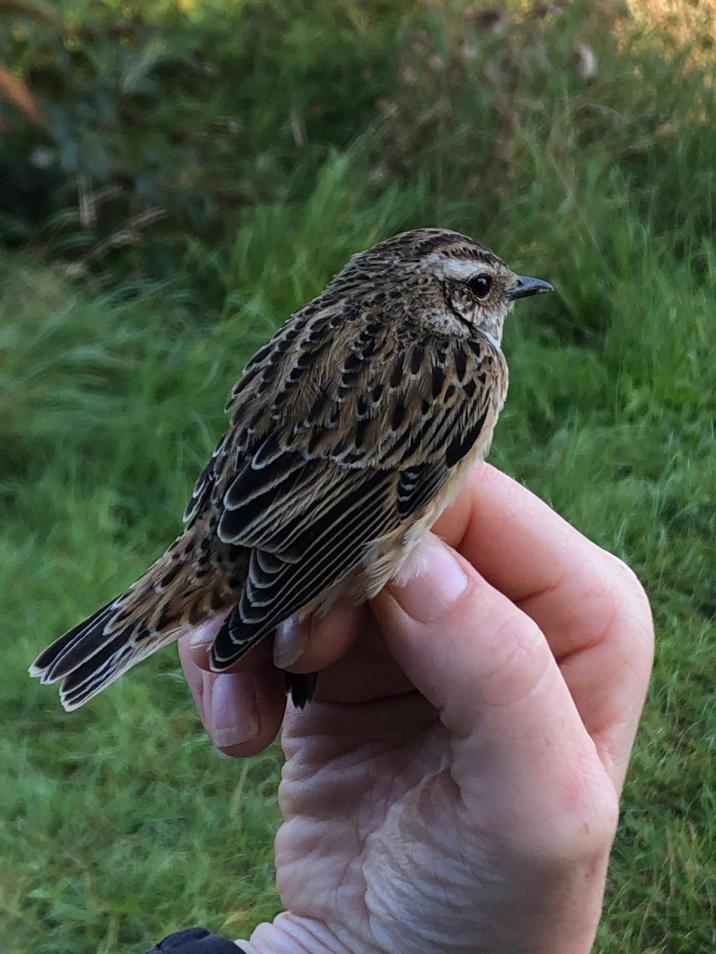

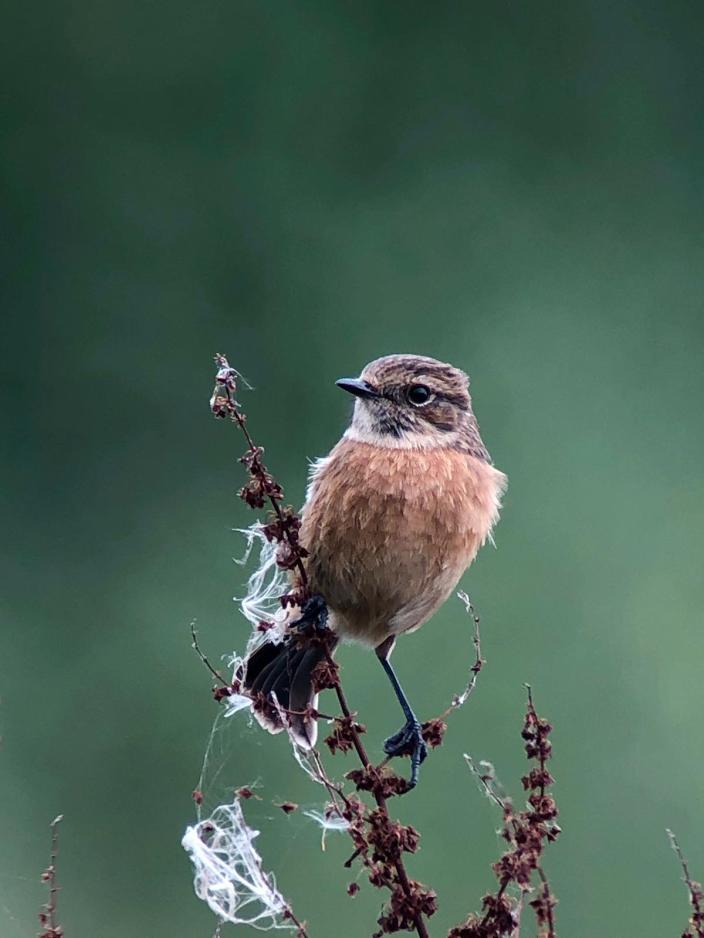

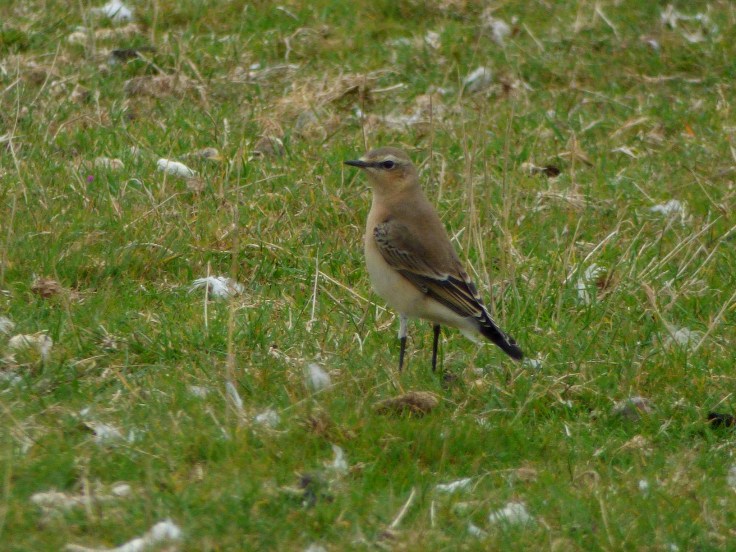
 Temperatures fell as the prevailing Atlantic airflow re-established itself, delivering brisk, breezy and mainly dry conditions on the back of variable northerly to south-westerly winds. Local birding survived on the remnants of last week’s migrant rush, the usual long-stayers were still in place, with the popular well-watched sites continuing to produce small numbers of new birds.
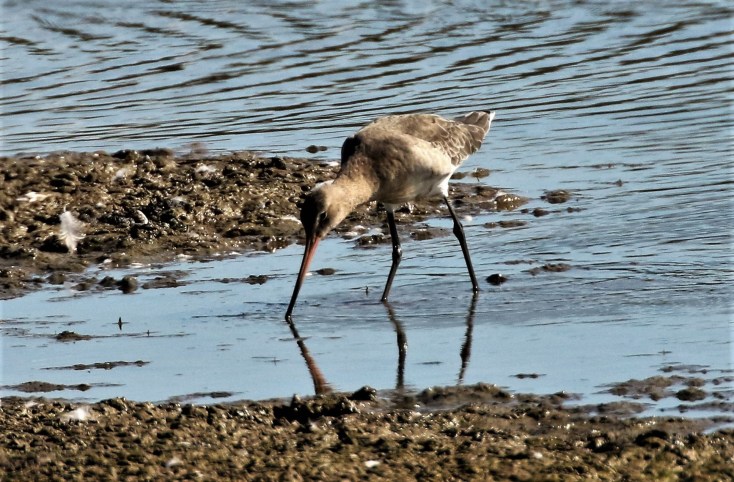






 Summary of features based primarily on images taken on 31st August.
 Northants birds