 A south to south-westerly airstream ensured temperatures remained above average throughout the period. This week the spotlight remained firmly on Thrapston.
Barnacle Geese came to the fore in this week’s wildfowl line-up, with nine at Stanwick GP, apparently replacing the White-fronted Geese there on 23rd. In fact, the only White-fronts during the period were two in flight over Byfield on 20th, while single Pink-footed Geese were at both Ringstead GP and Stanwick on 20th.
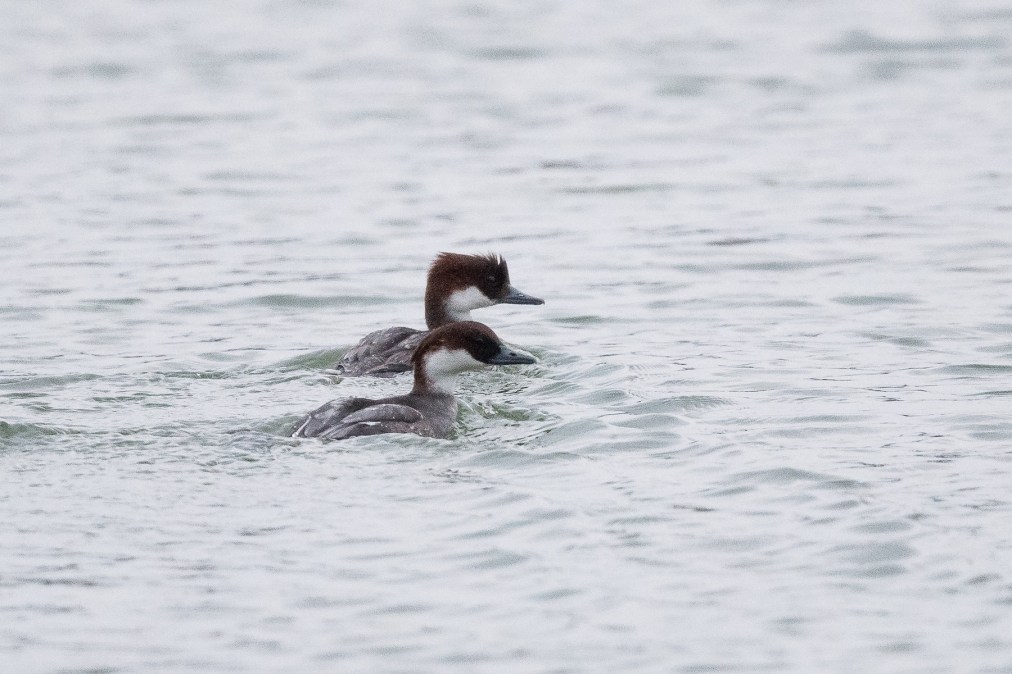
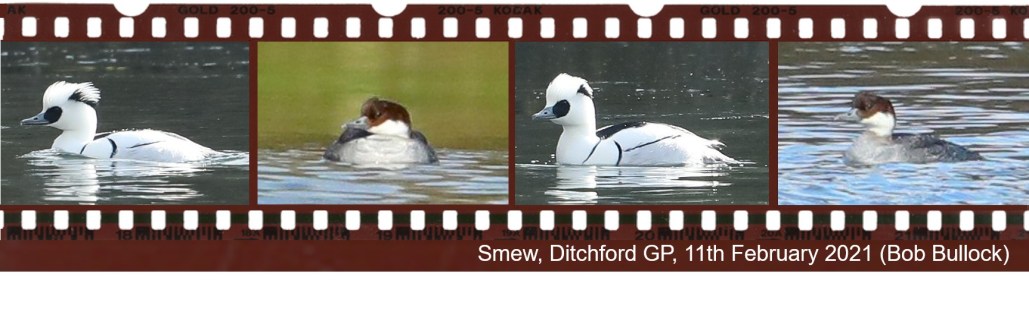
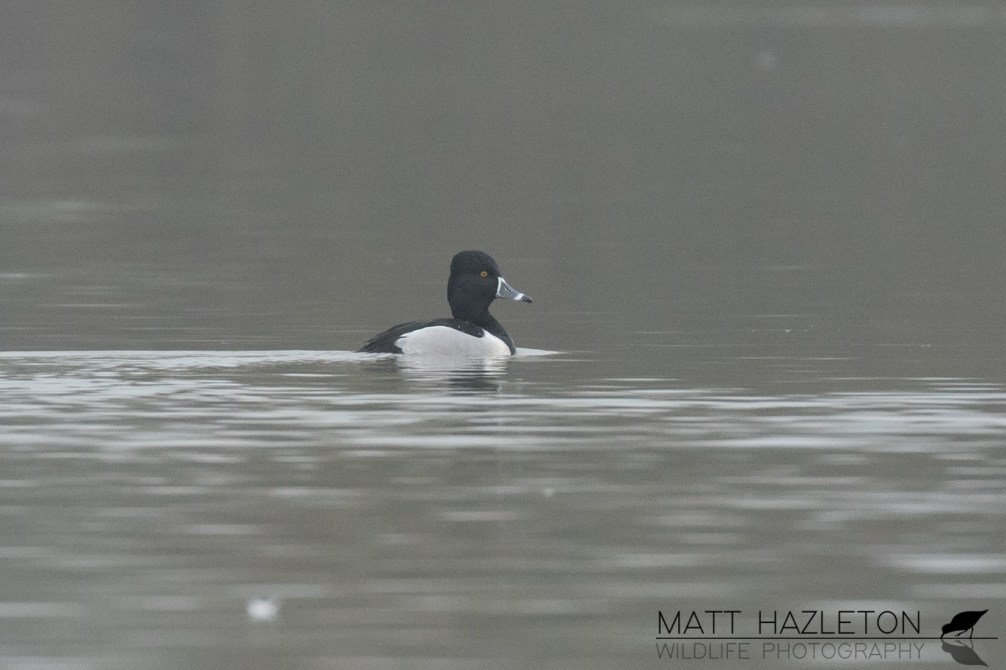
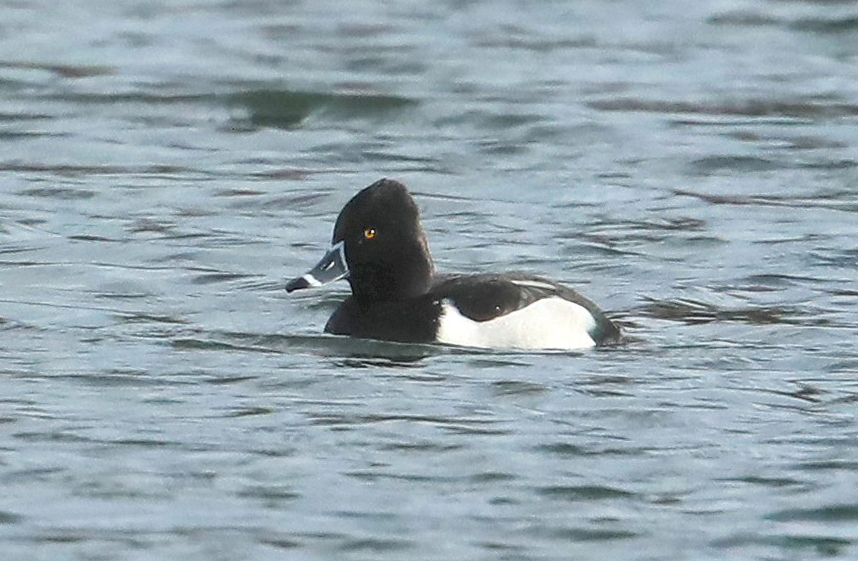
Stanwick was also paid another visit by the itinerant female Ferruginous Duck x Pochard hybrid on 21st, the day on which the drake Ring-necked Duck was refound back on Ditchford GP’s Big Lake, where it was still present at the week’s end. Paralleling this, last week’s two Smews at the same locality also re-emerged on Higham Lake on 23rd and on the same date, a new ‘redhead’ was discovered on Thrapston GP’s Aldwincle Lake, where it, too, remained until the end of the week.
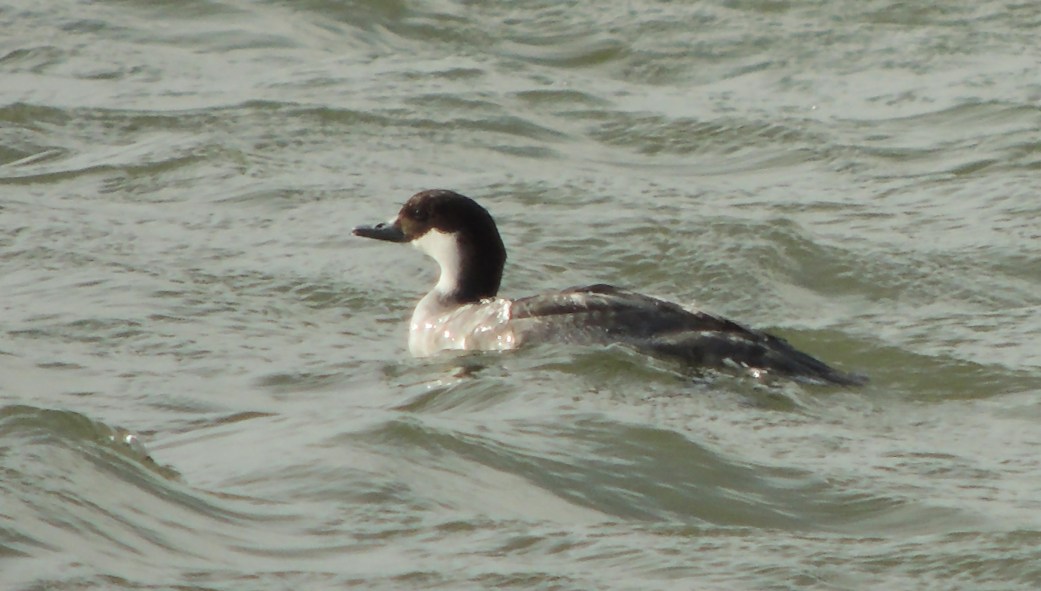
Looking set to see the winter out, Pitsford’s juvenile Great Northern Diver stayed mobile between the causeway and the dam there until at least 23rd.
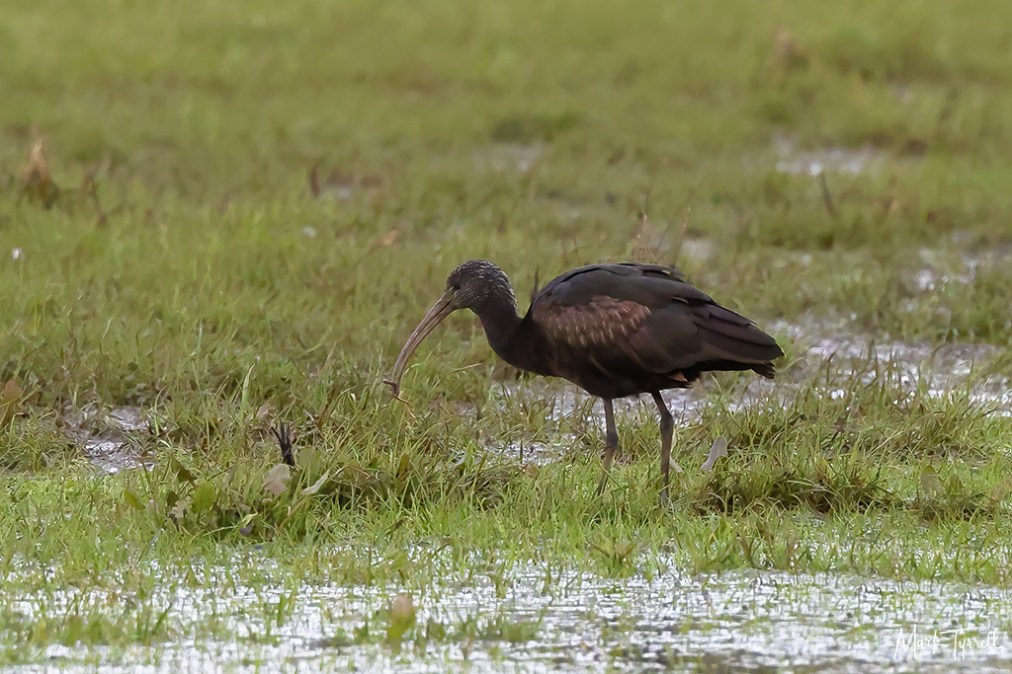
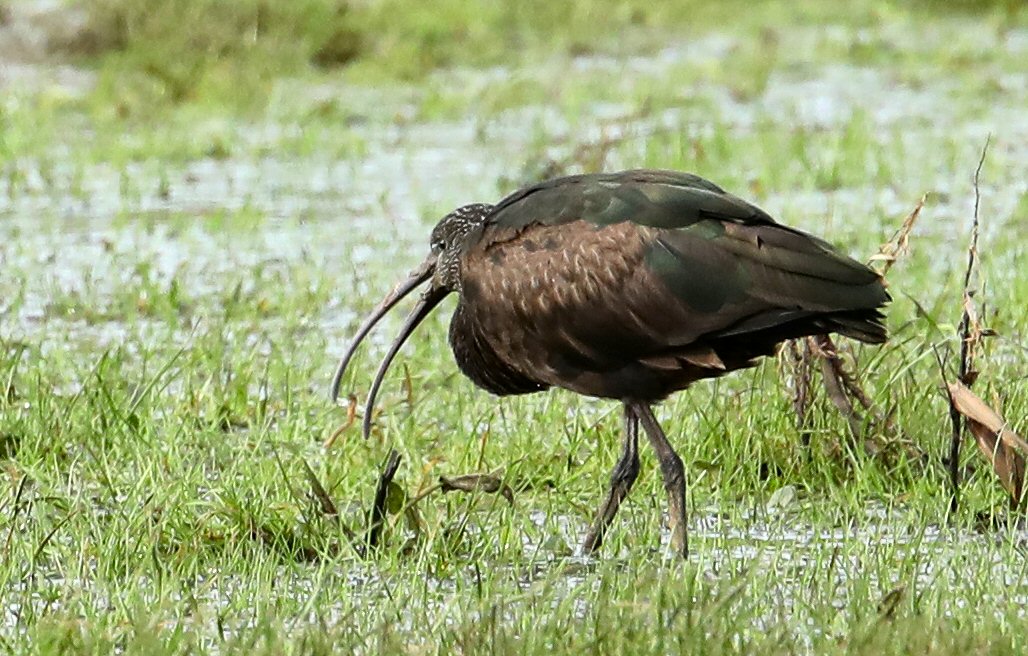
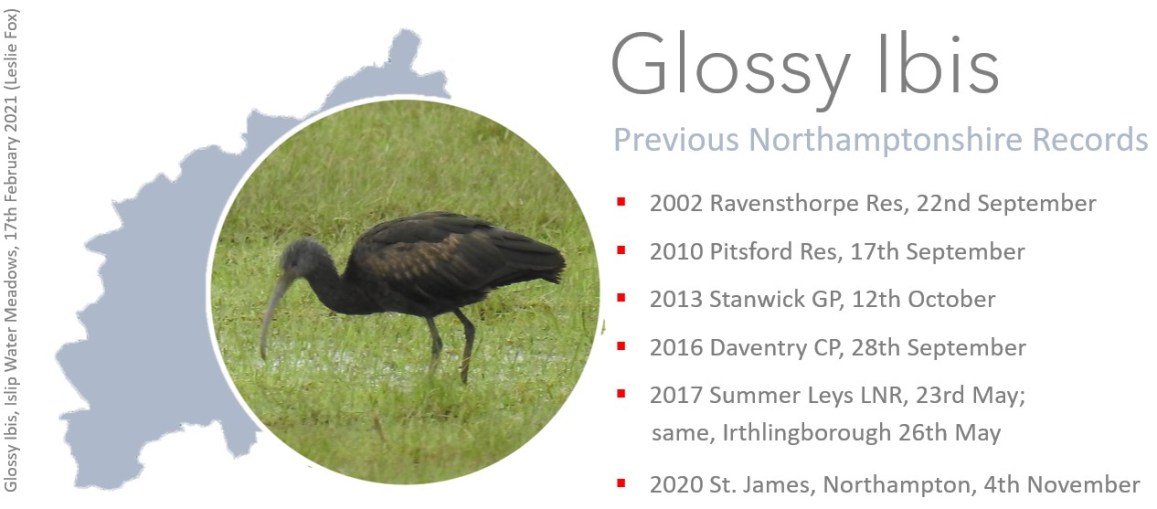
The focus of attention remained, however, on Thrapston’s Glossy Ibis, having abandoned its regular haunt of Islip Water Meadows in favour of Aldwincle Lake, where it appeared settled throughout the week, mercifully free of human disturbance.

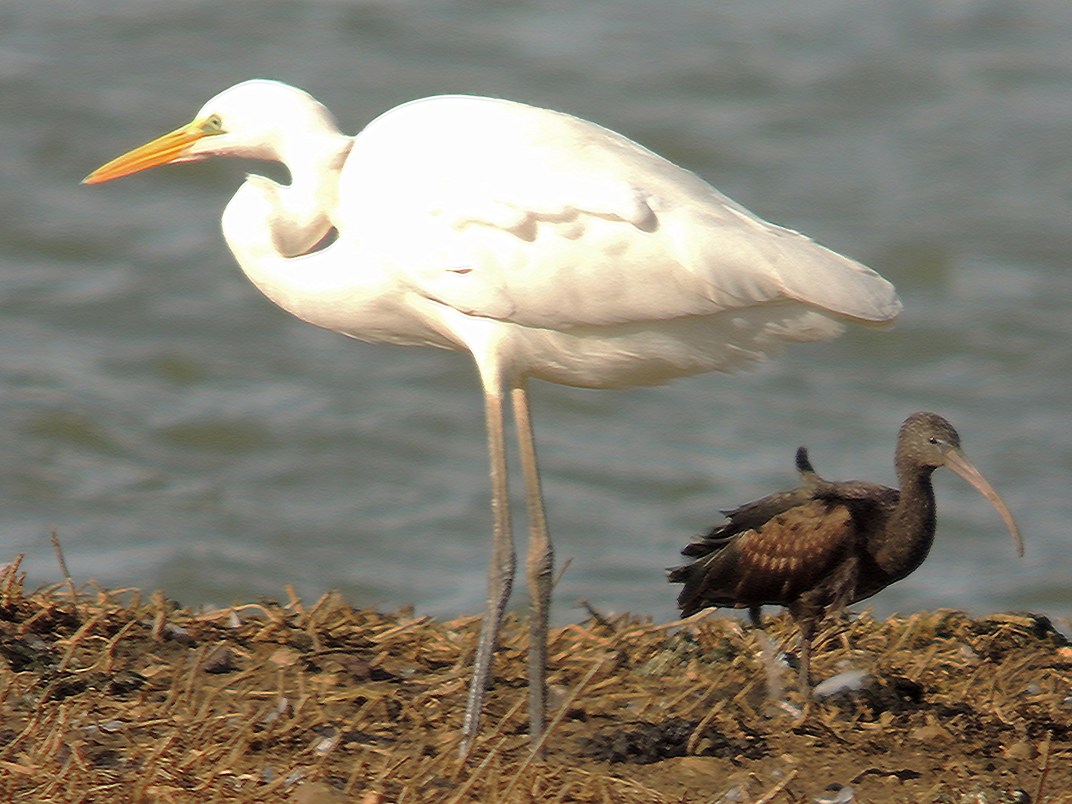

Thrapston’s purple patch continued with the appearance, albeit briefly, of a Cattle Egret on 21st – seemingly the first record for this locality while, further up the valley, up to three remained at the usual Stanwick stronghold.
Back at Thrapston, a milestone was reached this week in the shape of a single-site, double-figure count of Great Egrets, with a likely ten there on 25th. So it looks very much like the county’s wintering population is now twenty plus, the majority of which are in the Nene Valley. Common as muck, as they say …
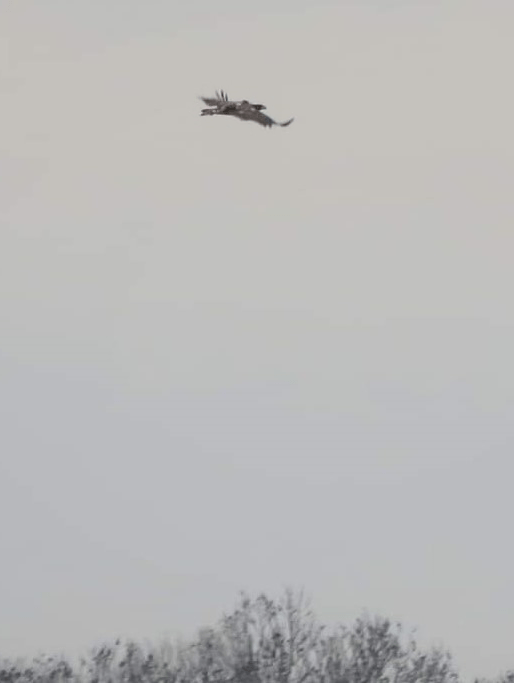
No so common and, in reality, at the other end of the scale, a White-tailed Eagle was seen drifting high over the Boughton Estate, north of Kettering, on 21st. With those from the Isle of Wight reintroduction scheme floating around off the leash, it might not ordinarily have raised too many eyebrows but we have it on good authority that all the satellite-tagged birds were accounted for elsewhere. Boom! Somewhat overshadowed, under the circumstances, was a Marsh Harrier, which passed through almost unnoticed, at Stanford Res on 20th.
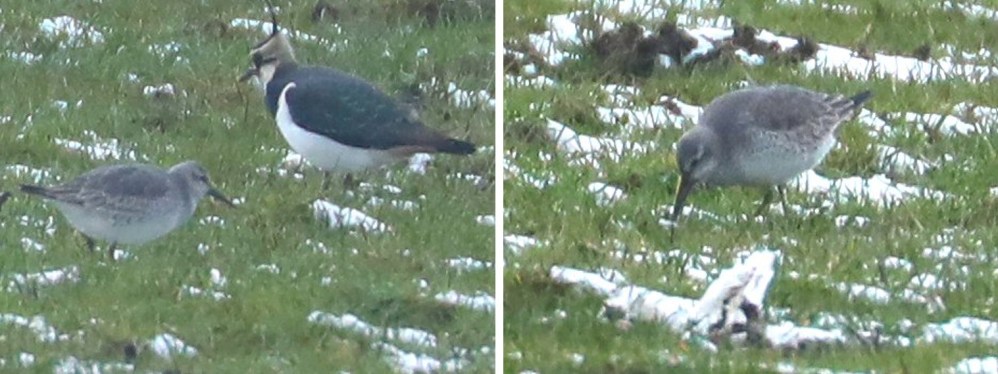
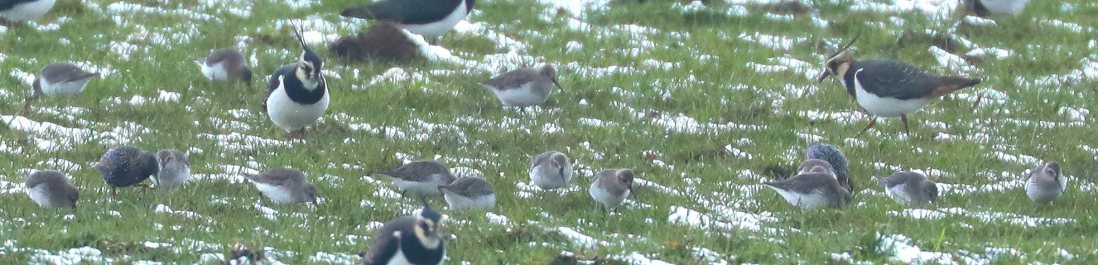
Numbers held up on the wader front this week, with Stanwick’s Bar-tailed Godwit continuing to occupy the prime slot until at least 22nd, while new in was a Black-tailed Godwit at Summer Leys LNR on 21st. Also new were single Curlews at Stanford Res on 21st, Lilbourne Meadows on 22nd and at Clifford Hill GP on 25th, while numbers of Dunlins again fell to just four at the DIRFT 3 development area and 2 at Stanwick GP – all on 21st. Only two localities hosted Jack Snipes with possibly up to eight present in suitable habitat near Ravensthorpe – again on 21st – and up to four at Hollowell between 23rd and 26th.
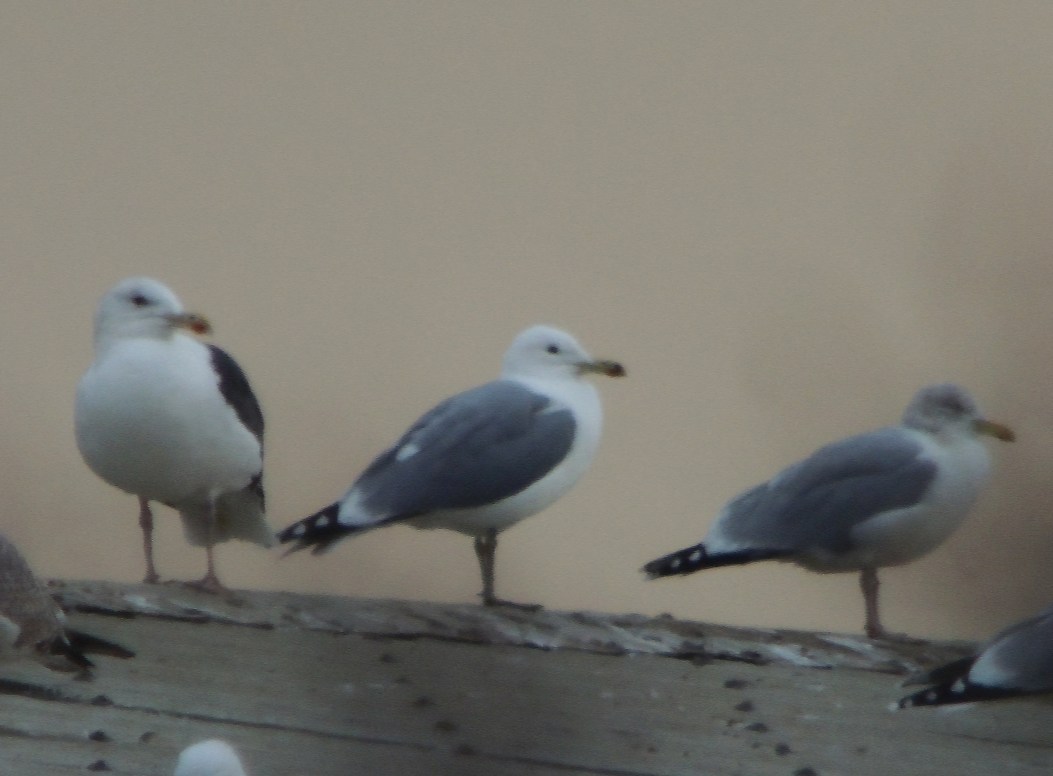
With only a few more days to go until March, the prime spring month for the movement of Mediterranean Gulls, a few have already started coming through. Stanford’s gull roost held two on 24th and 26th, while the second of these two dates saw one in a gathering of gulls at Hollowell during the last hour of daylight. All birds were adults. By contrast, a young bird with nowhere to go anytime soon was the juvenile Iceland Gull at Rushton Landfill, which remained there throughout the period.

This week’s Yellow-legged Gulls were all adults, with singles seen at Ditchford GP on 20th and sporadically throughout at Pitsford, plus four at Hollowell on 26th.
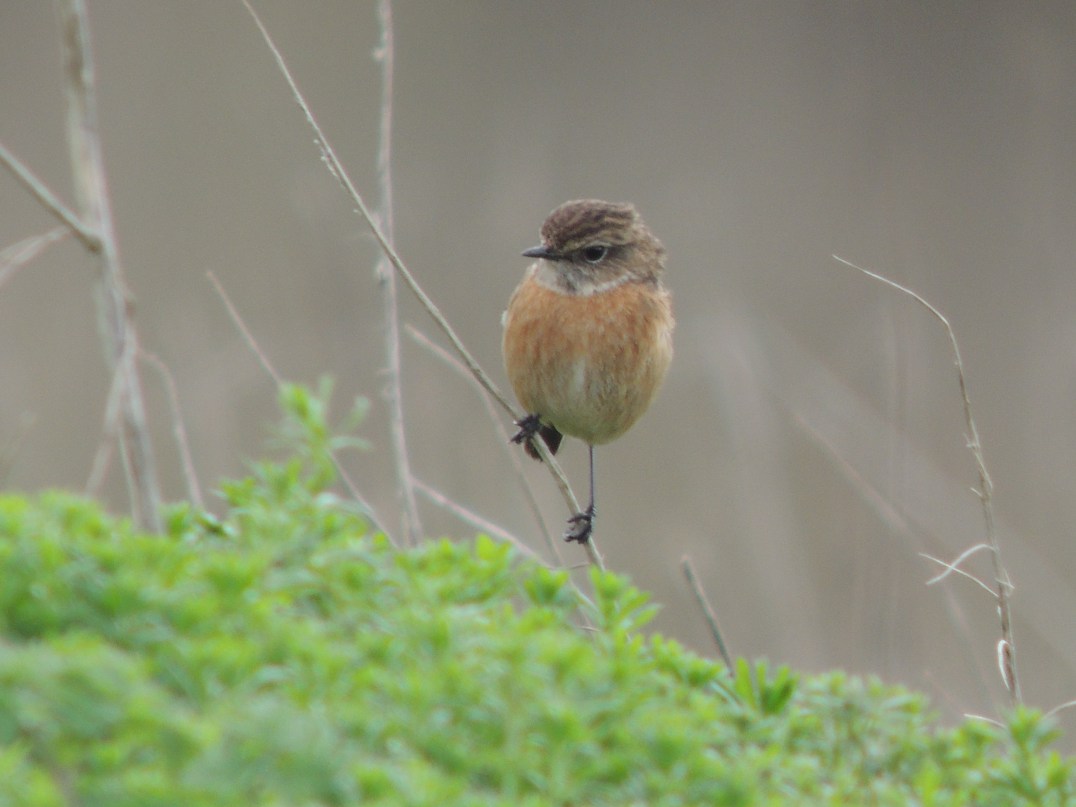
The 23rd saw Merlins at Sutton Bassett and Harrington AF while, on the passerine front, Stonechats were found at ten sites this week, with no more than three at any one of these.

Although it’s late February and Crossbills should be breeding, it appears we still have flocks locally, with up to twenty at Wakerley Great Wood on 25th-26th and up to fifteen still at Hollowell between 21st and 26th. Maybe our birds are from further north …
 This week, the meteorological pendulum swung in the opposite direction and almost at the flick of a switch, temperatures soared from well below, to significantly above, average. South-westerlies were back and the ice melted as one celebrity bird ended the long wait for many local birders to catch up with it in the county.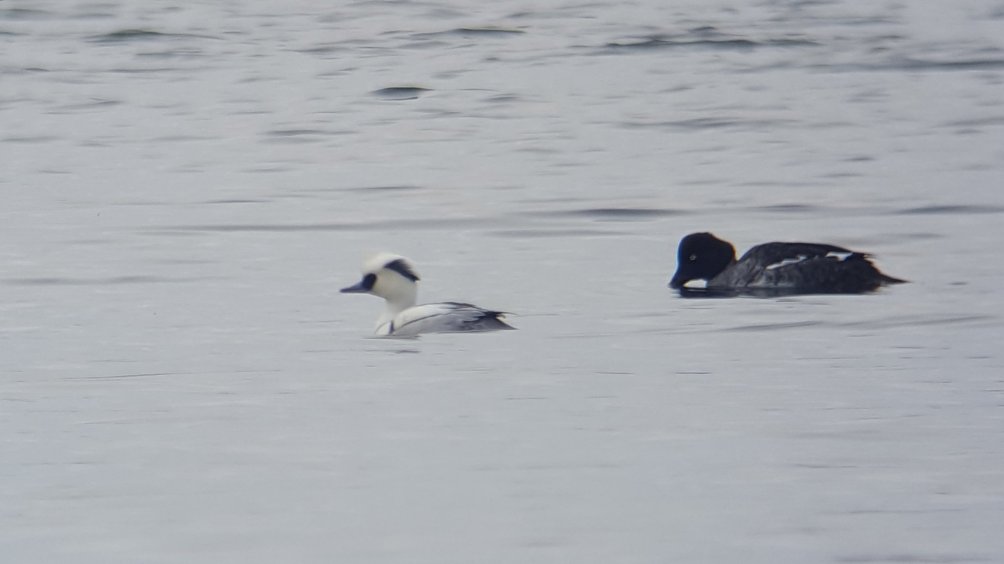




 From some way beyond Scandinavia, cold Arctic air on the back of so-called ‘Storm Darcy’ delivered little more than a sprinkling of snow during a week in which daytime temperatures reached a low of -3°C. Factor in the wind chill and you were down to -8°C. Associated with these conditions there was also a sprinkling of rather unseasonal waders, along with the discovery of the county’s 9th record of Ring-necked Duck. Other ducks were also available …

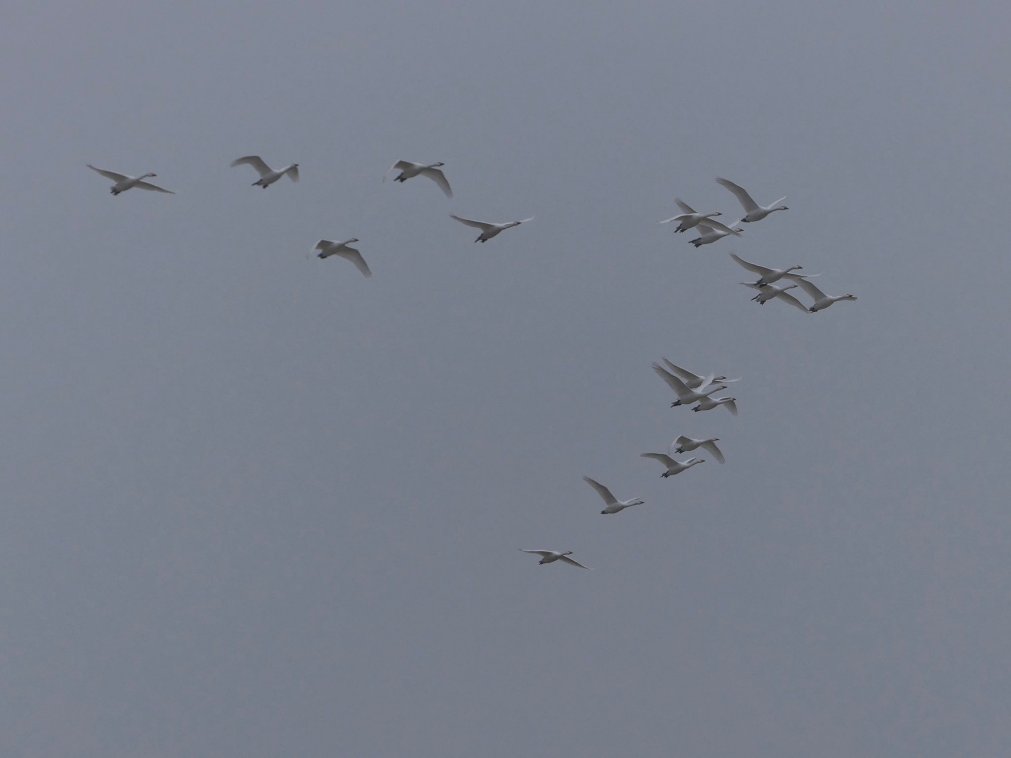


 Chilly east to north-easterlies kept temperatures depressed in the first half of the period, after which a mild spell saw a double-figure rise to 11°C, under the influence of a south to south-westerly airstream. The week’s focus was centred firmly on the presence of two White-tailed Eagles, the anticipated easy connectivity with one giving rise to a small, though appreciable, stream of ‘local’ birders to its favoured wetland site.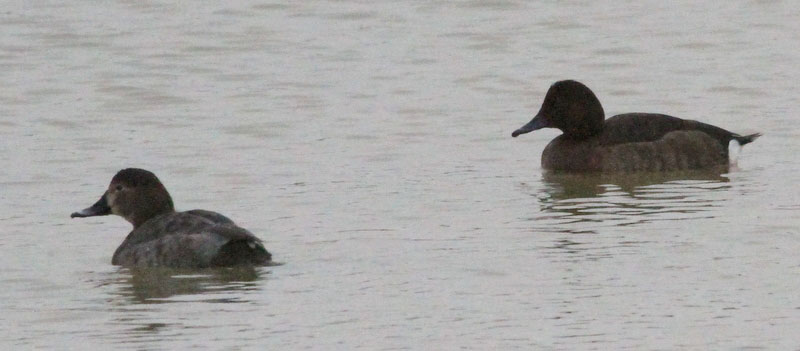



 Northants birds