Initially an undeniable washout, the latter part of the week saw a subtropical, south-westerly airstream hit the UK but there was nothing ‘subtropical’ about the birds seen locally. There was, however, another tantalising tern – again momentarily – this time in the Nene Valley.
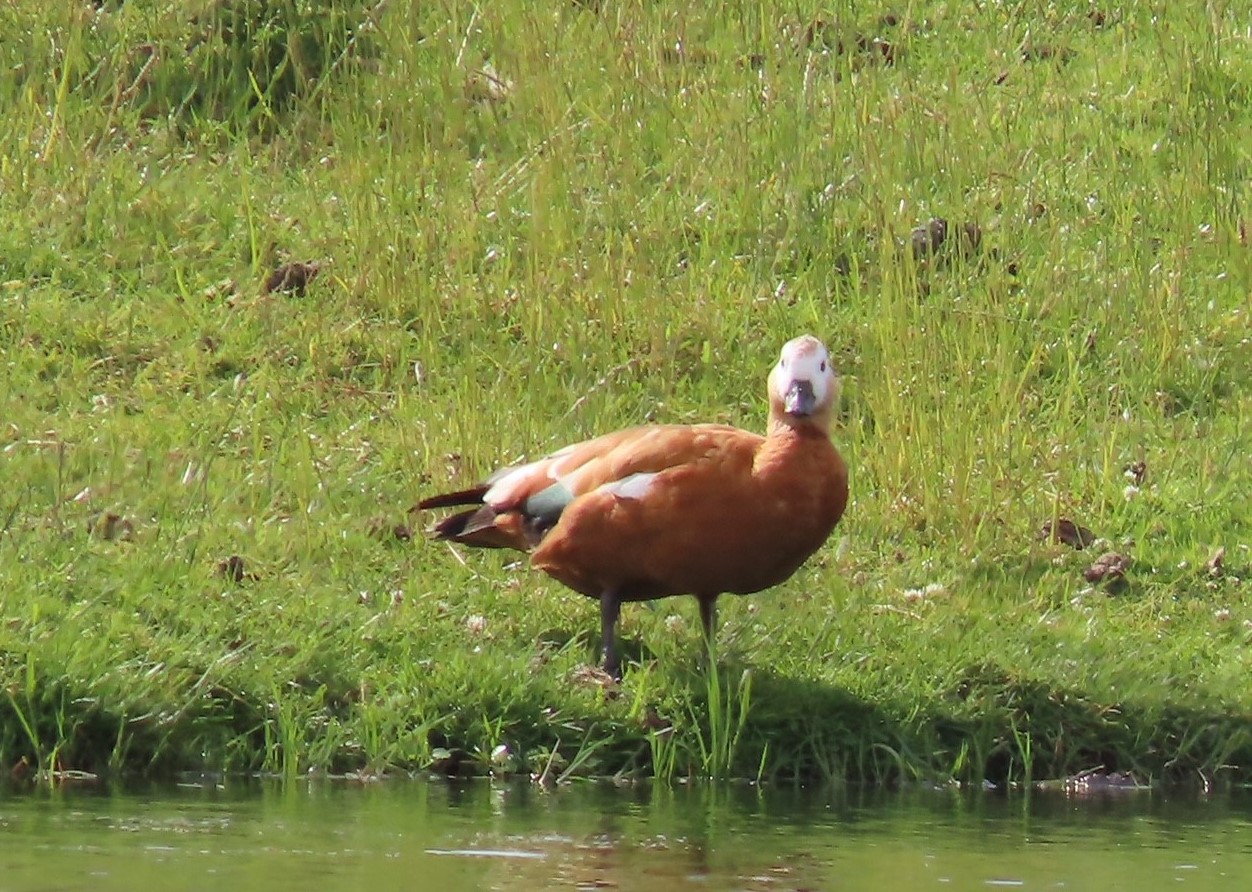
In the absence of any other qualifying waterfowl, the Hollowell Ruddy Shelduck stood up to be counted, remaining on site throughout the period. With the national status review of this species ongoing, multiples have been seen on the east coast, as well as inland, including a flock of five in Norfolk within the last ten days.
For the second week running, a Common Quail was heard in the county – this particular individual turning out to be a real fly-by-night, calling as it moved over Kettering during the last hour of darkness on 27th and clearly choosing to follow in the nocturnal wing flaps of the bird recorded over Higham Ferrers on 10th June.
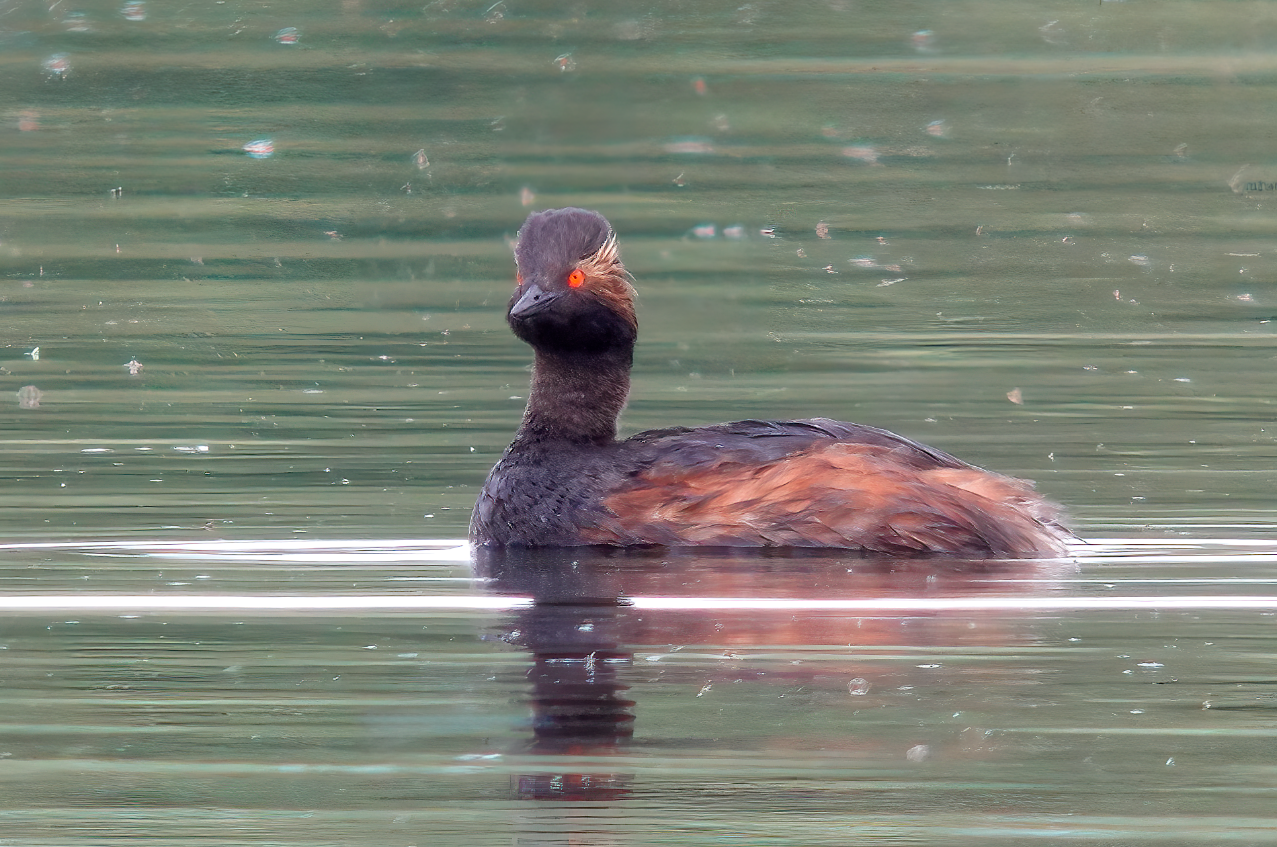
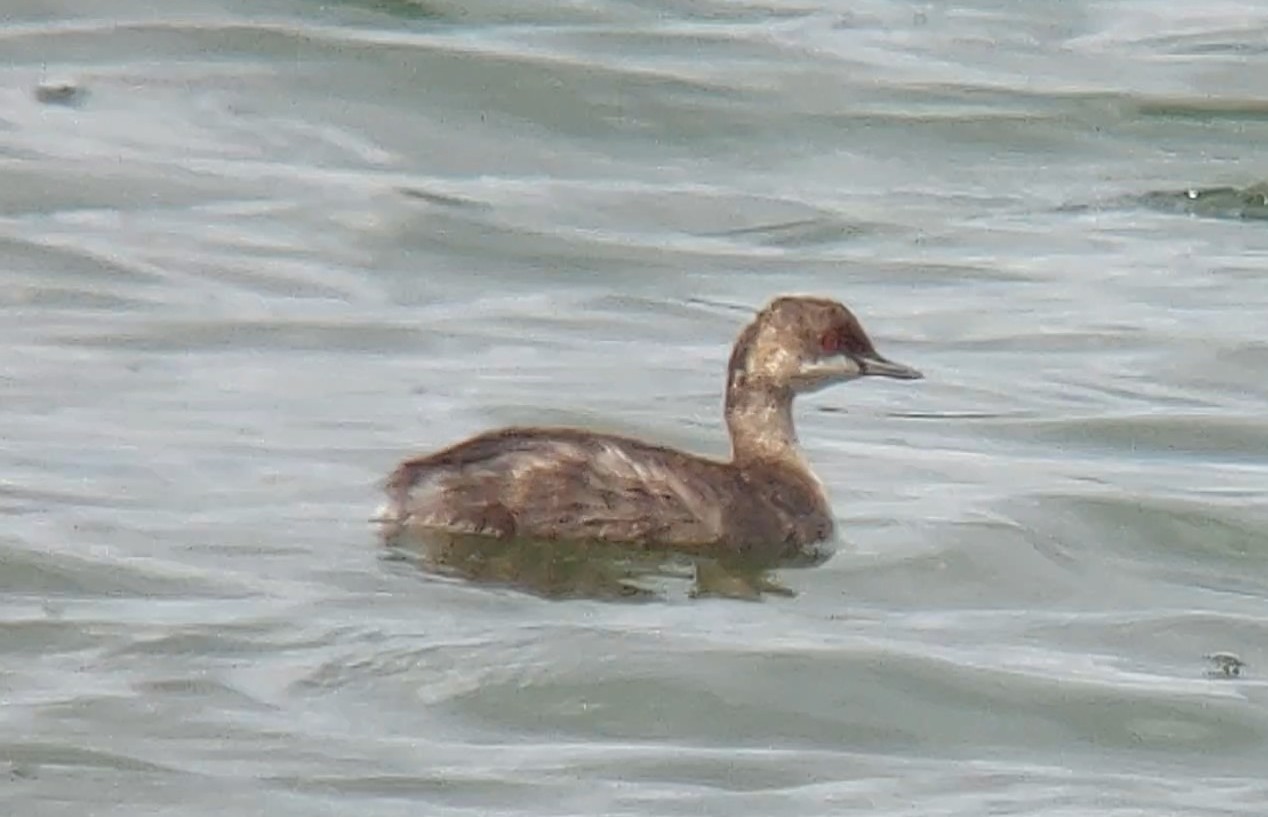
Continuing its summer sojourn, last week’s adult Black-necked Grebe remained in the vicinity of Maytrees Hide at Pitsford Res until at least 25th, when it became noticeably more mobile. It was not reported subsequently.

This week’s waders were limited to a single Whimbrel flying south-west over Stanwick GP on 22nd, followed by a run of Black-tailed Godwits, which included six at Summer Leys LNR on 23rd, two there the next day and, on 25th, singles at both Stanford Res and Stanwick GP.
An adult Caspian Gull at the latter locality on 22nd was the first of the autumn, backed by a supporting cast of eleven Yellow-legged Gulls there on the same date. Further down the Nene Valley, Thrapston GP’s Titchmarsh LNR produced more Yellow-legged Gulls with an adult on 22nd, two adults on 24th and several on 28th, while two adults were at Pitsford on 24th.
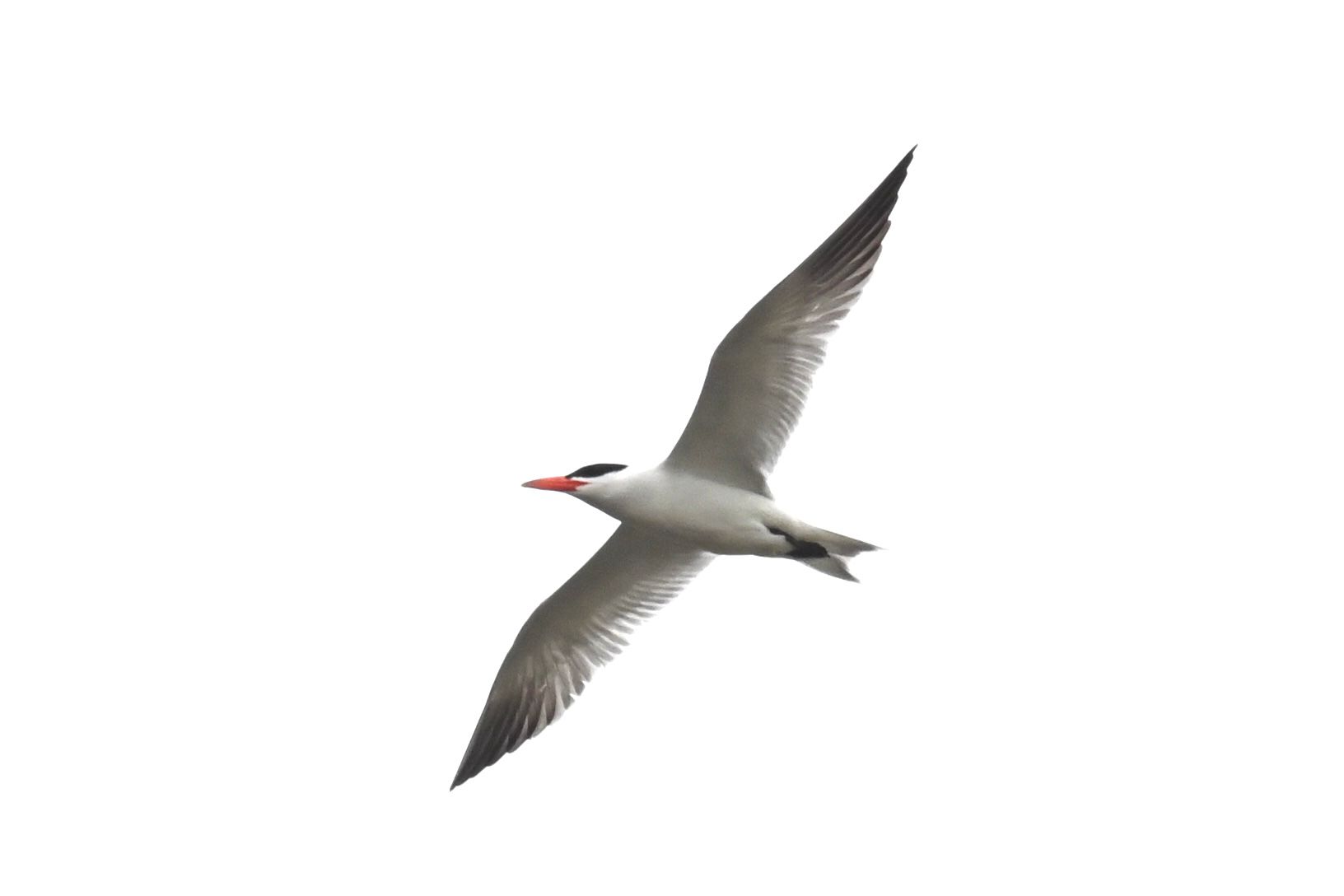
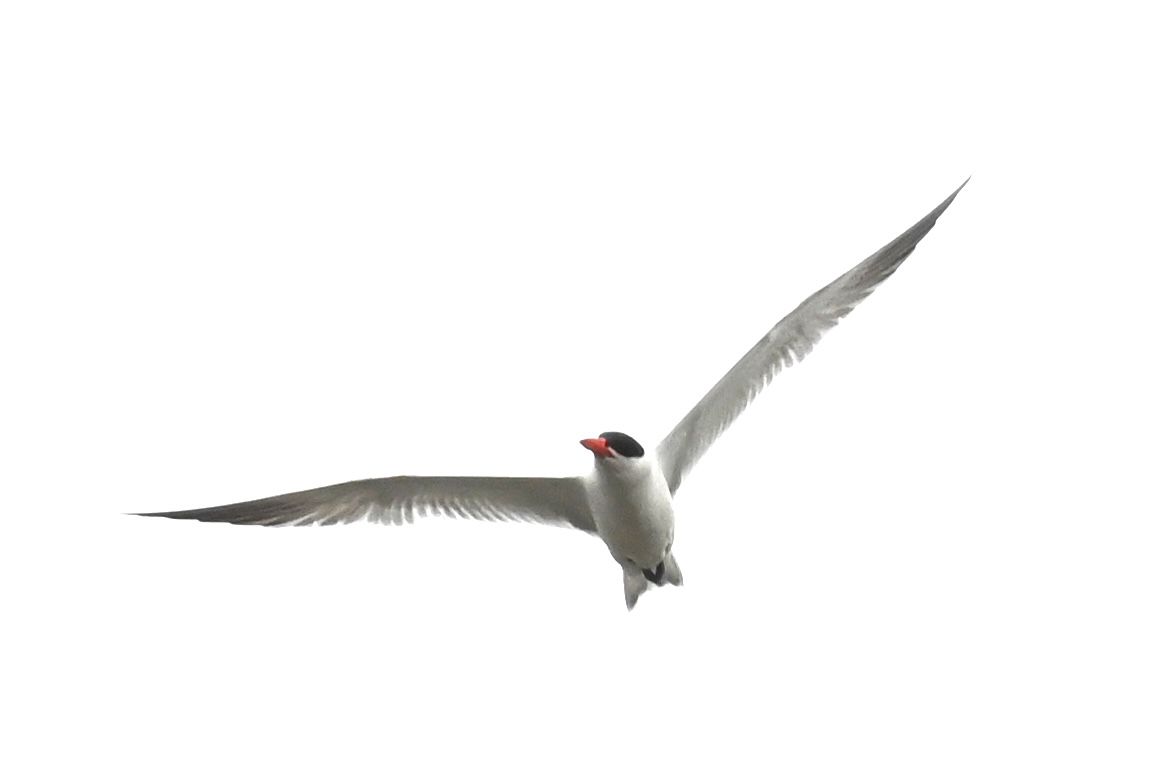
But, once again, the bird of the week slot was firmly occupied by another fly-by-night of a different sort – the probable Caspian Tern, which quickly departed to the east from Summer Leys within one minute of its discovery, early in the afternoon of 23rd, leaving its observer somewhat bemused. After recovering from the initial shock, the ‘probable’ was upgraded to a ‘certain’ and the rest, as they say, is history. With the UK experiencing a relative glut of this species in 2023, whether this bird was the wanderer that visited Hollowell last week, or if it was a different individual, it is impossible to say.
Summer Leys also produced a Bittern, which was only seen twice in flight on the same date as the above tern.
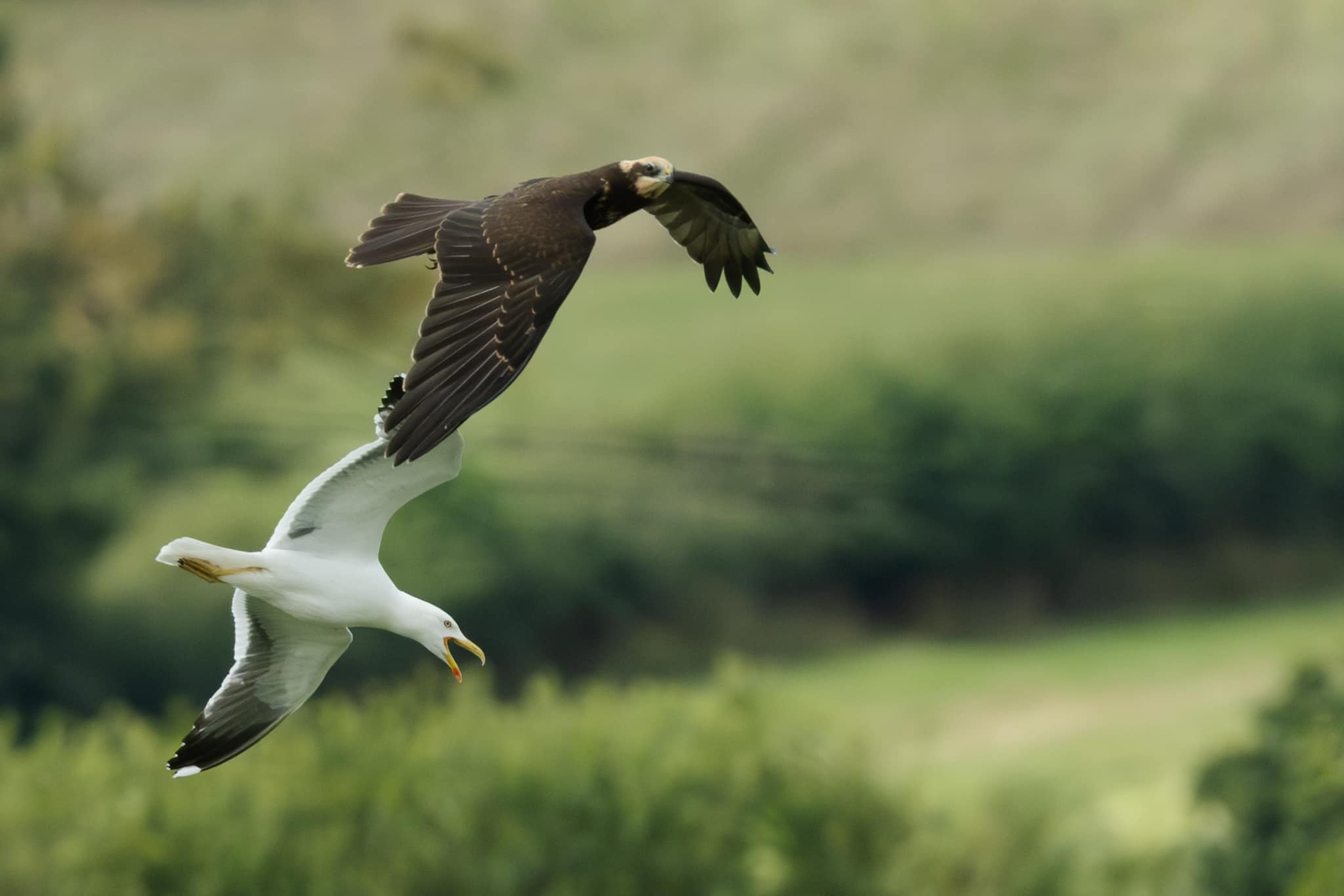
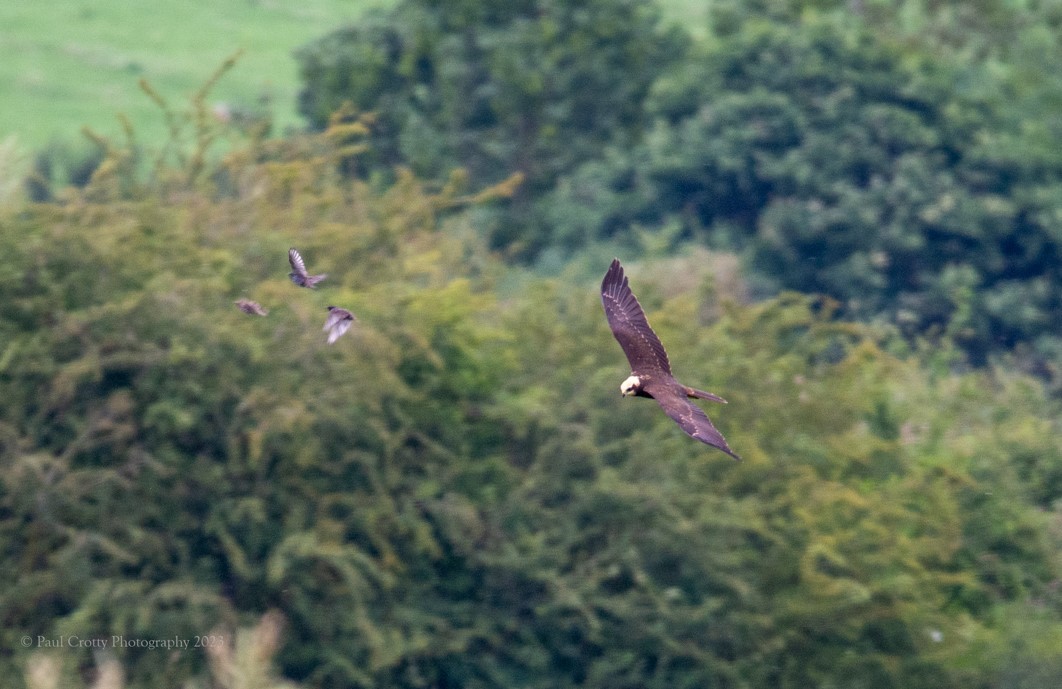
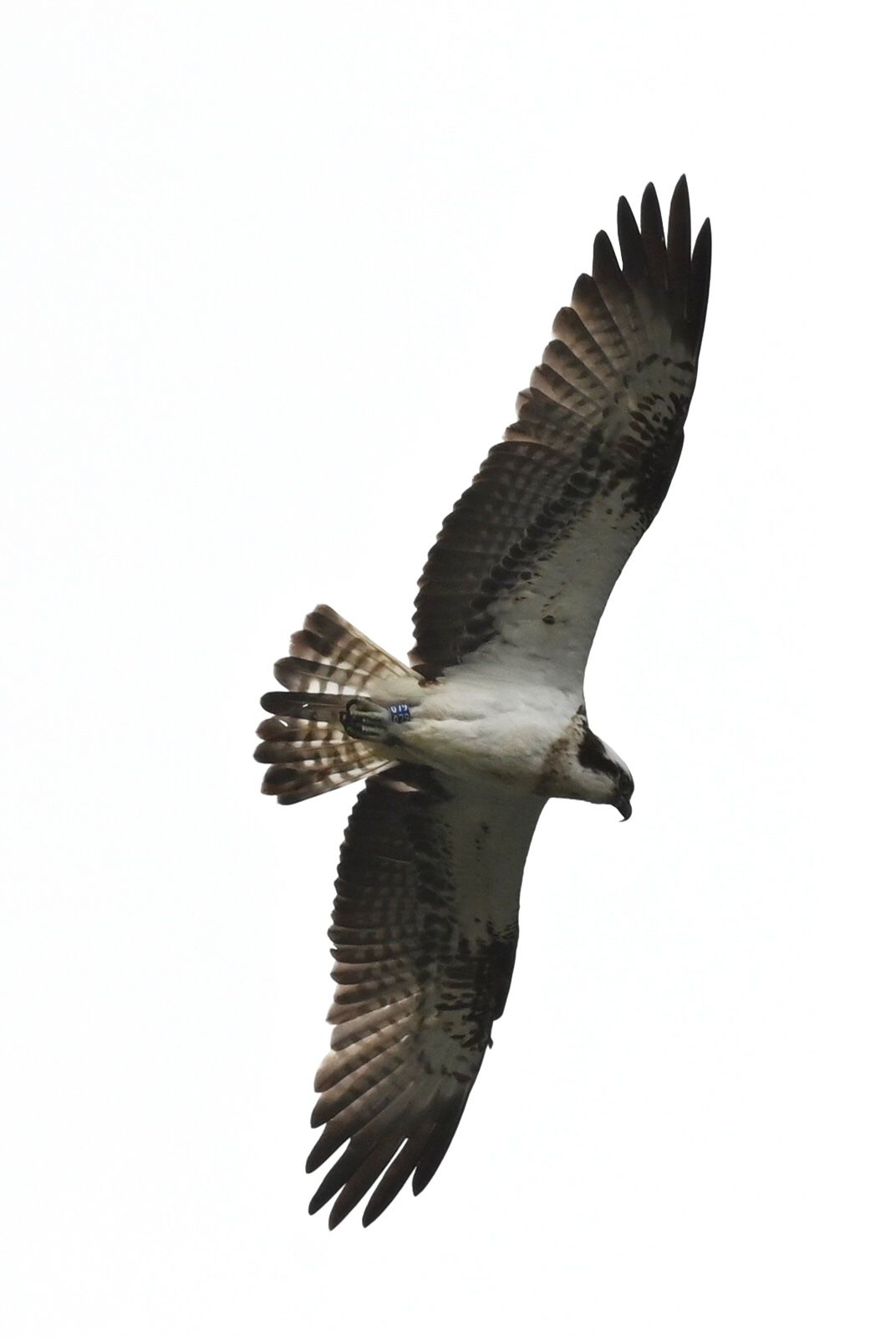
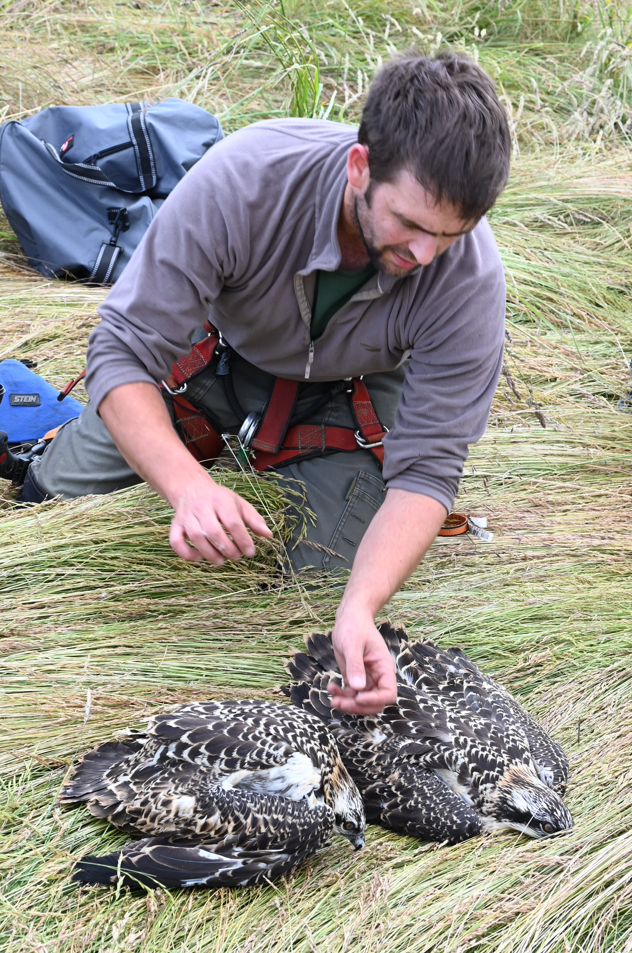
Making a return this week, Ospreys were clocked at Earls Barton GP’s western extremity on 22nd and 27th, Thrapston GP on 24th and 25th and at Hollowell on 27th and 28th. A further movement of Marsh Harriers was also evident, with single juveniles at Summer Leys on 23rd and 26th, Titchmarsh LNR on 25th and over Byfield on 26th.

Now firmly in the throes of autumn passage, Common Redstarts were, once again, well represented by twos at Blueberry Farm, Maidwell on 23rd-24th and 28th and at Harrington AF on the latter date, while singles were at Woodford Halse on 24th and 27th. New birds were found at Hollowell, Pitsford and Summer Leys on 24th, the bird at the last locality, a fresh juvenile, remaining until 27th.

A further sign of autumn, if ever it were needed, was the arrival of up to three Whinchats at Stanford Res on 23rd, remaining until at least 26th.








 Northants birds