The week just gone took on a distinctly autumnal feel, while summer attempted a final fling in the latter half. Passerine migration became more evident as numbers on the move clearly ramped up, as did gulls, but, in the chronic absence of mud at the vast majority of wetland locations, there was a noticeably sad lack of waders.
Following in the footsteps of the returning Ruddy Shelduck – of which there were no reports this week – similarly mobile between Ravensthorpe and Hollowell Reservoirs was a or, if you like, the Pink-footed Goose, which was found at the former site on 5th, before moving to the latter from 8th to 10th. And as for feral Barnacle Geese, well, we’re not even going to go there …
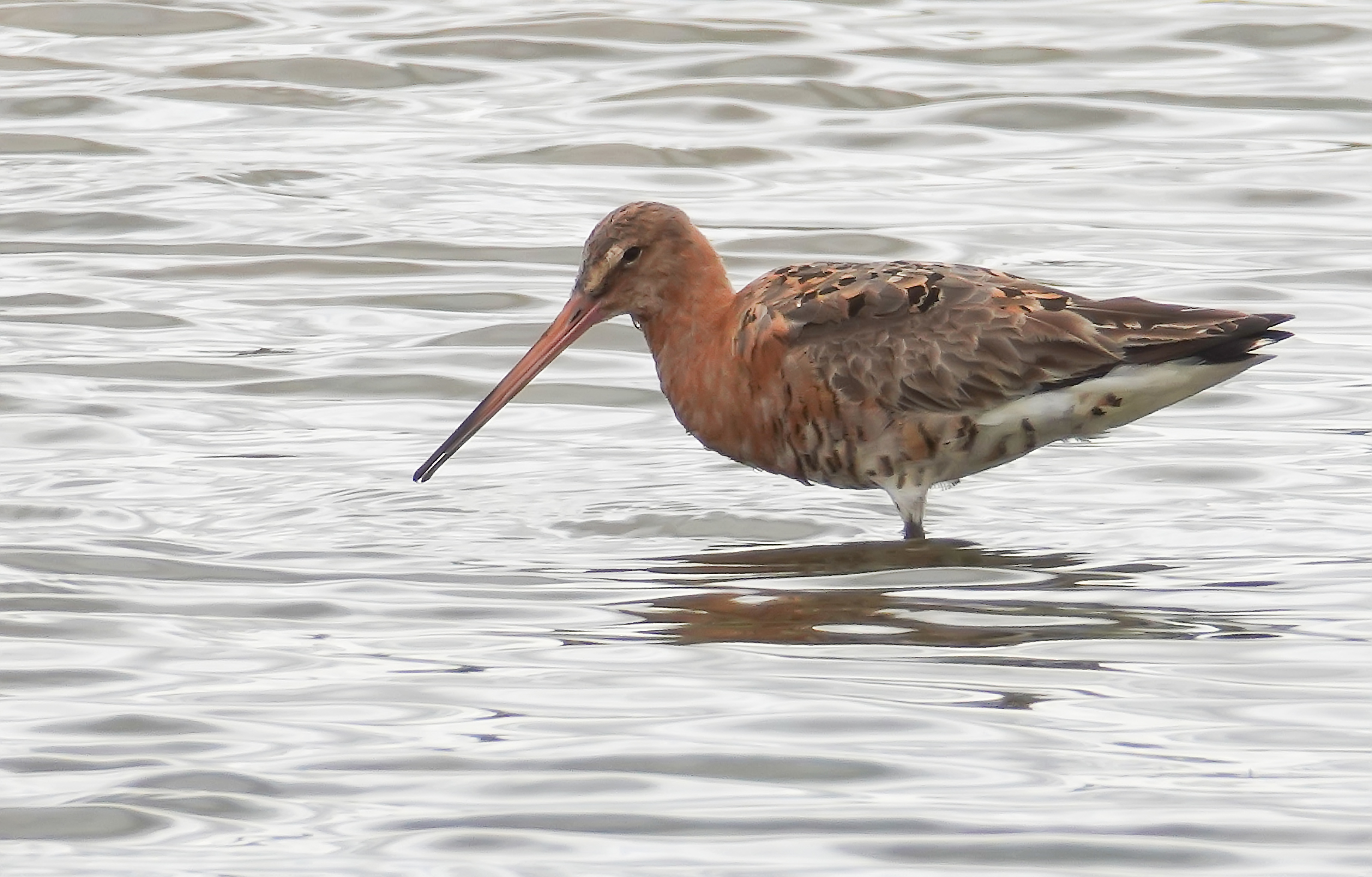
The only wader of note during the period was Black-tailed Godwit, with an adult at Summer Leys LNR from 5th to 11th, joined there on the latter date by a juvenile, while another flew over Hollowell on 9th.
But anything lacking on the wader front was squarely made up for by gulls, with Stanwick GP and Kettering’s Wicksteed Park Lake vying for top producer of the week in this respect. First up was a smart juvenile Mediterranean Gull at Wicksteed on 6th, followed by two adults at Stanwick on 8th.

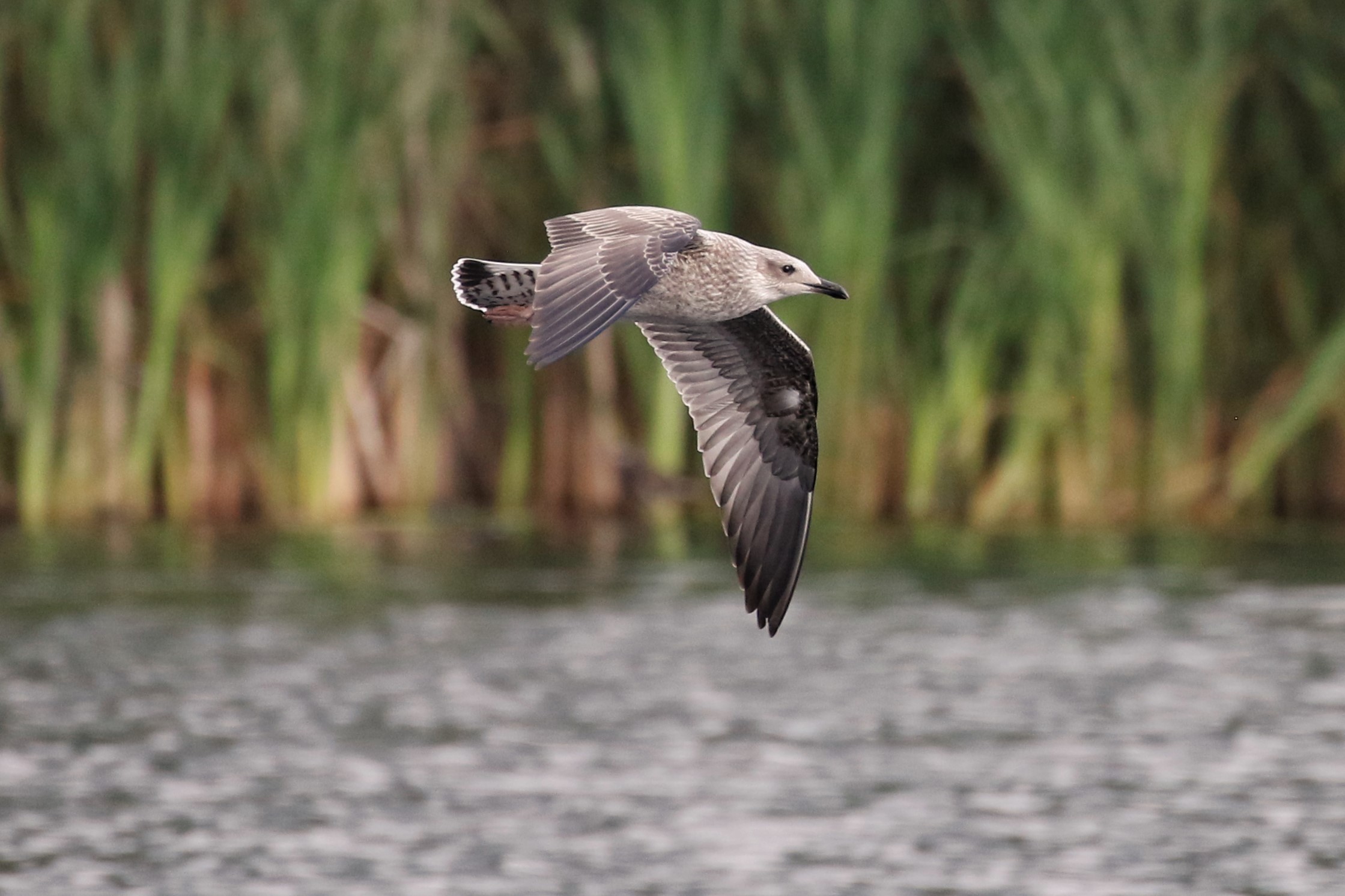
Back at Wicksteed, on 6th, two Caspian Gulls – a fourth-year and a juvenile – were also present, while Stanwick delivered two adults, one on 8th and a different bird (showing some possible hybrid characteristics) the following day. Ravensthorpe also got in on the action with a juvenile off the dam there on the last day of the week.
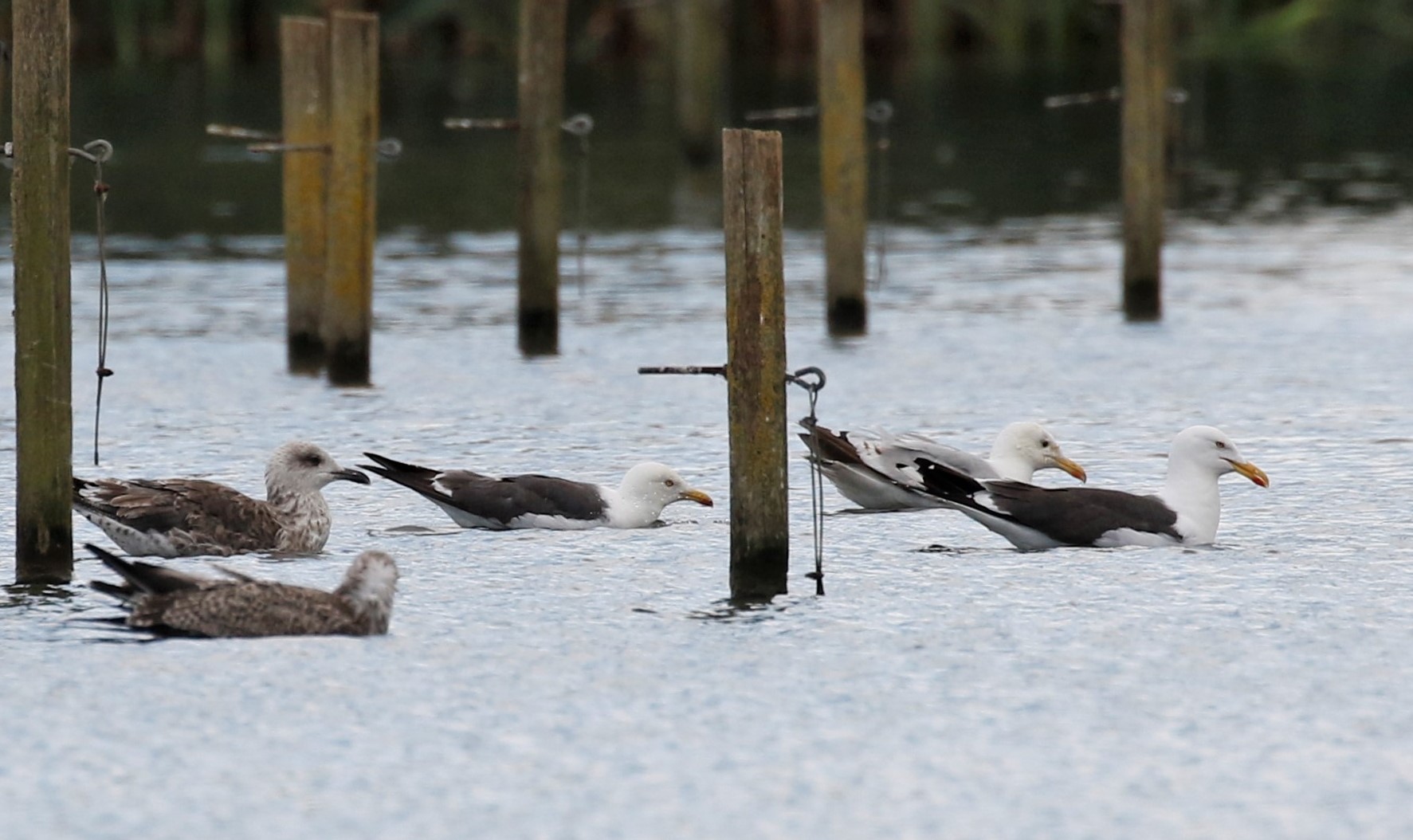

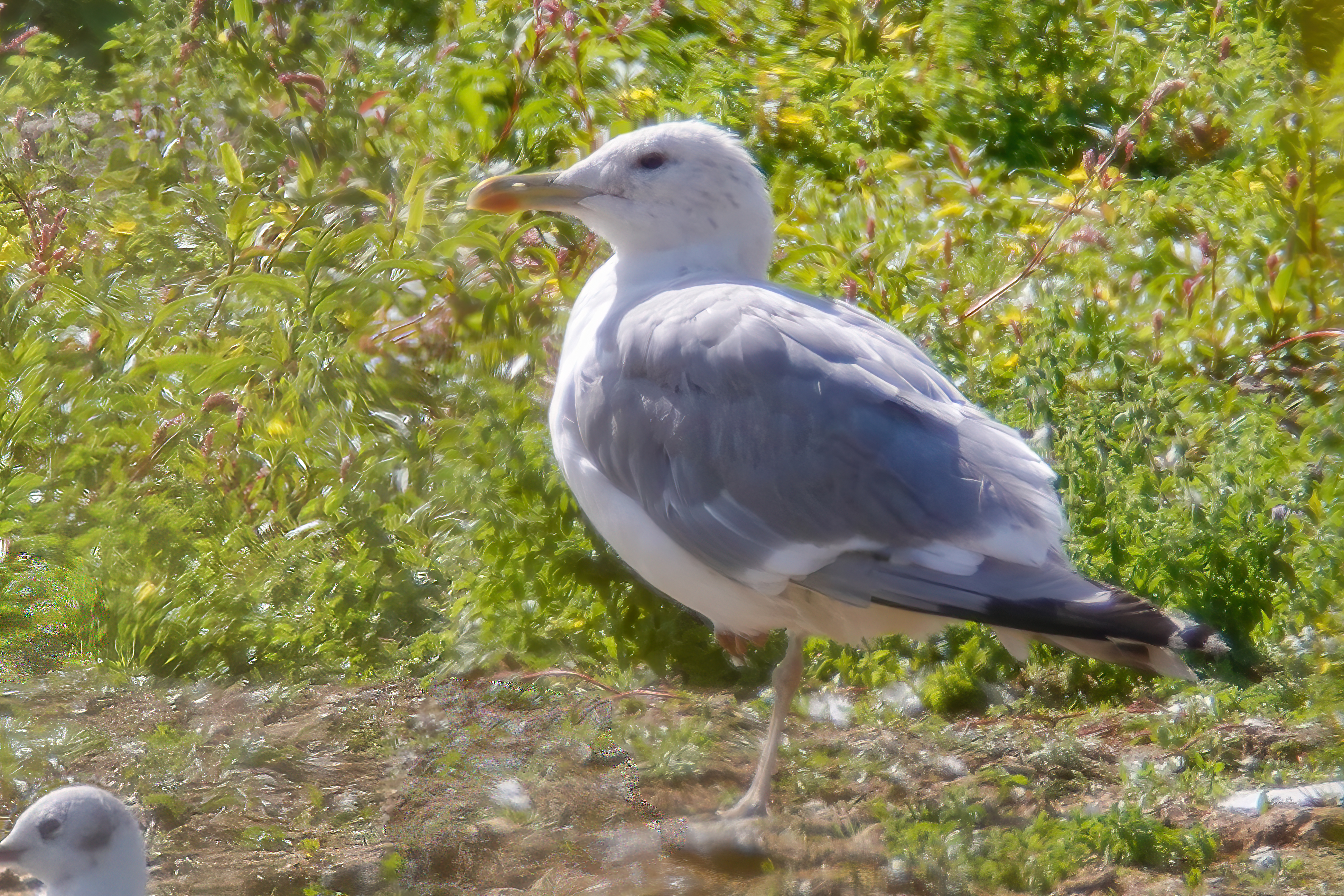
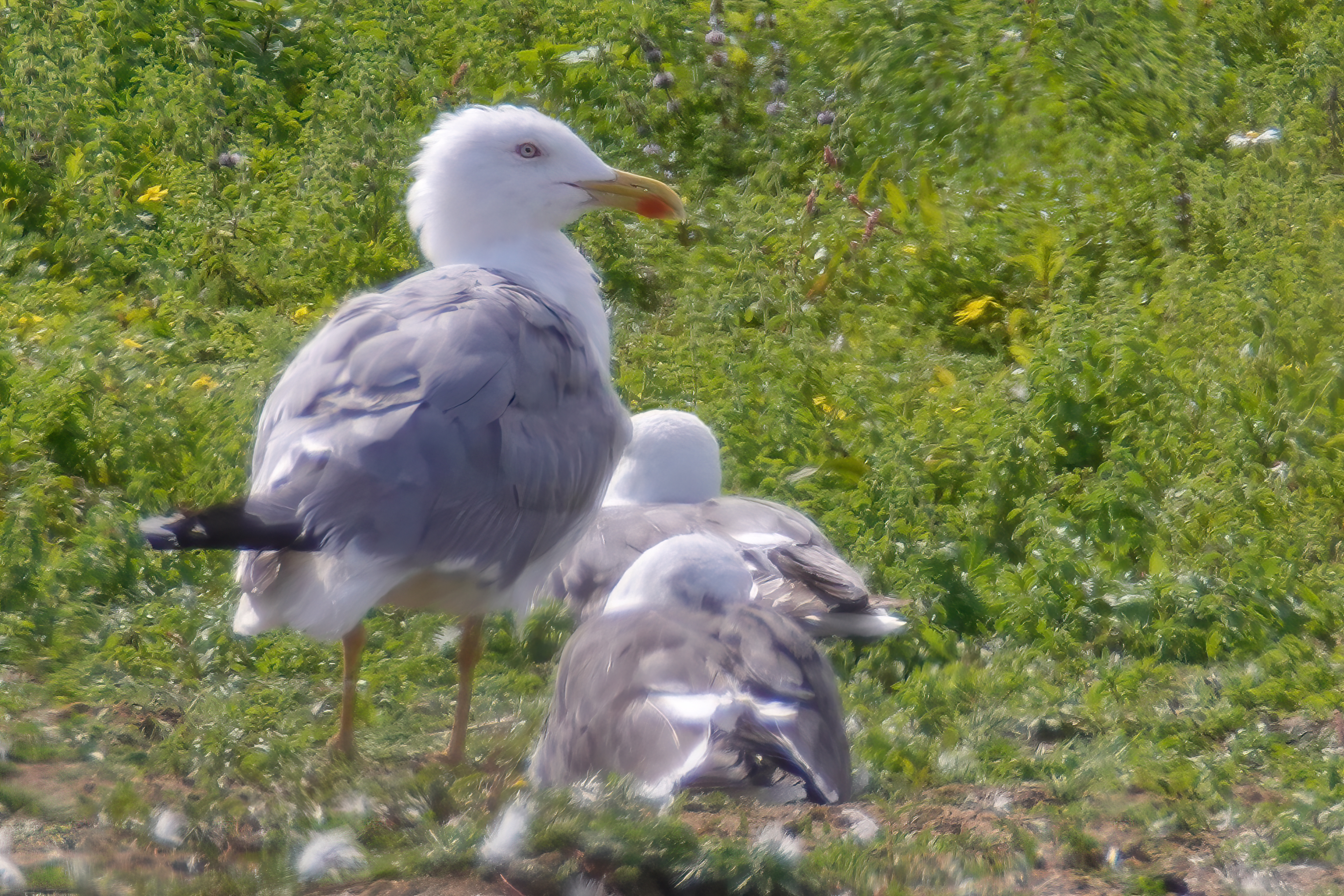
Yellow-legged Gulls were rather more widespread, with Stanwick taking the lion’s share of at least ten on 8th and half that number there the following day. Elsewhere, single adults visited Thrapston GP on 6th and 9th, Ravensthorpe on 6th and 11th, Earls Barton GP on 7th and Pitsford Res on 8th. Two juveniles were at Wicksteed Park on 6th, followed by an adult on 8th, while the last day of the week saw two adults at Harrington AF, three adults and a juvenile at Pitsford and a juvenile at Clifford Hill GP.
For the second week running, Sandwich Terns were once more in the mix when two paid a brief, early morning visit to Hollowell on 10th.

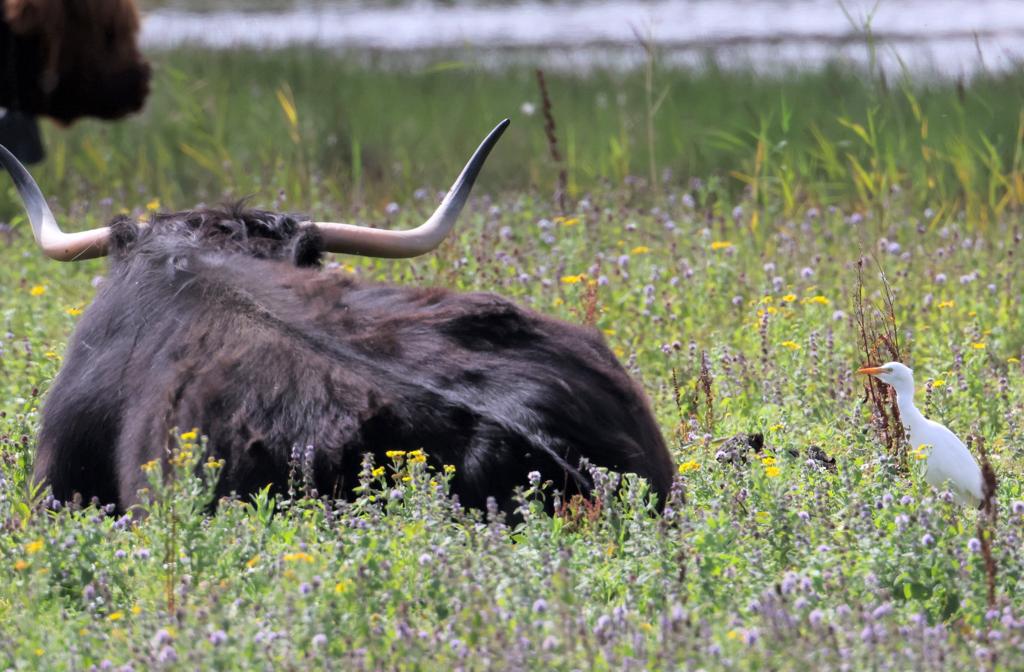
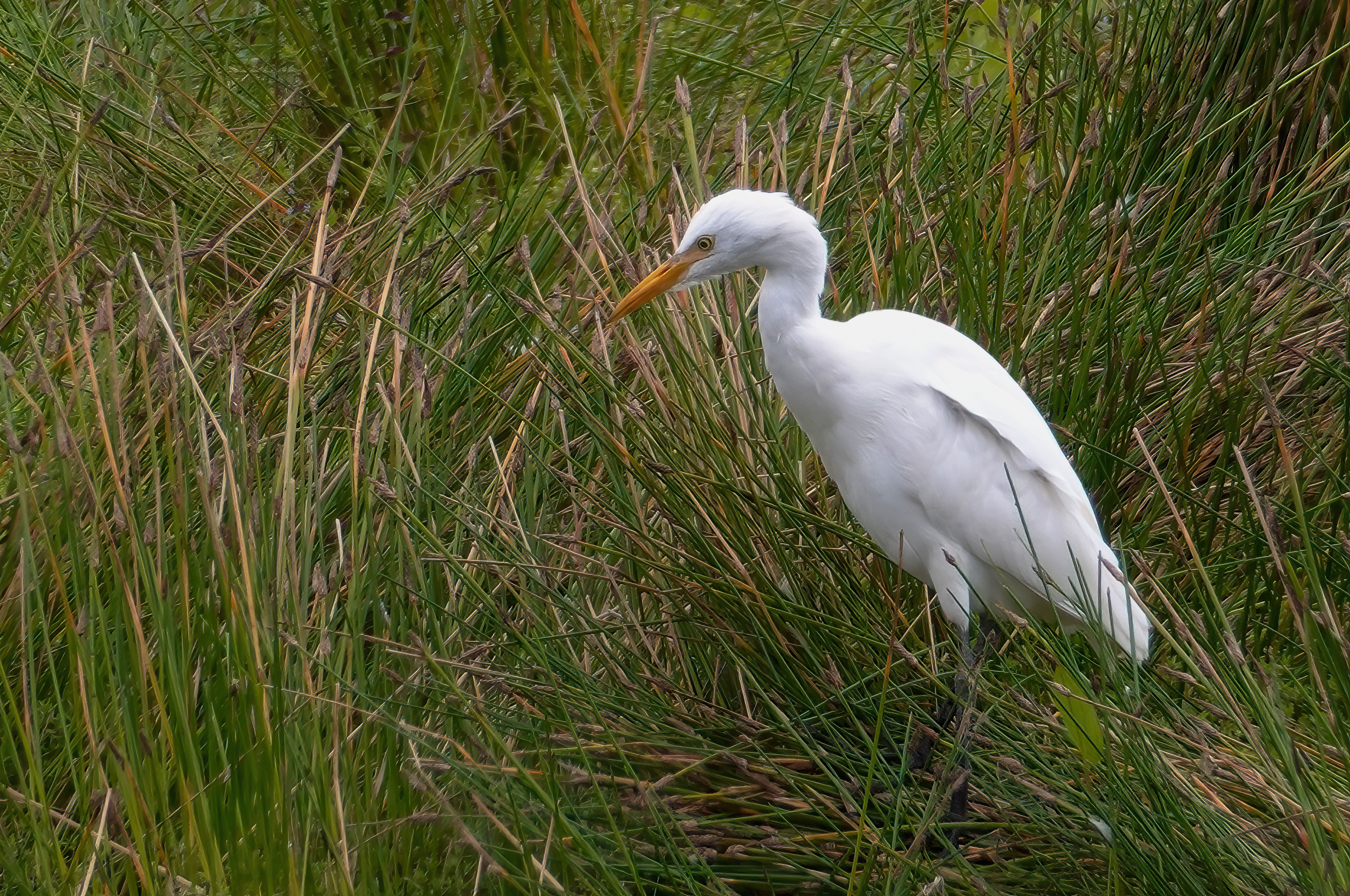
Now, with the local Cattle Egret pendulum having swung back last winter to pre-2018 occurrence levels, this species was once again on the menu this week after being plunged back into its former rarity status. One on the scrape at Summer Leys on 11th is the only one on the ground out of a meagre four records so far this year, the other three represented by fly-overs at the same location on 15th and 21st January and one over Ditchford GP on 9th April. How long this bird will stay is anybody’s guess.


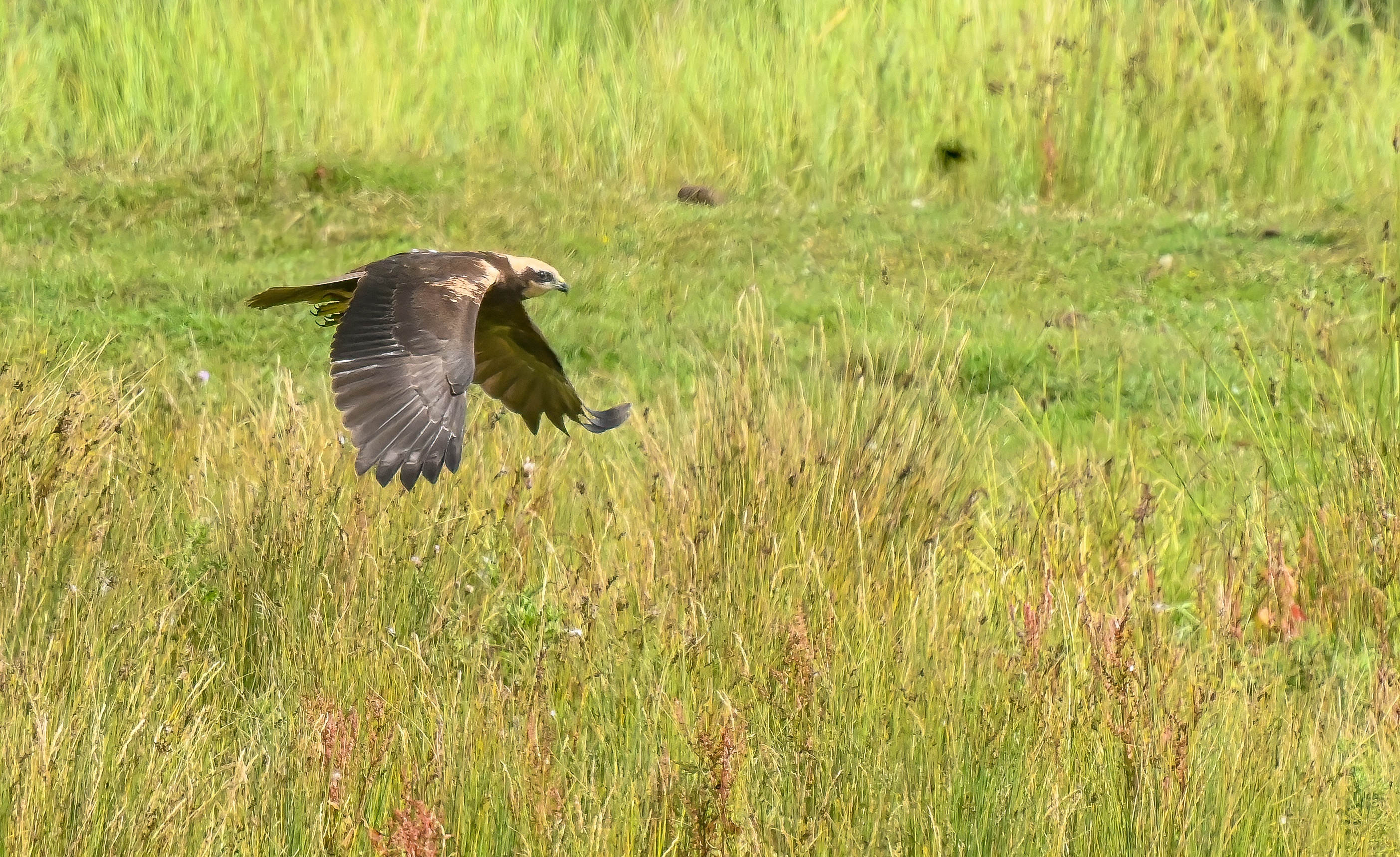
A slight increase in the number of raptors was evident this week, although sightings of Ospreys were predictable with Hollowell producing one on 6th-7th and two on 10th, while singles visited Ravensthorpe on 8th and Thrapston on 9th. Marsh Harriers were up on last week, with singles at Blueberry Farm, Maidwell on 7th, Pitsford Res on 10th and Summer Leys on 10th-11th, while a ‘ringtail’ Hen Harrier was seen over Harrington AF on 7th.
But if we’re looking at smaller fare, namely migrant passerines, Common Redstarts again topped the bill for numbers, being found at twelve localities during the period – that’s 50% up on last week’s total. While Blueberry Farm consistently produced the highest count of three, ones and twos were also found in the Brampton Valley and at Geddington, Great Doddington, Harrington AF, Honey Hill, Lamport, Pitsford, Stanford Res (where two were trapped and ringed), Summer Leys, Teeton and Woodford Halse.

Considerably overshadowed by the above species, Whinchats were limited to two between Lamport and Scaldwell on 5th and 8th and singles in the Brampton Valley between Cottesbrooke and Hanging Houghton on 8th and at Blueberry Farm on 8th-9th. However, Northern Wheatear numbers were up on last week’s, comprising singles at Harrington AF on 7th, in the Brampton Valley on 7th-8th and at Blueberry Farm, Orlingbury and Stanford Res on 9th, while two were found at Clifford Hill GP on 10th.
But it was north Northamptonshire that produced this week’s scarcest passerine – namely the first Tree Pipit of the autumn, at Wakerley Great Wood, on 9th.

Discover more from Northants birds
Subscribe to get the latest posts sent to your email.

 Northants birds