The Atlantic delivered some hefty westerlies which, on the face of it, should have set the week up for some inland seabirds but it was not to be. A second Pectoral Sandpiper arriving in the Nene Valley was the closest we got …
Still settled at Hollowell Res, the Pink-footed Goose remained throughout the week, while the only other wildfowl – though scarcely worth a mention – were a female Red-crested Pochard at Daventry CP on 18th-19th, one at Pitsford Res on 22nd and a drake at Stanford Res on the same date.

In what has turned out to be a rather good year for the species, locally, another Black-necked Grebe – an adult – was found at Thrapston GP’s Town Lake on 17th, remaining there until the week’s end, unsurprisingly attracting little attention.

As we approach late September, with wader passage fast dwindling, it’s often the case that quantity gives way to quality and that’s certainly been the situation this week. Kicking off with Ruffs, the lion’s share was taken by Summer Leys, where seven were present on 18th, two on 19th and at least one on 22nd. Stanwick GP held two on 18th, three on 19th and one on 20th while, over at Thrapston, Titchmarsh LNR produced singles on 19th and 22nd.
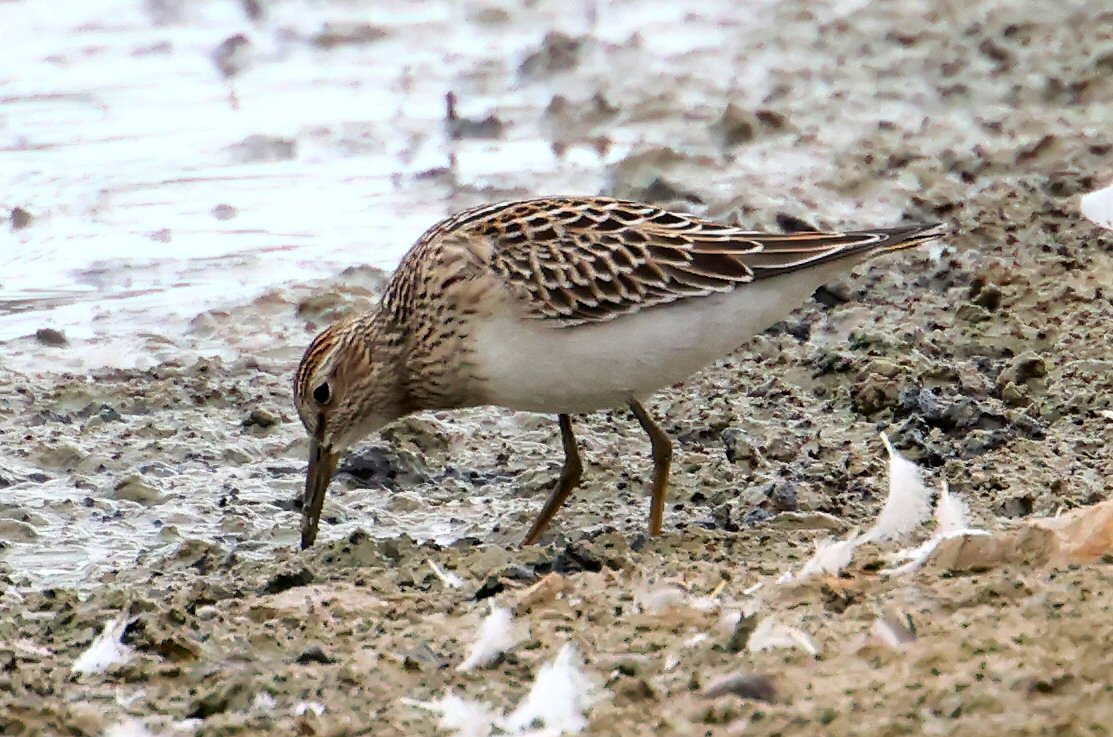
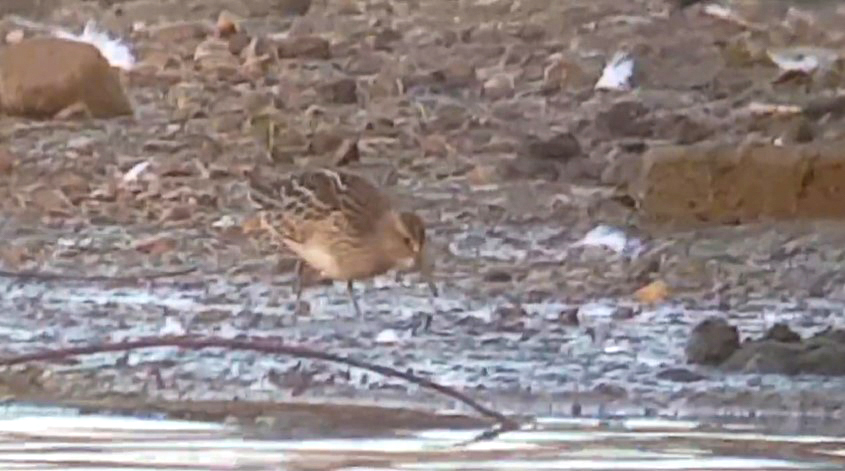
Meanwhile, quality spilled over from last week at Summer Leys, where the juvenile Pectoral Sandpiper remained until 19th. Another juvenile was found at Stanwick on 17th, staying put throughout the period, although it was not the easiest bird to see, spending much of the time out of sight. This initially sparked some debate as to whether it was the Summer Leys bird commuting as, for a couple of days, both birds were not on show at the same time. But the case was finally closed on the afternoon of 18th, when they were both seen simultaneously.


In a replay of last week’s scarce Larids, a juvenile Caspian Gull was found at Wicksteed Park Lake, Kettering on 21st along with a juvenile Yellow-legged Gull. Other Yellow-legged Gulls were also available – two at Thrapston on 17th and one there on 22nd, plus one at Summer Leys on the latter date.
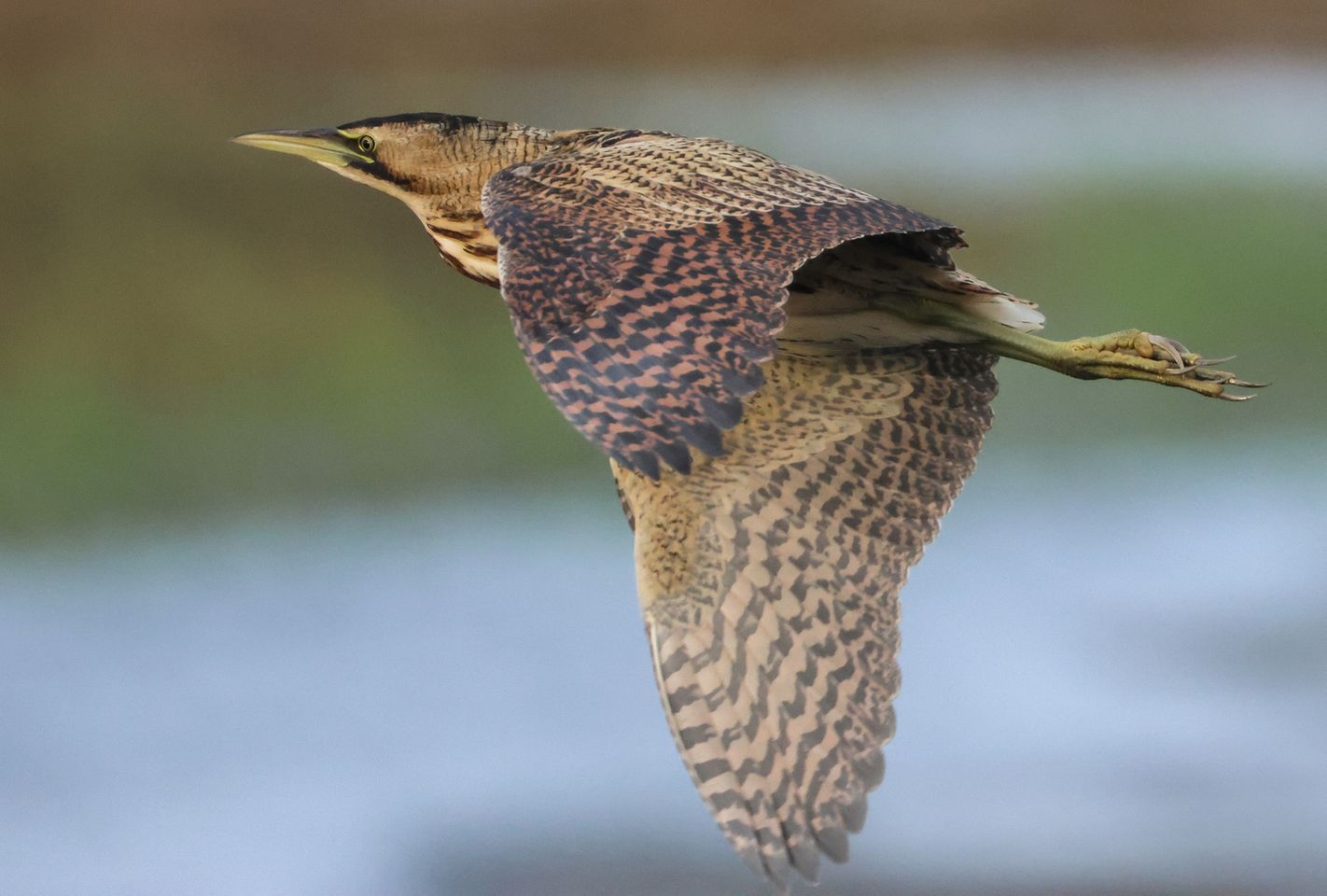
Last week’s Bittern continued to hang out on Summer Leys’ Scrape until at least 19th, while this week’s Cattle Egrets comprised one at Ditchford GP from 17th to 22nd, joined by a second bird on the latter date, when one was also seen at adjacent Stanwick GP.
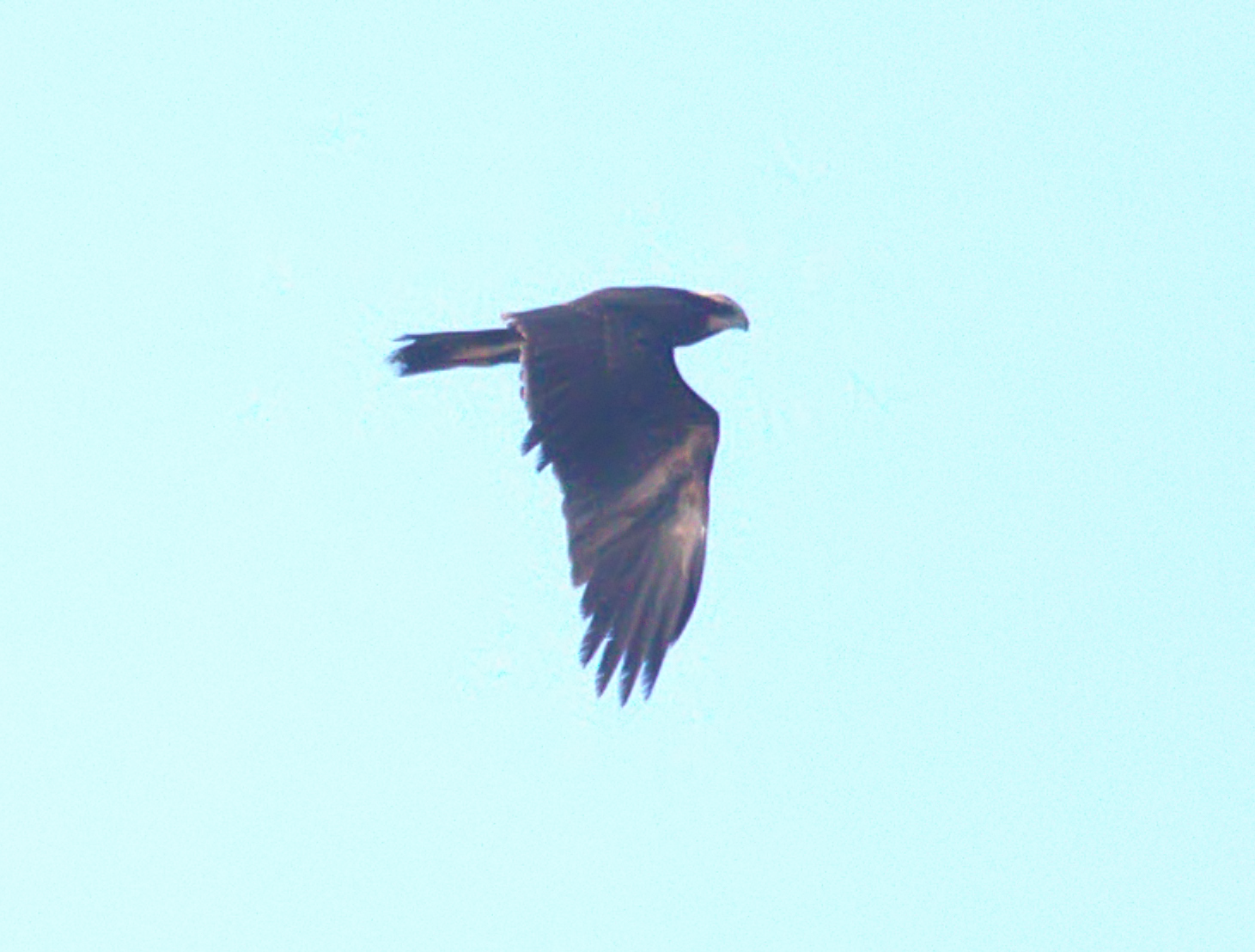
And this week, being seen at four localities, Marsh Harrier has the raptors’ slot all to itself. Stanford continued to host the most, with two there on 16th and singles daily between 17th and 21st, including the Norfolk wing-tagged female, ‘ZC’ on at least two occasions. Singles were at Summer Leys on 16th-17th, Harrington AF on 18th and 21st and at Stanwick on 22nd.
Now, not everyone can boast they have had a Hoopoe on their house roof but in Kings Road, Oundle that’s exactly what happened on 22nd. Unfortunately, it took flight immediately after the observer had eyes on and disappeared in the direction of the nearby playing fields. A thorough search ensued … to no avail. Funny thing is, though, back in early October 2007, a Wryneck was clocked sitting on exactly the same roof before giving itself up to observers in nearby gardens over a four-day period between 5th and 8th.
The autumn’s first Black Redstart was reported from Blueberry Farm, Maidwell on 21st, while Common Redstarts were also seen there during the course of the period, with a maximum of three on 22nd. Harrington also produced up to two, on and off, throughout. Whinchat numbers dwindled, with only singles at Blueberry Farm on 18th-19th, Hollowell on 21st, Harrington on 21st-22nd and in the Brampton Valley between Cottesbrooke and Hanging Houghton on 22nd. Two Stonechats were found at Hollowell Res on 21st. And the week’s closing passerines were Northern Wheatears, including one at Harrington throughout the period, one at Hollowell on 18th, one at Blueberry Farm from 18th to 22nd and two in the Brampton Valley on 21st-22nd.

Discover more from Northants birds
Subscribe to get the latest posts sent to your email.

 Northants birds