Newsround – 21st to 27th October 2023

The week started full of eastern promise but as time unfolded and the two top birds evaded the masses, it ended up being a bit of a damp squib.

As far as wildfowl were concerned, the period played out along very much the same lines as it did last week, with the Ravensthorpe/Hollowell-hugging Pink-footed Goose still present at the former site on 21st. Wild pinkfeet again showed up in or, more correctly, over the Brampton Valley area with a collective eighteen moving east over Blueberry Farm on 23rd.

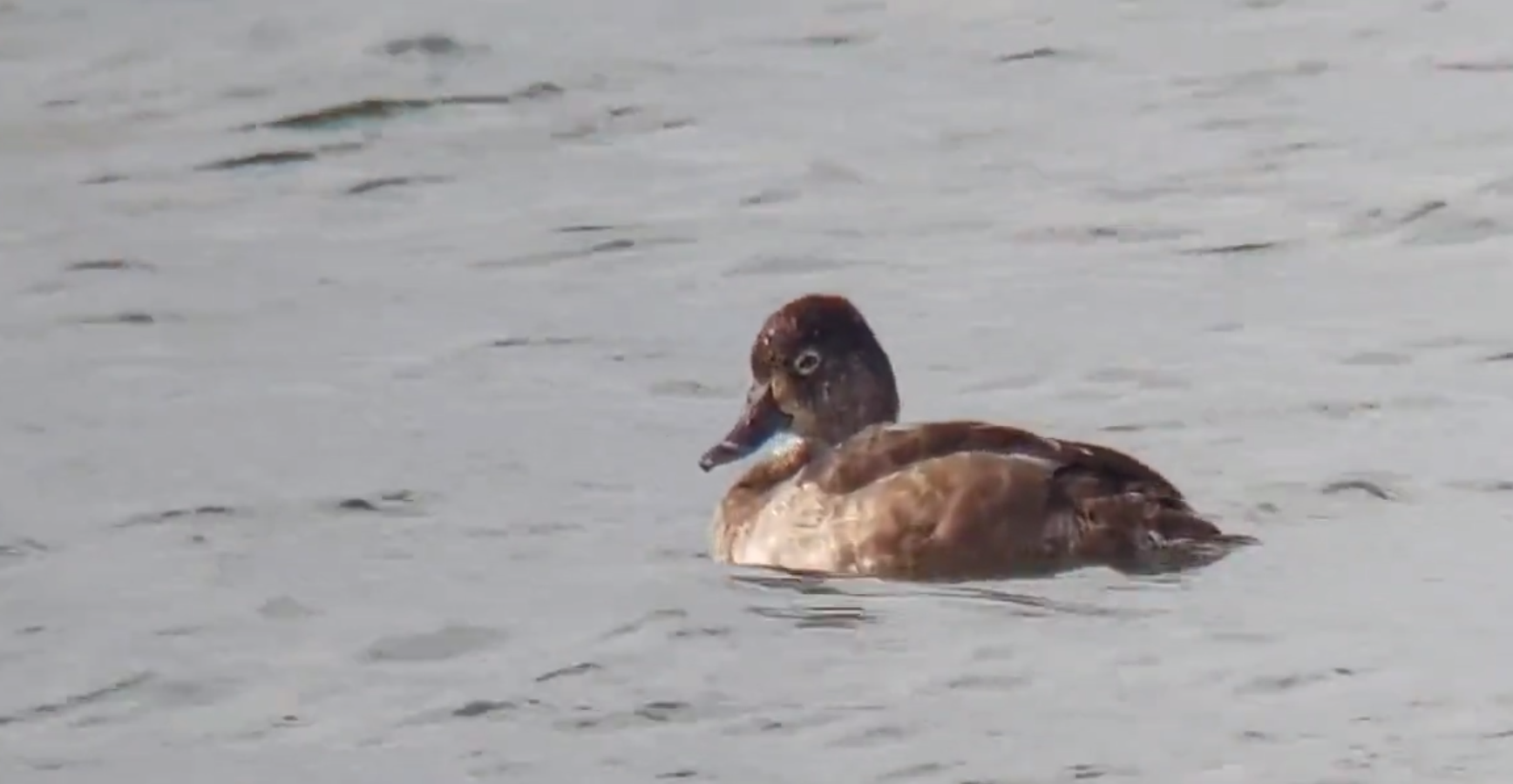
Red-crested Pochards were present at two localities – the Pitsford drake from last week still being there on 27th, while two drakes appeared at Summer Leys LNR and what was presumably the same duo, along with a female, being located near Wollaston Lock on 26th before moving the short distance across to Mary’s Lake at Earls Barton GP later the same day.

Meanwhile, further down the Nene Valley, the female or first-winter Ring-necked Duck extended its stay by another seven days, again drawing little attention.

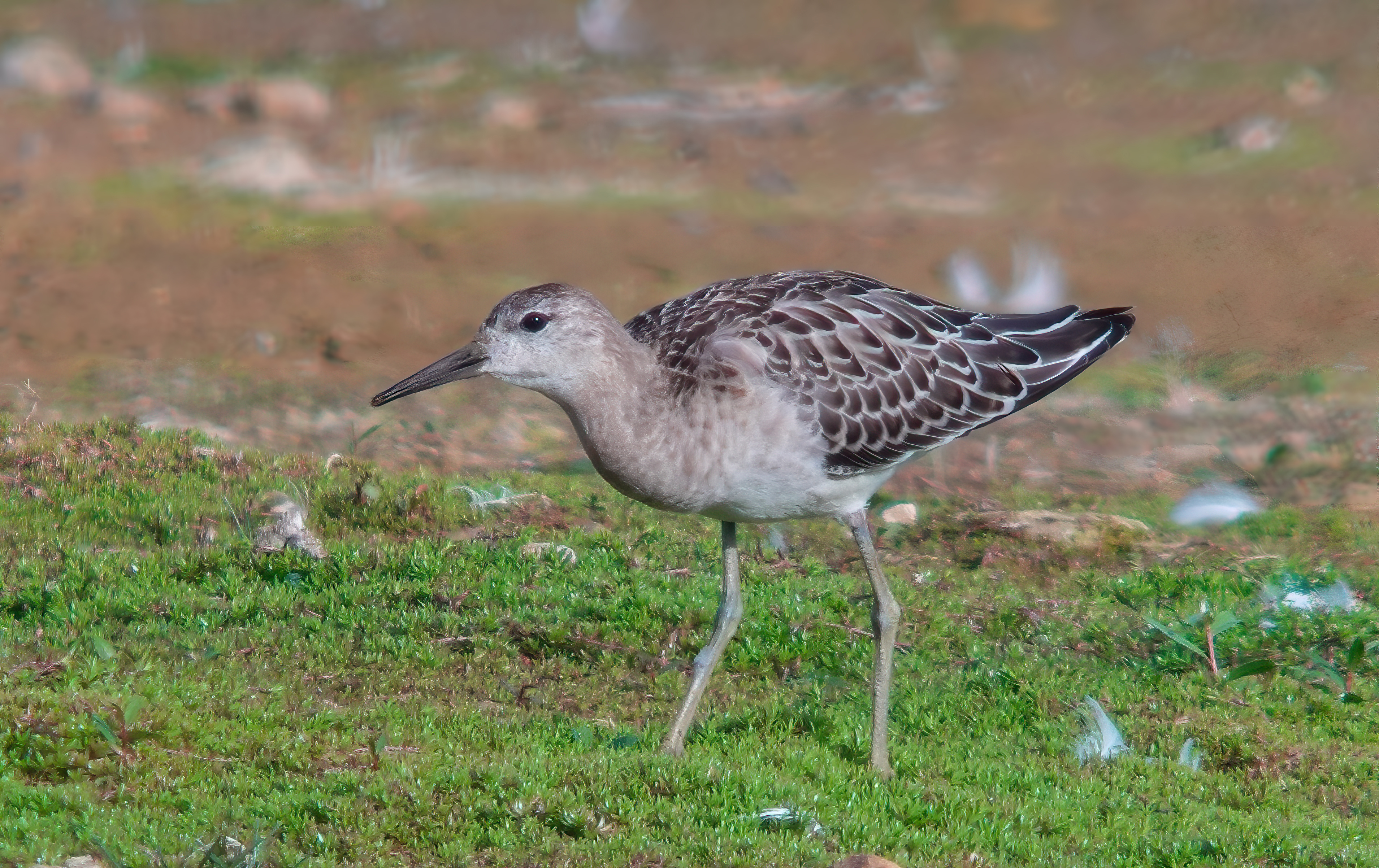
October 21st was this week’s wader day … and the place? Where else but Summer Leys, of course, the site again producing a Ruff, while three Jack Snipes on the Scrape there were new in.

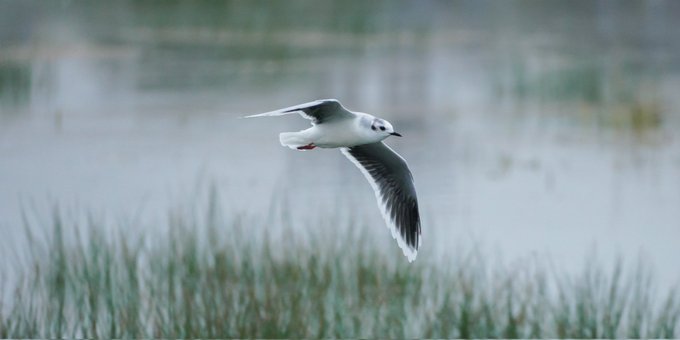
Great expectations for at least one decent seabird in the aftermath of Storm Babet remained disappointingly unfulfilled, the persistent easterlies off the North Sea associated with it and the heavy weather in general simply failed to deliver. The best out of the bag were more Little Gulls, following those that appeared on the final day of the preceding week. All sightings came on 21st, when four were at Ditchford GP’s Irthlingborough Lakes & Meadows NR (ILAM) and singles visited Stanwick (two different birds), Summer Leys and the now well-flooded Islip Water Meadows.
An adult Mediterranean Gull in the roost at Stanford Res on 26th-27th was the only one this week. Caspian Gulls continued to feature at sites across the county, Hollowell producing an adult on 21st and 23rd-24th, as did Stanford on 23rd, while single first-winters were found at Pitsford on 21st, Stanwick on 23rd and Boddington Res on 26th-27th with an adult also at the latter site on 27th. Boddington also delivered a hefty nine Yellow-legged Gulls on the same date, following one there on 26th. Elsewhere, singles were at Hollowell on 21st and Wicksteed Park Lake, Kettering on 25th and two remained part of the Pitsford furniture, being seen on 21st and 24th.

A juvenile/first-winter Arctic Tern spent 23rd-24th at Hollowell, not a particularly unusual time for this species to appear as there have been a reasonable number of late autumn occurrences over the years.

One bird that undoubtedly sneaked into the county under the radar this week was the Black-throated Diver which had spent 20th and 21st at Eyebrook Res, Leicestershire. At about 13.00 on the latter date, it was watched taking off and leaving high to the south-east on a trajectory that would have taken it over the nearby Welland Valley and beyond … Making barely more than an overnight stop, the last one to be seen in Northants was at Pitsford on 6th-7th May 2017, which was only the twentieth county record. Another, more settled bird, would be widely appreciated.

Which brings us neatly on to another one that got away. Following last week’s blink-and-you’ll-miss-it Glossy Ibis at Summer Leys, and its rapid departure to the east, well, it appears it resurfaced on 21st at ILAM, where it was present close to Greenway for at least an hour. Where had it been during the intervening period and, more importantly, where is it now? There’s a very good chance it’s still somewhere in the Nene Valley.

Staying with said valley, both Summer Leys and Stanwick GP again shared this week’s Cattle Egrets, the first of the aforementioned sites hanging on to one between 21st and 23rd, while numbers at the second had increased from two to four by the end of the period.

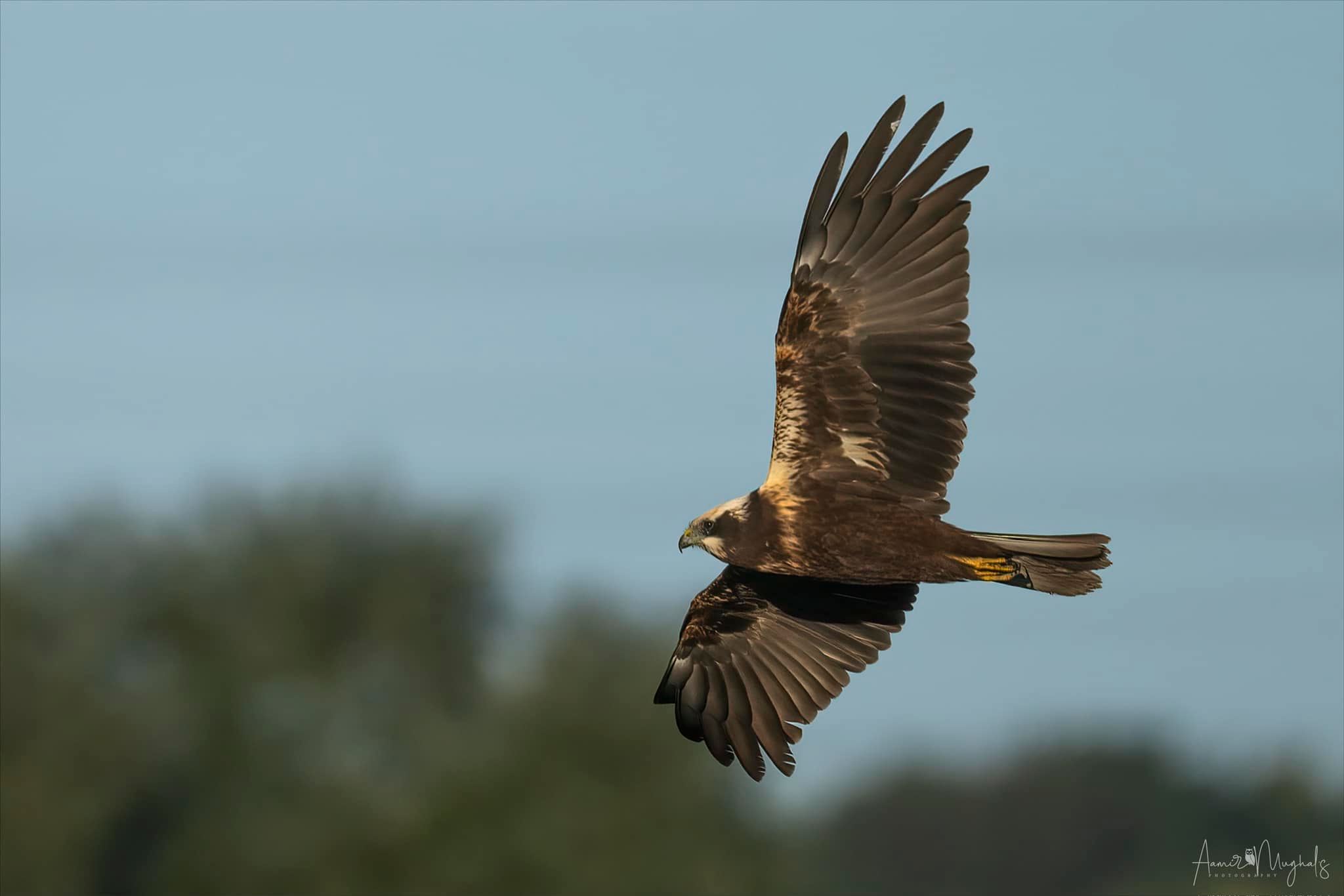
Marsh Harriers maintained their presence in the county with Stanford’s almost resident ‘ZC’ wing-tagged female still there on 22nd and probably 23rd. Elsewhere, one flew south near Aynho on 21st, singles were seen in flight at Stanwick on 21st and 22nd and at Summer Leys on the same dates.

Picking up from where we left off last week, the Harlestone Hoopoe led birders a merry dance throughout the first four days of the period. Between 21st and 23rd it remained as mobile and elusive as it possibly could, showing on and off only to a very fortunate few. Clearly demonstrating great taste in its chosen feeding areas, on 23rd it moved from the large, mature gardens of stylish residences and paddocks along Lower Harlestone’s ‘private’ Glebe Lane, 3km north-east to an area of extensive, manicured lawns and secluded gardens in the salubrious setting of Cedar Hythe in Chapel Brampton. There it remained until the following day, after which it wasn’t seen again.

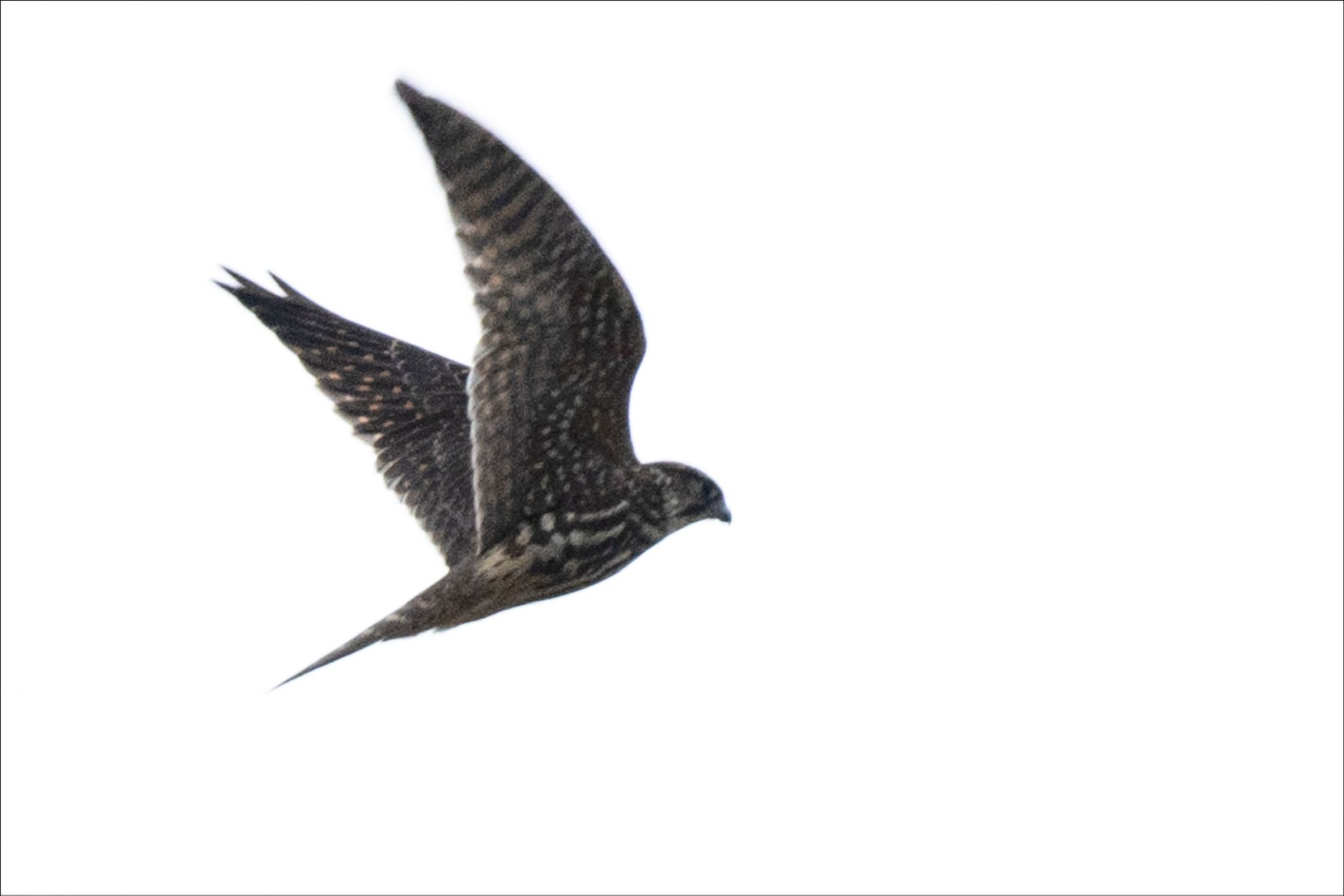
This week’s Merlin sightings were restricted to Harrington AF on 22nd and in the Brampton Valley between Cottesbrooke and Hanging Houghton on 24th.

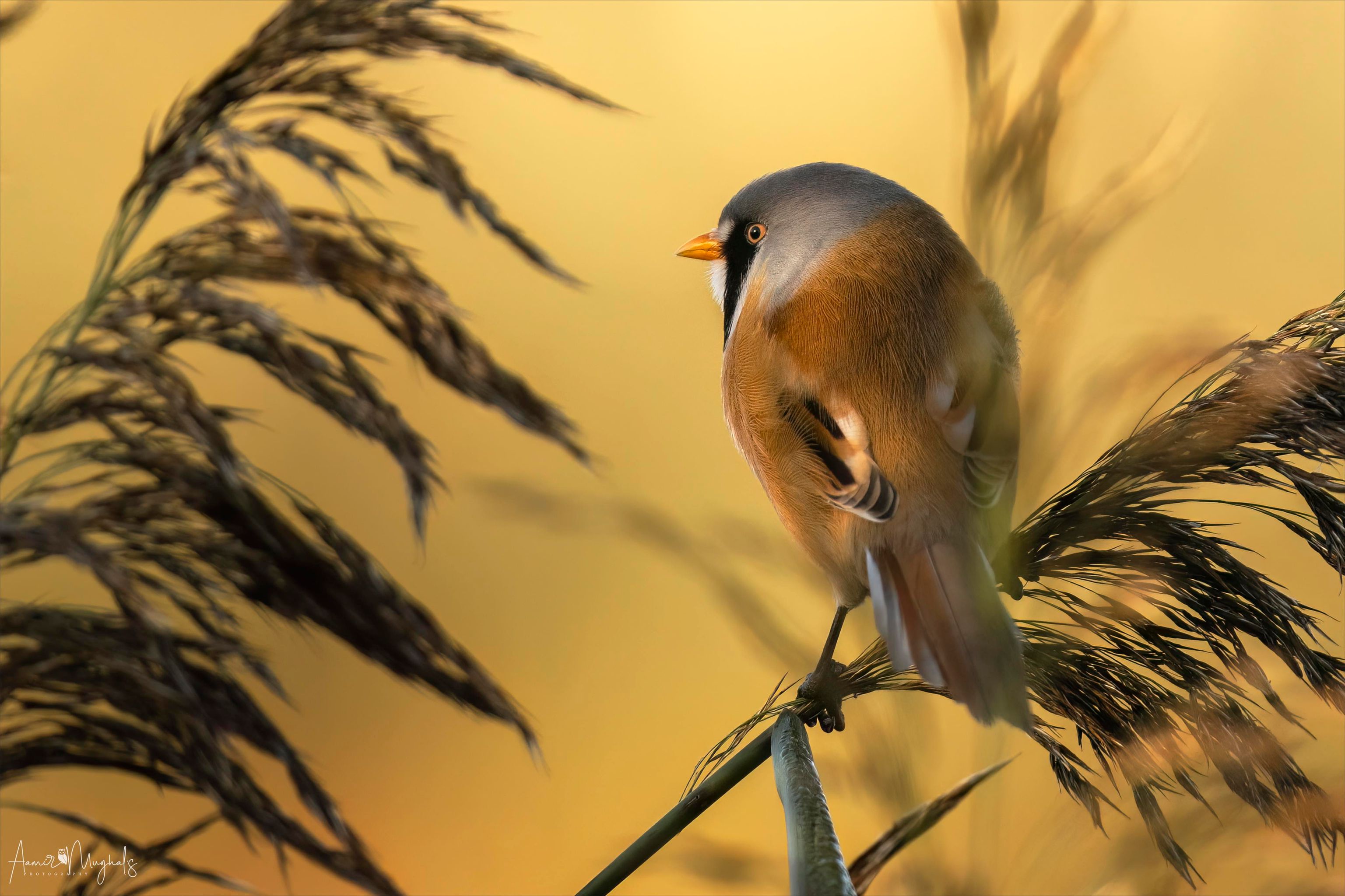
Stanwick’s male Bearded Tit remained faithful to the small pool by the main car park until at least 22nd.
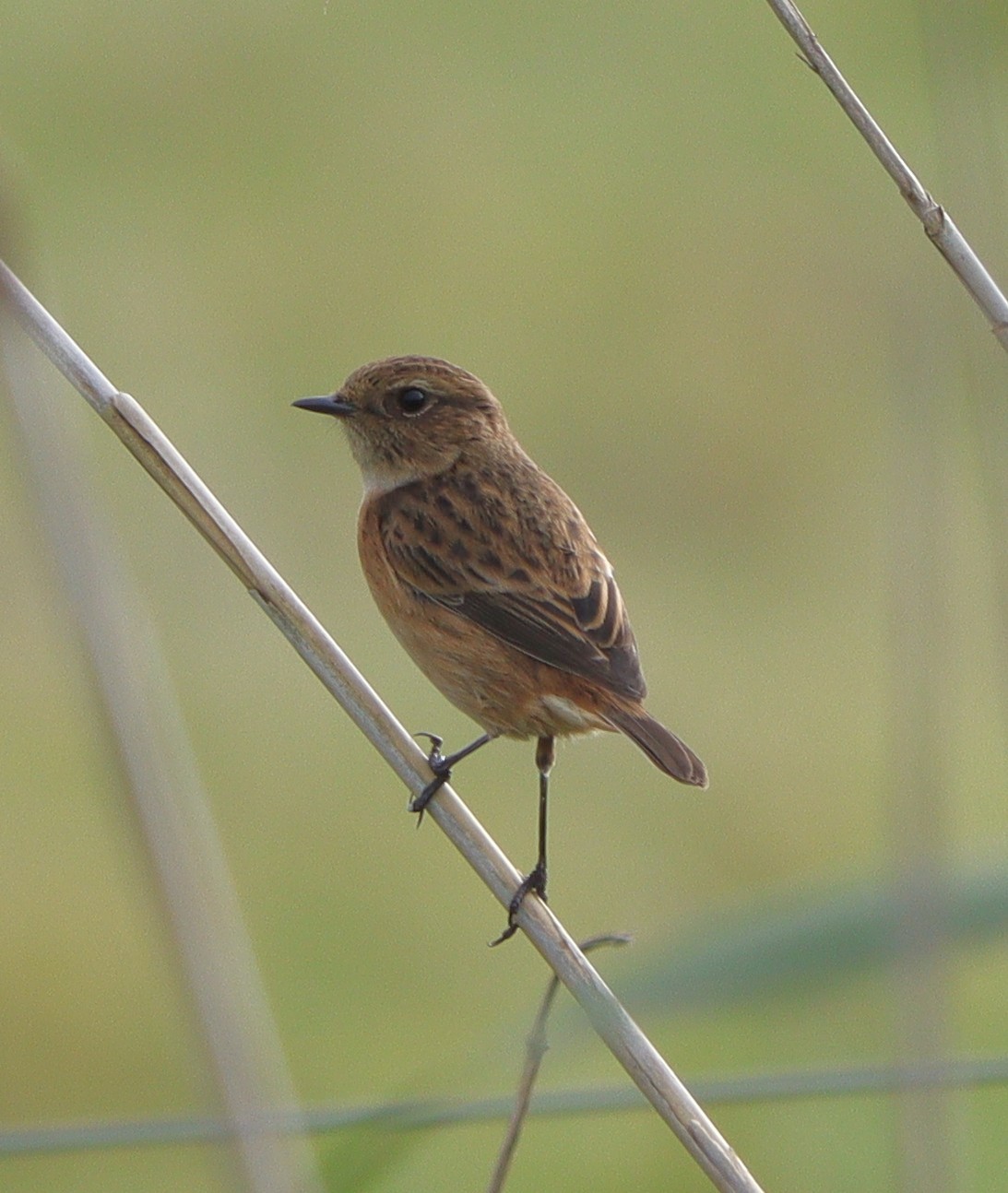
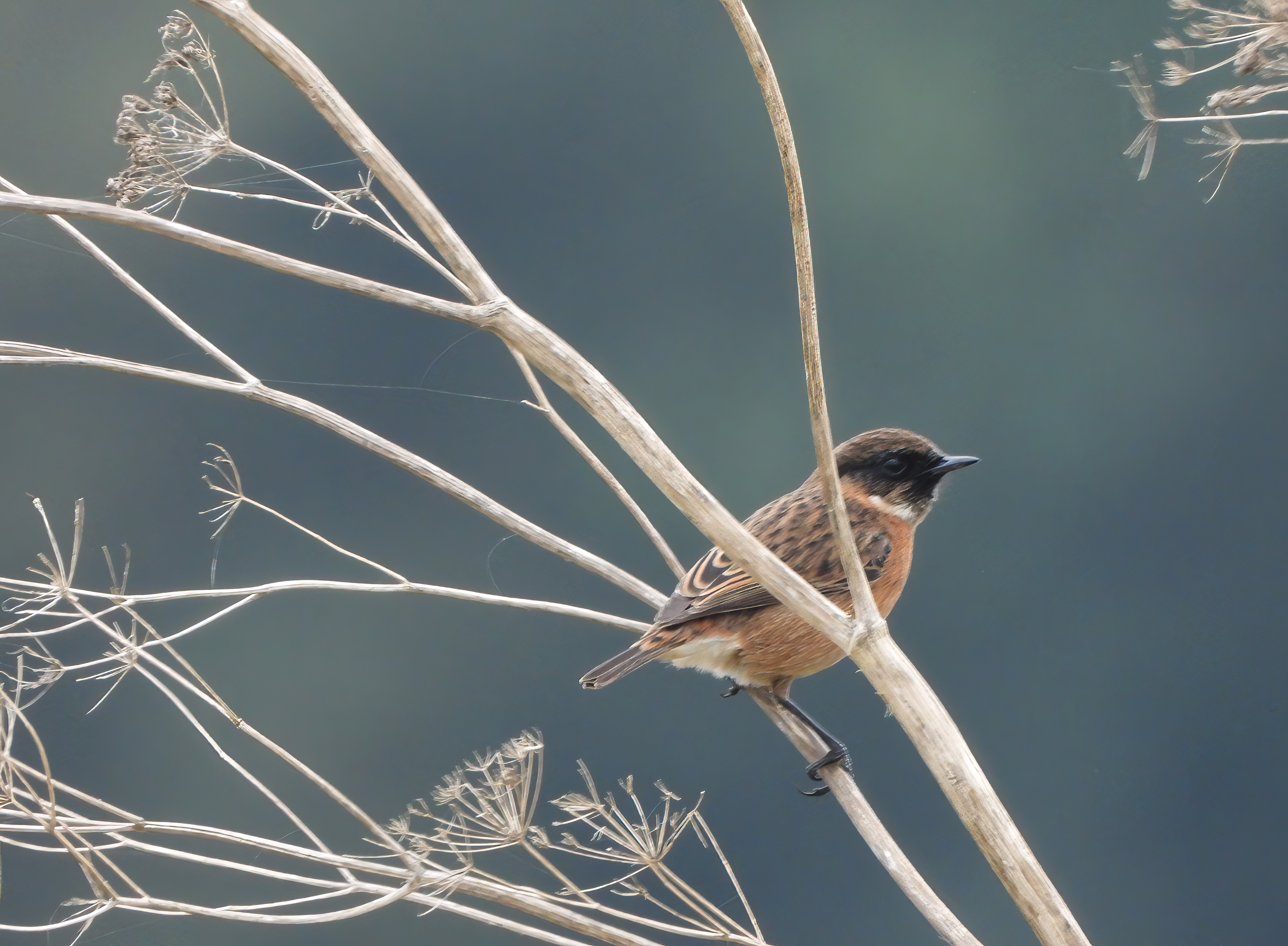
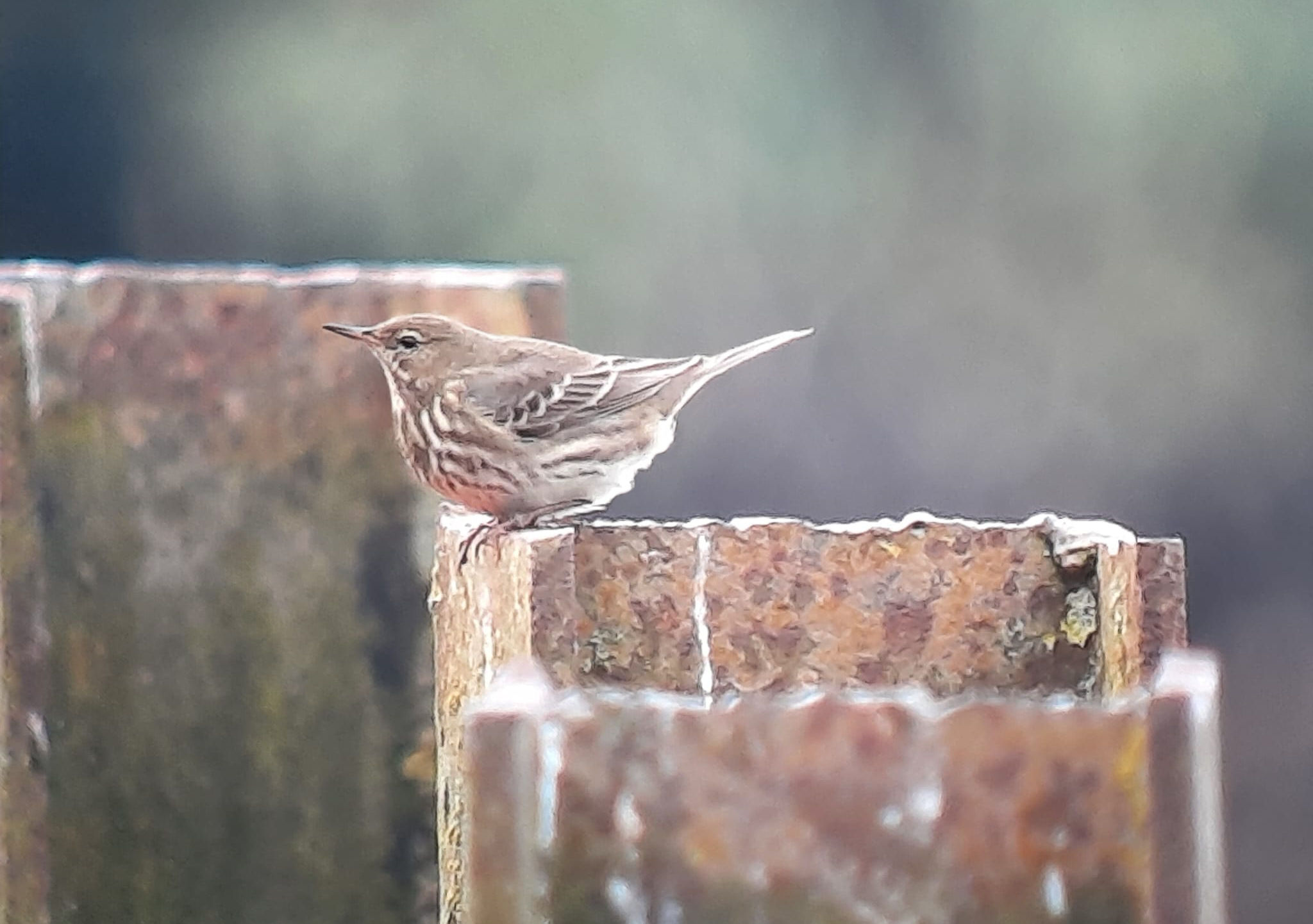
Two Ring Ouzels were reported in flight over Blueberry Farm, Maidwell on 23rd and one at Harrington the following day. Eight localities produced Stonechats, including Boddington Res, Deenethorpe, Deenethorpe AF, Gretton, Harrington, Hollowell, Pitsford and Summer Leys and a Rock Pipit was found at Hollowell on 23rd.

Few and far between so far this autumn, a Crossbill flew over Burn Coppice, near Deenethorpe, on 27th.

link-to-latest-reports

Newsround – 14th to 20th October 2023

As it turned out, a somewhat rumbustious week saw the arrival of some quality birds from the get-go. The run of unseasonally warm weather quickly gave way to overnight frosts, mid-week, before storm force winds and gales kicked in, courtesy of the widely publicised ‘Storm Babet’. In part, this was instrumental in giving rise to a sustained easterly airstream across the North Sea, the first results of which became evident at the eleventh hour on the last day of the period.

While our local Pink-footed Goose was back and forth between Ravensthorpe and Hollowell Reservoirs again this week, some unquestionably wild birds arrived in the form of a flock of ten seen heading west over the Brampton Valley on 20th. Whooper Swans, too, were again passing through – three flying over the causeway at Pitsford Res on 15th and singles making short stopovers at Stanford Res on 14th and at both Ravensthorpe and Earls Barton GP on 16th.

Stanford hung on to its four drakes and a female Red-crested Pochard for the first day of the week, all of which apparently left the site thereafter, while a drake turned up at Pitsford on 19th. That just leaves us with the female or first-winter Ring-necked Duck at Thrapston GP’s Titchmarsh LNR to occupy the ‘wildfowl of the week’ slot and, although it won no prizes for glamour, it remained there on show until at least 19th. With birds present there in 2019, 2021-2022 and early in the year in 2023, Thrapston is beginning to earn itself a reputation for turning up this species.

And now for something completely different … A Nightjar – only the second of the year – was picked up in poor health at RS Components on Weldon Industrial Estate, Corby on 18th. It was taken by the finder to a vet’s in Kibworth in Leicestershire but news of its fate has yet to emerge.

Back to the birder’s staple habitat, wetlands, where, along with rising water levels, time is fast running out for passage waders – so much so that this week’s only bird of note was a Greenshank at Stanwick GP on 19th.

While Storm Babet may have delivered a deluge of water, on the back of it came seven Little Gulls, late in the day on 20th. Four of these were together at Stanwick GP, one was found on the Main Lake at Summer Leys LNR and two appeared in the gull roost at Stanford. Other gulls were available, of course, and topping the bill of those which also ran was a first-winter Mediterranean Gull, which appeared in the Stanford roost on 19th-20th. On the next level, Caspian Gulls were reasonably well represented this week, with 15th producing two adults off the dam at Pitsford, followed the next day by a third-winter at Hollowell and an adult there on 18th, when a first-winter was also found in the roost at Boddington Res. On 19th, DIRFT 3 held an adult and a third-winter and an adult also appeared at Stanwick.

In an unusual about-turn, Yellow-legged Gulls were in the minority this week. Two adults were at Pitsford and an adult appeared at Ditchford GP on 15th, an adult was at Sywell CP on 18th and eight were counted at Stanwick the following day.

Bird of the week, however, was, indisputably, the Glossy Ibis discovered on Summer Leys Scrape during the first hour of daylight on day one. Alas, it did not stay put, heading off north-east after a tussle with a Great Egret, shortly after being found. A local ‘mega’, this is only the ninth record for the county, following hot on the heels of the long-staying bird in the Nene Valley during the first half of 2022.

Staying with Summer Leys Scrape, by contrast, showing no signs of going anywhere soon, the now seemingly settled Bittern showed exceptionally well, on and off, throughout the period.

More mobile around the same locality was the Cattle Egret, having now notched up two weeks on site. Two also visited Stanwick on 14th-15th.

And following last week’s minimal showing, this week saw a remarkable about-turn for Marsh Harriers, which were seen at six localities, opening and closing with Stanford’s almost resident ‘ZC’ wing-tagged female. This individual has been present since the early part of September (see here for more details).

Vying with Stanford for sightings was Summer Leys, where two different birds were seen, on and off, throughout the week. Elsewhere, singles were seen at Ditchford GP, Harrington AF and Pitsford – all on 15th and at Titchmarsh LNR on 20th. Once a local scarcity, appearances of Marsh Harriers have come on in leaps and bounds in recent years. Reduced to just one breeding pair in 1971, it’s believed there are now some six hundred breeding pairs in the UK (National Trust, 2023).

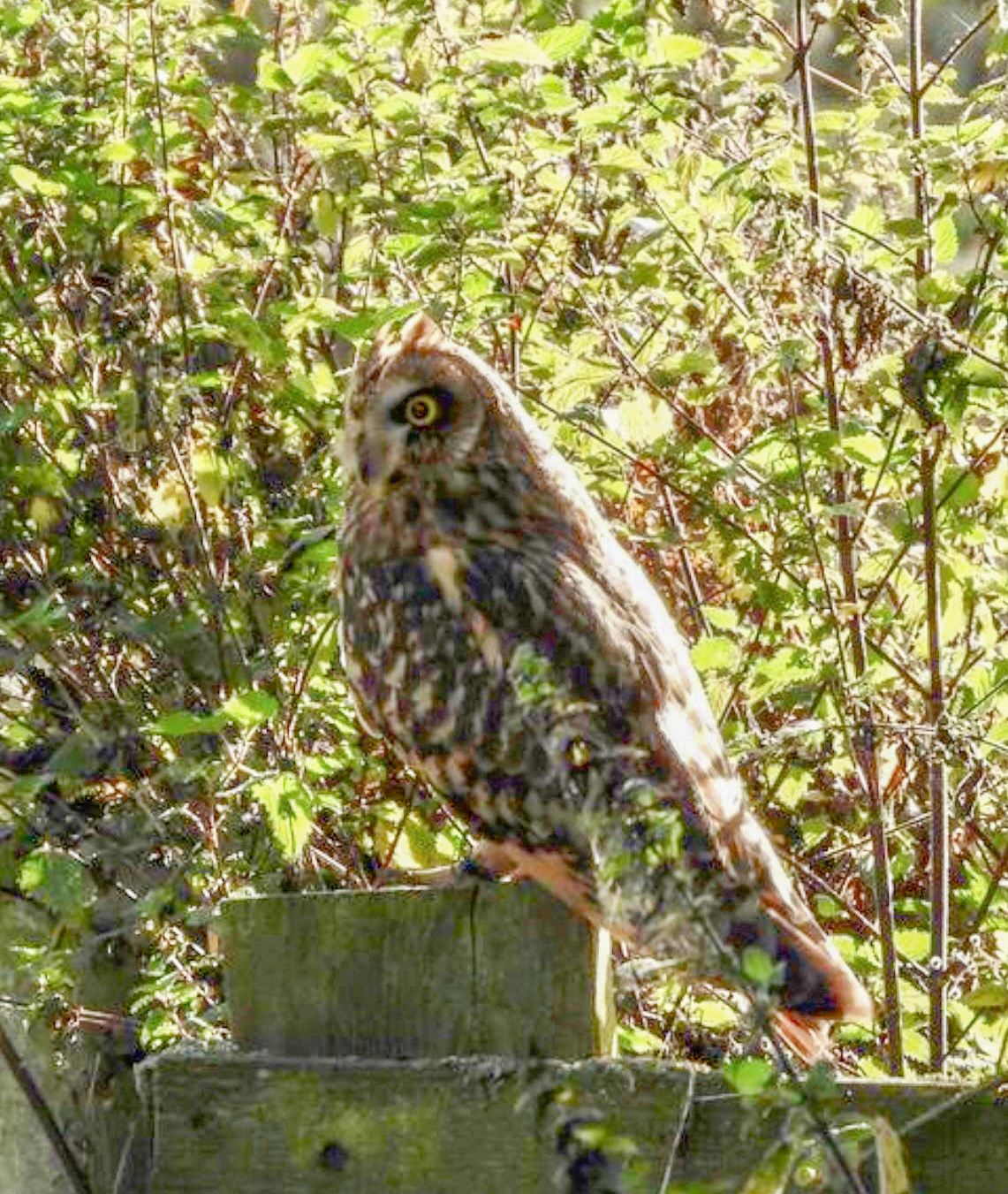
Following a handful of reports of Short-eared Owls last week, there were just two during the period, both on 14th, when twos were seen at Borough Hill and Harrington AF.

Often elusive but equally often more obliging, Hoopoes have, so far this year, remained in the former camp. Following one in Oundle briefly, on 22nd September, another was photographed on a country road near Everdon on 16th and another – or more likely the same – appeared in Lower Harlestone, 12km to the north-east, on 19th-20th and was again photographed by a local resident.

Merlins were pleasingly up in numbers this week with a hanger-on from last week remaining in the Brampton Valley until at least 18th and possibly the same bird visiting Harrington AF on 17th. Others were also seen at Hinton AF on 15th, Stanford Res on 17th and DIRFT 3 on 19th.

Scarce migrant passerines continued to arrive and filter through, including a male Bearded Tit at Stanwick on 19th-20th and single Ring Ouzels at Blueberry Farm, Maidwell on 15th and Harrington on 17th. Seven localities produced Stonechats, including Brampton Valley, Borough Hill, Harrington, Hollowell, Pitsford, Stanford and Summer Leys, with the highest count of eight coming from Borough Hill on 14th.

A late showing of two Northern Wheatears comprised single birds at Orlingbury on 14th and Stanford on 16th and, hot on the heels of the firsts for the year last week, a Rock Pipit was found at Stanwick on 20th.

link-to-latest-reports

Newsround – 7th to 13th October 2023

Late autumn kicked in big time this week with a substantial upturn in events, in which the county was treated to an influx of some refreshingly new arrivals. Weather conditions over the North Sea and Scandinavia were highly conducive to bringing migrants across to the UK, the east coast delivering some exciting vismig experiences, as well as receiving some sizeable falls of passerines. Meanwhile, North Atlantic weather systems hastened the arrival of wildfowl from the north and west …

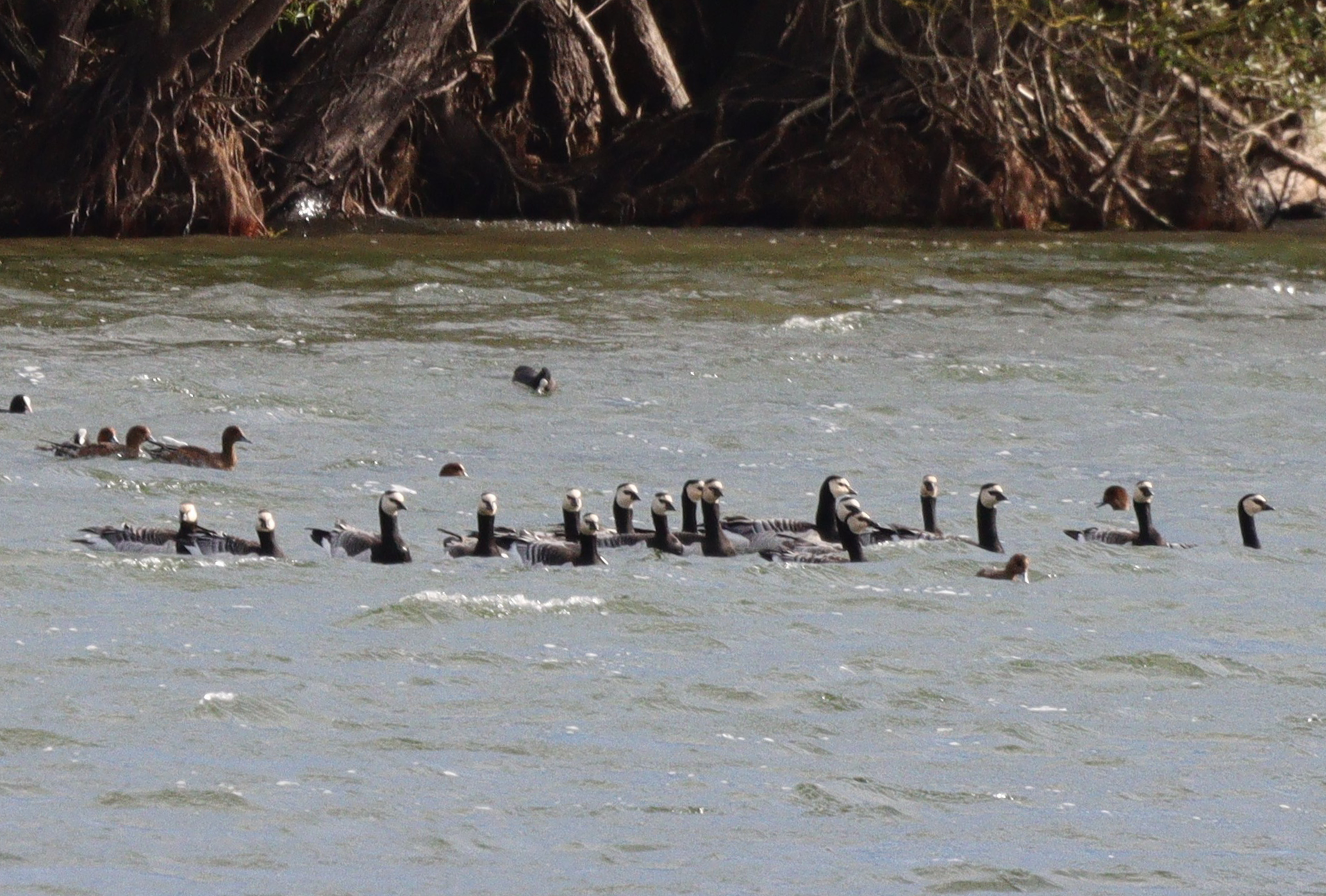
By the time the week was out, we were knee-deep in Barnacle Geese – well, almost. A respectable flock of forty-three dropped into Thrapston GP’s Titchmarsh Reserve on 12th and the following morning, seventeen pitched down on the water in Scaldwell Bay at Pitsford Res, before moving down to fields north of Moulton Grange Bay, late in the afternoon.

Now, nobody would normally bat an eyelid at the appearance of one or two Barnacles in the county – after all, it would appear 99.9% safe to say that they had originated from the established UK feral population, some of which reside no further away than Buckinghamshire. Even those birds move in flocks between counties from time to time. In fact, even as far away as North Yorkshire there used to be a general view that all occurrences there related to escapes and ferals, especially inland but that all changed when a family party turned up at Nosterfield LNR, a few autumns back. One of these had been ringed in Svalbard – now there’s a surprise! So, throw in the mass movement of this species into the UK over the past week, during which flocks turned up in East Yorkshire, Gloucestershire, Lincolnshire, Norfolk, Staffordshire and Warwickshire, and there is a reasonable chance that these birds in our own county may have originated from a wild population. It’s probably the closest we’ll get without seeing a pukka ring to prove the origin.

Raising far less interest, of course, was the local Pink-footed Goose at Ravensthorpe Res on 12th, moving to nearby Hollowell Res the following day.

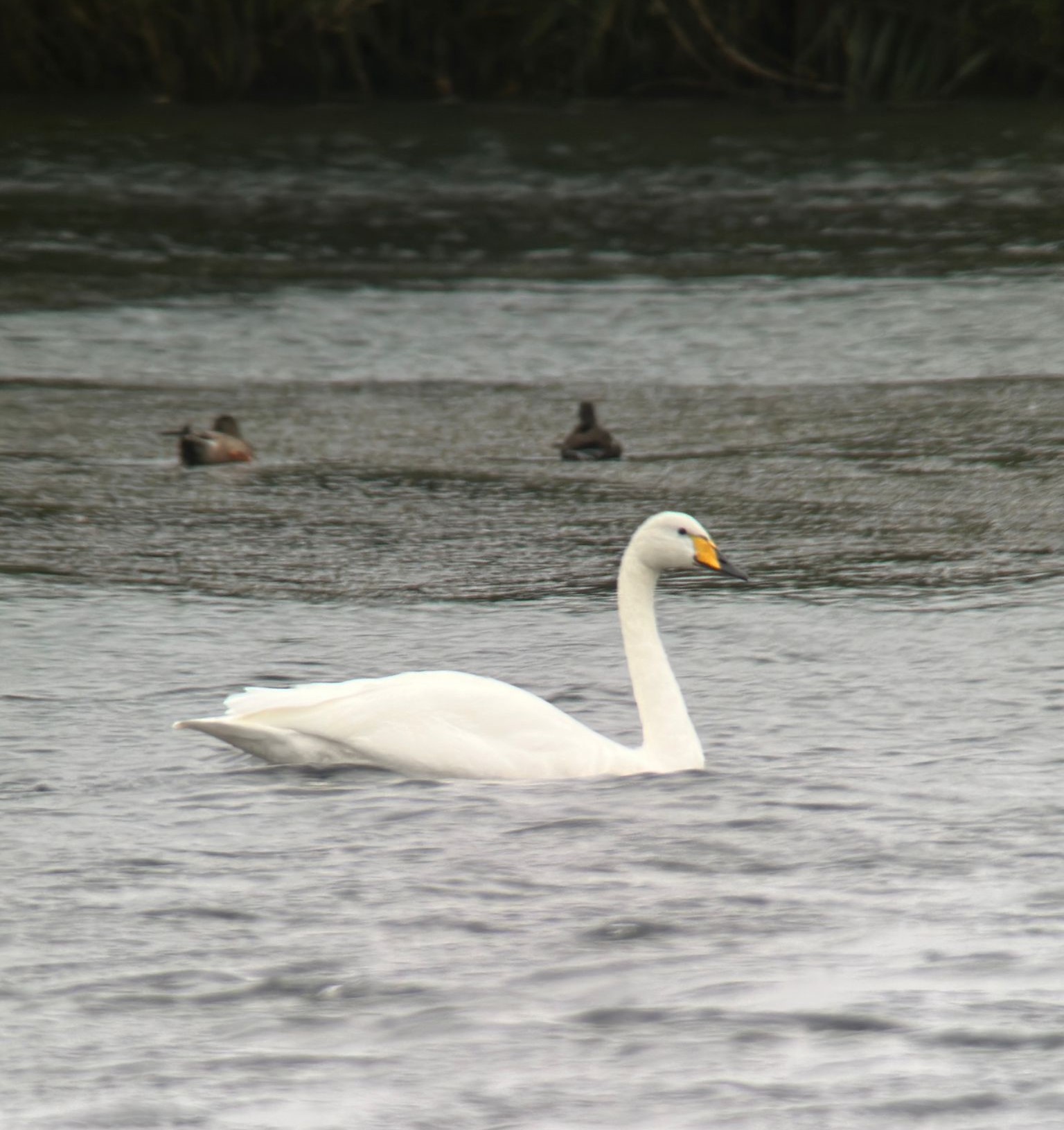
In parallel with the arrival of the Barnacles, above, the first Whooper Swans of the autumn also turned up at Thrapston on 12th, although their stay there was brief. These constitute only the second record for the county this year, following two flying north-west over Stanford Res on 26th March. Coincidentally, the following day saw one again at Stanford during the morning but the count there had risen to four by the end of the day.

Stanford continued to feature what was presumably last week’s juvenile Garganey rearing its not-too-ugly head again on 13th and, once again, it was the only locality to produce Red-crested Pochards, with at least four throughout the week, including a ‘new’ female.

Back over at Thrapston, a female or first-winter Ring-necked Duck appeared on site on 12th – the icing on the cake of a truly outstanding day there! Given the popularity enjoyed by the long-staying female at Ravensthorpe in the early part of the year, this bird unsurprisingly appeared to attract little interest.

A bird showing some characteristics of American Wigeon caused a short-term stir at Pitsford between 10th and 12th – see here.

Not to be caught on the hop, though, Pitsford produced the week’s best waders in the shape of five Avocets on 12th, preceded by a Jack Snipe there on 10th. Elsewhere, the Nene Valley held on to a couple of Ruffs – one at Earls Barton GP’s New Workings (North) from 8th until 11th, the other at Summer Leys from 9th until 12th.

Summer Leys also produced half the period’s Mediterranean Gulls, with an adult on 10th, followed by a first-winter there briefly the next day, while single first-winters visited Pitsford on 10th and Daventry CP on 12th.

Caspian Gulls appeared at four localities – Hollowell holding two adults on 9th and 13th with one there on 12th, 2 adults at Pitsford on 11th, an adult at Ravensthorpe on 12th and a fourth-winter at Daventry on 13th. Single Yellow-legged Gulls appeared at Summer Leys on 10th and at Hollowell on 12th-13th, while Pitsford hosted up to three throughout the week.

Summer Leys’ potentially resident Bittern again appeared on 7th and, like last week, was not seen thereafter. More obliging, though, was the Cattle Egret there from 9th onwards and another was seen at Stanwick on 13th.

This week’s Marsh Harriers were the sole preserve of Stanford, where one was seen daily on 7th to 9th and again on 13th but it was Short-eared Owl that piqued the interest of the locals there on 10th, when possibly two different birds were present. Many were observed coming in off the sea on the east coast this week, no doubt giving rise to local records, which also included one in the Brampton Valley between 10th and 12th, the latter date producing one at Borough Hill and two over nearby Daventry CP.

Two more Merlins appeared this week – a juvenile in the Brampton Valley on 12th and a female at Stanwick the following day.

Ringing activity at Stanford has yet to produce the annual late autumn goody but a Willow Warbler showing characteristics of the northern race acredula was trapped and ringed there on 9th. There is still time …

A realistic target species of many inland vismiggers is a flyover Ring Ouzel, many of which arrived on the east coast before quickly making their way inland this week. In fact, one locality in neighbouring Leicestershire recorded more than a dozen flyovers on 9th, with additional birds said to have been dropping in. Not to be left out, Northants managed a meagre two – one at Harrington AF and the other at Blueberry Farm, Maidwell – both on the above date.

Other passerines were available and Blueberry Farm, Borough Hill, Brampton Valley, Earls Barton, Harrington, Hollowell, Pitsford, Summer Leys and Sywell CP all produced Stonechats this week, with the highest site totals of at least six coming from both Borough Hill and Harrington on 8th.

The first Rock Pipits of 2023 to make landfall locally appeared at Daventry, where there were two on 9th, and Hollowell, where one was present on 12th.

There endeth a busy week. But it’s not all over yet …

link-to-latest-reports

The Pitsford ‘American’ Wigeon

An interesting-looking juvenile/first-winter male wigeon, found at Pitsford Res on 10th October, exhibited some characteristics usually associated with American Wigeon and was subsequently identified as such. But was it one?

Still present yesterday afternoon, 12th October, in company with Eurasian Wigeons in Walgrave Bay, it provided an opportunity for prolonged observation, during which time it revealed some interesting and thought-provoking features.

Its standout, attention-grabbing appearance centred on the obvious dark oval eye-patch, set against an otherwise pale head and neck and a noticeably cold overall plumage tone, making it fairly easy to locate among the Eurasians.

There is much grey appearing on the mantle and the ‘orange’ juvenile feathers are being lost from the flanks, again revealing much grey. The emerging black undertail coverts and ventral area confirms this bird is a young drake.

The right-hand flanks retain more juvenile feathers than the left but grey (as in Eurasian Wigeon), not pinkish (as in American Wigeon) is coming through.

The rear flanks on this bird are also beginning to show the fine grey vermiculations of Eurasian Wigeon.

The bill base is plain in this bird, as is normally the case with Eurasian Wigeon but on most American Wigeons there is a thin, sharp black line running from the top to the bottom of the upper mandible, demarcating it from the feathering. This feature may take time to develop in younger birds, though.

While the above points are enough to arouse ID queries, the clincher, not shown in any of the images, is the colour of the axillaries, seen twice during the observation, when the bird flapped its wings while on the water. They were noted as being grey, as in Eurasian Wigeon and not white, which they would have been if the bird was an American Wigeon.

Based on the above, it is not possible to be certain if this bird carries any American Wigeon genes. Confusing back-crosses have been found to exist and an extensive library of images showing American Wigeon x Eurasian Wigeon hybrids can be viewed here.

Immatures do not readily reveal full hybrid characteristics until they have moulted into adult plumage and this is the likely case with this individual. Time will tell – if it stays around for the winter.

Newsround – 30th September to 6th October 2023

A west to south-westerly airstream delivered a largely warm week with temperatures well above average for early October. But as we move ever closer to the bottom of the autumnal helter-skelter, with new birds proving increasingly hard to come by, a briefly staying suburban Wryneck was a nice find for one, early in the week.

A quick look at wildfowl reveals the renewed presence this week of Hollowell Reservoir’s Pink-footed Goose, on 6th, and the female Ruddy Shelduck between 1st and 3rd. A Garganey at Stanford Res on 3rd and 6th provided a welcome distraction for the site’s regular watchers from the lingering quartet of drake Red-crested Pochards, present there throughout the period.

With migrant wader numbers continuing to ebb, the first Jack Snipe of the season checked in at Hollowell on 3rd and Ruff numbers dwindled to just one at Stanwick GP between 30th and 2nd and two there on 3rd, followed by one at Earls Barton GP on 6th.

On the Larid front, a crisp first-winter Mediterranean Gull briefly joined the pre-roost of gulls off the dam at Pitsford Res on 4th, before quickly moving off south-west. Upsizing, single Caspian Gulls included a juvenile/first-winter at Pitsford on 3rd, an adult at Hollowell – also on 3rd, a second-winter at Stanford on 4th, when the German-ringed adult was again at Naseby Res, and an adult at Ravensthorpe Res on 6th.

Yellow-legged Gull numbers were up on last week. Pitsford produced the maximum count of seven on 3rd, the same site holding one on 30th, two on 4th and three on 6th. Elsewhere, four were at Stanwick on 2nd, followed by one there the next day, at least four were at Wicksteed Park Lake, Kettering on 3rd with two there on 6th and singles visited Summer Leys on 1st, 2nd and 5th, Thrapston GP on 1st and Earls Barton on 6th.

Summer Leys’ potentially resident Bittern surfaced on 30th but was not seen thereafter and, seemingly coming back thick and fast, Cattle Egrets reached double-figures at Stanwick. Twelve were present there on 3rd, although only two could be found on site the next day, while one again visited Summer Leys on the last day of the week.

Edging ever closer to winter, a ‘ringtail’ Hen Harrier was found between Blueberry Farm and nearby Dale Farm, Maidwell on 30th and in sharp contrast to last week, Marsh Harriers were down to just one, at Stanford Res, on 4th. Two Merlins also put in an appearance – one at Stanwick on 1st and the other at Stanford three days later, on 4th.

Potentially bird of the week was a Wryneck in suburbia, seen for only a short period of time at Dallington Cemetery, Northampton very late in the afternoon of 1st. Alas, it chose not to hang around to be admired.

Otherwise, numbers of scarce passerine migrants continued to fall and, like last week, just two Common Redstarts were found – both on 30th – with one located between Lamport and Scaldwell and the other hanging on at Blueberry Farm from the previous day. The week’s sole Whinchat – and maybe the last one of 2023 – was also at Blueberry Farm on the same date. Numbers of Stonechats ramped up considerably, though. By the week’s end, they had been found at ten locations, comprising Brampton Valley, Clifford Hill GP, Earls Barton GP’s New Workings (north and south), Hannington, Harrington AF, Hollowell, Old, Pitsford and Stanford, with five of these producing four birds apiece.

While the last day of September saw no big ships sailing, there were still Northern Wheatears to be had or even trapped and ringed. As it happened, one was, at Pitsford, while two hung on in the Brampton Valley from last week.

Which leaves just White Wagtail, two of which were identified at Pitsford on 4th. Largely ignored in autumn, probably because of the flood of grey juveniles of both alba races, there must surely be more coming through than are reported. That all-important grey rump is key to their separation but there are quite a number of intermediates which pose problems. Fifty shades and all that …  

link-to-latest-reports