Late autumn kicked in big time this week with a substantial upturn in events, in which the county was treated to an influx of some refreshingly new arrivals. Weather conditions over the North Sea and Scandinavia were highly conducive to bringing migrants across to the UK, the east coast delivering some exciting vismig experiences, as well as receiving some sizeable falls of passerines. Meanwhile, North Atlantic weather systems hastened the arrival of wildfowl from the north and west …
By the time the week was out, we were knee-deep in Barnacle Geese – well, almost. A respectable flock of forty-three dropped into Thrapston GP’s Titchmarsh Reserve on 12th and the following morning, seventeen pitched down on the water in Scaldwell Bay at Pitsford Res, before moving down to fields north of Moulton Grange Bay, late in the afternoon.

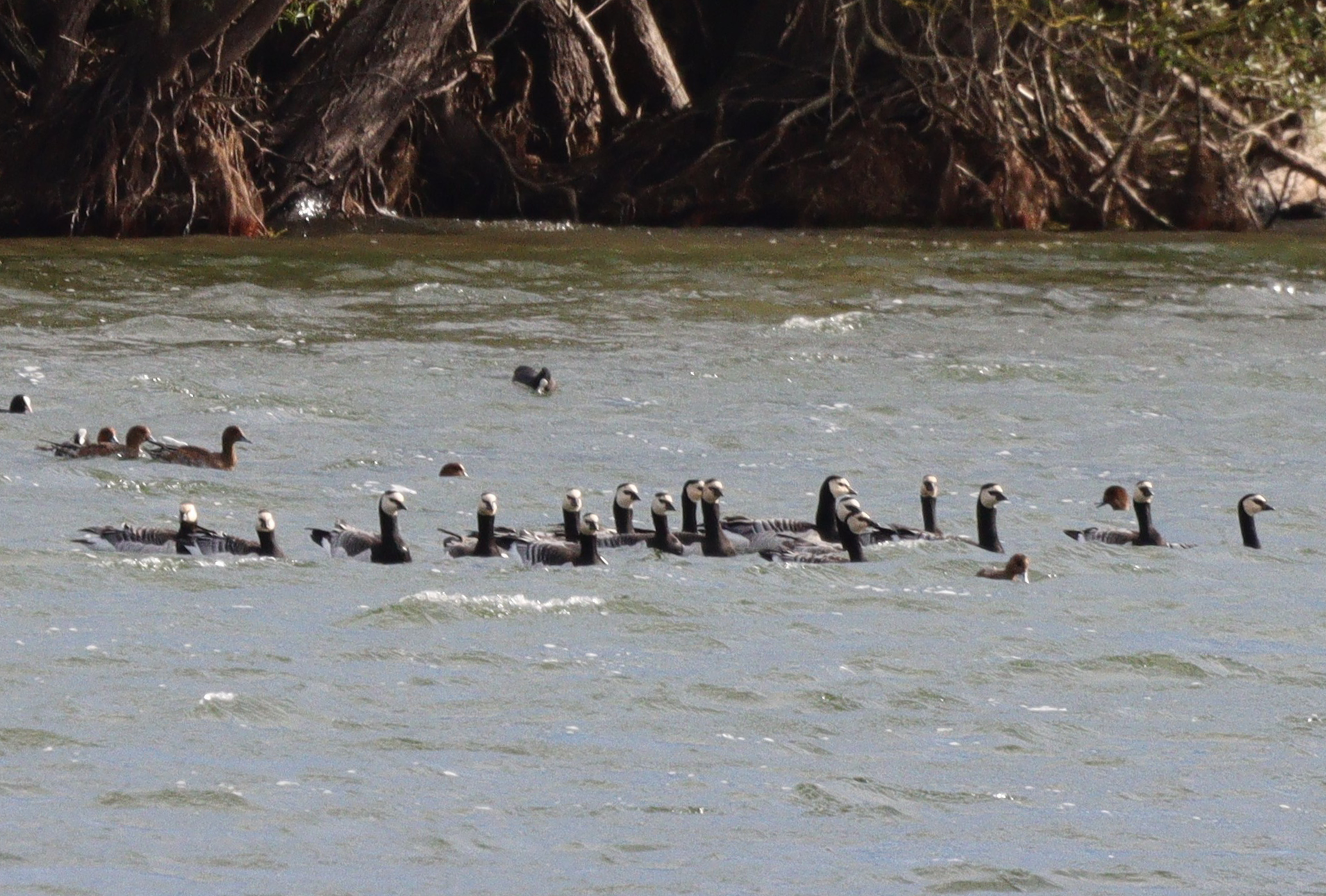
Now, nobody would normally bat an eyelid at the appearance of one or two Barnacles in the county – after all, it would appear 99.9% safe to say that they had originated from the established UK feral population, some of which reside no further away than Buckinghamshire. Even those birds move in flocks between counties from time to time. In fact, even as far away as North Yorkshire there used to be a general view that all occurrences there related to escapes and ferals, especially inland but that all changed when a family party turned up at Nosterfield LNR, a few autumns back. One of these had been ringed in Svalbard – now there’s a surprise! So, throw in the mass movement of this species into the UK over the past week, during which flocks turned up in East Yorkshire, Gloucestershire, Lincolnshire, Norfolk, Staffordshire and Warwickshire, and there is a reasonable chance that these birds in our own county may have originated from a wild population. It’s probably the closest we’ll get without seeing a pukka ring to prove the origin.
Raising far less interest, of course, was the local Pink-footed Goose at Ravensthorpe Res on 12th, moving to nearby Hollowell Res the following day.
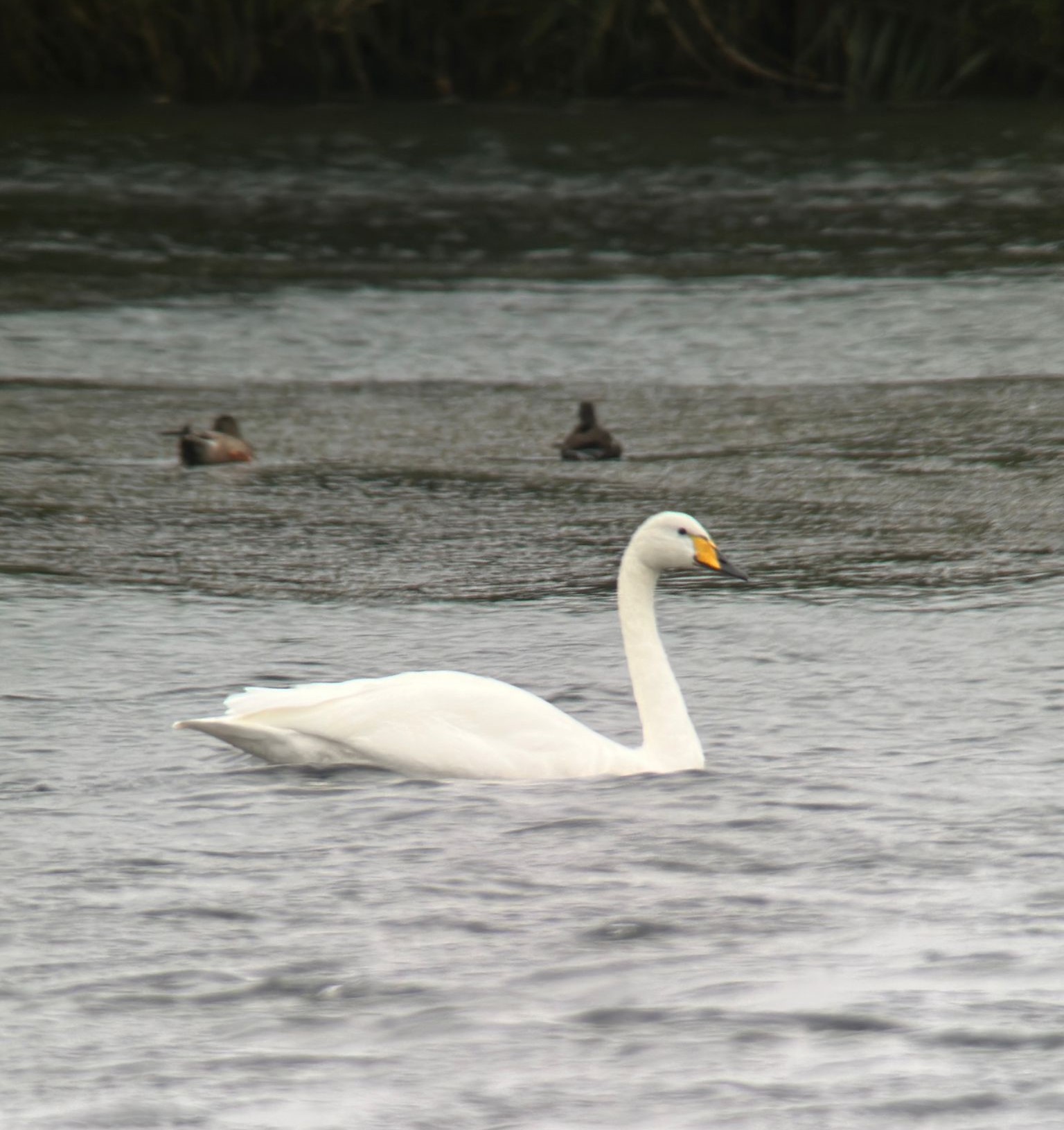
In parallel with the arrival of the Barnacles, above, the first Whooper Swans of the autumn also turned up at Thrapston on 12th, although their stay there was brief. These constitute only the second record for the county this year, following two flying north-west over Stanford Res on 26th March. Coincidentally, the following day saw one again at Stanford during the morning but the count there had risen to four by the end of the day.
Stanford continued to feature what was presumably last week’s juvenile Garganey rearing its not-too-ugly head again on 13th and, once again, it was the only locality to produce Red-crested Pochards, with at least four throughout the week, including a ‘new’ female.

Back over at Thrapston, a female or first-winter Ring-necked Duck appeared on site on 12th – the icing on the cake of a truly outstanding day there! Given the popularity enjoyed by the long-staying female at Ravensthorpe in the early part of the year, this bird unsurprisingly appeared to attract little interest.
A bird showing some characteristics of American Wigeon caused a short-term stir at Pitsford between 10th and 12th – see here.
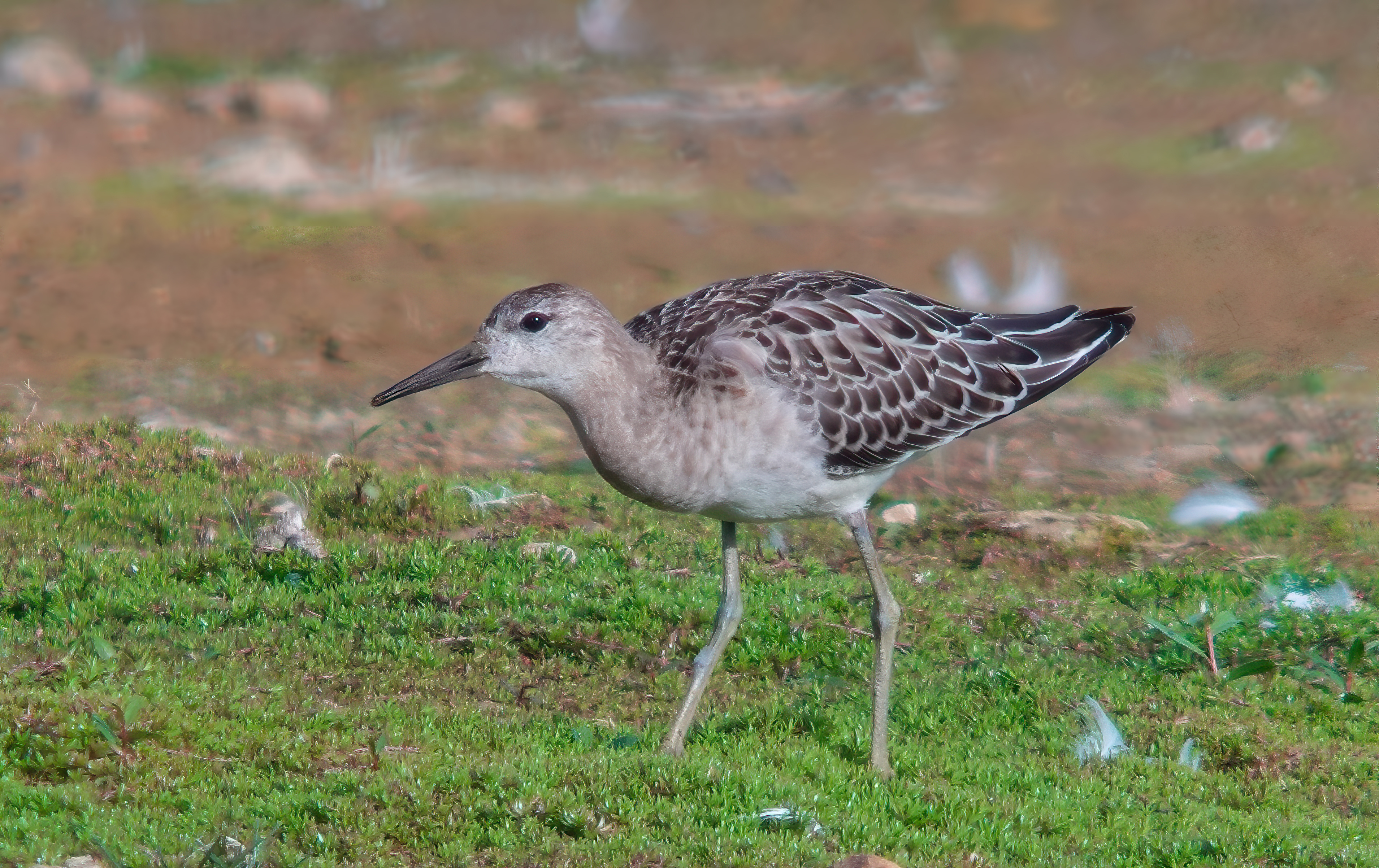
Not to be caught on the hop, though, Pitsford produced the week’s best waders in the shape of five Avocets on 12th, preceded by a Jack Snipe there on 10th. Elsewhere, the Nene Valley held on to a couple of Ruffs – one at Earls Barton GP’s New Workings (North) from 8th until 11th, the other at Summer Leys from 9th until 12th.
Summer Leys also produced half the period’s Mediterranean Gulls, with an adult on 10th, followed by a first-winter there briefly the next day, while single first-winters visited Pitsford on 10th and Daventry CP on 12th.

Caspian Gulls appeared at four localities – Hollowell holding two adults on 9th and 13th with one there on 12th, 2 adults at Pitsford on 11th, an adult at Ravensthorpe on 12th and a fourth-winter at Daventry on 13th. Single Yellow-legged Gulls appeared at Summer Leys on 10th and at Hollowell on 12th-13th, while Pitsford hosted up to three throughout the week.
Summer Leys’ potentially resident Bittern again appeared on 7th and, like last week, was not seen thereafter. More obliging, though, was the Cattle Egret there from 9th onwards and another was seen at Stanwick on 13th.
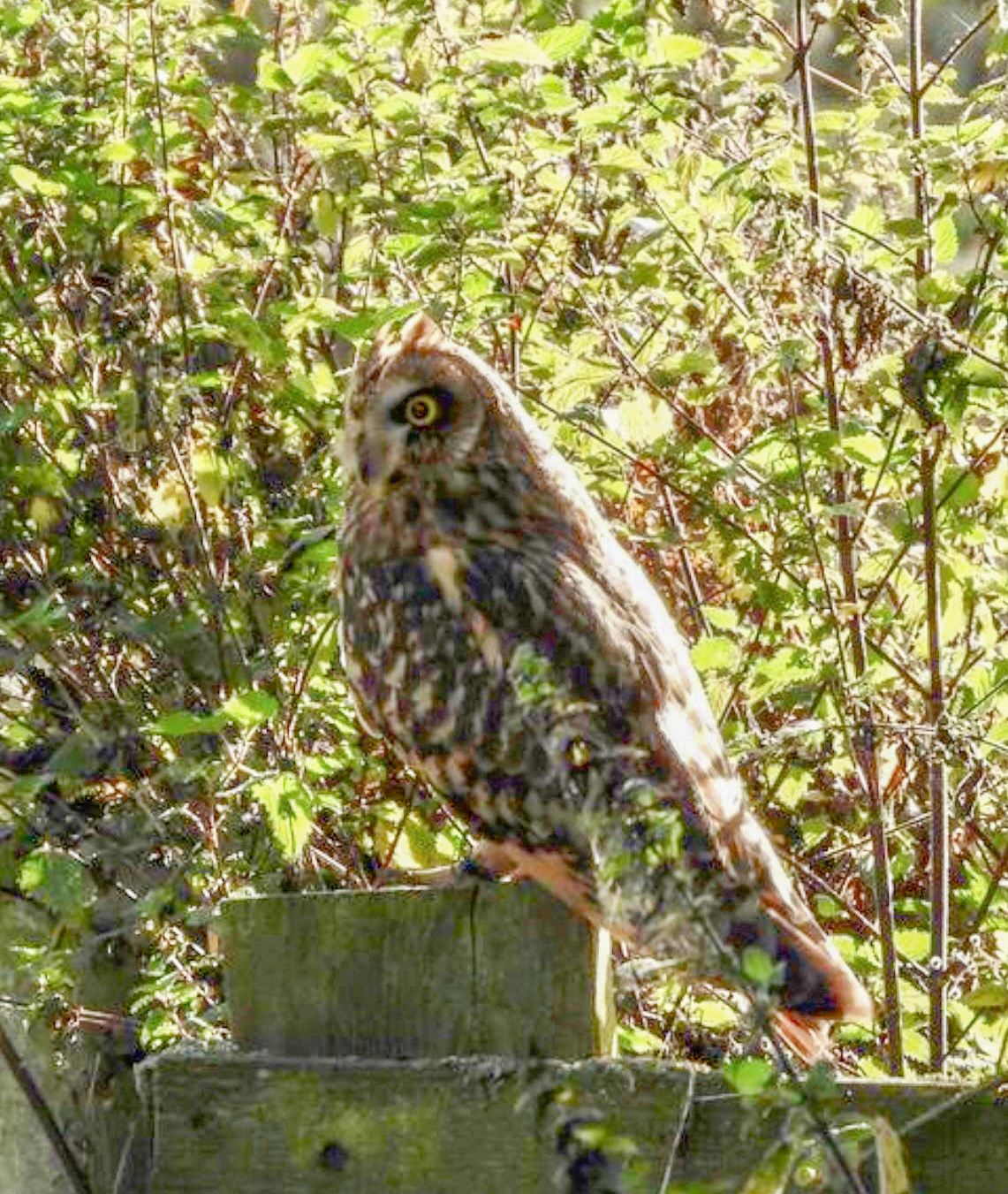
This week’s Marsh Harriers were the sole preserve of Stanford, where one was seen daily on 7th to 9th and again on 13th but it was Short-eared Owl that piqued the interest of the locals there on 10th, when possibly two different birds were present. Many were observed coming in off the sea on the east coast this week, no doubt giving rise to local records, which also included one in the Brampton Valley between 10th and 12th, the latter date producing one at Borough Hill and two over nearby Daventry CP.

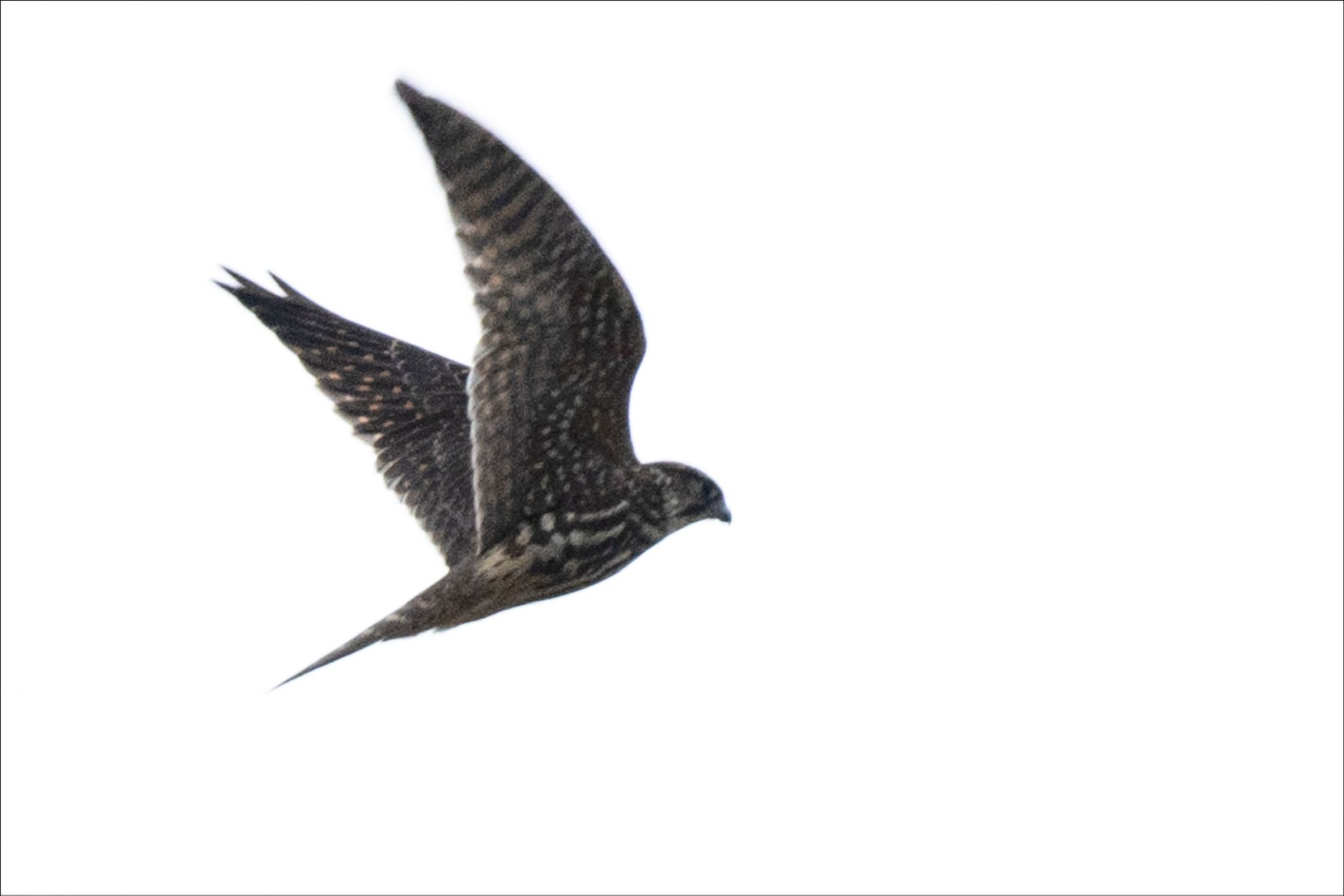
Two more Merlins appeared this week – a juvenile in the Brampton Valley on 12th and a female at Stanwick the following day.
Ringing activity at Stanford has yet to produce the annual late autumn goody but a Willow Warbler showing characteristics of the northern race acredula was trapped and ringed there on 9th. There is still time …

A realistic target species of many inland vismiggers is a flyover Ring Ouzel, many of which arrived on the east coast before quickly making their way inland this week. In fact, one locality in neighbouring Leicestershire recorded more than a dozen flyovers on 9th, with additional birds said to have been dropping in. Not to be left out, Northants managed a meagre two – one at Harrington AF and the other at Blueberry Farm, Maidwell – both on the above date.
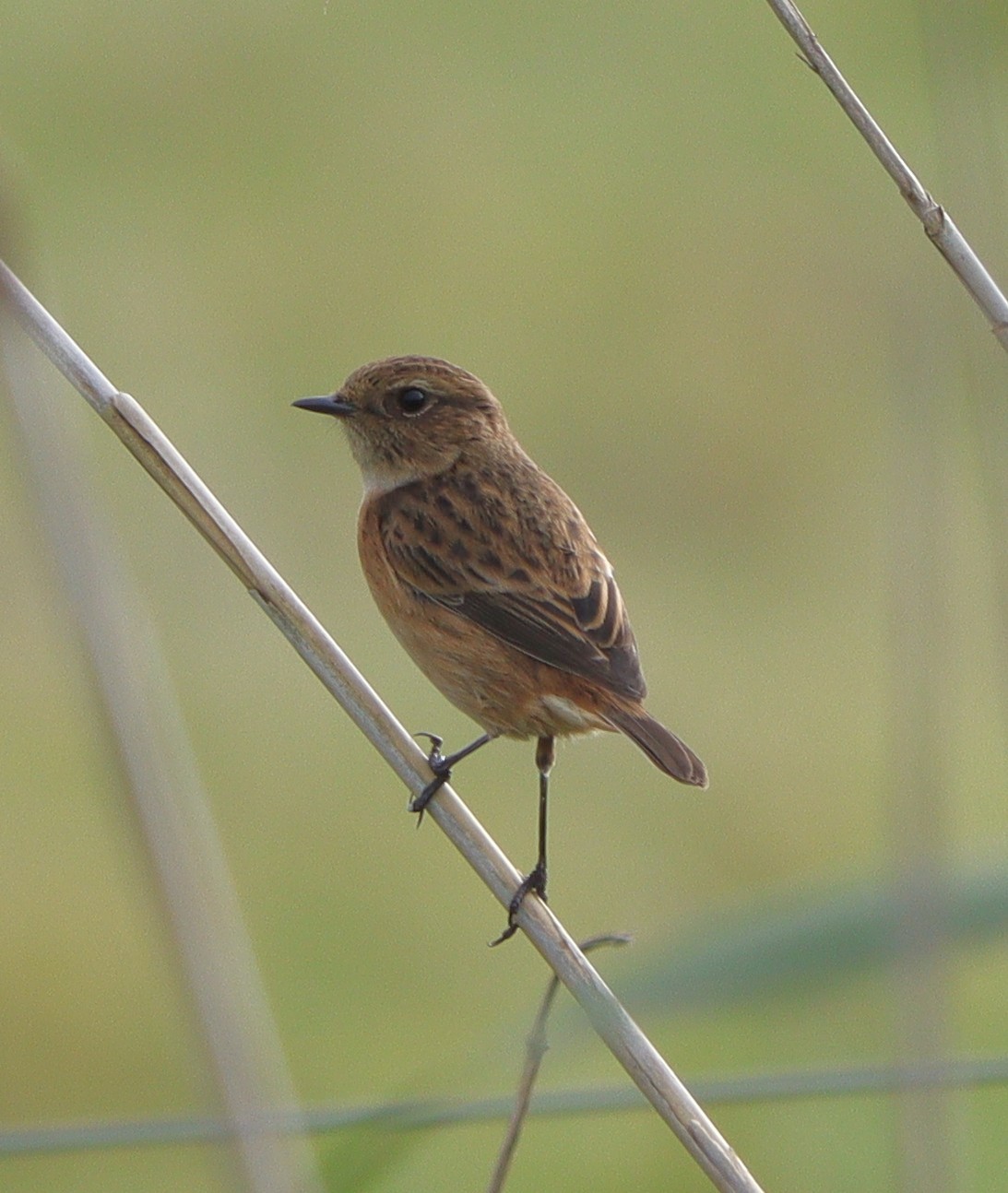
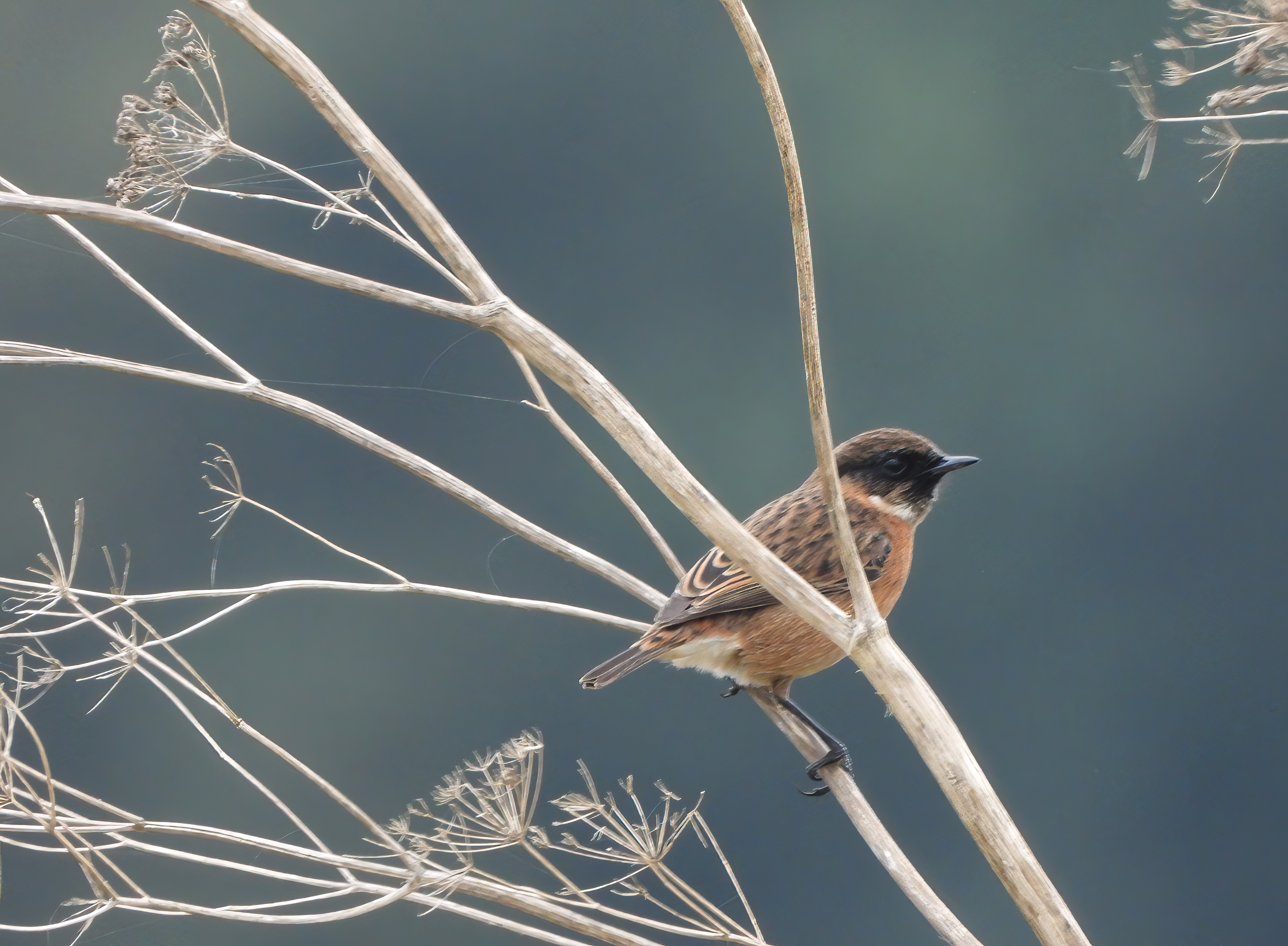
Other passerines were available and Blueberry Farm, Borough Hill, Brampton Valley, Earls Barton, Harrington, Hollowell, Pitsford, Summer Leys and Sywell CP all produced Stonechats this week, with the highest site totals of at least six coming from both Borough Hill and Harrington on 8th.
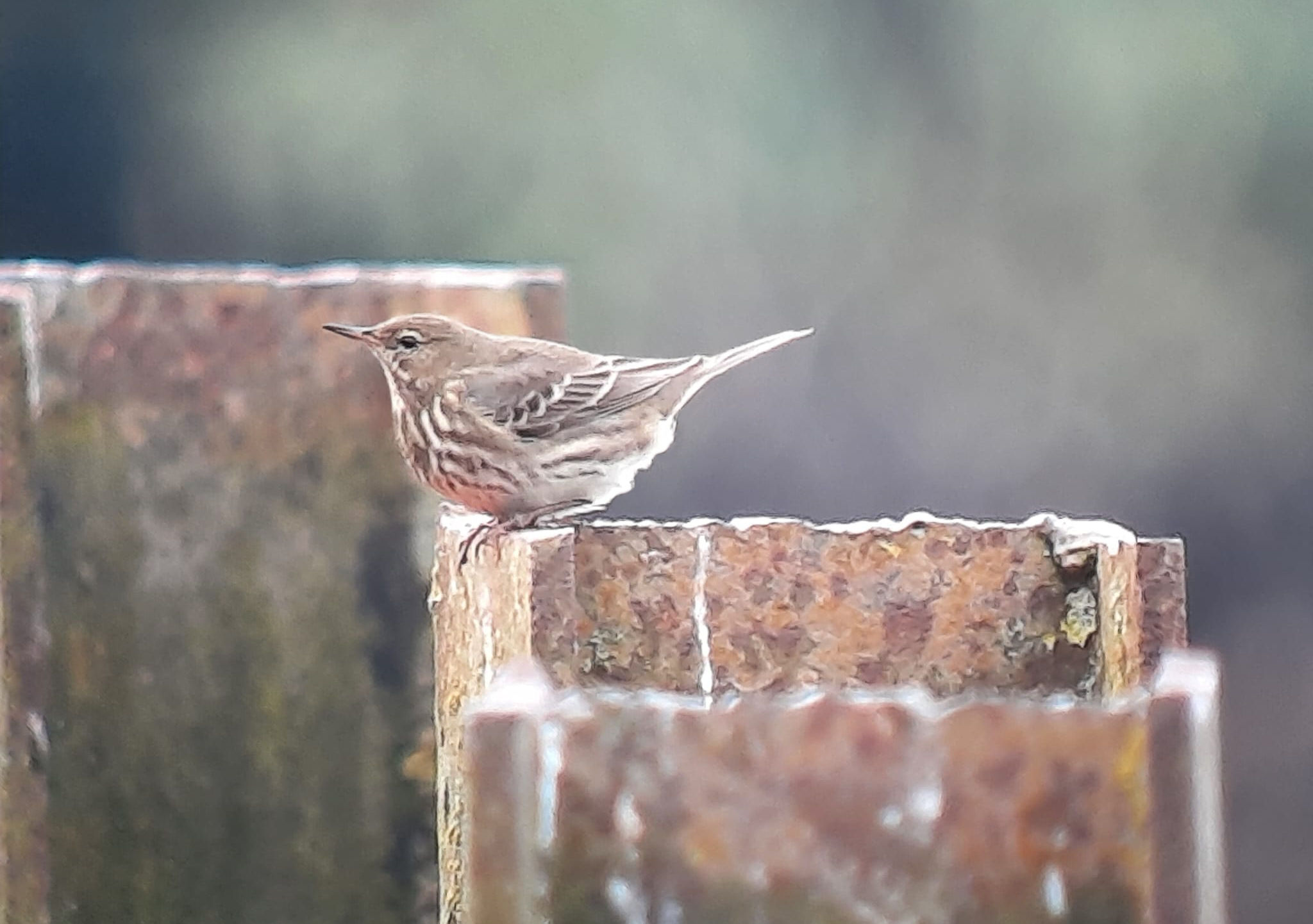
The first Rock Pipits of 2023 to make landfall locally appeared at Daventry, where there were two on 9th, and Hollowell, where one was present on 12th.
There endeth a busy week. But it’s not all over yet …

Discover more from Northants birds
Subscribe to get the latest posts sent to your email.

 Northants birds