Newsround – 18th to 24th November 2023

The last full week of autumn closed with a distinct chill in the air as the winds turned northerly and temperatures dropped appreciably. However, the seasonal candle continued to burn and new birds were still forthcoming – the week delivering yet another diver along with, surprisingly, a second Glossy Ibis.

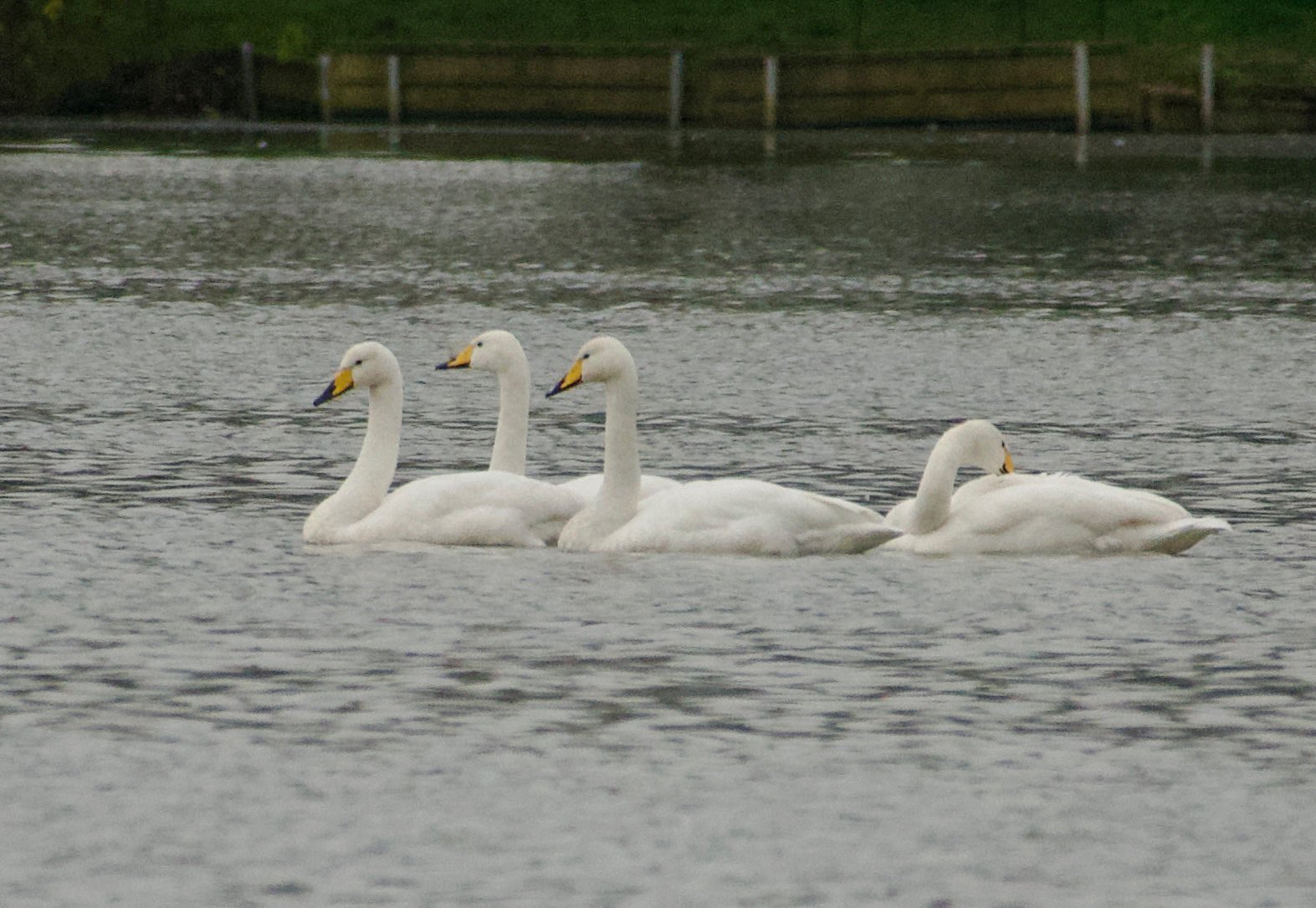
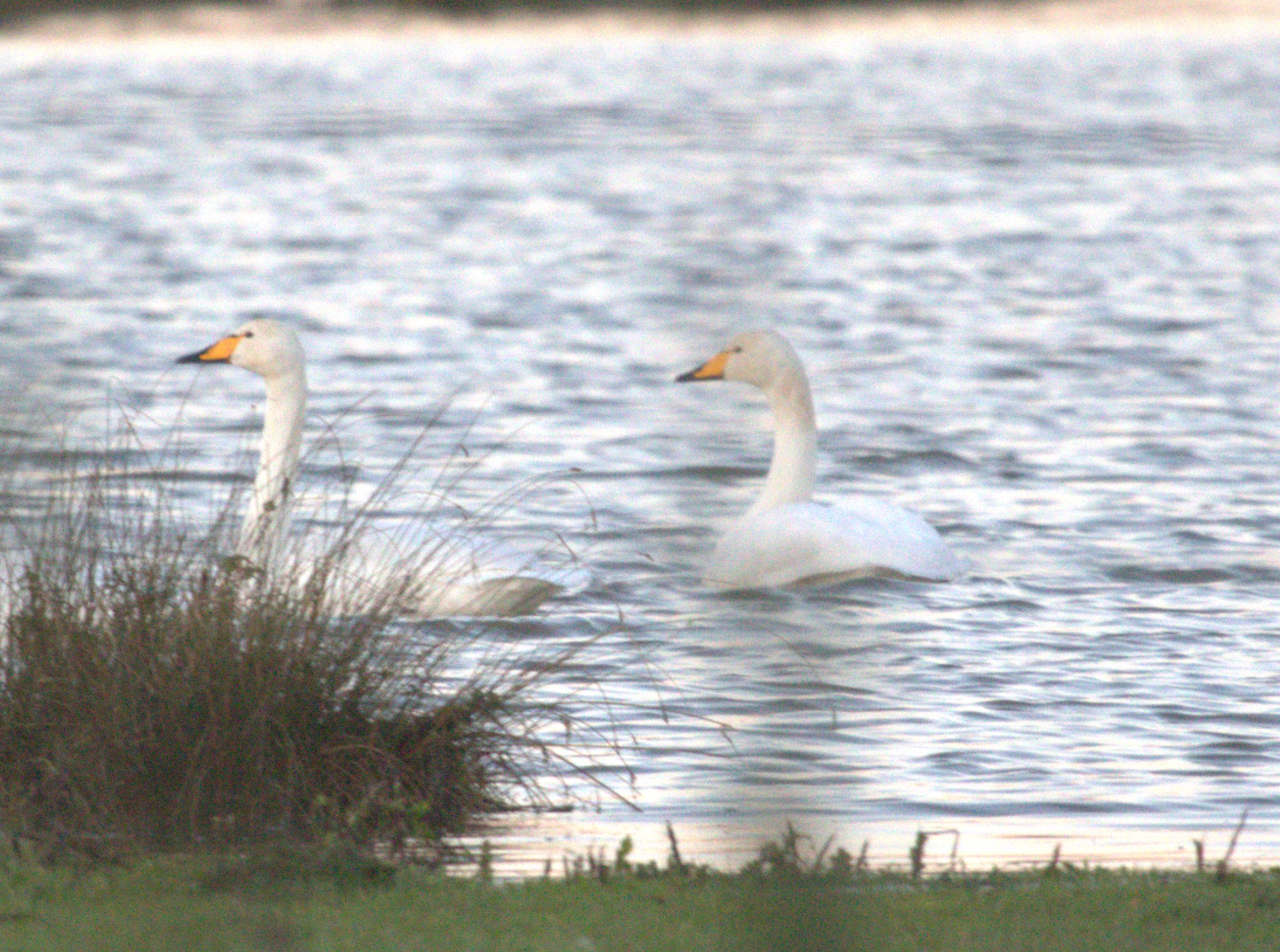
And on the wildfowl front there were some refreshing changes. A Pink-footed Goose joined the local Greylags at Thrapston GP’s Titchmarsh LNR on 18th – well away from Hollowell and Ravensthorpe Reservoirs and so likely to be a new arrival. Also in the Nene Valley, eight Whooper Swans flew east over Summer Leys LNR on 21st.

After an absence of reports for the best part of two months, the female Ruddy Shelduck resurfaced at Winwick Pools on 24th.

A first-winter drake Greater Scaup found at Billing GP on 22nd was the first of this year’s autumn/winter period following some long-staying singles at Billing GP/Clifford Hill GP, Blatherwycke Lake, Hollowell/Ravensthorpe Res and Pitsford Res last winter.
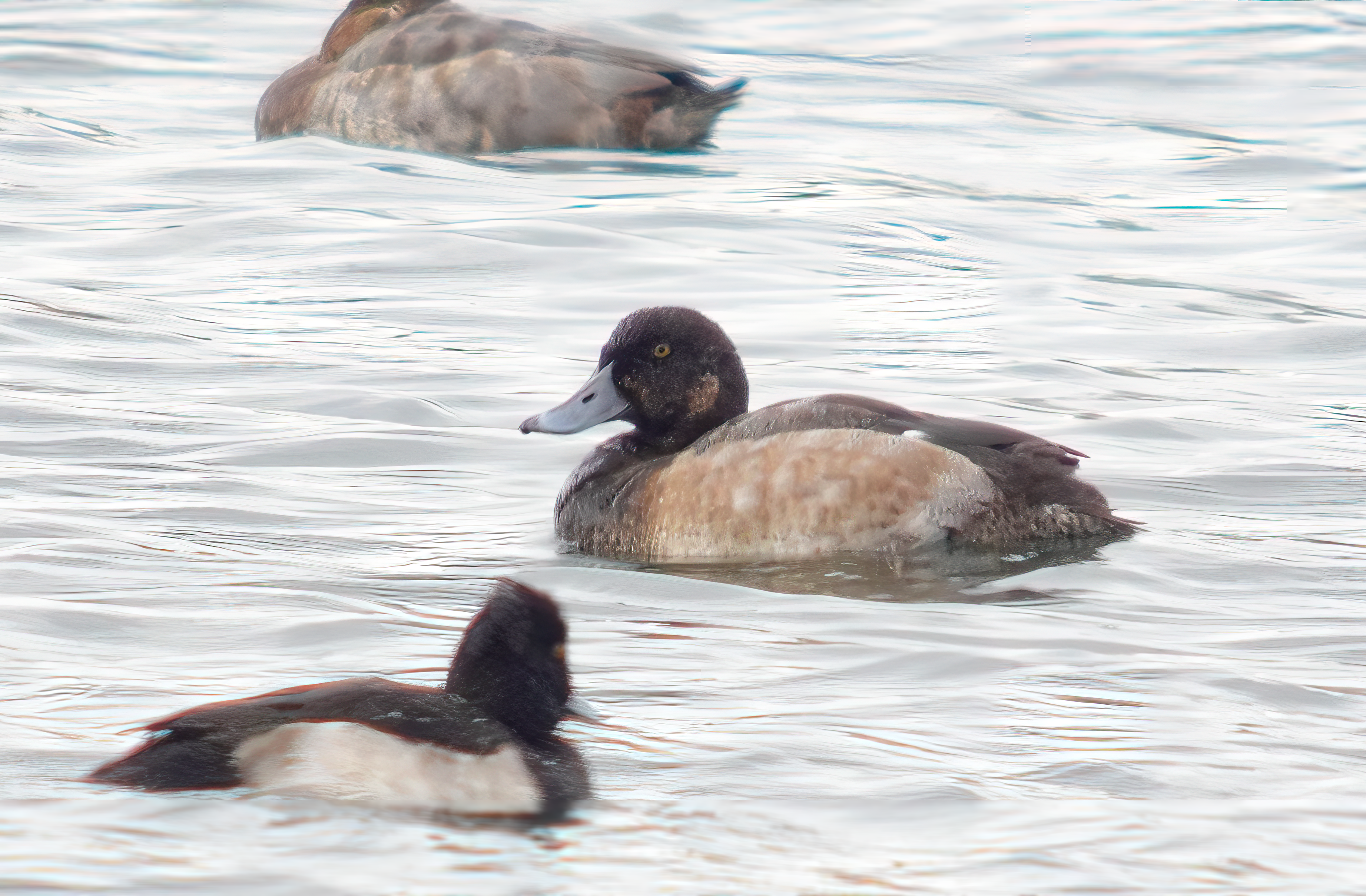
After a one-day bird at Daventry CP in the previous week, single female-type Common Scoters were new in at Ringstead GP from 20th to 23rd and at Pitsford from 22nd until the end of the week.

The near absence of waders is one of the downsides of the far back end of any year locally, so just two Jack Snipes – one at Ditchford GP on 20th and the other on a pool near Blueberry Farm, Maidwell, on 22nd – offered the only to be expected slim pickings of the period.

On the other hand, though, there are still gulls out there to be had when roosts and feeding flocks come under scrutiny. The roost at Stanford Res produced two Mediterranean Gulls – an adult on 19th and 20th and a first-winter on 22nd, while an adult joined a small flock of Black-headed Gulls at Ringstead GP on the latter date.

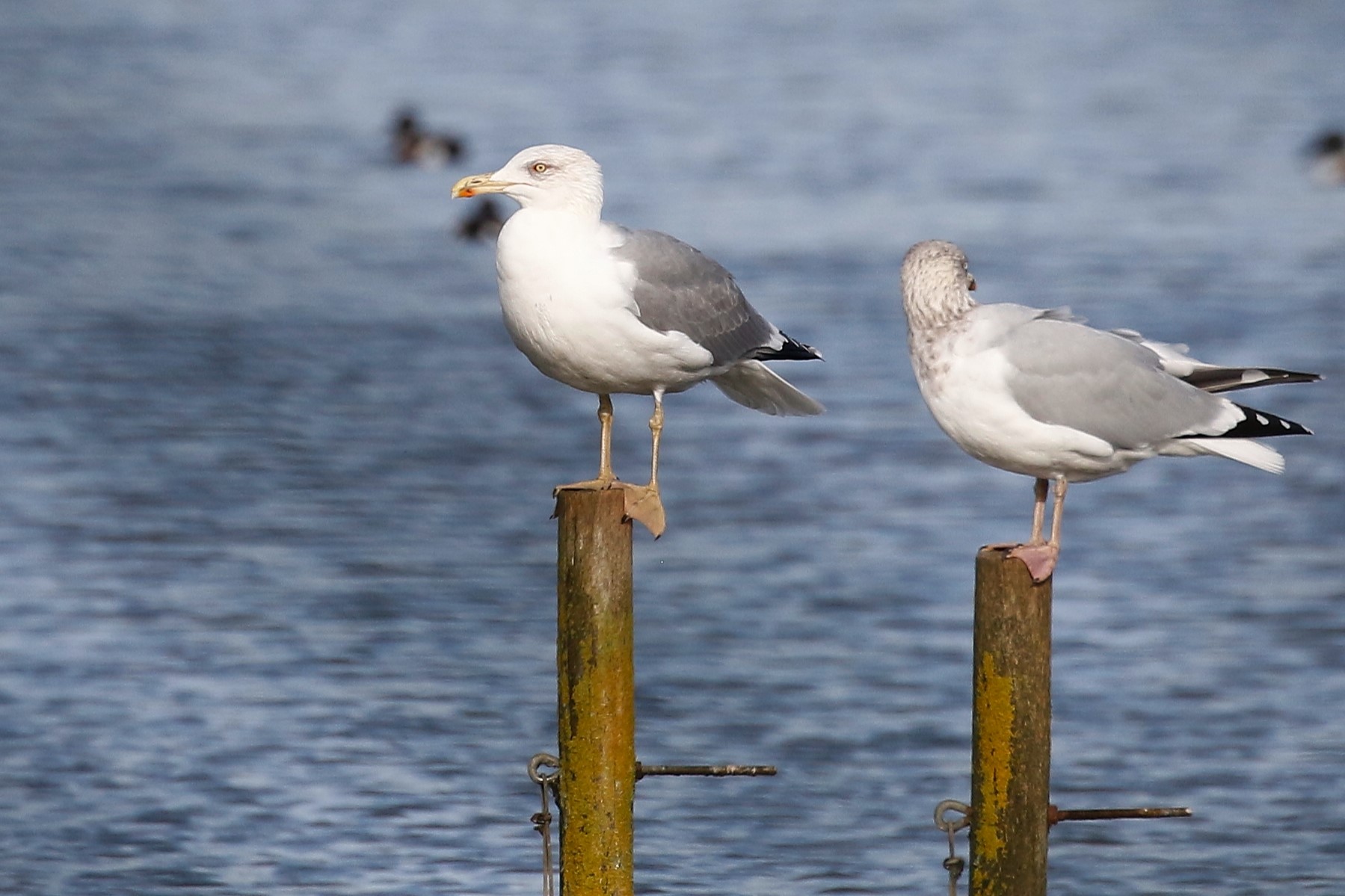
Two sizes up, single adult Caspian Gulls were at Pitsford on 18th, in the roost at Stanford on 18th-19th and at Hollowell on 21st, followed by three adults at the latter site on 24th. In marginally shorter supply were Yellow-legged Gulls, with the regular Pitsford adult present until at least 21st and a first-winter there on 22nd, followed by one at Hollowell on 24th.

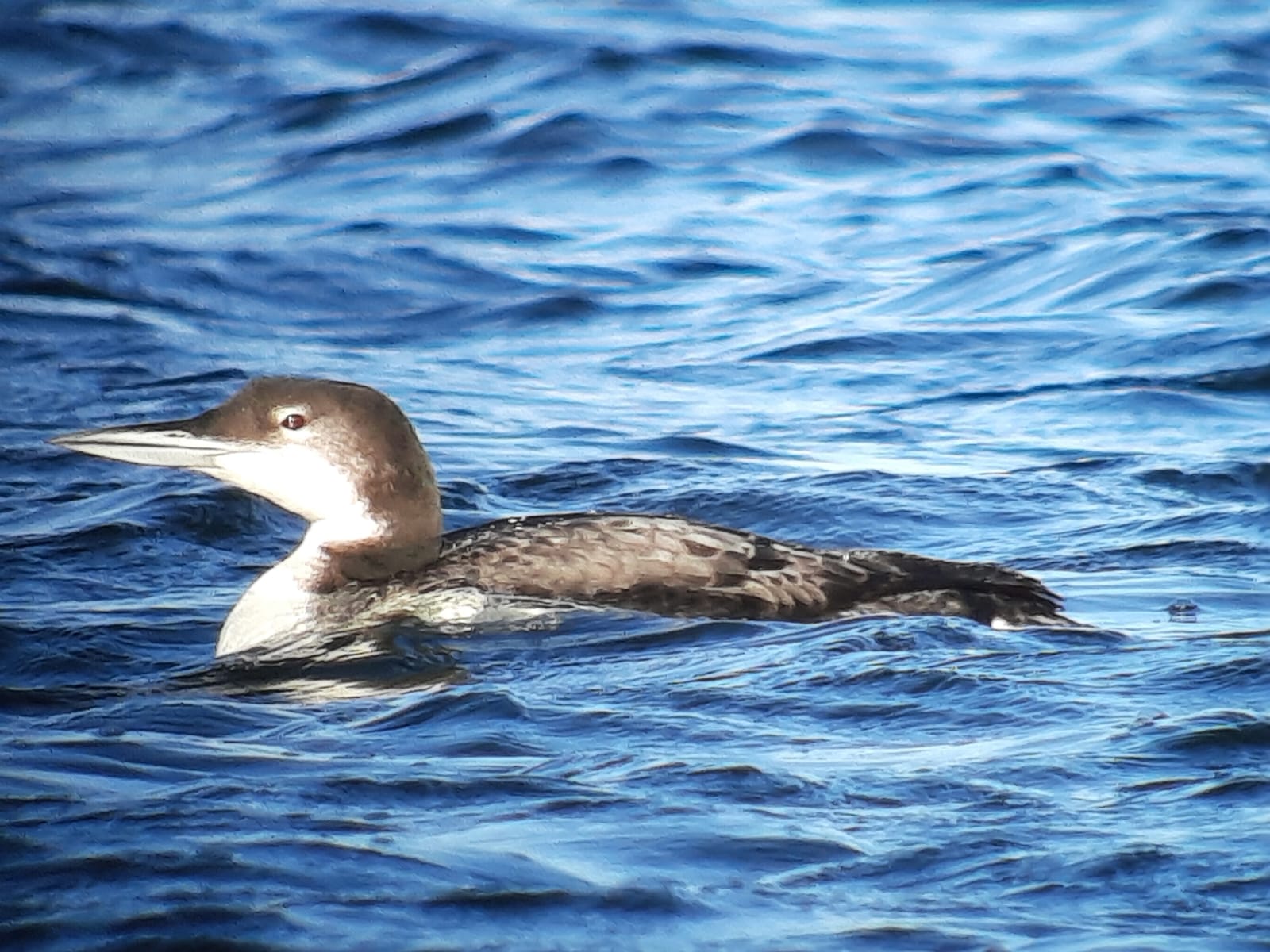
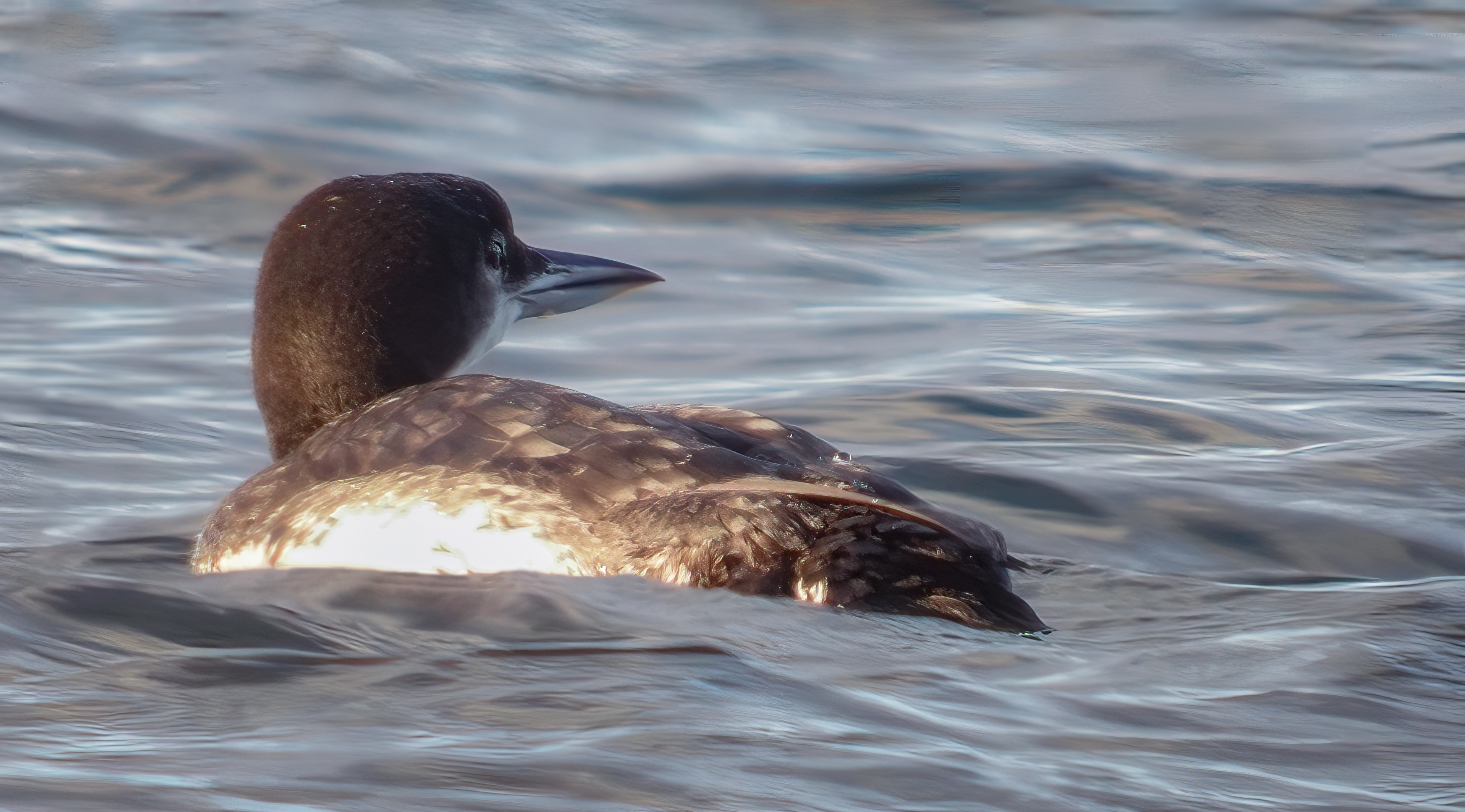
Like buses, Great Northern Divers turn up in threes – or so it seems recently, and, following last week’s and the week’s before, number three took no time at all to arrive, being found at Pitsford on 19th. Unlike the previous two, however, it appeared to settle in nicely and was still present as the period came to a close on 24th.

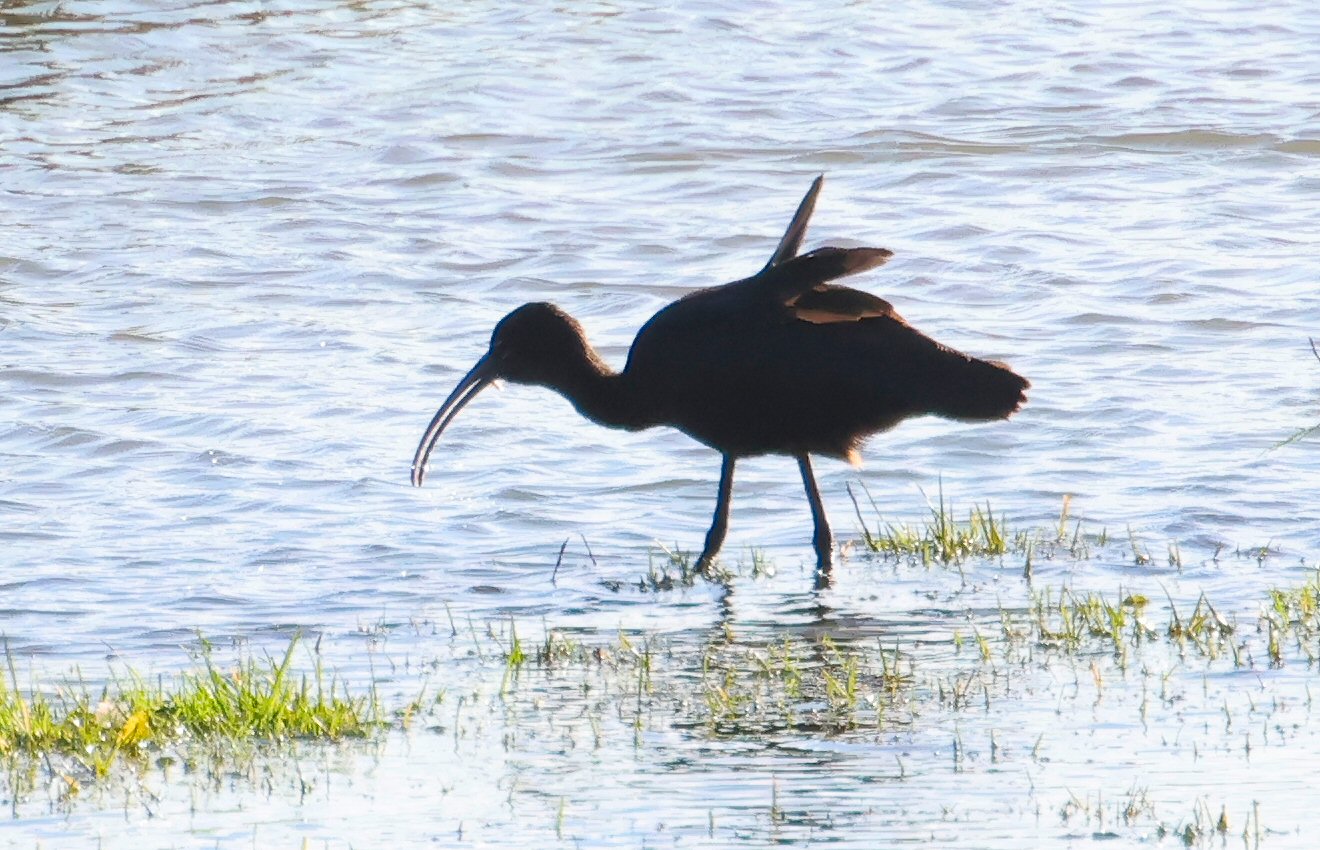
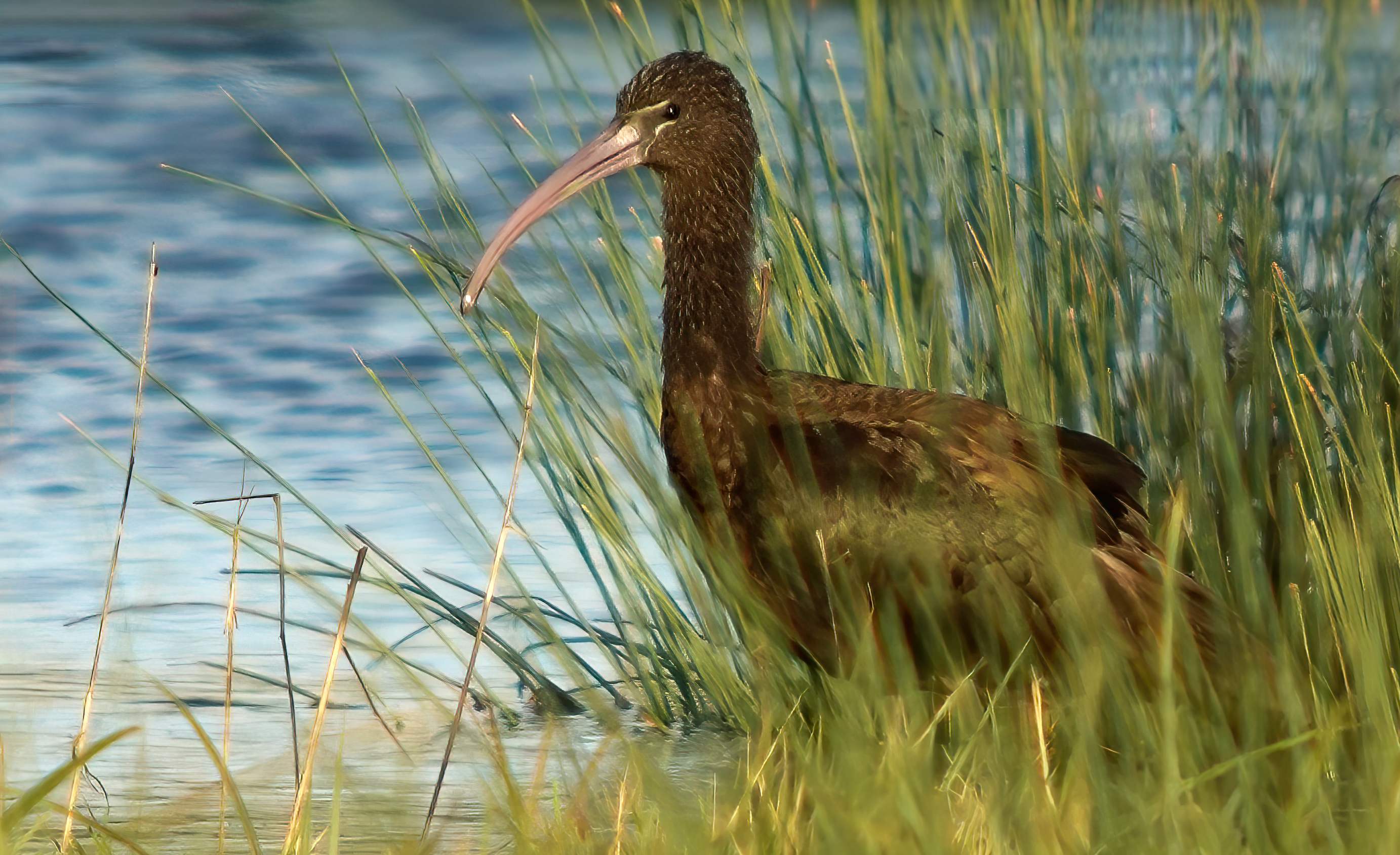
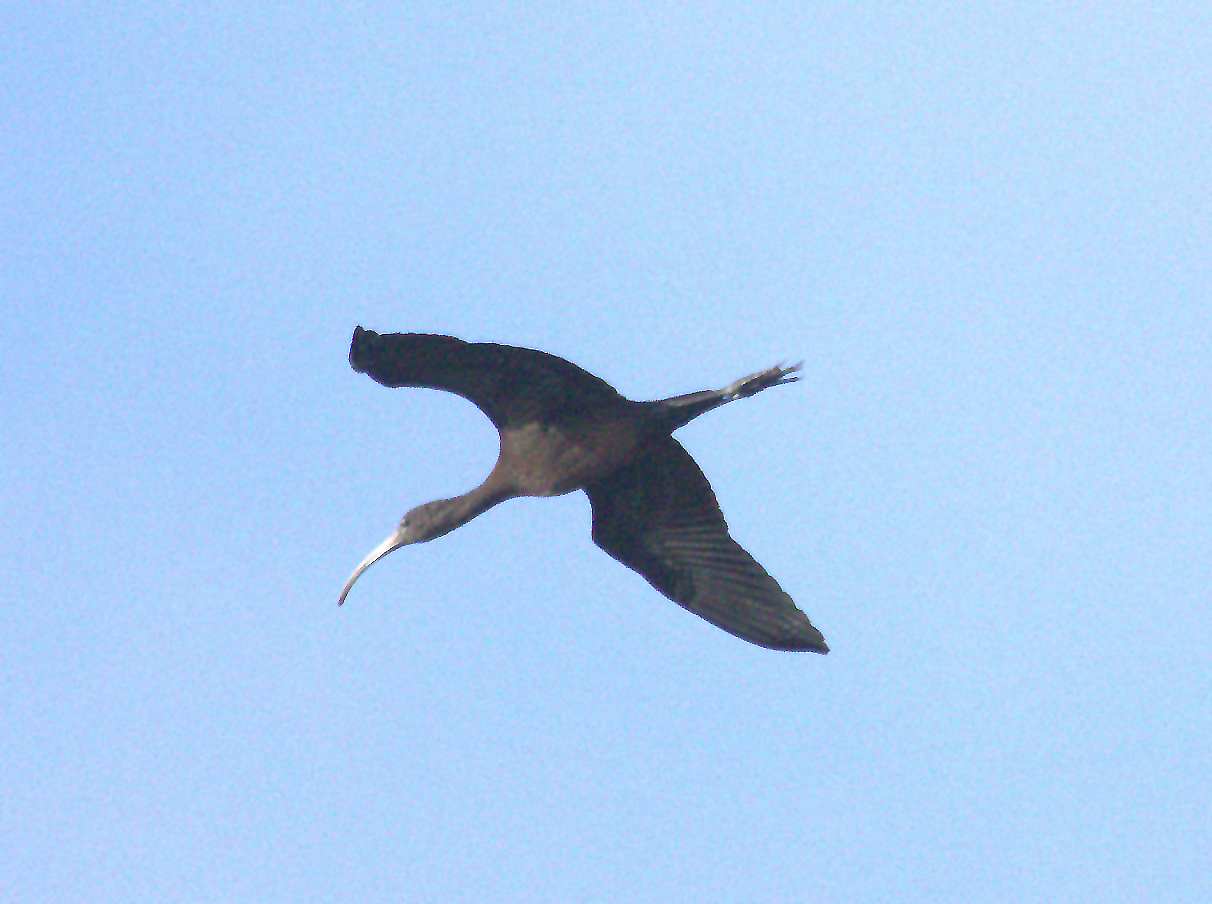
Undoubtedly birds of the week, two Glossy Ibises found on the last day set a new standard for the county. Initially seen flying south-west from Stanwick GP’s Main Lake, early in the morning, the dynamic duo was relocated on nearby Roadside Lake several hours later and quickly shot to fame as being the first ‘multiple’ of this iconic species to have occurred in Northamptonshire. Was one of these the Ditchford bird, which appeared to have vanished after 21st? Interestingly, numbers topped double figures last year in Cambridgeshire, when they bred there for the first time in the UK.
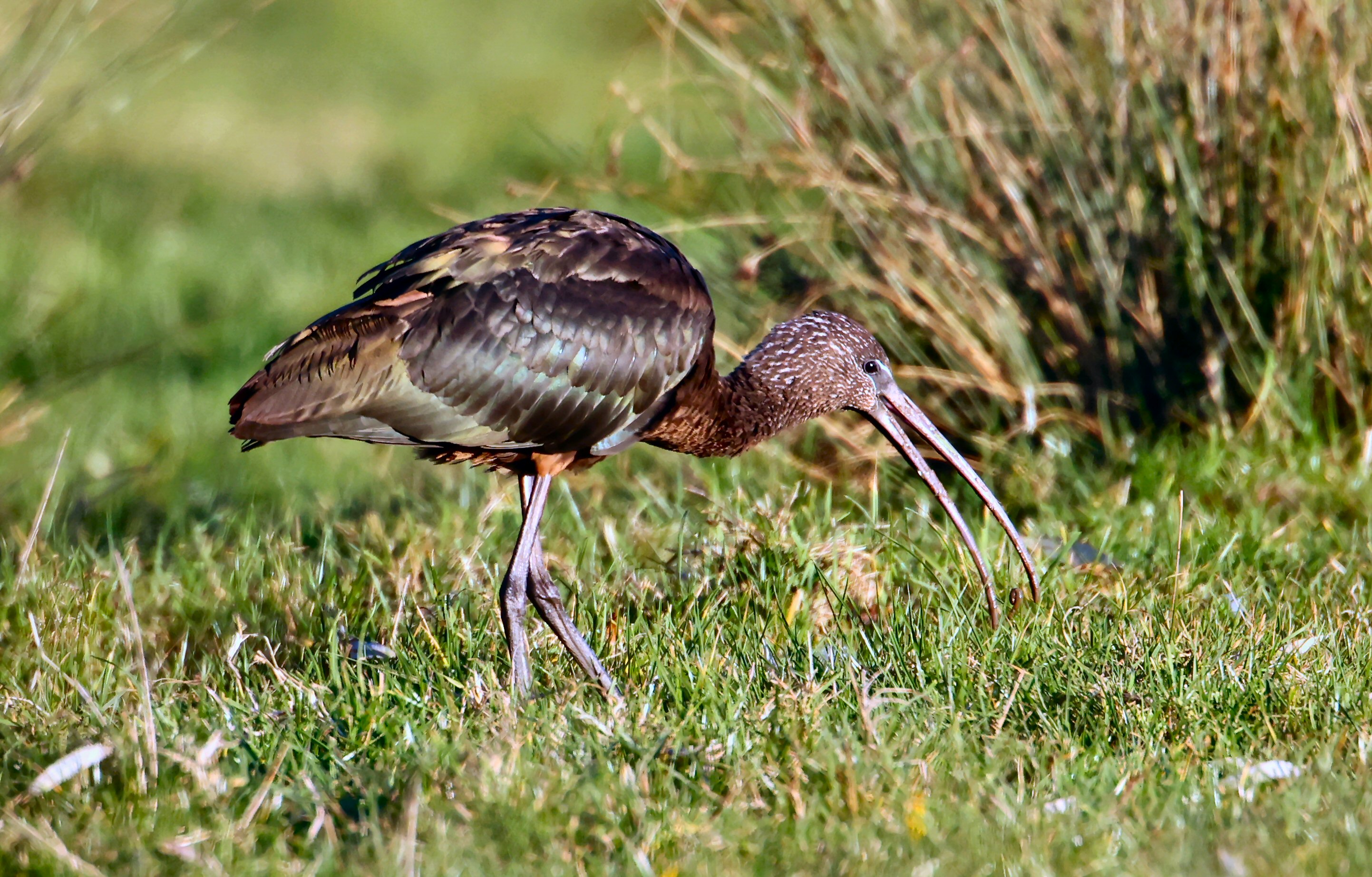
A few years back, it was almost inconceivable that the above species, along with Cattle Egrets would have occurred together at the same locality in Britain, let alone in Northants but this is now how changes in distribution of birds from warmer climes are panning out. Stanwick’s six remained in the vicinity all week and two flew south-west over Stanford on 18th and again on 22nd, reappearing by the settling pond there on 23rd. One was also seen in flight there on the following day.

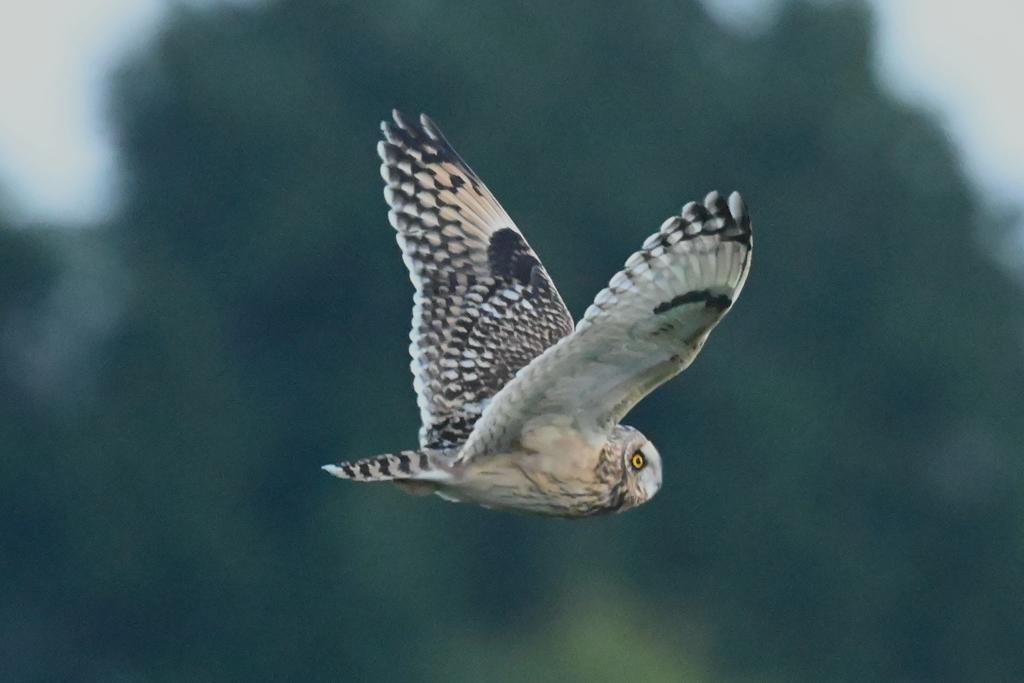
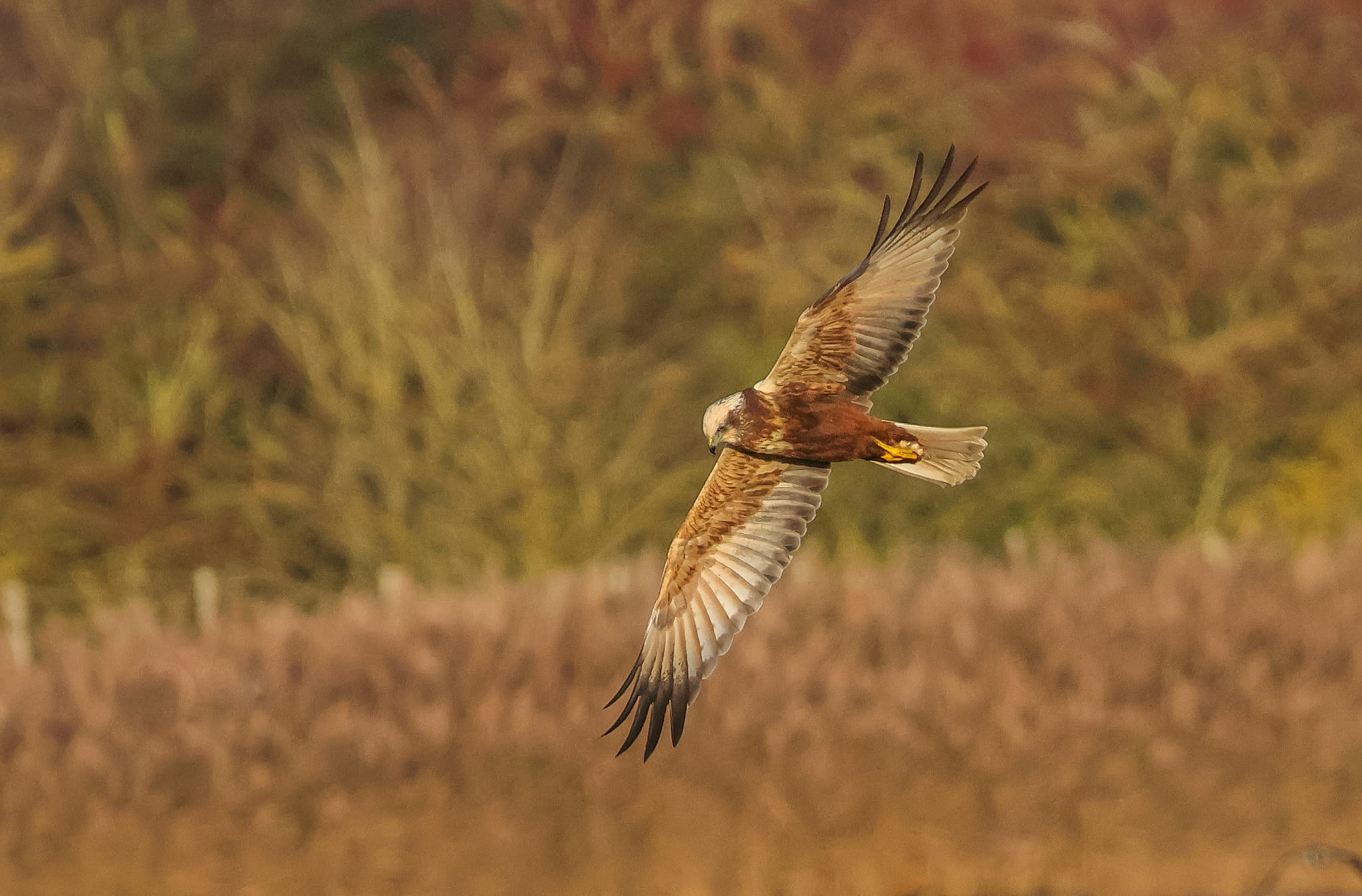
A notable drop in Marsh Harrier numbers saw just the one at Summer Leys LNR on 19th while, like last week, a Short-eared Owl was seen in the Brampton Valley between Cottesbrooke and Hanging Houghton on 18th. Continuing the singles theme, just one Merlin was seen, at Stanford on 20th.
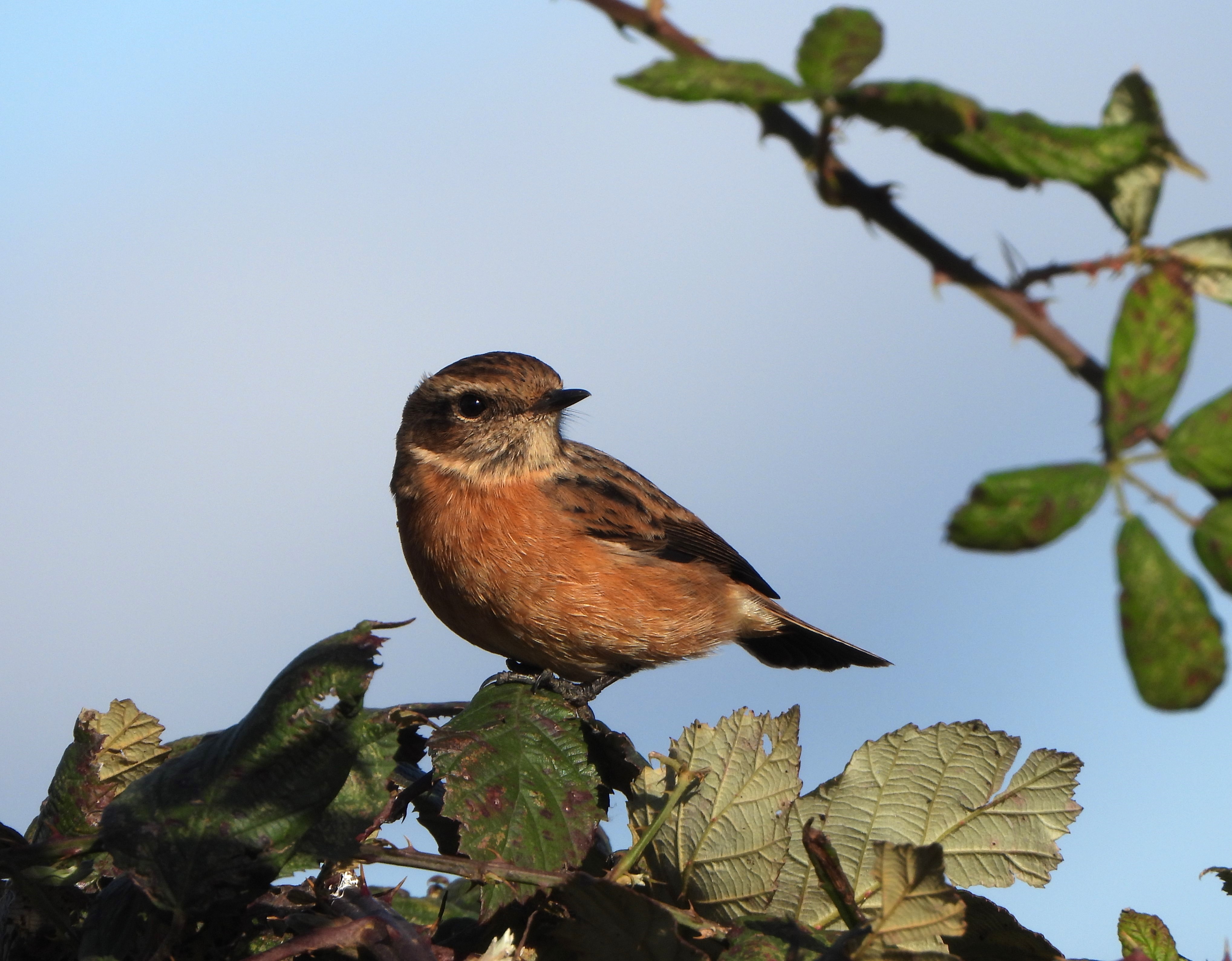
Eight localities produced Stonechats, with site maxima of four at Hollowell on 21st and 24th and at Stanwick on 23rd.

Wakerley Great Wood continued to produce Crossbills, with at least five on 18th, while nearby Fineshade Wood held at least six on 19th and one on 22nd.

Newsround – 4th to 17th November 2023

If it’s said a week is a long time in politics, then two weeks may be looked upon as an absolute age in birding, especially if it’s in spring or autumn. The summary of the fourteen days just gone chronicles the occurrence of the best birds of the period and echoes the previous week in terms of the discovery of a Great Northern Diver and, once again, the reappearance of that hitherto elusive Glossy Ibis.

Low down on this week’s agenda, though, was the Pink-footed Goose still at Ravensthorpe Res throughout but two other sites dished up some classier fare in the shape of six adult Whooper Swans – two at Stanwick GP on 7th and four at Stanford Res on 12th. Unfortunately, neither site held on to them for more than 15 minutes.

Red-crested Pochards consisted of three at Pitsford Res on 5th and two at Clifford Hill GP on the same date, while 7th saw three at Stanford, falling to two between 8th and 10th. The period’s ducks deluxe were limited to Thrapston GP’s female or first-winter Ring-necked Duck remaining there until Bonfire night, after which it was nowhere to be seen. New in and up for the count, however, was a female or first-winter Common Scoter at Daventry CP on 16th.

Pitsford’s two Red-breasted Mergansers continued to be mobile around the southern end of the reservoir until at least 11th, while Stanwick GP produced its own duo on 8th and one from 9th until 11th. All were females/first-winters, or ‘redheads’ as they colloquially known.

Perhaps eliciting a modicum of interest for some, a female Golden Pheasant was found at Harrington AF on 13th. Gone are the days when this species maintained its own small, localised population at Glapthorn Cow Pasture, where it was last seen in 1994. A study published in July 2023 concluded there are only 37–40 ‘wild’ Golden Pheasants remaining in the UK, within two regions. Both populations are dependent on human management via supplementary releases, food provision, or predator control and therefore, as of this year, can no longer be considered to be truly naturalised. This represents a significant decline from a 1993 UK population of 1000–2000.

Following that cusp of dusk discovery of the Red-necked Grebe at Pitsford on 3rd, there were unconfirmed reports of it there again on 6th and 7th. More obliging, however, was a Slavonian Grebe found at Thrapston GP’s Titchmarsh LNR on 5th, remaining there until 7th.

Waders were in short supply during the period with just the Summer Leys LNR Ruff still in place on 5th and a late Grey Plover in flight over Stanford on 17th.

Gulls proved more productive, though, with an adult Little Gull kicking off the period at the unusual location of DIRFT 3 on 4th. Not a million miles away to the north-east, Stanford’s gull roost held two different Mediterranean Gulls – an adult on 8th and a first-winter on 9th and 10th – as well as single adult Caspian Gulls on 6th, 7th and 13th. Two adult Caspians were at Hollowell Res on 6th, followed by one adult there on 11th, 14th, 15th and 17th. Elsewhere, a first-winter visited Daventry CP on 14th and two were reported from Boddington Res the following day. Falling behind in the numbers stakes were Yellow-legged Gulls, with single adults at Pitsford on 4th, Stanford on 6th, Earls Barton GP on 7th and Hollowell on 15th.

Hot on the heels of the Pitsford bird on 2nd, another Great Northern Diver offered a second bite of the yearlisting cherry when it dropped into Daventry on 15th, before making an early morning departure to the west the following day.

And regarding the next bird, the two questions raised in the last Newsround were duly answered this week when the previously highly mobile Glossy Ibis, after dropping into Ditchford GP for one day only, on 6th, decided to give itself up and return there, remaining on-site from 12th to 17th.

A Bittern put on a flying display over the Scrape at Summer Leys on 11th.

Stanwick hung on to its Cattle Egrets – up to six remaining on-site throughout the period, while one was watched flying west at Ditchford GP on 11th.

Marsh Harrier numbers rallied somewhat during the period, the 10th producing singles at Ditchford, Stortons GP and Summer Leys, with the latter site holding a green wing-tagged juvenile on 12th and single males on 14th and 17th.

Just one Short-eared Owl made it onto the books, being seen in the Brampton Valley below Hanging Houghton on 8th.

Over the period, Merlin sightings came from Harrington AF on 5th and 14th, Desborough AF and Stanford on 6th and again at the latter site on 11th. Not to be left out, of course, Blueberry Farm produced a male on 10th, also visiting adjacent Brampton Valley between Cottesbrooke and Hanging Houghton on 12th and 15th.

Given the impressively high numbers of Waxwings in the country, including a flock of an estimated one thousand at one Scottish location, it may not be so surprising that a flock of between thirty and forty was reported flying west over Earls Barton on 15th. We await a nailed-down flock sometime soon. The berries are out there for the taking …

Ten localities produced Stonechats with site maxima of five at Sywell CP on 8th and Hollowell Res on 11th.

Remember, too, Crossbills are out there and Wakerley Great Wood is the favoured locality, producing three on 6th and at least ten on 11th.

Newsround – 28th October to 3rd November 2023

Another week, another storm. This one, ‘Storm Ciarán’, swept across the country and out into the North Sea, bringing gale-force winds, heavy rain and disruption to many parts of southern Britain. Here, in Northants, we were lucky to avoid the mayhem but once again, though expectations were high and the English Channel was awash with Leach’s Petrels, there were no wrecked seabirds.   

There were, however, some rather smart new kids on the block this week. Firstly, though, dispensing with dodgy geese – the mentioning of which is little short of mandatory – a Barnacle Goose accompanied Canadas at Upton CP on 2nd and the Pink-footed Goose was still at Ravensthorpe Res on 28th.

The female or first-winter Ring-necked Duck remained at Thrapston GP, being seen at Titchmash LNR on 28th before temporarily disappearing and then resurfacing on Town Lake on 3rd. Pitsford Res this week was clearly making a bid to restore its former glory, producing two ‘redhead’ Red-breasted Mergansers on 3rd – just one of three top-notch birds to turn up there at the week’s end. Found in the morning, these two sufficed to offer a third bite of the cherry for local yearlisters, after two fleeting spring drake duos earlier in the year, at Daventry CP on 29th March and Pitsford on 10th April.

Also on 3rd, before the day was out, just prior to dusk Pitsford again came up trumps with the discovery of a Red-necked Grebe between Pintail Bay and The Pines. With a chequered history of appearances, Red-necked Grebe is a rare commodity these days. There was a run of records, annually, between 2014 and 2017, prior to which there was one in 2008. There has been none since.

Waders this week were, unsurprisingly, poorly represented. Aside from a late Common Sandpiper on Pitsford’s dam, on 3rd, last week’s Ruff remained at Summer Leys LNR until at least 30th.

Also keeping up appearances were Mediterranean Gulls. Last week’s adult was again in the roost at Stanford Res on 28th, while another adult was found in Boddington’s roost on 3rd. The same two roosts also produced Caspian Gulls – a first-winter in the one at Stanford on 1st and two adults at Boddington on 3rd. Elsewhere, a first-winter was in fields west of Chacombe on 28th and the regular adult remained at Hollowell Res throughout the period. Hollowell also held an adult Yellow-legged Gull on 28th, two adults visited Wicksteed Park Lake, Kettering on 1st and Pitsford – ever reliable for this species – provided sightings of an adult on 2nd and two adults and a first-winter on 3rd.

Pitsford’s run of goodies continued with another dusk discovery of a Great Northern Diver on 2nd. Alas, it was nowhere to be seen the following morning, almost mirroring the behaviour of last year’s pre-dusk drop-in on 11th November – the latter bird quickly vacating the site early the following morning.

And for the third time, our weekly one-day wonder, in the shape of the Nene Valley’s obviously highly mobile Glossy Ibis, decided on performing a tantalising flypast at Stanwick as the period drew to a close on 3rd. Where will it appear next and will it ever settle?

It also seems to be the case that Stanwick has stolen the Summer Leys crown, at least as far as Bitterns are concerned. After one was seen daily from 29th to 31st, the number rose to two there on 2nd and 3rd. The same site also held four Cattle Egrets on 28th, rising to six from 29th to 3rd. Elsewhere, one was reported at Summer Leys on 28th and another was found just west of Chacombe on the same date.

After a report of one at Summer Leys on 28th, a Marsh Harrier flew south over Titchmarsh LNR on 31st – a poor showing by recent standards.

But after none last week, Short-eared Owls were very much in the spotlight during the period. On 29th, two were at Harrington AF, one was near Blueberry Farm and one was reported near Helmdon. Following these, singles were seen near Welford and again at Harrington on 30th, at Upton CP on 2nd, and south of Naseby the next day.

Over the period, Merlin sightings came again from the Brampton Valley between Cottesbrooke and Hanging Houghton on 1st and Hinton AF on 3rd.

Eleven localities produced Stonechats – up three on last week. These included Blueberry Farm, Brampton Valley, Clifford Hill GP, Earls Barton GP, Harrington, Hollowell, Lilbourne Meadows NR, Pitsford, Summer Leys, Sywell CP and Upton.

Last, but not least, a lone Crossbill was in Christie’s Copse at Pitsford Res on 2nd.

link-to-latest-reports