If it’s said a week is a long time in politics, then two weeks may be looked upon as an absolute age in birding, especially if it’s in spring or autumn. The summary of the fourteen days just gone chronicles the occurrence of the best birds of the period and echoes the previous week in terms of the discovery of a Great Northern Diver and, once again, the reappearance of that hitherto elusive Glossy Ibis.
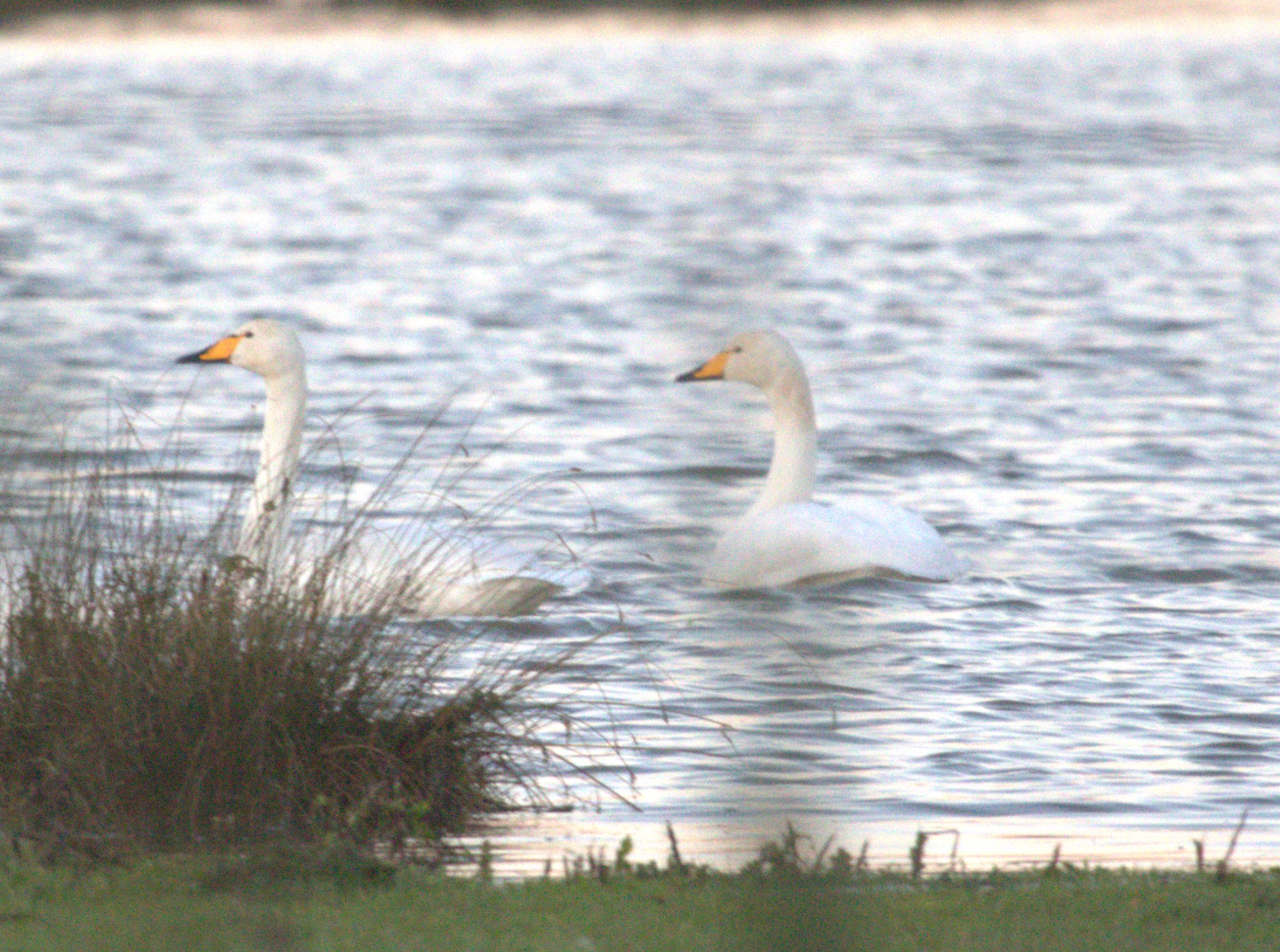
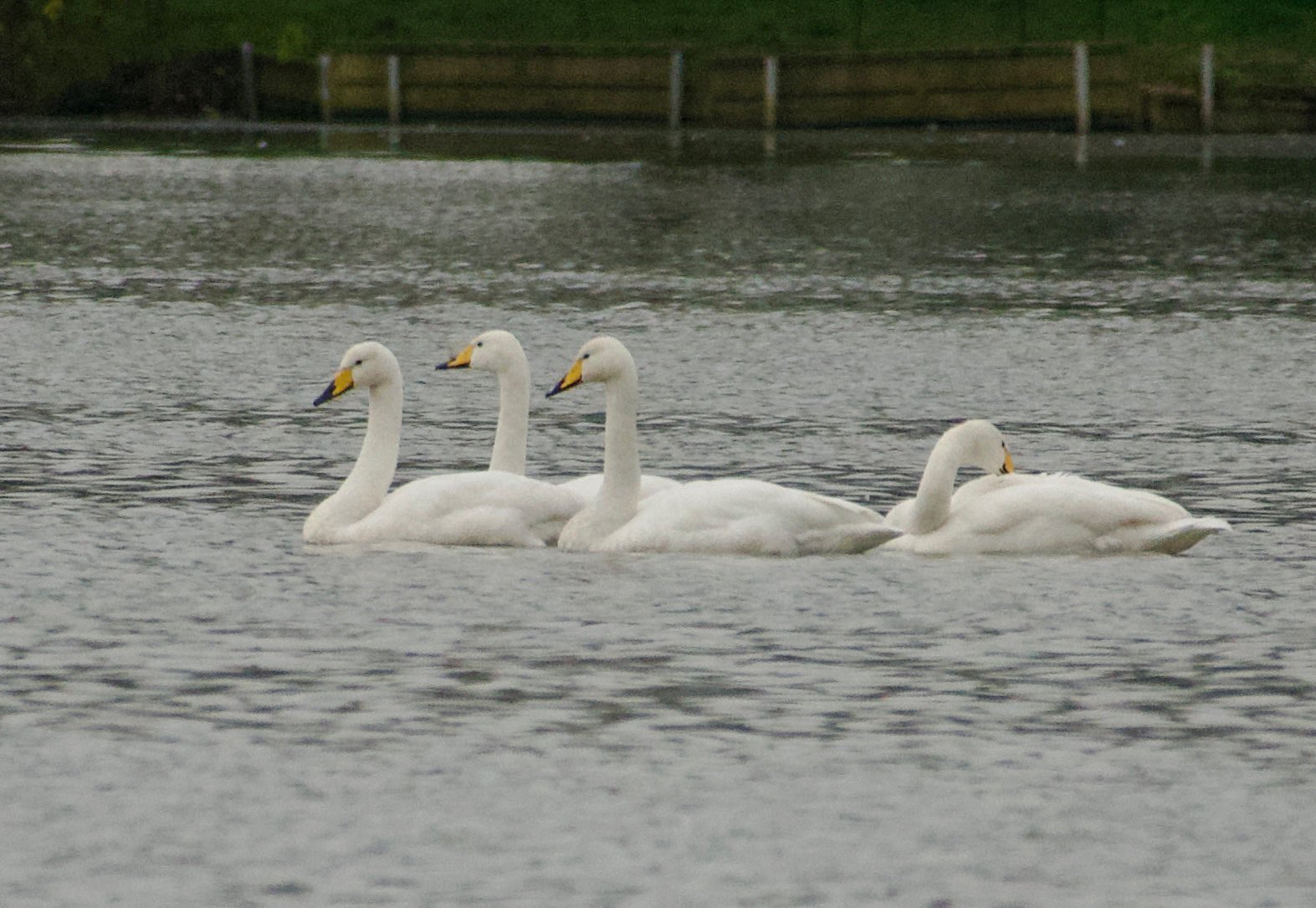
Low down on this week’s agenda, though, was the Pink-footed Goose still at Ravensthorpe Res throughout but two other sites dished up some classier fare in the shape of six adult Whooper Swans – two at Stanwick GP on 7th and four at Stanford Res on 12th. Unfortunately, neither site held on to them for more than 15 minutes.
Red-crested Pochards consisted of three at Pitsford Res on 5th and two at Clifford Hill GP on the same date, while 7th saw three at Stanford, falling to two between 8th and 10th. The period’s ducks deluxe were limited to Thrapston GP’s female or first-winter Ring-necked Duck remaining there until Bonfire night, after which it was nowhere to be seen. New in and up for the count, however, was a female or first-winter Common Scoter at Daventry CP on 16th.

Pitsford’s two Red-breasted Mergansers continued to be mobile around the southern end of the reservoir until at least 11th, while Stanwick GP produced its own duo on 8th and one from 9th until 11th. All were females/first-winters, or ‘redheads’ as they colloquially known.

Perhaps eliciting a modicum of interest for some, a female Golden Pheasant was found at Harrington AF on 13th. Gone are the days when this species maintained its own small, localised population at Glapthorn Cow Pasture, where it was last seen in 1994. A study published in July 2023 concluded there are only 37–40 ‘wild’ Golden Pheasants remaining in the UK, within two regions. Both populations are dependent on human management via supplementary releases, food provision, or predator control and therefore, as of this year, can no longer be considered to be truly naturalised. This represents a significant decline from a 1993 UK population of 1000–2000.

Following that cusp of dusk discovery of the Red-necked Grebe at Pitsford on 3rd, there were unconfirmed reports of it there again on 6th and 7th. More obliging, however, was a Slavonian Grebe found at Thrapston GP’s Titchmarsh LNR on 5th, remaining there until 7th.

Waders were in short supply during the period with just the Summer Leys LNR Ruff still in place on 5th and a late Grey Plover in flight over Stanford on 17th.
Gulls proved more productive, though, with an adult Little Gull kicking off the period at the unusual location of DIRFT 3 on 4th. Not a million miles away to the north-east, Stanford’s gull roost held two different Mediterranean Gulls – an adult on 8th and a first-winter on 9th and 10th – as well as single adult Caspian Gulls on 6th, 7th and 13th. Two adult Caspians were at Hollowell Res on 6th, followed by one adult there on 11th, 14th, 15th and 17th. Elsewhere, a first-winter visited Daventry CP on 14th and two were reported from Boddington Res the following day. Falling behind in the numbers stakes were Yellow-legged Gulls, with single adults at Pitsford on 4th, Stanford on 6th, Earls Barton GP on 7th and Hollowell on 15th.
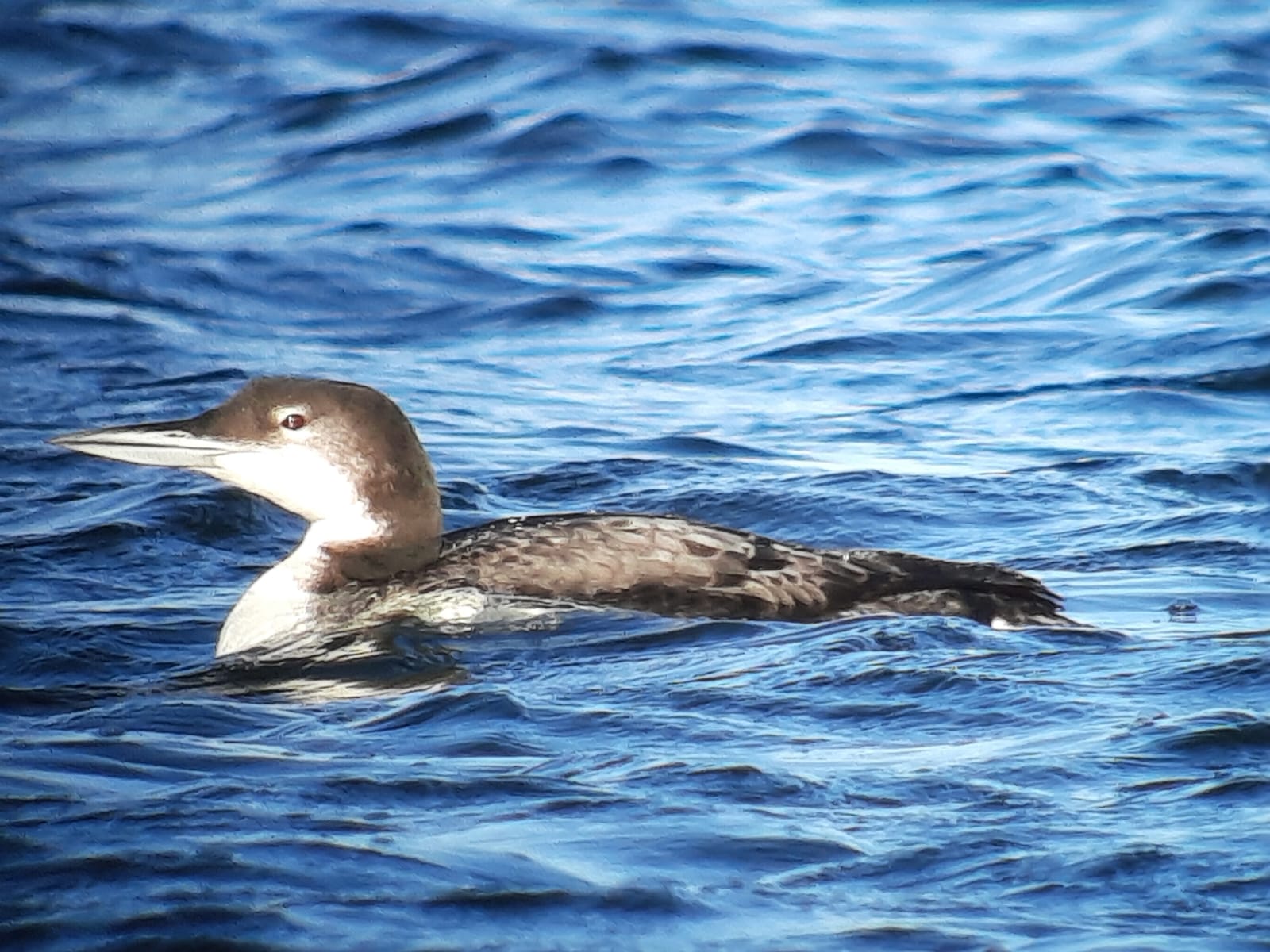
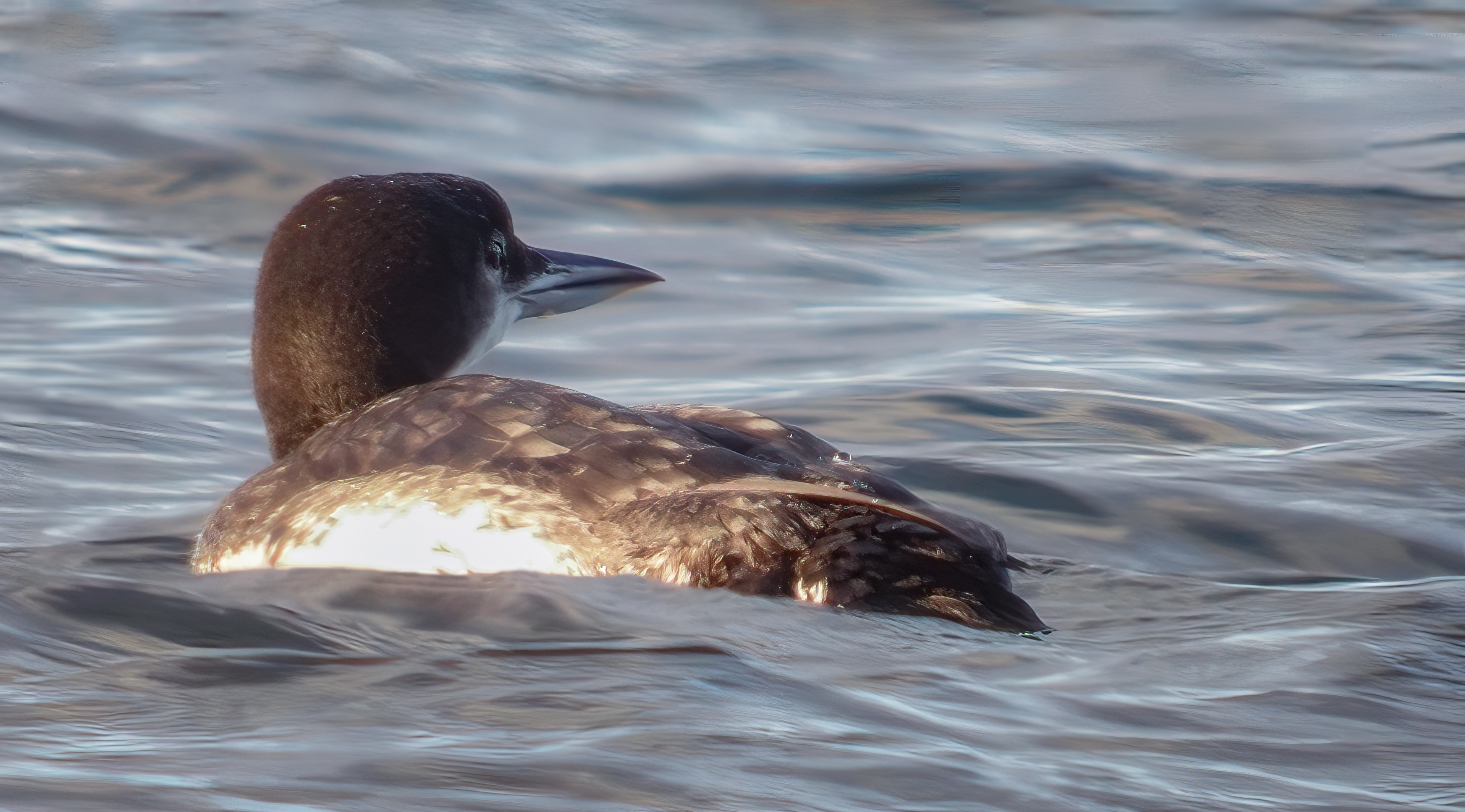
Hot on the heels of the Pitsford bird on 2nd, another Great Northern Diver offered a second bite of the yearlisting cherry when it dropped into Daventry on 15th, before making an early morning departure to the west the following day.


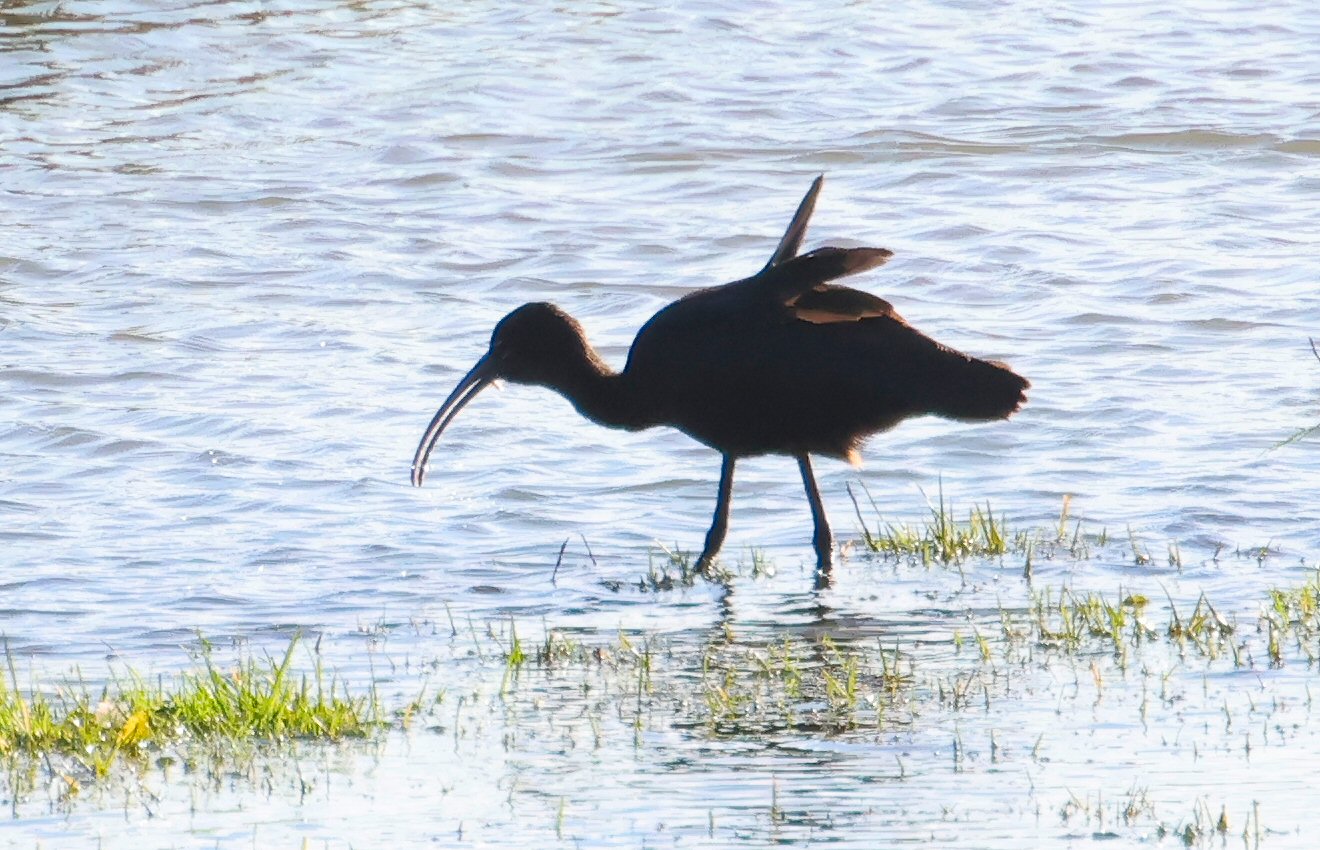
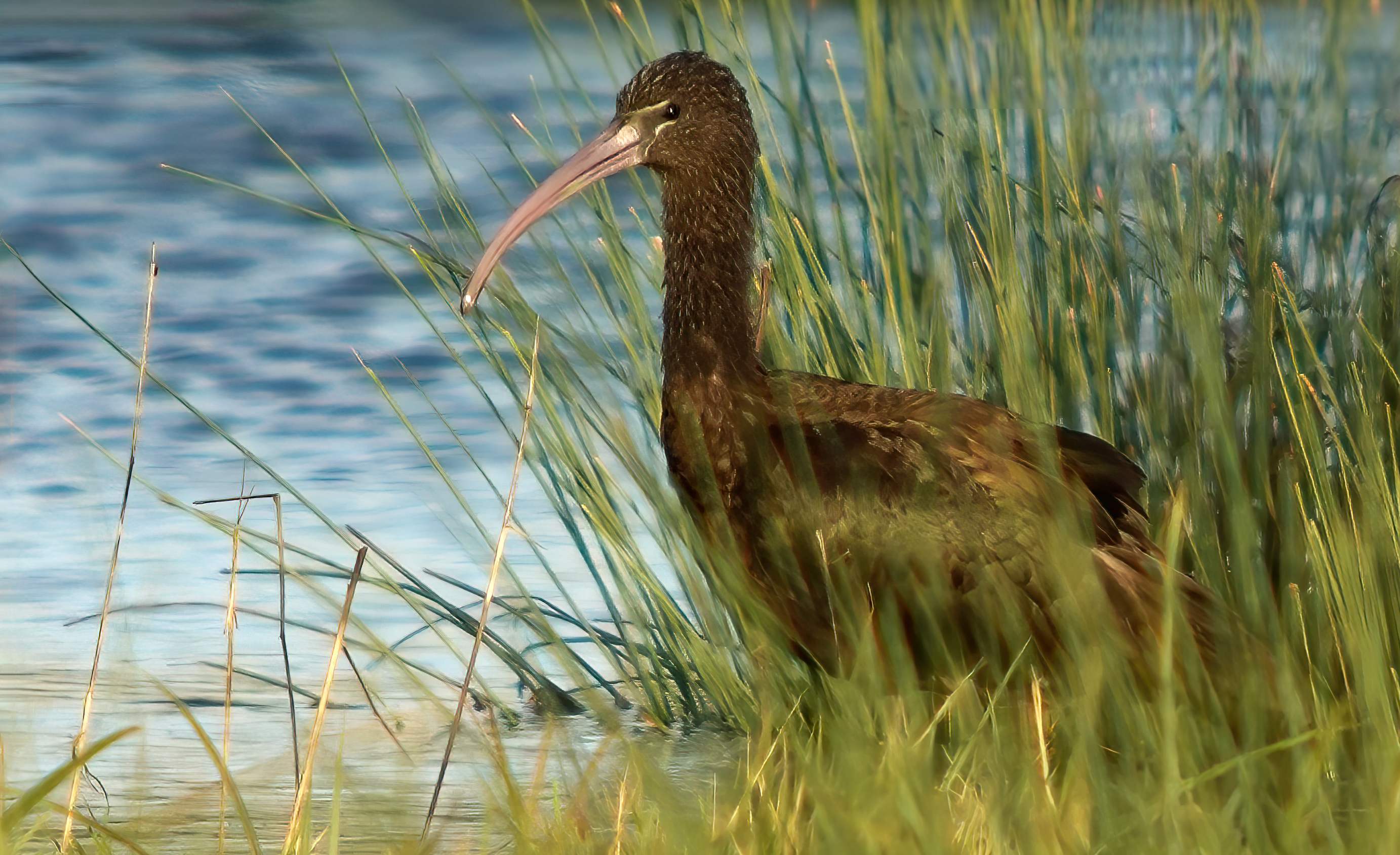
And regarding the next bird, the two questions raised in the last Newsround were duly answered this week when the previously highly mobile Glossy Ibis, after dropping into Ditchford GP for one day only, on 6th, decided to give itself up and return there, remaining on-site from 12th to 17th.
A Bittern put on a flying display over the Scrape at Summer Leys on 11th.

Stanwick hung on to its Cattle Egrets – up to six remaining on-site throughout the period, while one was watched flying west at Ditchford GP on 11th.
Marsh Harrier numbers rallied somewhat during the period, the 10th producing singles at Ditchford, Stortons GP and Summer Leys, with the latter site holding a green wing-tagged juvenile on 12th and single males on 14th and 17th.
Just one Short-eared Owl made it onto the books, being seen in the Brampton Valley below Hanging Houghton on 8th.
Over the period, Merlin sightings came from Harrington AF on 5th and 14th, Desborough AF and Stanford on 6th and again at the latter site on 11th. Not to be left out, of course, Blueberry Farm produced a male on 10th, also visiting adjacent Brampton Valley between Cottesbrooke and Hanging Houghton on 12th and 15th.
Given the impressively high numbers of Waxwings in the country, including a flock of an estimated one thousand at one Scottish location, it may not be so surprising that a flock of between thirty and forty was reported flying west over Earls Barton on 15th. We await a nailed-down flock sometime soon. The berries are out there for the taking …
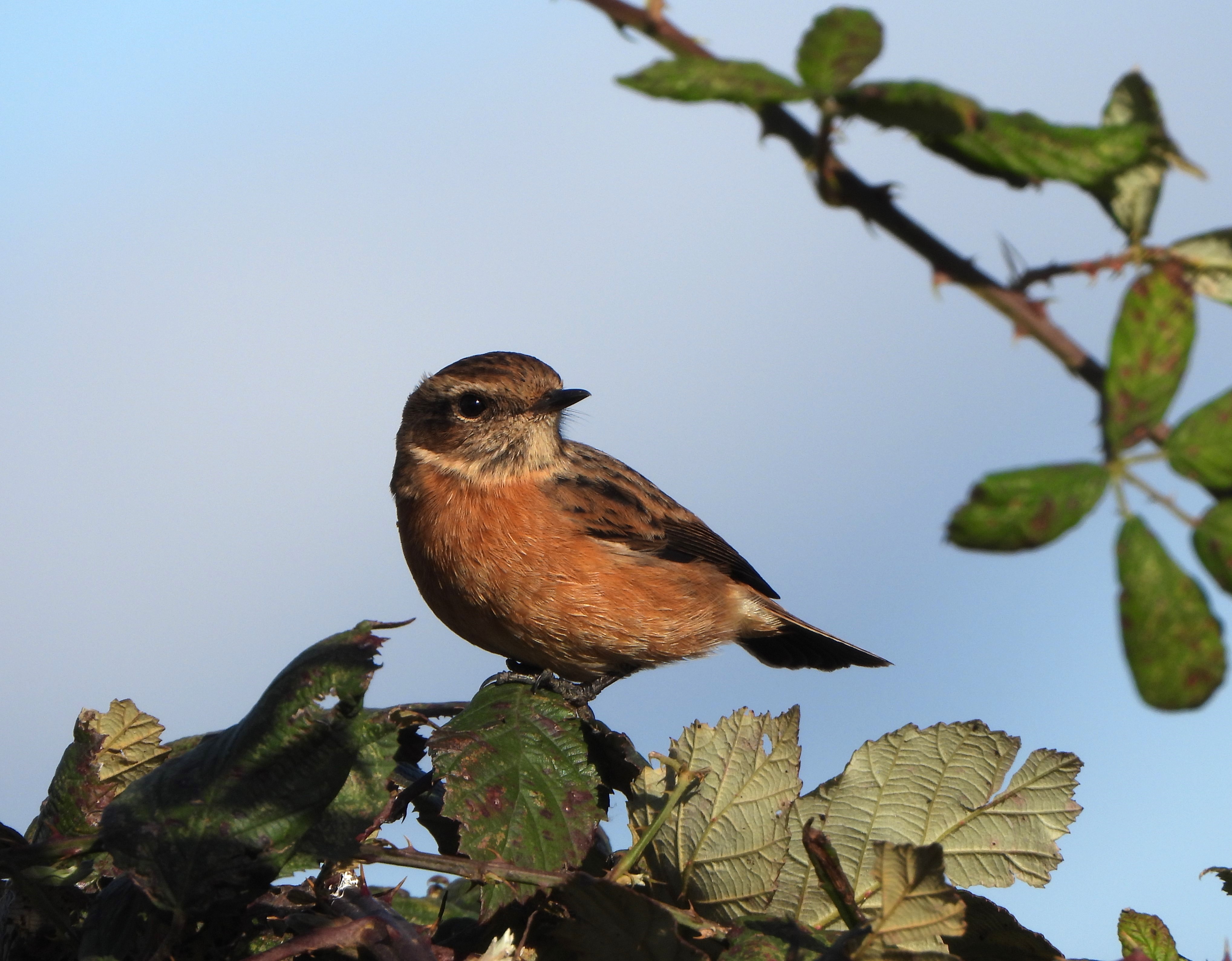
Ten localities produced Stonechats with site maxima of five at Sywell CP on 8th and Hollowell Res on 11th.
Remember, too, Crossbills are out there and Wakerley Great Wood is the favoured locality, producing three on 6th and at least ten on 11th.

Discover more from Northants birds
Subscribe to get the latest posts sent to your email.

 Northants birds