Continuing the mild weather theme, the week remained frost-free but rain was plentiful during the early part, creating temporary flooding of some river valley wetlands and raising water levels at local reservoirs. New birds arrived while some relatively longer stayers departed. And then there were those rather troublesome Waxwings …
Hollowell Reservoir’s Pink-footed Goose remained throughout the period, while ‘new’ Red-crested Pochards turned up at Pitsford Res, where a female was found on 11th, and at Clifford Hill GP, where a drake appeared on 15th. Pitsford also sported a first-winter drake Greater Scaup, north of the causeway, on 11th. The Ravensthorpe Res (ex-Pitsford) Common Scoter hung on there until 10th, after which there was no further sign of it.
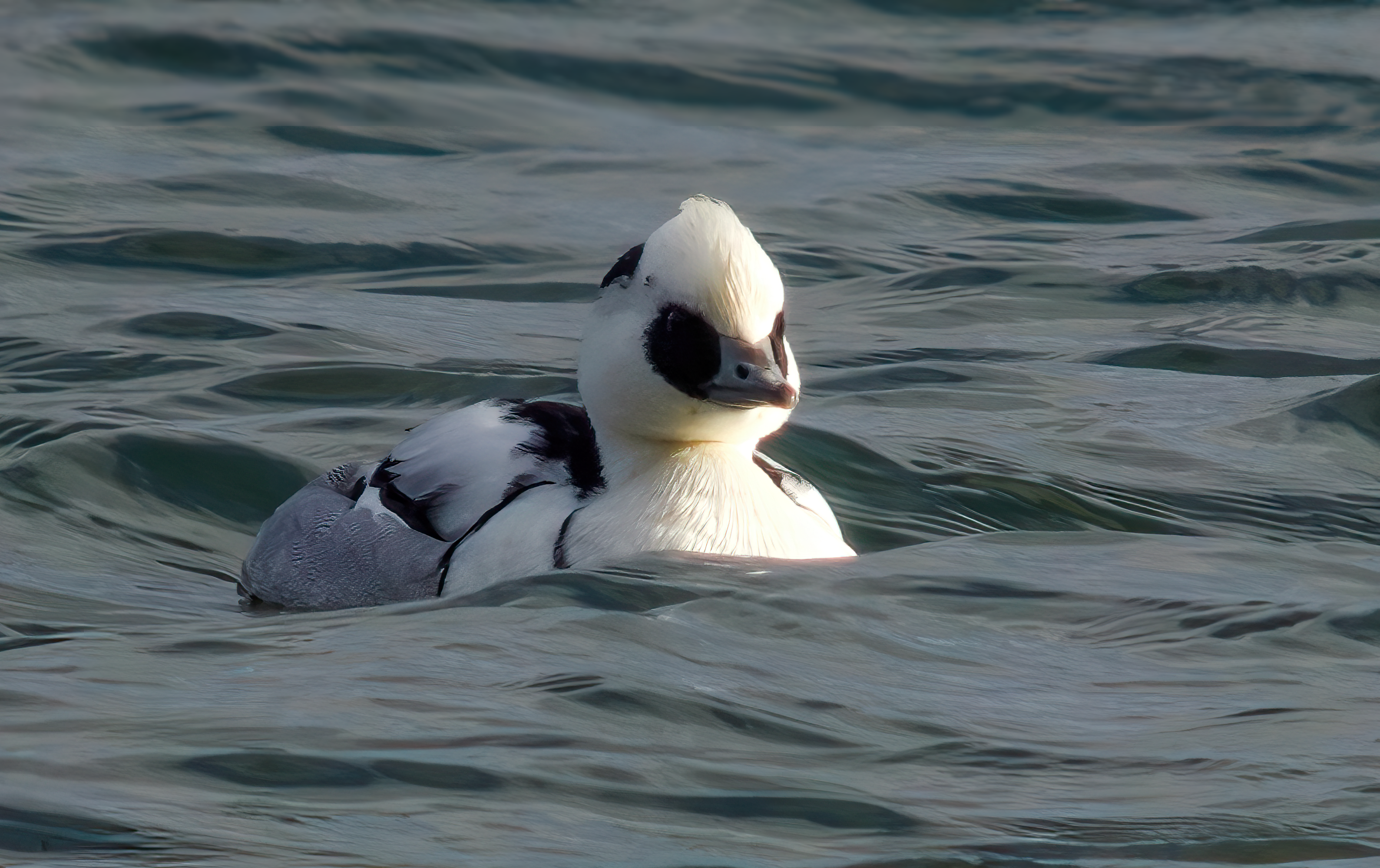
The first of the winter, a rather showy and seductive drake Smew, initially found with a ‘redhead’ on 9th, enticed a steady stream of admirers into the causeway car park at Pitsford Res, where it was performing rather nicely on 11th.

With two at Pitsford on 11th and one at Hollowell on 15th, Jack Snipes stood to relieve an otherwise waderless week.
There were no unexpected gulls during the period, the best being a first-winter Mediterranean Gull in the roost at Stanford Res on 11th-12th, joined there by a second bird on 15th. The same site held single adult Caspian Gulls on 11th and 13th, while further adults were seen flying north at Pitsford on the former date and at both Hollowell and Ravensthorpe on 15th. Pitsford produced the week’s only Yellow-legged Gulls, which included two on 10th-11th and one on 12th.
Staying with Pitsford, the Great Northern Diver made it into this week, although on 10th it became highly mobile, taking to the air on at least two occasions after having been disturbed by extensive recreational activity in its favoured area. It was last seen flying high north late in the day and, alas, it has not been seen since.
Down in the Nene Valley, Stanwick continued to host a bevy of Cattle Egrets, peaking at seven on 15th, while the two that visited Stanford Res sporadically during the third week of November were located in a field at nearby Stanford on Avon on 9th, remaining in the vicinity all week. Meanwhile, the singleton found last week at Wicksteed Water Meadows, Kettering was still in residence at the end of the period.


Keeping up appearances, Marsh Harriers were seen at Summer Leys LNR on 10th and daily at Stanwick between 11th and 14th although, in all probability, all sightings seem likely to relate to the same Nene Valley wanderer. Rarer still, a ‘ringtail’ Hen Harrier was discovered quartering fields immediately north of Irthlingborough on 11th, being seen again in the same general area on 13th, 14th and 15th – a female Merlin also being present there on 13th.

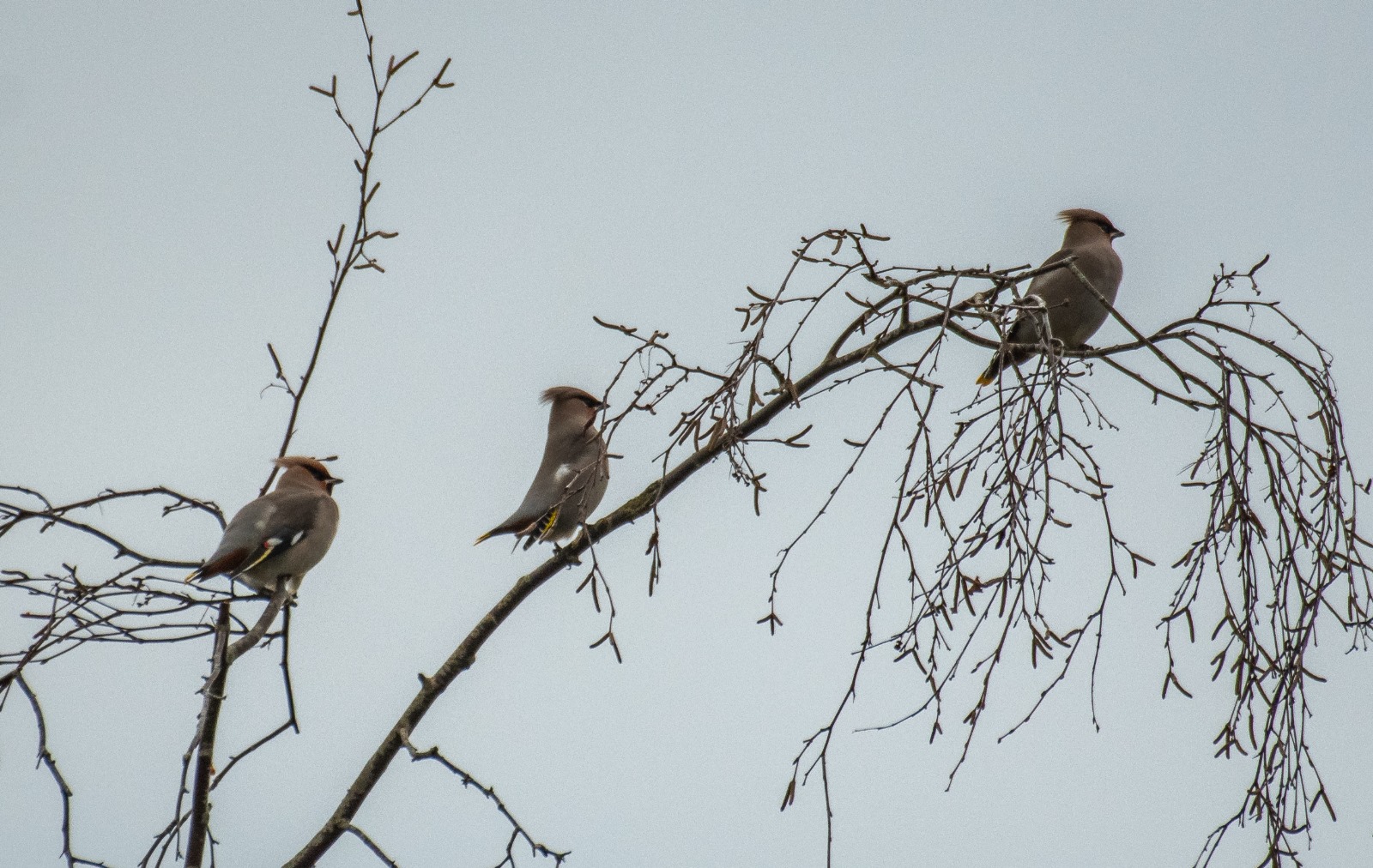
And after a week of high expectations on the Waxwing front, three were chanced upon, way down south in the Cherwell Valley, at King’s Sutton, on 11th. However, only those fleet of foot managed to successfully connect with them as, an hour after their discovery, they flew off north – never to be seen again. A source of further frustration came in the form of six at Greens Norton the following day. Said to be highly mobile around the village, and reported again there briefly on 13th, they never played ball for those who systematically combed the village on both days. Will we ever get any that are nailed down? The wait goes on …
Lacking the above species’ legendary charisma, but nonetheless still full of appeal, Stonechats were present at Hollowell, King’s Sutton, Pitsford, Summer Leys, Upton CP and Wicksteed Water Meadows where there were no more than four at any location.
Crossbills maintained a presence at Wakerley Great Wood, where up to thirty-five were estimated to be on site on 10th-11th, while one flew west over Harrington AF on 14th.

Discover more from Northants birds
Subscribe to get the latest posts sent to your email.

 Northants birds