Newsround – 20th to 26th January 2024

Things got fresh at the weekend when Storm Isha battered the UK, followed quickly in its wake by Storm Jocelyn. While they appeared to have little or no influence on what turned up locally, two species found themselves jostlin’ for position as bird of the week.

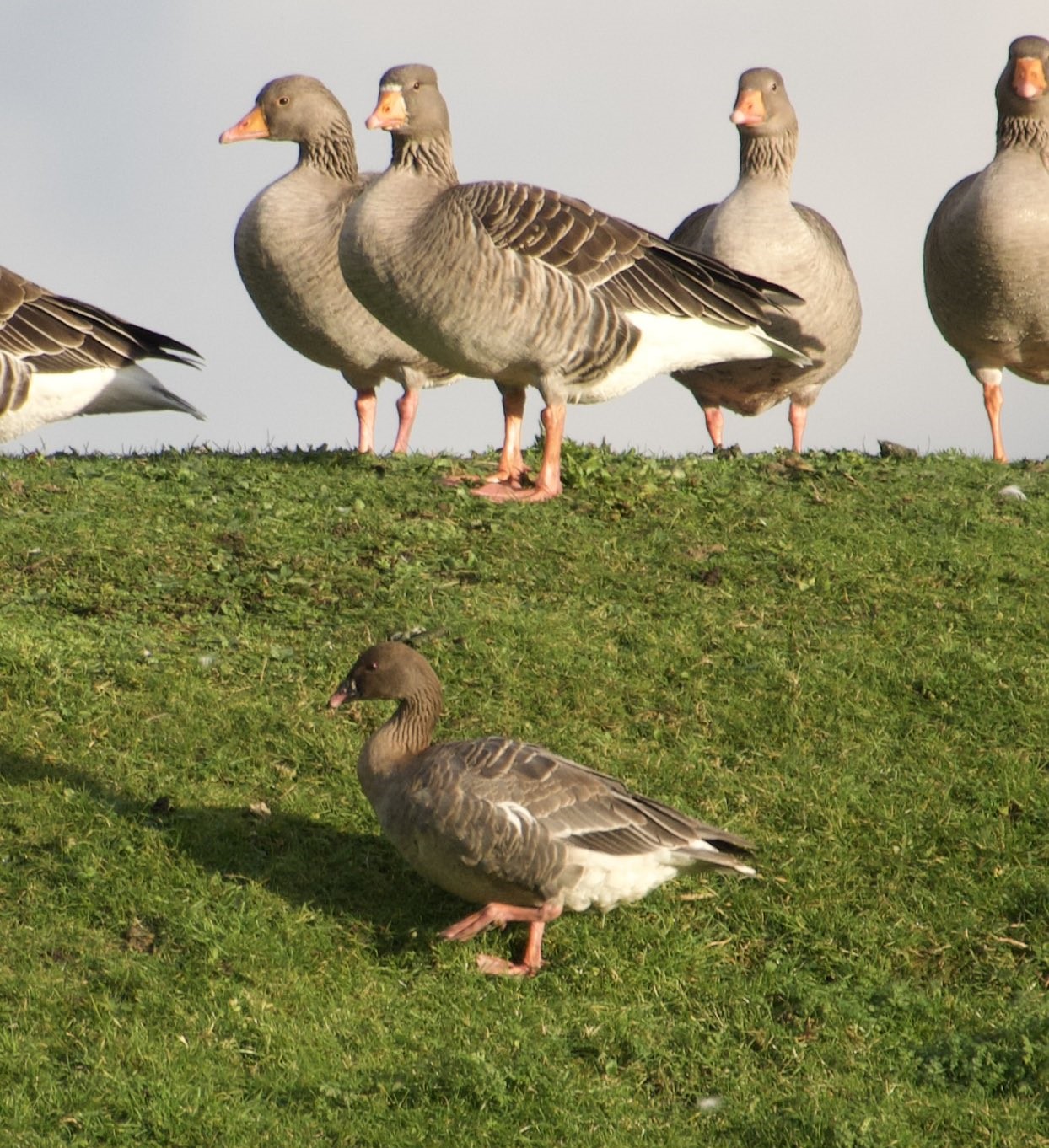
To get to the first of these requires a quick wade through the wildfowl which, this week, were in relatively short supply. Hollowell Res’s Pink-footed Goose remained there until at least 22nd, while further north, up on the Leicestershire border, two Red-crested Pochards appeared at Stanford Res on the last day of the period. Closer to the county town, a drake Red-crested Pochard x Pochard hybrid provided a flicker of interest at Sywell CP on 21st.

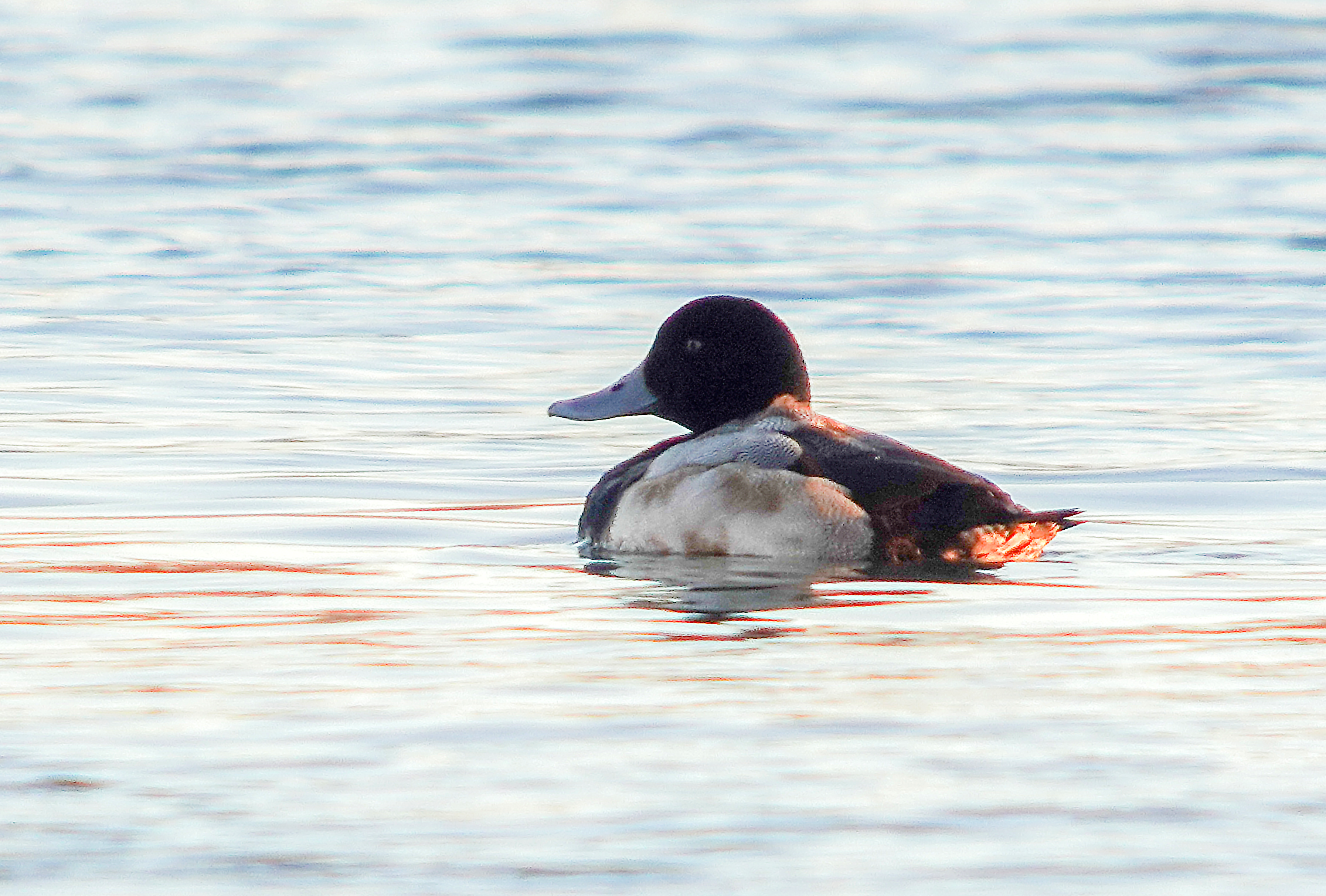
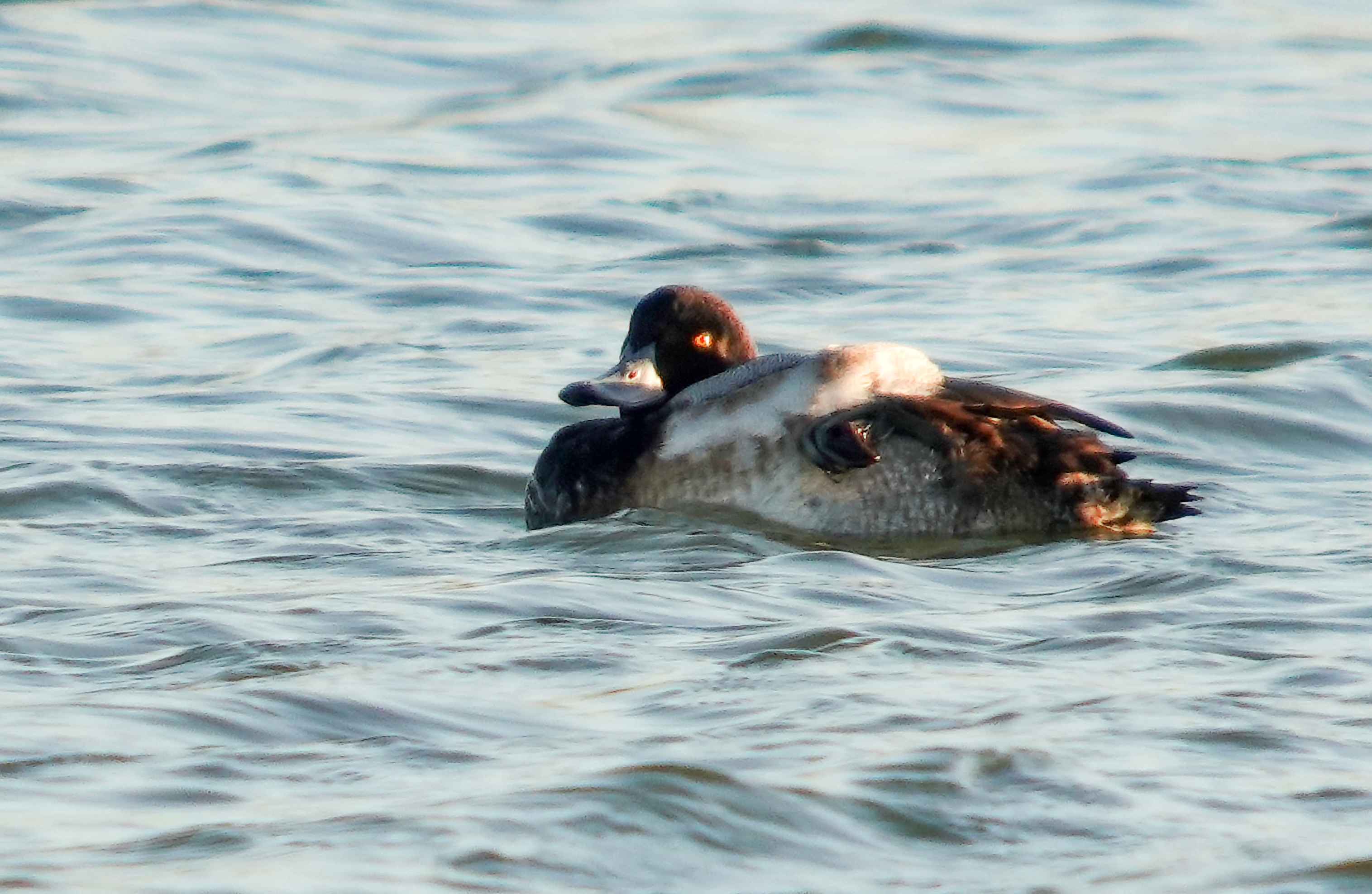
Back at Hollowell, the first-winter drake Greater Scaup remained settled throughout the week, while Earls Barton GP’s more advanced first-winter was still present at Grendon Lakes on 24th.

The first contender for bird of the week, however, was found ducking an’ diving at Thrapston GP’s Titchmarsh LNR on 25th. Step forward a/the female Ring-necked Duck. Not having been seen for a good seven days since disappearing from Stanwick, it was only a matter of time before it resurfaced somewhere nearby and Thrapston, having history, was the obvious choice. Of course, it may not have been the same bird …

Quality waders were all but missing, save for a Jack Snipe in the Brampton Valley, near Brixworth STW, on 20th and four of the same at Daventry CP on 22nd.

Homing in on some of the rarer gulls proved less of a challenge for those prepared to take a punt at a gull roost in the fading light of a winter’s afternoon. Stanford provided the lion’s share, with an adult Mediterranean Gull dropping in on 26th, adult and first-winter Caspian Gulls on 20th, a first-winter again on 22nd, a third-winter on 24th and an adult on 26th. A third-winter was also found at DIRFT 3 on 26th and the regularly visiting German-ringed (XLVH) adult was at its favoured site of Naseby Res on 21st. The only Yellow-legged Gull of the week was a second-winter at Billing GP on 24th.

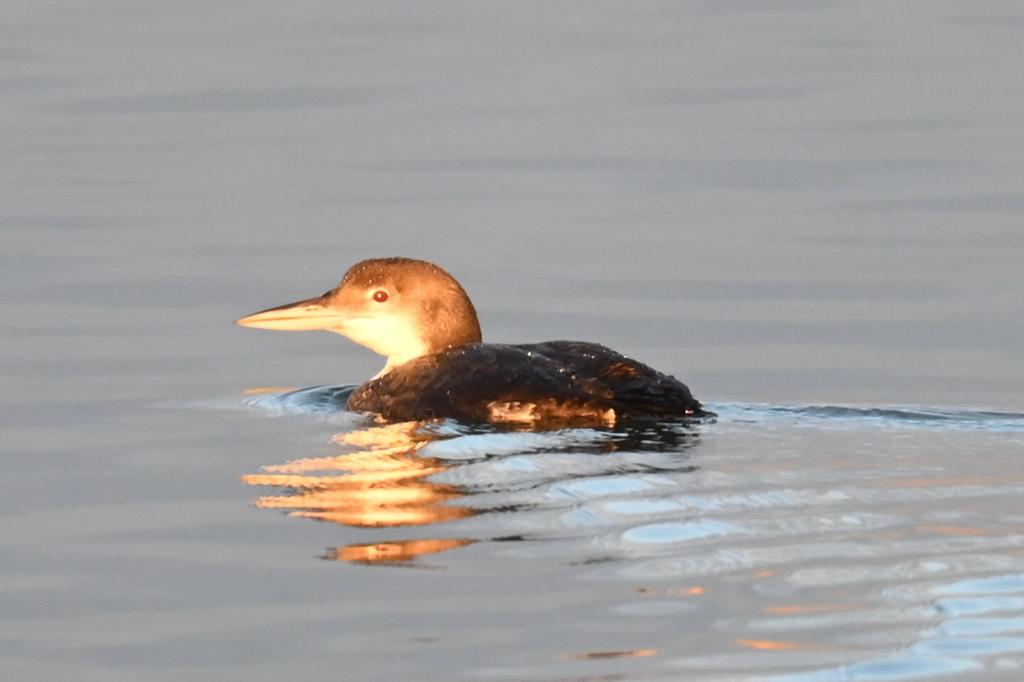
Mobile south of the causeway, the juvenile Great Northern Diver chalked up another week at Pitsford Res.

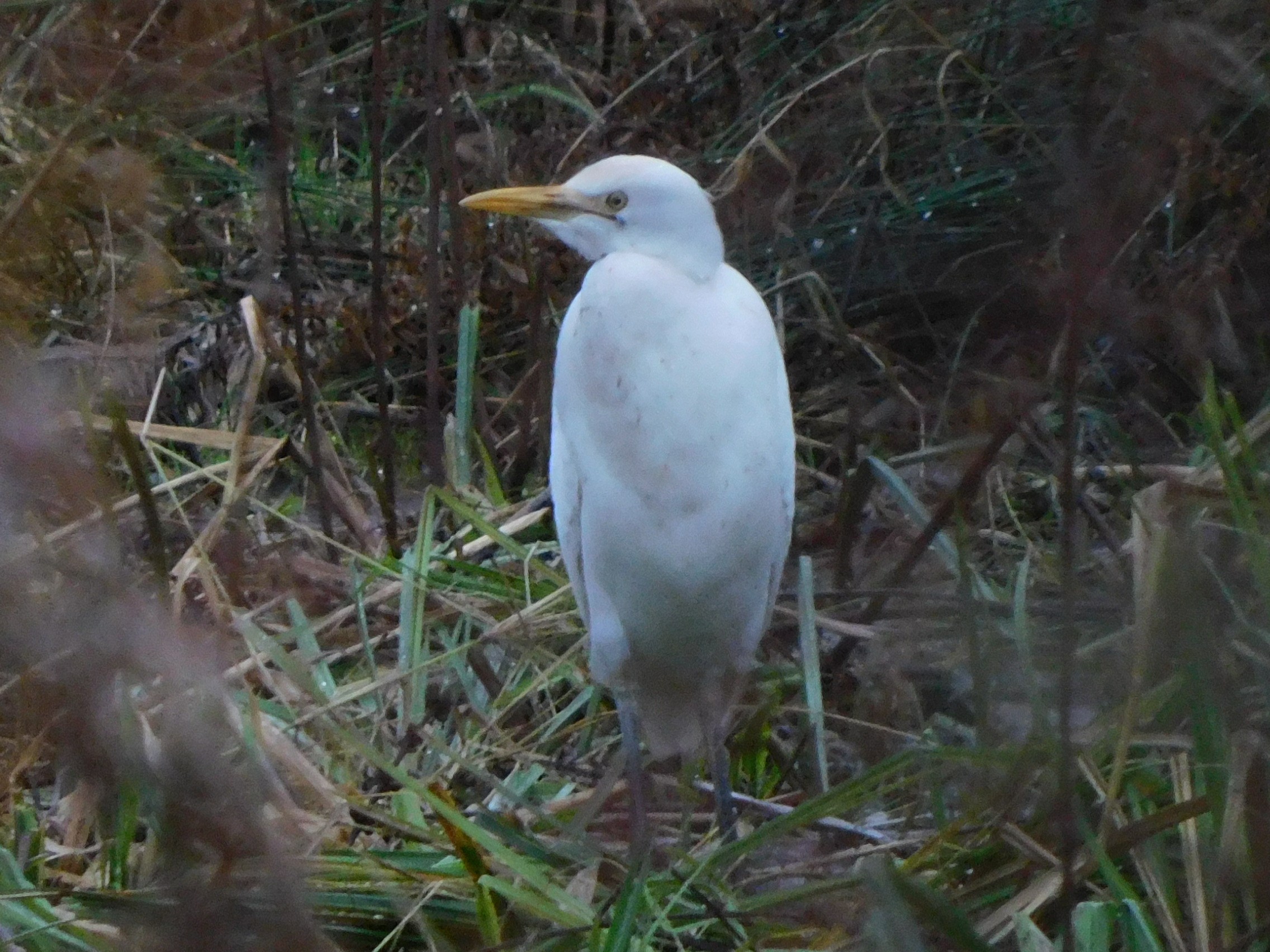
Numbers of Cattle Egrets remained low and included two at Summer Leys LNR on 21st, two at Ditchford GP’s Irthlingborough Lakes & Meadows LNR on 26th and one roosting at Stanford on the same date.

Now only to be expected, Marsh Harrier sightings were restricted to the weekend, when a juvenile and a male were seen around Earls Barton/Summer Leys and one flew west at Chown’s Mill roundabout near Ditchford GP. A male Merlin was seen in the Brampton Valley, between Cottesbrooke and Hanging Houghton on 20th.

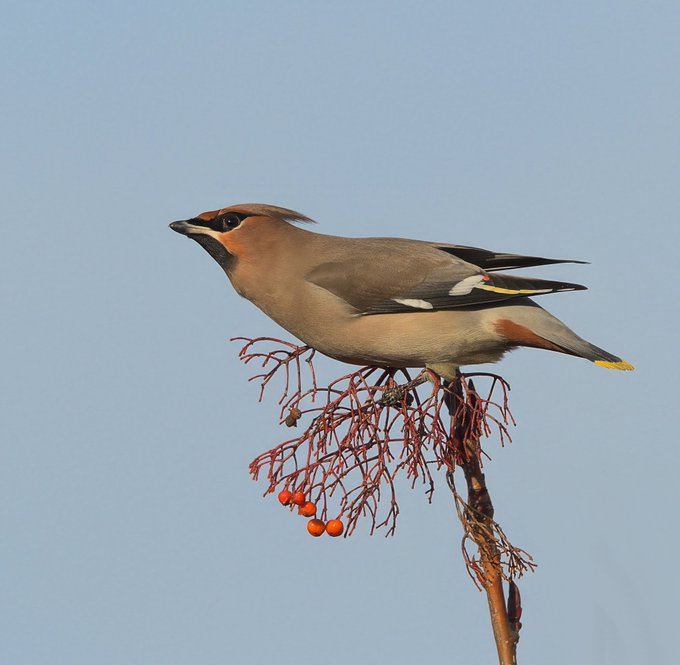
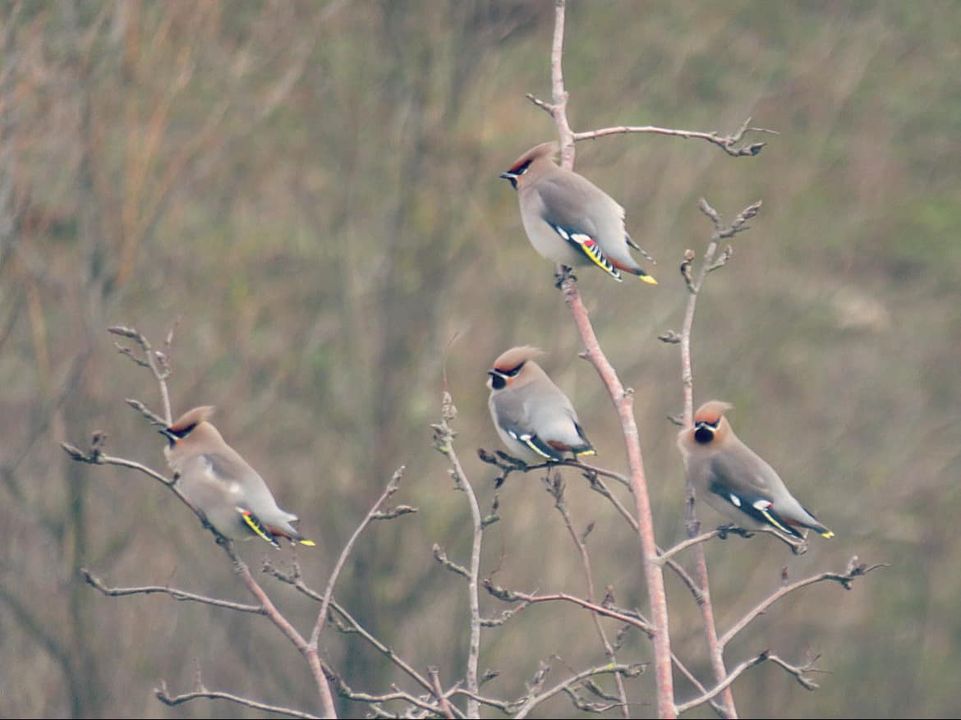
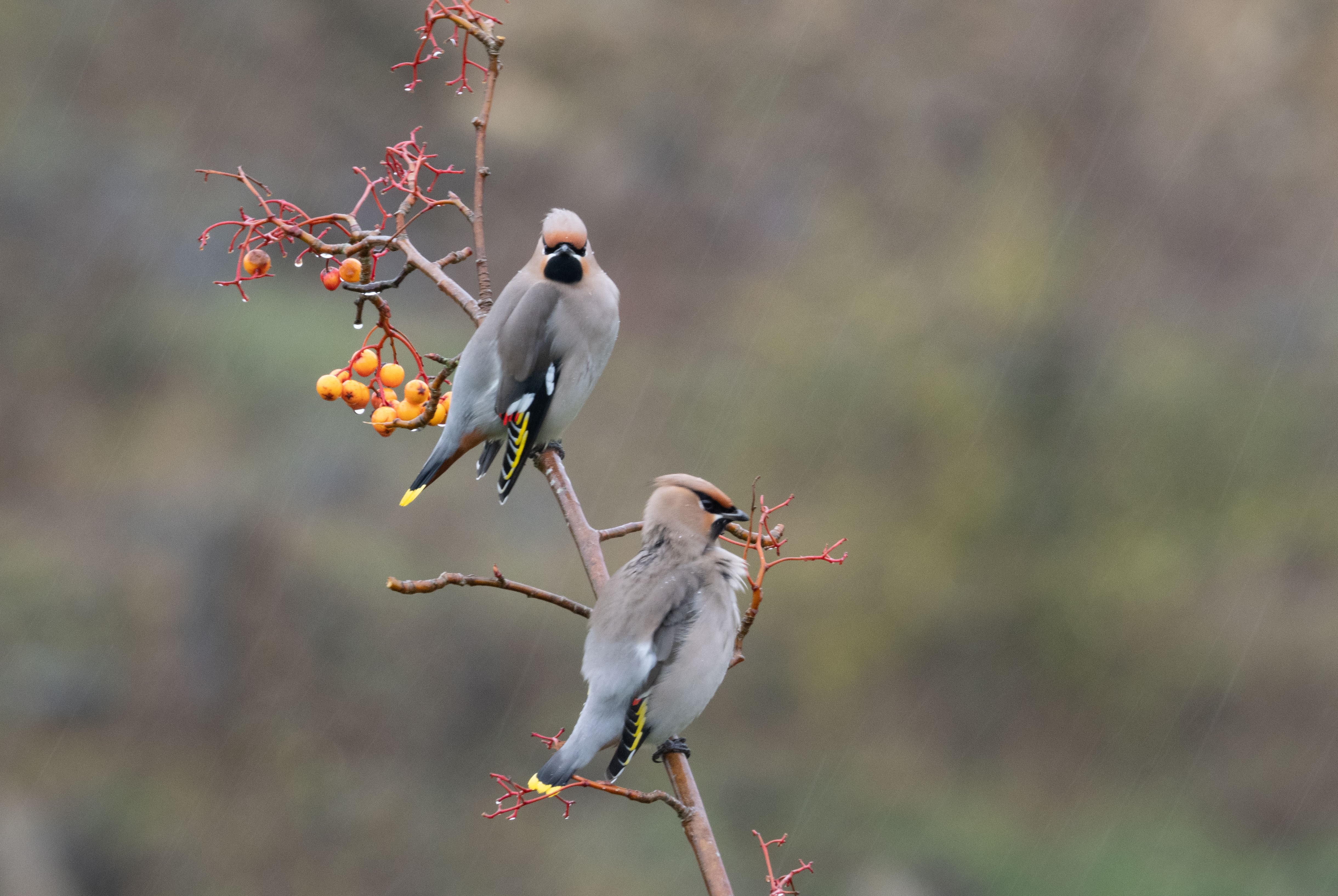
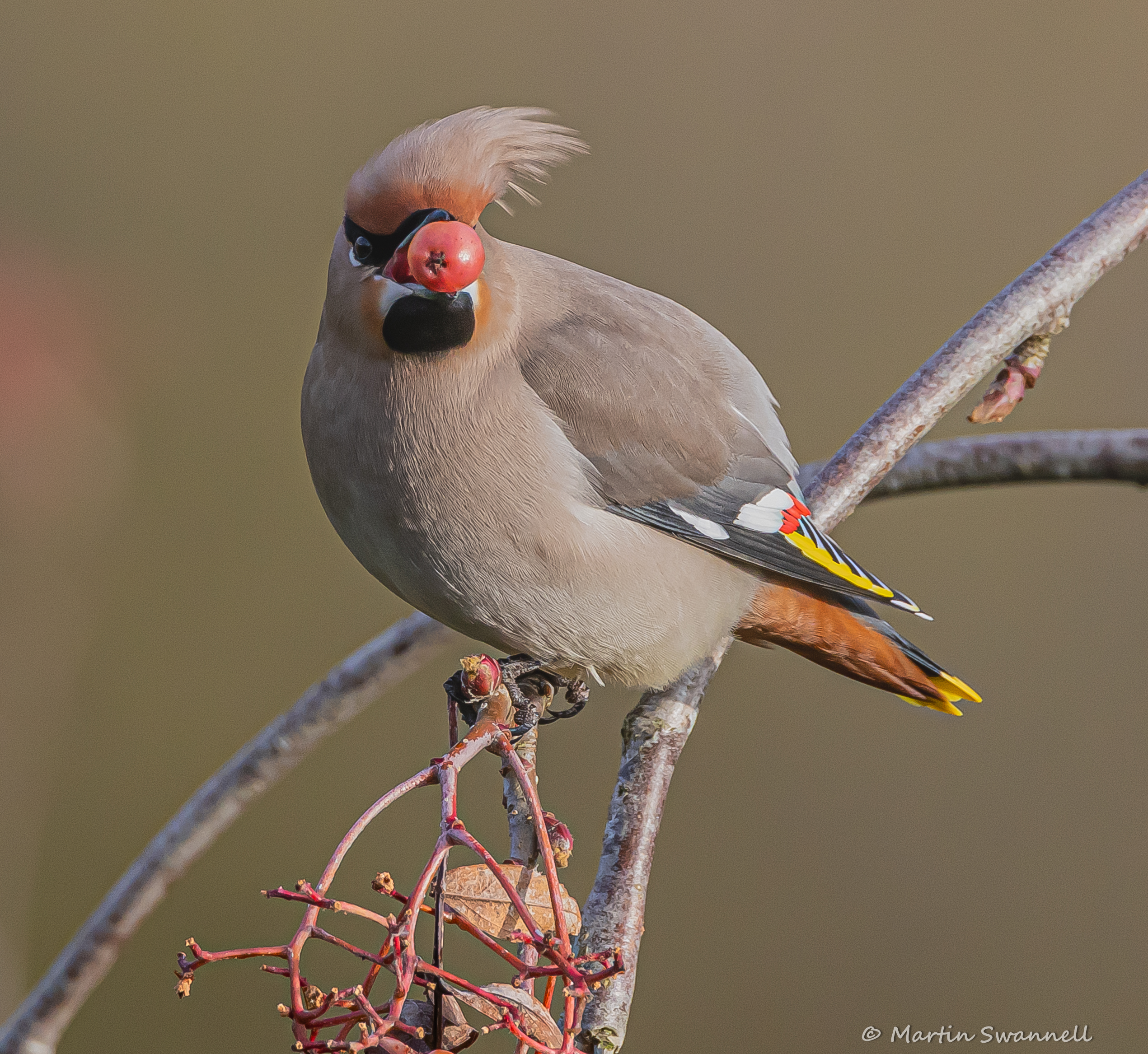
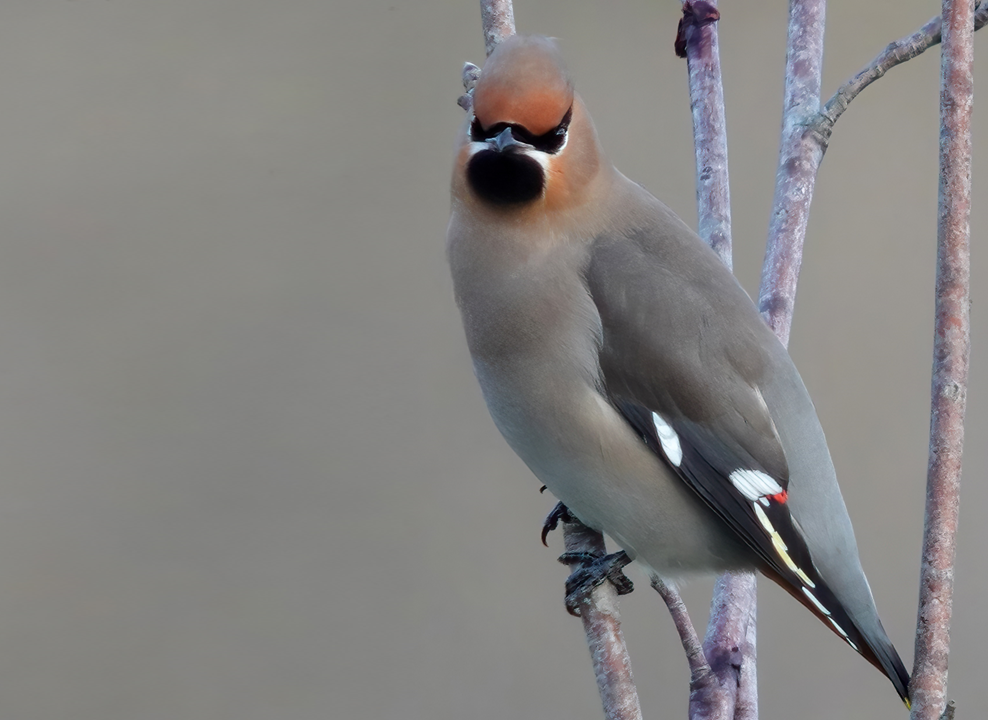
Regimented and reliable, the four Corby Waxwings had clocked up a 26-day stay by the end of the week, being joined there by a fifth bird for the last three of these. Their presence there for knocking a month must surely put them into the record books for the longest-stayers, locally, and having chosen a locality offering perfect viewing conditions, along with easy ‘roll up and see’ parking, they continue to attract a steady stream of admirers. As contender number two for bird of the week – and not classed as a rarity – in terms of pulling-power, they win hands down. Two were also briefly reported in East Hunsbury, Northampton, on 26th.
Stonechats were found at eleven localities, the highest count being five at Earls Barton GP on 26th.

Finally, Fineshade – the week’s only site for Crossbills consistently produced single figures with a maximum of at least five on 20th.

Newsround – 13th to 19th January 2024

With a continuing northerly airflow, sparse snow showers on 16th (but blink and you’d miss them) and local temperatures plummeting to -6°C overnight on 17th, it was a cold, cold week. So much so that many waterbodies became significantly icebound, leaving only small holes unfrozen, in most instances giving rise to large concentrations of wildfowl where they occurred.

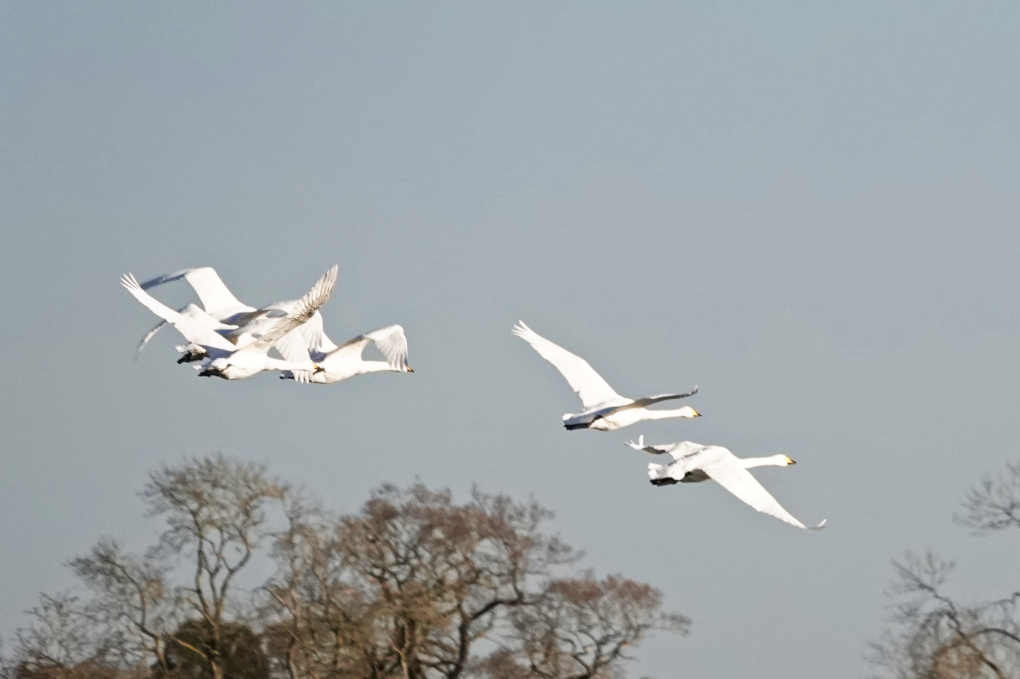
And while the Hollowell Res Pink-footed Goose stayed put throughout the period, another was discovered at Blatherwycke Lake on 16th. Where Whooper Swans were concerned, last week’s run became this week’s trickle with an adult paying the briefest of visits to Ravensthorpe Res on 15th, followed by two flying south over the dam at Pitsford Res on 17th.

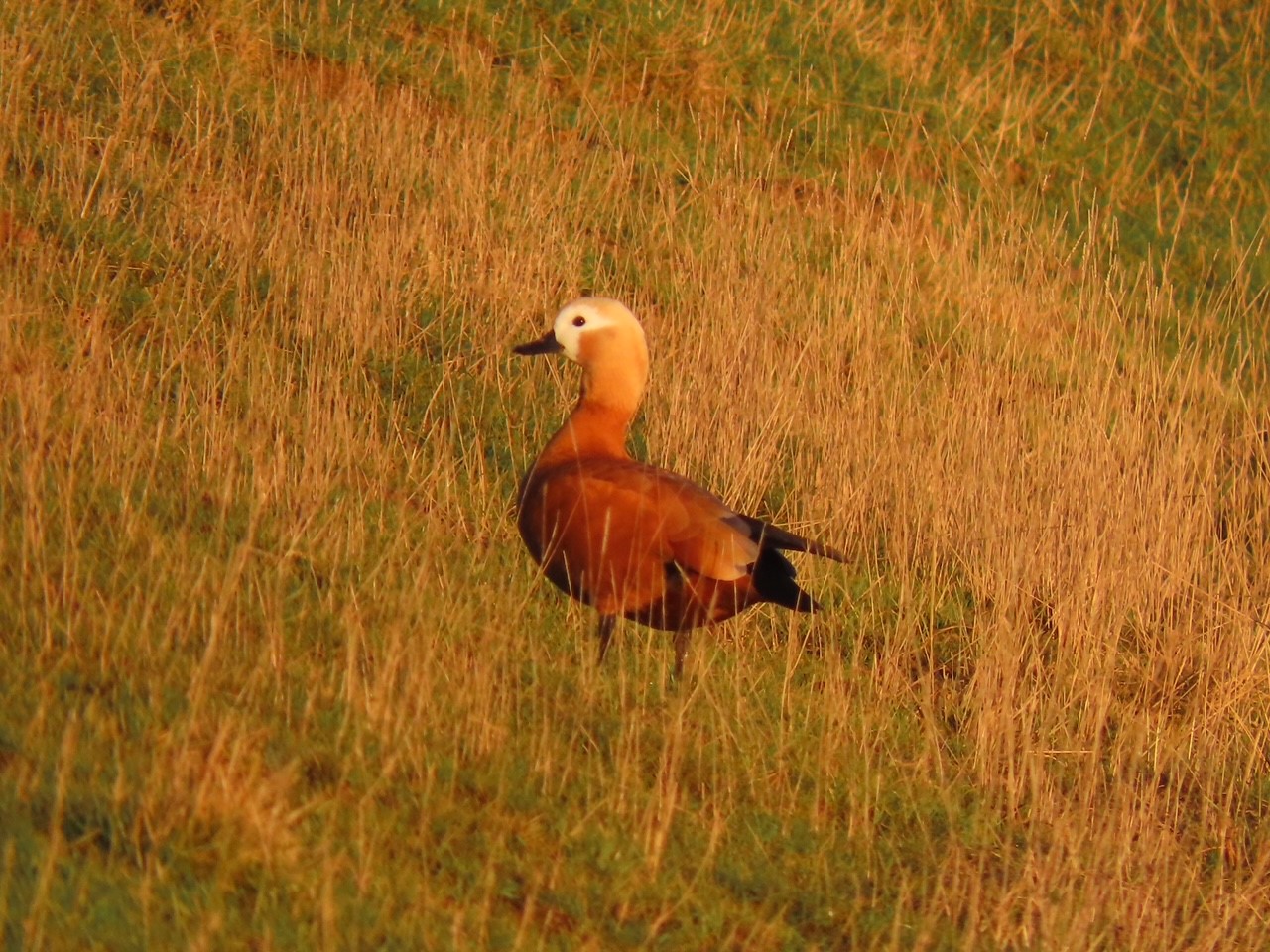
The regularly wintering female Ruddy Shelduck was still around, this week keeping company with Canada Geese at Hollowell on 17th-19th and the first Red-crested Pochard of the new year checked in at Earls Barton GP’s Grendon Lakes on 15th.

In terms of rarity value, Stanwick GP produced ‘bird of the week’ when a female Ring-necked Duck was found in an ice hole on the Main Lake there on 17th. Although there have been fewer than fifteen county records, a female is hardly a head-turner nowadays. Let’s face it, we’ve been spoiled rotten with them over the past couple of years, long-stayers and all that …  It remained until the following day but was not seen subsequently.

Spilling over from last week, the first-winter drake Greater Scaup remained at Ravensthorpe Res, yo-yoing back and forth between nearby Hollowell throughout the period. Another first-winter drake was found in an ice hole at Grendon Lakes on 18th.

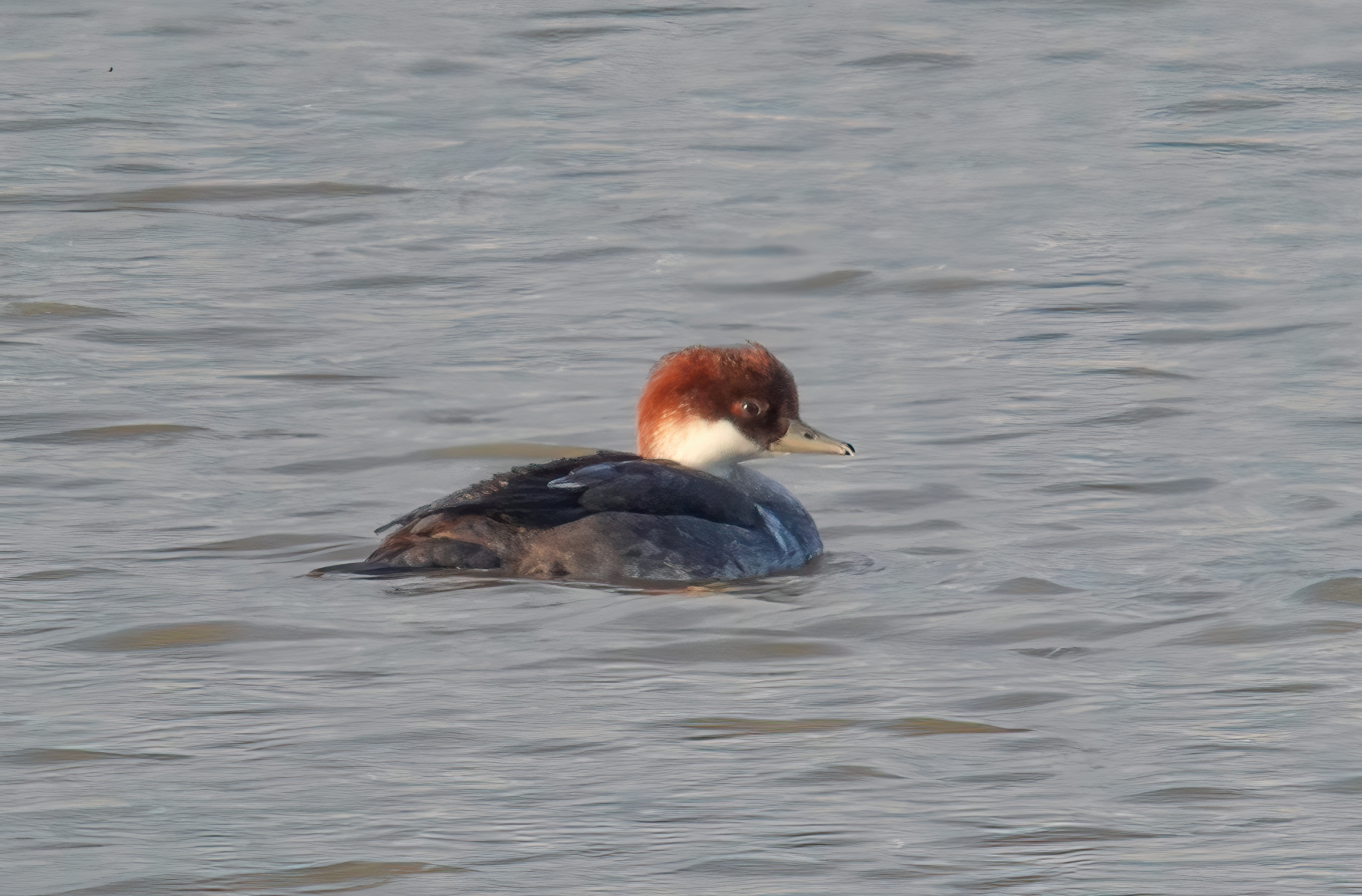
After several days’ apparent absence, the ‘redhead’ Smew was back at Clifford Hill GP between 14th and 16th.

This week’s waders were last week’s waders and included two Ruffs still at Stanwick on 13th-14th, having dwindled to one by 17th. Jack Snipes were found at three localities – singles being at Lilbourne Meadows NR on 14th and at Hollowell on 15th and 17th, while at least seven remained at Daventry CP on the latter date.

And with things settling down to normal, gulls caused far less of a rumpus this week with the roost at Boddington Res holding an adult and a second-winter Mediterranean Gull on 13th and the roost at Stanford Res still proving attractive to a second-winter on 15th-17th. Boddington’s roost also produced a first-winter Caspian Gull on 13th, while the latter date saw an adult at Naseby Res and further adults were seen at Hollowell on 15th, Stanford on 18th-19th and at Clifford Hill on 19th. Pitsford produced the only Yellow-legged Gulls of the period with an adult there on 13th and three in the roost on 17th.

The juvenile Great Northern Diver maintained its presence at Pitsford throughout the period.

In comparison to recent weeks, Cattle Egrets kept a low profile – perhaps as a result of the freezing temperatures. One was seen at Stanwick on 14th and 17th and two were reported from adjacent Ditchford GP’s Irthlingborough Lakes & Meadows LNR on 16th and 19th.

There was no let-up in Marsh Harrier sightings, though, with singles at Stanwick on 13th, Earls Barton GP’s Quarry Walk on 14th and at Summer Leys LNR on 17th, while a ‘ringtail’ Hen Harrier was seen two days running, on 14th and 15th, at Harrington AF.

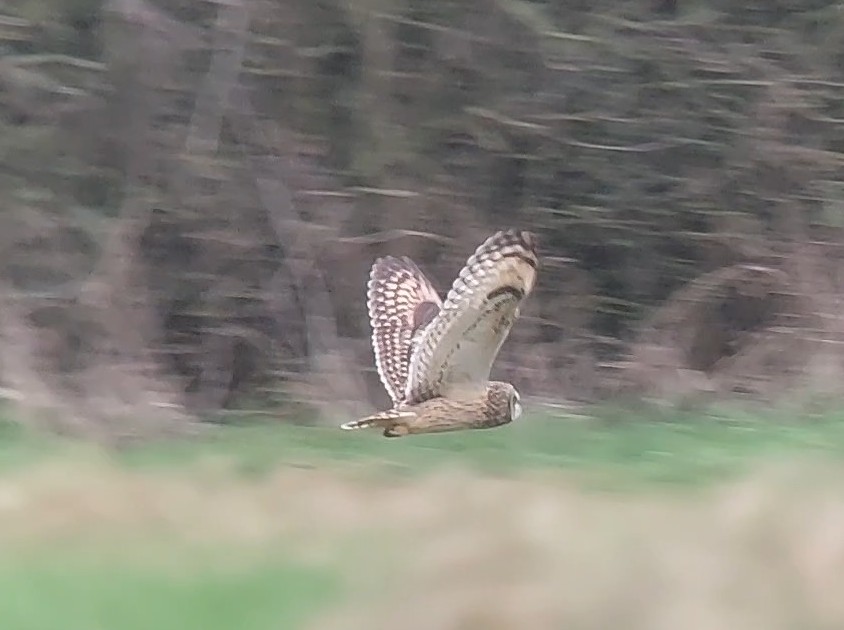
Numbers of Short-eared Owls were down, however, with just two near Finedon on 13th and one near Whilton Locks the following day.

The week’s Merlins were limited to a female at Ditchford GP on 14th and a male near Brixworth STW in the Brampton Valley on 17th.

Local birders were, this week, provided with a choice of venue in terms of where to watch Waxwings. Instead of heading to Corby where, it must be said, the long-staying four proved ever-reliable throughout, Northampton provided a more south-central setting for one, then two, in the open front garden of a house in East Hunsbury. Following the appearance there of a first-winter female on 15th, it was subsequently joined by an adult male on 17th, both birds remaining to see the week out. Although they proved a popular pull, they were not always on view and extended waiting times were often the order of the day.

Elsewhere, three were in a private garden in Stanion on 14th and a first-winter female appeared in a Brixworth garden on the last day of the week.

The weekly Stonechat tally saw birds at nine localities, including Ditchford, Earls Barton, Hollowell, Oundle, Pitsford, Polebrook AF, Summer Leys, Sywell CP and Upton CP, with a maximum of at least six at Earls Barton on 13th.

Not unexpected with decent numbers nationally at present, a Mealy Redpoll was a one-day bird at Daventry CP on 15th, following a belated report of one photographed at Stortons GP on 11th. These are the first in the county since one at Wakerley Great Wood on 2nd April 2021. Speaking of which, the woods at Fineshade and Wakerley carved up the week’s Crossbills between them, with up to twelve logged at Fineshade/Westhay Wood and a maximum count of forty-one at Wakerley on 16th.

Newsround – 6th to 12th January 2024

A calmer, drier and slightly brighter week, weatherwise, saw temperatures drop a little as a high pressure system took hold over north-east Europe and Russia, producing a cold, easterly airflow. While perhaps not directly responsible, along with it came a notable movement of Whooper Swans and a small increase in numbers of wildfowl at some locations. But the week belonged to a certain gull …

Possibly a new – or more likely the same – Pink-footed Goose was seen at Stanford Res on 6th-7th before relocating to nearby fields at Stanford on Avon on 8th and then returning to Hollowell Res on 10th.

However, Whooper Swans were the order of the week on the wildfowl front, although all those found did not remain longer than one day at their respective locations. The first to arrive were two adults at Clifford Hill GP on 6th, where the number had doubled to four by the end of the day. Three adults visited Stanford Res on 7th and two adults and a juvenile flew north over Thrapston GP’s Titchmarsh LNR the following day. Seven were on floodwater east of Oundle, briefly, before flying south-east on 9th and three flew south over Harrington AF on 12th.

The regular Ruddy Shelduck put in its first appearance of the year at Winwick Pools on 10th.

But hanging on from last week were the first-winter drake and female Greater Scaups at Clifford Hill on 6th-8th, the drake still present on 9th. Another first-winter drake was found at Ravensthorpe Res on the last day of the period.

Also remaining was the ‘redhead’ Smew at Clifford Hill from 6th to 7th, after which there were no further sightings. It is now generally believed that milder winters mean Smews are no longer heading out to the UK, at the far western limit of its winter range, as much as in previous years, with more spending the coldest months in the Baltics, Germany or southern Scandinavia and it seems highly likely that this attractive little sawbill will become even more scarce in the UK as time progresses. For further details see here.

Waders during the period were limited to a surprise visit by four Ruffs to Stanwick GP on 12th and a healthy total of at least eighteen Jack Snipes at Daventry CP on 8th with fifteen there on 12th. One was also seen at Willowbrook Industrial Estate, Corby on 7th.

Gulls came very much to the fore this week, with the spotlight firmly on the roost at Stanford Res, which held a second-winter Mediterranean Gull on 6th and 12th.

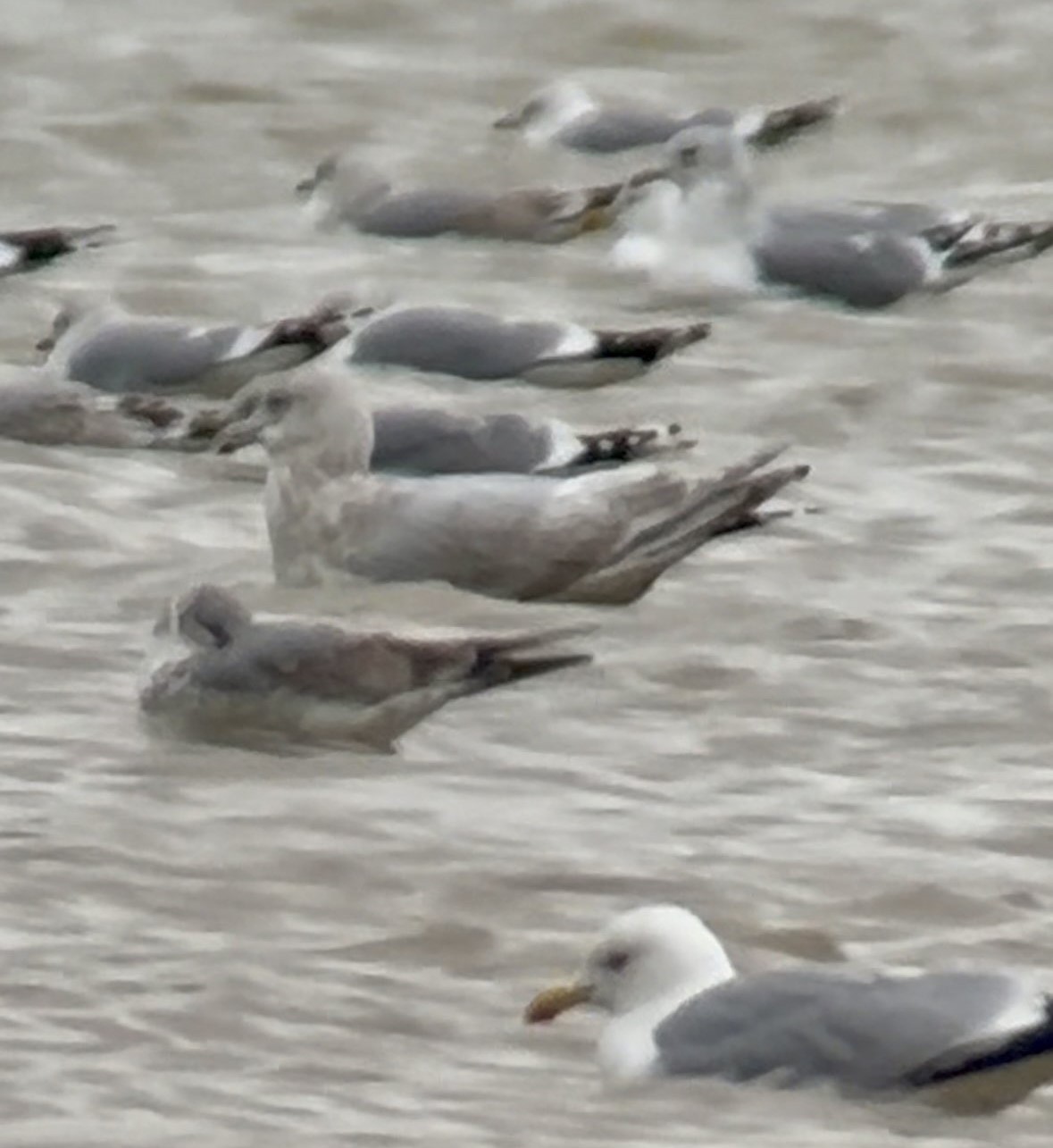
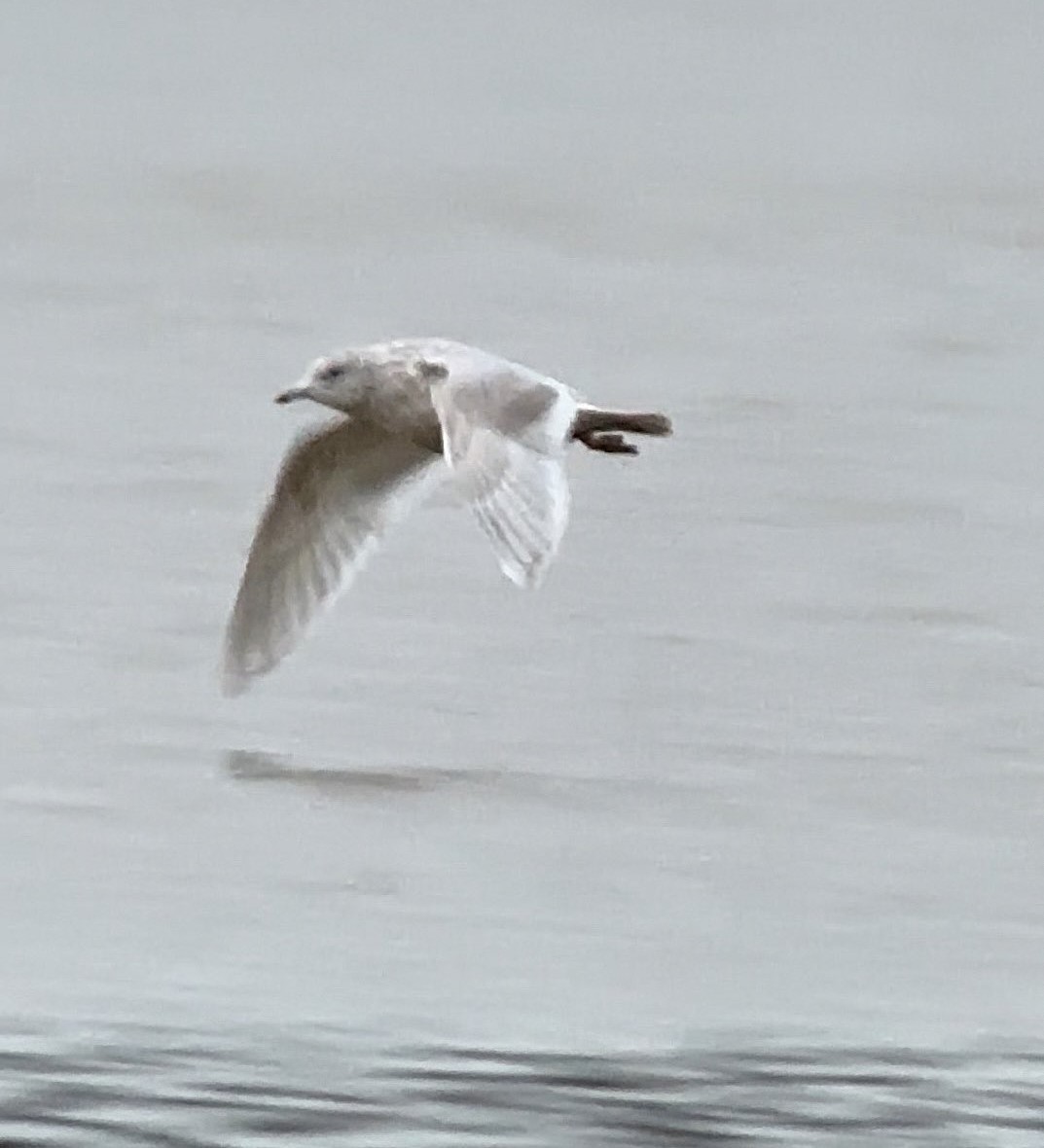
But it was in the approaching darkness of late afternoon on 11th that the arrival of an interesting-looking gull at Stanford caused a bit of a stir – a bird which was to spark much debate throughout the evening, with various laridophiles across three counties casting their votes into the identity hat. The bird’s identification would never have been established had it not been for the due diligence and unwavering resolve of the finder, Chris Hubbard, who was back on site at dawn the following morning. Having the good grace to stick around briefly after first light, the bird remained long enough to be videoed and have its identity firmly nailed as a second-winter Kumlien’s Gull, only the fourth record for Northamptonshire and the second for Stanford, following a third-winter there on 18th February 2020.

The two previous records were a second-winter at Sidegate Landfill on 13th January 2010 and an adult at Daventry CP on 24th March 2016. Alas, there are no longer any active landfill sites in the county, so the best chance of finding any of the scarce, ‘white-wingers’ from the high Arctic rests with visiting the Stanford gull roost or the flat expanse of mud and shallow pools at DIRFT 3, both of which are known to pull in gulls from Shawell Landfill, just over the border in neighbouring Leicestershire. With imminently approaching fronts from the north about to open the doors to Arctic air across the UK, we may yet see the arrival of more white-wingers as ‘winter proper’ gets underway.

Other gulls were, of course, available and Stanford’s roost also produced a third-winter Caspian Gull on 7th, while Hollowell continued to hold on to its regular adults, with two there on 8th and one on 10th. A single adult Yellow-legged Gull was found at Willowbrook Industrial Estate, Corby on 7th.

After an apparent ten-day absence, back on the menu this week was Great Northern Diver when one was found at Pitsford Res, late on 12th. Whether or not it’s the same bird having kept a low profile remains open to debate.

And then there were Cattle Egrets. Numbers at the currently surefire site of Stanwick rose to a respectable nine seen coming in to roost, late in the afternoon, on 6th. Three at Ditchford GP’s Irthlingborough Lakes & Meadows LNR the next day, followed by six at Stanwick on 8th and 12th suggests they are all part of the same group.

Marsh Harriers extended their stretch in the Nene Valley with singles – or perhaps just one wide-ranging individual – at Thrapston GP on 6th, Summer Leys LNR on 7th and at Stanwick on 12th.

Short-eared Owls, too, maintained their presence throughout the period at Neville’s Lodge, where up to four were seen on one date mid-week, while one also drifted high over Stanford Res, at dusk, on 12th.

The week’s Merlins were limited to singles at Stanwick and in the Brampton Valley – both on 9th.

Stanwick also produced the first Siberian Chiffchaff of the year, on 8th.

But after last week’s mini-surge, this week saw Waxwings on the wane, with only a brief visit by eight to an Oundle garden on 6th and the so-called ‘Fab (or famous) Four’ remaining reliable on the eastern outskirts of Corby throughout.

Six localities held Stonechats with a maximum of four at Earls Barton GP on 10th and the same number at Sywell CP on 12th, while Crossbills were ever-reliable at Wakerley Great Wood, where four were seen on 6th and at nearby Fineshade, where there were eight on 10th and twelve on 11th.  

Newsround – 30th December 2023 to 5th January 2024

In a week which saw the masses out and the New Year in, it was Waxwings all the way …

But as the exceptionally wet and windy weather continued, parts of Northamptonshire faced worryingly rising water levels, particularly in low lying areas of the Nene Valley, where flood warnings resulted in a number of homes being evacuated.

Great weather for ducks, though, and while not forgetting the continuing presence of the Pink-footed Goose at and around Hollowell Res, new wildfowl popped up in the shape of two Greater Scaups and a ‘redhead’ Smew at the flooded-out Nene Barrage at Clifford Hill GP on the last day of the week. One day prior to this, a ‘redhead’ Red-breasted Merganser was reported at Ditchford GP’s Rushden Lakes area but there was no further sign on the following day.

Stanford Res maintained its monopoly on roosting Mediterranean Gulls this week, with a first-winter on 30th, two first-winters on 2nd and a second-winter on 3rd. The same roost site also produced Caspian Gulls, including a first-winter on 30th and two adults on 2nd, while Hollowell held an adult and a first-winter on 1st and an adult on 3rd. Single adult Yellow-legged Gulls were at both Pitsford Res and Stanford on 2nd and at Hollowell on 3rd.

While there were unconfirmed reports of Pitsford’s Great Northern Diver still being present on 30th and 1st, it was a first-winter Shag which considerably raised the game there in the fading light of New Year’s Eve, before it was seen to depart shortly after being found. Following a juvenile present for one day at Stanford on 15th August, this is only the second record of a Shag in the county in 2023.

Cattle Egrets maintained their presence at the same three sites as in the preceding week, these including a peak count of at least five at Stanwick GP on 1st, two still at Stanford on Avon on the same date and one extending its stay at Wicksteed Water Meadows, Kettering to 30th. In addition, another was found at Summer Leys LNR on 31st, remaining there until 2nd.

Looking set to see the winter out locally, Marsh Harriers kept up appearances with two at Summer Leys on 30th, plus (or including) one at nearby Earls Barton GP’s New Workings on the same date. Singles were again at Summer Leys on 1st and at Stanwick on 4th. With no further sign of the one at Neville’s Lodge, another showing by the ‘ringtail’ Hen Harrier in the Brampton Valley between Cottesbrooke and Hanging Houghton, on 31st, was the only one of the week.

There was an increase from one to three localities at which Short-eared Owls were seen this week. The standout site was, of course, Neville’s Lodge, where up to three were seen almost daily but Harrington AF got in on the action, producing two on 3rd and one on 4th-5th, while the Brampton Valley delivered one on 3rd.

In an attempt to make up for the missing Hen Harrier, Neville’s Lodge also produced a Merlin on 30th and further sightings came from Harrington AF on 1st Wicksteed Park Lake on 2nd and the Brampton Valley on 4th.

But, once again, the stars of the week were Waxwings, and those which exerted the biggest pull were in the north of the county, at Priors Hall Park on the eastern outskirts of Corby, from 1st to 5th. Dubbed the ‘Fab Four’ – an accolade derived from the combination of their offering super-close range viewing, along with their length of stay – their sheer reliability for simply being there for long periods of time enabled prolonged observation and superb photographic opportunities. Roll up and they were there for the taking …

Elsewhere, five were reportedly in the previous week’s suburban location, rich in rowans, at High Ferrers on the 30th, two visited a garden in Woodford Halse on 31st while, in Northampton on 2nd, three were mobile around the western extremity of Duston and one was a transient visitor to a front garden rowan in East Hunsbury.

This week’s Stonechats included twos at Wicksteed Water Meadows, Kettering on 30th, at Summer Leys and in the Brampton Valley on 31st and 4th, while Hollowell Res held up to four between 1st and 3rd and five were at Sywell CP on 1st.

Crossbills maintained a presence in the north-east of the county, where sixteen were at Fineshade Wood on 31st, while at nearby Wakerley Great Wood five were seen on 4th, this number rising to approximately twenty there the following day.