In a week which saw the masses out and the New Year in, it was Waxwings all the way …
But as the exceptionally wet and windy weather continued, parts of Northamptonshire faced worryingly rising water levels, particularly in low lying areas of the Nene Valley, where flood warnings resulted in a number of homes being evacuated.
Great weather for ducks, though, and while not forgetting the continuing presence of the Pink-footed Goose at and around Hollowell Res, new wildfowl popped up in the shape of two Greater Scaups and a ‘redhead’ Smew at the flooded-out Nene Barrage at Clifford Hill GP on the last day of the week. One day prior to this, a ‘redhead’ Red-breasted Merganser was reported at Ditchford GP’s Rushden Lakes area but there was no further sign on the following day.

Stanford Res maintained its monopoly on roosting Mediterranean Gulls this week, with a first-winter on 30th, two first-winters on 2nd and a second-winter on 3rd. The same roost site also produced Caspian Gulls, including a first-winter on 30th and two adults on 2nd, while Hollowell held an adult and a first-winter on 1st and an adult on 3rd. Single adult Yellow-legged Gulls were at both Pitsford Res and Stanford on 2nd and at Hollowell on 3rd.
While there were unconfirmed reports of Pitsford’s Great Northern Diver still being present on 30th and 1st, it was a first-winter Shag which considerably raised the game there in the fading light of New Year’s Eve, before it was seen to depart shortly after being found. Following a juvenile present for one day at Stanford on 15th August, this is only the second record of a Shag in the county in 2023.
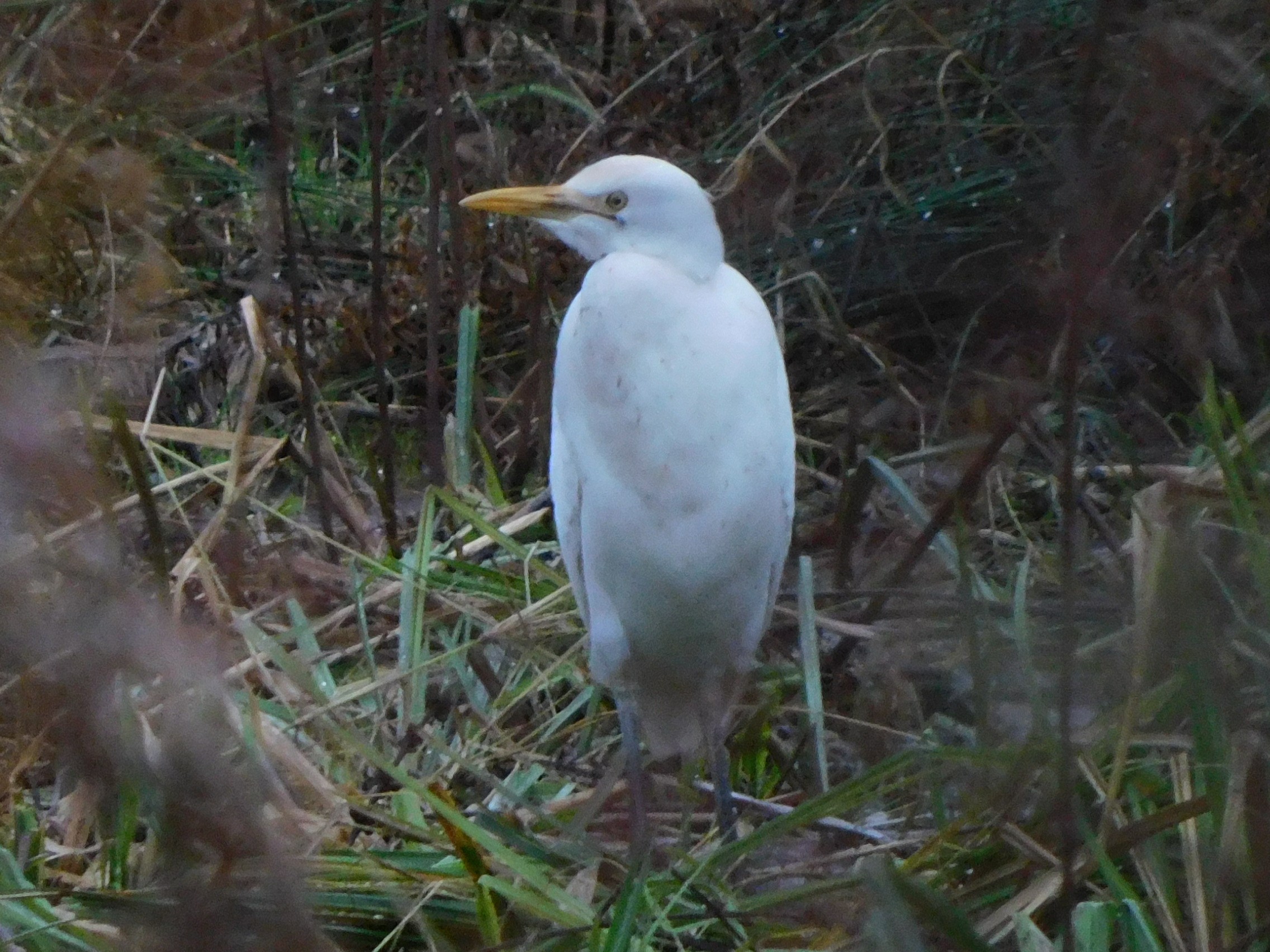
Cattle Egrets maintained their presence at the same three sites as in the preceding week, these including a peak count of at least five at Stanwick GP on 1st, two still at Stanford on Avon on the same date and one extending its stay at Wicksteed Water Meadows, Kettering to 30th. In addition, another was found at Summer Leys LNR on 31st, remaining there until 2nd.
Looking set to see the winter out locally, Marsh Harriers kept up appearances with two at Summer Leys on 30th, plus (or including) one at nearby Earls Barton GP’s New Workings on the same date. Singles were again at Summer Leys on 1st and at Stanwick on 4th. With no further sign of the one at Neville’s Lodge, another showing by the ‘ringtail’ Hen Harrier in the Brampton Valley between Cottesbrooke and Hanging Houghton, on 31st, was the only one of the week.
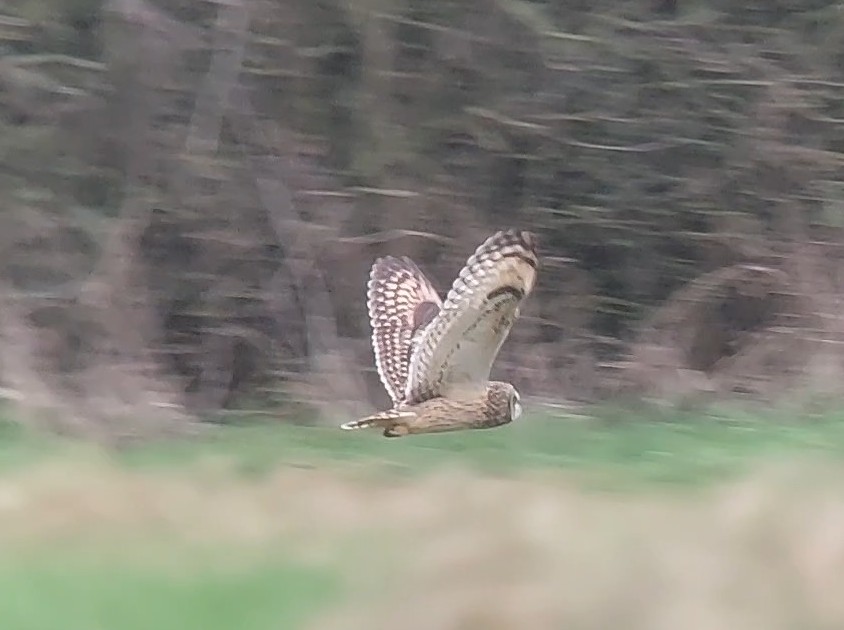
There was an increase from one to three localities at which Short-eared Owls were seen this week. The standout site was, of course, Neville’s Lodge, where up to three were seen almost daily but Harrington AF got in on the action, producing two on 3rd and one on 4th-5th, while the Brampton Valley delivered one on 3rd.

In an attempt to make up for the missing Hen Harrier, Neville’s Lodge also produced a Merlin on 30th and further sightings came from Harrington AF on 1st Wicksteed Park Lake on 2nd and the Brampton Valley on 4th.
But, once again, the stars of the week were Waxwings, and those which exerted the biggest pull were in the north of the county, at Priors Hall Park on the eastern outskirts of Corby, from 1st to 5th. Dubbed the ‘Fab Four’ – an accolade derived from the combination of their offering super-close range viewing, along with their length of stay – their sheer reliability for simply being there for long periods of time enabled prolonged observation and superb photographic opportunities. Roll up and they were there for the taking …

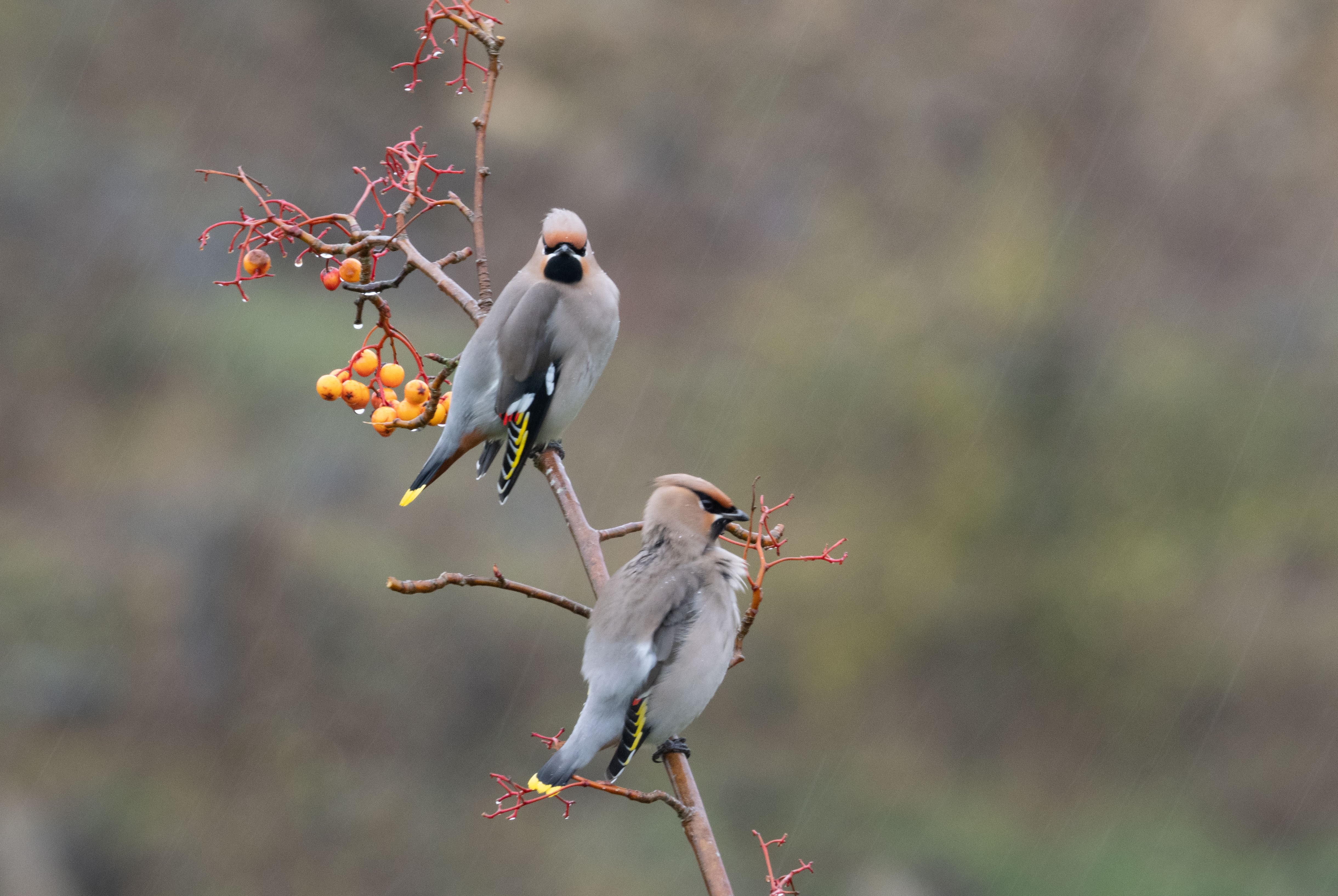


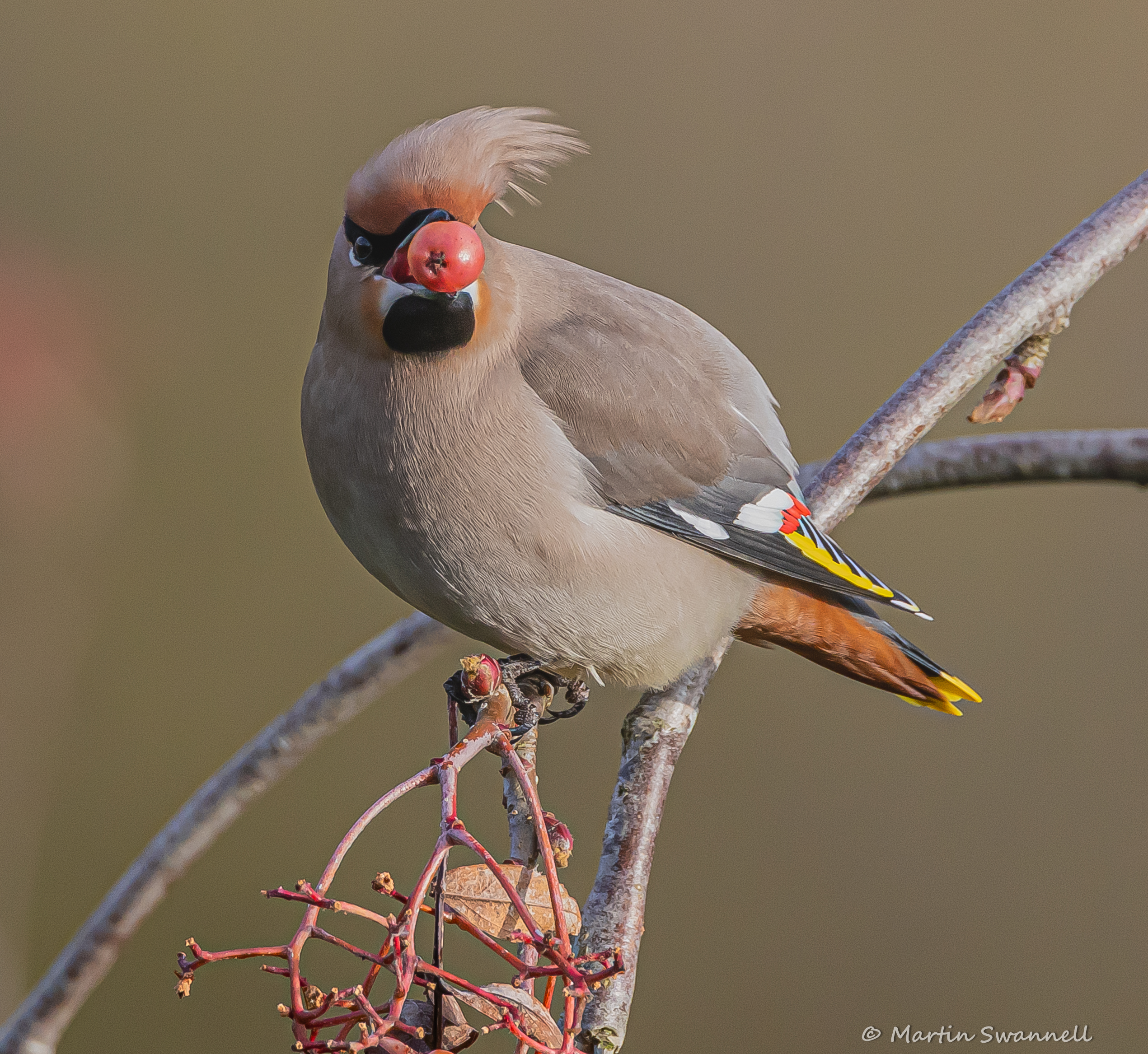
Elsewhere, five were reportedly in the previous week’s suburban location, rich in rowans, at High Ferrers on the 30th, two visited a garden in Woodford Halse on 31st while, in Northampton on 2nd, three were mobile around the western extremity of Duston and one was a transient visitor to a front garden rowan in East Hunsbury.


This week’s Stonechats included twos at Wicksteed Water Meadows, Kettering on 30th, at Summer Leys and in the Brampton Valley on 31st and 4th, while Hollowell Res held up to four between 1st and 3rd and five were at Sywell CP on 1st.

Crossbills maintained a presence in the north-east of the county, where sixteen were at Fineshade Wood on 31st, while at nearby Wakerley Great Wood five were seen on 4th, this number rising to approximately twenty there the following day.

Discover more from Northants birds
Subscribe to get the latest posts sent to your email.

 Northants birds