A calmer, drier and slightly brighter week, weatherwise, saw temperatures drop a little as a high pressure system took hold over north-east Europe and Russia, producing a cold, easterly airflow. While perhaps not directly responsible, along with it came a notable movement of Whooper Swans and a small increase in numbers of wildfowl at some locations. But the week belonged to a certain gull …
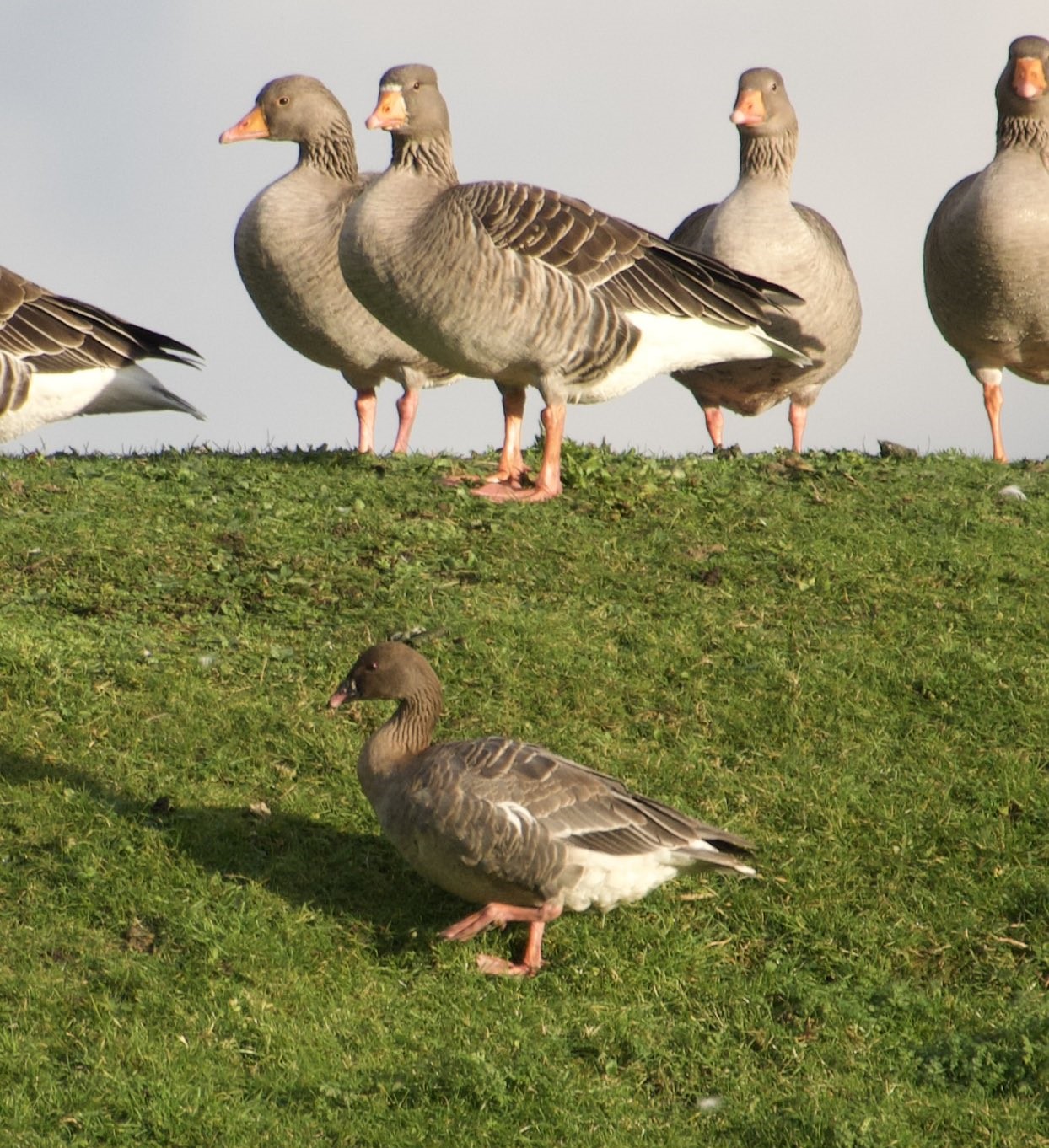
Possibly a new – or more likely the same – Pink-footed Goose was seen at Stanford Res on 6th-7th before relocating to nearby fields at Stanford on Avon on 8th and then returning to Hollowell Res on 10th.
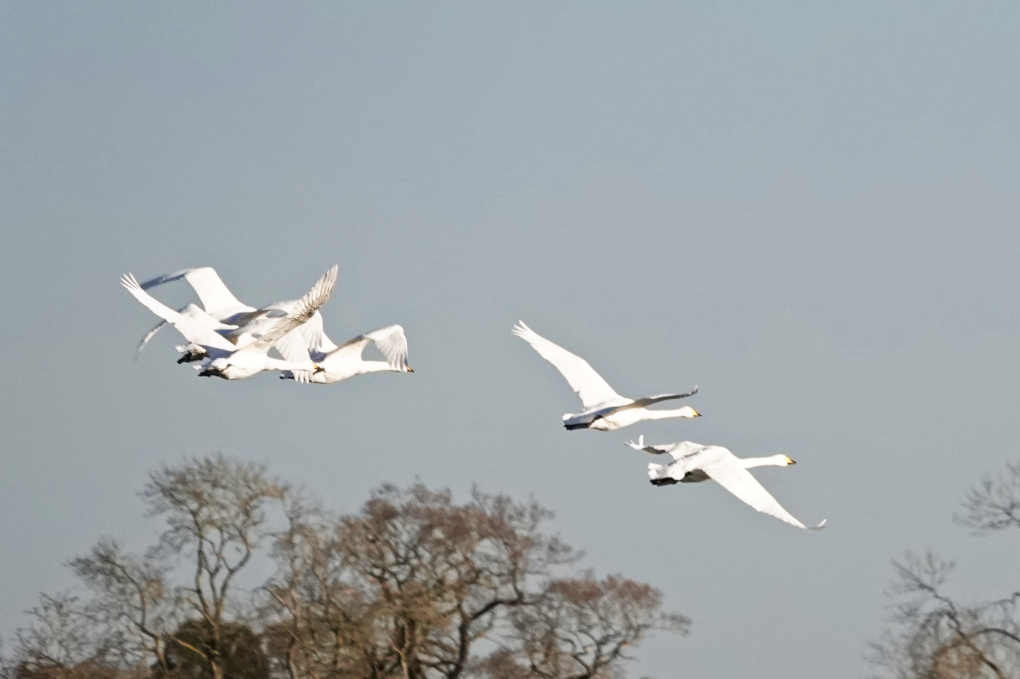
However, Whooper Swans were the order of the week on the wildfowl front, although all those found did not remain longer than one day at their respective locations. The first to arrive were two adults at Clifford Hill GP on 6th, where the number had doubled to four by the end of the day. Three adults visited Stanford Res on 7th and two adults and a juvenile flew north over Thrapston GP’s Titchmarsh LNR the following day. Seven were on floodwater east of Oundle, briefly, before flying south-east on 9th and three flew south over Harrington AF on 12th.


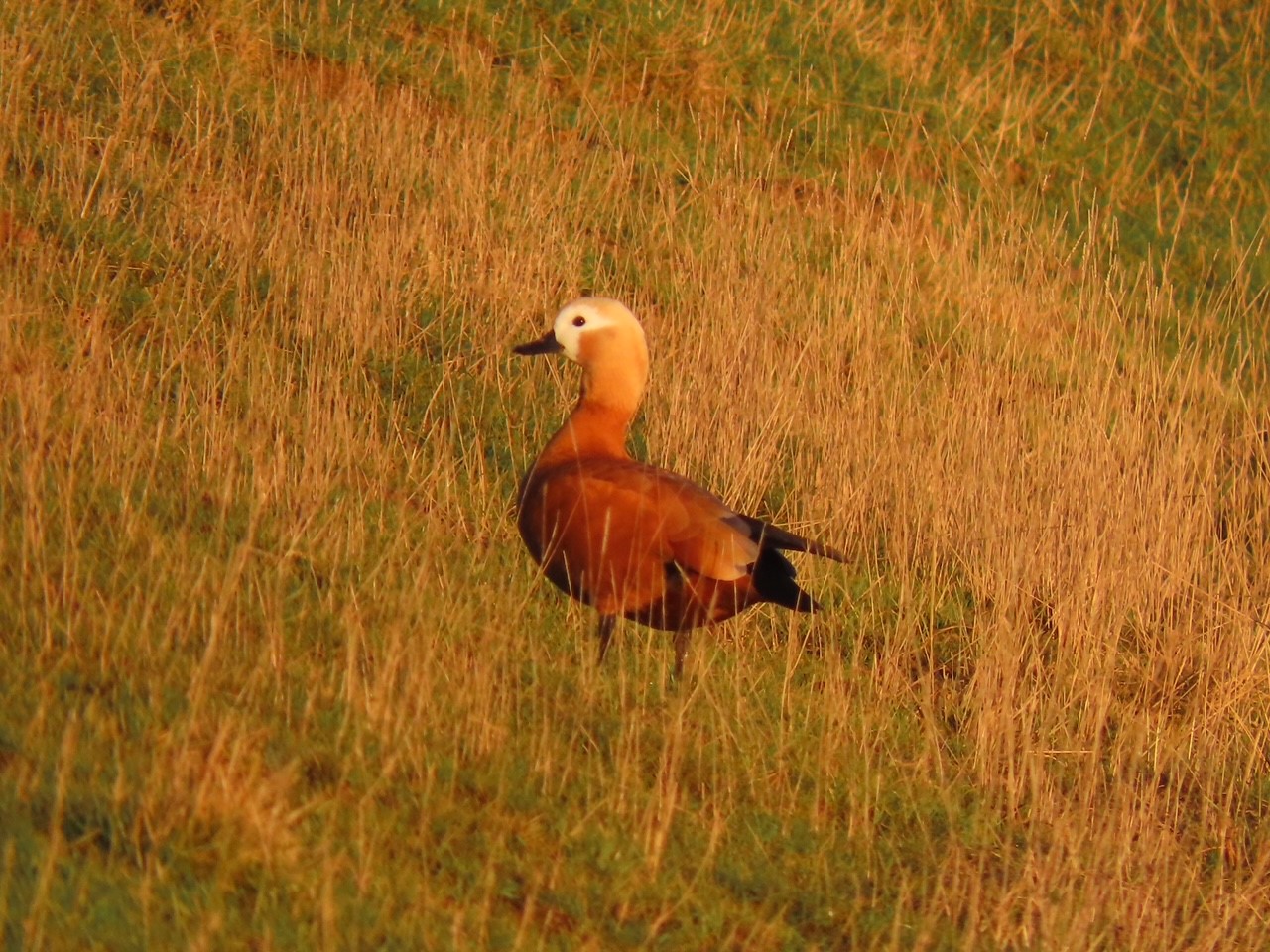
The regular Ruddy Shelduck put in its first appearance of the year at Winwick Pools on 10th.
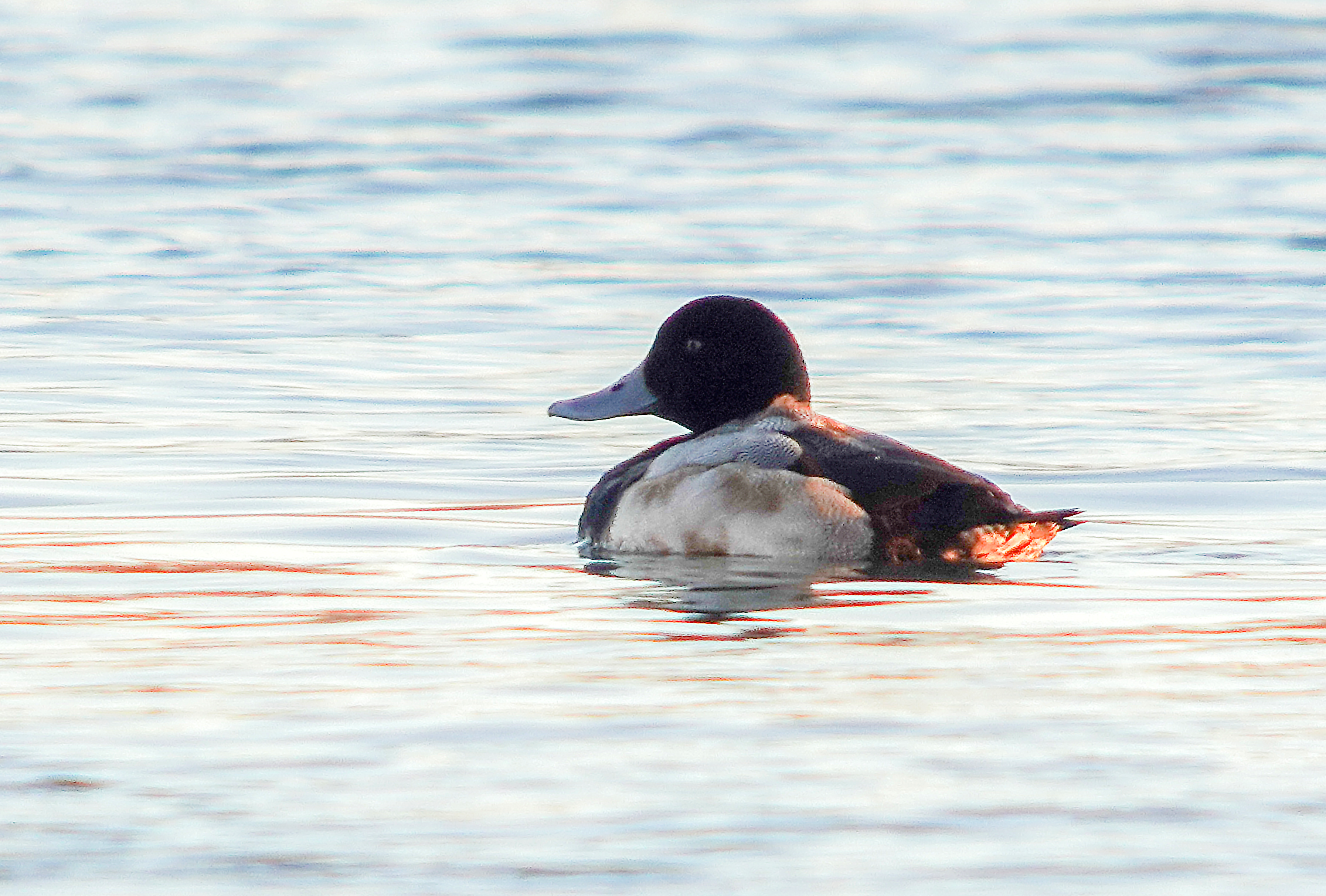
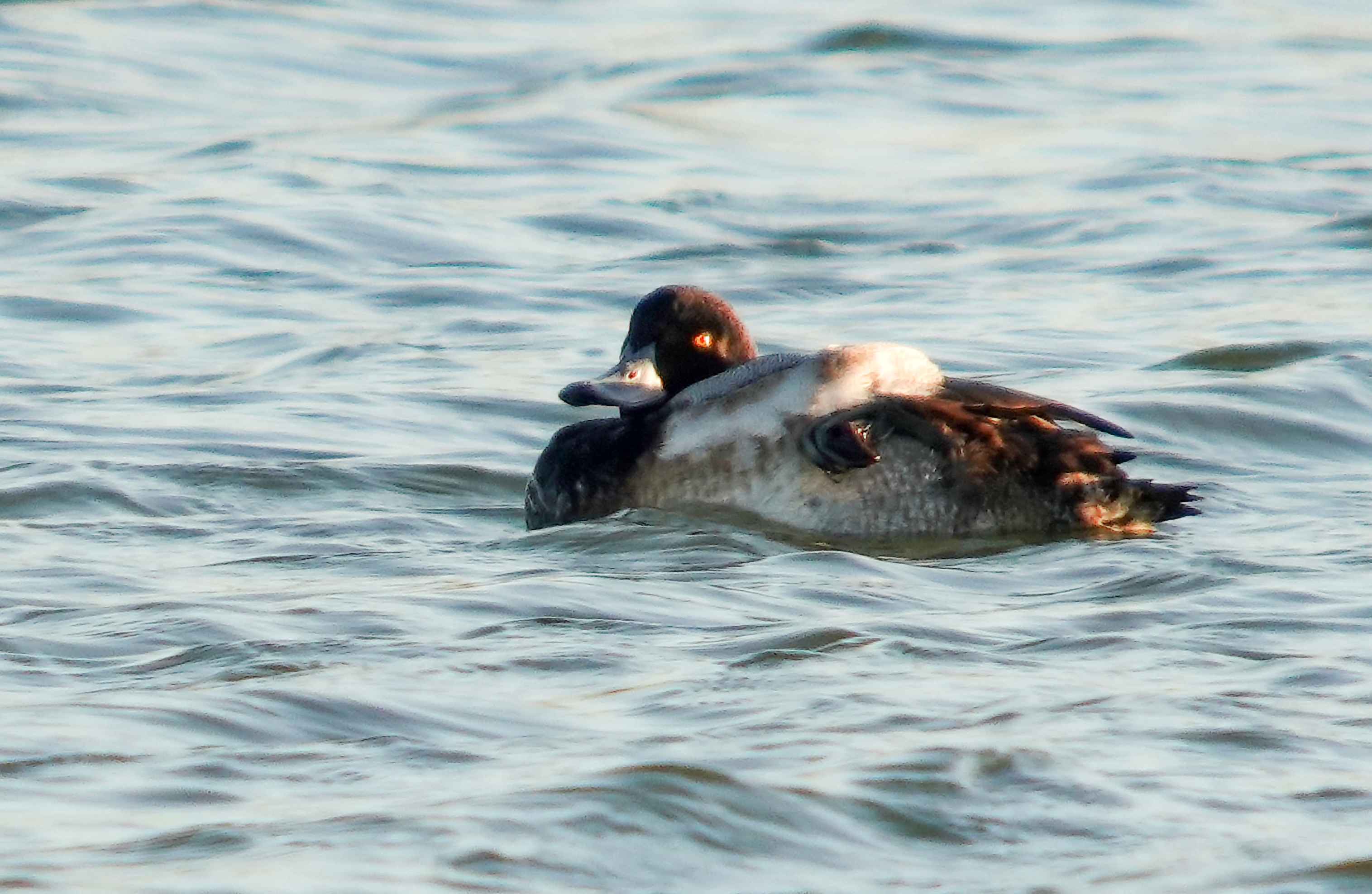
But hanging on from last week were the first-winter drake and female Greater Scaups at Clifford Hill on 6th-8th, the drake still present on 9th. Another first-winter drake was found at Ravensthorpe Res on the last day of the period.
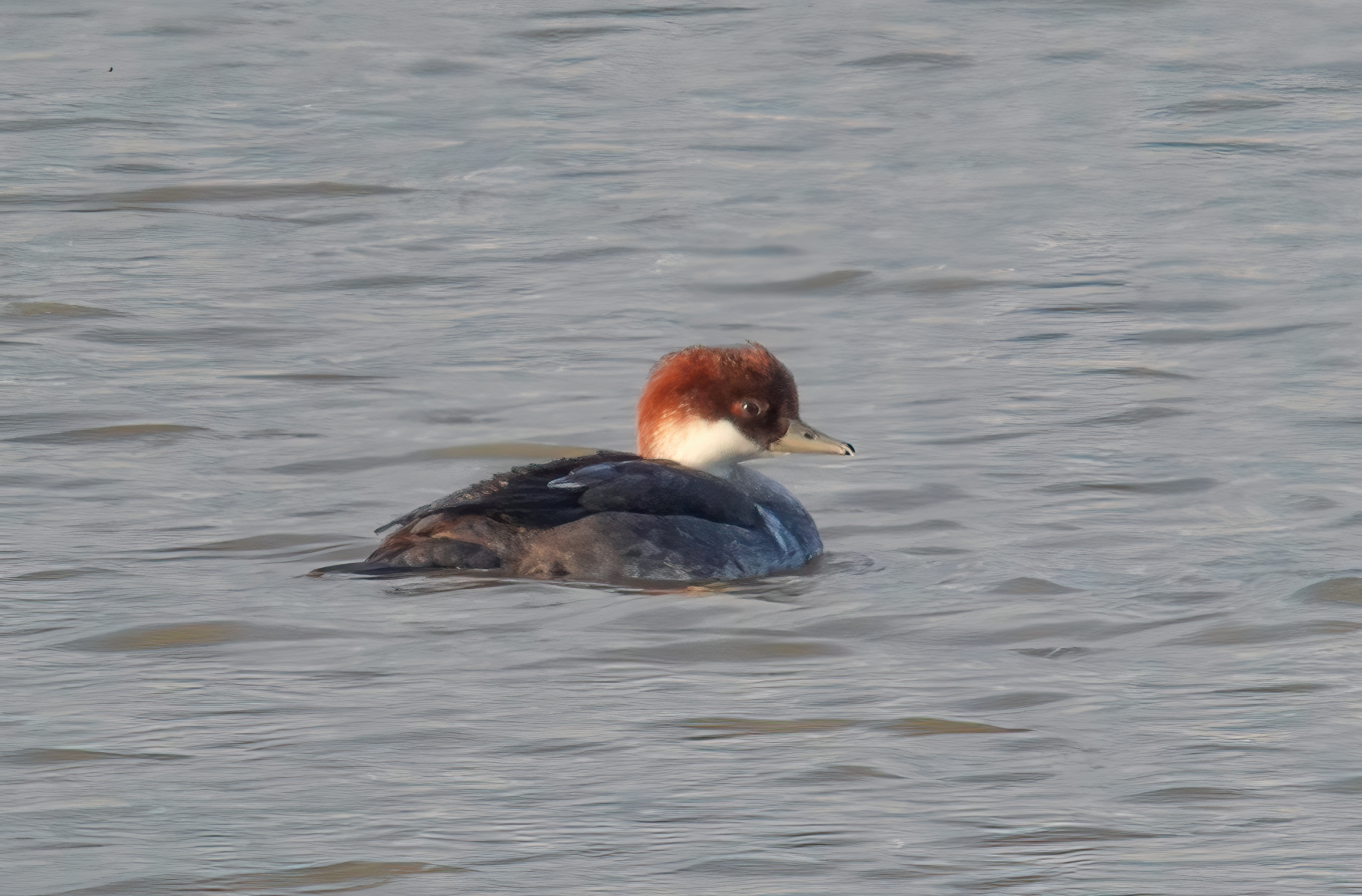
Also remaining was the ‘redhead’ Smew at Clifford Hill from 6th to 7th, after which there were no further sightings. It is now generally believed that milder winters mean Smews are no longer heading out to the UK, at the far western limit of its winter range, as much as in previous years, with more spending the coldest months in the Baltics, Germany or southern Scandinavia and it seems highly likely that this attractive little sawbill will become even more scarce in the UK as time progresses. For further details see here.
Waders during the period were limited to a surprise visit by four Ruffs to Stanwick GP on 12th and a healthy total of at least eighteen Jack Snipes at Daventry CP on 8th with fifteen there on 12th. One was also seen at Willowbrook Industrial Estate, Corby on 7th.
Gulls came very much to the fore this week, with the spotlight firmly on the roost at Stanford Res, which held a second-winter Mediterranean Gull on 6th and 12th.

But it was in the approaching darkness of late afternoon on 11th that the arrival of an interesting-looking gull at Stanford caused a bit of a stir – a bird which was to spark much debate throughout the evening, with various laridophiles across three counties casting their votes into the identity hat. The bird’s identification would never have been established had it not been for the due diligence and unwavering resolve of the finder, Chris Hubbard, who was back on site at dawn the following morning. Having the good grace to stick around briefly after first light, the bird remained long enough to be videoed and have its identity firmly nailed as a second-winter Kumlien’s Gull, only the fourth record for Northamptonshire and the second for Stanford, following a third-winter there on 18th February 2020.
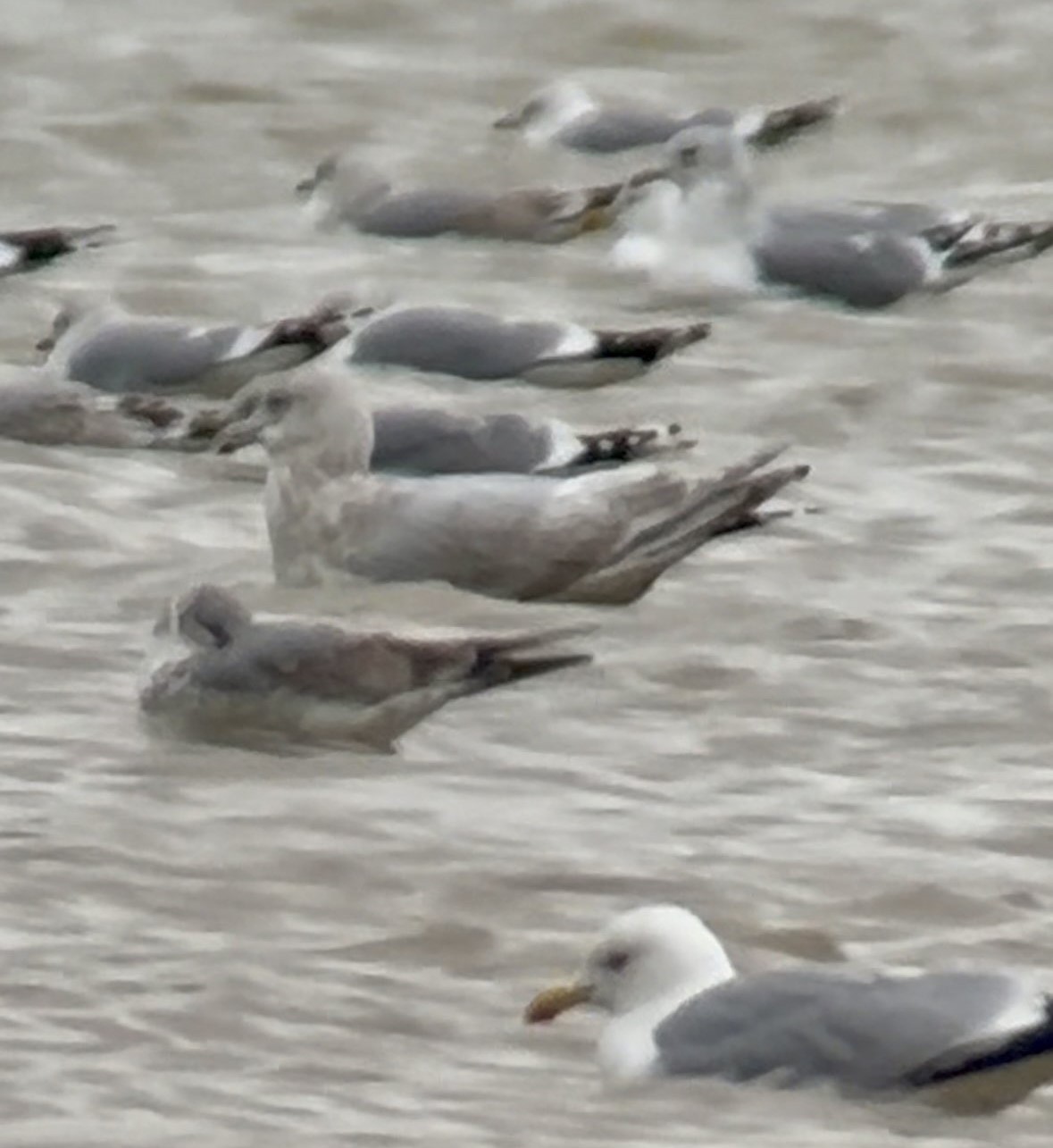
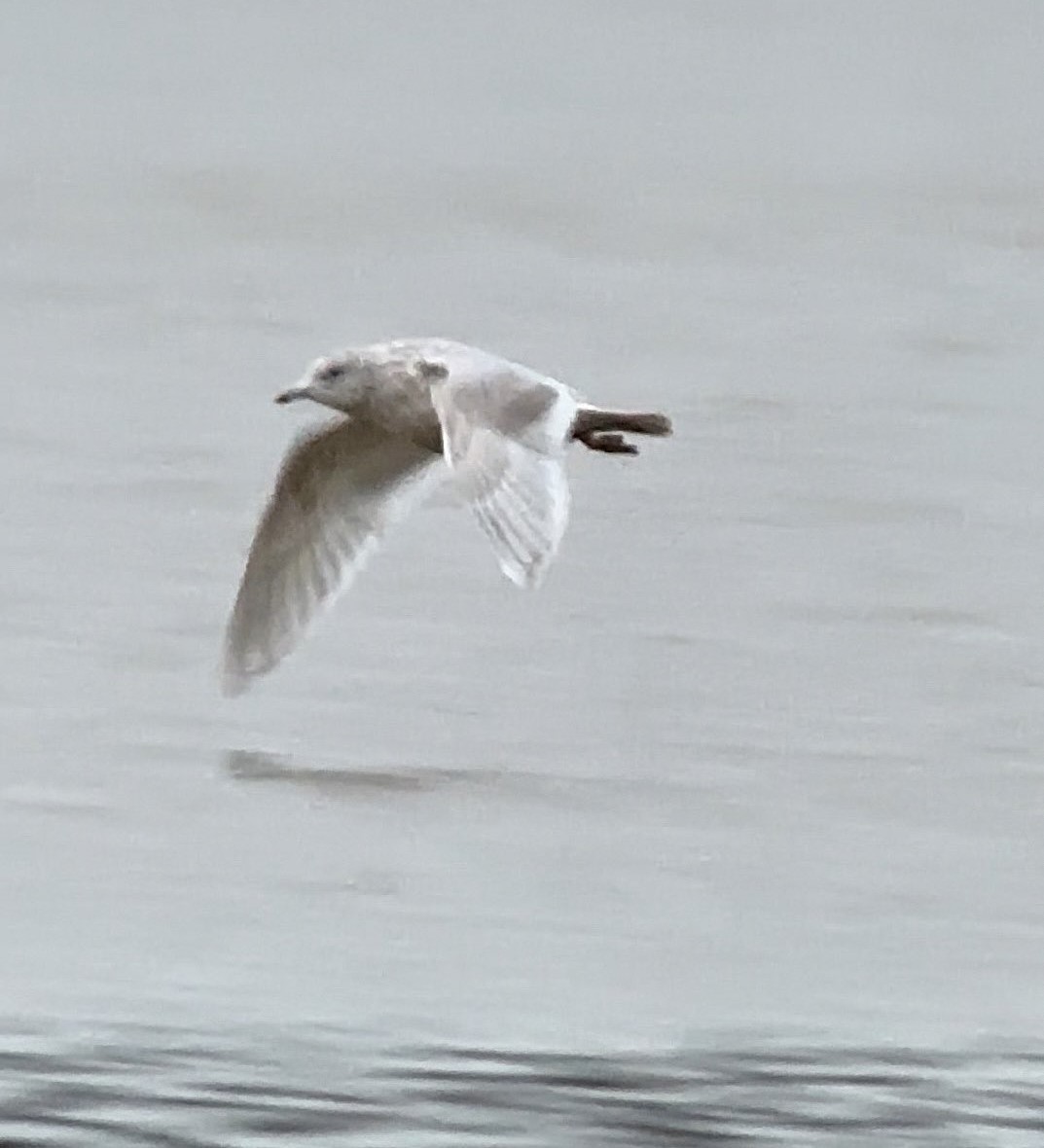
The two previous records were a second-winter at Sidegate Landfill on 13th January 2010 and an adult at Daventry CP on 24th March 2016. Alas, there are no longer any active landfill sites in the county, so the best chance of finding any of the scarce, ‘white-wingers’ from the high Arctic rests with visiting the Stanford gull roost or the flat expanse of mud and shallow pools at DIRFT 3, both of which are known to pull in gulls from Shawell Landfill, just over the border in neighbouring Leicestershire. With imminently approaching fronts from the north about to open the doors to Arctic air across the UK, we may yet see the arrival of more white-wingers as ‘winter proper’ gets underway.
Other gulls were, of course, available and Stanford’s roost also produced a third-winter Caspian Gull on 7th, while Hollowell continued to hold on to its regular adults, with two there on 8th and one on 10th. A single adult Yellow-legged Gull was found at Willowbrook Industrial Estate, Corby on 7th.
After an apparent ten-day absence, back on the menu this week was Great Northern Diver when one was found at Pitsford Res, late on 12th. Whether or not it’s the same bird having kept a low profile remains open to debate.
And then there were Cattle Egrets. Numbers at the currently surefire site of Stanwick rose to a respectable nine seen coming in to roost, late in the afternoon, on 6th. Three at Ditchford GP’s Irthlingborough Lakes & Meadows LNR the next day, followed by six at Stanwick on 8th and 12th suggests they are all part of the same group.
Marsh Harriers extended their stretch in the Nene Valley with singles – or perhaps just one wide-ranging individual – at Thrapston GP on 6th, Summer Leys LNR on 7th and at Stanwick on 12th.
Short-eared Owls, too, maintained their presence throughout the period at Neville’s Lodge, where up to four were seen on one date mid-week, while one also drifted high over Stanford Res, at dusk, on 12th.
The week’s Merlins were limited to singles at Stanwick and in the Brampton Valley – both on 9th.
Stanwick also produced the first Siberian Chiffchaff of the year, on 8th.
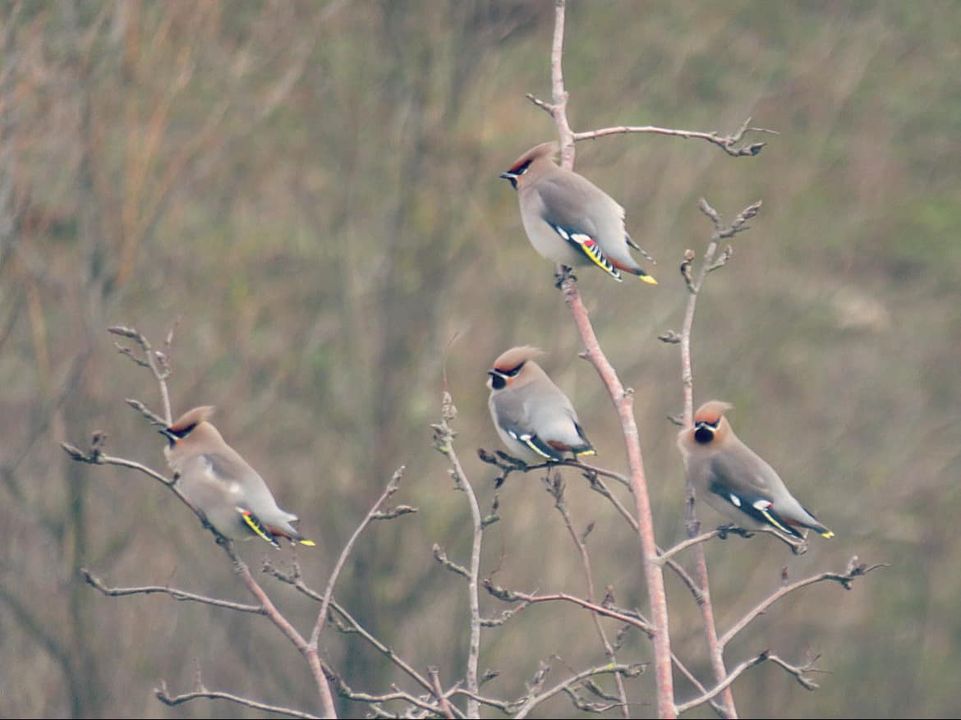
But after last week’s mini-surge, this week saw Waxwings on the wane, with only a brief visit by eight to an Oundle garden on 6th and the so-called ‘Fab (or famous) Four’ remaining reliable on the eastern outskirts of Corby throughout.

Six localities held Stonechats with a maximum of four at Earls Barton GP on 10th and the same number at Sywell CP on 12th, while Crossbills were ever-reliable at Wakerley Great Wood, where four were seen on 6th and at nearby Fineshade, where there were eight on 10th and twelve on 11th.


Discover more from Northants birds
Subscribe to get the latest posts sent to your email.

 Northants birds