A largely dry week – both weatherwise and new birdwise – saw higher-than-average temperatures in the latter half but there was still plenty of entertainment out there to keep the birding pace going.
There were few new wildfowl during the period and the Pink-footed Goose that appeared at Stanford Res on 2nd appears likely to be the Hollowell Res bird out on a jolly. A drake Red-crested Pochard was found on Ecton Lake, at Billing GP, on 27th, while the female Ring-necked Duck remained at Titchmarsh LNR (Thrapston GP) until 28th but was not seen thereafter. Hollowell hung on to its first-winter drake Greater Scaup throughout, as did Grendon Lakes its rather more advanced individual.
With numbers up on last week, Jack Snipe was again the only standout wader. A maximum of twelve at Daventry CP on 29th was the highest count, followed by two at Hollowell between 28th and 2nd and one at Barnes Meadow LNR, Northampton on 29th.
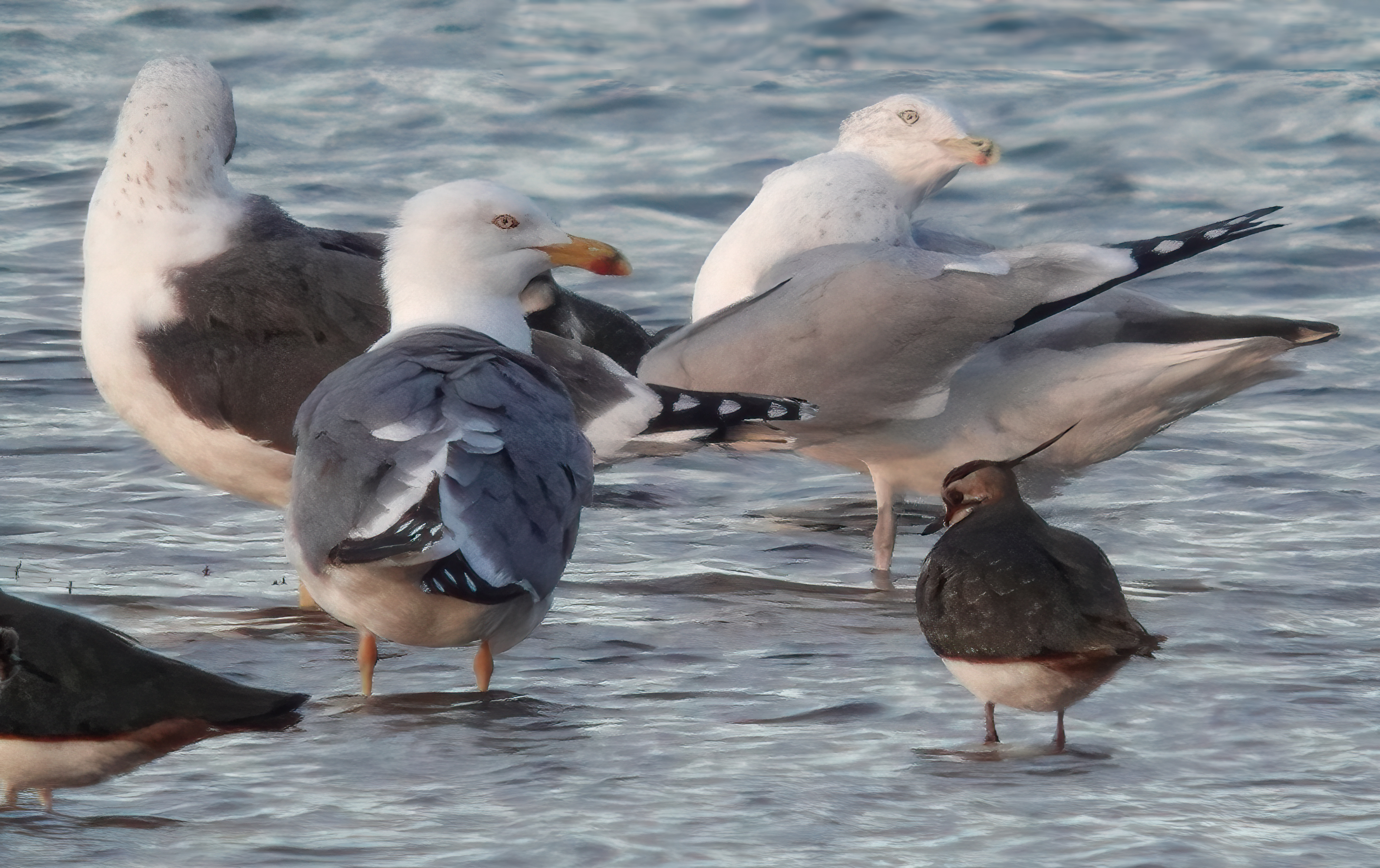
The scarcer gulls were still out there to be had and these included single adult Caspian Gulls in the roost at Stanford on 29th and 31st, a first-winter at Daventry on 29th and an adult roosting at Summer Leys LNR on 30th. With a notable absence of the formerly regular adult from Pitsford Res of late, the only Yellow-legged Gulls this week were a first-winter at Daventry on 29th, an adult at Summer Leys on 30th and a third-winter in the roost at Stanford on 31st.
Nowadays less engaging and often prone to playing hide and seek, Pitsford’s Great Northern Diver was seen on 27th and 31st.
Cattle Egrets kept a surprisingly low profile and while one was seen at Stanford on 27th and 1st, it spent the intervening period in a nearby sheep field, over the border, in Leicestershire. One was also reported from Summer Leys on 29th.
Keeping up appearances, Marsh Harriers maintained their winter presence in the Nene Valley, where there were three independent sightings within the Earls Barton GP complex on 28th. One also provided observers at Stanford with a locally rare winter record when it flew east over the reservoir on the following day.

A ‘ringtail’ Hen Harrier was clocked over Harrington AF during the last hour of daylight on 30th, while the gathering dusk on 28th-29th also saw the emergence of four Short-eared Owls at Neville’s Lodge, near Finedon. In a bid to rival the Finedon four, Blueberry Farm, Maidwell delivered its own twilight quartet on 1st.


Blueberry and the wider environs of the Brampton Valley also delivered a male Merlin on 29th-30th.
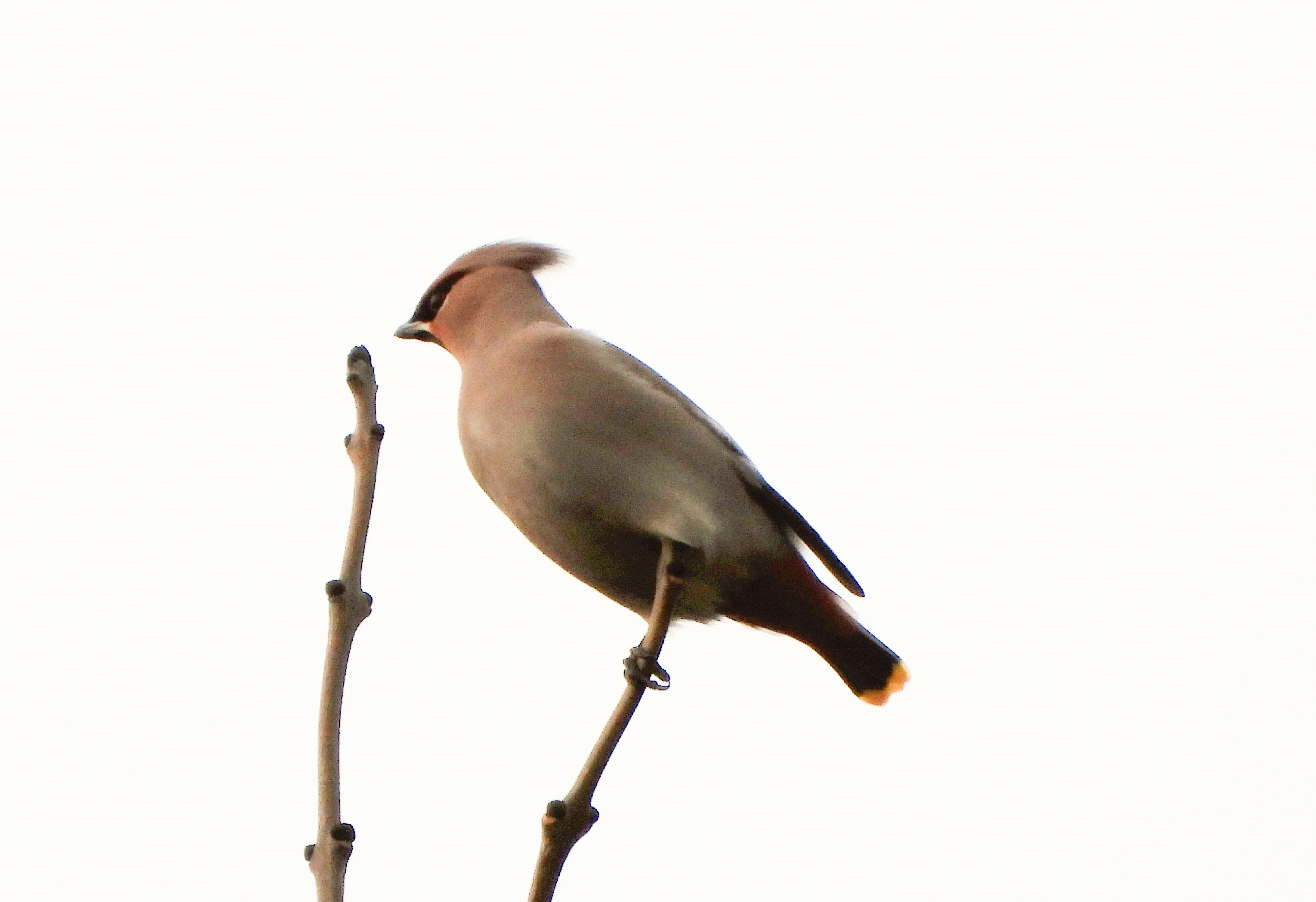
And so to Waxwings. Having increased to five birds in the latter part of last week, the Corby clan attracted a further new recruit on the first day of this one, only to move on up again to seven birds on 2nd. During this period, however, they became more mobile and unreliable, their appearances being more sporadic, with would-be observers going home empty-handed. That’s not to say they were the only ones available this week. A nice, Sunday afternoon find of twelve at Brackmills CP, Northampton proved to be a pull for those quick off the mark on 28th but their stay extended only until 09.15 the following morning, when they headed off south-west, toward Wootton. In addition to these, a lone bird was seen briefly in the vicinity of the entrance to the Hanson gravel processing plant at Earls Barton GP on 28th.


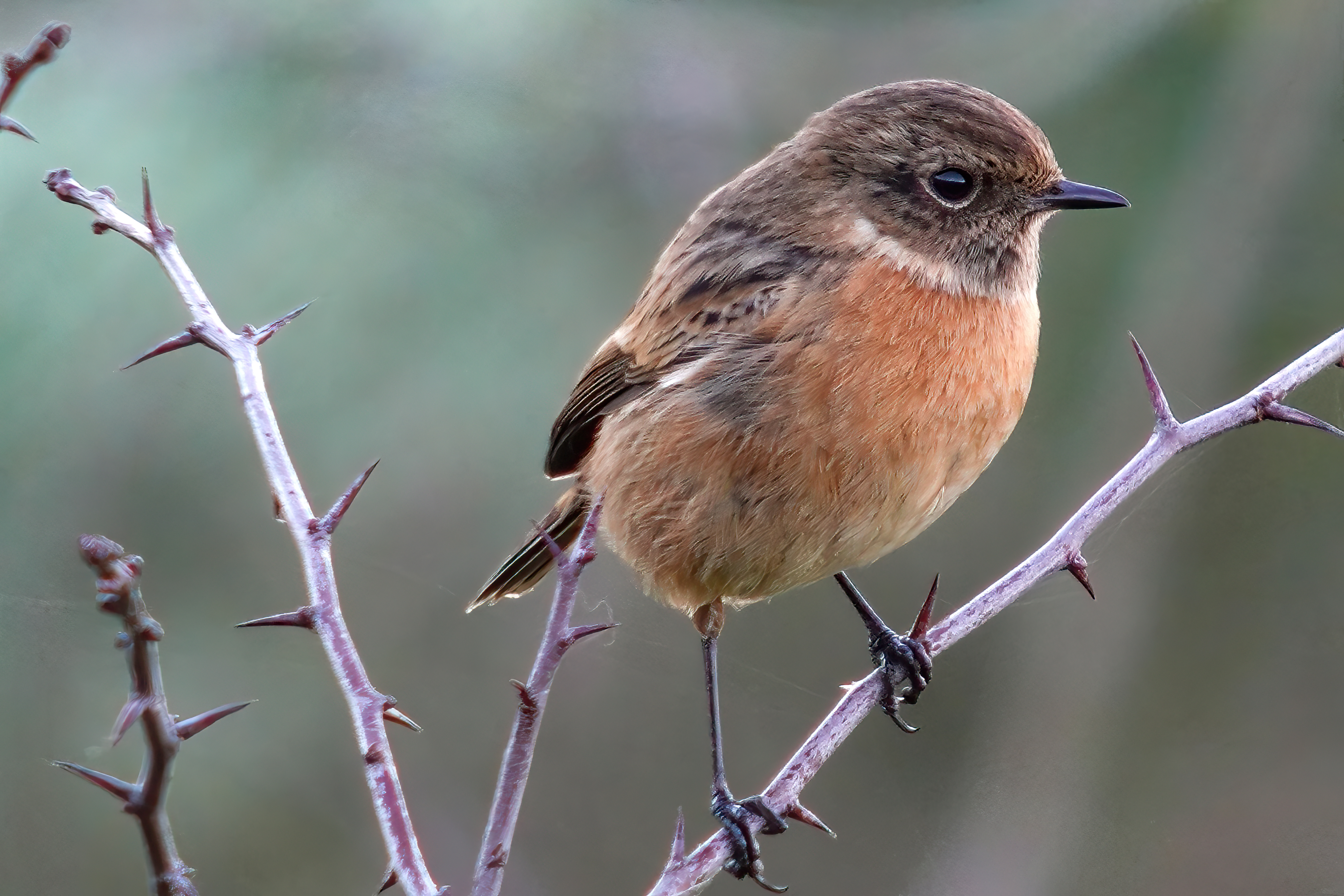
Stonechats were found at five localities – down from last week’s eleven – the highest count being a respectable seven at Hollowell on the last day of the week.
With numbers also down, Crossbills crept into the week’s line-up with at least one bird present at Longcroft Road, Corby on 1st and a rather meagre two at Fineshade Wood the following day.

Discover more from Northants birds
Subscribe to get the latest posts sent to your email.

 Northants birds