Newsround – 23rd to 29th March 2024

Another week in which the action ramped up, the second half of which was dominated by hefty showers and a strong southerly airflow off the near continent. Unsurprisingly, these migrationally-conducive conditions delivered more summer visitors … and a very Good Friday.

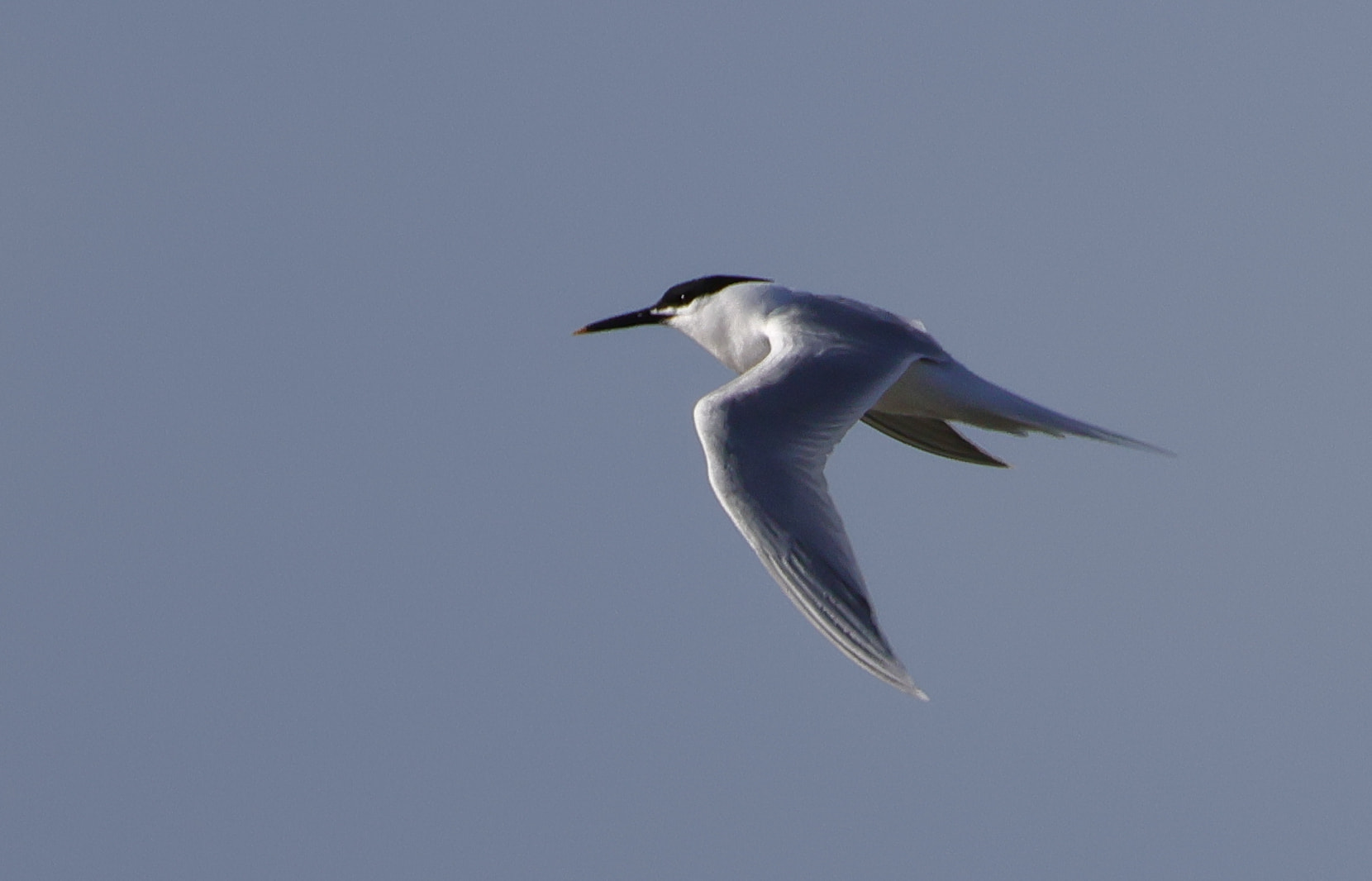
‘More’ in this case means, in terms of numbers, less than last week, with just the two making it onto the calendar. Of these, the star bird was the Good Friday Sandwich Tern which, during the afternoon of last day of the period, cruised straight through Summer Leys LNR pretty much without stopping – much to the chagrin of those who were quick off the blocks in their attempts to see it. March records are not without precedent but this week’s bird is a week long of beating the earliest, which appeared at Thrapston GP on 23rd March 1996.
Completing the week’s new summer arrivals, rather more standard fare turned up in the shape of a White Wagtail at Earls Barton GP on 25th-26th, quickly followed by another at Pitsford Res on 27th.

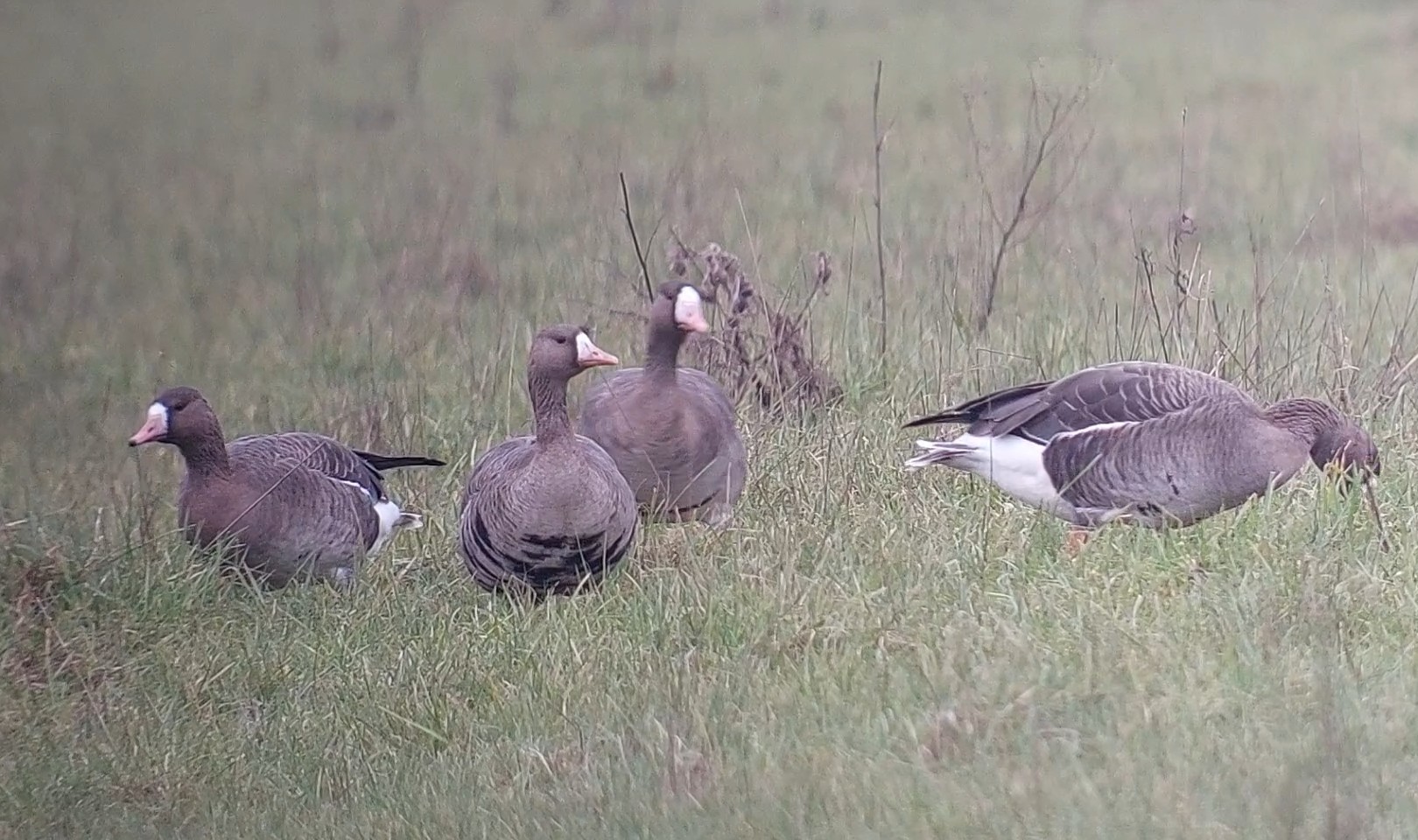
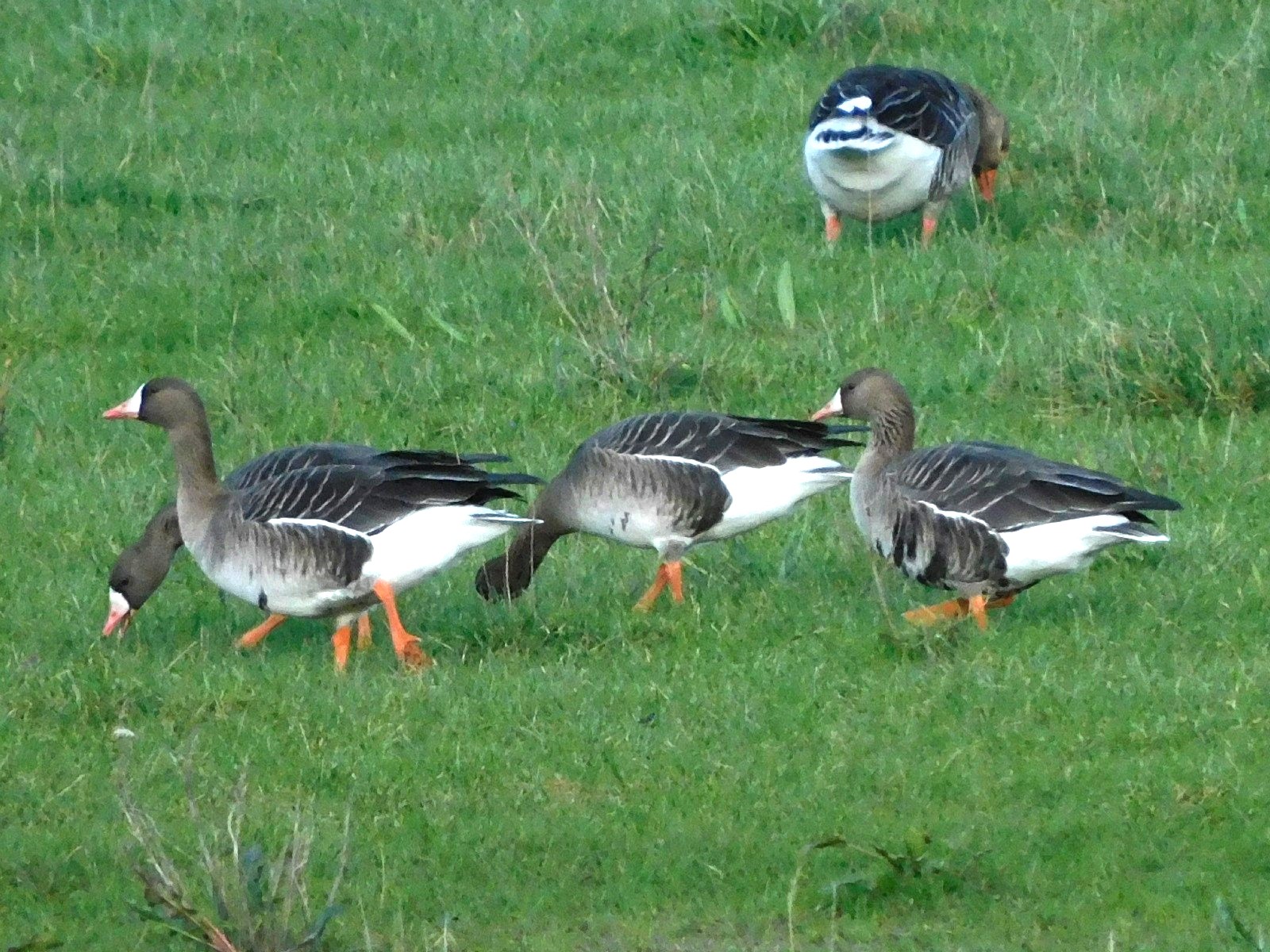
Far less likely to pique the majority interest, though, were two Barnacle Geese found at Pitsford on 28th, subsequently seen flying west over nearby Hanging Houghton early the following morning. Though overwhelmingly likely to be feral, unlike the birds themselves, the status of this species in the county is anything but back and white. A solitary Pink-footed Goose found at Hollowell Res on 27th is also not beyond the feral but birds turning up locally are usually given the benefit of the doubt and this one may well be the individual which has been doing time at Stanford Res, mainly on the Leicestershire side of the border. Unsullied and beyond question on origin is the party of four White-fronted Geese that have yo-yoed back and forth between Thrapston GP’s Titchmarsh LNR and nearby Wadenhoe Meadows since their discovery at the former site on 4th March. They were still present on 24th.
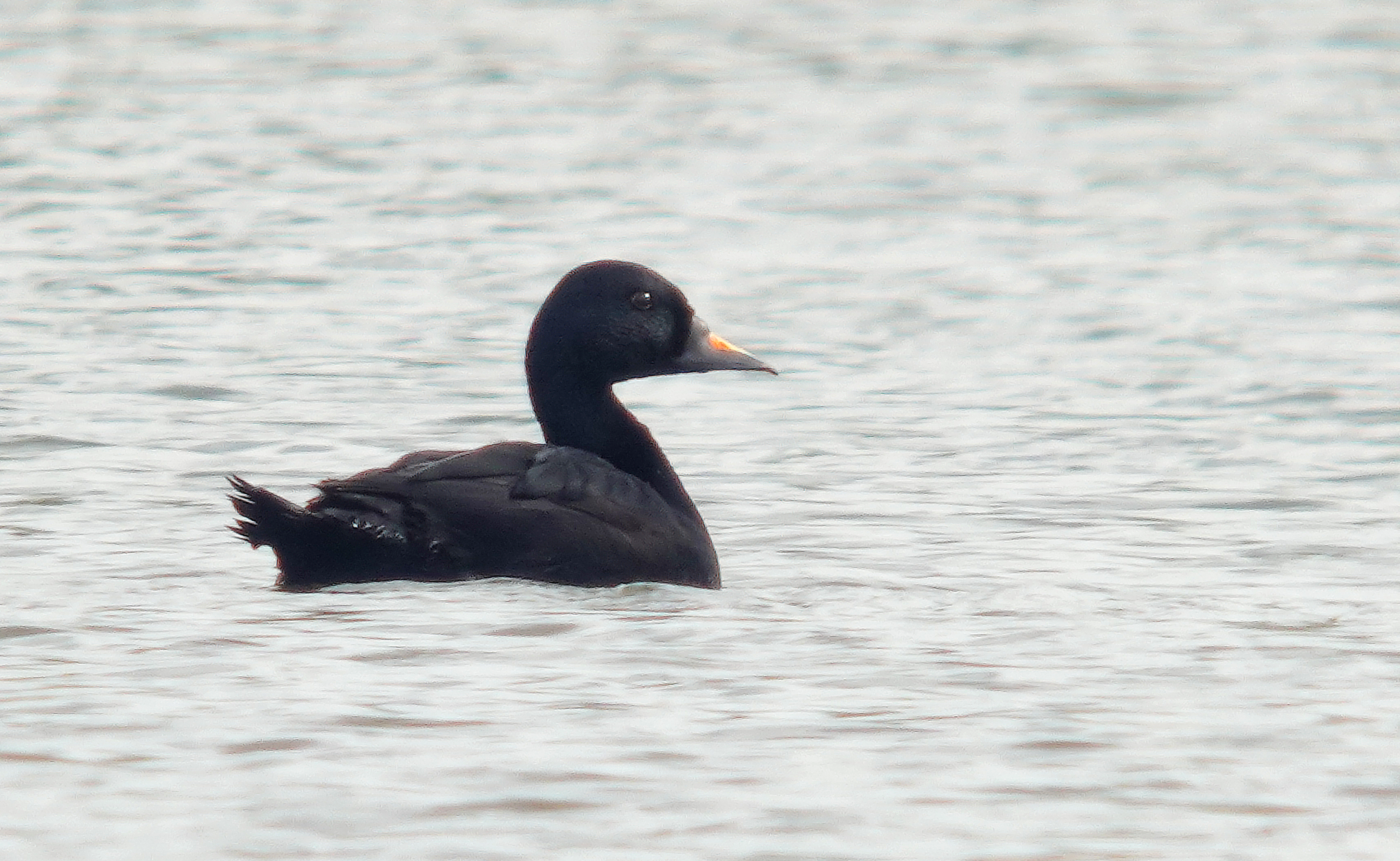
Ducks, too, featured prominently this week. A drake Red-crested Pochard was again at Earls Barton GP’s New Workings (North) on 25th and the female Ring-necked Duck at Ditchford GP was relocated on Irthlingborough Lakes & Meadows’ Cotton Reel Lake on 27th-29th after last being seen at nearby Higham Lake on 15th March. Taking its place there, a drake Common Scoter appeared on 25th-26th before itself relocating to IL&M’s Dragonfly Lake on 27th.
Further up the Nene Valley, the long-staying ‘redhead’ Smew remained at Clifford Hill GP until at least 28th.

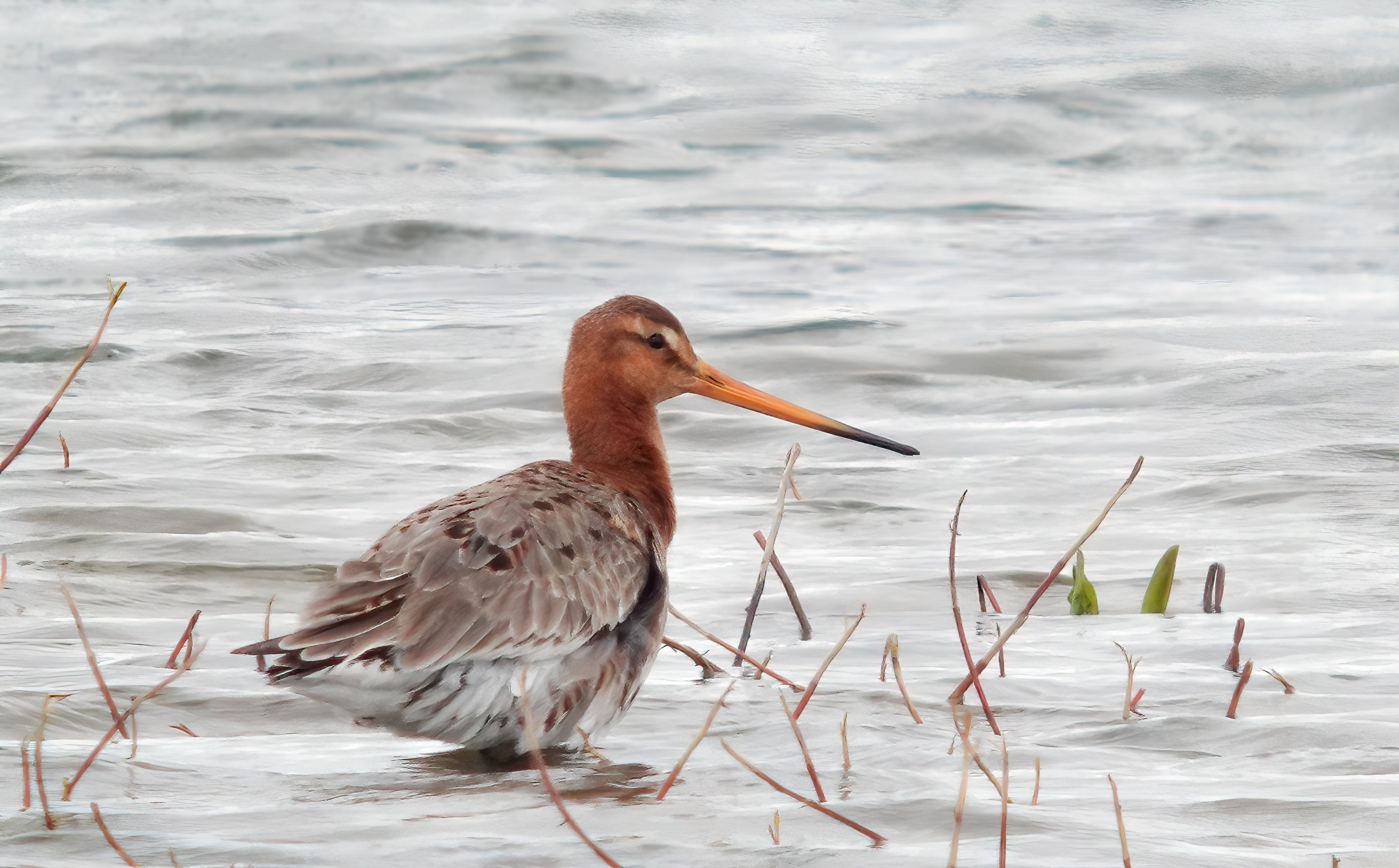
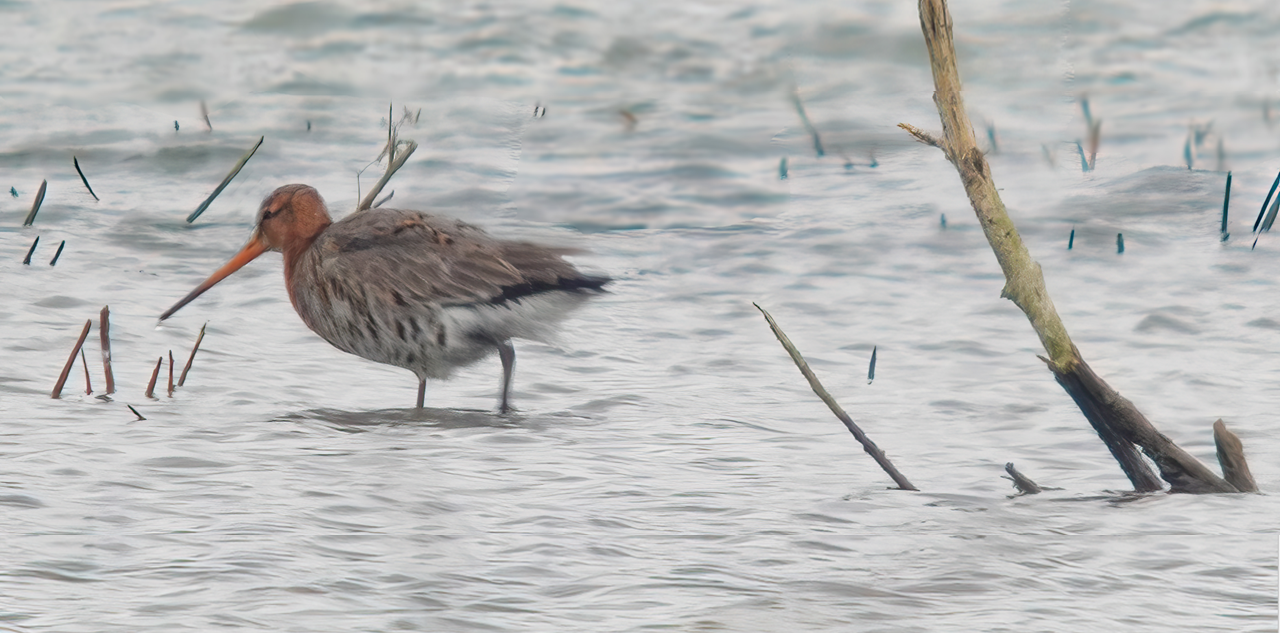
On the wader front, things were beginning to bubble at Summer Leys, where between one and three Black-tailed Godwits were seen daily from 26th and at least seven were present on 29th. Three were also at Stanwick GP on 28th-29th.                   

These were upstaged somewhat by the appearance of a Grey Plover on the Main Lake at Summer Leys on 28th, where it remained mobile on 29th. Although annual, the number of Grey Plovers visiting the county in recent years appears to have dropped significantly.

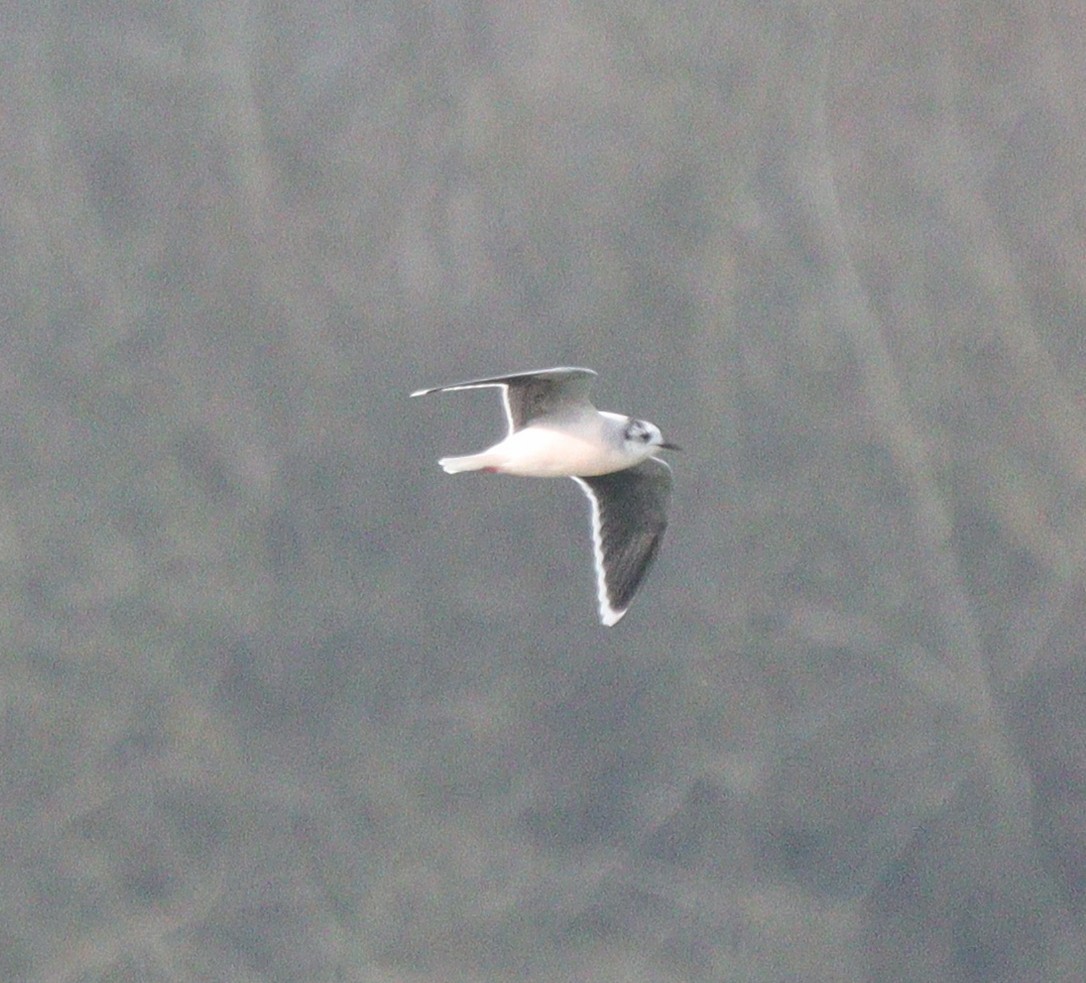
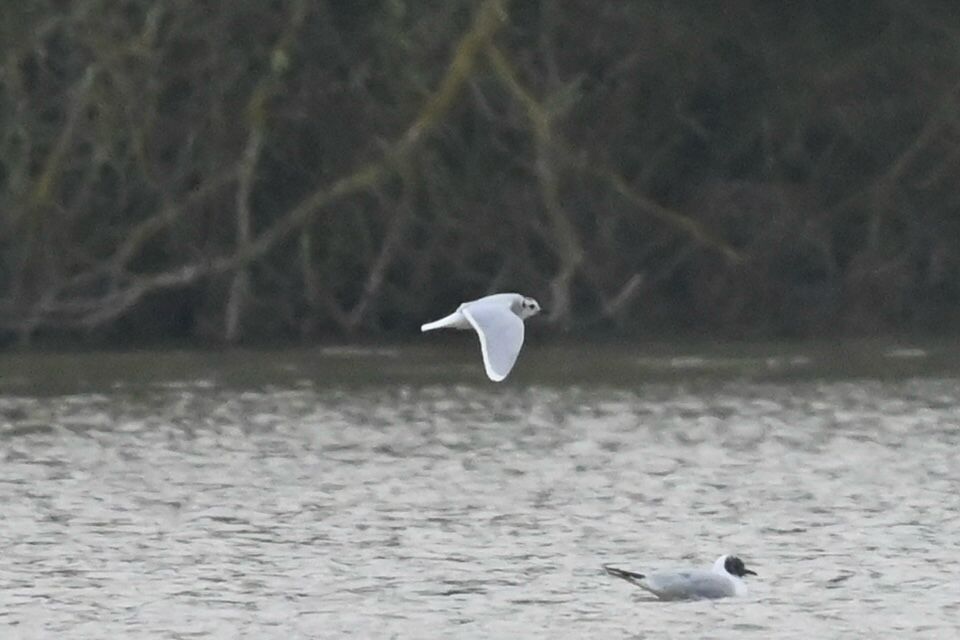
Summer Leys was also the venue for a drop-in, first-winter Little Gull, present only briefly, late in the day on 28th. Larger scarce gulls were on the wane, though, with just a single first-winter Caspian Gull at Hollowell on 25th, a second-winter Yellow-legged Gull at Summer Leys on 23rd and an adult Yellow-legged at Pitsford on 28th.

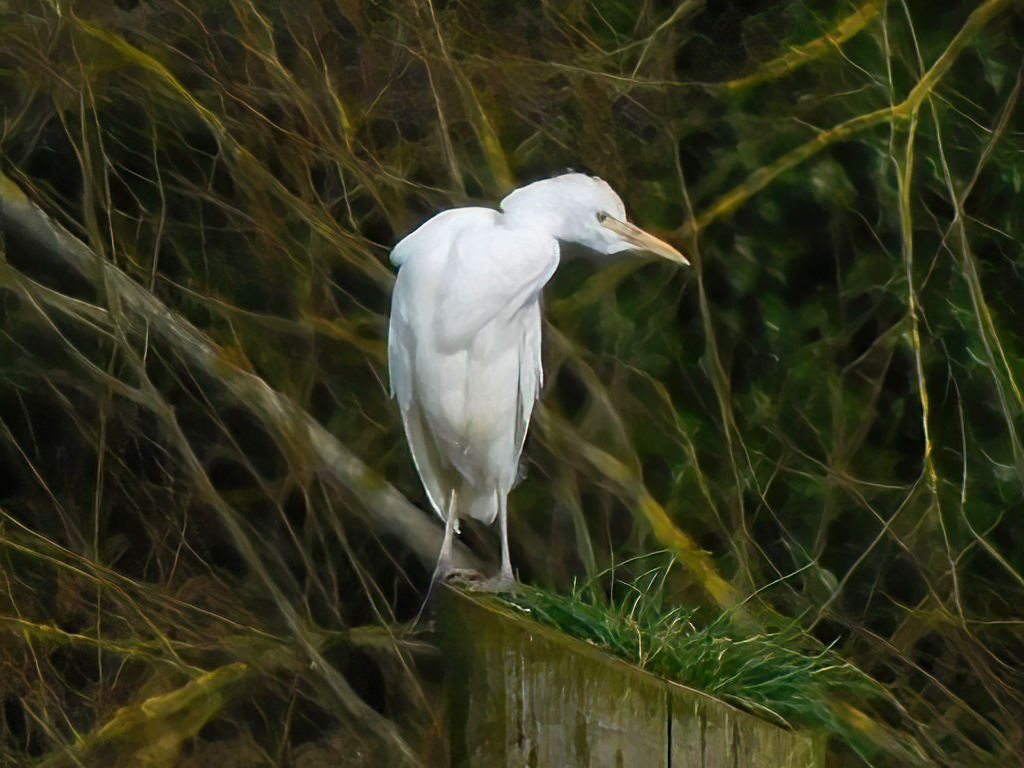
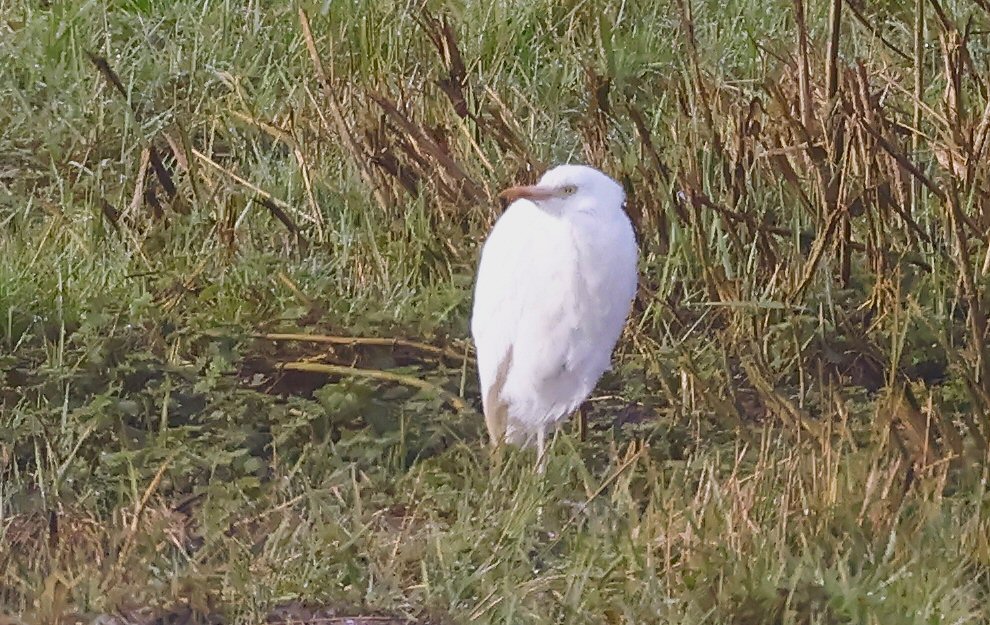
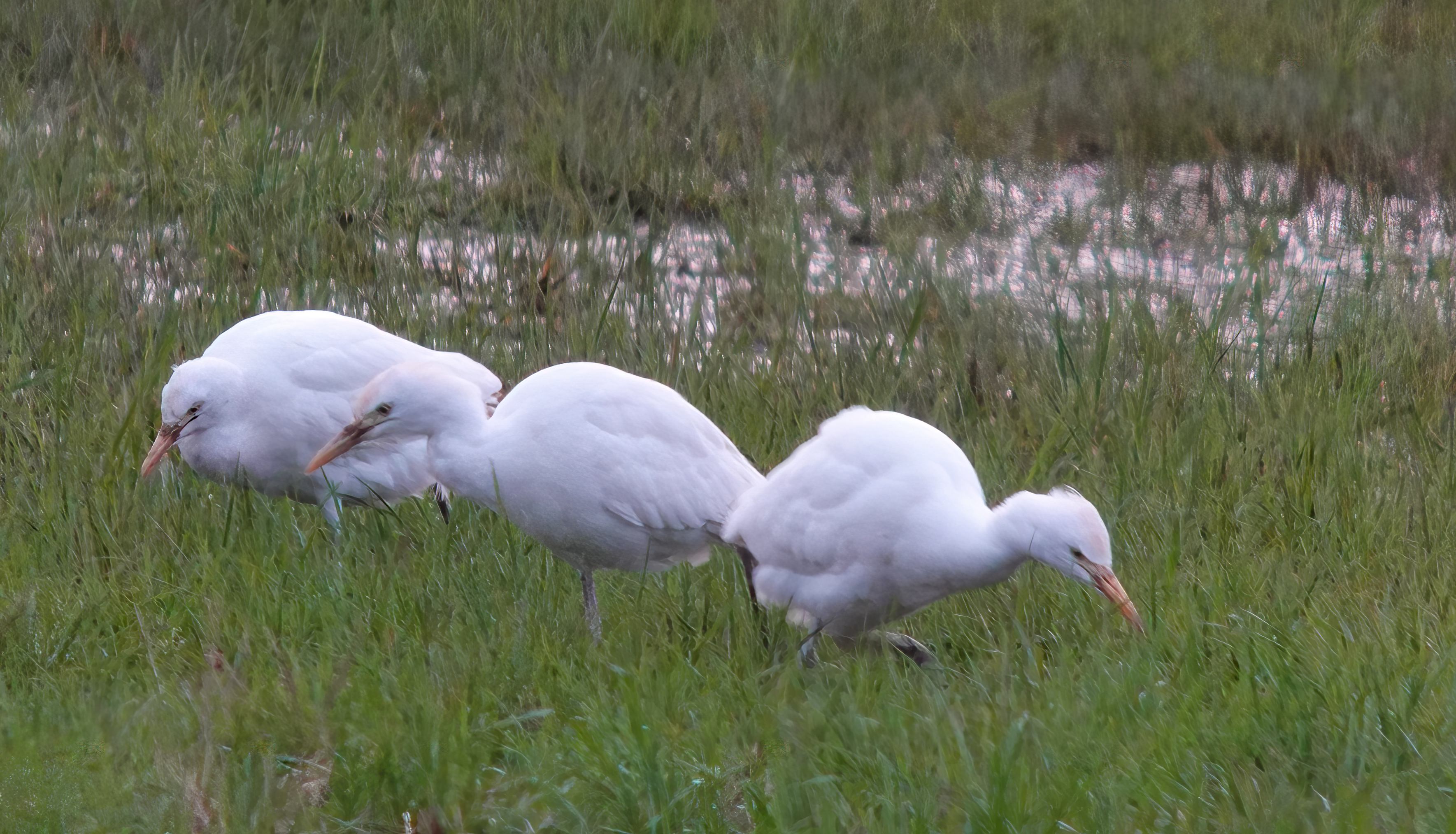
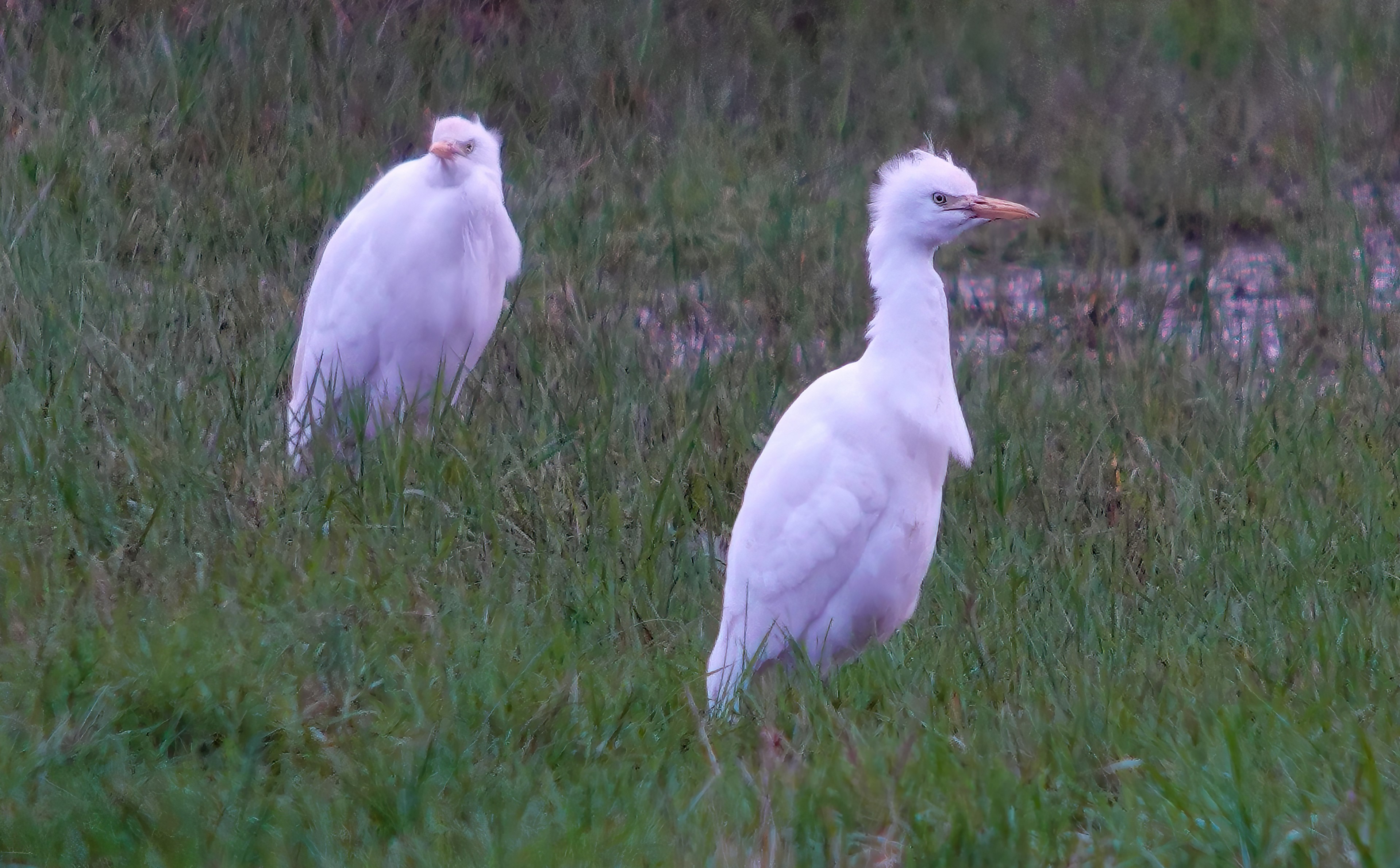
Compared with last week, Cattle Egrets were thin on the ground with just single birds at Summer Leys on 26th and 28th and at Ditchford GP 26th and 29th.

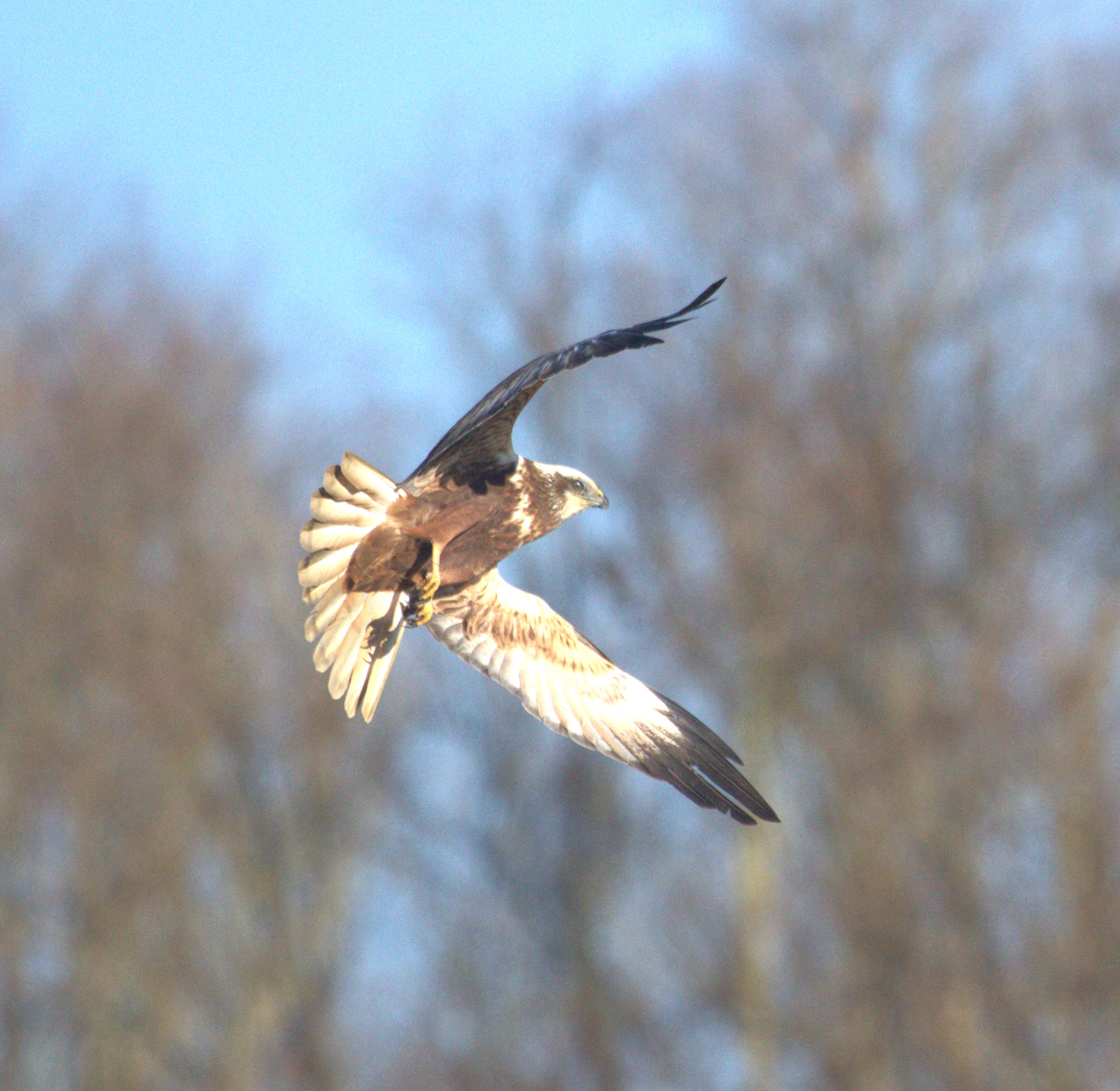
The period also saw more Ospreys moving through. A pair returned to an established breeding location on 25th and one was seen near Braybrooke on the same date. One also flew over Hollowell Res on 26th and one was seen south of Hollowell village, flying toward Ravensthorpe Res on 28th. The only other raptor reported was a Marsh Harrier at Summer Leys on 23rd.

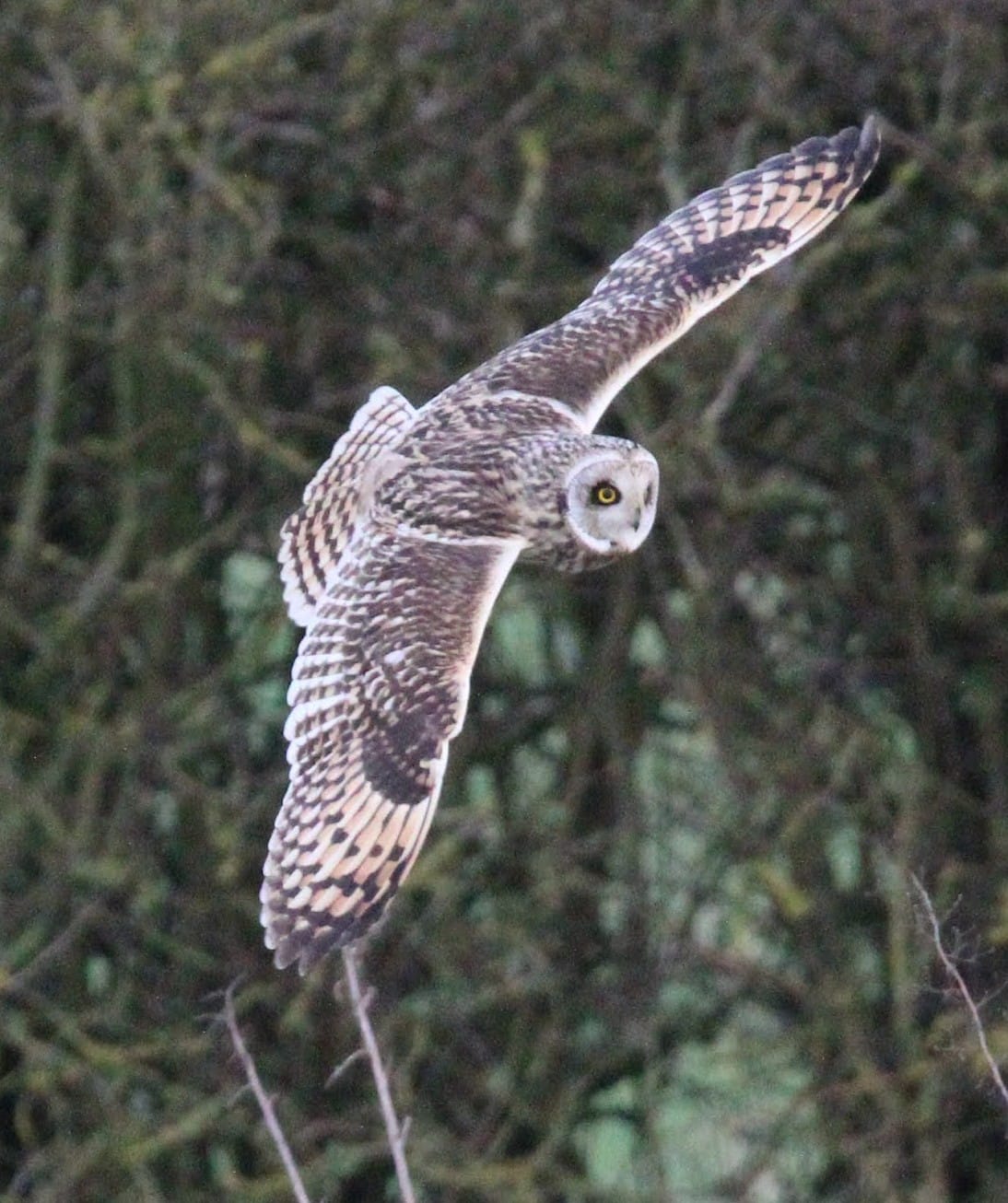
Four Short-eared Owls further extended their stay in the Brampton Valley, below Lamport, until at least 25th and a Merlin went through Summer Leys on 26th.

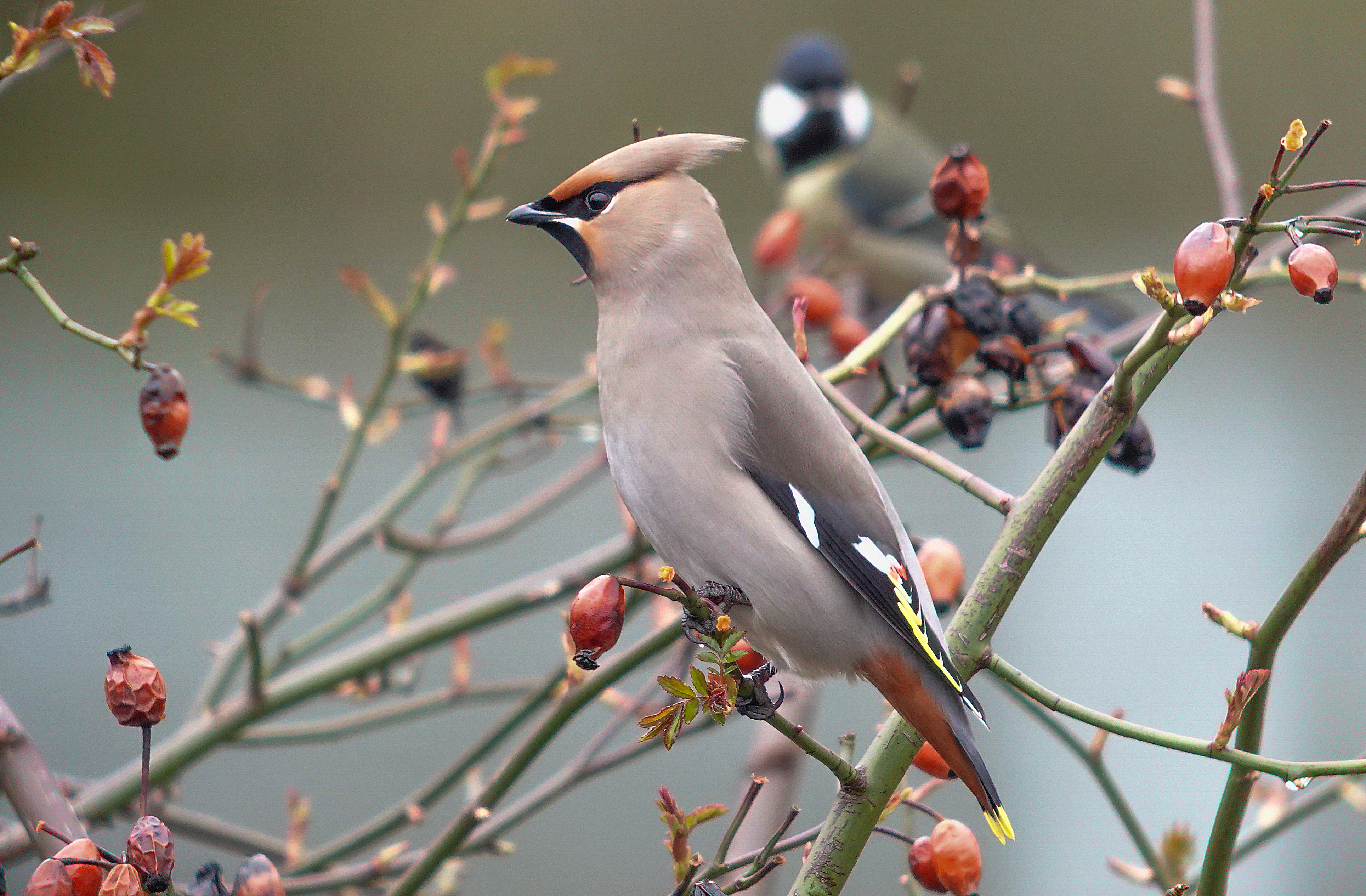
Following last week’s showy Waxwings in Northampton it was unsurprisingly quiet, with just one seen briefly and photographed in Brackley on the last day of the period. The last of the season, perhaps? We’ll see …

And there was more to come in the way of Northern Wheatears which, this week, featured at four localities. Four were found on and around Borough Hill on 23rd, two were at Willowbrook Industrial Estate, Corby on 24th and single birds were found at Hinton AF on 24th and in the Brampton Valley between Cottesbrooke and Hanging Houghton on 25th. There’ll be more to come but will we ever again witness the massive spring fall of 2006, when an eye-watering forty-one were present at Clifford Hill GP on 21st April?

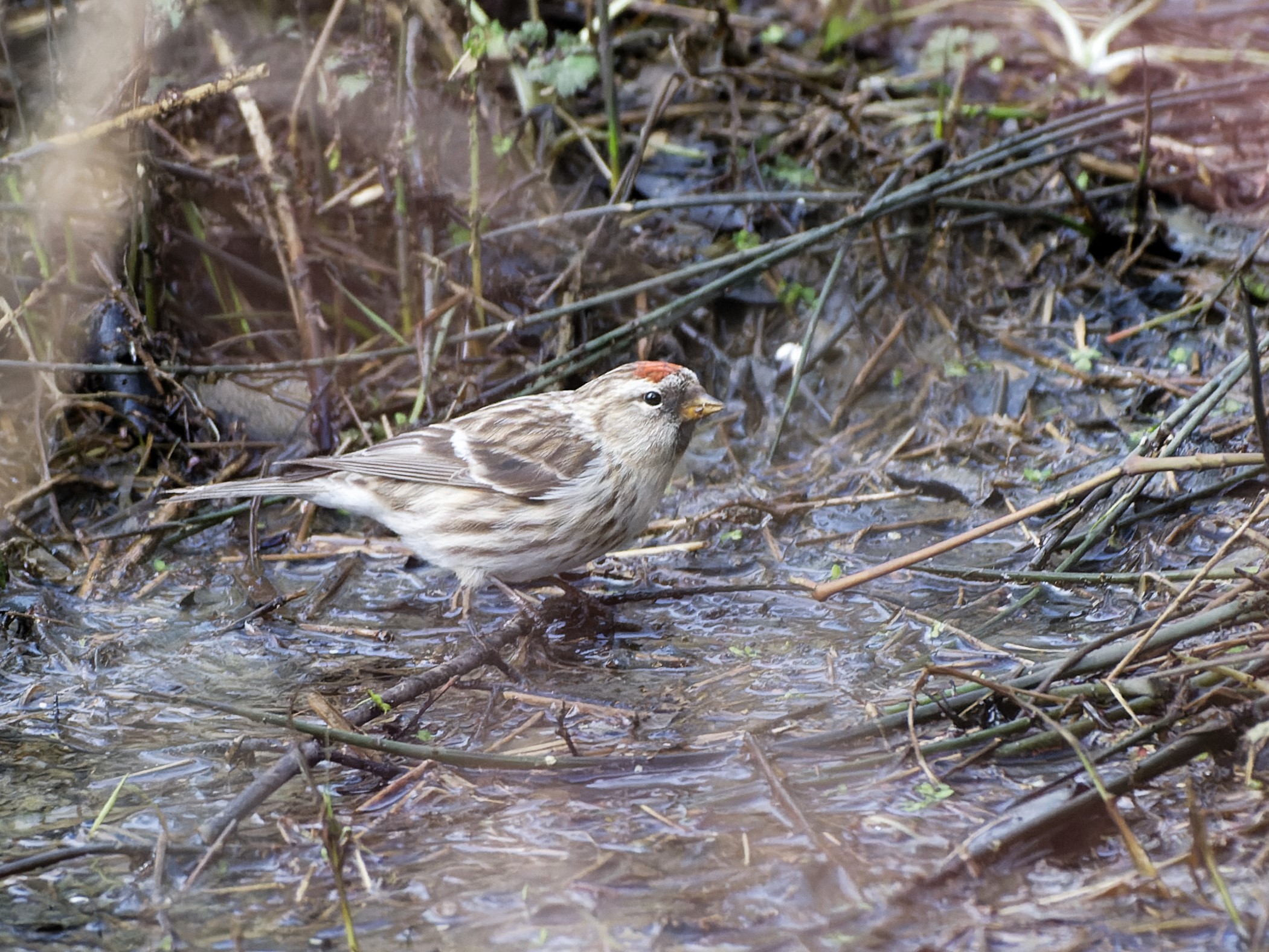
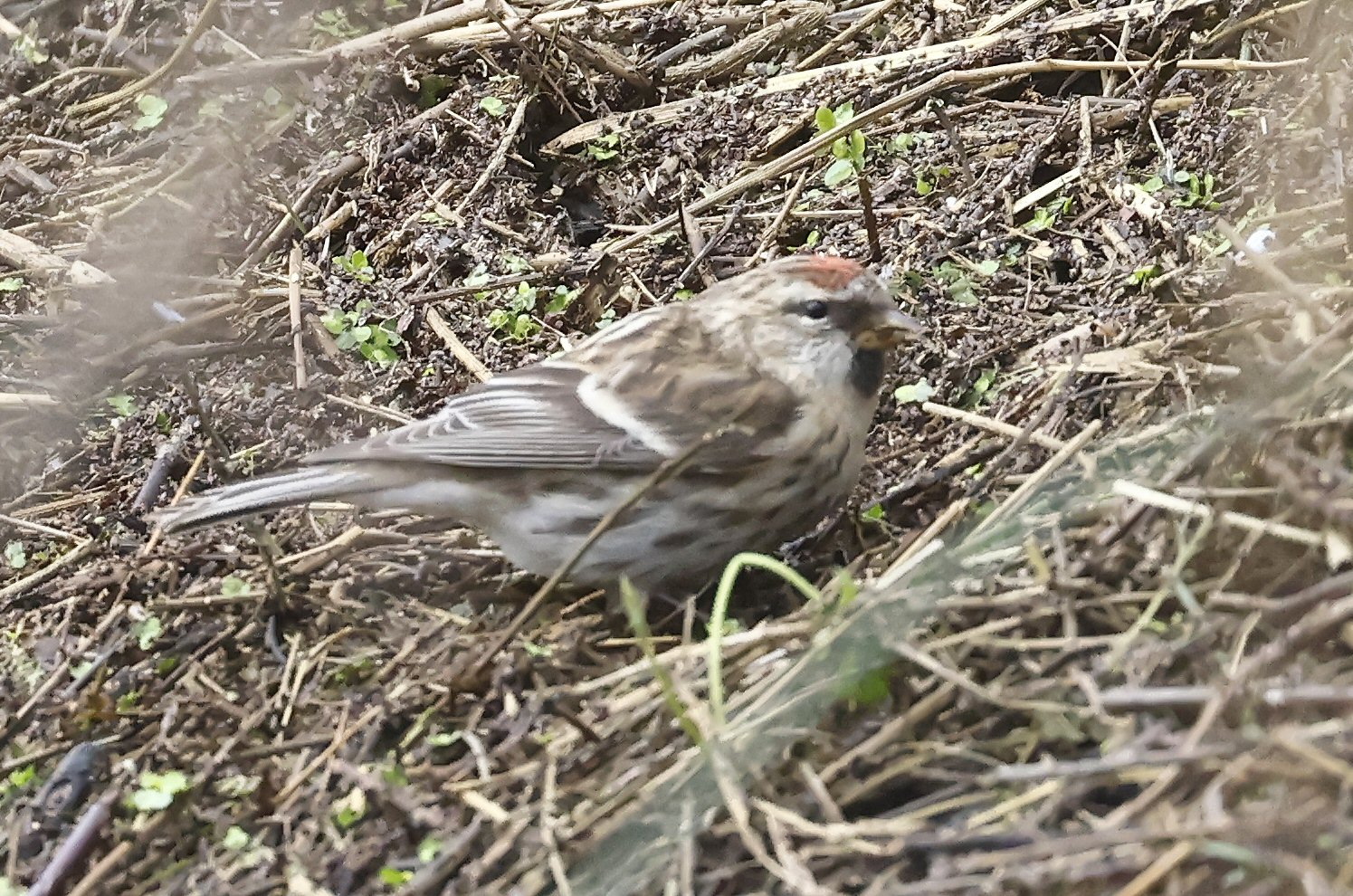
At Duston’s New Sandy Lane attenuation pond, at least one Mealy Redpoll remained with its attendant Lesser Redpolls until at least 27th, while Bucknell Wood produced a Crossbill on 26th and three were seen at Scotland Wood, Kelmarsh on 29th.

And as the first day of the new week unfolds, while writing, Common Redstart, Sedge Warbler and Yellow Wagtail have all made it to the county. What will the new week bring … ?

Newsround – 16th to 22nd March 2024

Spring continued to unfold nicely. Considering it was only the third week in March it was delightfully eventful, keeping birders on their toes and producing something for everyone, as well as delivering five firsts for the year – not all of which were summer visitors.

Those that were, however, did not smash any early arrival records. First up were two Northern Wheatears on agricultural land between Clipston and Great Oxendon on 18th followed, later in the day, by an Osprey moving north over Bozenham Mill. Two days on and the first Swallows were logged at Pitsford Res and Thrapston GP’s Titchmarsh LNR while, on the last day of the week, Ditchford GP’s Irthlingborough Lakes & Meadows LNR supplied our first Willow Warbler.

After last being seen at Titchmarsh on 11th, the White-fronted Goose quartet was rediscovered on nearby Wadenhoe Meadows on 22nd, suggesting these birds are in no hurry to depart any time soon. Other wildfowl included single drake Red-crested Pochards at Pitsford on 21st and at Clifford Hill GP the following day, the first of these two localities producing a new ‘redhead’ Smew on 18th, with the latter site hanging on to its own long-stayer throughout the period.

Following last week’s audible-only ‘noc mig’ fly-over, from a purely visual perspective another first for the year appeared at Boddington Res in the shape of a drake Common Scoter, present there on the last day of the period.

And after being somewhat spoiled for waders last week, we were back down to Jack Snipe as the sole representative in the uncommon category. Twos were at Pitsford between 18th and 21st, at Hollowell Res between 19th and 21st and at Ditchford on 22nd, while Daventry CP mustered one on 20th.

Gulls, however, were still on the radar, the best of which was a first-summer Mediterranean Gull at Boddington on 16th, followed by an adult at Daventry on 21st. Upsizing, single first-winter Caspian Gulls were reported from Summer Leys LNR on 16th and Daventry on 21st, while Yellow-legged Gulls were found at Pitsford, where up to two adults were seen between 17th and 20th and a first-winter and third-winter were present there on 18th. A first-winter Yellow-legged also visited Daventry on 21st.

Bigger and better still, and at a higher level, a little in-flight entertainment materialised in the form of two fly-over White Storks moving north over Cosgrove, seemingly along the Tove Valley, on 18th. They were not picked up again but, on 21st, another was videoed as it flew north-west over Ellands Farm, Hemington,  a trajectory which set it on course for its arrival at Rutland Water, a mere 26 km distant, before the day was out.

Topping the storks the following day, however, a Glossy Ibis flew north-west over Ravensthorpe Res, on its way to who knows where. The above two species are now pretty much annual and it seems likely there’ll be more to come …

Cattle Egrets continued to maintain a presence and this week’s birds were scattered over four localities, albeit in small numbers. Ditchford reached a high of four on 22nd, when two were also at Summer Leys/Earls Barton GP after just the one being noted at both sites earlier in the week. One visited Clifford Hill on 18th and Daventry CP was honoured by the presence of its very first on 21st.

Hot on the heels of the aforementioned first Osprey of the year, two more were clocked flying high north, on 22nd – one over Braunston and the other moving over Hollowell. Meanwhile, the roving young male Marsh Harrier continued to be seen in the Nene Valley at Earls Barton GP’s Quarry Walk on 16th and at both Summer Leys and Stanwick GP the following day.

Up to four Short-eared Owls extended their stay in the Brampton Valley, below Lamport, until the end of the week.

Merlins, too, remained available for those putting the time in – one at Harrington AF on 16th and another visiting Summer Leys the following day.

And then there were Waxwings … Last week’s Far Cotton, Northampton birds resurfaced on 16th, when the number swelled to sixteen. At least fourteen remained on 17th, when they exercised their magnetic magic, pulling local birders into their chosen urban riverside location, during which time due appreciation ran neck and neck with close examination, the latter revealing a few interesting facts about some of their movements.

Two birds – an adult and first-winter – carried a series of blue, white and metal rings and these were identified as having been ringed in Newton, Central Wales earlier this winter.

Another adult with, on its right leg, metal over red, left leg white over red over yellow is a returning bird from winter 2022-23. This bird was first ringed as a first-winter female on 20th November 2022 at Kincorth, Aberdeen. It subsequently made an early return to the continent, appearing in Denmark in late January 2023, before being resighted this winter back in the UK in North Wales on 1st January, subsequently being found a month later in Birmingham. The Far Cotton birds were still present early on 18th, before again moving on.

And as some birds depart, others arrive. On the tail of the first Northern Wheatear came two more – one at Stanford Res on 21st, followed by one at Clifford Hill on 22nd.

And, once again, two Mealy Redpolls stuck it out all week in Duston, at the New Sandy Lane attenuation pond.

Newsround – 9th to 15th March 2024

The previous week’s easterly airstream continued into the early part of the week just gone before more sustained south to south-westerlies set in to shape the weather for the greater part of the period. With these conditions clearly conducive to migration, more birds found their way onto the Northamptonshire yearlist including, as expected, a small flush of summer visitors.

Kicking off then with an early Whimbrel, heard calling well after dark above the Brampton Valley on 11th, this bird narrowly missed out on equalling the earliest spring record ever – that accolade falling to one over Ravensthorpe Res on 10th March 2012.

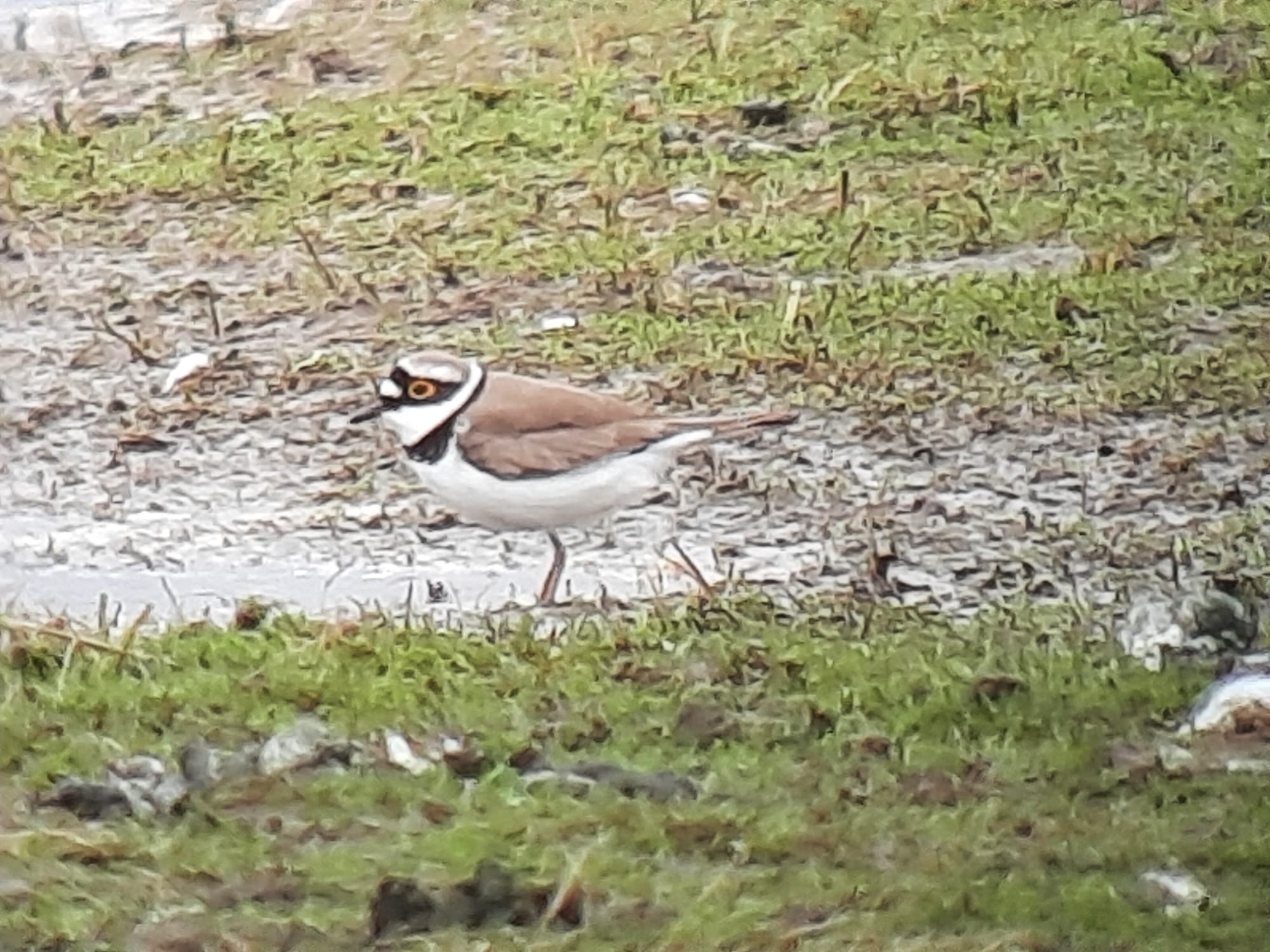
Then came Sand Martins. The first one was clocked at Summer Leys LNR on 12th, followed by runners-up of one at Thrapston GP and five at Hollowell Res – both on 15th. Also arriving this week was the first Little Ringed Plover, found on floodwater at Braunston on 14th with, hot on its heels, another photographed at Earls Barton GP’s New Workings (South) the following day.

Summer visitors aside, wildfowl remained prominent during the period and with the reappearance of last week’s four White-fronted Geese at Thrapston’s Titchmarsh LNR on 11th, followed the next day by a flock of sixteen Dark-bellied Brent Geese at Clifford Hill GP, we were almost on the verge of a veritable Goosefest. Not to be sniffed at, and after a blank year in 2023, sixteen is a sizeable flock for Northants, where we are normally treated to occasional drop-ins of only ones and twos. In fact, this week’s flock is the second largest this century, following approximately twenty in flight over Earls Barton on 31st October 2003.

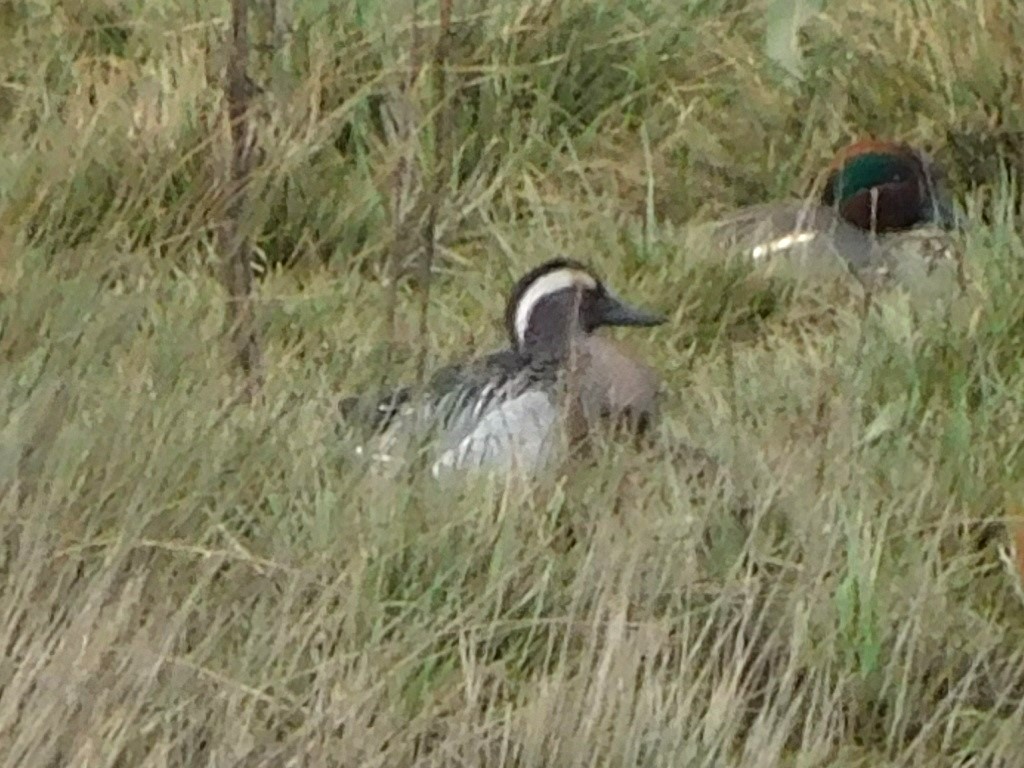
Having notched up at least sixteen days on site, the now long-staying drake Garganey remained occasionally on show at Ditchford GP’s Irthlingborough Lakes & Meadows LNR (IL&M) until at least 13th. Two locations produced Red-crested Pochards – a drake was at Earls Barton GP’s New Workings (North) on 13th and two visited Daventry CP the following day, while the Ditchford first-winter drake Greater Scaup stayed until at least 9th, the other first-winter at Grendon Lakes was also still present on 11th.

Meanwhile, back at Ditchford, the female Ring-necked Duck saw another week out on Higham Lake and, further up the Nene Valley, the ‘redhead’ Smew remained at Clifford Hill until at least 13th. Another first for the year, invisible in the nighttime sky above the Brampton Valley, was at least one Common Scoter heard on nocturnal migration on 11th.

Topping this week’s wader bill was another first for the year in the shape of a Knot, which dropped in at Clifford Hill on 13th. It was not present the following day. This is a species which, in terms of annual appearances in the county, has been on the wane in recent years.

A Ruff at Titchmarsh LNR on the last day of the period was outnumbered by Black-tailed Godwits, which included three at IL&M on 9th-10th, up to three at Summer Leys throughout the week and one at Clifford Hill on 10th.

On the back of the recent easterlies, Little Gulls continued to trickle through, with singles at Summer Leys on 10th and Clifford Hill on 13th, followed by two at Thrapston on 15th. In line with last week, all birds were again adults. Mediterranean Gulls were again on the move, all of which appeared on 14th, when single adults visited Daventry CP and Stanwick GP and a first-winter was in the roost at Boddington Res. Two Caspian Gulls included a third-winter at Stanford Res on 13th and a first-winter at Daventry the following day, when two Yellow-legged Gulls – a first-winter and second-winter – were also present at the latter site.

Other than their numbers being somewhat down, there was little change in the distribution of this week’s Cattle Egrets. Up to two were at Ditchford on 11th-12th, two were again at Summer Leys between 12th and 15th, one was at Wicksteed Park Lakes on 13th and two were found at Titchmarsh LNR on 15th.

At least one roving Marsh Harrier was again in the Nene Valley, visiting Summer Leys on 9th and 12th, Stanwick on 9th, 11th, 12th and 15th and IL&M on 11th.

With just two Short-eared Owls remaining in the Brampton Valley below Lamport on 13th, this scarce, iconic winter visitor to the county seems to be fast melting away …

As for Merlins, Harrington AF had the monopoly, producing a female on 9th and an immature male on 15th.

And it seems we’re not quite done with Waxwings just yet as, on 15th, a wholly unconfirmed report of nine came from Priors Hall Park, where up to seven had drawn the crowds in January and early February while, on the same date, nine were also found at Far Cotton in Northampton. Although briefly caught on camera, these latter birds appeared not to stick around, being disturbed by a motorcycle passing in close proximity, too close for comfort.

A Firecrest – another first for the year – was found at Stanford Res on 9th. Initially on the Leicestershire side of the border, it finally made it into the county at the eleventh hour, albeit briefly.

And finally … at least one Mealy Redpoll hung on at Duston, at the New Sandy Lane attenuation pond, on 13th.

Newsround – 2nd to 8th March 2024

A wholly unanticipated early surge of spring migrants kept birders on their toes this week as a strong easterly airstream off the continent kicked in, producing a glut of birds more normally associated with April and May.

While there were no new summer visitors arriving during the period, there was still a decent sprinkling of scarcities and rarities to catch up with, starting with four White-fronted Geese which dropped into Thrapston GP’s Titchmarsh LNR on 4th. Not staying to see the day out, they had quickly moved on by the end of the afternoon. With fewer Whitefronts spending the winter in the UK these days, and 2023 constituting the first year in recent history without any in the county, it would appear this species is now on course to becoming a local rarity.

Still proving a popular draw, last week’s Garganey saw the week out at Ditchford GP’s Irthlingborough Lakes & Meadows LNR (IL&M) while, a short hop across the A6 at Stanwick GP, the drake Green-winged Teal made it into the week on 3rd but was nowhere to be seen subsequently.

Back at Ditchford proper, another New World duck was making headlines as the day unfolded on 5th. Almost considered run-of-the-mill these days, a female Ring-necked Duck was discovered on Higham Lake – the site’s ‘main lake’ of old until, back in 1985, the then new A45 dual carriageway ploughed through the middle of it. It was still present at the week’s end. This may well be the same individual which visited Stanwick on 17th-18th January and/or the same bird present at Titchmarsh LNR from 25th to 28th January. On the other hand, it could be a completely different bird. How long it’s been on Higham Lake is obviously unknown but, clearly, said lake is a body of water which deserves more attention.

And as if to labour the point, we’re not done with Higham Lake yet, as a first-winter drake Greater Scaup was found there at the same time as the above duck, also staying put until the end of the period. Meanwhile, further upriver at Earls Barton GP’s Grendon Lakes the other, longer-staying, first-winter Greater Scaup remained throughout the week.

At Clifford Hill GP, last week’s ‘redhead’ Smew also saw another week out.

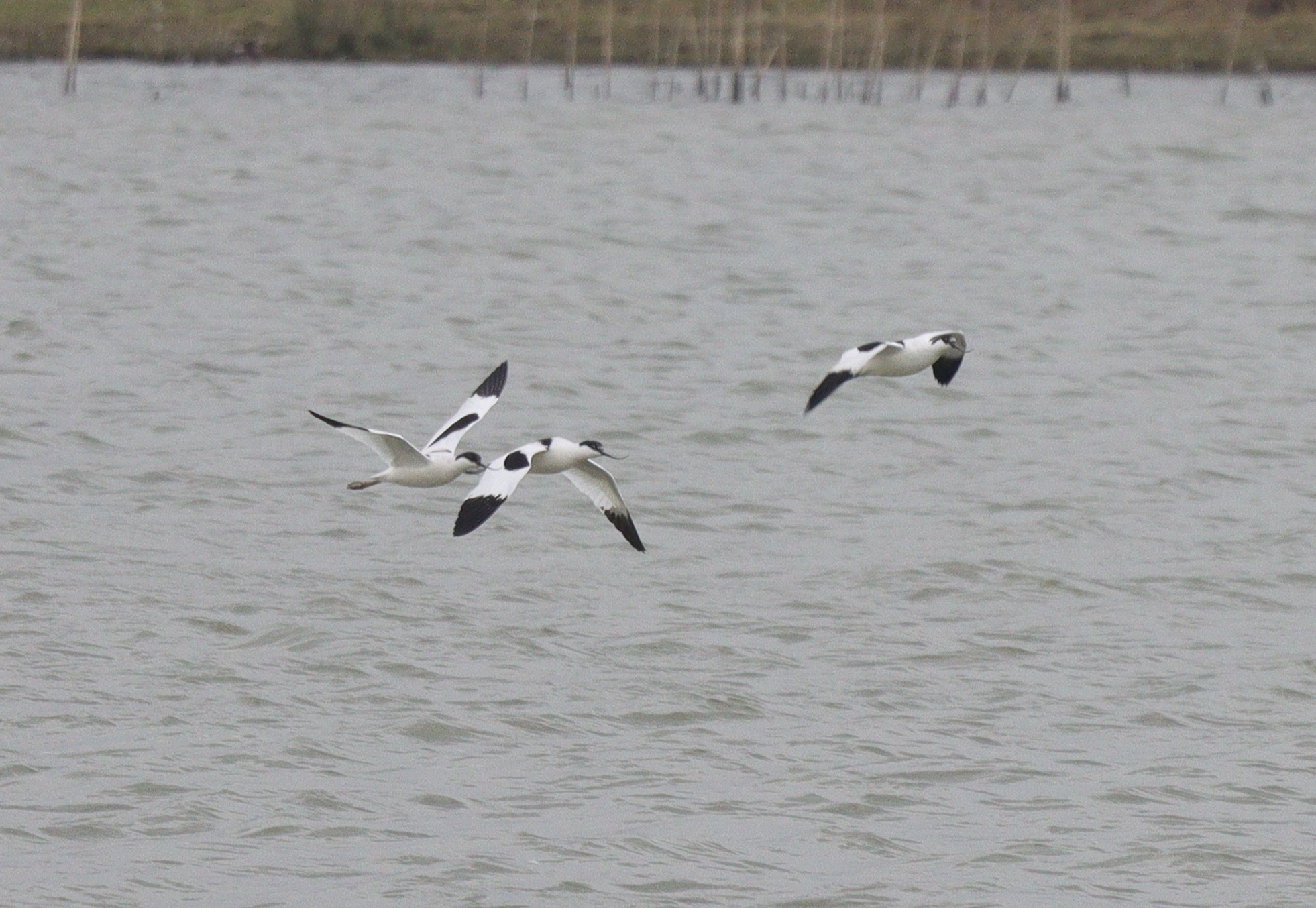
The Nene Valley continued to turn up trumps when three Avocets dropped in at Summer Leys on 7th, although a short spell of unavoidable on-site maintenance led to their visit being curtailed and they headed off east within forty minutes of their arrival.

With the Avocets clearly the icing on the wader cake, a decent number of Black-tailed Godwits were also in the mix. This year’s first was found at Stanwick GP on 4th, quickly followed later in the day by another, different, bird across the road at IL&M. Numbers ramped up on 8th, when twelve were found on floodwater at Barnwell Lock near Oundle, five appeared at IL&M, two flew north over Daventry CP and singles were seen at Summer Leys and in flight at Titchmarsh LNR.

Three Ruffs also dropped into Summer Leys on 7th and the week’s only Jack Snipe was at Hollowell Res on 7th-8th. Not a bad haul for the first week of March …

And then came the Little Gulls. A local mini-influx of six birds across four locations was part of a wider inland movement that included a gathering of twenty-three at Netherfield Lagoons in Nottinghamshire – quite extraordinary for so early in the spring’s proceedings. Five of our six were found on 7th, when one arrived at Summer Leys, two spent a short spell at Stanwick and two were found at Pitsford Res. The following day, one spent the best part of three hours at Wicksteed Park Lakes, Kettering. All birds were adults.

March, traditionally, is when Mediterranean Gulls start to move and this week’s included single adults at Hollowell Res on 4th, Daventry CP on 7th and in the roost at Stanford Res on 7th-8th, while a first-winter visited Hollowell on 8th. Hollowell also continued to host its regular adult Caspian Gulls, with one there on 7th and two the following day. The week’s Yellow-legged Gulls consisted of an adult and a third-winter at Boddington Res on 7th and an adult at Pitsford on 8th.

Keeping a low profile so far this year, no Bitterns had been reported until this week, when one was seen in flight before dropping into reeds at Stanwick on 6th. The same cannot be said for Cattle Egrets, of course, and this week’s cohort included up to seven at Ditchford, various numbers of which were mobile between Wellingborough Embankment and Rushden Lakes, up to three were at Summer Leys on 2nd-3rd, three were reported from Brancey Bridge, Aldwincle on 4th and one remained at Stanford on Avon on 2nd.

Marsh Harrier reports came from Titchmarsh on 4th, Stanwick on 4th-5th and from Summer Leys on 8th, with all sightings likely attributable to the same roving, immature male.

Short-eared Owls were in short supply, the Blueberry four apparently having moved to nearby private land, with no public access, on 6th, while a female Merlin was seen over Ravensthorpe Res on 3rd.

Following lower numbers last week, Stonechats continued their early spring clear-out, the end of the period having seen only two at both Long Buckby and Hollowell on 4th with one remaining at the latter site on 7th. Rarer passerine fare was on offer, though, with the discovery, at Duston, of the year’s third Mealy Redpoll within a small flock of Lesser Redpolls, on 8th. Given the number of reports of this ‘species’ in the UK this winter, it’s surprising how few have been discovered locally.

Two Crossbills were found in a small wood, east of Creaton, also on 8th.

Newsround – 24th February to 1st March 2024

An interesting week, culminating in the first day of meteorological spring, rewrote the statistics in terms of both weather and birds. While it was confirmed that the eastern region of the UK, of which Northants is a part, ‘enjoyed’ the warmest and wettest February on record, a certain duck also swam into the record books as the earliest ever spring migrant of its kind.

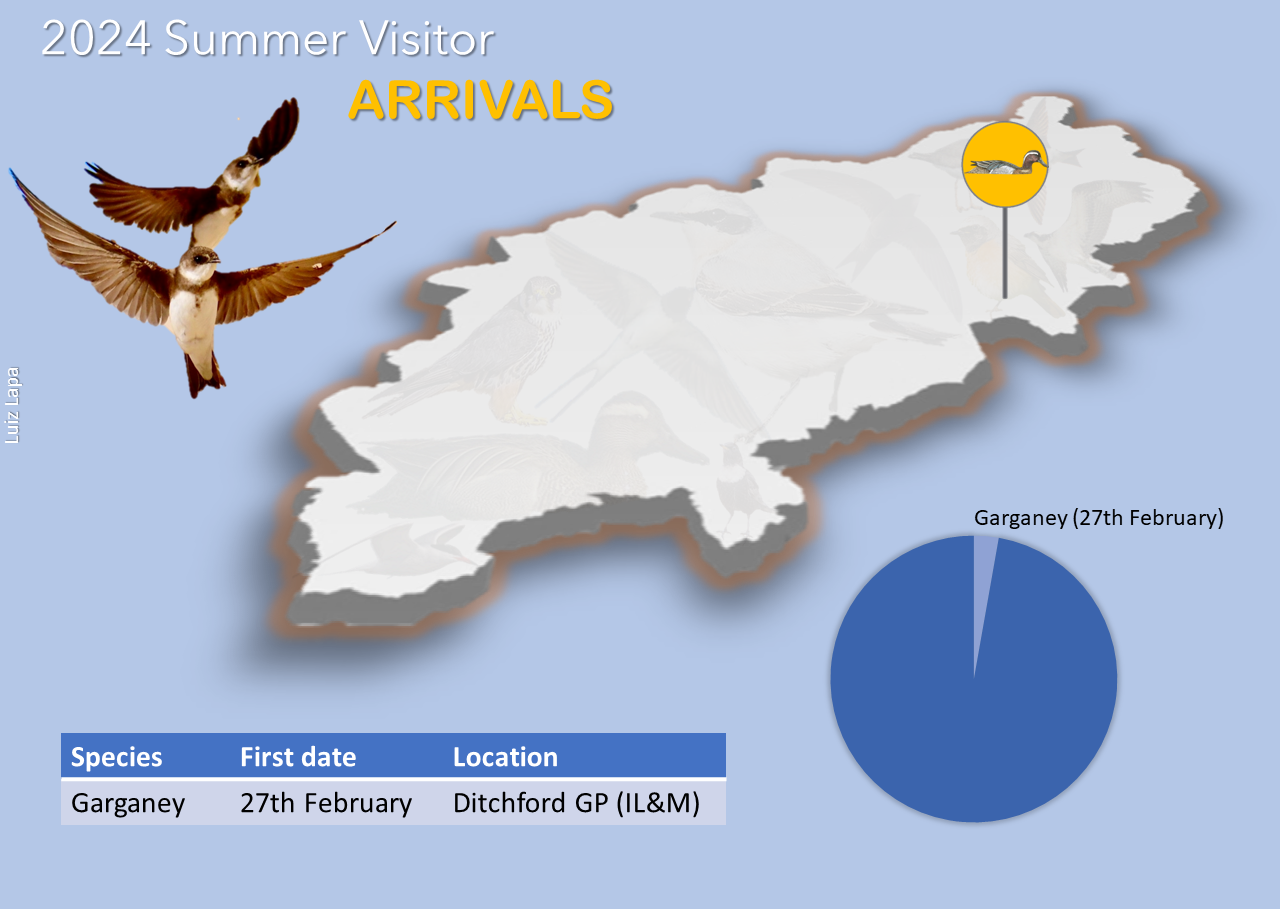
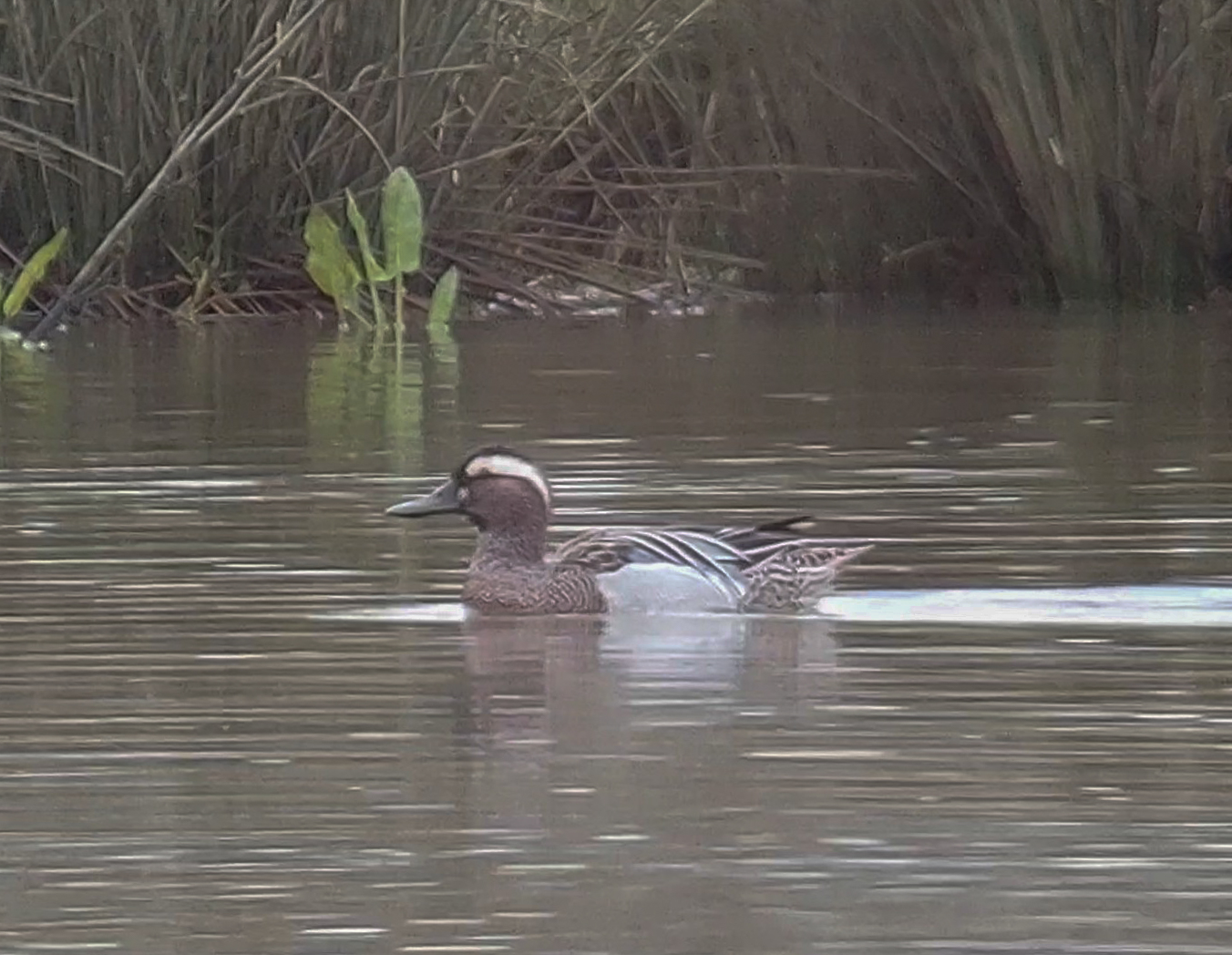
And we’re off! Yes indeed, the summer visitor arrivals clock started ticking this week with the appearance of a smart drake Garganey at Ditchford GP’s Irthlingborough Lakes & Meadows LNR on 27th.

Although still present at the end of the period, it remained stubbornly elusive, on view for only short periods during the mornings of two of the four days it was present, leaving many would-be observers returning home empty-handed.

The above bird constitutes the earliest ever reported in the county, beating the previous earliest – a drake at Blatherwycke Lake on 8th March 2004 – by a fat ten days.

Other ducks were available, of course, and the reappearance of the drake Green-winged Teal at Stanwick GP on 29th and 1st was clearly not to be scoffed at. Where it had been lurking, unseen since 10th February, is anyone’s guess but, let’s face it, it’s had plenty of floodwater and resultant boggy meadows to lose itself on. Following suit, after three weeks’ absence, the first-winter drake Greater Scaup was back at Earls Barton GP’s Grendon Lakes on 28th-29th, with a few less brown feathers.

In a week of dapper ducks, then, the final slot was again filled by last week’s ‘redhead’ Smew, still present at Clifford Hill GP on 29th.

Jack Snipes continued to keep the scarce wader group afloat but numbers were low with two at Daventry CP on 26th and singles at Pitsford Res and Hollowell Res, on 26th and 27th, respectively.

Mediterranean Gulls were back in the frame this week when two adults drifted north over Kettering on 27th, the same date on which two adult Caspian Gulls were again at Hollowell Res and one was reported from Ditchford GP. An adult Yellow-legged Gull was again at Pitsford on 25th and 28th, while a first-winter visited Daventry CP on 26th.

Keeping up appearances, predominantly in the Nene Valley, Cattle Egrets continued to be seen at Ditchford until at least 27th, when six were present in one small area off Ditchford Lane, while the Summer Leys duo remained all week. The Stanford on Avon individual also saw another week out in the area between Stanford Hall and nearby Stanford Res.

The mid-Nene Valley roving male Marsh Harrier once again played hard to get, being seen at Summer Leys briefly on 29th.

For anyone intent on seeing Short-eared Owls, Blueberry Farm, Maidwell continued to produce the goods, hosting up to four, any number of which were seen daily between 27th and 1st while, nearby, one was seen at Cottesbrooke on 24th. At least one remained at Neville’s Lodge, Finedon on 25th.

A female Merlin was seen between Hanging Houghton and Scaldwell on 1st.

And we’re not quite done with Waxwings yet, so it seems, as five flew north-west over the old railway track at Stanford Res on 24th and one was reported from Brackmills CP, Northampton on 27th. This latter date also saw a return of last week’s Oundle nine – becoming ten – in the same area as before and again, nearby, the following day.

The period’s Stonechat quota saw reports from eleven localities – the same number as last week – but numbers were down to just one or two birds at nine of these, with maxima of five at Hollowell on 27th and four in the Brampton Valley on 25th.