A wholly unanticipated early surge of spring migrants kept birders on their toes this week as a strong easterly airstream off the continent kicked in, producing a glut of birds more normally associated with April and May.
While there were no new summer visitors arriving during the period, there was still a decent sprinkling of scarcities and rarities to catch up with, starting with four White-fronted Geese which dropped into Thrapston GP’s Titchmarsh LNR on 4th. Not staying to see the day out, they had quickly moved on by the end of the afternoon. With fewer Whitefronts spending the winter in the UK these days, and 2023 constituting the first year in recent history without any in the county, it would appear this species is now on course to becoming a local rarity.


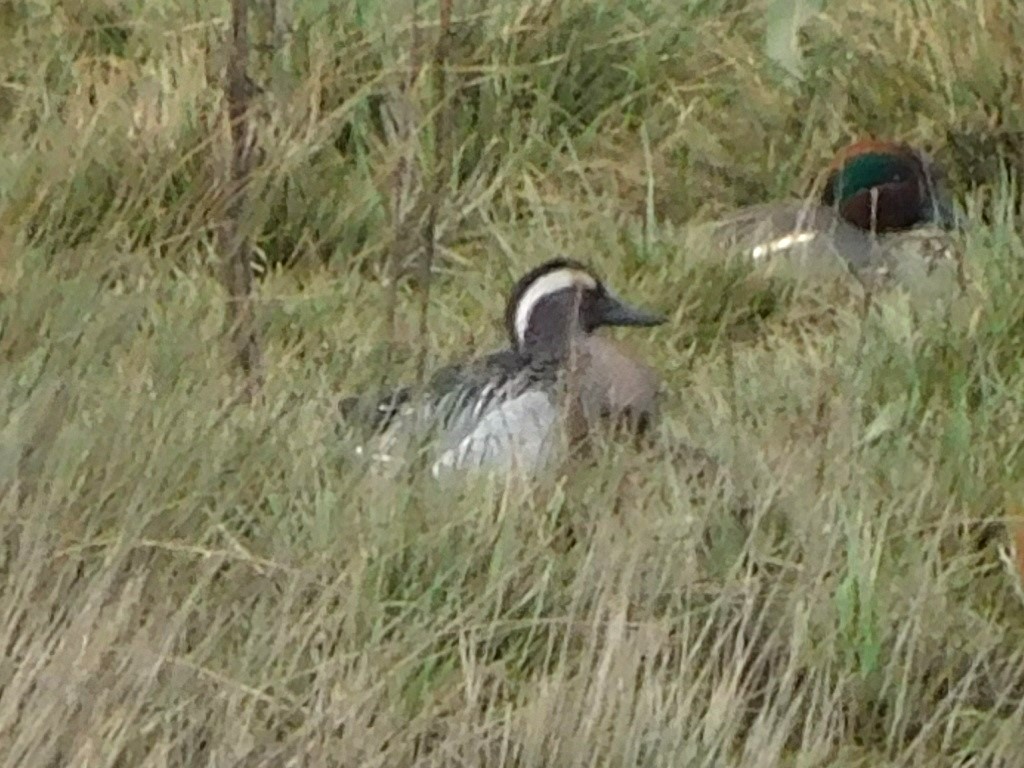
Still proving a popular draw, last week’s Garganey saw the week out at Ditchford GP’s Irthlingborough Lakes & Meadows LNR (IL&M) while, a short hop across the A6 at Stanwick GP, the drake Green-winged Teal made it into the week on 3rd but was nowhere to be seen subsequently.
Back at Ditchford proper, another New World duck was making headlines as the day unfolded on 5th. Almost considered run-of-the-mill these days, a female Ring-necked Duck was discovered on Higham Lake – the site’s ‘main lake’ of old until, back in 1985, the then new A45 dual carriageway ploughed through the middle of it. It was still present at the week’s end. This may well be the same individual which visited Stanwick on 17th-18th January and/or the same bird present at Titchmarsh LNR from 25th to 28th January. On the other hand, it could be a completely different bird. How long it’s been on Higham Lake is obviously unknown but, clearly, said lake is a body of water which deserves more attention.

And as if to labour the point, we’re not done with Higham Lake yet, as a first-winter drake Greater Scaup was found there at the same time as the above duck, also staying put until the end of the period. Meanwhile, further upriver at Earls Barton GP’s Grendon Lakes the other, longer-staying, first-winter Greater Scaup remained throughout the week.

At Clifford Hill GP, last week’s ‘redhead’ Smew also saw another week out.
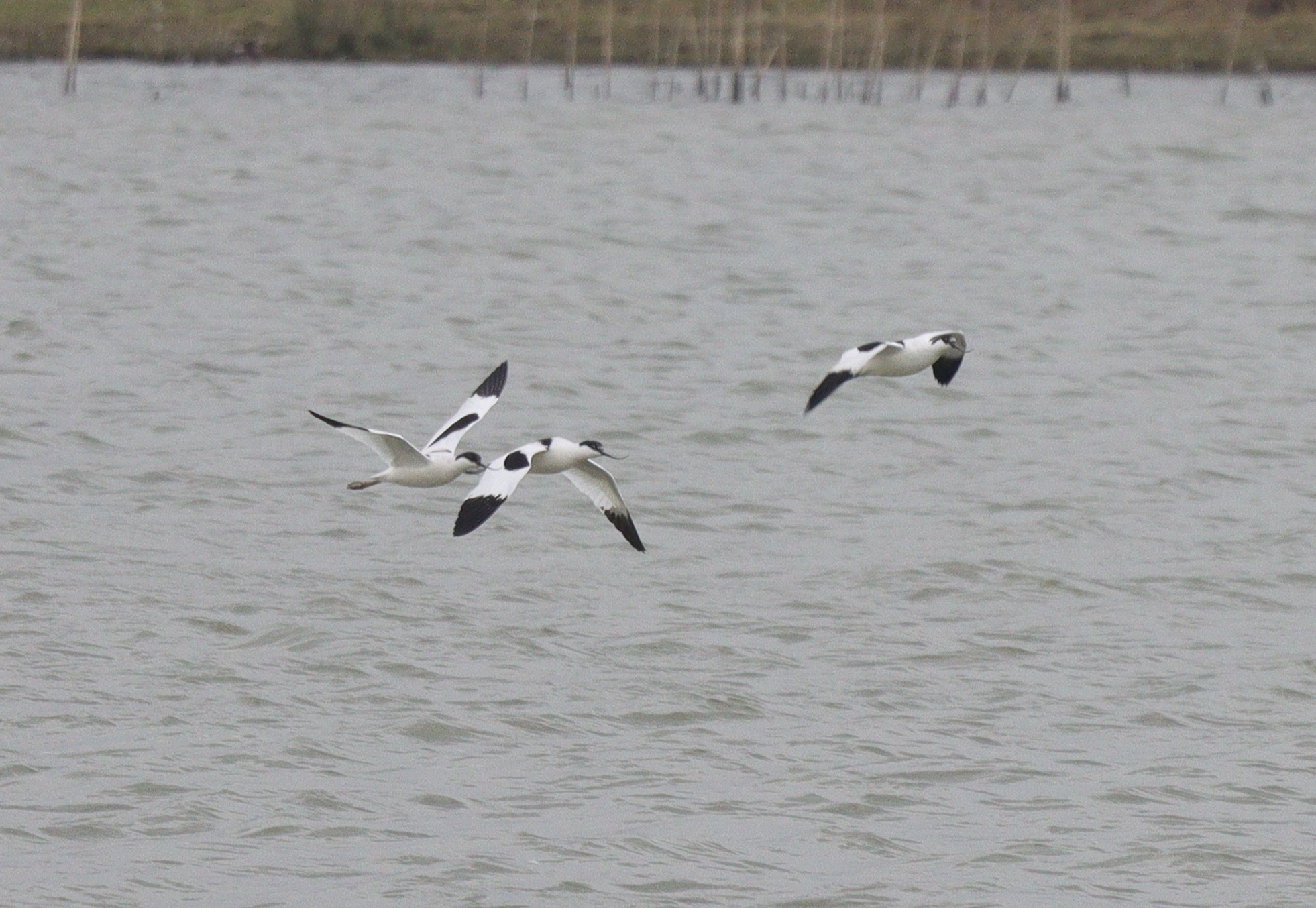
The Nene Valley continued to turn up trumps when three Avocets dropped in at Summer Leys on 7th, although a short spell of unavoidable on-site maintenance led to their visit being curtailed and they headed off east within forty minutes of their arrival.

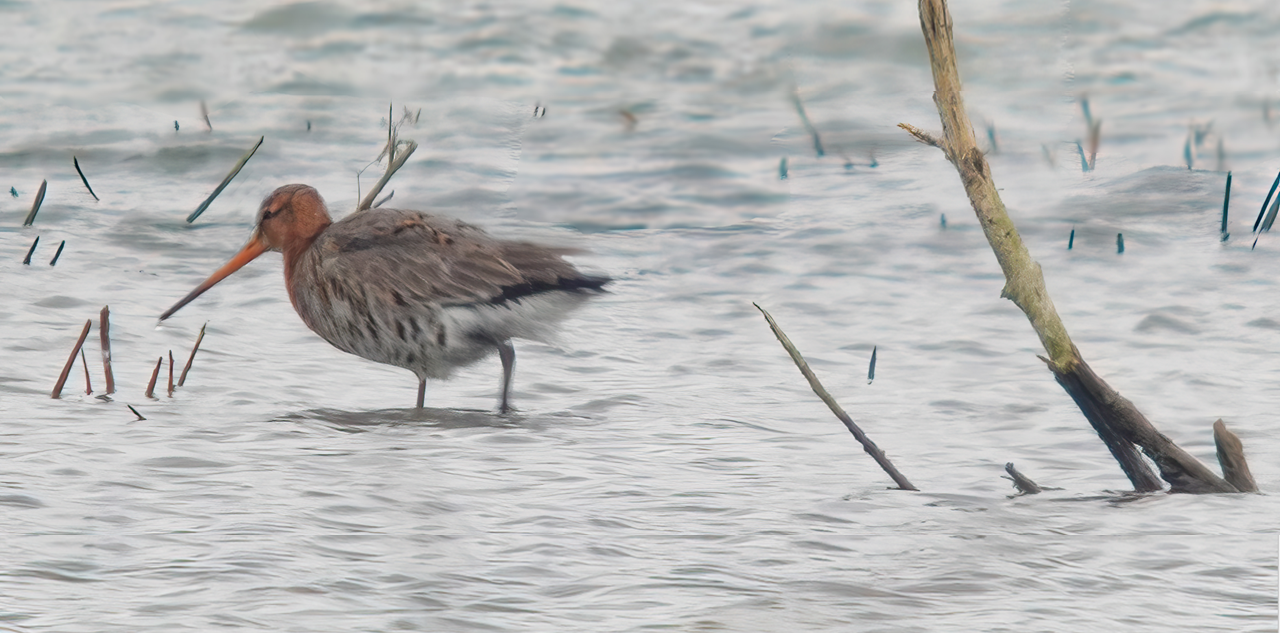
With the Avocets clearly the icing on the wader cake, a decent number of Black-tailed Godwits were also in the mix. This year’s first was found at Stanwick GP on 4th, quickly followed later in the day by another, different, bird across the road at IL&M. Numbers ramped up on 8th, when twelve were found on floodwater at Barnwell Lock near Oundle, five appeared at IL&M, two flew north over Daventry CP and singles were seen at Summer Leys and in flight at Titchmarsh LNR.
Three Ruffs also dropped into Summer Leys on 7th and the week’s only Jack Snipe was at Hollowell Res on 7th-8th. Not a bad haul for the first week of March …
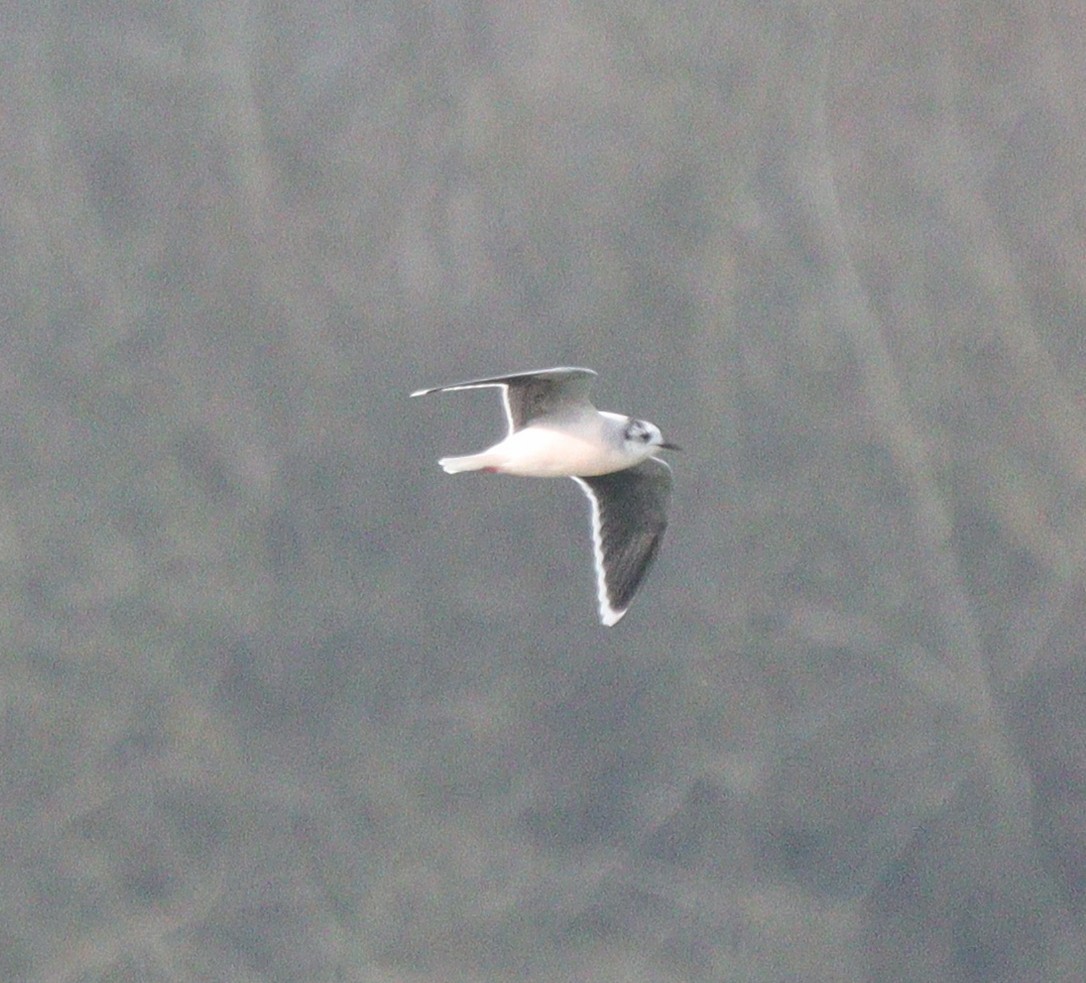
And then came the Little Gulls. A local mini-influx of six birds across four locations was part of a wider inland movement that included a gathering of twenty-three at Netherfield Lagoons in Nottinghamshire – quite extraordinary for so early in the spring’s proceedings. Five of our six were found on 7th, when one arrived at Summer Leys, two spent a short spell at Stanwick and two were found at Pitsford Res. The following day, one spent the best part of three hours at Wicksteed Park Lakes, Kettering. All birds were adults.

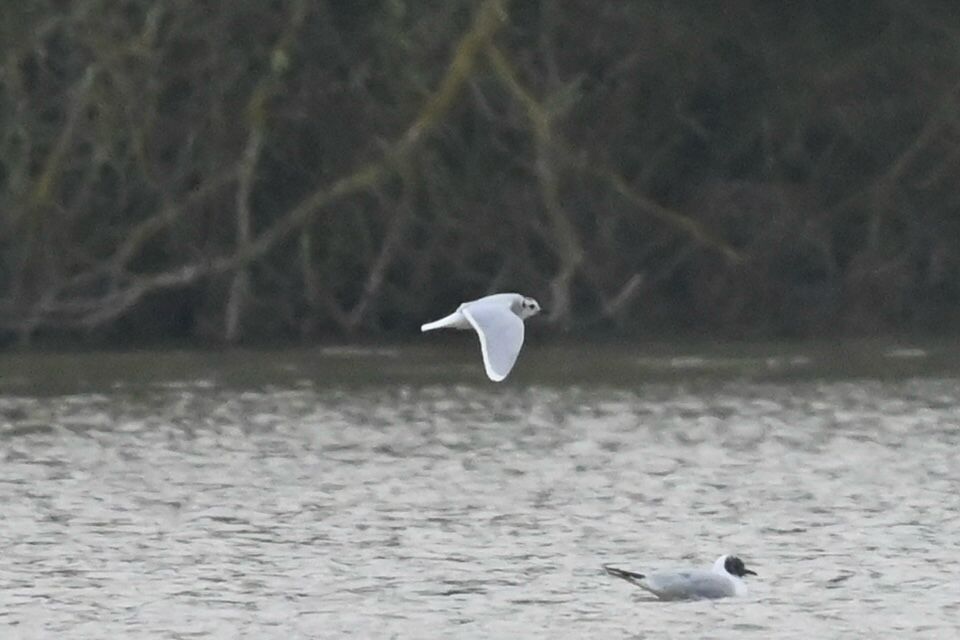


March, traditionally, is when Mediterranean Gulls start to move and this week’s included single adults at Hollowell Res on 4th, Daventry CP on 7th and in the roost at Stanford Res on 7th-8th, while a first-winter visited Hollowell on 8th. Hollowell also continued to host its regular adult Caspian Gulls, with one there on 7th and two the following day. The week’s Yellow-legged Gulls consisted of an adult and a third-winter at Boddington Res on 7th and an adult at Pitsford on 8th.
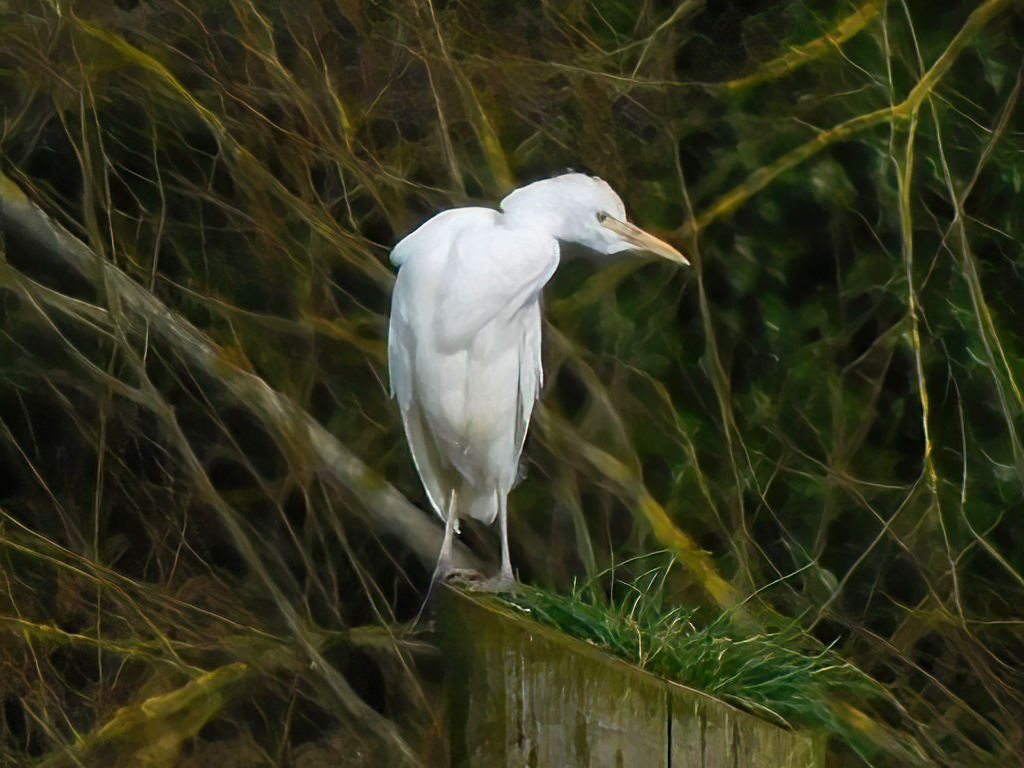
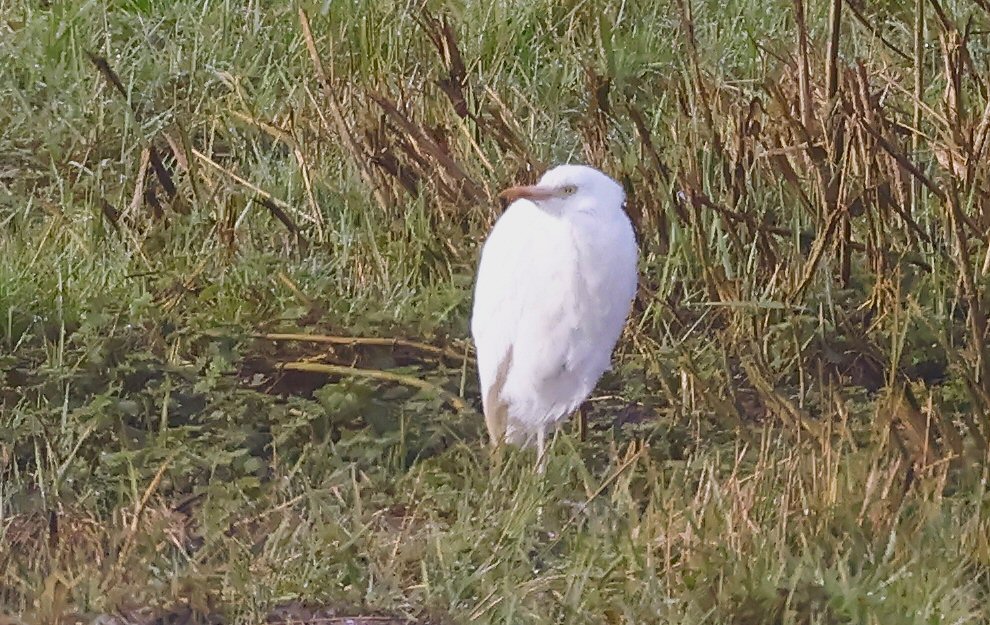
Keeping a low profile so far this year, no Bitterns had been reported until this week, when one was seen in flight before dropping into reeds at Stanwick on 6th. The same cannot be said for Cattle Egrets, of course, and this week’s cohort included up to seven at Ditchford, various numbers of which were mobile between Wellingborough Embankment and Rushden Lakes, up to three were at Summer Leys on 2nd-3rd, three were reported from Brancey Bridge, Aldwincle on 4th and one remained at Stanford on Avon on 2nd.
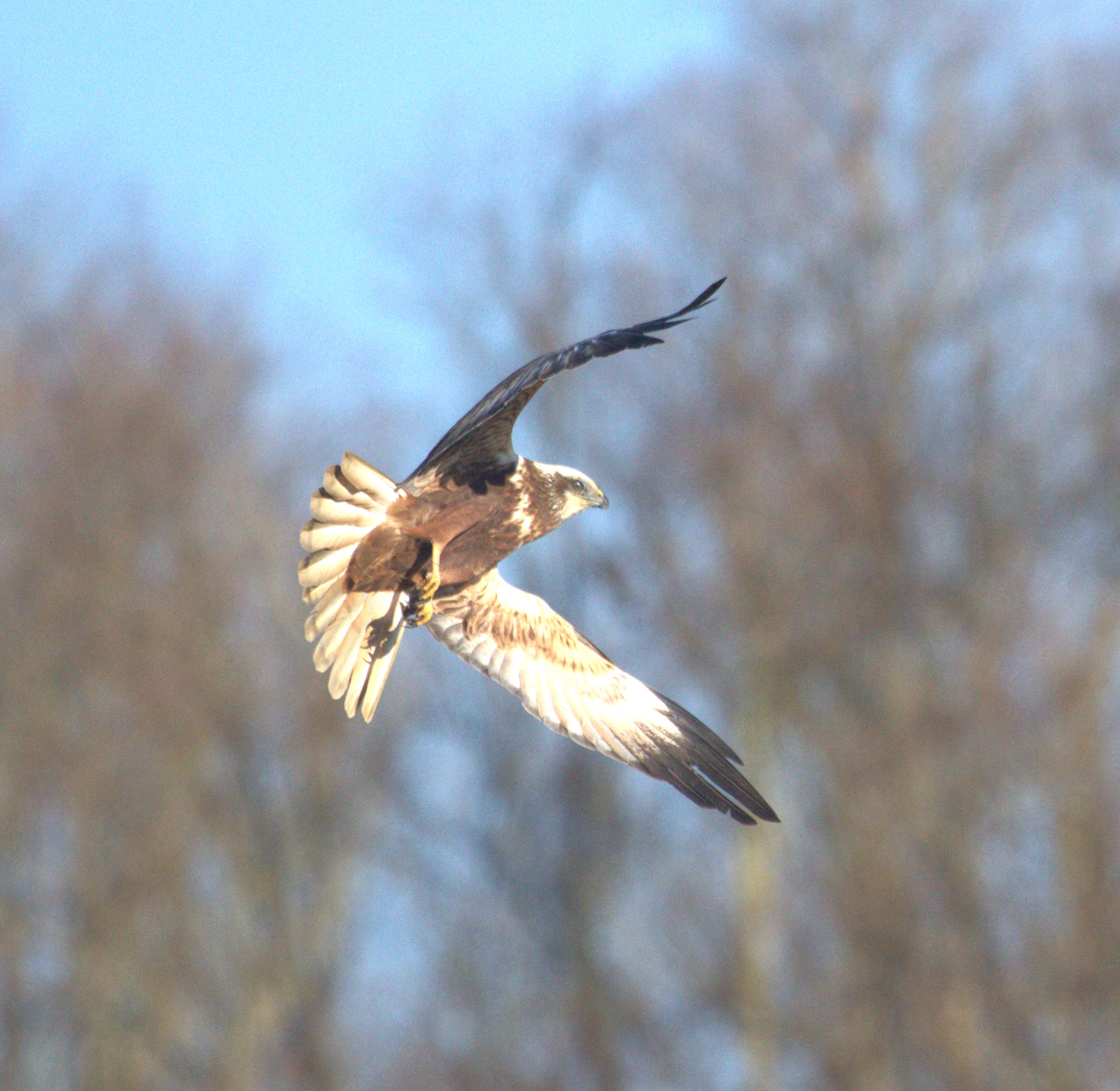
Marsh Harrier reports came from Titchmarsh on 4th, Stanwick on 4th-5th and from Summer Leys on 8th, with all sightings likely attributable to the same roving, immature male.
Short-eared Owls were in short supply, the Blueberry four apparently having moved to nearby private land, with no public access, on 6th, while a female Merlin was seen over Ravensthorpe Res on 3rd.
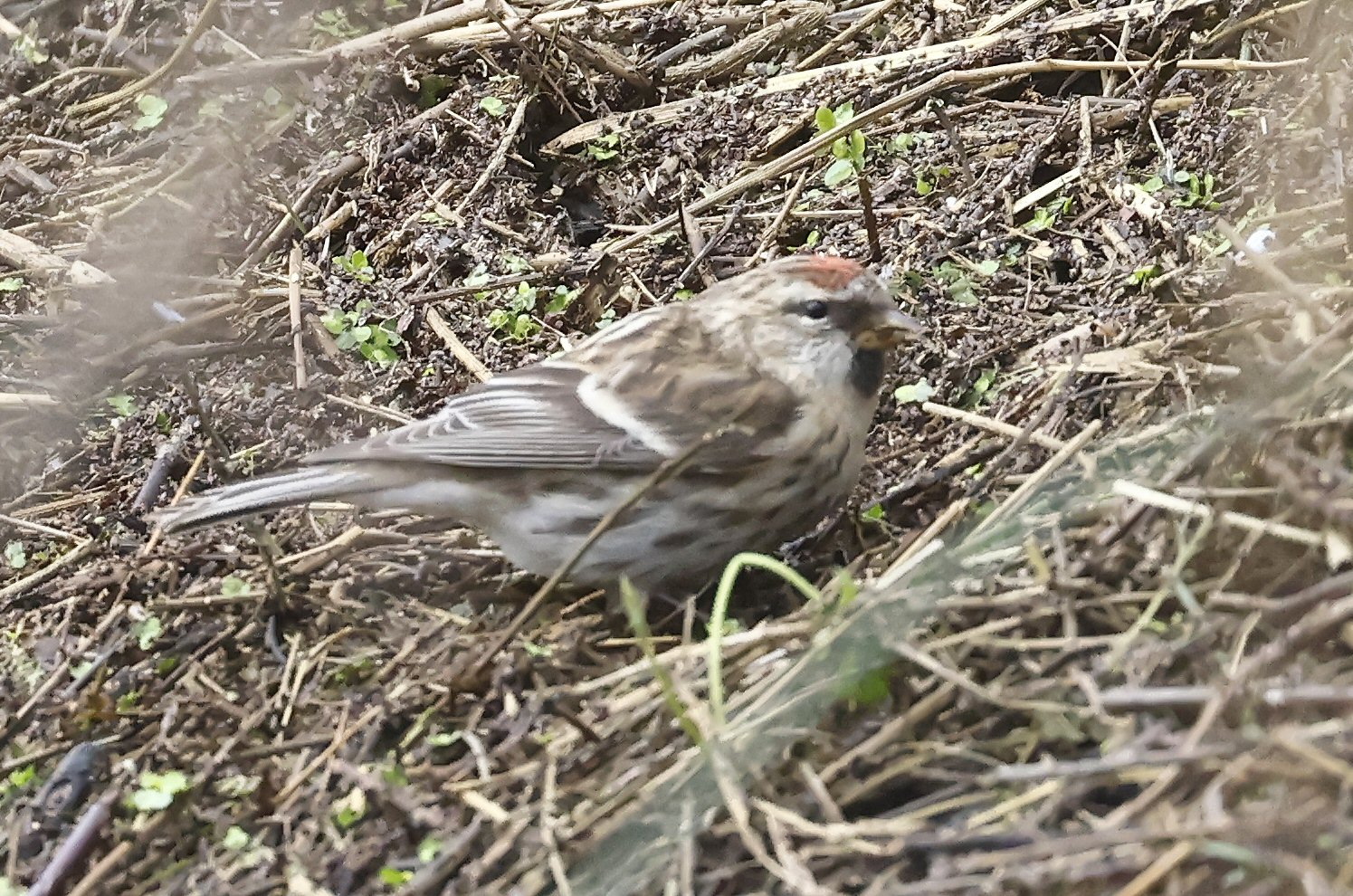
Following lower numbers last week, Stonechats continued their early spring clear-out, the end of the period having seen only two at both Long Buckby and Hollowell on 4th with one remaining at the latter site on 7th. Rarer passerine fare was on offer, though, with the discovery, at Duston, of the year’s third Mealy Redpoll within a small flock of Lesser Redpolls, on 8th. Given the number of reports of this ‘species’ in the UK this winter, it’s surprising how few have been discovered locally.
Two Crossbills were found in a small wood, east of Creaton, also on 8th.

Discover more from Northants birds
Subscribe to get the latest posts sent to your email.

 Northants birds