Newsround – 20th to 26th April 2024

Cool northerlies and arctic air were the order of the week as we approach the end of April, during which time it was revealed that England has experienced its wettest eighteen months since records began in 1836.

However, this did not put the dampeners on migration and the opening weekend saw the first widespread arrival of Common Swifts of the spring, particularly on Sunday, 21st, with birds arriving en masse across southern England. This was reflected in our own arrivals with reports from four localities across the county.

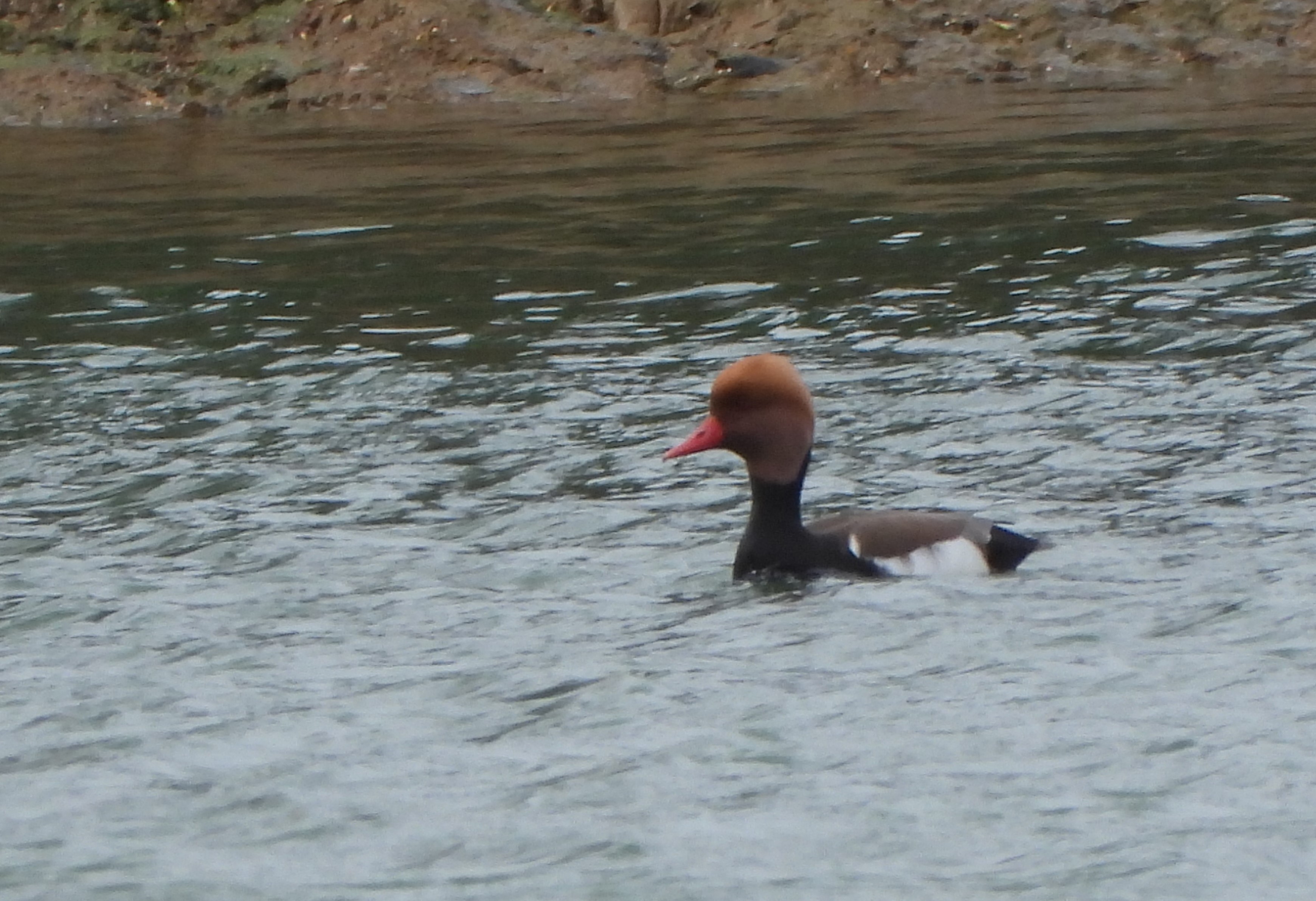
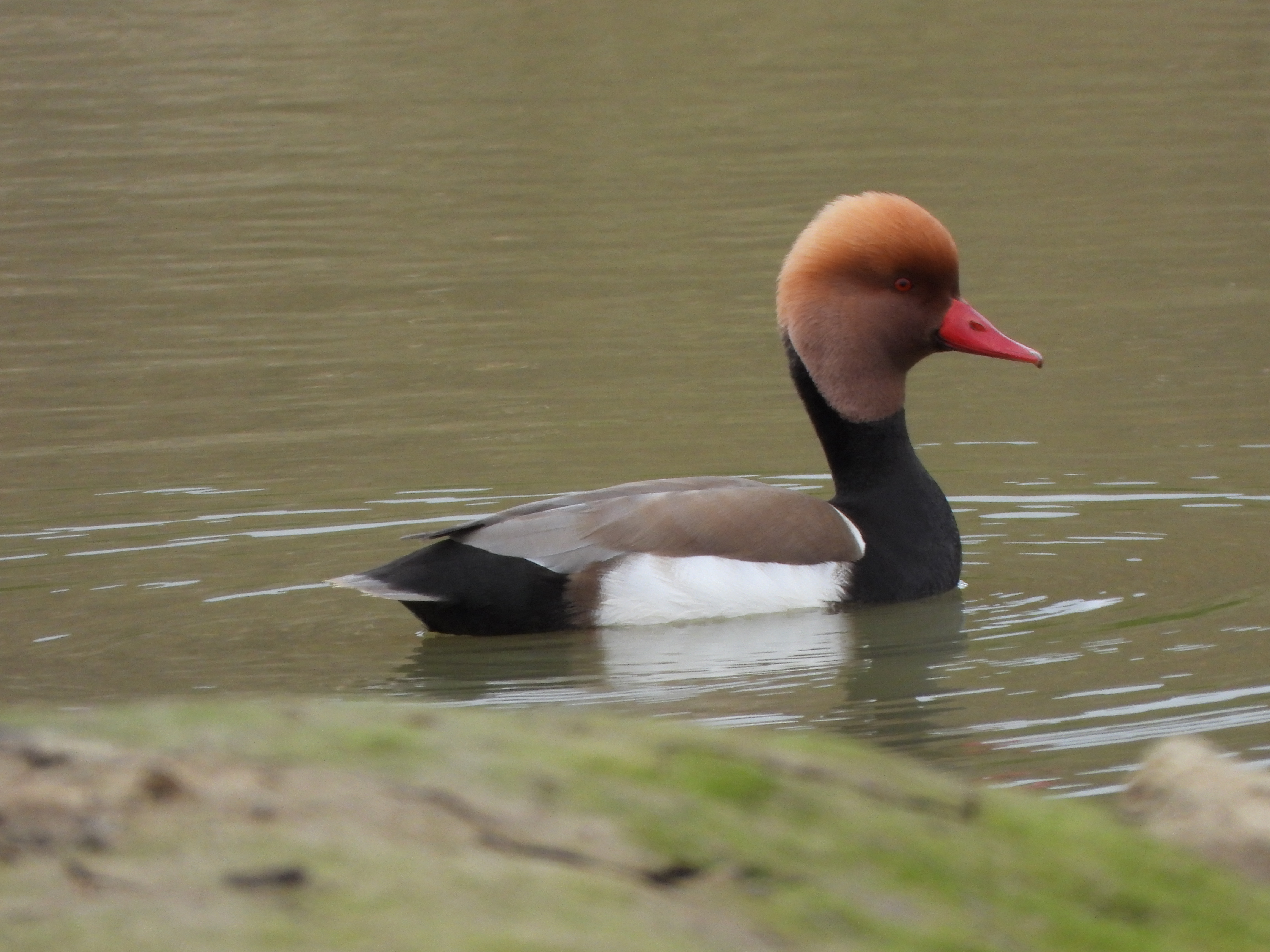
While the swift movement was underway, there were two ducks seemingly intent on going nowhere. Both long-stayers, the drake Red-crested Pochard at Earls Barton GP’s new workings area and the female Ring-necked Duck at Ditchford GP’s Irthlingborough Lakes & Meadows LNR saw another week out in the Nene Valley.
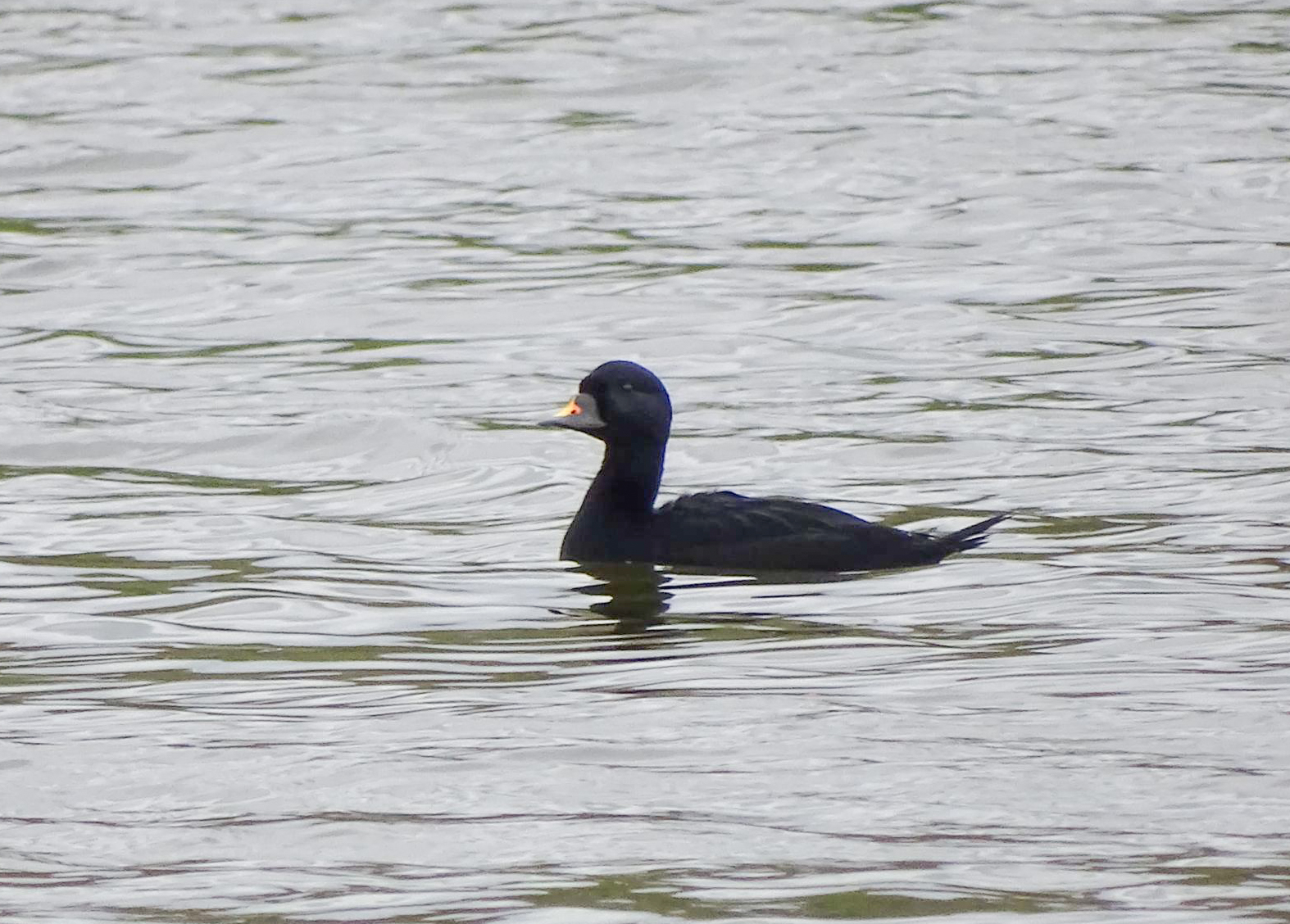
The same could not be said, though, for two different drake Common Scoters, a first-summer and an adult, both of which paid fleeting visits to Stanford Res on 21st and 24th, respectively.
But it was back to the Nene Valley in which, unsurprisingly, the majority of the week’s waders were to be found. Following last week’s two, more Whimbrels passed through the county, with singles at Summer Leys LNR on 21st, 23rd and 26th and at Clifford Hill GP on 25th – none of which stayed for any appreciable length of time. The opposite applied to last week’s Bar-tailed Godwit found on the established seasonal floodwater at Lower Barnwell Lock, Oundle on the last day of the preceding week, remaining in situ until 23rd. It’s been the only one to date this year and we’re now entering the peak time for this species, so more should surely be on the cards.
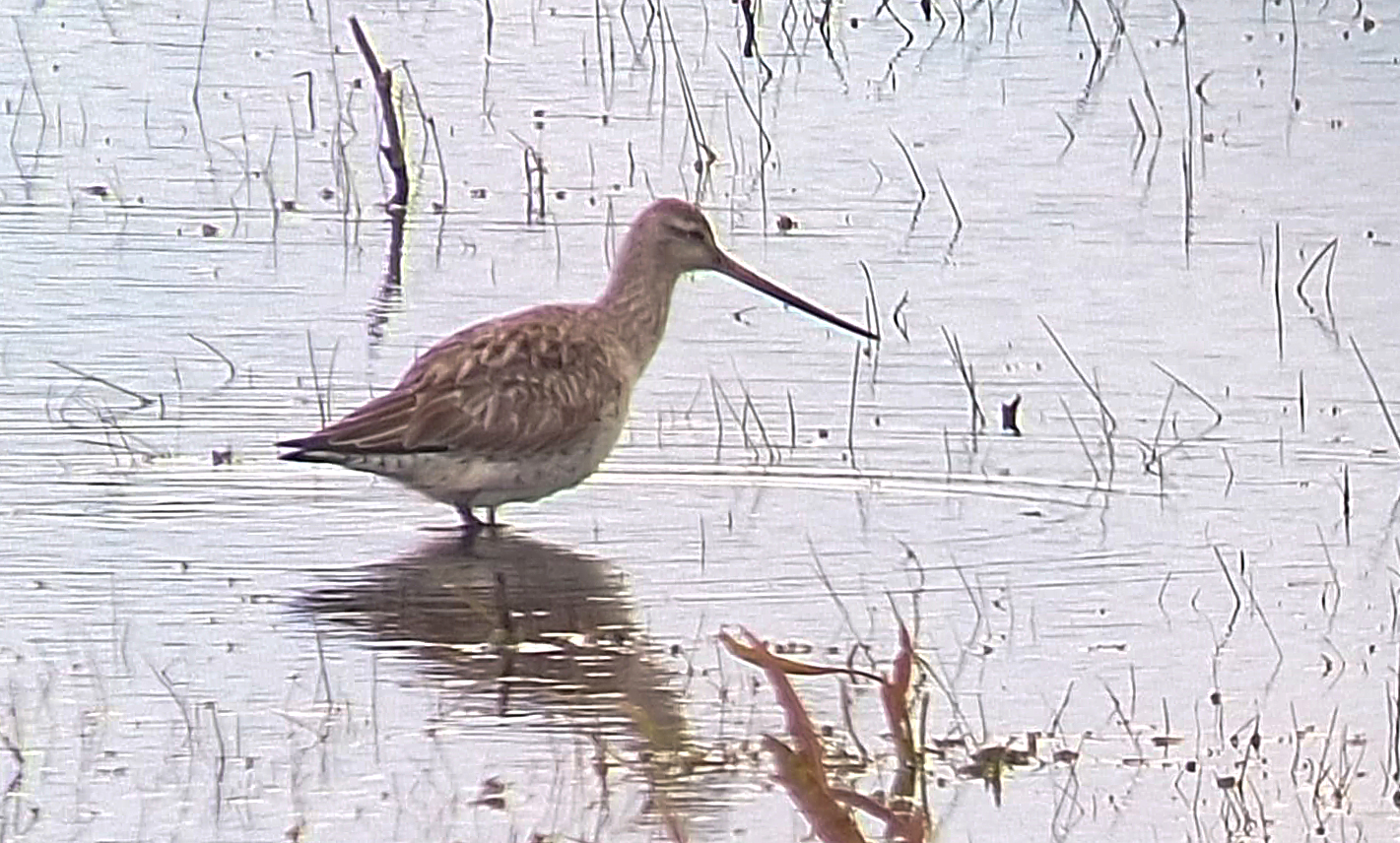
Otherwise it was down to Black-tailed Godwits to keep up the momentum. Taking the lion’s share, Clifford Hill produced five on 21st and three on 23rd while, on the latter date, three visited Stanwick GP and two were found on pools in the Brampton Valley below Brixworth. Summer Leys also supplied two on 24th-25th.
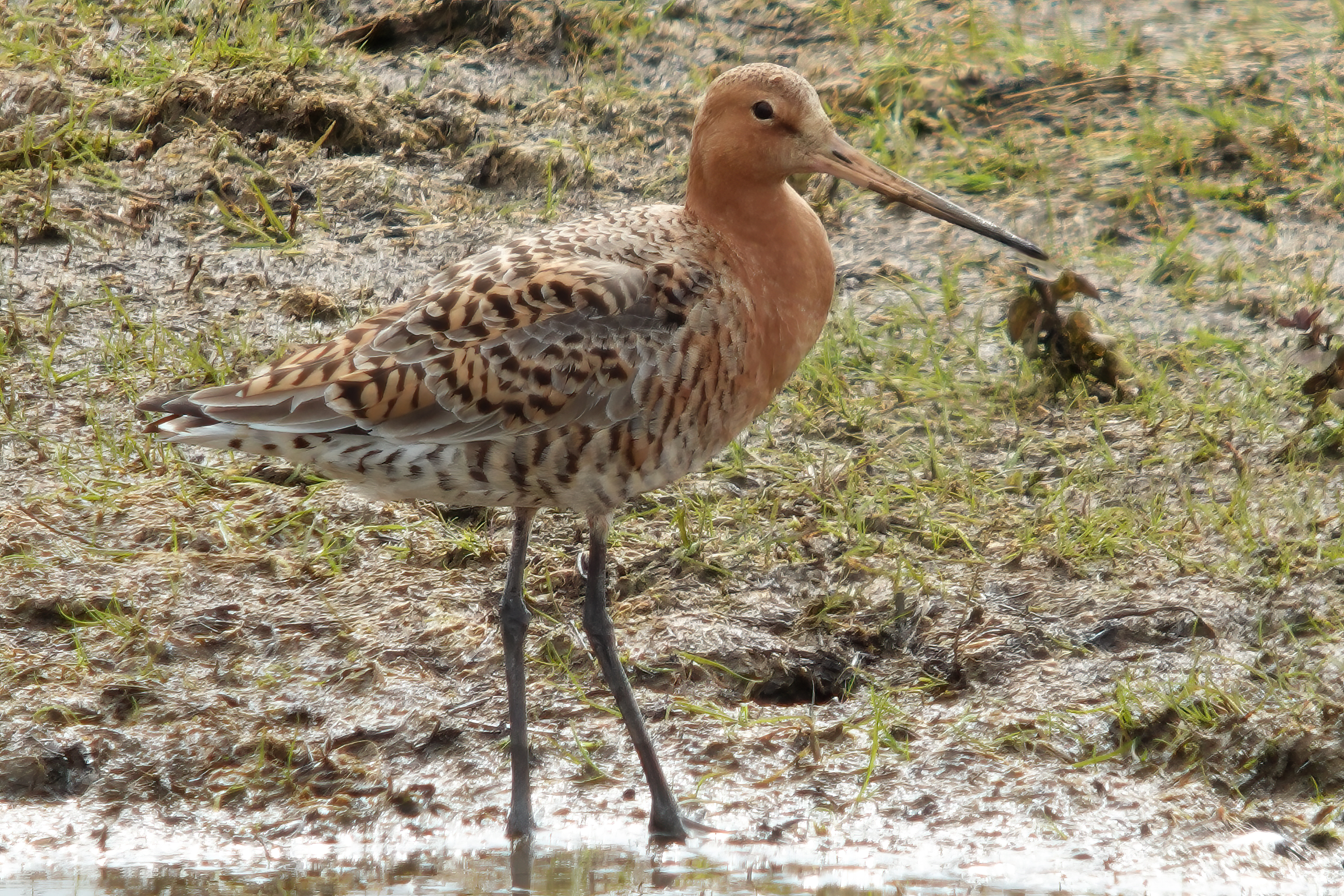
Arguably though, it was Stanwick which produced ‘wader of the week’, that slot being filled by the year’s first Turnstone, which saw a full day out on 23rd.
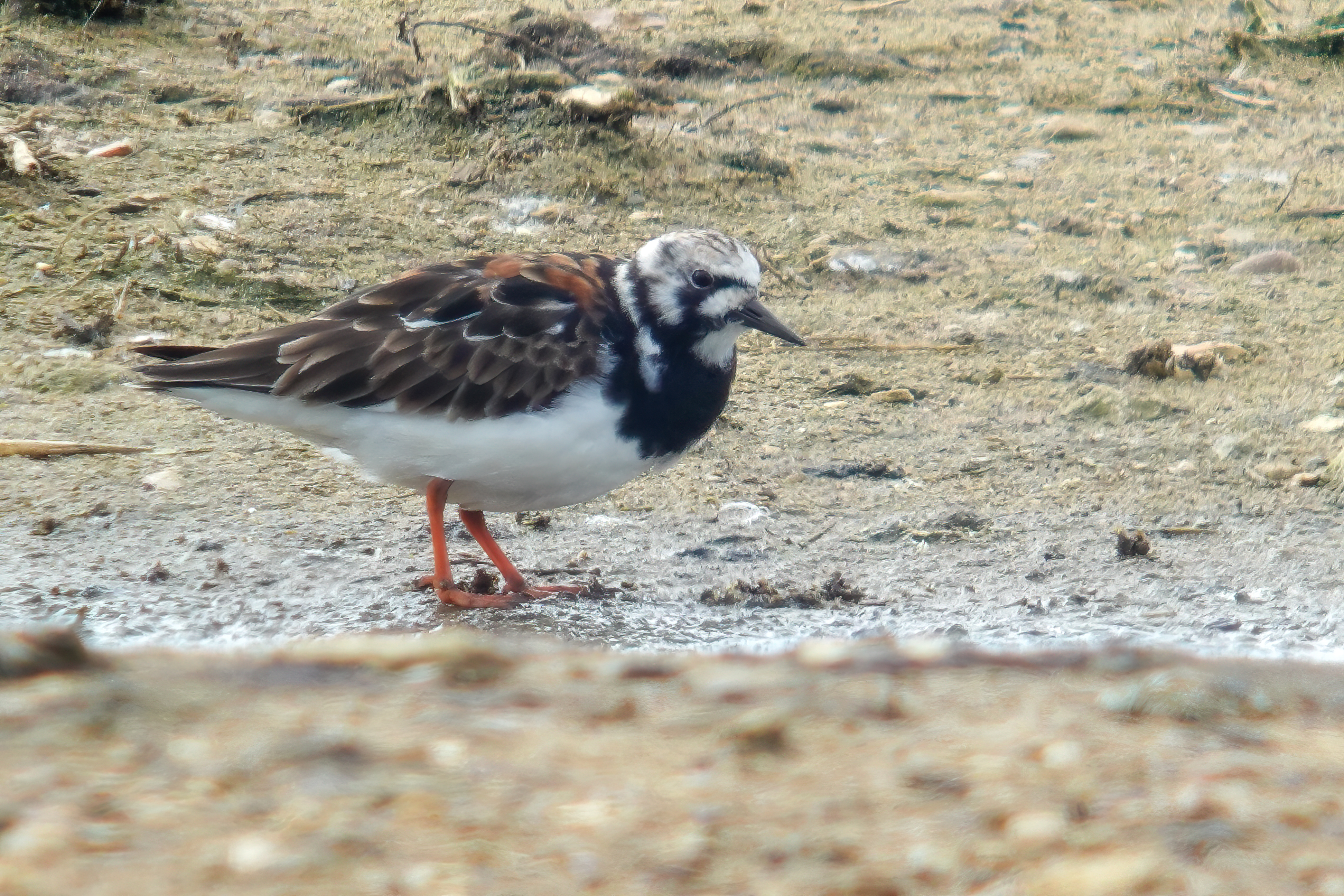
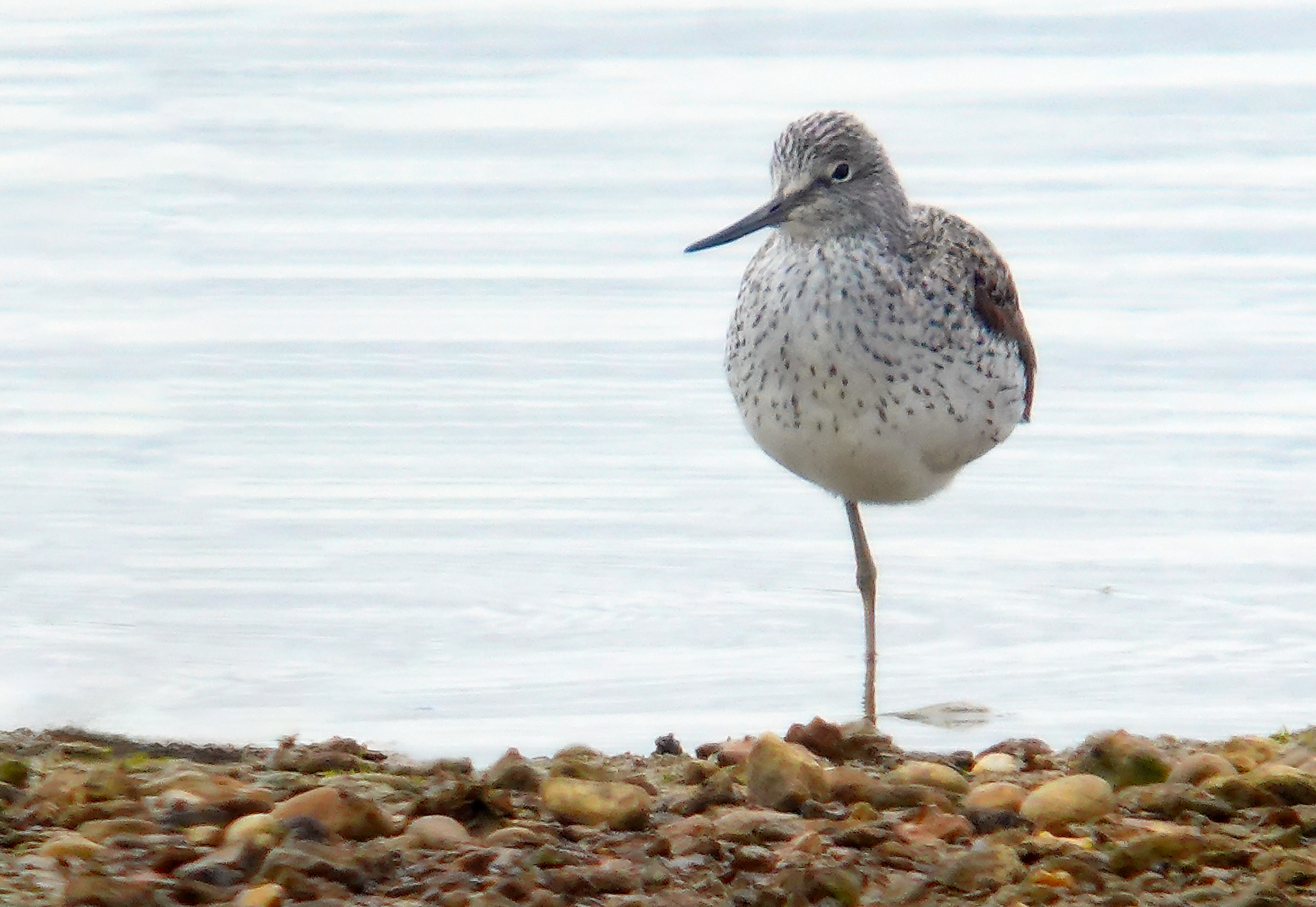
But now from wader of the week to wader flock of the week and, although not scare or rare as such, Redshank numbers swelled overnight to put on an impressive show at Clifford Hill GP on 22nd, when a record-breaking seventy-one were gathered together on the northern shoreline of the Main Barrage Lake. Unremarkable at a coastal location, perhaps, but in Northamptonshire this is something truly special! Tagging along with them was a solitary Greenshank, while further individuals of the latter were also seen at Summer Leys between 21st and 23rd and at Ditchford GP’s Irthlingborough Lakes & Meadows LNR on the latter date.
A late Jack Snipe was found at Hollowell Res this week, also on 23rd.

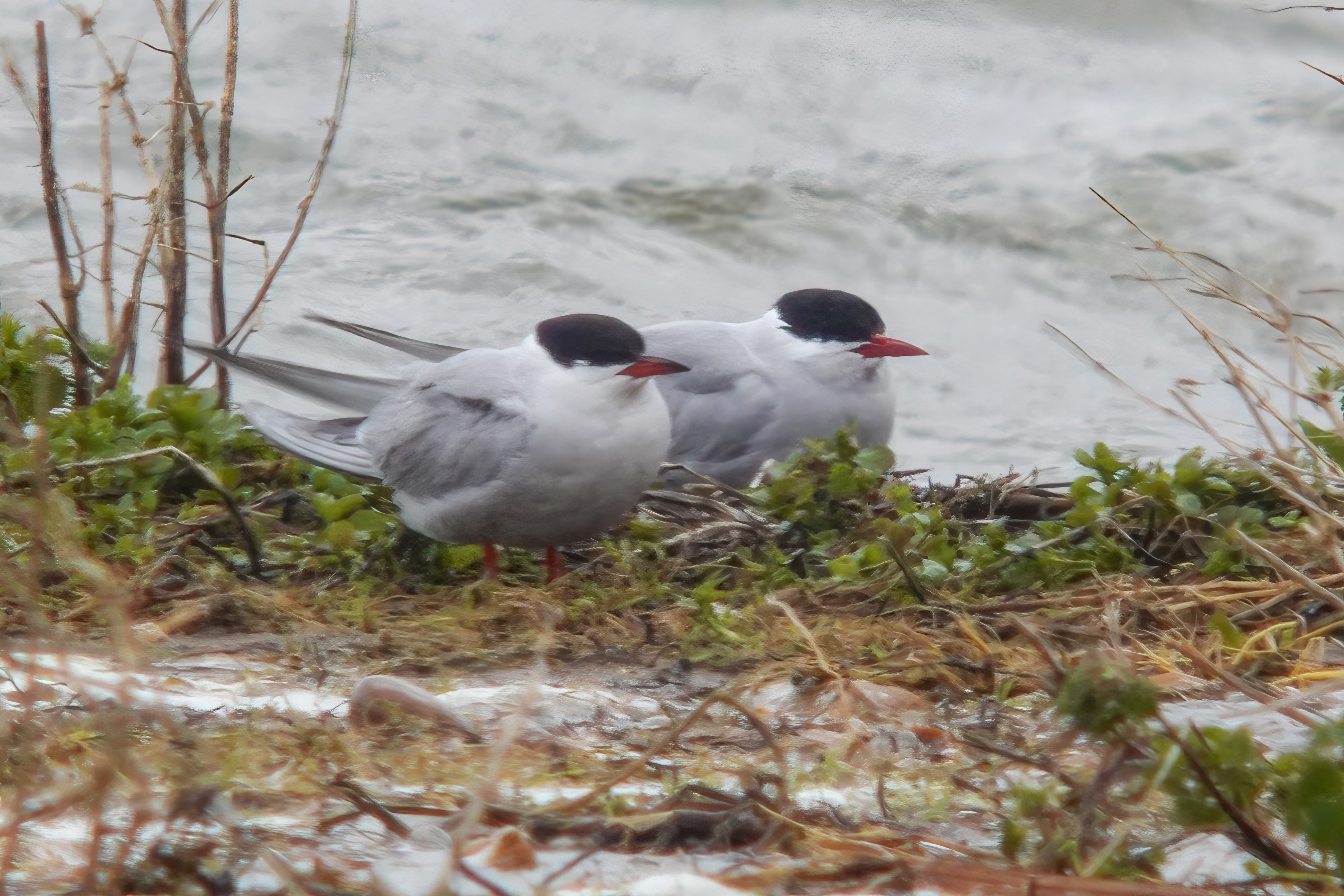
And so we turn to terns. While numbers of the ‘Common’ variety built steadily as more continued to arrive, it was Arctic Terns that stimulated a little more interest. Against the background of a sizeable movement across the UK, we might consider ourselves short-changed given the pitifully small numbers dealt out to Northants. These can be duly summed up as three at Summer Leys on 22nd, followed by five there the next day, three at Clifford Hill on 23rd and one at Stanford on 26th.

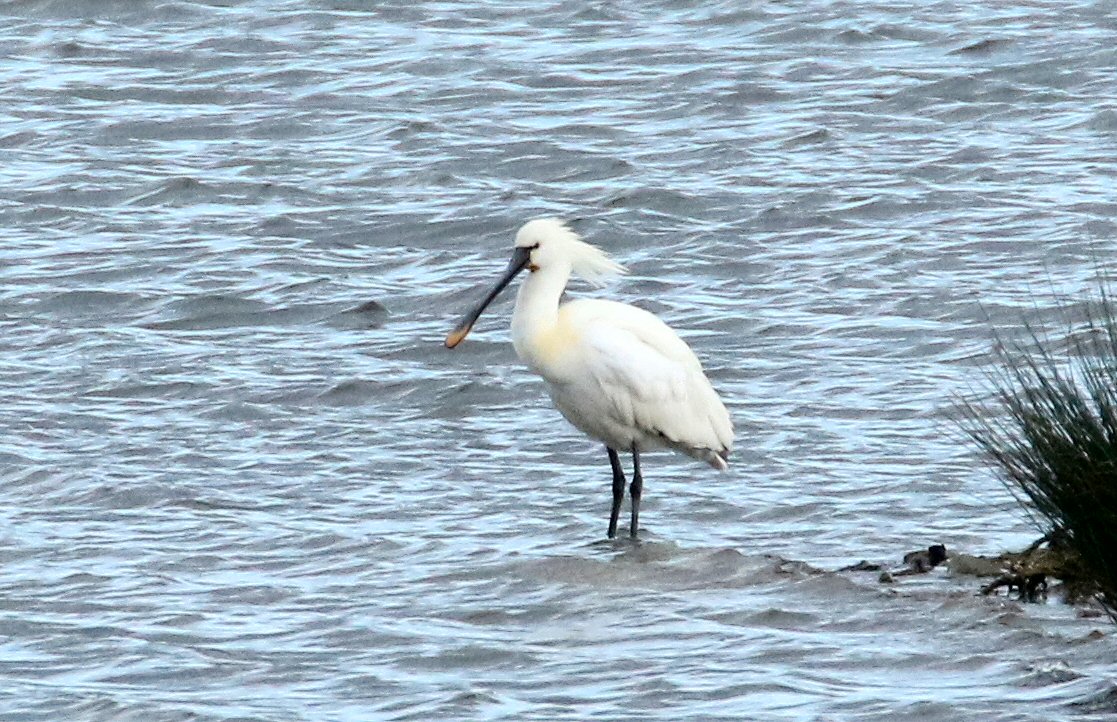
Following an unconfirmed report of one in flight over Wood Burcote last week, a ‘subadult’ – probably third calendar year – Spoonbill materialised at Clifford Hill on 21st. Alas, its stay was short and it was up and away less than an hour after its discovery. Given the increase in numbers in the UK in recent years, the hope of more during this spring and beyond is well justified and there is every chance this will be fulfilled …
For now, though, bread-and-butter Cattle Egrets continue to occupy the (formerly) rare heron slot and this week’s consisted of three in flight over Summer Leys on 23rd, when two were also at adjacent Hardwater Lake, one flying west over Earls Barton GP on 24th and two in flight over Thrapston GP’s Town Lake on 25th.

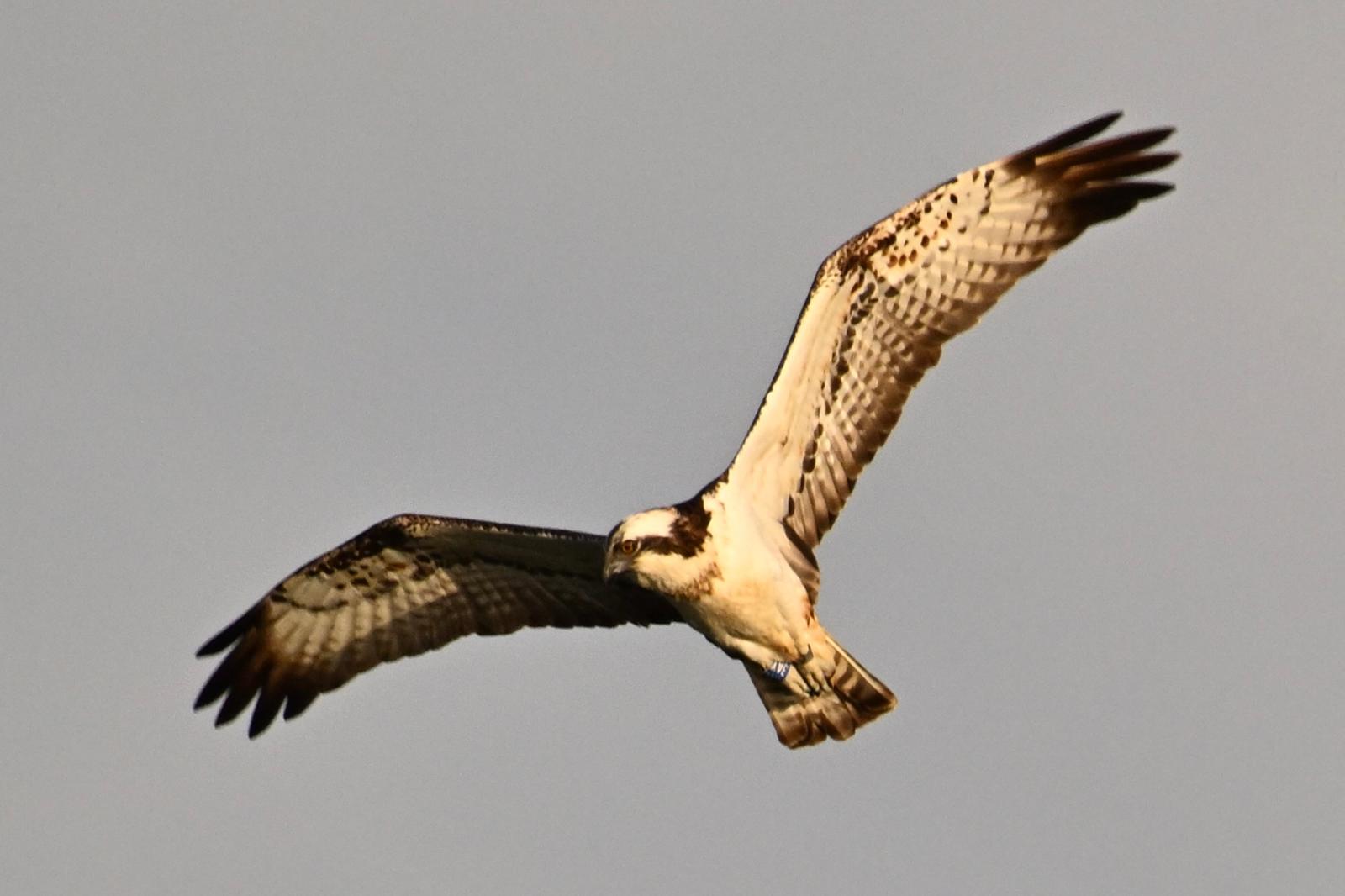
Raptor sightings were again unsurprisingly dominated by, but not limited to, Ospreys. All were seen in flight and included singles near Harrington on 20th, near Welford and over Weston Mill (Northampton) on 21st and at Pitsford on 24th, while two separate males visited Hollowell on 26th.
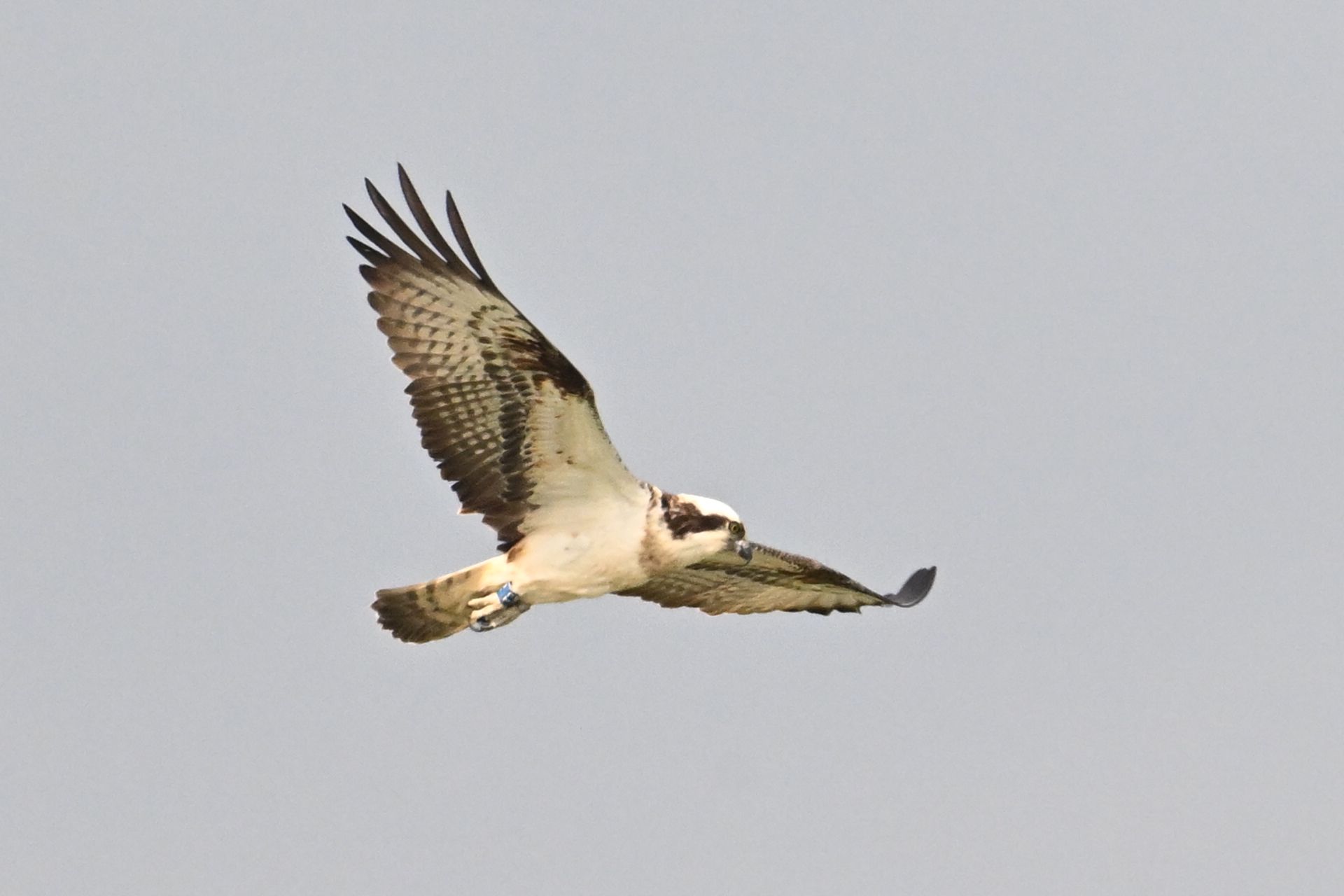
This last day of the week also saw a Marsh Harrier over Stanford and a smart male Hen Harrier over Bucknell Wood. Adult males of the latter are rarely encountered in Northants.

And the county continued to hold on to its ‘wintering’ Short-eared Owls. Two were still at Blueberry Farm, Maidwell, remaining there until at least 23rd, Harrington hung on to one throughout the period and one remained in the Brampton Valley on 25th-26th. A favourable change in the weather may yet hasten their departure.

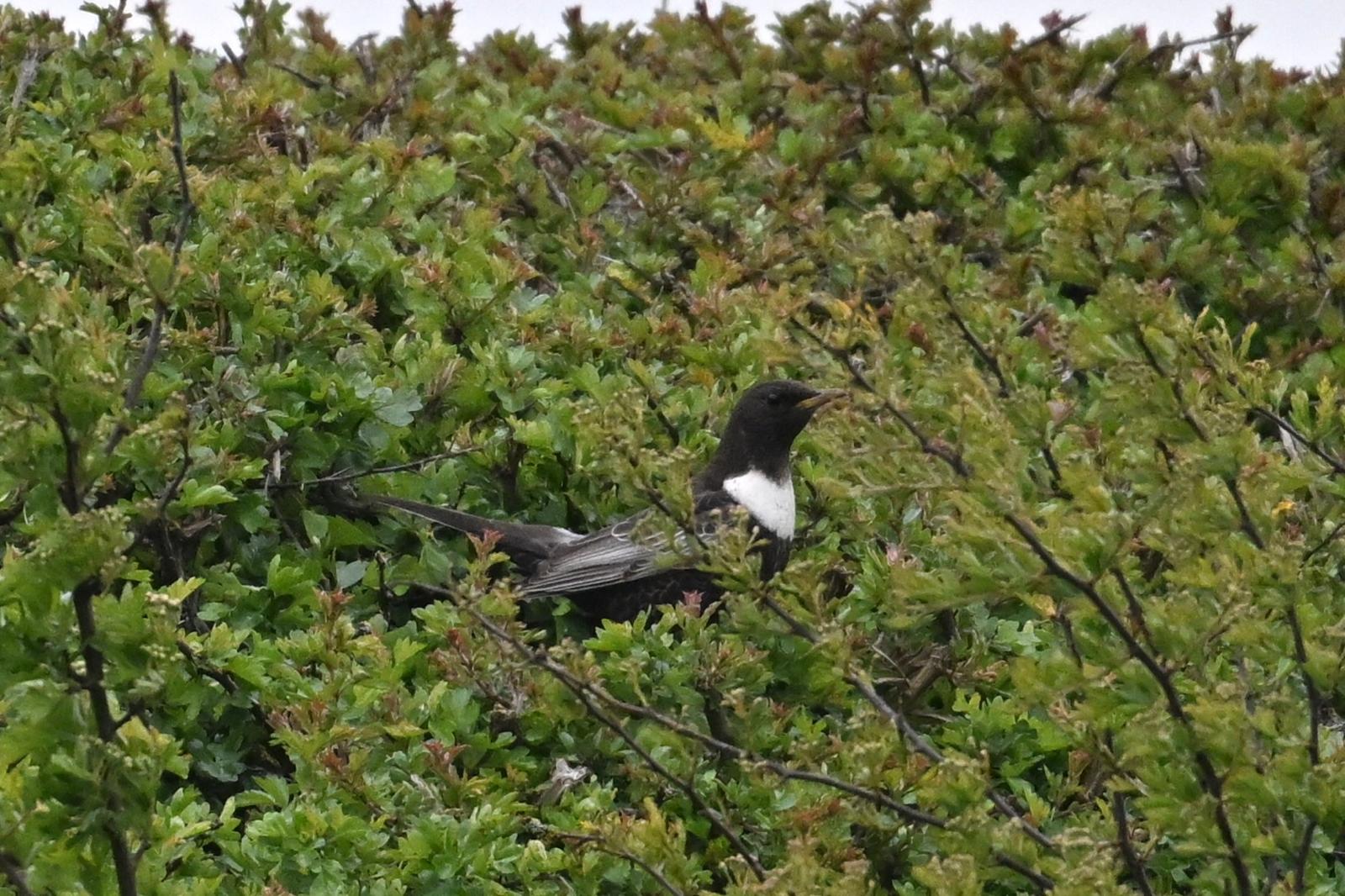
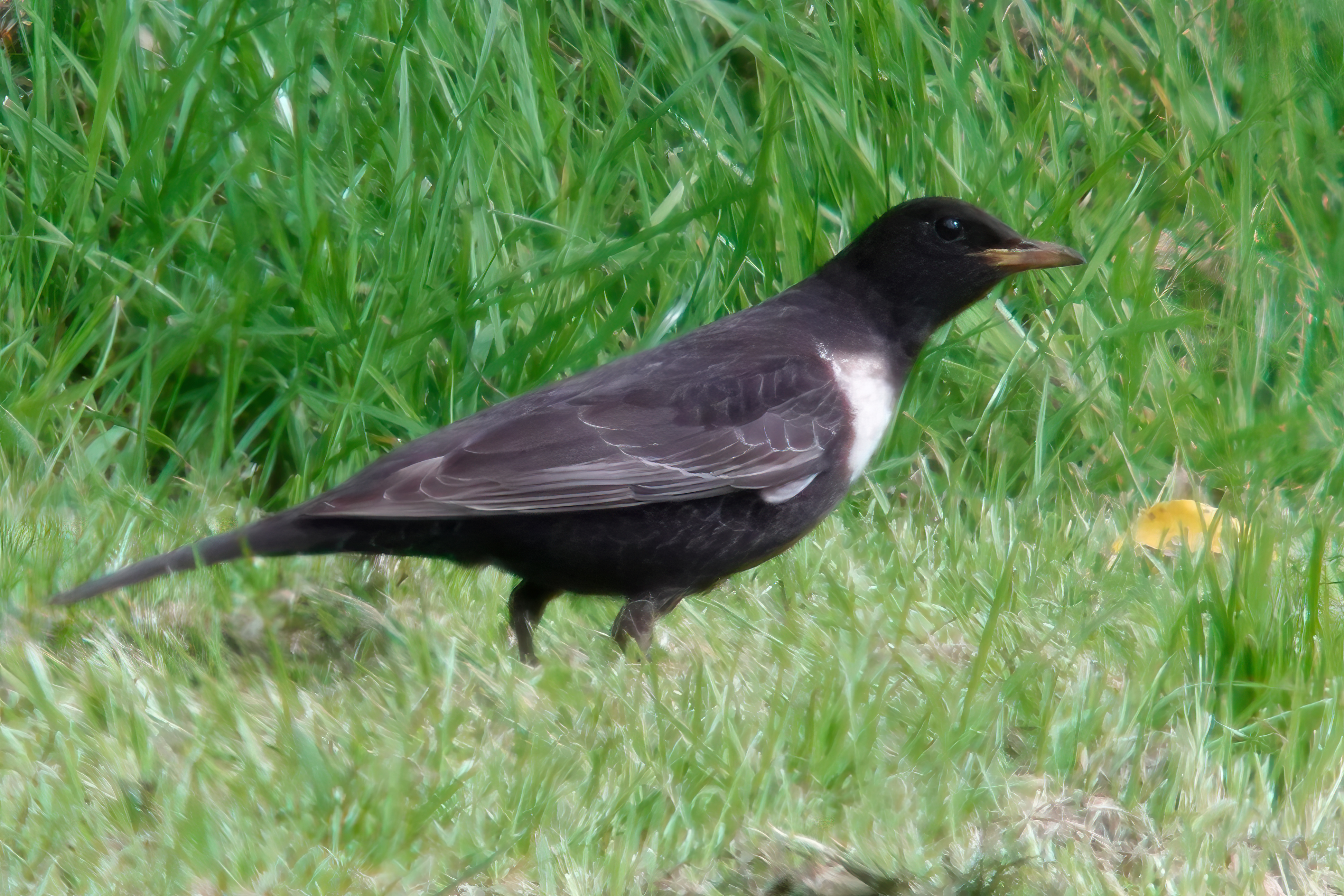
But once again, the passerine spotlight was firmly on Ring Ouzels which, in common with the last species, appear to be determined to extend their stay in the county. Under the circumstances, it’s no surprise that the easily accessible Weston Mill bird again proved to be the most popular pull for local birders. Initially found last week on 18th, it remained settled in Miller’s Meadow, showing well to all comers throughout the period. Others were available, of course, with at least one – possibly two – at Harrington all week and two at Honey Hill between 20th and 22nd.

There were fewer Common Redstarts, however, comprising singles in the Brampton Valley and at Weston Mill on 20th and at Harrington on 20th, 22nd and 26th. A solitary, first-summer male Whinchat – the spring’s third – was discovered on Borough Hill on the last day of the week.

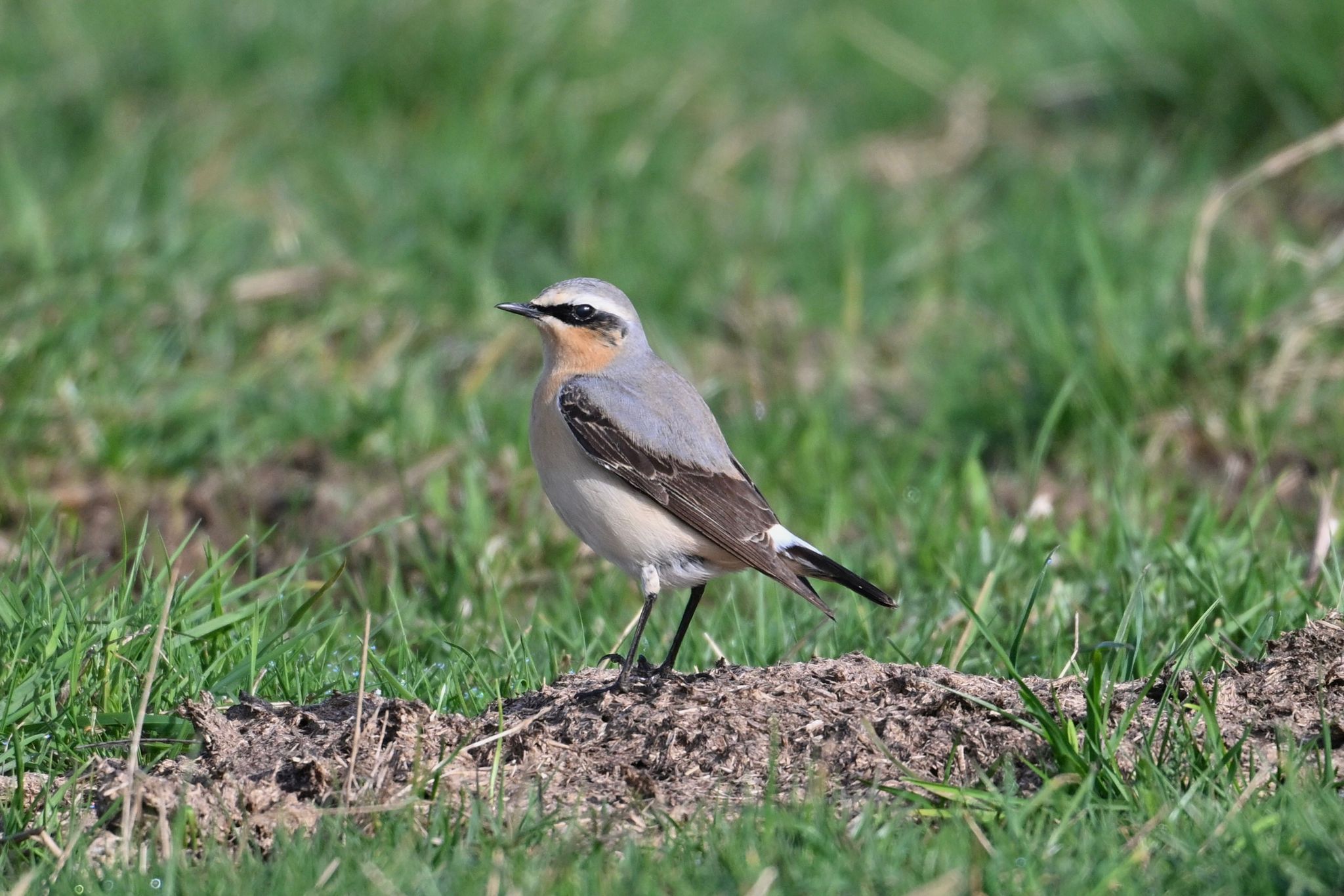
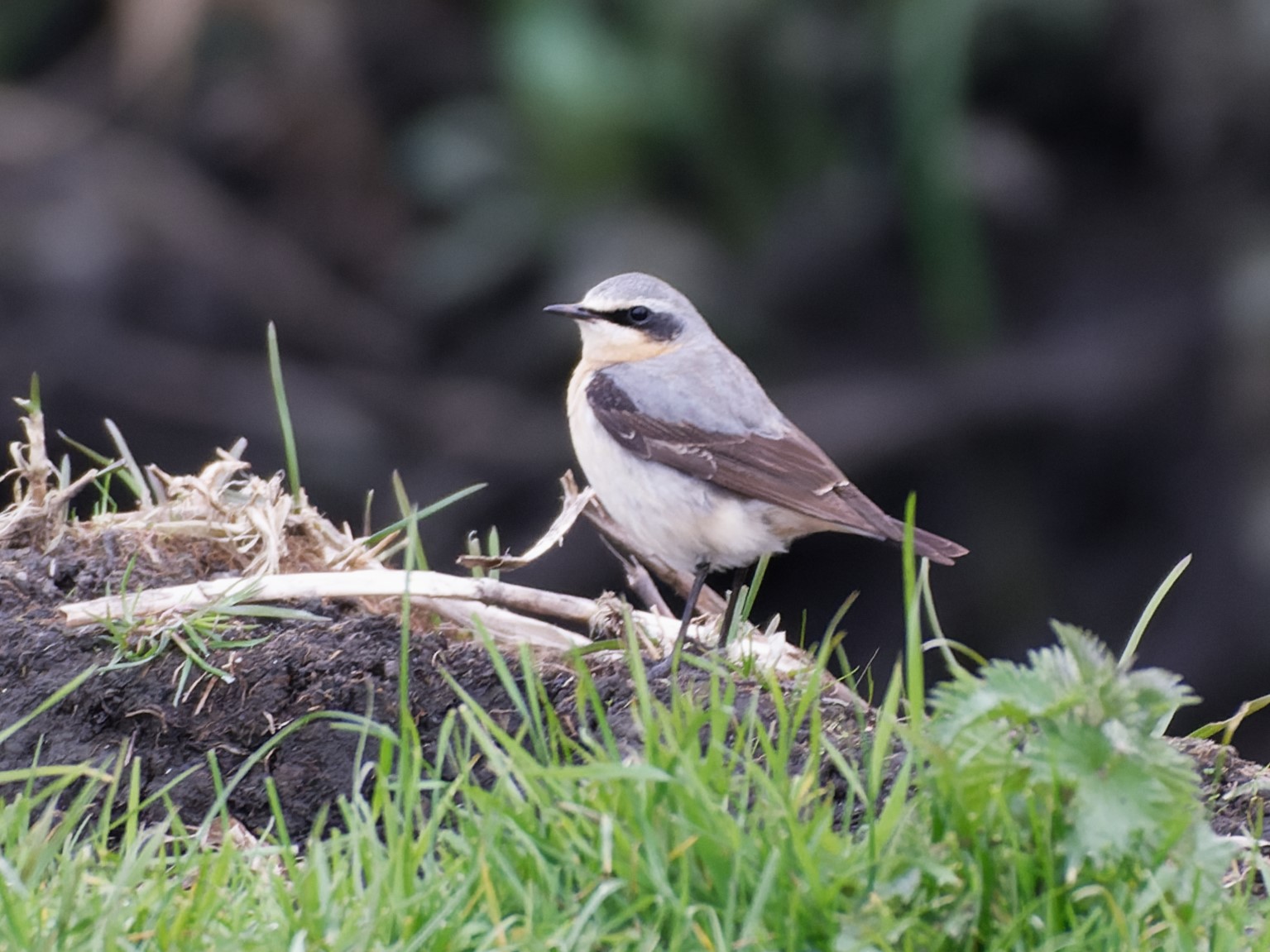
Meanwhile, Northern Wheatear numbers held steady. Harrington, where birds were seen almost daily, produced at least four on 22nd, three on 20th and two on 24th and 26th. Similarly, Clifford Hill held up to four between 22nd and 25th, four were between Harringworth and Laxton on 20th, three were at Blueberry Farm on 23rd, two were at Hartwell from 20th to 23rd and one was found on Borough Hill on 20th.

Now, that just leaves wagtails. Four sites held White Wagtails and, of these, Lower Barnwell Lock produced the highest total of four on 20th followed by one there on 23rd. Elsewhere, three were at Summer Leys on 22nd with two there on 23rd and singles on 21st and 25th, while further singles were present at Clifford Hill on 20th and on floodwater at Aynho on 23rd and 25th.
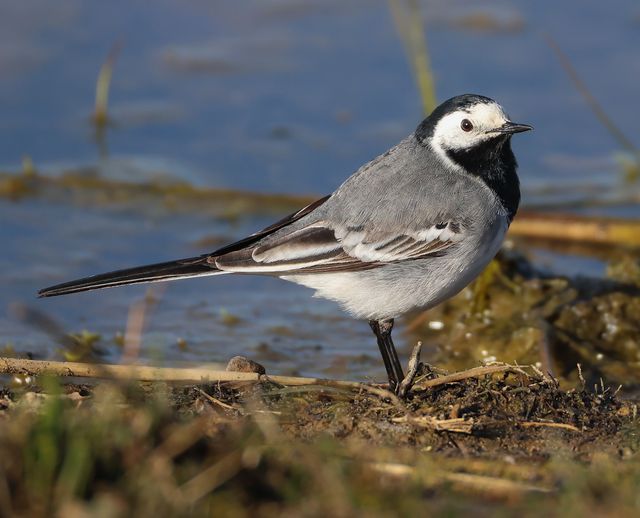
This last site also produced a male ‘Channel’ Wagtail from 23rd until the week’s end.

Newsround – 13th to 19th April 2024

As spring continued to advance, the weather remained unsettled throughout the week, with early west to south-westerly winds swinging round to strong north-westerlies and northerlies by the end of the period. Amid high expectations, the county again chalked up a handful of firsts for the year, including a significant rarity and two more summer visitors.

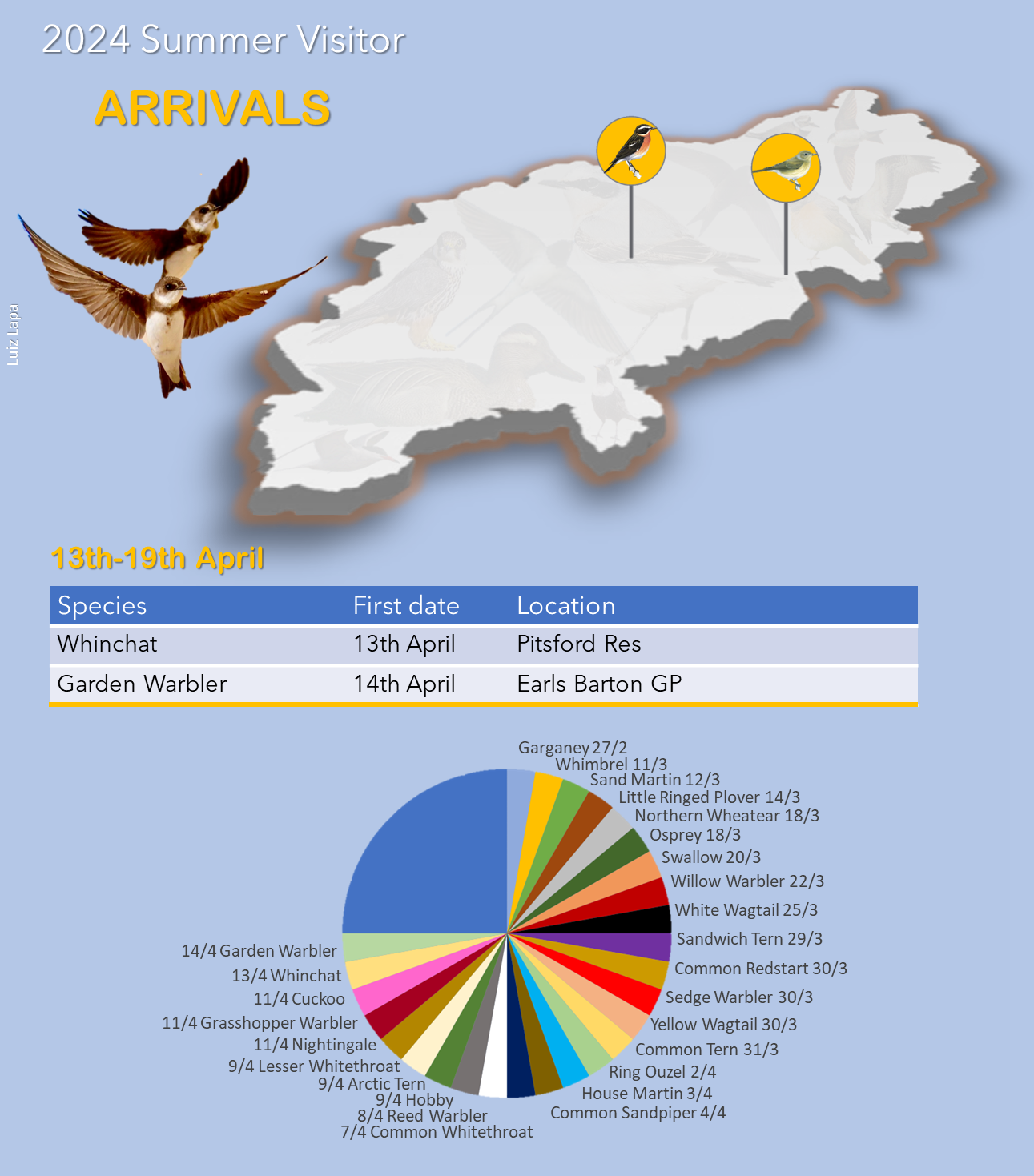
With a good 75% of these now having clocked in, Garden Warbler and Whinchat were the two new additions this week and, while the date for the former was unremarkable, the latter sets a new record for the earliest arrival of its kind in the county.

The previous earliest arrival date for Whinchat was 15th April – a record set in 1984 and then equalled in 2015. Also noteworthy, a second Whinchat was found this week in the Brampton Valley between Cottesbrooke and Hanging Houghton, on 17th.

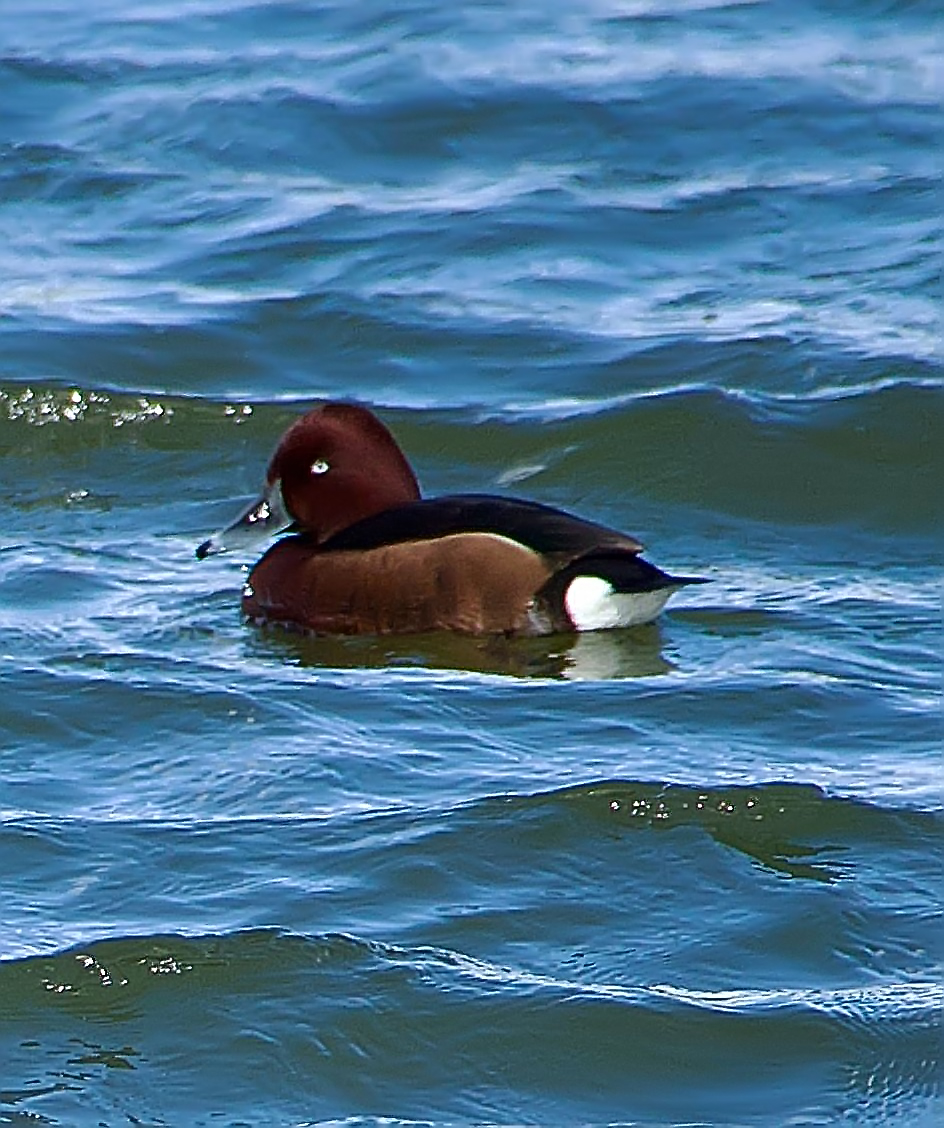
Spring continued to shape up nicely with another drake Garganey found at Stanwick GP on 14th. It did not linger, however, unlike the long-staying drake Red-crested Pochard mobile around Earls Barton GP’s new workings area and still present on 18th. Top of the week’s wildfowl for some, though, appeared in the form of a drake Ferruginous Duck at Stanford Res, where it remained throughout the day on 15th. With records well and truly close to rock bottom in recent years, this species has become a true rarity in both Northants and the wider environs of the UK.

In decline internationally and of increasing conservation concern, it’s been a British Birds rarity since it was reinstated on their descriptions required list in 2017. Stanford has three earlier records to its name with birds in 1950, 1972 and 1997 and Northants as a whole has 26 previously accepted records, including a returning drake passing through Pitsford Res during the three Septembers of 2009-2011. Aside from a juvenile drake present at Daventry CP from the end of July until mid-September 2022 (accepted but origin uncertain), the only other county record this century was a first-winter drake at Daventry CP from December 2002 to February 2003, also visiting Hollowell Res in February 2003.   

Unlike the fleetingly rare, polished mahogany example above, the female Ring-necked Duck, while extending its stay at Ditchford GP’s Irthlingborough Lakes & Meadows LNR until at least 16th, appeared to attract scant attention.

On the wader front, the year’s first ‘viewable’ Whimbrel put in an appearance at Summer Leys LNR on 13th, followed by one in flight over Stanford on 18th.

Another first for the year was a Bar-tailed Godwit, found on the regularly watched flood meadow at Barnwell Lock, Oundle, on 19th. Otherwise, Black-tailed Godwits continued to hold sway – principally at Summer Leys, where there were three on 16th, singles on 17th and 18th and two on 19th. Elsewhere, one visited Pitsford on 14th, two flew north-east over Daventry on 17th and two flew east over Far Cotton, Northampton on 18th.

Single Greenshanks visited Summer Leys on 13th and 16th and Stanwick GP on the last of these two dates.

Moving up the scale, a White Stork was reported over Summer Leys on 18th and an unconfirmed report of a Spoonbill flying east over Wood Burcote on 17th remained just that.

With two feet firmly on the ground, a Bittern put in an appearance at Thrapston GP’s Titchmarsh LNR on 14th while, on the same date, seven Cattle Egrets were in a cow field near Hothorpe  Hall, south of Sibbertoft and three flew west over Summer Leys. Otherwise is was down to the regular singleton at the latter site to see the week out in the Nene Valley.

And so to the larger raptors, sightings of which were dominated by Ospreys. Taking it day by day, single birds were seen on 14th when a female was at Hollowell Res and one was over Oundle Golf Club Fishing Lake while, on 15th, a blue-ringed ‘3AY’, 5-year-old male ranging wide from Rutland visited Hollowell and two were at Ravensthorpe, remaining there until the following day. Also on 16th one flew north near Corby Golf Course and singles visited Stanford and Hollowell on 17th and 18th, respectively.

The week’s only Marsh Harrier dropped in at Stanwick on 15th.

It’s unusual for Short-eared Owls to remain into the latter half of April but that’s precisely what we’re seeing this year with two still at Blueberry Farm, Maidwell on 17th and one lingering at Harrington AF until the week’s end.
A Merlin was seen between Clipston and Sibbertoft on 6th.

And it seems we’re not done with Waxwings yet, as four of last week’s Warth Park six remained at Raunds on 13th.

But the species attracting the most attention this week was Ring Ouzel. Following last week’s four, seven were up for grabs during the period. New in were singles between Cottesbrooke and Naseby on 14th and in the Brampton Valley on 18th, while three were found at Honey Hill on the latter date. And while last week’s long-staying female at Harrington proved a popular pull throughout this week, it was rightly trounced by a more easily accessible and showy bird on the edge of suburbia, in the newly-mown Miller’s Meadow at Weston Mill, Northampton, on 18th-19th.

Common Redstarts also upped their game with singles at Blueberry Farm, Broughton Pocket Park, Harrington AF, Honey Hill, Pitsford, Stanwick and Stoke Albany on 14th, at Harrington on 17th-19th and at Borough Hill on 19th.

Numbers of Northern Wheatears, too, were on the up with 14th seeing singles at Borough Hill and Stanford Res and two at Harrington AF. One was at Summer Leys on 16th, two were at Blueberry Farm on 17th and up to two in the Brampton Valley on 17th-18th, while four were at Harrington on 18th and singles dropped into Clifford Hill GP and Hartwell on 19th.

Newsround – 6th to 12th April 2024

The new week opened up with Storm Kathleen which, although not designated high impact, shot strong south to south-westerly winds across our bows over the first two days. Immediately in its wake came Storm Pierrick, which was harsher than predicted, ushering in widespread heavy showers and a crop of new birds.

In fact, eight new summer visitors clocked in this week, of which the Lesser Whitethroat set a new record for the earliest arrival date in the county, the previous earliest having been on 10th April 2020.

At the same time, winter wildfowl numbers continued to diminish, although the first Garganeys since the Ditchford bird in February showed up, with a drake at Titchmarsh LNR on 7th, quickly followed by two at Stanwick GP the next day. Meanwhile, the female Ring-necked Duck chalked up another week on Ditchford’s Cotton Reel Lake and the drake Red-crested Pochard was still present at Earls Barton GP’s New Workings (North) at the week’s end.

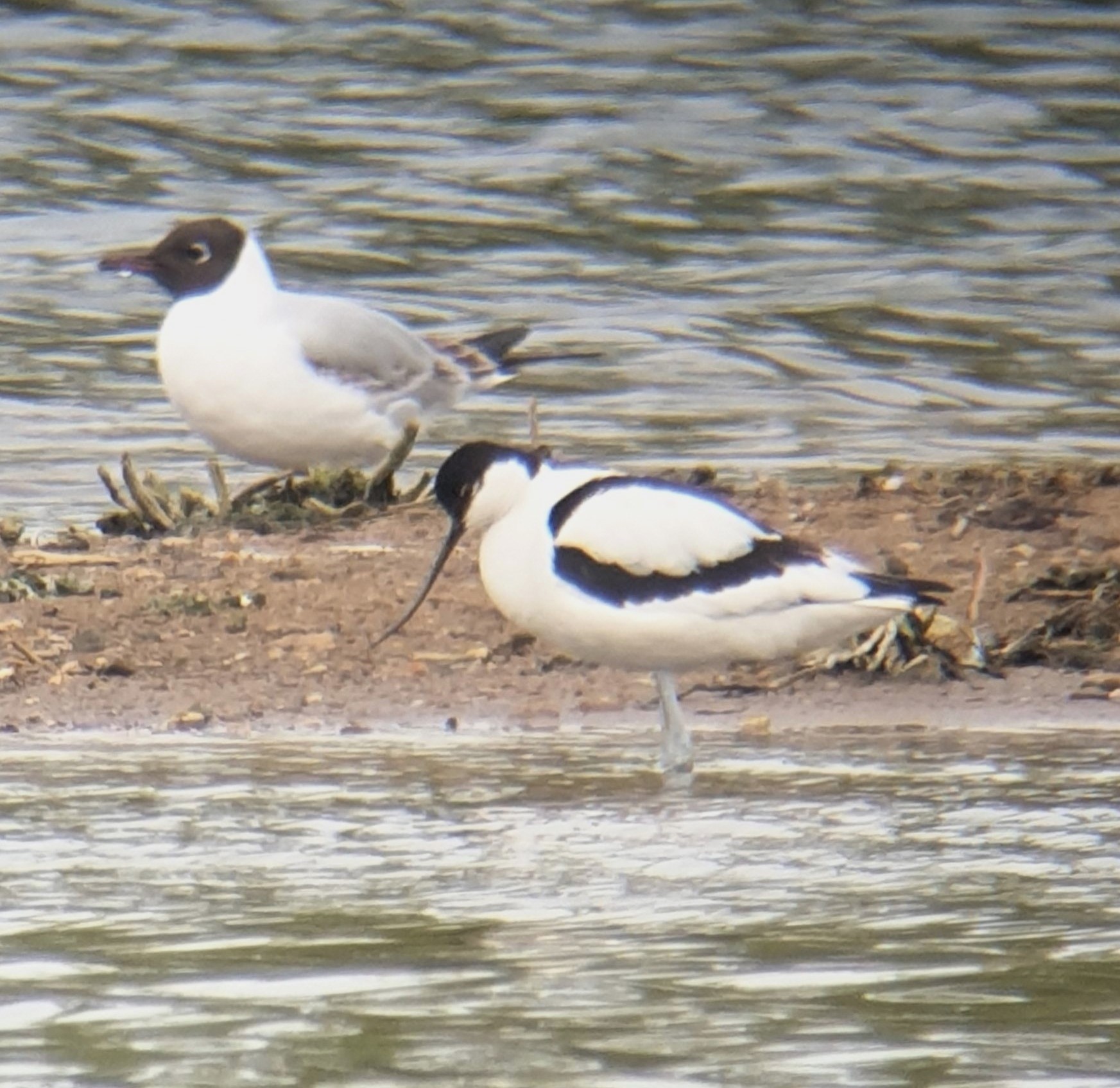
While it was arguably slim pickings for waders this week, an Avocet remained throughout the day at Stanwick on 12th, offering a second bite of the cherry for those who missed out on the three short-stayers at Summer Leys last month.

Otherwise, it was left to single Black-tailed Godwits at Titchmarsh on 7th and 10th and at Clifford Hill GP and Summer Leys on 8th to keep spring wader passage afloat. Single Jack Snipes remained at Hollowell Res on 8th and in the Brampton Valley below Lamport on 8th and 10th.

Gulls, unsurprisingly, were at a low ebb. Single adult Yellow-legged Gulls were at Pitsford on 7th and 9th and an adult plus a first-summer were there on 10th. A Little Gull dropped into Summer Leys late in the day on 9th – probably a fallout from Storm Pierrick, as was the year’s first Arctic Tern at Clifford Hill GP on the same date. Keeping company with two Common Terns, it departed mid-afternoon and it seems logical to assume that these were the same three birds found further down the Nene Valley, at Thrapston GP, later in the day.

Only the second this year, a Sandwich Tern flew east, non-stop, over Stanford Res on 6th.

Cattle Egrets continued to be seen but only in ones and twos. One flew north-east over Stanwick on 6th and one was seen intermittently at Summer Leys between 7th and 11th, being joined by a second bird on the latter date. Two were found on Sladebrook Flood Works at Wicksteed Park, Kettering on 7th, while singles were seen flying west at Clifford Hill GP and – likely the same bird later – at Upton CP on 8th and one was at the Alpaca farm off Ditchford Lane on 12th.

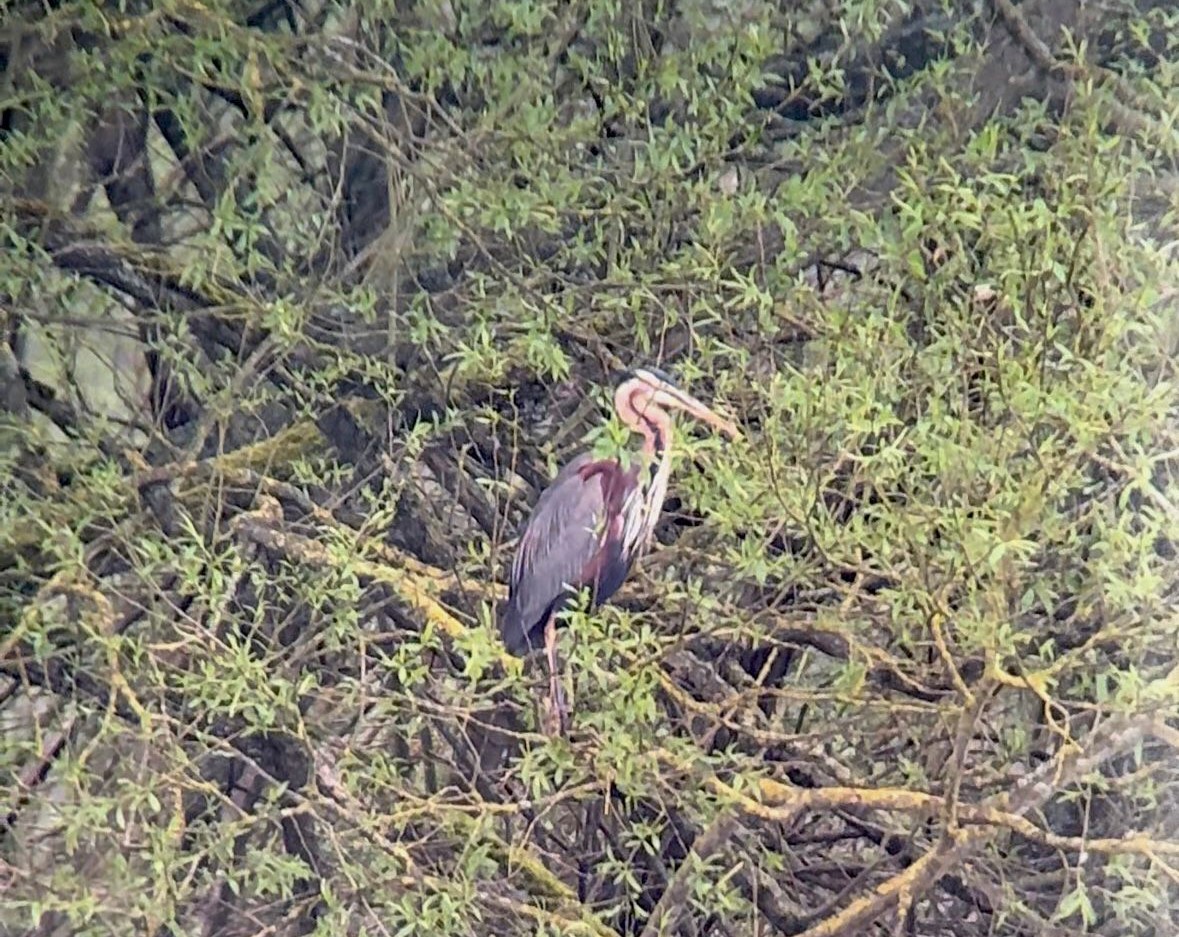
However, nothing else this week measured up to the rarity that was the adult Purple Heron found at Stanford Res on the afternoon of 9th. Although initially unsettled, it spent a good deal of time out in the open the following day, providing decent views for anyone keen to catch up with it. Special dispensation was kindly granted to non-permit holders by Severn Trent Water Authority to access the reservoir grounds on the day it was found. This bird represents the 22nd Northamptonshire record, hot on the heels of the popular first-summer present at Summer Leys in June last year.

On the raptor front, Ospreys continued to loom large – at least for those in the right place at the right time. Singles were seen at Summer Leys on 6th, Hollowell on 6th and 11th, Loddington on 7th and Pitsford on 7th, 10th and 12th. And for the second week running, two species of harrier were logged, with a Marsh Harrier visiting Titchmarsh on 6th and a ‘ringtail’ Hen Harrier flying east past the dam at Boddington Res on 8th.

Short-eared Owls remained at three locations in one small region of north-central Northants. Harrington AF held on to one between 6th and 11th, up to two remained at Blueberry Farm, Maidwell during the same period while, in the Brampton Valley, one was between Cottesbrooke and Hanging Houghton on 12th and last week’s four at l‘endroit inaccessible below Lamport had reduced to two by the week’s end.

And, just when we’d relaxed, left winter behind and taken our eyes off many a depleted berry tree, there they were again. Waxwings. It all happened on 8th when, early in the morning, nine were found on the western periphery of Clifford Hill GP. They did not stay for any appreciable length of time. Six were then located on the Warth Park Industrial Estate the same morning, remaining there well into early evening.

The second Ring Ouzel of the year checked into the now well-established stop-off location for the species, Newnham Hill, on 6th, remaining late into the afternoon for those quick off the mark. A far less obliging bird put in the briefest of appearances in the Brampton Valley on the same date and another – or the same – was present there on 12th. All sightings related to males.

One was also seen fleetingly at Honey Hill on 8th but a far more accommodating female remained on show, hugging the bunkers at Harrington AF, between 9th and 12th.

Harrington was also the venue for two male Common Redstarts, one appearing there on 6th, the other on 10th-11th, while a female was found on the summit of Newnham Hill on 8th. Northern Wheatears, however, turned up in higher numbers than last week. Top to bottom, fields between Old and Walgrave held four on 8th, three appeared at Harrington on the same date with two there on 9th and one on 10th, two were at Lilbourne Meadows NR on 7th, at Blueberry Farm on 7th and 11th, plus two at Clifford Hill on 10th-11th, while singles were present in the Brampton Valley and at Borough Hill on 7th and at Willowbrook Industrial Estate, Corby on 12th.

The period’s White Wagtails, however, were again in short supply with three at Clifford Hill GP on 9th and one there on 10th.

Finches feature fleetingly in spring but a Hawfinch flying north-west over Cottesbrook on 6th and the ongoing presence of several Mealy Redpolls on the eastern periphery of Wicksteed Park kept the boat afloat, so to speak.

Finches aside, there’s a shedload of possibilities to look forward to as spring further unfolds over the coming weeks.

Newsround – 30th March to 5th April 2024

The overall south to south-westerly airflow was maintained throughout the week as a series of low pressure systems swept in off the Atlantic, hastening the arrival of more summer visitors.

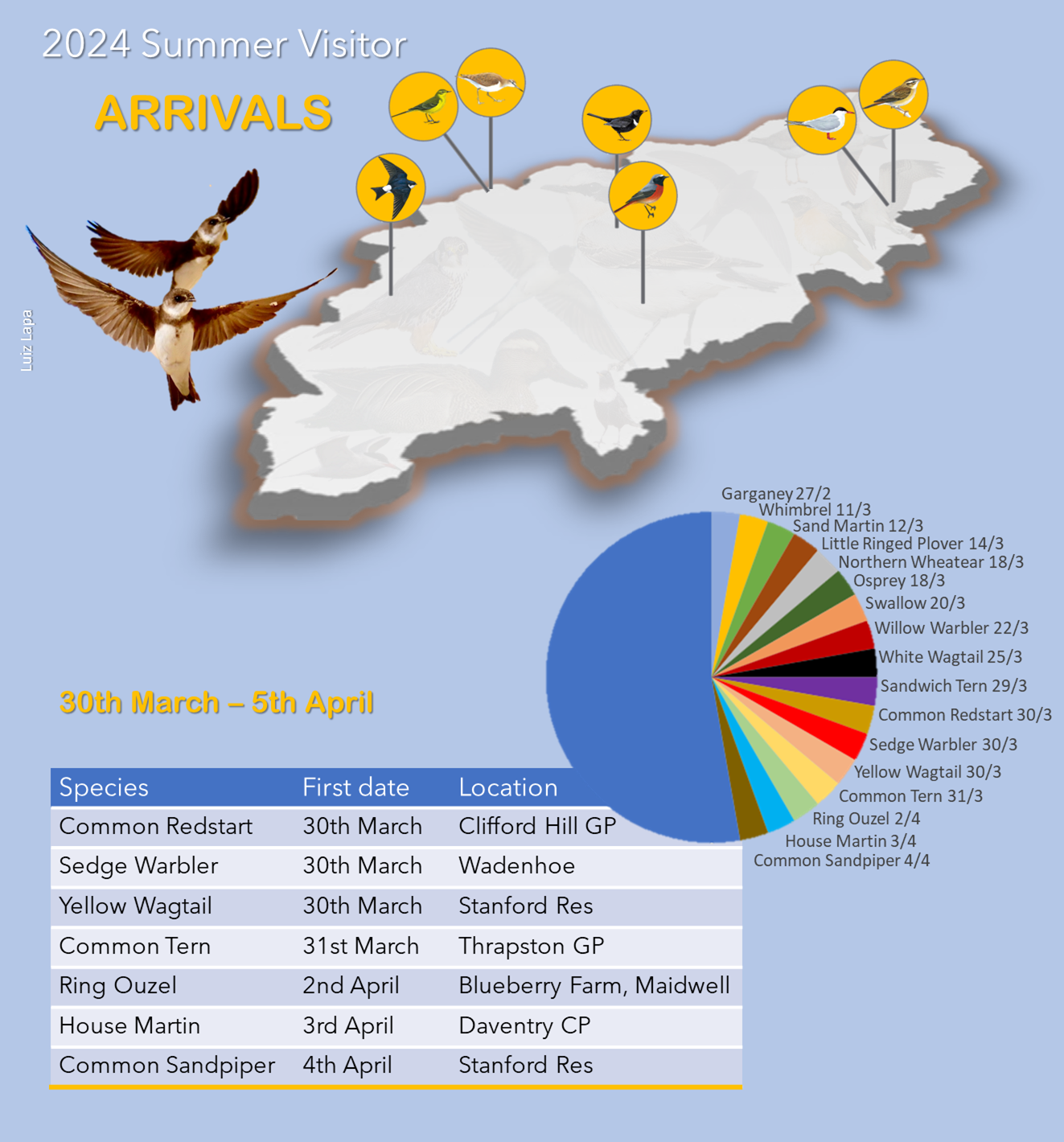
Indeed, the first day saw three out of the period’s seven new arrivals that made it onto the clock this week, one of which was a record-breaker.

The male Common Redstart found at Clifford Hill GP on 30th pipped the previous earliest records, on 31st March in 1990, 2009 and 2021, by one day.

The arrival dates for the other six species, though, were largely unremarkable and a steady trickle ensued with the next Sedge Warbler at Earls Barton GP on 1st, further Yellow Wagtails at both Earls Barton and Harrington AF – also on 1st – while the next Common Tern checked in at Summer Leys on 4th.

With wildfowl on the wane, Hollowell Res hung on to its Pink-footed Goose – found there last week – until 1st, while at least two White-fronted Geese were still present at Wadenhoe Meadows until 30th. Back on the block this week was the female Ruddy Shelduck – this time dropping into Foxholes Fisheries, Crick on 1st. She was last seen previously at Hollowell Res on 19th January. Down in the Nene Valley, the mobile drake Red-crested Pochard again visited Earls Barton GPs New Workings (North) on 4th, while the female Ring-necked Duck saw another week out at Ditchford GP.

Making it into the new week was the Grey Plover at Summer Leys LNR but it was nowhere to be seen after 30th while, joining the Summer Leys wader club for one day only, on 3rd, was the year’s first Greenshank. Following last week’s run at the same locality, one Black-tailed Godwit remained on 30th, Stanwick GP produced one on 30th and two on 31st and, on 1st, one dropped into Ditchford GP and two visited Clifford Hill GP. Elsewhere, remnants of the wintering Jack Snipe population included one at Hollowell on 30th and two in the Brampton Valley between Cottesbrooke and Hanging Houghton on 4th.

Maintaining this year’s earlier than usual passage, more Little Gulls came through, starting with one at Thrapston on 31st, followed by one at Stanwick and three at Pitsford on 1st and two at the latter site the next day. All were adults. An adult Yellow-legged Gull was also mobile around said reservoir throughout the week. The prospect of running into any scarce larid is now fast slipping away.

Not so with Cattle Egrets, though. Aside from one paying almost daily visits to Summer Leys, seven congregated on Big Lake at Ditchford on 31st while, just west of there, five were among Alpacas at Ditchford Lane on 2nd. Two also visited Stanwick on 3rd. It seems unlikely there are more than eight birds in total.
Further east along the Nene, a White Stork was seen flying low over the A605, north-east of Oundle, on 31st. The origin our storks is unknown. Factor in that twenty-six chicks fledged from eleven nests across the Knepp Estate in West Sussex last year as part of the ongoing UK reintroduction scheme and it’s odds on that, these days, they are not truly wild birds.

Two of the week’s raptors were unsurprising. Single Ospreys were seen over Summer Leys on 31st, Deene Lake on 2nd and the Brampton Valley, Pitsford and Stanford Res on 5th and, in line with recent weeks, single Marsh Harriers were logged at Stanwick on 30th and Summer Leys on 5th. The third – a ‘ringtail’ Hen Harrier flying east over suburban Stortons GP on 2nd – was unexpected. It’s only the second of the year, following one at Harrington AF on three dates between 14th and 30th January.

And, talking of Harrington, the site featured well in the news for viewable Short-eared Owls this week with up to two seen daily while, conversely, four apparently remained in the Brampton Valley below Lamport at a site said to be inaccessible to the hoi polloi. Nearby, three were still around Blueberry Farm, Maidwell on 1st, with two there on 4th. Seemingly having tailed off in popularity in recent weeks, Neville’s Lodge, Finedon still held on to at least one bird on 1st.

Following the early bird at Clifford Hill on 30th, more Common Redstarts found their way to the county this week. One was reported as heard only at Stanford on 1st and single males appeared at Honey Hill and Pitsford on 4th and 5th, respectively.

Northern Wheatears also continued to trickle through in the form of single birds at Harrington on 30th, 1st and 5th, Clifford Hill on 31st and Borough Hill on 5th.

The period’s White Wagtails, however, were limited to singles at Summer Leys on 1st and Pitsford on 2nd.

And then there were Mealy Redpolls. Summer Leys Feeding Station attracted a female on 1st while, on the same date, at least three were with Lesser Repolls on the Barton Seagrave periphery of Wicksteed Park.

Given the capricious taxonomic history of this species, it’s being widely touted that Mealy Redpoll will be re-lumped with Lesser Redpoll – and possibly Arctic Redpoll – in the not-too-distant future. A disappointing prospect …