A varied week weatherwise saw, on average, a month’s rainfall over 36 hours during the middle of the period with the resultant effect of raising water levels, sadly to the detriment of a number of wetland breeding species. The same weather system also brought a class migrant or two into the county.
It was, as they say though, perfect weather for ducks and this week’s were limited to a drake Garganey at Stanwick GP between 18th and 21st and a now proven two drake Red-crested Pochards in the Nene Valley at their respective locations of Earls Barton GP and Ditchford GP’s Irthlingborough Lakes & Meadows LNR, also between 18th and 21st.


Out of the rain came another handsome summer-plumaged Grey Plover – this time at Stanwick GP on 22nd, while the following day saw at least two Tundra Ringed Plovers drop into Stanford Res. Late May is the peak time for a chance encounter with this subtly different subspecies as small numbers move through en route to their breeding grounds in the high Arctic. And, while we’re on the subject of subspecies, what should turn up this week but a smart, nominate limosa race ‘Continental’ Black-tailed Godwit at Summer Leys LNR. Found on 20th and identified on 21st, it remained on site until 22nd, after which rising water levels had an adverse impact on suitable wader habitat.
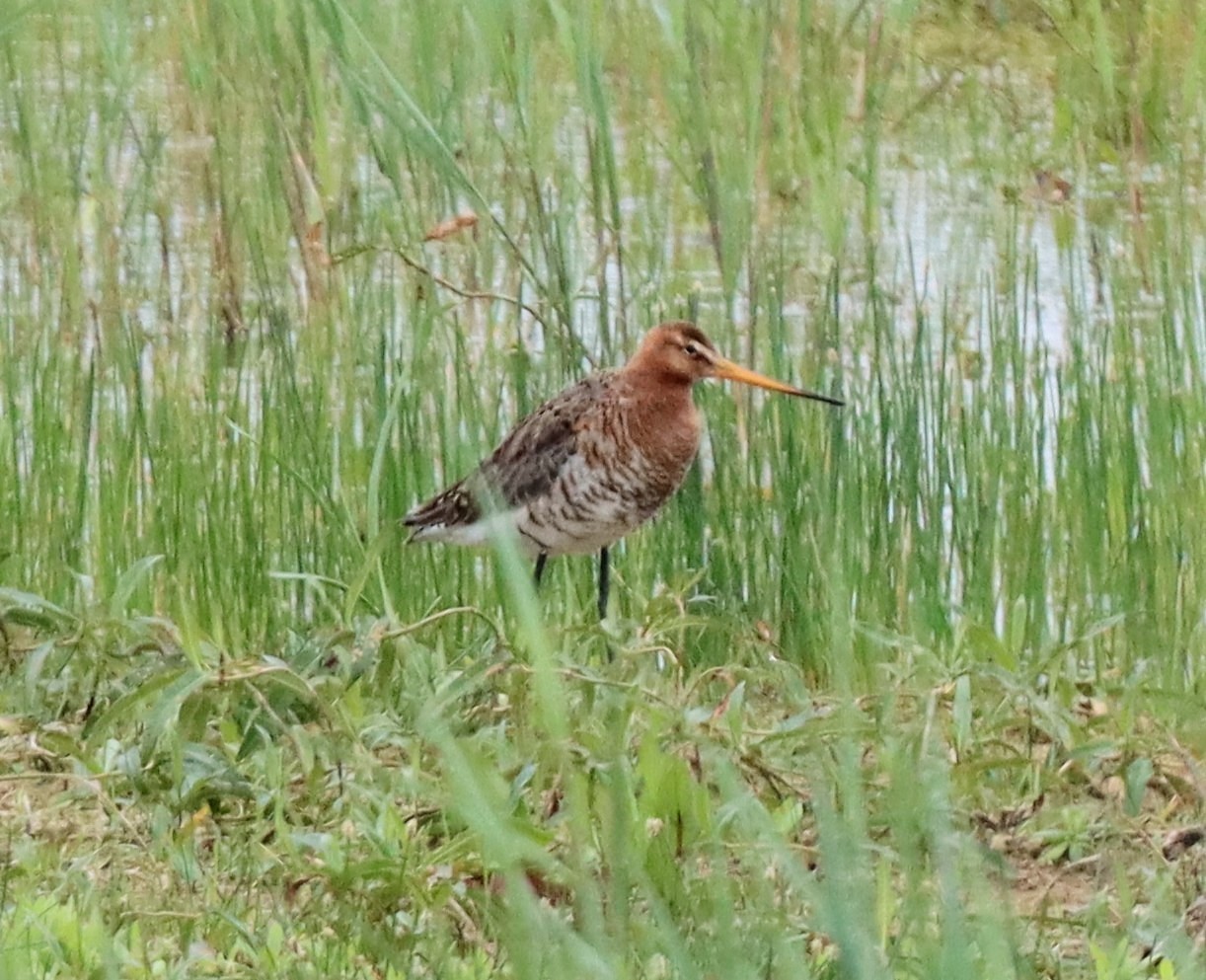
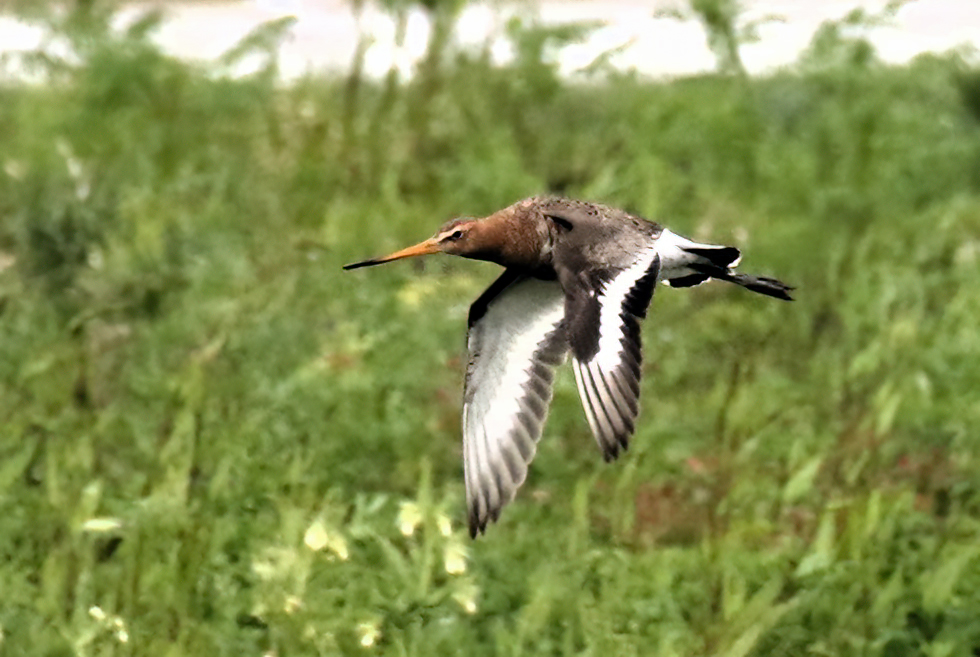
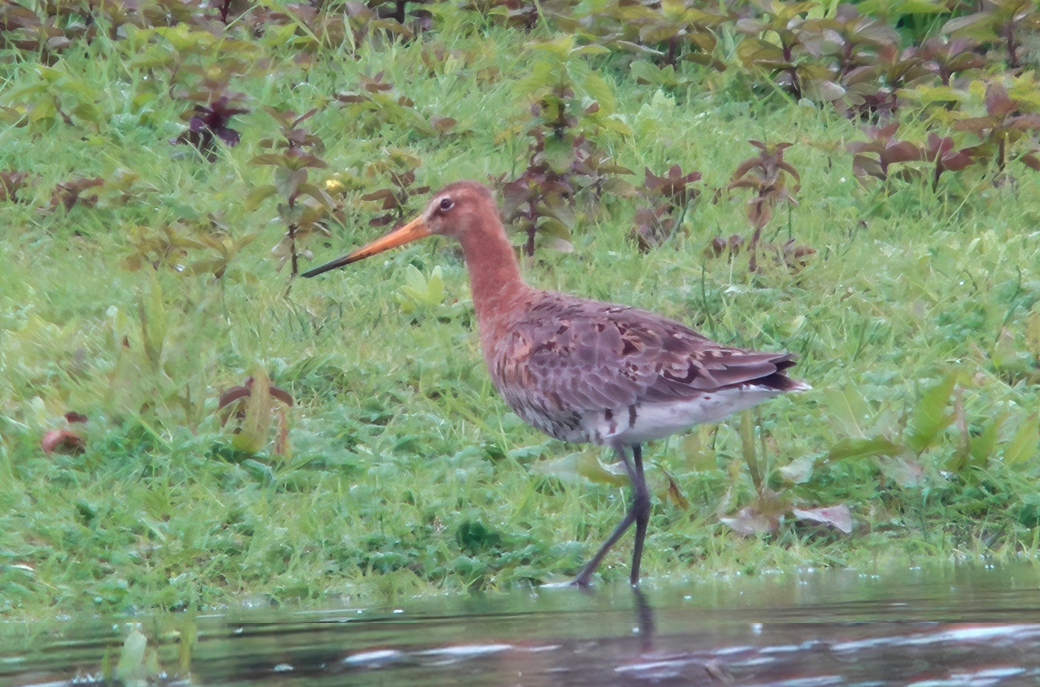
Although considered to be a rare passage migrant, the precise status and history of occurrence of this race in the county is unclear. What we do know is that they are very scarce in Northants and massively outnumbered during spring and autumn by the much commoner islandica race, known simply as ‘Icelandic’ Black-tailed Godwit.

Salient ID points, along with images of the Summer Leys bird in May 2020, can be found here and ‘Godwit Guru’, Mark Golley, who has kindly advised on the ID of some of our local birds, will be providing fully up-to-date coverage of how to separate these two races in the July issue of Birdwatch magazine, due out on 27th June.
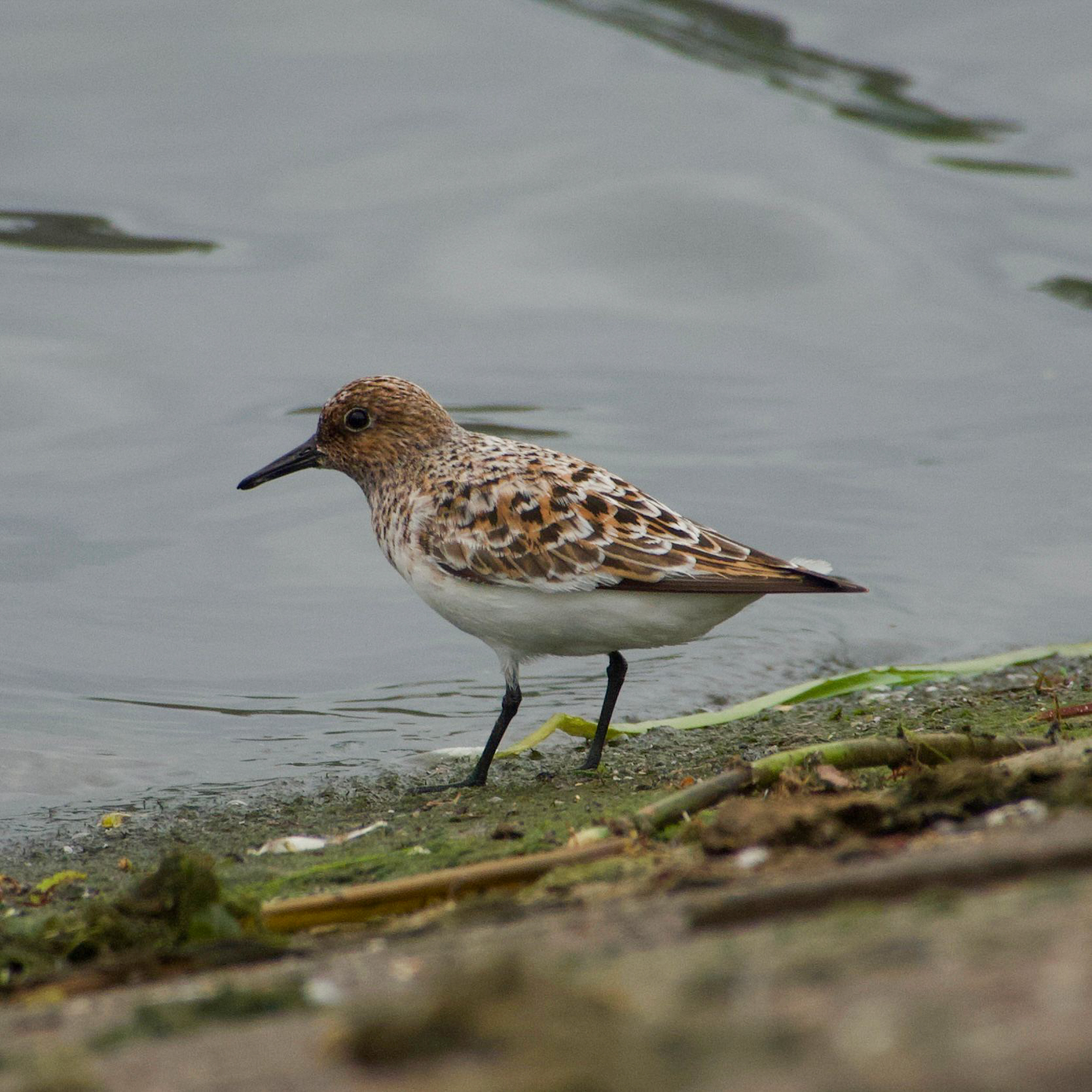
The week also brought another Sanderling – the county’s fourth of the year – to the dam at Stanford Res on 21st.
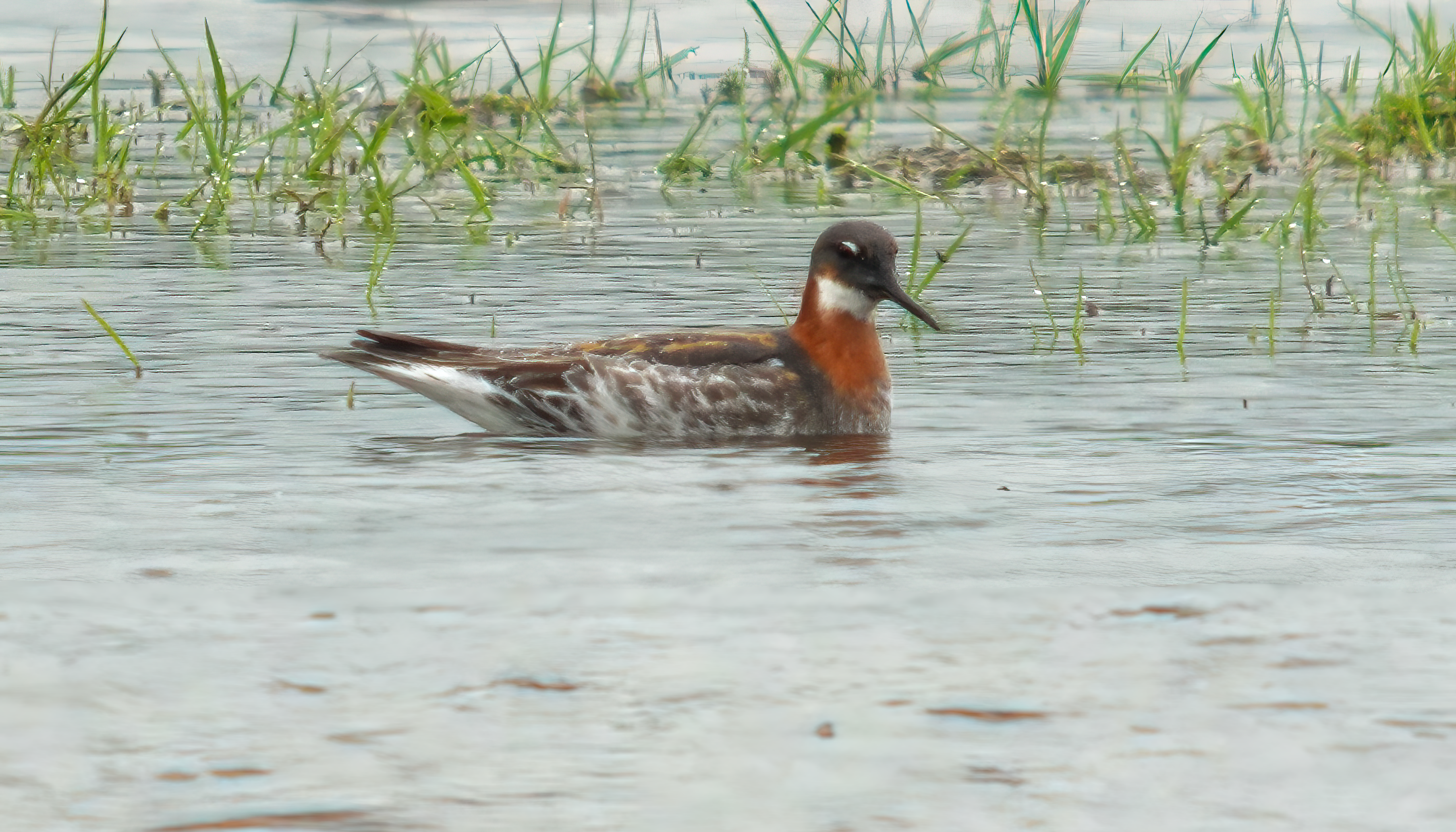
Few would argue that topping the bill this week, though, was a smart female Red-necked Phalarope at Lilbourne Meadows NR on 22nd. Found mid-afternoon, it remained late into the evening but was not present the following day. This is only the 21st record for Northants, the last being three years ago, at Summer Leys on 31st May 2021. Consequently, it drew a small crowd.

Lilbourne Meadows was also the only site to attract Greenshank this week, with singles there on 20th and 23rd.
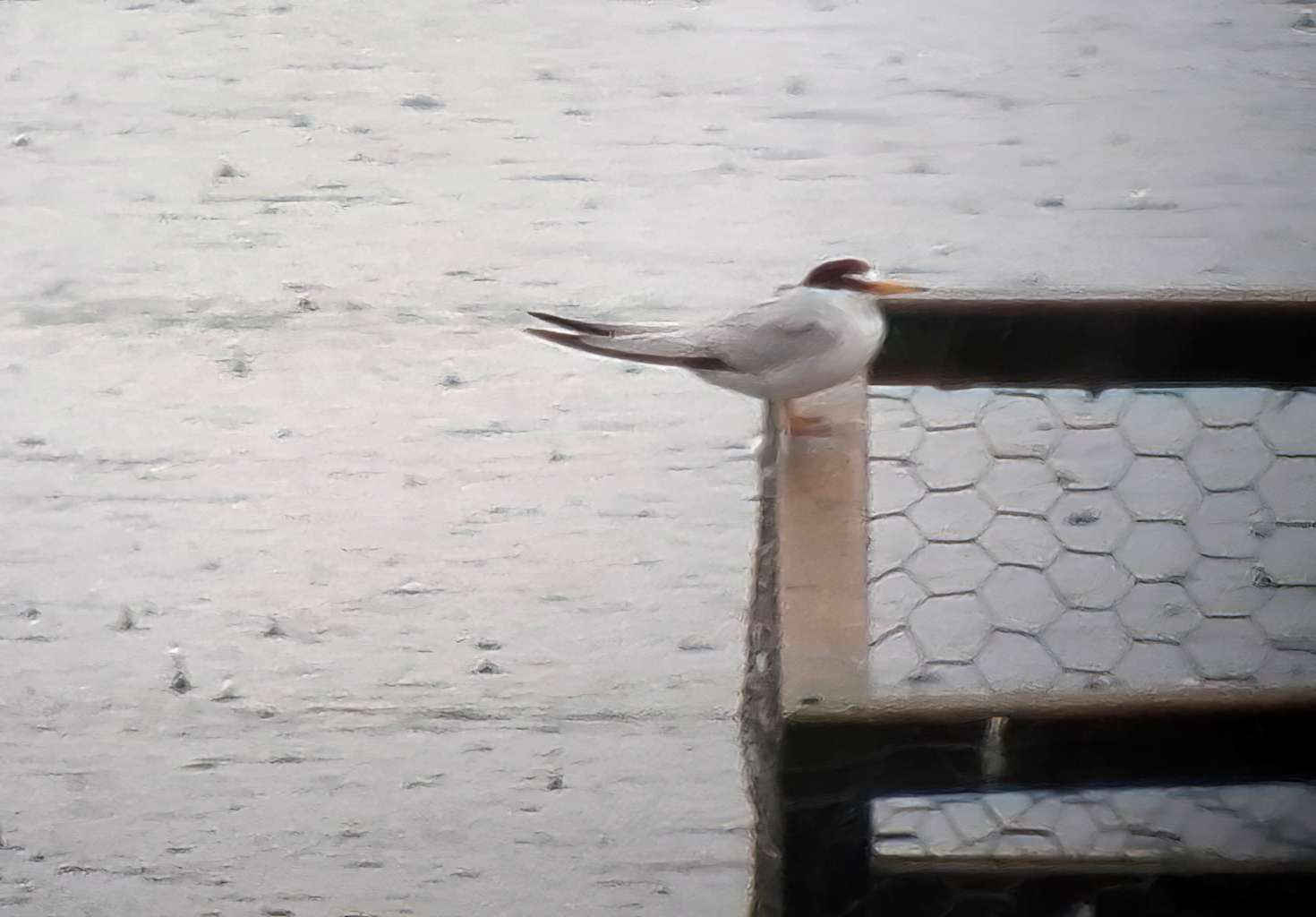
During the inclement weather on 22nd, and in contrast to previous weeks, it was the west of the county’s turn to dish up a Little Tern, this time at Daventry CP, which also pulled in four Arctic Terns at the same time, while a solitary Black Tern put in a brief appearance at Summer Leys on the same day.
Bitterns continued to be seen and, or, heard at two localities this week and single Cattle Egrets overflew Summer Leys at three-day intervals on 18th, 21st and 24th.
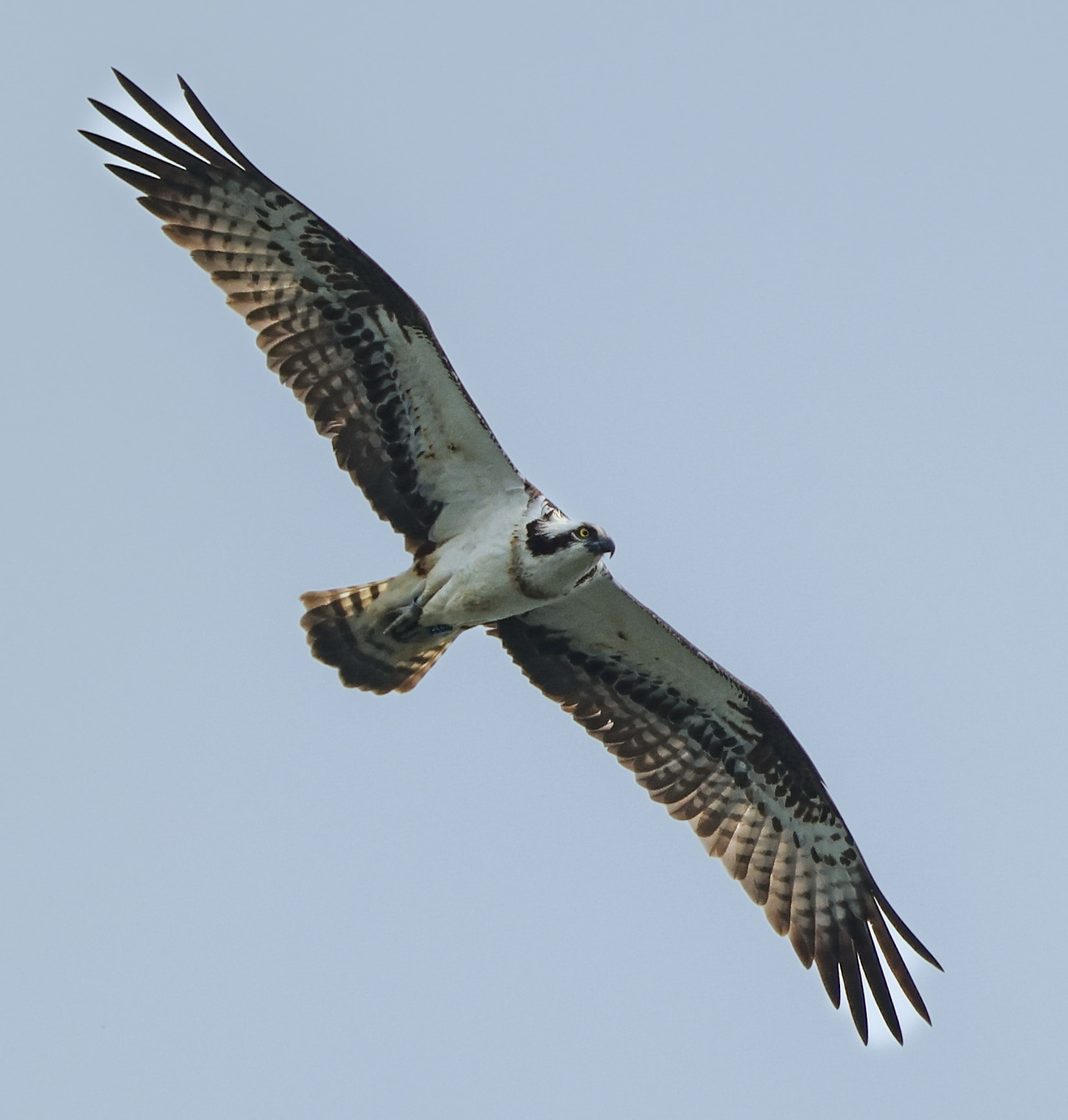
The first of these three dates saw a male Osprey again visiting Summer Leys, while others were duly noted at Hollowell Res on 18th, Biggin Lake (Oundle) on 19th, Cransley Res on 20th and Welford Res on 24th.
The only other scarce raptor making it into the period was a male Marsh Harrier seen heading east over Earls Barton GP on 19th.
And as for scarce passerines, well they were exactly that, propped up by just the female Whinchat left over from the week before, at Clifford Hill GP on 18th.

Discover more from Northants birds
Subscribe to get the latest posts sent to your email.

 Northants birds