Newsround – 24th to 30th August 2024

A wet start on for the first twenty-four hours, with heavy, persistent rain setting the scene for the birds appearing on the day. Waders it was, then, with certain Nene Valley hotspots offering appealing stopovers for rain-driven birds. Given the rolling plethora of gravel pits, lakes and marshes, how many more did we actually miss?

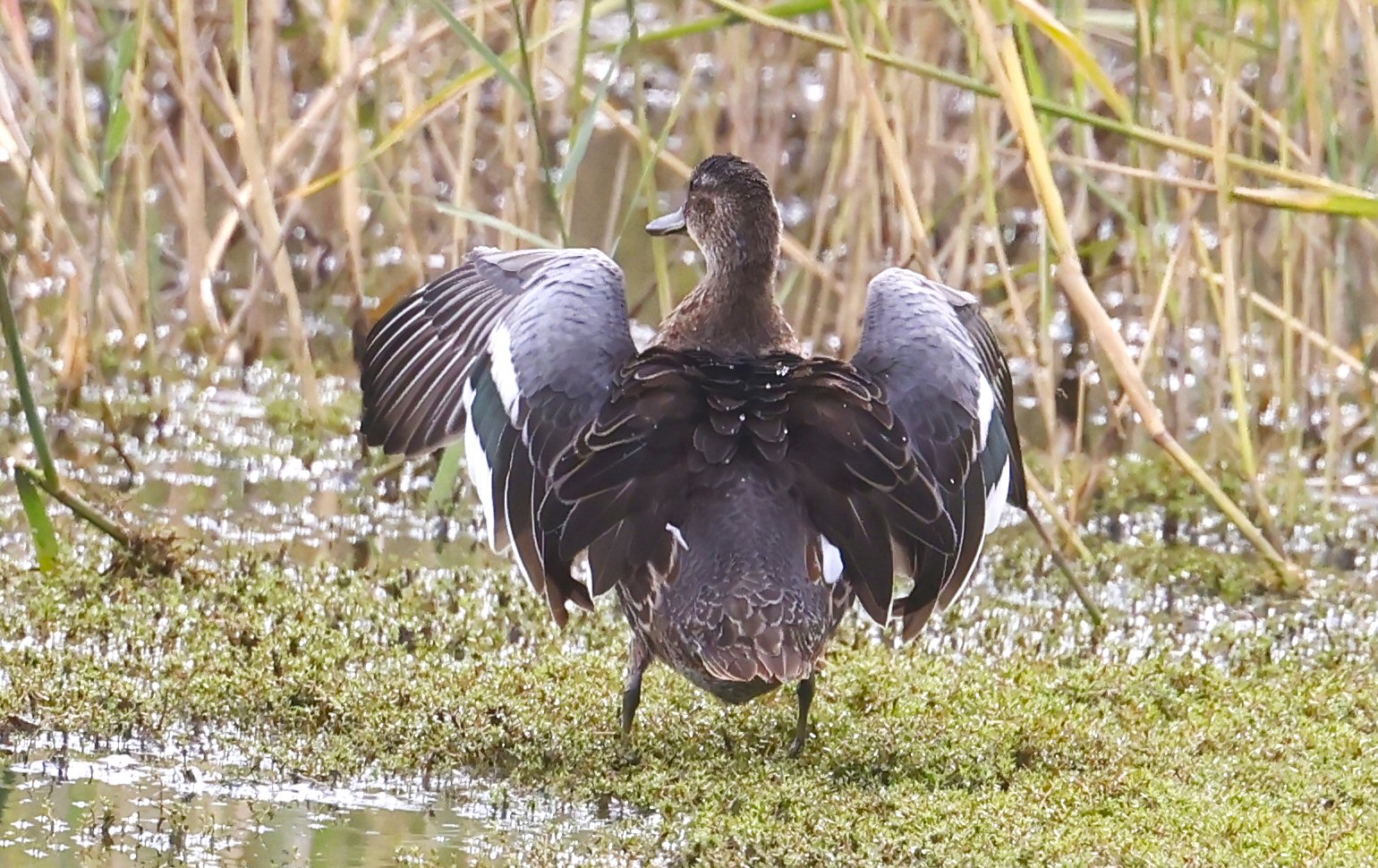
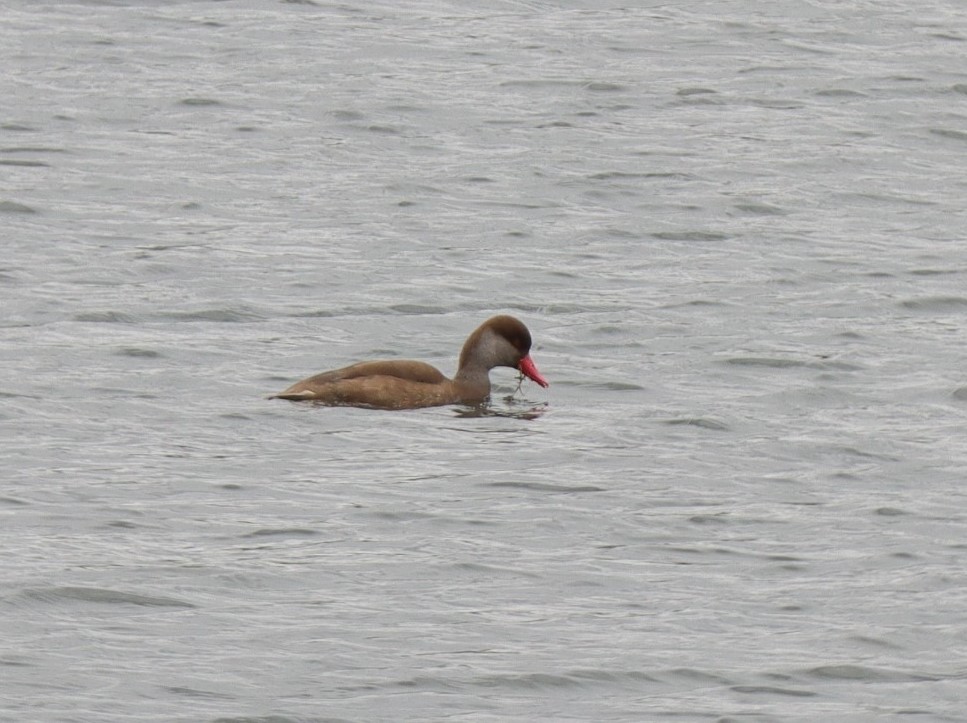
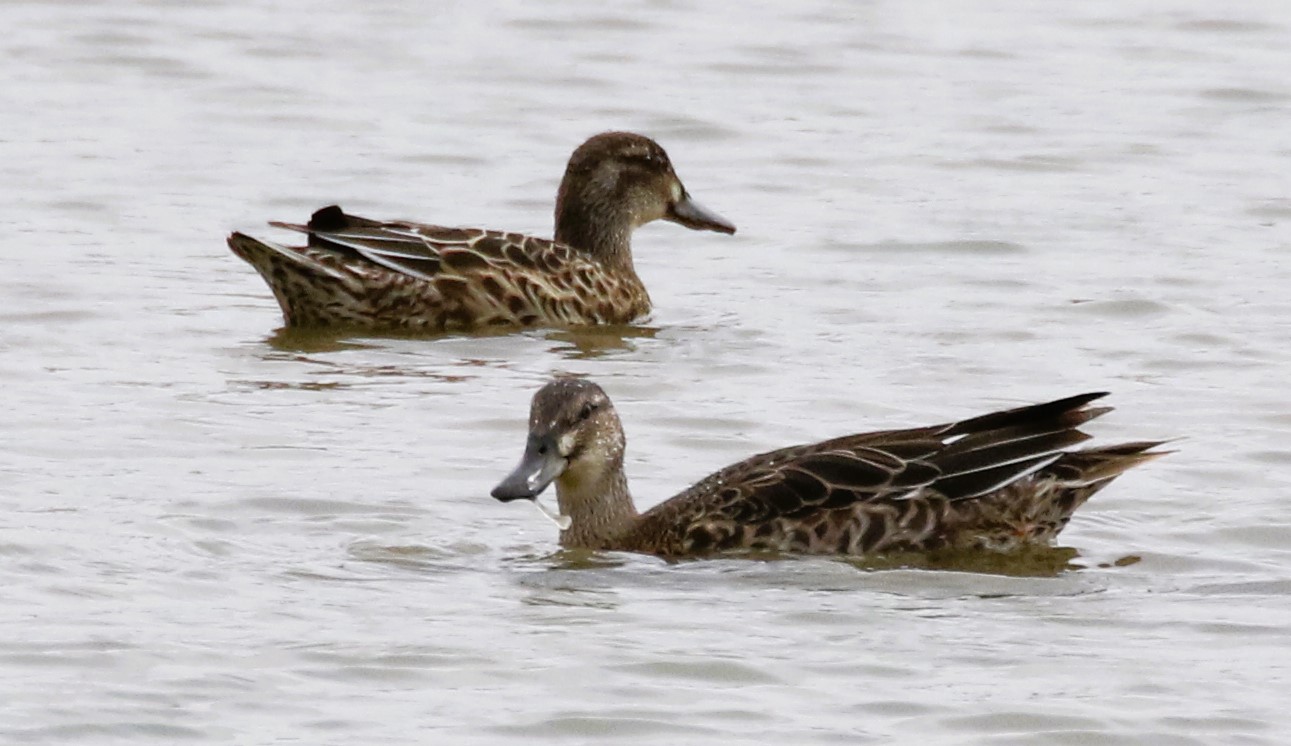
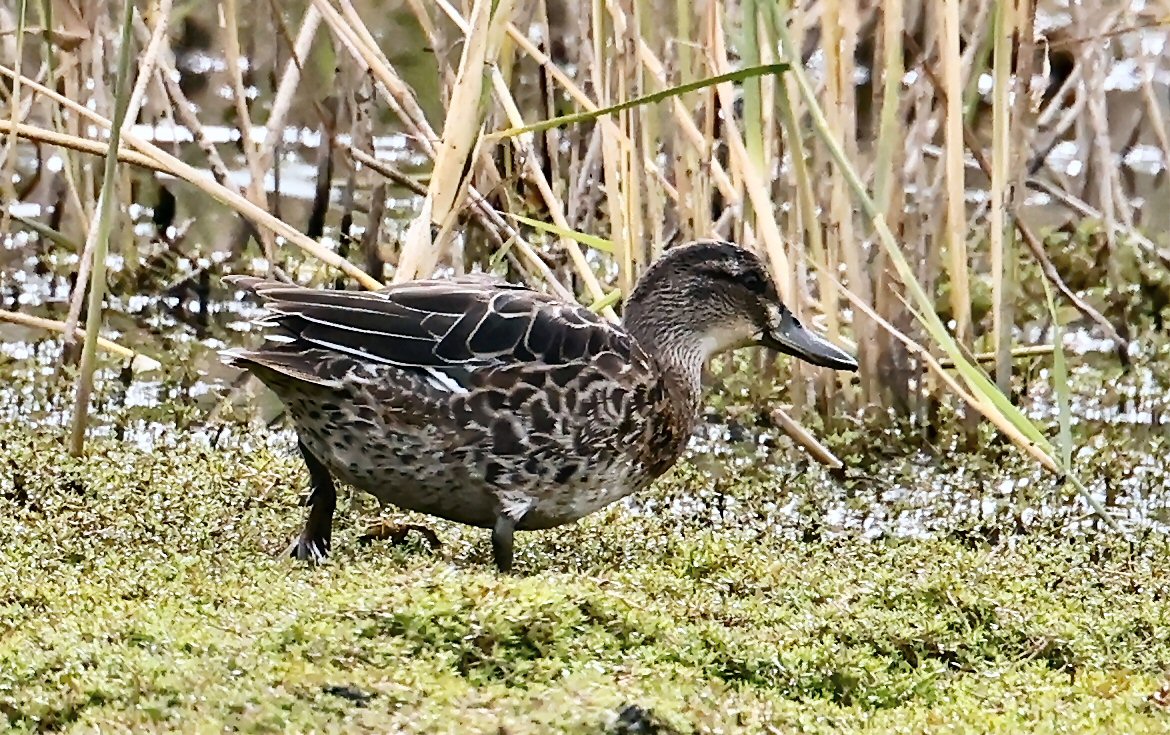
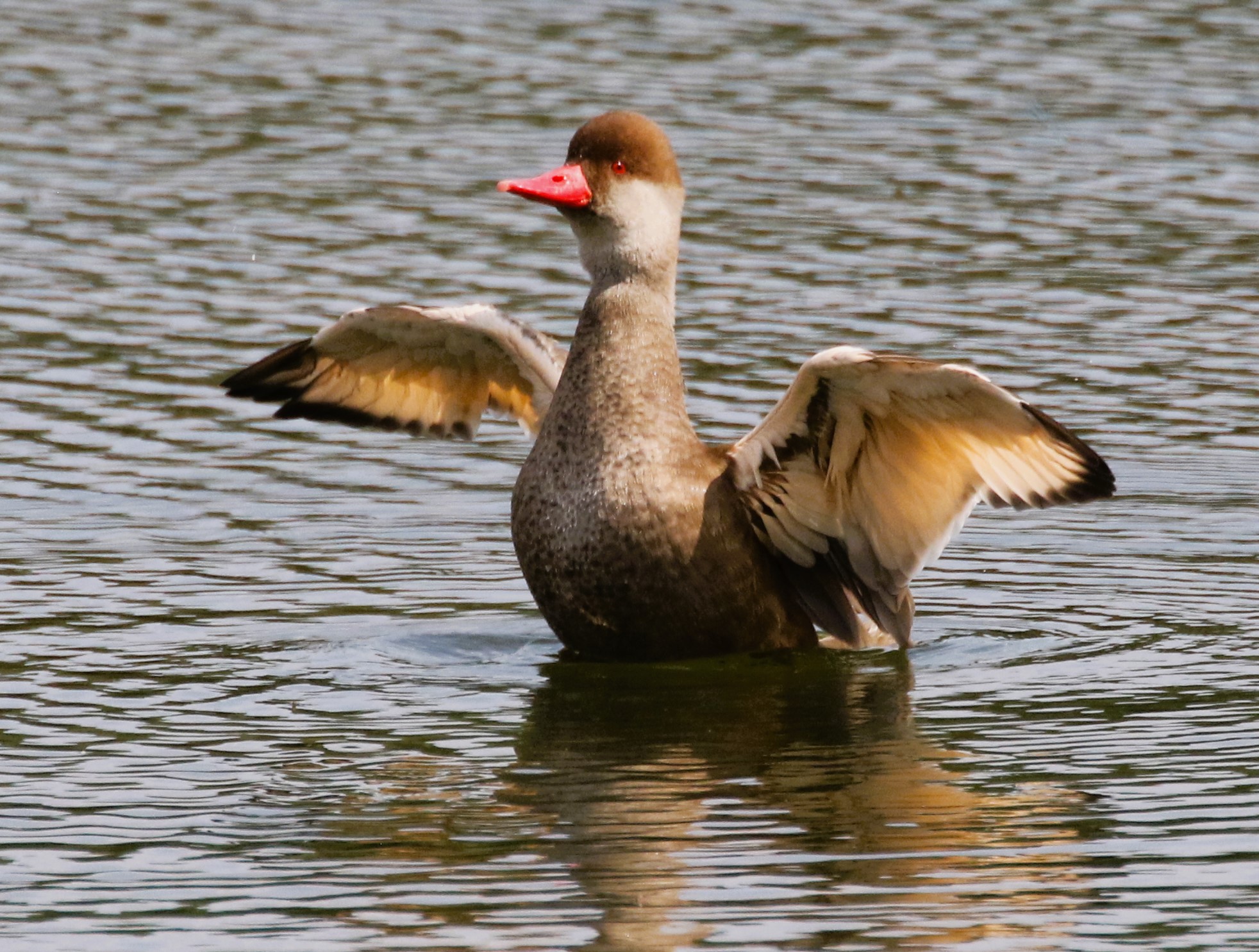
Ever faithful, ever sure, the female Ruddy Shelduck endured another week at Stanford Res, at times favouring the dam, although it was considerably mobile around the site. The remainder of the week’s ducks were limited to last week’s three Garganeys extending their stay at Summer Leys LNR until at least 28th – sometimes highly visible, sometimes disappearing completely – while there was just a one-day sighting of a single Red-crested Pochard at Pitsford Res, on 25th.
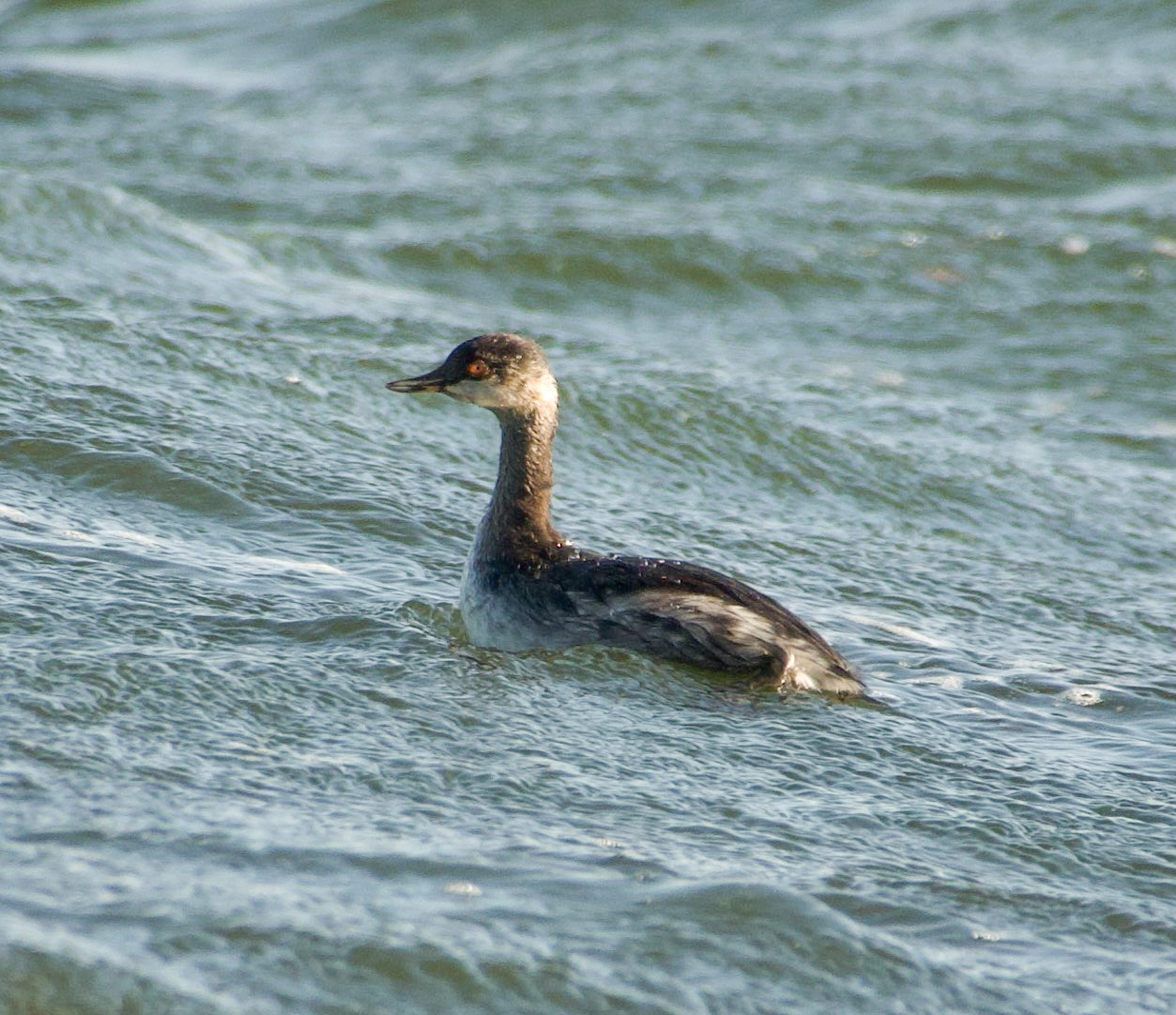
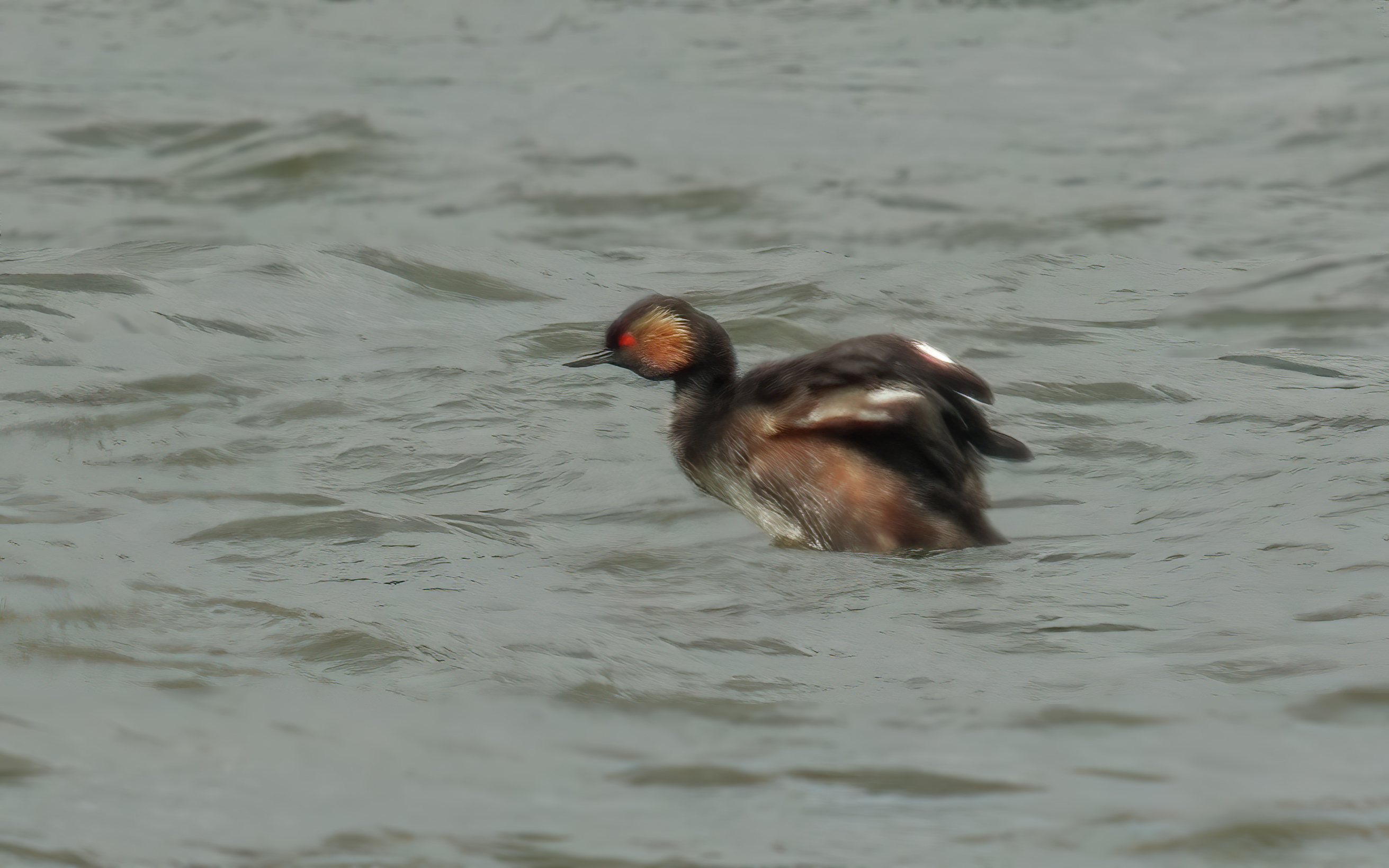
Also maintaining a low profile, last week’s Black-necked Grebe was still being seen, on and off, at Clifford Hill GP until the end of the period, while the Stanford juvenile made it into this week, still being present on 25th.

Although arguably it was raining waders on 24th, there was, of course, more rain than birds. Summer Leys saw four Turnstones drop in – not quite matching the six there on 3rd May – and further down the valley, Stanwick GP produced two. In the opposite direction, Clifford Hill offered up a Sanderling as an alternative – a far scarcer bird in autumn than in spring.

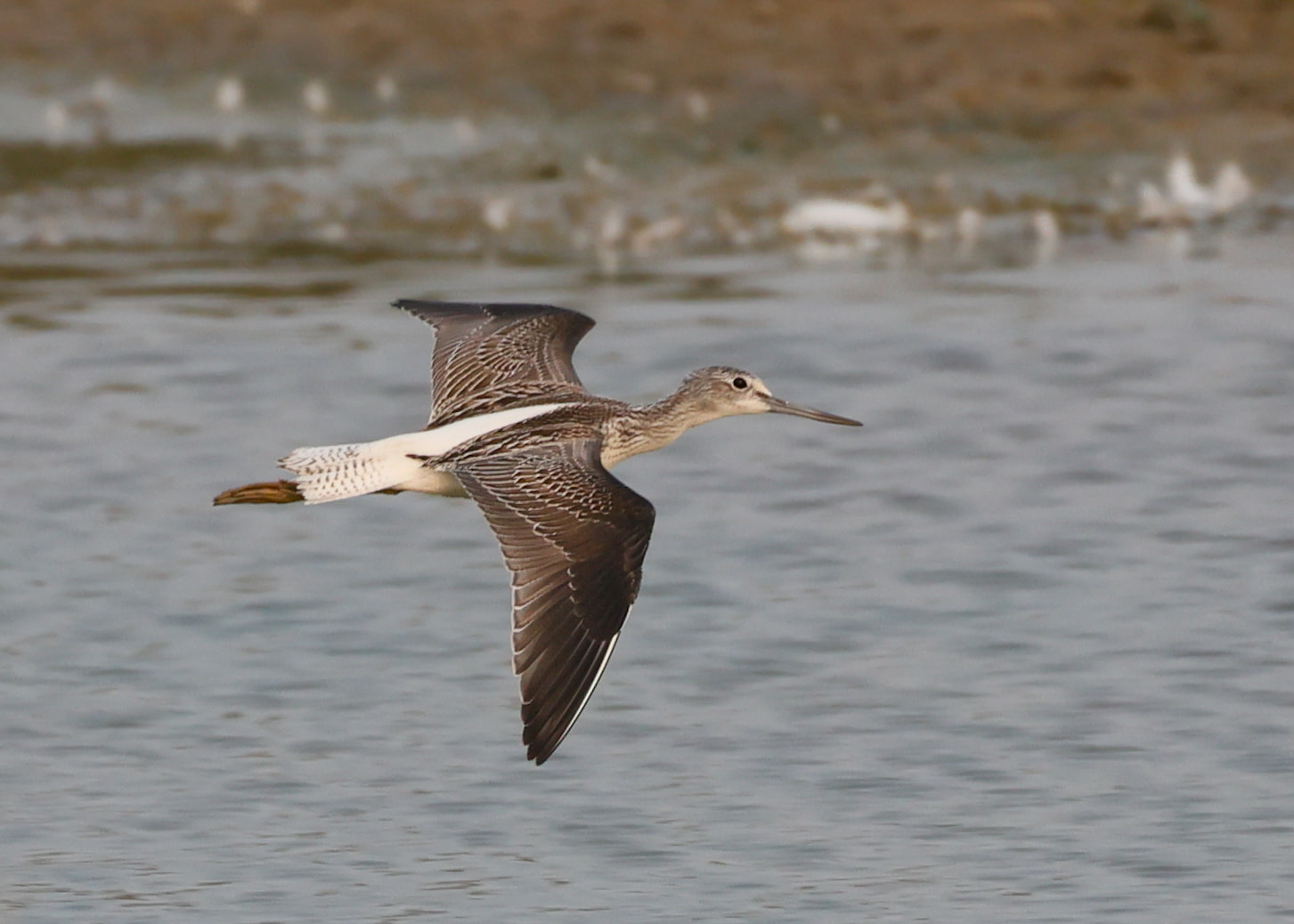
As the week moved on, a juvenile Ruff remained at Summer Leys from 26th to 30th, the same site hosting a Wood Sandpiper between 25th and 27th and up to three Greenshanks from 24th to 28th.

The second Mediterranean Gull of the autumn, another juvenile, appeared at Daventry CP on 29th, while Hollowell Res pulled in a juvenile Caspian Gull on 27th. Lower down on the scarcity scale, Yellow-legged Gulls were found at four localities, with Pitsford delivering the week’s highest site total of six on 24th, followed by one there on 29th and two at Hollowell on the same date. Elsewhere, singles were at Thrapston GP on 27th and at Boddington Res on 30th.

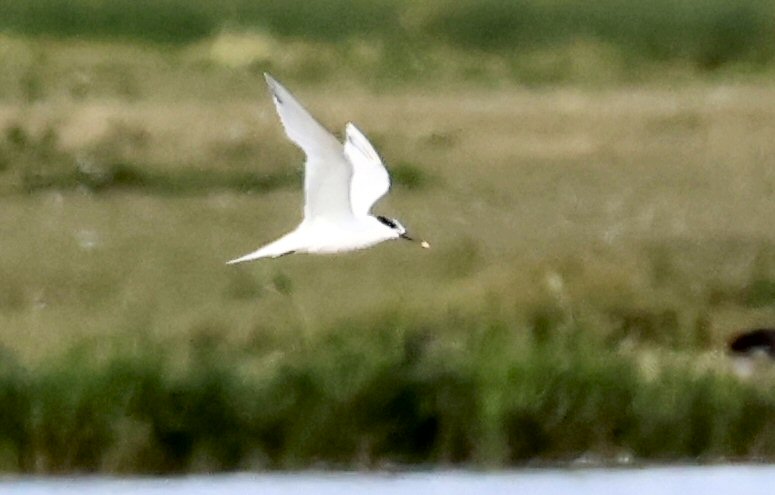
The arrival of three Sandwich Terns at Clifford Hill on the last day of the week was an indulgence for local yearlisters, having not been given even a sniff of a chance to catch up with the previous four singles that flew over Hollowell, Stanford and  Summer Leys earlier in the year. These three appeared in no hurry to leave, spending a good few hours on site. Like Sanderlings, Sandwich Terns are rather more scarce in autumn.

For three consecutive days – 25th, 26th and 27th – a Bittern was seen on the Scrape at Summer Leys, where seven Cattle Egrets also appeared on the first of these dates. Although a good number for Summer Leys, it was topped by a hefty twelve at Stanwick on 27th, where there were ten again on 30th. Thrapston also produced ten as the week opened on 24th. Up to four were at Ditchford GP’s Irthlingborough Lakes & Meadows LNR on 29th-30th and one visited Clifford Hill, briefly, on 30th.

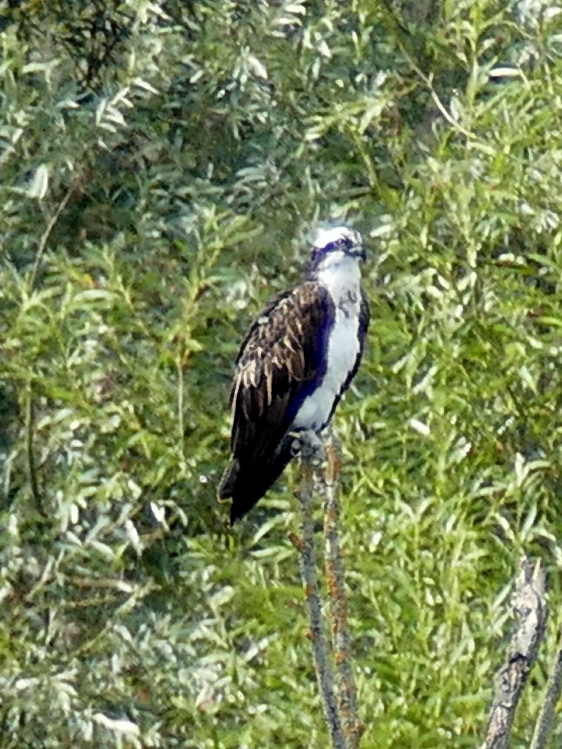
On the raptor front, Ospreys were limited to singles at Pitsford on 24th-25th, 28th and 30th, Thrapston on 24th and 29th, Hollowell on 27th, Earls Barton GP on 28th and at Stanford the following day.

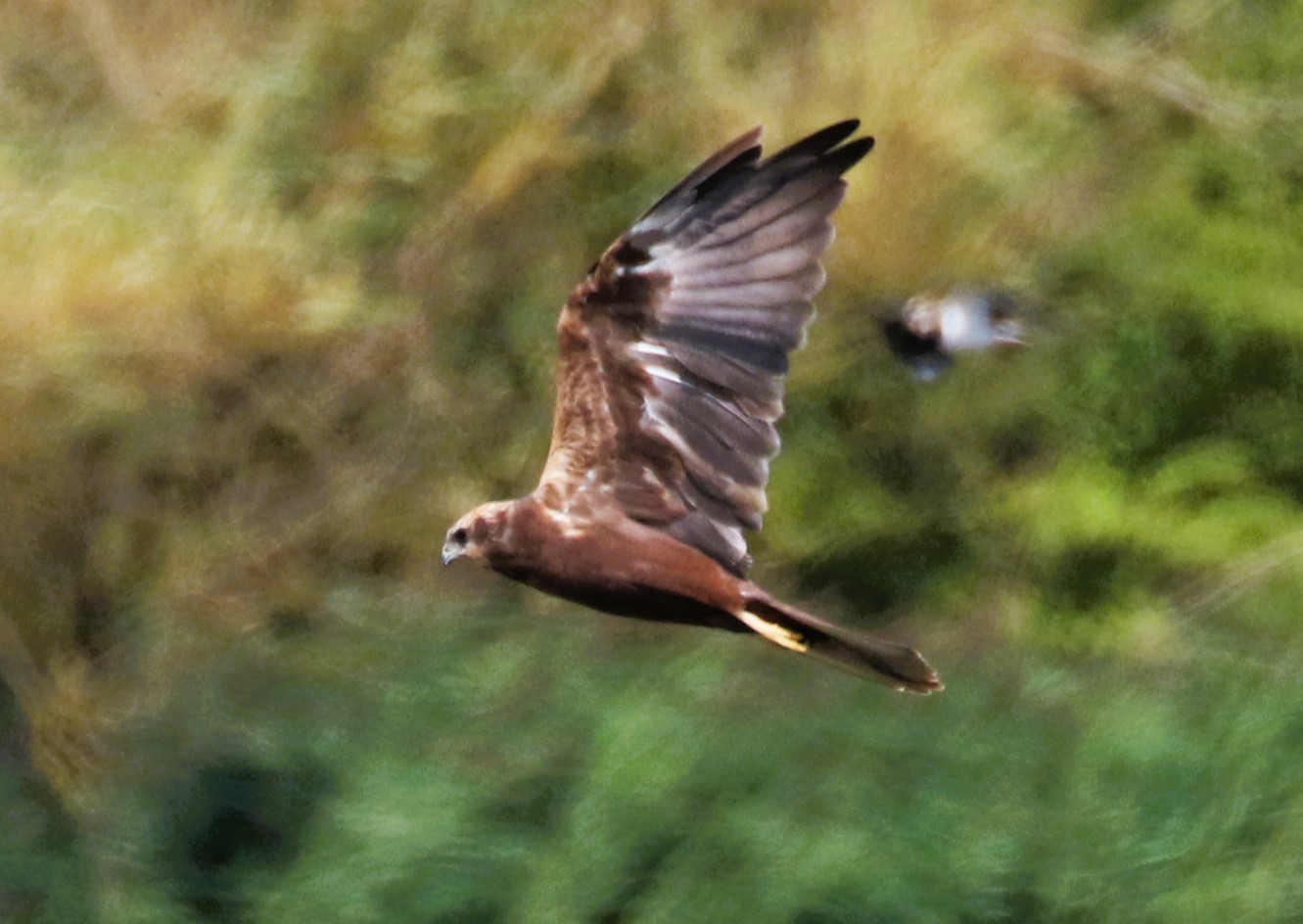
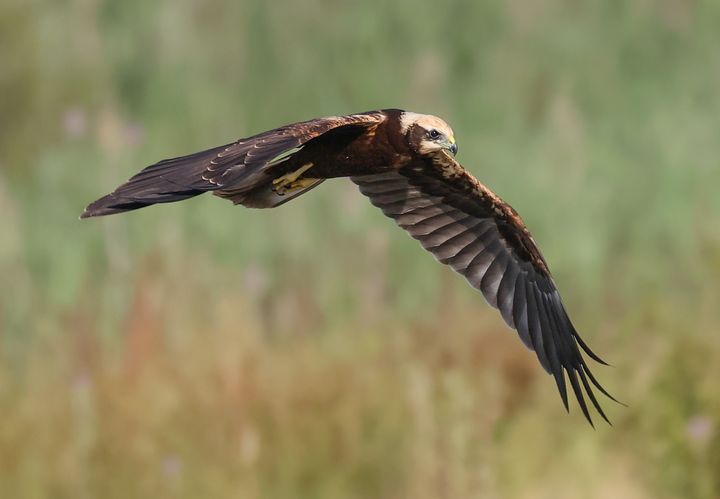
Summer Leys proved to be the most reliable site to catch up with Marsh Harrier, with multiple fly-by visits and occasional landings on the Scrape there on five days out of seven. One visited Harrington AF on 24th, 26th and 30th, Thrapston GP’s Titchmarsh LNR dished up two on 25th and singles were found at Borough Hill on 26th, in the Brampton Valley on 29th and at Hollowell on 30th.

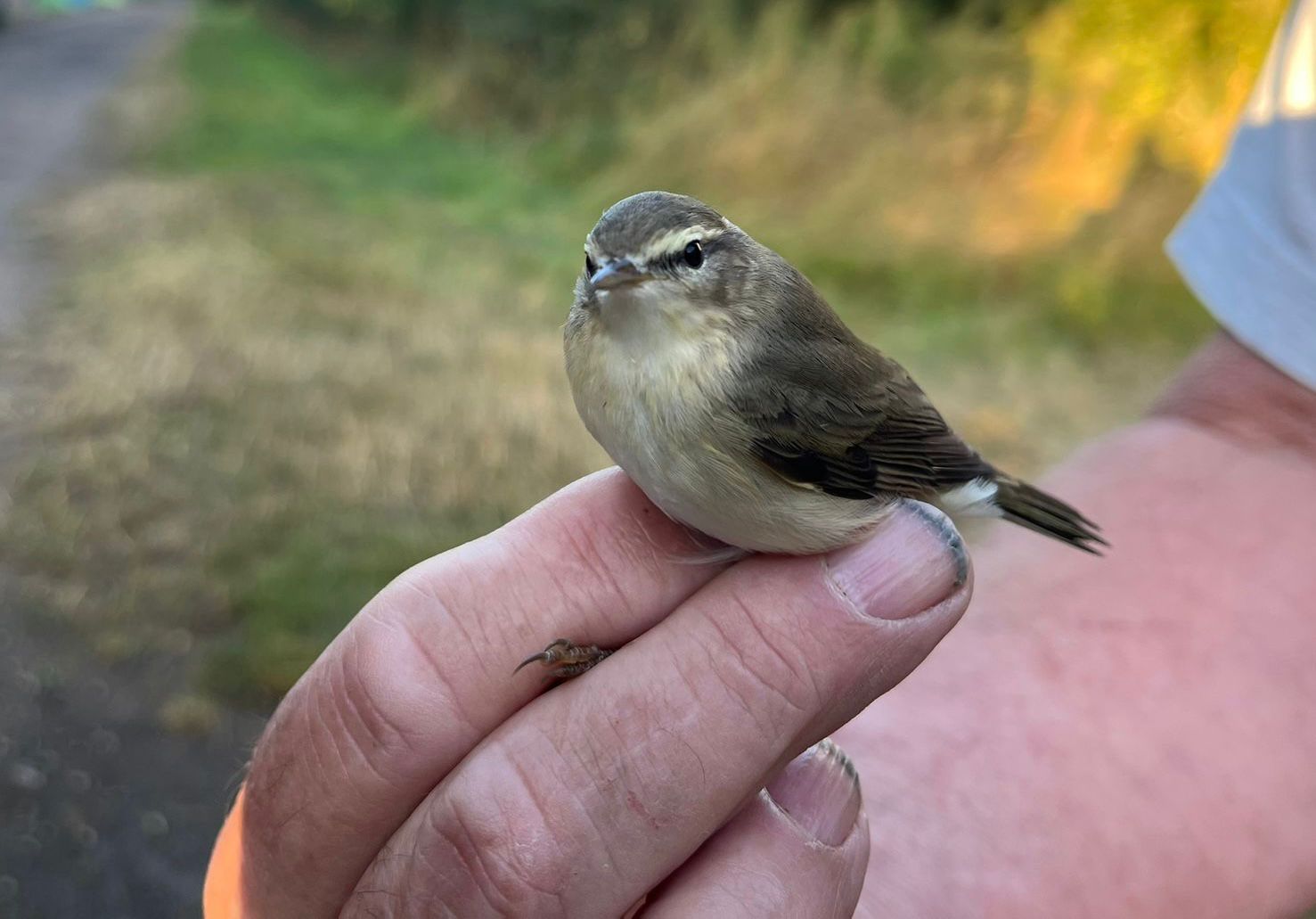
For the second week running, a Willow Warbler showing characteristics of the northern race acredula was trapped and ringed at Stanford on 27th.

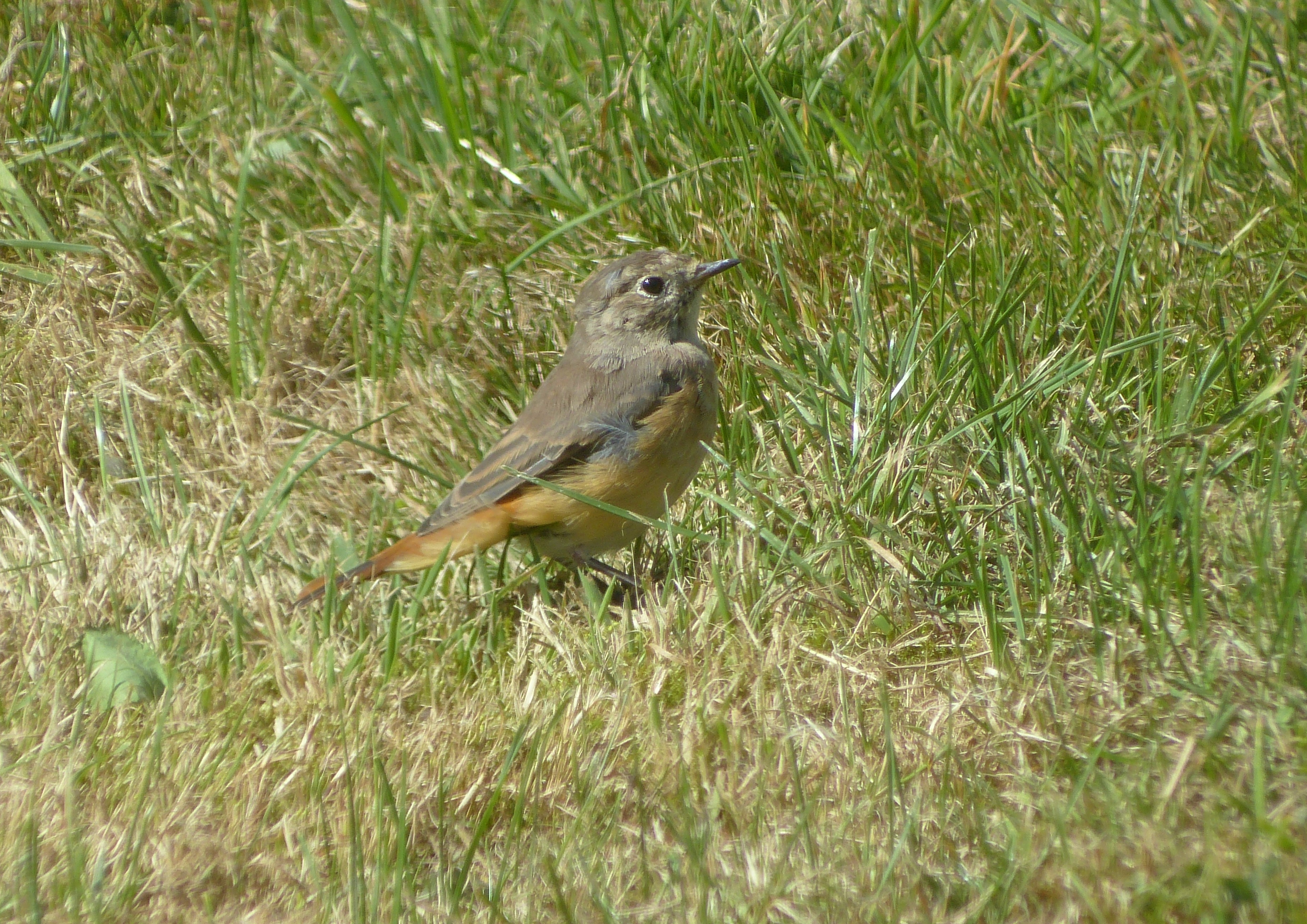
And there was no real let up in the numbers of Common Redstarts moving through the county during the period. Again there were daily sightings of one or two birds across a collective ten localities, including Blueberry Farm, Boddington Res, Brampton Valley, Clifford Hill, Daventry, Harrington, Hartwell, Lamport, Pitsford and Woodford Halse NR.

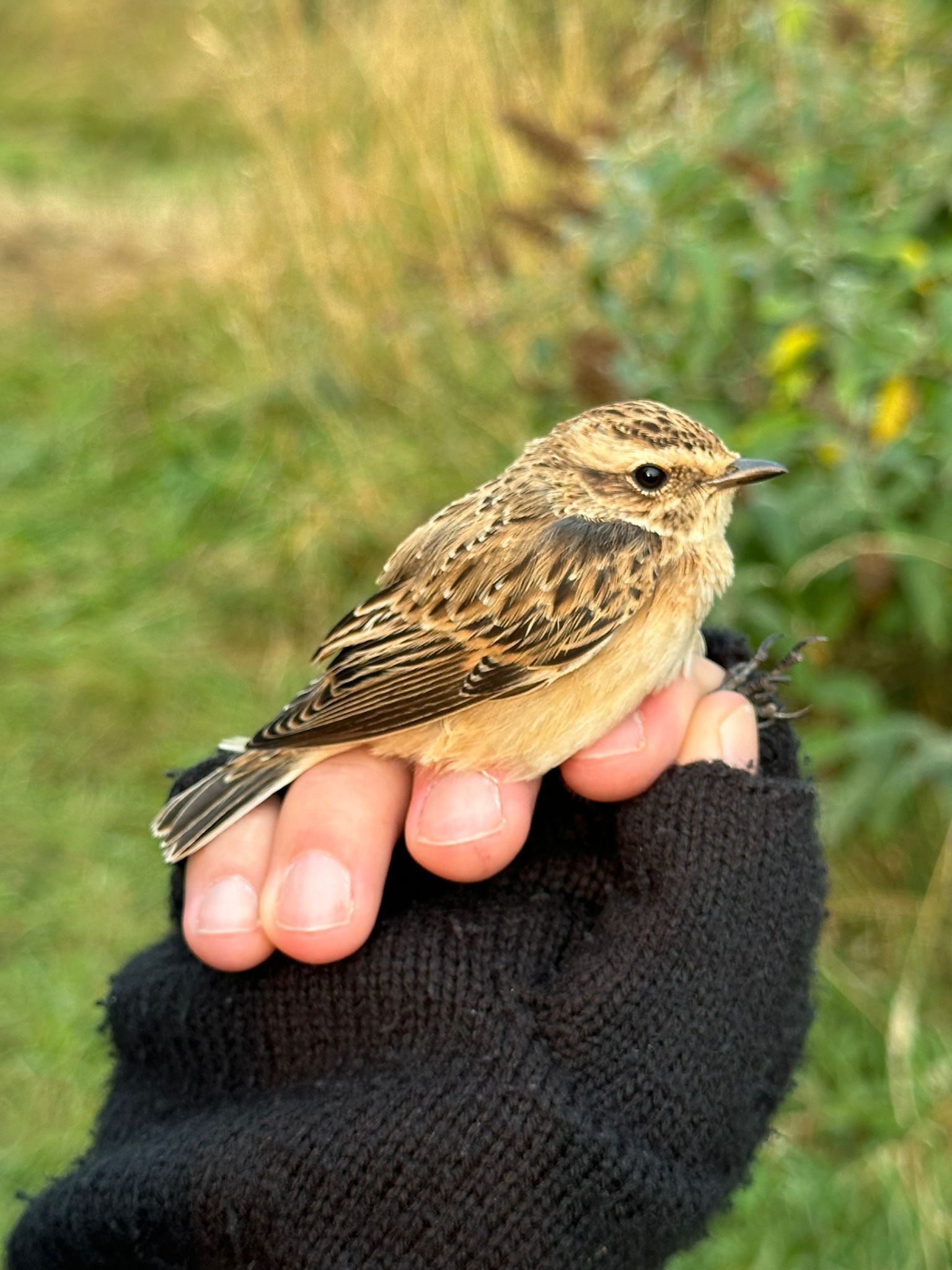
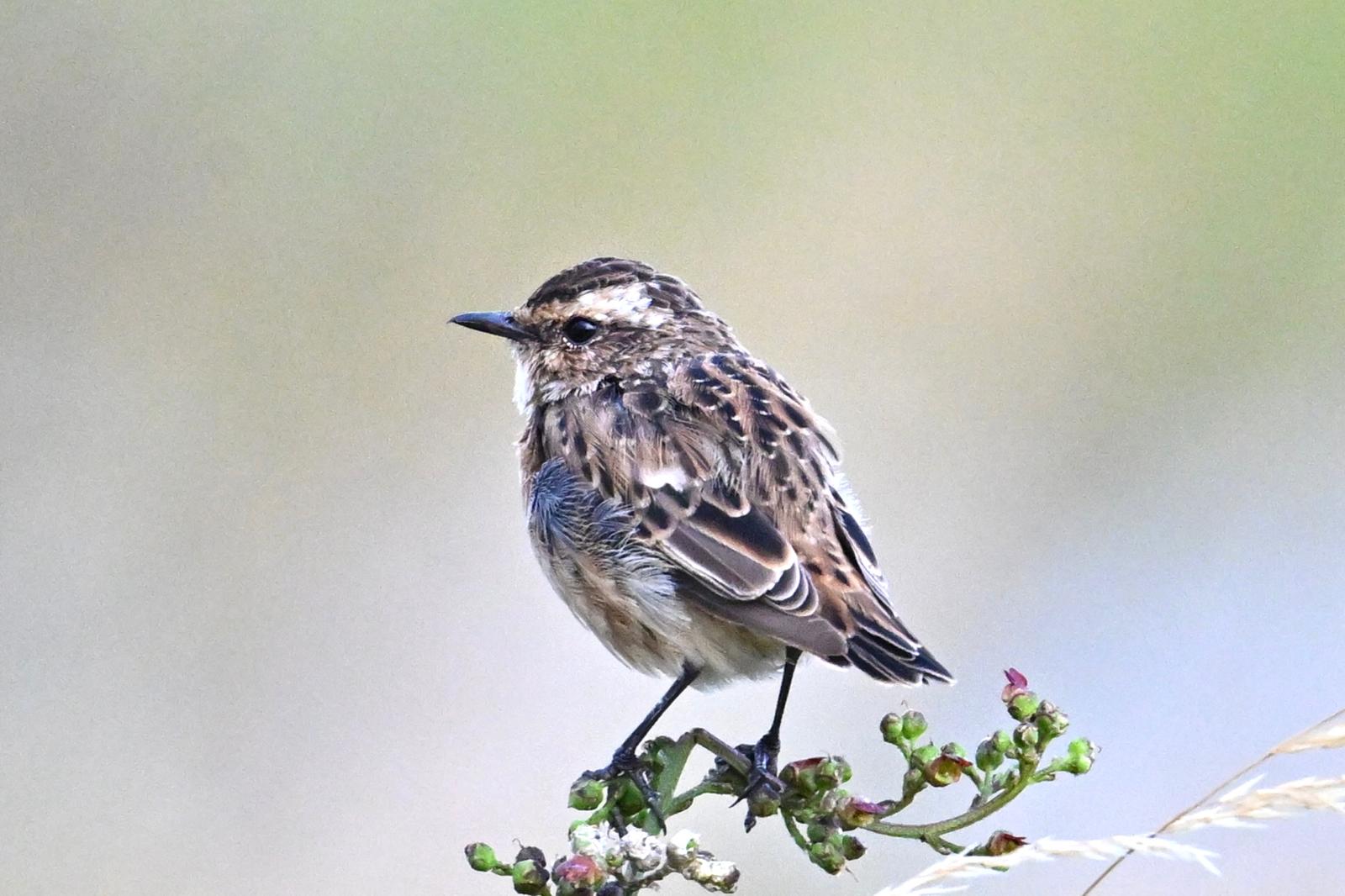
Five sites again produced Whinchats, Brampton Valley accounting for the week’s highest count of four on 24th-25th. Elsewhere, Harrington produced three, two were seen at both Hollowell and Stanford and one was at Pitsford. Northern Wheatears again remained scarce with singles at Harrington on 24th and in the Brampton Valley on 24th, 27th and 29th.

Tree Pipits continued to move through in small numbers. Singles were at Hollowell and Blueberry Farm on 24th and 25th, respectively, and two were at Scotland Wood, Kelmarsh on 26th.

While two Crossbills flew over Harrington on 24th, not far away to the west a first for the year in the county emerged in the shape of a Corn Bunting on 28th. While we have lost all our breeding and wintering birds and we struggle to find any locally, they still persist in counties no further away than Bedfordshire and Cambridgeshire.
Newsround – 17th to 23rd August 2024

Within an overall westerly airstream, remnants of Hurricane Ernesto gave the wind some oomph mid-week, quickly followed by Storm Lilian, with its hefty blow and bluster at the end of the period. Such conditions may have raised hopes for the early appearance of a seabird in the county but, unfortunately, it was not to be. While a certain American wader lingered, the top slot for new arrivals this week was occupied by two of the rarer grebes.

And as for ducks … well, no change there. The female Ruddy Shelduck saw another week out at Stanford Res and Summer Leys LNR laid claim to the week’s Garganeys, producing three on 19th. At Pitsford Res, the number of Red-crested Pochards increased from one last week to four on 17th, dropping to two on 20th.

Historically, late August is a prime time for the appearance of Black-necked Grebes in the county and, right on cue, came two – a worn adult at Clifford Hill GP on 21st-22nd, quickly followed by a fresh juvenile at Stanford on 23rd. In a year with, unusually, no spring records, these were much appreciated by local birders.

The period’s prime waders were limited to four species. Single fly-over Whimbrels were clocked at both Daventry CP and Ditchford GP on 19th. Spending more of its time on the more easily visible eastern side of the dwindling flood pools at Lilbourne Meadows NR, last week’s Lesser Yellowlegs lingered until 20th, after which there were no further reports. Otherwise, it was left to Wood Sandpipers to fill the void, with singles at Summer Leys from 18th to 23rd, at Clifford Hill from 19th to 23rd and at Stanwick GP on 20th. Surprisingly scarcer than the latter, Greenshanks were limited to up to two at Summer Leys between 17th and 23rd and one at Ditchford on 20th.

Once again, Yellow-legged Gull was the only species of its kind to be found during the period. Up to five were present at Pitsford between 17th and 22nd, an adult visited Stanford Res on 19th, while a juvenile was found at Clifford Hill GP on 22nd.

Following last week’s sightings at Hollowell and Stanford, a single juvenile Black Tern appeared also at Clifford Hill on 22nd.

The period’s Ospreys were this time confined to Pitsford and Stanford, with daily sightings at the former peaking at three, north of the causeway, on 19th. Stanford produced singles on 17th and 19th and two on 20th. By contrast, seven localities delivered Marsh Harriers – all singles. These were at Harrington AF and Hollowell on 17th, Summer Leys on 17th, 22nd and 23rd, Pitsford and Thrapston on 20th and in the Brampton Valley on 23rd. A strikingly leucistic juvenile, one of two from a nest at RSPB Otmoor in Oxfordshire, and with an online travelogue to its name, turned up at Lilbourne Meadows on 18th. Since fledging, this individual has been seen near Coventry, Warwickshire and at Willow Tree Fen, midway between Bourne and Spalding in Lincolnshire.

Heading the cast of the scarcer passerines was a Willow Warbler showing characteristics of the northern race acredula, trapped and ringed at Stanford on 21st.  

Once again, Common Redstarts remained prominent with daily sightings of one or two birds across a collective nine localities, including Blueberry Farm, Brampton Valley, Ditchford, Foxholes Fisheries (Crick), Harrington, Honey Hill, Lamport, Lilbourne Meadows and Stanford, one being trapped and ringed at the latter site on 17th.

Five sites produced Whinchats with Brampton Valley again holding the week’s maximum of four on 19th. Ones and twos were also seen at Harrington, Hollowell, Pitsford and Stanford, with one trapped and ringed by the Stanford Ringing Group on 19th.

Still thin on the ground, though, single Northern Wheatears were seen at Harrington on 17th, 19th and 23rd and at Blueberry Farm on 19th.

Following the autumn’s first last week, two Tree Pipits were trapped and ringed at Stanford on 17th, two singles flew south-west over Brackley during the morning of the latter date and one was at Harrington AF on 19th.

Newsround – 10th to 16th August 2024

The heat is on … and in more ways than one. Not only did we experience the  UK’s hottest day of the year so far – a sizzling 34.8°C in Cambridge and 32°C in Northampton on 12th, but the quality of the birds rapidly moved up a couple of gears from day one. Yes, Lilbourne Meadows once again aptly demonstrated its pulling power for top-drawer waders from all points of the compass. Americano, anyone?

Not too far away from the now fabled meadows, the female Ruddy Shelduck extended its stay at Stanford Res by another seven days, while two Garganeys – presumably last week’s birds – reappeared at Summer Leys LNR on 10th, where they remained also until 14th. Another paid a brief visit to Lilbourne on 11th. The eclipse drake Red-crested Pochard saw another week out at Pitsford Res, with the individual at Billing Aquadrome still being present on 12th.

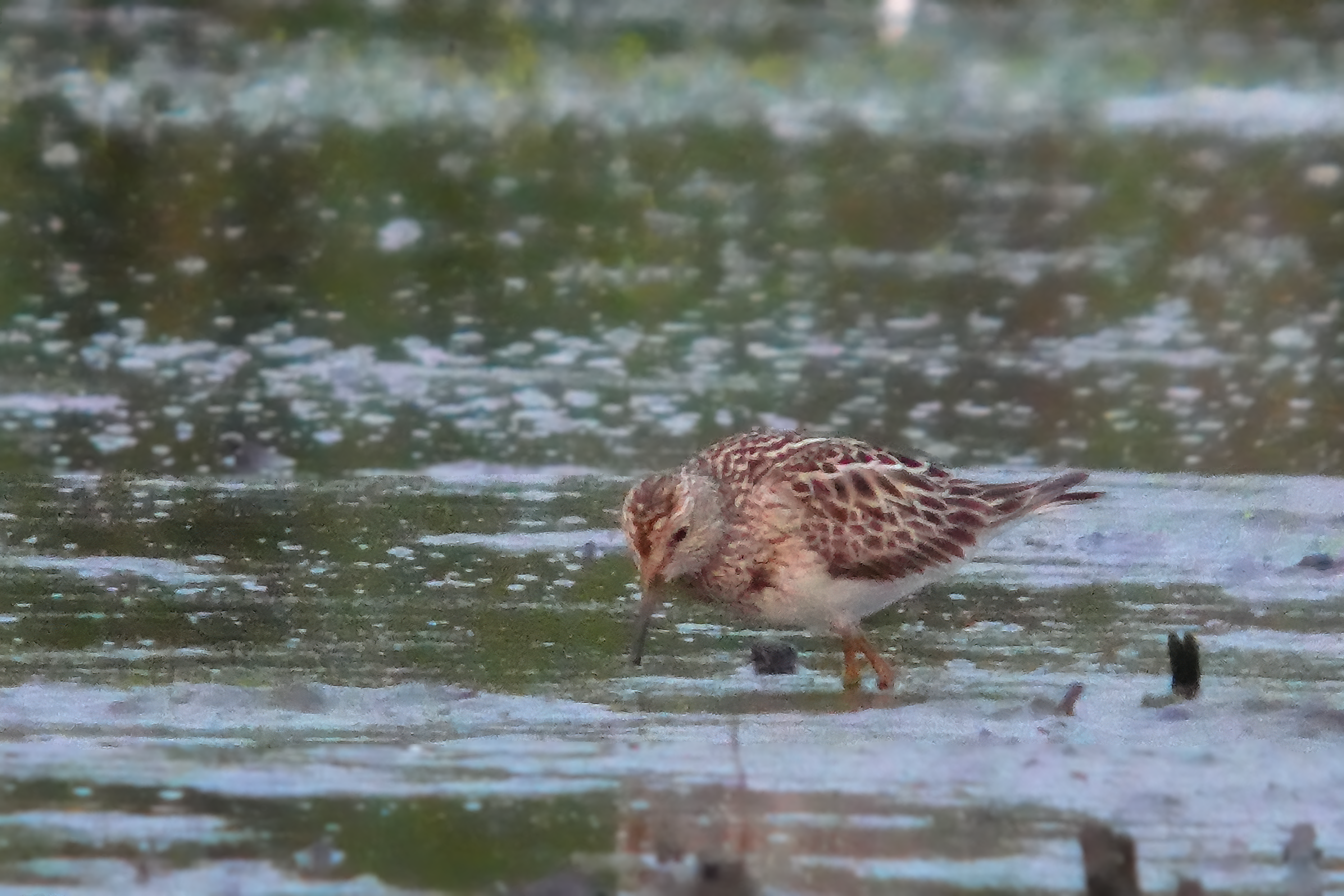
But, as far as waders are concerned and, for that matter, the period’s birds in general, it was Lilbourne Meadows NR that dealt the winning hand this week. The discovery there of an adult Pectoral Sandpiper on 10th was the second record for the site and comes hot on the heels of its first, in July 2022. It remained until 13th.

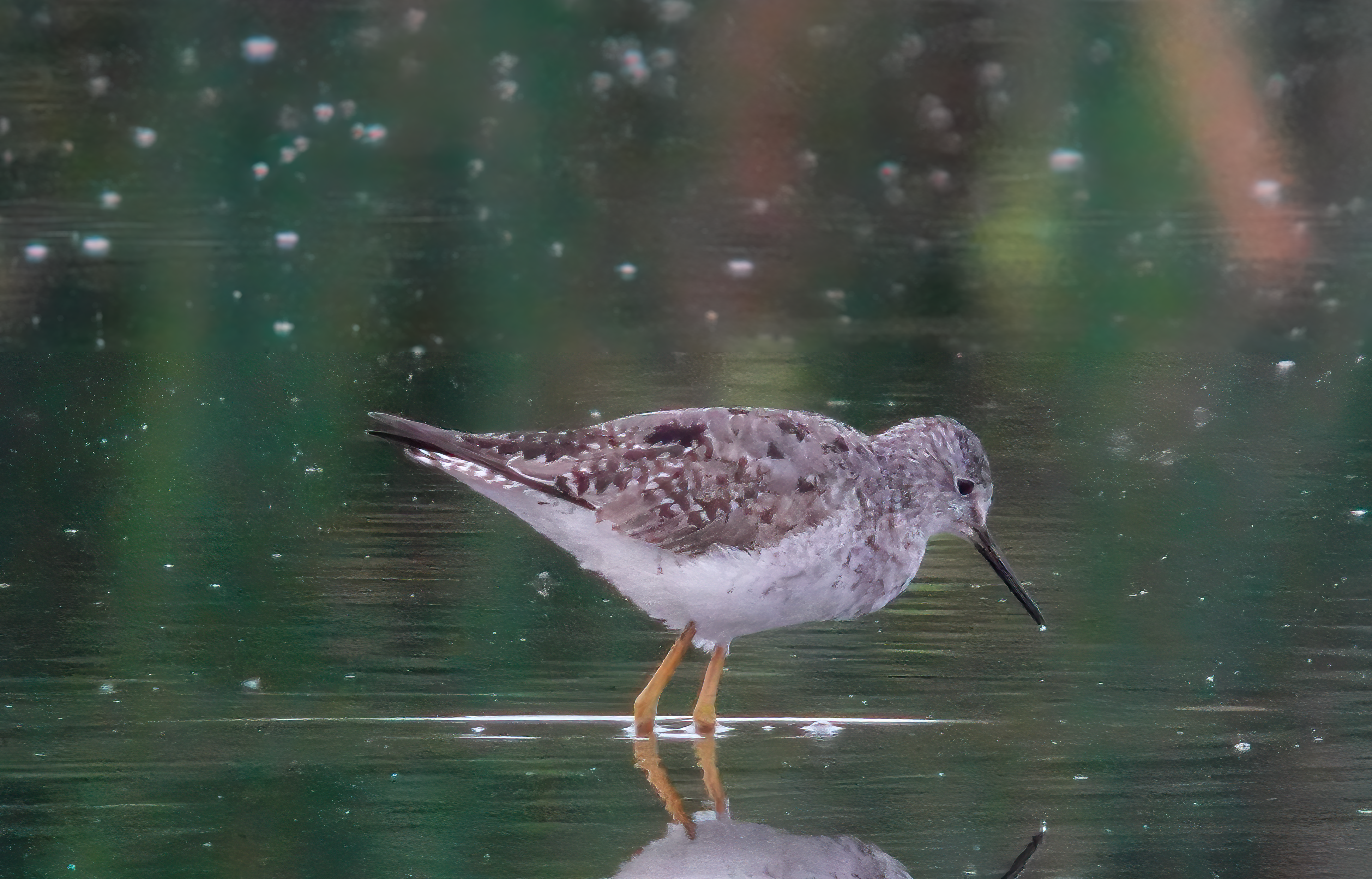
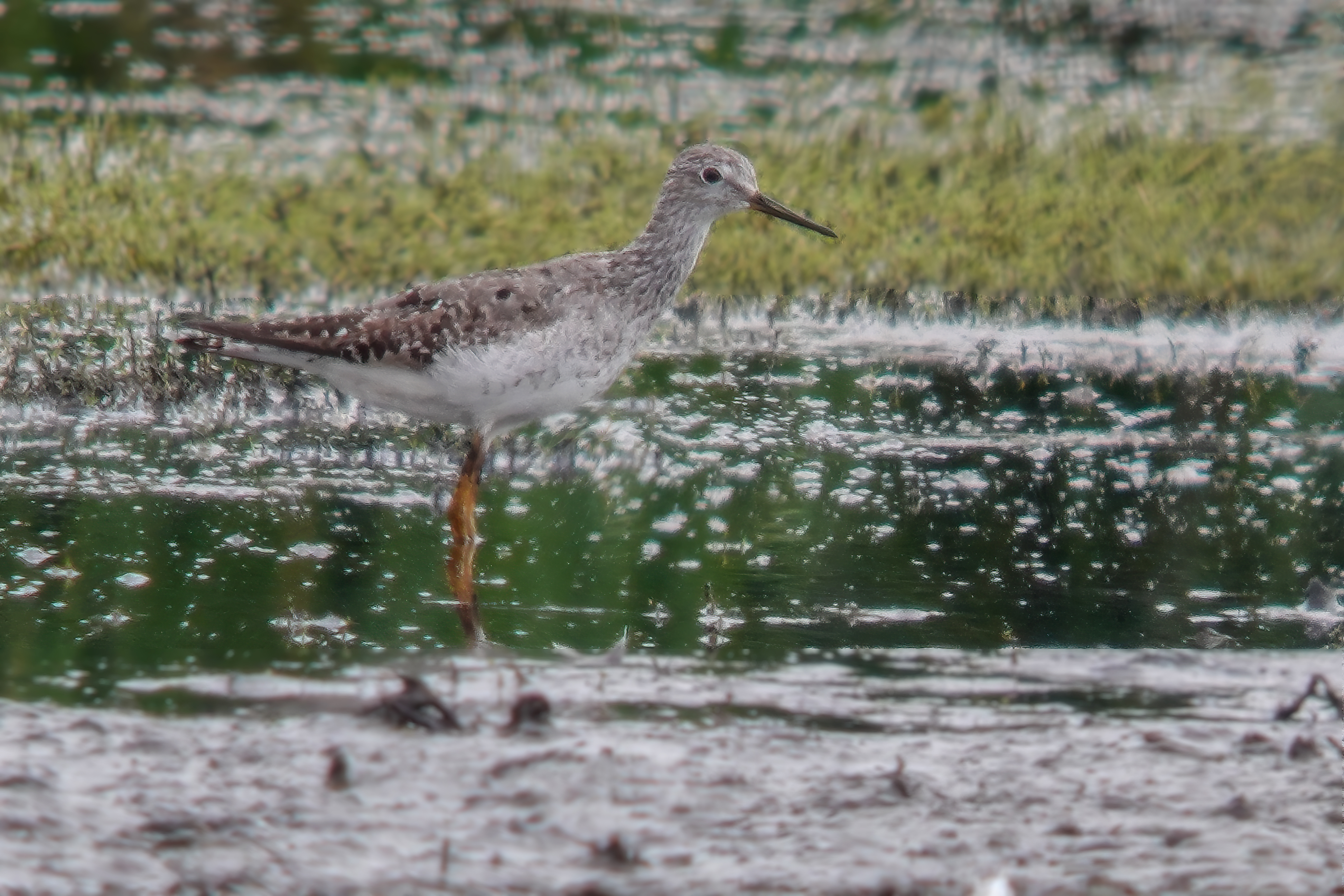
But there was more to come and, as the sun rose on the morning of the 11th, another American wader took centre stage on the very same pools at the above location. It’s been a long, 29-year wait since the last Lesser Yellowlegs graced Northamptonshire and became readily available. The latter was a 3-day bird at Stanford Res in late September 1995. This week’s individual, although still present at the end of the period, was anything but easy to see. Remaining out of view for the greater extent on the largely hidden, western section of the winter flood pools, long waits to see it became very much the norm at this reserve, which is in the final stages of completion as a mitigation scheme related to the adjacent, unfinished DIRFT 3 industrial complex.

Following the aforementioned bird at Stanford, which also produced Northamptonshire’s first, in October 1964, it’s only the fifth Lesser Yellowlegs for the county. Many of us who were birding Northants in the 1970s will have fond memories of the one that arrived at Pitsford Res on 26th September 1971 and stayed throughout the winter, relocating to Ecton SF in February 1972, where it remained until 22nd April. Little more than a year later, one at Ditchford GP, on 9th-10th May 1973, was assumed to be the same, returning individual.

What’s next for Lilbourne this autumn? Or will the pools continue to dry out, as they normally have done by now in previous years?

Other waders were available, of course, including the week’s only Black-tailed Godwit at Ditchford GP’s Irthlingborough Lakes & Meadows NR on 10th and Greenshanks, with up to two at Summer Leys between 10th and 14th and singles at Lilbourne Meadows on 14th and at Stanwick GP the following day.

The period’s scarcer larids were represented solely by Yellow-legged Gull, single adults of which were present at Stanford, Pitsford and Ravensthorpe Res on 11th, 12th and 13th, respectively, while Pitsford produced three adults and two juveniles on the latter date. Thrapston GP held four on 13th and three there the following day, four were in fields adjacent to Desborough AF on 14th and a juvenile visited Earls Barton GP’s Mary’s Lake on 15th.

Autumn’s Black Tern passage kicked off on 12th, when six stayed only briefly at Stanford and three were found at Hollowell Res.

Cattle Egrets mustered just two reports of four at Stanwick on 15th and one on the outskirts of Brackley the following day.

But once again, raptors were putting on a show for many a local birder, with Ospreys more or less a daily fixture at Pitsford, where fishing and loafing in trees became almost routine. Up to three were present there throughout the week. Elsewhere, one featured daily at Stanford between 10th and 15th, Thrapston produced one on 12th and 14th, one flew over the Brampton Valley on 10th and one was at Ravensthorpe on 13th. At least two of those at Pitsford bore rings enabling their history to be traced. Of three there on 14th, one, ‘355’, fledged from a nest in Rutland in 2021, returning on 24th April this year prior to being seen regularly at Summer Leys during May. Another of the trio, ‘3AY’ is a five year old male – also from Rutland – which has not yet been recorded as breeding; it also visited Hollowell on two dates in April and Stanford on 17th July. One of this week’s Stanford birds, ‘1H5’, was a male ringed as a nestling at Rutland on 25th June 2022, first returning to Rutland on 3rd June this year.

Marsh Harriers, too, were very much in evidence. Singles were present at Summer Leys, on and off, between 10th and 15th, Harrington AF, daily, between 11th and 14th, Pitsford on 12th-13th and 16th, Stanford on 11th and 15th, Stanwick on 14th-15th, Blueberry Farm, Maidwell on 10th and at Hollowell on 15th.

And on the passerine front, Common Redstarts remained prominent with daily sightings of one or two birds across a collective eight localities, including Blueberry Farm, Brampton Valley, Desborough, Harrington, Lamport, Lilbourne Meadows, Stanford and Woodford Halse NR.

Whinchats were seen at half that number of sites, with Harrington heading the list for the maximum of four, on 11th and up to two until 14th. The Brampton Valley between Cottesbrooke and Hanging Houghton held up to two all week, Pitsford followed suit with one, being joined by a second bird on 15th and Hollowell hung on to one until at least 15th.

Northern Wheatears were in even shorter supply, with just singles at Harrington on 11th, Brampton Valley on 15th and Braunston on 16th, while the 11th saw the first Tree Pipits of the year appearing at Brixworth STW, where there were two (one trapped and ringed), and one in the Brampton Valley. Not too far away, two fly-overs were seen at Harrington on 13th followed by another there the next day.

Newsround – 27th July to 9th August 2024

Sliding ever deeper into the golden days of autumn, raptor numbers are on the up alongside the only-to-be-expected migrants, of which four are the first returning birds of the season.

Throughout the period, the female Ruddy Shelduck remained at Stanford Res, having chosen to shun both Hollowell Res and Winwick Pools – at least for the time being. Other wildfowl included two juvenile Garganeys at Summer Leys LNR on 7th and two Red-crested Pochards – one at Billing Aquadrome on 29th and the other, an eclipse drake, at Pitsford Res from 4th until 9th.

A Black-necked Grebe was reported from Delta Pit, part of Ditchford GP’s Rushden Lakes complex, on the last day of the period.

Looking back at the previous Newsround, waders were clearly on the up in comparison to the meagre offering during the last full week of July. The autumn’s first Whimbrel flew south over Pitsford Res on 5th, while single figures of Black-tailed Godwits included singles at Summer Leys on 27th and Clifford Hill GP on 31st, two on the latter date at Stanwick GP and the same number at Clifford Hill on 8th. Stanwick also produced another seasonal first in the shape of two Ruffs on 6th, while Summer Leys accounted for most of the period’s Greenshanks, with two on 5th and singles on 31st, 6th, 7th and 9th. Elsewhere, further singles were at Earls Barton GP’s New Workings (North) on 27th and at Thrapston GP’s Titchmarsh LNR on 5th.

The first Mediterranean Gull of the autumn, a juvenile, paid a brief visit to Stanwick before departing south-west on 5th, while more Caspian Gulls included a second-summer flying over Wicksteed Park Lake, Kettering on 7th and single juveniles at both Daventry CP and Stanwick two days later, on 9th.

Not to be outdone, Yellow-legged Gulls maintained a presence with Pitsford producing a maximum of five on 5th, while three were found at Stanwick on 9th, two visited Thrapston on 5th following one there on 2nd, two were at Daventry CP on 9th and a juvenile appeared at Wicksteed Park Lake on 7th.

A Bittern was at a potential breeding site on 3rd but numbers of Cattle Egrets rallied, with Stanwick hitting a high of twelve on 3rd and Lilbourne Meadows NR notching up its first-ever, a juvenile, from 31st to 2nd. Summer Leys produced just the one, on 1st.

And so to the period’s raptors and the two weeks just gone saw both Ospreys and Marsh Harriers aplenty … Ospreys were seen daily, the spotlights being on both Pitsford and Stanford, with three at the former site on 31st and 8th and four suspected there on at least one date. Stanford produced daily sightings with two on three dates while, elsewhere, singles were at Hollowell Res on 30th, 8th and 9th and at Thrapston on 3rd and 6th.

Marsh Harriers rose to prominence, also producing records daily across a collective of sites that included Brampton Valley, Harrington AF, Lilbourne Meadows, Pitsford, Stanford and Summer Leys and the latter site, along with Harrington, produced two different birds apiece.

Passerines were not to be outdone, of course and an unsubstantiated report of a Red-backed Shrike at Lilbourne Meadows on 2nd remained exactly that.

Considered a gift, it seems like many years ago, now, that Common Redstarts were seen locally in smaller numbers than they are these days. With autumn passage and post-breeding dispersal now in full flow for this species, these birds are being reported almost every day and from multiple localities. The period saw ones and twos at Blueberry Farm (Maidwell), in the Brampton Valley, Harrington, Honey Hill, Lamport, Lilbourne Meadows, Stortons GP and Woodford Halse.

Being seen almost daily, numbers of Whinchats have also begun to increase, falling in the shadow of the above and sharing a proportion of the same locations, namely Brampton Valley, Harrington, Hollowell and Pitsford. No more than two were found at any one site during the period. A single male Stonechat appeared at Harrington on 30th.

By contrast, Northern Wheatears have only just started moving, with the autumn’s first two being found at Hinton AF on 4th, followed by one between Cranford and Finedon three days later, on 7th.

And following on from the two over Blueberry Farm on 22nd, single Crossbills flew over Corby’s Eurohub on 7th and another flew north-west over Pitsford village the following day.