A wet start on for the first twenty-four hours, with heavy, persistent rain setting the scene for the birds appearing on the day. Waders it was, then, with certain Nene Valley hotspots offering appealing stopovers for rain-driven birds. Given the rolling plethora of gravel pits, lakes and marshes, how many more did we actually miss?
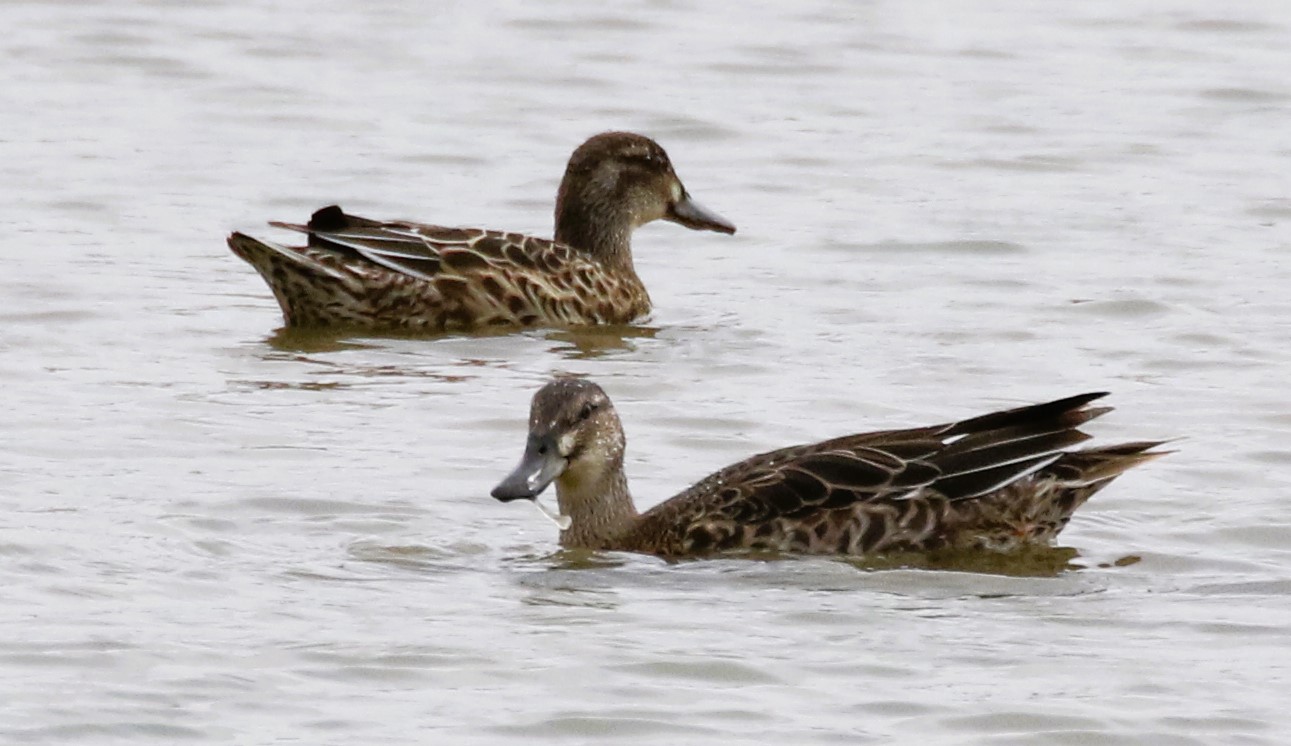
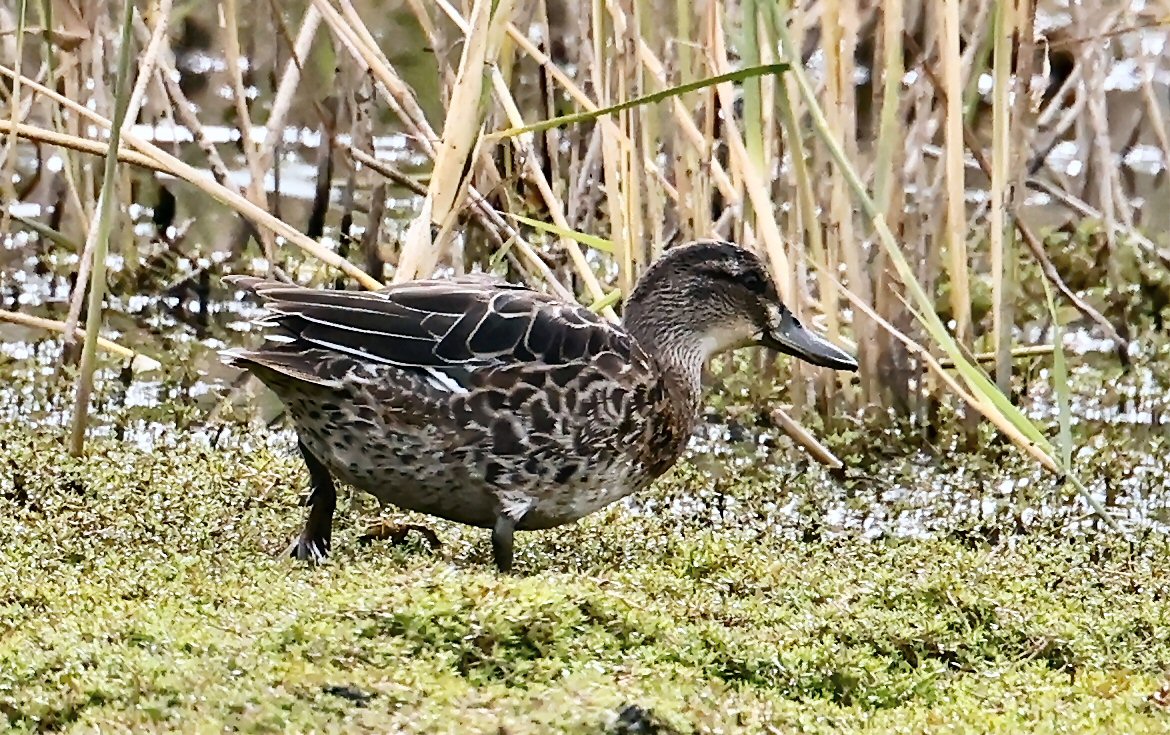
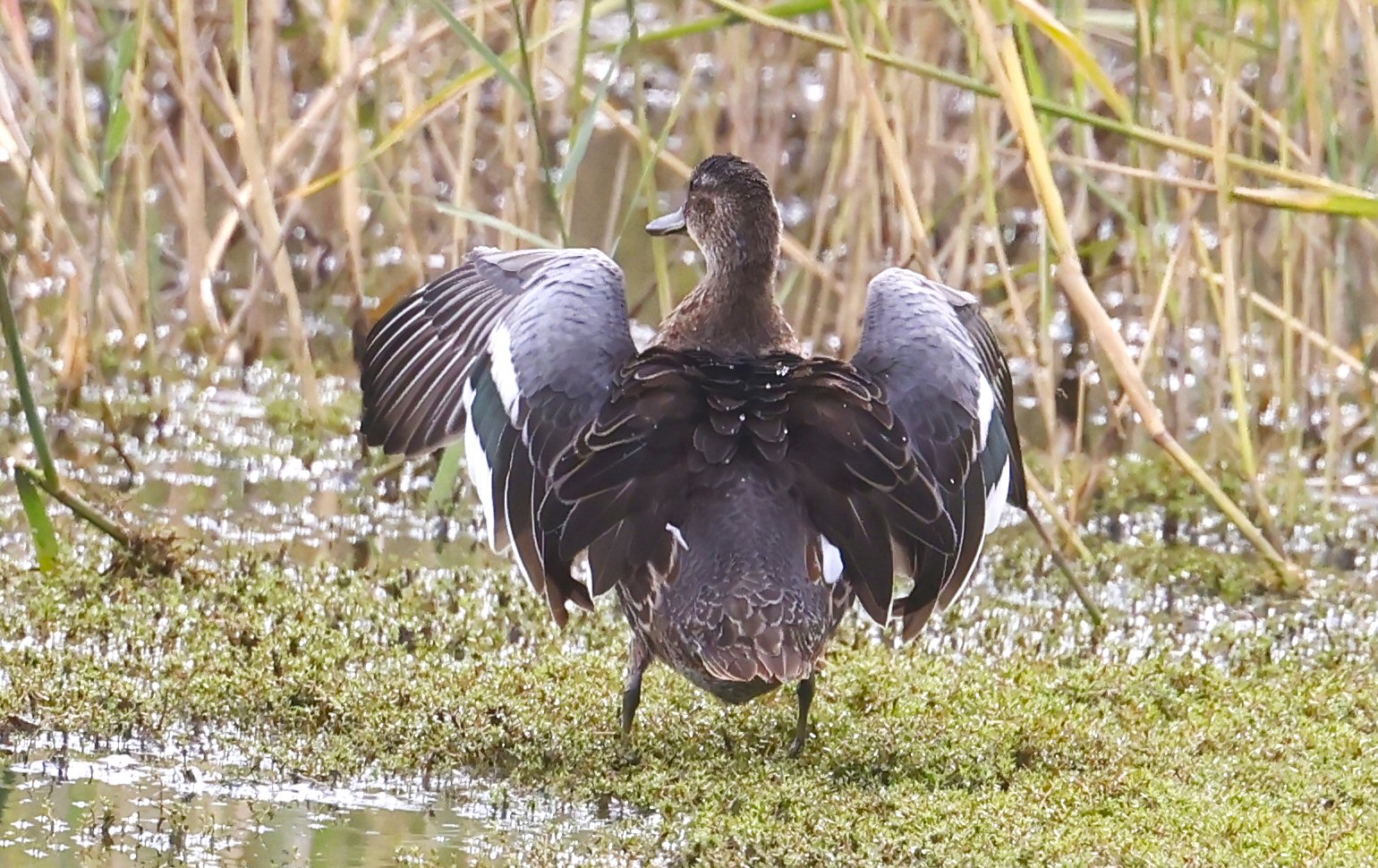
Ever faithful, ever sure, the female Ruddy Shelduck endured another week at Stanford Res, at times favouring the dam, although it was considerably mobile around the site. The remainder of the week’s ducks were limited to last week’s three Garganeys extending their stay at Summer Leys LNR until at least 28th – sometimes highly visible, sometimes disappearing completely – while there was just a one-day sighting of a single Red-crested Pochard at Pitsford Res, on 25th.
Also maintaining a low profile, last week’s Black-necked Grebe was still being seen, on and off, at Clifford Hill GP until the end of the period, while the Stanford juvenile made it into this week, still being present on 25th.
Although arguably it was raining waders on 24th, there was, of course, more rain than birds. Summer Leys saw four Turnstones drop in – not quite matching the six there on 3rd May – and further down the valley, Stanwick GP produced two. In the opposite direction, Clifford Hill offered up a Sanderling as an alternative – a far scarcer bird in autumn than in spring.

As the week moved on, a juvenile Ruff remained at Summer Leys from 26th to 30th, the same site hosting a Wood Sandpiper between 25th and 27th and up to three Greenshanks from 24th to 28th.

The second Mediterranean Gull of the autumn, another juvenile, appeared at Daventry CP on 29th, while Hollowell Res pulled in a juvenile Caspian Gull on 27th. Lower down on the scarcity scale, Yellow-legged Gulls were found at four localities, with Pitsford delivering the week’s highest site total of six on 24th, followed by one there on 29th and two at Hollowell on the same date. Elsewhere, singles were at Thrapston GP on 27th and at Boddington Res on 30th.
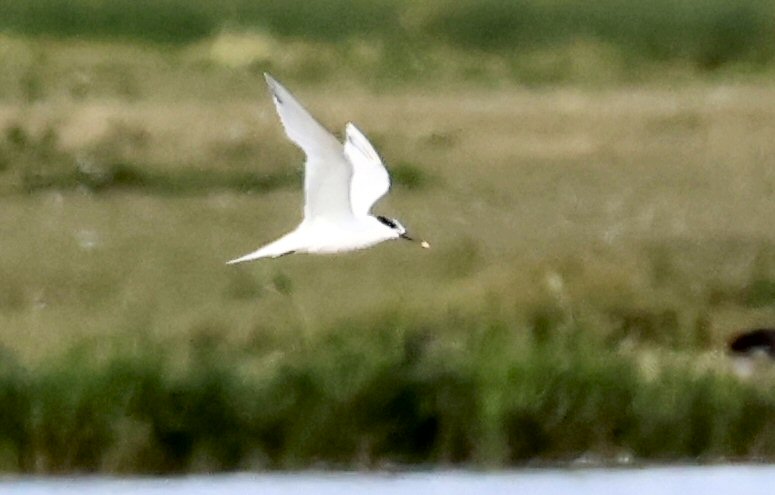
The arrival of three Sandwich Terns at Clifford Hill on the last day of the week was an indulgence for local yearlisters, having not been given even a sniff of a chance to catch up with the previous four singles that flew over Hollowell, Stanford and Summer Leys earlier in the year. These three appeared in no hurry to leave, spending a good few hours on site. Like Sanderlings, Sandwich Terns are rather more scarce in autumn.


For three consecutive days – 25th, 26th and 27th – a Bittern was seen on the Scrape at Summer Leys, where seven Cattle Egrets also appeared on the first of these dates. Although a good number for Summer Leys, it was topped by a hefty twelve at Stanwick on 27th, where there were ten again on 30th. Thrapston also produced ten as the week opened on 24th. Up to four were at Ditchford GP’s Irthlingborough Lakes & Meadows LNR on 29th-30th and one visited Clifford Hill, briefly, on 30th.
On the raptor front, Ospreys were limited to singles at Pitsford on 24th-25th, 28th and 30th, Thrapston on 24th and 29th, Hollowell on 27th, Earls Barton GP on 28th and at Stanford the following day.
Summer Leys proved to be the most reliable site to catch up with Marsh Harrier, with multiple fly-by visits and occasional landings on the Scrape there on five days out of seven. One visited Harrington AF on 24th, 26th and 30th, Thrapston GP’s Titchmarsh LNR dished up two on 25th and singles were found at Borough Hill on 26th, in the Brampton Valley on 29th and at Hollowell on 30th.

For the second week running, a Willow Warbler showing characteristics of the northern race acredula was trapped and ringed at Stanford on 27th.

And there was no real let up in the numbers of Common Redstarts moving through the county during the period. Again there were daily sightings of one or two birds across a collective ten localities, including Blueberry Farm, Boddington Res, Brampton Valley, Clifford Hill, Daventry, Harrington, Hartwell, Lamport, Pitsford and Woodford Halse NR.

Five sites again produced Whinchats, Brampton Valley accounting for the week’s highest count of four on 24th-25th. Elsewhere, Harrington produced three, two were seen at both Hollowell and Stanford and one was at Pitsford. Northern Wheatears again remained scarce with singles at Harrington on 24th and in the Brampton Valley on 24th, 27th and 29th.
Tree Pipits continued to move through in small numbers. Singles were at Hollowell and Blueberry Farm on 24th and 25th, respectively, and two were at Scotland Wood, Kelmarsh on 26th.
While two Crossbills flew over Harrington on 24th, not far away to the west a first for the year in the county emerged in the shape of a Corn Bunting on 28th. While we have lost all our breeding and wintering birds and we struggle to find any locally, they still persist in counties no further away than Bedfordshire and Cambridgeshire.
Discover more from Northants birds
Subscribe to get the latest posts sent to your email.

 Northants birds