From mid-week, an Arctic air mass stationed north of the UK delivered some brisk northerlies bringing an unseasonal drop in temperature, resulting in the coldest second week in September for five years. Donning their first woollies of the autumn, local birders headed out with high expectations – the second week of September has, after all, had some class birds associated with it in years gone by. While there was little to quicken the pulse appreciably, there was still a continuing run of migrants, once again seasoned with a sprinkling of Sandwich Terns and Common Scoters …
The week’s wildfowl consisted primarily of what has gone before, namely the female Ruddy Shelduck remaining at Stanford Res and up to three Garganeys mobile around Summer Leys LNR until at least 9th. Two new Red-crested Pochards were found at Stanford on the last day of the period.

The run of Common Scoters continued, with the first day of the week seeing a hefty fifteen at Thrapston GP’s Titchmarsh LNR – albeit briefly before they headed off north. On the same day, four were found at Clifford Hill GP, while the last day of the week saw a lone drake, again at Titchmarsh.
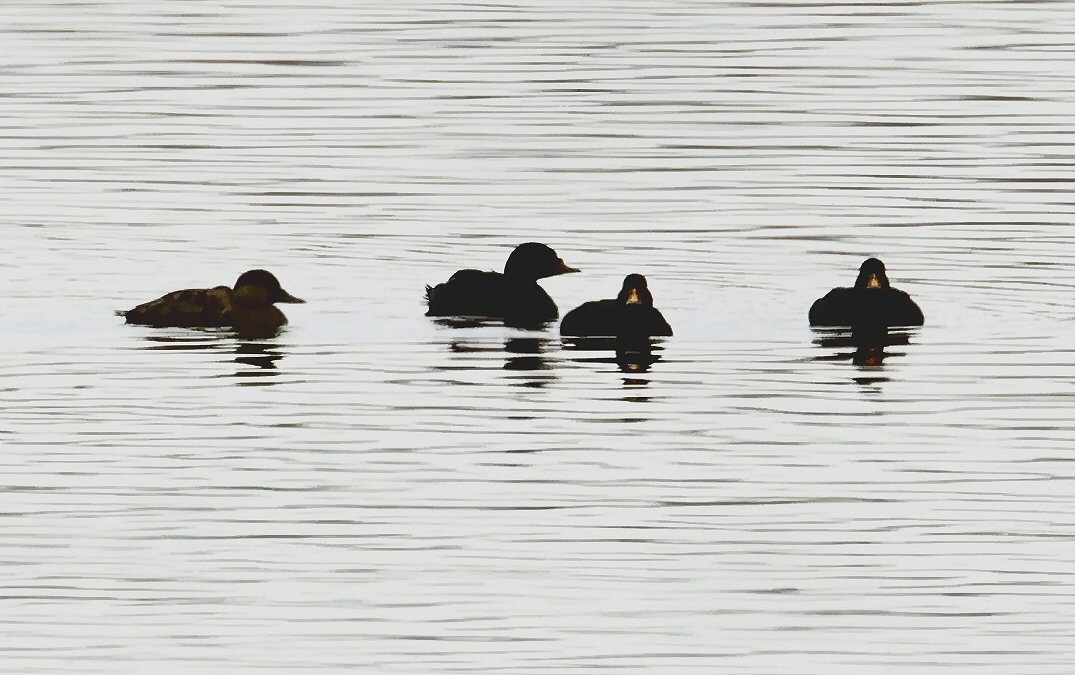
Now beginning to look decidedly grey, the adult Black-necked Grebe stuck it out for another week at Clifford Hill GP.

The latter site also produced the pick of this week’s waders, when four Avocets, a Black-tailed Godwit and two Turnstones dropped in on 7th. Another Black-tailed Godwit appeared at Summer Leys on the same date, followed by further singles at Stanwick GP on 10th-11th and over Hollowell Res on 13th.

A Ruff remained at Summer Leys until 9th, while the period’s only Greenshank was found at Titchmarsh on 7th.
And then there were gulls … Just one Mediterranean Gull – a first-winter at Daventry CP on 7th and 9th – was a poor representation for this species, given the time of year. Otherwise, the larger larids – Caspian and Yellow-legged – were running at about average. Apart from two second-winters at Boddington Res on 11th, all sightings of Caspian Gulls referred to singles, with a juvenile at Boddington on 7th, the returning German-ringed ‘XLVH’ adult at Naseby Res on 9th and 13th and further adults at Stanwick on 10th-11th and at Hollowell on 12th.

Yellow-legged Gulls comprised a maximum of up to eight at Boddington on 11th-12th and up to three at Pitsford Res between 7th and 10th.


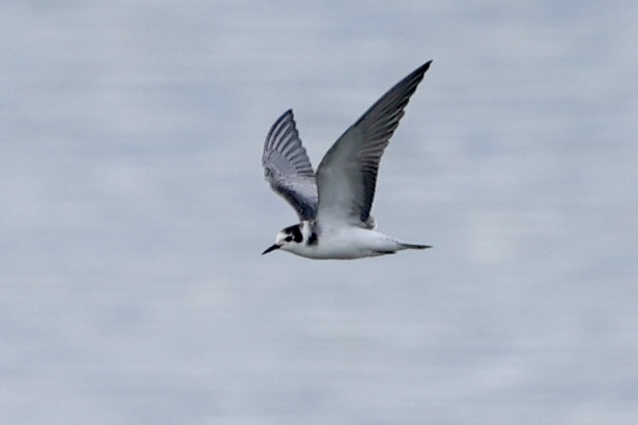
It appears that it’s not yet all over for Sandwich Terns, with this autumn’s run continuing into the week. One paid a brief visit to Ditchford GP’s Irthlingborough Lakes & Meadows LNR before flying east on 9th, while three were mobile around Boddington Res on 11th, moving off high south-west after a heavy rain shower on 11th. A fly-through Little Tern was an unexpected find at Summer Leys as it moved rapidly east on 8th.
Apart from one at Stanford on 11th-12th, the week’s Black Terns were all confined to locations in the Nene Valley, commencing with one at Clifford Hill GP on 7th with three there over the following two days and one again on 12th. Three also visited Stortons GP on 8th and further singles were seen at Summer Leys on 8th and Irthlingborough Lakes & Meadows on 11th.


Once again, for those with the patience to sit it out, Summer Leys was the place to be for almost daily appearances of the Bittern on the Scrape.

The week’s only Cattle Egret visited Clifford Hill on 7th and 10th.
On the raptor front, as we move deeper into autumn, the number of Ospreys dwindled to just two, or possibly three: one at Thrapston GP’s Elinor Trout Lake on 9th and another at Pitsford on 9th and 11th. Conversely, though, Marsh Harriers were on the up, being seen this week at seven localities, top of which was, of course, Summer Leys, where there were daily sightings throughout the period. Elsewhere, one flew east at Clifford Hill on 7th, one frequented the Brampton Valley between Cottesbrooke and Hanging Houghton between 8th and 12th and further singles were seen at both Boddington and Stanford on 8th, Pitsford on 11th and at Harrington AF and Titchmarsh on 12th.

A ‘ringtail’ Hen Harrier was reported flying over Brixworth and Brixworth CP on 8th.
This week’s passerines followed pretty much the same course as last week’s, with dwindling Common Redstarts, Whinchats levelling out and an increase in the number of Stonechats and Northern Wheatears.
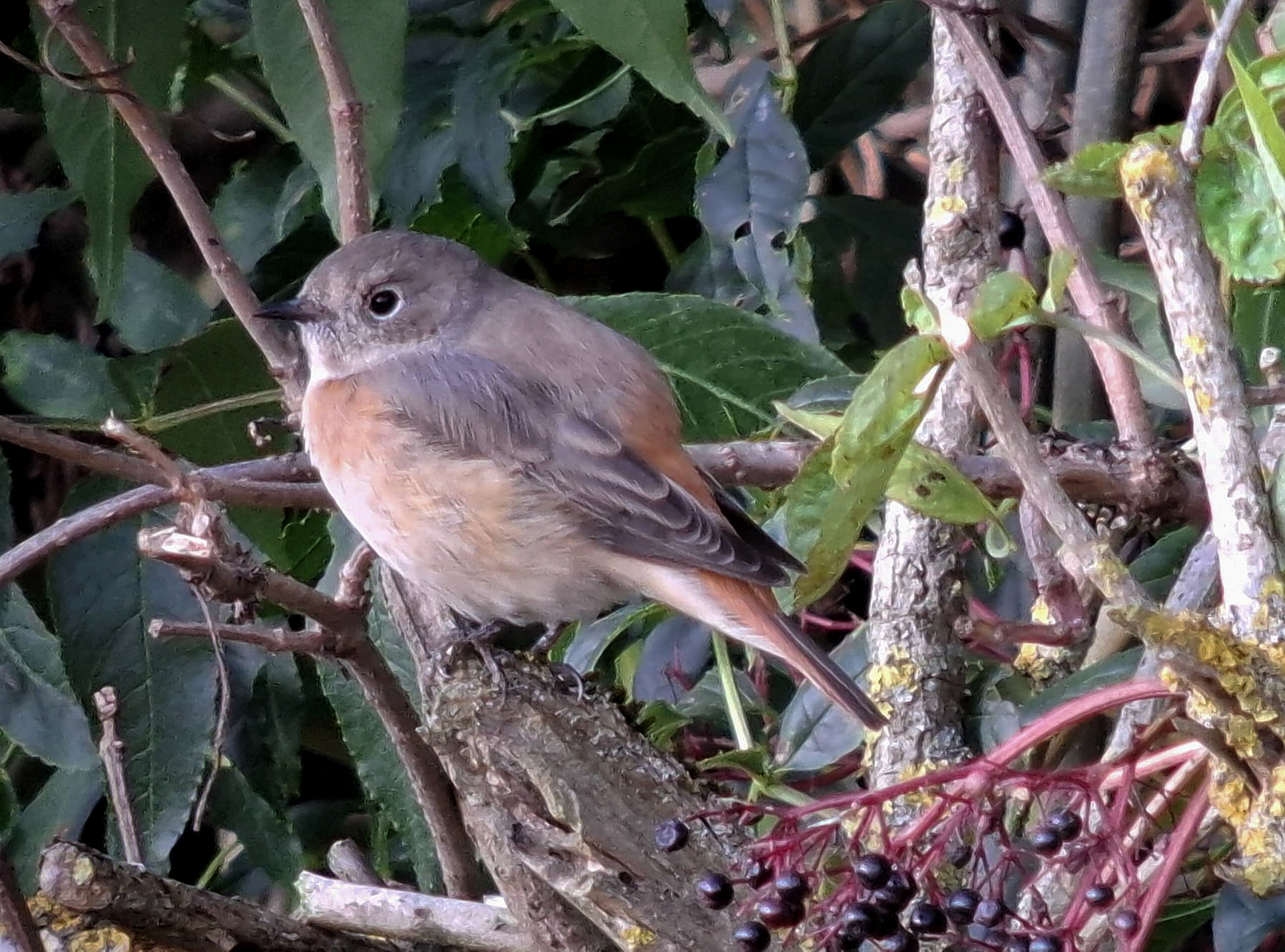
Common Redstarts were still present at a couple of the some of the usual localities – Blueberry Farm held up to two on 8th-9th and one was at Harrington on 12th, but Borough Hill produced four on 7th, at least one still being present on 13th. Pitsford held one on 11th and one was at Boddington Res on 11th-12th.
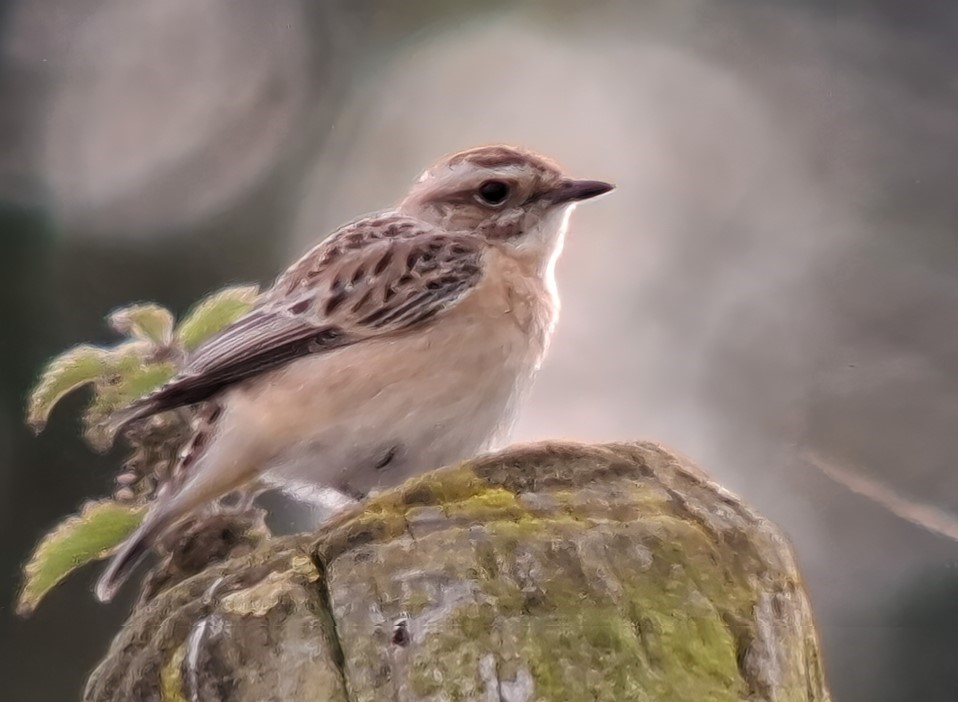
Whinchats held their own with Clifford Hill proving the top locality having maxed out with six present there on 9th. The Brampton Valley was runner-up with four between 7th and 12th, three were at Pitsford Res on 11th-12th, Borough Hill held two throughout the period, while singes were at Hollowell on 9th and Boddington on 12th.

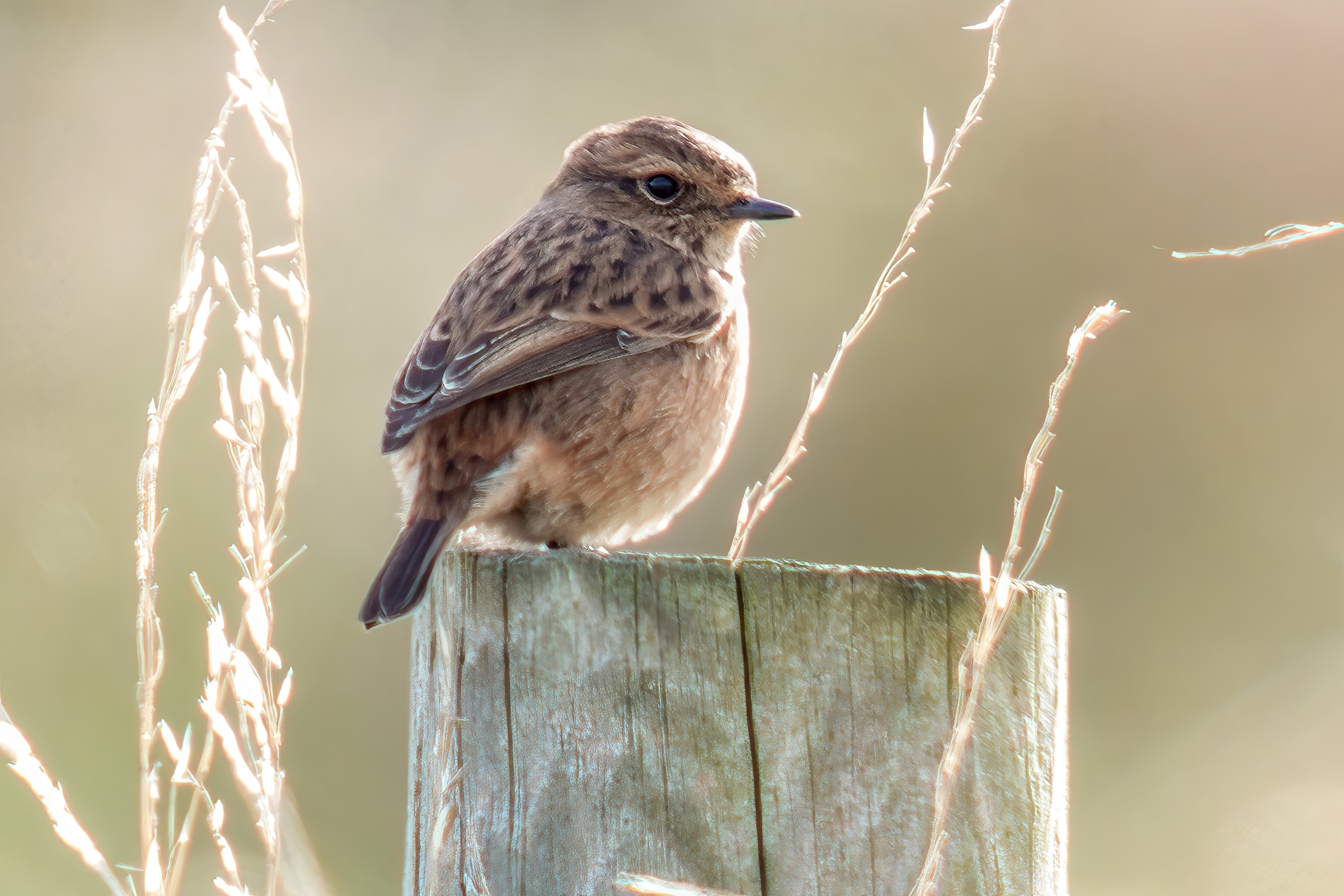
Stonechats were on the up, Hollowell holding the maximum of three on 12th, while two were in the Brampton Valley and at Borough Hill on 12th and 13th, respectively and one was at Pitsford on 9th.
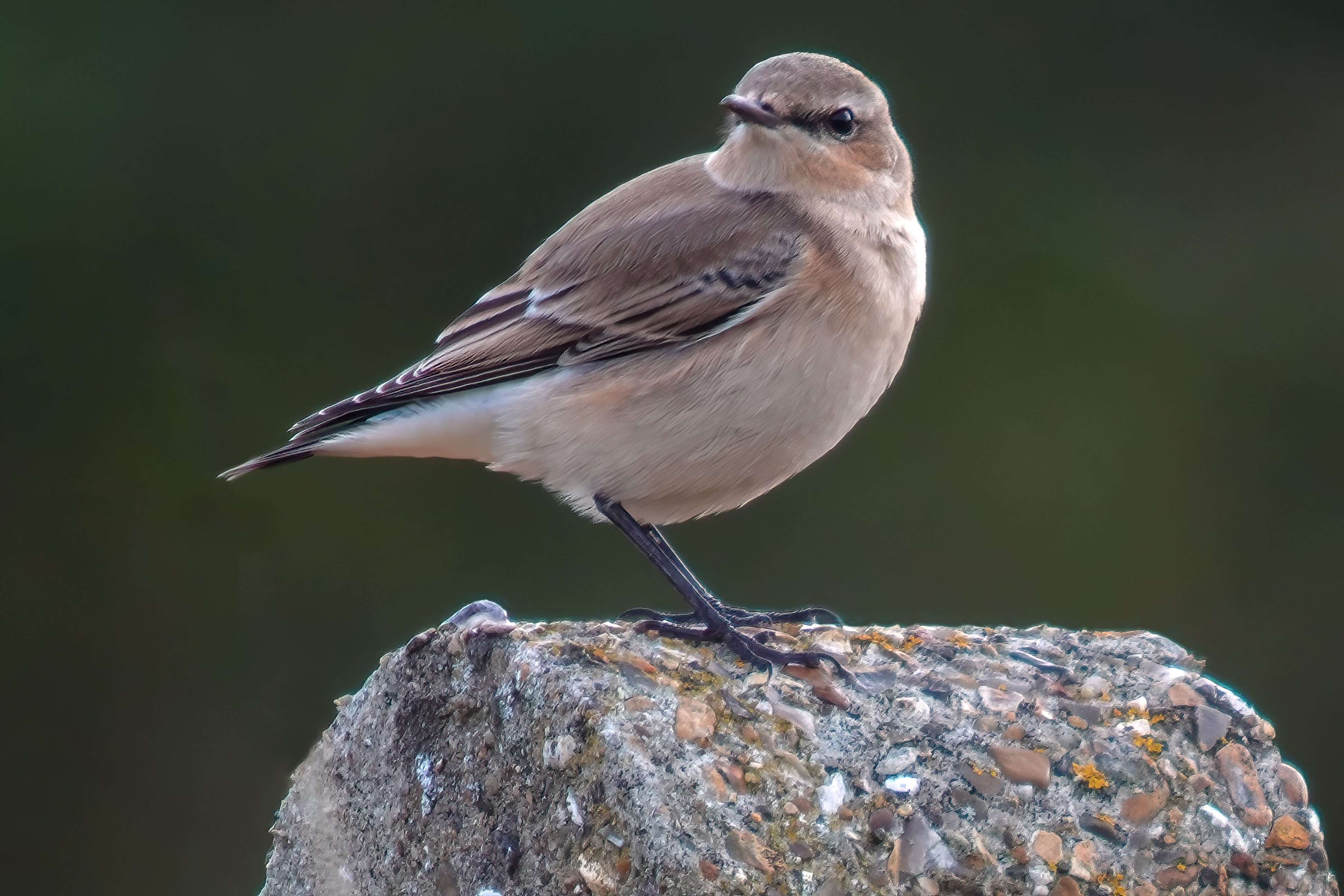
And last but not least, Northern Wheatears became more conspicuous than of late, with one at Borough Hill on 7th-8th increasing to three there on 13th, two at Harrington on 12th and singles at Clifford Hill on 7th and 13th, Pitsford on 9th, in the Brampton Valley on 10th and 12th, and at Boddington, Hollowell and Orlingbury on the latter date.

Discover more from Northants birds
Subscribe to get the latest posts sent to your email.

 Northants birds