A high pressure system over eastern Europe and a low over the North Atlantic between them delivered a substantial and sustained, warm southerly airstream, providing what was no doubt a considerable catalyst for northward migration. No less than three summer visitors opened the gates of spring and set the clock ticking for more to follow as we headed into March …
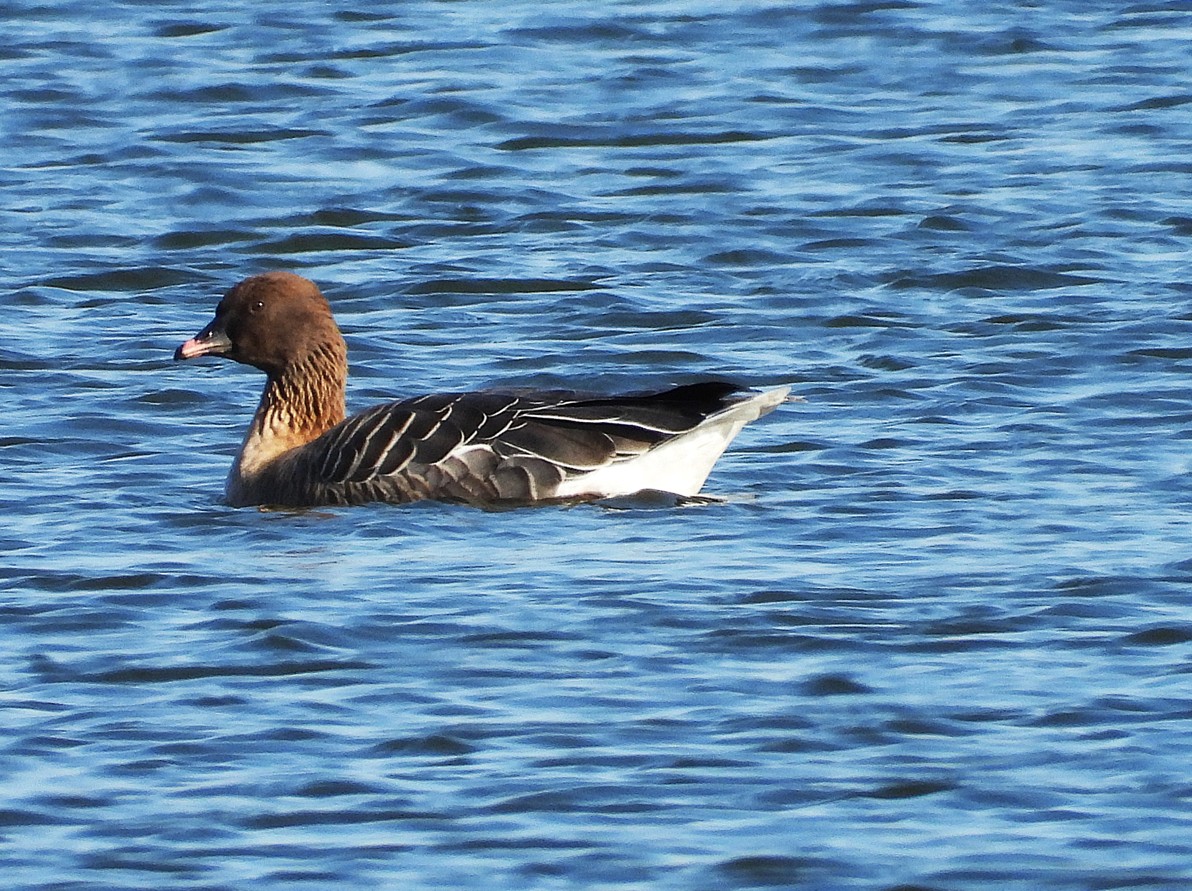
Before the first of these though, the usual scattering of wildfowl served as a reminder that we’re not quite done with winter, yet. All present and correct, then, were the geese we have been lucky to pull in and retain over the past few months, starting with the Pink-footed Goose with Greylags in the Cogenhoe Mill/Earls Barton GP area, which saw another week out there, along with the seven White-fronted Geese – the latter still present on 7th. The two longest staying Whitefronts also remained at Ravensthorpe Res until at least 5th.


Remaining all week within spitting distance of the of the Cogenhoe cluster, the week’s sole Red-crested Pochard – a fine drake – was mobile along the River Nene as well as on the adjacent Earls Barton GP New Workings (South). More upmarket diving ducks were still to be had throughout the week in the shape of the drake Ring-necked Duck, seemingly now settled at Titchmarsh NR, and the drake Smew tucked in at the western end of Clifford Hill GP’s Main Barrage Lake.

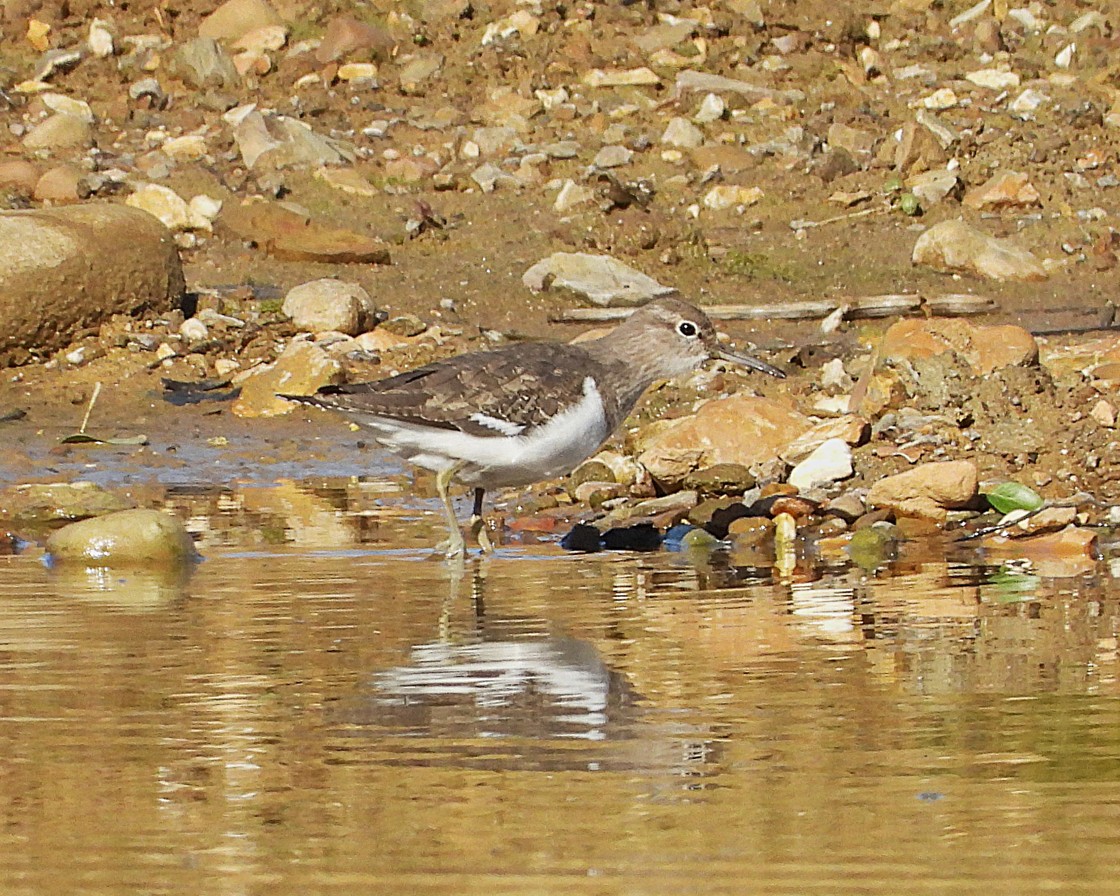
And now the first of those summer visitors to get a mention in this week’s lineup is Little Ringed Plover, one of which dropped into Clifford Hill GP. Its visit was brief, however, moving on shortly after its discovery there on 6th. Other waders were also available and included up to three Jack Snipes at Hollowell Res between 3rd and 7th and singles at Harrington AF on 4th and Stanford Res on 7th. The wintering Common Sandpiper was also still mobile around Earls Barton GP’s New Workings, being seen there on 4th and 7th.
A Yellow-legged Gull at Clifford Hill on 5th was the sole representative of its kind during the period.
And the Pitsford Great Northern Diver? Still there until at least 6th.
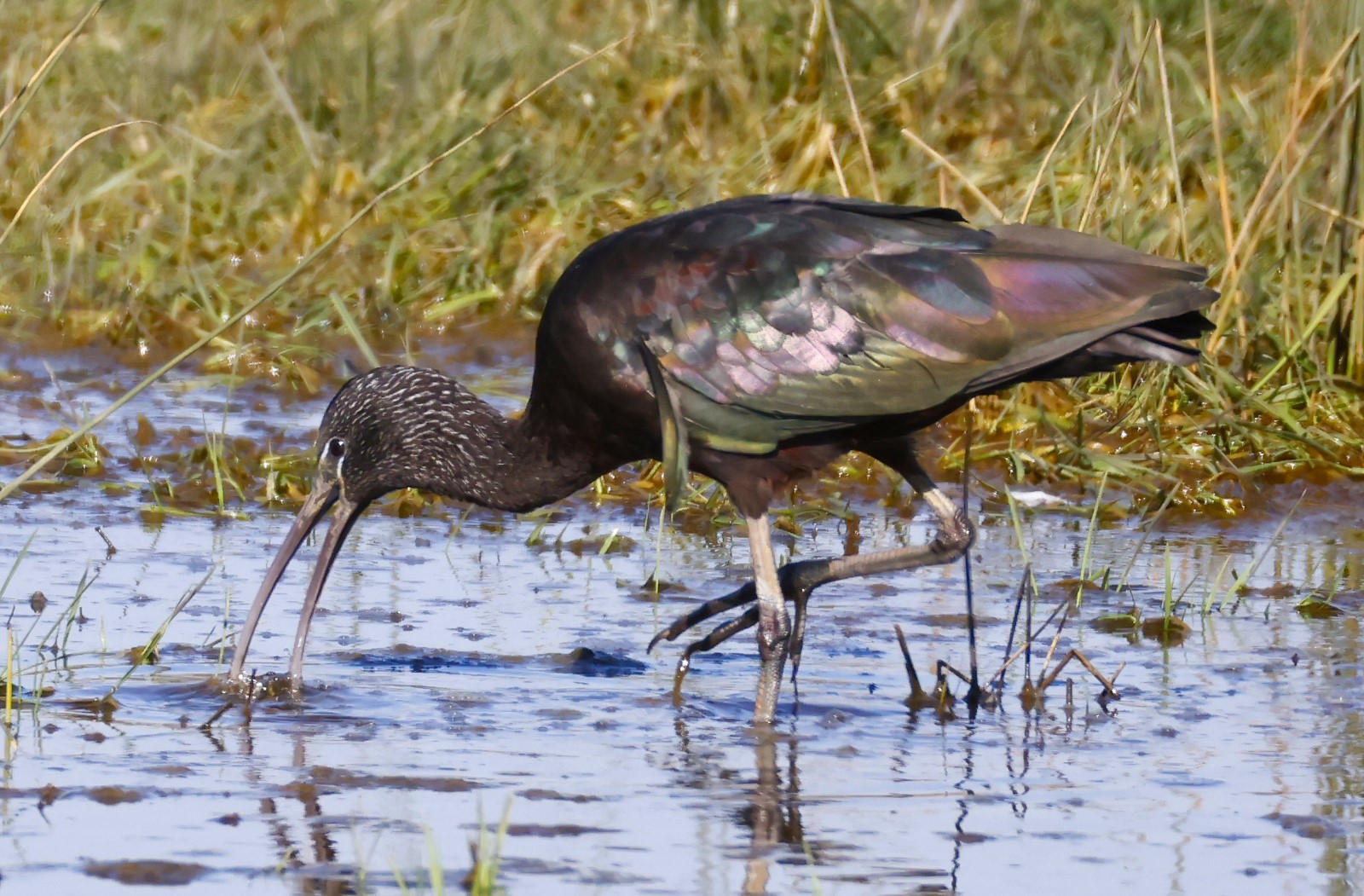
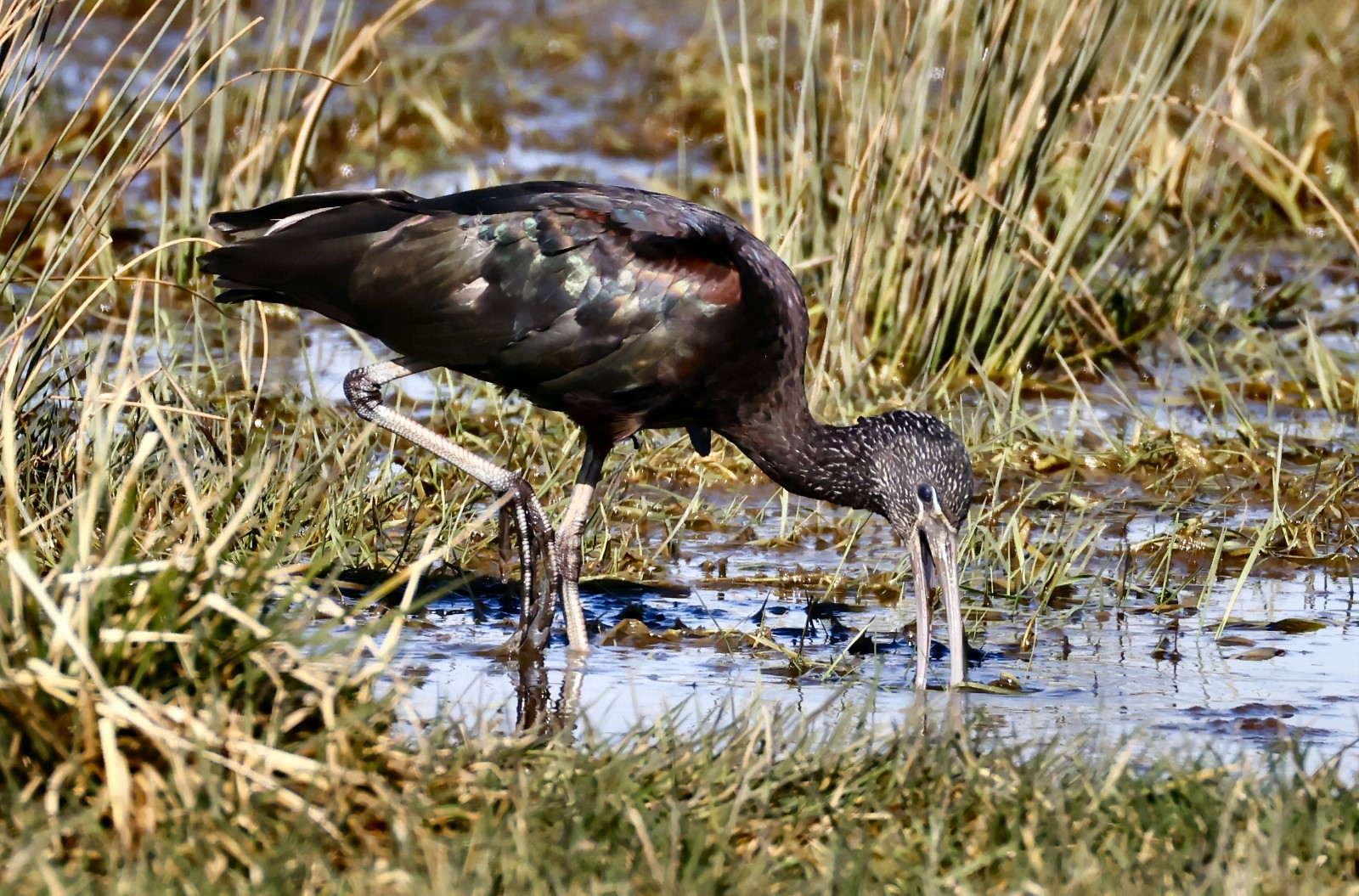
Meanwhile, back in the Nene Valley, the Glossy Ibis notched up another week at Summer Leys LNR. Its days on site must now surely be numbered …
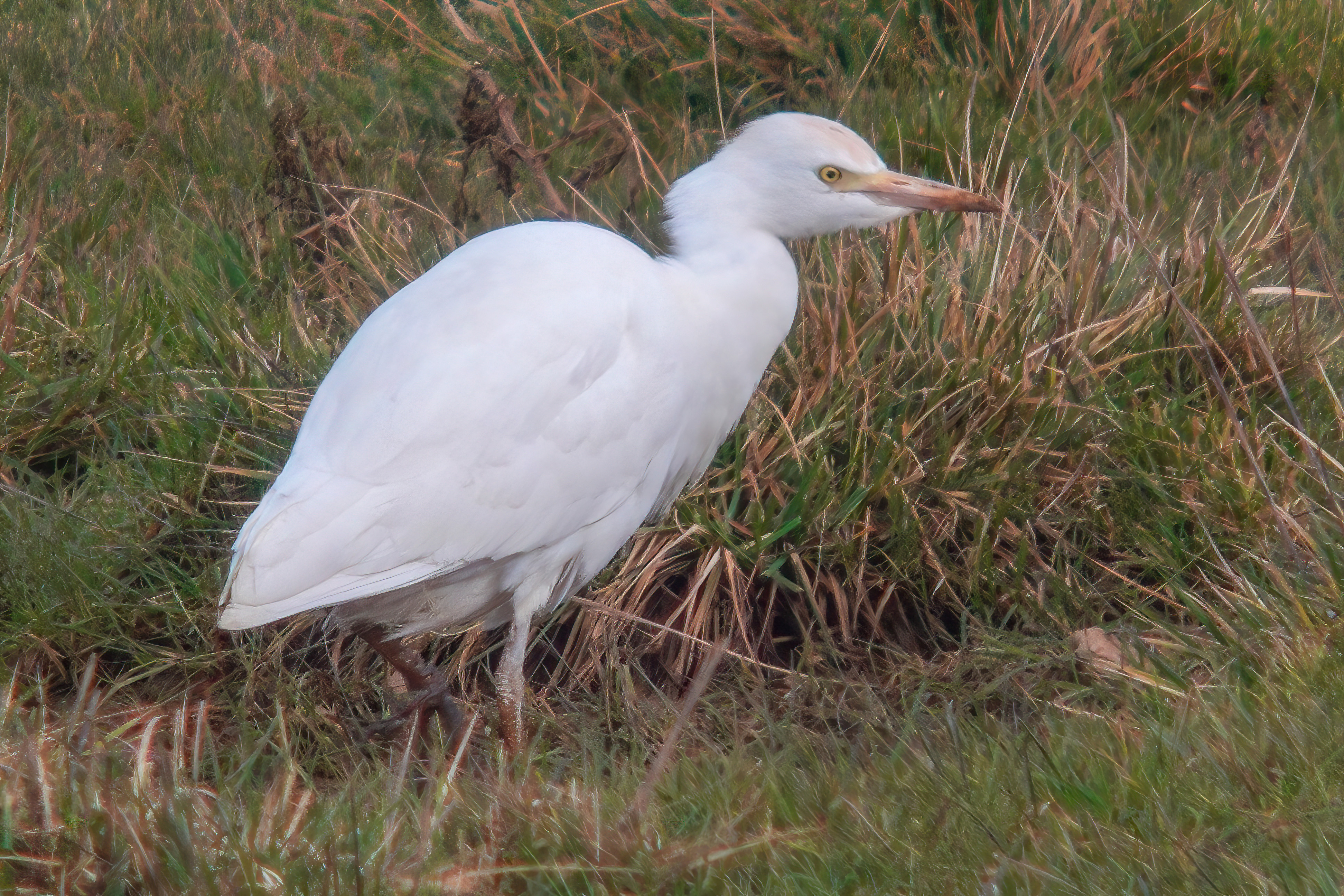
A Bittern was an unusual site record – but not the first – for Ravensthorpe Res on 3rd. Leaning toward standard patter, though, was a Cattle Egret at Clifford Hill on 6th and 7th.
The week’s Marsh Harriers were widely spread, with single birds at Cransley Res on 6th and at both Earls Barton and Thrapston on the following day. Harrington AF delivered the week’s only Short-eared Owl on 4th and a Merlin was clocked in hot pursuit of Goldfinches over Sixfields, Northampton on 2nd.
The second of the period’s summer visitors appeared in the shape of two Sand Martins at Quarry Hall Lake, Priors Hall, Corby on 5th. There will no doubt be many more to come over the following weeks …
And with singles at Clifford Hill on 3rd and Earls Barton on 7th, Stonechats are seemingly melting away, being replaced by one of the most iconic of summer visitors, Northern Wheatear, a male of which was found at Clifford Hill on 6th. Like the Little Ringed Plover at the same site on the same date, its stay there was, however, somewhat short-lived …

And, as a final reminder of the winter’s Hawfinch invasion, at least one was still in and around Cottesbrooke on 1st.

Discover more from Northants birds
Subscribe to get the latest posts sent to your email.

 Northants birds