A largely dry week, weatherwise, delivered more inbound migrants which included another set of firsts for the year. While some winter visitors stubbornly refused to shift, however, there was the first hint that a number had upped sticks and moved on by the week’s end …
This week’s new summer visitors comprised White Wagtail, House Martin, Sedge Warbler, Yellow Wagtail and Willow Warbler.

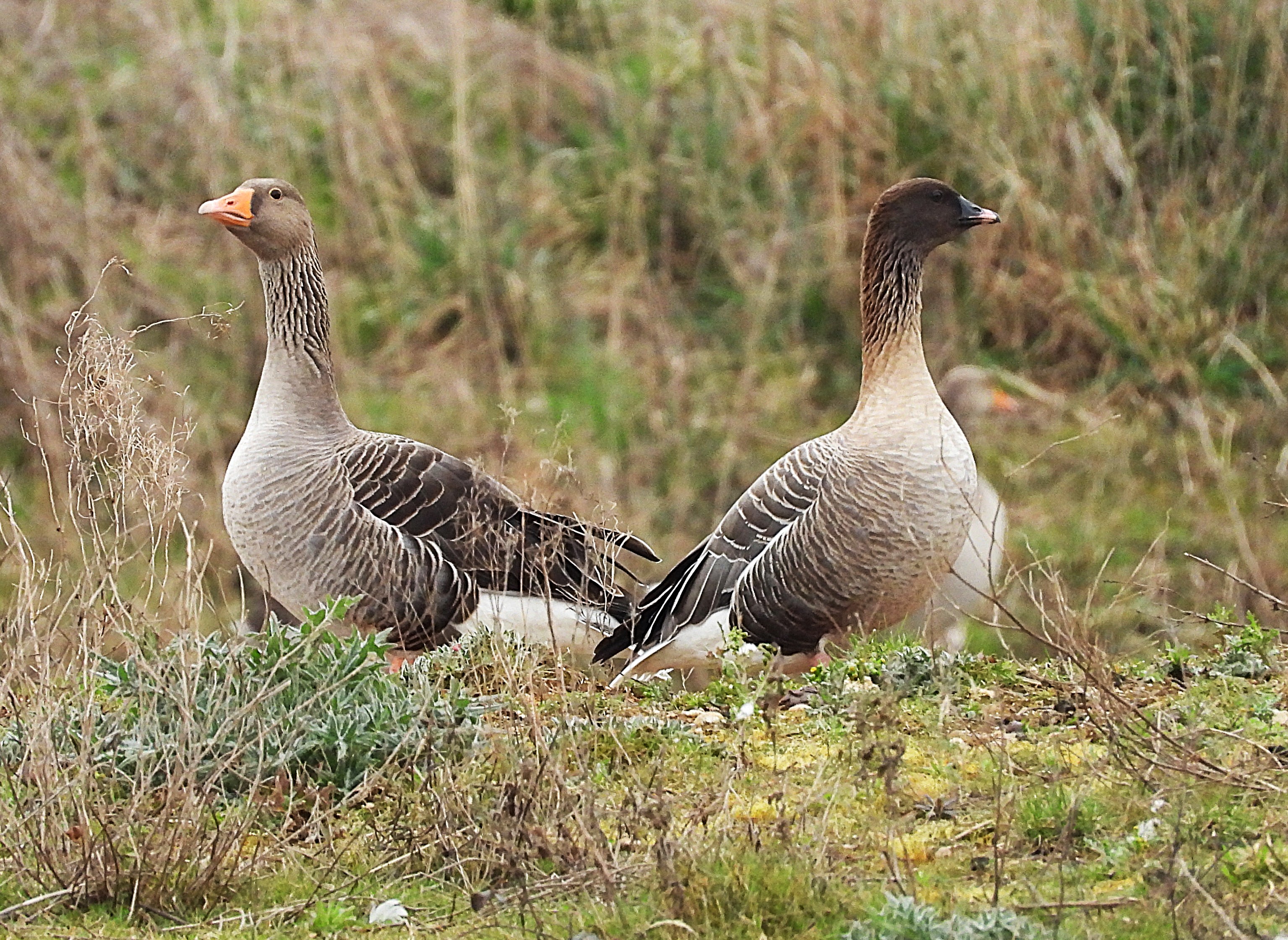
While a Pink-footed Goose was seen at Stanford Res on 24th, the Nene Valley’s geese remained for different durations – the regular Pinkfoot in the Cogenhoe Mill/Earls Barton GP area extended its stay throughout the period but the seven wintering White-fronted Geese in the same area went unreported after 24th, as did the two at Ravensthorpe Res.
The drake Red-crested Pochard at Earls Barton GP and on the River Nene between Cogenhoe and Whiston Lock remained throughout the period but the drake Greater Scaup on Mary’s Lake at Earls Barton GP was not seen after 25th.

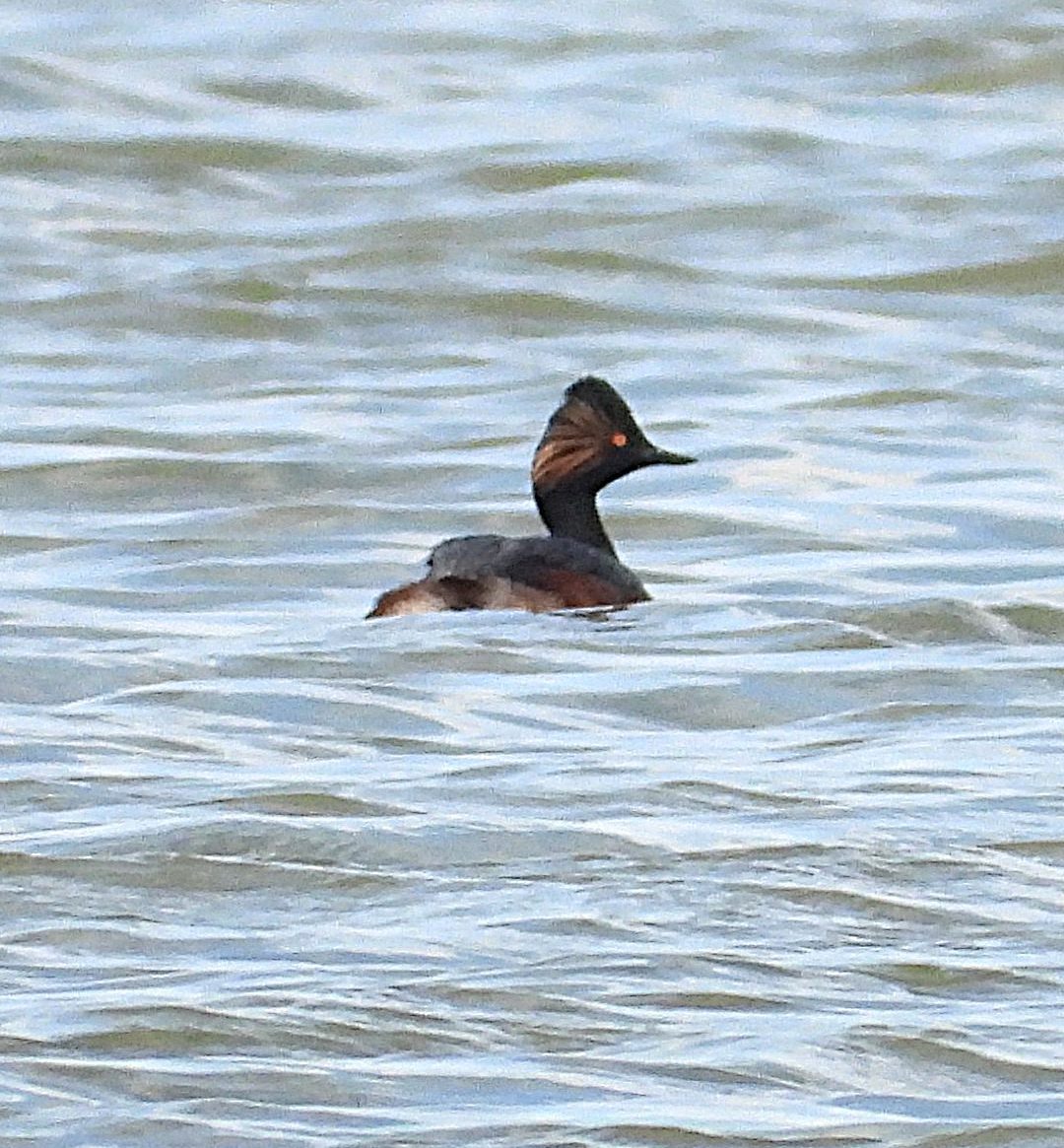
Though not a summer visitor, a new bird for the year was the Black-necked Grebe that turned up on 25th at Clifford Hill GP, where it was still to be found the following day.

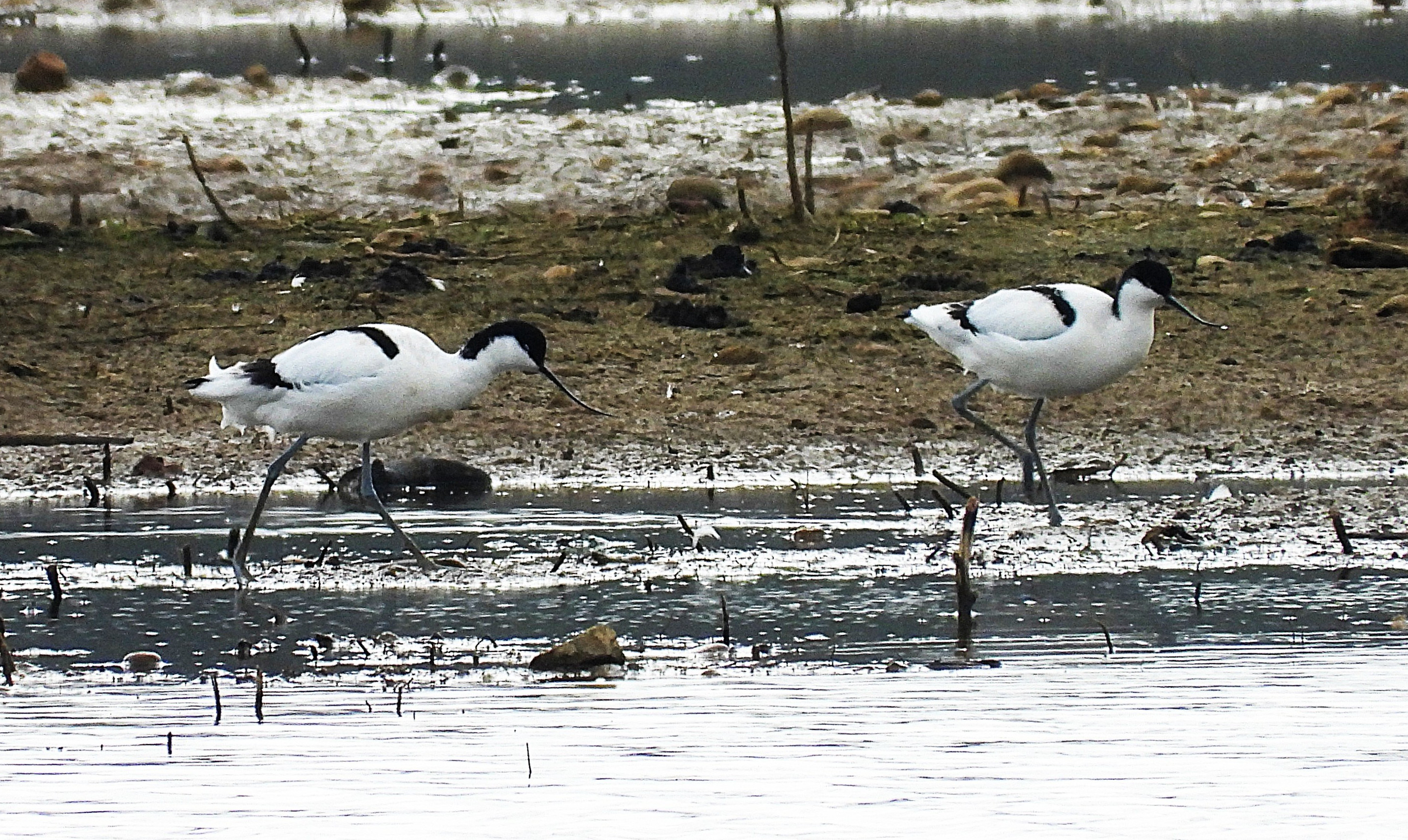
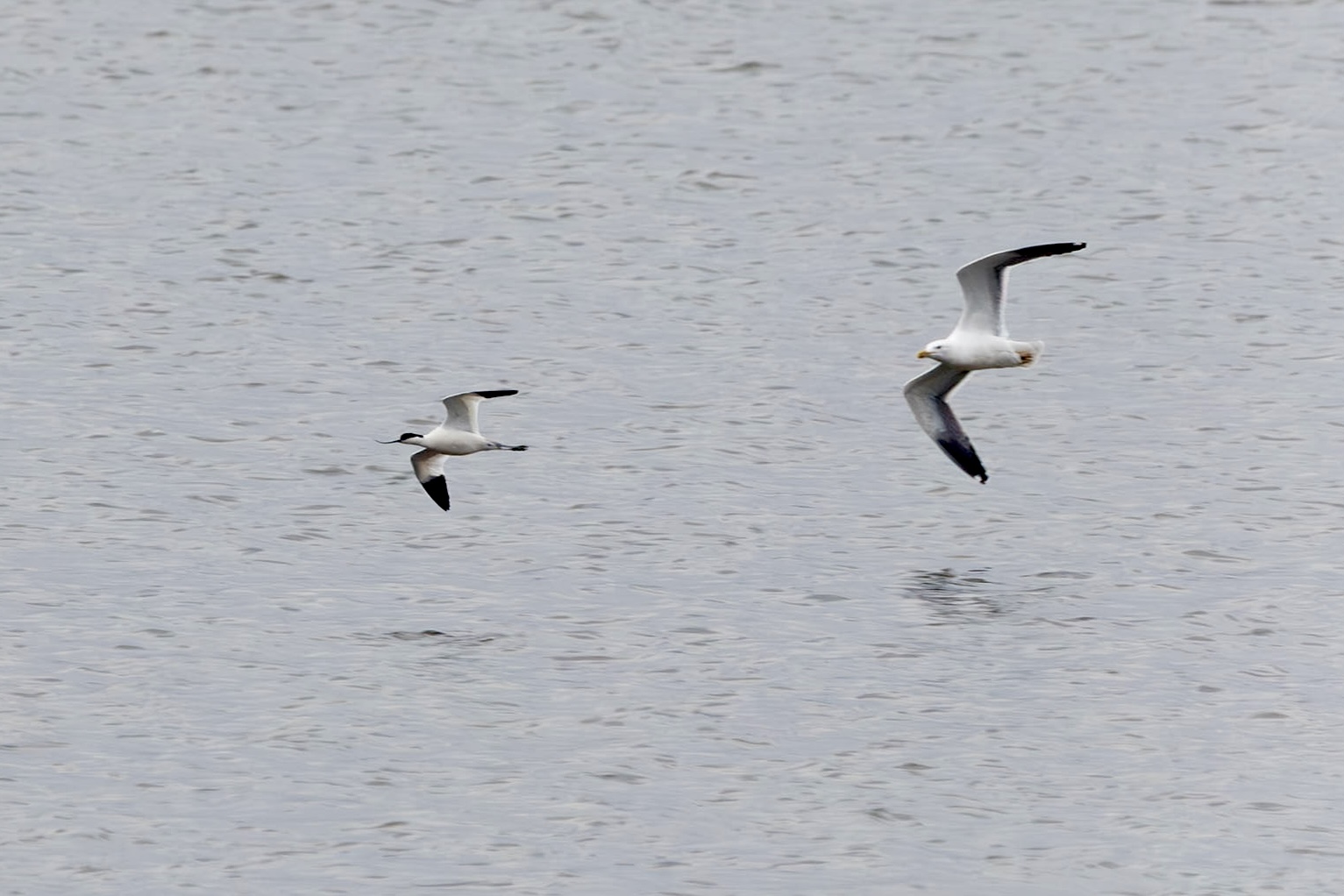
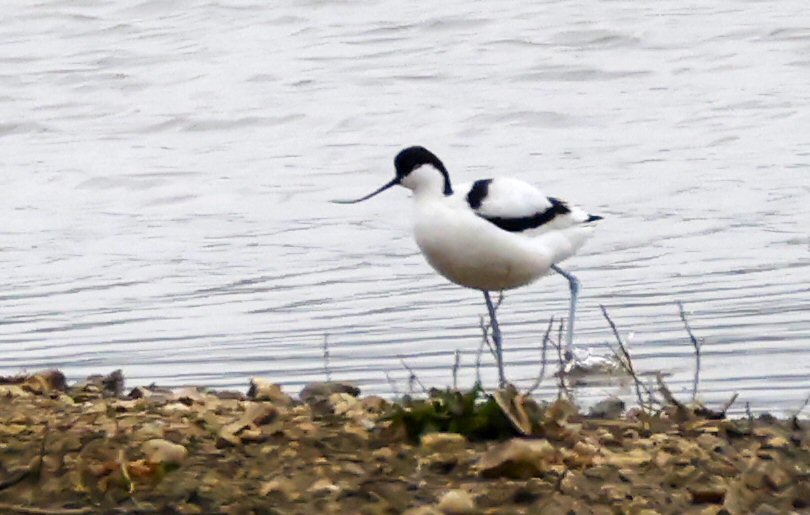
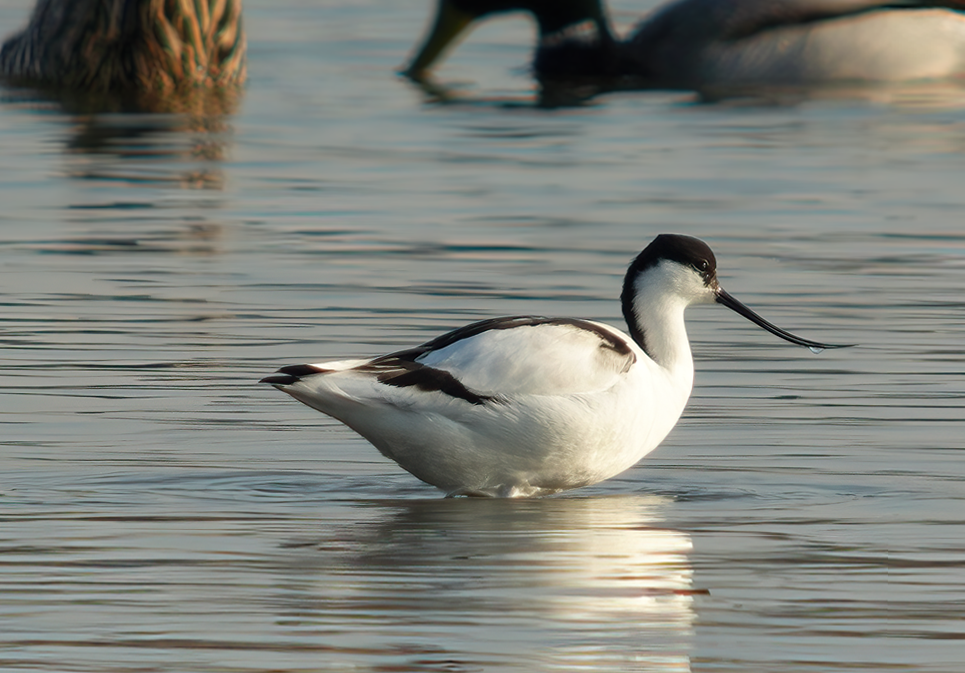
The week’s waders were limited to three species, top of which again were Avocets at three gravel pit locations in the Nene Valley. Last week’s duo remained settled at Earls Barton throughout the period, while Clifford Hill GP hosted another two new arrivals on 22nd and one on 24th.
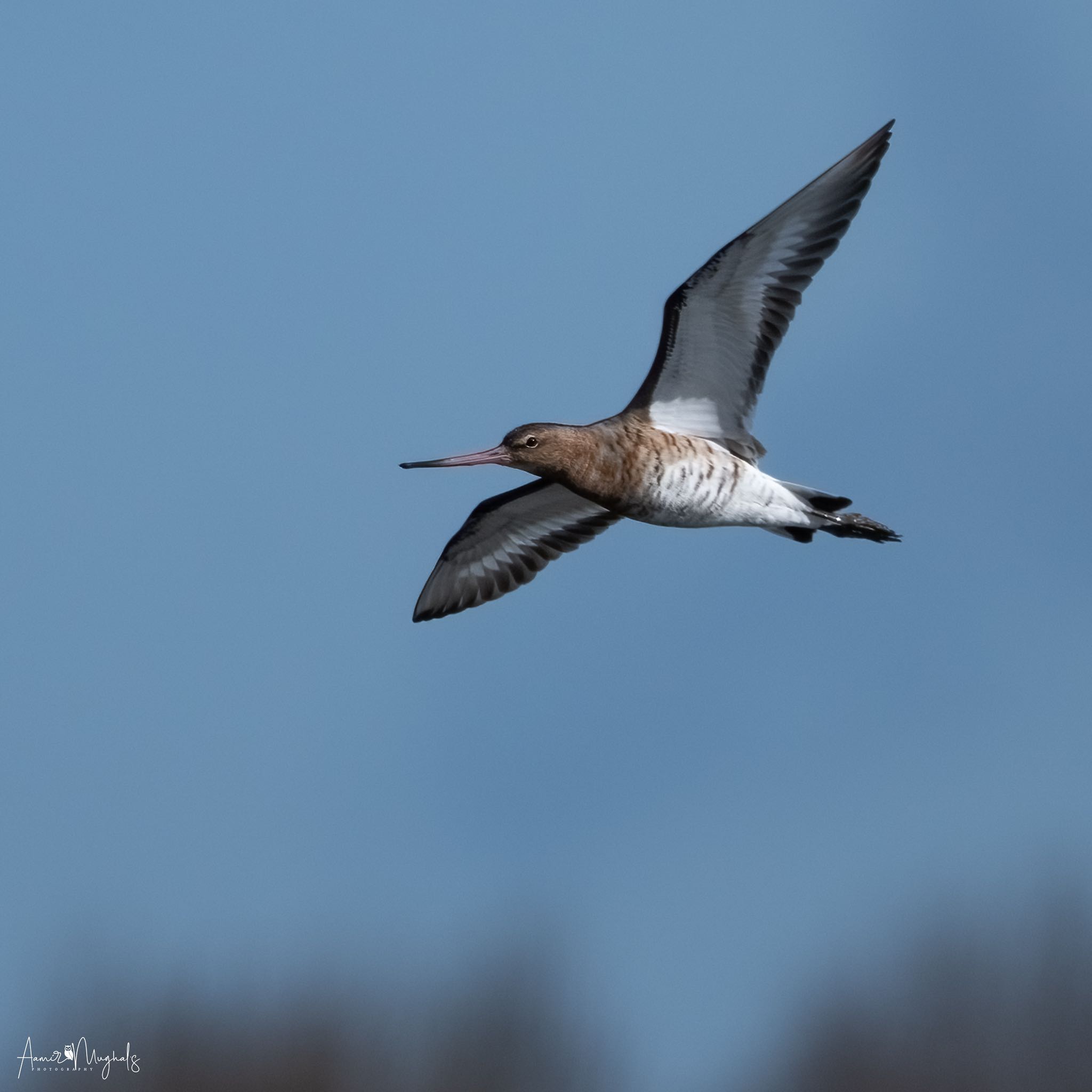
Summer Leys was the prime site for Black-tailed Godwits, with five there on 23rd and one on 27th-28th, while two visited floodwater at Lower Barnwell Lock, Oundle on 24th.

Aside from one at Ditchford GP on 24th, Jack Snipes continued to be seen at Hollowell Res, where up to two were present throughout the week.
In the scarce larid category, last week’s six Little Gulls at Earls Barton GP roosted overnight and were still to be found there, on New Workings (South), mid-afternoon on 22nd. An adult Mediterranean Gull flew east at Clifford Hill on 24th, while more typical fare in the shape of Yellow-legged Gulls included up to three at Pitsford Res between 22nd and 25th and an adult at Clifford Hill on 28th. Single first-winter Caspian Gulls visited Stanford on 23rd and Hollowell on 25th.

Long stayers from last year included the Great Northern Diver still at Pitsford on 25th and the somewhat relaxed Glossy Ibis at Summer Leys for yet another week …
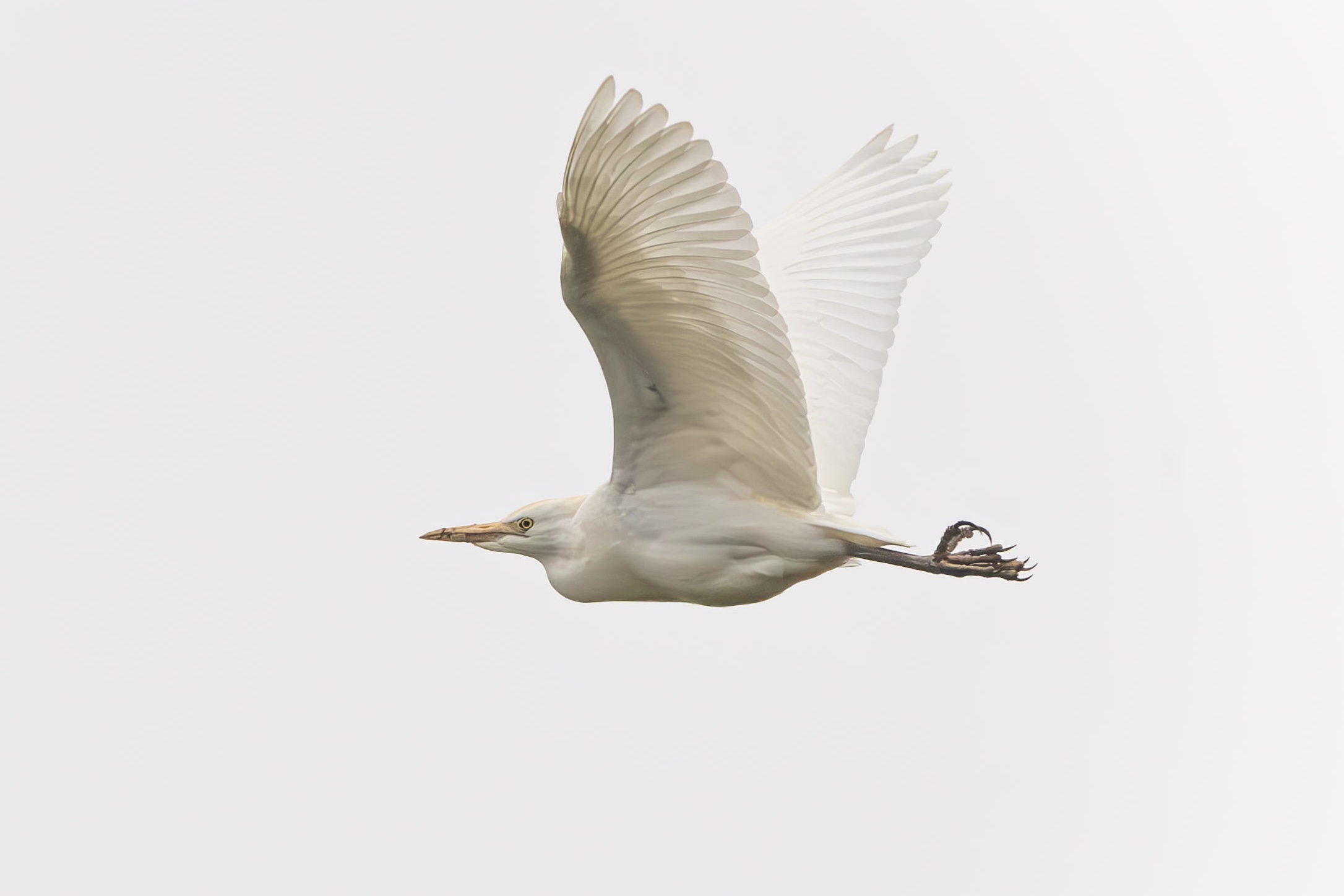
Apparently having decided to move on after spending the last two and a half weeks at Clifford Hill, the Cattle Egret was nowhere to be seen after 26th. Elsewhere, four flew north-east from Stanwick GP’s Main Lake early on 25th.
And so to raptors, with Osprey sightings coming thick and fast from the Hollowell area, where one was seen daily from 26th to 28th and one flew east between Ravensthorpe and the Guilsborough to Teeton road on 25th. Another flew north over Boddington Res on 26th. The period’s Marsh Harriers were about par for the course, with singles at Stanwick on 22nd, Earls Barton on 24th and Summer Leys on 27th, while a ‘ringtail’ Hen Harrier spent some time at Boddington Res on 24th.
On the passerine front … Single Northern Wheatears occurred in four locations with the Brampton Valley producing one on 22nd and 28th, Borough Hill hosting one on 24th, Clifford Hill retaining one from 24th to 28th, and Harrington AF delivering one on 22nd and 26th. And in addition to the aforementioned individuals on 22nd, single White Wagtails were found at Stanford and Summer Leys – both on 23rd. A Crossbill was present at Irchester CP on 28th.


As a postscript, first-ever record for Northants in the shape of a Northern Treecreeper (the north and east European nominate race, familiaris which also extends well into western Siberia) was present at Summer Leys during the preceding week. It transpires it was also first seen (and photographed) there on 23rd December 2024 and so has overwintered on site under the radar. It may still be present …

Discover more from Northants birds
Subscribe to get the latest posts sent to your email.

 Northants birds