The largely south-westerly airstream continued as the country became sandwiched between an Atlantic low and a North Sea high pressure system. Unsurprisingly, there were more firsts for the year, set against a dramatic backcloth of mostly rain-driven Arctic Terns and some interesting waders.
Added to the summer visitor clock this week were Common Swift, two rather less common species and one now deemed scarce.

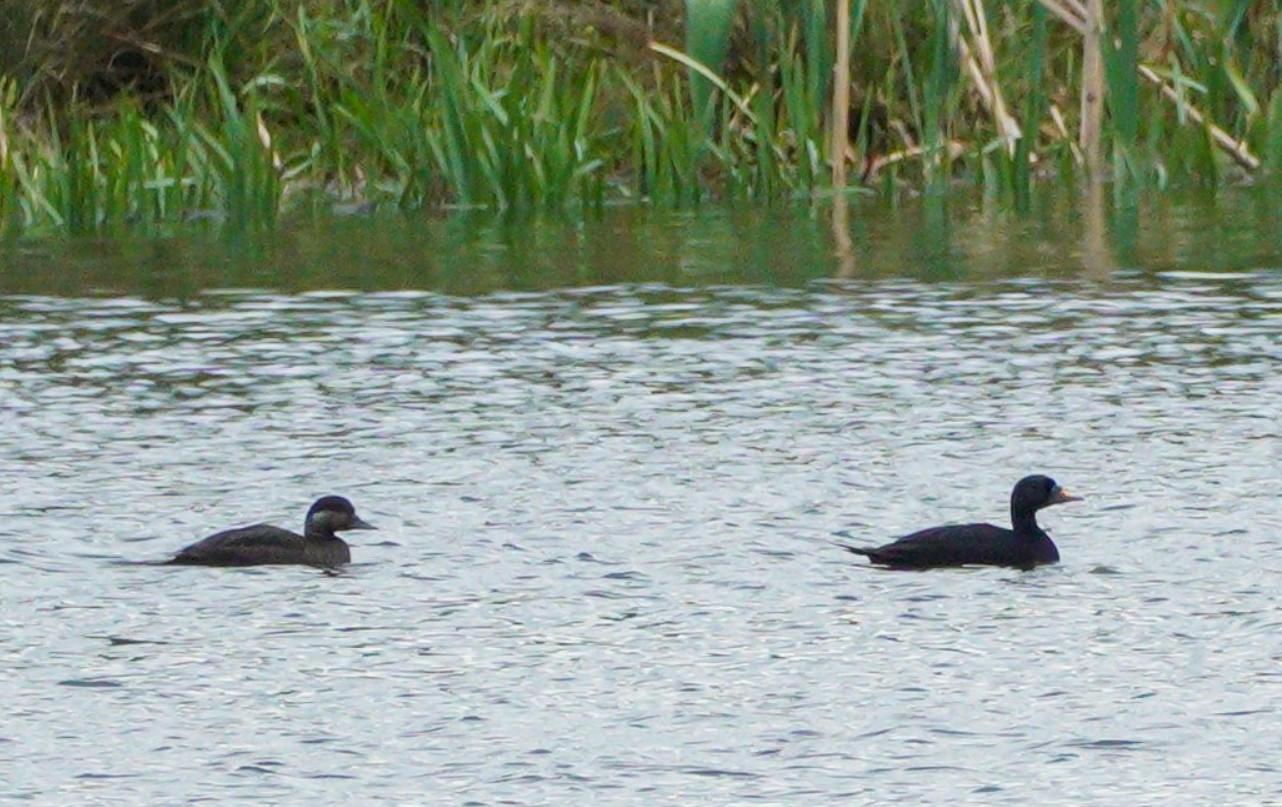
Aside from the lingering Pink-footed Goose and drake Red-crested Pochard – both in the Earls Barton GP’s New Workings (South) area, top wildfowl this week were a Garganey reported at the aforementioned site on 23rd and two Common Scoters at Ditchford GP’s Irthlingborough Lakes & Meadows NR on the same date.
And as we edge closer toward May – generally acknowledged as the prime month for rare and scarce waders (and much, much more) – the mix was up on last week and included up to five Avocets at Earls Barton GP at the period’s end, plus six at Clifford Hill GP on 19th, followed by another three there on 24th.

Having laid claim to all of this year’s Grey Plovers so far, the latter locality once again produced another, on 23rd.

Not restricted to the Nene Valley and, therefore, unlike all of the above, single Whimbrels visited Clifford Hill on 19th, Pitsford Res on 22nd and both Lilbourne Meadows NR and Summer Leys LNR on 25th.

More Bar-tailed Godwits followed last week’s Summer Leys individual, with four single birds paying fleeting visits to both Clifford Hill and Stanwick GP on 21st and Clifford Hill and Irthlingborough Lakes & Meadows on 23rd.


Solitary Black-tailed Godwits were also on the week’s agenda, appearing at Summer Leys on 19th and 24th and at Stanwick on 21st and Ditchford on 23rd, the latter having been present for several days prior to this date. Meanwhile, Clifford Hill remained ever fruitful, delivering the year’s first Wood Sandpiper on 23rd, although the latter moved on very quickly, evading all but a handful of birders who were quick off the mark. More Greenshanks came through during the period, including five on the dam at Hollowell Res on 19th, when four also visited Summer Leys. The remainder of the week’s quota were all at Earls Barton GP, which held two on 24th and singles on 20th and 25th.

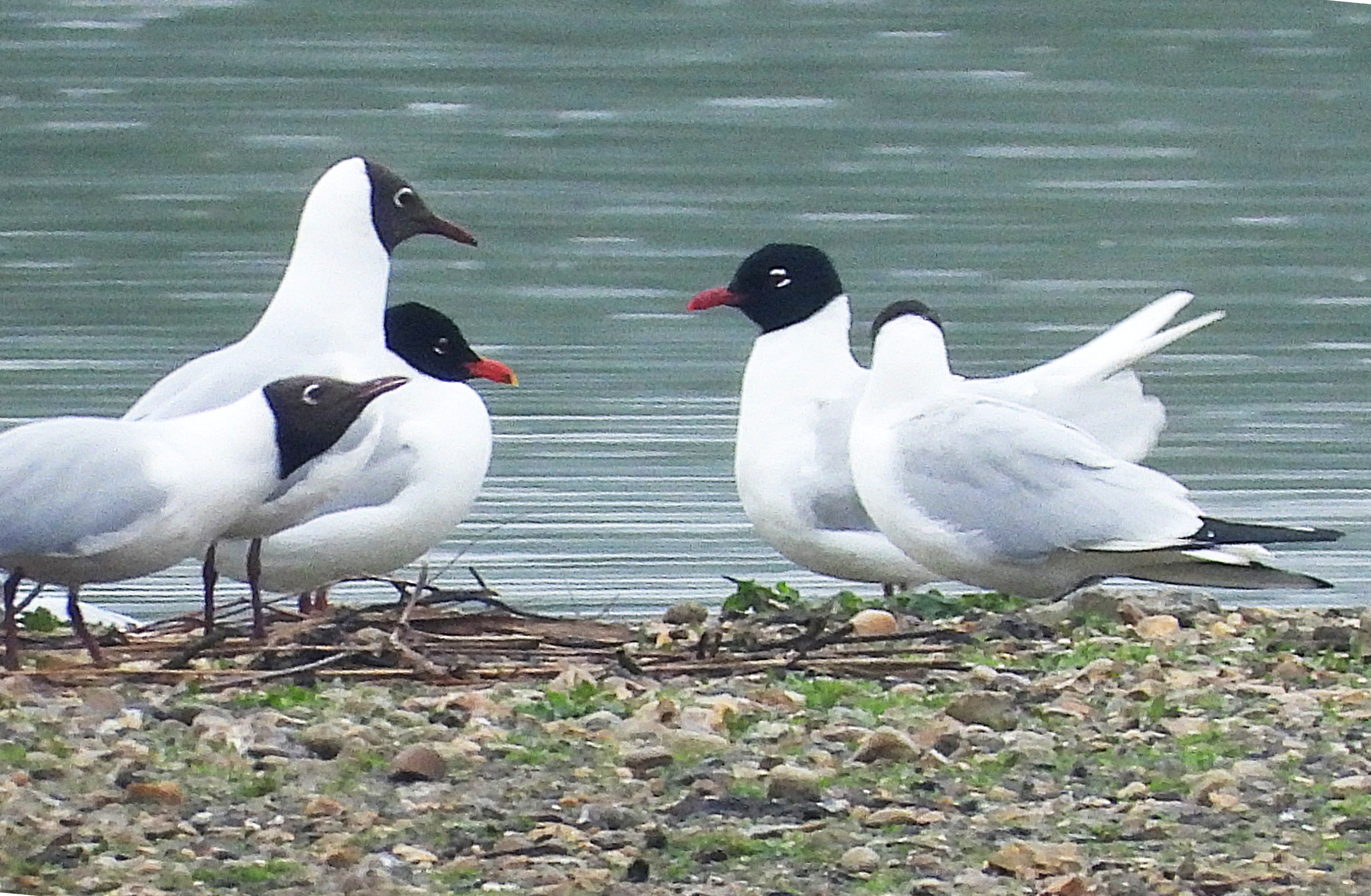
Late April is not renowned for producing numbers of scarce gulls and this week turned out to be no real exception. Two adult Mediterranean Gulls spent the best part of the day at Summer Leys and adjacent Mary’s Lake on 21st but moved on thereafter.
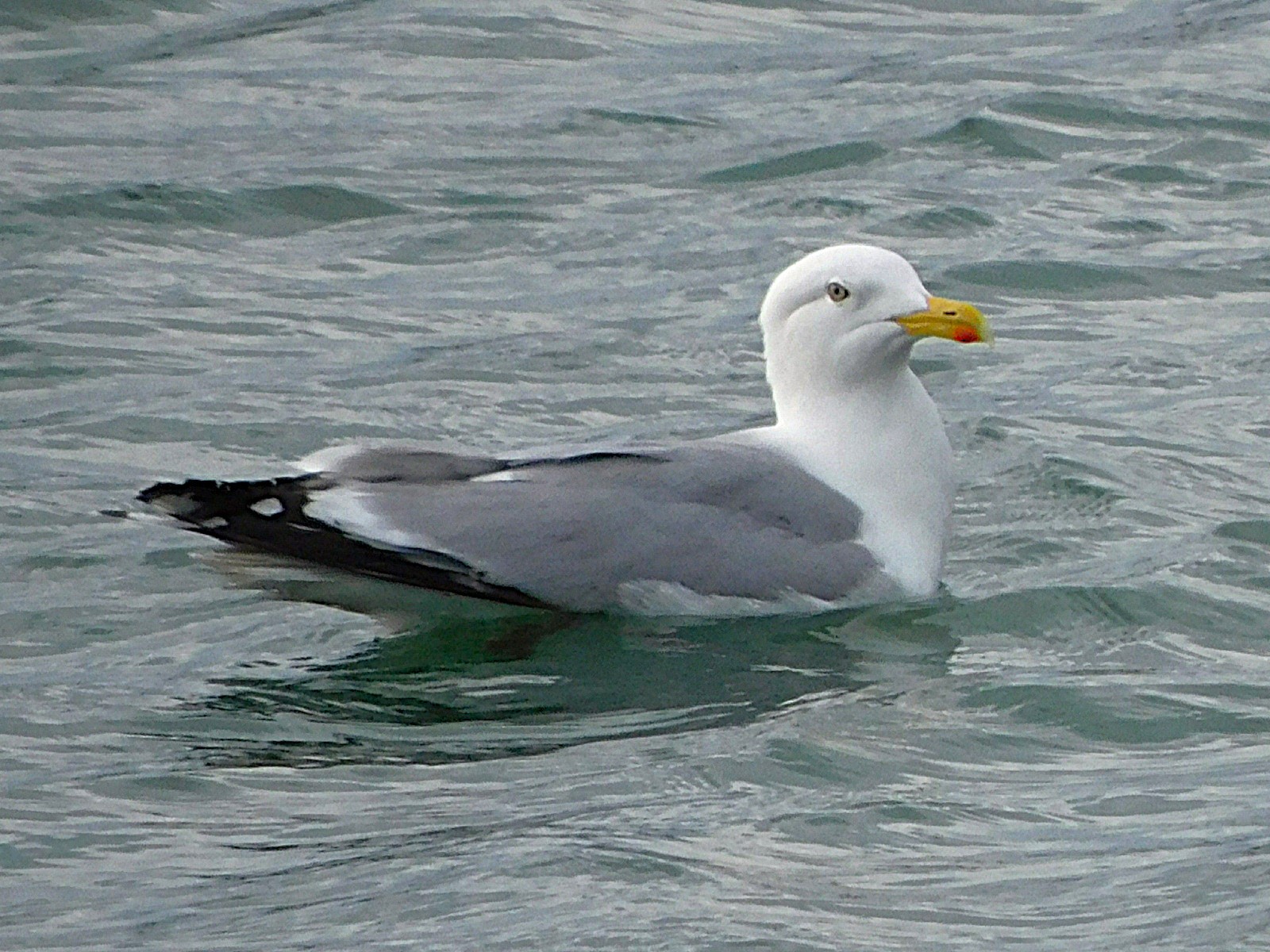
Single adult Yellow-legged Gulls were logged at Priors Hall Quarry Lake on 19th, Earls Barton on 21st and Pitsford on 21st and 25th.
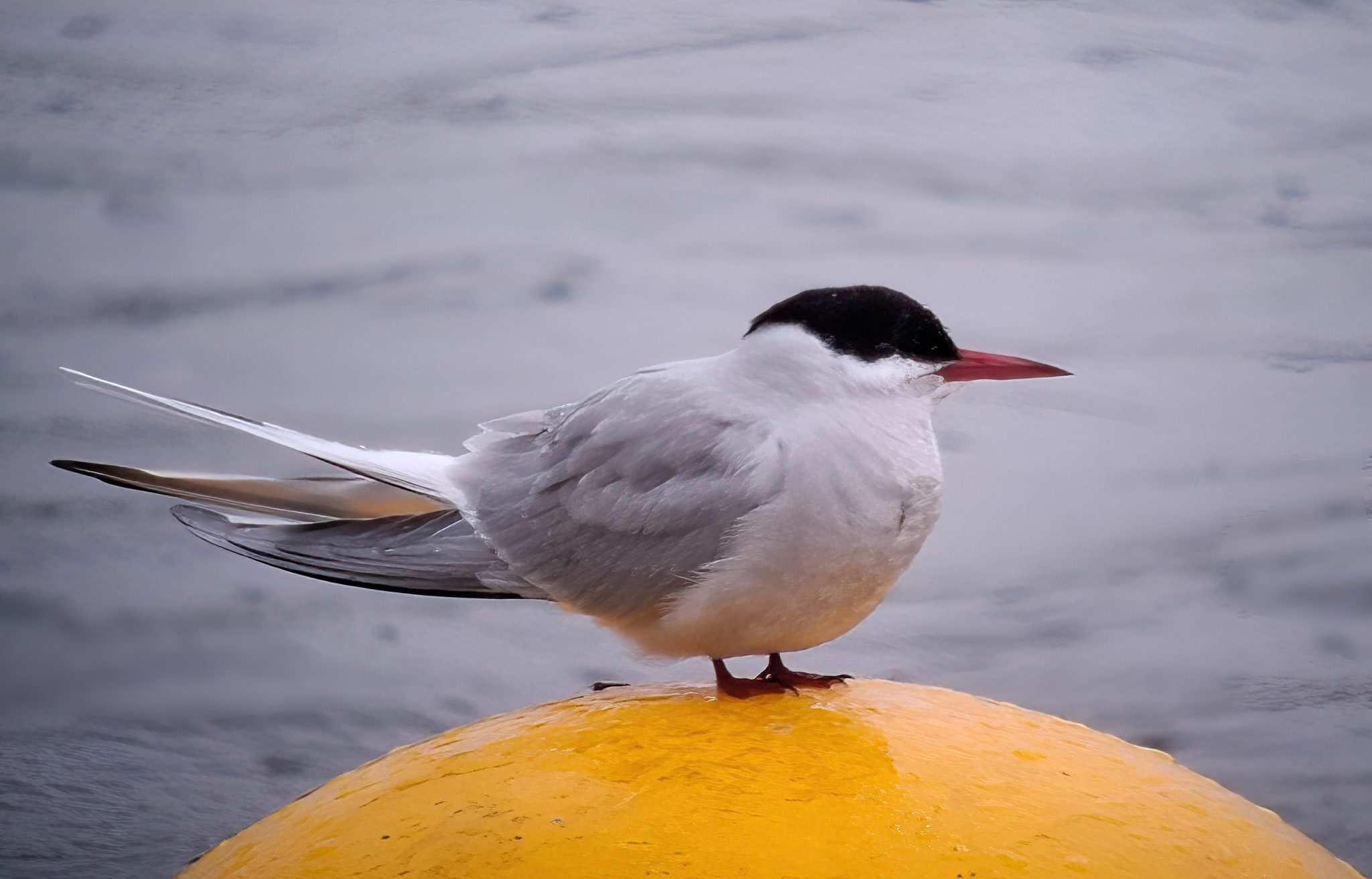
Leaving local Common Terns totally overshadowed, a significant standout feature of the week was the passage of Arctic Terns, impressive numbers of which pulsed through during, and immediately after, intermittent showers and heavy rain across the country. The largest flocks appeared on 21st, when approximate numbers were forty at Hollowell, at least twenty-five at Summer Leys and twenty at Clifford Hill. The following day saw sixteen at Thrapston GP and, on 23rd, Stanford Res scored twenty-eight, Stanwick’s total was nineteen in three separate groups, Clifford Hill’s sixteen and Boddington Res notched up eight. Lower numbers included four at Earls Barton on 24th and singles at both Boddington and Thrapston on 19th and one at Daventry CP on 21st.



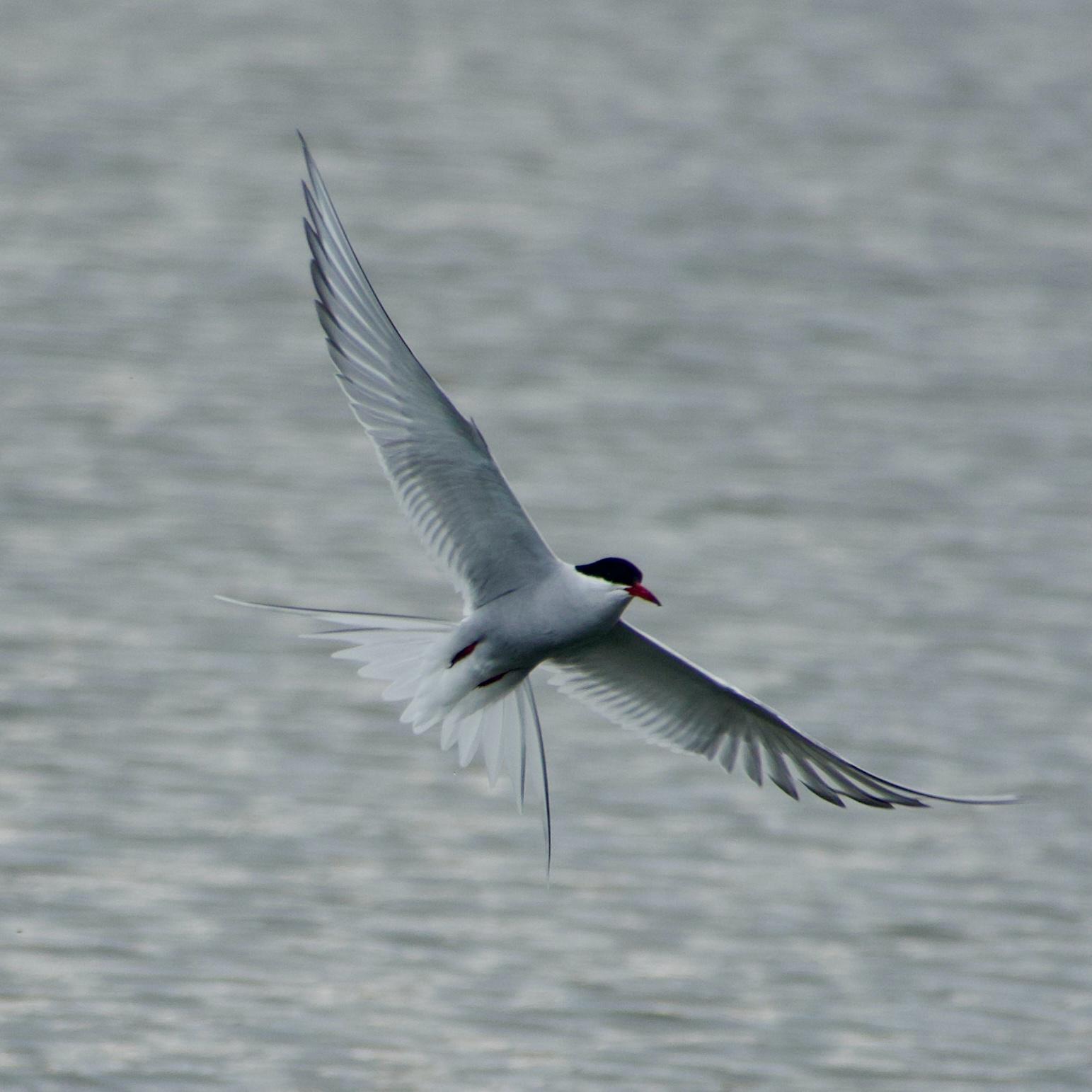
Black Terns put in their first appearance of the year on 23rd, when two visited Stanford and one was seen at Summer Leys.

And, while we’re touching on Summer Leys, appearances by the Glossy Ibis there became increasingly intermittent and it went unreported after 20th. Making up for it – if only to a modest extent – two Spoonbills flew high north-east over the reserve late in the afternoon of 21st and at least one Bittern was present in the wider environs of the Earls Barton complex throughout, following two there on 19th. One was also at Cransley Res on 25th.
Continuing their relative scarcity, two Cattle Egrets paid a brief visit to Summer Leys on 21st and one was at Thrapston GP’s Elinor Trout Lake on the last day of the period.
After a week with no reports, Ospreys were seen at three localities, starting with a blue-ringed male, ‘1H7’, over Summer Leys and adjacent Mary’s Lake on 22nd. This individual originated from a brood in Rutland, where it was ringed as a pullus in 2022, arriving back there on 17th April when it was photographed at a local trout farm. So, quite clearly a different male to the one that visited Summer Leys on 4th April. The other two Osprey sightings came from Hollowell and Pitsford, both of which were on 25th.

Encounters with Marsh Harriers fell to just the one, at Summer Leys on 21st.
Heading up the cast of passerines, the week’s two Ring Ouzels were where you’d expect them to be – where else than in a field below Hanging Houghton, where there was a male on 20th, and at Harrington AF, which produced what was likely to be one mobile female between 22nd and 25th … but we’re not ruling out two.
And, on 25th, a female-type Black Redstart in the car park at Yarwell Mill in the far flung reaches of eastern Northants was perhaps considered too far away for most to take a punt on … The week’s Common Redstarts were limited to singles at Stanford on 20th, Harrington on 21st and Blueberry Farm, Maidwell on 22nd.
Northern Wheatears were about par for the time of year with a maximum count of four at Harrington AF on 21st and smaller numbers consisting of one at Earls Barton on 19th and one at Clifford Hill on the same date, followed by another there on 22nd, two on 22nd-23rd and one on 24th. Two were also at Harrington on 23rd.


Clifford Hill was also the venue for a female Blue-headed Wagtail, present there with a small group of Yellow Wagtails on 23rd-24th.
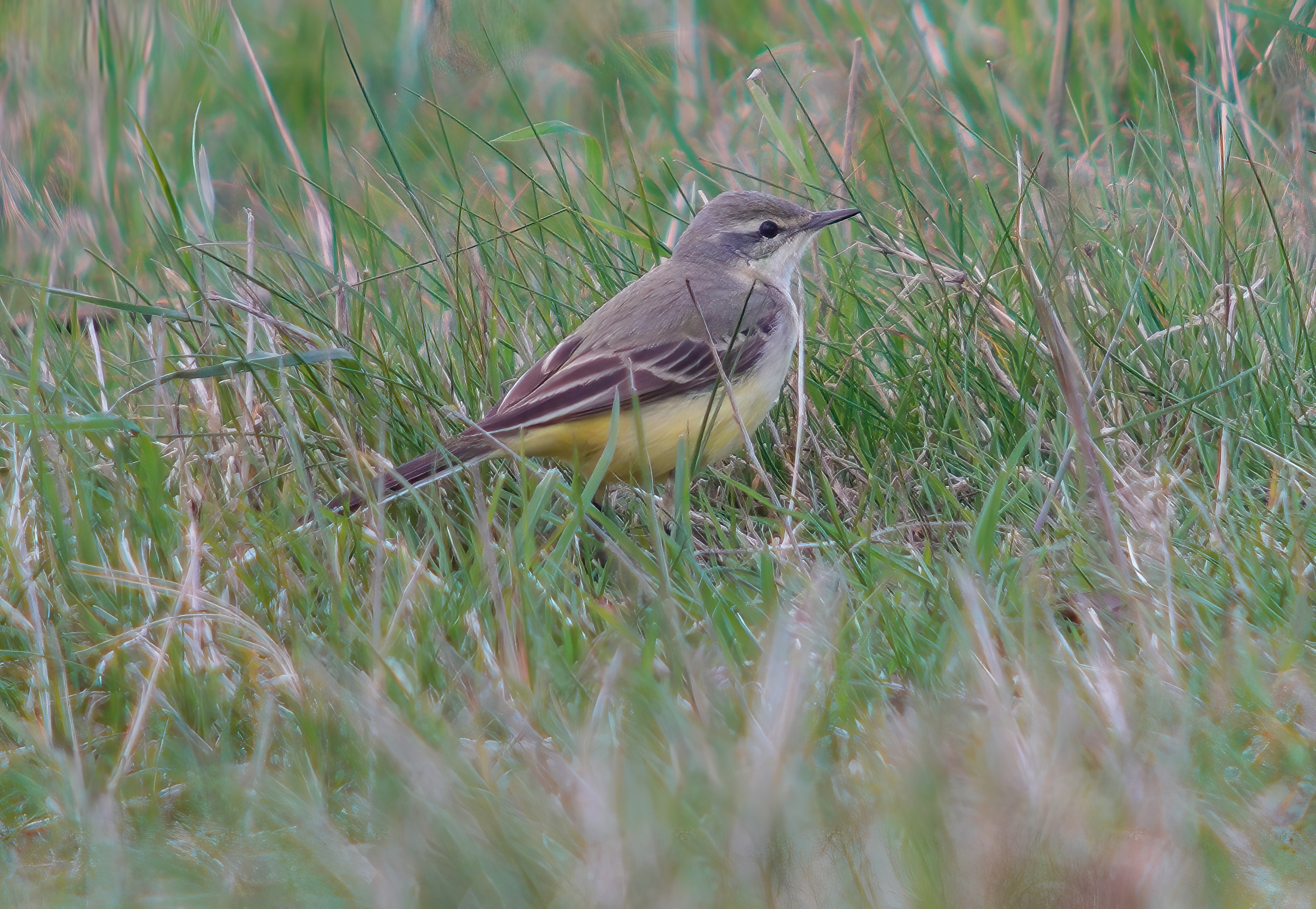
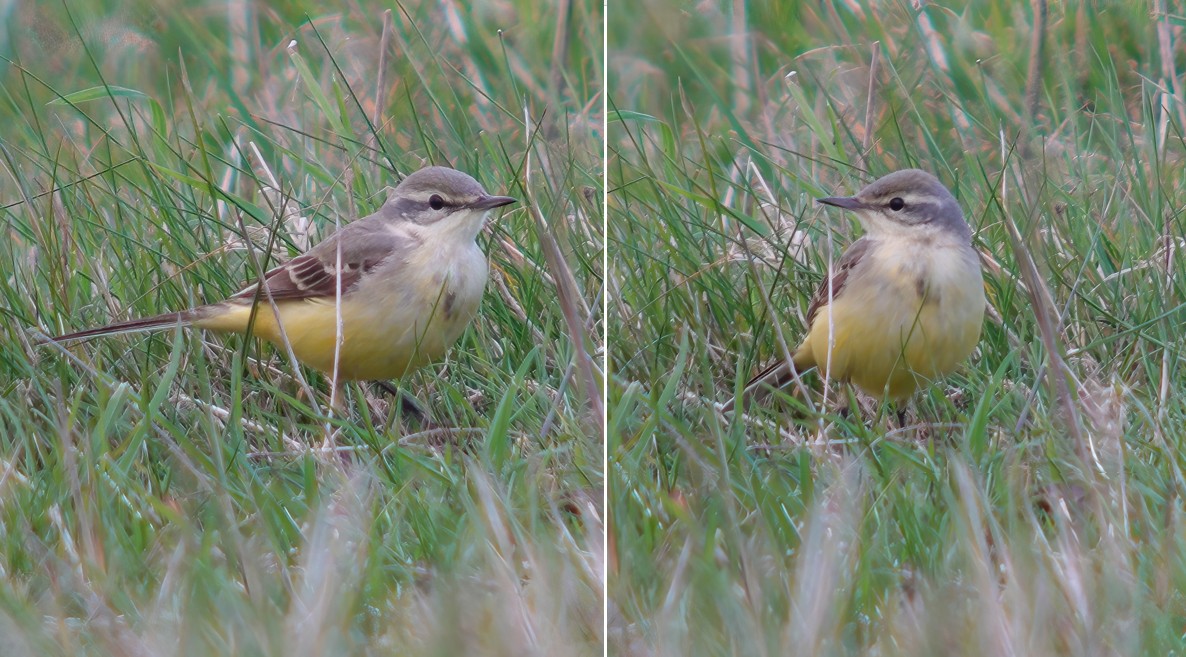
Also in the wagtail camp, reasonably good numbers of White Wagtails coming through during the period included a super seven at Earls Barton on 19th, followed by between two and four there from 22nd to 24th and singles at Clifford Hill on 20th, Pitsford on 21st and Summer Leys on 22nd.

A Tree Pipit between Althorp and Little Brington on 23rd was the first of the year and, who knows, may turn out to be the only one …

Discover more from Northants birds
Subscribe to get the latest posts sent to your email.

 Northants birds