A more northerly component to the airstream took hold during the period although, despite our having lost conditions conducive to migration, the first White-winged Black Tern for a decade dropped in and a decent wader movement continued – along with some eyebrow-raising reports which went under the radar of mainstream news channels …
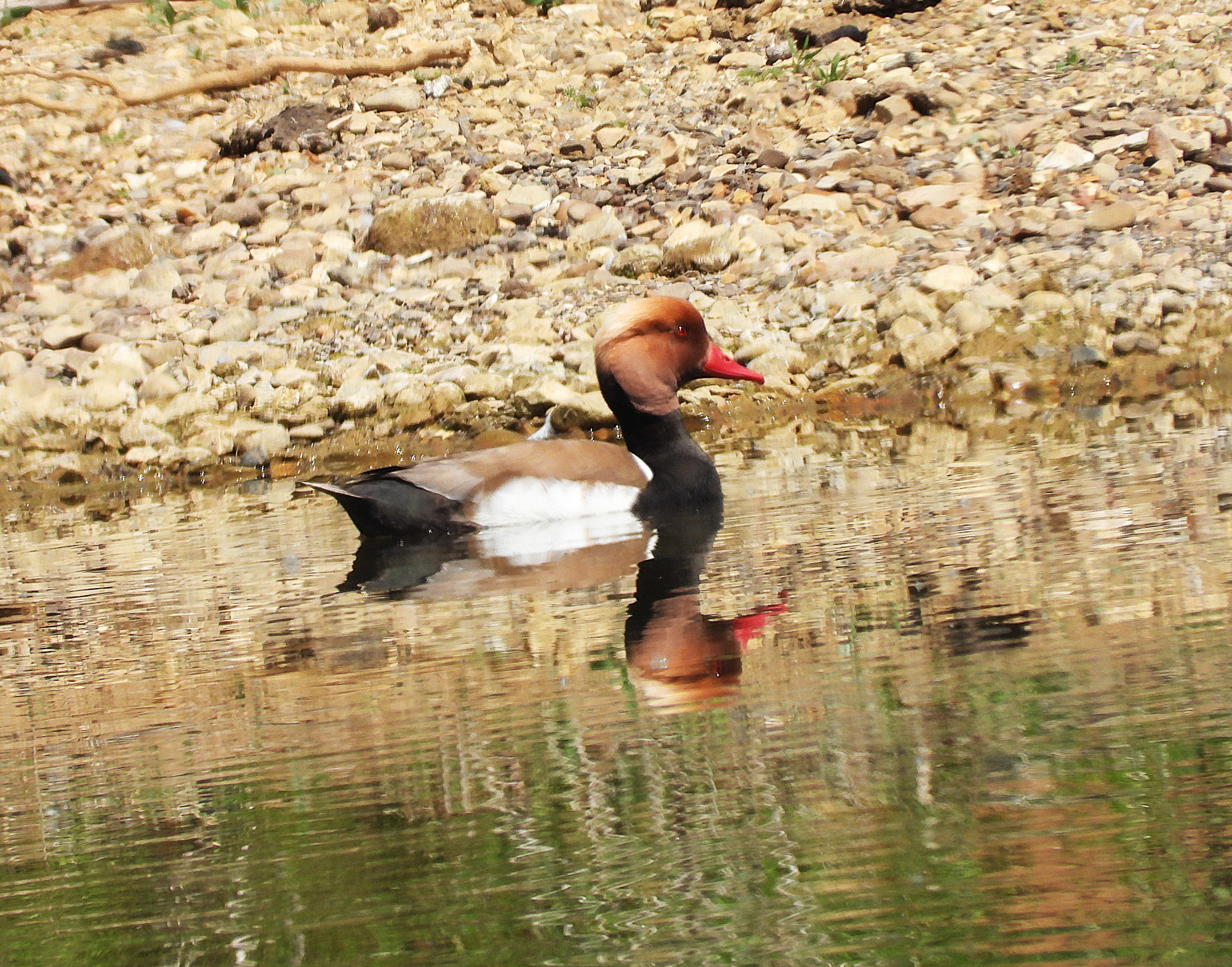
Shaking off ‘winter’ wildfowl, it appears, is never done and dusted these days and so it was that a Pink-footed Goose dropping in at Stanford Res on 18th and 21st kept things going in this respect, although the late spring timing perhaps hints at a potentially suspect origin. Unblemished in this respect, however, was the drake Garganey found at Pitsford Res on 22nd, still present there the following day. Astonishingly, this is only the fourth record so far in 2025, so it’s shaping up to become the worst spring for this species in recent years. Having chalked up another week at Earls Barton GP’s New Workings (South), the regular drake Red-crested Pochard seems set to be in it for the long haul …
Never out of the week’s wader lineup these days, Avocets were again at Clifford Hill GP, where four were present on 20th and two on 22nd. For some time now it’s been pretty much an open secret that they have bred at one site in the Nene Valley, where three pairs produced an unknown quantity of young, the first hatching as recently as 17th, but all are now at a point in time where they are facing their highest risk of predation as the site undergoes drainage.
Clifford Hill continued its run of Grey Plovers with one there on 19th-20th and we’re now into the prime season for ‘Tundra’ Ringed Plovers, one of which appeared at Lilbourne Meadows on 20th, still being there on 23rd.


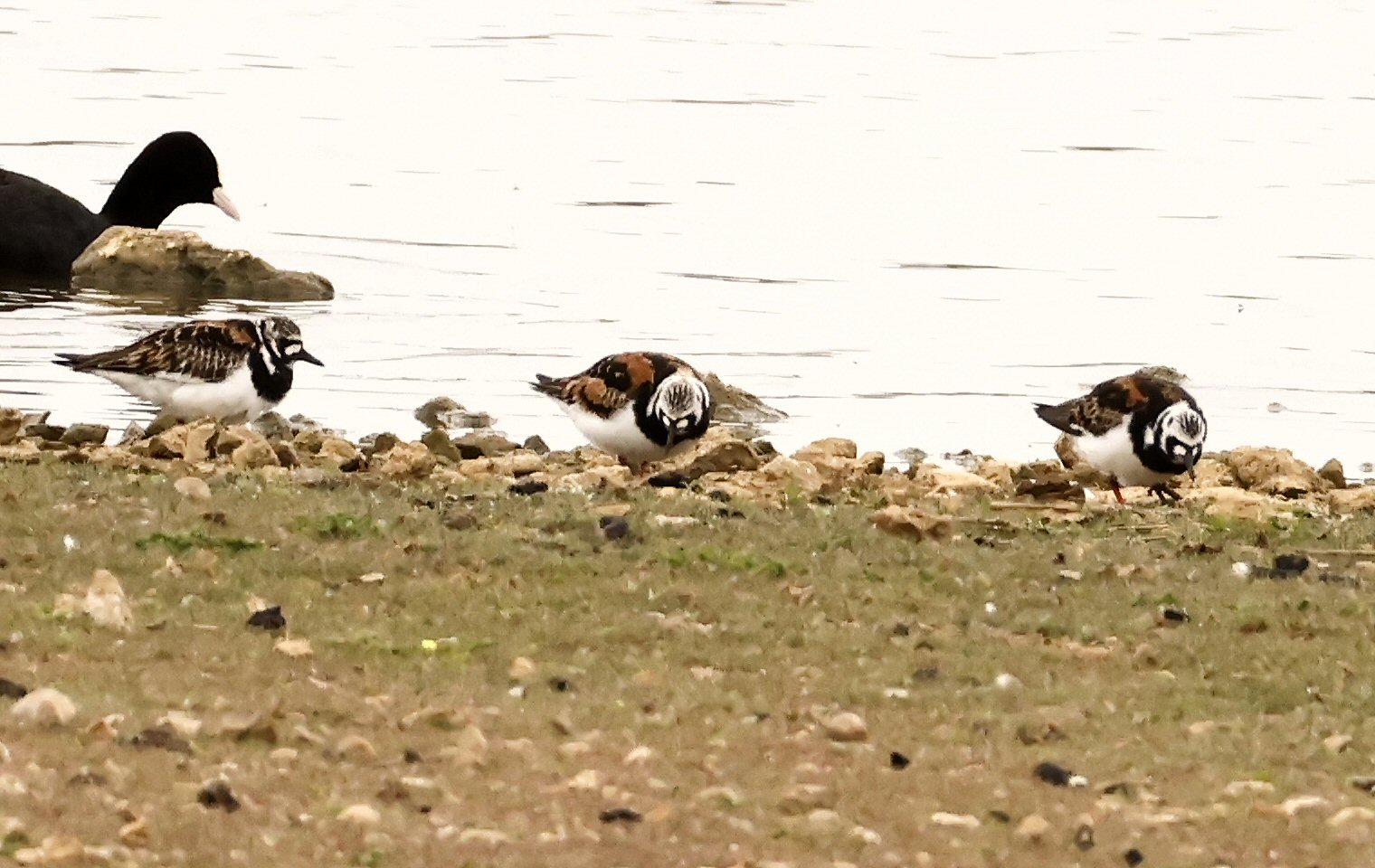
The week’s only Whimbrel – a lone individual –paid a brief visit to Clifford Hill GP on 22nd, the same site producing three Turnstones on 19th and one on 20th, while three visited Thrapston GP’s Titchmarsh NR, also on 19th.

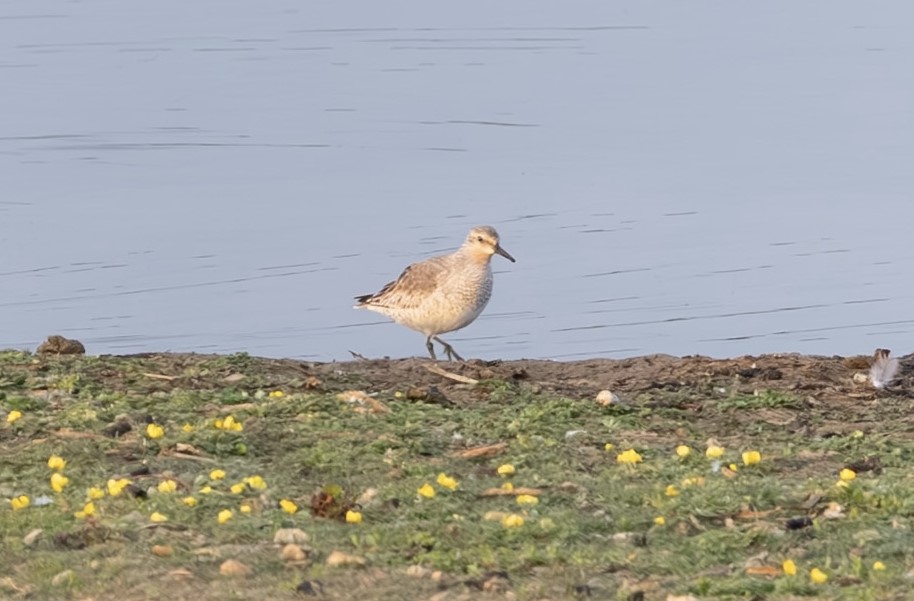
Clifford Hill was again in the spotlight for a first for the year in the shape of a Knot, again on 19th.

Sticking with the Nene Valley, Earls Barton produced a Ruff at New Workings (South) on 19th-20th, the same bird moving downriver to Summer Leys on 22nd. The number of Sanderlings saw an increase on last week, with twos at both Clifford Hill and Earls Barton on 18th, one at the latter site on the following day, when three also visited Clifford Hill, where there was one again on 22nd.


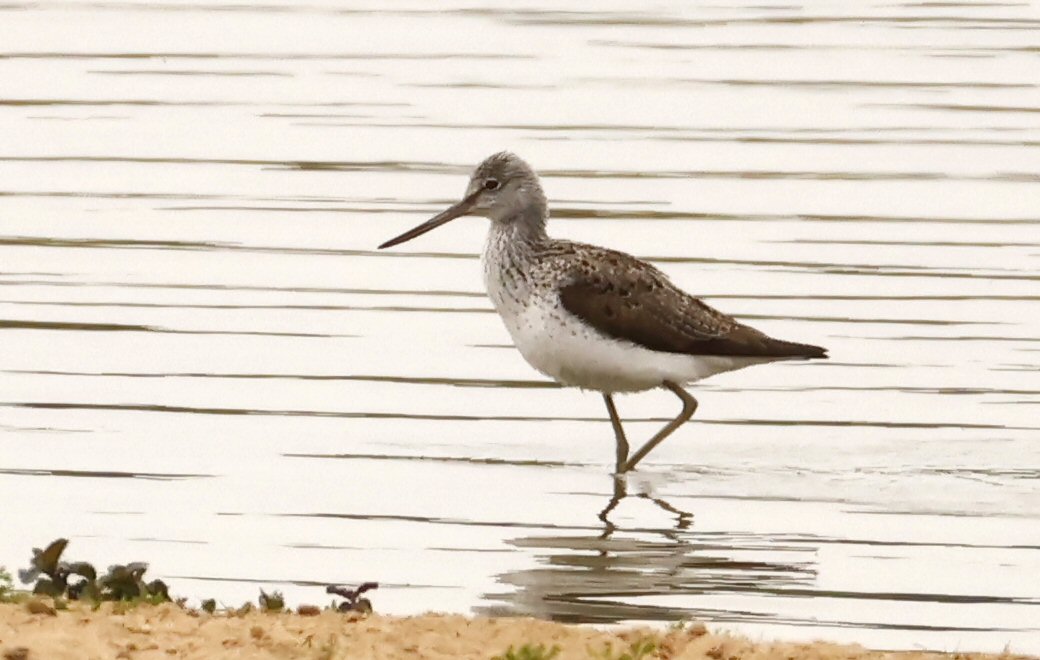
Adding to the wader mix, another Wood Sandpiper was found at Lilbourne Meadows, remaining there the next day. Greenshanks were still on the move, with Earls Barton holding up to three between 19th and 23rd, one at Clifford Hill on 19th, plus one at Pitsford at the week’s end.
Unsurprisingly, there was little to shout about as far as gulls were concerned, with just two Yellow-legged Gulls on offer – one at Pitsford on 17th and the other, a first-summer, on floodwater at Braunston on 22nd.
And, after a long wait for many, at the pinnacle of the week’s obtainable rarities was Northamptonshire’s seventeenth ever White-winged Black Tern – and we’ll stick with the old school name as it paints a much more vivid picture, summing up nicely the very essence of the bird itself. Found at Summer Leys, late in the morning on 18th, this, the first in the county for ten years, had the good grace to stick around for at least nine hours, thereby enabling plenty of local birders to catch up with it. And what a bird it was …

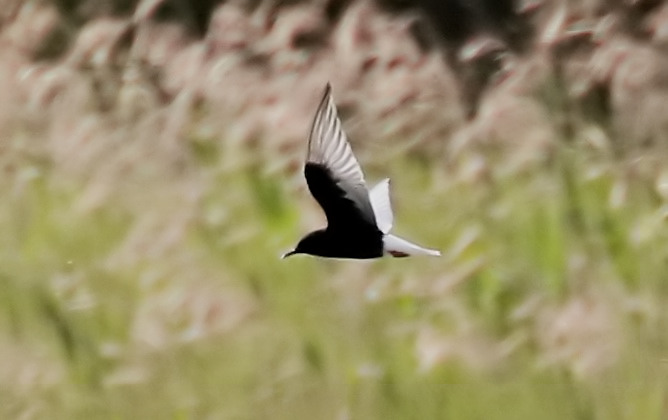


Left very much in the shade were two Black Terns, downriver at Stanwick GP on the same date.
The period’s Bitterns consisted of just the one seen at Summer Leys on five days out of this week’s seven.


And while a Cattle Egret at Earls Barton on 23rd was the only one of its kind seen during the period, something a little more elevated in terms of appeal appeared in the shape of a Purple Heron reported in trees on the island in Ringstead GP’s Kinewell Lake, late in the afternoon of 19th. In a year that has produced a decent number already, another surely does not seem too unlikely.
The week’s Ospreys consisted of singles over Irchester CP on 17th, at Hollowell Res on 19th, Pitsford on 21st and 22nd and at Stanford, also on 22nd.
As for passerines, a Pied Flycatcher was seen briefly at Bucknell Wood on 18th but, going somewhat leftfield, how about the belated report of what could be inline to be Northamptonshire’s second ever Bluethroat – a male – being found between Kings Heath and Kingsthorpe Mill on 16th!? It’s been a long, long time since the first was seen at Ditchford GP on 26th June 1974 …

Discover more from Northants birds
Subscribe to get the latest posts sent to your email.

 Northants birds