Newsround 15th to 21st November 2025

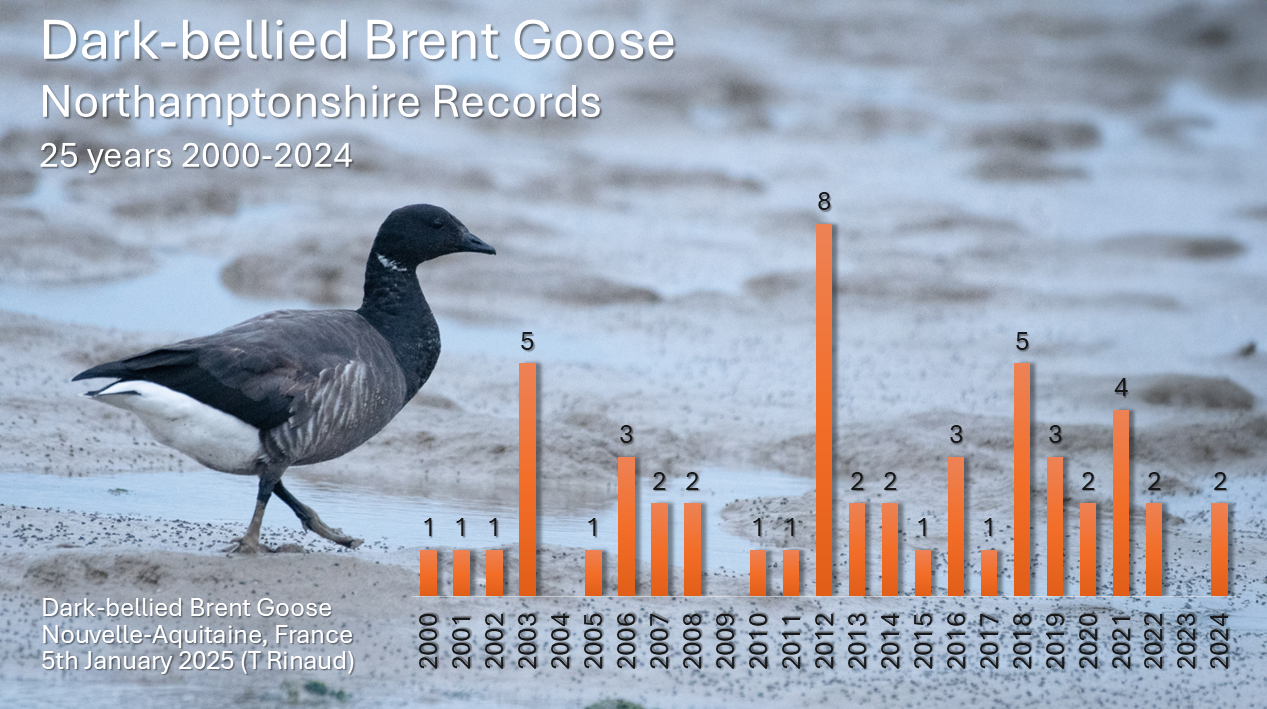
The early part of the week saw northerly winds ushering in an Arctic air mass, resulting in plummeting temperatures and giving rise to frosty conditions. This was, of course, preceded by the fallout from Storm Claudia which, on day one, delivered some unexpected waders and the first Dark-bellied Brent Geese of the year.

The first of these was a first-winter found on floodwater near Aynho on 16th, followed by an adult at, and around, the general area of Summer Leys LNR two days later, on 18th. It was also reported on the recreation ground at nearby Great Doddington on 19th but not seen subsequently.

Last week’s juvenile Whooper Swan remained at Pitsford Res throughout the period, latterly favouring ‘The Pines’ area, north of the dam.

A drake Green-winged Teal, now relegated to subspecific status by AviBase was, nevertheless, a nice find on 18th at Stanwick GP, where it remained the following day but was not seen thereafter.

And a Black-necked Grebe found at Pitsford Res on the last day of the week is only the fifth record of the year for this species, the last being at Stanford Res on 20th September.

With Clifford Hill GP as the hotspot, the first day of the period produced the aforementioned unexpected waders, which consisted of two Grey Plovers and a Sanderling – both unusual for mid-November, while Daventry CP’s first-winter Black-tailed Godwit made it into the week, just, on 15th.

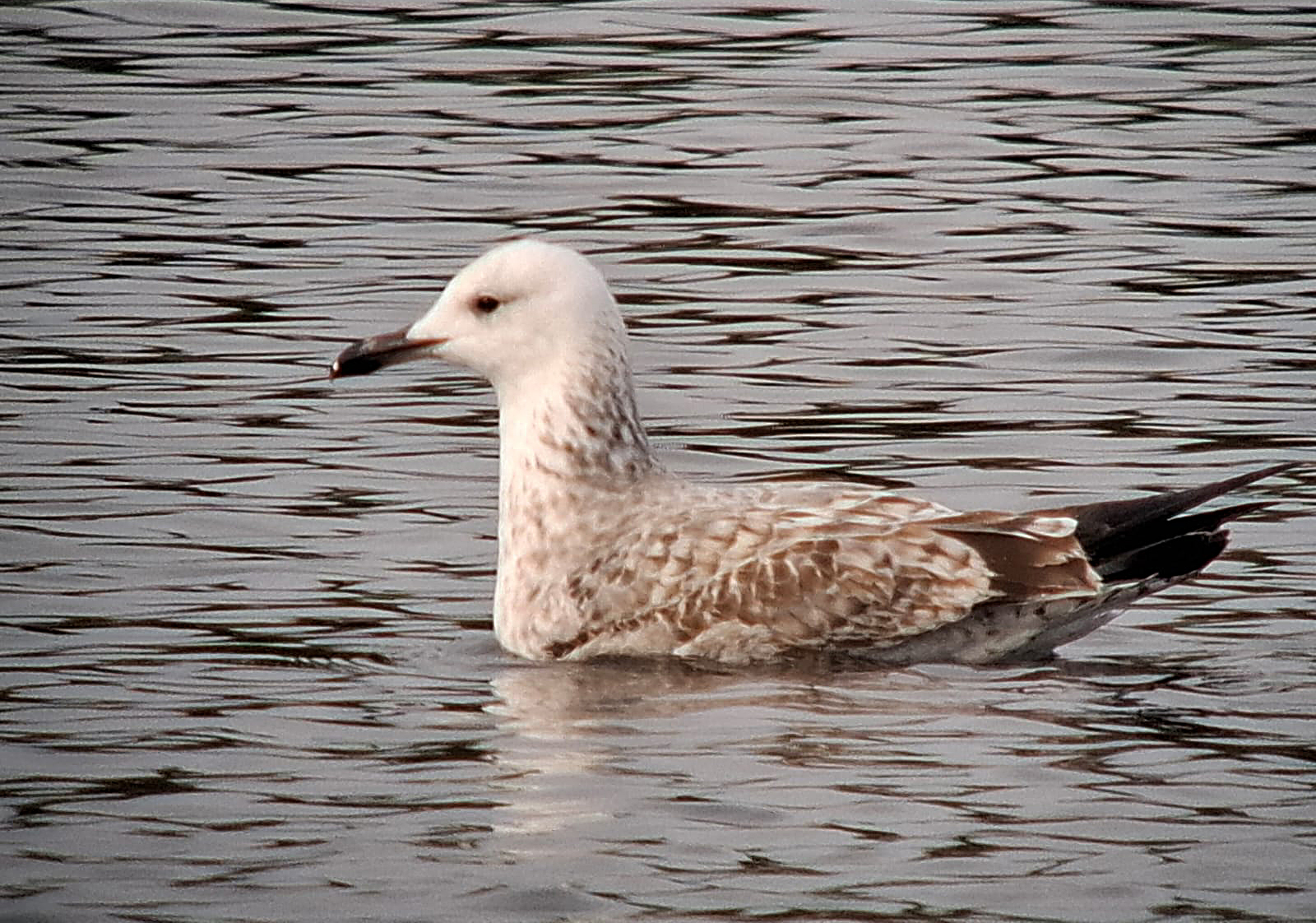
Clifford Hill also delivered an adult Mediterranean Gull, also on 15th, as well as a first-winter Caspian Gull throughout the period. Another first-winter was on a flood pool by the River Welland near Cottingham on 20th, the same date producing a third-winter at Hollowell Res, while two adults were at Hollowell the following day. Yellow-legged Gulls were fewer in number, with single adults at Pitsford on 16th and 18th and at Clifford Hill on 21st.

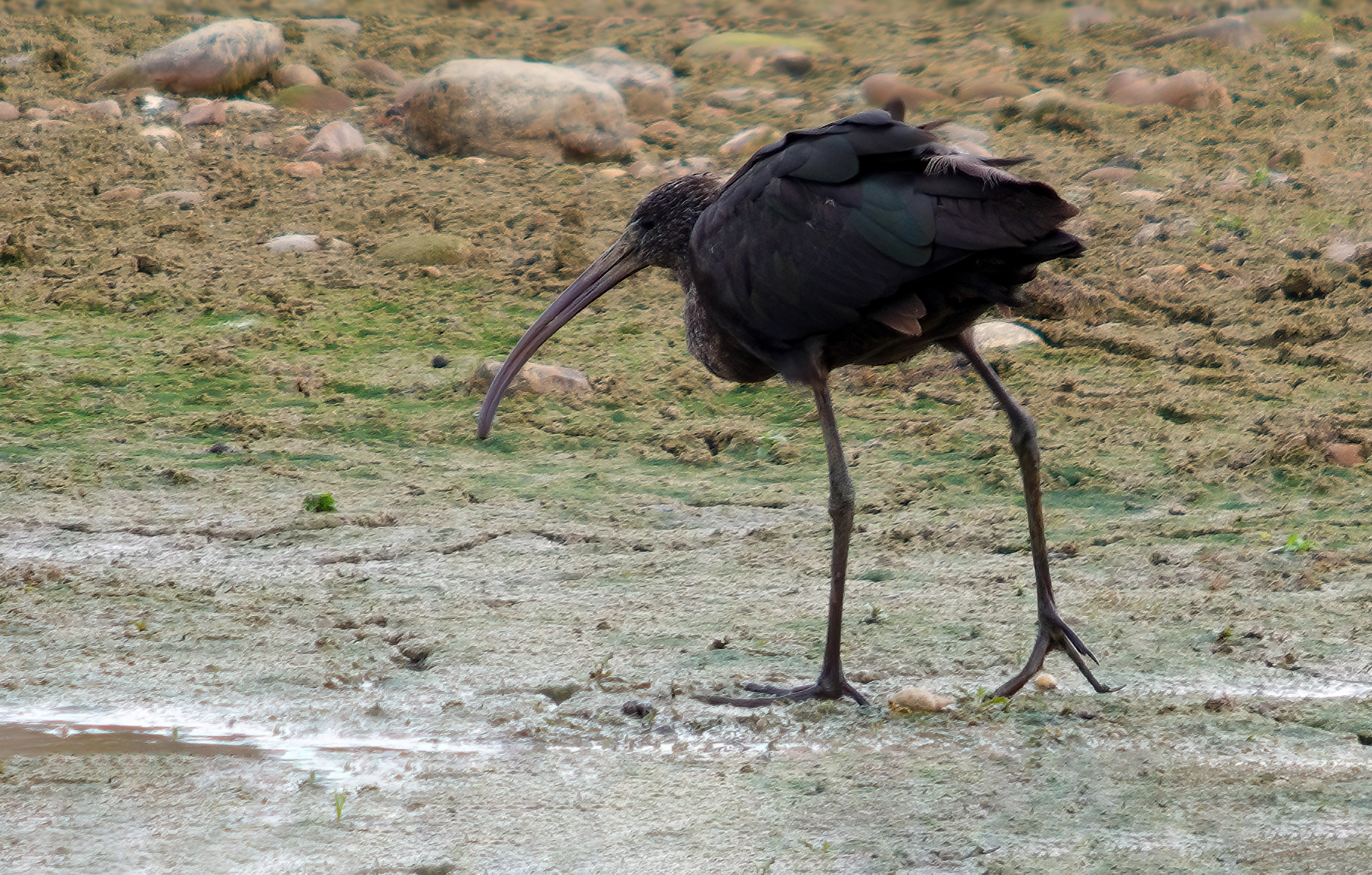
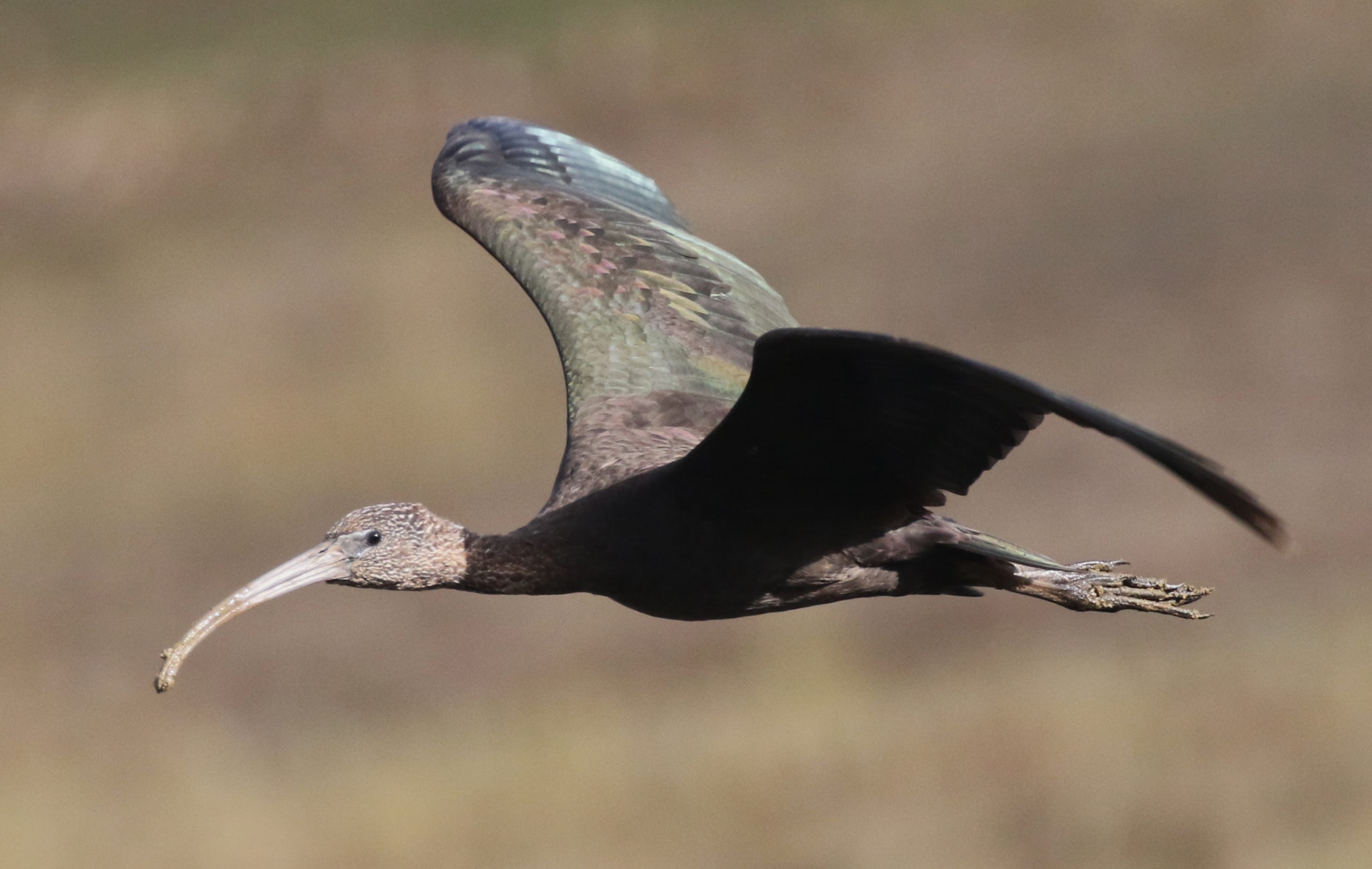
There was little change in the week’s status of Glossy Ibis, with the Summer Leys three moving within spitting distance of the reserve, having found a flooded field close to Little Irchester to their liking from 18th until the week’s end. Visits to Stanford Res became more sporadic, however, with the previously regular duo being seen at the settling pond there on 16th only.

Single Bitterns were present at Thrapston GP’s Titchmarsh NR on 15th and at Summer Leys on 15th and 17th, while two Cattle Egrets were on site at Stanwick on 18th.

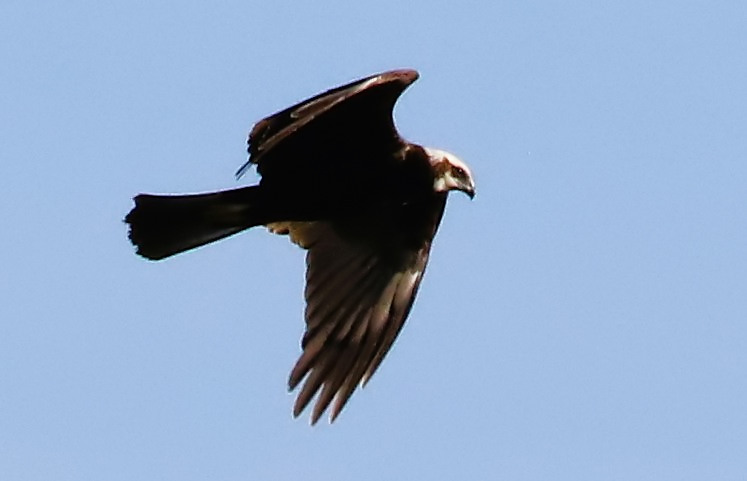
Surprisingly for mid-November, Marsh Harriers appeared at five localities, commencing with two hanging on at Titchmarsh on 15th, followed by single birds at Summer Leys on 16th and 21st, Ditchford GP’s Irthlingborough Lakes & Meadows NR on 17th, nearby Stanwick GP on 18th and at Blatherwycke Lake on 20th.
And it’s no surprise that the week’s only Merlin was in the Brampton Valley between Cottesbrooke and Hanging Houghton on 20th.

In an absence of recent records in the county, a Jackdaw showing characteristics of the nominate race monedula, colloquially know as Nordic Jackdaw, was present among a mixed corvid flock at Blatherwycke Lake on 20th. Surely under-recorded, there appears to have been none since 2020, when one was at Stanwick on 30th October.

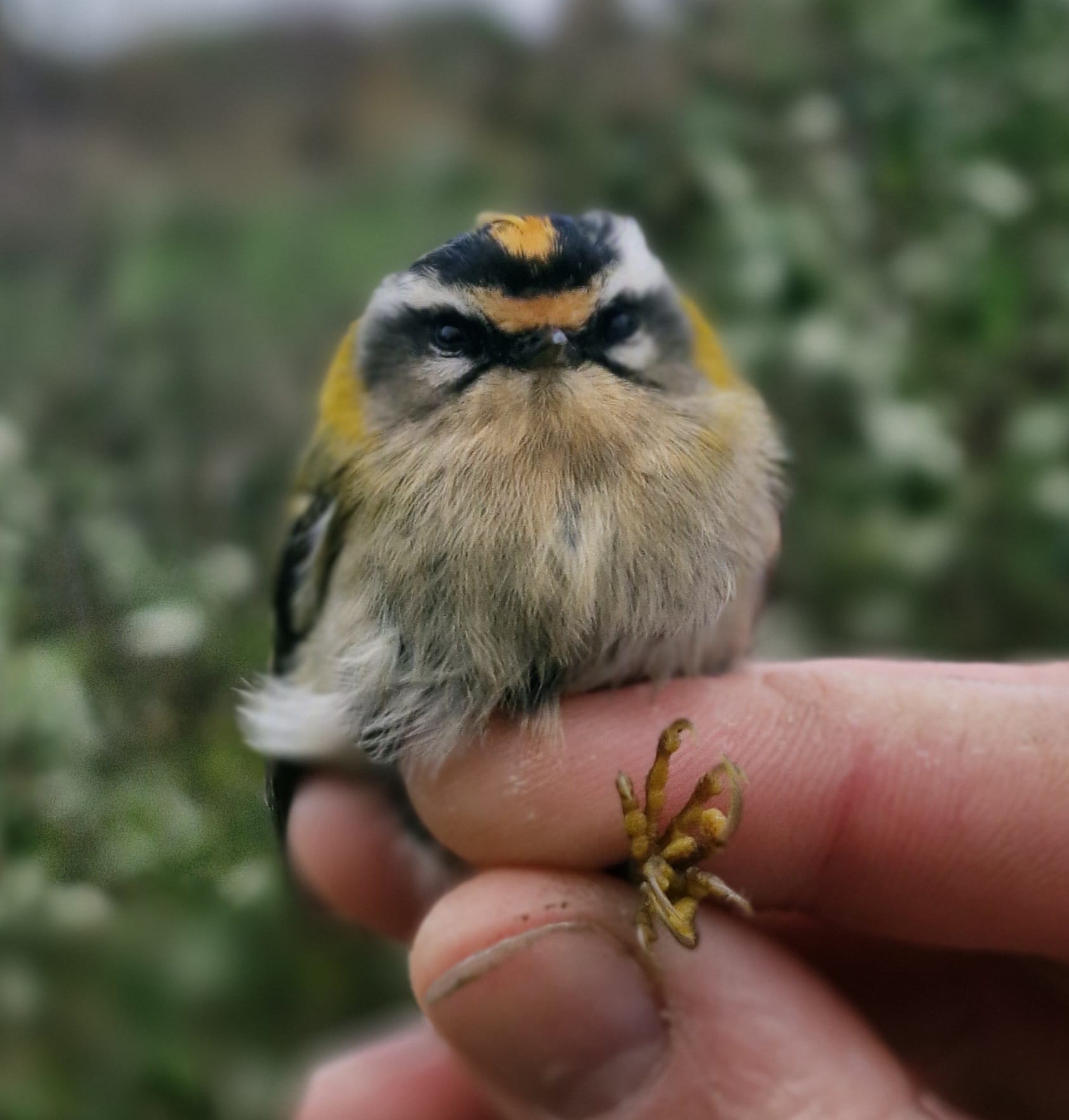
Following one last month, the second Siberian Chiffchaff of the autumn was found at Daventry CP on 21st before melting away into the mass of scrub surrounding the site. And another week, another Firecrest – this one trapped and ringed at Stanford Res on 16th.
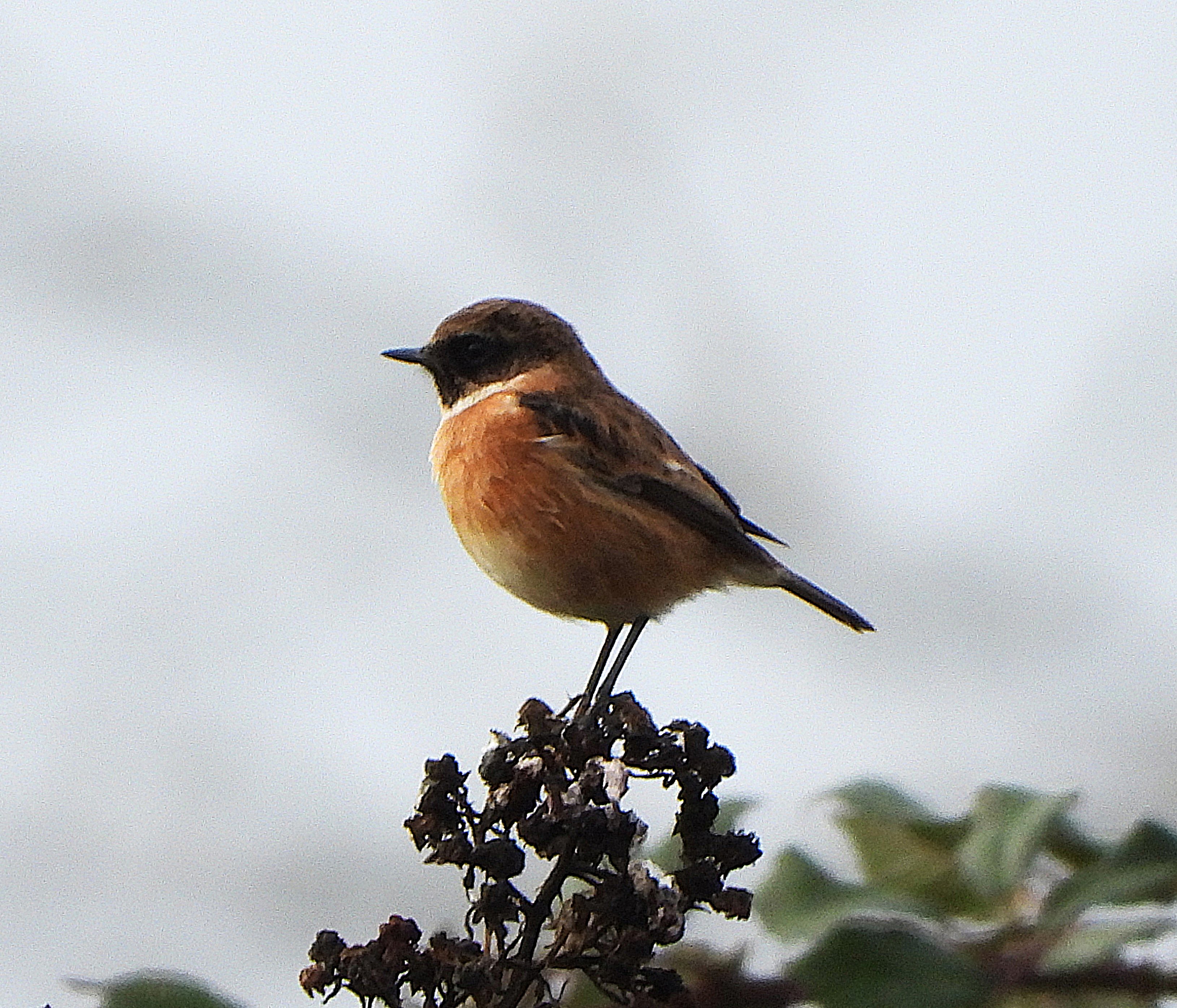
Hollowell produced the highest count of Stonechats this week, with six there on 15th, while the Brampton Valley, Deene Lake and Pitsford held between two and four birds apiece.

And Crossbills were present at Hollowell, where there were two on 16th and one on 20th and Pitsford, where at least two were seen on 17th.

Back in the Brampton Valley, the occasionally obliging Corn Bunting popped up again on 20th.

Newsround 8th to 14th November 2025

Mild weather with above average temperatures persisted throughout the week, culminating in the arrival of Storm Claudia, bringing relentless, increasingly torrential rain, backed by strong easterly winds as the final day concluded. This murky, wet backdrop proved no deterrent to the determined, although the bucketloads of rain provided very little gain for stalwart birders braving the wholly inclement conditions.

New birds on the block in the wildfowl camp kicked off on the 8th with an immature Whooper Swan at Pitsford Res, with what was assumed to be the same bird still present there on 12th. And, after its apparent absence for more than two weeks, the female Ruddy Shelduck again appeared at Stanford Res on 13th. It was also Pitsford’s privilege to produce the first Greater Scaup of the autumn/winter period, two turning up there on 10th but nowhere to be seen subsequently.

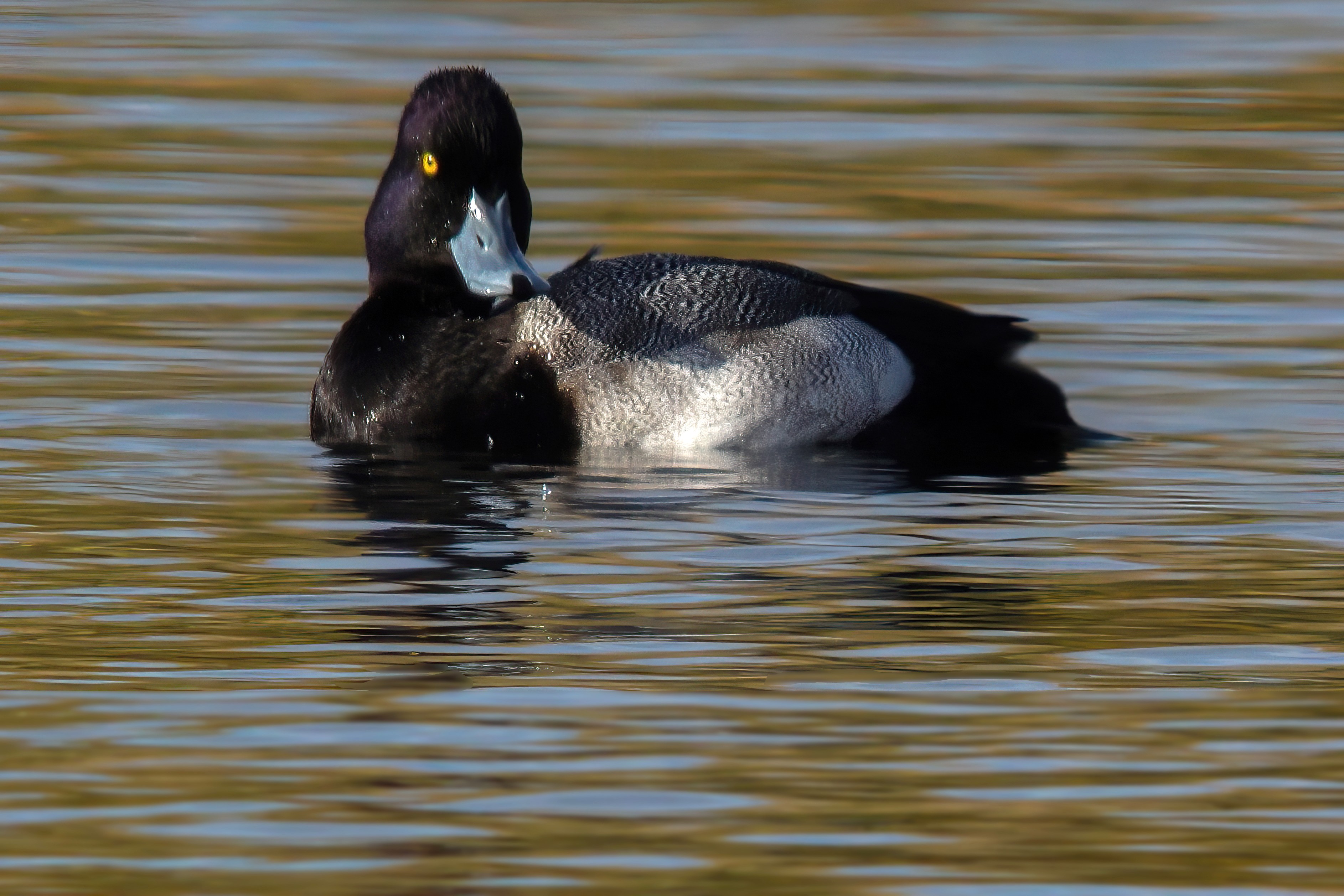
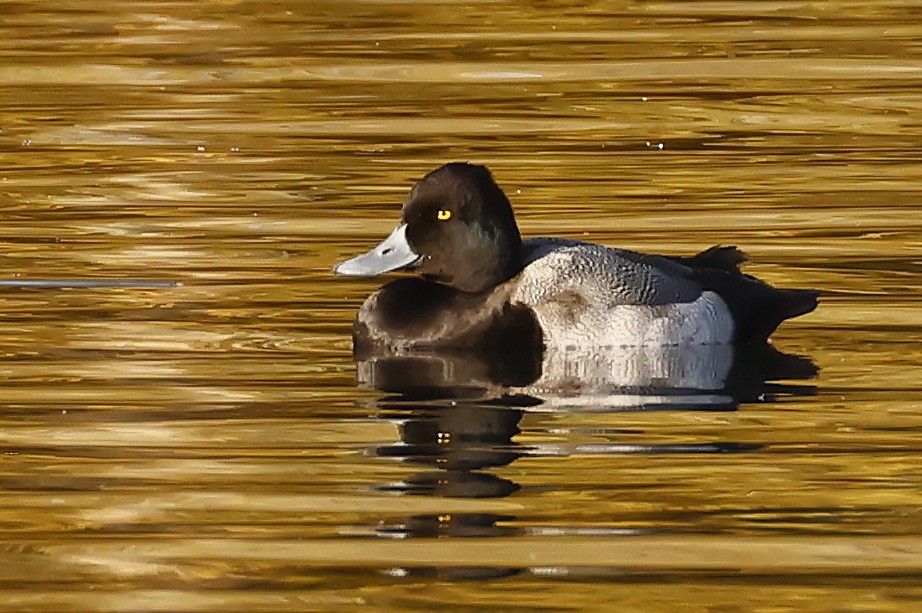
And following last week’s speculation that Ditchford’s drake Lesser Scaup seemed settled enough to see the winter out, it was clearly not in it for the long haul, seemingly abandoning the site for pastures new after 11th. Further conjecture suggests that this short-term celebrity is likely to be the same drake that turned up at Staines Reservoir, London on 12th – a mere 96 km distant as the scaup flies …

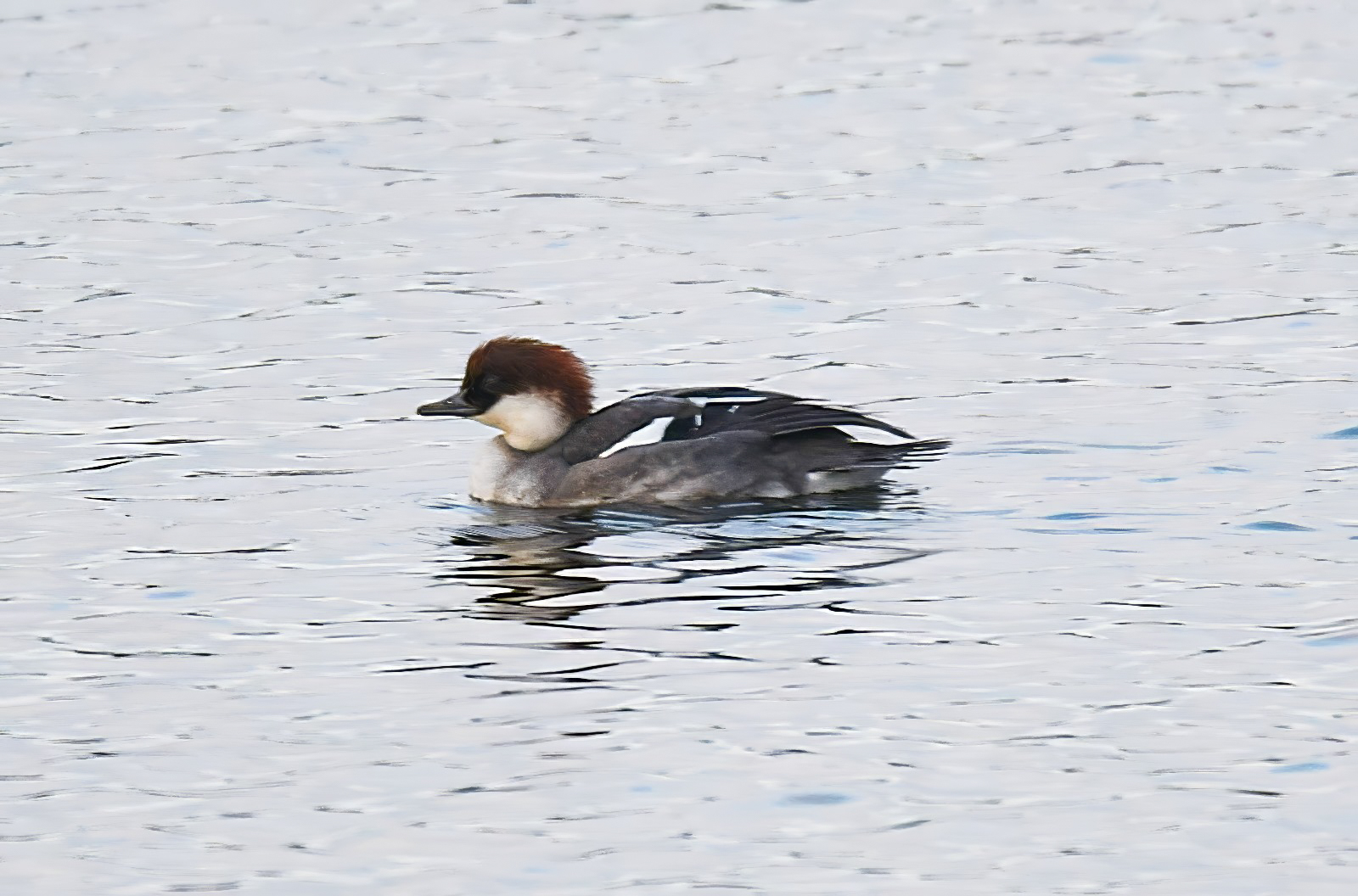
With the spotlight firmly on Ditchford this week, another first for the autumn/winter period was found there on 8th in the shape of a ‘redhead’ Smew. Its stay, however, was short and sweet and it was nowhere to be seen the following day.

Aside from a Grey Plover in flight over Blueberry Farm, Maidwell on 9th, waders on the ground included the first-winter Black-tailed Godwit seeing the week out at Daventry CP, along with a Ruff there from 8th to 13th and another Ruff at Pitsford, also on 8th.

A Jack Snipe was seen at Clifford Hill GP on 8th and, despite the date, a late Common Sandpiper at Stanford on 13th was just that, although at this time of the year Spotted Sandpiper is at the forefront of many a hopeful birder’s mind.

On the last day of the period, at Summer Leys, a Little Gull was little more than a token gesture on the back of Storm Claudia, given the hefty ninety-three plus counted over the border at Grafham Water on the same day.

With further respect to gulls, the more usual fare on offer included two first-winter Mediterranean Gulls in the roost at Stanford on 10th, followed by just one the next evening. Caspian Gulls comprised an adult and a second-winter at Earls Barton GP’s Mary’s Lake on 8th and single adults at Pitsford on 9th and in the Stanford roost on 12th. A bird considered to be a Caspian Gull x Herring Gull hybrid was present at Daventry, also on 12th. Pitsford produced the week’s highest count of four Yellow-legged Gulls on 10th, followed by one there on 12th. Elsewhere, an adult was at Mary’s Lake on 8th, one was at Clifford Hill on 9th-10th and a first-winter visited Daventry on 14th

And while the three Glossy Ibises saw another week out at Summer Leys, it appears that the Stanford duo was back, being seen on all but one day, flying east in the early morning and west toward Stanford Hall in the evening, as well as on the ground behind the Settling Pond on a couple of occasions.

Summer Leys also produced a Bittern on 14th and a male Marsh Harrier on 8th-9th, while one was also seen nearby at Earls Barton GP’s Quarry Walk on the latter date. Elsewhere, one flew east over Blueberry Farm, Maidwell on 8th and two were again at Thrapston GP’s Titchmarsh NR on 9th.

Harrington AF produced a Short-eared Owl, flying high south, also on 9th, as well as a Merlin on the same date, while further single Merlins were in the Brampton Valley between Cottesbrooke and Hanging Houghton and between Brockhall and Great Brington on 8th and 11th, respectively.

Heading the cast of the period’s passerines was a Firecrest, mobile with a Long-tailed Tit flock in the vicinity of Rotary Hide at Summer Leys, on 12th.

And the weekly Stonechat quota included a double-figure count of eleven at Pitsford Res on 10th, while between two and four birds were logged at Borough Hill, Brampton Valley, Clifford Hill, Ditchford GP and Harrington AF during the period.

There was an unconfirmed report of 5 Twites at Sywell CP on 9th and, with the source unknown, it remains exactly that. The last record in the county was of two near Yardley Gobion on 9th January 2023, which were the first to be recorded since 2014 while, prior to that, the last occurrences were in 2011 and 2000.

Less contentious, however, were Crossbills – of which two were at Pitsford on 8th, several at Gamboro Plantation in the Brampton Valley on 9th and 12th, followed by three in flight over Daventry on 13th.

Newsround 1st to 7th November 2025

A sustained southerly airstream rendered the first week of November considerably mild, weatherwise, and arguably, the same could be said regarding the period’s birds – certainly from a new arrivals perspective. However, there was still plenty to see in terms of hangers-on, including the Lesser Scaup – now seemingly settled at Ditchford – continuing as the main attraction, proving popular with locals and visitors alike.

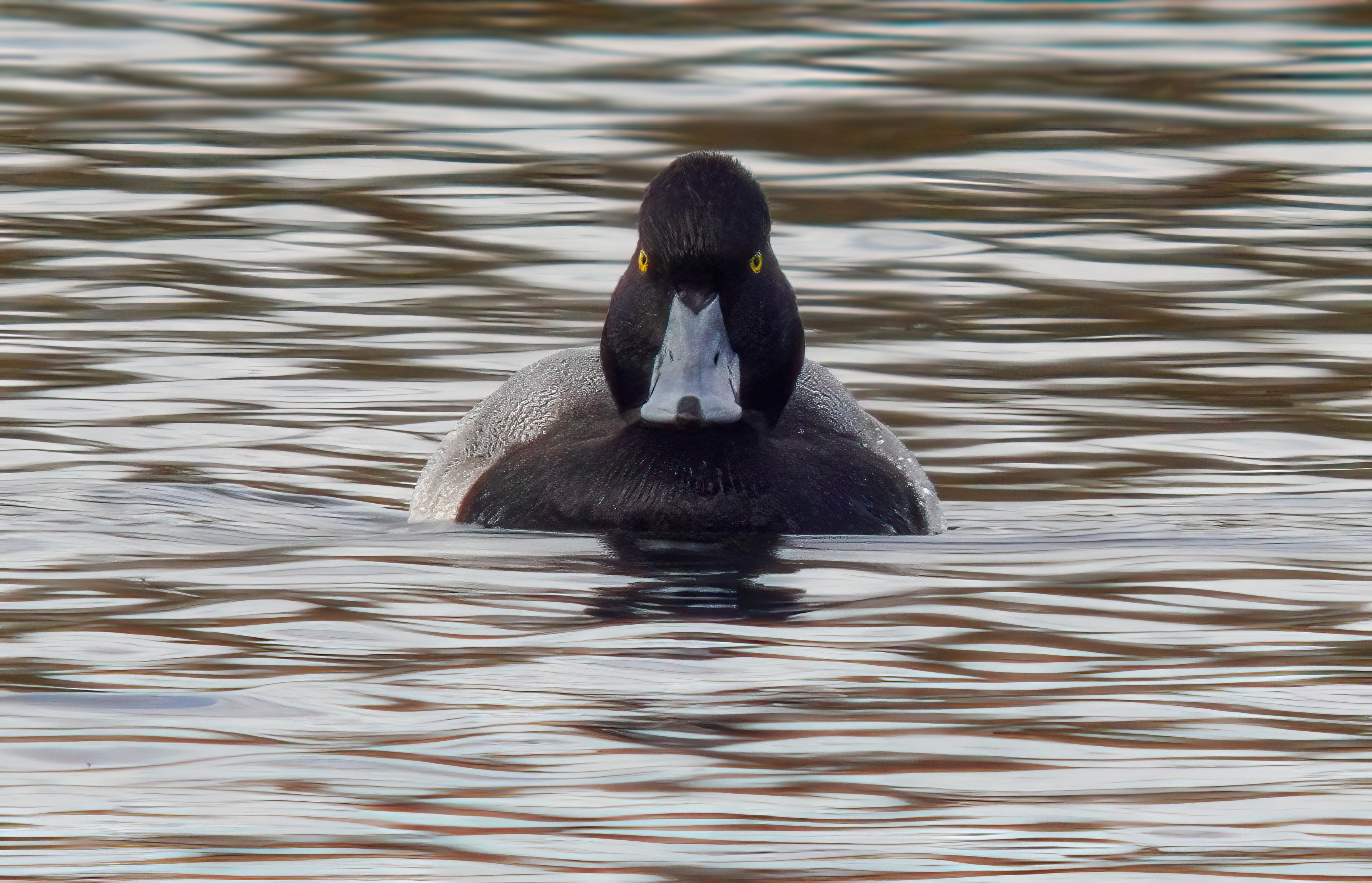
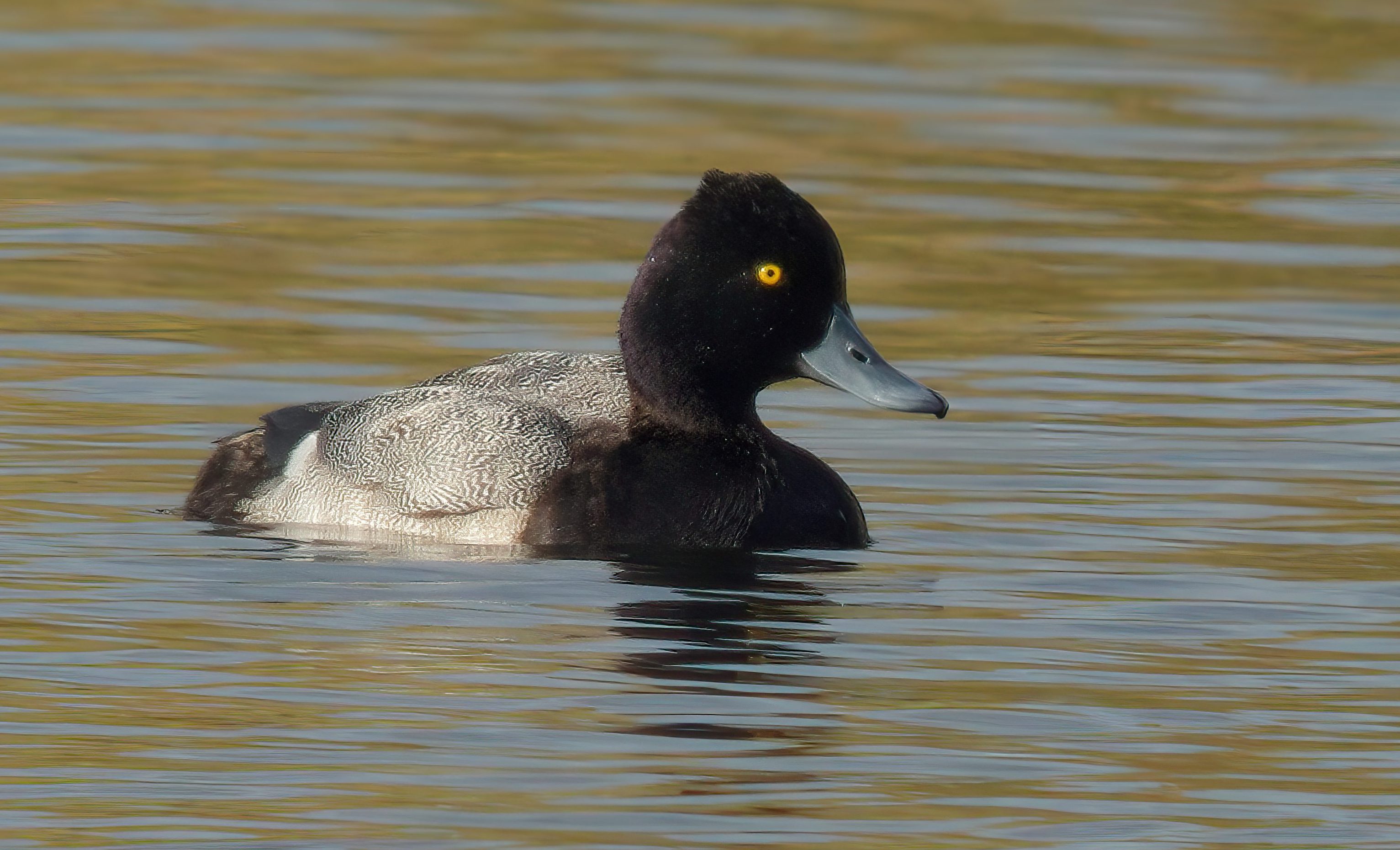
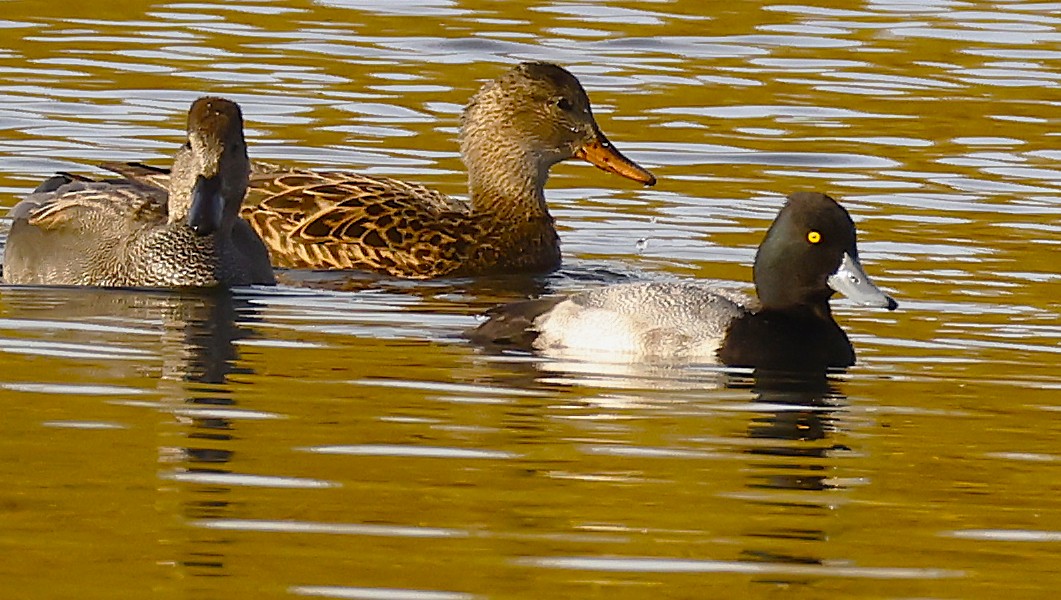
Yes, bold as brass on Ditchford GP’s ‘Big Lake’, little more than a hop, skip and a jump from the busy Rushden Lakes Shopping Centre car park, the drake Lesser Scaup remained throughout the week, currently looking like it could be set to see the winter out. In the world of birds, though, unpredictability reigns supreme, so only time will tell …

There were surprisingly few wildfowl in this week’s supporting cast, though, with four Whooper Swans appearing momentarily at Clifford Hill GP on the morning of 3rd and a small number of reservoir-based Red-crested Pochards, comprising four at Stanford on 2nd, with two there from 3rd to 5th, and one at Ravensthorpe on the last of these two dates.

With migration pretty much flatlining in the wader camp, the lingering Black-tailed Godwit saw another week out at Daventry CP and a Jack Snipe still showed occasionally at Summer Leys LNR, while two of the latter were at Ditchford on 7th. A single Dunlin at Clifford Hill GP on 6th is perhaps scraping the barrel these days but serves as a stark reminder that, back in the day, it was a regular occurrence for a flock exceeding two hundred to spend late autumn and winter at a water-depleted Pitsford Res. How times have changed …

On par for the course, though, a second-winter Mediterranean Gull was present at Earls Barton GP’s Mary’s Lake on 7th, this site now regularly pulling in respectable numbers of larger gulls with two recent individuals showing some signs of hybridisation displaying a Caspian Gull influence. However, examples of the real McCoy were to be found in the gull roost at Stanford on 1st and 3rd, a third-winter visited Daventry CP on 3rd and 6th, a first-winter was at Summer Leys on 4th and two adults and a first-winter were at Hollowell Res on 5th. The week’s Yellow-legged Gull quota included one at Clifford Hill GP from 1st to 6th, an adult at Mary’s Lake on 5th, a first-winter at Daventry on 5th followed by an adult there on 6th and three at Pitsford on 7th.

The three Glossy Ibises held out at Summer Leys throughout the week.

Summer Leys also produced single Marsh Harriers on 2nd-3rd and again on 7th, while two were at Thrapston GP’s Titchmarsh NR on 2nd.

Marsh Harriers, Titchmarsh NR, 2nd November 2025 (Kev Jeffries)

And heading the cast of the week’s passerines was a Black Redstart on 5th at Harrington AF, a site which has become increasingly steeped in disquiet of late as a result of dubious and illicit activities, including hare coursing, shooting and wanton damage to a parked vehicle. All perhaps enough to discourage birders from going to look for it … as there were no further reports.

Stonechats were found at Clifford Hill, Ditchford, Earls Barton, Harrington, Hollowell, Pitsford and Summer Leys, with Earls Barton and Pitsford producing the highest counts of five apiece.

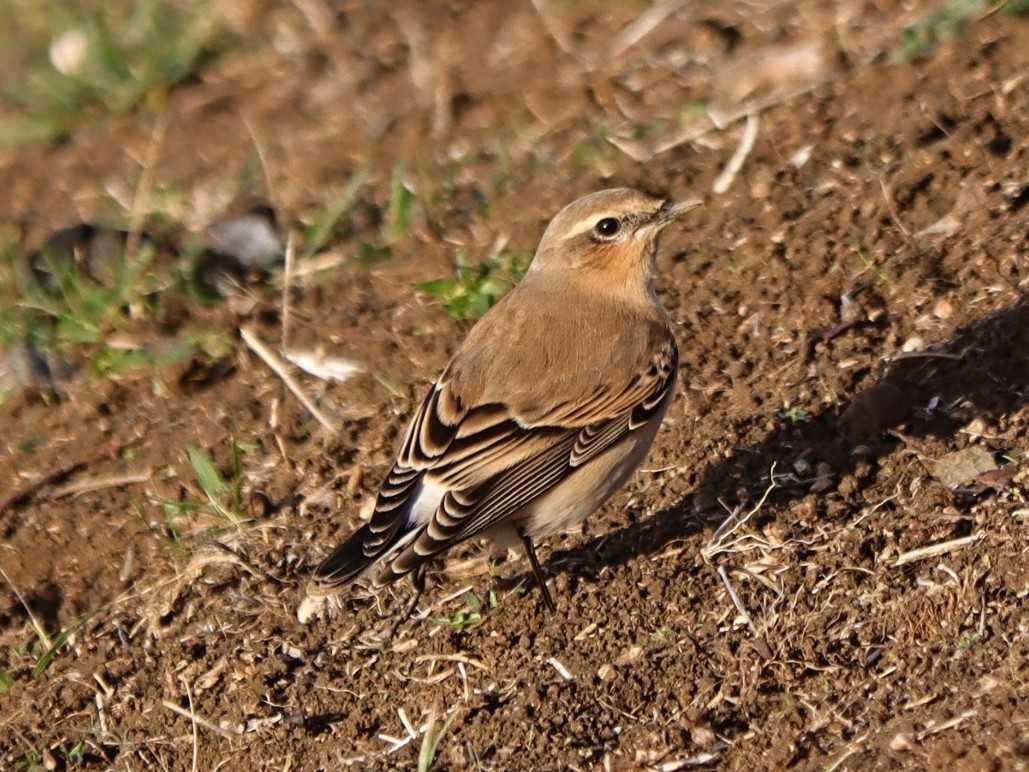
Apparently in no hurry to move on, last week’s late-showing Northern Wheatear remained at Clifford Hill until at least 6th.

And the period’s Crossbills were made up of ten at Salcey Forest on 1st, one in Kettering on 4th and five at Ravensthorpe Res the following day.

Newsround 25th to 31st October 2025

Never mind the weather – its impact on the local birding scene this week was, in all respects, null and void, paling into insignificance after a surprise reappearance by last month’s long-awaited county first.

We are, of course, referring to the fine drake Lesser Scaup which resurfaced at, of all places, Ditchford GP, offering local birders a second bite of the cherry and giving what turned out to be a lengthy encore after its initial short showing at Stanford Res in late September.

Found on 27th, there can be little doubt that this and the Stanford bird are one and the same, given that this week saw only two others in the UK – one on the Outer Hebrides and the other in the Greater Manchester area. Now showing only remnants of eclipse plumage, it was still present at the week’s end, with a multitude of much-relieved locals luxuriating in it during its (so far uncapped) five-day stay.

All other wildfowl were, of course, left in the shade. The second appearance of the autumn for Pink-footed Goose took the form of six in flight over Hanging Houghton on 26th, while Whooper Swans continued to arrive, all be they short-stayers. The latter were represented by eight in flight over Pitsford, heading toward the reservoir on 25th, followed by six in Scaldwell Bay there on 26th, when five were also at Stanford and three at Clifford Hill GP.

After last being seen at Stanford on 7th September, the locally-roaming Ruddy Shelduck was reported again at Hollowell Res on 27th, while the two drake Red-crested Pochards continued their sojourn at Daventry CP throughout the period.

New in – and out – on the wader front was a Grey Plover, passing through Hollowell without stopping, on 31st.

And having chalked up a lengthy stay of four weeks on site, Hollowell also retained its juvenile Pectoral Sandpiper until 29th, after which it had seemingly departed. Other waders this week included a lingering Black-tailed Godwit at Daventry CP from 27th to 31st and two Jack Snipes at Clifford Hill on 26th, plus one at Summer Leys LNR on the same date, being seen there again on 30th.

Mediterranean Gull was back on this week’s larid menu with the arrival of a first-winter in the gull roost at Stanford on 28th with a repeat showing there the following evening. Also keeping up appearances were Caspian Gulls, the early part of the period seeing a run at Earls Barton GP’s Mary’s Lake, where there was an adult on 25th and two adults plus a second-winter the following day. Four other sites contributed to the week’s quota, with Ravensthorpe Res hosting a third-winter on 27th, Stanford’s roost holding an adult on 28th, while single first-winters visited Hollowell and Daventry on 29th and 30th, respectively.

With sightings from four localities, Yellow-legged Gulls were up on last week’s tally, the period’s birds including two at Pitsford – the county’s most reliable site for the species – on 25th, up to two adults at Mary’s Lake on 25th-26th, an adult in the roost at Stanford on 28th and 29th and one at Clifford Hill GP on the last of these two dates.

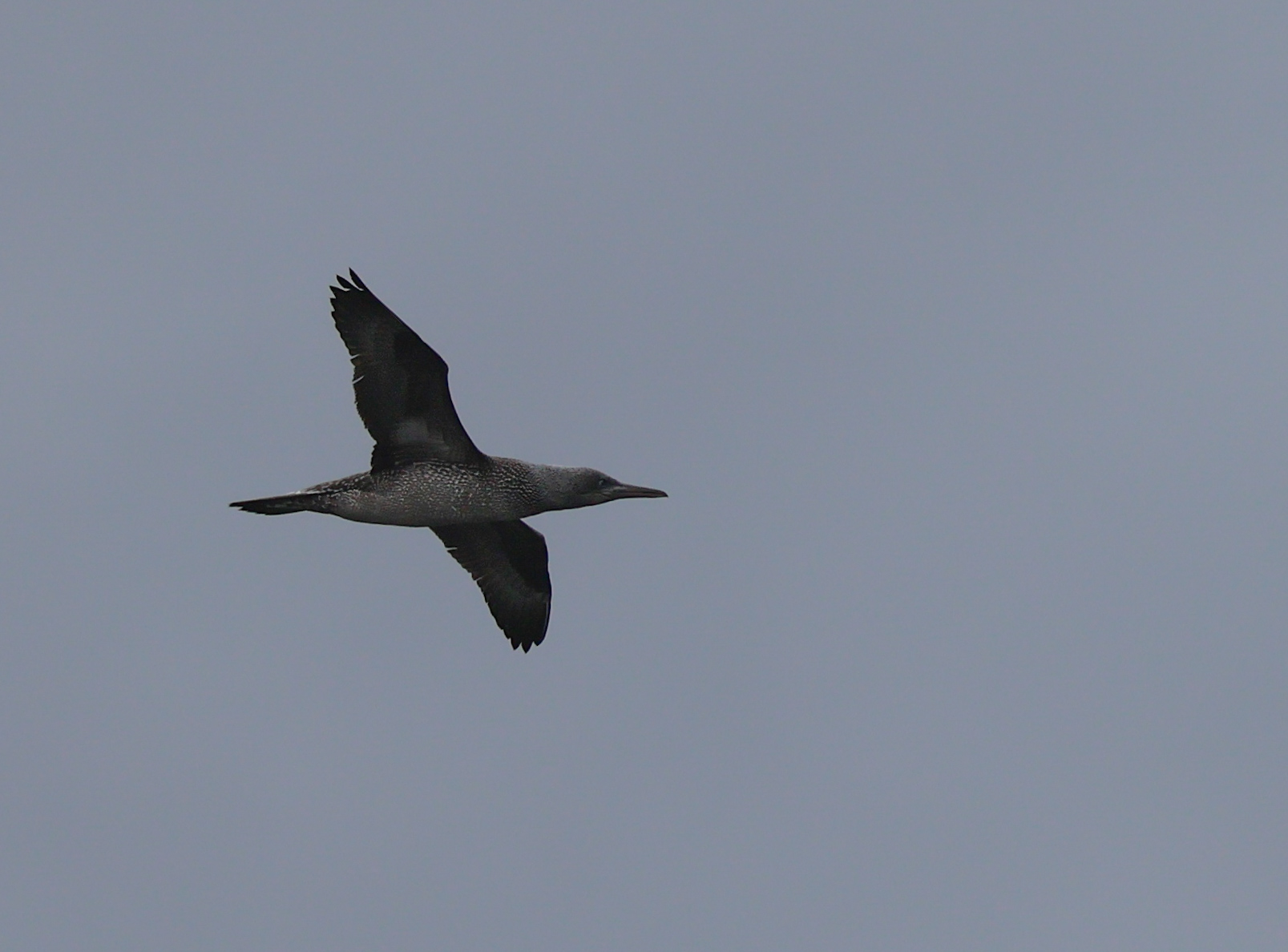
October is one of two prime autumn months for the appearance of disoriented Gannets in the county and this year’s 10th month duly obliged – albeit at the eleventh hour – when one was caught in flight moving east over Summer Leys, late in the morning of 31st. Following records in October last year and, prior to that, in October 2021, this would appear to be about the 45th for Northants.

Back to current day normality at Summer Leys, three Glossy Ibises were still present on 26th, dwindling to two by 28th and one from 29th.

A Bittern was also present there on 31st, one also being seen at Thrapston GP’s Titchmarsh NR on the same date.

The on and off appearances of a Marsh Harrier also continued at Titchmarsh this week with sightings on 28th and 31st, while one was over Summer Leys again on 26th. Merlins, too, were clearly in evidence and included singles at Stanford on 25th, Gayton and Harrington AF on 26th and in the Brampton Valley between Cottesbrooke and Hanging Houghton on 28th and 31st.

Passerine numbers were down on last week’s and an unconfirmed report, lacking any detail, of a Yellow-browed Warbler emerged late on 31st of one at Earls Barton GP’s New Workings sometime on the same date is probably not the best to end the week on.

A Ring Ouzel at Harrington AF on 29th is about par for the course …

And the period’s Stonechats consisted of no more than six at any one site, that locality being Hollowell Res on 29th. Between two and four were seen in the Brampton Valley, at Earls Barton GP, Pitsford Res, Summer Leys and Titchmarsh as the week came to a close.

A late Northern Wheatear remained at Clifford Hill from 25th until the week’s end, an unfortunate foot injury perhaps accounting for its prolonged presence there.

Crossbills were few and far between and included two at Salcey Forest on 25th and four in flight over the urban setting of Allen Road, Northampton the following day.

Which just leaves Corn Bunting, the recent Brampton Valley bird remaining faithful to its chosen site between Cottesbrooke and Hanging Houghton , being seen there daily from 28th until 31st.