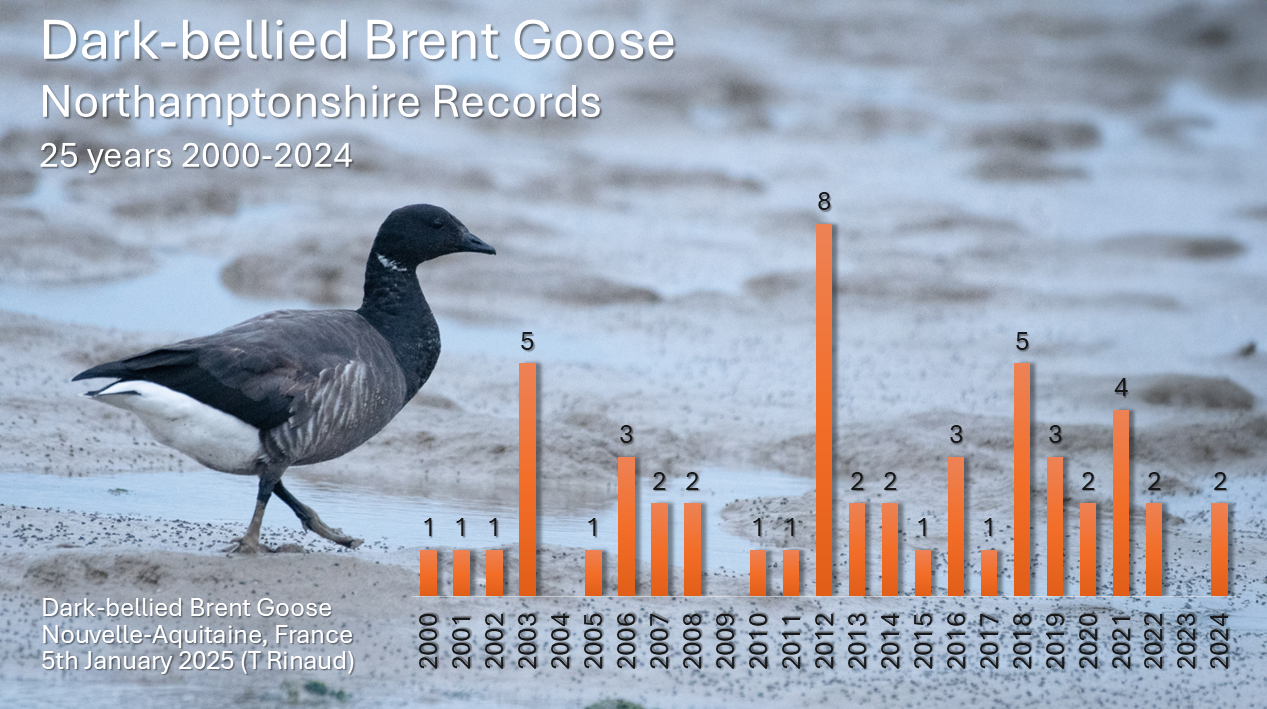
The early part of the week saw northerly winds ushering in an Arctic air mass, resulting in plummeting temperatures and giving rise to frosty conditions. This was, of course, preceded by the fallout from Storm Claudia which, on day one, delivered some unexpected waders and the first Dark-bellied Brent Geese of the year.
The first of these was a first-winter found on floodwater near Aynho on 16th, followed by an adult at, and around, the general area of Summer Leys LNR two days later, on 18th. It was also reported on the recreation ground at nearby Great Doddington on 19th but not seen subsequently.

Last week’s juvenile Whooper Swan remained at Pitsford Res throughout the period, latterly favouring ‘The Pines’ area, north of the dam.
A drake Green-winged Teal, now relegated to subspecific status by AviBase was, nevertheless, a nice find on 18th at Stanwick GP, where it remained the following day but was not seen thereafter.
And a Black-necked Grebe found at Pitsford Res on the last day of the week is only the fifth record of the year for this species, the last being at Stanford Res on 20th September.
With Clifford Hill GP as the hotspot, the first day of the period produced the aforementioned unexpected waders, which consisted of two Grey Plovers and a Sanderling – both unusual for mid-November, while Daventry CP’s first-winter Black-tailed Godwit made it into the week, just, on 15th.
Clifford Hill also delivered an adult Mediterranean Gull, also on 15th, as well as a first-winter Caspian Gull throughout the period. Another first-winter was on a flood pool by the River Welland near Cottingham on 20th, the same date producing a third-winter at Hollowell Res, while two adults were at Hollowell the following day. Yellow-legged Gulls were fewer in number, with single adults at Pitsford on 16th and 18th and at Clifford Hill on 21st.
There was little change in the week’s status of Glossy Ibis, with the Summer Leys three moving within spitting distance of the reserve, having found a flooded field close to Little Irchester to their liking from 18th until the week’s end. Visits to Stanford Res became more sporadic, however, with the previously regular duo being seen at the settling pond there on 16th only.
Single Bitterns were present at Thrapston GP’s Titchmarsh NR on 15th and at Summer Leys on 15th and 17th, while two Cattle Egrets were on site at Stanwick on 18th.
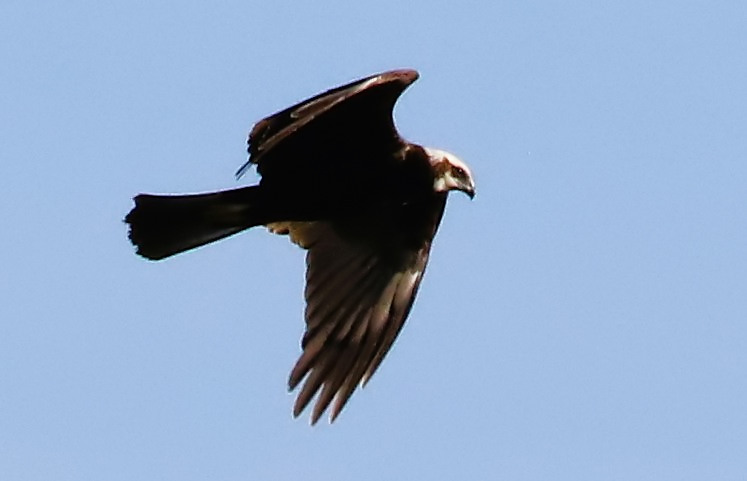
Surprisingly for mid-November, Marsh Harriers appeared at five localities, commencing with two hanging on at Titchmarsh on 15th, followed by single birds at Summer Leys on 16th and 21st, Ditchford GP’s Irthlingborough Lakes & Meadows NR on 17th, nearby Stanwick GP on 18th and at Blatherwycke Lake on 20th.
And it’s no surprise that the week’s only Merlin was in the Brampton Valley between Cottesbrooke and Hanging Houghton on 20th.
In an absence of recent records in the county, a Jackdaw showing characteristics of the nominate race monedula, colloquially know as Nordic Jackdaw, was present among a mixed corvid flock at Blatherwycke Lake on 20th. Surely under-recorded, there appears to have been none since 2020, when one was at Stanwick on 30th October.
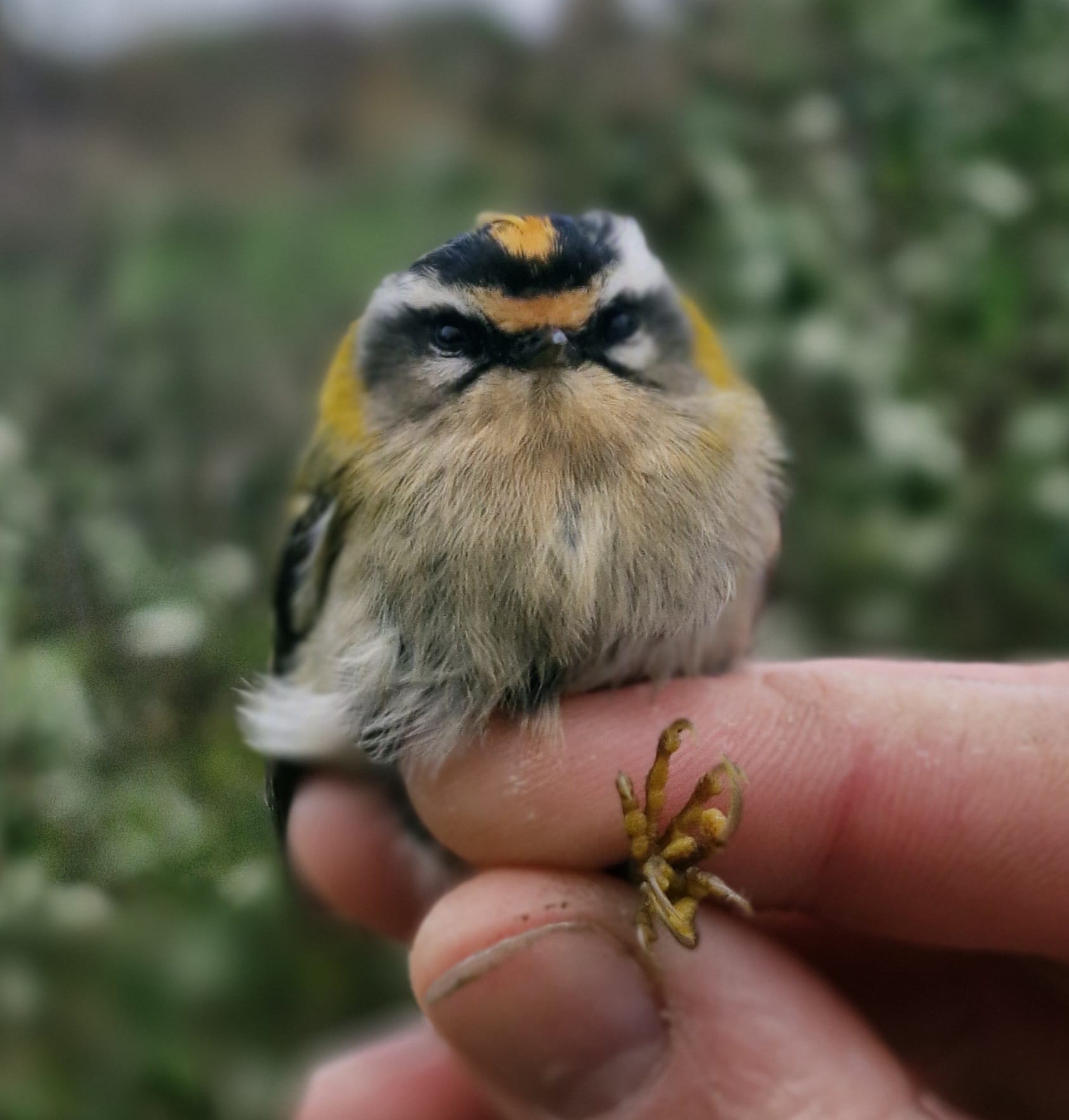
Following one last month, the second Siberian Chiffchaff of the autumn was found at Daventry CP on 21st before melting away into the mass of scrub surrounding the site. And another week, another Firecrest – this one trapped and ringed at Stanford Res on 16th.
Hollowell produced the highest count of Stonechats this week, with six there on 15th, while the Brampton Valley, Deene Lake and Pitsford held between two and four birds apiece.
And Crossbills were present at Hollowell, where there were two on 16th and one on 20th and Pitsford, where at least two were seen on 17th.
Back in the Brampton Valley, the occasionally obliging Corn Bunting popped up again on 20th.

Discover more from Northants birds
Subscribe to get the latest posts sent to your email.

 Northants birds