With 2025 now entering the home straight, it has yet to run out of steam. And, against a backcloth of moderate surprises, came another first for the year …
The majority of last week’s top birds remained settled, kicking off with the solitary juvenile Whooper Swan still on site at Pitsford Res on 15th.
Thrapston GP held on to its drake Ring-necked Duck, although its tendency to mysteriously vanish resulted in it being seen on only 14th and 17th, despite being searched for on most days throughout the period. Far more reliable were the first-winter drake and female Greater Scaups which saw another week out at the same locality, to be found with relative ease off the Sailing Club at the southern end of Town Lake.
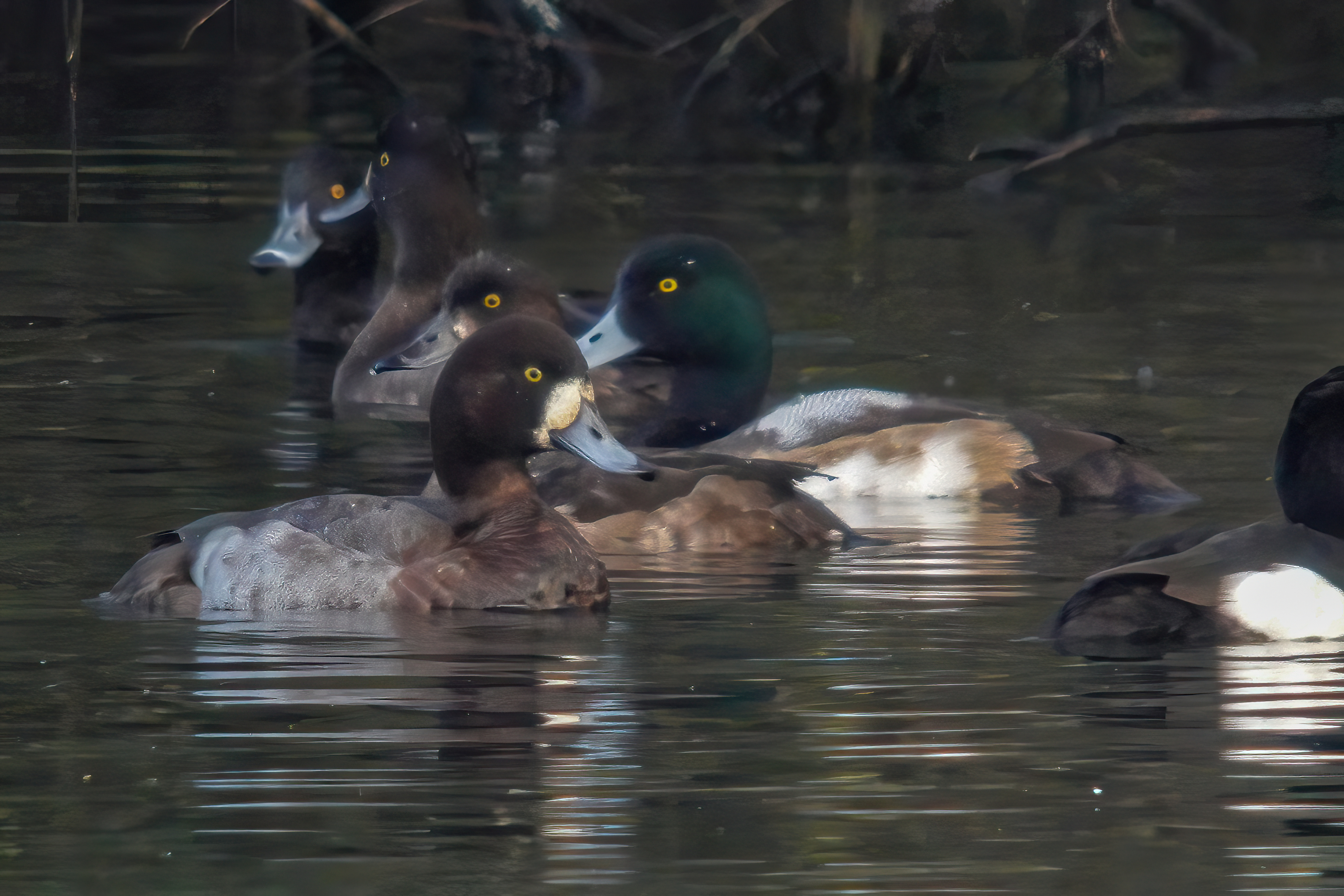
Back at Pitsford, the Black-necked Grebe entered its fourth week, remaining until at least 15th.
And scarcer waders are always thin on the ground at this point in the year, this week being restricted to just two Jack Snipes – one at Upton CP on 14th, the other being at Pitsford the following day.
Also keeping Pitsford on the map and adding a little spice to the proceedings was a first-winter Little Gull making its way south on 15th while, not too far away, a first-winter Mediterranean Gull was found at Hollowell Res on the same date. More standard fare was on offer in the form of Caspian Gulls, the 15th seeing single adults at Hollowell Res and Stanford Res, two adults at Ravensthorpe Res and a first-winter and second-winter at Daventry CP. A third-winter also visited Hollowell on 19th and an adult was at Naseby Res on the same date. By contrast, only two Yellow-legged Gulls were seen, both on 15th, when a first-winter visited Daventry and an adult was at Pitsford.
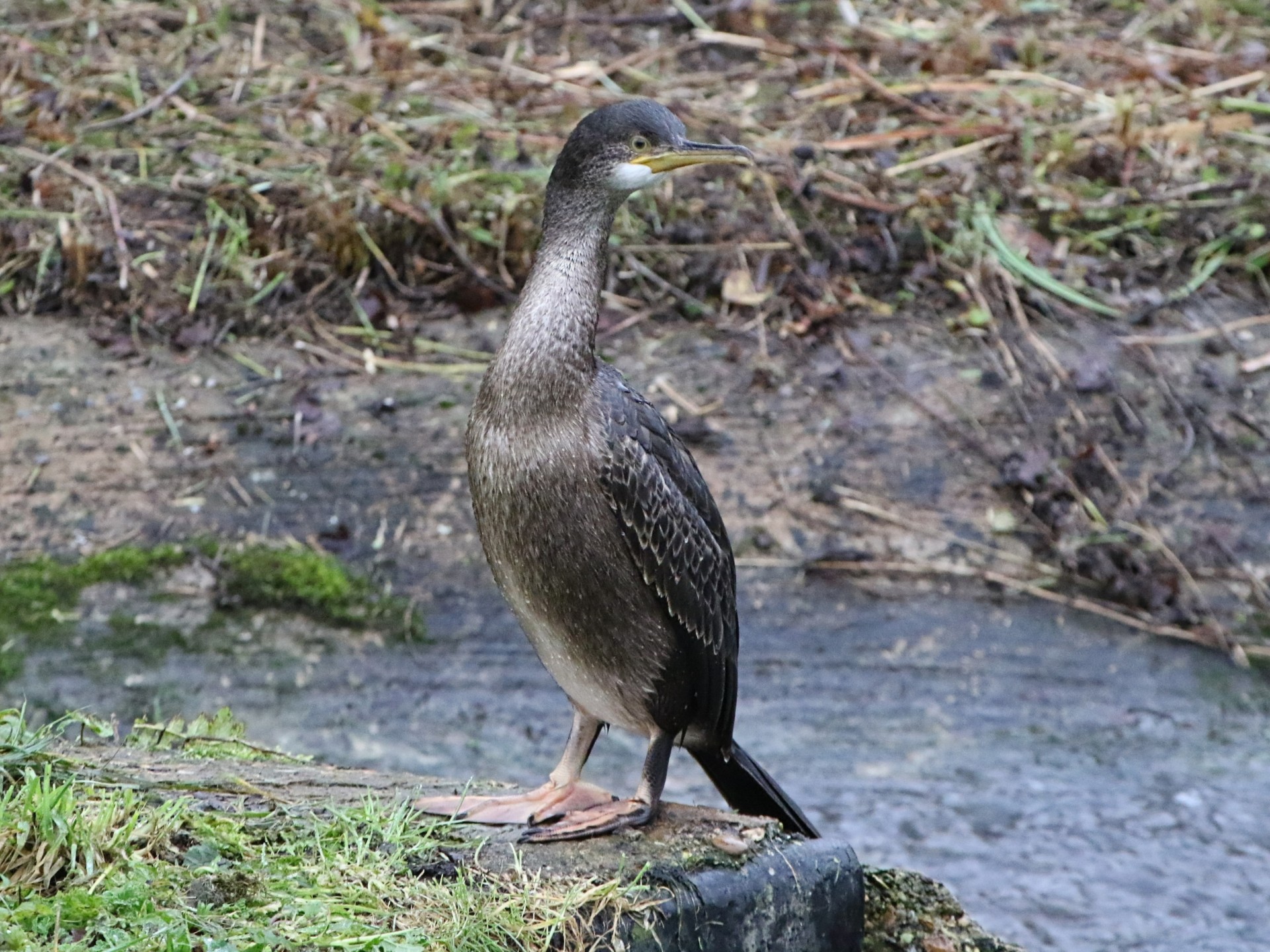
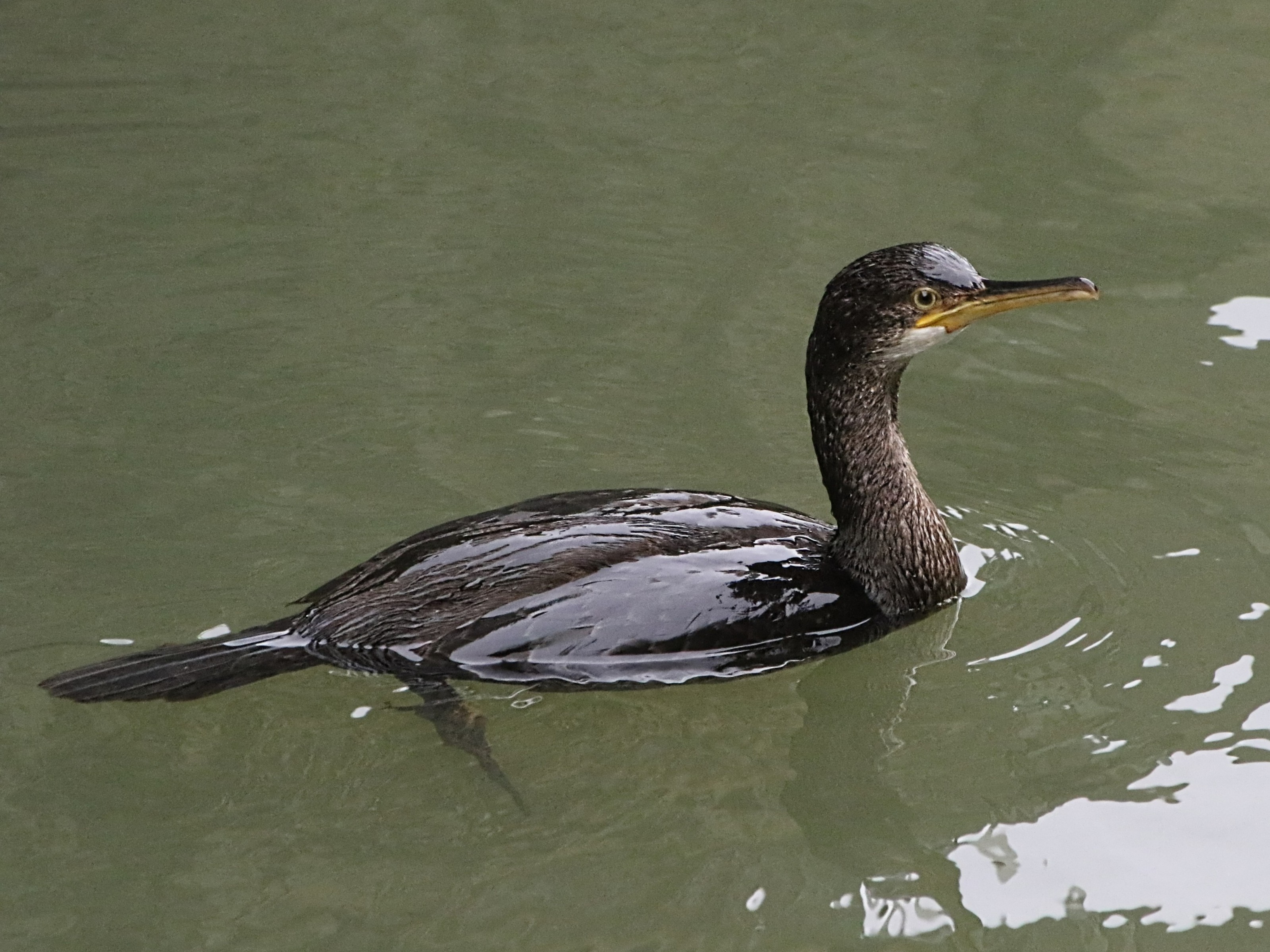
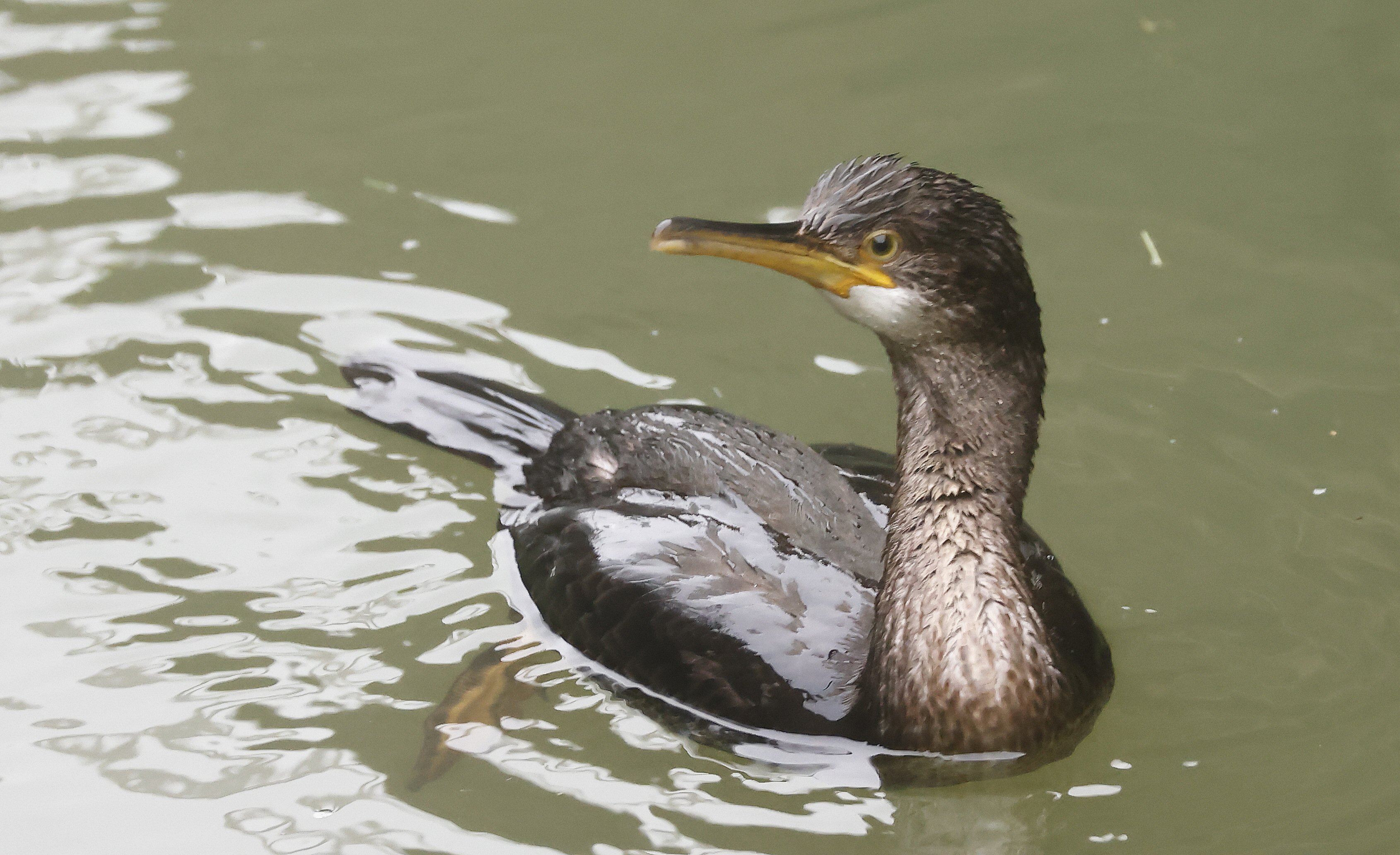
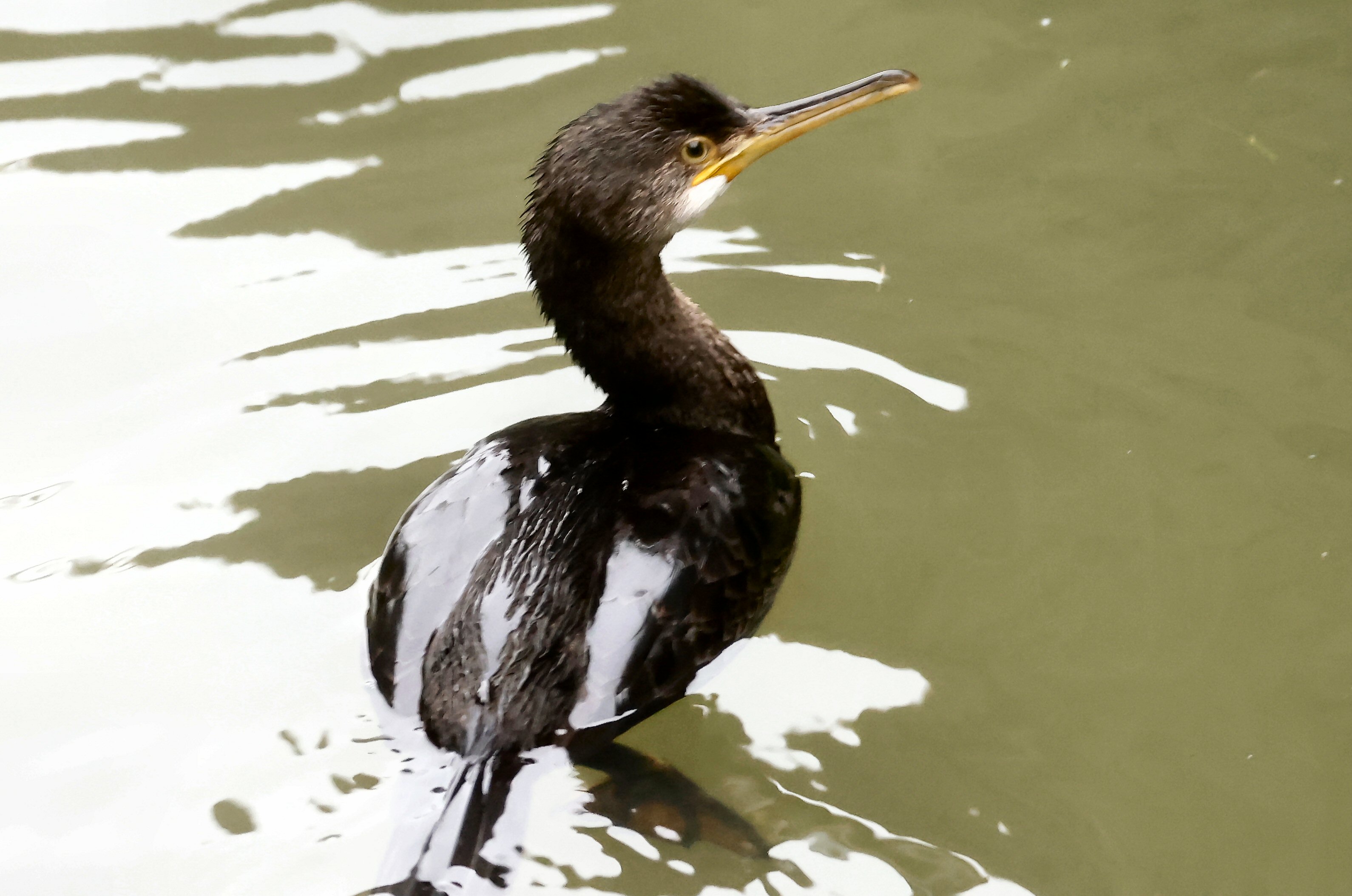
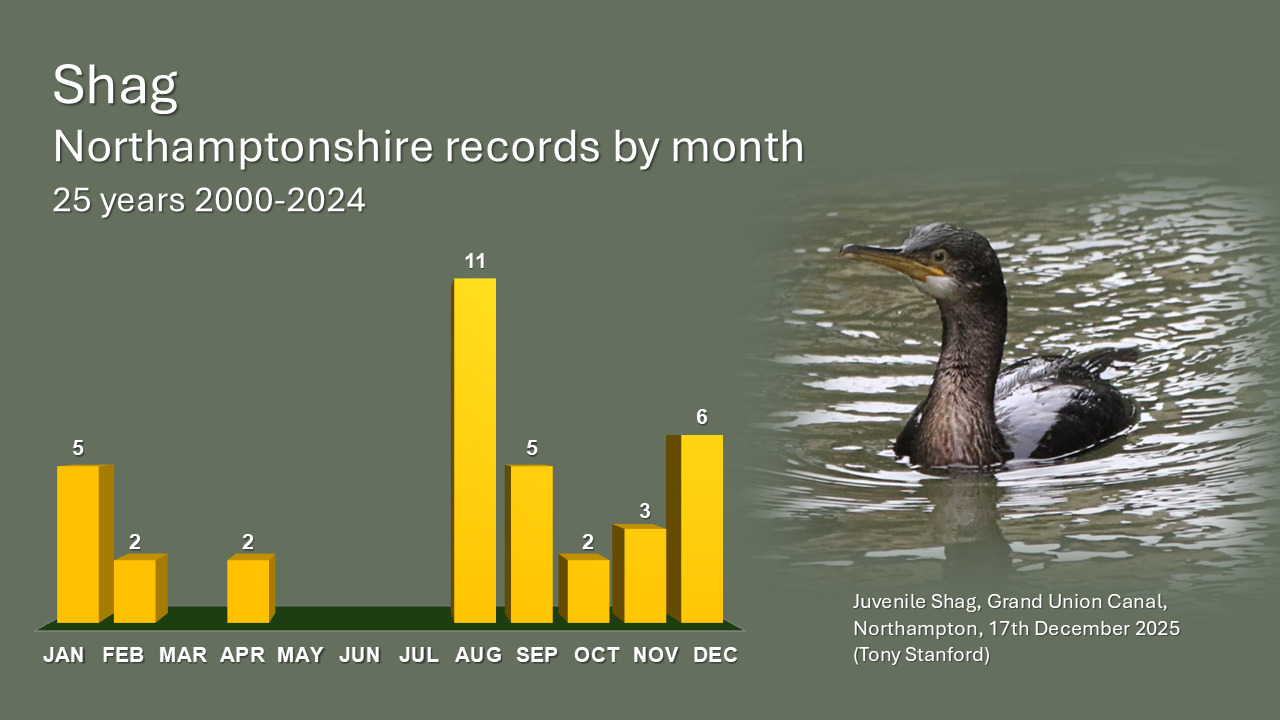
Now on to the bird of the week and there’s nothing like a festive Shag, with December having been proven to be the second most popular month for occurrences in the county over the last 25 years. Found on 17th in the somewhat bizarre location of the Grand Union Canal, up close to the busy A43/M1 junction 15A, it represents the only one of its kind for 2025 and, after apparently going missing the following day, there it was again, still on the canal, some 1.8 km further north on 19th. While the vast majority of Shags have expectedly turned up at well-watched, sizeable bodies of water in rural settings, some are occasionally found ‘wrecked’ in areas far removed from water and others occasionally buck the trend, appearing in urban localities. One that turned up at the unlikely location of Abington Park Lakes, Northampton in mid-December 2006 is a prime example. It stayed until February 2007 and was seen by many local birders. Shocking to think that was nearly 20 years ago. Tempus fugit, as they say …
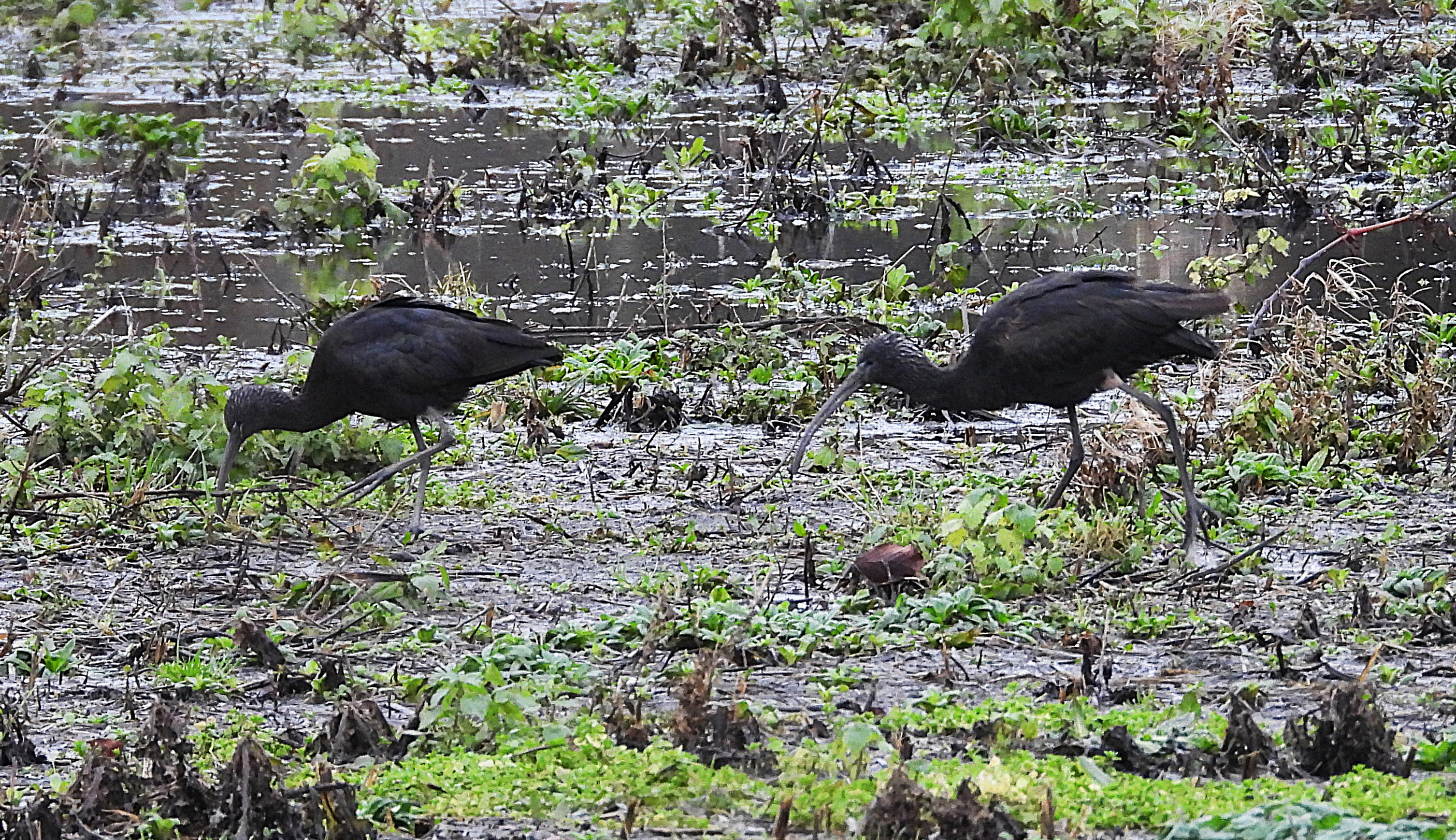
And, while continuing their winter presence, Glossy Ibises were down to just two localities this week with the Wellingborough Embankment duo still in residence throughout and one at Stanford’s Settling Pond until at least 17th.

Two Marsh Harriers were present this week, one of which ‘has history’, so to speak. The first was mobile about the Ditchford GP/Stanwick GP area, initially seen close to Ditchford’s Chester House Lake on 13th, then in flight over Irthlingborough on 14th before appearing at Stanwick the next day. In addition to this, one with obvious orange wing-tags, labelled ‘J4’, arrived at Summer Leys LNR on 17th, remaining there until 19th.
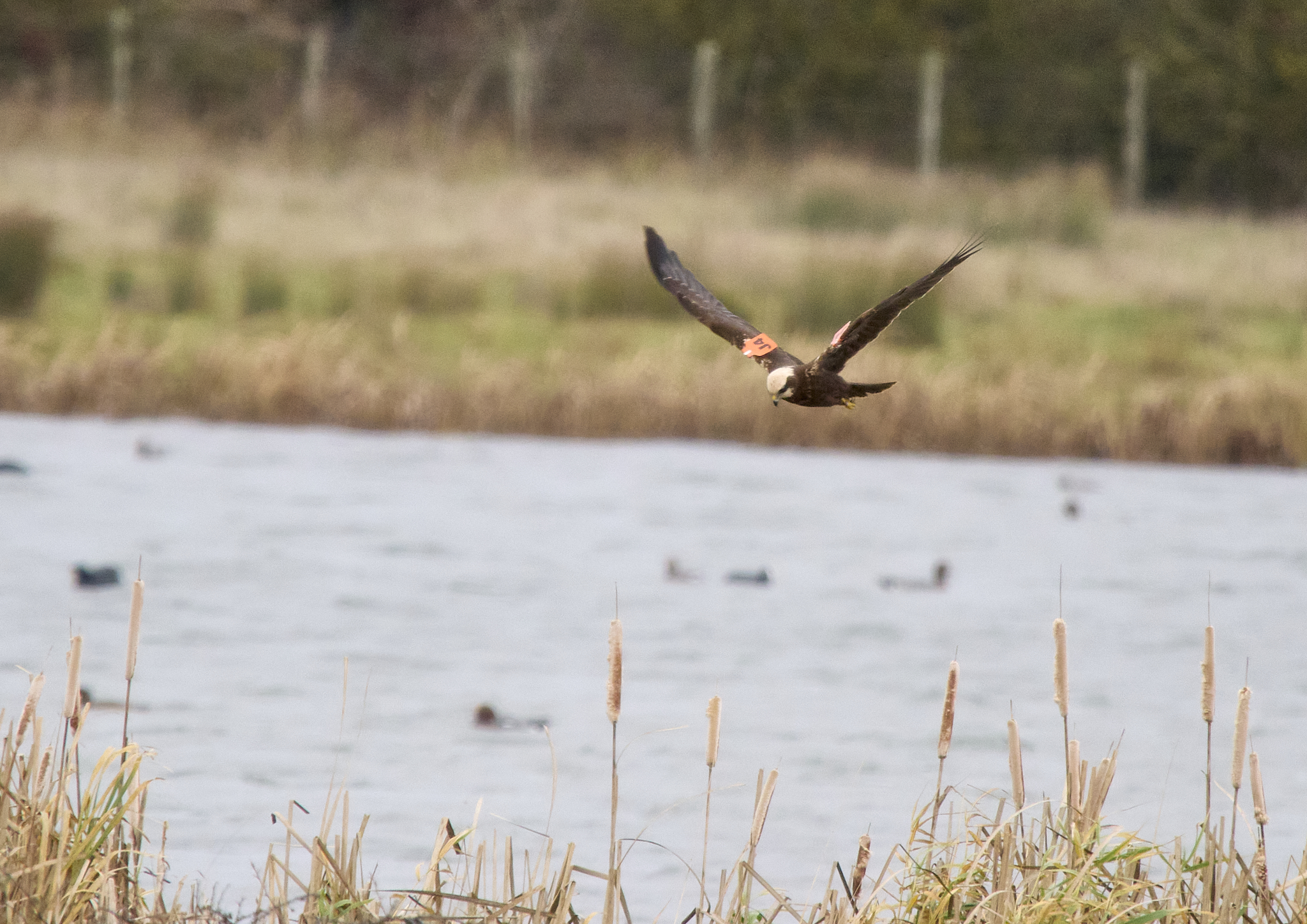
Research by the photographer, above, revealed that it was ringed and tagged at Nosterfield NR, Yorkshire (224 km distant from Summer Leys) on 23rd June this year, being sexed as a male and one of a brood of three. Prior to its arrival in Northants, it moved further north to Rainton Meadows NR in Durham, where it was seen on 15th August, before subsequently moving south to Willow Tree Fen NR, Lincolnshire (65 km from Summer Leys) on 26th November.
The Brampton Valley ‘ringtail’ Hen Harrier also continued to range between Cottesbrooke, Hanging Houghton and Blueberry Farm on 17th and 19th.
And the week’s only Short-eared Owl flew over the A5, heading west, just south of Foster’s Booth on 14th.
Similarly, the only Merlin was a male at Stanford on 18th.
Perhaps a measure of the winter’s mild weather conditions so far was the occurrence of a Swallow over Islip STW on 14th, which may well be the first December record for the county.
With interest tailing off, the previous week’s Black Redstart in Abington, Northampton was also last reported on the above date. Stonechat numbers were up on last week with reports from six localities – the Brampton Valley, Ditchford, Earls Barton GP, Hollowell, Pitsford and Upton – with the highest count of nine at Pitsford on 15th.
And Crossbills were still on the menu with a respectable eighteen at Wakerley Great Wood on 14th and two or three at Gamboro Plantation in the Brampton Valley on 16th.
But especially surprising was a huge total of at least fifteen Corn Buntings between Deanshanger and Wicken on the last day of the week. It’s been a good few years since we’ve seen more than two at any locality in the county, so this is very encouraging indeed. Are we in for a comeback of this significantly declining species?

Discover more from Northants birds
Subscribe to get the latest posts sent to your email.

 Northants birds