Newsround – 9th to 15th September 2023

In the last of the early autumn heat, as migrant passerine numbers began to tail off, Summer Leys produced a Pectoral Sandpiper which proved to be a popular pull.

After no sightings last week, the female Ruddy Shelduck was back in the frame again – this time at Stanford Res, where it was seen for four days running, between 10th and 13th. This just left the Pink-footed Goose heading up the local wildfowl cast at Hollowell, remaining there until at least 14th. A Garganey put in a brief appearance at Pitsford Res on 11th.

Rarely seen in autumn – in fact, rarely seen at all – a Common Quail was flushed in the Brampton Valley, between Cottesbrooke and Hanging Houghton, on 14th. This year has been a poor one for this species, with just five single-date occurrences between 2nd June and 27th July … and two of these were after dark fly-overs.

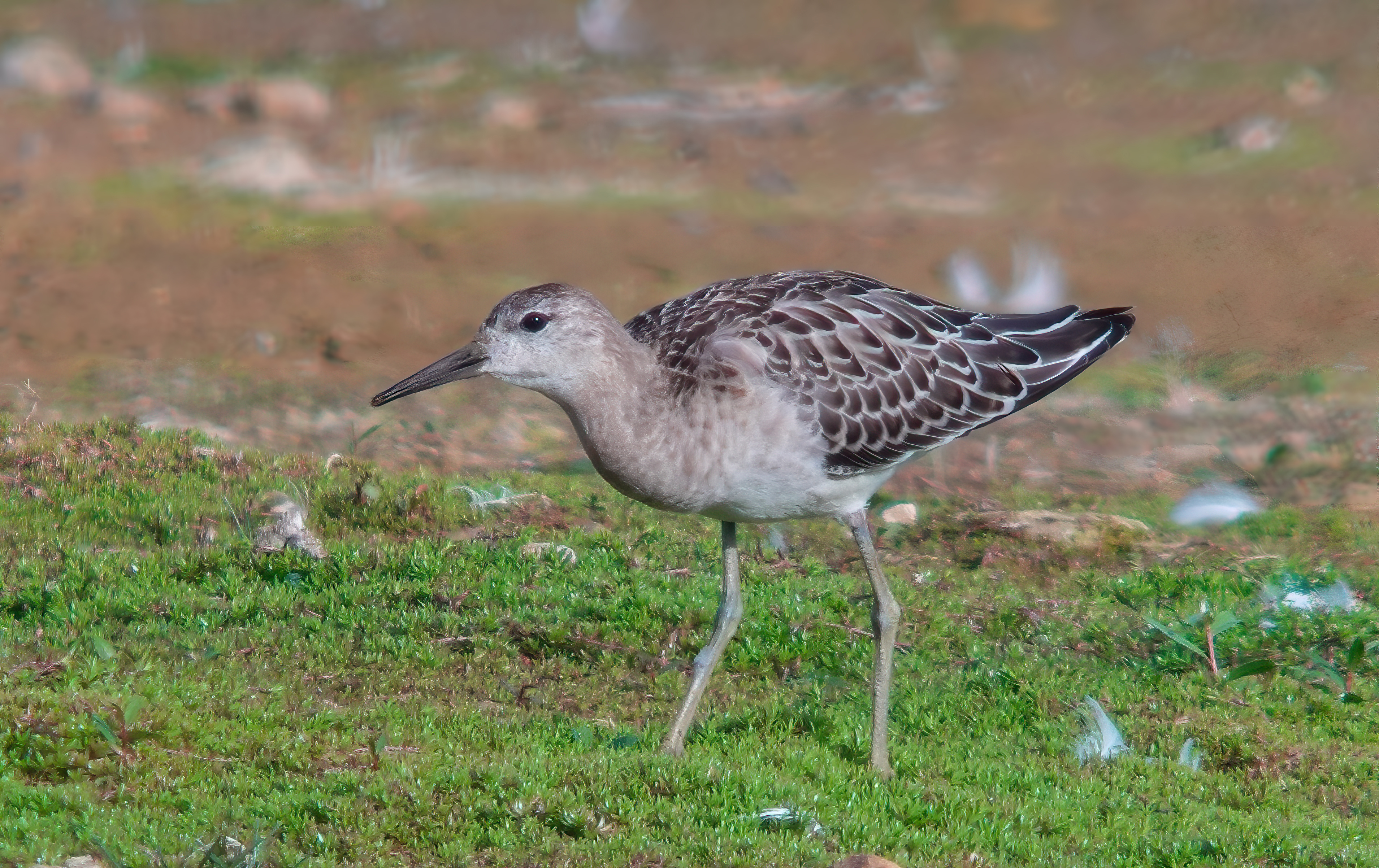
But for many, this was a week when waders came to the fore, both little and large. In the latter category, a lone juvenile Black-tailed Godwit remained at Summer Leys LNR between 9th and 12th, with the same locality hosting up to two Ruffs throughout the period. One also visited Stanwick on 11th-12th and another was found at Earls Barton GP’s New Workings (South) the following day.

But the undoubted star of the show in the Nene Valley was the juvenile Pectoral Sandpiper found on the Scrape at Summer Leys on 10th. The county hasn’t done as well for this – the most commonly occurring Nearctic wader in the UK – in recent years compared to a decade or so ago, when it appeared to be a more frequent visitor. This week’s bird remained throughout, attracting a fair few local observers.

Left somewhat in the shade, but nevertheless popular, was last week’s juvenile Little Stint, which remained on view at Hollowell until 13th. The same site also held up to two Greenshanks until 14th, while a Wood Sandpiper was found at Pitsford on 9th.

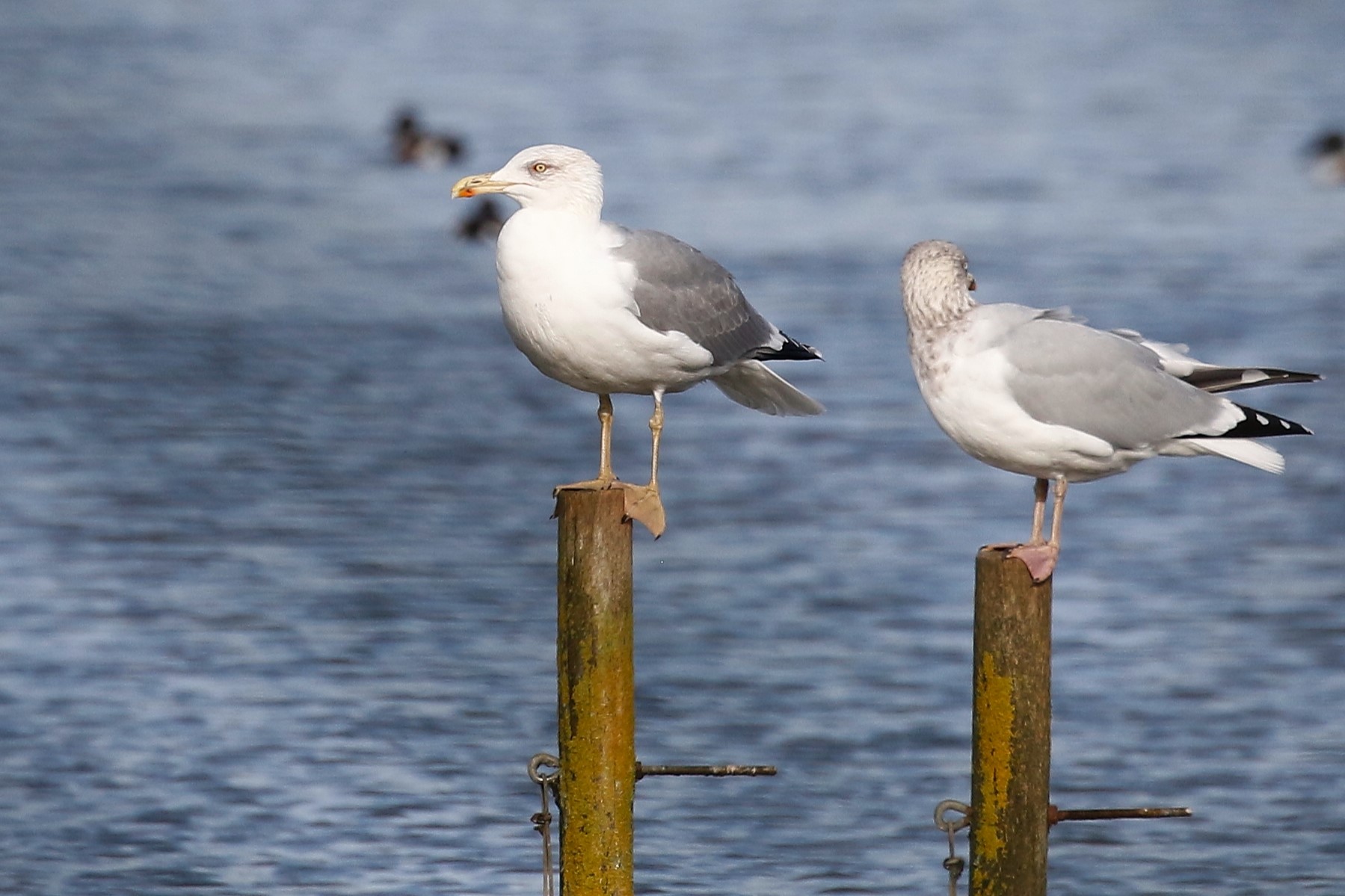
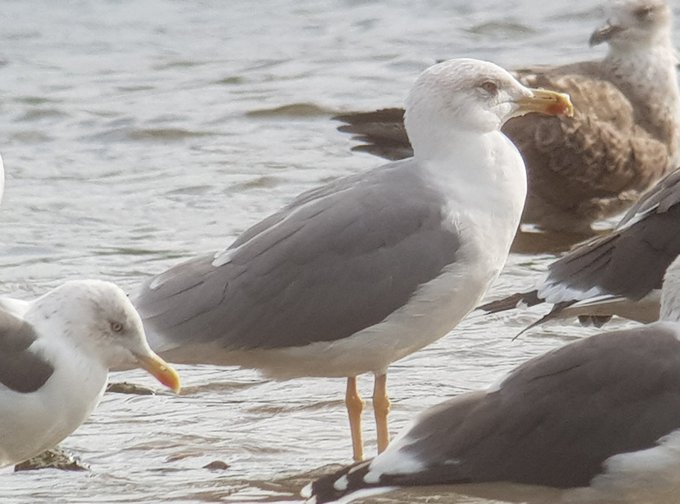
The period’s scarce gulls were thin on the ground and Hollowell was the only locality to produce Caspian Gull, a juvenile of which was present there on 11th. This week’s Yellow-legged Gulls were the sole preserve of Pitsford, where one was found on 11th, followed by five on 13th.

Pitsford also pulled in a short-staying Black Tern on the first of these two dates, otherwise it was down to Clifford Hill GP to produce a lingering bird, present for three days between 11th and 13th.

Last week’s Bittern seemed settled at Summer Leys, clearly having acquired a taste for the Scrape, where it was on show intermittently throughout the period, providing some fantastic photographic opportunities for those with the patience to sit and wait …

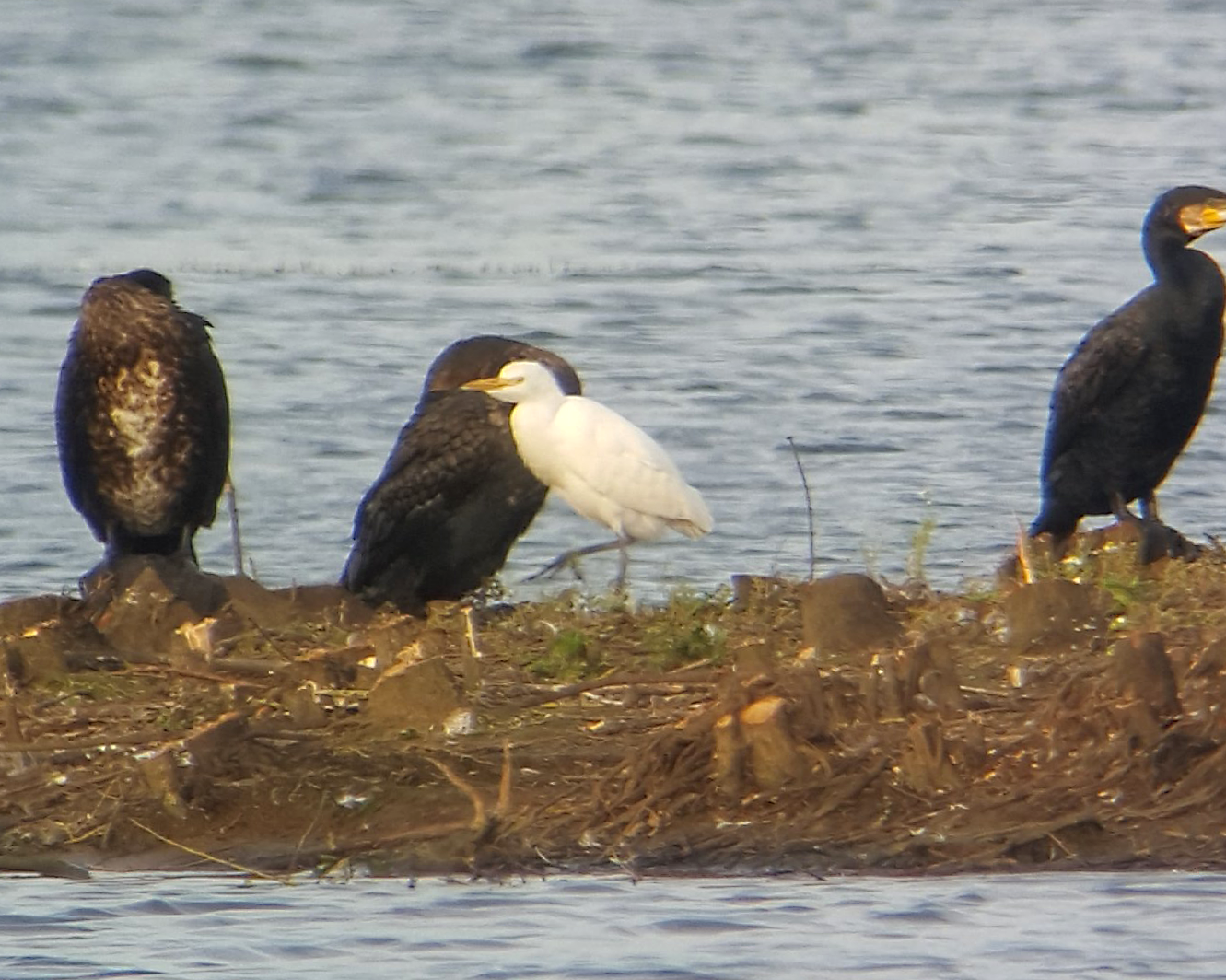
The run of Cattle Egrets kept going with four leaving a roost site on the Main Lake at Stanwick early morning on 11th.

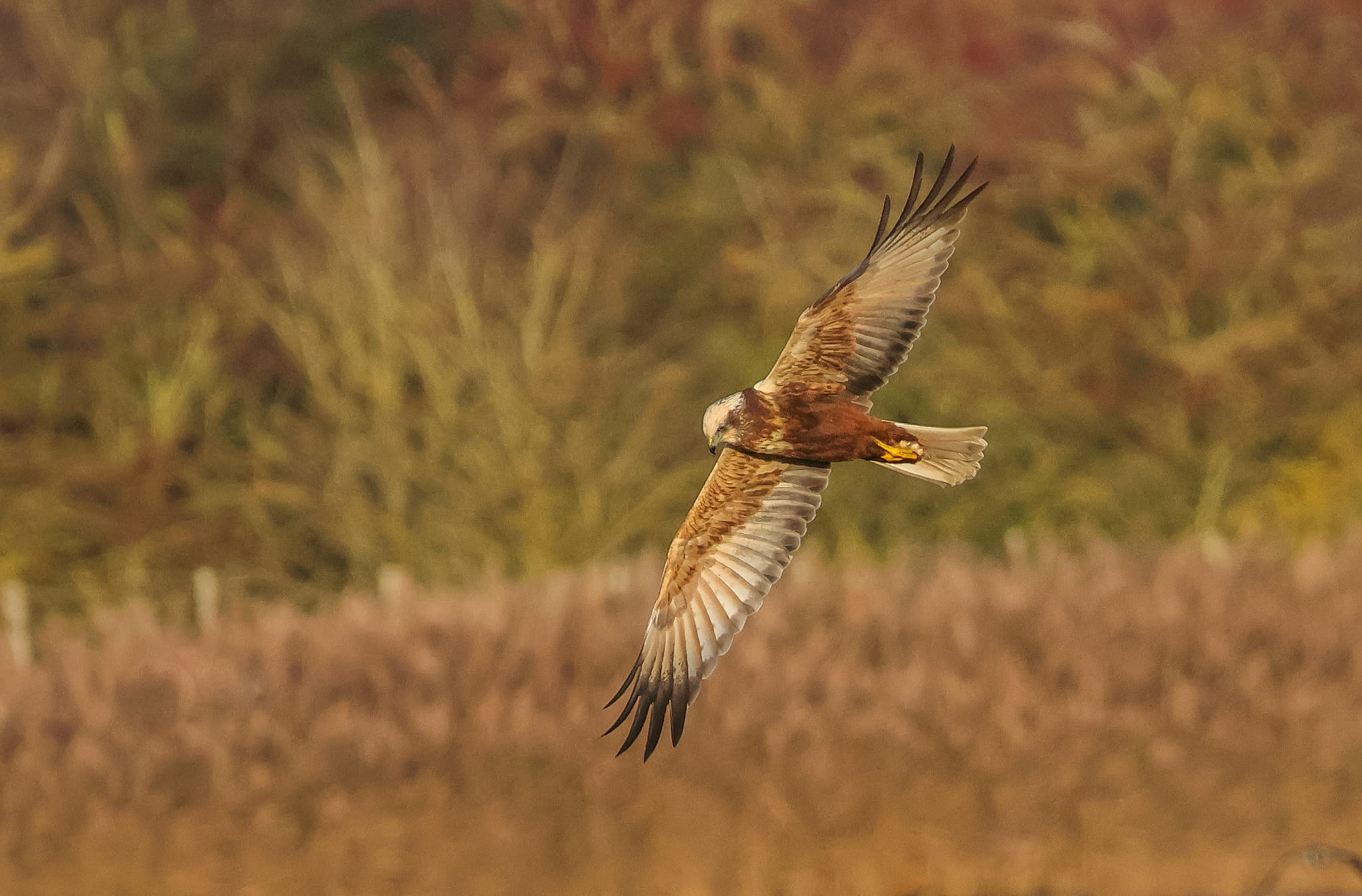
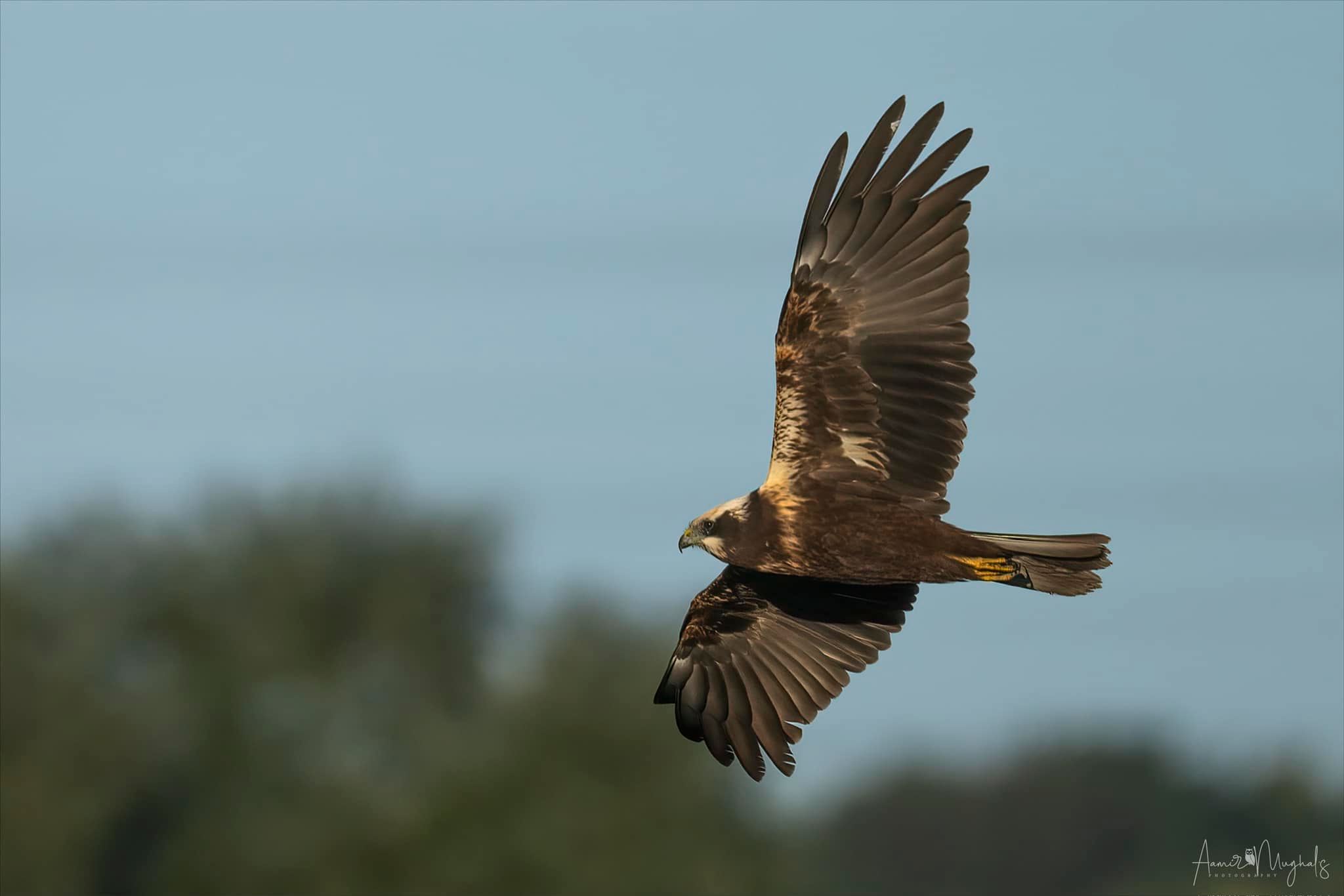
With Ospreys now leaving the country, the number of birds being seen locally is on a downward trend. Just two were seen – one at Hollowell on 9th, the other at Pitsord two days later, on 11th. It’s not the same for Marsh Harriers, though, numbers of which, it seems, see no signs of abating. Once again, Stanford was up there as top producer, with birds present daily until 14th, three being present on both the latter date and on 9th. Two of these sported red wing-tags marked with letters ‘ZC’ and ‘6A’ – the first of these identifying the individual as being a female ringed and tagged on 19th June 2023 at Breydon Water, Norfolk, while ‘6A’ was identified as a female ringed and tagged at Welney WWT, Cambridgeshire on 2nd July 2023. This was the first time either bird had been reported since fledging (per North West Norfolk Ringing Group). One was also seen in the Brampton Valley, between Cottesbrooke and Hanging Houghton, on 11th-12th.

And what about ‘Raptor of the Week’, should such a beast exist? Well, that accolade falls to a Honey Buzzard viewed for approximately 1.5 minutes over The Orchard at Stanford Res on 15th. This is only the second for the year, following the recent bird over Everdon Stubbs on 26th August. Inevitably a fly-over, there has not been a twitchable individual since the bird that lingered at Daventry CP between 15th and 25th June 2002.

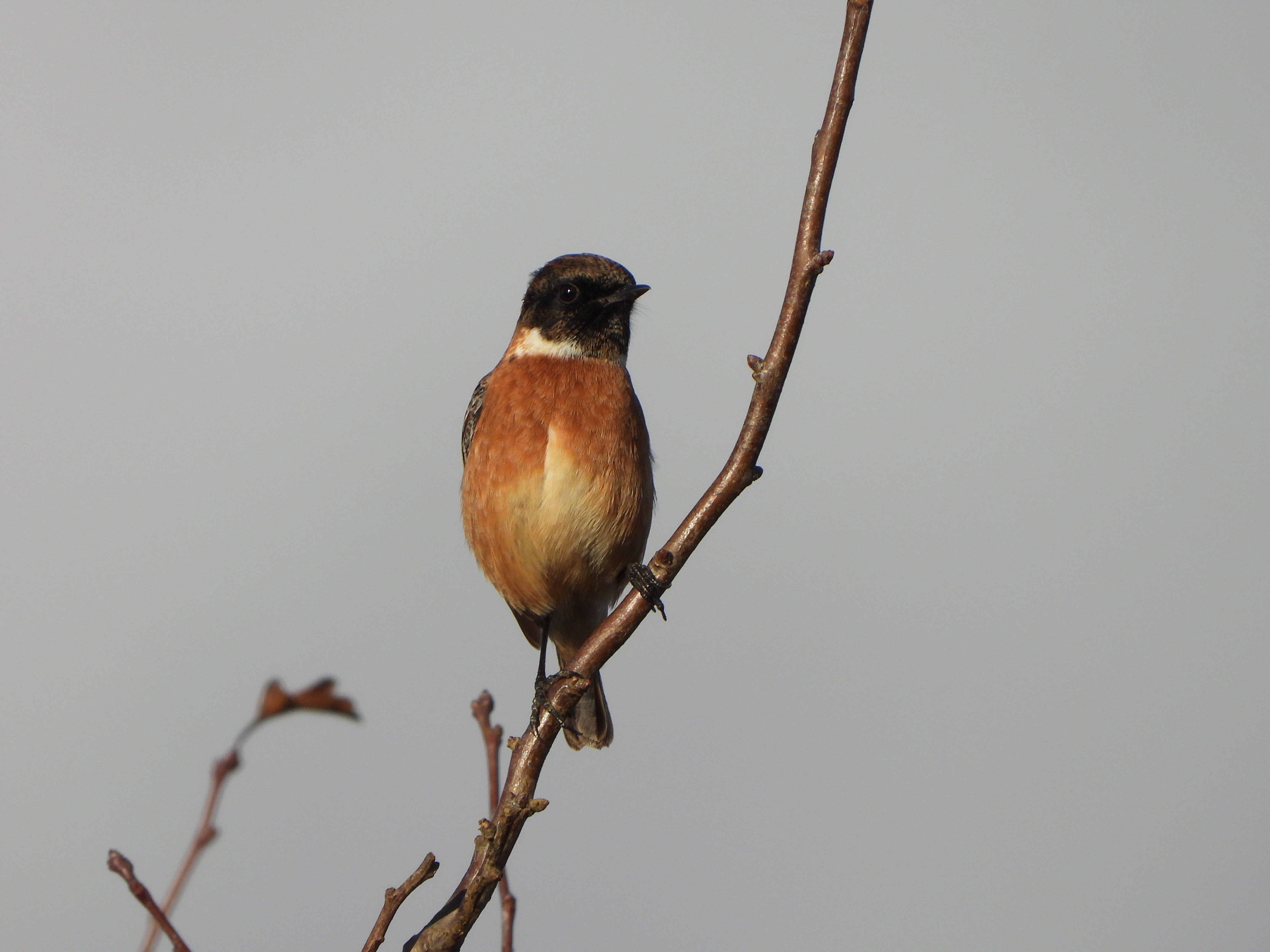
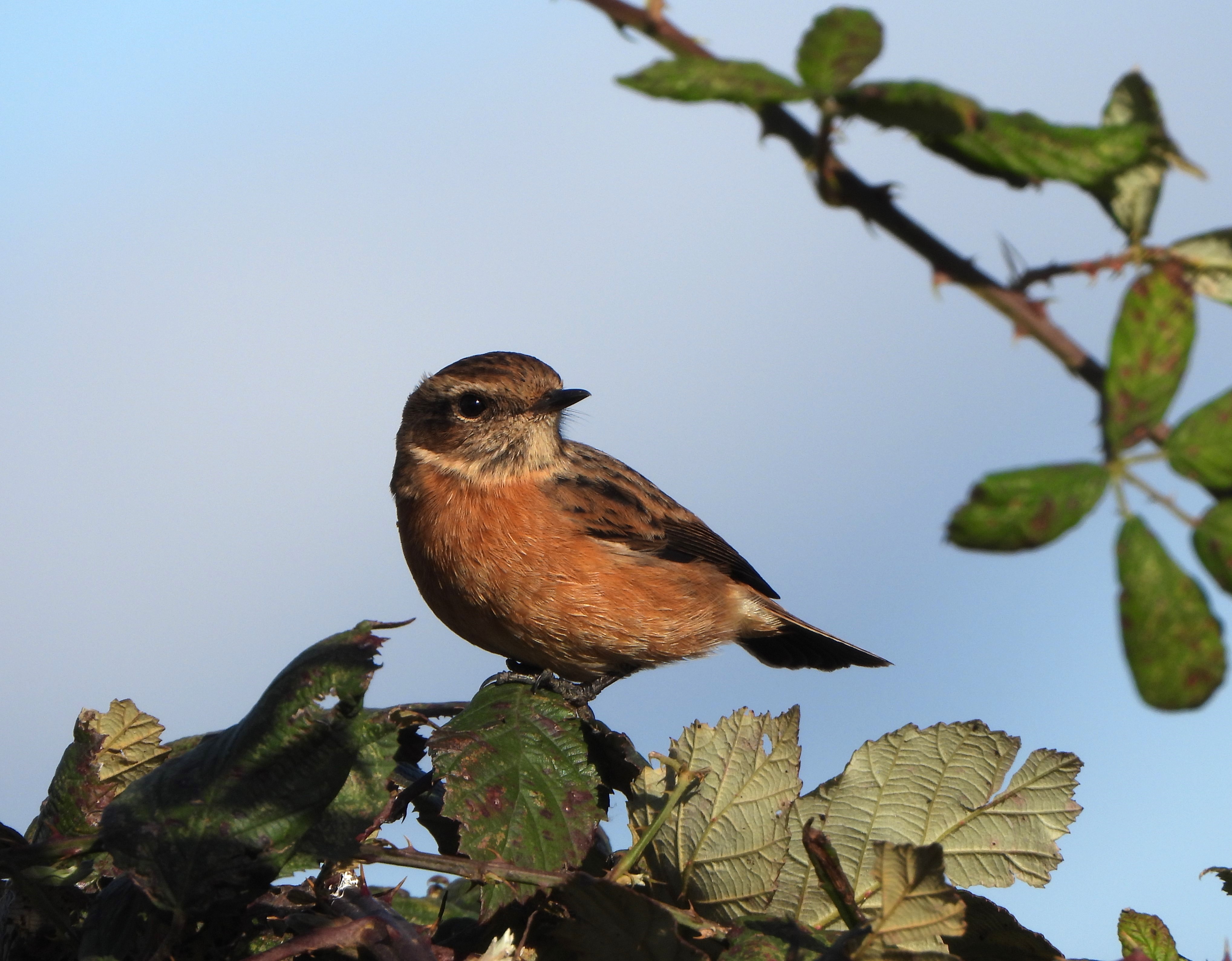
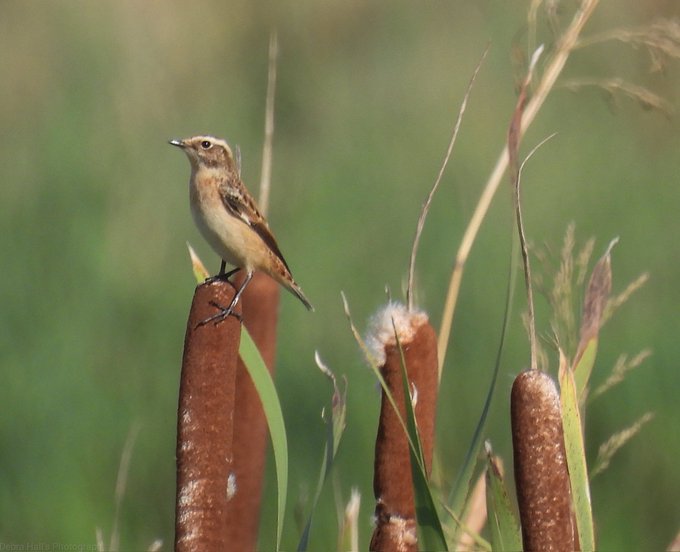
Dwindling numbers of scarce passerines saw Whinchats outnumbering Common Redstarts for the first time this autumn with maximum counts of four at Hollowell Res on 13th, threes in the Brampton Valley on 9th and at Harrington AF on 11th and two at Blueberry Farm, Maidwell between 11th and 14th. Common Redstarts numbered two/three at Harrington on 11th, two at Lamport on 10th and singles at Pitsford on 11th and at Blueberry Farm between 11th and 13th. Northern Wheatears reached a respectable five in the Brampton Valley between 9th and 13th, while Blueberry Farm produced up to two between 12th and 14th and Harrington held on to one on 10th-11th. And to round off, two Crossbills were seen at Pitsford on 11th.

link-to-latest-reports

Newsround – 2nd to 8th September 2023

With a high pressure system stationed over eastern Europe for much of the week, a strong south-easterly airflow ensued, delivering Saharan dust and temperatures hitting the 30°C mark. This remarkably unseasonal set of conditions had many hoping for the arrival of something just that little bit out of the ordinary but, as the week drew to a close, the county added a rather low key ‘first for the year’, as well as a ‘second for the year’, to its annual tally.  

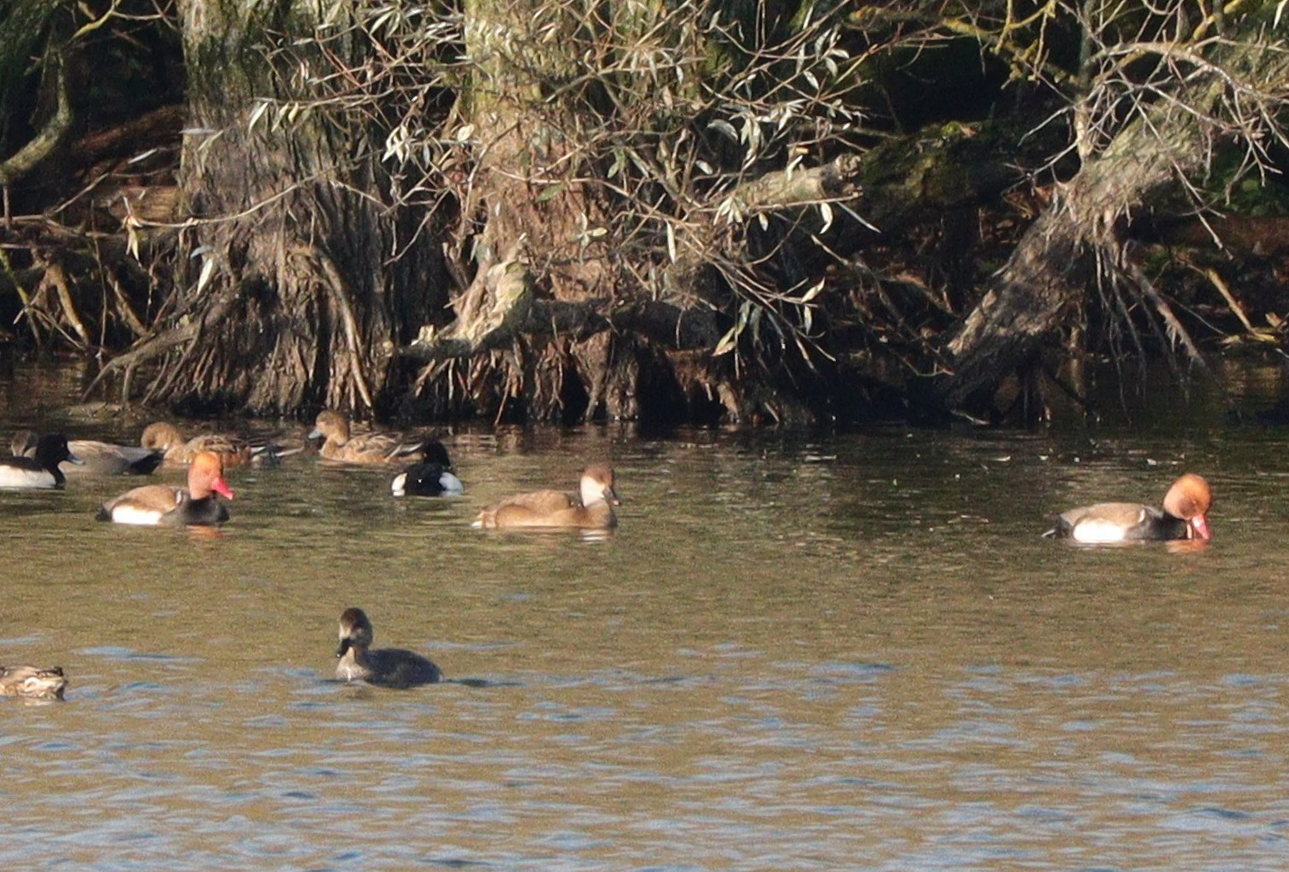
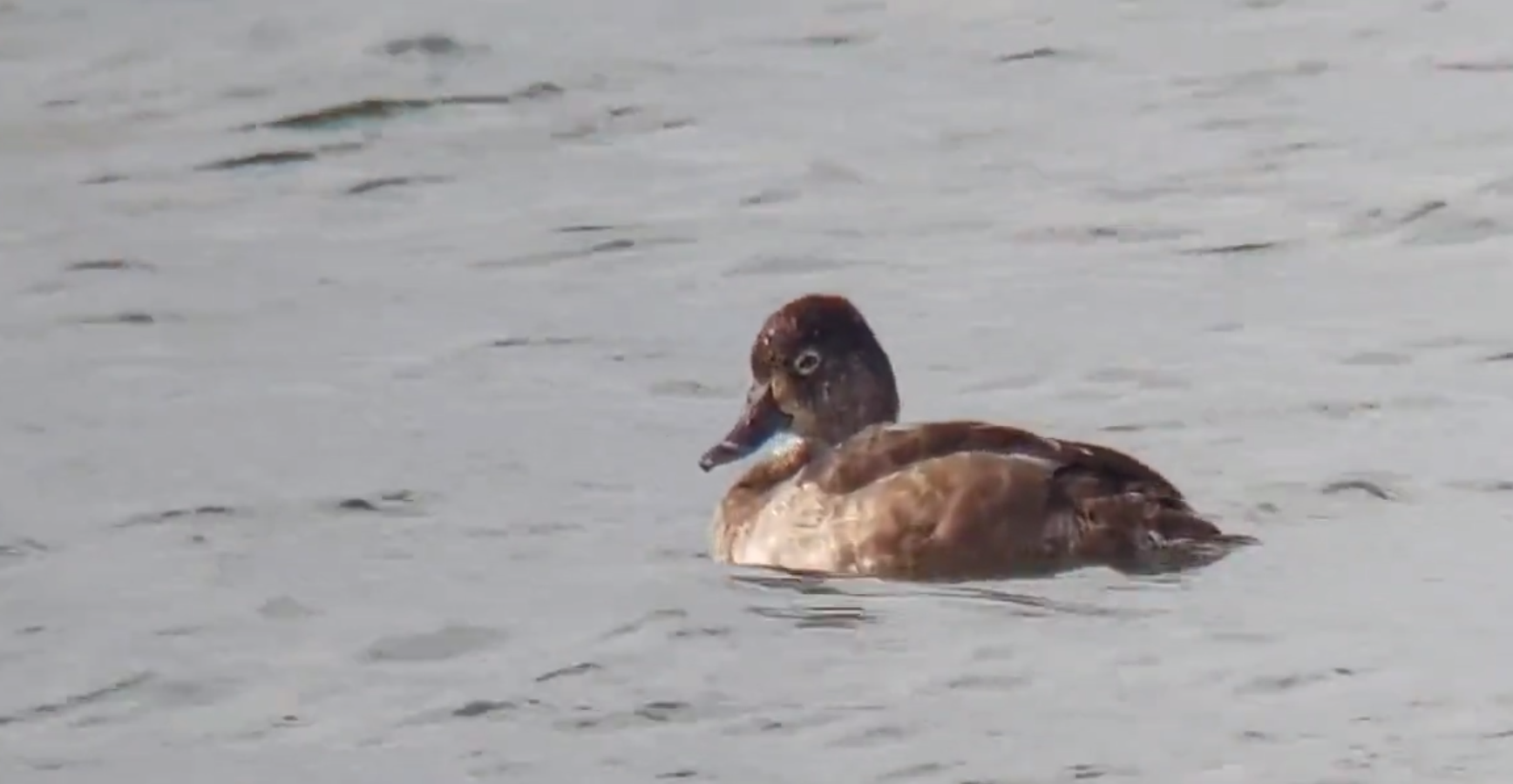
Perhaps not now seeming so out of place, given the UK appearances of a number skeins of Pink-footed Geese during the first week of the month, the Hollowell Res bird – still present on 6th – may yet hook up with others arriving for the winter. This week saw Red-crested Pochards at two new localities, namely Boddington Res, where there were two on 2nd and Stanford Res, with one there on 6th.

This week’s waders were in disappointingly short supply. Just one Black-tailed Godwit appeared – this time at Summer Leys LNR on 6th, while last week’s Ruff remained there until at least 7th and another was found at Clifford Hill GP on 6th, lingering there until the week’s end. Now, the aforementioned ‘second for the year’  appeared in the shape of a smart juvenile Little Stint at Hollowell on 7th remaining there the following day. The only other Little Stint so far this year was a briefly-staying individual in spring, at Stanwick GP, on 30th May.

Hollowell also held on to its Wood Sandpiper from last week – just – the bird remaining until 2nd. Another was found at Pitsford on 6th and was still present at the week’s end. That just leaves Greenshanks, Hollowell taking the crown for host of the most, with up to four during the first two days, dwindling to one or two by the end of the period.

This week’s larid line-up strongly echoed that of last week, with a second calendar year Mediterranean Gull off the dam at Ravensthorpe Res on 7th and a supporting cast of some of the scarcer large gulls. Falling into the latter category were single adult Caspian Gulls at Hollowell on 4th Boddington on 6th, Daventry CP on 7th and Ravensthorpe on 8th.

Yellow-legged Gulls were more widespread than during last week, with two at Priors Hall Quarry, Corby on 3rd, one at Thrapston on 5th, three at Boddington and four at Pitsford on 6th and one at the last locality the following day.

Arguably for some, bird of the week was likely to have been the Bittern that crept around on the Scrape at Summer Leys during the evenings of 5th and 8th.

Keeping up appearances, too, were Cattle Egrets, one of which was found, unsurprisingly in a cattle field, at Aynho on 3rd. It did not linger. Two more visited Thrapston GP’s Titchmarsh NR on 7th.

On the raptor front, Ospreys were thin on the ground, represented only by a juvenile over Summer Leys, late morning, on 3rd and most likely the same bird moving west over Cogenhoe little more than an hour later. Another was seen flying toward Stanford on 4th. The latter site took the lion’s share of Marsh Harrier sightings, with one on 2nd and two on 3rd, 7th and 8th, one of which sported red wing-tags. One was also seen at Harrington AF on 5th.

Common Redstarts maintained their high autumn profile and were seen at nine localities comprising Blueberry Farm, Brampton Valley, Hardingstone GP, Harrington, Honey Hill, Lamport, Old, Pitsford and Stanford. The highest locality count was four at Harrington on 5th. Also coming to the fore in terms of numbers on the passerine front were Whinchats, with the eight localities of Brampton Valley, Clifford Hill, Hollowell, Lamport, Old, Stanford, Willowbrook Industrial Estate (Corby) and two sites at Woodford Halse producing between one and three birds apiece. And not to be outdone, Northern Wheatears, too, stood up to be counted, with a respectable eight localities delivering mainly single birds but three were at Clifford Hill on 5th, two at Blueberry Farm on 6th and two at Slade Brook Field (Kettering) on 7th. The other contributing localities were Brampton Valley, Harrington, Hollowell, Honey Hill and Stanford.

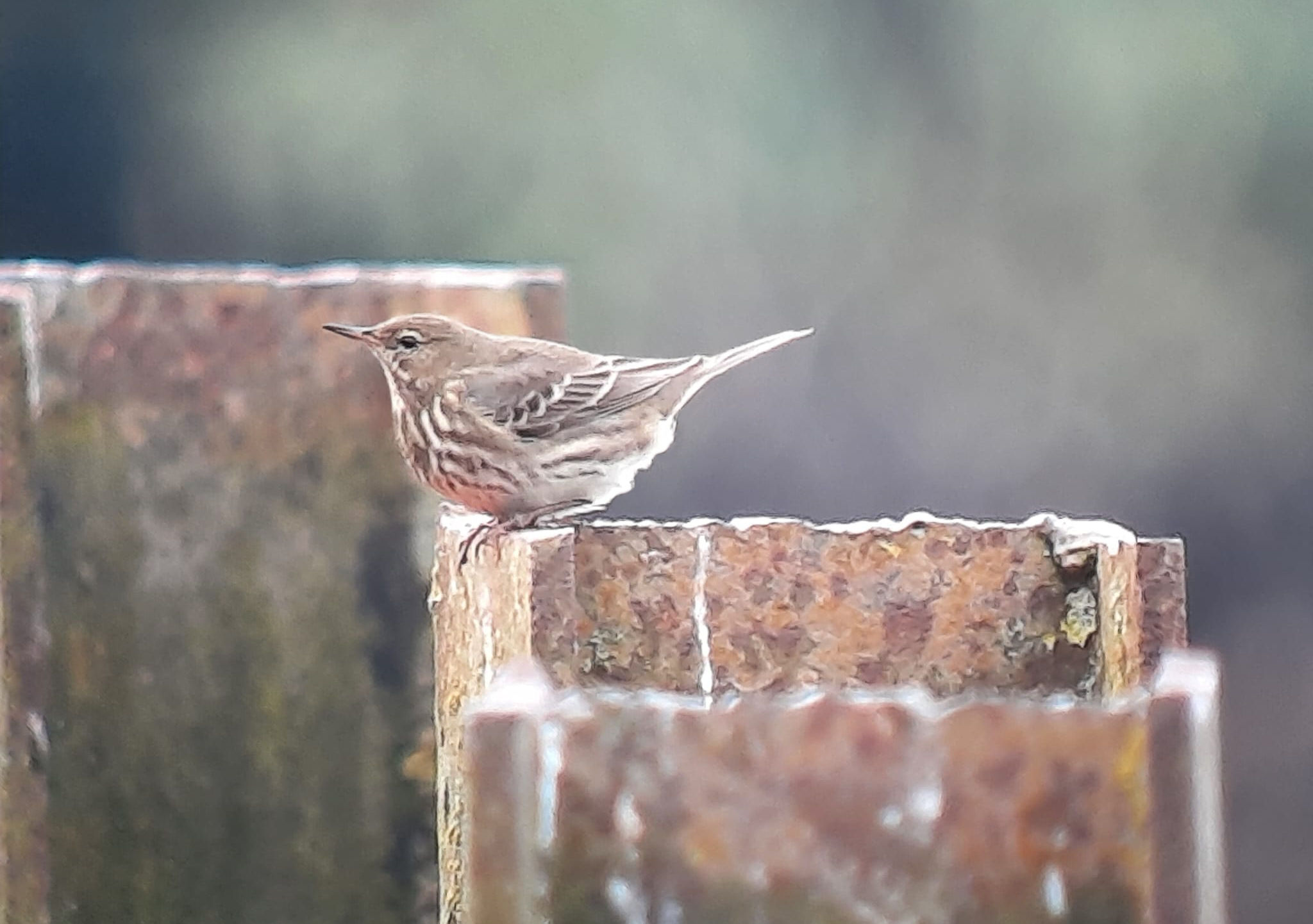
Single Tree Pipits were found at Blueberry Farm on 3rd and Stanwick GP on 5th while, perhaps surprisingly, this week’s first for the year – a Corn Bunting – was located in the Brampton Valley between Cottesbrooke and Hanging Houghton on 8th.  

link-to-latest-reports

Newsround – 26th August to 1st September 2023

The last day of the period marked the start of meteorological autumn during a week that produced three top-notch birds, all of which were firsts for the year, although none of these was readily available to the masses …

Conversely, the Pink-footed Goose of somewhat ill repute provided easy pickings for at least three days at Hollowell Res, where the female Ruddy Shelduck was also present for one day, on 29th, before resurfacing at Foxholes Fisheries, Crick on 1st. Three Red-crested Pochards were found at Pitsford Res on 30th.

Also at Pitsford, a Black-necked Grebe arrived pretty much on cue for an established run of early autumn occurrences on the last day of the week.

This week’s waders were low in numbers in no uncertain terms but they at least pushed the variety envelope a little more beyond last week’s offering. Just one Black-tailed Godwit was found, at Ditchford GP’s Irthlingborough Lakes & Meadows LNR, on 29th, while the autumn’s second Turnstone was, well, simply turning stones on the shoreline near Wader Bay at Summer Leys LNR on 1st. Summer Leys also hung on to a Ruff all week, two being present there on 31st.

Arguably firsts for the autumn were Wood Sandpipers at three localities, which included two present only briefly at  Stanwick GP on 28th and singles at Daventry CP and Hollowell on 31st and 1st, respectively. Prior to these, the last one was at Summer Leys on 10th July. Greenshanks this week were the sole preserve of Hollowell, where one on 28th was joined by a second bird from 29th to 1st.

A few more of the scarcer gulls came our way during the period, of which a juvenile/first-winter Mediterranean Gull off the dam at Pitsford on 31st was the best. Caspian Gulls were found at three localities, with single adults at Pitsford on 27th and near Ashton on 29th, while a juvenile visited Hollowell on 28th. Apart from an adult at Summer Leys on 26th, Pitsford produced all the Yellow-legged Gulls, with up to two seen there almost daily.

Terns of interest were limited to the single Black Tern, remaining from last week at Clifford Hill GP, on 26th.

Also just making it into the period was the Summer Leys Cattle Egret, which was still present on 26th but not thereafter. Two also remained at Stanwick until 29th.

Gliding into the world of raptors takes us straight to one of those aforementioned ‘firsts’ for the year in the shape of a Honey Buzzard, found by one lucky observer at Snorscombe, before gaining height towards Everdon Stubbs and drifting away to the north-east, on 26th. History has proven that late August is a prime time for connecting with this species in the county. But will there ever be a repeat of the events which took place in autumn 2000, when an amazing influx occurred in late September with literally hundreds of birds arriving on the east coasts of England and Scotland, before filtering down through the country over some two weeks. During this period, at least thirty-seven were seen in Northants between 22nd September and 2nd October. We can but dream …

More down to earth, though, was a sprinkling of Ospreys which included singles at Earls Barton GP on 26th, Summer Leys on 28th, Hollowell on 28th, 29th, 30th and 1st, and Clifford Hill GP on 30th.

Marsh Harrier numbers were up on last week with one seen north of the causeway at Pitsford on 27th and 29th-30th and further singles at Stanford Res on 27th and 31st, Harrington AF on 28th, Ditchford on 29th and Summer Leys on 1st.

The next ‘first’ for the year was, somewhat predictably, a Wryneck, trapped and ringed at Stanford on 28th. ‘Predictably’ because this is the fourth consecutive autumn that the local ringing group has trapped one, taking the all-time total for this species ringed there to six, with nine records for the site in total.

Which takes us neatly on to the final ‘first’ for the year that appeared in the shape of a Nightjar discovered roosting on a wall at Great Harrowden. Alas, it wasn’t present the following day – a fly-by-night, if ever there was one. This species has become increasingly difficult to catch up with in the county over the last couple of decades but it surely breeds … somewhere …

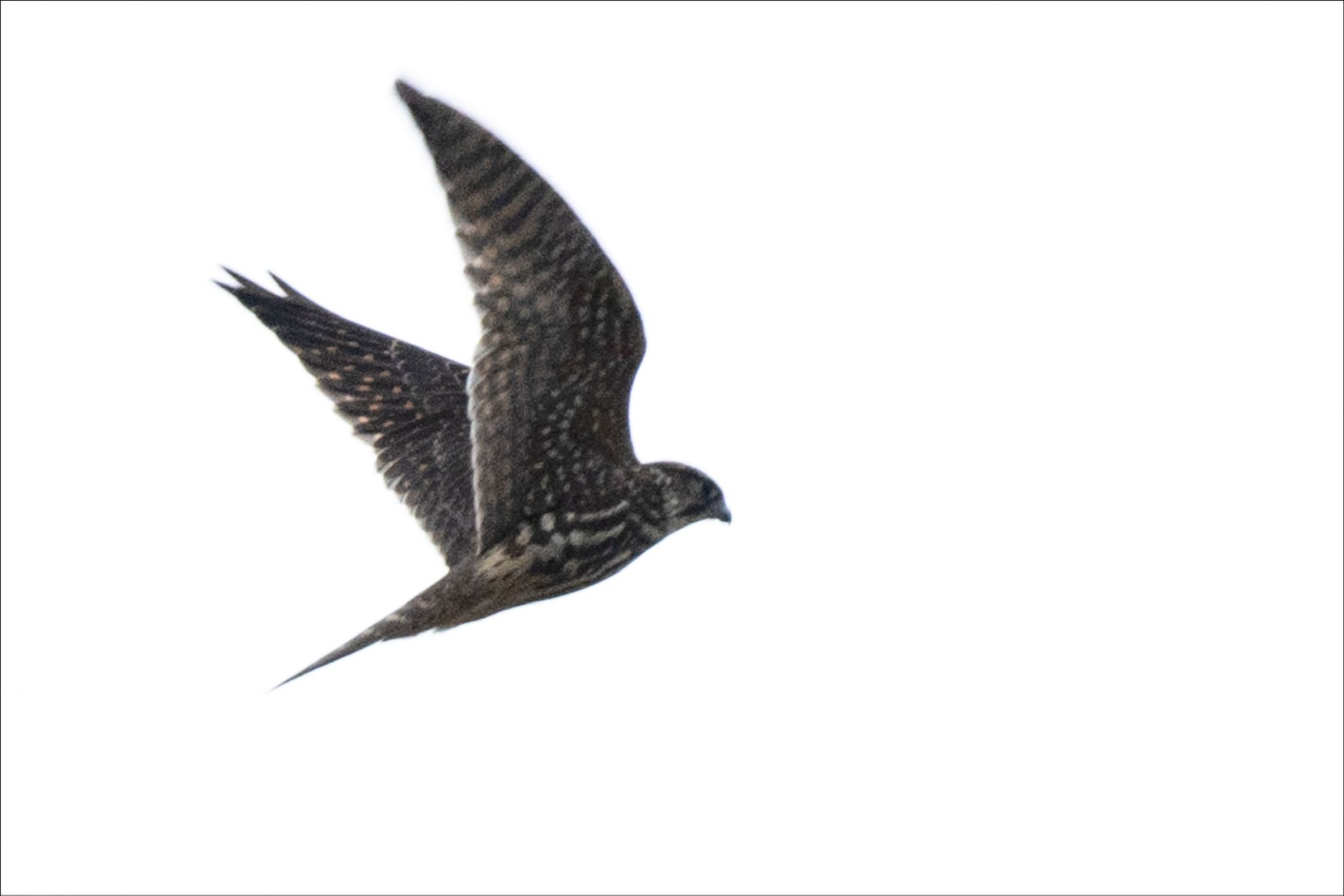
The autumn’s first Merlin was seen near Hartwell – appropriately on 1st.

And this week’s passerine billing falls very much in line with the recently established trend. Kicking off with the rarest first, another Pied Flycatcher was found at Lamport on 26th, the same site being one of nine to also hold Common Redstarts as part of this autumn’s continuing and unparalleled run of records. Unsurprisingly, the Stanford Ringing Group trapped and ringed a further eleven – the highest day total being six on 26th – and, in addition to these, at least a further two were present on site. Blueberry Farm, Maidwell, where birds were seen daily, produced the next highest day count of four on 29th, followed by Harrington AF and Old with three apiece on 28th and 30th, respectively. Elsewhere, Brampton Valley, Clifford Hill, Duston and Pitsford held one/two birds each.

A further surge of Whinchats appearing in the county brought a high site total of five to Brampton Valley on 30th, with smaller numbers there on other dates throughout the period. A close second was Pitsford Res, where up to four were seen within spitting distance of the causeway, providing a popular draw for a number of local birders. Seven further localities produced one/two birds, including Blueberry Farm, Clifford Hill, Corby (two sites), Harrington, Kislingbury GP and Stanford.

Northern Wheatears were also well represented with site maxima of three in Brampton Valley on 26th, twos at Old on 26th, Harrington on 28th and Clifford Hill on 1st, and one at Hollowell on 30th.

Meanwhile, a trickle of Tree Pipits consisted of singles in flight over Harrington and Stanford on 26th and Pitsford on 29th. Fly-over Crossbills were also seen at Harrington, where there were two on 26th, and Blueberry on 29th.

link-to-latest-reports

Newsround – 19th to 25th August 2023

Save a short easterly gust, an overall westerly to south-westerly airstream brought predominantly dry weather throughout a week when migrants continued to funnel through the county. Passerines in particular were in abundance, including record numbers of Common Redstarts and a sprinkling of Pied Flycatchers.

Despite building wildfowl numbers, this week’s ducks deluxe remained largely unchanged from the week before, namely the female Ruddy Shelduck, for one day only, at Hollowell Res on 21st and, at Pitsford Res, a Garganey on 24th and a Red-crested Pochard between 20th and 22nd.

Waders continued to bump along the bottom with single Black-tailed Godwits at Ditchford GP’s Irthlingborough Lakes & Meadows LNR on 20th and 21st and at Hollowell Res on the latter date, while four appeared at Stanwick GP on 22nd. The 20th saw four Ruffs at both Ditchford and Pitsford, followed by one at Summer Leys LNR on 24th-25th. Hollowell held a Greenshank from 21st to 25th and two visited Thrapston GP’s Titchmarsh LNR on 22nd.

After single juvenile Mediterranean Gulls at both Stanwick and Wicksteed Park Lake early in the month, two more scaly-backed beasties came our way this week – one at Stanford Res on 21st and the other at Summer Leys on 24th. Otherwise, it was down to Yellow-legged Gulls to keep the scarcity campfire burning. While Stanwick took the lion’s share of eight on 25th, Pitsford held two on 19th and 20th, one on 23rd and three on 24th and, not to be left out, both Summer Leys and Thrapston produced single birds on 24th.

Continuing the autumn run of Black Terns, new birds appeared at Stanford Res on 19th – remaining until 22nd – and at Hollowell on 21st while two, presumably left over from last week’s four, remained at Clifford Hill GP until 22nd, at least one of which stayed on to see the week out.

And it would appear that things are looking up, as far as Cattle Egrets are concerned, with the Summer Leys bird looking settled throughout the period, one putting in a brief appearance at Clifford Hill on 20th and up to three being mobile around Stanwick between 21st and 25th. Good news indeed.

To raptors now and Ospreys kept up their appearances, being seen this week at five different localities. Hollowell produced singles on 19th and 21st, two were mobile around nearby Ravensthorpe Res on the latter date and singles visited Thrapston GP on 22nd-23rd and Pitsford on 24th. One at Summer Leys on 20th and 21st was well-photographed, revealing a blue ring bearing white digits ‘079’, thereby identifying it as a male ringed as a nestling in Northamptonshire on 5th July 2021. Following that, it was seen at Parque Natural Bahia de Cadiz, Spain on 2nd February this year, after which it was seen at Farmoor Reservoir, Oxfordshire on 8th May and then again at Hollowell on 21st June. It has since been seen at various sites in the Nene Valley.

Again making their mark on the week, Marsh Harriers were seen at Hollowell, Lilbourne Meadows NR and Summer Leys – all on 19th, at Harrington AF on 20th and in the Brampton Valley between Cottesbrooke and Hanging Houghton on 20th and 23rd.

And as for the period’s passerines … topping the bill were Pied Flycatchers, all of which were seen on 23rd. First up was one at Stanwick GP late in the afternoon, another was then found at Creaton and another, early evening, at Lamport. None was readily twitchable, it would appear.

Meanwhile, Common Redstarts continued their unabated romp through the county, appearing at seven localities with Stanford, once again, producing the highest site total through ringing. Last week’s day record was equalled on 25th, when twelve were trapped and ringed, bringing the site ringing total to forty-three for the year to date. Lower numbers elsewhere included three at Honey Hill on 25th, two at Blueberry Farm throughout the week, two at Harrington AF and up to two at Lamport, plus singles in the Brampton Valley and at Pitsford.

Whinchats also stood up to be counted, with up to two in the Brampton Valley between 19th and 24th, up to two at Pitsford from 21st to 25th, one remaining at Great Doddington on 22nd and singles at both Stanford and Stanwick on 25th. Still relatively low in numbers, though, were Northern Wheatears, with Pitsford producing two on 24th, while singles were in the Brampton Valley on 19th-20th and 24th and at Earls Barton/Ecton on 20th.

Rounding off the passerines again were Tree Pipits but this week they were the sole preserve of Stanford, where two were trapped and ringed on 20th and two were present on 25th, one of which was trapped and ringed.

link-to-latest-reports

Newsround – 12th to 18th August 2023

Another week in which migration clearly moved up a gear, delivering another first of the year for the county in the shape of a juvenile Shag, for one day only, at Stanford Reservoir. Further seasonal firsts for autumn were also on the menu, if only fleetingly …

But first, there’s no side-stepping the bedrock of all things dodgy, namely the peripatetic female Ruddy Shelduck – this week to be found at Hollowell Res on 12th, Winwick Pools on 13th and then at Foxholes Fisheries, Crick on 14th while, falling squarely into the same category, the Pink-footed Goose remained settled at Hollowell all week.

Conversely, unquestionable credentials belonged to the Garganey present at the latter site, intermittently between 14th and 17th. Red-crested Pochards were again present at Pitsford Res, where up to three were present between 14th and 18th.

Wader numbers, though still low, were up on last week with a single Black-tailed Godwit remaining at Summer Leys between 12th and 15th and four more dropping in there briefly during the evening of 14th. The autumn’s first Turnstone flew through at Hollowell, without stopping, on 18th, as did a Ruff at Stanford Res on the same date.

The only other wader of note was Greenshank but even these were thin on the ground, with one on the dam at a mudless Pitsford on 14th and another at Hollowell on 17th.

When it comes to scarce gulls, though, low water levels are not as important a requirement and single adult Caspian Gulls visited Stanwick on 14th, Hollowell on 14th and 18th and Naseby Res on 16th. Yellow-legged Gulls were not as widespread as last week and while the lion’s share of eleven was taken by Stanwick on 14th, the same date saw five at Pitsford and two at Hollowell, followed by further singles at Pitsford on 15th and 16th and two there on 17th. A short-staying adult visited Stanford on 18th.

As part of a mid-month influx of Black Terns across the UK this week, the county got its first of the autumn when Clifford Hill GP pulled in four on the last day, 18th. The same location and date also produced a juvenile Arctic Tern, breaking the mould of late autumn occurrences for juveniles of this species in the county.

But if an autumn first is not enough, then how about a first for the year? For those after a Shag for their year lists, Stanford did the honours and produced a juvenile on 15th. Looking for all the world like a glass case museum piece, keeping company with Cormorants on a tern raft, it was found during the early evening but was nowhere to be seen the following day. This bird is, so far, the only one to be found inland in the UK this month and is most certainly, therefore, the same individual that spent from 7th to 11th August not too far away at Draycote Res in Warwickshire – in fact, a mere 16 km as the Shag flies …

The end of last week ushered in the welcome return of Cattle Egret – just the one bird that stood up to be counted and stuck around at Summer Leys throughout the whole of this week, too. But that’s not the end of the story. Following in its footsteps on the last day of this week, two different individuals were seen in flight (and photographed) at Stanwick. Are we on the brink of witnessing a comeback? We dare to dream …

On the raptor front, healthy numbers of Ospreys were evident during the period, being most frequently encountered at their principal viewing locality, Hollowell, where twos were present on 15th and 17th plus singles on 12th and 16th. Further singles were seen at Thrapston GP on 15th, 17th  and 18th, while Pitsford produced one on 16th and Ditchford GP one on 17th.

Marsh Harriers, too, were also on the up with singles in the Brampton Valley between Cottesbrooke and Hanging Houghton on 13th and 17th, Harrington AF on 13th, Summer Leys on 14th, Stanford on 16th and 18th and Pitsford on 18th.

A white morph Gyr Falcon seen near Everdon on 17th was interesting but undoubtedly an escape.

Topping migrant passerines for sheer numbers were Common Redstarts. A mighty total of twelve – a new day record – was trapped and ringed at Stanford on 16th and four were at Harrington on the same date, while ones and twos were also seen during the week at Blueberry Farm, Brampton Valley, Lamport, Pitsford and Summer Leys.

One of the above locations also held Whinchats. Two were in the Brampton Valley between 13th and 16th, one was at Great Doddington on 13th, at least one remained between Lamport and Scaldwell on 14th and two were found at Hollowell on 18th. Three localities produced Northern Wheatears – one was at Harrington on 13th and two there on 16th, Brampton Valley held singles on 14th and 16th and two on 17th, while one was near Orlingbury on 18th.

Rounding off the passerines, Tree Pipits made a healthy advance on last week’s one, with one in flight over Stanford on 14th, two at Pitsford on 16th – one of which was trapped and ringed – three trapped and ringed at Harrington on 17th and one seen at Hollowell, also on 17th.

link-to-latest-reports

Newsround – 5th to 11th August 2023

The week just gone took on a distinctly autumnal feel, while summer attempted a final fling in the latter half. Passerine migration became more evident as numbers on the move clearly ramped up, as did gulls, but, in the chronic absence of mud at the vast majority of wetland locations, there was a noticeably sad lack of waders.

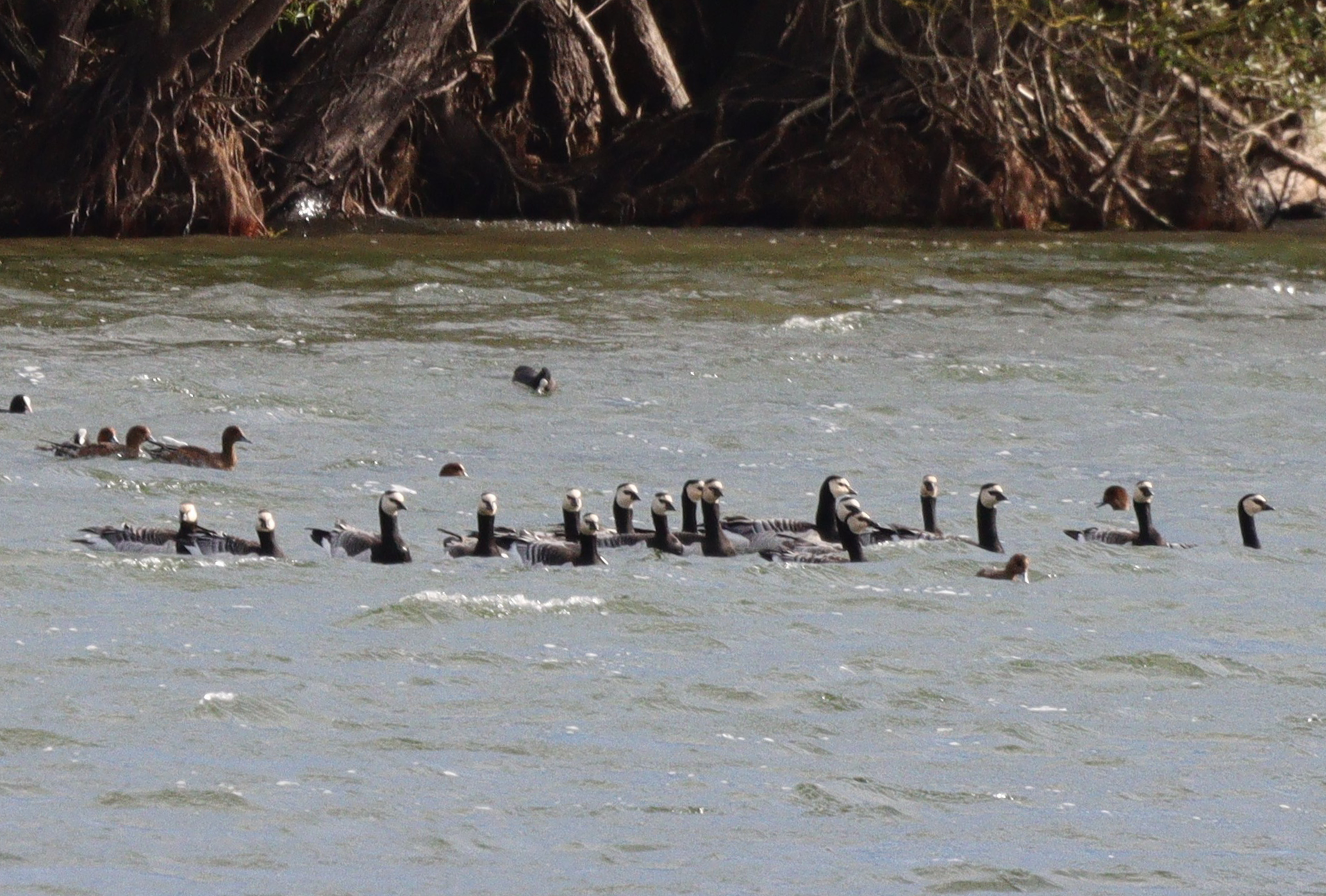
Following in the footsteps of the returning Ruddy Shelduck – of which there were no reports this week – similarly mobile between Ravensthorpe and Hollowell Reservoirs was a or, if you like, the Pink-footed Goose, which was found at the former site on 5th, before moving to the latter from 8th to 10th. And as for feral Barnacle Geese, well, we’re not even going to go there …

The only wader of note during the period was Black-tailed Godwit, with an adult at Summer Leys LNR from 5th to 11th, joined there on the latter date by a juvenile, while another flew over Hollowell on 9th.

But anything lacking on the wader front was squarely made up for by gulls, with Stanwick GP and Kettering’s Wicksteed Park Lake vying for top producer of the week in this respect. First up was a smart juvenile Mediterranean Gull at Wicksteed on 6th, followed by two adults at Stanwick on 8th.

Back at Wicksteed, on 6th, two Caspian Gulls – a fourth-year and a juvenile – were also present, while Stanwick delivered two adults, one on 8th and a different bird (showing some possible hybrid characteristics) the following day. Ravensthorpe also got in on the action with a juvenile off the dam there on the last day of the week.

Yellow-legged Gulls were rather more widespread, with Stanwick taking the lion’s share of at least ten on 8th and half that number there the following day. Elsewhere, single adults visited Thrapston GP on 6th and 9th, Ravensthorpe on 6th and 11th,  Earls Barton GP on 7th and Pitsford Res on 8th. Two juveniles were at Wicksteed Park on 6th, followed by an adult on 8th, while the last day of the week saw two adults at Harrington AF, three adults and a juvenile at Pitsford and a juvenile at Clifford Hill GP.

For the second week running, Sandwich Terns were once more in the mix when two paid a brief, early morning visit to Hollowell on 10th.

Now, with the local Cattle Egret pendulum having swung back last winter to pre-2018 occurrence levels, this species was once again on the menu this week after being plunged back into its former rarity status. One on the scrape at Summer Leys on 11th is the only one on the ground out of a meagre four records so far this year, the other three represented by fly-overs at the same location on 15th and 21st January and one over Ditchford GP on 9th April. How long this bird will stay is anybody’s guess.

A slight increase in the number of raptors was evident this week, although sightings of Ospreys were predictable with Hollowell producing one on 6th-7th and two on 10th, while singles visited Ravensthorpe on 8th and Thrapston on 9th. Marsh Harriers were up on last week, with singles at Blueberry Farm, Maidwell on 7th, Pitsford Res on 10th and Summer Leys on 10th-11th, while a ‘ringtail’ Hen Harrier was seen over Harrington AF on 7th.

But if we’re looking at smaller fare, namely migrant passerines, Common Redstarts again topped the bill for numbers, being found at twelve localities during the period – that’s 50% up on last week’s total. While Blueberry Farm consistently produced the highest count of three, ones and twos were also found in the Brampton Valley and at Geddington, Great Doddington, Harrington AF, Honey Hill, Lamport, Pitsford, Stanford Res (where two were trapped and ringed), Summer Leys, Teeton and Woodford Halse.

Considerably overshadowed by the above species, Whinchats were limited to two between Lamport and Scaldwell on 5th and 8th and singles in the Brampton Valley between Cottesbrooke and Hanging Houghton on 8th and at Blueberry Farm on 8th-9th. However, Northern Wheatear numbers were up on last week’s, comprising singles at Harrington AF on 7th, in the Brampton Valley on 7th-8th and at Blueberry Farm, Orlingbury and Stanford Res on 9th, while two were found at Clifford Hill GP on 10th.

But it was north Northamptonshire that produced this week’s scarcest passerine – namely the first Tree Pipit of the autumn, at Wakerley Great Wood, on 9th.

link-to-latest-reports

Newsround – 29th July to 4th August 2023

Crossing the line into August brings ‘autumn proper’ just that little bit closer and, although the week just gone was arguably a little lacklustre, there is much to look forward to in terms of potential during the oncoming days. In fact, the second week of August has delivered some star waders locally during years gone by – all be they few and far between …

Mobile between Hollowell and Ravensthorpe Reservoirs, the female Ruddy Shelduck saw another week out and, if past performance is anything to go by, it looks like she’ll be in it for the long haul. Two drake Red-crested Pochards found at Pitsford Res on 29th also remained throughout the period.

Which takes us straight on to our ‘bird of the week’. Though not a patch on those from the last two weeks, an Avocet paid an early morning visit to Hollowell on 4th but moved on rather sharpish.

Other waders were in short supply, being made up of single Black-tailed Godwits at Stanford Res, Lilbourne Meadows NR and Summer Leys LNR – all on 3rd – the bird at the latter site still being present the following day. A Greenshank dropped into Summer Leys, briefly, on 30th.

The 2nd saw the first juvenile Mediterranean Gull of the autumn at Stanwick GP and, in keeping with its track record, this site also producing the week’s highest number of Yellow-legged Gulls, with three on 31st, four on 1st and seven on 4th. Single adult Yellow-legged Gulls were at Pitsford on 29th and 2nd.

Arguably a strong contender for ‘bird of the week’ was Sandwich Tern, four of which flew south-west over Thrapston GP’s Titchmarsh LNR on 3rd, while two Arctic Terns at Ravensthorpe on 29th was an interesting record, locally, for the time of year.

Routine raptors were the order of the week with Hollowell unsurprisingly producing the lion’s share of Ospreys. Three flew south-west over the site on 1st, a blue-ringed (‘T3’) 7-year-old adult male was present there on 29th and 3rd, followed by one on 4th, while one visited nearby Ravensthorpe on 30th. By comparison, this week’s Marsh Harrier appeared lonely – Stanford Res mustering just the one, on 4th.

Passerines saw Common Redstarts ramp up in numbers with eight localities holding birds. Blueberry Farm, Harrington AF, Honey Hill, Lilbourne Meadows, Pitsford, Stanford, Summer Leys and Woodford Halse all produced – mainly singles or duos – but a likely three were at Blueberry Farm on 3rd.

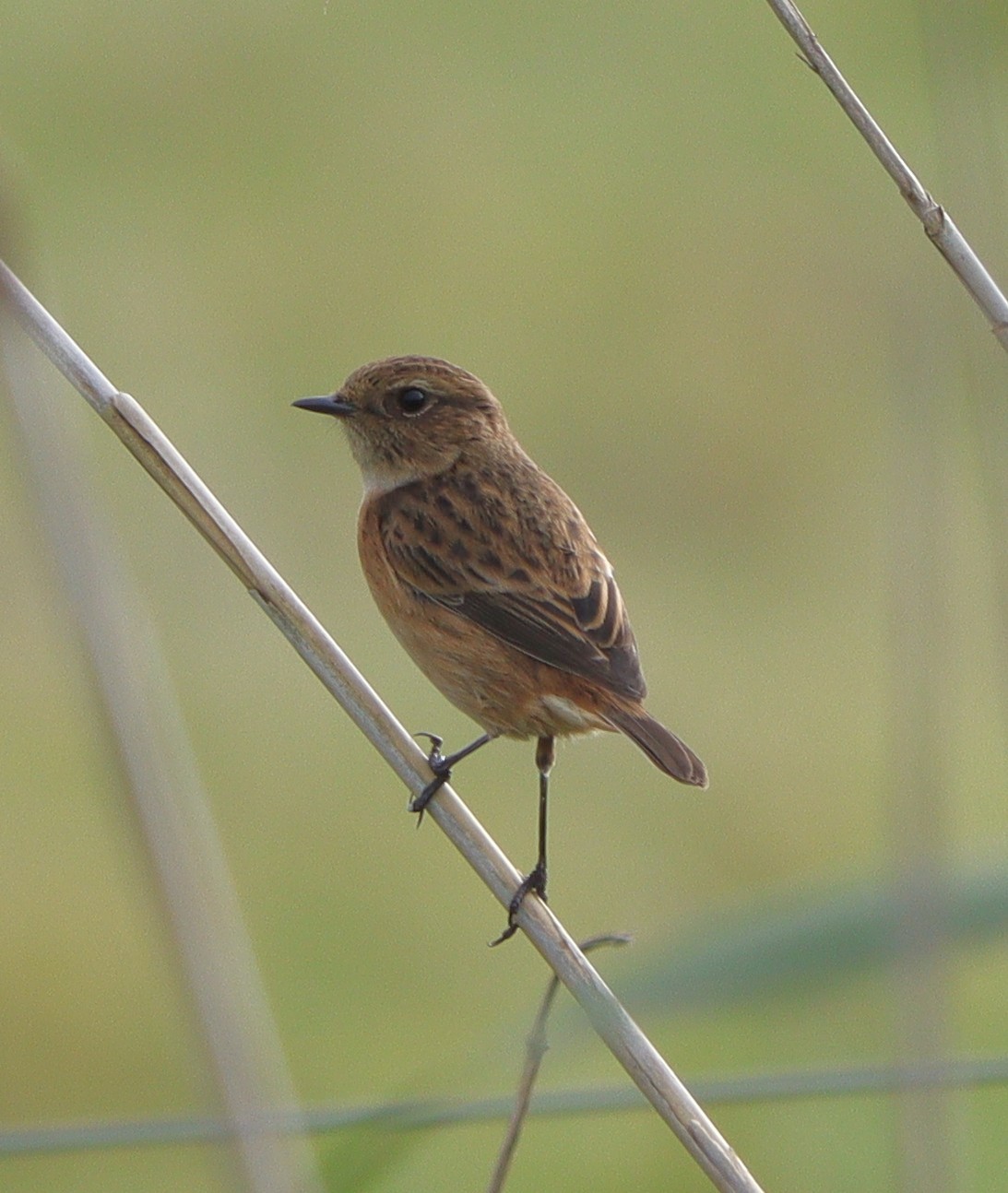
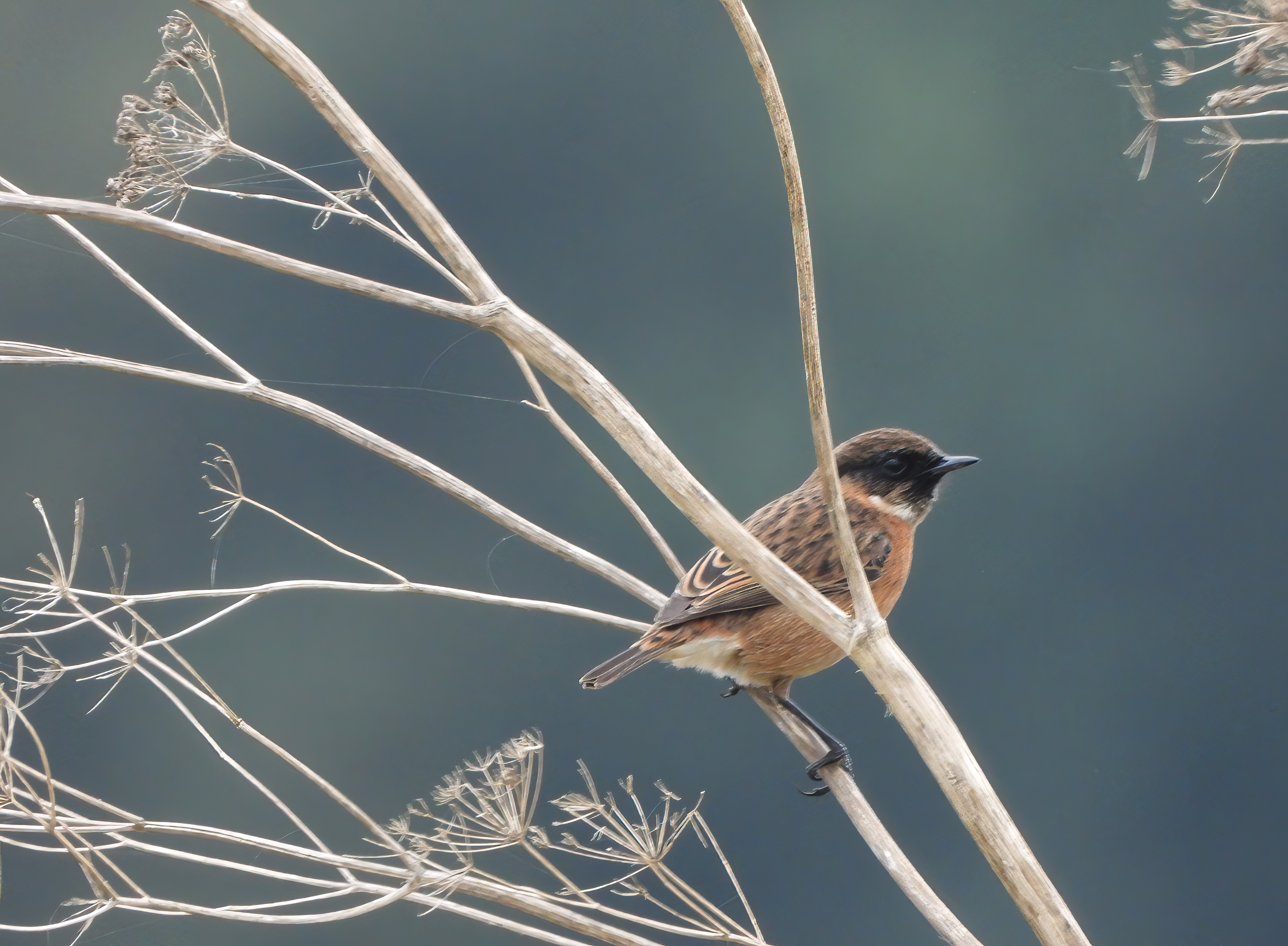
By contrast, however, Northern Wheatears have yet to get going, proving scarce with just singles at Harrington on 30th and in the Brampton Valley between Cottesbrooke and Hanging Houghton on 3rd. An interesting record emerged this week of successful breeding by Stonechats near Corby, where a pair raised at least one young.

More Whinchats were in evidence this week, with singles filtering through the county at Great Doddington on 30th-1st and Harrington on 31st, while two were found in the Brampton Valley between Cottesbrooke and Hanging Houghton on 3rd.

link-to-latest-reports

Newsround – 22nd to 28th July 2023

Initially an undeniable washout, the latter part of the week saw a subtropical, south-westerly airstream hit the UK but there was nothing ‘subtropical’ about the birds seen locally. There was, however, another tantalising tern again momentarily – this time in the Nene Valley.    

In the absence of any other qualifying waterfowl, the Hollowell Ruddy Shelduck stood up to be counted, remaining on site throughout the period. With the national status review of this species ongoing, multiples have been seen on the east coast, as well as inland, including a flock of five in Norfolk within the last ten days.

For the second week running, a Common Quail was heard in the county – this particular individual turning out to be a real fly-by-night, calling as it moved over Kettering during the last hour of darkness on 27th and clearly choosing to follow in the nocturnal wing flaps of the bird recorded over Higham Ferrers on 10th June.

Continuing its summer sojourn, last week’s adult Black-necked Grebe remained in the vicinity of Maytrees Hide at Pitsford Res until at least 25th, when it became noticeably more mobile. It was not reported subsequently.

This week’s waders were limited to a single Whimbrel flying south-west over Stanwick GP on 22nd, followed by a run of Black-tailed Godwits, which included six at Summer Leys LNR on 23rd, two there the next day and, on 25th, singles at both Stanford Res and Stanwick GP.

An adult Caspian Gull at the latter locality on 22nd was the first of the autumn, backed by a supporting cast of eleven Yellow-legged Gulls there on the same date. Further down the Nene Valley, Thrapston GP’s Titchmarsh LNR produced more Yellow-legged Gulls with an adult on 22nd, two adults on 24th and several on 28th, while two adults were at Pitsford on 24th.

But, once again, the bird of the week slot was firmly occupied by another fly-by-night of a different sort – the probable Caspian Tern, which quickly departed to the east from Summer Leys within one minute of its discovery, early in the afternoon of 23rd, leaving its observer somewhat bemused. After recovering from the initial shock, the ‘probable’ was upgraded to a ‘certain’ and the rest, as they say, is history. With the UK experiencing a relative glut of this species in 2023, whether this bird was the wanderer that visited Hollowell last week, or if it was a different individual, it is impossible to say.

Summer Leys also produced a Bittern, which was only seen twice in flight on the same date as the above tern.

Making a return this week, Ospreys were clocked at Earls Barton GP’s western extremity on 22nd and 27th, Thrapston GP on 24th and 25th and at Hollowell on 27th and 28th. A further movement of Marsh Harriers was also evident, with single juveniles at Summer Leys on 23rd and 26th, Titchmarsh LNR on 25th and over Byfield on 26th.

Now firmly in the throes of autumn passage, Common Redstarts were, once again, well represented by twos at Blueberry Farm, Maidwell on 23rd-24th and 28th and at Harrington AF on the latter date, while singles were at Woodford Halse on 24th and 27th. New birds were found at Hollowell, Pitsford and Summer Leys on 24th, the bird at the last locality, a fresh juvenile, remaining until 27th.

A further sign of autumn, if ever it were needed, was the arrival of up to three Whinchats at Stanford Res on 23rd, remaining until at least 26th.

link-to-latest-reports

Newsround – 15th to 21st July 2023

While the unseasonal, topsy-turvy weather conditions persisted throughout the week, many eyes became focussed on a certain east coast Giga-rarity but Northants produced its own Mega in the shape of a fine adult Caspian Tern.

This week’s ducks deluxe, however, included the female Ruddy Shelduck remaining at Hollowell Res throughout and a Garganey at Daventry CP on 20th-21st, while last week’s female Red-crested Pochard stayed at Stanford Res until 17th. Another Red-crested Pochard – this time a drake – visited Pitsford Res on 20th.

The fourth Common Quail of the year was a male heard singing at Stanford early in the morning of 20th. Audible from the dam car park, it was still present later in the evening and, unlike the previous three, offering a sound opportunity for those who wanted to catch up with it. It was not heard the following day.

From pristine spring adults to tanned summer juveniles, this year has been pleasingly awash with Black-necked Grebes and, out of last week’s four at Thrapston GP, an adult and a juvenile stayed on until at least 17th. Another juvenile also appeared at Stanford on 15th, while an adult turned up at Pitsford for the last two days of the week.

In contrast to last week, wader numbers were slightly down, and included just a single Black-tailed Godwit at Summer Leys on 16th-17th. Remarkably, feathers from both a juvenile and an adult Black-tailed Godwit were identified as remnants of a Peregrine’s prey at a site in north Northamptonshire during the week, as were tail feathers from a Bar-tailed Godwit.

In at the eleventh hour, a Ruff was found at Summer Leys on the evening of 21st, a Greenshank visited Hollowell Res on 20th-21st and two Sanderlings were reported from Clifford Hill GP on 19th.

Larids this week were restricted to Yellow-legged Gulls with one at Ditchford GP on 15th and two visiting Stanwick on 18th. On past form, numbers appear likely to build at the latter site as we move further into the autumn.

But never mind gulls as bird of the week, by a country mile, was the county’s seventh-ever Caspian Tern – a well-earned discovery by the County Recorder at Hollowell Res on the evening of 18th. Unfortunately for everyone else, the bird took to the air within a minute of its discovery and headed off high north. Alas, it did not return. Despite a wide gap in occurrence dates for the last one, in 2020, it was considered to be the same individual wide-ranging across the UK. The current year has proven to be a good one as far as this species occurring in the UK is concerned.

On the raptor front, Marsh Harriers came squarely to the fore with singles at Clifford Hill GP on 19th, Summer Leys on 19th-20th and at Harrington AF on 21st.

Propping up the passerines this week was Common Redstart, a series of sightings comprising singles at Blueberry Farm, Maidwell on 15th, Woodford Halse NR on 17th and at both Harrington AF and Stanford Res the following day – the latter trapped and ringed. Multiples included three at the traditional site around the Percy Pilcher Monument at Stanford on Avon on 20th, three at Blueberry Farm, Maidwell on 21st and two at Harrington AF on the same date.

Newsround – 8th to 14th July 2023

While the Jetstream remained well to the south of the UK, ushering in a series of low pressure systems with attendant unsettled weather, there was clear evidence that autumn passage was now well underway on all fronts.

Against a background of slowly building numbers of wildfowl, two Barnacle Geese constituted a barrel-scrapingly desperate find at Clifford Hill GP on 12th – a frustratingly feral ‘C-list’ bird, on the cusp of not even being mentioned … While not in quite the same category but receiving ever-enduring short shrift from the masses, the Hollowell Ruddy Shelduck remained throughout the period.

Meanwhile, Garganey numbers were up on last week, with two new birds appearing – one at Daventry CP and the other at Thrapston GP – both on 10th. New in at Stanford Res was a female Red-crested Pochard on 11th, also seeing out the period there.

Easily upstaging all of those above, though, was a flock of four Black-necked Grebes discovered at Thrapston GP’s Titchmarsh LNR on 12th. The flock comprised one adult and three recently fledged juveniles in various stages of moult, with only the juveniles remaining there the following day. Four is not unprecedented but the July date is early – this species normally making its first autumn appearance during the latter part of August.

With wader passage already well underway, the first Whimbrel of the autumn was picked up flying west over Stanford on 11th, while the movement of Black-tailed Godwits continued unabated with singles at Hollowell on 8th, Stanford on 9th and Summer Leys LNR on 10th. The latter date also saw three more at Stanford and two at Stanwick GP, where three were also present the following day. An adult male Ruff, briefly at Summer Leys on 9th, was also the first of the autumn while, hot on its heels there the following day, a Wood Sandpiper dropped in for good measure.

Summer Leys also produced a Greenshank on 10th but this species was not exclusively the preserve of the Leys – Hollowell also hung on to last week’s bird, which remained on 8th-9th, while it, or another, was there on 12th-14th.

The first Mediterranean Gull of the autumn was, unusually, an adult present briefly at Stanwick GP on 10th. The first juvenile is no doubt on the cards for the near future.

This week’s raptor slot was again occupied exclusively by Ospreys, which were seen at four localities, namely Hollowell, where two were present on 8th, Thrapston, where singles were fishing on 10th and 12th, while both Pitsford Res and Summer Leys produced birds on 12th.

One bird which, in recent years, has rocketed to red status as a result of the conservation initiatives stemming from its drastic UK decline, is Turtle Dove. Although there have been a handful of local records this year, their presence has been kept under wraps because of disturbance at possible breeding localities. One paid a flying visit to Earls Barton GP/Summer Leys on 8th but, unfortunately, it did not linger.

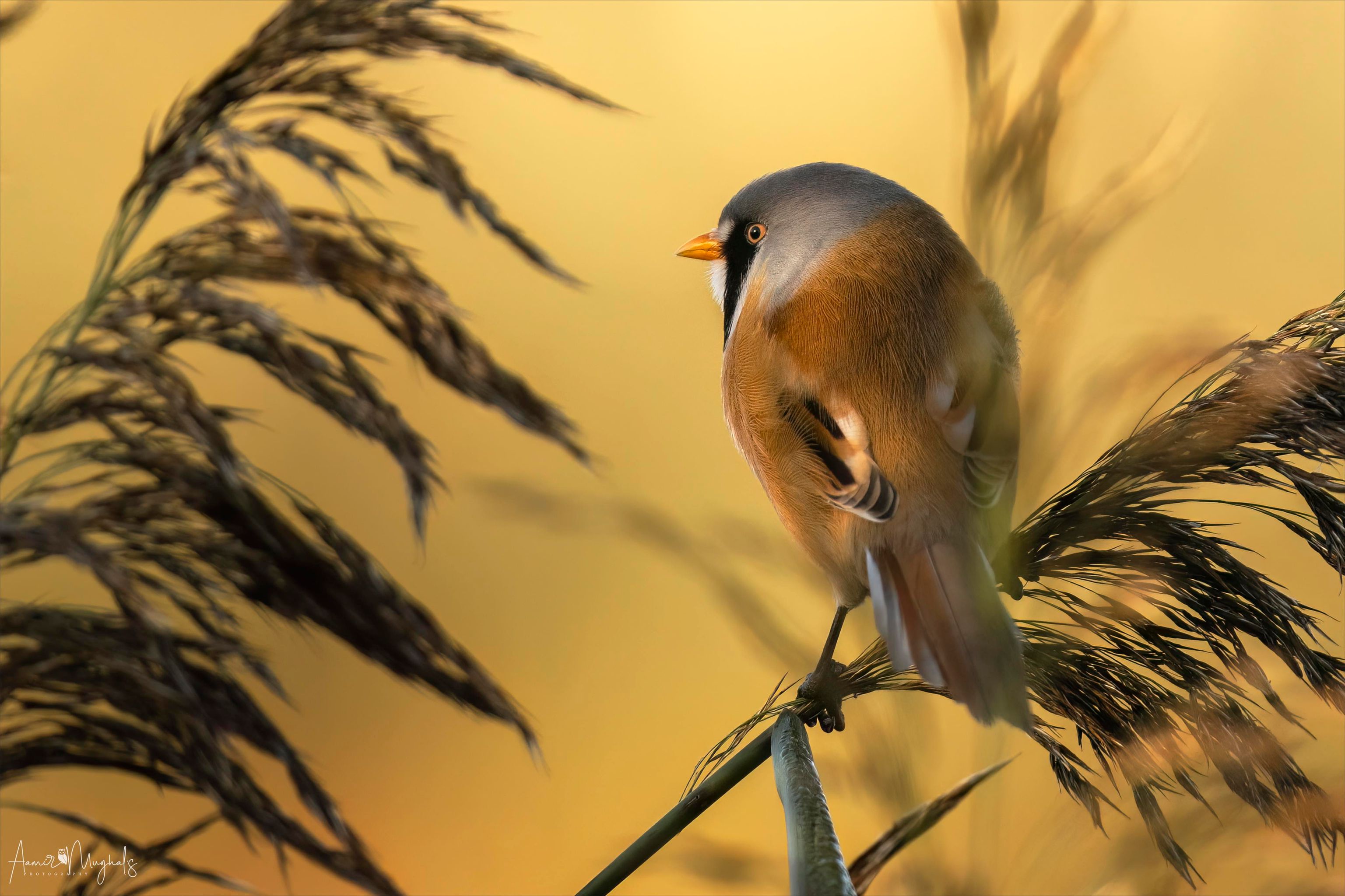
Making the briefest of comebacks following its wane in popularity, the male Bearded Tit resurfaced in the reedbed below the Fishing Lodge at Pitsford on 10th.

Another autumn ‘first’ was a Common Redstart at the favoured site of the hedgerow behind the Percy Pilcher monument, at Stanford on Avon, on 9th. This one was quickly followed by further singles at Harrington AF on 12th and Blueberry Farm, Maidwell on 12th-14th. And, to round off, Common Crossbills still seem to be coming, with at least six at Fermyn Woods CP on 10th.

link-to-latest-reports