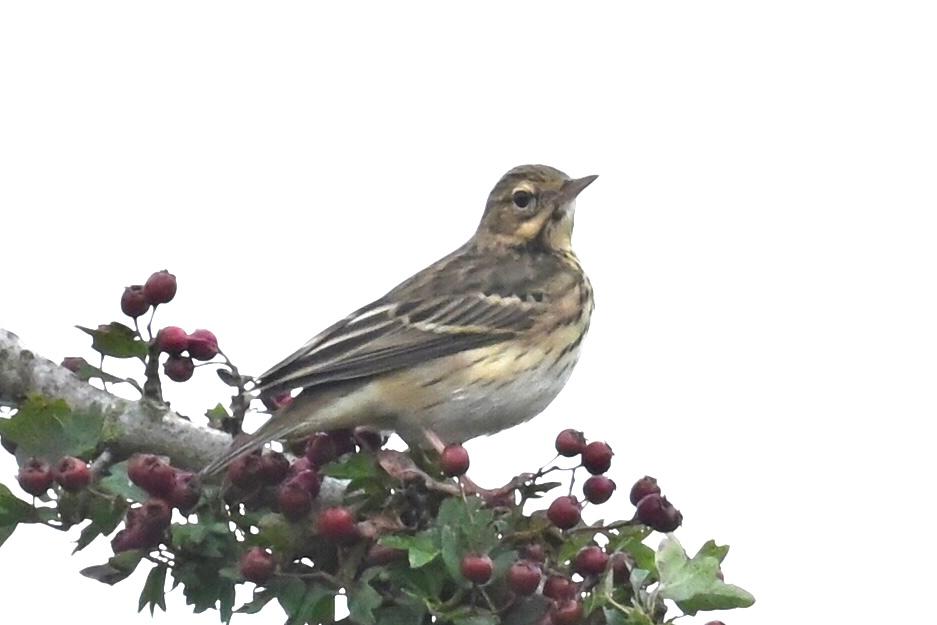
Although the first week of July pretty much delivered déjà vu as far as the week’s birding was concerned, the arrival of a couple of wader species indicated it was game on for autumn passage …
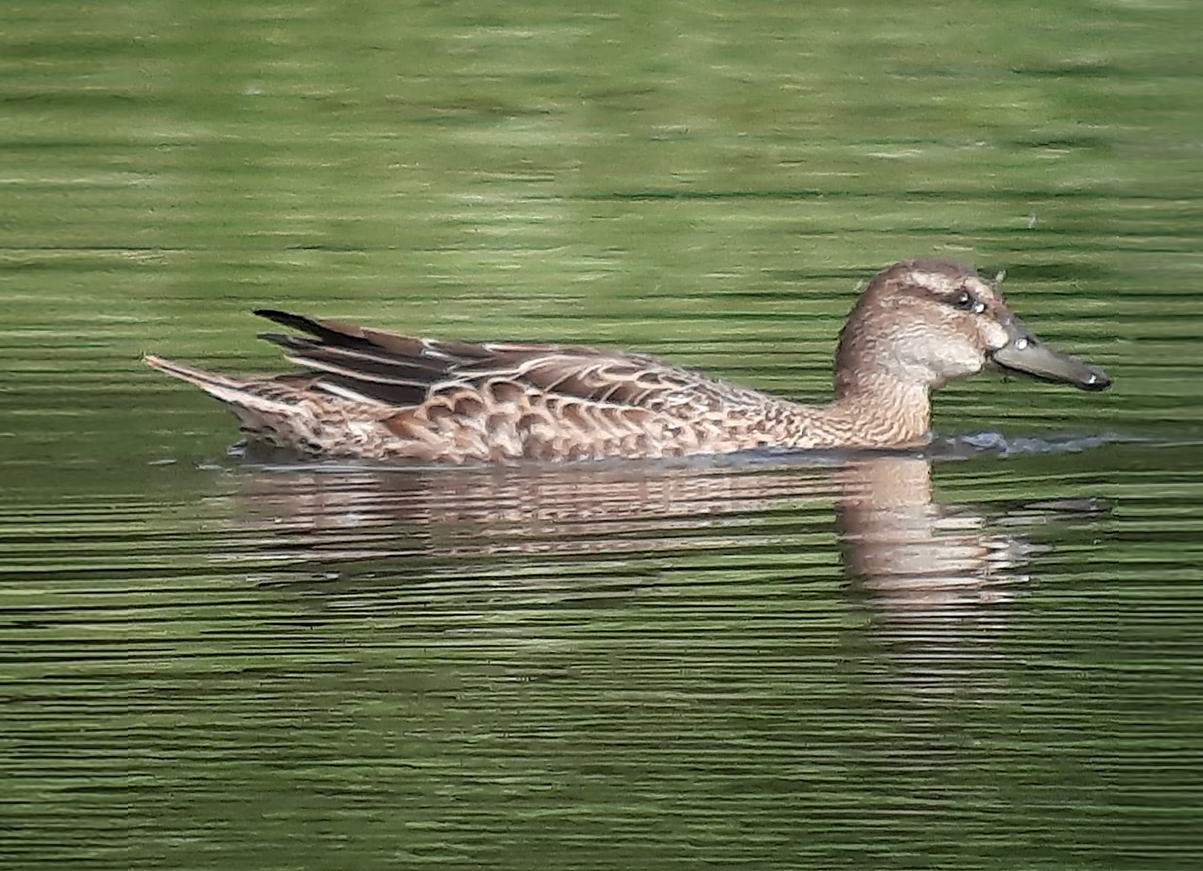
Last week’s Garganey, found at Summer Leys LNR on 27th, remained faithful to the Scrape there throughout the period, while Hollowell Res also hung on to its ageing female Ruddy Shelduck, now in its fourth year of returning to the site after arriving as a first-summer there in May 2019.
Garganey, Summer Leys LNR, 1st July 2023 (Mike Alibone)
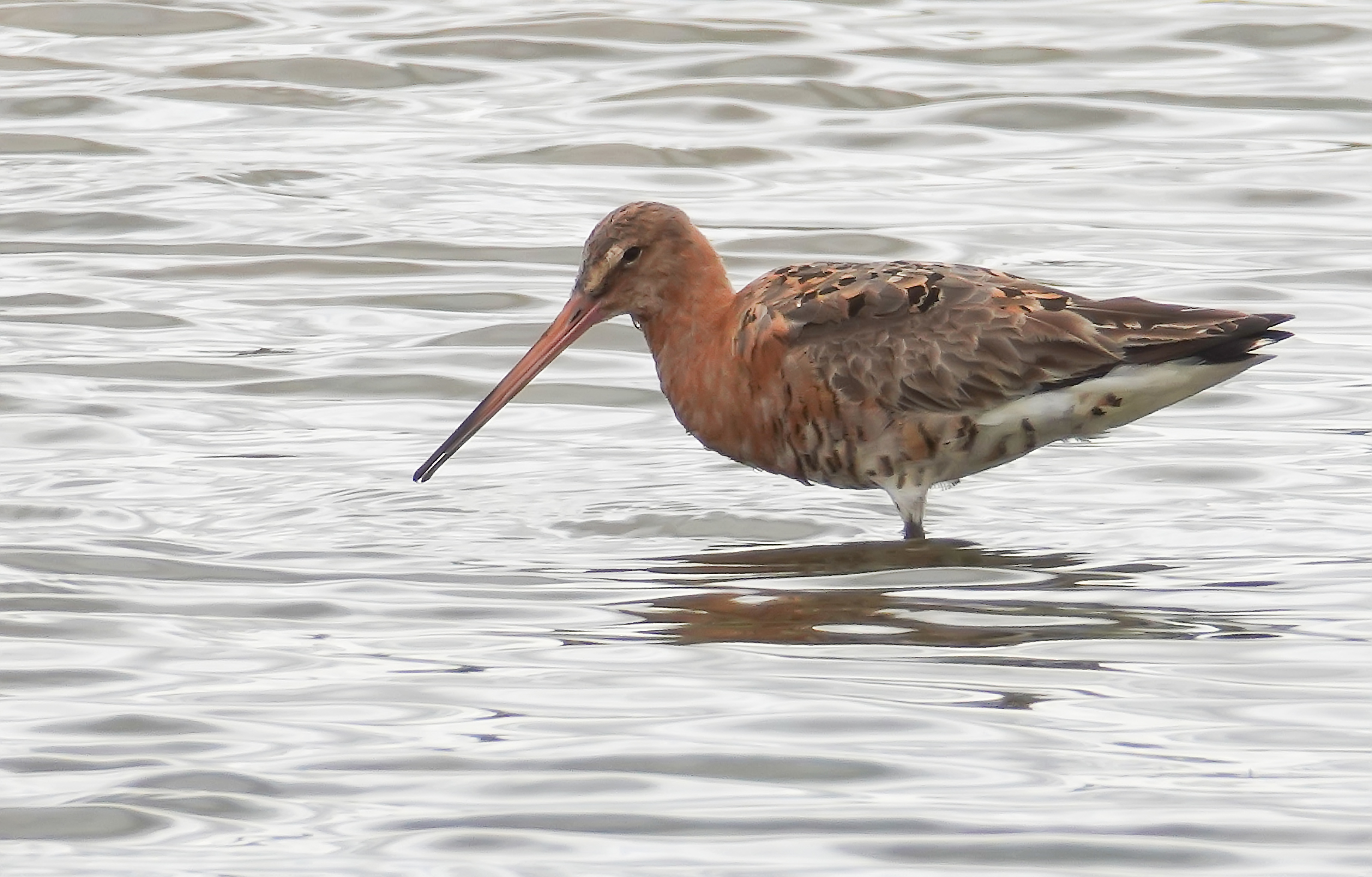
July, however, got off to a good start with Black-tailed Godwits found at four sites, kicking off with one at Earls Barton GP’s Hardwater Lake on 2nd and it, or another, there on 5th. Three visited Pitsford Res on 4th, while numbers grew throughout the day at Summer Leys on 7th, culminating in a total of seven present. The latter date also saw five on the dam at Stanford Res.
Black-tailed Godwit, Earls Barton GP, 5th July 2023 (Mike Alibone)Black-tailed Godwit, Earls Barton GP, 5th July 2023 (Mike Alibone)Black-tailed Godwit, Summer Leys LNR, 7th July 2023 (Clive Bowley)
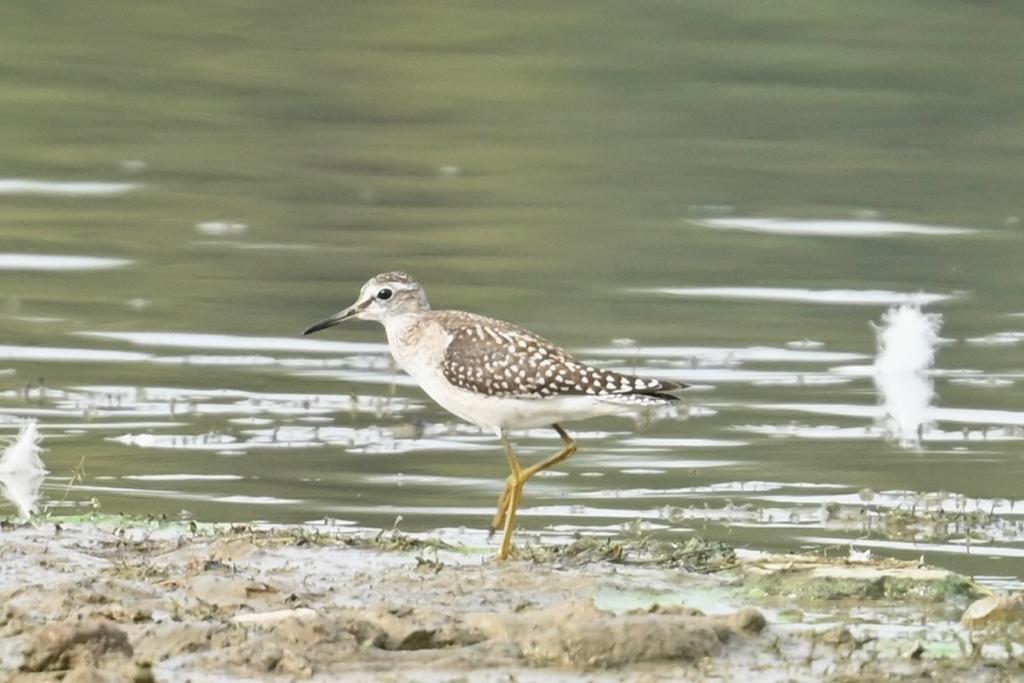
The end of the week also saw the arrival of a Greenshank at Hollowell Res.
Greenshank, Hollowell Res, 7th July 2023 (Jon Cook)
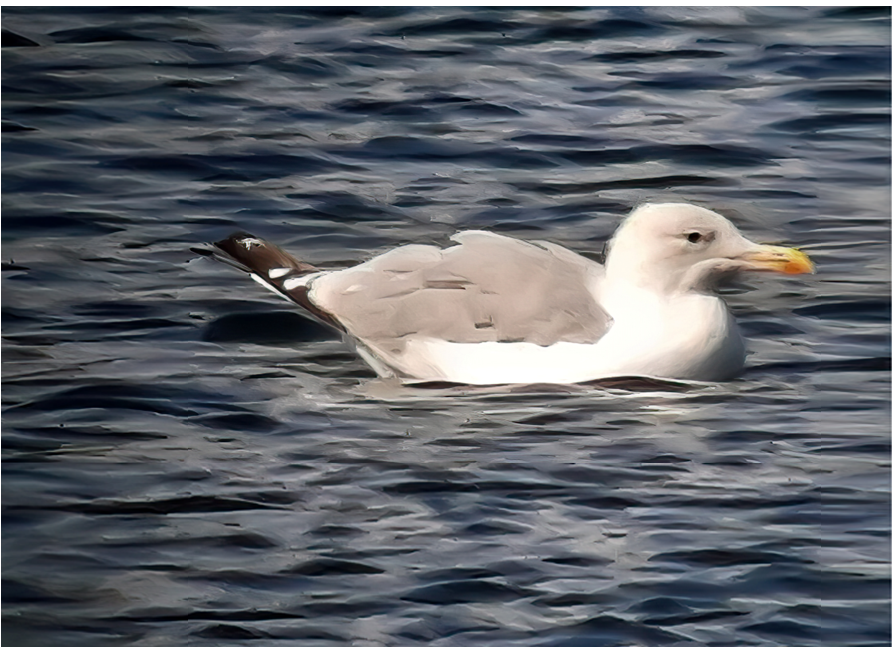
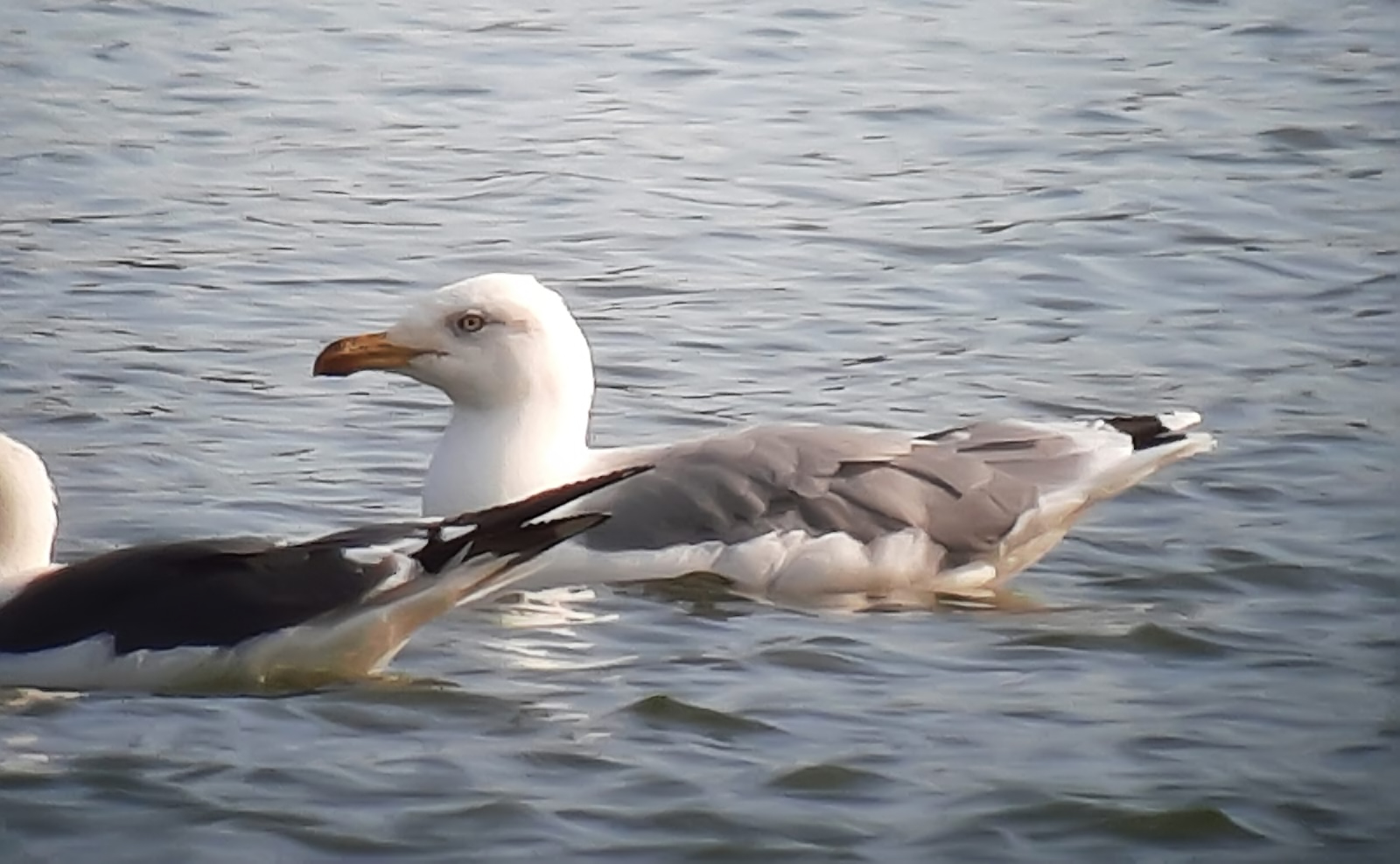
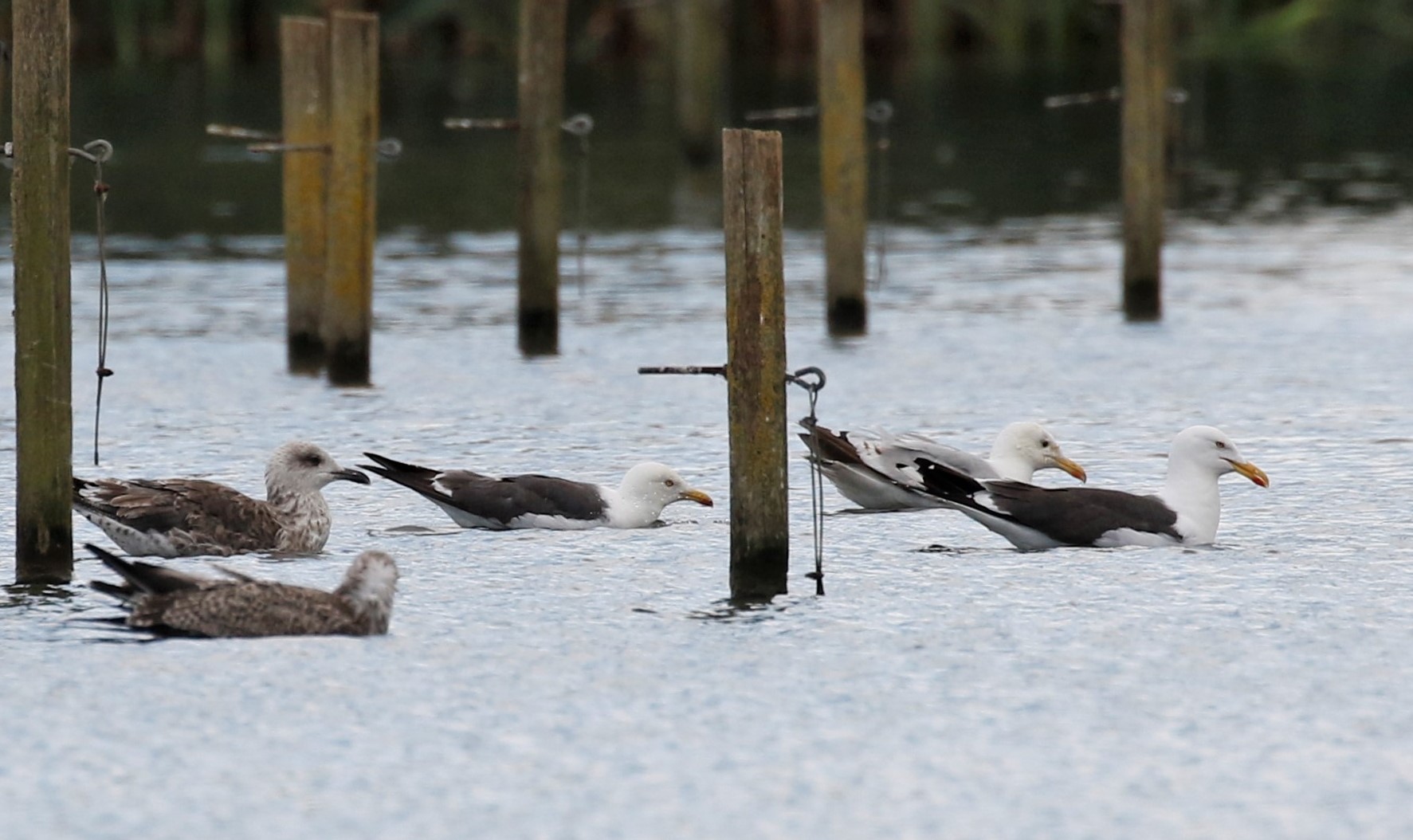
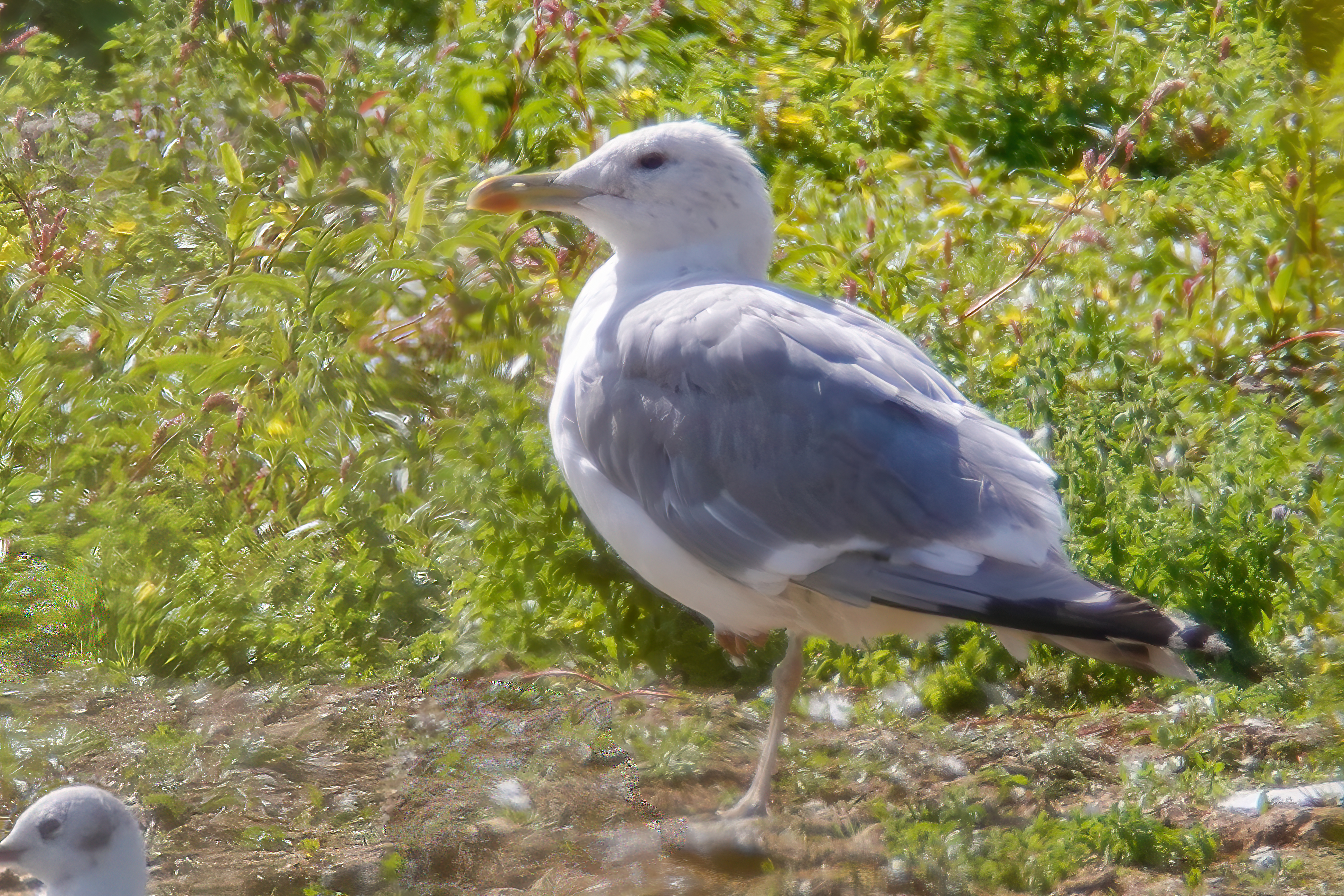
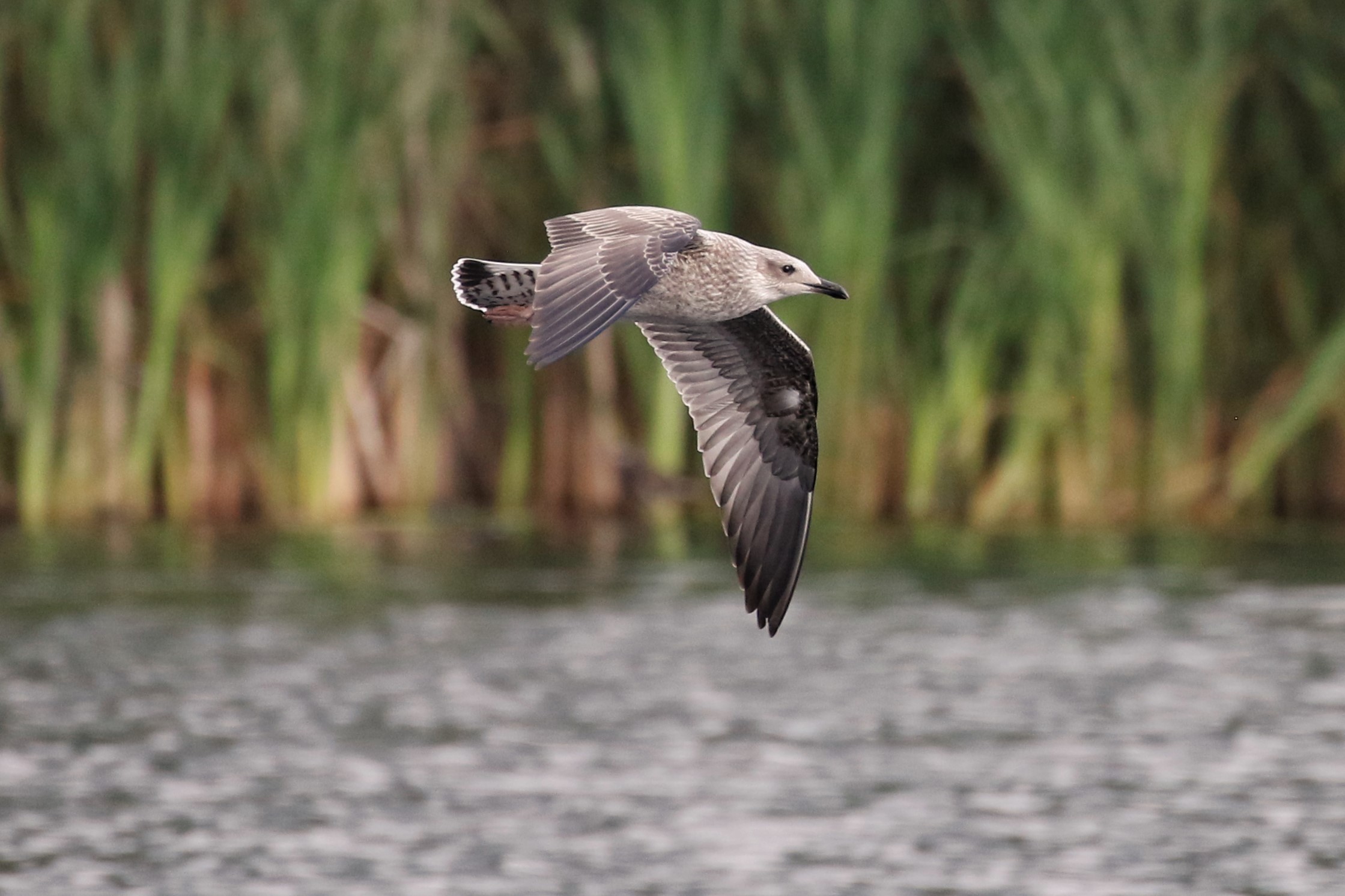
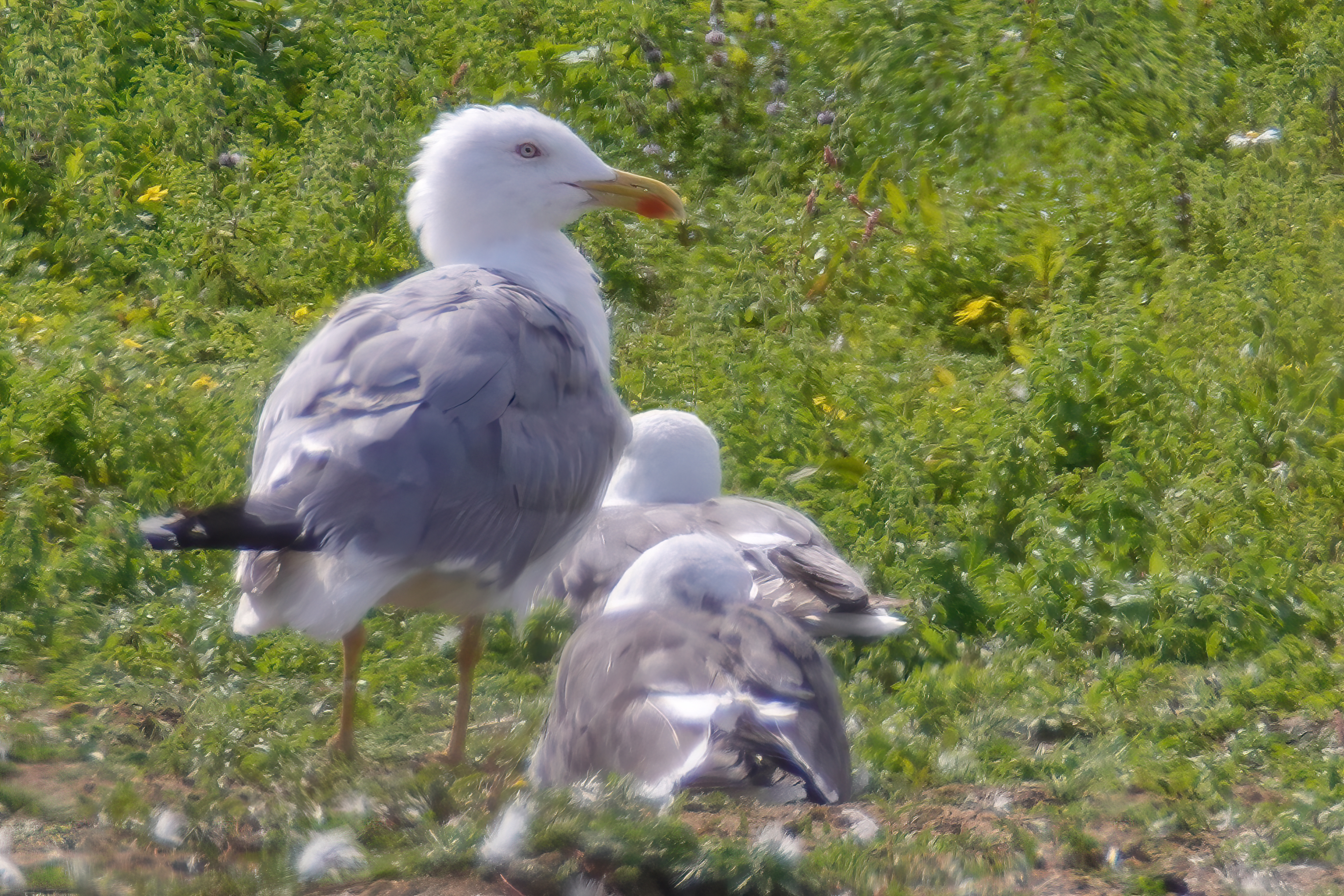
A Yellow-legged Gull was off the dam at Pitsford on 4th.
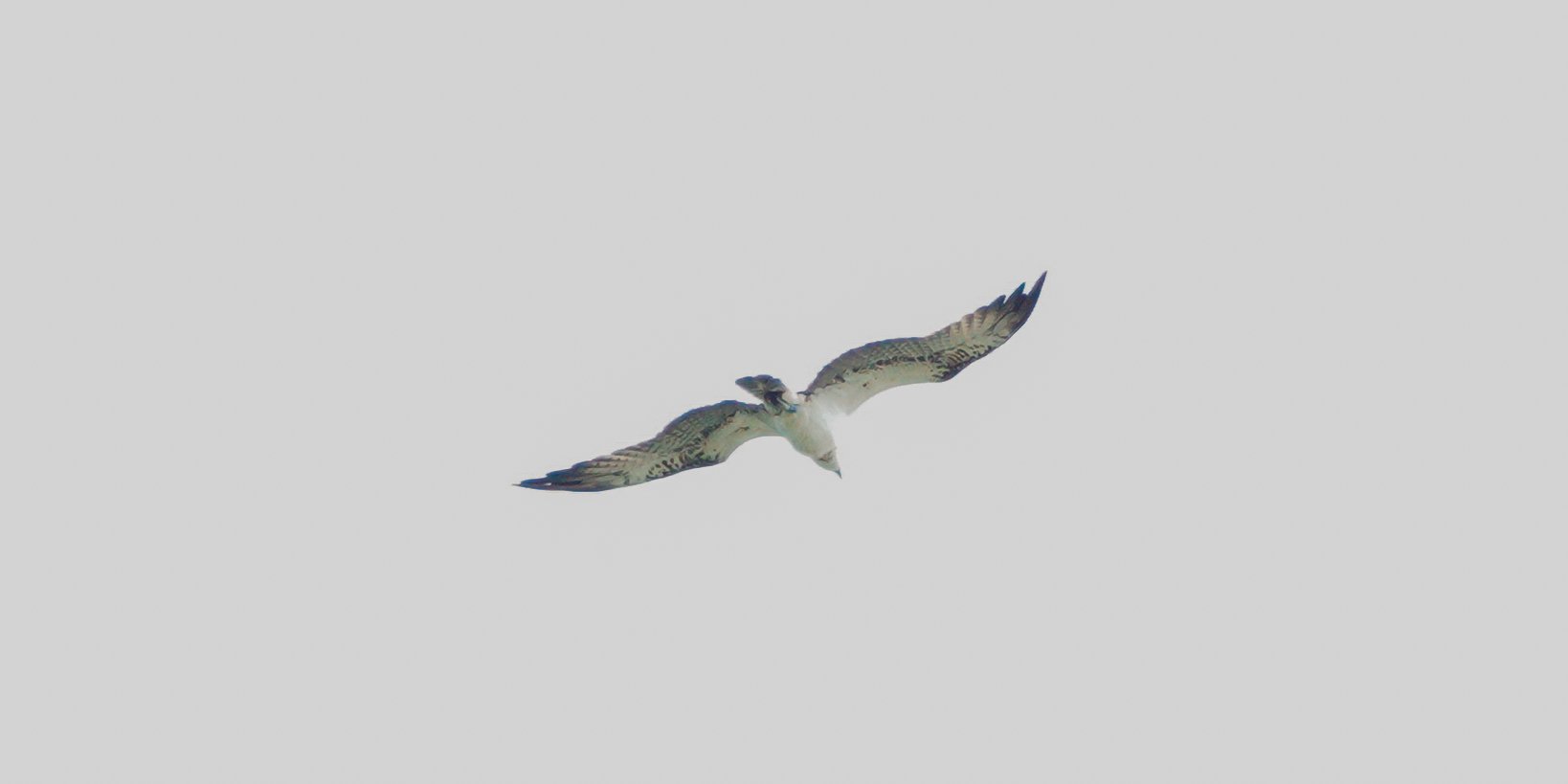
Single Ospreys visited Hollowell on 1st and Ravensthorpe Res on 3rd and, as per last week, there wasn’t a sniff of any other scarce raptors.
Male Osprey, Hollowell Res, 1st July 2023 (Jon Cook)
And Pitsford’s fine male Bearded Tit made it well into the week just gone … but was nowhere to be seen after 5th.
Male Bearded Tit, Pitsford Res, 3rd July 2023 (Martin Swannell)
A largely dry week in terms of both weather and birds as the summer slowdown finally kicked in.
That’s not to say there was nothing to look at or no new birds as, falling squarely into the latter category, a Garganey was discovered at Summer Leys LNR on 27th and remained on site until at least 30th. And, for Ruddy Shelduck fans, the regular female present at Winwick Pools on 26th had moved to its former favoured haunt of Hollowell Res by the week’s end.
Female Ruddy Shelduck, Winwick Pools, 26th June 2023 (James Urwin)
Although southbound wader passage was clearly underway, there was nothing to shout about this week, while an adult Yellow-legged Gull at Ravensthorpe Res on 25th served to prop up the local larids.
Aside from single Ospreys dropping into the regular hotspot of Hollowell on 26th and 30th, one flew north-east along the Nene Valley at Summer Leys early in the morning of 24th and, continuing in the same direction, was logged passing over Stanwick GP some 15 minutes later. Elsewhere, two well-grown nestlings – male and female – were ringed by the Roy Dennis Wildlife Foundation at a nest in the county on 26th.
Juvenile male and female Ospreys, Northamptonshire, 26th June 2023 (& RDWF)
Pitsford’s showy male Bearded Tit continued to perform throughout the week and is by no means the first site record, which is confirmed as being back in 1965 and found by a certain Robert Bullock …
Male Bearded Tit, Pitsford Res, 28th June 2023 (Martin Swannell)
Meanwhile, Crossbills continued to filter through and these included singles flying south-west over both Harry’s Park Wood and Stanford Res on 25th, a female at Hollowell Res on 26th, two flying over Earls Barton and six at Pitsford Res on 27th and two south over Harrington AF on 29th.
A week in which the heat built … and the birds did not disappoint.
It would just be kinda nice to leave out wildfowl – just for once. After all, it is mid-June and what’s out there currently is, well, not exactly the real McCoy, as it were. We could simply gloss over June 19th, however, it would probably be rude not mention the Barnacle Goose at Upton CP and the Ruddy Shelduck at Winwick Pools, both of which were present on that date.
Barnacle Goose, Upton CP, 19th June 2023 (Tony Stanford)Female Ruddy Shelduck, Winwick Pools, 19th June 2023 (James Urwin)
And rightly so, as taking centre stage this week was another glitzy grebe – this time of the Slavonian persuasion, for once in splendid summer plumage. After the report of a quickly vanishing bird at Pitsford Res in February, the Slavonian Grebe at Thrapston GP’s Town Lake on the first day of the period provided more than ample reward for the fleet-footed – those who were able to make it to the site after the news broke, late in the afternoon, on 17th. Keeping its distance, it remained into the evening but was not seen thereafter. According to some accounts, it had been present the previous day.
Slavonian Grebe, Thrapston GP, 17th June 2023 (Dave Holden)Slavonian Grebe, Thrapston GP, 17th June 2023 (Bob Bullock)
June waders are normally at a premium but this week Stanwick GP dished up a Wood Sandpiper on 17th, Hollowell Res a Greenshank on 19th and Pitsford two Black-tailed Godwits on 21st. Not a bad haul, collectively.
Greenshank, Hollowell Res, 19th June 2023 (Jon Cook)Black-tailed Godwits, Pitsford Res, 21st June 2023 (Colin Manning)
From there on, the focus was clearly on the latter site, where a surprising total of five Yellow-legged Gulls was reported on 17th, ahead of two seemingly unseasonal Sandwich Terns, which lingered long enough for those so inclined to catch up with them during the morning of 21st. Late to the party and hot on the heels of this year’s only ones to date – those two short-stayers at Thrapston GP only eight days previously – they represent one of the very few June records this century.
Sandwich Tern, Pitsford Res, 21st June 2023 (Bob Bullock)Sandwich Tern, Pitsford Res, 21st June 2023 (Bob Bullock)Sandwich Tern, Pitsford Res, 21st June 2023 (Bob Bullock)
The week’s Ospreys were limited to one over Thrapston GP’s Elinor Trout Lake on 18th, one at the favoured fishing site of Hollowell on 19th, followed by two there the next day and one flying south over Mears Ashby on 23rd.
Adult male Osprey, Hollowell Res, 21st June 2023 (Jon Cook)
Found on 18th, in the reeds below the Fishing Lodge at Pitsford, a showy male Bearded Tit pulled many a punter throughout the week. This represents another interesting summer occurrence in the wake of one or two at Summer Leys last week and may even be the first record for the site.
Male Bearded Tit, Pitsford Res, 19th June 2023 (Martin Swannell)Male Bearded Tit, Pitsford Res, 19th June 2023 (Martin Swannell)
After last week’s, Pitsford also produced a Crossbill on 18th and two more were found at Wakerley Great Wood on 21st. More to come, no doubt.
Hitting mid-June saw birds which push the boundaries and break the rules come to the fore this week, a period that also gave rise to the rediscovery of what had initially been believed to be only a flyover Purple Heron … all of which placed the focus squarely on Summer Leys.
There was also an element of déjà vu as far as wildfowl were concerned, namely in the shape of the female Ruddy Shelduck still present at Winwick Pools on 12th and the drake Red-crested Pochard seeing another week out at Pitsford Res.
June is renowned as the month for Quail and, following this year’s first at Blueberry Farm on 2nd, two more were heard this week. The first was during the twenty-fourth hour of 10th, picked up in flight over Higham Ferrers, while the other was near Cottesbrooke, in an area with no public access, on 16th. Seeing one, of course, is a different matter entirely and presents a challenge which is rarely successfully accomplished.
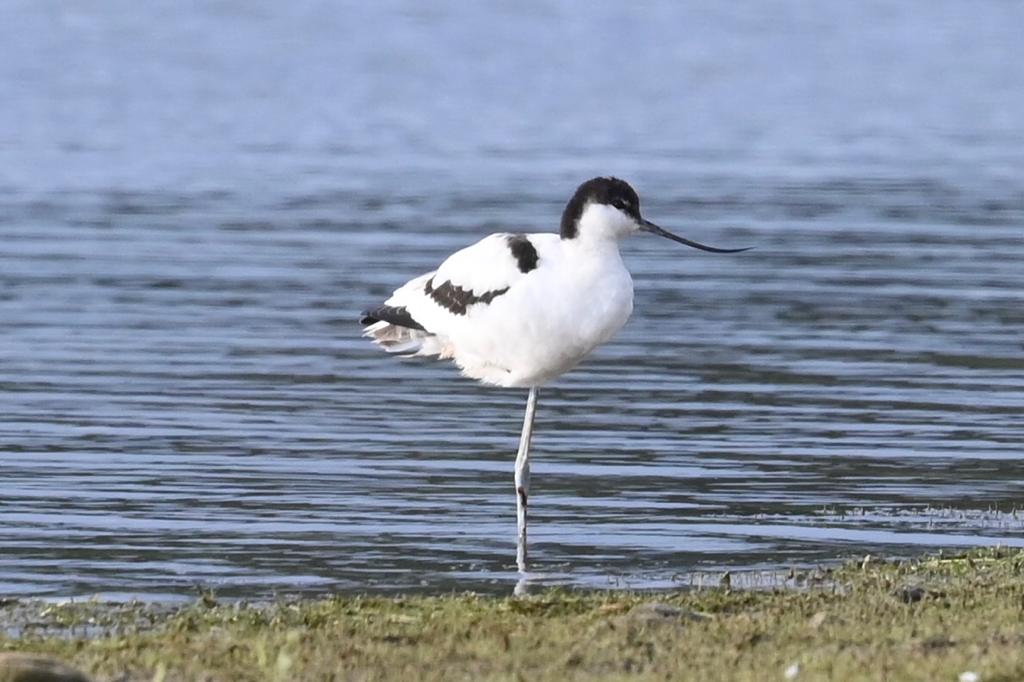
Mid-June is also the time when wader numbers bottom out and, to prove the point, a Black-tailed Godwit appeared as a one-day bird at Stanwick GP on 11th, while an Avocet was reported on the dam at Pitsford, briefly, on 16th.
Pitsford also produced an adult Yellow-legged Gull on 11th but it was Thrapston GP’s Titchmarsh LNR that delivered the year’s only Sandwich Terns so far, bizarrely late, on 13th. There have been far fewer than is typical inland across the UK this spring.
Sandwich Terns, Titchmarsh LNR, 13th June 2023 (Nick Parker)
Once again, though, it was good ol’ Summer Leys which delivered the period’s best birds. With the previous week’s flyover Purple Heron, two days before the weekend, on 8th, there it was again on 10th – this time on terra firma, considerately choosing the Scrape as its favoured feeding area. It went on to spend the next four days there – more in than out of the reeds – but with patience, or just plain good luck and timing, local, and some not so local, birders connected and went away happy.
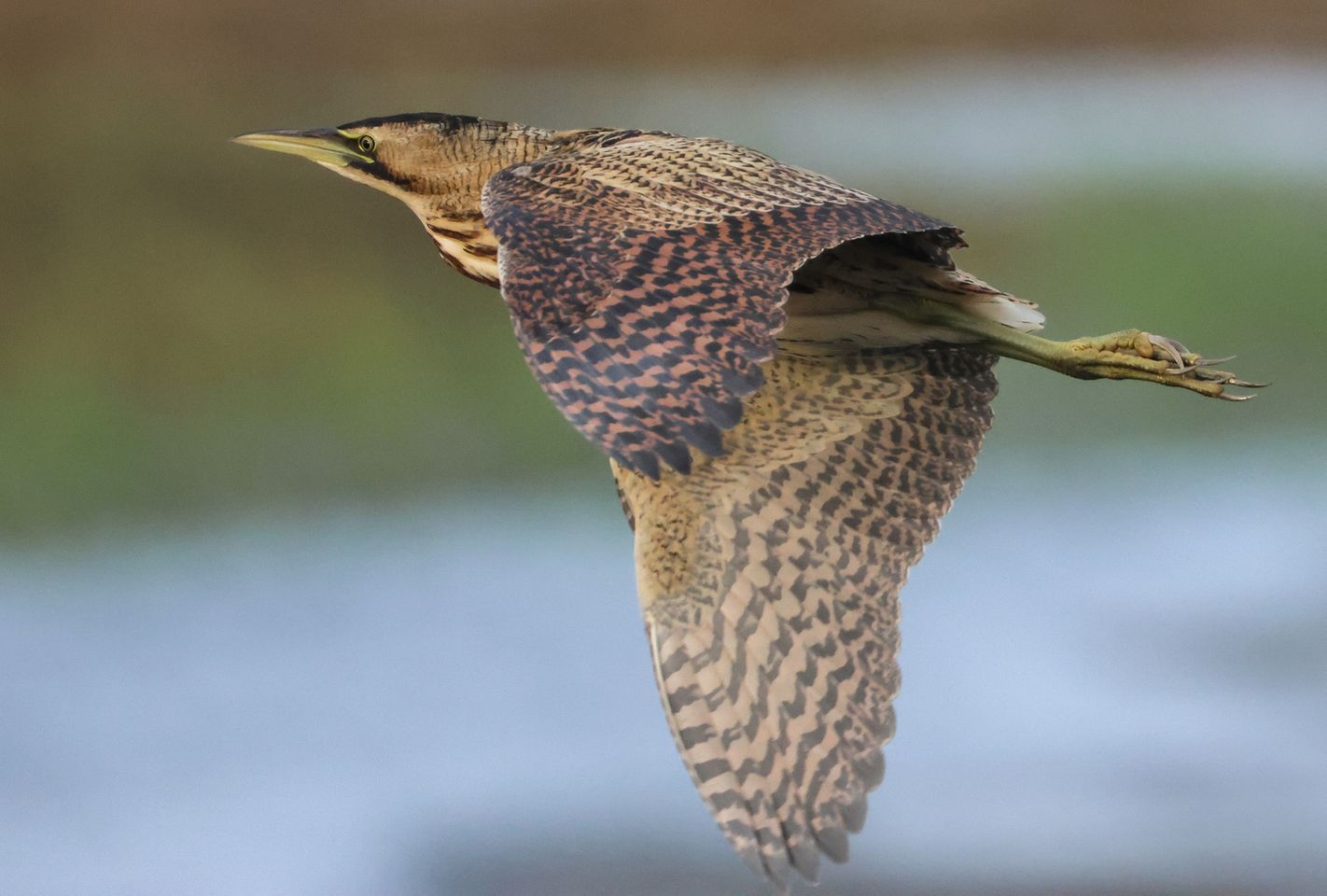
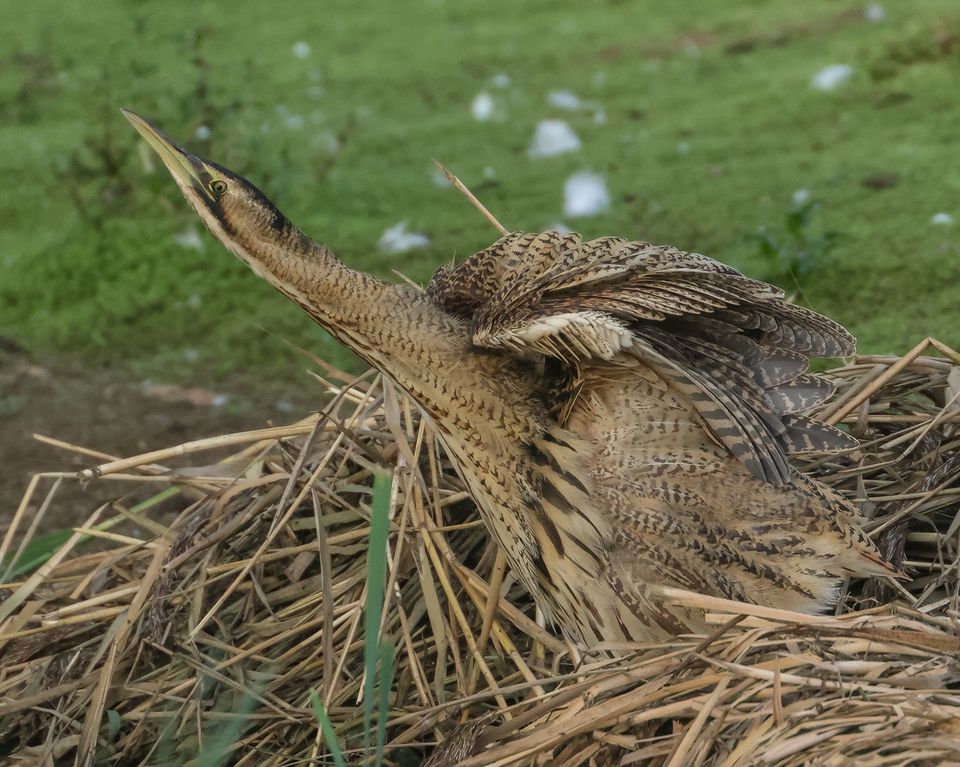
At the same locality and somewhat overshadowed by the above, was a Bittern that appeared briefly on the Scrape on 10th and again on 12th, before flying off west. This is a species which, over the past few years, has pushed the boundaries by being seen with increasing frequency during spring and summer, i.e. outside of its established autumn/winter occurrence pattern. It has yet to become a proven breeder in the county, but with plenty of suitable habitat locally and a UK population which is clearly on the up, the day surely can’t be that far away.
Bittern, Summer Leys LNR, 10th June 2023 (Nick Parker)Bittern, Summer Leys LNR, 12th June 2023 (Ricky Sinfield)
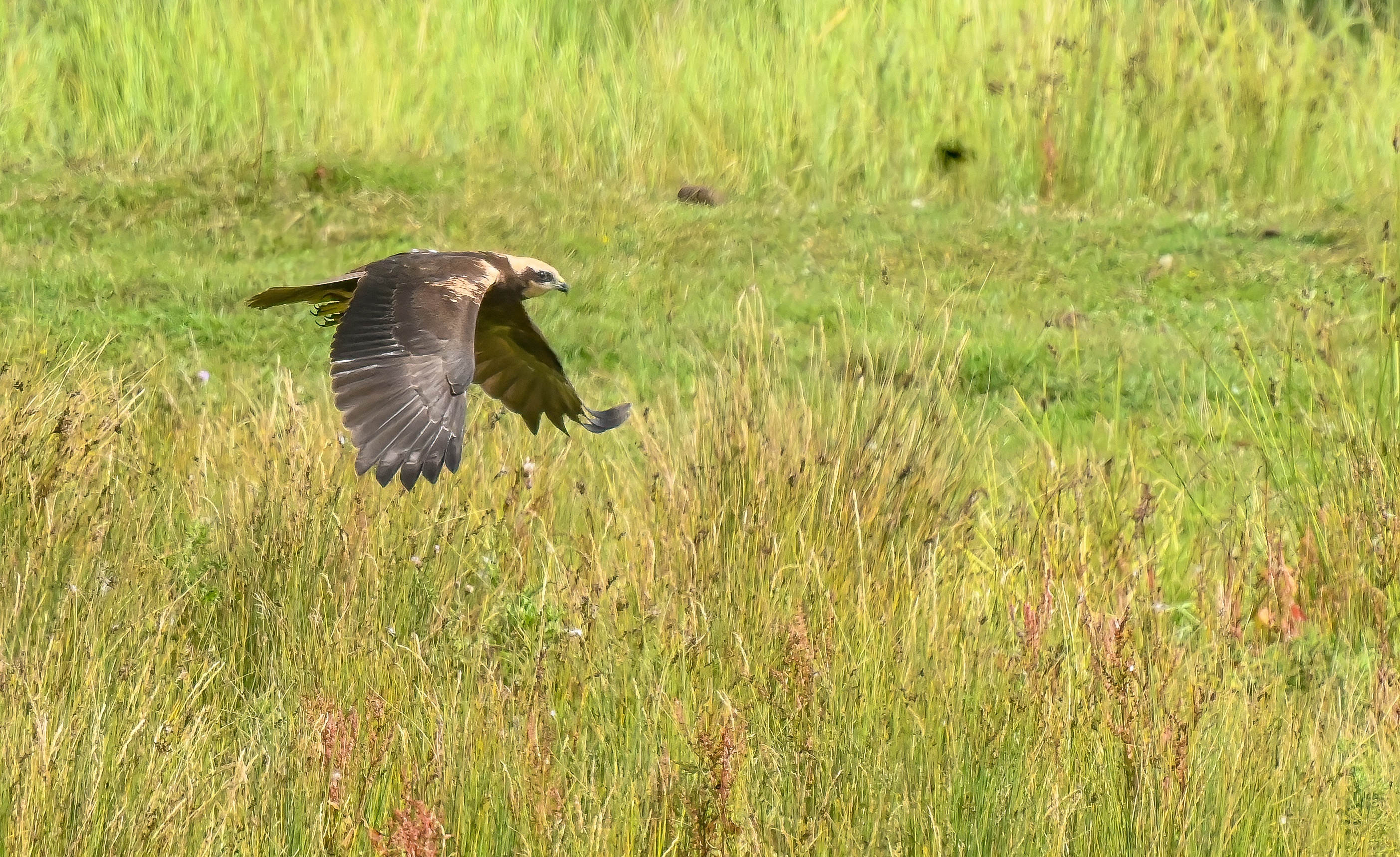
The week’s raptors were kept afloat by single Ospreys at Hollowell Res and Titchmarsh LNR – both on 15th and, back at Summer Leys, a Marsh Harrier on 10th.
Which brings us neatly to the other rule-breaker of the week: Bearded Tit, a female of which was seen at Summer Leys on 10th, with a possible second bird present, too. As another bird with an autumn/winter occurrence pattern, tentatively, this may be the first June record for the county. This species breeds in Bedfordshire, at Marston Vale, a mere 25 km SSE of Summer Leys, as the Beardie flies. How long before they breed in Northants …
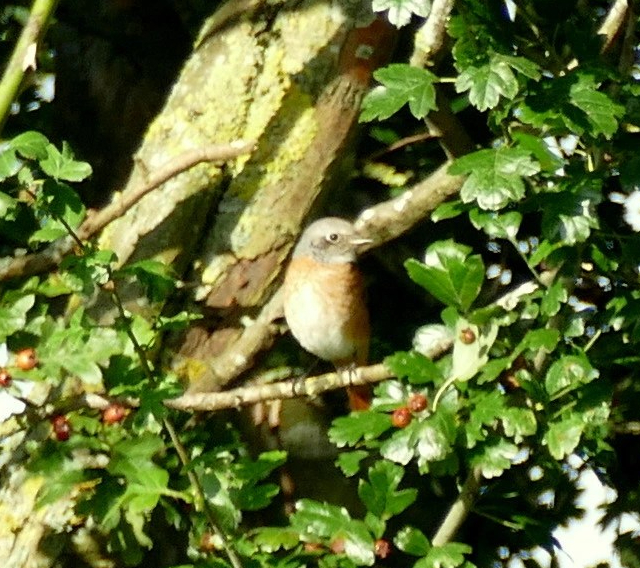
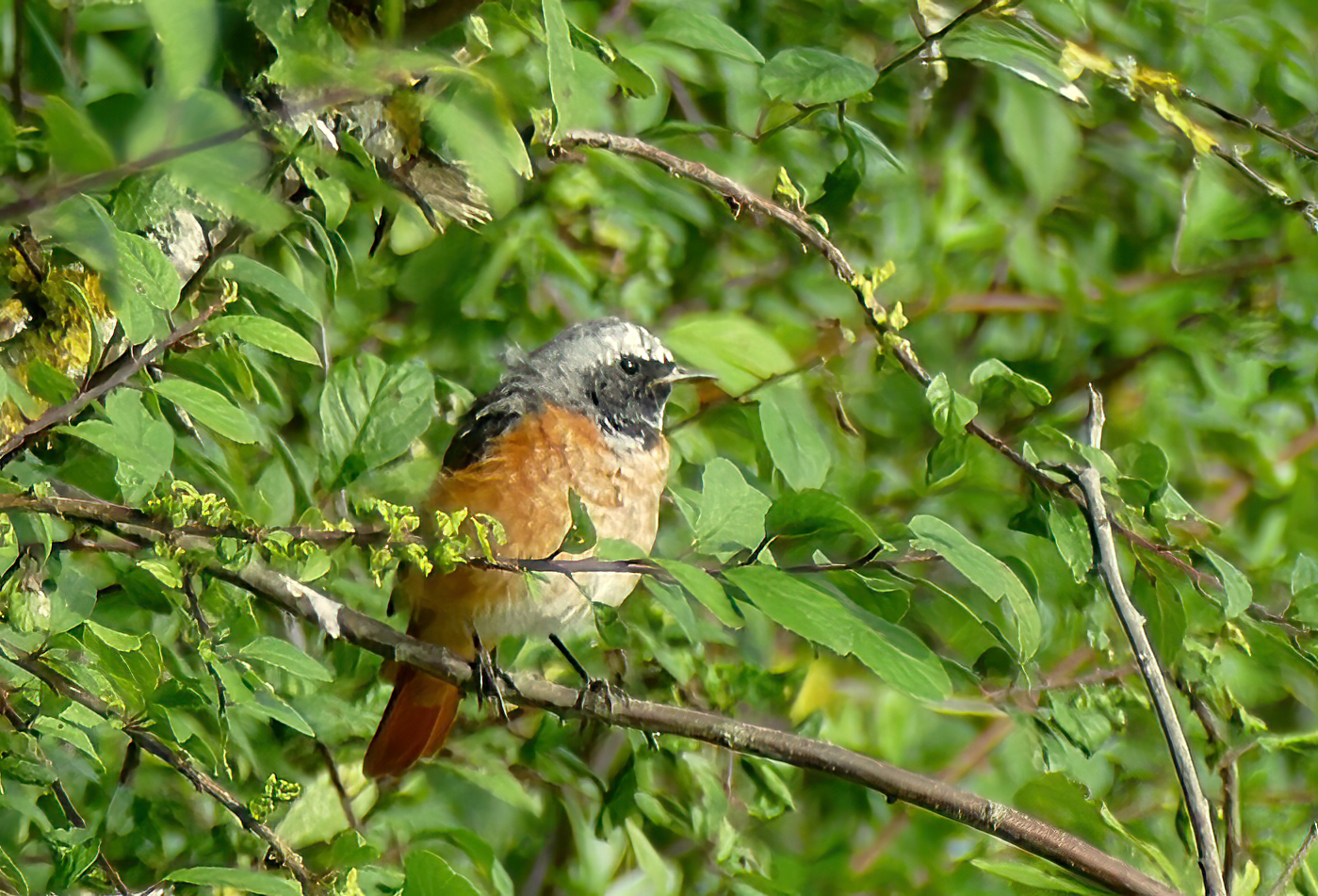
A Common Redstart on the northern outskirts of Kettering on 14th seems likely to be an early southbound migrant, while two Crossbills flying over Fineshade Wood on 10th, two west over Wellingborough on 12th and two or three at Hanging Houghton on 14th also suggest an ‘autumn’ movement is also in the early stages for this species, too.
There has been no let up in the relentless, brisk, north-easterly airstream this week and, as we moved firmly into June, migration quickly began to tail off. The week still had much to offer, though, and the cup was far from running dry. Meanwhile, a certain north Northants town became involved in a bit of a hoo-ha …
The female Ruddy Shelduck returned to Winwick on 5th, after last being seen there on 20th March – an early return to moult, perhaps – while the lingering drake Red-crested Pochard remained north of the causeway at Pitsford Res until the week’s end. Once again, it had the sporadically appearing female Ferruginous Duck x Red-crested Pochard hybrid in tow.
Female Ruddy Shelduck, Winwick Pools, 5th June 2023 (James Urwin)Drake Red-crested Pochard, Pitsford Res, 8th June 2023 (Colin Manning)
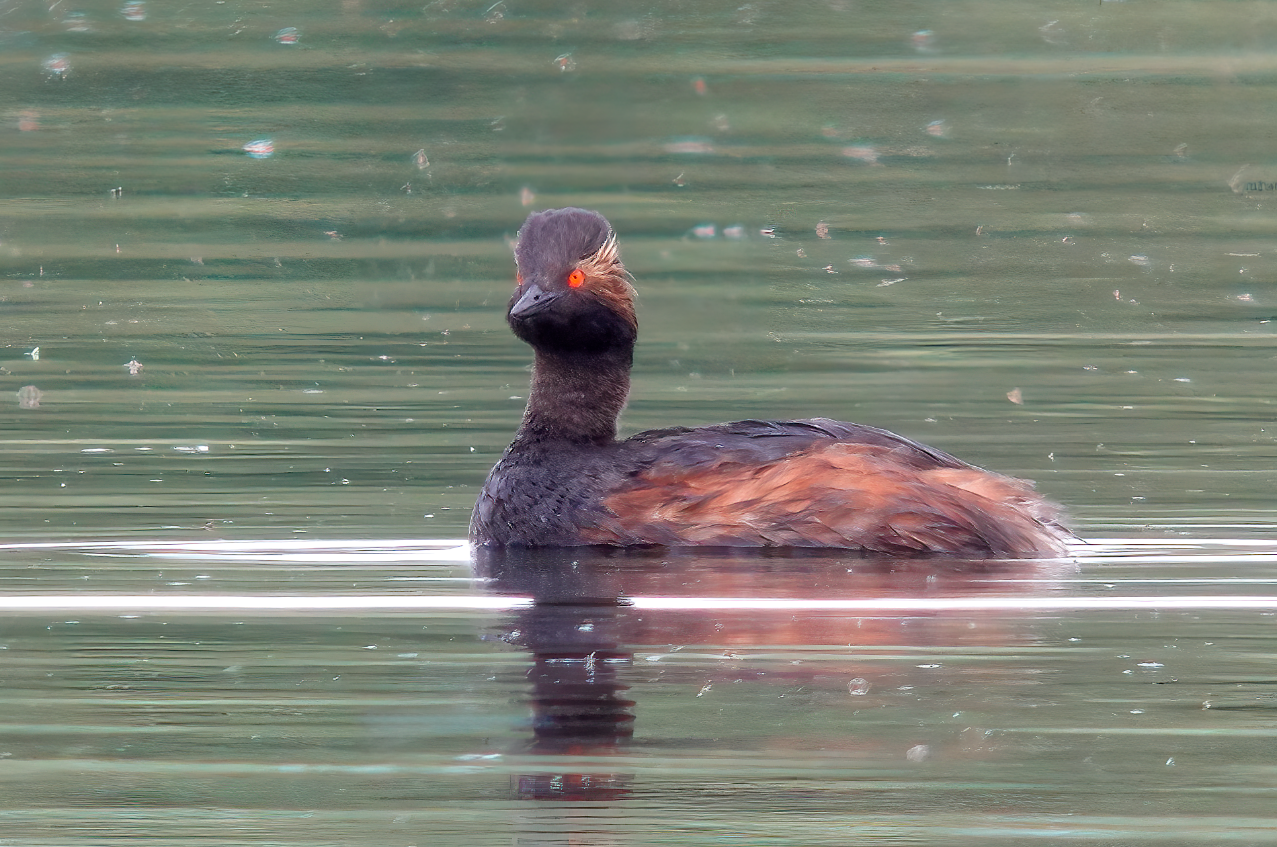
With the county having already done reasonably well for Black-necked Grebes so far this year, another putting in a one-day appearance at Summer Leys on 8th was essentially the first in the Nene Valley – Pitsford and Daventry CP having shared the previous five records.
Also in the Nene Valley, residual waders included another unseasonal Golden Plover – this time at Thrapston GP, on 4th, and last week’s Grey Plover chalking up a five-day stay at Clifford Hill GP until 5th. The latter site also harboured all of the week’s Sanderlings, comprising one on 3rd and three or four on 5th, which concludes a remarkable run of records for this energetic little wader in the county this year.
Sanderling, Clifford Hill GP, 5th June 2023 (Mike Alibone)
But let’s not forget that rather modest area of floodwater which forms the focal point of Lilbourne Meadows NR, tucked away in that small spike of Northamptonshire on the Leicestershire/Warwickshire border. This small, unassuming wetland continued its fine run of waders this week with another Wood Sandpiper on 3rd, a Greenshank from 3rd to 5th and a Black-tailed Godwit on 8th.
Three Little Terns at Pitsford on the evening of 9th both eclipsed, and ended, the ‘run’ of the year’s two individuals that visited Clifford Hill GP in May, on 3rd and 31st.
But a major contributor to a week of surprises was a Purple Heron, photographed flying east over the scrape at Summer Leys, in the early afternoon of 8th. This constitutes only the twenty-first record for the county, following the last one, in 2021, which was also present at Summer Leys and the wider environs of Earls Barton GP, during late May and early June of that year.
Purple Heron, Summer Leys LNR, 8th June 2023 (Linda Summerfield)Purple Heron, Summer Leys LNR, 8th June 2023 (Linda Summerfield)
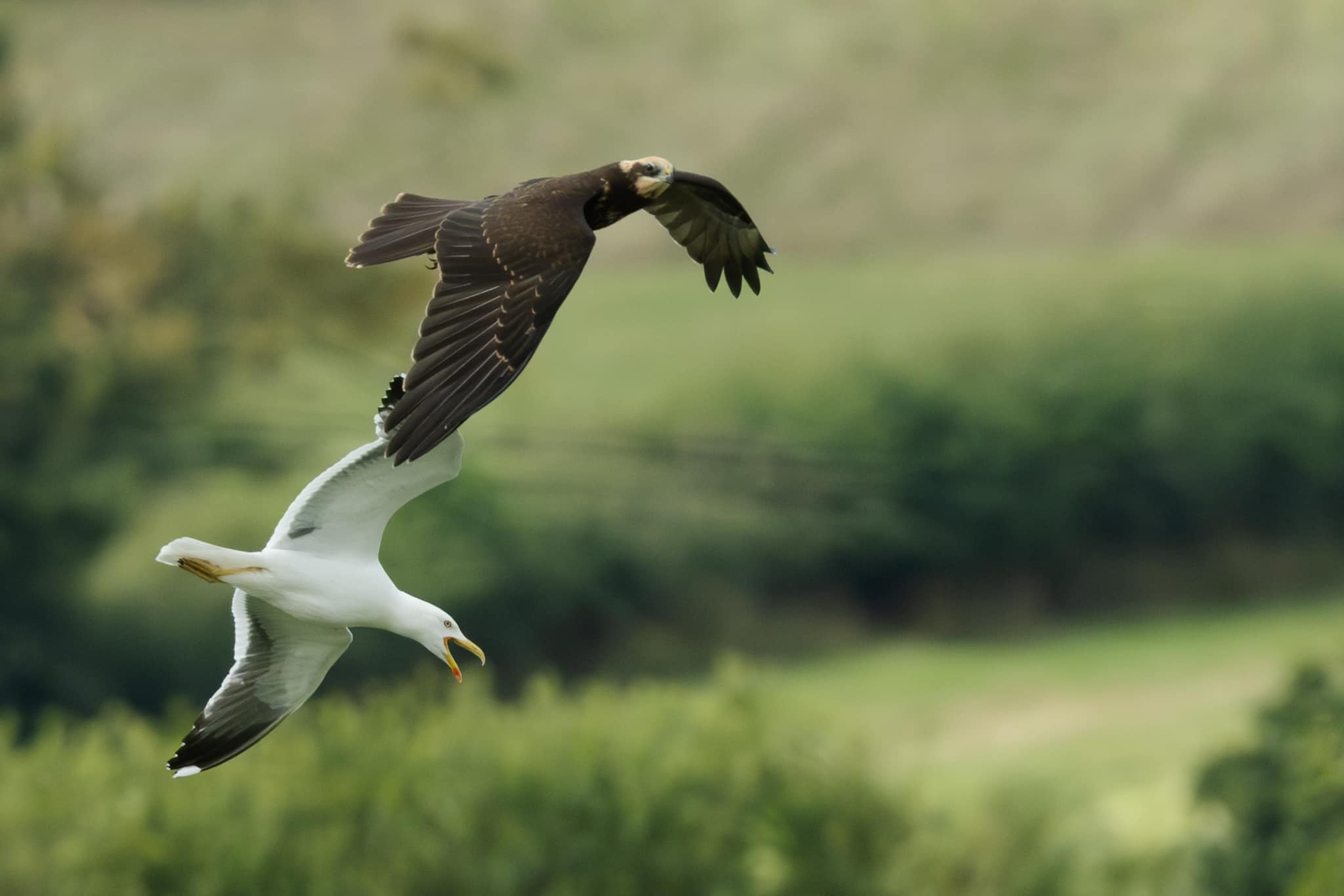
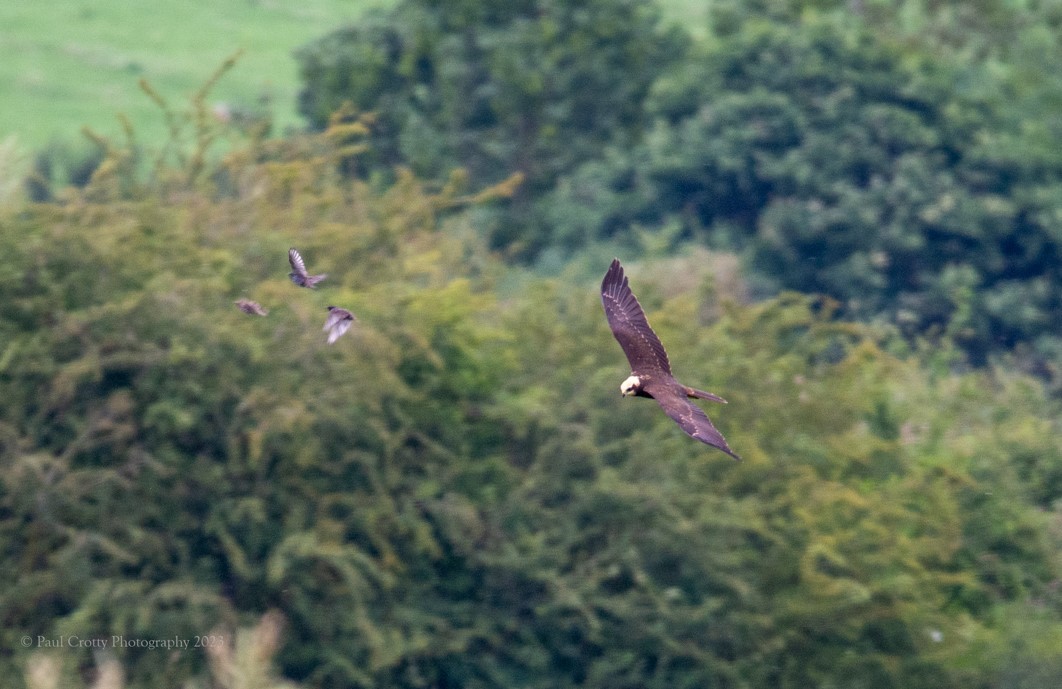
This week’s raptors were few and far between. An Osprey again visited Biggin Lake, Oundle on 9th while, not too far down the road, two Marsh Harriers were present briefly at Titchmarsh LNR on 4th and one flew west over Summer Leys on 8th.
Which leaves what may potentially be bird of the year … or not. On the evening of 6th June, the Facebook Group Spring Watch, Autumn Watch and Winter Watch fans World-Wide carried an image within a post which asked the question: “This picture was taken in Corby Northamptonshire in a friends garden, can anybody identify what bird it is please?” As the news reached a wider audience, late on 7th, pulses raced and eyebrows were raised as the image appeared to depict a female Rose-breasted Grosbeak on a wooden post.
Apparent Rose-breasted Grosbeak in Corby, 6th June 2023 (via Facebook, photographer unknown)
A subsequent follow-up, on 8th, confirmed the bird had not been present since the initial sighting, which was in the Stanion Lane area on 6th. Wild bird, escape, potential hybrid cagebird – we’ll never know if it was ‘the real thing’ in all respects, and there has been much scepticism, debate and head-scratching … There have been thirty-three UK records to date, almost half of which have been in the Isles of Scilly, with the remainder in other coastal counties and only two of these have been in spring.
To say the last week of May was not too shabby is an understatement and, while there were no new blazing rarities, a late spring wader-rush delivered those missing ingredients from the seasonal smörgåsbord we are used to dipping into at this time of the year.
Unsurprisingly, wildfowl took very much the back seat this week, with just the lingering drake Red-crested Pochard at Pitsford Res on 27th, followed by an impressive raft of thirteen Common Scoters seeing out the whole day at Stanford Res on 1st.
Common Scoters, Stanford Res, 1st June 2023 (Chris Hubbard)
The first Quail of the year was heard at Blueberry Farm in the Brampton Valley – an area with a track record for producing this species over many years. Having become a much scarcer visitor these days, though, the question is will there be many – or even any – more as the summer unfolds?
With last week ending on a high note in the form of a Black-winged Stilt at Summer Leys LNR, this week opened with the same bird still present, early on 27th, before quickly melting away out of sight of the early morning observers, never to be seen again.
Surprisingly for late May/early June, other waders were nothing less than prolific at a time when passage is normally all but done. Two more Grey Plovers helped boost this species’ relatively poor numbers to date with one at Lilbourne Meadows NR on 29th and the other – obligingly staying overnight – at Clifford Hill GP on 1st and 2nd. The same site also produced two unseasonal Golden Plovers on the evening of the latter of these dates.
Grey Plover, Lilbourne Meadows NR, 29th May 2023 (Mike Alibone)Grey Plover, Clifford Hill GP, 2nd June 2023 (Bob Bullock)
Although Ringed Plovers don’t qualify as scarce migrants as far as weekly reviews are concerned, it’s always interesting when birds come through in numbers in late spring to try identifying them to race. Rather than those seen on a regular basis, i.e. British breeding hiaticula, those later birds are often of the subtly different race tundrae – or perhaps even psammodroma – which are commonly referred to as ‘Tundra’ Ringed Plovers, on their way to their mainly Arctic breeding grounds. Birds were identified as showing such characteristics on 31st, when at least eight were at Lilbourne Meadows, rising to twelve there on 2nd, while at least eleven visited Stanwick GP on 1st and five were at Clifford Hill on 2nd.
‘Tundra’ Ringed Plovers, Clifford Hill GP, 2nd June 2023 (Bob Bullock)
Following the only Turnstone of the year, at the latter site on the more typical date of 10th May, further late arrivals followed this week with four at Stanwick, briefly, on 27th and singles at Summer Leys on 30th and 1st, Ditchford GP on 1st and Clifford Hill on 2nd.
Turnstone, Summer Leys LNR, 30th May 2023 (Nick Parker)Turnstone, Summer Leys LNR, 1st June 2023 (Paul Crotty)
If previous years are anything to go by, we might be blessed with one spring Curlew Sandpiper if we’re lucky but three together in various stages of moult to summer plumage, at Lilbourne Meadows, was a real treat on 29th.
Curlew Sandpipers, Lilbourne Meadows NR, 29th May 2023 (Mike Alibone)
And, just when we’d all but given up hope of getting any, along came the Sanderlings – a veritable rush at the eleventh hour. Kicking off on 29th, six dropped in at Summer Leys and three visited Clifford Hill. These were quickly followed on 31st by four more at Summer Leys, two at separate birds on the dam at Stanford and singles at Clifford Hill and on Pitsford’s dam. The 1st saw a different individual at the latter site, plus one at Summer Leys and two at Stanwick, followed the next day by twos at both DIRFT 3 and Clifford Hill. Impressive numbers by any standards.
Sanderlings and Dunlin, Summer Leys LNR, 29th May 2023 (Nick Parker)Sanderlings, Clifford Hill GP, 29th May 2023 (Bob Bullock)Sanderling, Pitsford Res, 31st May 2023 (Jon Cook)Sanderling, Stanford Res, 31st May 2023 (Chris Hubbard)Sanderlings, Summer Leys LNR, 31st May 2023 (Mike Alibone)Sanderling, Pitsford Res, 1st June 2023 (Jon Cook). A different individual to that on 31st May.‘Tundra’ Ringed Plover and Sanderlings, DIRFT 3, 2nd June 2023 (Gary Pullan)
A Little Stint – the first for 2023 – was a nice find at Stanwick on 30th but it was not one for hanging around, having flown off north-east shortly after its discovery. Another Wood Sandpiper, at Lilbourne Meadows on 2nd, further boosted numbers in what has turned out to be an unusually productive spring for this smart little Tringa.
More modest fare appeared in the form of Greenshanks – another wader which has appeared in higher numbers than usual this year. Four were together at Lilbourne Meadows on 27th, dropping to two the next day, with one remaining until 2nd. Singles visited Stanford on 27th and 31st and two appeared at Summer Leys on 2nd.
Greenshank, Stanford Res, 31st May 2023 (Chris Hubbard)
One can only speculate on the reasons for the late passage of some of these waders. Strong, prolonged and persistent north-easterly winds, throughout much of the month, may have served to hold back many of these birds in their attempts to reach their breeding grounds in Scandinavia and the Arctic. We may never know …
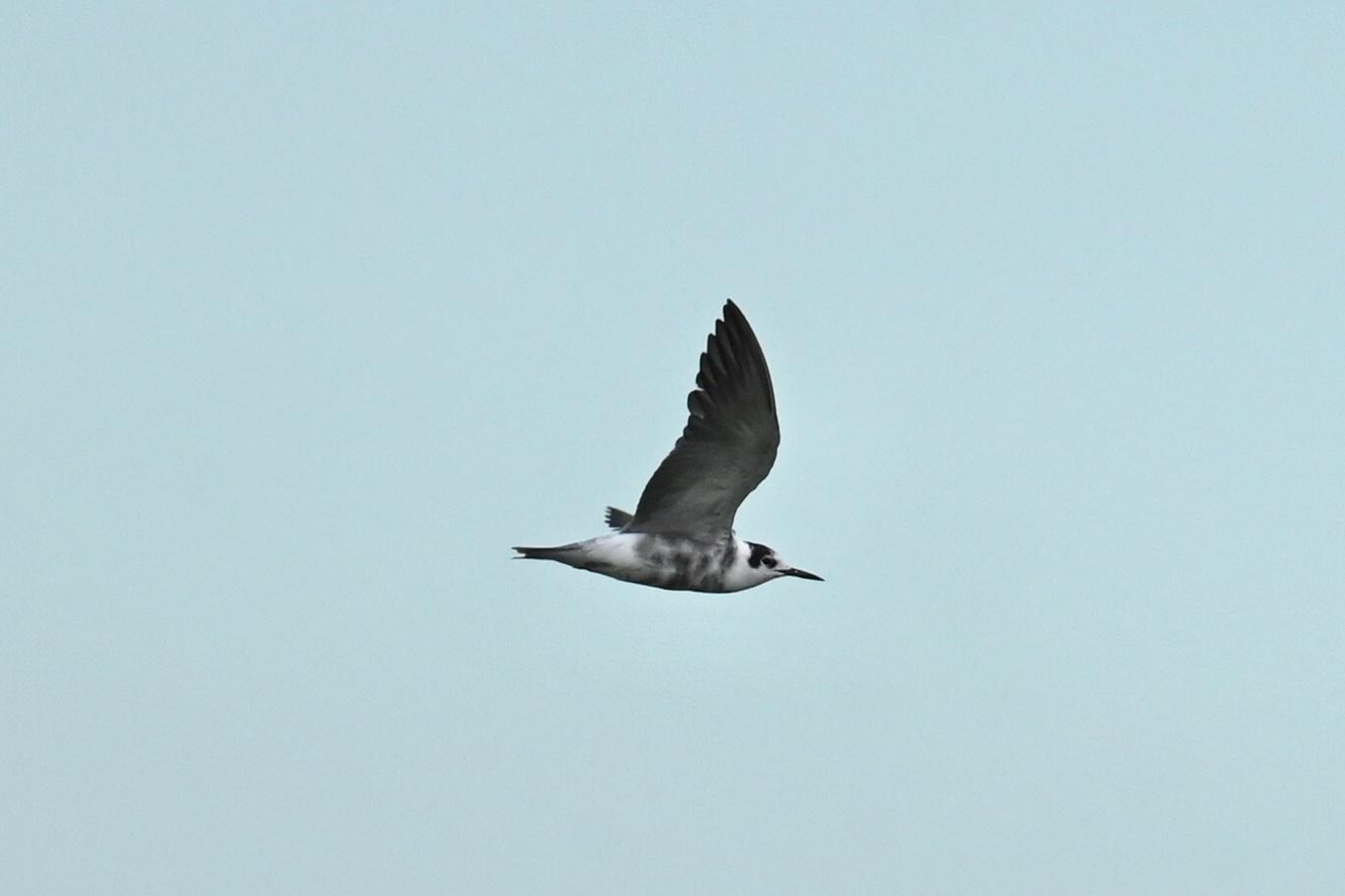
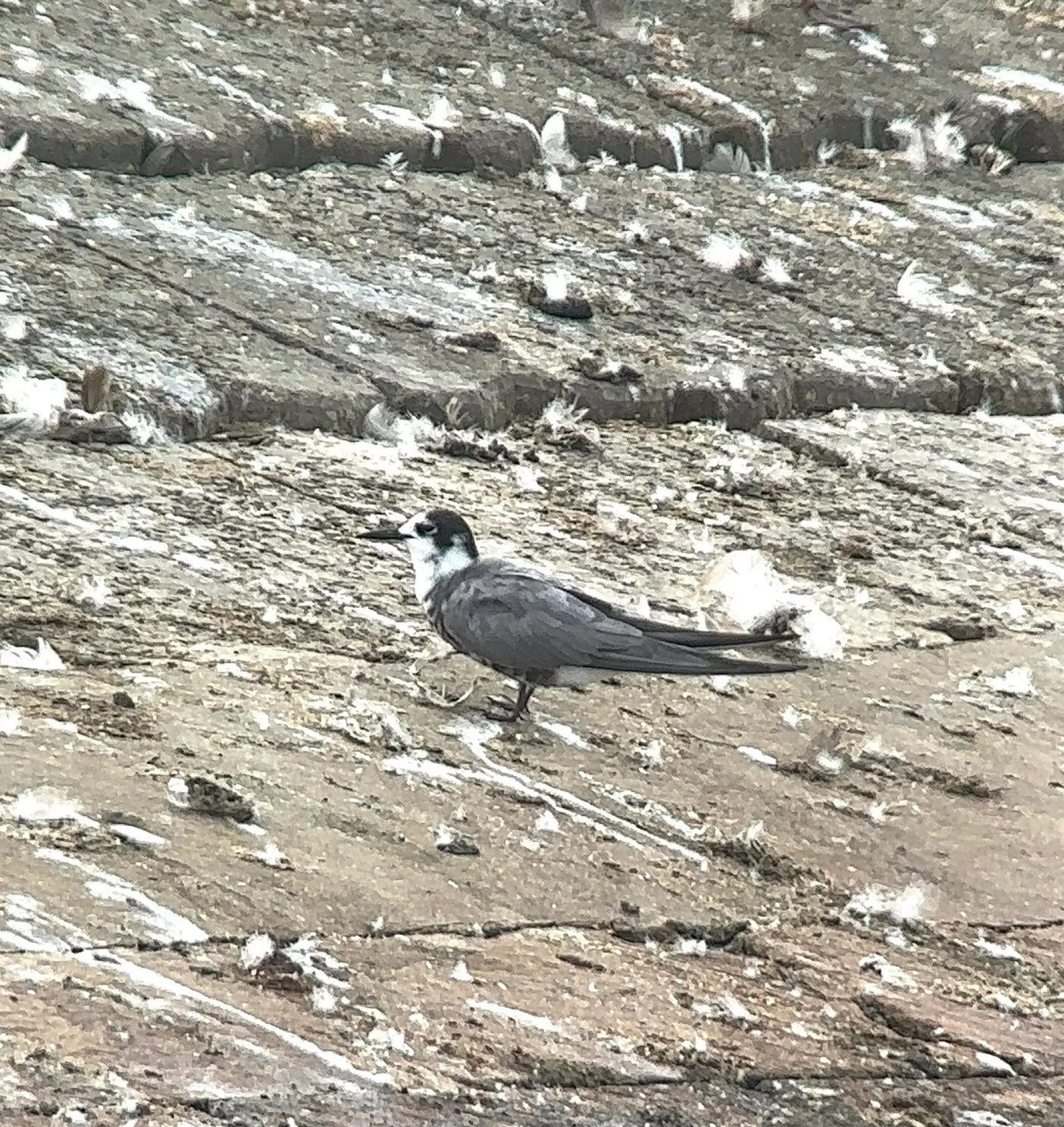
A late rush of Black Terns saw six sites being visited. Stanford produced the highest count of eight on 1st, while four were there on 2nd and one on 29th. Boddington Res held five on the latter date, Pitsford three on 31st and one on 27th, Thrapston GP’s Titchmarsh LNR produced at least two on 2nd, following singles there on 30th and 1st. Single birds visited Stanwick on 31st and 1st and one was at Clifford Hill on 31st. The latter site also pulled in its, and the county’s, second Little Tern of the year on the same date.
Black Tern, Pitsford Res, 27th May 2023 (Jon Cook)Common Tern and Black Tern, Clifford Hill GP, 31st May 2023 (Bob Bullock)Common Tern and Black Tern, Clifford Hill GP, 31st May 2023 (Bob Bullock)
A tight flock of fifteen Arctic Terns went north-east through Ditchford GP’s Irthlingborough Lake & Meadows LNR on 30th.
Back at Clifford Hill, a Yellow-legged Gull was present there on 2nd.
A White Stork was reported from a flooded field near Oundle on 28th.
It was down to Ospreys to fill this week’s raptors’ slot, with Hollowell producing singles on 27th, 1st and 2nd, while others visited Stanford on 28th, Biggin Lake, Oundle on 30th, Thrapston GP on 30th and Ravensthorpe Res on 31st.
Persistent north-easterlies and recurrent gin-clear skies set the tone for the period, weatherwise, but it was undoubtedly quality, not quantity, that prevailed on the birding front this week.
Yes, while the birds available plainly did not reach the full gamut of what we had been used to seeing earlier in the spring, there was still enough out there to raise the spirits and keep local birders on their toes. As for finding a rare or scarce bird – well, it’s a bit of a gamble on when and where to go and, spinning the wheel, this week the smart money was clearly on black.
First up was a glitzy Black-necked Grebe, found at the southern end of Pitsford Res, on 24th. While we’ve already enjoyed ones and twos, both there and at Daventry CP back in April, another certainly doesn’t go amiss.
Black-necked Grebe, Pitsford Res, 24th May 2023 (Jon Philpot)
Systematically second but unquestionably the outright winner, though, was the Black-winged Stilt which was found at Summer Leys on the last morning of the week, remaining on site throughout the day. Had four highly obliging birds not turned up at Irthlingborough Lakes & Meadows earlier in the month then this one would have been a much bigger crowd-puller than it turned out to be. Nevertheless, it makes it into the record books as Northamptonshire’s seventh.
Black-winged Stilt, Summer Leys LNR, 26th May 2023 (Phil Arnold)Black-winged Stilt, Summer Leys LNR, 26th May 2023 (Robin Dunkley)
Other waders were also available and, in the same vein as last week, Lilbourne Meadows NR pulled in another Wood Sandpiper and a Greenshank on 26th, while Summer Leys held up to three of the latter between 20th and 23rd and one was at Earls Barton GP’s New Workings on 21st. The only other noteworthy wader was a ‘Tundra’ Ringed Plover at DIRFT 3’s A5 Pools on 22nd.
The latter locality also held a first-summer Caspian Gull on the same date, while another first-summer visited Hollowell Res on 25th.
That just leaves raptors and while single Ospreys flying east over Brackley on 20th and fishing at Biggin Lake, adjacent to Oundle Golf Club, on 25th were only to be expected, what happened at Stanwick GP at the end of the previous week most certainly was not …
Belated news emerged late this week of a Short-toed Eagle over the site on 19th. Apparently seen well by an experienced observer, it flew north at low altitude without stopping. Jaw-dropping to say the least, this would, unsurprisingly, constitute the first record for Northants if it is submitted to the British Birds Rarities Committee and accepted. Its mega status is reflected in the UK national, all-time tally standing at a mere five accepted records, with two more from 2022 still under consideration. Earlier this year, one was seen near Santon Downham, Suffolk on 21st March and, more relevant to the Stanwick bird’s occurrence, one was seen also heading north over Ambleside, Cumbria early on 22nd May and, in terms of hours, that’s less than three days later …
So, anything’s possible. Let us not forget the hallowed 29th May when, in 1980 a Sooty Tern was found at Ditchford GP and, in 1993, a Bridled Tern made a ten-minute stopover at Mary’s Lake, Earls Barton GP. This year’s 29th is a bank holiday …
As we entered the new week, prospects were not looking good and things appeared to be going rapidly downhill. Spring, in fact, appeared to be all but over and local birding seemed resigned to simply bumping along the bottom. This, however, was not quite the case although, as it turned out, the week’s rarest birds were seen by the fewest people.
With wildfowl on the wane, sitting ducks were restricted to single drake Garganeys on Gull Island, at Summer Leys LNR, on 13th and at Fawsley Park Lakes on the same date. Pure and simple.
Heading up the cast of waders, though, was the first of this week’s two rares – a routinely hoped-for, mid-May Temminck’s Stint, which turned up at a largely unexpected location. While all eyes were on the Nene Valley, DIRFT 3 quickly ushered one onto its A5 Pools, for one evening only, on the 18th. The few who made the trip there, hoping for a dawn viewing the following morning, unfortunately went away empty-handed. Ironically, the last Temminck’s to be recorded in Northamptonshire was found at exactly the same location, in May 2021, when it also scooped the accolade for being the first one in the county for four years.
Temminck’s Stint, DIRFT 3, 18th May 2023 (Steve Nichols)Temminck’s Stint, DIRFT 3, 18th May 2023 (Steve Nichols)
Other staging waders were a notable flock of thirty-two Black-tailed Godwits at Thrapston GP’s Titchmarsh LNR on 16th, an impressive five Wood Sandpipers at Lilbourne Meadows NR on 13th and three Greenshanks at Summer Leys on 19th.
Which brings us neatly on to the second rare of the week. While many enjoyed the one at Summer Leys in April, a White Stork is always an impressive bag wherever it turns up – this week’s bird being a fly-over for one lucky birder at Wicksteed Park, Kettering on 17th.
White Stork, Wicksteed Park, Kettering, 17th May 2023 (Nick Parker)
This week’s raptors were down to single Ospreys over Stanford Res on 15th and Hollowell Res on 18th, while a Short-eared Owl was an unseasonal find at Stanwick GP on the 13th.
Once again, there were no passerines, for the second week running …
A mainly westerly airstream, a hint of higher temperatures and a rash of occasionally heavy showers characterised the weather for the period which, it would seem, played no obvious part in delivering this week’s birds. Barely two days in and the climax came in the form of a delectable quartet of Black-winged Stilts, the sixth county record and the first for six years. Rarer still, but totally overshadowed, was a fleeting appearance by a Black Kite on the same day. Other birds were also available …
In a similar vein to last week, a motley crew of wildfowl consisted of 2 Barnacle Geese at Clifford Hill GP on 8th, the one-eyed Pink-footed Goose still with the local Greylags at Wicksteed Park, Kettering on 11th and the drake Red-crested Pochard still at Pitsford Res on the same date.
Pink-footed Goose, Wicksteed Park, Kettering, 11th May 2023 (Mark Tyrrell)
The drake Greater Scaup hybrid remained at Summer Leys LNR on 7th but, once again, this week’s only truly unsullied wildfowl were single drake Garganeys at the latter site on the same date and at Lilbourne Meadows NR the following day.
Drake Garganey, Summer Leys LNR, 7th May 2023 (Mike Alibone)
And then came the waders … Taking pride of place this week – and, who knows, possibly this year – were four fabulous Black-winged Stilts. Found during the morning of 7th, they put Irthlingborough Lakes & Meadows LNR well and truly on the map, pulling in many local and not-so-local birders alike. Views, however, were somewhat distant but the elevated A6 bridge to the east provided an ideal, unimpeded observation point for those who lined up along its busy, traffic-heavy roadside path.
Such is the variation in the extent of black on the head and neck of this species that each of these birds was identifiable as an individual. Most striking was the white-headed bird – a feature usually associated with breeding males but this individual was clearly a second calendar-year bird, aged by the white trailing edge to the wing, as evidenced in the image above, taken by the finder, Tony Vials.
Black-winged Stilts, Irthlingborough Lakes & Meadows LNR, 7th May 2023 (Bob Bullock)Black-winged Stilts, Irthlingborough Lakes & Meadows LNR, 7th May 2023 (Bob Bullock)Black-winged Stilts, Irthlingborough Lakes & Meadows LNR, 7th May 2023 (Bob Bullock)Black-winged Stilt, Irthlingborough Lakes & Meadows LNR, 7th May 2023 (Bob Bullock)Black-winged Stilt, Irthlingborough Lakes & Meadows LNR, 7th May 2023 (Mike Alibone)Black-winged Stilt, Irthlingborough Lakes & Meadows LNR, 7th May 2023 (Mike Alibone)Black-winged Stilt – British and Irish Records, 4th April to 7th May 2023 (Birdguides)
The above map, reproduced from Birdguides, shows the extent of the spring influx, which started in early April, initially in southern Ireland, where it is considered rare (R), before spreading north and east across the UK, where it is categorised as scarce (S). Breeding in the UK first took place in Nottinghamshire in 1945 and most years now see a handful of breeding attempts, predominantly in southern England.
Four is the largest flock yet to be recorded in Northamptonshire but some UK sites during this spring’s influx have held up to six birds.
Continuing the black and white theme, three Avocets at Clifford Hill played second fiddle to the stilts on 7th, with one remaining there until 9th.
Avocets, Clifford Hill GP, 7th May 2023 (Mike Alibone)
After the year’s first showing of Grey Plovers last week at Summer Leys, another paid a brief visit to the same site on 6th while, back at Clifford Hill, two Whimbrels dropped in on 7th and, to date, the sole Turnstone of 2023 spent the morning there on 10th. The number of Ruffs passing through fell back considerably compared to last week, with just singles present at Summer Leys on 6th-7th and further down the Nene Valley, at Stanwick, on 10th. The same can also be said for Wood Sandpipers, only one of which appeared this week, at Irthlingborough Lakes & Meadows, on 7th. Greenshanks, however, kept up a steady trickle comprising singles at both Lilbourne Meadows and Stanwick on 6th and at Earls Barton GP, Irthlingborough Lakes & Meadows and Summer Leys on 7th.
An adult Kittiwake added a little spice to an otherwise bland showing on the gull front this week, putting in a brief appearance at Stanwick on 12th. Otherwise, it was down to single first-summer and second-summer Caspian Gulls at DIRFT 3 on 6th and a first-summer at Hollowell Res on 9th to keep things going. Two Yellow-legged Gulls – an adult and a first-summer – were found at Pitsford on the last day of the period.
Adult Kittiwake, Stanwick GP, 12th May 2023 (Steve Fisher)
Meanwhile, terns maintained a low profile with just two Black Terns at Summer Leys on 9th and one reported there the following day.
Raptors, on the other hand, were a different kettle of fish entirely. Ospreys were noted at both Castle Ashby Lakes and Earls Barton on 7th – sightings which may well relate to the same bird – while one was at the popular venue for this species, Hollowell Res, on 9th. The run of Marsh Harriers also continued with one at Thrapston GP’s Titchmarsh LNR on 7th and what was presumably the regular bird at Summer Leys on 7th and 11th.
But it was the report of a Black Kite flying north at Bearshank Wood, west of Oundle, on 7th, which set some pulses racing as this is potentially only the fourth record for the county – if accepted – following previous flyovers in 1995, 2007 and 2011, all of which were in May.
Surprisingly, there were no scarce passerines reported this week.
As we moved into May, the reputational ‘big’ month, a sustained easterly airstream was evident throughout most of the period. Scarcer waders came to the fore, including the first Stone Curlew for nine years, unfortunately found injured and taken into care. And, it seems, we weren’t quite done with White Storks just yet …
Three more summer visitors checked in this week. In the days when Turtle Doves were commonplace, this one would have been late by comparison. The Spotted Flycatcher, though seemingly early, would have a long way to go to beat the earliest, on 20th April, in both 1971 and 1976.
The period produced a rather haphazard collection of wildfowl, consisting of last week’s drake Garganey remaining at Lower Barnwell Lock, Oundle on 29th and a female of the same species at Stanford Res on 1st. While these are both indubitably unsullied, the same certainly can’t be said about the others. An eyebrow-raising drake Red-crested Pochard, accompanied by a female hybrid of the same species x Ferruginous Duck, was at Pitsford Res on 4th and a drake Greater Scaup showing serious hybrid characteristics was present at Summer Leys LNR and adjacent Mary’s Lake on 4th-5th. Throw in an escaped Fulvous Whistling Duck at Ravensthorpe Res for good measure, on 1st, and that’s more than enough to contend with …
Drake Red-crested Pochard and female Red-crested Pochard x Ferruginous Duck hybrid, Pitsford Res, 4th May 2023 (Helen Redpath)
Leaping straight to waders and first up comes sketchy news of a Stone Curlew picked up injured near Hackleton, and taken into care, on 30th. The last to be seen in Northants was at Harrington AF on 17th April 2014 and this week’s bird will be only the thirteenth Northants record, if accepted.
The brief appearance of an Avocet at Summer Leys on 29th represents only the third this year, following three together at the same site during March and one at Ditchford GP in April. Becoming scarcer as time goes by, the year’s first Grey Plovers also pitched up at Summer Leys, where three were found on 4th with one remaining until 5th.
Grey Plovers, Summer Leys LNR, 4th May 2023 (Bob Bullock)
This week’s Whimbrels were the sole preserve of Clifford Hill GP’s Main Barrage Lake, where 2 were present on 30th April, one on 3rd May, followed by two there the next day. And, it seems, the above site along with Summer Leys had the period’s godwits sewn up between them, with the Leys producing a Bar-tailed Godwit on 3rd and six fly-over Black-tailed Godwits on 5th, while the Hill mustered a single Black-tailed on 29th-30th.
Black-tailed Godwits, Summer Leys LNR, 5th May 2023 (Julie Roe)
A notable passage of Ruffs took place in the Midlands this week and we were not left out. A healthy sixteen dropped into Lilbourne Meadows NR on 3rd, all of which departed in the evening and two turned up there the following day. The 4th saw eleven at Summer Leys and three there on 5th, while a small area of floodwater near Aynho attracted three or four on 4th. Clifford Hill mustered one on 5th.
Ruff, Lilbourne Meadows NR, 4th May 2023 (Mike Alibone)
To spice things up a little, there was also a generous dollop of Wood Sandpipers, which kicked off with one at Lower Barnwell Lock, Oundle on 30th, followed on 3rd by three at both Lilbourne Meadows and said floodwater at Aynho and one at Clifford Hill, preceding another on floodwater at Braunston on 4th. None of these remained beyond the days on which they were found.
Wood Sandpiper, Lower Barnwell Lock, Oundle, 30th April 2023 (James Underwood)Wood Sandpiper, Clifford Hll GP, 3rd May 2023 (Bob Bullock)Wood Sandpiper, Braunston, 4th May 2023 (Gary Pullan)
Upsizing, Greenshanks continued to move through with single birds at Stanwick on 29th-30th, Lower Barnwell Lock on 30th, Lilbourne Meadows on 30th and again there on 4th-5th and at Earls Barton GP/Summer Leys on 4th.
Greenshank, Lilbourne Meadows NR, 5th May 2023 (Mike Alibone)
There was little of note on the Larid front this week, with two second-summer Caspian Gulls putting in a brief appearance on the A5 Pools at DIRFT 3 on 4th and one present there the following day.
Second-summer Caspian Gull, DIRFT 3, 5th May 2023 (Mike Alibone)
Moving quickly back to the Nene Valley, though, one of the week’s highlights was a Little Tern, the first – and perhaps only – record this year, discovered early in the afternoon of 3rd and remaining throughout the rest of the day, long enough for those with an itch to catch up with it.
Little Tern, Cliford Hill GP, 3rd May 2023 (Mike Alibone)
Otherwise, it was down to fourteen Arctic Terns passing through Stanwick on 4th to keep terns on the map for this week.
To all things bigger and what can be larger than White Stork? After the previous month’s action, it seems we’re not quite done with them yet as one flew low east over Oundle School playing field on 3rd, subsequently being seen moving in the same direction over the River Nene shortly afterwards. Not as obliging as the recent Summer Leys/Great Doddington bird but impressive for the observers nonetheless and, who knows, it could easily be the same bird.
That’s not to detract in any way from less scarce but equally impressive raptors. Ospreys were seen at Ravensthorpe on 3rd, Earls Barton on 4th and Hollowell on 5th, while this week’s Marsh Harriers were restricted to Summer Leys, where they were seen on 29th, 3rd and 5th, during which time two different individuals were recognised. A Merlin was also identified at the latter site on 2nd.
Osprey, Earls Barton GP, 4th May 2023 (Leslie Fox)
The plentiful run of passerine migrants continued this week and, although Common Redstarts were restricted to just the one at Harrington AF on 29th, Whinchats took over where the last species left off. Singles were found at six localities which included both Ditchford and Stanwick on 29th, Harrington and Stanford on 30th, Clifford Hill on 1st-2nd, Great Doddington on 2nd and Harrington again on 4th. The latter date saw late Stonechats at Chipping Warden and Priors Hall, Corby, where there were two present. Northern Wheatears remained at Clifford Hill between 29th and 2nd, peaking at nine on 30th, the same date producing the same number at Willowbrook Industrial Estate, Corby. Elsewhere, singles were found at Harrington on 29th and at Borough Hill and Summer Leys on 1st, while two were at Priors Hall on 4th. Swarthy Greenland Wheatears were restricted to two at DIRFT 3 between 30th and 3rd, while the week’s only White Wagtail was one in the Brampton Valley below Brixworth on 30th.