Newsround – 20th August to 2nd September 2022

During the period in which we crossed the dateline into meteorological autumn, easterlies picked up and garden birds once more came to the fore.

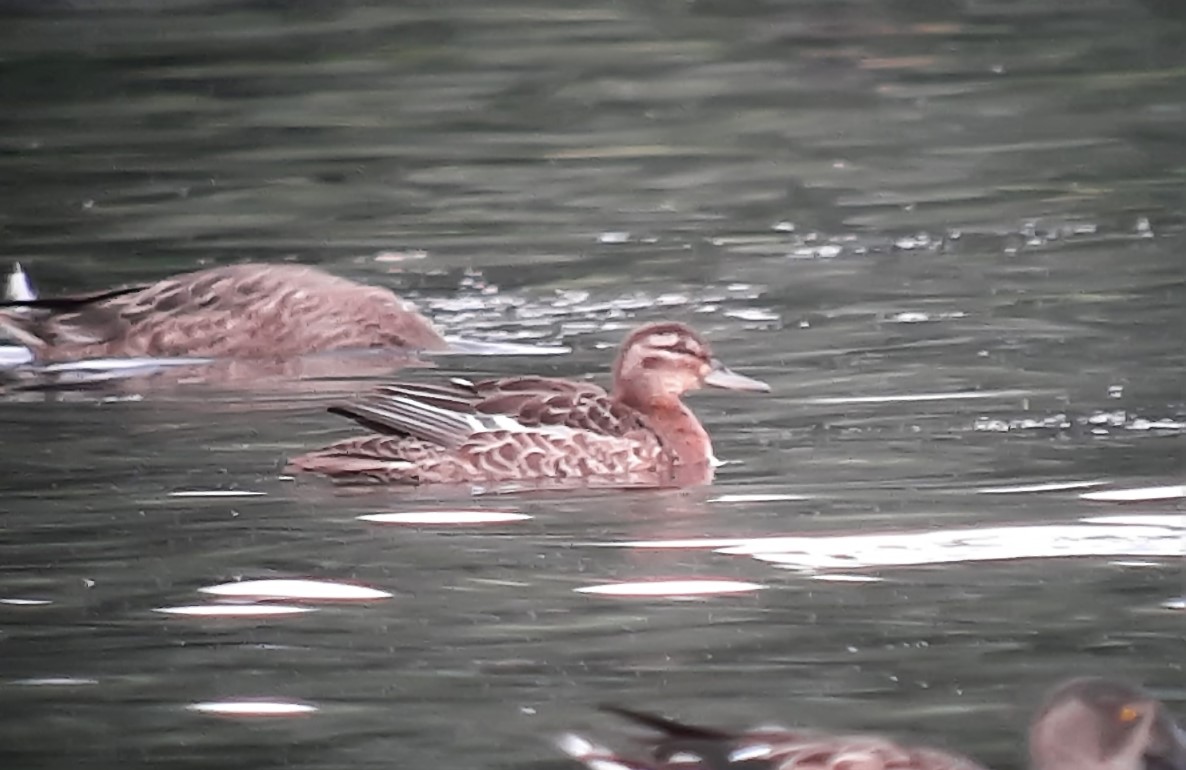
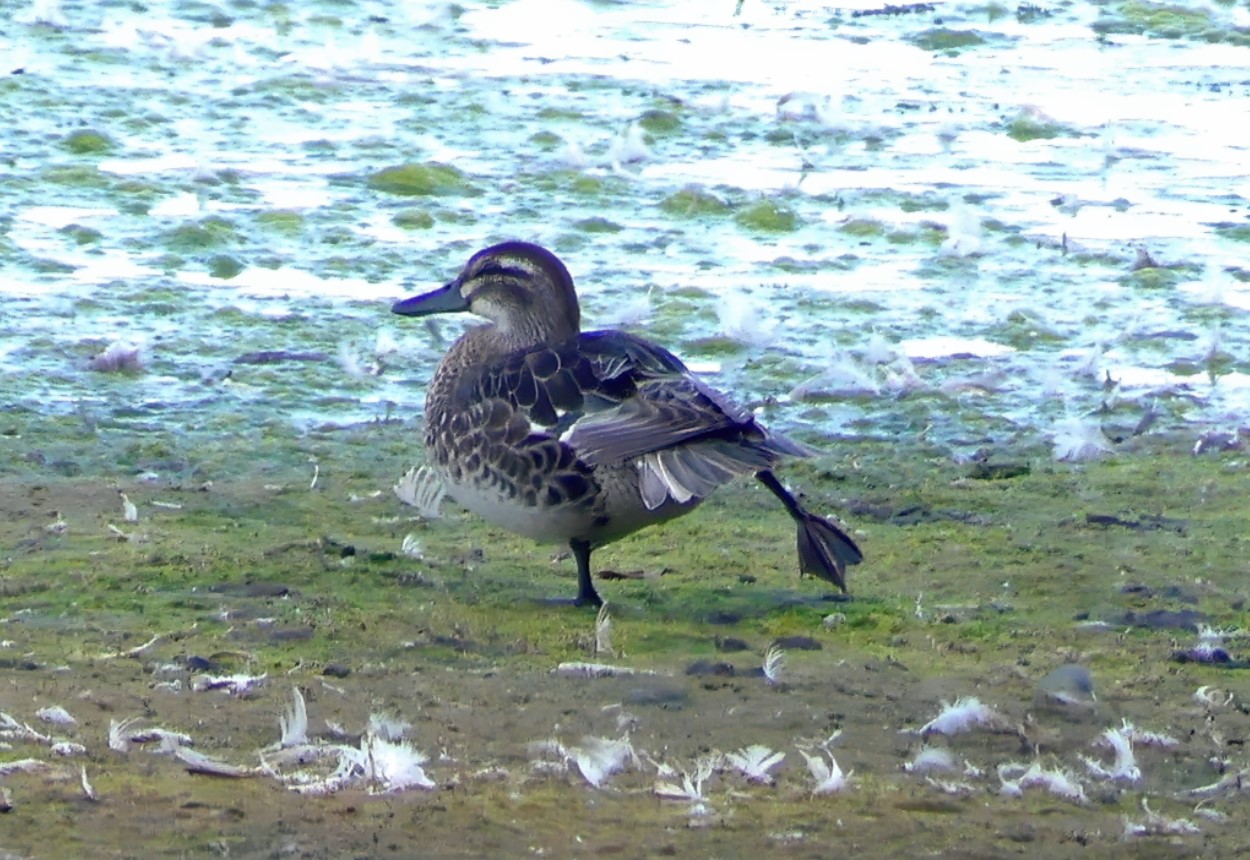
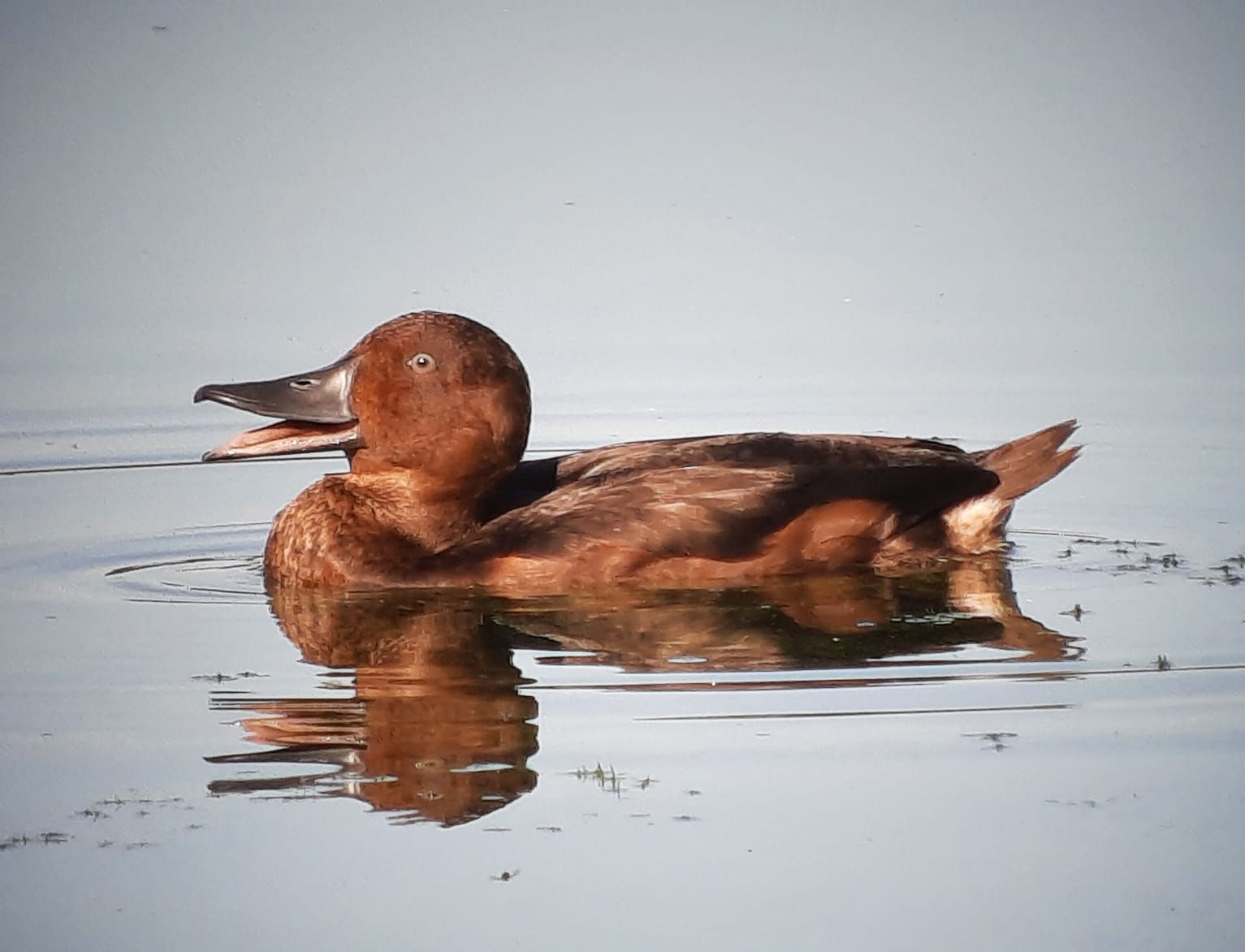
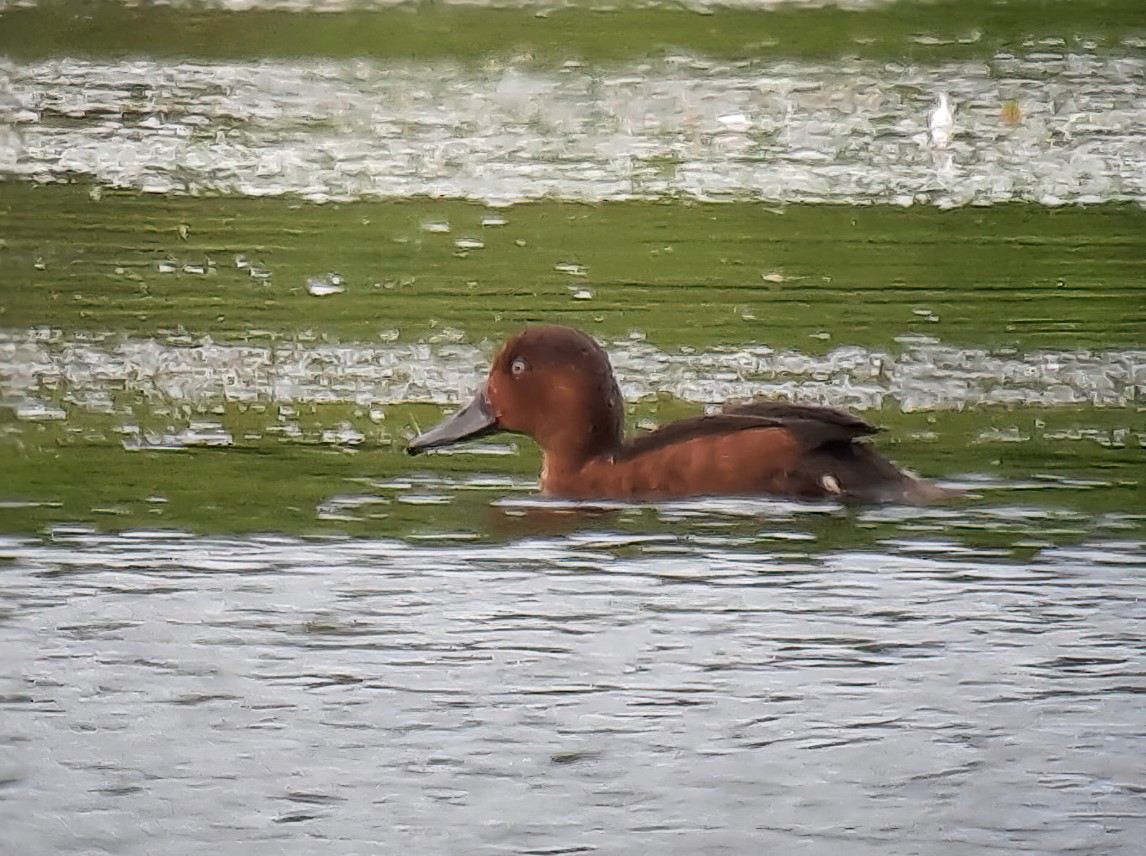
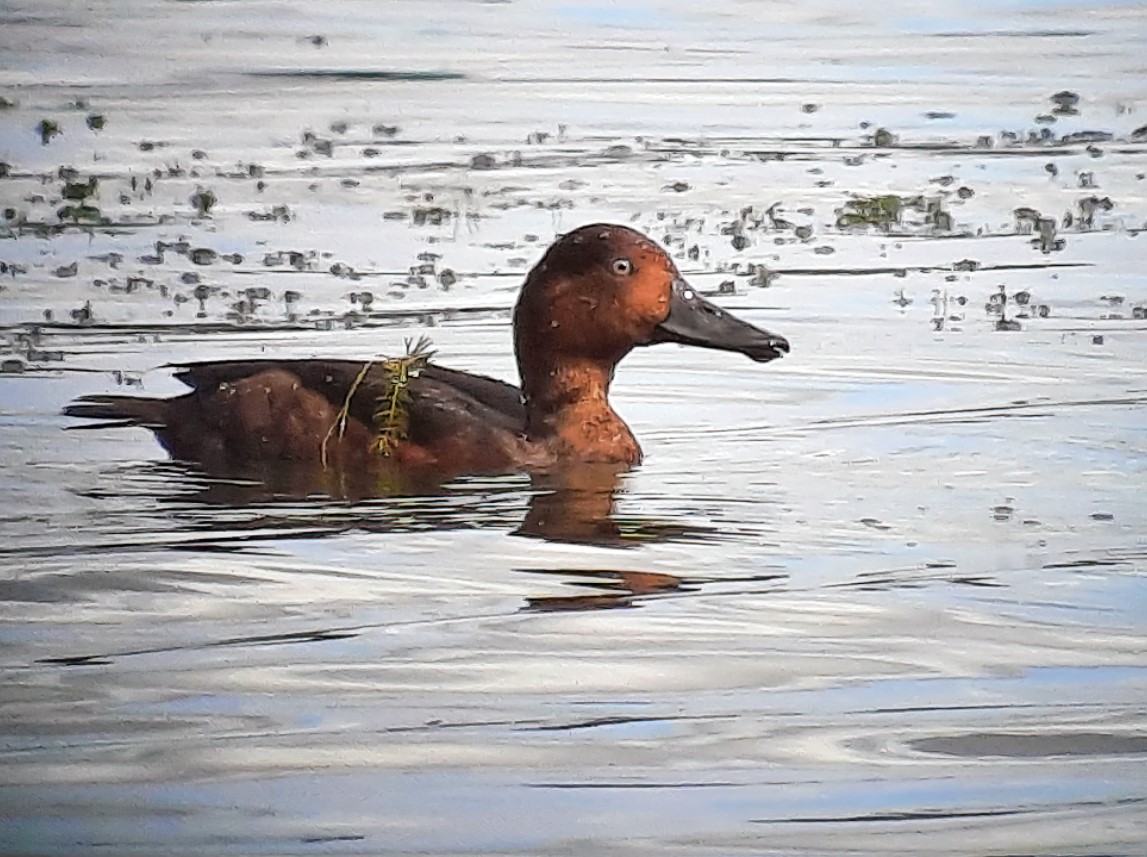
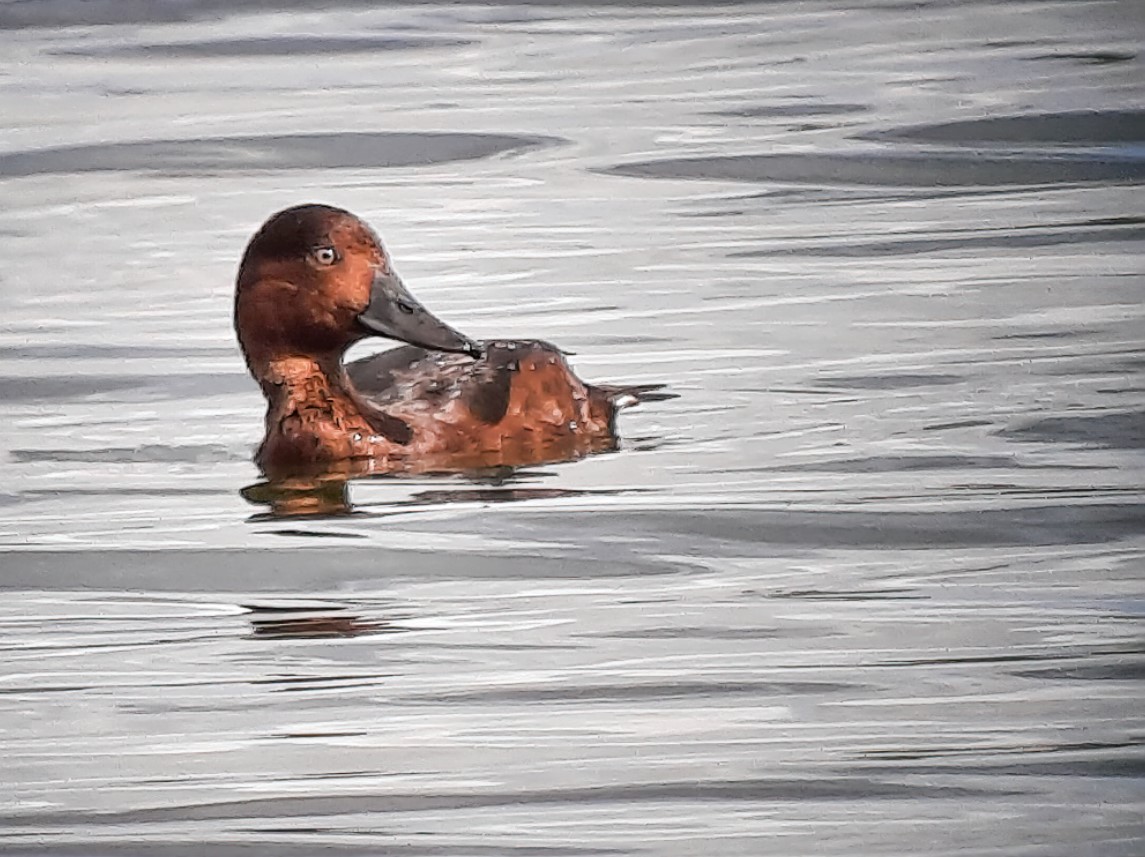
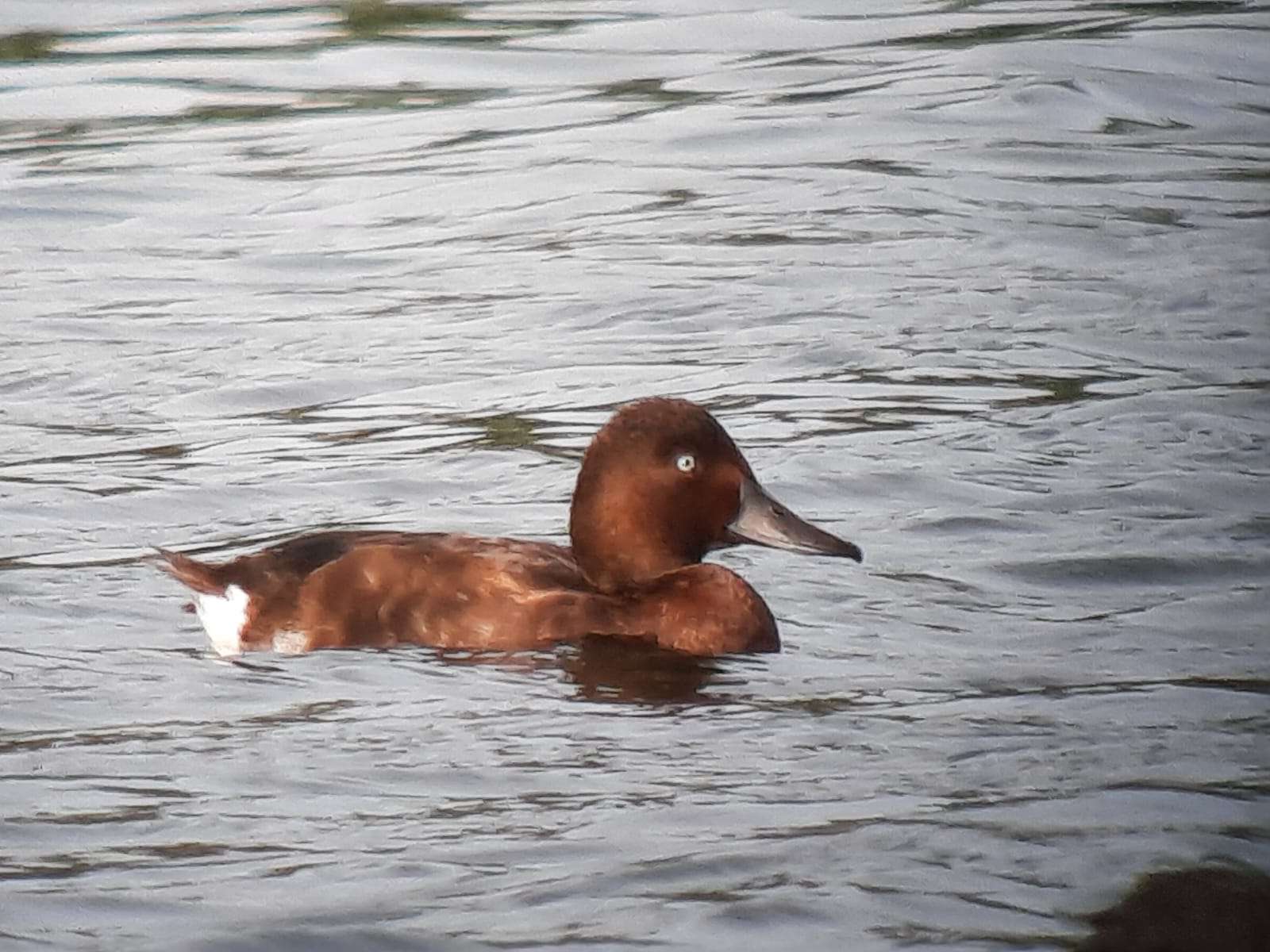
But first, suspect Pink-footed Geese remained on station with the Daventry CP bird seeing out the second week and the Thrapston individual re-emerging on 25th. Absent for a couple of weeks, the female Ruddy Shelduck revisited Hollowell Res on 24th and 31st, two Garganeys dropped in to Cransley Res on 26th and another was found at Pitsford on 30th. Pitsford Res also continued to play host to a small number of Red-crested Pochards, including five there on 20th and one from 27th to 1st. Other diving ducks included a female-type Greater Scaup at Clifford Hill GP on 25th and the long-staying drake Ferruginous Duck, now having shed more of its juvenile feathers, at Daventry CP until 1st.

First-winter drake Ferruginous Duck, Daventry CP 31st August 2022 (Gary Pullan)

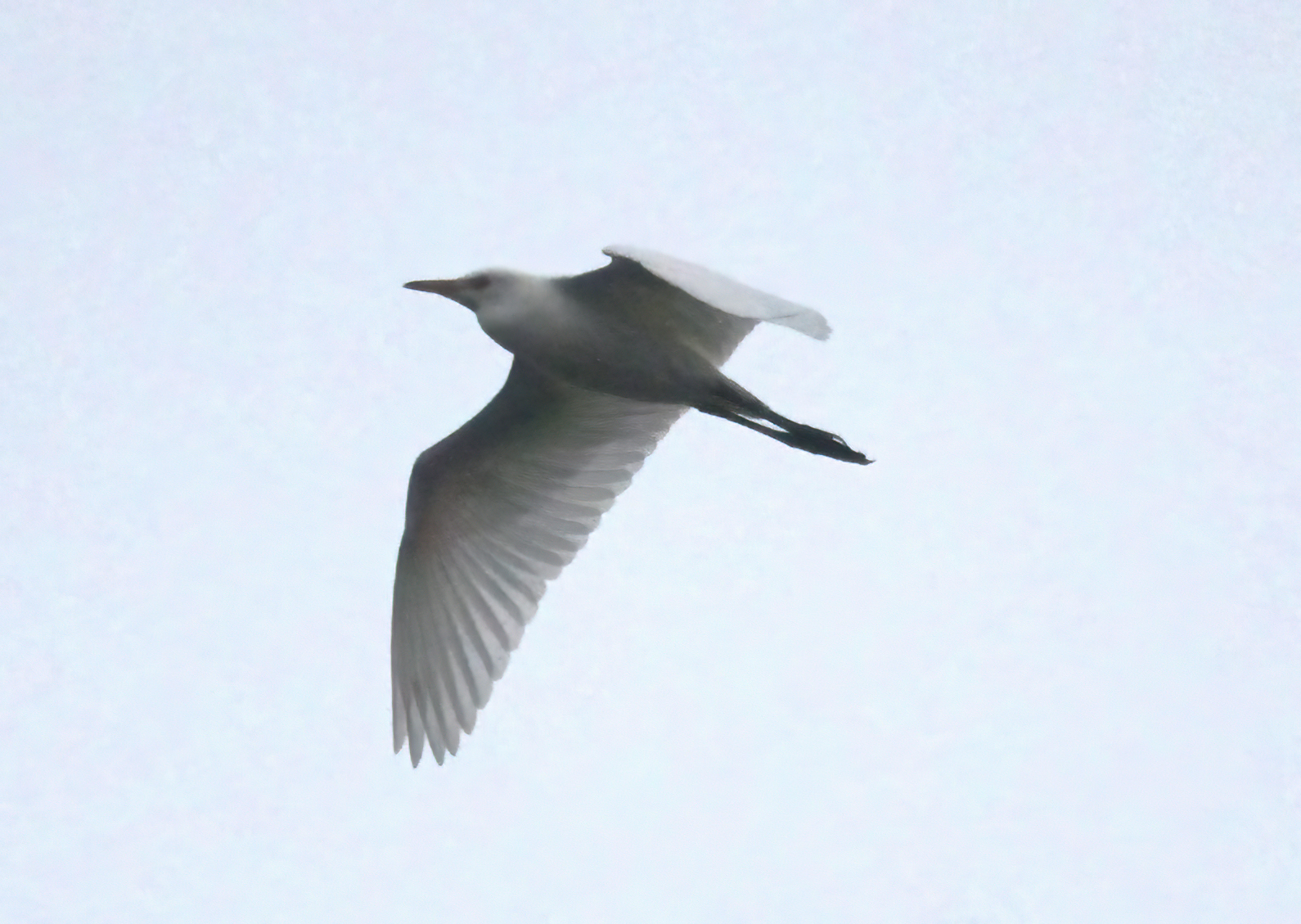
Escaping the traditional confines of Stanwick GP, where one was present on 21st-23rd, followed by four on 2nd, single Cattle Egrets appeared at Summer Leys on 25th and at Stanford Res – a long-anticipated first for the site – on 28th.

Cattle Egret, Stanford Res, 28th August 2022 (Chris Hubbard)

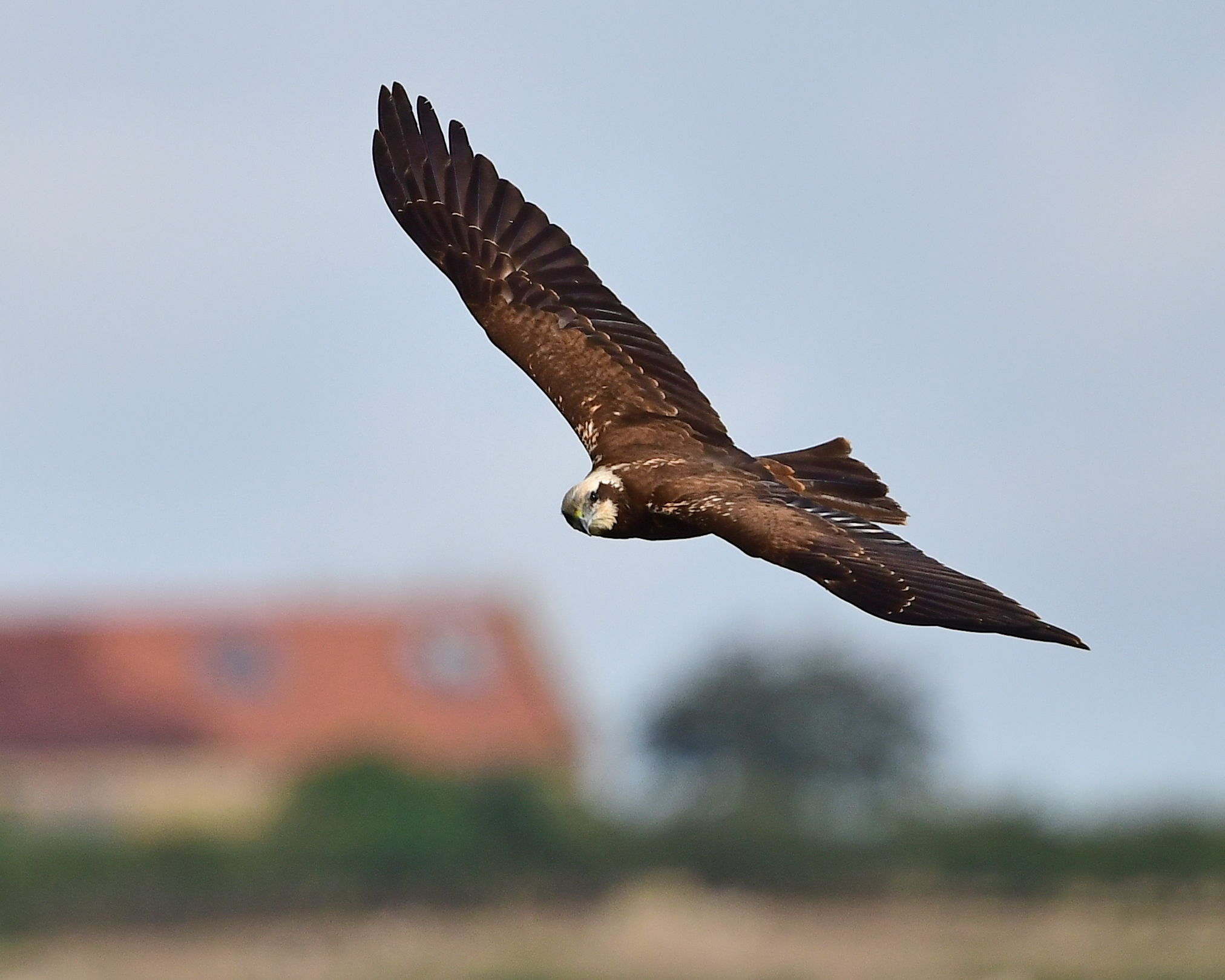
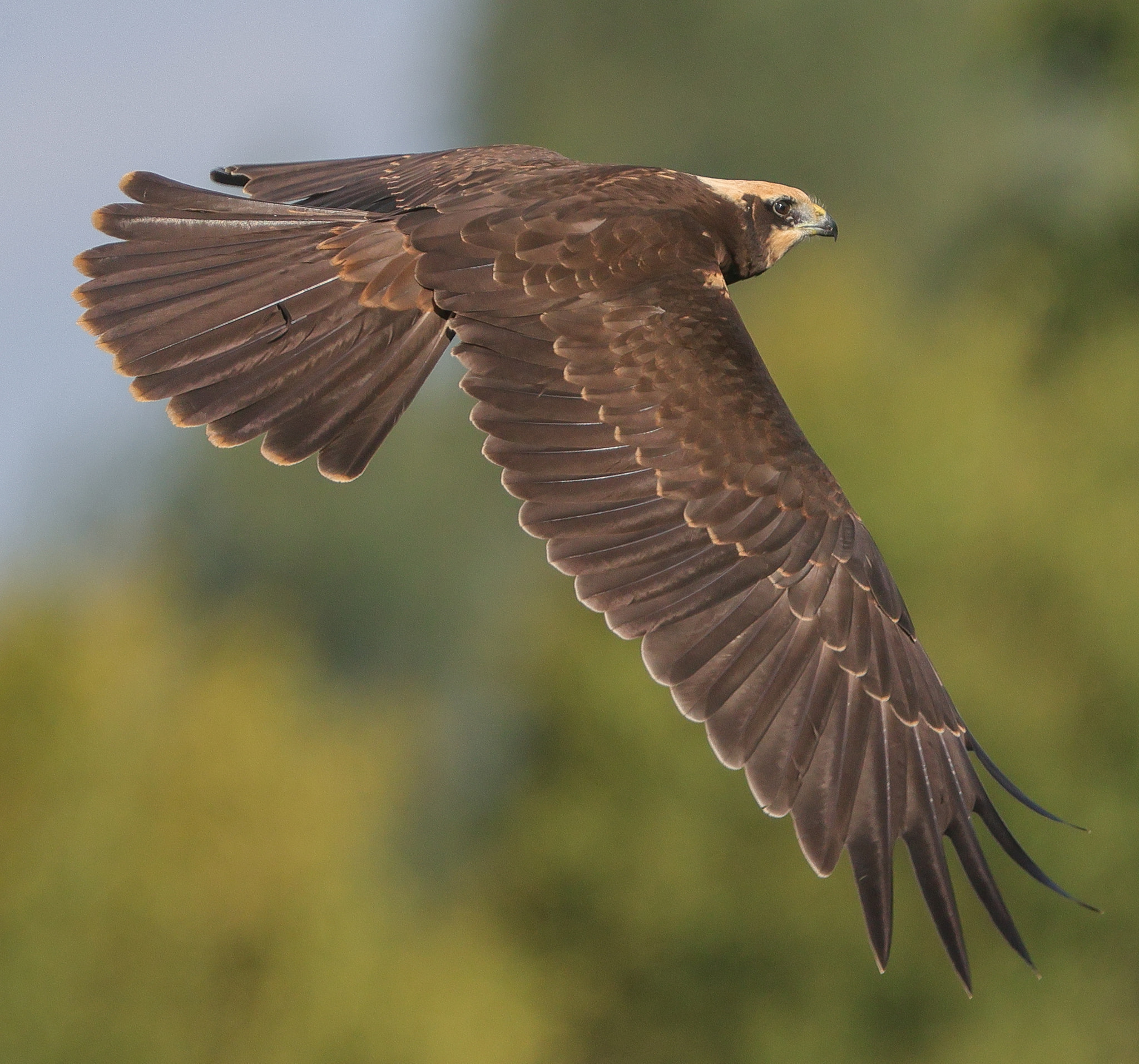
Ospreys and Marsh Harriers have dominated the late summer raptor scene this year and they continued to feature over the period, with singles of the former at Pitsford on 20th and 1st and at Thrapston GP’s Elinor Trout Lake on 22nd, 24th and 28th. Marsh Harriers appeared below Hanging Houghton in the Brampton Valley on 20th, at Summer Leys on 23rd, Stanford Res on 24th and 28th, Stanwick GP on 27th and Daventry CP on 30th.

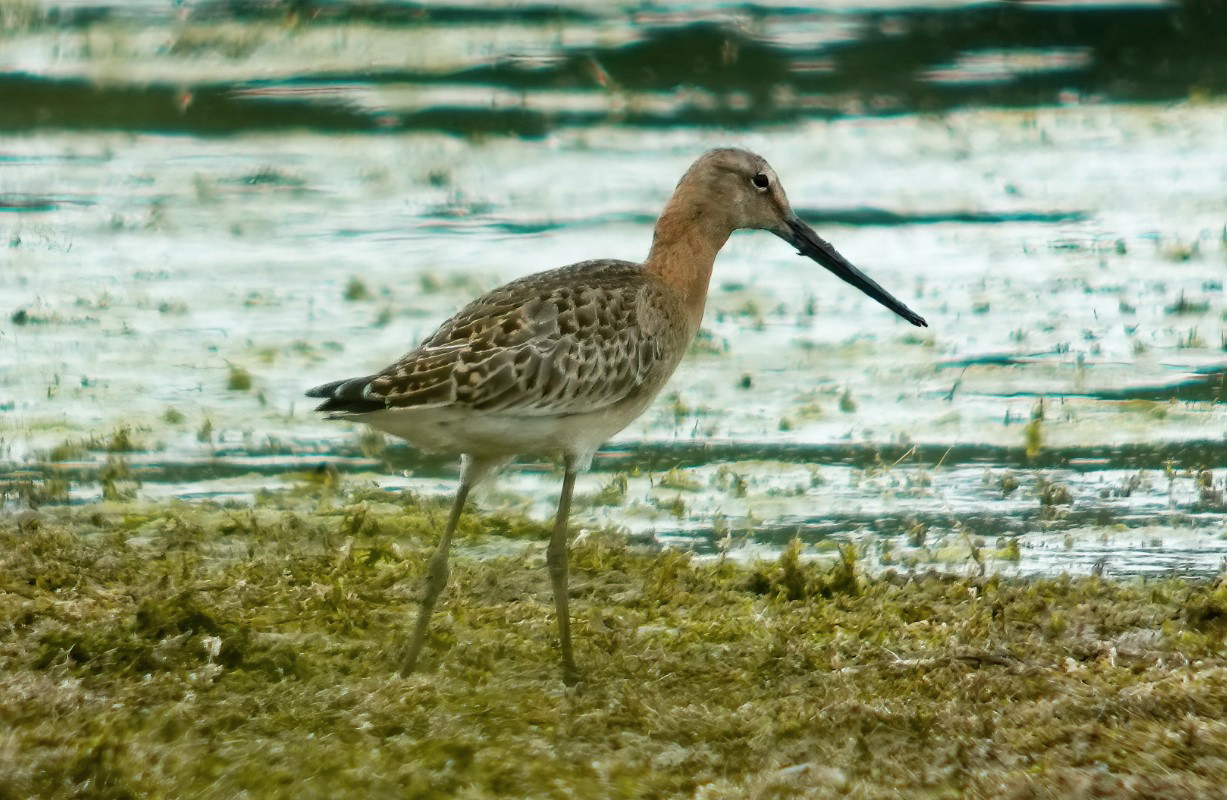
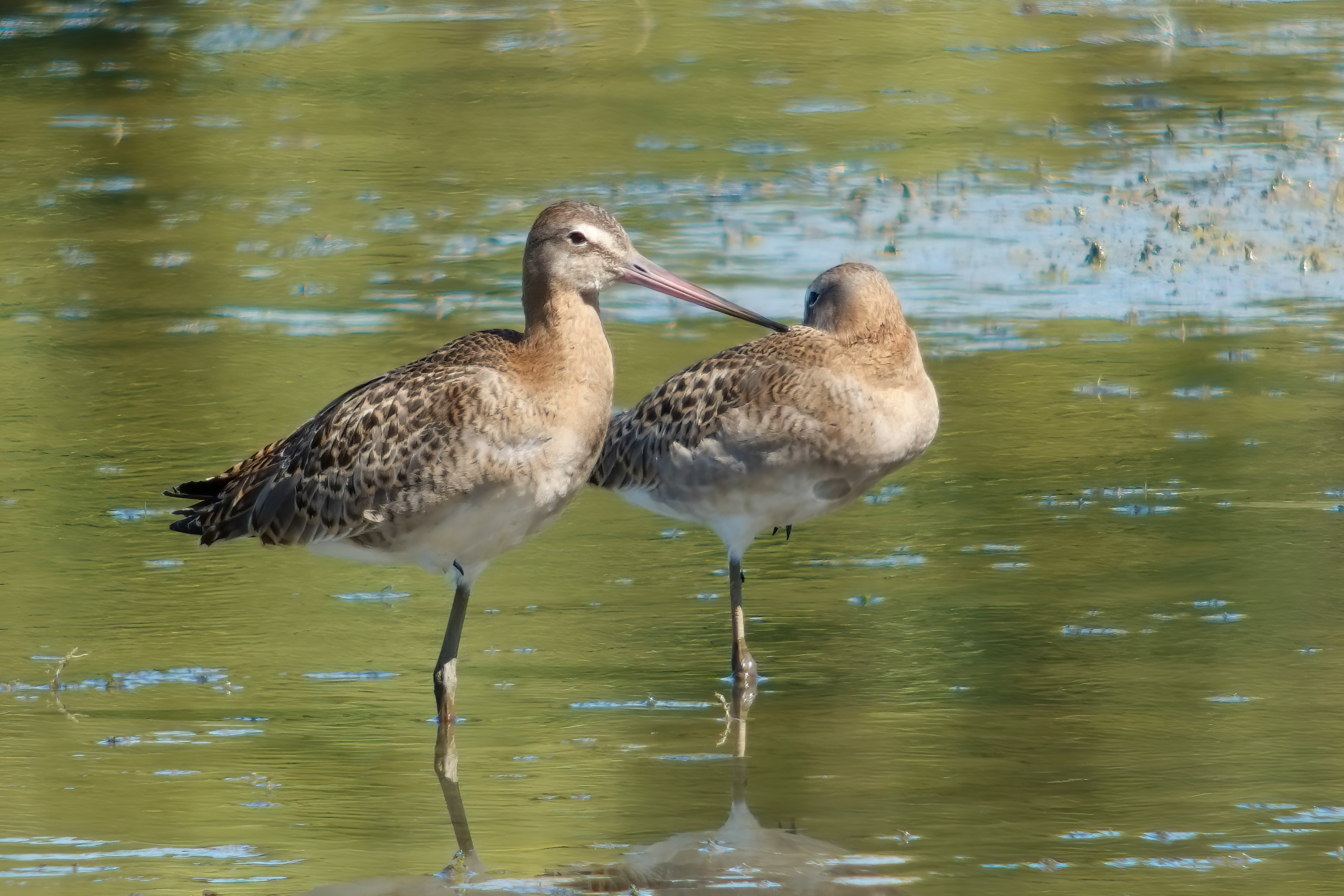
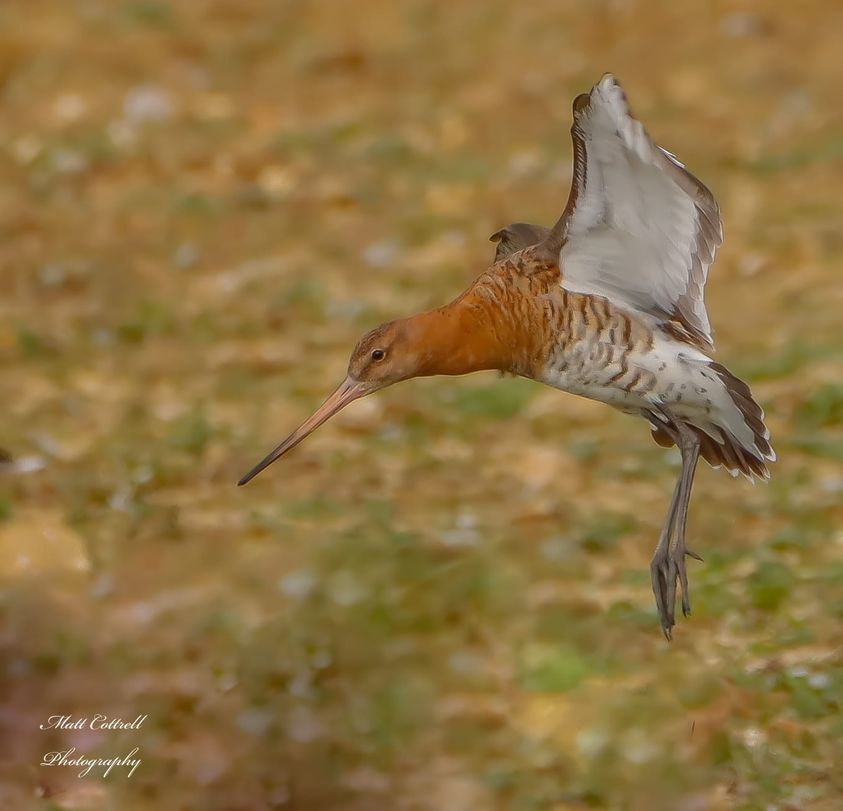
On the wader front, just one Whimbrel was seen during the period, flying over Clifford Hill GP on 25th. Black-tailed Godwits, on the other hand, maintained a strong presence with thirteen at Hollowell on 25th and varying, single-digit numbers at Summer Leys between 20th and 30th, with a maximum of seven there on 26th. Elsewhere, singles remained at Daventry CP between 20th and 23rd and at Pitsford on 23rd and 27th, with six there on 2nd, one was at Clifford Hill GP on 26th and 31st and two visited Naseby Res on the latter date.

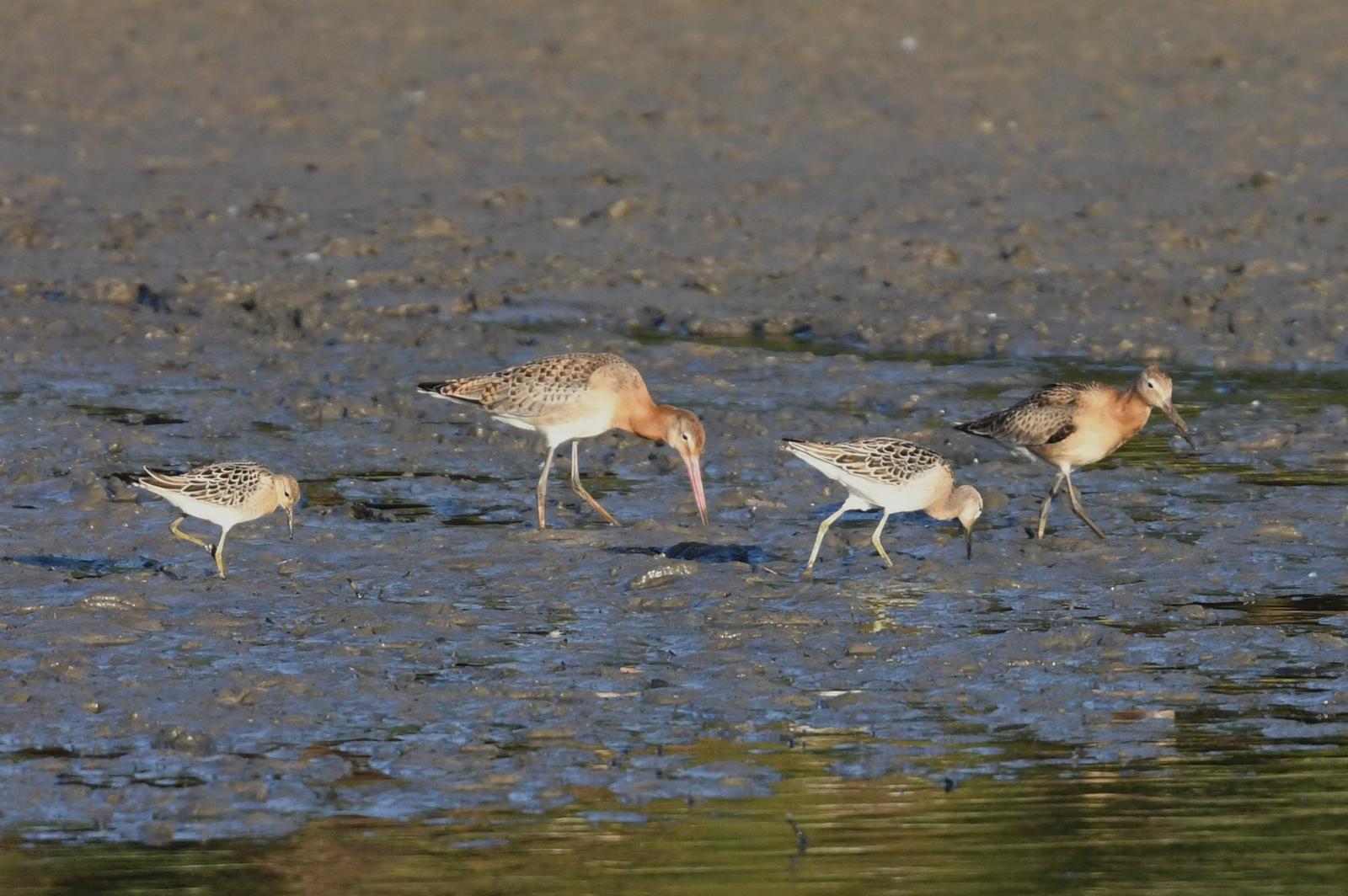
Black-tailed Godwits and Ruffs, Naseby Res, 1st September 2022 (Jon Cook)

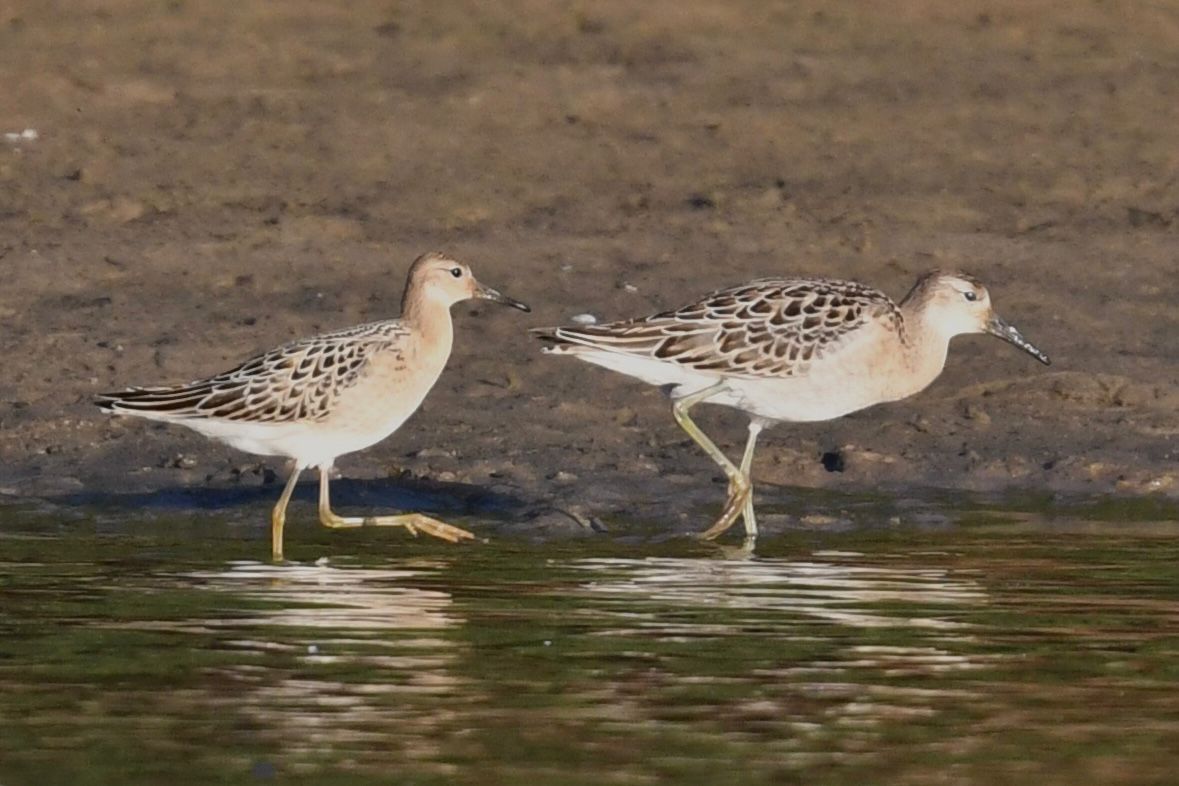
Ruff numbers failed to climb above a site maximum of two – the latter at Naseby Res on 31st-1st – otherwise, singles were found at Daventry on 29th and 2nd, Stanford on 31st-1st, Clifford Hill on 31st and Summer Leys on 1st-2nd.  

Ruffs, Naseby Res, 1st September 2022 (Jon Cook)

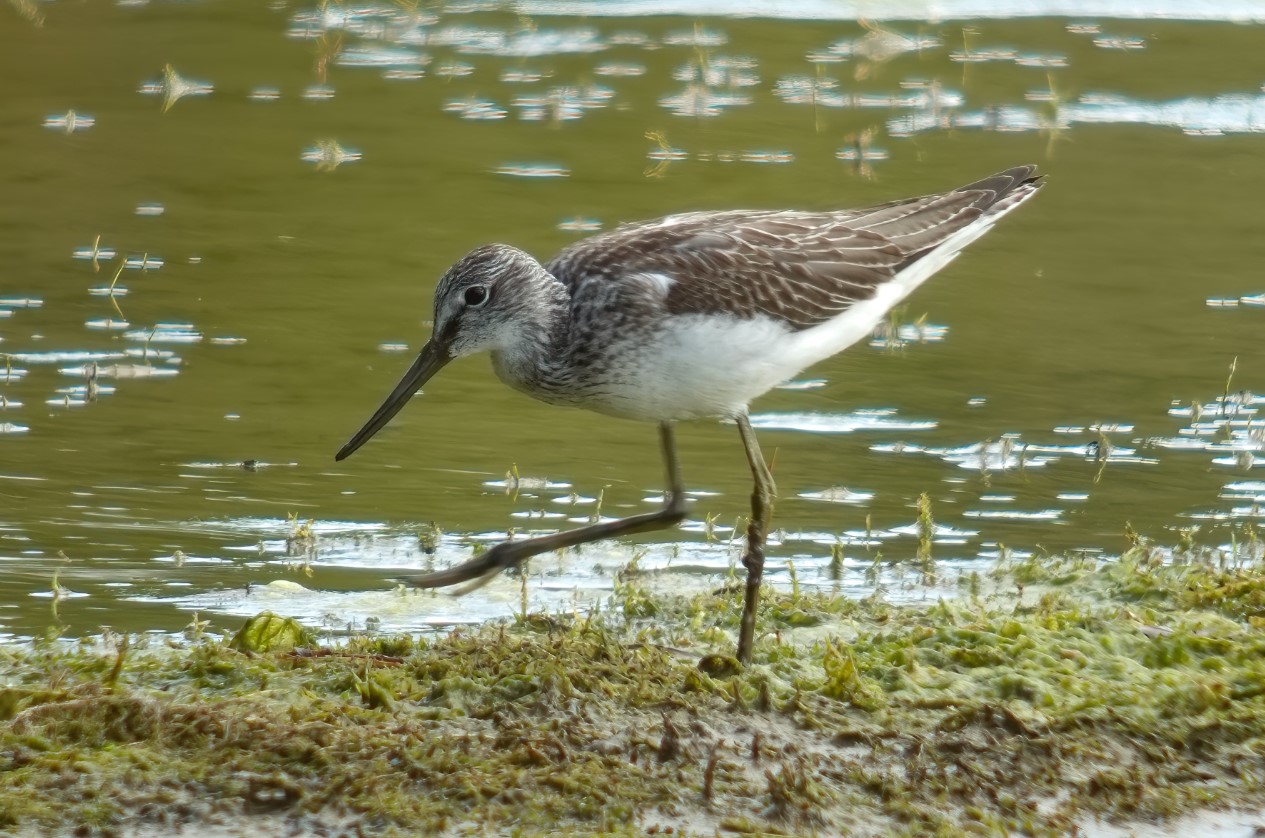
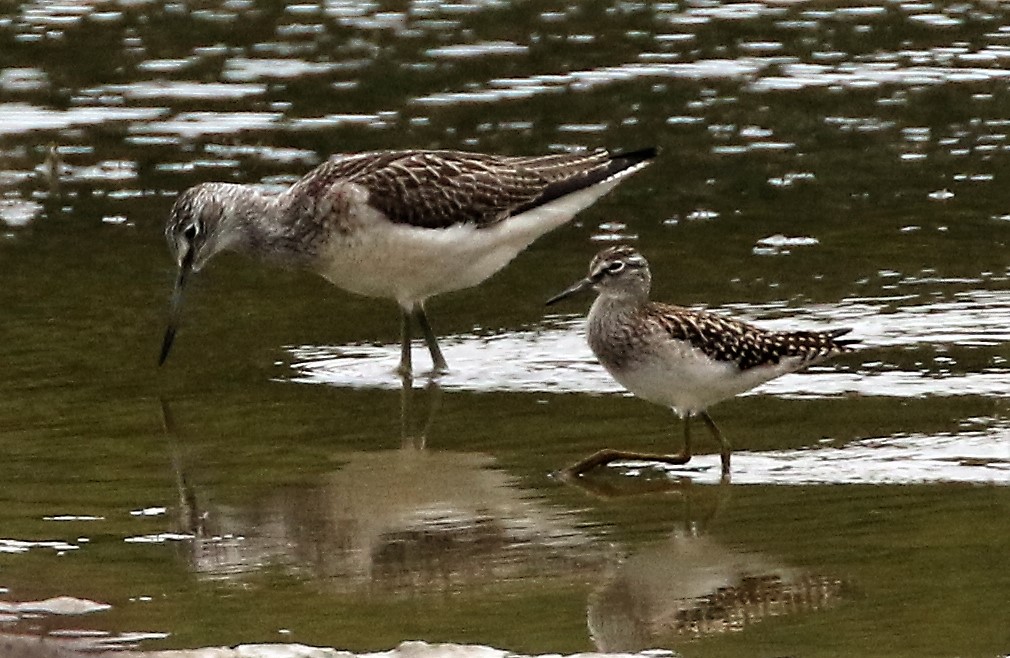
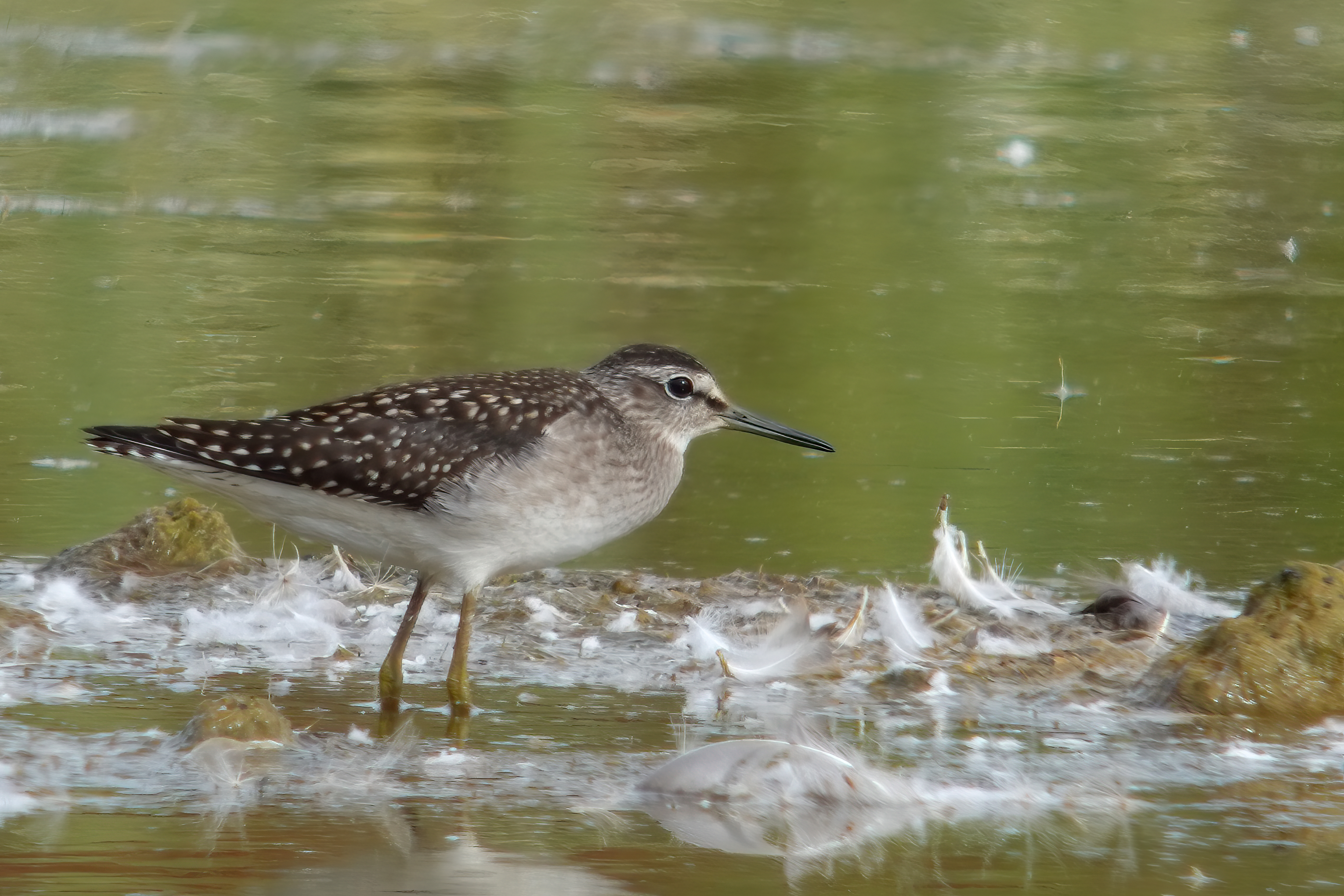
Meanwhile, a new bird for 2022, a Little Stint at Thrapston GP on 31st, fortunately remained just that, narrowly escaping the apparent collective hallucinogenic gaze of a group of a dozen or so observers assembled nearby. This week’s one and only Wood Sandpiper checked in at Summer Leys on 30th, the same site holding up to three Greenshanks between 20th and 1st. Other Greenshanks made themselves available at Thrapston on 25th, Pitsford on the same date with one-two there on 1st-2nd and two at Earls Barton GP’s New Workings (North) on 1st.

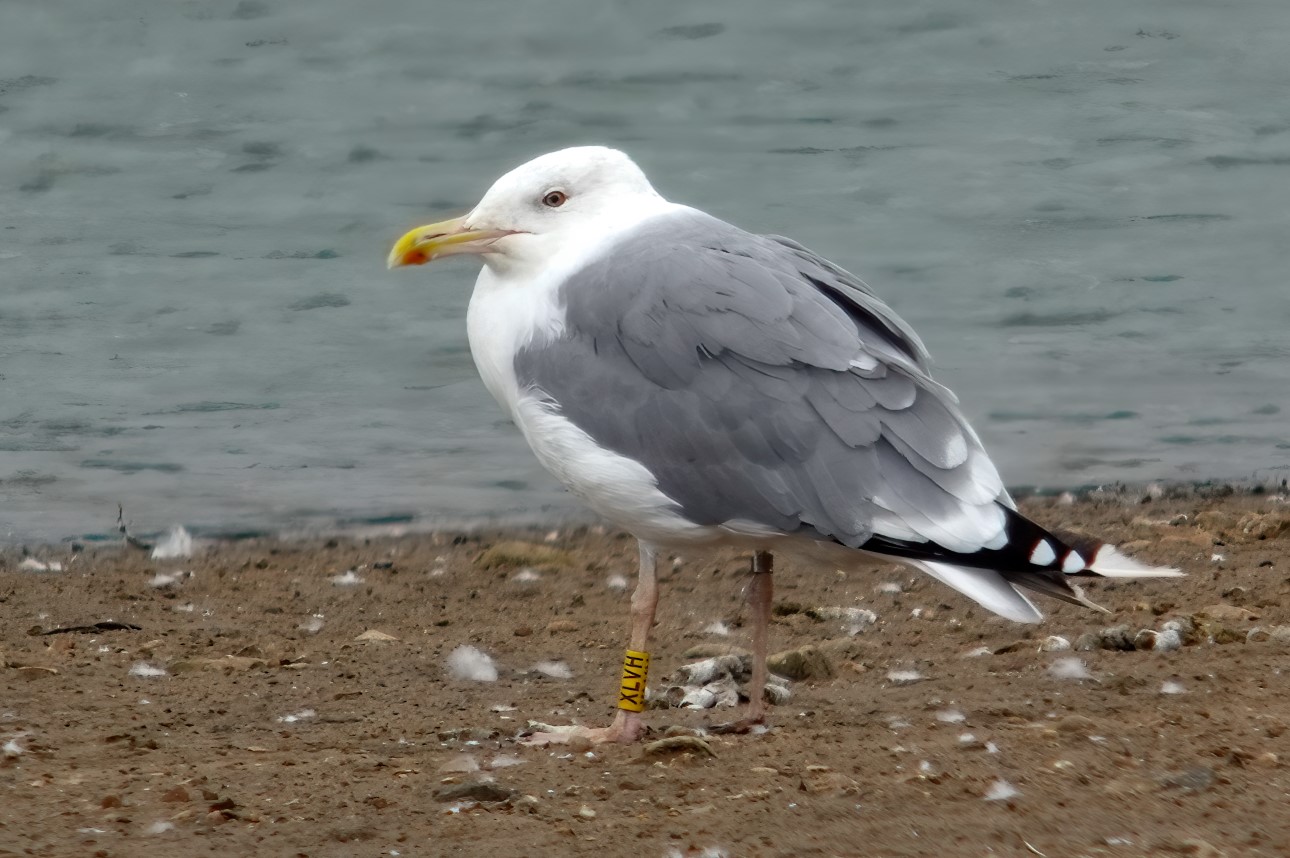
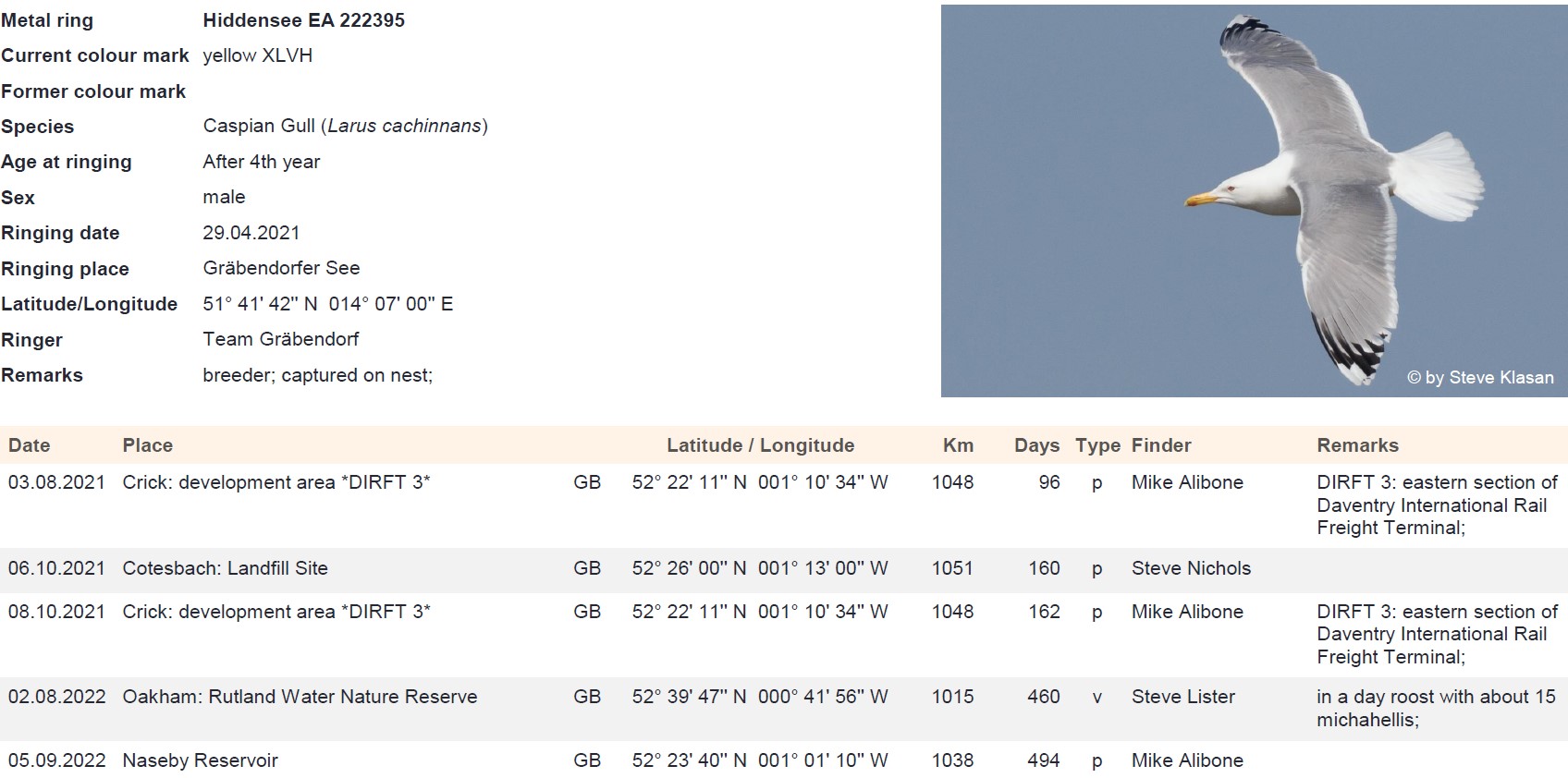
Thin on the ground so far this year, the week’s only Mediterranean Gull – a juvenile moulting to first-winter – was found at Stanwick on 2nd, while an adult Caspian Gull visited Daventry on 23rd. Up to two Yellow-legged Gulls were seen at Daventry, Pitsford and Stanwick during the period.

Following the first of the autumn’s Black Terns at Thrapston and Stanwick during the previous period, the Stanwick bird remained until 27th and up to three juveniles lingered at Pitsford between 20th and 25th. Not to be left out, the smaller reservoirs of Stanford and Boddington were visited, respectively, by two juveniles on 21st and an adult on 25th.

Juvenile Black Tern, Stanwick GP, 23rd August 2022 (Bob Bullock)

A male Merlin was seen at Lamport on 24th.

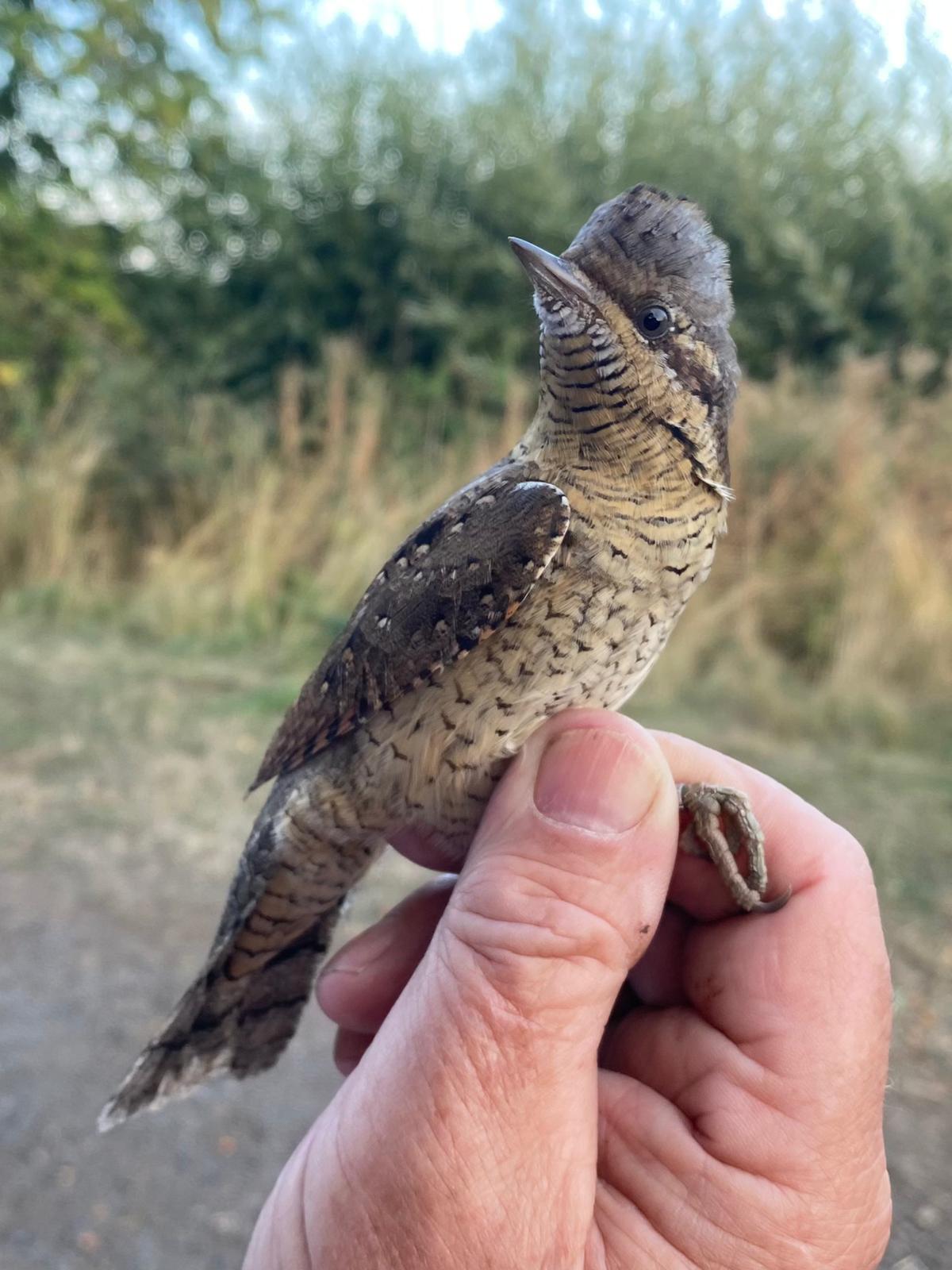
And bird of the week? Well, that honour fell to Wryneck – two of them to be precise, the first of which was found in a garden at Woodend on 21st. Sometimes visible, sometimes not, it was seen again briefly the following day. The second was pulled from a mist net at Stanford, before being rung, on 30th but it was not seen subsequently. Being trapped almost to the day in 2021, this was the ringing group’s fourth in three years.

Wryneck Woodend, 21st August 2022 (Bob Bullock)
Wryneck, Stanford Res, 30th August 2022 (Chris Hubbard)

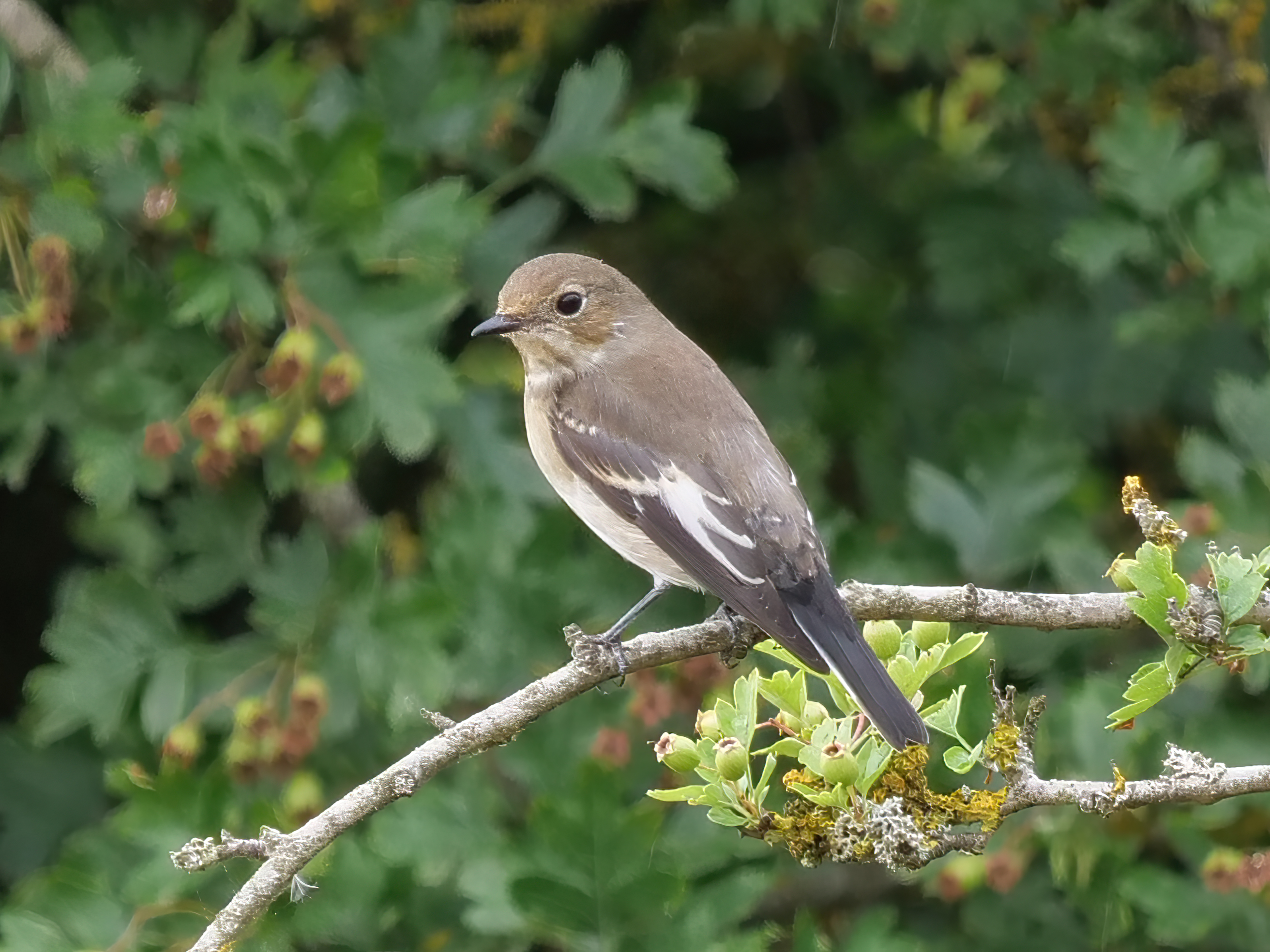
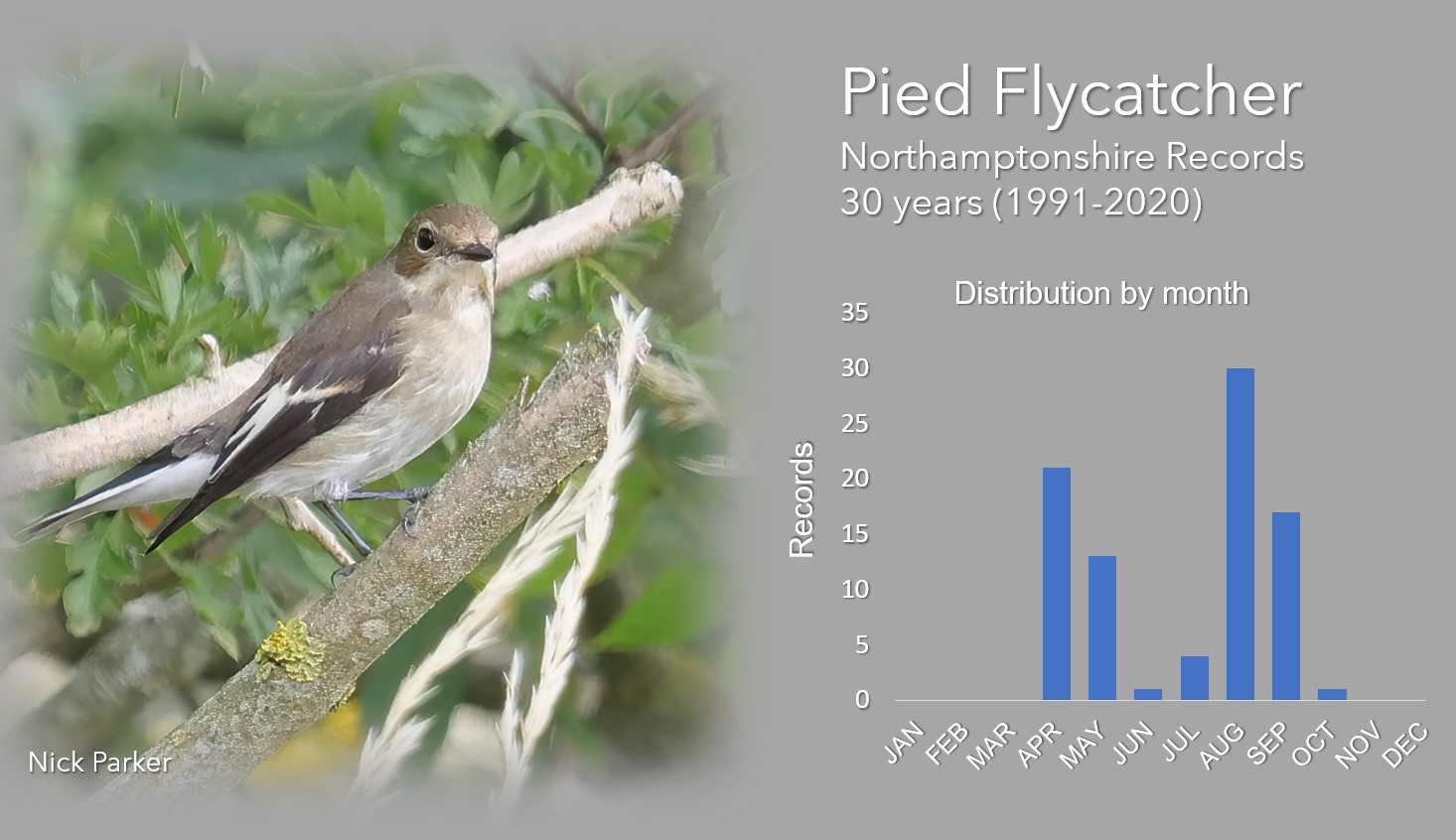
The ringers at Stanford also struck lucky with a Pied Flycatcher on 28th – only the third ever to be ringed there.

Pied Flycatcher, Stanford Res, 28th August 2022 (Chris Hubbard)

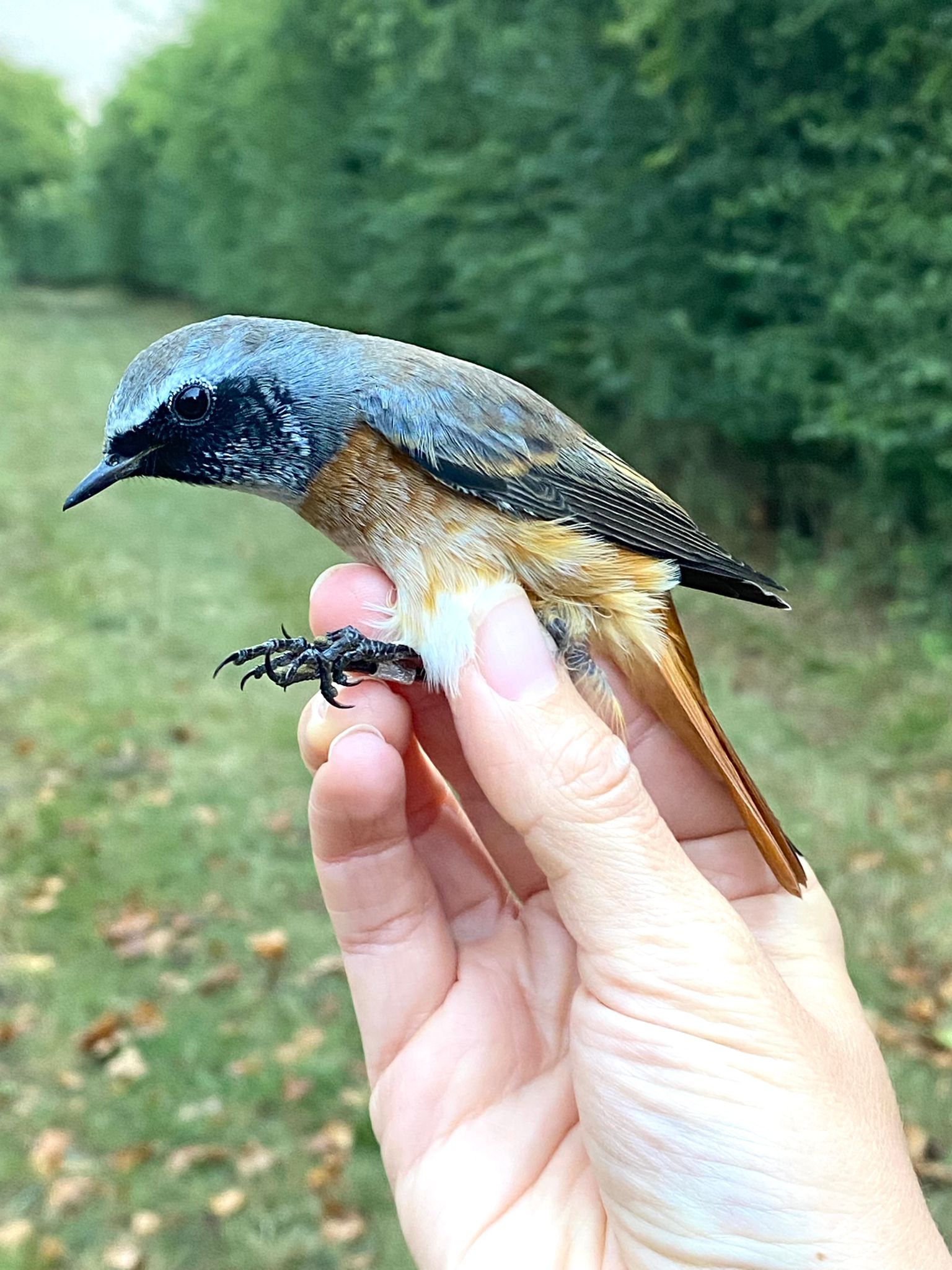
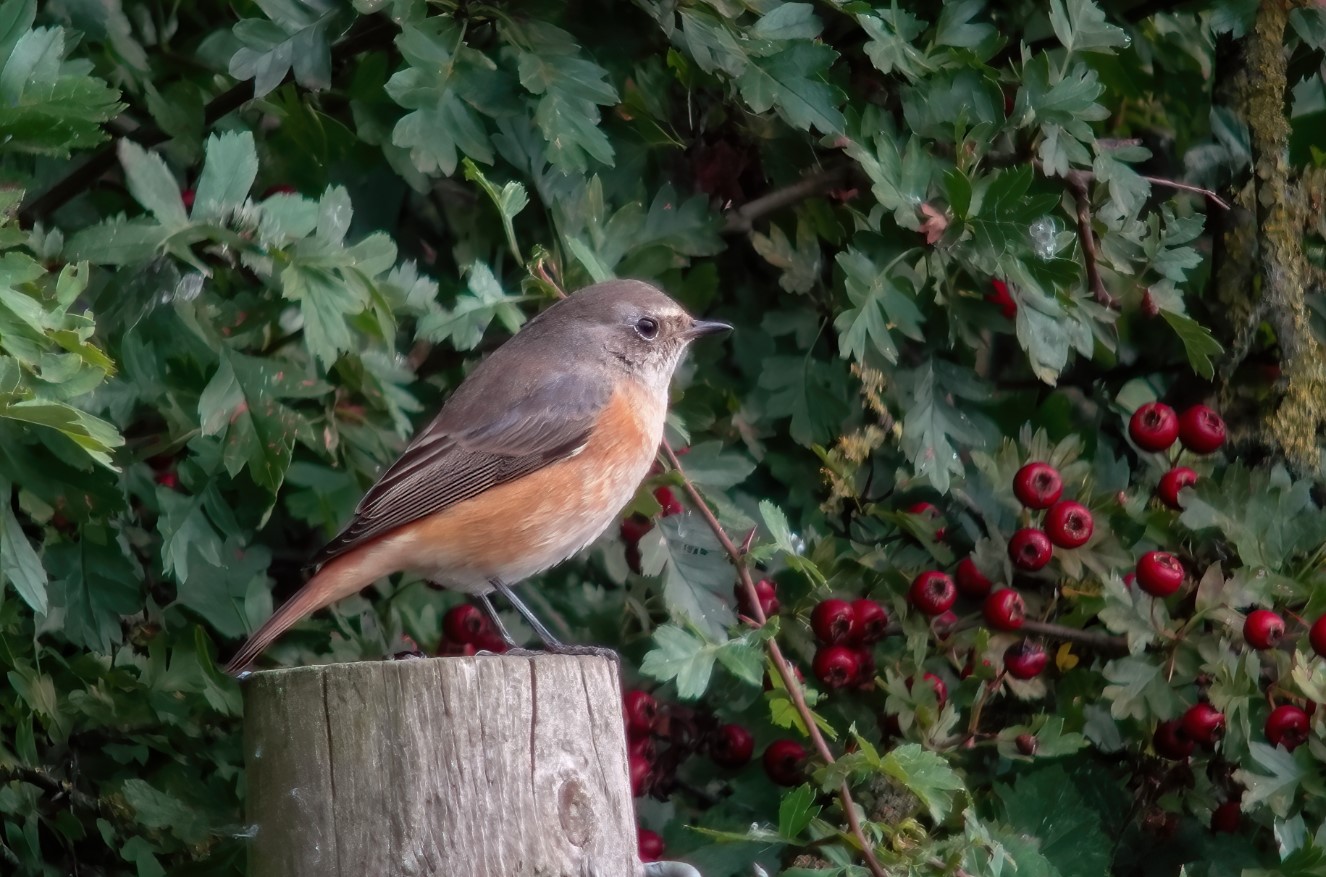
Seemingly now the norm for early autumn, the plethora of Common Redstarts continued with records from twelve sites, including Blueberry Farm (Maidwell), Brampton Valley, Chipping Warden, Fawsley, Harrington, Lamport, Old Stratford, Pitsford, Stanford, Stanford-on-Avon, Thrapston and Woodford Halse. The highest counts were five trapped and ringed at Stanford on 30th and four at Harrington between 22nd and 31st.  

Common Redstart, Stanford Res, 27th August 2022 (Chris Hubbard)

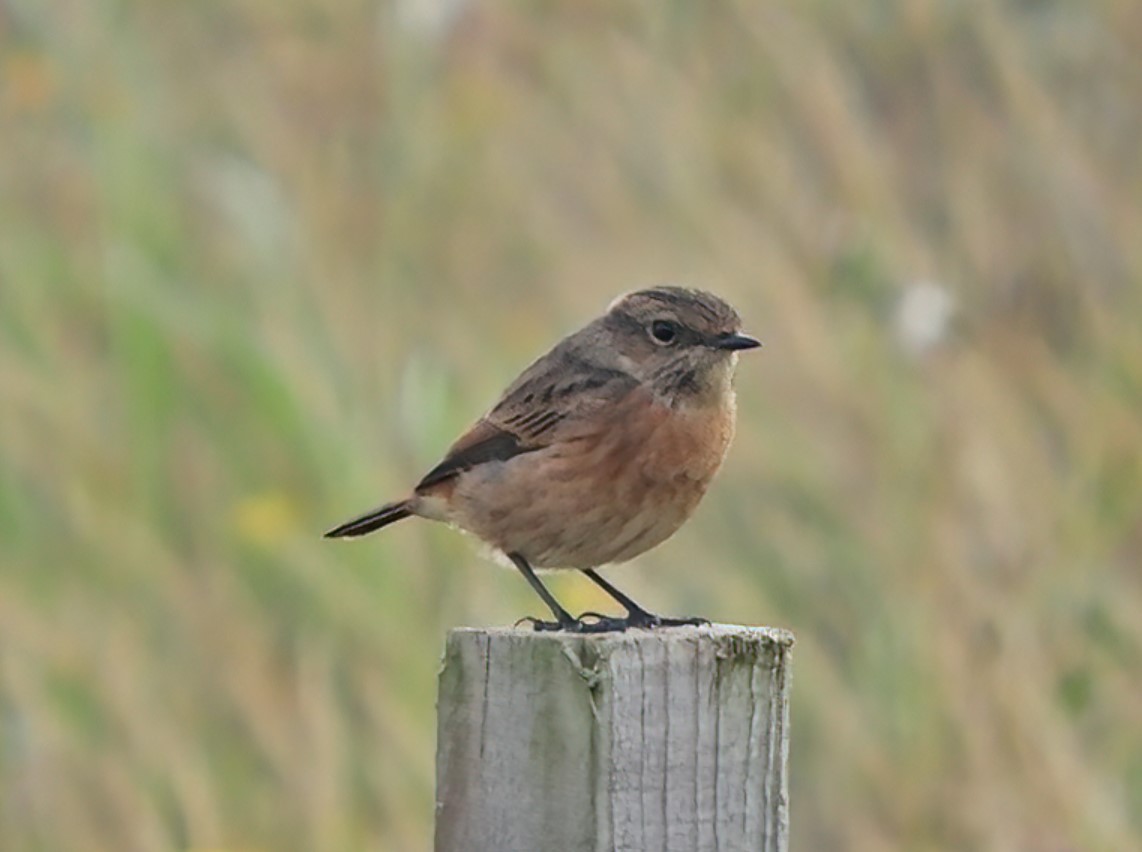
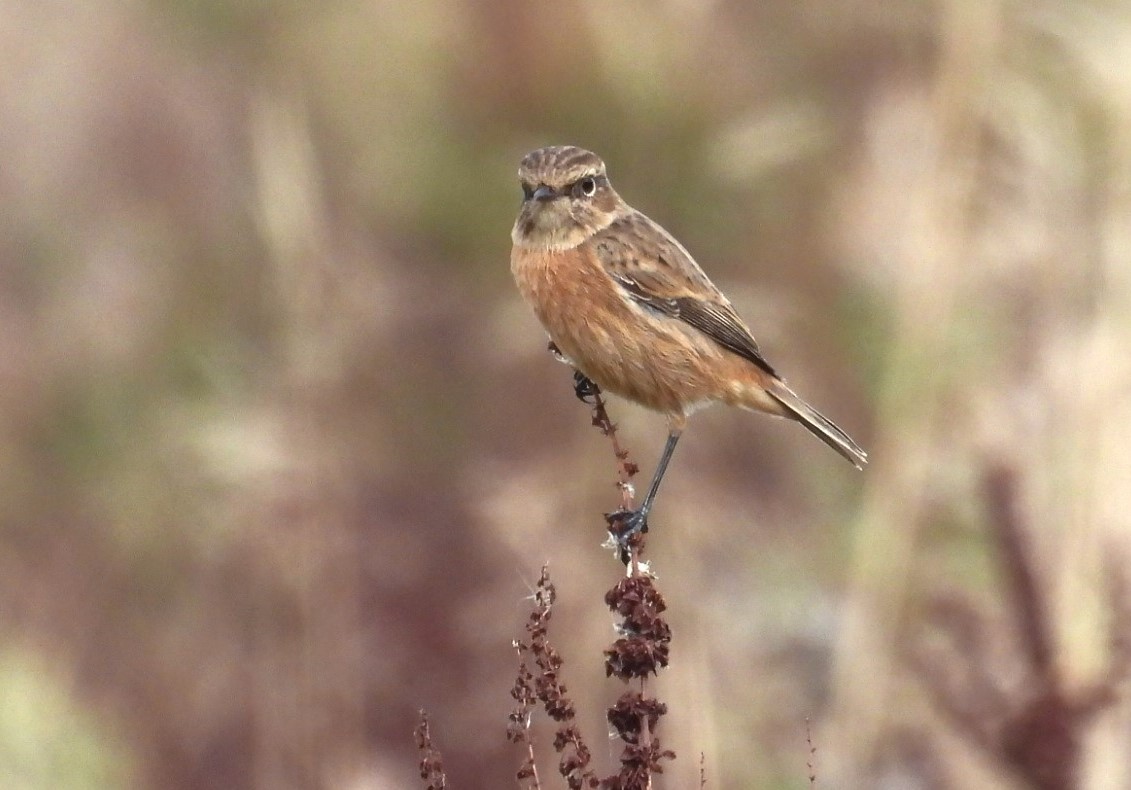
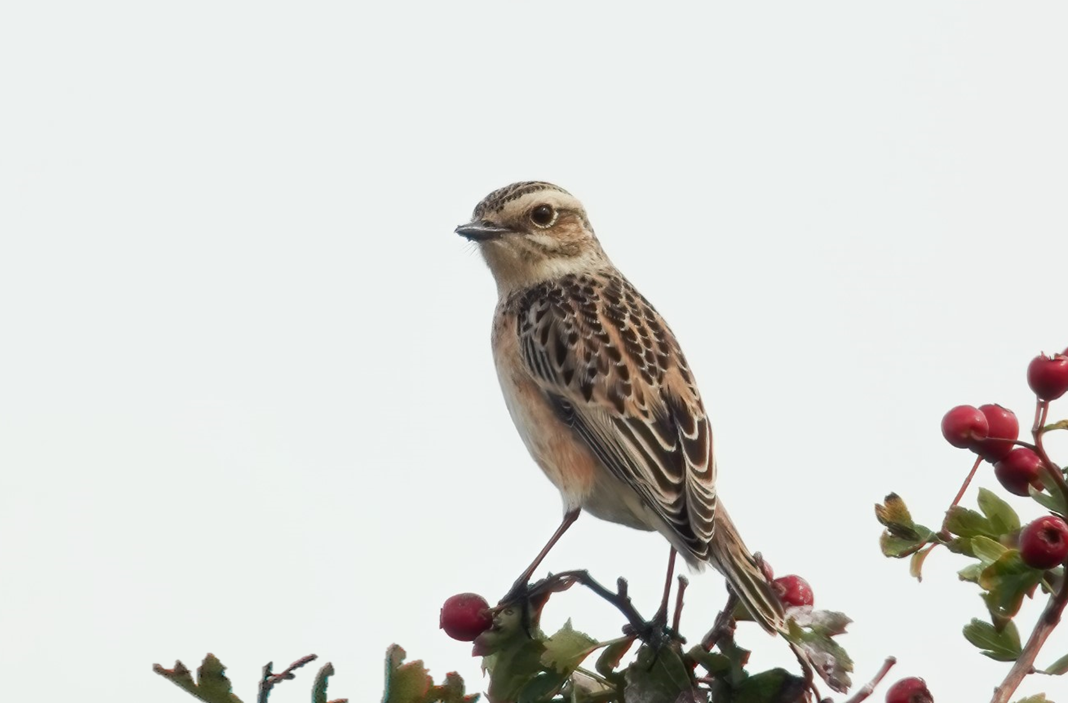
Sharing some of the above localities with the last species, Whinchats, too, were also found in good numbers, with records from Borough Hill, Brampton Valley, Clifford Hill, Fawsley, Harrington, Hollowell, Old Stratford and Stanford – Harrington and Hollowell producing the maximum of five apiece on 28th and 29th, respectively.

Whinchat, Hollowell Res, 21st August 2022 (Jon Cook)
Whinchat, Stanford Res, 29th August 2022 (Chris Hubbard)

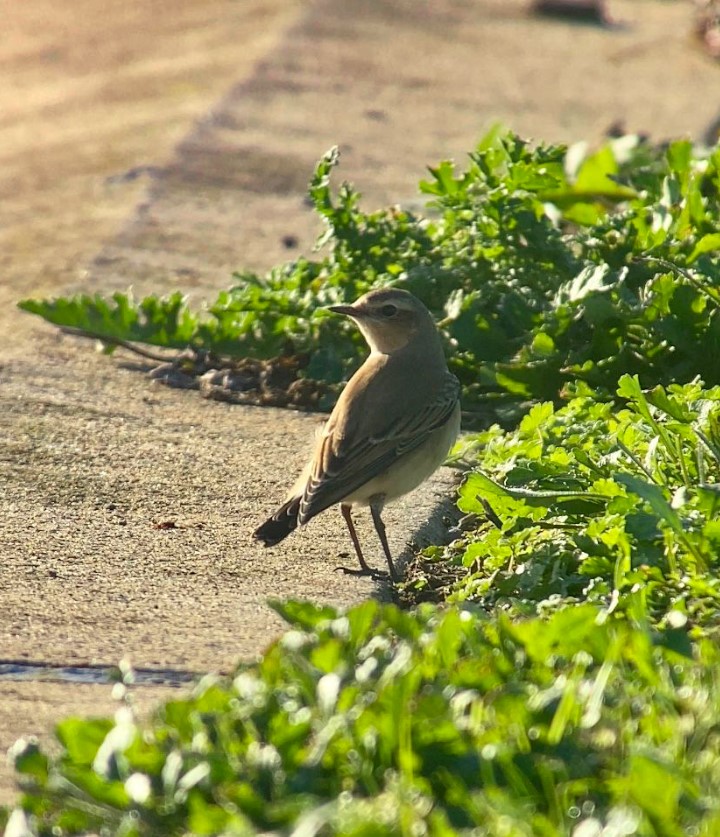
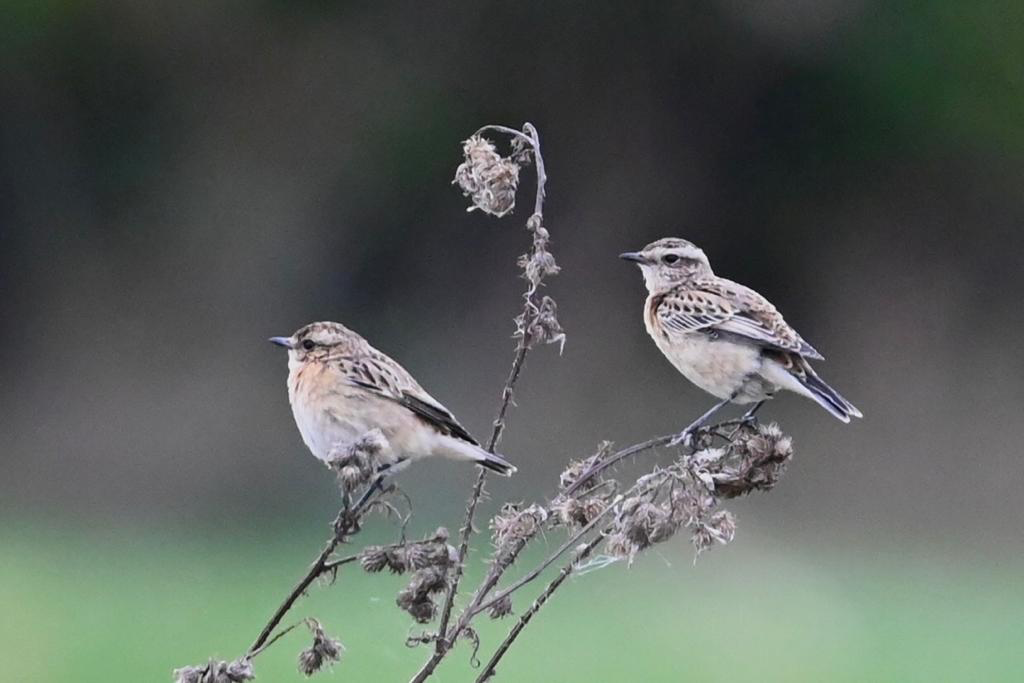
Northern Wheatears were a little less widespread, with no single site producing more than one bird. Borough Hill, Brampton Valley, Clifford Hill, Harrington, Pitsford and Stanford all featured during the period.

Northern Wheatear, Pitsford Res, 27th August 2022 (David Arden)

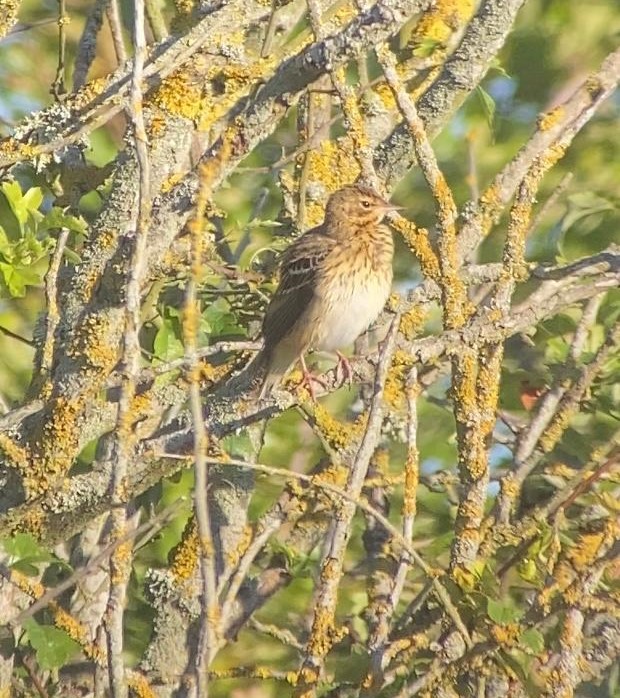
Following an earlier than normal autumn passage, just one Tree Pipit was found, at Harrington, on 29th, while a Corn Bunting appeared unexpectedly at Ditchford GP on 21st.

link-to-latest-reports

Newsround – 13th to 19th August 2022

A return to temperatures more normal for mid-August, variable wind directions and some seriously heavy showers characterised the week just gone. A surprise Shag in a Towcester garden headed up a veritable mixed bag of birds, which included the extended dwell time of the juvenile drake Ferruginous Duck at Daventry CP.

It was at this location that things were beginning to look decidedly dodgy as last week’s on-site Pink-footed Goose showed signs of being paired with one of the Greylags present. It remained until the end of the period. Unless there are two different birds involved, the on and off eclipse drake Garganey at Pitsford Res also saw out the week there, as did two Red-crested Pochards. Another eclipse drake Garganey visited Stanford Res on 14th while, back at Daventry, the juvenile drake Ferruginous Duck also remained throughout.

Eclipse drake Garganey, Stanford Res, 14th August 2022 (Chris Hubbard)
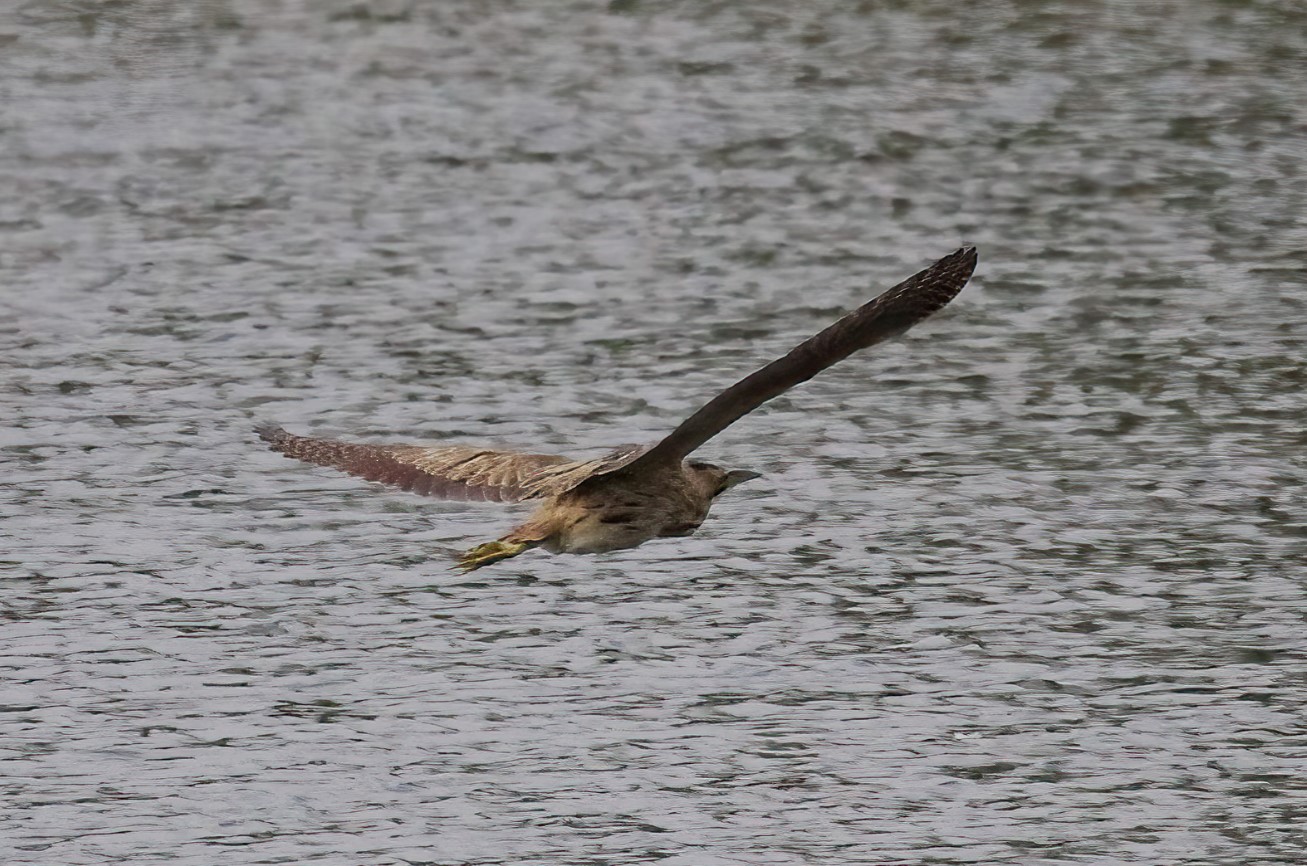
Bittern, Stanwick GP, 15th August 2022 (Steve Fisher)

No longer confined to the winter months, Bittern, it seems, has become a bit of a Martini bird in Northants, nowadays having the potential to be found any time, any place, anywhere. This is no doubt a result of its continually increasing UK breeding population, a measure of which is reflected in the number of booming males – a record 228 in 2021. Following one at Summer Leys LNR recently, another showed well on the edge of the reeds at Stanwick GP on 15th. They are still not easy to come by …

Stanwick also hosted a Cattle Egret between 16th and 19th, while this week’s Great Egrets were too readily available at Ditchford GP, Stanwick, Summer Leys and Pitsford – the latter site producing a maximum of up to five birds.  

Cattle Egret, Stanwick GP, 15th August 2022 (Steve Fisher)

Putting aside the rarity value of a certain Daventry duck, the bird of the week slot was rightly occupied by a juvenile Shag. In this instance, a garden pond in Towcester came firmly under the spotlight, playing host for the best part of the day, on 13th. Feisty and approachable during its stay, the bird had departed by the evening but not before it had consumed the pond’s one and only goldfish.

Juvenile Shag, Towcester, 13th August 2022 (Ben Mitchell)

This week’s Ospreys were limited to the area around Hollowell Res, with two there on 16th, one on 18th and one flying south over the nearby village of Guilsborough on 19th. The only other raptor of note was Marsh Harrier, Summer Leys producing a juvenile on 13th, Harrington an adult male on 15th and the Brampton Valley below Hanging Houghton one on 15th and 18th.

When compared to the last review period, things were looking up on the wader front, kicking off this week with eighteen Whimbrels flying south over Daventry on 16th – a decent flock size for Northants, if ever there was one. Black-tailed Godwits were also more in evidence, Stanford leading on numbers with seventeen circling the site before flying west on 19th. On the ground, Summer Leys produced birds on a daily basis, which comprised probably five different individuals during the period. Elsewhere, singles were at Hollowell on 17th, Daventry on 17th-19th and at Naseby Res on 18th.

Juvenile Icelandic Black-tailed Godwit, Summer Leys LNR, 16th August 2022 (Alan Coles)

Ruff numbers, too, were on the up, Pitsford laying claim to the lion’s share with three on the ground and six more flying over on 16th and one remaining the following day. Stanwick subsequently produced one on 17th and another was at Summer Leys on 18th, while an out-of-season Sanderling appeared at Thrapston GP on the first of those two dates.

Juvenile Ruff, Pitsford Res, 17th August 2022 (Mike Alibone)

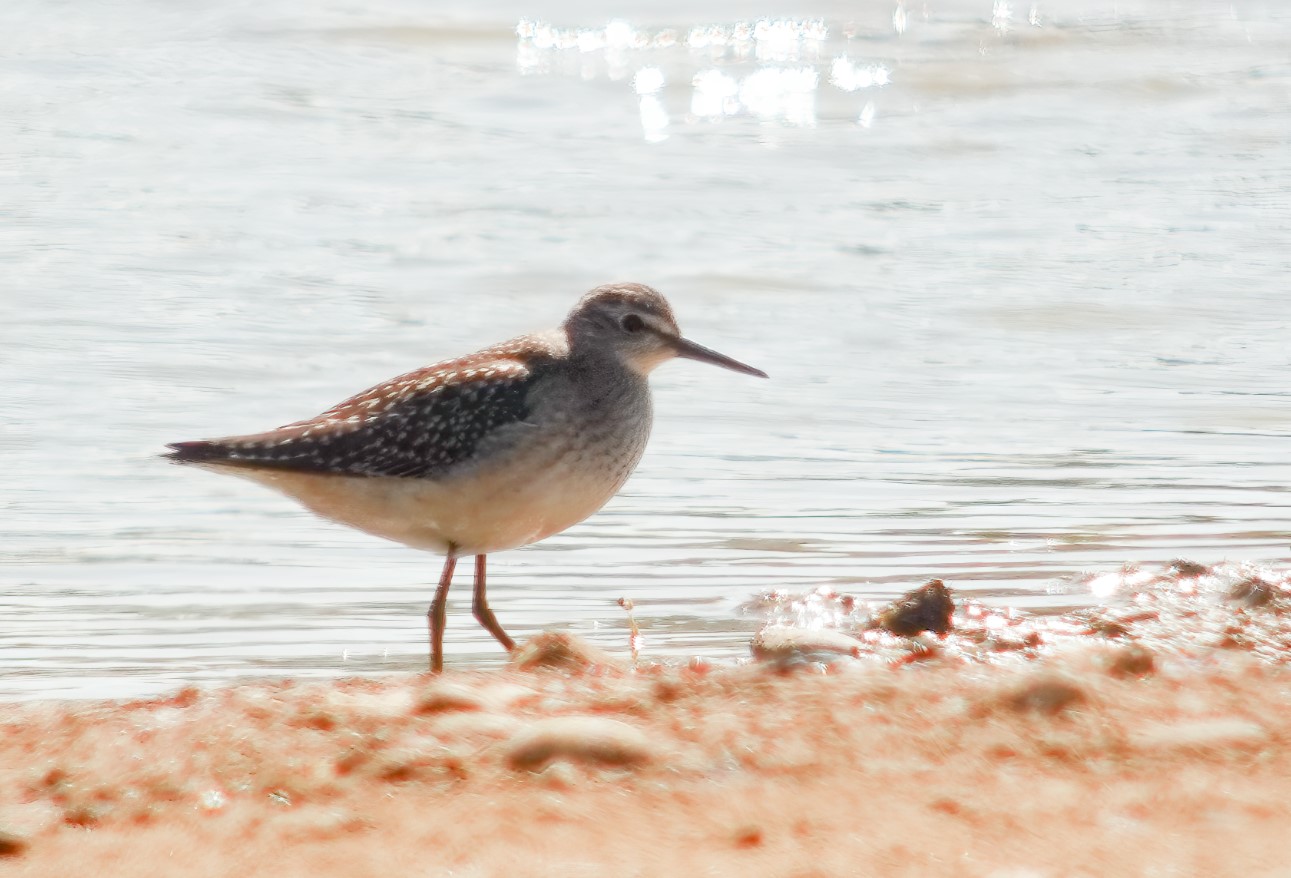
This week’s one and only Wood Sandpiper was at Earls Barton GP’s New Workings (North) on 18th-19th, while single Greenshanks visited Summer Leys on 16th and Naseby on 18th.

Wood Sandpiper, Earls Barton GP, 19th August 2022 (Mike Alibone)

The week’s only Caspian Gull – an adult or near-adult – was again at Daventry on 16th, while Pitsford held up to three Yellow-legged Gulls, Daventry produced a first-summer on 17th and an adult visited Naseby the following day.

Adult Yellow-legged Gull, Pitsford Res, 16th August 2022 (Mike Alibone)

After a very lean spring for the species, the first of the autumn’s Black Terns appeared at Thrapston GP on 17th and it seems highly likely this was the same bird relocated at Stanwick the following day, remaining there until 19th.

Juvenile Black Tern, Stanwick GP, 18th August 2022 (Steve Fisher)

Heading up this week’s passerines was a Pied Flycatcher, located in a boundary hedge at Hollowell on 18th. As is often the case, it remained highly elusive and its stay was equally brief. Chalk and cheese, though, the appreciable run of autumn Common Redstarts continued, producing birds at seven localities, including Blueberry Farm (Maidwell), Brampton Valley, Harrington AF, Lamport, Lilbourne Meadows NR, Pitsford Res, Stanford Res. The highest number was four or five at Harrington on 15th and 18th, with one trapped and ringed there on the latter date.

Whinchat numbers improved somewhat this week, Harrington producing four on 14th and 17th, Blueberry Farm (Maidwell) three on 18th, up to two in the Brampton Valley between 14th and 19th and singles at Stanford on 15th and 19th. An early autumn Stonechat put in an appearance at Wollaston Mill, near Summer Leys, on 14th. Northern Wheatear numbers continued to move slowly upward, with Harrington producing singles on 13th and 17th and two on 17th. Elsewhere, singles were found in the Brampton Valley on 13th and 18th, Thrapston on 16th, Summer Leys on 7th and Welford Res on 18th, while single Tree Pipits flew over Blueberry Farm on 13th and Duston on 19th and one was below Hanging Houghton in the Brampton Valley on the latter date.

link-to-latest-reports

Newsround – 6th to 12th August 2022

Another thermometer-popping week saw a small flurry of new birds in, flanking some seemingly settled long stayers.

Another unseasonal Pink-footed Goose was found at Daventry CP on 12th, with odds-on favourite it being one of the two or three found locally during the last week of July. Aside from this, the only dapper dabbler during the period was the Garganey which remained at Pitsford Res until 8th. Pitsford also maintained its monopoly on Red-crested Pochards, with up to five on 7th, falling back to two on 12th, while a drake Ferruginous Duck x Common Pochard hybrid was also found there on 11th. Sometimes easy but frequently playing hard to get, the ‘real’ juvenile drake Ferruginous Duck clocked up another week at Daventry, remaining there throughout the period.

Juvenile drake Ferruginous Duck, Daventry CP, 9th August 2022 (Gary Pullan)

Not as straightforward to see as they were in the early part of the year, Cattle Egrets are now at a premium, with just one this week, at Stanwick GP, on 11th-12th. Conversely, this week’s Great Egrets peaked at four on 8th, at Pitsford Res, while singles were present on and off at Naseby Res, Stanwick, Summer Leys LNR and Thrapston GP.

While a Honey Buzzard was reportedly seen flying south over Islip on 12th, more tangible fare appeared in the shape of a Marsh Harrier at Summer Leys between 6th and 8th and another in the Brampton Valley/Blueberry Farm, Maidwell area on the same dates.  

Juvenile Marsh Harrier, Summer Leys LNR, 8th August 2022 (Ricky Sinfield)

Continuing the raptor theme, single Ospreys were seen over Stanford Res on 6th-8th, Summer Leys on 7th, Naseby on 11th and Hollowell on 7th and 9th – the latter bird being identified from its faded Darvic ring as a ‘veteran’ 17-year old female.

Female Osprey, Hollowell Res, 10th August 2022 (Jon Cook)

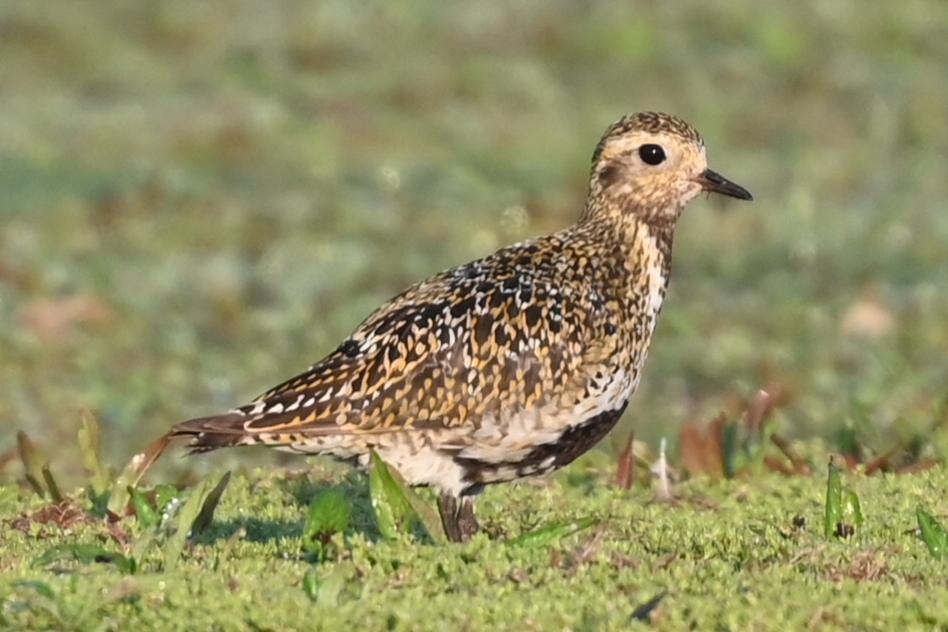
Although an early returning Golden Plover appeared at Hollowell on 9th, the Nene Valley produced the pick of this week’s waders with, in fact, all of these being limited to the Earls Barton GP complex.

Adult European Golden Plover, Hollowell Res, 9th August 2022 (Jon Cook)

Top ranking goes to Wood Sandpiper, two of which were present there between 8th and 11th, one occupying the newly exposed shallows of Mary’s Lake for the duration, visiting adjacent Summer Leys on 10th. The other was present for a day, on 9th, a little further up the valley at New Workings (North). Otherwise, it was down to Black-tailed Godwits to keep the wader ball rolling, with Summer Leys hosting two crisp juveniles throughout the period, joined briefly by a third bird on 6th and an adult on 12th.  

Juvenile Icelandic Black-tailed Godwits, Summer Leys LNR, 10th August 2022 (Mike Alibone)

The week’s only Caspian Gull, a third-year and the first of the autumn, dropped in at Daventry on 11th, while Yellow-legged Gulls peaked at six at Priors Hall, Corby on 6th. Elsewhere, five were at Wicksteed Park Lake, Kettering on 8th and ones and twos were seen at Daventry, Earls Barton, Pitsford and Stanwick.

Once again a Short-eared Owl showed itself briefly in the Brampton Valley on 6th and was, for a second time, captured on a trail-cam positioned there, during the early hours of 8th.

On the passerine front, numbers of Common Redstarts ramped up with birds seen at eleven localities, including Blueberry Farm (Maidwell), Brampton Valley, Eydon, Harrington AF (where one was trapped and ringed on 11th), Lamport, Lilbourne Meadows NR, Pitsford Res, Stanford Res, Stanford-on-Avon, Welford and Woodford Halse. The highest numbers were three at Blueberry Farm between 6th and 8th and the same number at Welford on 11th.

The number of Whinchats remained low, with up to two in the Brampton Valley remaining from last week until 8th and a juvenile at Harrington AF on 7th. A juvenile was found at Harrington on 7th. Northern Wheatear numbers rallied a little with singles at Pitsford Res on 7th-8th, in the Brampton Valley on 8th, Harrington on 9th and at Duston on 11th.

Northern Wheatear, Pitsford Res, 7th August 2022 (David Arden)

It’s a sad, sad situation when the first Tree Pipit of the year turns up in August but this was exactly the case when one flew over Blueberry Farm on 6th, followed by singles at Stanford Res on 7th and Pitsford Res on 10th, while five separate individuals flew over Harrington on 11th.

Tree Pipit, Stanford Res, 7th August 2022 (Chris Hubbard)

Equally saddening, the county also saw its second-only record of Corn Bunting this year with one briefly at Stanford on the last day of the period.

Newsround – 30th July to 5th August 2022

No let up in the dry weather saw more migrants on the move, including some early bonus birds, comprising both the bold and the bizarre. Falling squarely into the latter category was the first ‘pure’ Ferruginous Duck in Northamptonshire for eleven years.

Following the short-term scare elicited by a hybrid at Stanwick back in January 2020, there is no doubt about the identification of this week’s bird, a juvenile male, which turned up at Daventry CP on 31st, remaining there throughout the week. What may be in doubt, however, is its origin. Clearly one of the two which turned up a stone’s throw away, at Draycote Water, it remains a mystery as to what they are doing there, unseasonally, in late summer – especially as this mirrors last year’s occurrence at the same locality around the same time. Is there a local wildfowl collection in the vicinity, from which captive-bred birds are escaping before they are pinioned? The jury is out …

Juvenile drake Ferruginous Duck, Daventry CP, 1st August 2022 (Gary Pullan)
Juvenile drake Ferruginous Duck, Daventry CP, 4th August 2022 (Gary Pullan)

Despite some twenty-five previous records, Ferruginous Duck – currently a ‘BB rarity’ – is now a seriously rare bird in the county. The last acceptable one was a drake at Pitsford Res, returning for its third year, from 28th September to 14th October 2011, while the only other record this century was a first-winter drake at Daventry CP from 15th December 2002 to 10th February 2003, and what was believed to have been the same bird visiting at Hollowell Res on 1st February 2003.

In contrast to the above, six Common Scoters (five drakes) at Pitsford in no way proved contentious when they dropped in while undertaking their overland moult migration, on 31st. Pitsford also held up to four Red-crested Pochards (two drakes) throughout the week, along with an eclipse drake Garganey on 1st, ahead of what was likely to have been the same bird there again on 4th-5th.

Last week’s Bittern was seen again at Summer Leys LNR on 30th while, back at Pitsford, two Cattle Egrets paid a brief visit the following day. The latter site also produced the week’s maximum count of Great Egrets with five present on the 5th, while Summer Leys and Thrapston GP held one apiece during the period.

Heading up the raptors, single Ospreys were seen over Hollowell Res on 30th and 31st, Stanford Res on 30th and 5th and at Daventry on 3rd. Marsh Harriers remained in the spotlight this week, though, with one flying west over Sulby on 30th, and singles at Stanford on the same date, Summer Leys on 30th-31st and 4th and over Pitsford on 5th.

Juvenile Marsh Harrier, Summer Leys LNR, 4th August 2022 (Ricky Sinfield)

On the wader front, two Whimbrels flew west over Ditchford GP and over Summer Leys shortly afterward on 30th and one flew over Pitsford on 31st. Pitsford also scored a respectable twenty-eight Black-tailed Godwits – albeit fleetingly – on 31st and a modest ten flying south there, on 4th. Four and seven were at Summer Leys on 31st and 4th, respectively, four visited Stanford on 5th and singles were found at Daventry, Hollowell and Pitsford on 1st.

Adult Black-tailed Godwit, Summer Leys LNR, 1st August 2022 (Matthew Cottrell)

The week’s only Greenshank was mobile around Summer Leys between 30th and 2nd, the same site hosting an adult Wood Sandpiper between 30th and 1st while, a little further west along the Nene valley, a juvenile Wood Sandpiper spent the day at Earls Barton GP’s New Workings (North) on 4th.

Greenshank and Wood Sandpiper Summer Leys LNR, 2nd August 2022 (Alan Coles)
Juvenile Wood Sandpiper, Earls Barton GP, 4th August 2022 (Mike Alibone)

Following the first pop-in juvenile Mediterranean Gull of the autumn at Stanford last week, another was there equally briefly on 4th. Upsizing, Yellow-legged Gulls peaked at seven at Pitsford on 31st, followed by three there on 1st and at least one lingering throughout the week. Elsewhere, single birds visited Stanford on 31st and 2nd, Harrington AF and Stanwick GP on 2nd and Wicksteed Park Lake (Kettering) on 4th.

A Short-eared Owl was captured on a trail-cam, positioned in the Brampton Valley, during the early hours of 5th.

A short hop away at Harrington AF, topping this week’s passerines were two rather nice Pied Flycatchers, present for one day, on 30th. A great find and a welcome distraction from the run-of-the-mill bits and pieces coming through hitherto. More were to follow, with 1st seeing another located at Blueberry Farm, Maidwell and yet another down in in the south-west of the county, at Eydon, on 4th.

First-winter male Pied Flycatcher, Harrington AF, 30th July 2022 (Nick Parker)

A scarce, much admir’d and locally sought after migrant, Pied Flycatcher is an almost annual visitor, producing an average of three records per year, although 1995 saw an amazing thirteen appearing, ten of which were in autumn. Though rare, records in July are not without precedent but August remains the peak month for occurrences.

Common Redstarts were again in profusion this week with up to two at six localities including Blueberry Farm (Maidwell), Clifford Hill GP, Harrington AF (where one was trapped and ringed on 4th), Lamport, Pitsford Res and Woodford Halse. Two more  Northern Wheatears appeared – one at Wollaston on 4th and the other in the Brampton Valley below Hanging Houghton the following day. A single Common Crossbill flew over Harrington on 31st.

link-to-latest-reports

Newsround – 23rd to 29th July 2022

Looking at the species list, the last week of July produced a heady mix of migrants, some in numbers normally associated with later on in the autumn. In this respect, ‘dry July’ continued apace and with water levels in free fall at many – but not all – local water bodies, the expectation of an early vagrant wader is sure to mount …

Somewhat perplexingly, a trio of Pink-footed Geese constituted an unseasonal ‘mini arrival’ which included one at Ravensthorpe Res from 24th until the week’s end, another at Thrapston GP’s Titchmarsh NR on 28th and one at Pitsford Res on 29th. At least two were adults and the species is believed to be uncommon in captivity.

Pink-footed Goose, Ravensthorpe Res, 26th July 2022 (Mike Alibone)
Pink-footed Goose, Thrapston GP, 28th July 2022 (Nick Parker)

The almost annual occurrence of another wildfowl species, which is all too often given short shrift, is that of Ruddy Shelduck. Last week’s female at Hollowell Res was joined by another there on 25th, while one arrived at Pitsford on 26th and singles were also found at Winwick on 24th and Ravensthorpe on 27th. The latter two localities are close to Hollowell as, to some extent, is Pitsford so duplication is possible if not highly likely.

Female Ruddy Shelduck, Hollowell Res, 25th July 2022 (Jon Cook)
Female Ruddy Shelduck, Pitsford Res, 26th July 2022 (Mike Alibone)

Northants Birds has long championed the cause here and here for these birds originating from the self-sustaining continental population. At last, the wheels are in motion and things are being taken seriously as only last year the British Ornithologists’ Union’s Records Committee (BOURC) announced it is currently reviewing the status of this species on the British List. Ruddy Shelduck is currently in Categories B, D, and E of the British List but is potentially also occurring in Britain as a vagrant from established naturalised populations on the near continent and must therefore be treated as a candidate for Category C5 (vagrant naturalised species from outside Britain). But don’t hold your breath …

The long-staying female Garganey at Stanford Res remained until 29th, as did two drake Red-crested Pochards at Pitsford.

Now encountered with increasing frequency in Northamptonshire during summer, a Bittern was seen at Summer Leys LNR on 23rd and 28th and with none recorded in the county since late May, two Cattle Egrets paid a brief visit to Thrapston GP’s Titchmarsh LNR on 25th. Numbers of Great Egrets remained low with a maximum of three at Pitsford on 29th and singles at Earls Barton GP on 23rd, Summer Leys from 25th to 27th and Thrapston GP on 26th.

Juvenile Cattle Egret, Thrapston GP, 25th July 2022 (Nick Parker)

On the raptor front, Marsh Harriers retained their prominence with singles at Lamport on 23rd and 27th, Summer Leys on 25th-26th, in Brampton Valley below Hanging Houghton on 26th and 28th and at Stanford Res from 27th to 29th.

Juvenile Marsh Harrier, Summer Leys LNR, 25th July 2022 (Alan Coles)

The usual Ospreys were to be found around the reservoirs in the north-west of the county, two of these giving up their history through their ring numbers which were identified from photographs. Both birds were males from the extended Rutland Water breeding program and were together at Hollowell Res on 27th. One is a three-year-old male ringed at a nest near Rutland Water on 24th June 2019. It returned to the UK for the first time last year when it was seen at various sites including Cors Dyfi in Wales on 2nd June 2021 and Otmoor Reservoir on 16th July 2021, before eventually returning to Rutland in August. This summer it has been a regular visitor to Horn Mill Trout Farm in Rutland. The other was ringed on 30th June 2017. It spent time at Fishlake Meadows in Hampshire in 2019, 2020 and 2021, but has also been returning to Rutland/Northants each summer.

Male Osprey, Hollowell Res, 27th July 2022 (Jon Cook)

Singles also visited Stanford on 23rd and 28th, Hollowell on 25th and 28th and a male with a blue ring spent the best part of ten minutes at Naseby Res on 26th.

This week’s waders were thin on the ground, with single Black-tailed Godwits at both Summer Leys and Earls Barton on 25th, Daventry CP on 26th and Stanwick GP on 27th, while six visited Stanford on 25th. A moulting male Ruff was again present at Summer Leys on 26th and one of last week’s two Sanderlings at Hollowell remained on 23rd. Following the autumn’s first at Daventry last week, another Greenshank appeared at Pitsford on 29th.
Male Ruff, Summer Leys LNR, 26th July 2022 (Tony Stanford)

And while we’re talking ‘firsts’, the first juvenile Mediterranean Gull of the autumn spend just minutes at Stanford on 24th, otherwise it was down to Yellow-legged Gulls to prop up the Larids. The highest count was five in Wellingborough at the Ise Valley Industrial Estate on 26th, followed by two there on 29th. Four were at Priors Hall, Corby on 24th, two at Stanwick on 27th and singles were at Ringstead GP on 23rd, Wicksteed Park Lake, Kettering on 24th and Ravensthorpe Res on 25th.

Passerine passage was well represented by Common Redstarts, numbers of which were way ahead of where they normally are in July. Last week’s male at Pitsford remained all week, as did the male at Lilbourne Meadows NR, present since late June. Blueberry Farm, Maidwell held up to three throughout the period and the number at Harrington AF had also reached three by the end of the week. Elsewhere, two were between Old and Pitsford Res on 27th and singles appeared between Scaldwell and Hanging Houghton on 25th, and at both Stanford-on-Avon and in the Brampton Valley below Hanging Houghton on 28th. A Black Redstart was the briefest of visitors to Harrington AF on the latter date before rapidly melting away and continuing the chat theme, the first of the autumn’s Northern Wheatears was found in the Brampton Valley below Hanging Houghton on the same date. A single Common Crossbill flew over Denton Wood on 23rd but so far, there are no signs of a late summer influx.

Newsround – 9th to 22nd July 2022

Widely predicted to break records, temperaturewise, the second week of the period saw Northamptonshire reach an astonishing 40.2°C at the Met Office climate station in Pitsford on 19th – just short of the record-breaking national high of 40.3°C. Never mind dry January, we were deep into experiencing an uncomfortably dry July. As the period progressed, though, the birds appearing were none too shabby and provided ample reward for those willing to don their sunhats or to hit the field early doors.

Unsurprisingly, the water level has been dropping at Hollowell Res, where the female Ruddy Shelduck remained, intermittently, until at least 21st, while a Garganey pitching up at Stanford Res on 12th turned out to be a long-stayer, still being present there on 22nd. Another was found at Pitsford Res on 14th, the latter site hosting up to three drake Red-crested Pochards between 11th and 20th.

Garganey, Stanford Res, 12th July 2022 (Chris Hubbard)

A Common Quail was reported near Grimscote on 12th.

Pitsford and Summer Leys LNR shared the period’s Great Egrets between them – the former site holding up to three and the latter, two.

Great Egret, Summer Leys LNR, 22nd July 2022 (Alan Coles)

But bucking the trend in terms of drying out and producing those eagerly-awaited muddy margins, lush herbaceous borders of the overgrown, reedy kind were instead the order of the day at Summer Leys. Perfect, in fact, to deliver the reserve’s saving grace, which appeared in the form of up to three pristine, juvenile Marsh Harriers, present and performing well between 19th and 22nd. In most instances only one was visible at any one time but all three were present at the same time on 21st and could be individually identified from images taken by local – and some not so local – photographers.

Juvenile Marsh Harrier, Summer Leys LNR, 19th July 2022 (Tony Stanford)
Juvenile Marsh Harrier, Summer Leys LNR, 20th July 2022 (Sarah Runciman)
Juvenile Marsh Harrier, Summer Leys LNR, 20th July 2022 (Tony Clark)
Juvenile Marsh Harrier, Summer Leys LNR, 21st July 2022 (Leslie Fox)

More regular raptor fare was available in the form of single Ospreys, which were seen at Pitsford on 10th, Stanford on 11th, Hollowell on 14th, 18th and 22nd and north of Guilsborough on 15th.

On the wader front, the autumn’s first returning Whimbrel flew over Ringstead GP on 16th but numbers of the more prevalent Black-tailed Godwit continued to ramp up with twenty at Pitsford on 9th, followed by two there on 22nd and Stanford, meanwhile, enjoying a run of at least six on 9th, two on 10th, ten on 13th and one on 14th. At least four were at Summer Leys on 22nd and one visited Thrapston GP on the same date.

Adult Icelandic Black-tailed Godwit, Stanford Res, 9th July 2022 (Chris Hubbard)

A moulting male Ruff was present at Summer Leys on 16th-17th but most unusual were two Sanderlings at Hollowell on 22nd – a regular, though scarce, spring migrant in small numbers but much rarer as far as autumn passage goes. The first of the autumn’s Greenshanks appeared at Daventry CP on 13th, ahead of more due before the month’s end.

Adult Sanderling, Hollowell Res, 22nd July 2022 (Jon Cook)
Adult Sanderlings, Hollowell Res, 22nd July 2022 (Jon Cook)

By contrast, the period’s gulls were restricted to just one species – Yellow-legged Gull. Most records came from Pitsford, where a maximum of three was present on 20th, although Stanford produced singles on 12th and 22nd and four were at Wicksteed Park Lake (Kettering) on 13th and one was there on 21st.

Adult Yellow-legged Gull, Stanford Res, 12th July 2022 (Chris Hubbard)

Passerines were limited to an unseasonal Redwing photographed in Wellingborough on 17th and, after a very poor spring for the species, a succession of early passage Common Redstarts, which included the long-staying male at Lilbourne Meadows until at least 17th. Additionally, up to two were at Harrington AF between 11th and 20th, two were present at Stanford-on-Avon on 13th-14th, at least one was at Blueberry Farm (Maidwell) on 13th and 18th-19th, while one-day singles were at Braunston on 12th, Woodford Halse on 15th, Lamport on 17th, Pitsford on 20th and Honey Hill on 21st. A solitary Crossbill flew over Lamport on 17th.

link-to-latest-reports

Newsround – 25th June to 8th July 2022

Another fast-moving fortnight in which early autumn wader passage upped tempo and was instrumental in producing the second Pectoral Sandpiper of the year. Other birds were, of course, available …

Not least of which was Hollowell Reservoir’s female Ruddy Shelduck, still present there on 3rd, while the first eclipse drake Garganey of the autumn checked in at Thrapston GP on 6th. A drake Red-crested Pochard, also in eclipse, appeared at Pitsford Res on 8th.

Numbers of Great Egrets climbed from just the one at Pitsford during the last period to two there by the end of this one, while one visited Stanford Res on 4th.

Single Ospreys were seen in flight over Hollowell on 3rd, west over Little Irchester on 5th, Pitsford on 6th and Stanford on 8th.

Against the now established backdrop of Green and Common Sandpipers, Black-tailed Godwits began to move through in reasonable numbers which included one at Hollowell on 29th, two at Summer Leys LNR on 2nd followed by nine there on 4th, eleven at Pitsford on 5th and singles at Summer Leys again on 6th and Stanford on 7th.

Black-tailed Godwit, Hollowell Res, 29th June 2022 (Jon Cook)
Black-tailed Godwit, Stanford Res, 7th July 2022 (Chris Hubbard)

But the biggest surprise of the week was a Pectoral Sandpiper, originally found at Lilbourne Meadows NR on 2nd and quickly making the hop across to DIRFT 3’s A5 Pools, before moving back again to Lilbourne, where it remained until mid-afternoon the following day. There have been July records before but not as early as this one. In the life of the county bird report, Ditchford GP produced the previous earliest on 15th July 1987 while, a decade earlier, veterans will remember going for the bird which clung to the narrowest of muddy margins at Cransley Reservoir between 30th July and 9th August 1976 – at that time only the fourth county record. Hot on the heels of the Summer Leys individual, back in May, this month’s bird takes the DIRFT wader species tally to 26.
Adult Pectoral Sandpiper, DIRFT 3, 2nd July 2022 (Alan Boddington)

Also at Lilbourne and part of a recognised sizeable movement across the UK, three Wood Sandpipers dropped in on 29th.

And so on to gulls, with Daventry CP dishing up the first Mediterranean Gull of the autumn, an adult, on 8th. A first-summer Caspian Gull visited Pitsford on 28th and, becoming a little more abundant, Yellow-legged Gulls included singles at Wicksteed Park Lake (Kettering) on 26th, Pitsford on 27th-28th and 1st, with two there on 7th-8th, at least eight at DIRFT 3 on 30th and one at Stanwick GP on 5th.

Adult Yellow-legged Gull, Wicksteed Park Lake, Kettering, 26th June 2022 (James Underwood)

Following a report of a Golden Oriole near Cotterstock on 28th, passerines were limited to male Common Redstarts at Lilbourne Meadows from 30th until at least 5th and one reported at Blueberry Farm (Maidwell) on 3rd and a female-type there the following day. In the same area, two Crossbills flew west over the Brampton Valley on 1st.

link-to-latest-reports

Newsround – 11th to 24th June 2022

Mid-June and the sounds of summer come to the fore. We’re not talking Glastonbury – or Grantchester Meadows, come to that – no, for those with their ears tuned in the period’s highlights were characterised by the ephemeral and the invisible …

But first, not escaping attention – though likely escaping captivity – the Pink-footed Goose reported at Clifford Hill GP on 5th appears to have resurfaced at Ravensthorpe Res on 18th. Only a stone’s throw away, at Hollowell Res, the returning female Ruddy Shelduck looks set to be gracing us with its presence for yet another autumn after reappearing there on 12th. It was still seemingly settled on site a week later, on 19th.

Now, nipping nefariously into the nebulous – sometime … somewhere … supposedly … near Brafield-on-the-Green … a singing Quail was reported – getting a token mention here only as a result of its potentially being the sole record of 2022 … so far.

Typically more tangible, though, three White Storks were circling high above Summer Leys LNR on 19th. Whatever their origin, undeniably it’s been, to date, a grand year for the species in Northants.

White Storks, Summer Leys LNR, 19th June 2022 (Keith Griffiths)
White Stork, Summer Leys LNR, 19th June 2022 (Keith Griffiths)

Keeping up a local presence, a single Great Egret was at Pitsford Res on 17th.

Great Egret, Pitsford Res, 17th June 2022 (Tony Stanford)

Sharing the period’s Ospreys were Blatherwycke Lake on 19th, Hollowell on 17th and 20th and Stanford on 16th and 21st.

Osprey, Hollowell Res, 20th June 2022 (Jon Cook)

But it was the latter site which produced the goods in the wader camp with a short, drop-in visit by three Continental Black-tailed Godwits on 15th. June is a classic month for the occurrence of wandering, non-breeding nominate limosa race birds, which are very scarce in Northants and massively outnumbered during spring and autumn by their much commoner Icelandic counterparts.

Continental Black-tailed Godwit, Stanford Res, 15th June 2022 (Chris Hubbard)
Continental Black-tailed Godwits, Stanford Res, 15th June 2022 (Chris Hubbard)

Staying with Stanford, a first-summer Arctic Tern was present there on 13th, following what was presumably the same bird visiting Pitsford the previous day.

First-summer Arctic Tern, Stanford Res, 13th June 2022 (Chris Hubbard)

June is not exactly the best month for gulls so a third-summer Yellow-legged Gull at Stanwick on 15th, along with a Caspian Gull hybrid there on the same date at least secure a mention in the annals.

Caspian Gull hybrid, Stanwick GP, 15th June 2022 (Steve Fisher)

Saving the best for last, though, a Nightjar was heard in an undisclosed area at Barnwell during the evening of 16th. There must surely be more of these around in the county, so … if you go down to the woods tonight you could get a big surprise … but nothing like the surprise one lucky birder got when a European Bee-eater flew south over Clifford Hill GP on 21st. Experiencing a quirky juxtaposition of jubilation and frustration, alas, as so often is the case, it was heard only, despite calling seven times in passing. Hot on the heels of one last year, on 17th April over Summer Leys, if accepted, this will be only the sixth county record. With a breeding attempt in Norfolk, it’s been a good year for this species in the UK. Coming to a set of wires near you, soon, perhaps …?
Newsround – 28th May to 10th June 2022

As we move squarely into summer, the slow-down in the discovery of new birds continues and a further squeezing of the spring sponge delivered little at popular birding sites. Two ethereal, fly-over raptors sparked some momentary interest. Time to blow the dust off the barbecue …

Wildfowl were back on the menu during the period although, given the time of year, a Pink-footed Goose at Clifford Hill GP on 5th seems most likely to have resulted from dodgy descendance. Clearly in season, though, were single drake Garganeys at Stanwick GP on 29th, Thrapston GP on 31st and at Summer Leys LNR between 3rd and 7th.

Further down the Nene Valley, after an absence of some three and a half weeks, the White Stork sporting a small metal ring on its right tarsus, was back, if only for two days, on 5th and 6th. Will it ever reveal its ring number? A single Great Egret flew over Stanford Res on 2nd.

White Stork, Lower Barnwell Lock, Oundle, 5th June 2022 (Tony Winn)
White Stork, Lower Barnwell Lock, Oundle, 6th June 2022 (Nick Parker)

On the raptor front, single Ospreys flew over Walgrave on 28th, Blatherwycke Lake on 31st and Stanford Res on 2nd, while a ringed male, ‘T3’ from the Rutland Water project, visited Hollowell Res on 6th and 9th. Further reports of fly-over raptors included a Honey Buzzard near Hartwell on 31st and a White-tailed Eagle moving east, from the A14, near Naseby on 2nd.

Male Osprey, Hollowell Res, 9th June 2022 (Martin Swannell)

Meanwhile, DIRFT 3 chalked up its 25th species of wader with the arrival of two (not three, as previously reported) Avocets on 8th. They did not linger. Other waders included a Tundra Ringed Plover at Stanwick on 3rd and five Sanderlings paying a brief visit to Summer Leys on 5th.

Avocet, DIRFT 3, 8th June 2022 (Steve Nichols)

Beyond that, the period delivered two Caspian Gulls – a third-summer and fourth-summer – to Stanwick on 3rd and an ‘all-day’ Black Tern to Stanford on 30th. The spring of 2022 has proven to be a bleak one in terms of records of the latter species. Hopefully, autumn will be a different story …

Black Tern Stanford Res, 30th May 2022 (Bob Bullock)

link-to-latest-reports

Newsround – 21st to 27th May 2022

The week’s weather was dominated by a westerly airstream, which was largely unfavourable for the arrival of new migrants. In fact, the latter were few and far between, which, by late May, is generally to be expected. However, while a southerly-drifting White-tailed Eagle was, potentially, the highlight of the period, rather more static, coiffured and dapper fare was on offer in the nether reaches of a certain local reservoir.

Yes, last week’s Stanwick-cum-Pitsford Black-necked Grebes continued to put on a show in Scaldwell Bay over the weekend – and, for sheer splendour, a glitzy summer-plumaged Black-necked really does take some beating. There were no further reports beyond 22nd.

Black-necked Grebe, Pitsford Res, 21st May 2022 (Mike Alibone)

Stanwick’s Glossy Ibis remained throughout the week but was seen to fly off north-east on a couple of occasions, five Cattle Egrets were present at the same locality on 22nd, one remained on 23rd and one visited Summer Leys LNR on 24th.

While Summer Leys also hosted a passing Osprey on 23rd, an immature White-tailed Eagle reported flying south over the M1/A43 junction on 21st undoubtedly provided a ‘barn door’ moment for one observer. A subsequent check with a representative of the Roy Dennis Foundation quickly established there were no released immatures in the area at the time …

Returning to more traditional birding environments, four Bar-tailed Godwits were seen in flight over Summer Leys on 23rd and, on the morning of the same date, a Little Tern spent all of eight minutes at Daventry CP before heading off high east.

At the other end of the spectrum, late passerine migrants moving through included a male Common Redstart at Harrington AF on 24th, a female Northern Wheatear at Hartwell between 21st and 24th and, most unexpectedly for the time of year, a Hawfinch flying west at Stanwick GP, also on 24th.