Stumping up the cash: a barrier to birding at Pitsford?

It was never the intention that Northantsbirds should become a platform for protest but this is the first of two pieces I intend to write in this vein. I am not a seasoned campaigner, nor have I really jumped on the ornithopolitical bandwagon from which a number of birders appear to have launched their own personal crusades. But when changes are made which have an impact on the way we bird locally then I feel I can’t just sit back without comment.

I have been birding at Pitsford Reservoir – or to call it by its more recent, public-popular name, Pitsford Water – since I was a young lad in the late 1960s. Hardly a week goes by when I don’t visit. I do sometimes walk round and I’ve also used the cycle track on several occasions, although the majority of my visits take the form of a quick drop in at the dam end or a stopover on the causeway on my way to, or from, a work-related destination. I have been doing this for many years and it’s a great way to quickly see what migrants are around when I’m too short of time to take a longer walk round and engage in some more leisurely birding.

The causeway is (was) also a great place to park up and sit in wet and windy weather, providing views across the water during howling gales and lashing rain, conditions which have delivered many a seabird along with the other, more common species which pass through.

Great surprise and considerable annoyance ensued, therefore, when I was forwarded at the end of last week an email from a somewhat dismayed birder who, while travelling across the causeway, had witnessed a workman closing off the roadside car park opposite the entrance to the Anglian Water car park by installing yet more wooden stumps. Along with this email I have received further snippets of related information from others who share in this dismay – although I will not name them here without permission.
 
Stump1 

This is clearly being done in order to prevent vehicle owners and drivers from parking legitimately without charge, as I suspect AW are losing a considerable amount of potential revenue from runners, cyclists, dog-walkers and, of course, birders who use the parking bays at either end of the causeway. As I write, the pull-in at the Holcot end is in the process of being ‘stumped’ and will no doubt become fully closed off when work resumes immediately after today’s bank holiday.
 
Stump2 

If we ask why this is being done, then I’ve no doubt the authority will play the H&S card on the back of the over-the-top health and safety epidemic which has been sweeping this country over recent years. But there has been no issue over the last 60-plus years. Granted the bays are a little worn and uneven and may need resurfacing at some point but come on …

If AW are so keen to increase their revenue, then why not install pay and display parking meters in the pull-ins (although the meter in the main car park could cover the one at the Brixworth end) and operate the meters on a timed tariff so that if people want to stop for just fifteen minutes then they pay accordingly and not the full whack that AW are currently charging.

Unless this ridiculous decision to stump off the bays is reversed then it will truly be the end of an era for birding at Pitsford – so, come on AW, let’s have a sensible approach to this. And, while you’re at it, why not show your green credentials and grant free parking for Wildlife Trust members – or is that asking too much … ?

Champions of the Flyway 2016

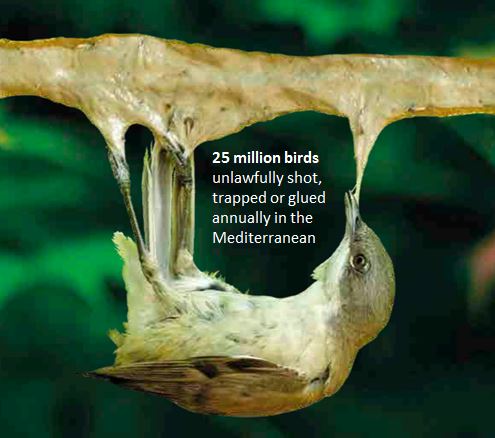
CaptureOn 29th March 2016, Birdwatch magazine’s team The Birdwatch-BirdGuides Roadrunners – of which I am a member – will take part in the third Champions of the Flyway bird race, a major international event which is now being staged annually in Eilat, Israel – home of one of the world’s most desirable birding destinations and famous migration spectacles.Last year, some twenty teams raced in the event attempting to find, identify and log as many species as possible in an intense 24 hour contest to win the coveted title ‘Champions of the Flyway’. While the racing might be light-hearted, the goal is serious – to raise conservation funding through sponsorship and donations that will help the BirdLife International Partnership tackle the illegal killing of birds in southern and eastern Europe.
Shock image for Twitter

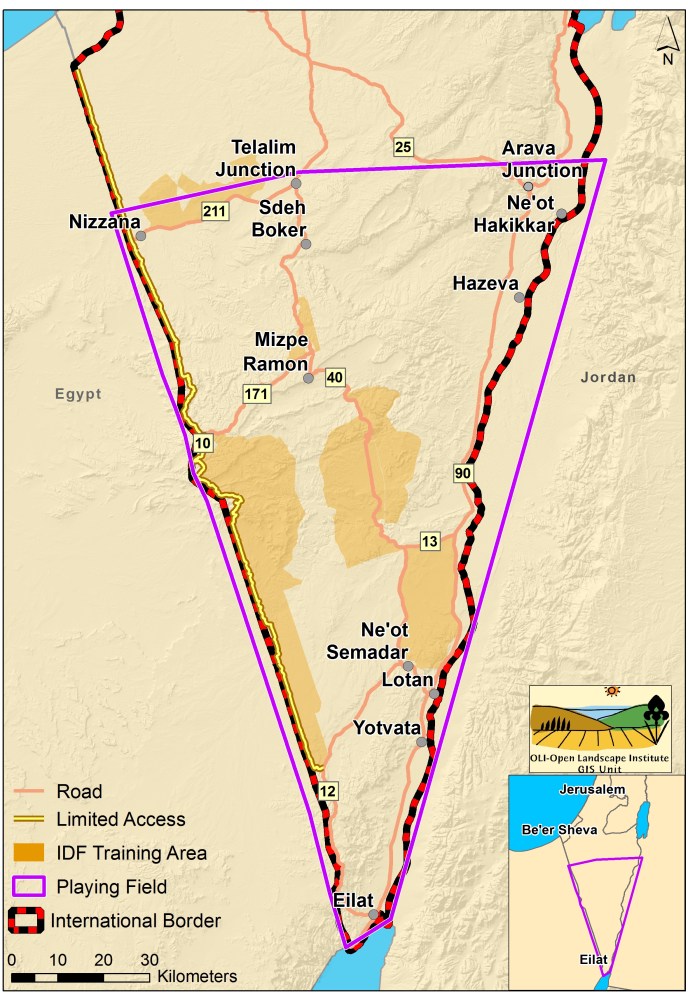
Although the event commences and finishes in Eilat, it covers a well-defined ‘field of play’ extending north-west to Nizzana in the western Negev Desert on the Egyptian border and north-east along the Jordanian border in the Arava Valley.

Champions of the Flyway Playing Field

Again, this is not just a bird race, but a massive fundraising campaign to support conservation work and the proceeds will be channelled this year into action to prevent the illegal annual slaughter of migrant birds in Greece

In 2015 The Birdwatch-BirdGuides Roadrunners (Josh Jones, Alan Tilmouth and myself) won the award ‘Guardians of the Flyway’ for raising the most funds – just over £4,700 – of all the teams entering! We would like to better the total this year and smash through the £5,000 barrier. The event hopes to raise $50,000 in total.

Award1

Guardians Trophy
Guardians Trophy

This year the team (David Callahan, Mark Avery, Andy Clements and myself) is looking for individuals and corporate sponsors/donors to support our fundraising efforts. If you care about the perils which are faced by ‘our’ birds as they migrate to and from the UK and elsewhere in northern Europe then please consider visiting our donation page and pledging even a small amount.

The link to the Champions site is http://www.champions-of-the-flyway.com/  (this gives all details of the scheme), our team’s page is at http://www.champions-of-the-flyway.com/birdwatch-birdguides-roadrunners from which there is a ‘Donate’ link to our fundraising page at https://www.justgiving.com/BWBGR16/

Many thanks in anticipation of your kind support!

The Week in Focus 30th January to 5th February 2016

The mild conditions continued throughout the week, dispelling any hope of late winter arrivals resulting from hard weather movements. As January – arguably the only migration-free month of the year – slipped into February, there was evidence of some northerly ‘spring’ movement at Daventry Country Park and Pitsford Reservoir.

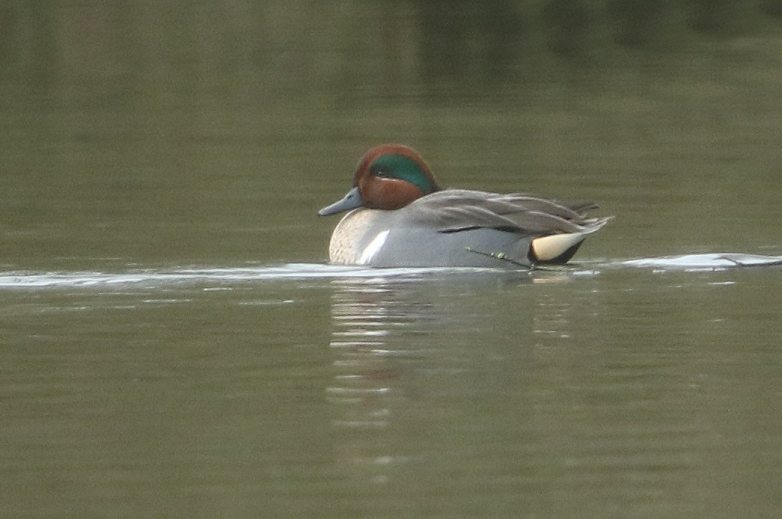
In the Nene valley the Barnacle Goose remained at Clifford Hill GP until at least 30th and the Ruddy Shelduck was still at Pitsford Res on 3rd. The bird of the week also turned out to be a duck, a drake Green-winged Teal, discovered at Daventry CP on 3rd and still present at the week’s end. This represents only the fifteenth record of this species for Northants, following the last at Stanwick GP in spring 2013.

Green-winged Teal, Daventry CP, 3rd February 2016 (Bob Bullock)
Green-winged Teal and Teal, Daventry CP, 3rd February 2016 (Bob Bullock)

On the last day of January a drake Red-crested Pochard was found at Blatherwycke Lake and, like last week’s, proved to be only a one-day bird, while single drake Smew were at Pitsford Res and Stanwick GP on the same date.

Wintering Great White Egrets remained throughout the week at Summer Leys LNR and at Ravensthorpe Res until at least 2nd, while the one at Thrapston GP was still present on 30th and the Ditchford GP bird also remained on 2nd. On the latter date a Bittern was seen flying over Swan Valley, Northampton toward the M1 motorway.

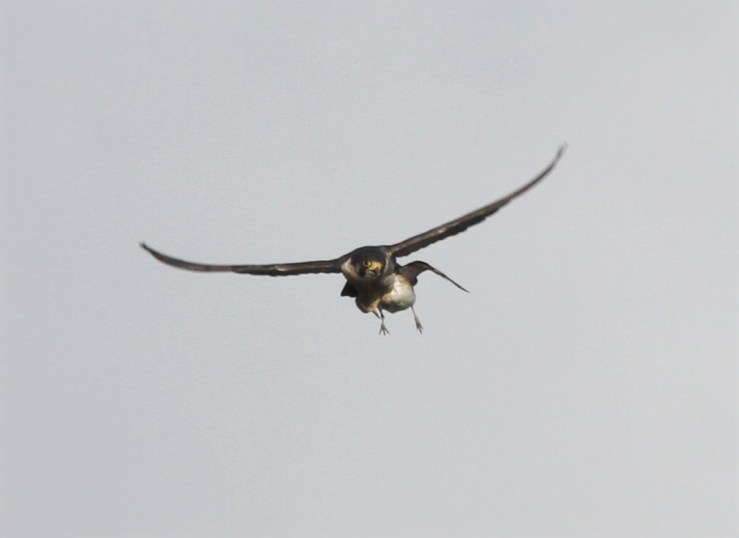
A Merlin was again at Blueberry Farm (Maidwell) on 2nd and this week’s Peregrines were singles at Rushden on 31st, Kettering on 5th and at both Blueberry Farm and Summer Leys on 2nd. Of the few Golden Plovers reported during the period one unfortunate individual ended up in the talons of the Peregrine there, while approximately four hundred and fifty were counted at Stanwick GP on 30th. The only Redshanks were eight at Stanwick GP on 31st and one at Summer Leys on 3rd-5th and the only Green Sandpiper was one at Pitsford Res between 1st and 4th.

Peregrine with Golden Plover, Summer Leys, 2nd February 2016 (Alan Coles)

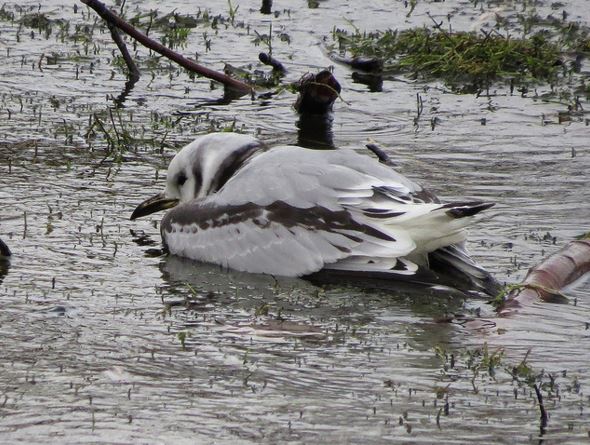
Northbound Kittiwakes arrived at both Daventry CP and Pitsford Res on 1st, the Daventry individual departing north-west after little more than an hour. Unfortunately the Pitsford bird, a first-winter, was moribund and died there before midday. Pitsford also saw the usual adult Caspian Gull visiting the roost there on 31st, while two Yellow-legged Gulls were at Hollowell Res on 2nd.

Kittiwake, Daventry CP, 1st February 2016 (Bob Bullock)
First-winter Kittiwake, Pitsford Res, 1st February 2016 (Alan Francis)
Northamptonshire Kittiwakes 1996-2015. Totals reflect records, rather than individual birds. Background image first-winter Kittiwake, Daventry CP, 7th April 2012 (Mike Alibone)

The only Short-eared Owl of the review period was one over rough fields east of Warkton Lane at Barton Seagrave on 2nd. After an apparent absence of nearly four weeks, the Brixworth Firecrest was back in the border hedge at the sewage treatment works on 4th and the Stanwick GP Siberian Chiffchaff was also seen again on the same date, while three Central European Blackcaps included a male and female in a Barton Seagrave garden on 30th and a female in a Duston (Northampton) garden on 5th. Stonechats continued to be seen at Hollowell Res, Summer Leys and Blueberry Farm (Maidwell) with two new birds at Blatherwycke Lake on 1st. The Mealy Redpoll making sporadic visits to a garden feeder at East Hunsbury (Northampton) was seen again on 3rd and 4th while up to two Bramblings were at Hanging Houghton and at least six were still showing between Badby and Upper Catesby on 2nd, where a Corn Bunting was also still present on the same date.

Lesser Black-backed Gull

Goofed!

Sorry for any confusion. I included the image below captioned ‘Yellow-legged Gull’ in the latest county round-up when it is actually a Lesser Black-backed Gull (albeit at the light-mantled end of the graellsii range!). Thanks to Neil McMahon for pointing this out!

Adult Yellow-legged Gull, Wicksteed Park Lake, 31st October 2015 (Alan Francis)
Adult Lesser Black-backed Gull, Wicksteed Park Lake, 31st October 2015 (Alan Francis)

Oozing Quality

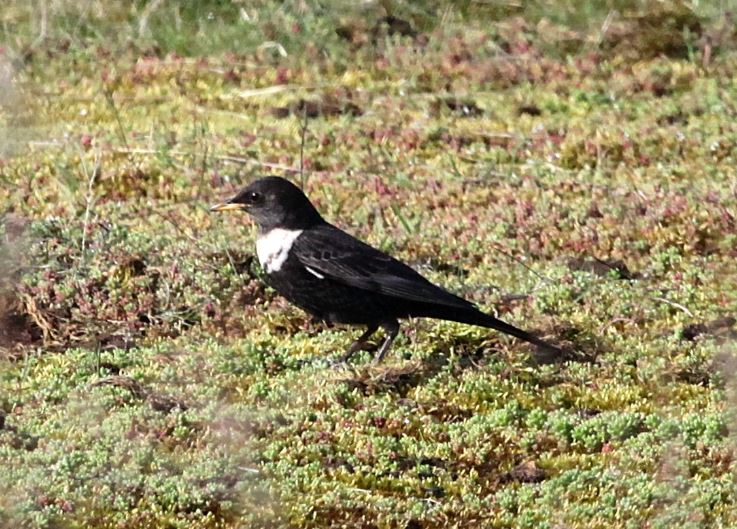
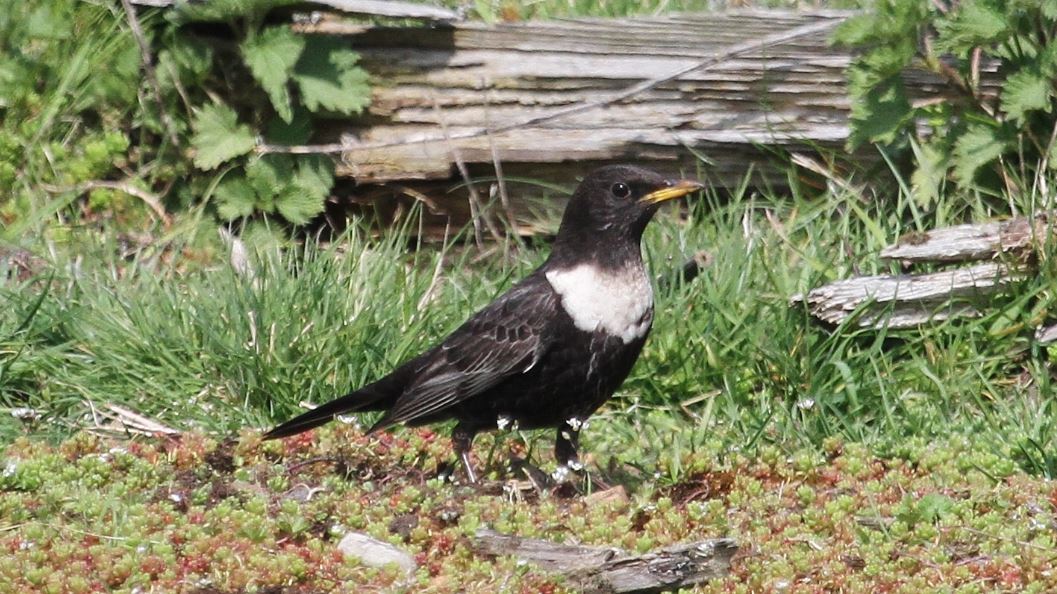
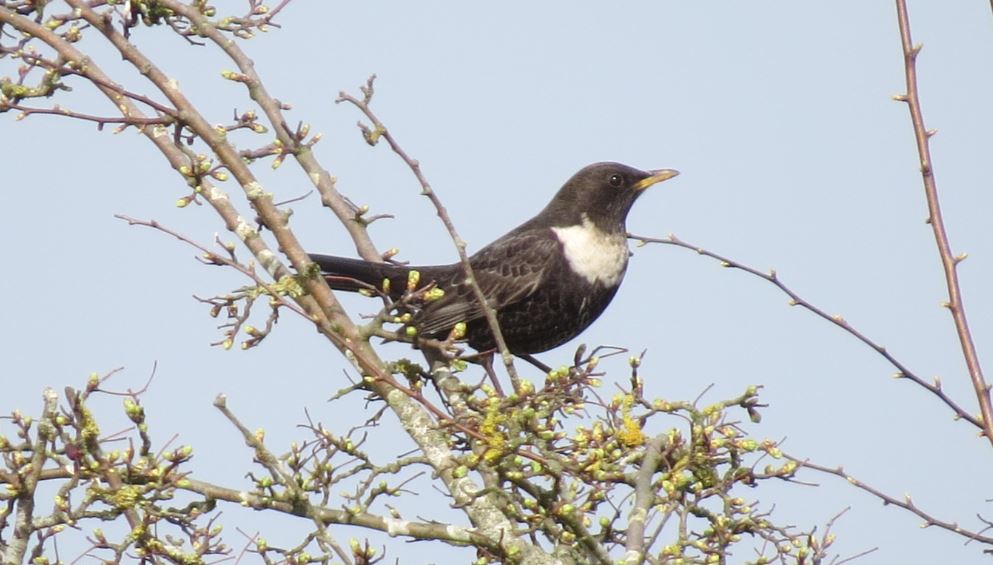
Shy, skulking, skittish. Migrant Ring Ouzels can be really hard to get good views of and often it’s just the tail-end of a chacking ‘black’ bird disappearing over a hedge, if you’re lucky. Sometimes, though, things can be quite different and today’s fabulous male, found by Phil Jackman by the second bunker at Harrington Airfield, appears to have been really quite showy, as the images below illustrate.

Male Ring Ouzel, Harrington AF, 10th April 2015 (Phil Jackman)
Male Ring Ouzel, Harrington AF, 10th April 2015 (Bob Bullock)
Male Ring Ouzel, Harrington AF, 10th April 2015 (Alan Coles)
Male Ring Ouzel, Harrington AF, 10th April 2015 (Simon Hales)

Ouzel captionMany thanks to Bob Bullock, Alan Coles, Simon Hales and Phil Jackman for their images.

The Corby Waxwing

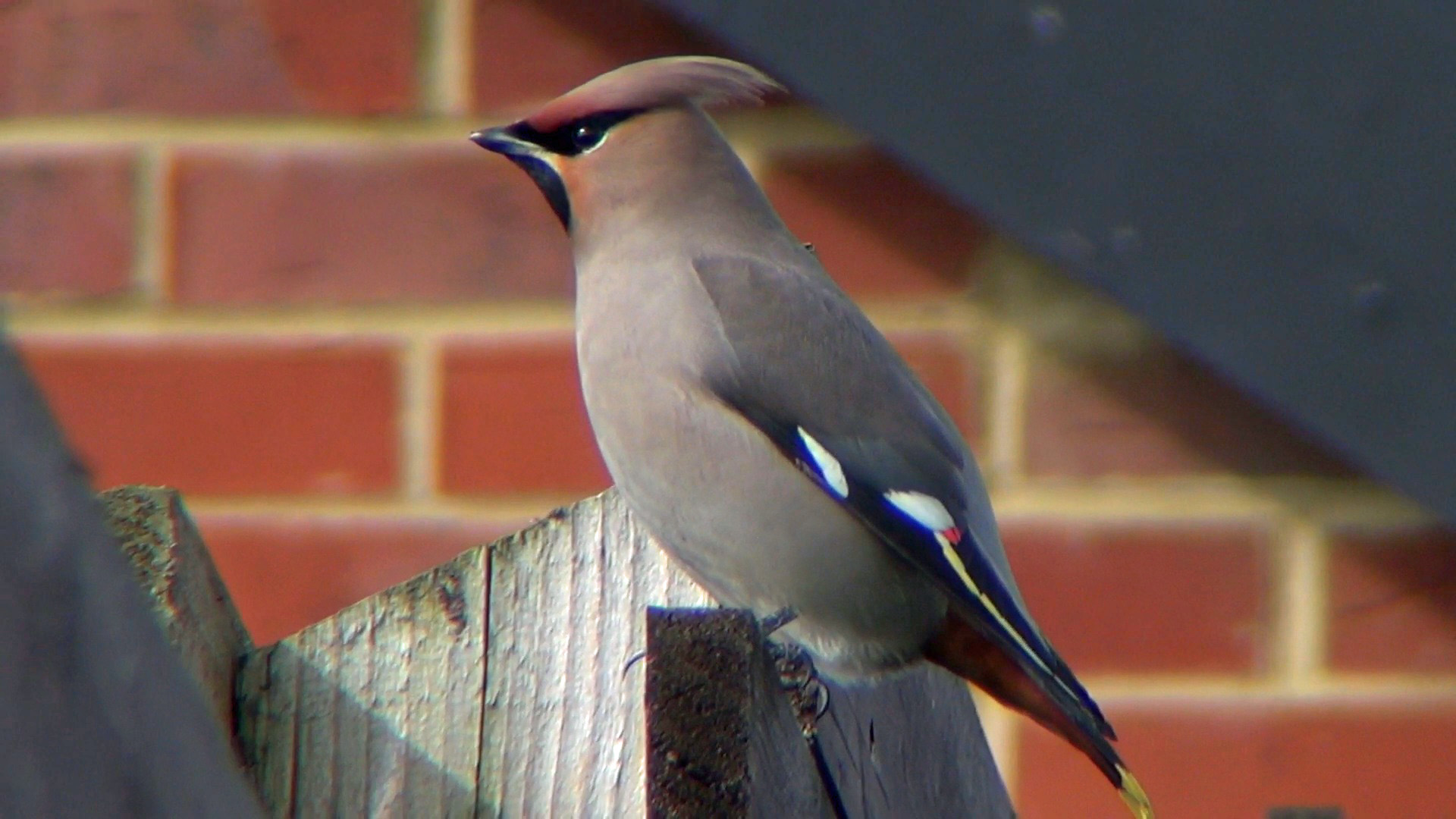
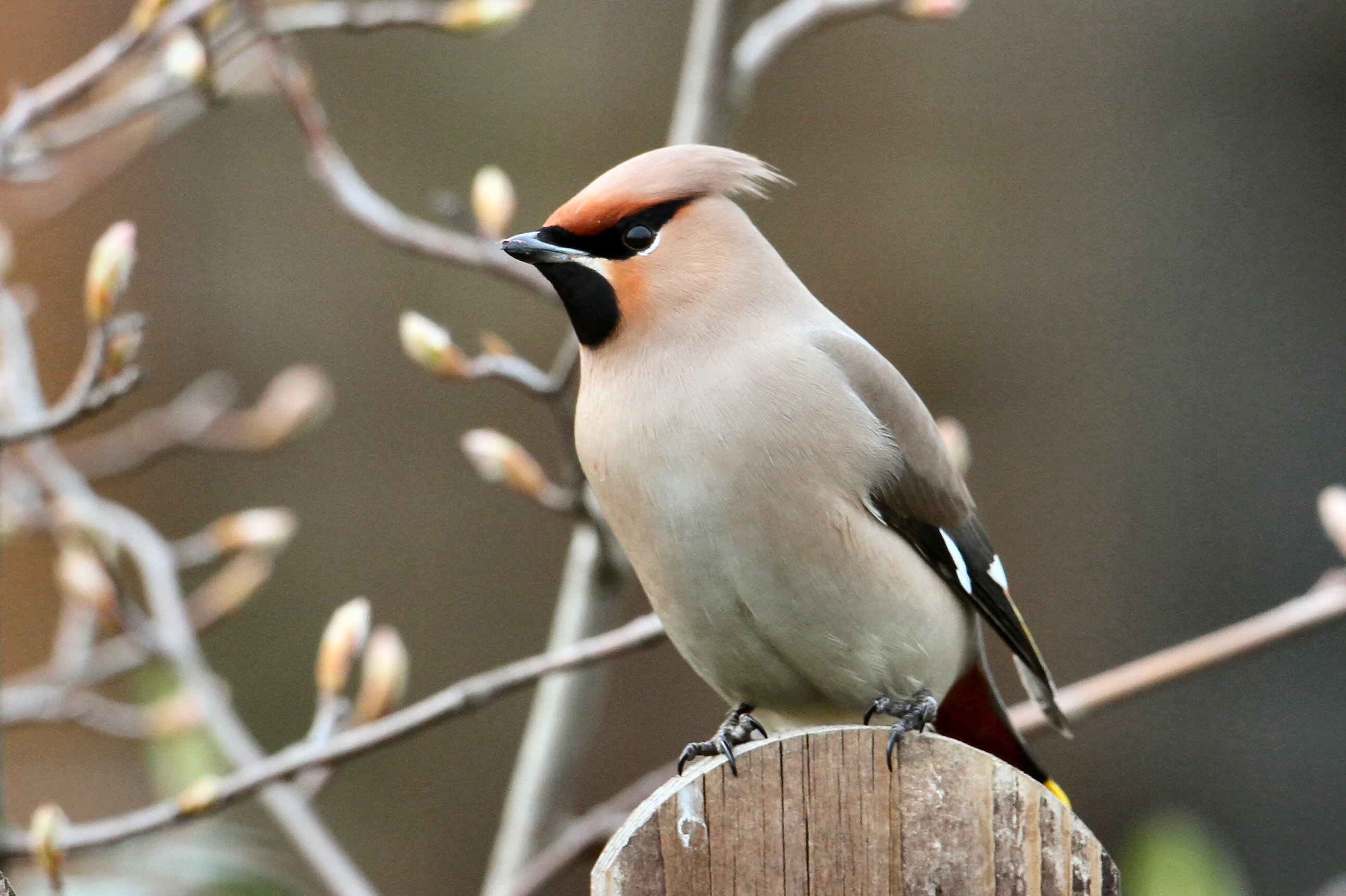
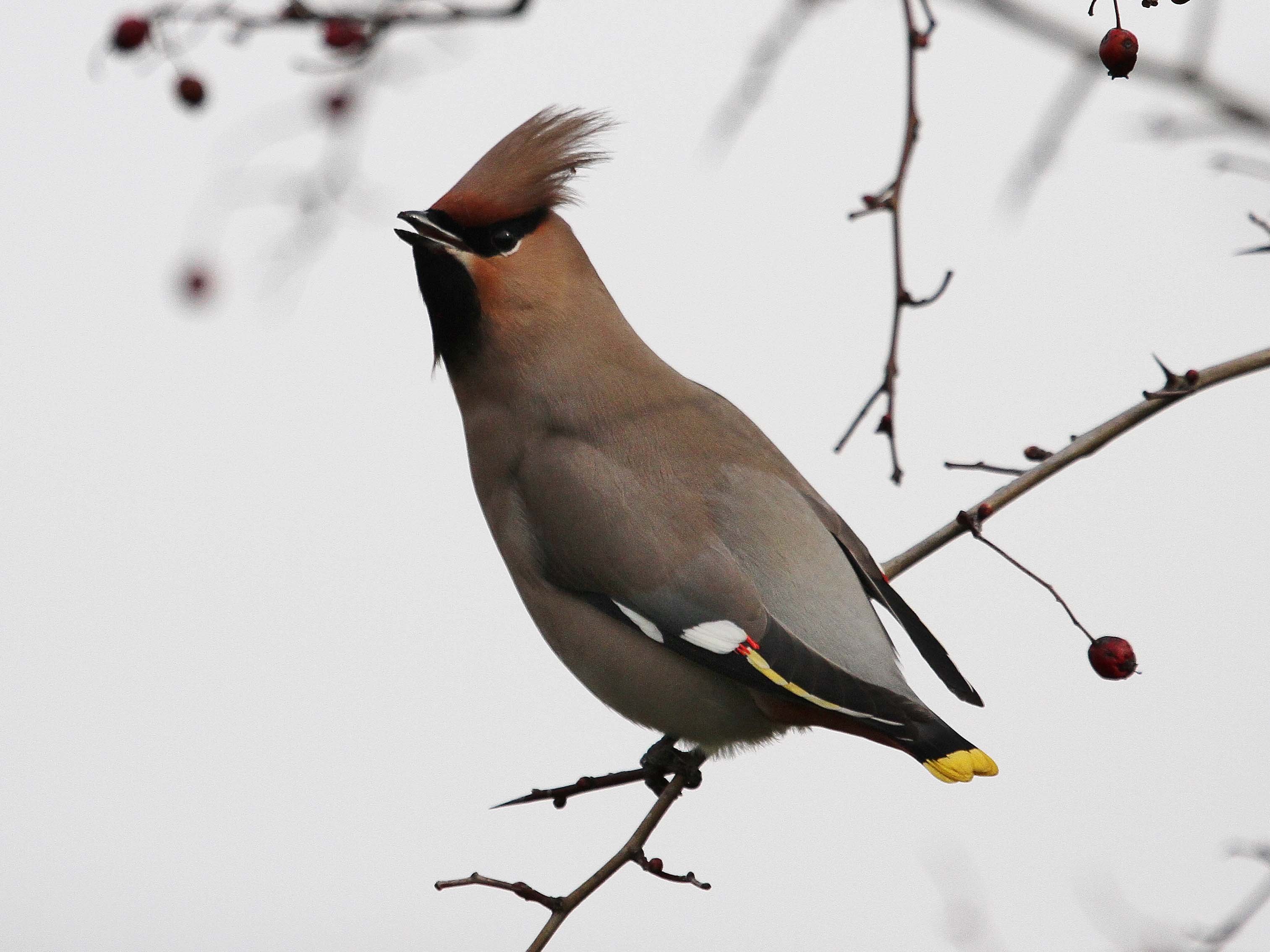
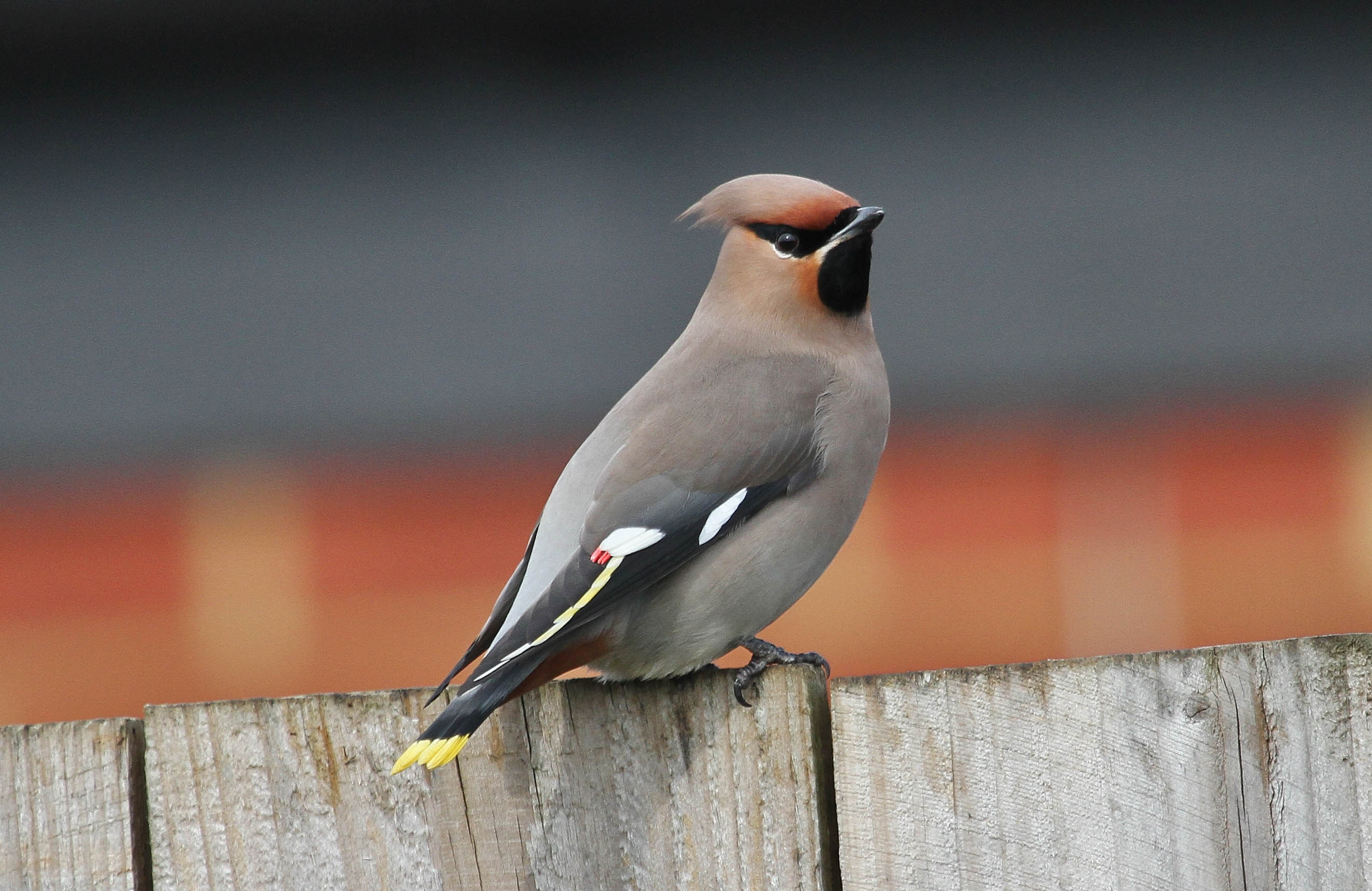
They’ve been rare in the UK this winter and this one, a first-winter (probably a male based on clear-cut bib, intensity and width of yellow tail-band and number of waxy bits on the secondaries, although there is some overlap with young females), is the only one we’ve had in Northants. Thanks to Michael Tew for finding it!

Waxwing caption

First-winter Waxwing, Corby, 11th March 2015 (Michael Tew)
First-winter Waxwing, Corby, 12th March 2015 (Bob Bullock)
First-winter Waxwing, Corby, 13th March 2015 (Alan Coles)

Champions of the Flyway 2015

On 1st April last year I was fortunate to take part in the inaugural Champions of the Flyway bird race, a major new international event which will be staged annually in Eilat, Israel – home of one of the world’s most desirable birding destinations and famous migration spectacles.

Thirteen teams raced in the international section of the event, including The Birdwatch-BirdGuides Roadrunners, comprising Ian Lycett, Dominic Mitchell, Morten Bentzon Hansen and myself, attempting to find, identify and log as many species as possible in an intense 24 hour contest to win the coveted title ‘Champions of the Flyway’.

Birdwatch-BirdGuides Roadrunners 2014. Left to right: Mike Alibone, Dominic Mitchell, Morten Bentzon Hansen, Ian Lycett.

A quick bit of video lends the flavour of last year’s race.

While the racing might be light-hearted, our goal was serious – to raise conservation funding through sponsorship and donations that will help the BirdLife International Partnership tackle the illegal killing of birds in southern and eastern Europe.

Although the event commenced and finished in Eilat, it covered a well-defined ‘field of play’ extending north-west to Nizzana in the western Negev Desert on the Egyptian border and north-east along the Jordanian border in the Arava Valley.

Champions of the Flyway Playing Field

While the habitat was principally desert, we were able to visit some arable and wetland areas to help boost the diversity and numbers of the species recorded on the day.

We accumulated a respectable 132 species between 03.00 and 20.00, the first of which was a pre-dawn Scops Owl and the last being three Lichtenstein’s Sandgrouse, which came in at dusk to drink at a small pool a few kilometres north of Eilat. As well as seeing most of the local desert species we caught up with some more unusual migrants, including Caspian Plover and Black Bush Robin.

Pied Stonechat, Neot Smadar, Israel (Mike Alibone). About 13th for Western Palearctic - conveniently disappeared the day before race day ...
Pied Stonechat, Neot Smadar, Israel (Mike Alibone). About 13th for Western Palearctic – conveniently disappeared the day before race day …

Despite our best efforts, hacking around in the searing heat, we did not win the title but we were one of the strongest performing fundraisers, achieving £2640 of our £3000 target. In all, the event raised some £36,000 for conservation and I would like to thank all who donated generously to the cause.

So, once again, I am delighted to be taking part in the Champions of the Flyway Bird Race which is being staged by The Society for the Protection of Nature in Israel (BirdLife’s national Partner in Israel) and is a BirdLife International Migratory Birds & Flyways Programme initiative.

This year the race will take place on 25th March 2015, starting and ending in Eilat. Again, this is not just a bird race, but a massive fundraising campaign to support conservation work  and this year the proceeds will be channelled into action to prevent the illegal annual slaughter of some 3,000,000 migrant birds in Cyprus. These are trapped and sold and are likely to end up like this.

A plate of Ambelopoulia (grilled, pickled or boiled songbirds) served illegally in a Cypriot restaurant.

Once more I am a member of the Birdwatch-BirdGuides Roadrunners team (Josh Jones, Alan Tilmouth and myself) and we are looking for sponsors/donors to support our fundraising efforts. Our team’s target is again to raise £3000 – more if we can! If you care about the perils which are faced by ‘our’ birds as they migrate to and from the UK and elsewhere in northern Europe then please consider visiting our donation page and pledging even a small amount. Many thanks for your kind support!

The Yardley ‘Rough-leg’

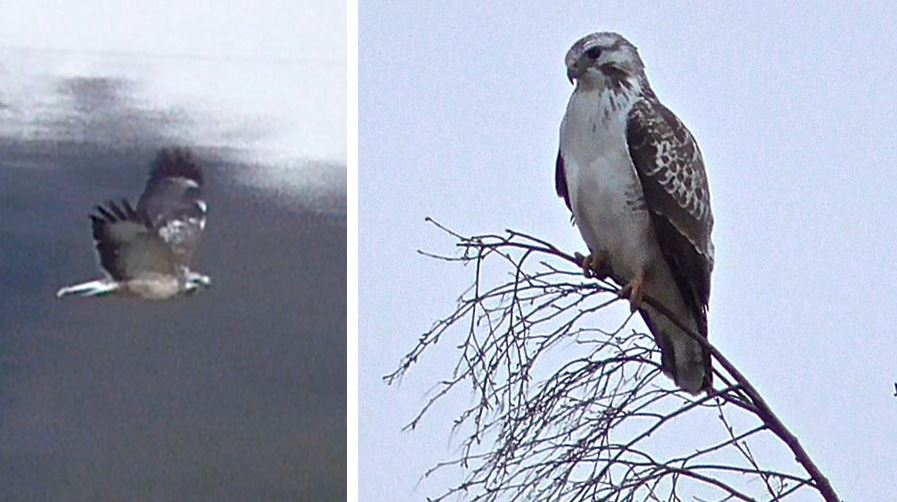
A couple of weeks ago there was a report of a ‘probable’  Rough-legged Buzzard flying across the A428 between Yardley Hastings and Denton in the direction of Yardley Chase. There appears to have been no further reports – until yesterday, that is. Thanks to Graham Bentley we now have some nice images. And here it is.

Common Buzzard, near Yardley Hastings, 25th February 2015 (Graham Bentley)

A Common Buzzard at the pale end of the colour morph spectrum. A stunning-looking individual with white underparts, a wholly whitish tail and virtually no dark carpal patches. This looks very much like one I saw in the same area about ten years ago, so likely to be the same bird. If so, where has it been all this time … ?

Hollowell Snow Bunting

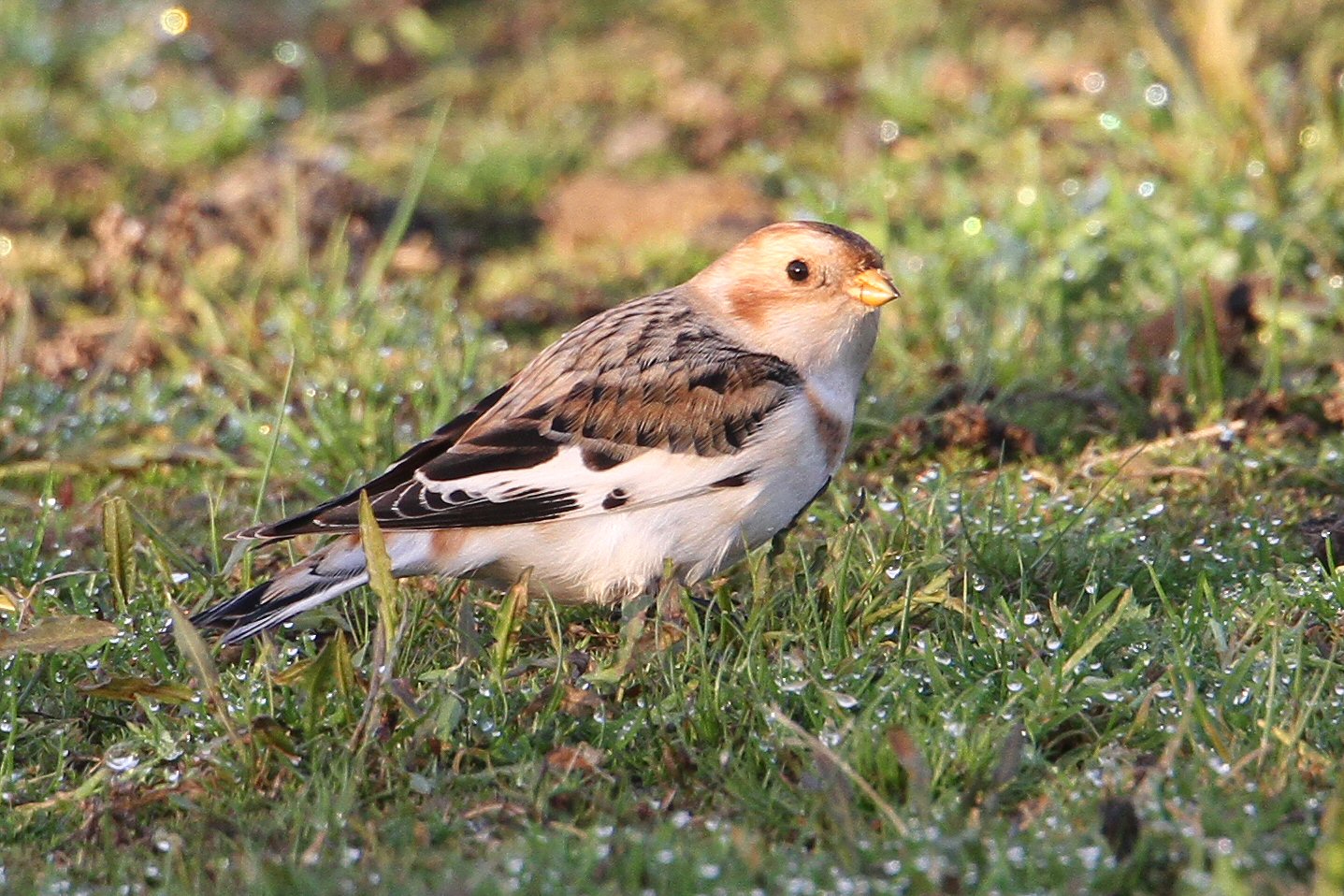
Hollowell Res. Last week, 27th November. Just when you think they’ve gone rare, three turn up in one year. This one a stunner by all accounts and a shame it didn’t stay more than a day. Largely white primary coverts (with black tips) suggest male. As for race … they are difficult without good views of a suite of characters. Nominate nivalis from Greenland, Scandinavia and north-west Russia or insulae from Iceland … I don’t know. Thanks very much to Bob Bullock for the excellent series of images below.

37 Snow Bunting 27.11.14 Hollowell Res

092 Snow Bunting 27.11.14 Hollowell Res

061 Snow Bunting 27.11.14 Hollowell Res

098 Snow Bunting 27.11.14 Hollowell Res

052 Snow Bunting 27.11.14 Hollowell Res