Newsround – 1st to 7th January 2022

With many of December’s birds clearly going nowhere fast, it was time to sharpen the pencil as 2022 had local yearlisters off to a sprinting start, stepping out into the dawn of a New Year’s Day which delivered a UK record-breaking balmy high of 16.2°C. Temperatures were to tumble, however, as a northerly blast from the Arctic set in during the latter half of the week, with sub-zero daytime figures and overnight frosts.

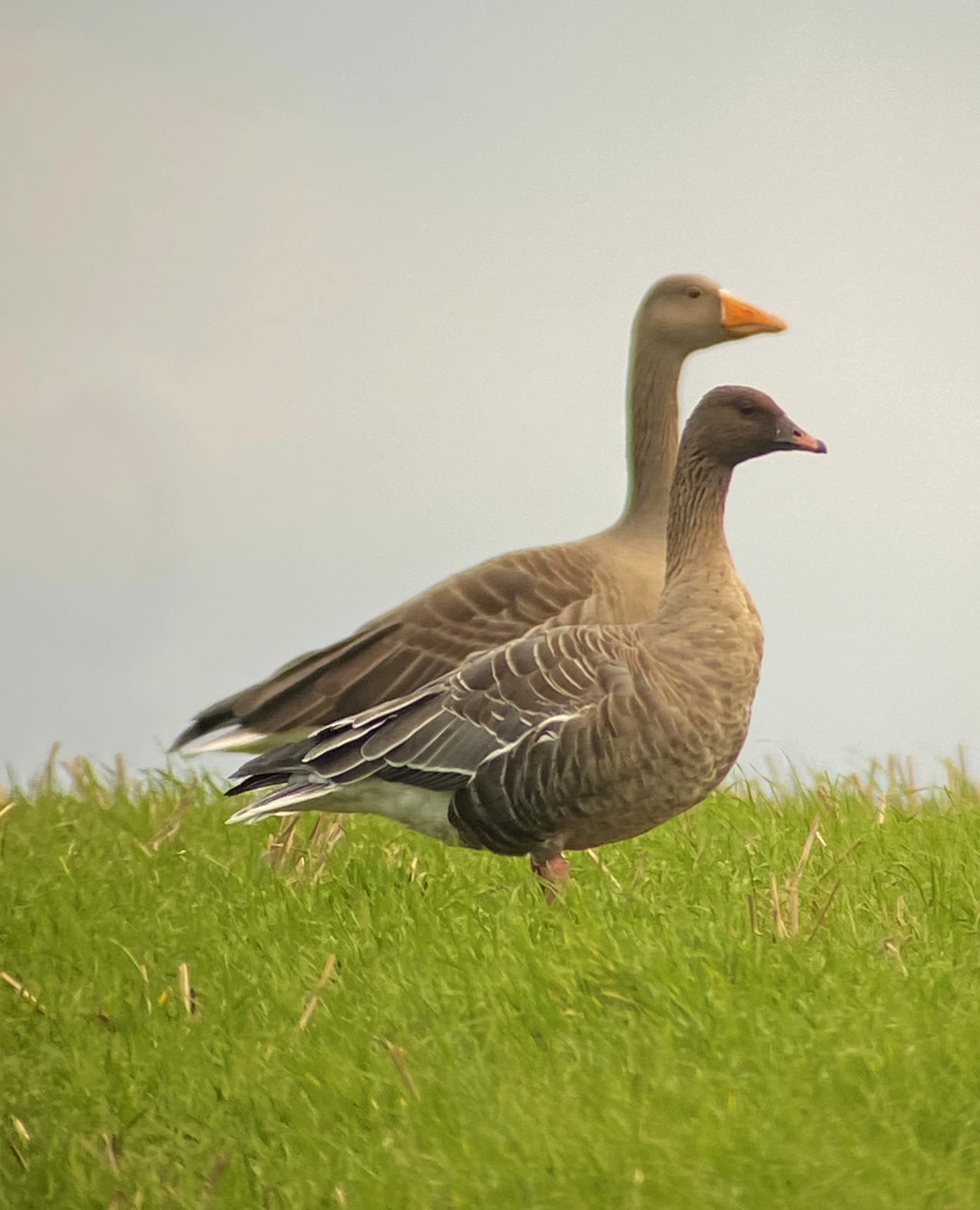
Going unreported for a week, Clifford Hill GP’s Dark-bellied Brent Goose was still present on 1st, duly remaining on parade and approachable throughout the period. Back on show, too, was the Pitsford Barnacle Goose on 2nd, as was the Ravensthorpe Pink-footed Goose on 7th and, also making it over the line, the three White-fronted Geese at Stanford Res on 1st but not subsequently. Other Whitefronts were available, however – at least one, anyway – as an adult was seen at Ditchford GP on 2nd and later relocated at Stanwick GP on 6th-7th.

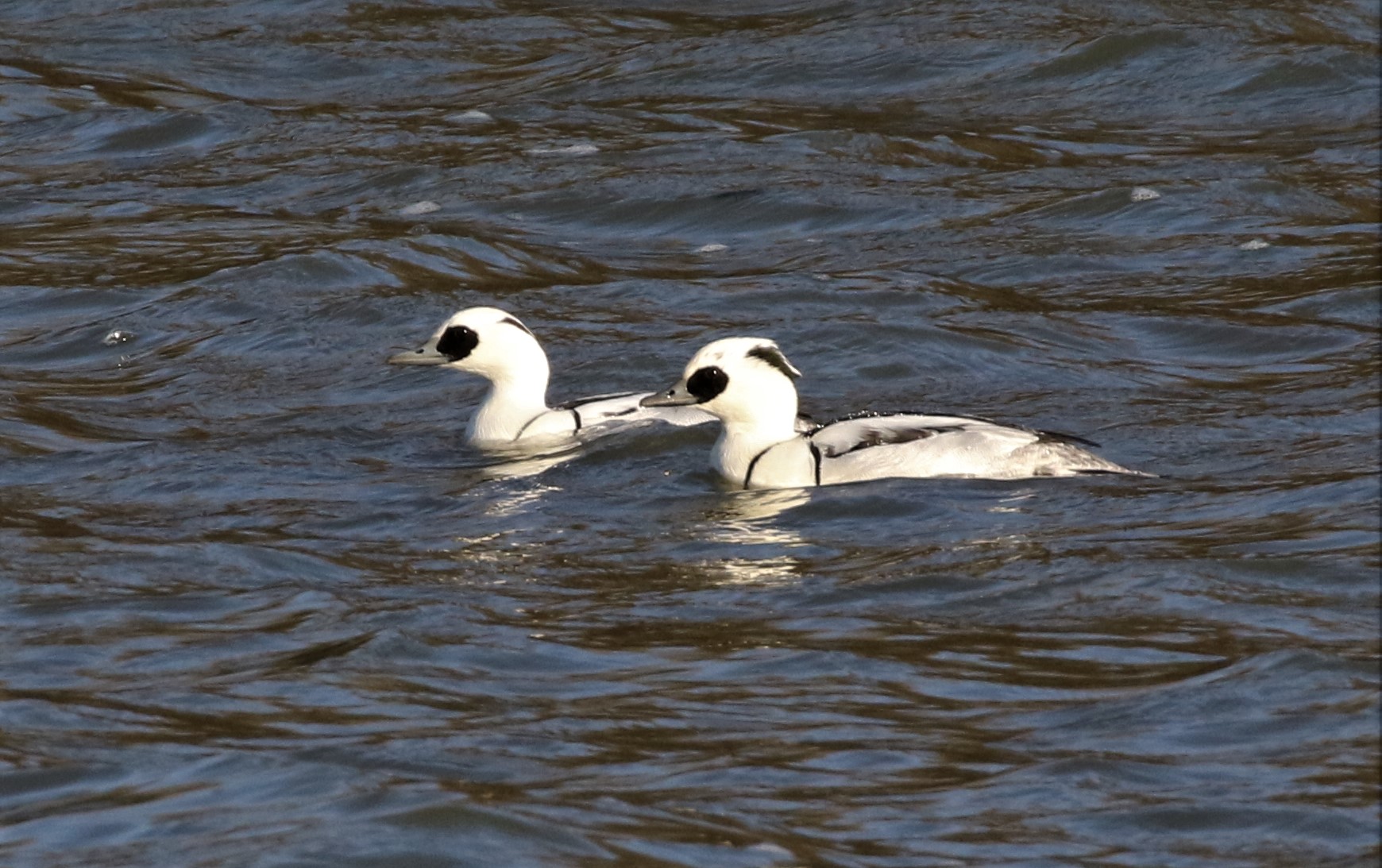
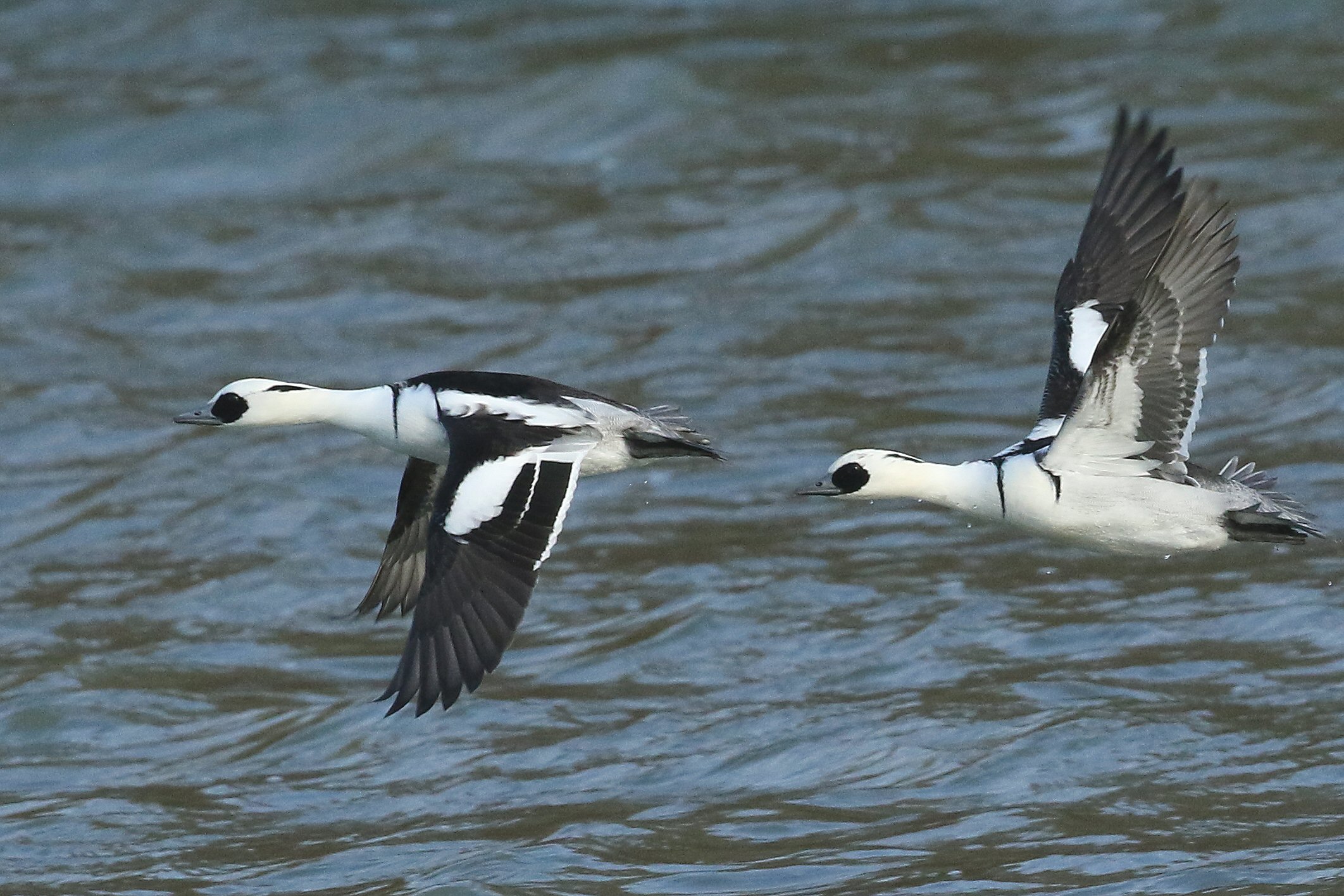
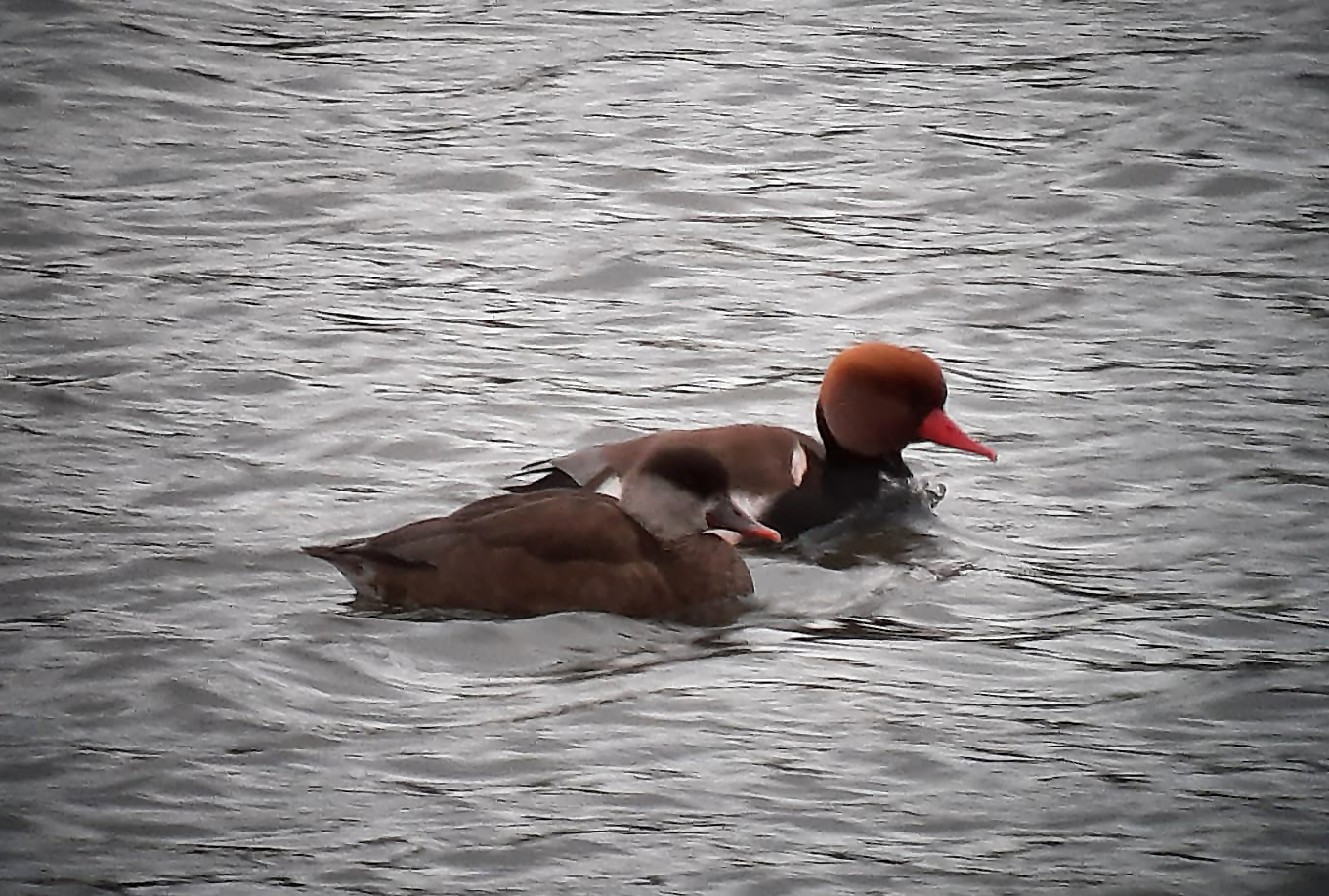
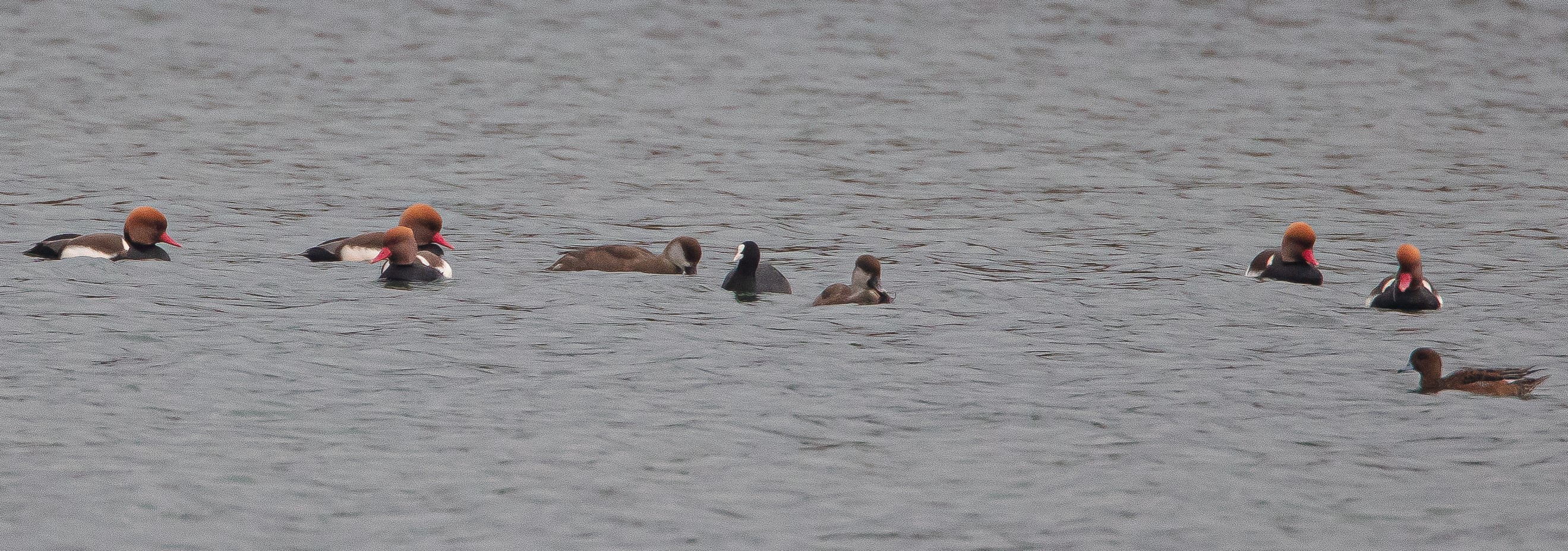
The year’s first Red-crested Pochard was found at Summer Leys LNR on 1st, shortly to be followed by eight at Stanford on 4th, while a female Greater Scaup was reported from Thrapston GP on 7th, the date on which a ‘redhead’ Smew was also reported there. Better looking and more tangible, however, last year’s three drake Smews at Pitsford were all present and correct for anyone wanting to take a peak on 1st and 2nd but only two remained at the week’s end.

Red-crested Pochards, Stanford Res, 4th January 2022 (Chris Hubbard)

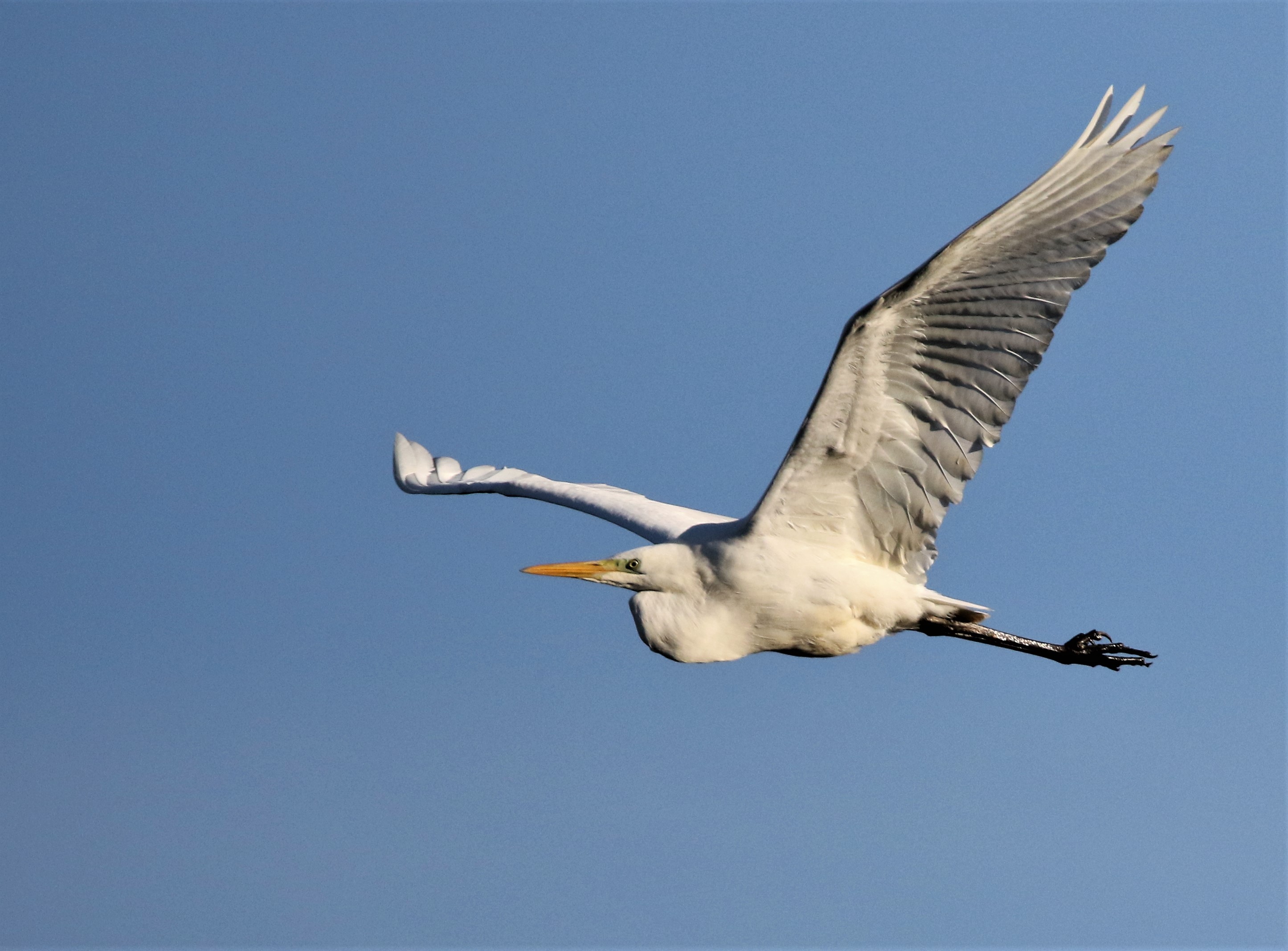
Once again climbing into double figures, Cattle Egrets peaked at thirteen at Stanwick on New Year’s Day, followed by smaller numbers there on subsequent dates throughout the week. The Ringstead GP roost on Kinewell Lake maxed out at seven on 3rd and 7th and three visited Ditchford GP’s Irthlingborough Lakes & Meadows reserve on the latter date. Stanwick also hosted the highest number of  Great Egrets with a tally of twelve there on 3rd, while Pitsford came second with eight, Thrapston mustered three, Ringstead two and Ditchford and Naseby Res one apiece.

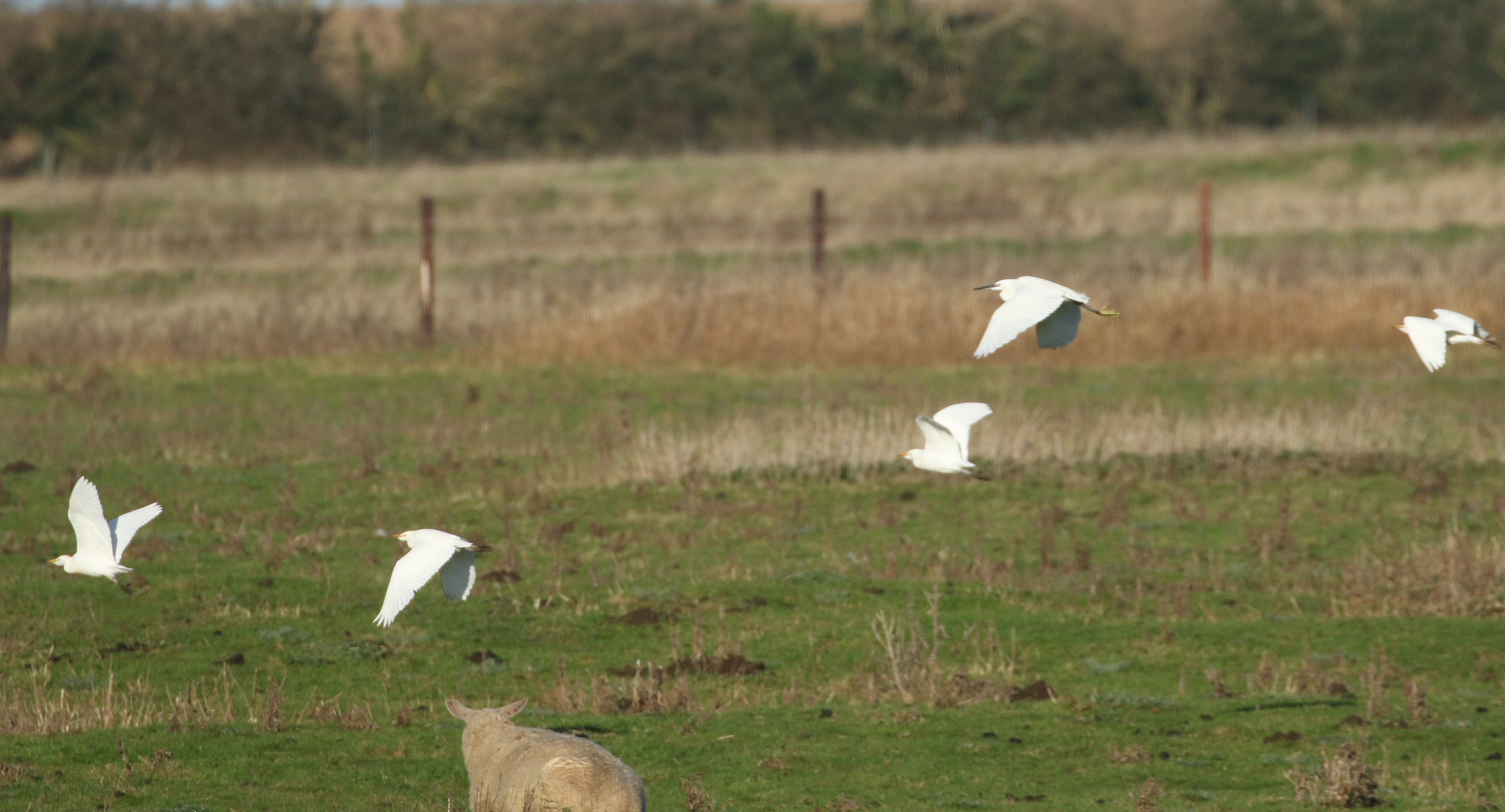
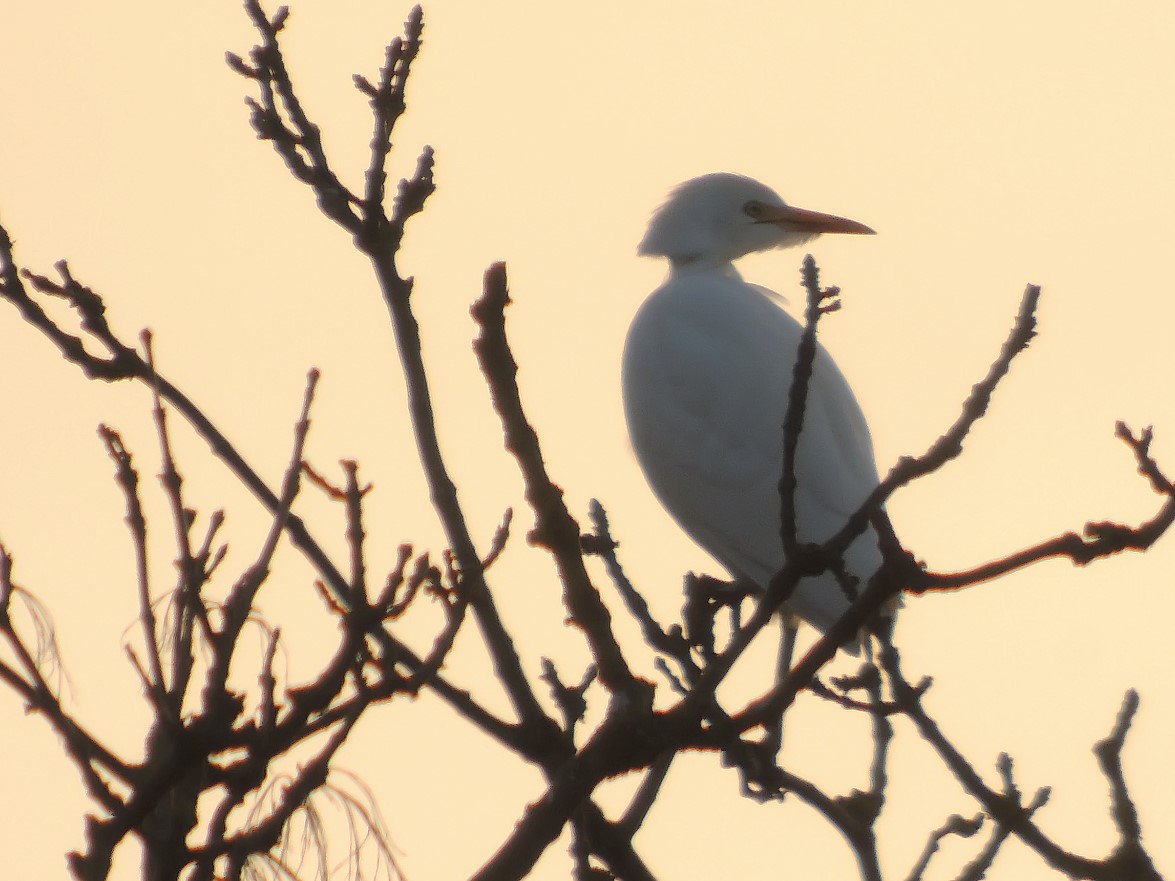
Cattle Egret, Stanwick GP, 5th January 2022 (Mark Tyrrell)
Cattle Egrets and Little Egret, Stanwick GP, 6th January 2022 (Bob Bullock)

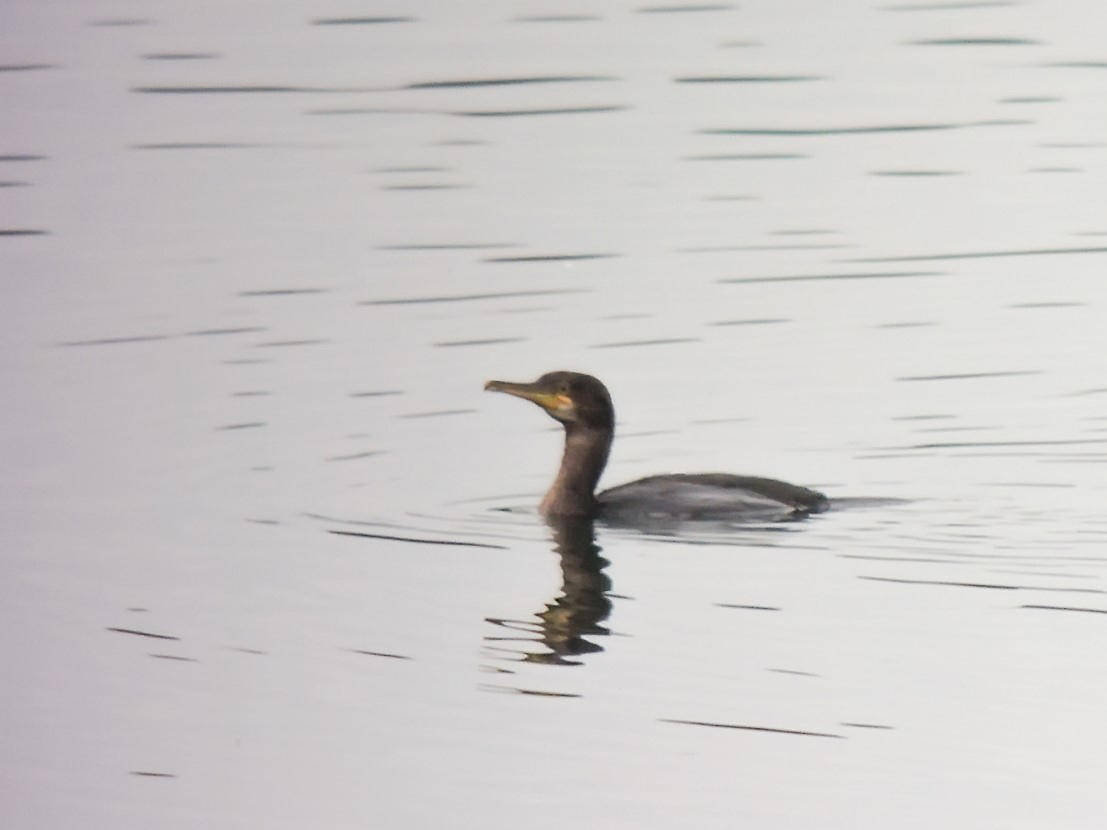
With no reports for a week, it could have been considered a bonus when, on 1st, one of the first-winter Shags which had been frequenting Pitsford since 15th December, surfaced by the causeway car park. It remained for the following day but there have been no subsequent sightings.

A male Hen Harrier was reported flying south-east at Bulwick on 5th.

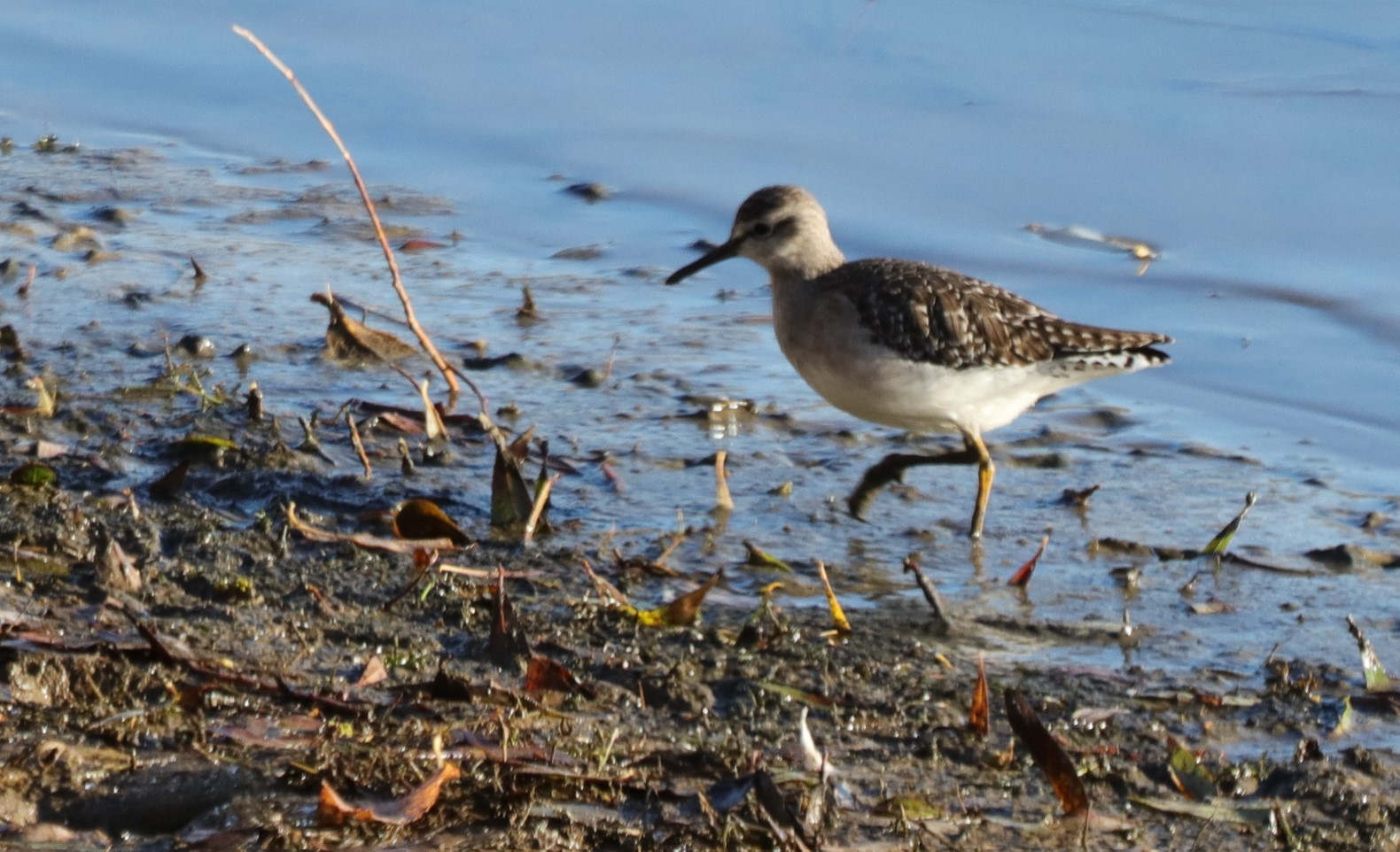
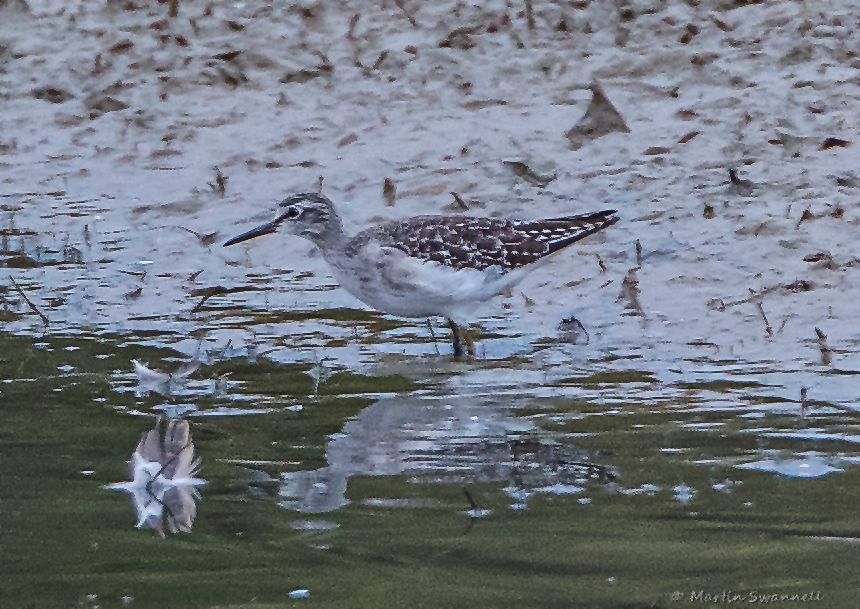
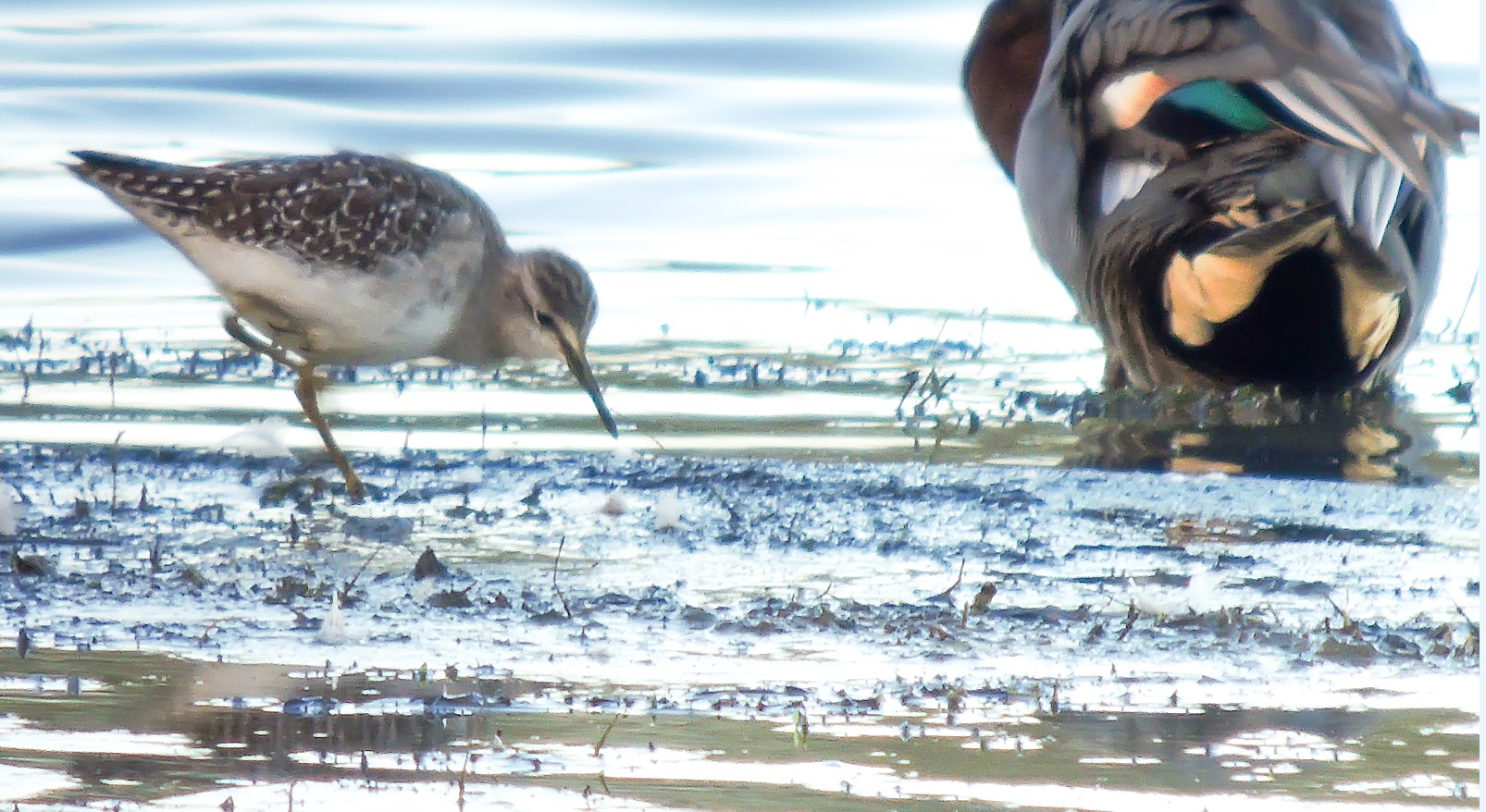
Despite rising water levels and subsequent icy weather, the Pitsford Wood Sandpiper miraculously remained, providing another welcome fillip to 2022 local yearlisting. How much longer it stays remains to be seen.
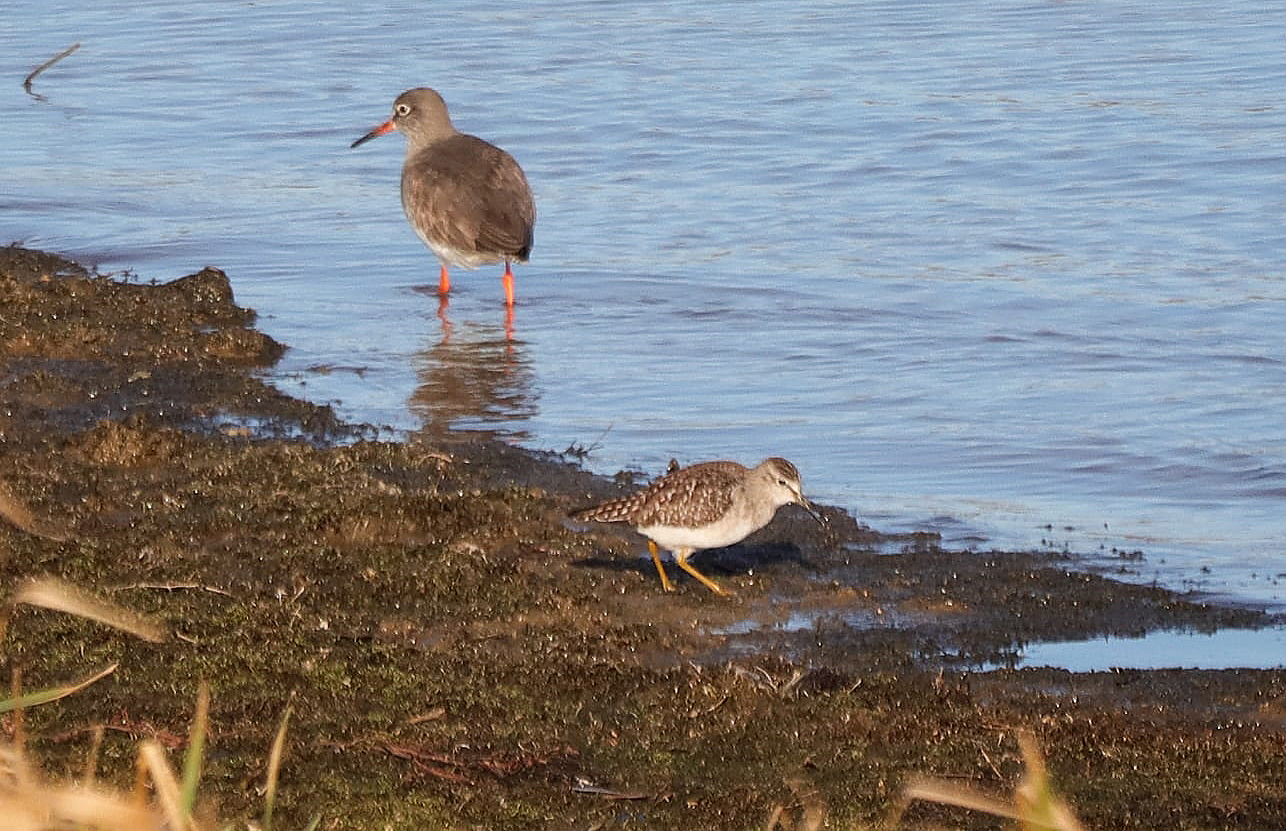
Wood Sandpiper, Pitsford Res, 7th January 2022 (Tony Stanford)

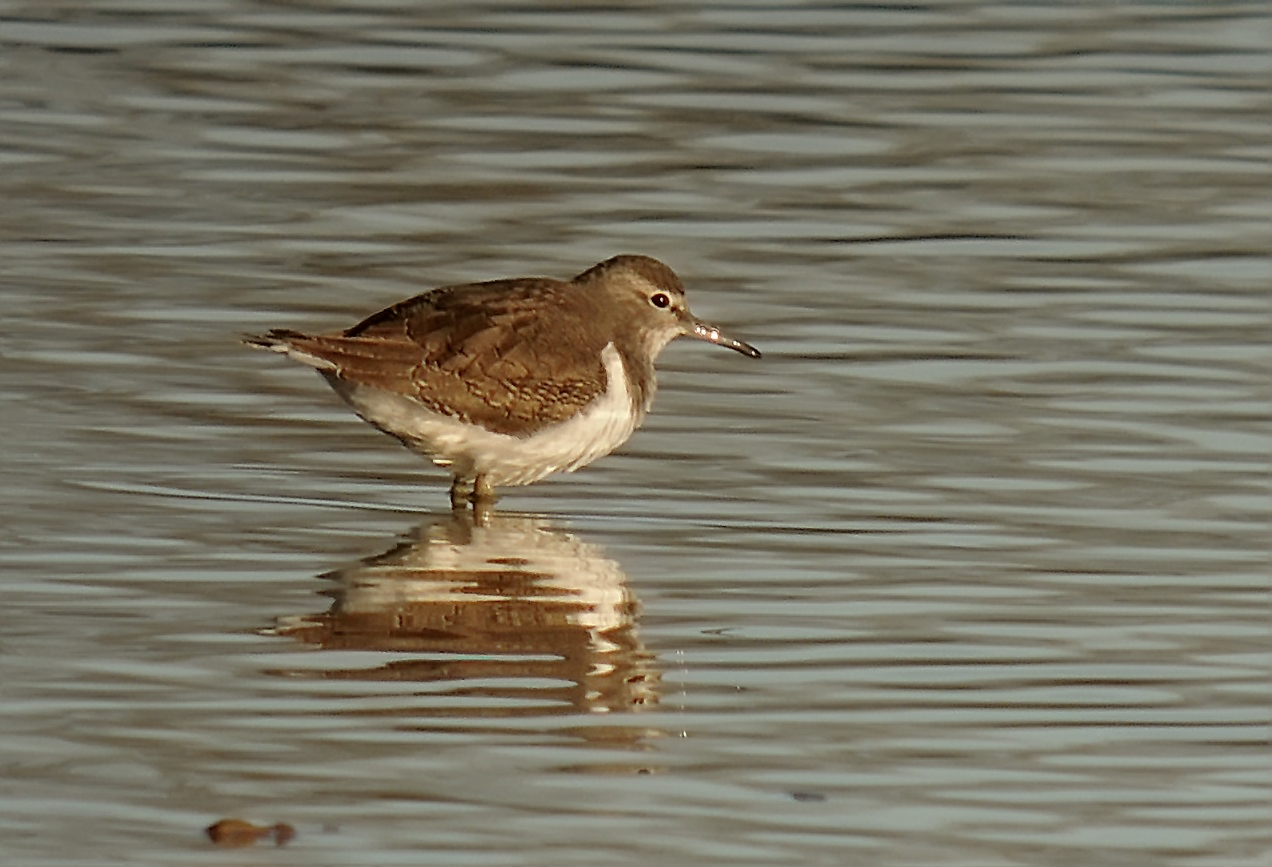
The two Ruffs at Summer Leys also remained on 1st at least, two Jack Snipes were at Stanwick on 6th and last week’s was still present at Hollowell Res on 7th, while the wintering Common Sandpiper saw the New Year in at Earls Barton GP’s New Workings (North), again remaining there for another week.

Winter gull flocks are always worth scrutiny and, for that matter, so too are they during other seasons. While nothing breathtaking has appeared so far this winter, two adult Caspian Gulls at Naseby Res on 6th were noteworthy, as were two more at Rushton Landfill on 7th and a first-winter at Ravensthorpe on the same date. Other than that, an adult Yellow-legged Gull was found in the roost at Clifford Hill GP’s Main Barrage Lake on 3rd.
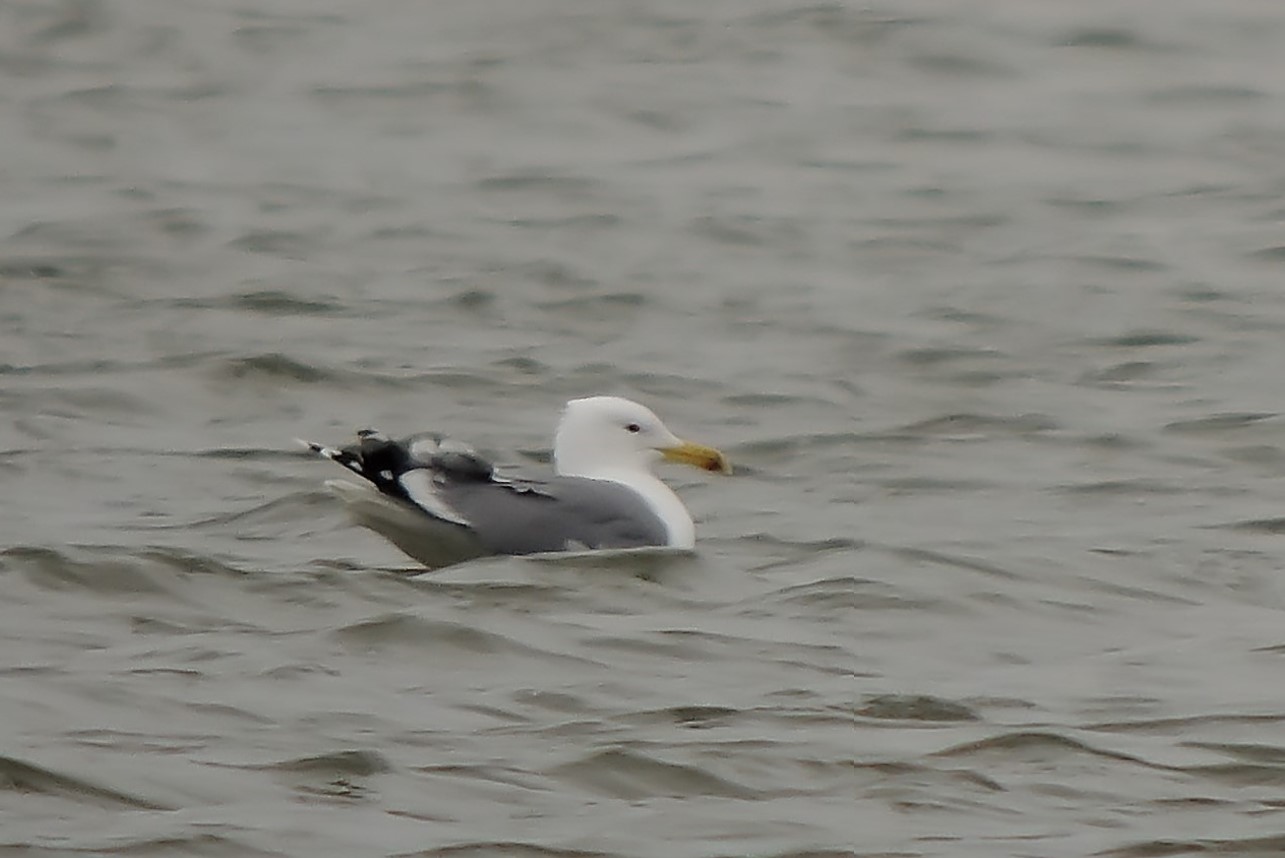
Adult Caspian Gull, Naseby Res, 6th January 2022 (Mike Alibone)

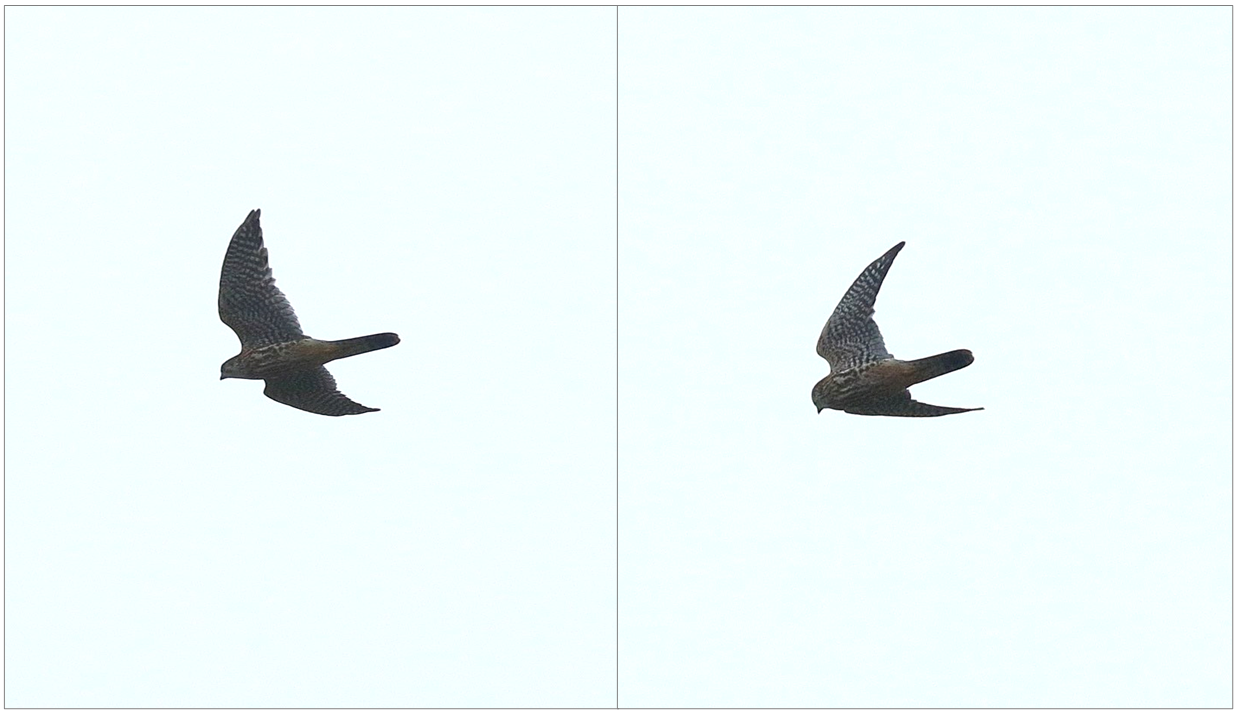
Adding a touch of wholly anticipated magic to the new year’s proceedings, a Merlin was found in the Brampton Valley, between Cottesbrooke and Hanging Houghton, on 2nd and may have been the same bird reported across the other side of the A508, at Harrington AF, later in the week.

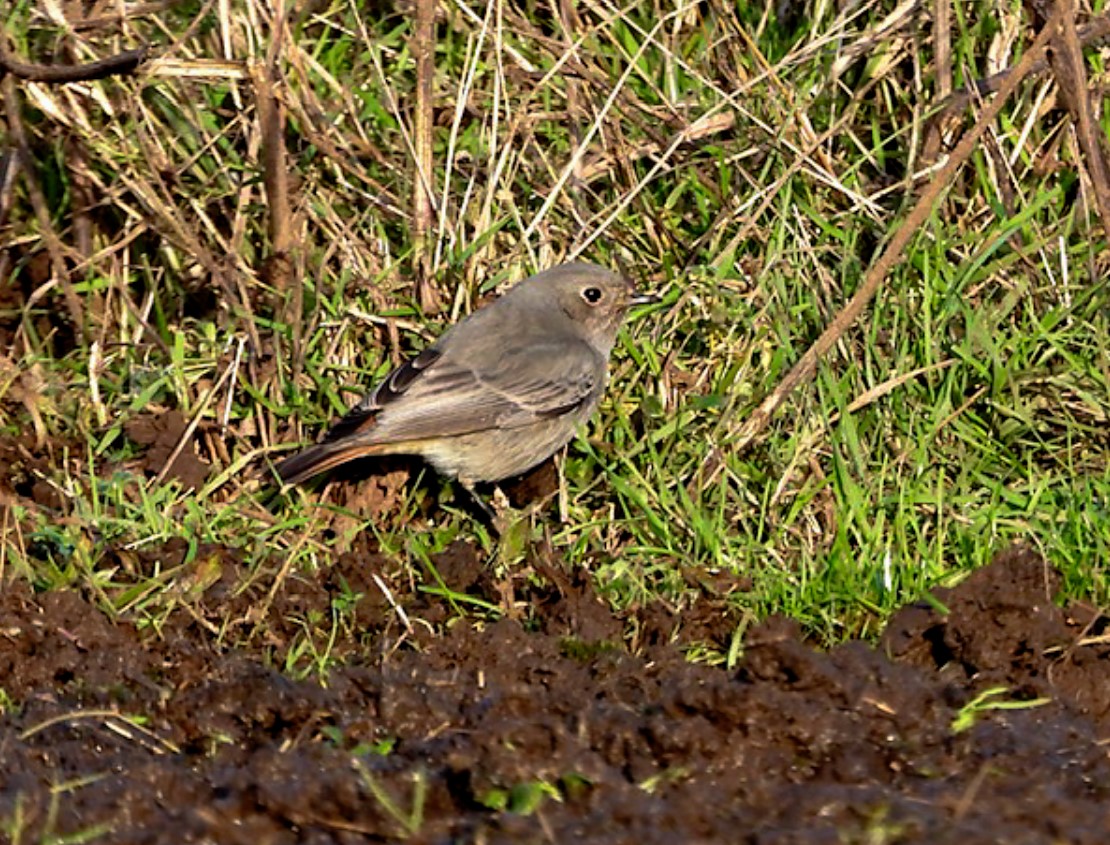
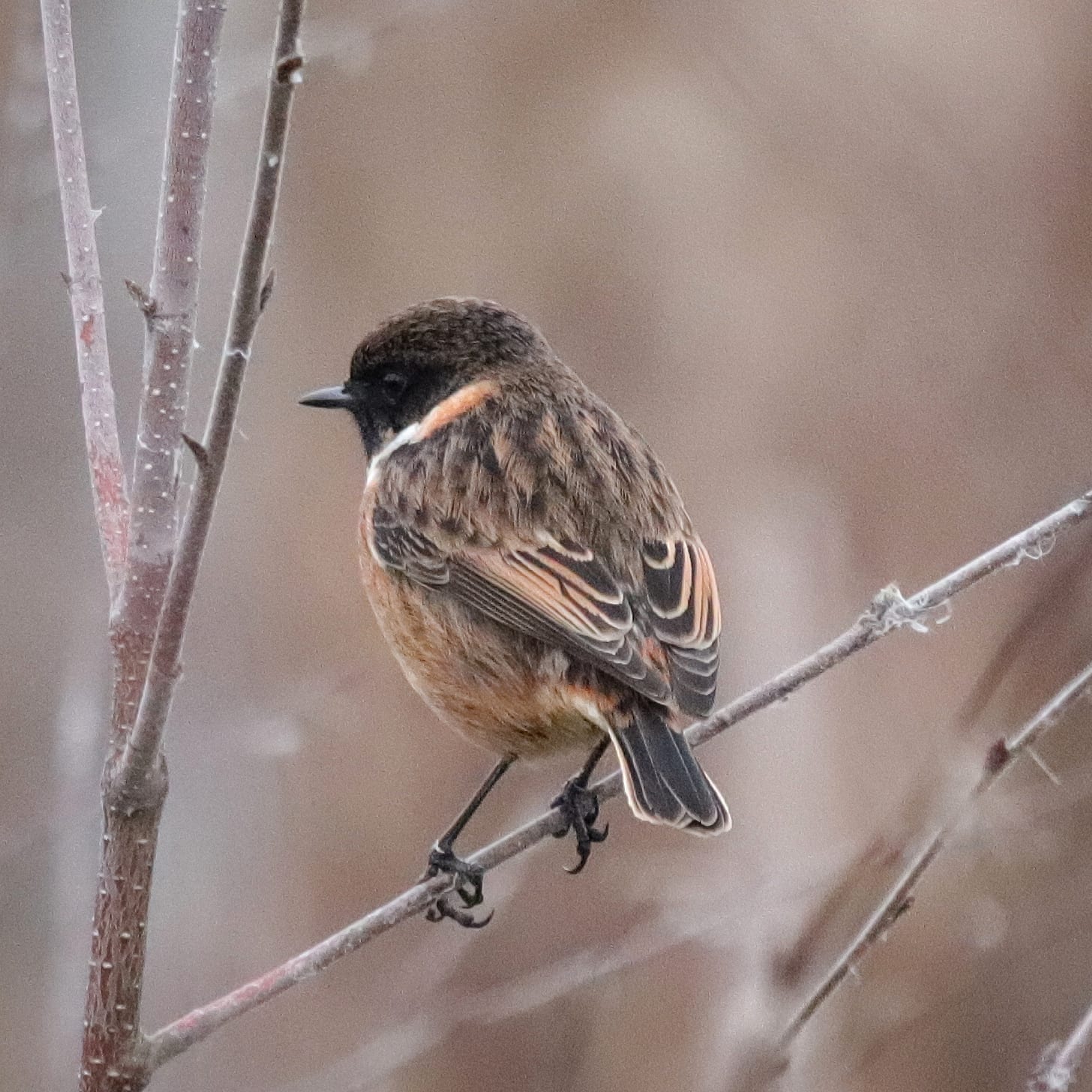
And a collective sigh of relief came as the Borough Hill Black Redstart hung on into the new year, duly lining up for a procession of snap-happy admirers throughout the week. Stonechats, normally a popular quarry for toggers, simply had to take a Borough Hill back seat this week, while others were seen at Clifford Hill, Hollowell and Upton CP.
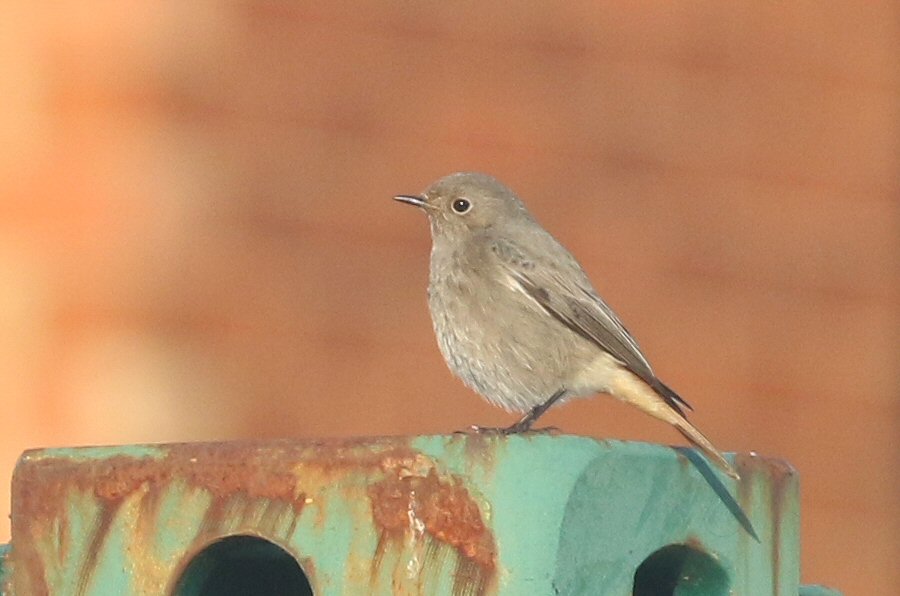
Black Redstart, Borough Hill, 2nd January 2022 (Bob Bullock)
Black Redstart, Borough Hill, 5th January 2022 (Martin Swannell)
Black Redstart, Borough Hill, 7th January 2022 (Linda Honeybourne)

But a big, New Year’s Daze for some was delivered by two superb Hawfinches, found in Blatherwycke Churchyard on 1st and remaining for all good people of the yearlisting congregation over the following four days. This is a site which has earned a reputation for producing winter records of this species over a many years but its appearance there is sporadic and far from guaranteed.

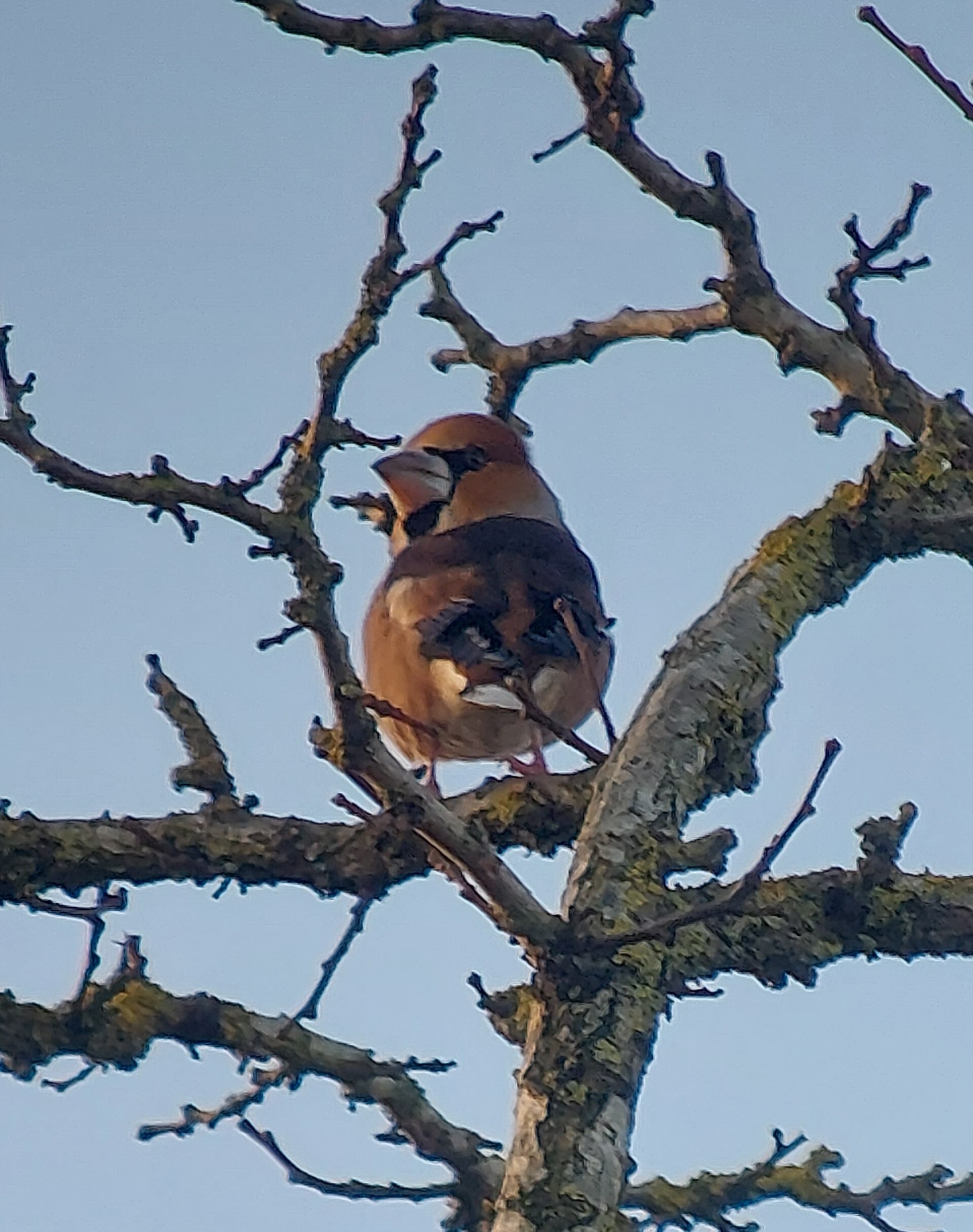
Hawfinch, Blatherwycke, 1st January 2022 (James Underwood)
Hawfinch, Blatherwycke, 5th January 2022 (Nick Parker)

Far less impressively adorned, though, two Corn Buntings were found in the Brampton Valley, between Cottesbrooke and Hanging Houghton, on the last day of the week. Having undergone a massive decline in recent years, they are now a scarce visitor to the county. Get them while you can …

Newsround – 18th to 24th December 2021 

This week saw little brightness between the clag and haar as rather damp and gloomy conditions prevailed in the run up to Christmas. Nevertheless, the weather failed to put the dampers on birding and new birds were still being found in addition to the established long-stayers …

In the latter category, the first-winter Dark-bellied Brent Goose remained at Clifford Hill GP until at least 22nd, while Pitsford’s Barnacle Goose, not quite in the same league, was again present on 21st.

First-winter Dark-bellied Brent Goose, Clifford Hill GP, 22nd December 2021 (Mike Alibone)

This last date saw an obvious and noteworthy movement of wildfowl across the county as more geese added flavour to the week’s proceedings. A Pink-footed Goose joined the local Greylags at Thrapston GP, where it remained the following day and the Ravensthorpe bird was still in the area on 23rd, feeding in fields between Ravensthorpe village and the reservoir causeway. White-fronted Geese were also added to the mix on 21st, when four flew south over the causeway at Pitsford and three arrived at Hollowell Res. Three were also found at Stanwick GP the following day.

White-fronted Geese, Hollowell Res, 21st December 2021 (Jon Cook)

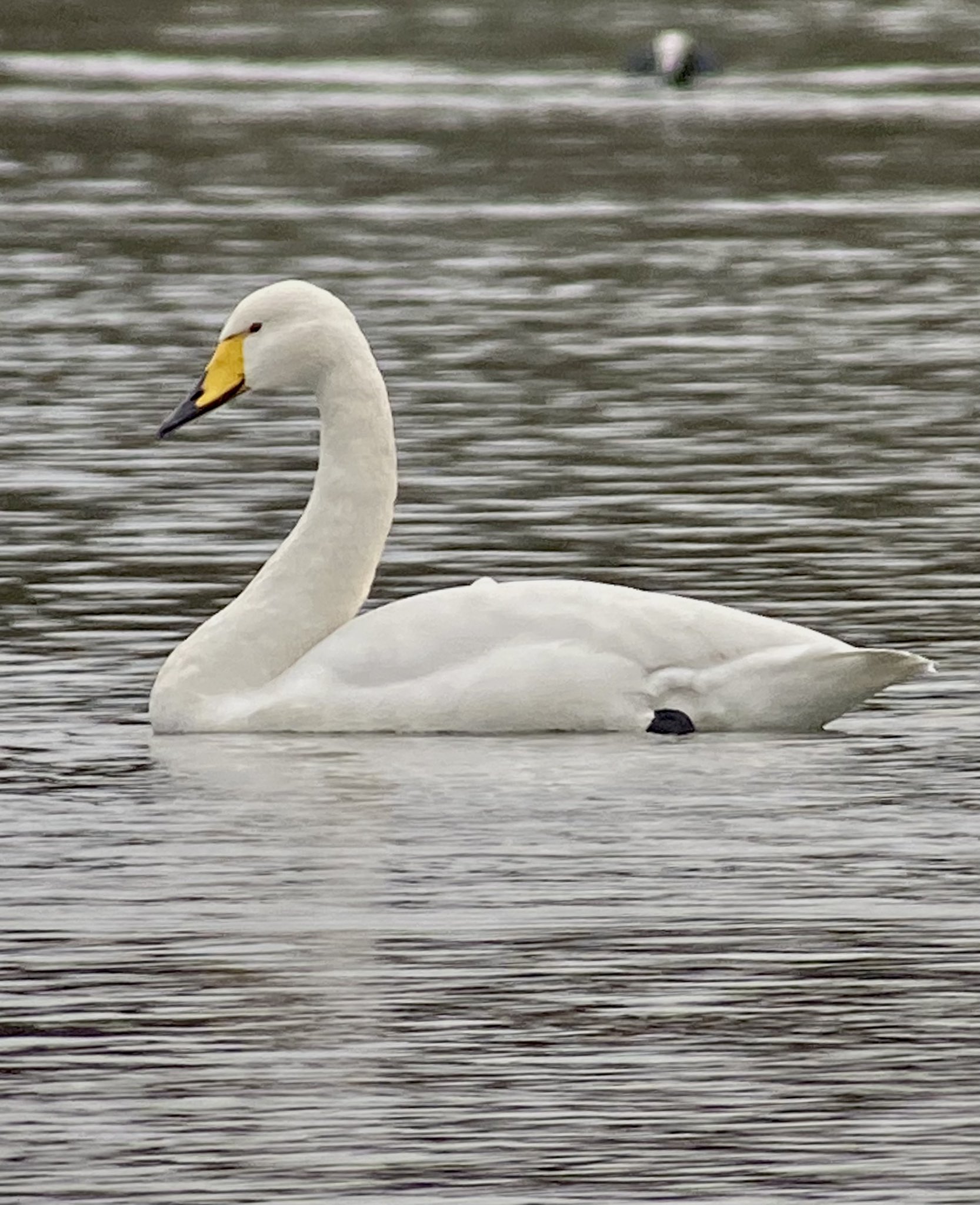
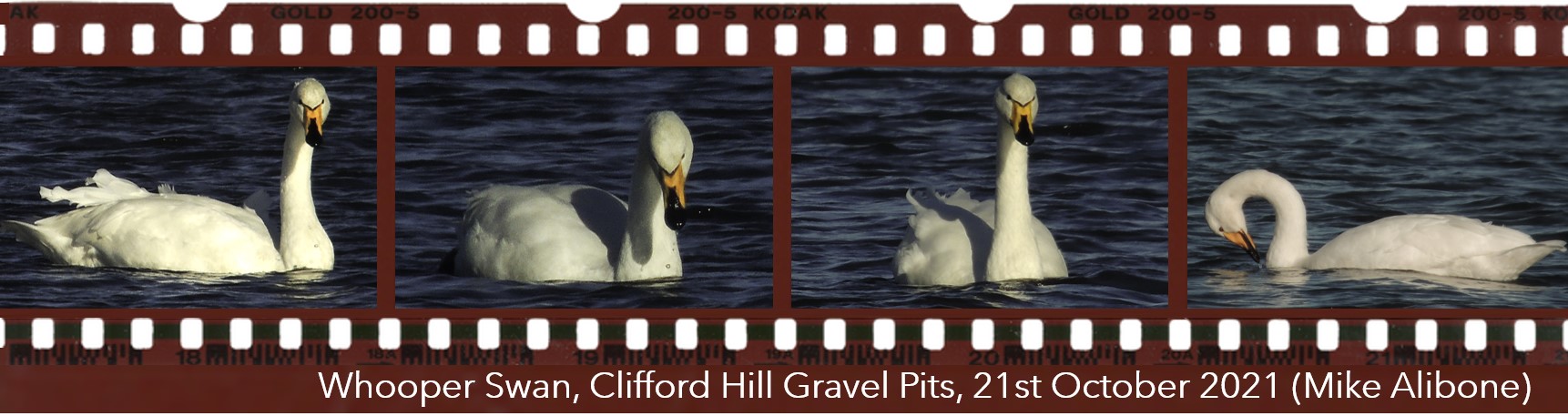
It was back in October when we last saw a big day movement of Whooper Swans, echoed this week on 21st when, following two at Pitsford the day before, three flew south-east over the causeway and five appeared there in The Narrows during the morning, before moving up to Scaldwell Bay as daylight faded, late in the afternoon. The morning also saw two adults on Clifford Hill GP’s Main Barrage Lake, while two flew south-east over Denton Wood late in the afternoon, when one was also found at Stanford Res. None remained the following day.

Adult Whooper Swan, Stanford Res, 21st December 2021 (Chris Hubbard)

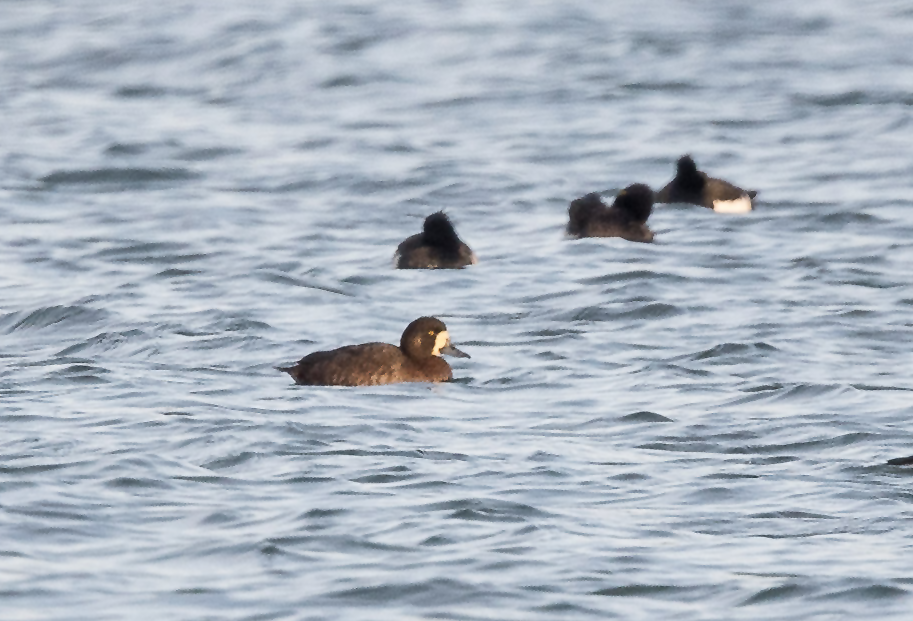
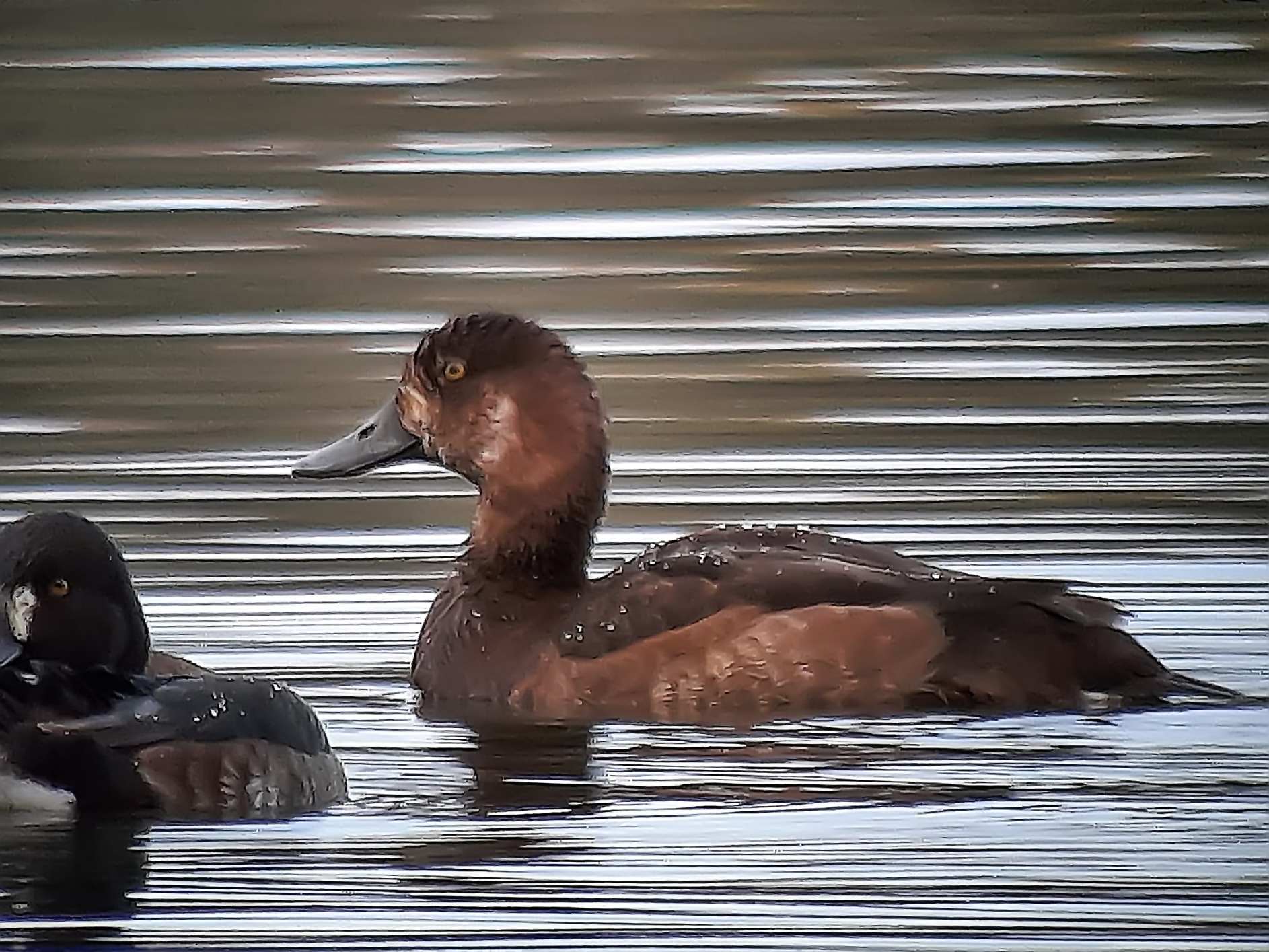
With the highest number of six, at Kislingbury GP – again on 21st – Red-crested Pochards made a bit of a comeback this week and this also included two at Ditchford GP on 20th-21st and a female at Stanford Res from 20th to 22nd. A first-winter female Greater Scaup was also found at Stortons GP on 19th, remaining throughout the week.

First-winter female Scaup, Stortons GP, 20th December 2021 (Mike Alibone)

After an apparent week’s absence, the ‘redhead’ Smew resurfaced on Thrapston GP’s Aldwincle Lake on 20th but it was nowhere to be seen the following day, while the two dapper drakes, last seen at Pitsford on 15th, were relocated at Hollowell on 21st.

Smew, Hollowell Res, 21st December 2021 (Jon Cook)

Cattle Egrets rallied somewhat this week, with the fields below Irthlingborough Church mustering eight on 18th and four on 22nd, while nearby Stanwick GP produced up to four during the period, as well as the week’s highest total of at least seventeen Great Egrets coming in to roost there on 18th. Top totals elsewhere were three at Pitsford on 23rd, two at Ditchford GP on 19th and singles at Summer Leys on 20th and at Stanford Res from 20th to 22nd.

Pitsford’s juvenile/first-winter Shag total doubled to two on 18th, falling back to one from 19th to 21st – at least that’s what it looked like, although the bird on the latter date was seen off the old Scaldwell road and therefore well away from its/their usual haunt of the pontoon at the north end of the sailing club.  

Juvenile/first-winter Shag, Pitsford Res, 20th December 2021 (Bob Bullock)

There was no real movement on the wader front this week, with the Wood Sandpiper remaining at Pitsford throughout the period and the long-staying Ruff, or two, lingering at Summer Leys until at least 20th and the wintering Common Sandpiper also remaining at Earls Barton GP’s New Workings (North) on 22nd. Jack Snipe was well represented this week with six at Ditchford on 19th and seven apiece at Ravensthorpe on 23rd and Daventry CP the following day.

Common Sandpiper, Earls Barton GP, 21st December 2021 (Leslie Fox)

An adult Mediterranean Gull dropped in to Daventry CP on 21st but there were more Caspian Gulls this week, with adults in the roost at Stanford Res on 18th and 23rd and a third-winter there on 20th. At Rushton Landfill, a first-winter was present on 21st and an adult visited Hollowell Res on 23rd. Aside from the regular adult at Pitsford, present all week, a first-winter Yellow-legged Gull was seen at Rushton Landfill on 21st, where the number of gulls appears to be down on previous winters.

A Short-eared Owl was reported from Harrington AF on 19th, while star of this week’s passerines proved to be a Siberian Chiffchaff, calling frequently and showing well, close to the causeway car park at Pitsford on the last day of the week. In second place, a Black Redstart, scarce at any time but even rarer in winter, was found near the summit compound on Borough Hill on 22nd and was still present there on 24th.

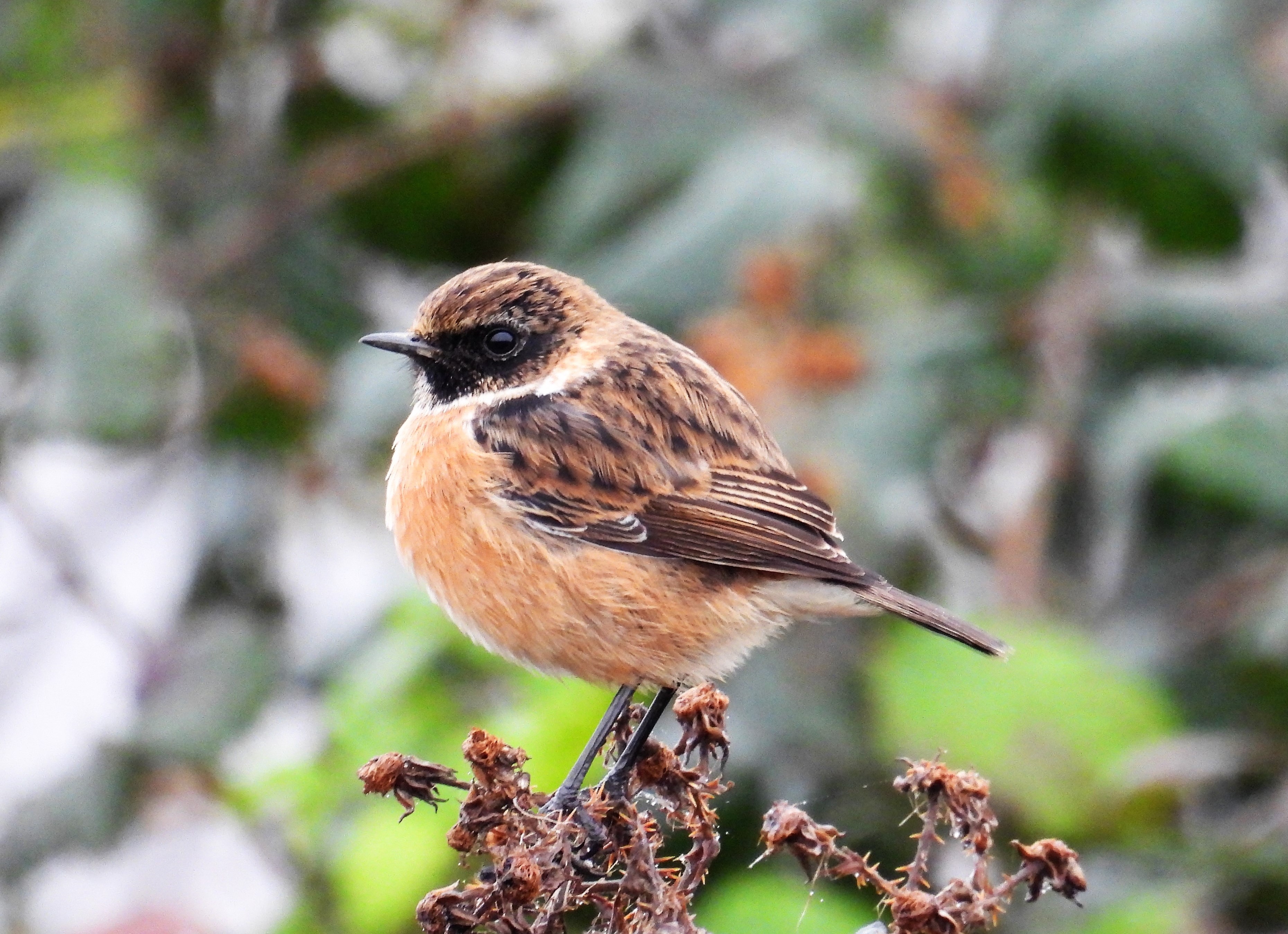
Male Stonechat, Earls Barton GP, 19th December 2021 (Leslie Fox)

Stonechats, on the other hand, were well represented by two at Ditchford from 18th to 20th, three at Lilbourne Meadows on 19th, four at Upton CP on 22nd, when two were also at Borough Hill, and three at Hollowell Res on 23rd.

Newsround – 11th to 17th December 2021 

There was no drama in regard to this week’s weather, which remained settled and largely dry, with temperatures above average.

Emulating the weather, many of the previous week’s long-stayers also remained settled, among them the first-winter Dark-bellied Brent Goose, which was still at Clifford Hill GP when checked in on, on 14th. The Barnacle Goose, last reported at Pitsford Res on 3rd, was relocated there on 16th, the same site continuing to hang on to its star attraction of the two debonair drake Smews until at least 15th.

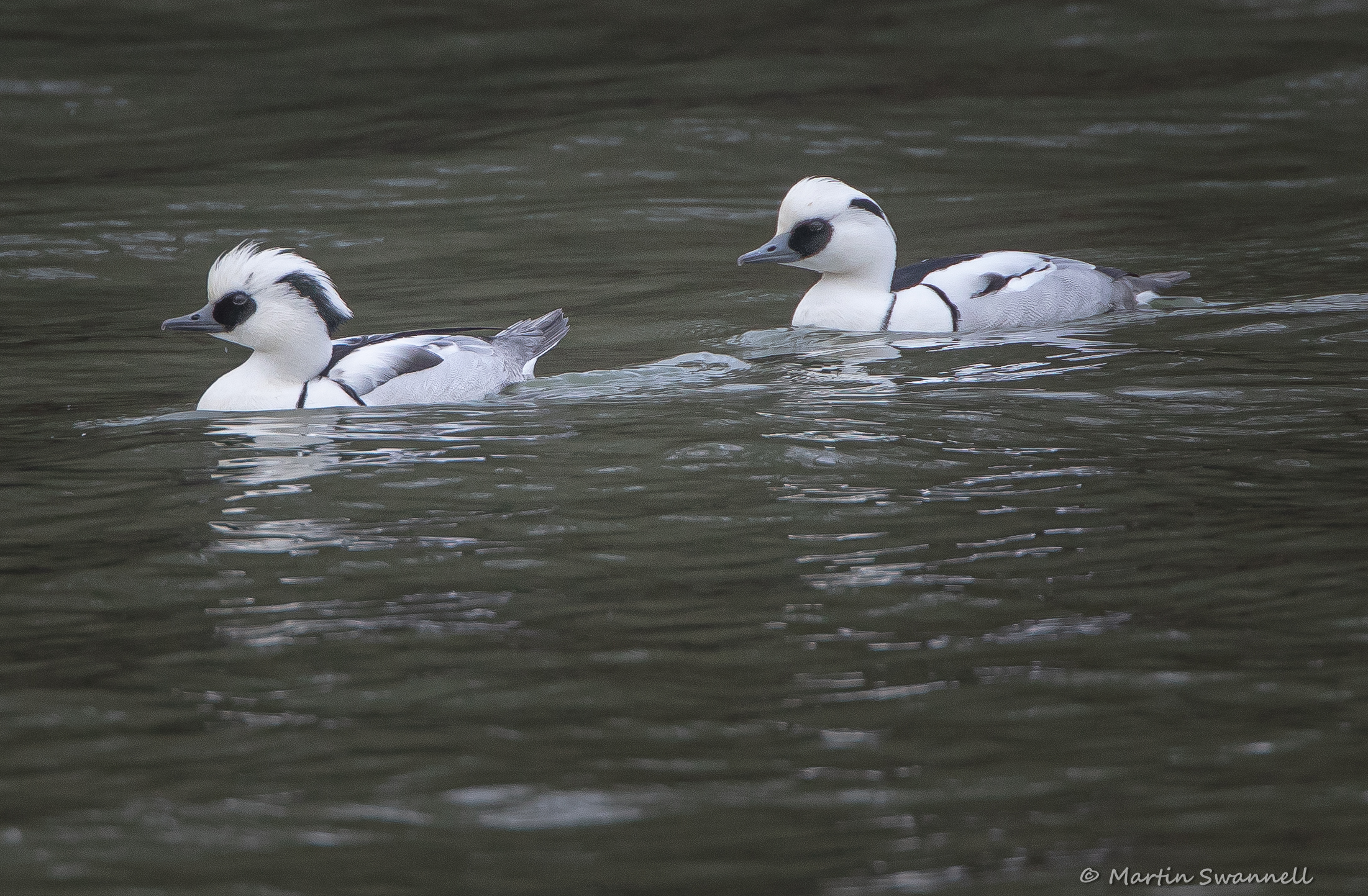
Drake Smews, Pitsford Res, 13th December 2021 (Martin Swannell)

A drake Greater Scaup was also reported there on 14th and, after a week without any, two Red-crested Pochards were at Daventry CP on 16th-17th.

Back at Pitsford, a Black-necked Grebe was reported on 14th and Cattle Egrets hit rock bottom this week with just one at Stanwick GP on the same date. Conversely, Great Egrets reached a new record high on 16th, when nineteen were counted coming in to roost at the latter site. Top totals elsewhere were up to eight at Pitsford on 16th, three at Thrapston GP on 11th, two at Stanford Res on 12th and singles at Upton CP on 15th and at Stortons GP and Summer Leys LNR on 16th.

Arguably the period’s top bird, in terms of rarity, was the juvenile/first-winter Shag found at Pitsford on 15th and still present there as the week drew to a close on 17th. Given that most records of this species are in autumn, December records are few and far between, this one likely to stir memories for many a local birder of the highly approachable, fearless first-winter that took a shine to Abington Park Lake in suburban Northampton, from 17th December 2006 until 4th February 2007.

Juvenile/first-winter Shag, Pitsford Res, 16th December 2021 (Mike Alibone)

Again, it was a case of as you were, on the wader front, with the Wood Sandpiper remaining at Pitsford and the long-staying Ruff lingering at Summer Leys until at least 16th, last week’s Black-tailed Godwit remaining at the latter locality until 12th and the wintering Common Sandpiper also staying put at Earls Barton GP’s New Workings (North) at the end of the period. Jack Snipe was added to the mix this week, with one near Wicksteed Park (Kettering) on 11th and five at Daventry CP on 16th.

Gulls fared better, with an adult Mediterranean Gull at Summer Leys on 12th, a third-winter Caspian Gull at Stanford Res on 11th, accompanied there by 2 adult Yellow-legged Gulls, while the usual, single adult Yellow-legged Gull was seen at Pitsford on 16th-17th.

Hardly a week passes without a Merlin these days, so one in a field adjacent to Ravensthorpe Res on 14th served to keep the species on the radar and comes as no real surprise.

On the passerine front, the number of Stonechats remained low, with up to four at Upton CP to 15th, two in the Brampton Valley on 13th and one at Borough Hill on 17th.

Male Stonechat, Upton CP, 15th December 2021 (Tony Stanford)

And it looks like the recent supply of Water Pipits has now dried up, with just one remaining on view at Summer Leys’ scrape until 11th, after which … nothing.

Newsround – 4th to 10th December 2021 

Pushing on into December and Arwen’s successor, Storm Barra, swept in off the Atlantic during 7th and 8th but appeared to have a negligible impact on local bird movements. New in, and undeniably topping this week’s celebrity bill, were two handsome drake Smews, found at Pitsford Reservoir at the eleventh hour …

But the wildfowl line-up kicks off with the first-winter Dark-bellied Brent Goose, remaining faithful throughout the period, to the eastern end of the Main Barrage Lake at Clifford Hill GP. The Ravensthorpe Pink-footed Goose was still with Greylags at Ravensthorpe Res on the last day of the week and a ‘small flock’ flew south, calling, over the Brampton Valley near Hanging Houghton, after dark on 9th.

A female Greater Scaup was reported from Summer Leys LNR on 6th but our ducks deluxe highlight was provided by the two dapper drake Smews, discovered at Pitsford Res on the last day of the week. With the two recently at Ringstead GP and the ‘redhead’ currently settled at Thrapston GP’s Aldwincle Lake, things look like they’re shaping up nicely for the usual sprinkling of this species over the winter – a far cry from last year, when local Smews were very much in short supply.

Drake Smews, Pitsford Res, 10th December 2021 (Alan Coles)
Drake Smew, Pitsford Res, 10th December 2021 (Tony Stanford)
Drake Smews, Pitsford Res, 10th December 2021 (Bob Bullock)

This week’s capricious Cattle Egrets were unpredictable in terms of where they might be reliably encountered. The much-depleted Ringstead roost, seemingly now out of favour with this species, produced three, in from the nearby horse paddocks, on 10th, while at least eight were seen leaving the former roost at Stanwick, early on 5th. On the latter date, the same roost also produced the week’s highest count of Great Egrets when nine also emerged at first light. Elsewhere, Pitsford held at least six – well down on the recent record high of eighteen – and singles were at Clifford Hill, Foxholes Fisheries (Crick) and Summer Leys.

Great Egret, Pitsford Res, 10th December 2021 (Alan Coles)

A Marsh Harrier flying west at Stanford Res on 10th was the period’s only raptor of note.

Once again, this week, the county remained in a winter waderland, with the Wood Sandpiper remaining at Pitsford throughout, the long-staying Ruff lingering at Summer Leys, again being joined by another on 4th, while a Black-tailed Godwit dropped in there on 10th. The wintering Common Sandpiper was also still present at Earls Barton GP’s New Workings (North) at the week’s end.

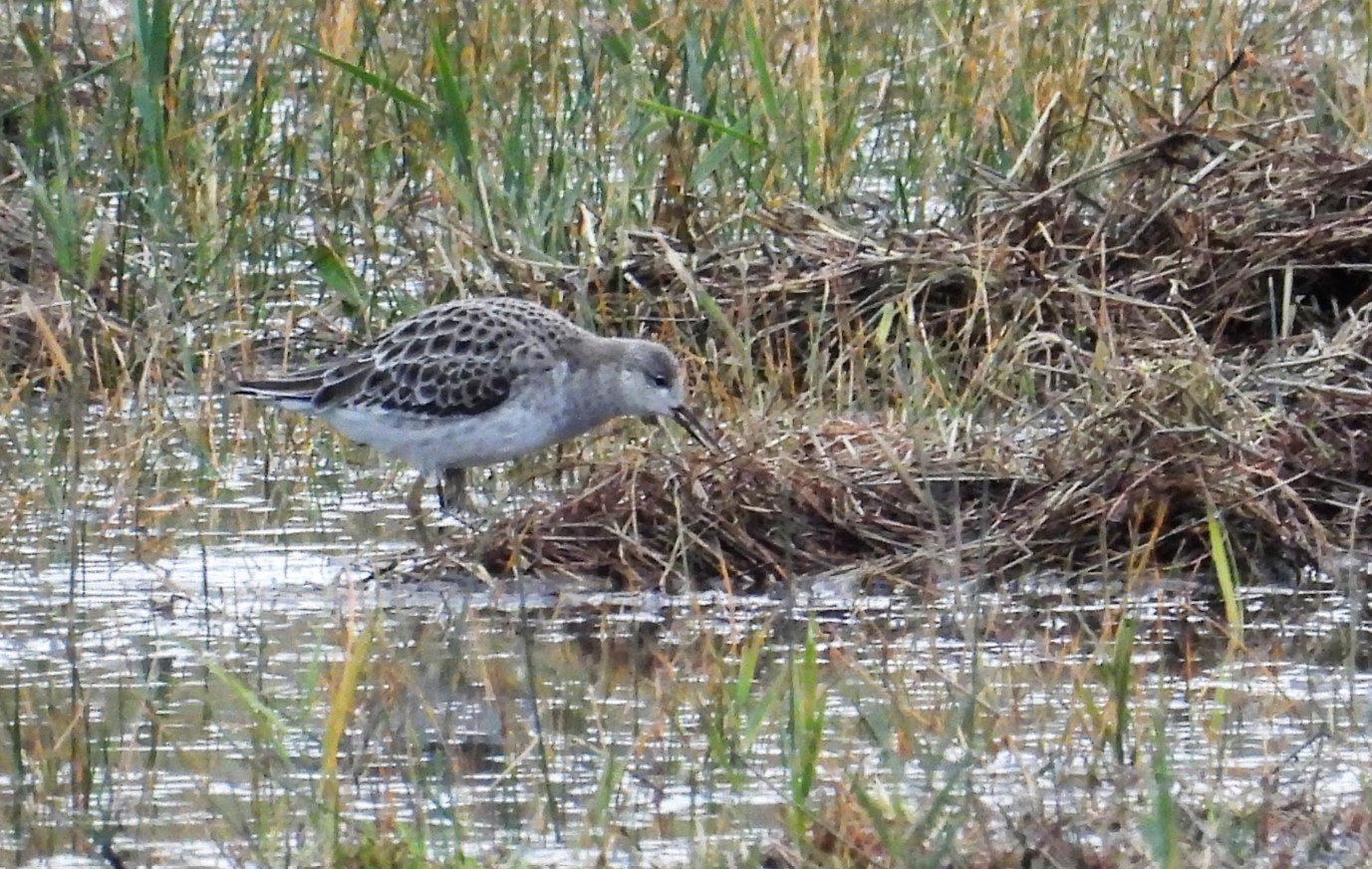
Ruff, Summer Leys LNR, 7th December 2021 (Mike Alibone)
Common Sandpiper, Earls Barton GP, 9th December 2021 (Mike Alibone)

Propping up the Larids, as usual, single adult Yellow-legged Gulls were at Pitsford on 9th-10th and at Clifford Hill on the first of these two dates.

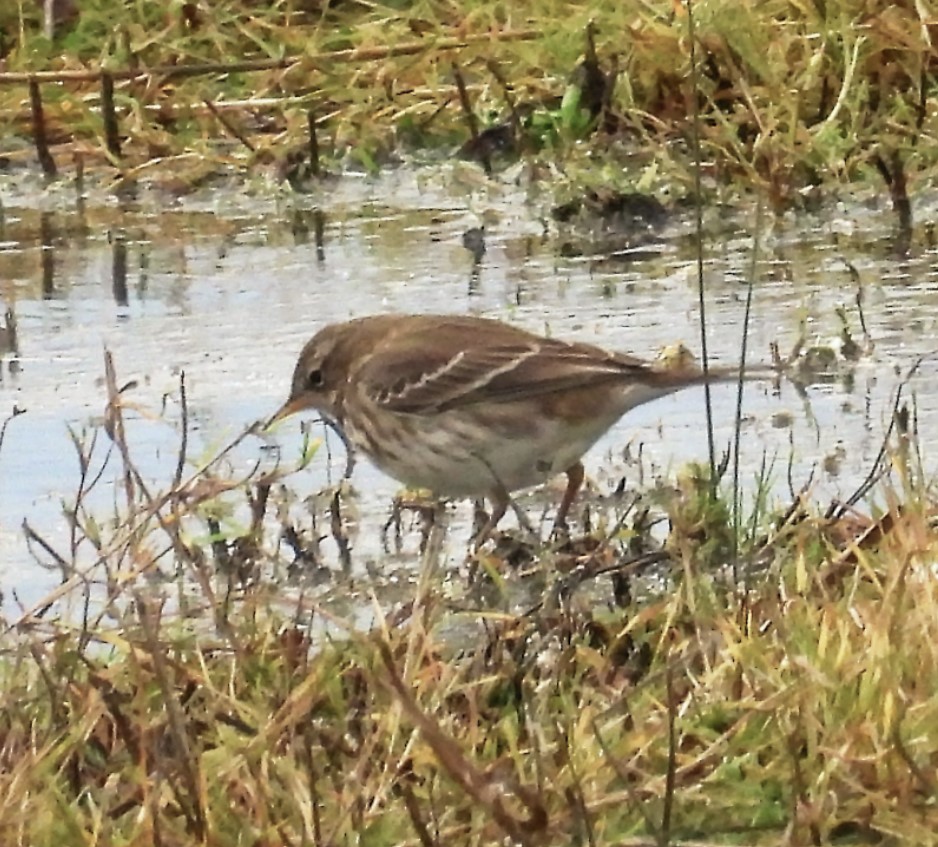
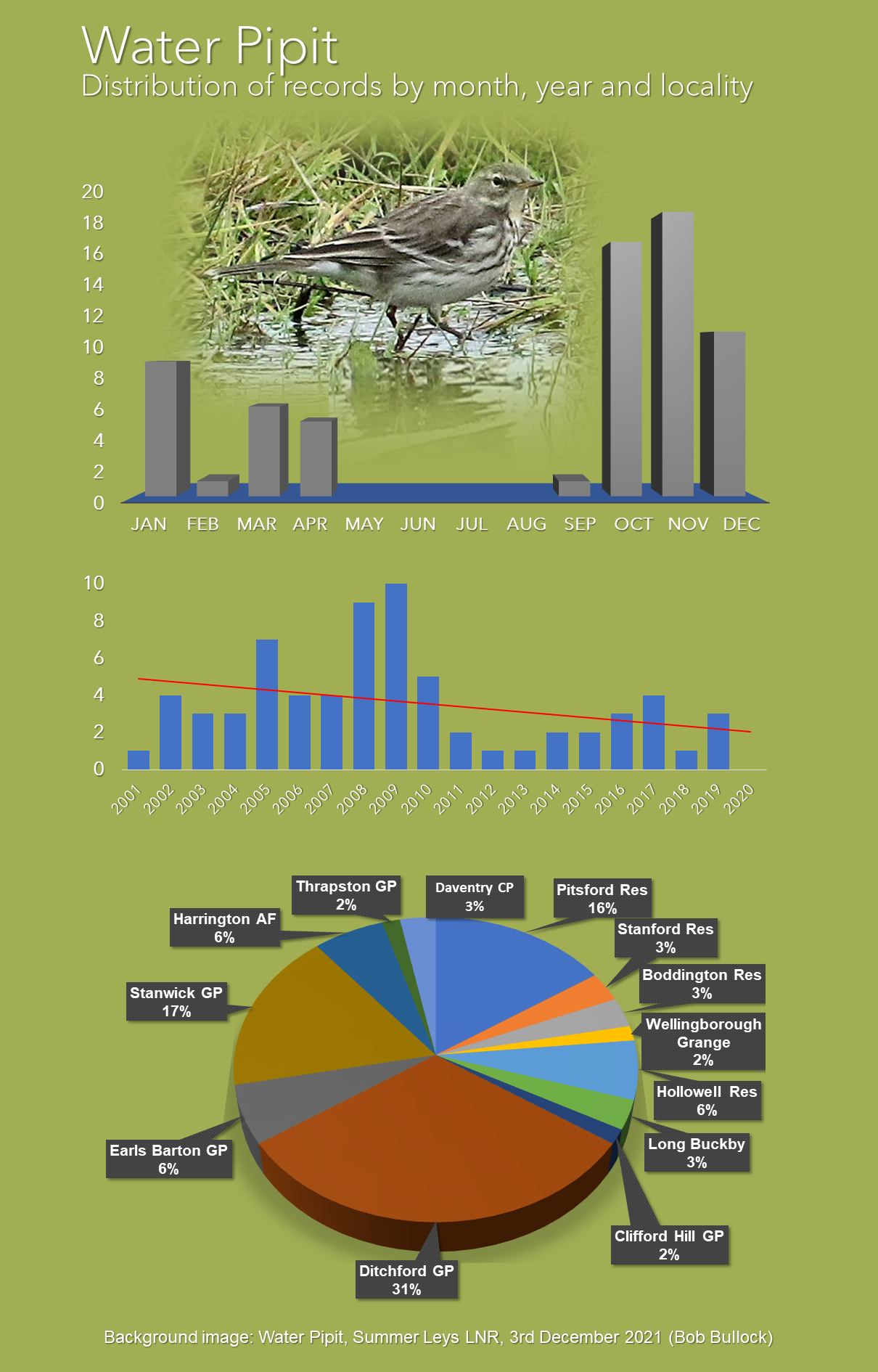
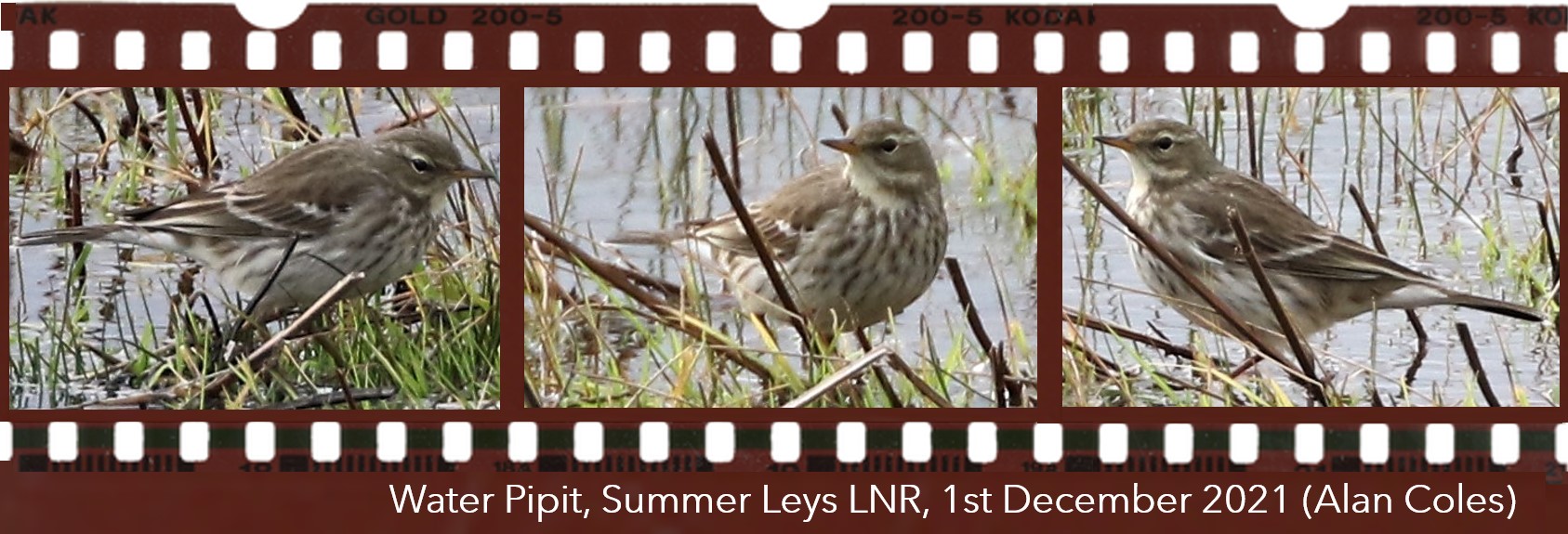
Passerines were limited to last week’s two Water Pipits on Summer Leys’ scrape until 5th, with one remaining until the week’s end. A quick analysis of the records for the last twenty years reveals a trendline indicating a slight decline in numbers, November being the peak month for occurrences and, historically, Ditchford accounting for the majority of those seen during the winter months.

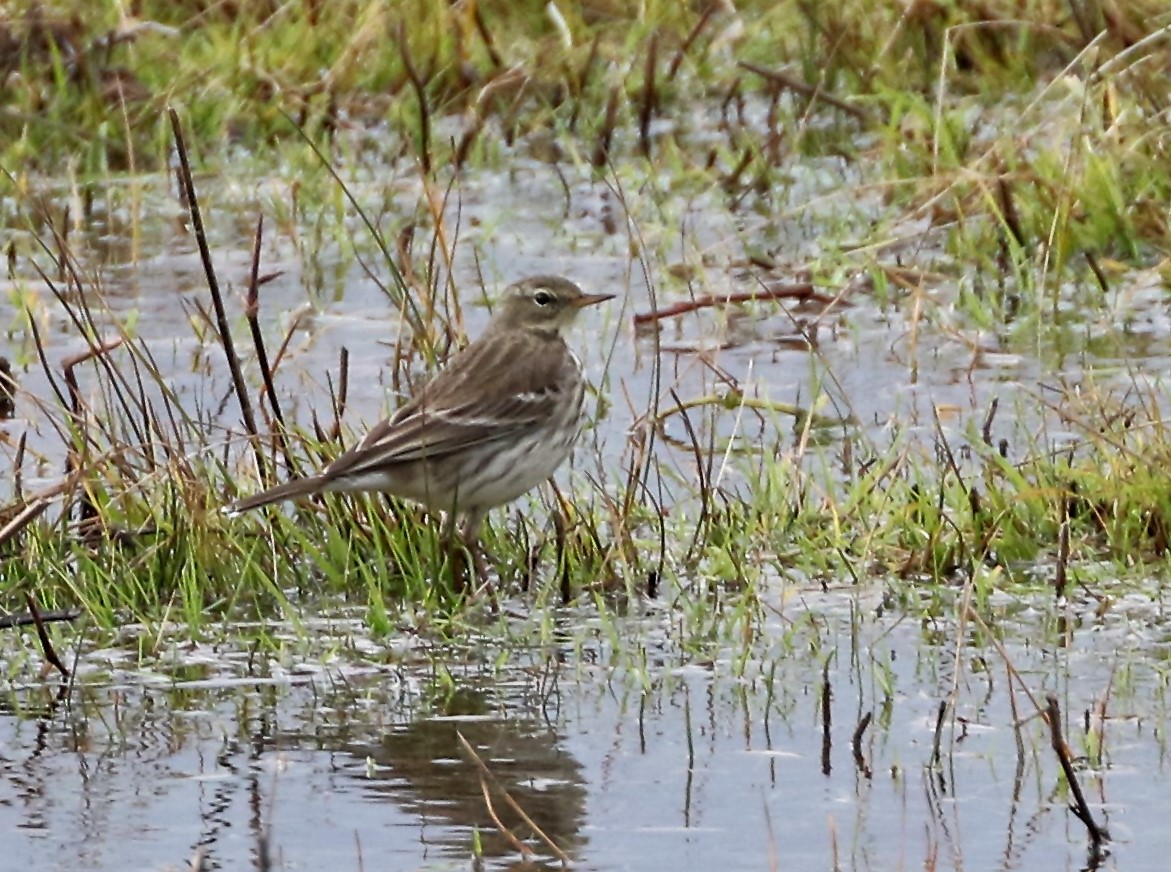
Water Pipit, Summer Leys LNR, 8th December 2021 (Leslie Fox)
Female Stonechat, Earls Barton GP, 10th December 2021 (Leslie Fox)

The number of Stonechats was down on last week, with just two at Upton CP on 8th and the same number at Earls Barton GP on 10th.

Newsround – 27th November to 3rd December 2021 

A true taste of winter was delivered by the much-publicised Storm Arwen as the week opened on day one. Gale force northerlies sucked in high Arctic air, bringing snow showers to the county on 27th-28th, along with a daytime wind chill of -4°C. Winds subsequently wavered westerly mid-period, providing a short, milder interlude before again turning northerly.

Few would deny the above meteorological cocktail played a significant part in delivering a Northamptonshire ‘first’ in the form of a Pale-bellied Brent Goose, to Boddington Res, on 27th. Initially reported simply as a ‘Brent Goose’, it was rightly flagged up by John Friendship-Taylor as a Pale-bellied Brent, when he called in to see it shortly after its discovery. It had gone by the following morning and if it hadn’t been for JF-T, well, the frightening prospect of it slipping through the net is likely to have been a stark reality and simply doesn’t bear thinking about …

Adult Pale-bellied Brent Goose, Boddington Res, 27th November 2021 (Bob Bullock)

Pretty much an ‘inland mega’ in its own right, our Pale-bellied Brent was one of a number to be recorded inland during the weekend of 27th-28th. Wetlands away from the coast in Cambridgeshire, Durham, East, West and North Yorkshire and Lincolnshire were similarly paid visits by short-staying individuals. Latest estimates put the British wintering population of Pale-bellied Brents at approximately 5,000 in contrast to some 98,000 Dark-bellieds (Frost et al 2019).

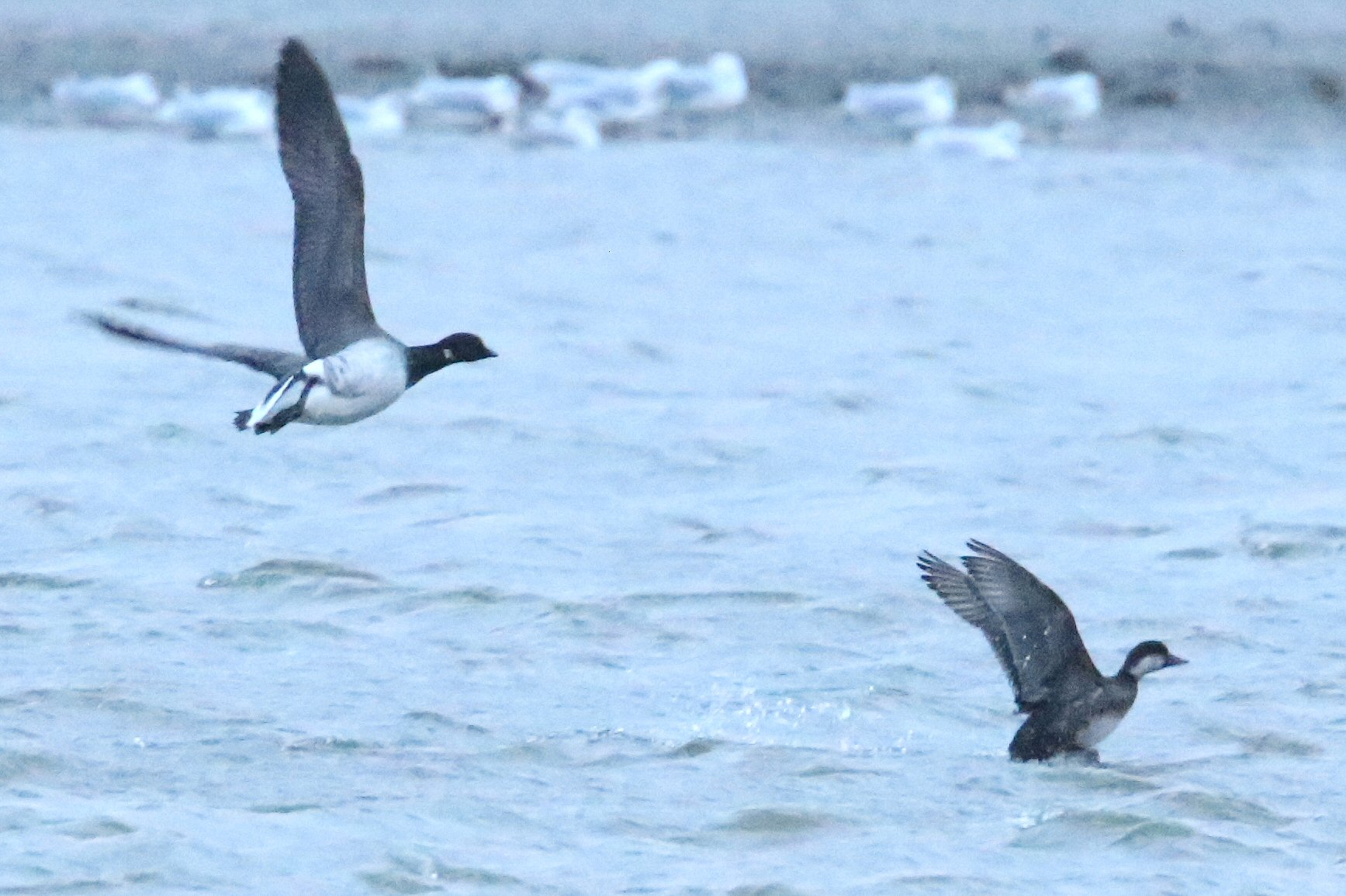
Adult Pale-bellied Brent Goose and first-winter female Common Scoter, Boddington Res, 27th November 2021 (Bob Bullock)

While current taxonomic classification lumps Pale-bellied with Dark-bellied Brent and Black Brant, it has been proposed to treat them as three separate species. This is based on a number of factors, including distinctive plumage differences, the apparent rarity of hybrids and the fact that where the wintering ranges of Pale-bellied and Dark-bellied races overlap, flocks do not usually mix, their activity rhythms are often different and interactions between them do not seem higher than those between other species of geese (Reeber 2015). So, who knows what the taxonomic future holds? But don’t hold your breath …

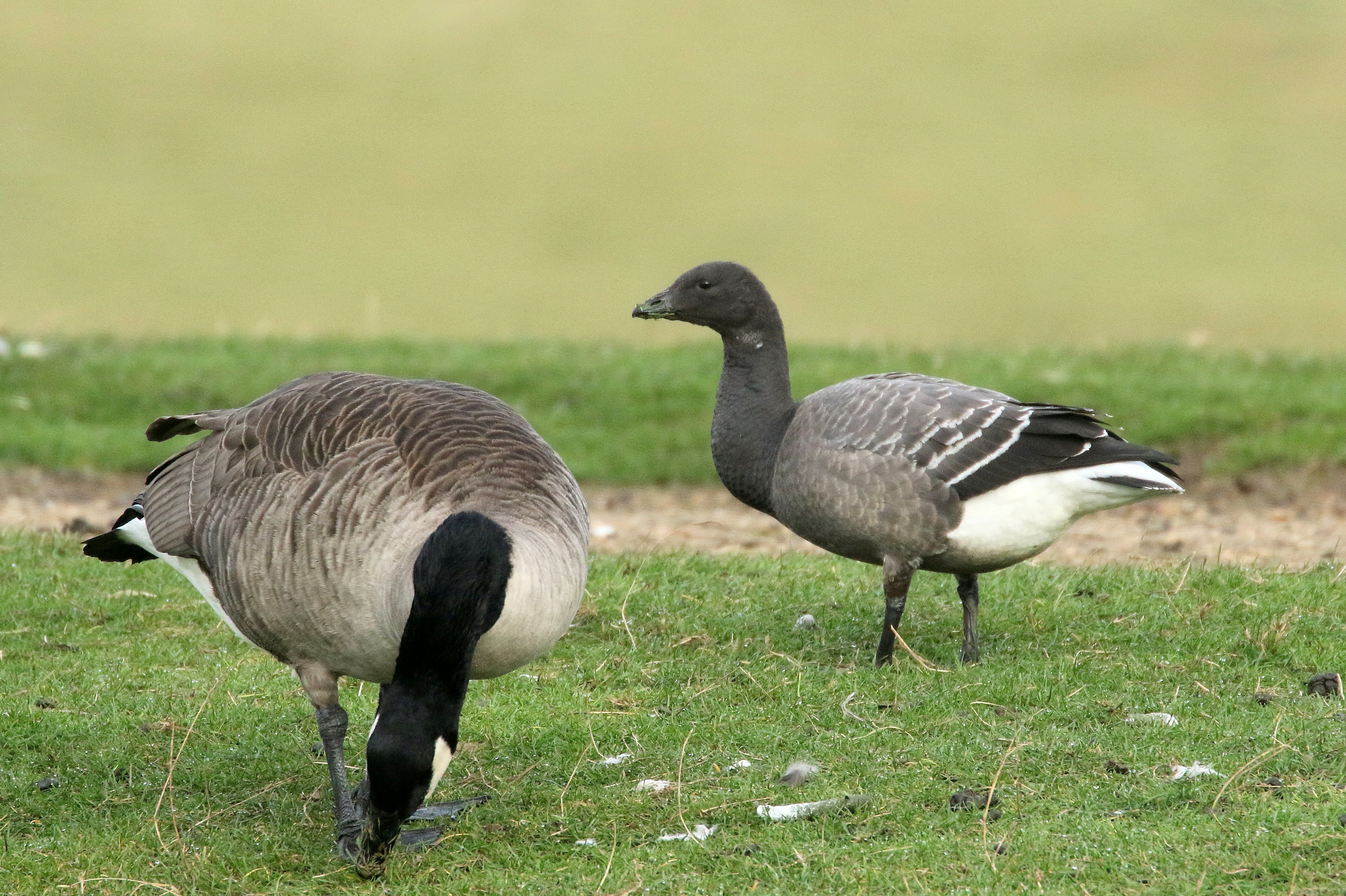
Other Brents were also available, of course, this comment referring specifically to the first-winter Dark-bellied Brent Goose, now into its third week at Clifford Hill GP. This may well be a unique event in history when Northants plays host to both pale- and dark-bellied races of Brent Goose at the same time.

First-winter Dark-bellied Brent Goose, Clifford Hill GP, 29th November 2021 (Bob Bullock)

However, as December kicked in, of undeniably dubious origin was a Barnacle Goose found at Pitsford Res on 1st and still present at the week’s end. Although the same might be said about lone Pink-footed Geese, they tend to enjoy a smoother ride, currying favour with local birders when they join local Greylags, as did this week’s at Ravensthorpe Res, ex-Hollowell, from 27th to 29th, while last week’s Stanford bird was still present on 27th and another – perhaps Arwen-induced – dropped in at Boddington on 28th.

Barnacle Goose, Pitsford Res, 2nd December 2021 (John Watts)

And while we’re back on the storm theme, a blow-in of Common Scoters was clearly evident over the weekend of 27th-28th, with a first-winter female apparently enjoying the company of a certain Brent Goose at Boddington on 27th, followed by two there on 28th, when two were also in deep water at Pitsford Res.

Common Scoters, Pitsford Res, 28th November 2021 (Ant Hall)

Pitsford also continued to hold good numbers of Red-crested Pochards with a maximum of eighteen there on 27th. Out east, in the Nene Valley, a ‘redhead’ Smew was found at Thrapston GP on the last day of the week – perhaps one of the two which went missing from nearby Ringstead GP after 23rd November.

Maintaining last week’s low profile, Cattle Egrets continued to take a back seat and just five were seen on 29th and 1st, in fields below Irthlingborough, close to the lakes and meadows of the same name. In contrast to the last two weeks, Great Egrets narrowly scraped into double-figures with just ten at Pitsford on 28th while, elsewhere, Thrapston held six, Stanford four, Stanwick three, Clifford Hill and Summer Leys two, while singles were also found at Ditchford GP, Hollowell and Ringstead.

On the wader front, the Wood Sandpiper remained at Pitsford all week, the long-staying Ruff kept up its presence at Summer Leys, being joined there by another on 28th and the Common Sandpiper at Earls Barton GP’s New Workings (North) crossed the timeline into meteorological winter and can now be declared as ‘officially wintering’. Other scarce waders were two Jack Snipes at Thrapston on 27th.

Wood Sandpiper, Pitsford Res, 2nd December 2021 (Tony Stanford)

Gull numbers were their poorest for a long, long time, with just one Yellow-legged Gull at Pitsford on 27th. In the coming weeks we can hopefully look forward to some ‘white-wingers’, Arwen having failed to deliver any locally.

Single Merlins were seen this week at Summer Leys on 28th and at Harrington AF on 2nd-3rd.

This week’s passerines were shaping up nicely, starting with four Stonechats at Hollowell, twos at Denton, Thrapston and Upton CP and one at Clifford Hill.

Female Stonechat, Denton, 29th November 2021 (Steve Brayshaw)

But the best turned out to be a Water Pipit or two at Summer Leys. Showing nicely for long periods from the Paul Britten Hide, the first was discovered on 30th and was subsequently joined by another there on 3rd.

Water Pipit, Summer Leys LNR, 1st December 2021 (Alan Coles)
Water Pipit, Summer Leys LNR, 3rd December 2021 (Bob Bullock)

These were undoubtedly the most easily observed Water Pipits in recent years and certainly since the regular wintering birds at Ditchford GP, which were always difficult to pin down, often being seen only in flight. Talking of which, one also flew north-east over Harrington, calling, on 29th as did three Hawfinches later the same day. Meanwhile, staying with Harrington, this winter’s Brambling bonanza continued with an estimated two hundred still present there at the week’s end.

Flyovers aside, with some of the above birds appearing settled, it looks like we could be in for an interesting winter …

Newsround – 20th to 26th November 2021 

It was pretty much déjà vu as far as the week’s weather was concerned, with no real let-up in the westerlies until the week’s end, when the winds swung northerly, introducing a colder, more wintry airstream. There were few new avian arrivals, either, but there was still a grand selection of interesting fare to focus on.  

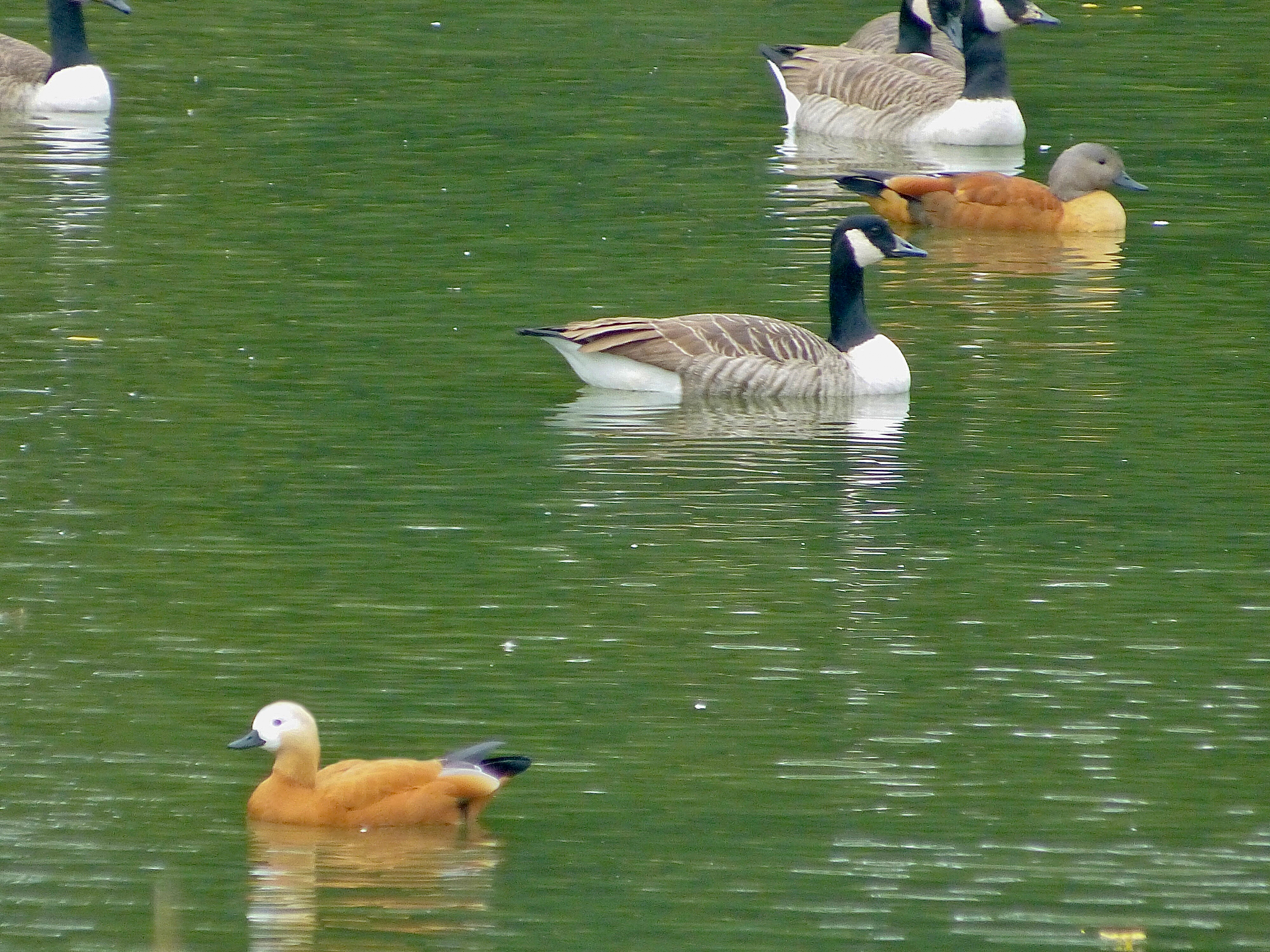
Appearing settled, last week’s Dark-bellied Brent Goose remained with the Canada Goose flock around the Main Barrage Lake at Clifford Hill GP throughout the period. Bets are on to see if it stays into winter proper. Meanwhile, at Stanford Res, the roving, escaped Cackling Goose put in a brief appearance on the last day of the week and just down the road, Hollowell’s Pink-footed Goose had moved to Ravensthorpe Res, where it was seen on 22nd. Hollowell Res, itself, was paid a brief visit by nine Whooper Swans on 21st, obviously choosing not to linger.

At Pitsford Res, Red-crested Pochards appeared to vary in numbers by the day, peaking at sixteen on 21st, while last week’s ‘redhead’ and eclipse drake Smew were the only other ducks of note, remaining on Ringstead GP’s Brightwells Lake until 23rd, after which they did a bunk.

Partial-eclipse drake Smew, Ringstead GP, 23rd November 2021 (Mike Alibone)
‘Redhead’ Smew, Ringstead GP, 23rd November 2021 (Mike Alibone)

After last week’s all-time high, numbers of Cattle Egrets tumbled to just two in flight over Stanwick GP on 23rd and a mere five remained in the fabled cattle field north of Ringstead GP, where the record-busting sixteen had been present on 16th-17th. Numbers of Great Egrets, on the other hand, continued to climb, setting another Northants site total record of eighteen at Pitsford on 21st and 25th. Elsewhere, Hollowell held three and Ditchford GP, two, while singles were also found at Foxholes Fisheries (Crick), Ravensthorpe, Ringstead and Summer Leys LNR.

A ’ringtail’ Hen Harrier was reported from Harrington AF on 21st.

On the wader front, the late, late Wood Sandpiper show continued at Pitsford throughout the week, the long-staying Ruff remained at Summer Leys and the Common Sandpiper at Earls Barton GP’s New Workings (North) was still present at the period’s end.

Gull numbers remained low and included the third-winter Caspian Gull at Hollowell on 22nd and 24th, with another – or the same – visiting Stanford on the first of these two dates, while an adult was in the roost at Boddington Res on 26th. The same roost produced four Yellow-legged Gulls and the adult continued to be seen at Pitsford throughout the week.

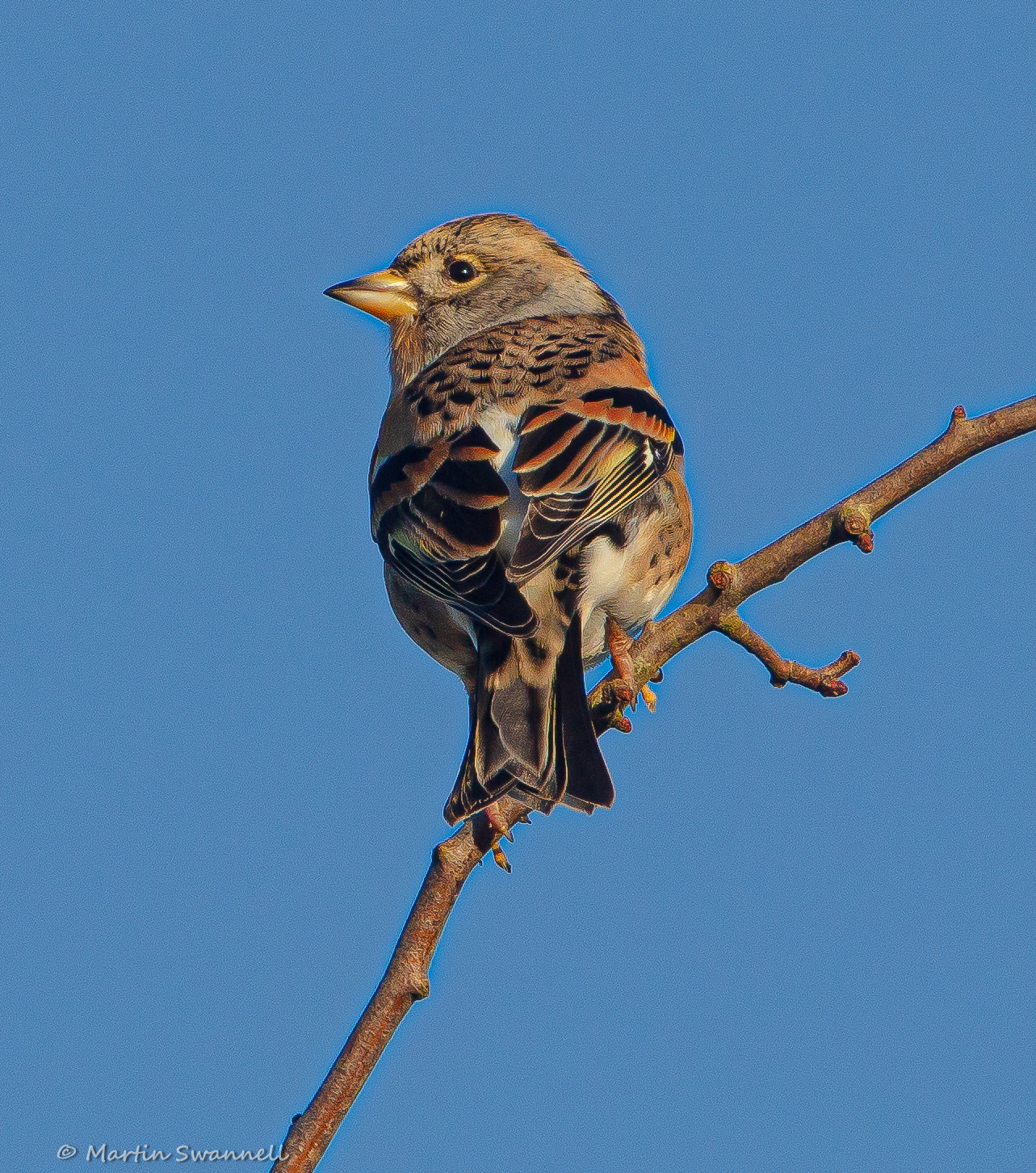
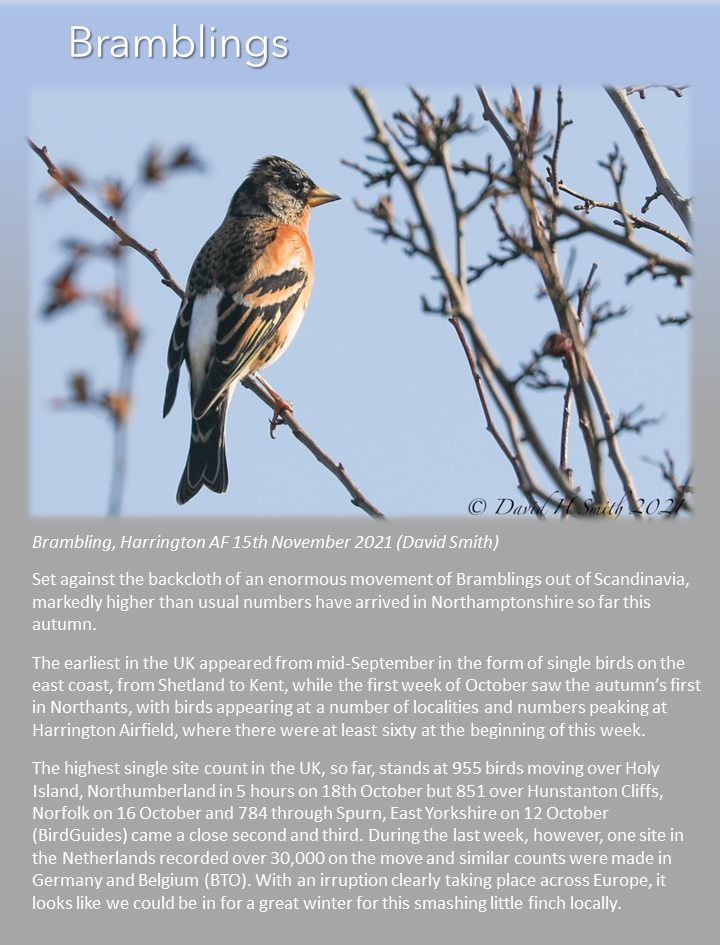
Brambling, Harrington AF, 22nd November 2021 (Martin Swannell)

Just two species represented this week’s passerines, with Stonechats found at Clifford Hill, Ditchford, Hollowell, Pitsford and Sywell CP and no more than two at any one locality. Worthy of a mention, if only for sheer numbers, Bramblings came to the fore once again and after last week’s prediction of more to come, an estimated three hundred showed up at Harrington on 21st, falling to around two hundred on 23rd and tens by the week’s end.

Newsround – 13th to 19th November 2021 

There was little change in this week’s weather, with the westerly airstream still in place and temperatures remaining above average for mid-November. However, vestigial summer visitors were still to be found alongside some classic winter arrivals.

The third Dark-bellied Brent Goose to be found in the county this year was a juvenile/first-winter, which tagged along with the local Canada Goose flock at Clifford Hill GP on 17th.

Juvenile moulting to first-winter Dark-bellied Brent Goose, Clifford Hill GP, 17th November 2021 (Mike Alibone)

Meanwhile, the Hollowell Res Pink-footed Goose remained there throughout the period and despite last week’s speculation that it may have also visited Stanford Res, photographs clearly indicate it is a different bird.

Pink-footed Goose, Hollowell Res, 15th November 2021 (Alan Coles)

The fifteen-strong raft of Red-crested Pochards also remained at Pitsford Res, as did the three at Stanford, both groups still being present at the week’s end, while 17th saw the reappearance of one of the Greater Scaups at Daventry CP – this one being the bird which had earlier been on site between 1st and 4th November.

And the pick of this week’s ducks deluxe was the first Smew of the winter – two to be precise – discovered on 19th on Brightwells Lake, a small body of water that receives scant attention compared to certain other areas of the Ringstead GP complex, of which it is a part. While the November date may seem a little early for this species in the county, a dig into historical records unearths a number of October birds, the earliest of which was at Stanford on 11th October 1993. The first in the UK this autumn was one at Hornsea, East Yorkshire on 13th October.

‘Redhead’ and moulting eclipse drake Smew, Ringstead GP, 19th November 2021 (Nick Parker)

With no reports for the best part of a month, a Bittern resurfaced briefly at Summer Leys LNR on 14th but other herons were, of course, available … and much easier to see, at that. After last week’s record-busting totals, numbers of both Cattle Egrets and Great Egrets nudged higher still, with the first of these two amassing sixteen in a cattle field north of Ringstead on 16th-17th. Many of these joined the egret roost at Kinewell Lake, while fourteen flying north-east at nearby Stanwick GP, at dawn on 14th, were clearly the same birds.

Cattle Egret, between Woodford and Ringstead GP, 17th November 2021 (Mike Alibone)

Great Egret numbers reached a minimum of sixteen at Pitsford on 15th – the highest ever single-site total for Northants – while nine were counted at Ringstead’s Kinewell Lake on 14th. Elsewhere, Hollowell produced five, Thrapston GP four, Stanwick three and Summer Leys two, resulting in a potential current wintering population of perhaps as many as forty birds. Who said they were rare … ?

Also looking set to winter – or at least in no hurry to move on anytime soon – the Pitsford Wood Sandpiper remained throughout, the long-staying Ruff at Summer Leys was joined by another there on 16th and the Common Sandpiper at Earls Barton GP’s New Workings (North) was still present at the week’s end. The only Jack Snipes found during the period were two near Ravensthorpe on18th.

Ruff, Summer Leys LNR, 14th November 2021 (Leslie Fox)

Gull numbers were once again very low and included a third-winter Caspian Gull at Hollowell on 19th, and an adult Yellow-legged Gull was still at Pitsford on 14th.

In contrast to last week, just one Merlin was seen, this time at Harlestone Lake, on 15th and just when you thought it was all over for Swallows, one was seen flying south-west over Bradden on 13th. It surely is now …

The past couple of weeks has seen a number of late Ring Ouzels moving through the UK and we were not left out. One was found behind Byfield Pool at Boddington Res on 14th and another reported from below Hanging Houghton on 17th, while this week’s Stonechats included four at Thrapston GP on 14th, four at Hollowell between 15th and 19th, two at Earls Barton GP on 15th and one at Sywell CP on 14th and 15th.

Following one last week, three more Hawfinches were reported on 17th, in trees close to the gatehouse at Lilford Park. Unlike the next species, however, they remain in short supply and there would appear to be no sign of an impending invasion.

Newsround – 6th to 12th November 2021 

A predominantly westerly airstream remained in place throughout the period and temperatures were largely above average for early November, clearly suiting some lingering summer visitors.

Against this backcloth, numbers of winter wildfowl were undoubtedly on the increase, some of which, however, were clearly not so wild. Falling squarely into the latter category was the re-emergence of the Cackling Goose, still on the loose in the west of the county, on this occasion with Canada Geese at Stanford Res on 10th. Stanford also played host to a Pink-footed Goose – most likely the Hollowell Res bird – from 9th until the week’s end. Two more Pinkfeet flew east over Nether Heyford on 6th, while the roving female Ruddy Shelduck appeared at Hollowell on 11th.

Pink-footed Goose, Stanford Res, 9th November 2021 (Chris Hubbard)

Making a splash this week were Red-crested Pochards, with arrivals at four localities – most notably at Pitsford Res, where seventeen appeared on 6th and fifteen were still in place at the week’s end. Smaller numbers arriving elsewhere included two at Boddington Res on 6th, three at Thrapston GP on 7th and three at Stanford, which were present from 7th until the end of the period.

Red-crested Pochards, Boddington Res, 6th November 2021 (Gary Pullan)
Red-crested Pochards, Pitsford Res, 11th November 2021 (Martin Swannell)

Pitsford also produced a female Greater Scaup – a one-day bird on 7th, while Daventry CP chalked up its third of the autumn this week, with another first-winter from 8th to 10th.

Female Greater Scaup, Pitsford Res, 7th November 2021 (Angus Molyneux)
First-winter Greater Scaup, Daventry CP, 8th November 2021 (Gary Pullan)

At the other end of the county, Cattle Egrets pushed through to deliver an all-time county high with at least fourteen coming into the roost at Ringstead GP on 12th but away from this site only two were seen, at nearby Stanwick GP, on 9th. In parallel, Great Egrets smashed the site record total this week with at least eleven at Pitsford on 7th and 9th, while totting up numbers from Ringstead, Stanford, Stanwick, Summer Leys LNR and Thrapston suggests the total wintering population in Northants currently is likely to be a minimum of twenty. Ignoring possible Nene Valley duplicates, of course, that excludes any which may be lurking at other local bodies of water which would appear not to have been visited by birders this week.

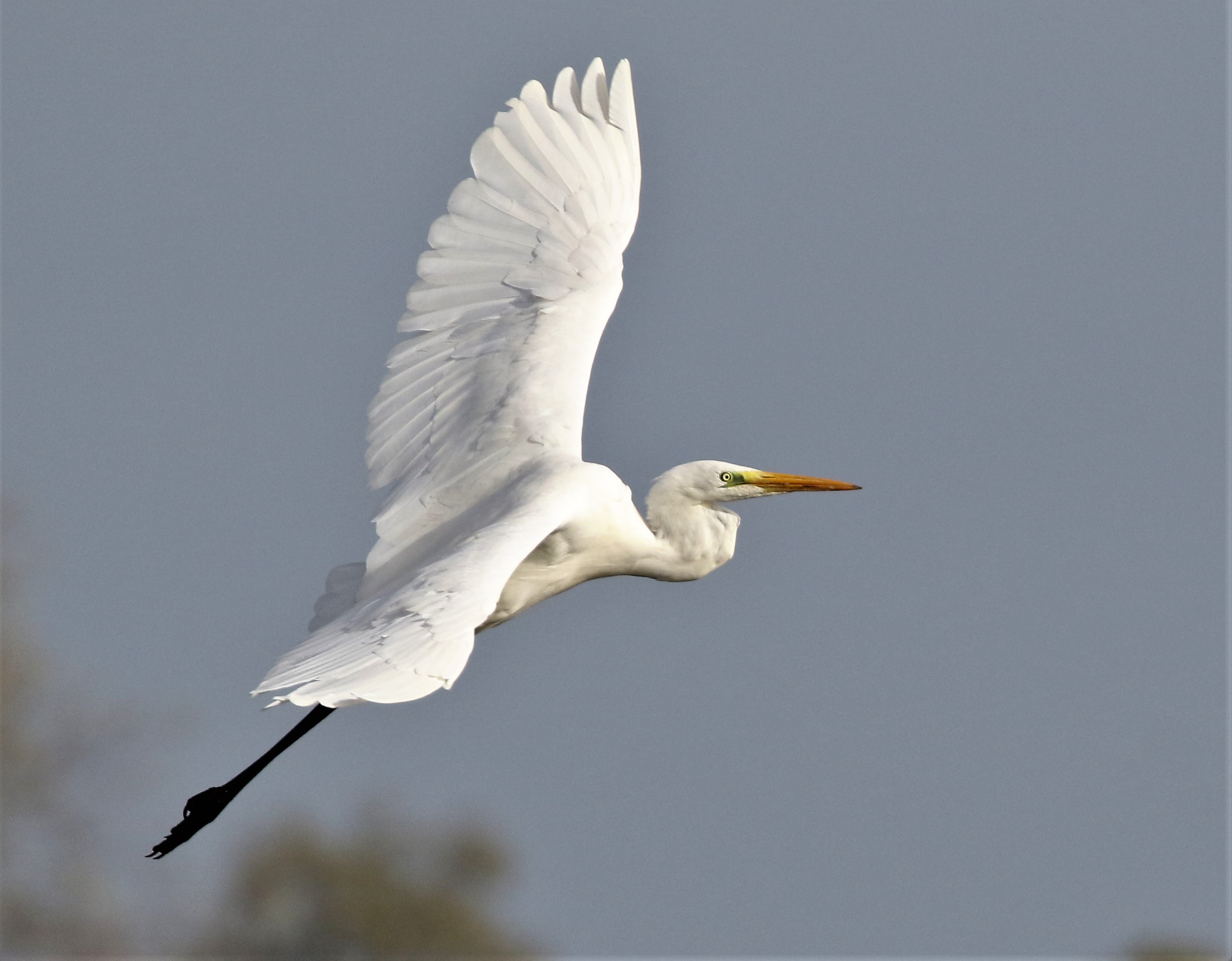
Great Egret, Pitsford Res, 7th November 2021 (Alan Coles)

And now to the curious case of the ‘Desborough stork’. Seen only as an early morning silhouette on a house roof on 8th, before quickly disappearing, it later emerged that a bird appearing to match the description of a White Stork was seen on a house roof in Wellingborough, last week, on 4th …

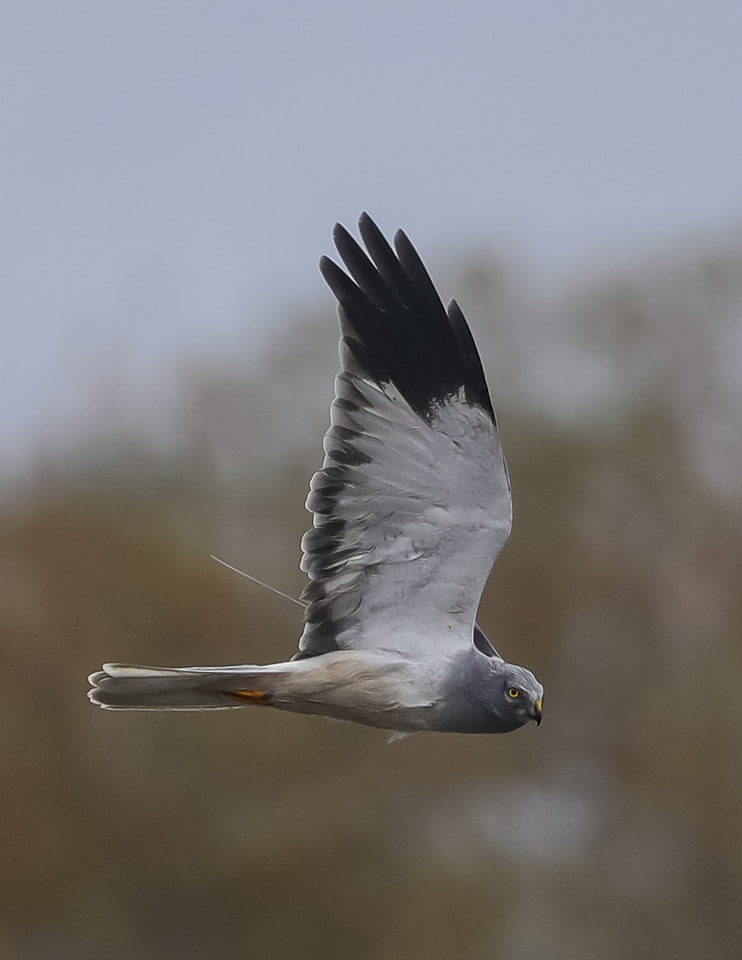
Arguably less ephemeral, though never overly easy to catch up with locally, harriers were still in the spotlight, with two species putting in appearances for the second week running. On 8th, a Marsh Harrier flew south over Mary’s Lake at Earls Barton GP, while the 7th saw a ‘ringtail’ Hen Harrier in the Brampton Valley, north of Brixworth, the same bird again being seen within spitting distance, at Blueberry Farm, on 10th. But stealing the limelight was the male Hen Harrier that cruised over the Main Lake and scrape at Summer Leys on 12th, before proceeding to quarter the rough fields either side of Mary’s Lane, its twenty-minute stay enabling a number of on-site birders to catch up with it. However, this was no ordinary male and, sporting an aerial, it has been identified as a satellite-tagged bird known as ‘Apollo’, originating in Lancashire, previously wintering in Spain and more recently having spent time near (the aptly-chosen) Gibraltar Point in Lincolnshire before appearing at Summer Leys. The area it was hunting in would seem like ideal wintering habitat but is it enough to hold its interest? Summer Leys or Spain – where would you rather be … ?

Male Hen Harrier, Summer Leys LNR, 12th November 2021 (Alan Coles)
Male Hen Harrier, Summer Leys LNR, 12th November 2021 (Ricky Sinfield)

Topping the bill for waders again this week was the Pitsford Wood Sandpiper, which remained throughout, while others seemingly in no hurry to move on were the long-staying Ruff at Summer Leys and the Common Sandpiper just up the road at Earls Barton GP’s New Workings (North). Which one will crack and go first … or are they all in it for the long haul? A Black-tailed Godwit at DIRFT 3 on 7th and a Jack Snipe at Pitsford on 7th-9th also added to this week’s mix.

Wood Sandpiper, Pitsford Res, 11th November 2021 (Martin Swannell)

By contrast, however, gulls were once again few and far between and included a third-winter Caspian Gull at Daventry on 12th, along with two Yellow-legged Gulls there on thesame date, while an adult Yellow-legged remained at Pitsford until at least 7th.

Continuing last week’s surge, Merlins were found at Sywell AF on 7th, at Harrington AF and in the Brampton Valley on 8th and at Barnwell the following day. We appear to be enjoying an autumn of plenty locally, so far.

In another parallel with last week, two more late Swallows were found, feeding over horse paddocks at Castle Ashby, on 7th, while this week’s Stonechats included one at Pitsford on 7th and twos at Earls Barton on 8th, Thrapston on 9th and Upton CP on 12th. Rounding off the week’s passerines were a Crossbill flying west over Brackley on 8th and a Hawfinch, briefly, at Hanging Houghton on 10th.

Newsround – 30th October to 5th November 2021 

Gale force south-westerly winds on the last day of the month caused widespread minor damage and brought down trees across the county. Much calmer conditions subsequently prevailed, with northerly winds and the first frost of the autumn occurring overnight on 1st of the new month. November – a ‘gap month’ between autumn proper and winter, when summer visitors have long gone, scarce migrants all but dry up and things slow down a bit. But then there were the hangers-on …

Still in place, last week’s Pink-footed Goose remained at Hollowell Res until at least 2nd and after a week without any, a Whooper Swan dropped in to join the local Mutes at Daventry CP on 3rd.

Whooper Swan, Daventry CP, 3rd November 2021 (Gary Pullan)

Again this week, the female Ruddy Shelduck continued to visit Foxholes Fisheries at Crick until 31st but it failed to show subsequently. Following two late Garganeys on 21st October, another, or the same was at Pitsford Res on 4th, while a first-winter Greater Scaup appeared at Daventry CP on 1st, remaining there until at least 4th. This bird was identified as a different individual to the one last seen there on 28th, the latter possibly accounting for the first-winter female which paid a brief visit to Hollowell Res on 3rd.

Seemingly settled was the Black-necked Grebe on Thrapston GP’s Town Lake, where it remained all week.

Close by, at Ringstead GP, there were still nine Cattle Egrets coming in to the evening roost on 4th, the same date seeing four of these at Hall Farm, Irthlingborough, just a short flap up the Nene Valley. Great Egrets, meanwhile, were found at Hollowell Res, Pitsford Res, Ringstead, Summer Leys and Thrapston, with a respectable eight at Pitsford on 4th-5th being the highest number, although this still falls well short of the staggering count of forty-one made not too far away at Rutland Water in late October!

Great Egret, Pitsford Res, 1st November 2021 (Clive Bowley)

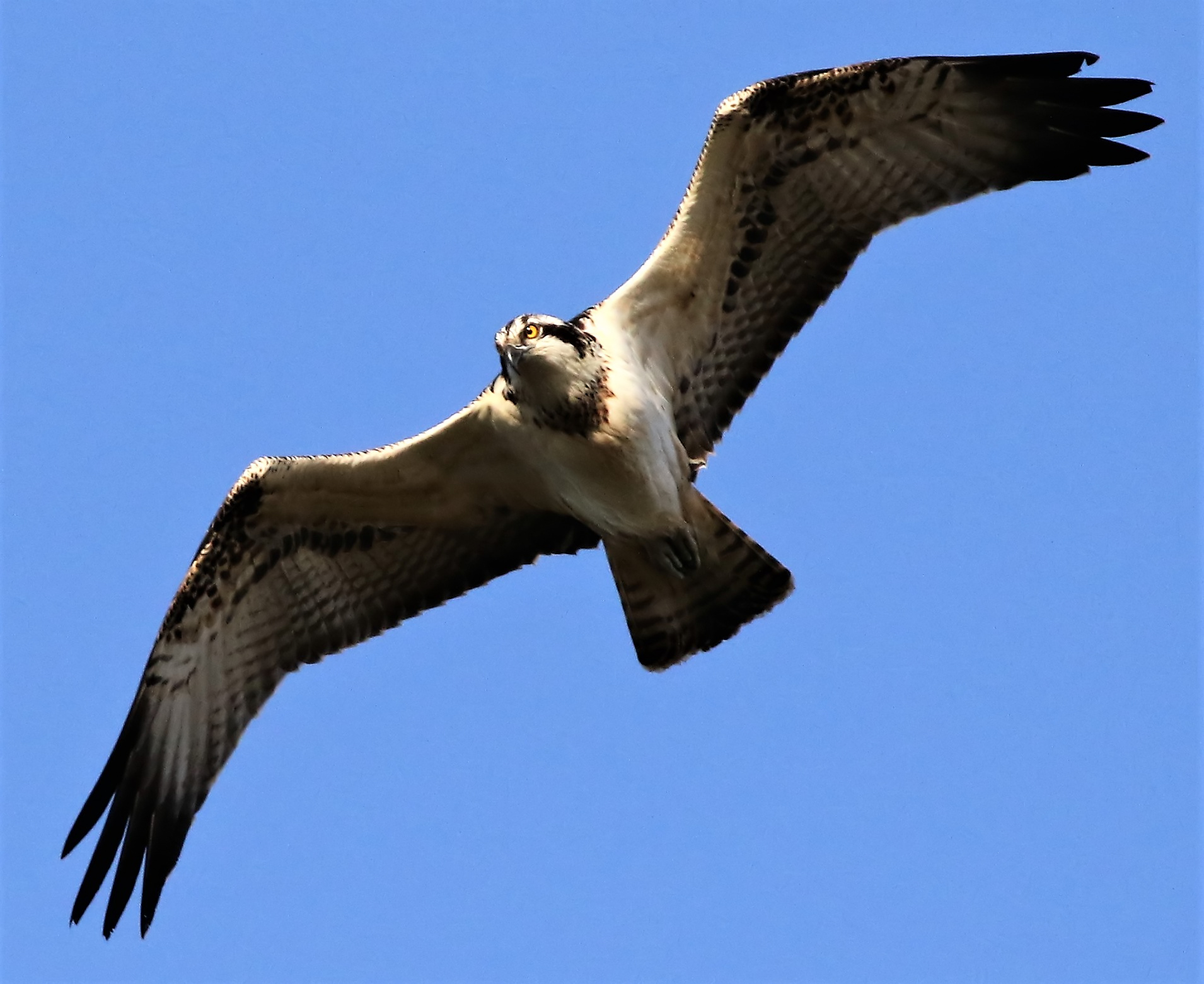
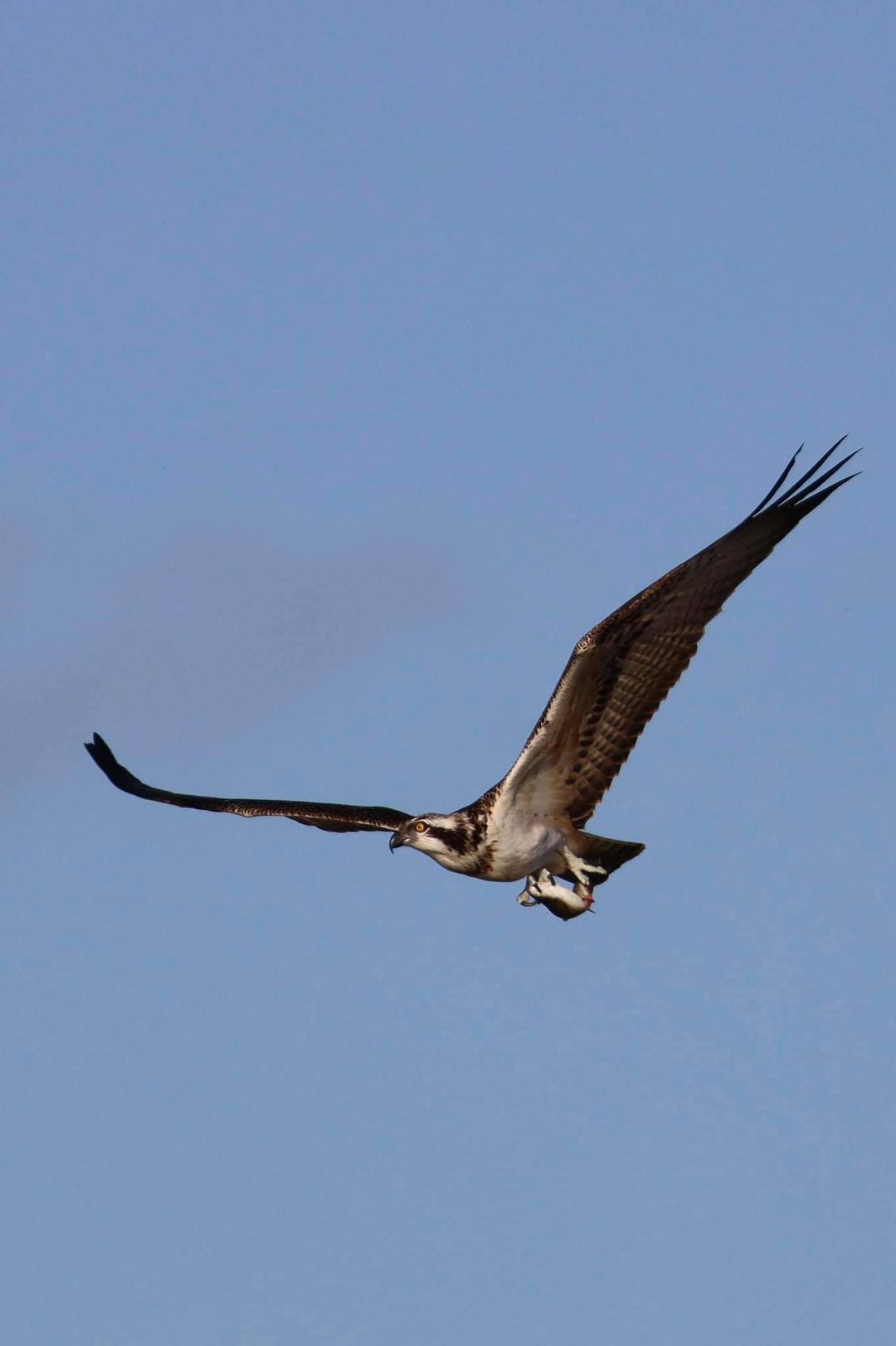
Last week’s long-staying Osprey made it into November by the narrowest of margins as the first day of the month was the last day upon which it was seen, when it cruised over Summer Leys, heading west … and with it went last week’s exclusivity.

Juvenile Osprey, Earls Barton GP, 31st October 2021 (Alan Coles)

It was not the only raptor on the beat this week, as November ushered more in. The 1st saw a ‘ringtail’ Hen Harrier at Harrington AF, still present in the area on 4th, while the latter date gave rise to a Marsh Harrier, seen three times during its short stay at Stanford Res.

After none at all during the last review period, waders were back, with one record-breaking bird in particular hitting the headlines. When confronted with a dainty, neatly-speckled, yellow-legged Tringa during the first week of November, the smart money would be on Lesser Yellowlegs, wouldn’t it? But this is, after all, Northamptonshire, so however unlikely the occurrence of a Wood Sandpiper at this time of year would seem, one at Pitsford on 4th-5th cruised easily into the record books as the county’s latest ever, by a comfortable ten-day margin. The previous latest was one at Earls Barton GP on 26th October 1997.

Wood Sandpiper, Pitsford Res, 4th November 2021 (Mike Alibone)

Perhaps aspiring to do the same – although they do occasionally occur in winter – a rather late Common Sandpiper was found at Earls Barton GP’s New Workings (North) on 3rd, while a Ruff at Summer Leys on 1st was likely to be this autumn’s established long-stayer and another was a brief visitor to Pitsford on 4th.

Just one Caspian Gull – a second-winter at Daventry on 30th – and one Yellow-legged Gull – at Pitsford on 4th-5th – were the only scarce Larids during the period.

Following last week’s juvenile male Merlin at Hinton AF, a female was found there on 3rd – just one of five, which included singles at Harrington AF on 1st and in the Brampton Valley on 5th, plus two near Hartwell on 4th.

Female Merlin, Hinton AF, 3rd November 2021 (John Friendship-Taylor)

Another hanger-on from summer was a late Swallow, heading east over Clifford Hill GP on 3rd, while this week’s Stonechats included up to four at both Hollowell and Thrapston, two at Earls Barton and singles at Clifford Hill and Pitsford.

Newsround – 16th to 22nd October 2021 

The weather this week appeared to be a major influencer in terms of movement of wildfowl. Strong south-westerlies and heavy rain were quickly followed by cold north-westerlies in the latter part of the week, as a deep low pressure system swept east across the country.

So, with a favourable tail-wind, Whooper Swans were the order of the day on 21st-22nd, when they were found at four localities. In the vanguard were two at Pitsford Res, briefly, on 19th, subsequently followed by one at Stanford Res early in the morning of 21st, that number having risen to three there in the evening. On the same date, three flew south-west over Stanwick GP and two were found at Clifford Hill GP – shortly to be joined by two more before the morning was out. Pitsford was back in the game on 22nd, when one was discovered among the Mute Swans there early on and five passed east through Stanwick’s airspace later in the afternoon.

Whooper Swan, Clifford Hill GP, 21st October 2021 (Mike Alibone)
Whooper Swans, Clifford Hill GP, 21st October 2021 (Ant Hall)

DIRFT 3 held on to its Cackling Goose on 18th, while the female Ruddy Shelduck and the drake Cape Shelduck were also both on site on 16th but their recently developed liking for nearby Foxholes Fisheries at Crick saw them spending more time there – daily from 17th to 20th and again on 22nd.

Female Ruddy Shelduck and drake Cape Shelduck, Foxholes Fisheries, Crick, 17th October 2021 (Joan Chaplin)

The last vestiges of summer were evident at Ditchford GP on 21st, where a juvenile Garganey was dozing among surface weed in the sunlit shallows of Delta Pit on 21st. One was also present in Pitsford’s Scaldwell Bay on the same date. These two are clearly late but not the latest ever in the county – that accolade goes to a bird at Earls Barton GP on 13th November 2015.

Juvenile Garganey, Ditchford GP, 21st October 2021 (Mike Alibone)

A drake Common Scoter dropped in at Boddington Res late on 20th, while a further hint of winter materialised in the form of a female Greater Scaup at Sywell CP, the following day. ‘Duck of the week’, though, was, indisputably, the ‘redhead’ Red-breasted Merganser, which played hard to get, appearing to roost on Stanwick’s Main Lake and being seen only briefly at first light on 21st and 22nd before flying off west to whereabouts as yet unknown. The erratic appearances of this skinny sawbill in the county already render it difficult to catch up with. It’s by no means annual and the last records were of single birds in 2019 and 2016.

Female Greater Scaup, Sywell CP, 21st October 2021 (Mike Alibone)

Looking settled, last week’s Black-necked Grebe remained throughout the period on Thrapston GP’s Town Lake, as was the Bittern at Summer Leys – at least until 19th.

Bittern, Summer Leys LNR, 19th October 2021 (Paul Wyer)
Bittern, Summer Leys LNR, 19th October 2021 (Ray Seagrove)

Cattle Egrets upped their number to seven at the Ringstead GP roost on the latter date and they continued to be seen at Stanwick, where there were four at the week’s end, while three visited cattle fields below the church at Irthlingborough on 21st. Stanwick also hosted the highest number of the period’s Great Egrets, three, while ones and twos were also seen at Daventry CP, Pitsford, Ringstead and Summer Leys.

Last week’s juvenile Osprey, continued to roam the Nene Valley between Billing GP and Summer Leys from 16th to 21st and a male Hen Harrier flying north-west over Daventry CP on 18th was the only other raptor worthy of note.

Juvenile Osprey, Summer Leys LNR, 20th October 2021 (Roger Hawkins)

The long-staying juvenile male Ruff also remained at Summer Leys until at least 19th, otherwise scarce waders were at a premium.

This week’s scarcer larids were limited to three Caspian Gulls – a third-winter at Daventry on 18th and single adults at Boddington on 18th and Pitsford on 19th, while Yellow-legged Gulls included a maximum of six at Boddington on 18th, up to three were at Thrapston between 18th and 22nd and two at Pitsford on 19th-20th.

Third-winter Caspian Gull, Daventry CP, 18th October 2021 (Gary Pullan)

Passerines were again in short supply with four Stonechats at Thrapston on 18th being the highest count, plus two at Earls Barton GP on the same date and singles at Pitsford on 20th-22nd and at Oundle and Summer Leys on 18th. And finally … about to enter super-rare status, a Rock Pipit was at Stanwick on 17th – only the second in the county this year after one at the same site on 21st March. Times are getting hard …