With temperatures a touch below average, the week shaped up to be rather unsettled, with low pressure systems feeding cooler Atlantic air into the UK. Migrants continued to trickle through in small numbers but the period was otherwise uneventful.
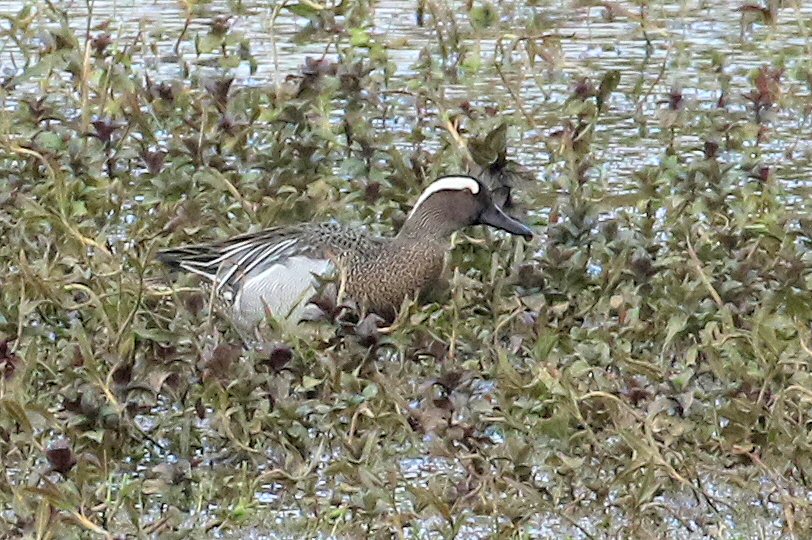
The sole wildfowl representative of the week can be summed up in a single word: Garganey. One was on show at Stanwick GP from 31st until at least 5th and last week’s Daventry CP bird was still present on 1st.
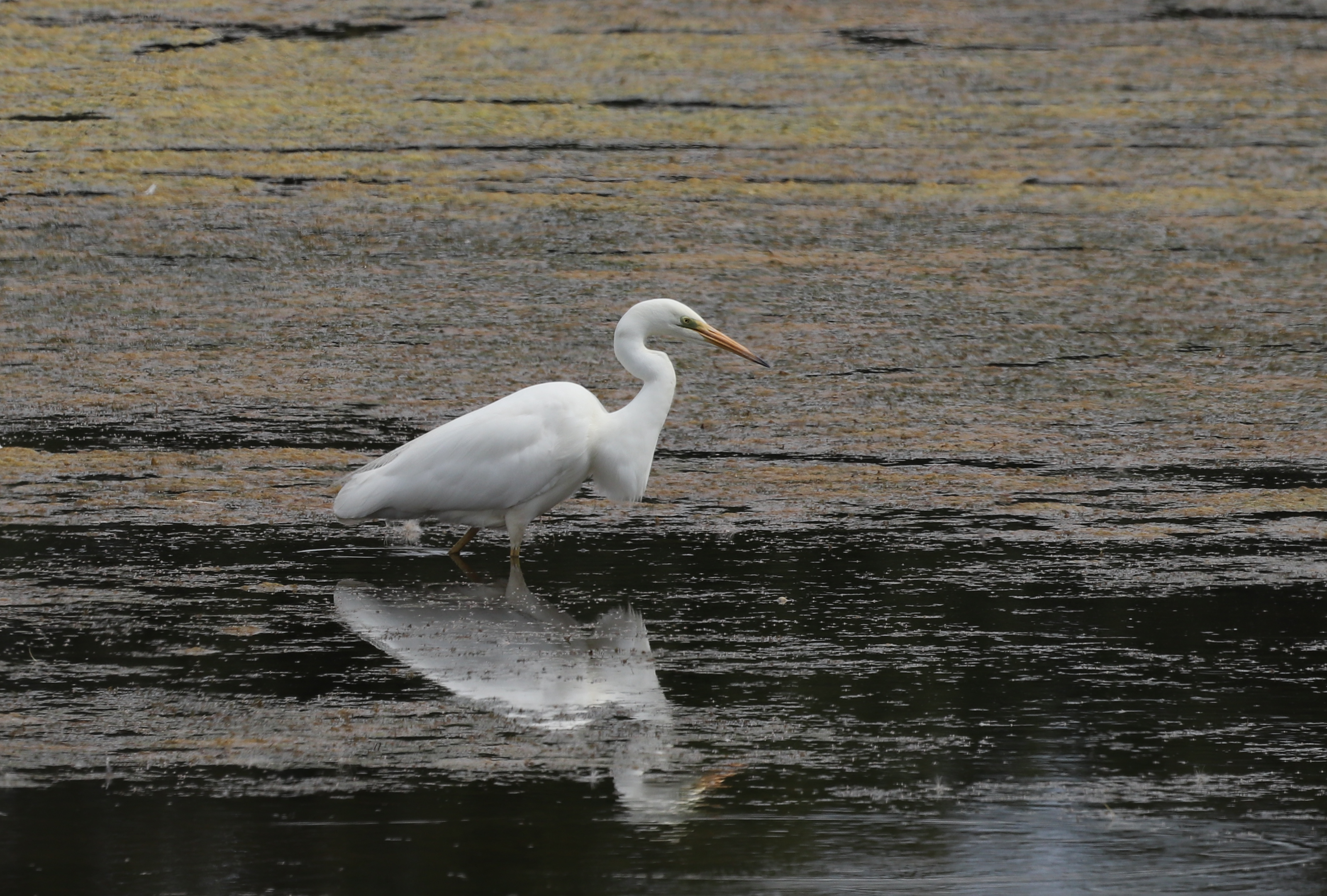
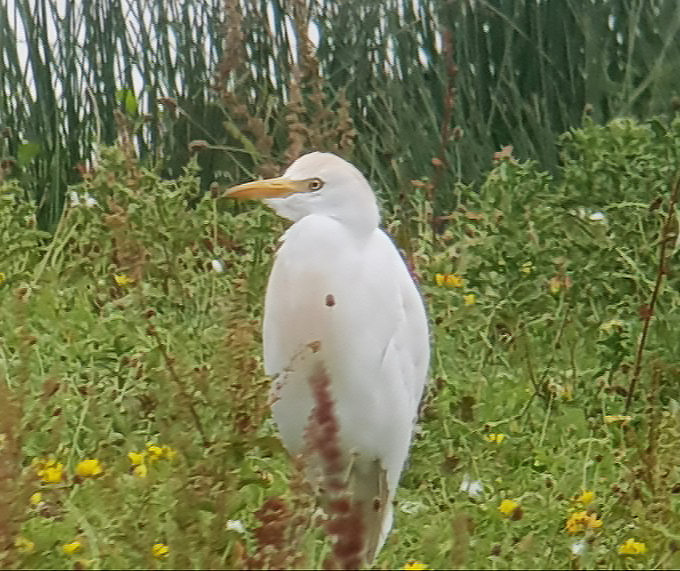
Just one Cattle Egret was present at Stanwick GP on 2nd-3rd, while Pitsford Res produced a Great Egret on 31st plus two there on 4th and singles also visited Summer Leys LNR on 1st and Blatherwycke Lake on 5th.
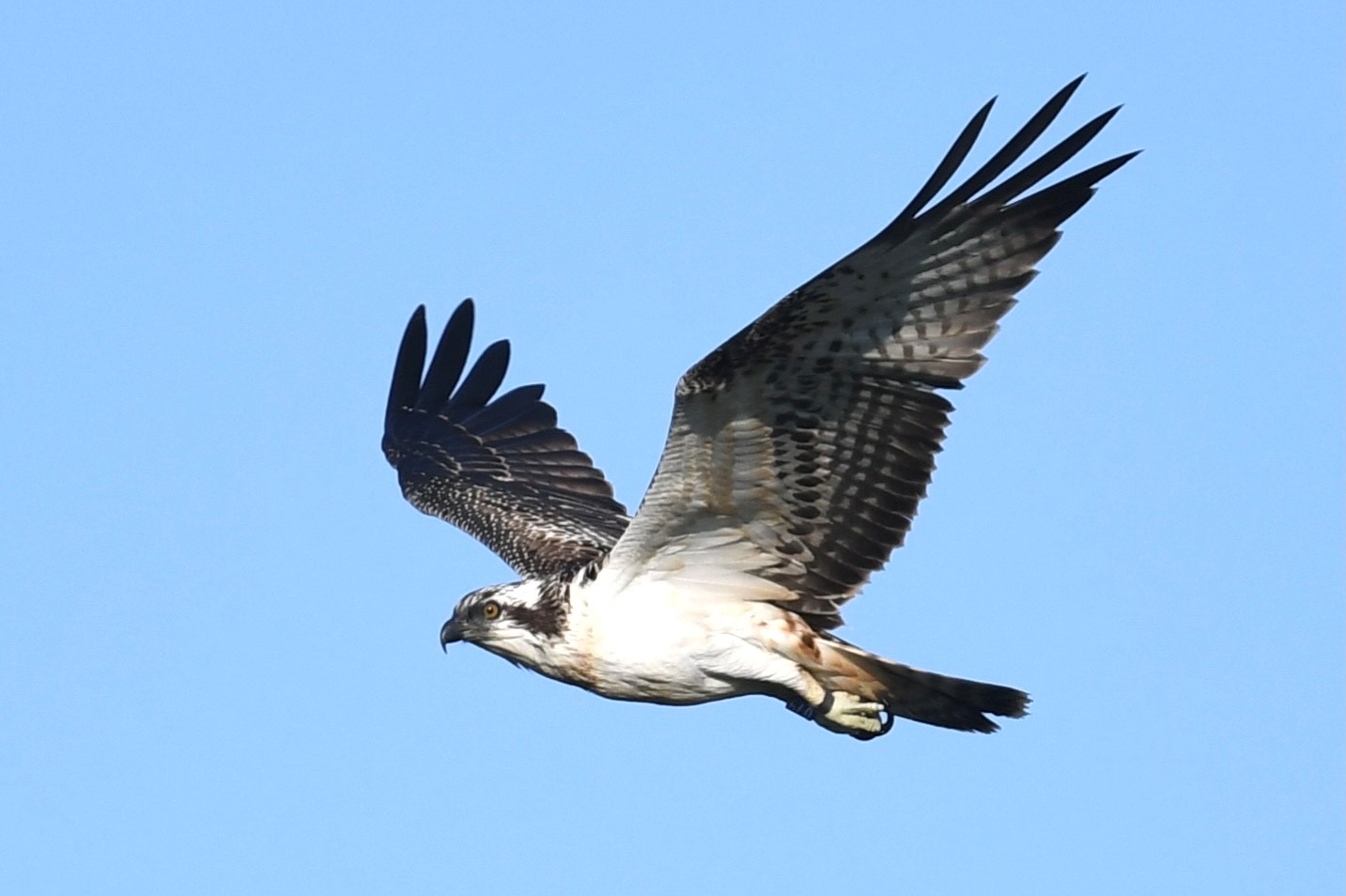
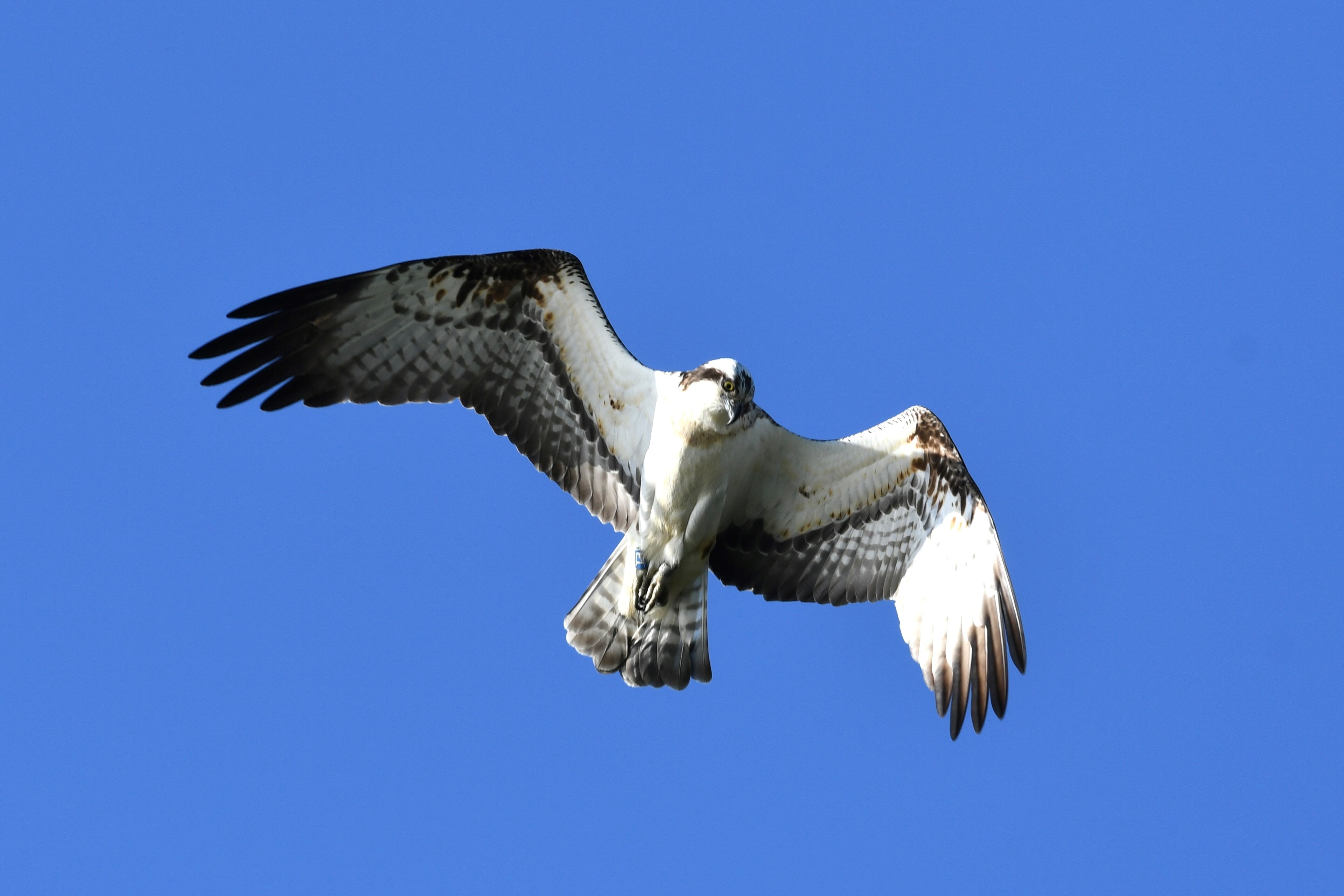
After no reports at all last week, Ospreys made a bit of a comeback, with single birds at Stanford Res on 2nd, over Cottesbrooke on 3rd, Pitsford on 4th and at both Deene Lake and Hollowell Res on 5th.
Juvenile Osprey, Hollowell Res, 5th August 2021 (Jon Cook)
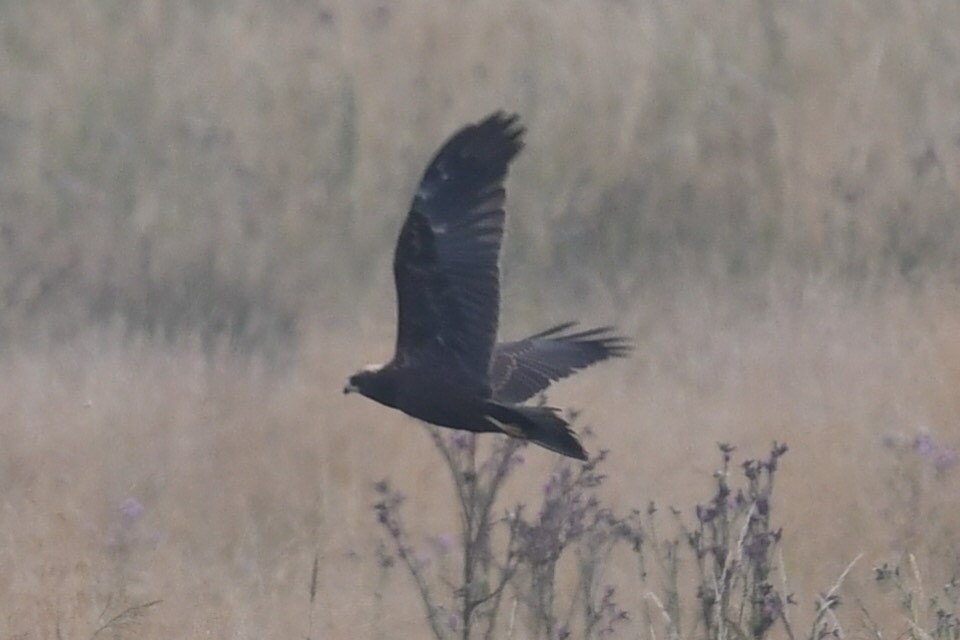
Hollowell also produced an early morning Marsh Harrier on 3rd – they are rarely recorded from this site – and further individuals were seen briefly at Stanford on 2nd and Thrapston GP on 4th.
Juvenile Marsh Harrier, Hollowell Res, 3rd August 2021 (Jon Cook)Juvenile Marsh Harrier, Hollowell Res, 3rd August 2021 (Jon Cook)
Last week’s Harris Hawk remained in Duston, Northampton on 1st, local intel revealing that it has escaped from a Daventry-based falconer and has been on the loose for the last twelve months!
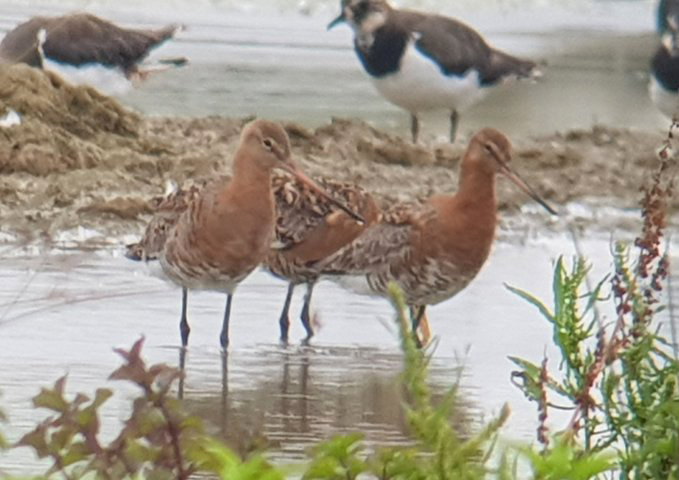
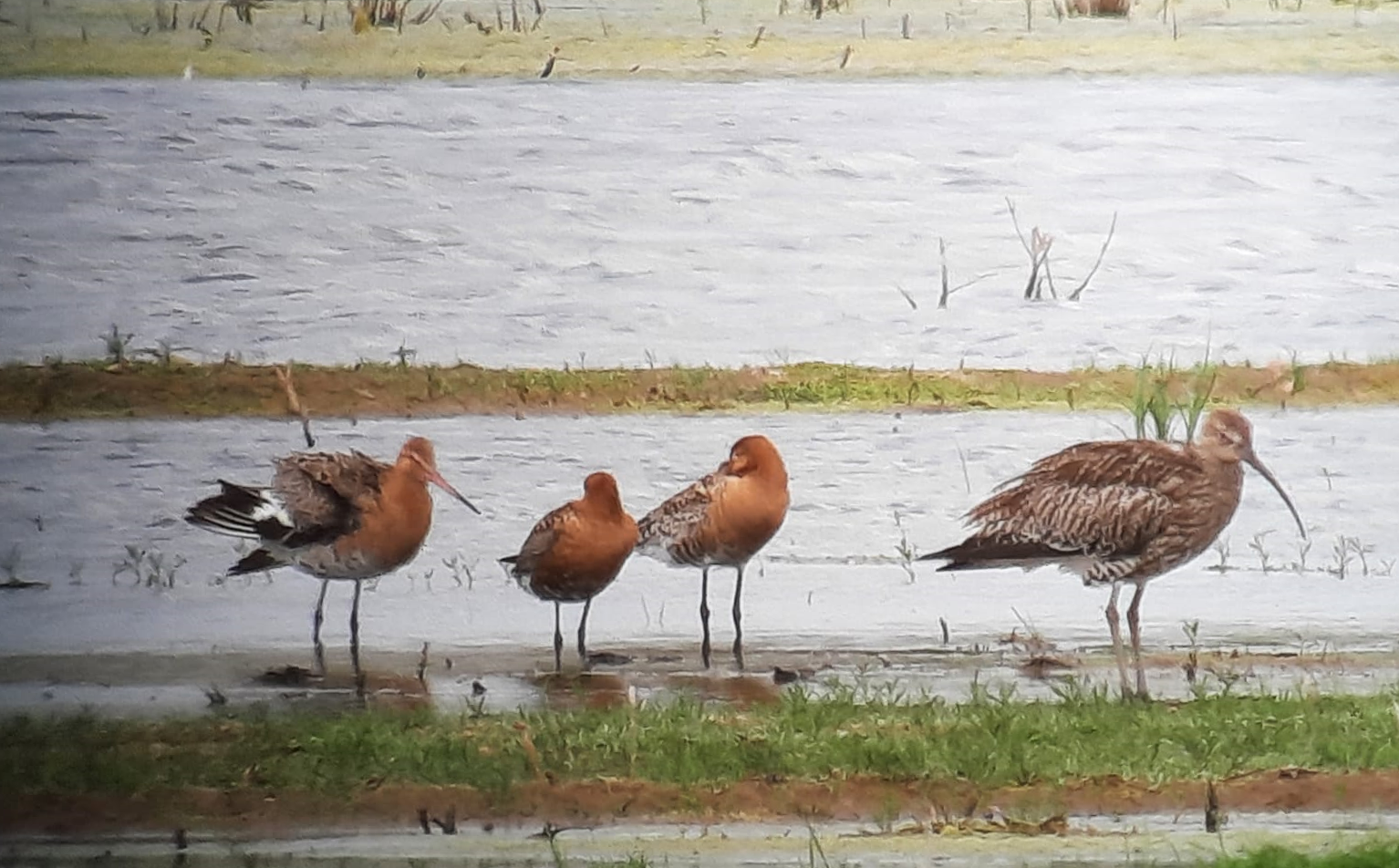
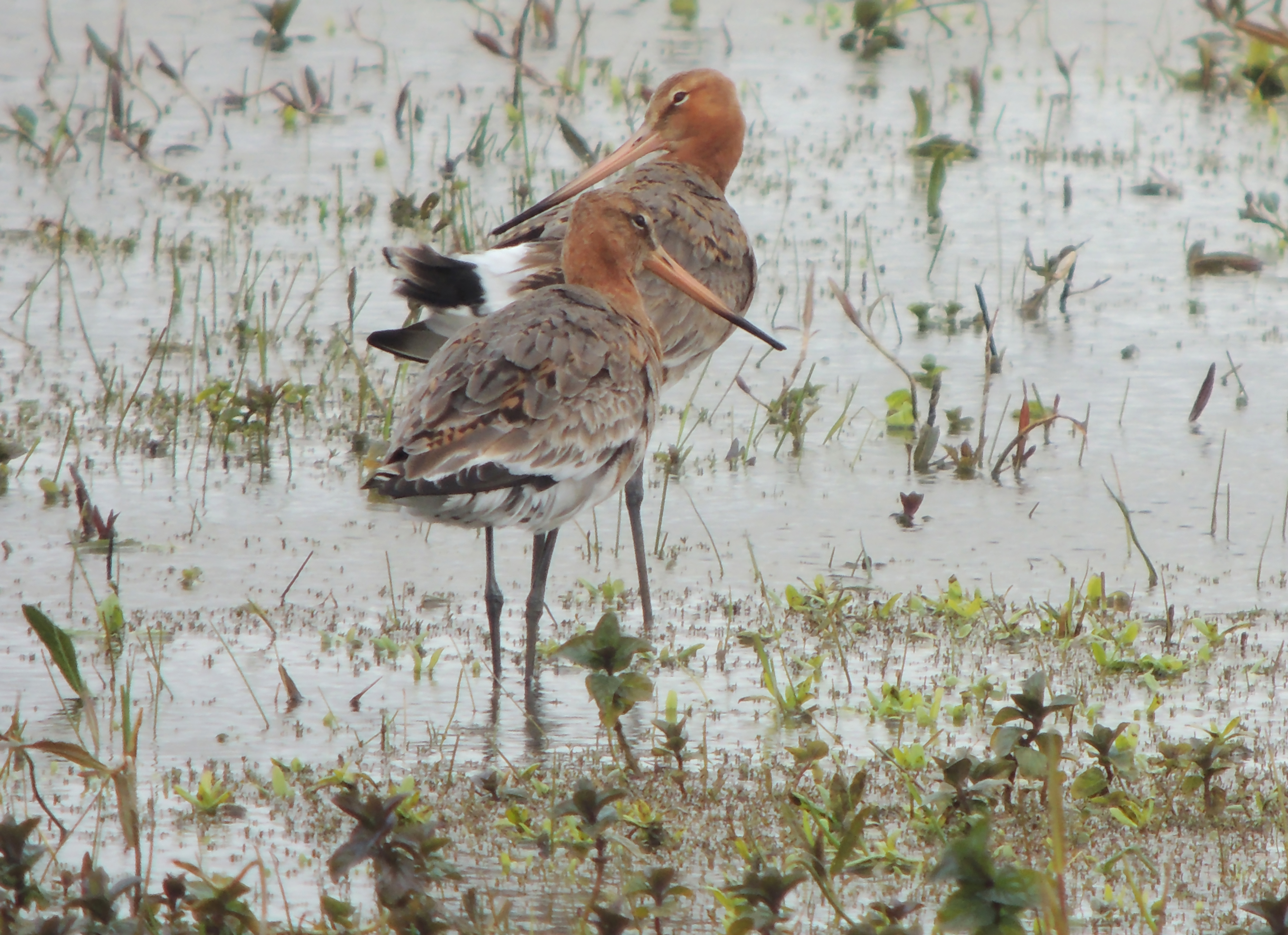
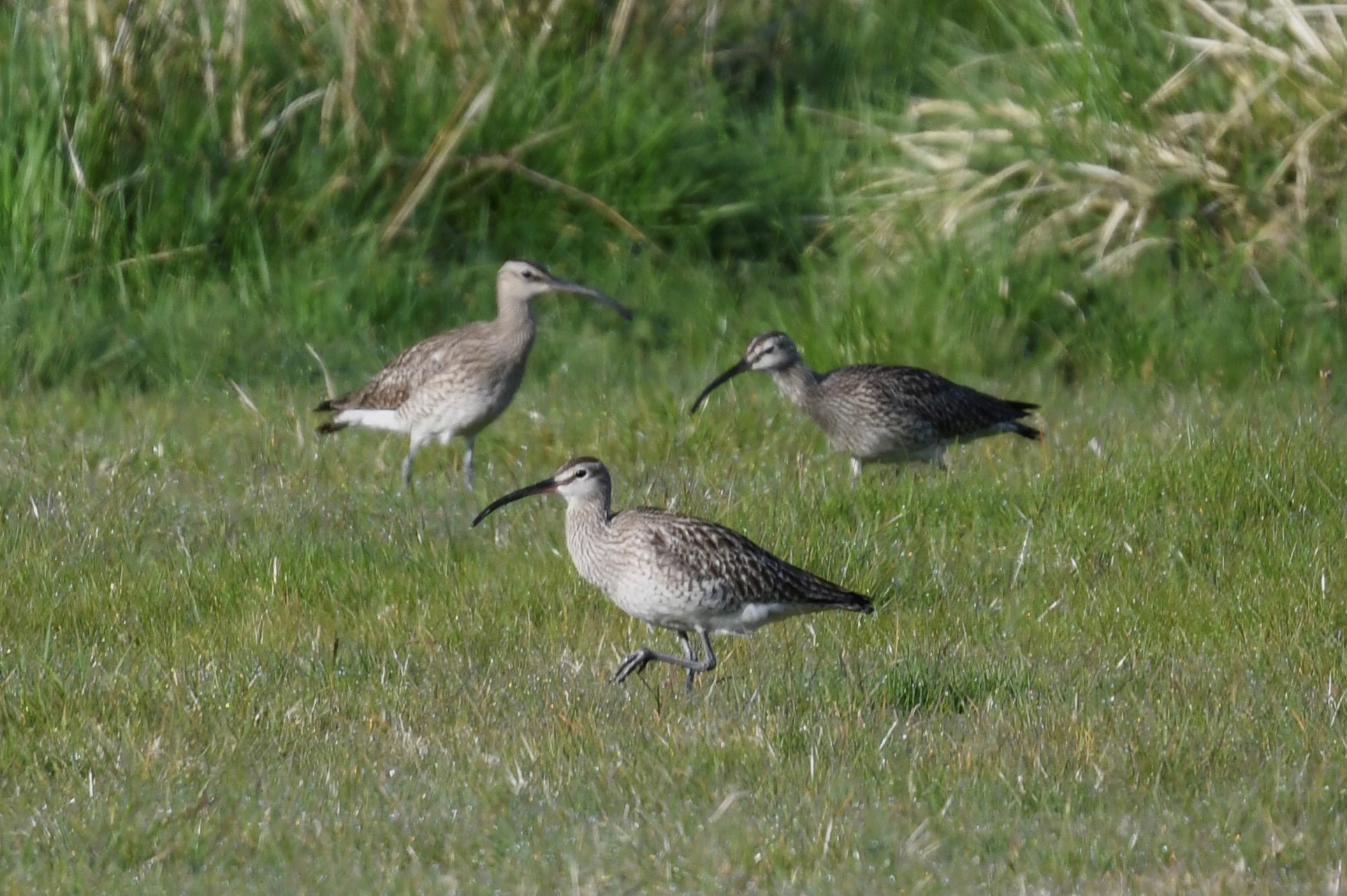
On the wader front, Black-tailed Godwits dominated the week’s proceedings, with eight at Clifford Hill GP on 31st followed there by four on 6th. Elsewhere, six flew over Stanford on 31st and one was at Daventry CP on 1st. Curlews away from breeding sites were limited to two at DIRFT 3 A5 Pools on 31st and 3rd and a Ruff was also present there on 4th. Greenshank numbers were again surprisingly low, with just one at Stanford on 4th.
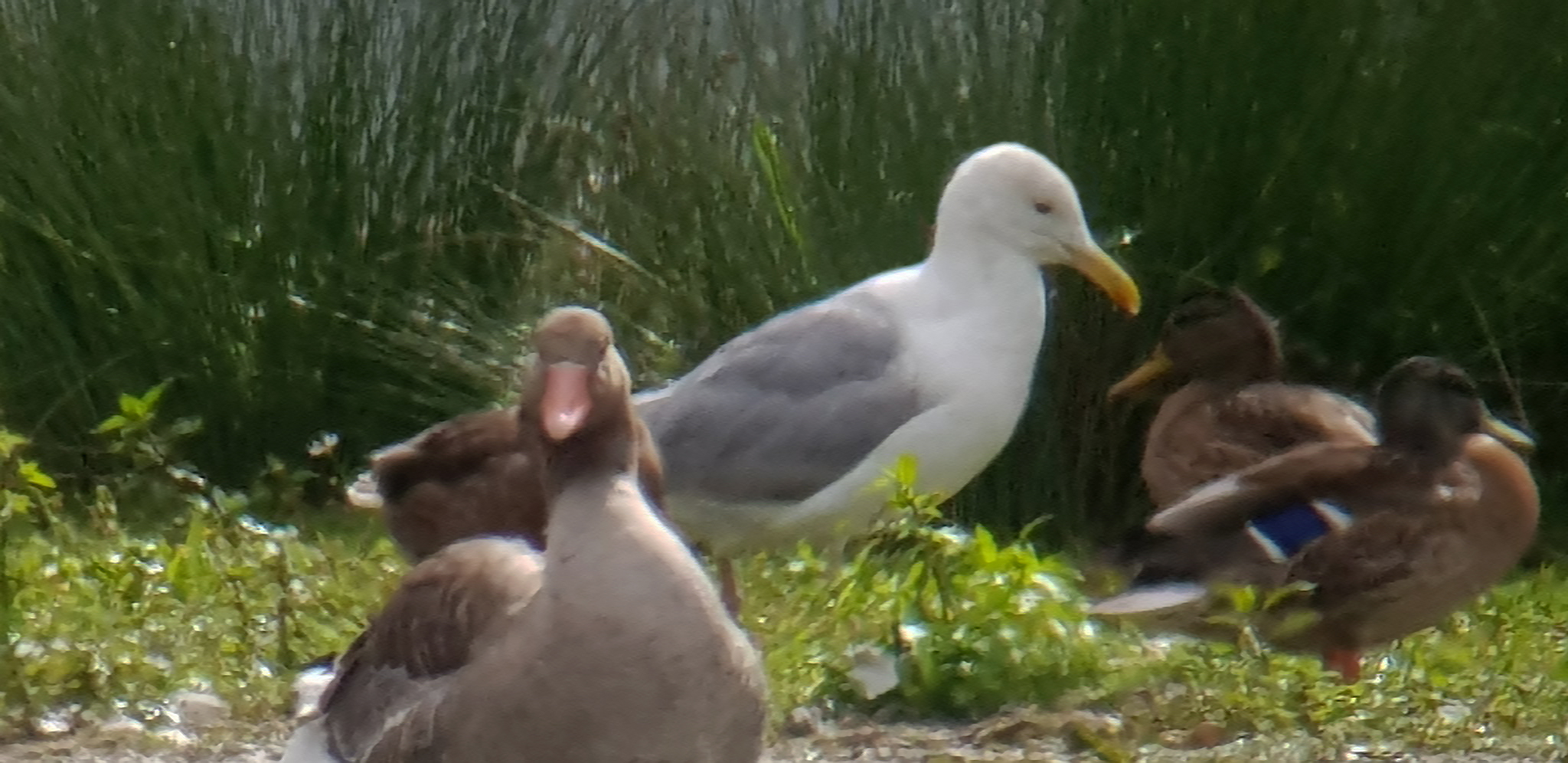
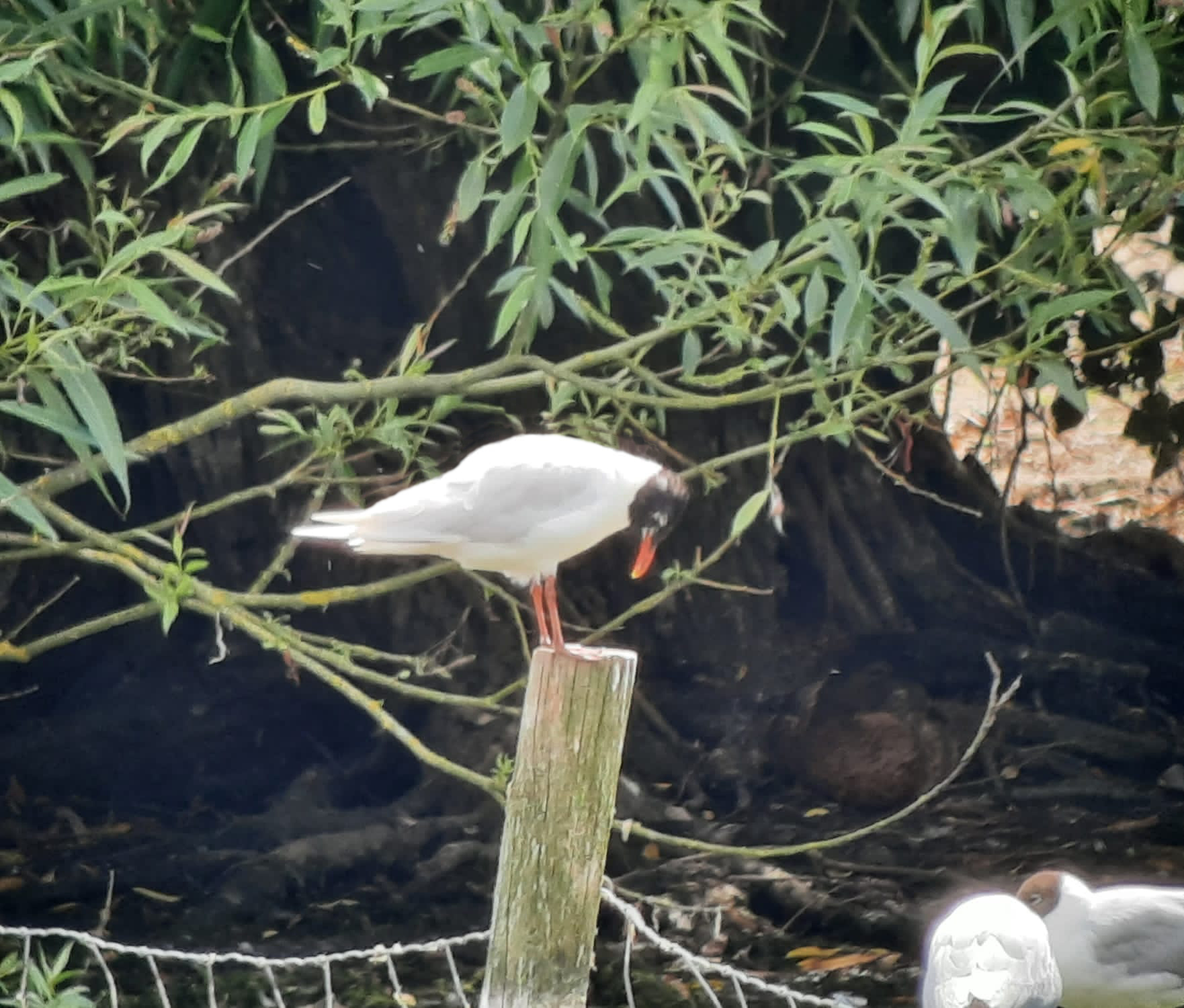
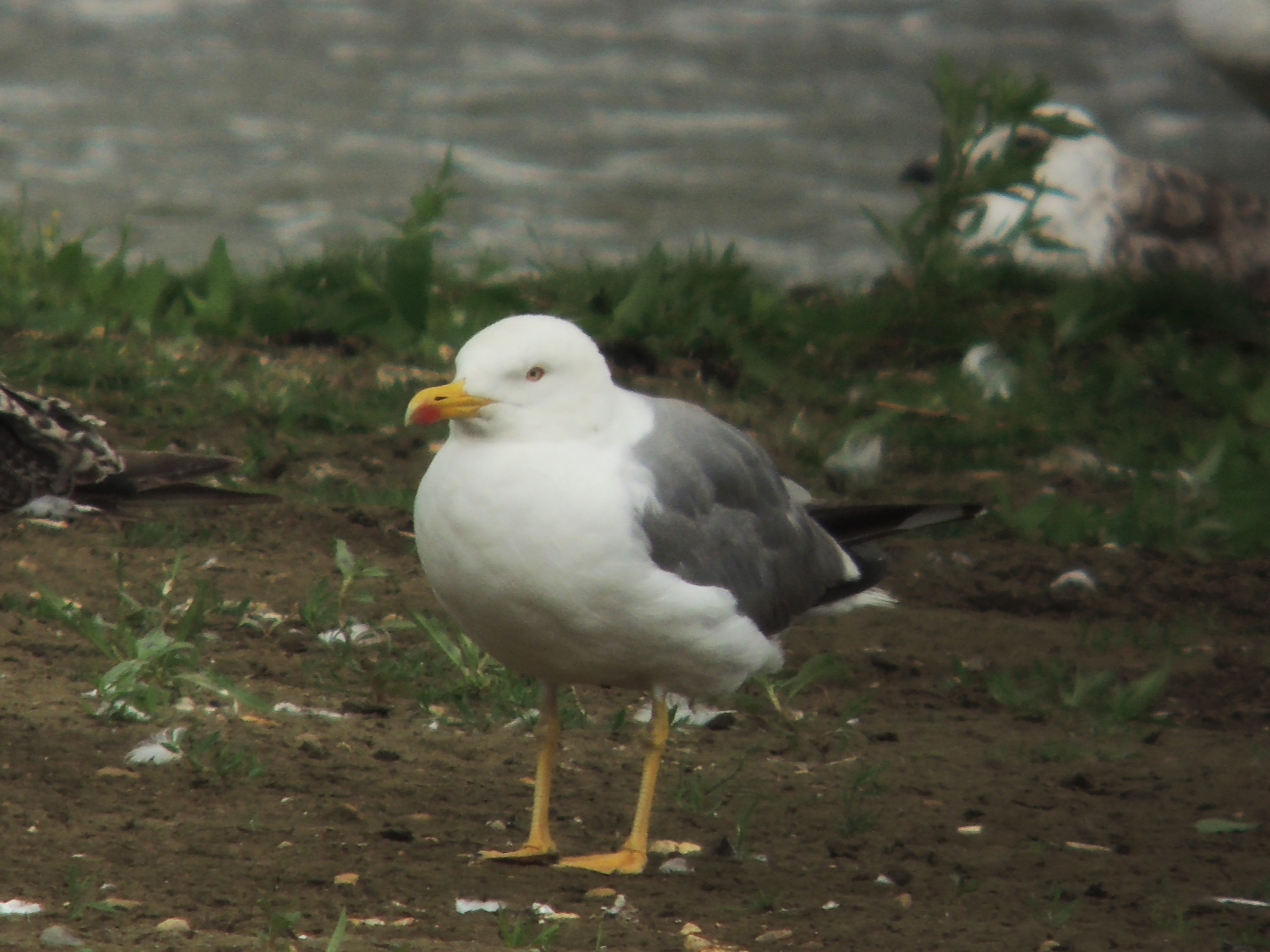
As we head into autumn proper, gull numbers are visibly on the up and, among them, the first juvenile Mediterranean Gull of the season appeared at Stanwick on 2nd. A count of thirty-two Yellow-legged Gulls at the latter site on 5th was considered to be conservative as prolific late summer vegetation on site considerably hampered viewing of some four to five hundred large gulls there at the time. Smaller numbers elsewhere throughout the period included up to eleven at DIRFT 3, up to three at Pitsford and one at Daventry. This week’s Caspian Gulls were equally divided between DIRFT 3 and Stanwick, the first of these two sites providing two different adults on 1st and 3rd – the latter bearing a German ring. Stanwick’s two consisted of a third- or fourth-summer from 3rd to 5th, joined by an adult there on the latter date.
Adult Caspian Gull, DIRFT 3, 1st August 2021 (Mike Alibone)German-ringed adult Caspian Gull, DIRFT 3, 3rd August 2021 (Mike Alibone)
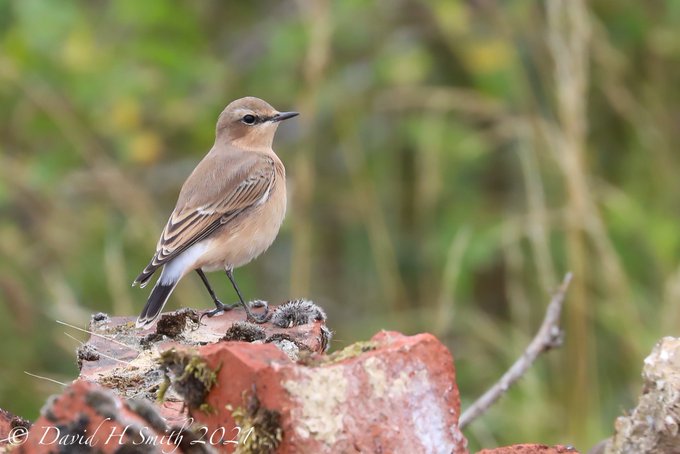
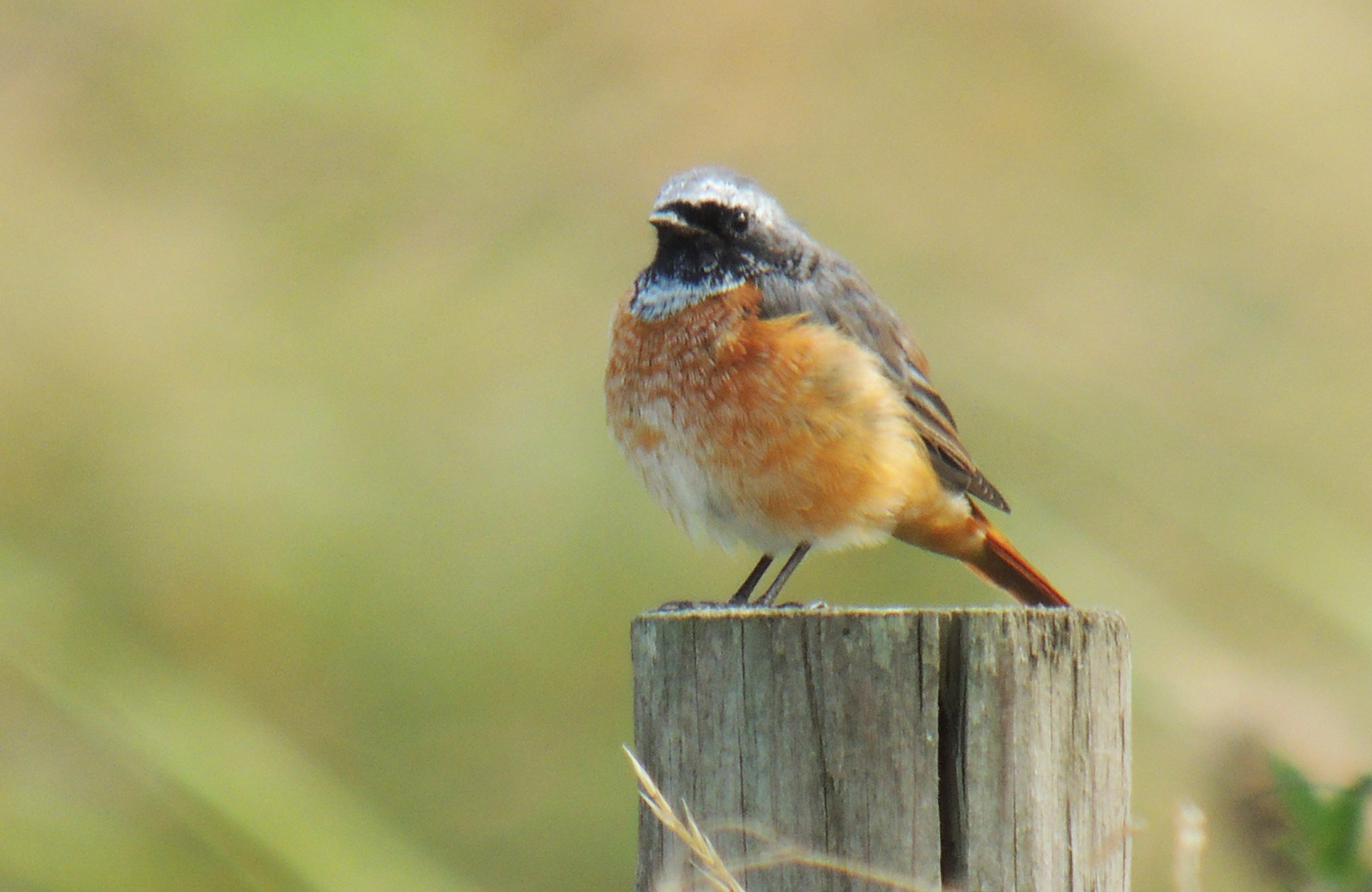
To passerines … and four sites produced Common Redstarts this week, starting off with the long-staying female remaining at Lilbourne Meadows LNR until at least 4th. Elsewhere, up to three were seen at Blueberry Farm throughout the period, as was the same number at Harrington AF, where three were trapped and ringed on 2nd, and two were at Lamport on 5th. Other passerines reported were two Whinchats in the Brampton Valley below Hanging Houghton, between 2nd and 4th and one at nearby Blueberry Farm on 5th and, hot on the heels of last week’s first, came more Northern Wheatears.
Northern Wheatear, Harrington AF, 3rd August 2021 (David Smith)
One was in the Brampton Valley on 2nd and 4th, one lingered at Harrington AF from 3rd to 6th and one was found at Blueberry Farm on 5th.
An unsettled week with frequent heavy showers finished with Storm Evert on the back of an Atlantic low as it tracked east across the country. However, it was the middle day of the period which shaped up nicely, as a long-awaited county ‘first’ magically appeared for one lucky observer – and then it was gone …
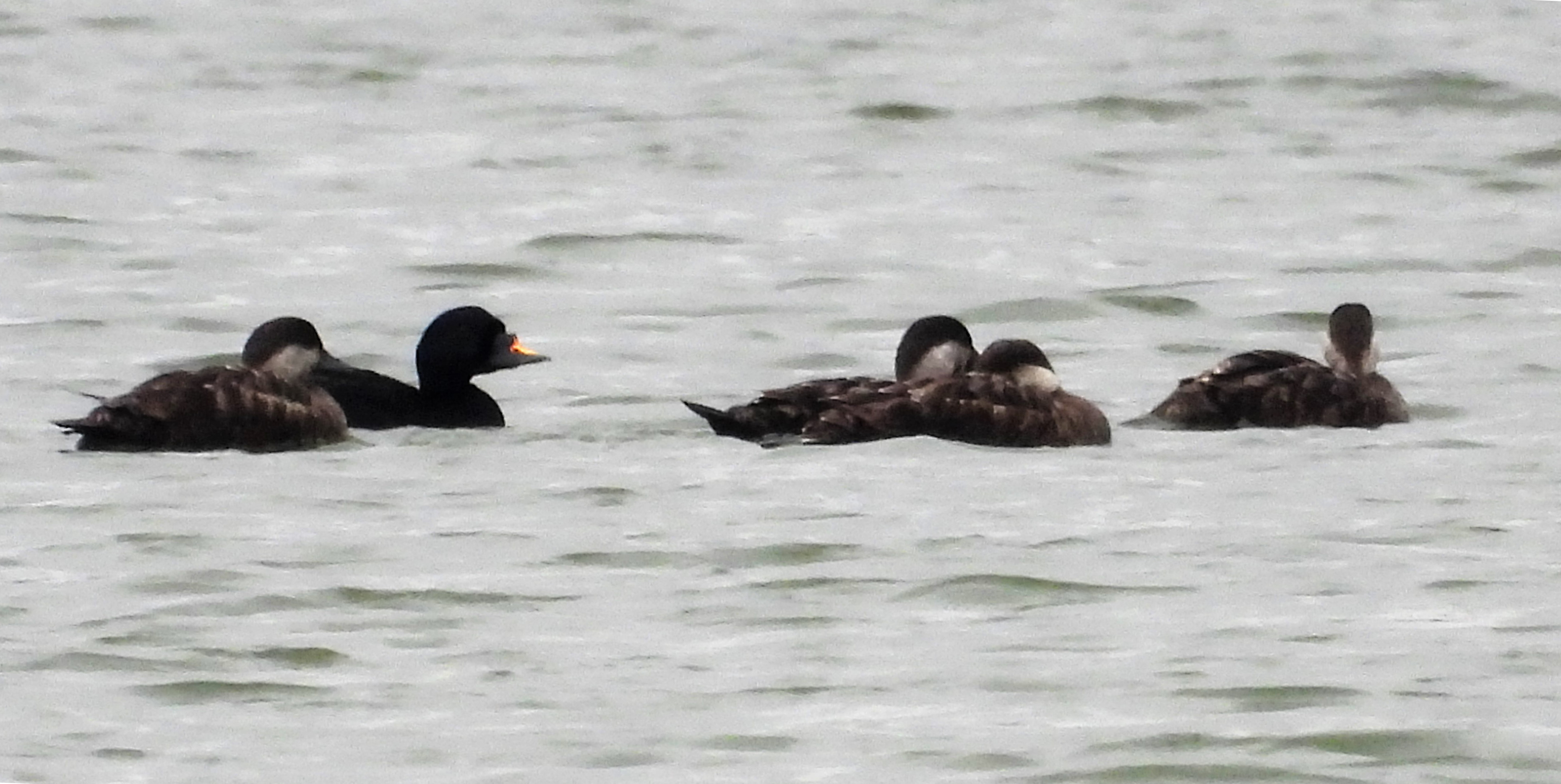
Meanwhile … The token Garganey of the week put in an appearance at Daventry CP on 26th, while hybrid fans should note the continued presence of the Chiloe Wigeon x Crested Duck at Summer Leys LNR on 27th. Arguably, best of the wildfowl bunch, though, were five Common Scoters at Ringstead GP on 25th – a site which has enjoyed occasional records in the past.
Common Scoters, Ringstead GP, 25th July 2021 (Leslie Fox)
Up to two Cattle Egrets were at Stanwick GP between 25th and 27th, while up to two Great Egrets were at Pitsford Res during the same period and singles were at Thrapston GP on 25th, Summer Leys on 27th and Earls Barton GP on 29th.
Great Egret, Summer Leys LNR, 27th July 2021 (Tony Stanford)
In a surprisingly Ospreyless week, a Marsh Harrier was reported from Harrington AF on 29th but perhaps more impressive for some was the back garden appearance of a Harris Hawk in Duston, Northampton on 26th, hopefully now winging its way back to its rightful owner.
Harris Hawk, Duston, Northampton, 26th July 2021 (Duncan Cookson)
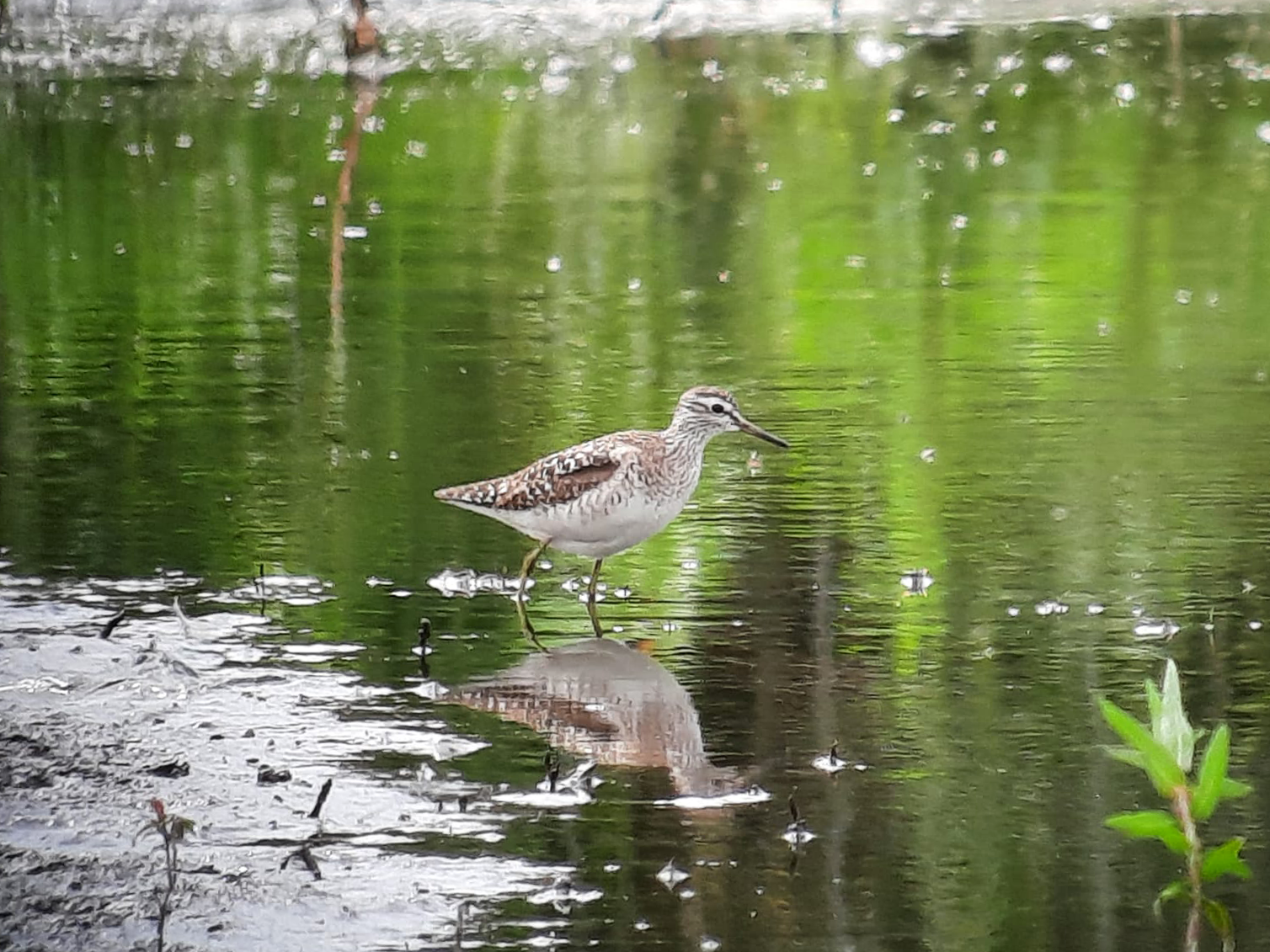
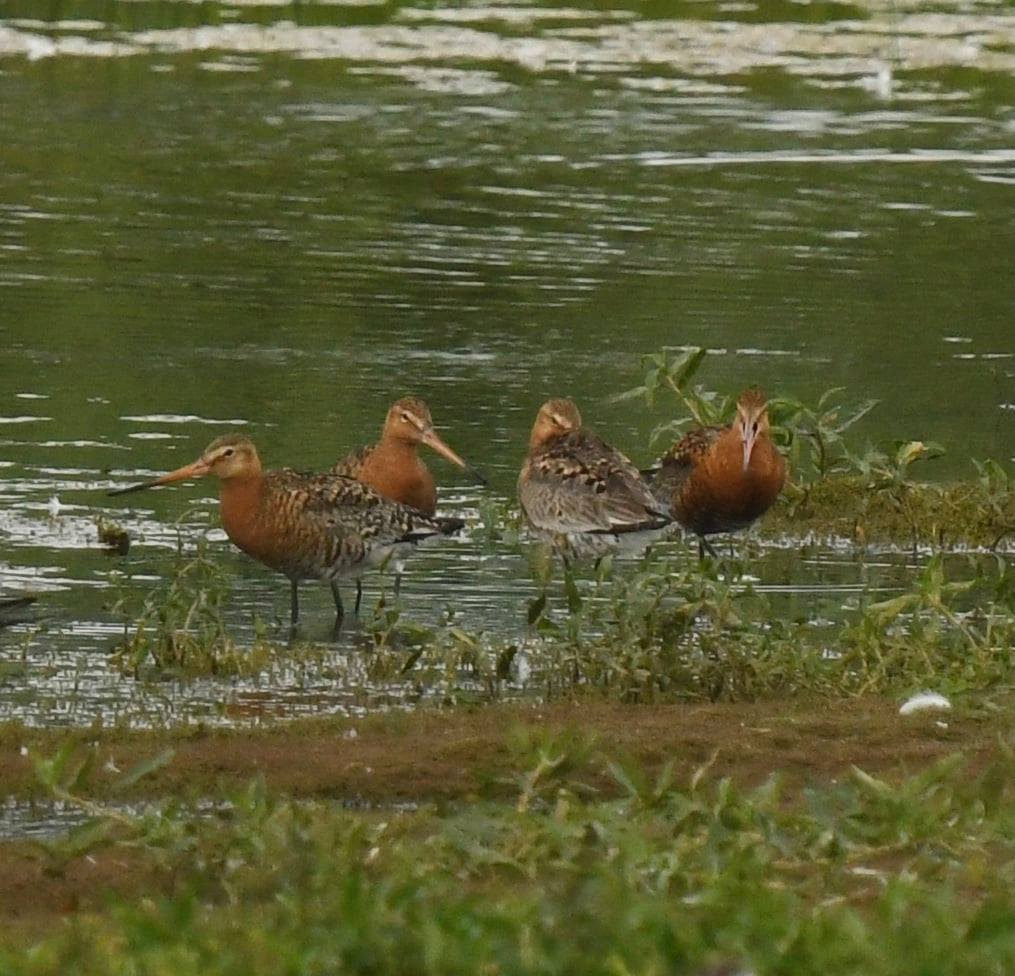
Another week, another Wood Sandpiper – this one lingering at Summer Leys from 27th to 29th. Otherwise, waders were limited to sixteen drop-in Black-tailed Godwits at Summer Leys on 28th, with two and one at Stanwick GP on 25th and 30th respectively, plus a Greenshank there on 27th.
Black-tailed Godwits, Summer leys LNR, 28th July 2021 (Ricky Sinfield)
On the gull front, DIRFT 3, as usual, delivered the most Caspian Gulls, with a second-summer on 25th, a fourth-summer on 27th and an adult on 27th-28th. Elsewhere, a third- or fourth-summer visited Stanwick on 29th and 30th and an adult was at Welford Res on the latter date.
Third- or fourth-summer Caspian Gull, Stanwick GP, 30th July 2021 (Steve Fisher)
Yellow-legged Gulls became more widespread as the late summer build-up began. The highest total was around fifteen at Stanwick on 30th, with between six and nine there in the preceding days. DIRFT 3 produced eight on 27th, with lower numbers on other dates during the week while, elsewhere, Thrapston GP held five on 27th, up to four were at Pitsford between 24th and 27th, two visited Ringstead on 25th and singles were at Clifford Hill GP on 26th and Stanford Res on 30th.
Third-summer Yellow-legged Gull, DIRFT 3, 30th July 2021 (Mike Alibone)
However, none of this week’s gulls came anywhere close to matching this week’s incontrovertible biggie. Long awaited, though completely unexpected may almost be a contradiction in terms but it fittingly describes the appearance of Northamptonshire’s first-ever Gull-billed Tern as it flew rapidly past an astounded Steve Fisher at Stanwick, early on 27th. Seen well at point blank range, it was all over in seconds as the bird flew directly away, over the Main Lake and on to who knows where, as it headed south-west along the Nene Valley, toward Ditchford and beyond … Frenetic observer activity ensued as the chain of gravel pits along the valley was immediately checked … in vain. This was never the way it was supposed to happen, the bird failing to do the decent thing of lingering for at least a few hours in order for the locals to catch up with it. Arguably overdue in the county, Gull-billed Tern has occurred in the neighbouring counties of Cambridgeshire, Oxfordshire and Warwickshire plus other Midlands counties of Derbyshire, Nottinghamshire, Shropshire, Staffordshire and Worcestershire. How long will the wait be for the next in Northants?
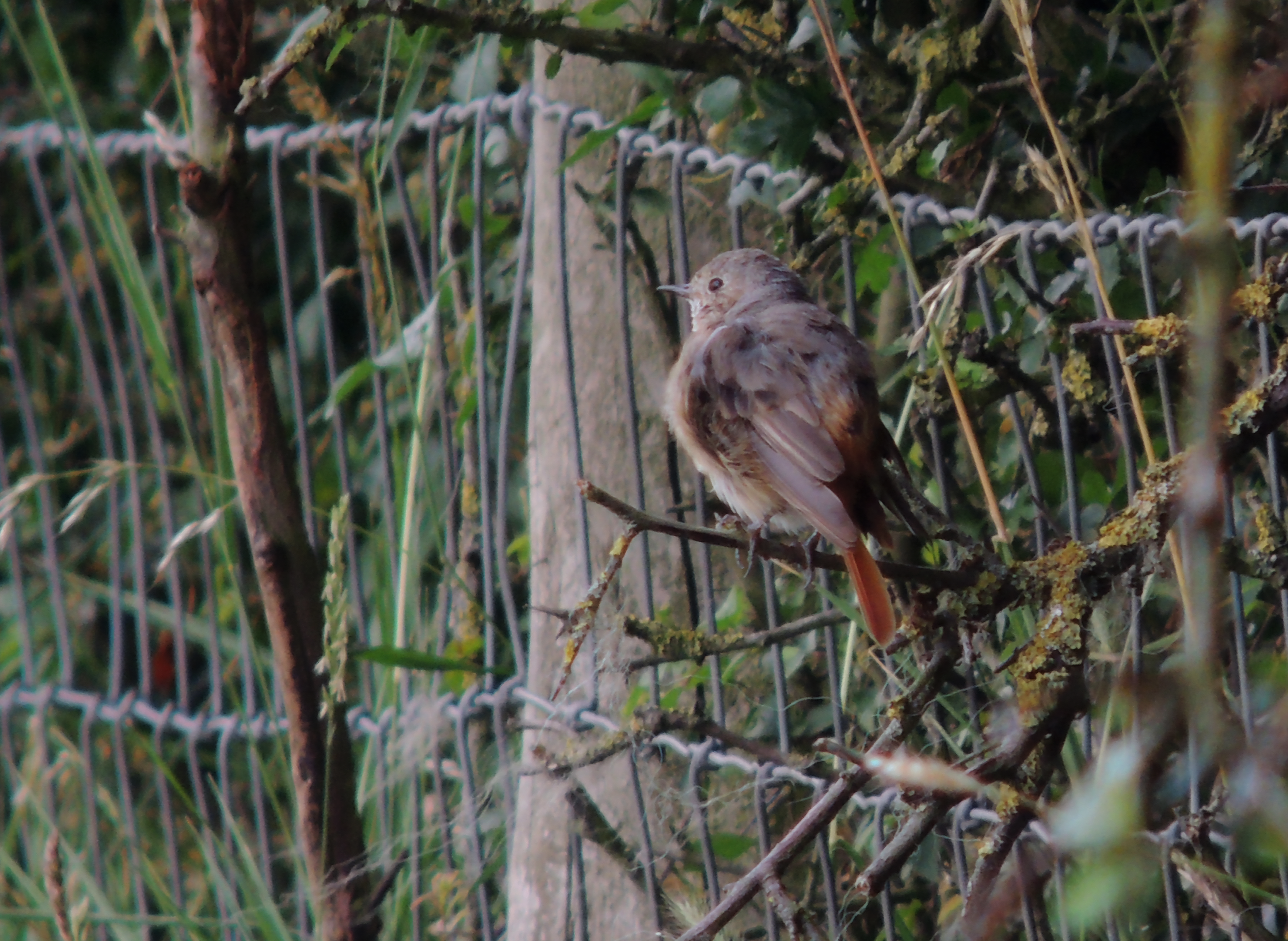
To passerines and five sites produced Common Redstarts this week, starting off with the long-staying female again throughout the period at Lilbourne Meadows LNR, being joined by a male there from 25th until the week’s end. Elsewhere, up to three – possibly four – were at Harrington AF all week, up to three at Blueberry Farm, Maidwell between 28th and 30th and singles were at Honey Hill on 24th and Old on 29th.
Male Common Redstart, Lilbourne Meadows LNR, 25th July 2021 (Jon Cook)Male Common Redstart, Lilbourne Meadows LNR, 28th July 2021 (Mike Alibone)
The only other migrant passerine of note was a Northern Wheatear which turned up at DIRFT 3 on 30th, hopefully the first of many more to come this autumn.
In a week in which temperatures hit a high of 29°C, the wind fluctuated between north and north-easterly and the weather remained dry, as did the birding scene, with nothing outstanding turning up to quicken the pulse.
The sole species representing the wildfowl in this week’s steady-as-she-goes birding endeavours across the county appeared in the form of two Garganeys, with one at Stanwick GP on 19th and the at Pitsford Res on 22nd.
An early morning Quail was reported from Brackley on 21st and Stanwick’s Cattle Egret total leapt to two on 18th-19th dropping back down to one on 22nd-23rd, while the only Great Egret this week was one at Thrapston GP on 19th-21st.
Cattle Egret, Stanwick GP, 23rd July 2021 (Steve Fisher)
Raptors, too, were limited to single Ospreys at Stanford Res on 17th, in flight over Brigstock CP and Fermyn Woods on the same date and one at Thrapston GP on 19th.
We’re not yet out of July and for the 4th week running, the top wader was yet another Wood Sandpiper, which flew off south-west only minutes after being located at the eastern end of Earls Barton GP’s Hardwater Lake on 17th. Coming in at second-best was a Whimbrel making a short stopover at Clifford Hill on 19th, while the only Curlew of the week was one at DIRFT 3 on 18th, along with two Black-tailed Godwits there on the same date with one remaining the following day. Stanwick also produced one of the latter species on 19th, followed by three on 23rd and the same site held a male Ruff for a day on 17th.
Black-tailed Godwits, Stanwick GP, 23rd July 2021 (Steve Fisher)
Apart from an average scattering of Common Sandpipers, Little Ringed Plovers and the odd Dunlin or two, the only other wader of note was Greenshank, with one at Summer Leys LNR on 17th and the rest at DIRFT 3, where there was one on the same date, two on 18th-19th and one from 21st to 23rd.
DIRFT 3 was also the place to be for most of this week’s large, white-headed gulls, with a ‘sub-adult’ Caspian Gull there on 17th, followed by a first-summer of the same species the next day. Two Yellow-legged Gulls were also there on 17th and four on 18th, one was at Pitsford Res on 19th and three there on 20th and, on 23rd, five were found at Stanwick and one at Thrapston. An adult Mediterranean Gull visited Daventry CP on 19th.
Mediterranean Gull, Daventry CP, 19th July 2021 (Gary Pullan)
To passerines … and Common Redstarts were still very much in evidence this week with last week’s female still at Harrington AF on 17th, another female in a Pitsford garden on 18th and two at Blueberry Farm, Maidwell on 19th and 22nd. Two Whinchats were reported from the Brampton Valley below Hanging Houghton on 20th-21st.
Let’s hope next week delivers something a little different …
An ‘Azores High’ moving west to the UK eventually delivered the long-awaited clear skies and soaring temperatures by the week’s end, although winds remained largely northerly throughout the period. Conditions were thus conducive for southbound migrants, which were again very much in evidence this week.
One bird going against the grain, though, was the Pink-footed Goose of clearly suspect origin, staying put at Pitsford Res on 10th.
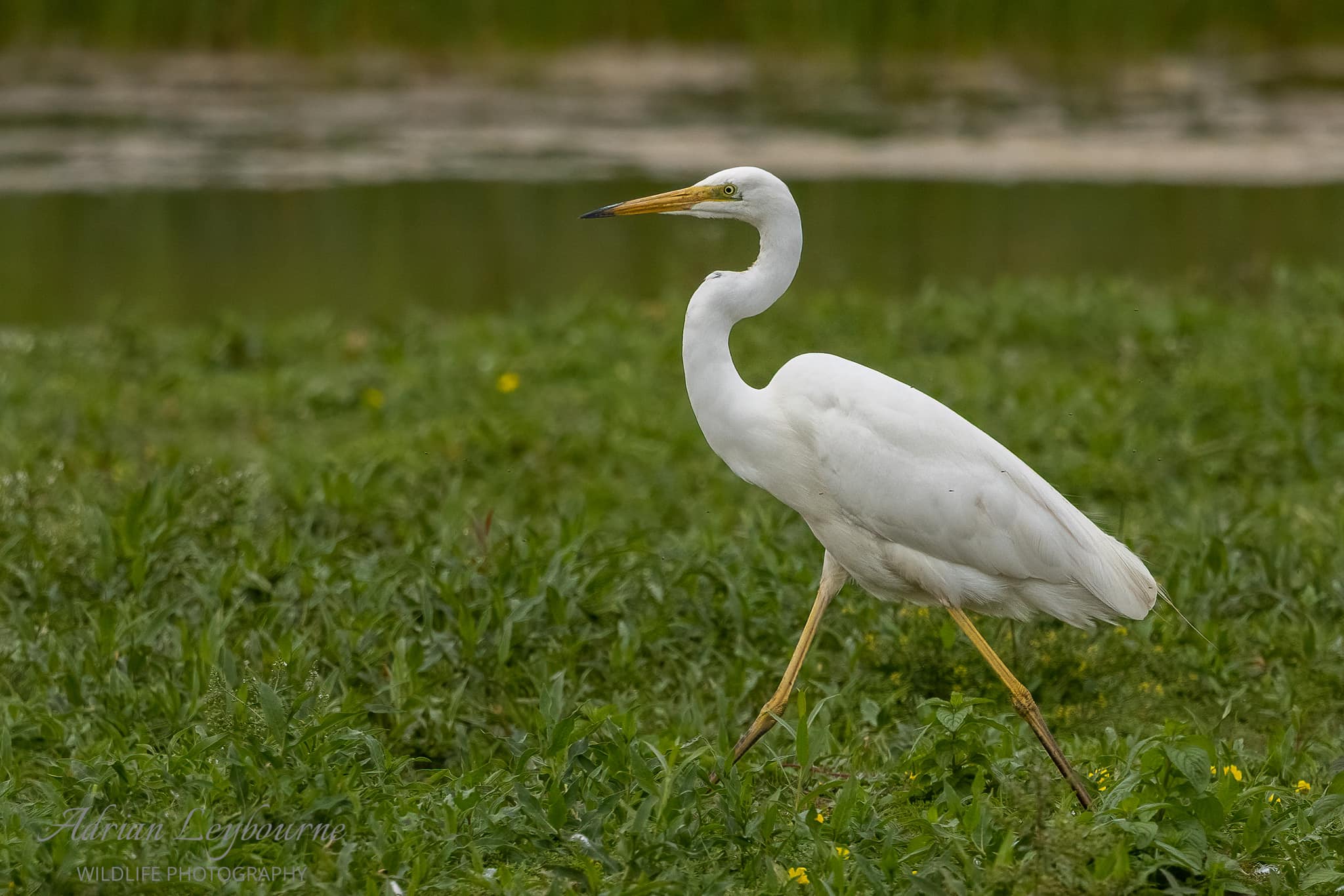
Stanwick GP’s Cattle Egret staged its obligatory one-day appearance on 14th, while Great Egret numbers continued to build with up to three at Summer Leys LNR/Earls Barton GP throughout the week.
Great Egret, Summer Leys LNR, 15th July 2021 (Adrian Leybourne)
At appears that 10th July was raptor day, with single Ospreys at Pitsford and Hollowell Res and a Marsh Harrier logged going north over Moulton.
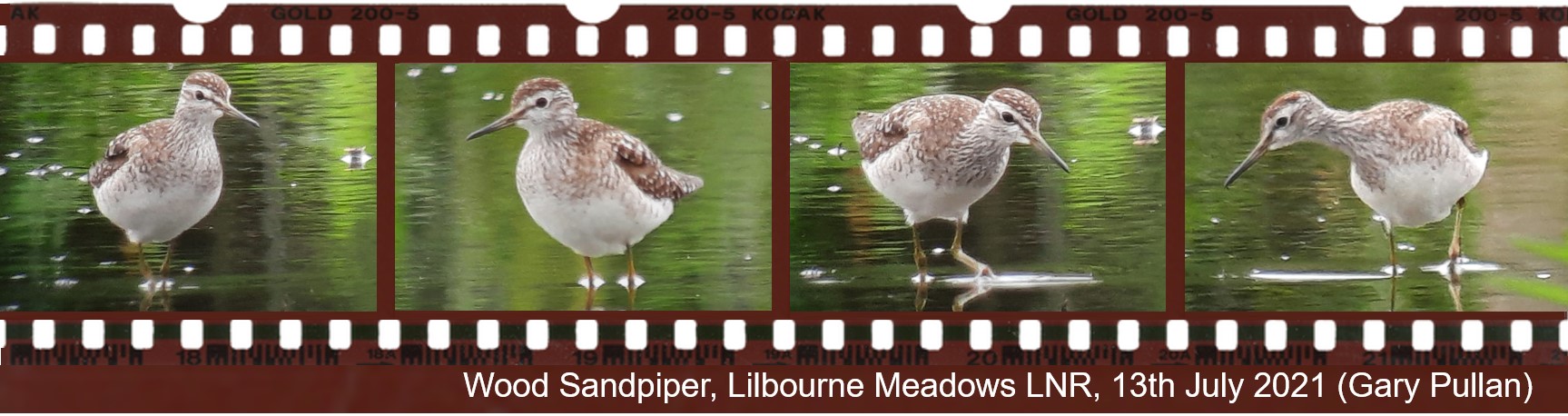
Topping the waders bill again this week was another Wood Sandpiper, mobile between DIRFT 3 and the adjacent Lilbourne Meadows LNR on 12th – this time doing the decent thing and staying around until the following day, when one also visited Earls Barton GP’s Hardwater Lake.
Wood Sandpiper, Lilbourne Meadows LNR, 13th July 2021 (Gary Pullan)
DIRFT 3 also produced two Black-tailed Godwits on 10th, the same date that seven appeared at Clifford Hill GP, followed by two – maybe four – at Summer Leys/Earls Barton between 13th and 15th. Hot on the heels of the autumn’s first Greenshank at Pitsford last week, two were at DIRFT 3 on 13th, followed by one there on 15th.
The latter site again held the highest number of Yellow-legged Gulls, with twelve on 13th while, elsewhere, four were at Pitsford on 12th with two there on 15th and one was at Thrapston GP on 12th.
Juvenile Pied Flycatcher, Bucknell Wood, 16th July 2021 (Harry Appleyard)Juvenile Pied Flycatcher, Bucknell Wood, 16th July 2021 (Harry Appleyard)
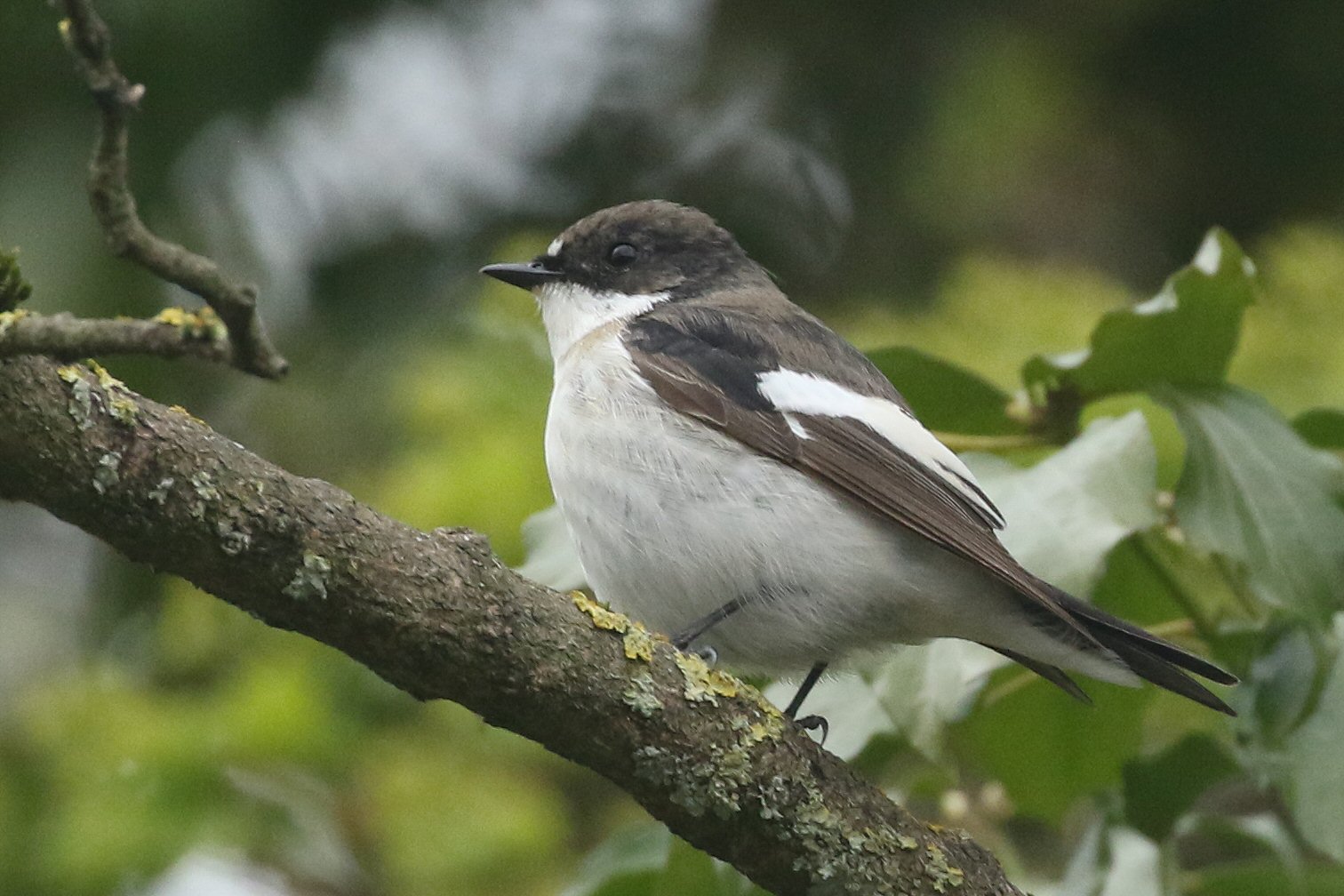
There can be little argument that bird of the week was the juvenile Pied Flycatcher found at Bucknell Wood on 16th – an early autumn migrant following three spring records in late April.
Adult female Common Redstart, Lilbourne Meadows LNR, 15th July 2021 (Mike Alibone)
More Common Redstarts also appeared this week. Aside from the female found at Lilbourne Meadows on 6th and remaining until 15th, there were at least four reported from Blueberry Farm, Maidwell between 13th and 16th and a female was at Harrington AF on the last of these two dates.
A series of easterly moving Atlantic lows delivered both southerly and northerly airstreams during the period, along with both sunshine and showers, none of which appears to have had any bearing on the week’s produce. However, following on from last week, there were further sure signs of early autumn movements across the avian spectrum.
Deemed almost obligatory to receive a mention, the decidedly dodgy Pink-footed Goose from back in June popped up again at Pitsford Res on 4th. Without it, there would be no wildfowl appearing in the week’s line-up …
Pink-footed Goose, Pitsford Res, 4th July 2021 (Angus Molyneux)
Also scraping in was a/the one-day Cattle Egret at Stanwick GP on 6th, while the Great Egret total doubled from last week’s one to singles at Stanford Res from 3rd to 5th and at Earls Barton GP on 4th.
Single Ospreys visited Stanford on 4th and Thrapston GP on 8th.
Another Wood Sandpiper – again an all too brief stayer – topped the waders bill this week, making a short evening stopover at DIRFT 3 on 5th. The same site also hosted seven Curlews on 3rd and another was calling north-east of Pitsford on the same date. DIRFT 3 also produced three Black-tailed Godwits on 3rd, five on 5th, one on 6th and two on 9th.
Black-tailed Godwits and Curlew, DIRFT 3, 3rd July 2021 (Gary Pullan)Black-tailed Godwits, Summer Leys LNR, 3rd July 2021 (Paul Wyer)
Elsewhere, five were at Summer Leys LNR on 9th, with four on 3rd, one on 4th-6th and one at Pitsford on 7th, the latter site also producing the first Greenshank of the autumn on the same date. With small numbers of Green Sandpipers now trickling through, a double-figure count of ten at Lilbourne Meadows LNR on 8th was noteworthy.
As usual, DIRFT 3 was the place to be when it came to all of this week’s Caspian Gulls, with two first-summers there on 3rd, a third-summer on 5th, 6th and 8th and at least three first-summers on the latter date.
Third-summer Yellow-legged Gull, DIRFT 3, 6th July 2021 (Mike Alibone)
Yellow-legged Gull numbers continued to build there, also, with up to six from 3rd to 6th and between twelve and fifteen on 8th. Elsewhere, four were at Pitsford on 9th, two on 5th and one on 6th-7th, while an adult was at Stanwick on 6th.
Male Common Redstart, Stanford Res, 4th July 2021 (Phil Adams)Female Common Redstart, Lilbourne Meadows LNR, 6th July 2021 (Mike Alibone)
The autumn’s first Common Redstart, found at Stanford Res last week on 2nd, was still present and remained until 5th, neatly followed by single females at Pitsford Res on 6th and Lilbourne Meadows from 6th until the week’s end.
With the country sitting under high pressure all week and the calm after the storm finally with us, there was a lull in birding activity as things went seasonally quiet.
Therefore, some excusable barrel-scraping seems justified in terms of flagging up the continued presence of the Chiloe Wigeon x Crested Duck hybrid, at Summer Leys LNR, on 5th.
Apart from that, the wider horizons of the Brampton Valley were the backdrop for a singing male Quail from 7th until 10th and another was singing near Geddington on 5th.
Two Cattle Egrets maintained the species’ weekly appearance at Stanwick GP on 7th and single Great Egrets – or perhaps the same bird – were seen in flight over Stanford Res on 6th and 11th.
On the raptor front, an Osprey, ‘blue T3’, a male from the Rutland project, hatched in 2016, visited Pitsford Res on 7th and Hollowell Res on 9th.
Adult male Osprey ‘T3’, Hollowell Res, 9th June 2021 (Martin Swannell)
Adult male Osprey ‘T3’, Pitsford Res, 7th June 2021 (Helen Redpath)
Waders were, unsurprisingly, in short supply but away from breeding sites, 2 Curlews dropped in at Summer Leys on 5th, while three late spring Knots paid a brief visit to Stanwick on 10th.
Summer Leys also produced two adult Mediterranean Gulls again on 5th and a first-summer of the same species visited Clifford Hill GP on 6th, while a third-summer Yellow-legged Gull was at Stanwick on 10th.
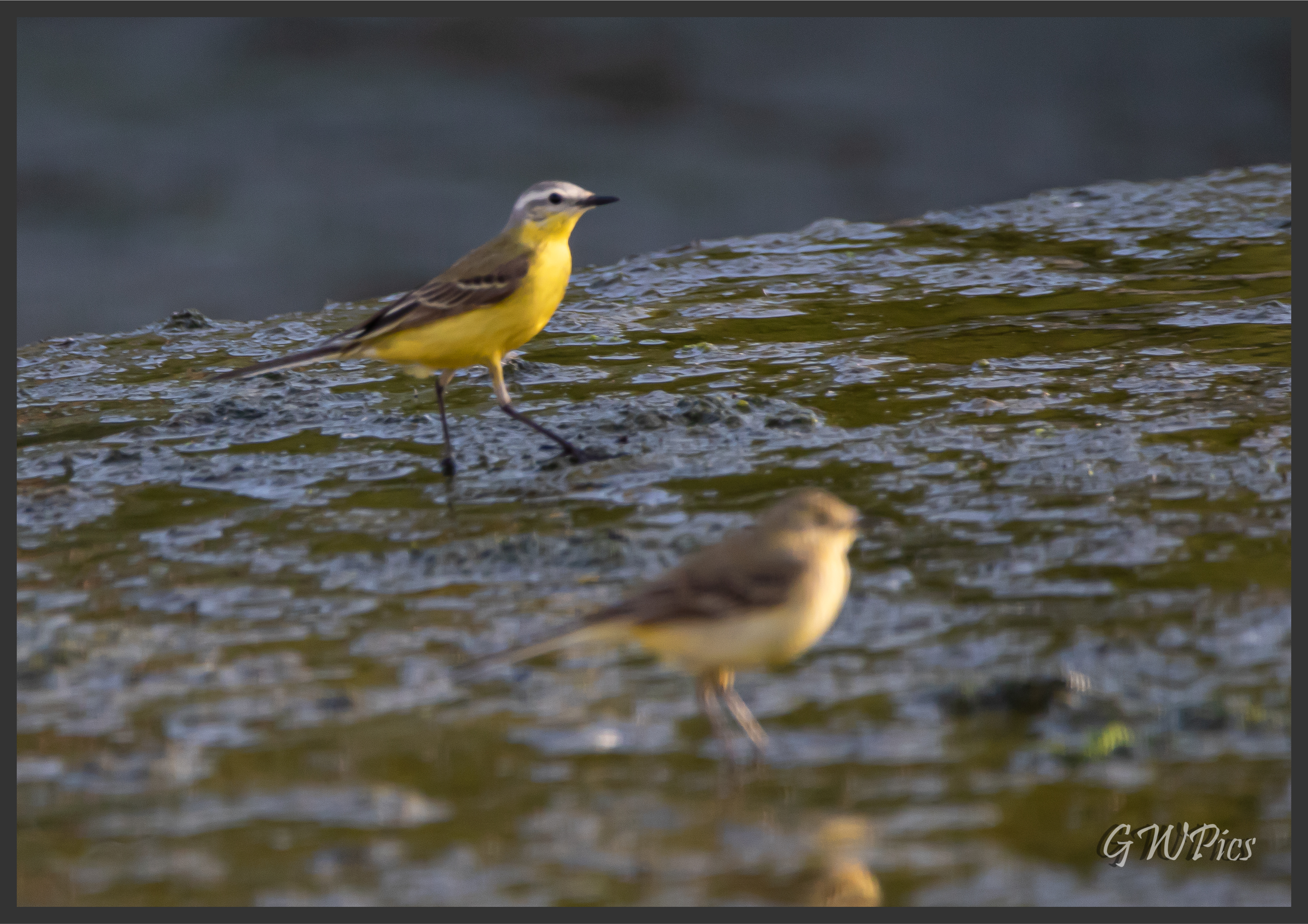
Channel Wagtail, Stanford Res, 8th June 2021 (Glynn Preston)
Scarce passerines were thin on the ground and represented this week only by a smart male Channel Wagtail, which appeared around the dam at Stanford during the evening of 8th.
May goes out with a bang at the eleventh hour and, as we usher in meteorological summer, a high pressure system delivers warm south-easterlies and a nugget of gold to the far eastern part of the county.
With the spotlight firmly on the Nene Valley this week, four Cattle Egrets were at Stanwick GP on 30th and at least one was present on 1st. The 30th also saw a Great Egret in flight over Castle Ashby Lakes and what was presumably the same individual was subsequently seen just a stone’s throw away from there, at Earls Barton GP’s Quarry Walk, on 4th. One also visited Thrapston GP on the same date.
Last week’s hide-packing Purple Heron was still on show at Summer Leys LNR on 29th before flying off north-east during the evening of the same date. How far it actually went is a matter of conjecture as, on 2nd and 3rd, it was seen at Quarry Walk, 2 km south-west of Summer Leys.
Purple Heron, Summer Leys LNR, 29th May 2021 (Nick Truby)
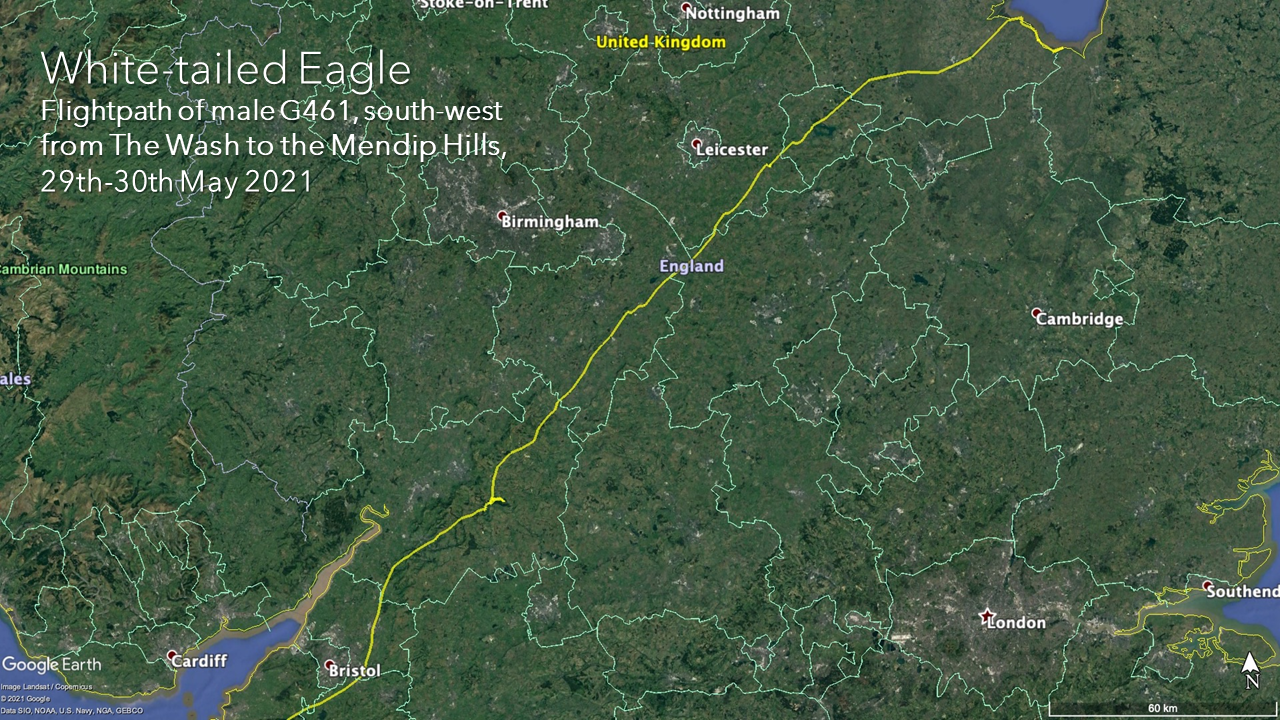
On the raptor front, Marsh Harriers were logged at two sites on 1st – a wing-tagged bird at Summer Leys and possibly the same individual at Ditchford GP’s Irthlingborough Lakes & Meadows LNR. But in the north of the county things went large when a satellite-tagged White-tailed Eagle from the IoW reintroduction scheme was tracked skimming the southern flank of Stanford Res before passing over DIRFT 3, prior to entering Warwickshire, early in the afternoon of 29th.
This was second calendar-year male ‘G461’, the fourth individual from the above scheme to be recorded in Northants, following female ‘G318’ in spring 2020 and winter 2021, male ‘G393’ during the same two periods and female ‘G405’ during spring this year. Flying from The Wash to the Mendip Hills in Somerset, it covered approximately 300 km in two days.
Back in the Nene Valley, things hotted up when, once again, the easybirdin’ site of Summer Leys delivered the goods, in the last hours of 31st, with the discovery of the first Red-necked Phalarope in the county for five years. It proved to be a popular draw throughout its evening stay but was nowhere to be seen the following morning.
Red-necked Phalarope, Summer Leys LNR, 31st May 2021 (Jim Dunkley)Red-necked Phalarope, Summer Leys LNR, 31st May 2021 (Bob Bullock)
Apart from one on 30th April and one on 25th June, all previous spring records fall into an 11-day window between 29th May and 8th June, while 75% of all autumn records have been in September.
Other waders were, of course, available – most notably a Knot, which dropped into Stanwick early in the morning of 3rd, remaining into the afternoon.
Summer Leys also produced two adult Mediterranean Gulls on 2nd, while immature, non-breeding gulls of note were restricted to a second-summer Yellow-legged Gull and a first-summer Caspian Gull – both at DIRFT 3 on 3rd.
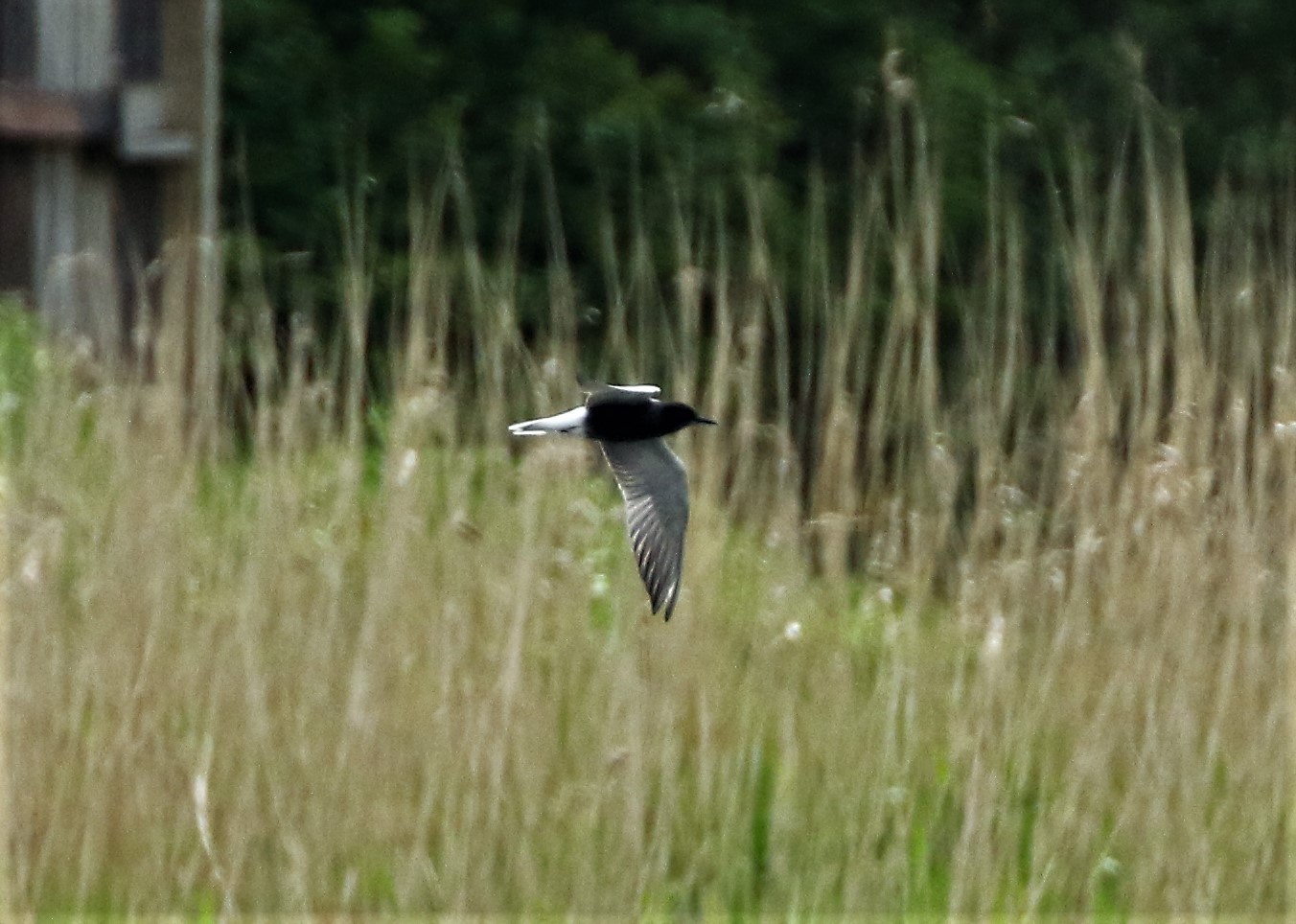
Two Black Terns visited Thrapston GP on 1st but … a little further down the Nene Valley …
Fotheringhay came to the fore with the flash sighting of a male Golden Oriole just outside the village, briefly, on 2nd. Twenty-four hours elapsed before the news came to light and, needless to say, it couldn’t be found the following day – which was a shame because the last accepted record in Northants was ten years ago, in May 2011. This bird falls neatly into this spring’s mini-influx of nearly sixty records, nationally, mostly in eastern England inland to the Midlands.
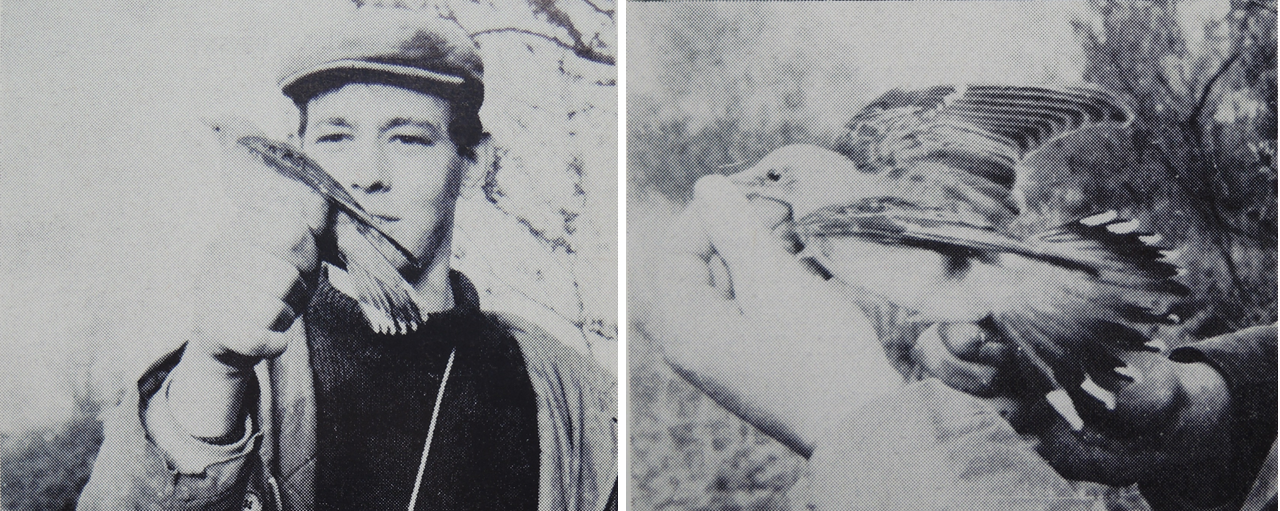
Chris Whittles with Golden Oriole, Ecton SF, 1st May 1971 (Giles Dunmore)
Our own county has seen only fourteen records in the last fifty years, with eight in May, four in June and singles in September and October. The only one to be ringed in Northants was at Ecton SF on 1st May 1971 – which some of us will remember – and it was trapped by Chris Whittles, who was subsequently the founder of CJ WildBird Foods Ltd, now known as CJ Wildlife.
The majority of the week saw cool, low pressure-dominated air delivering thunder clouds and rain from the Atlantic. But in the last two days of the period, high pressure moved in and the winds swung southerly, resulting in long overdue sunshine and blue skies. Indisputably, however, this week belonged to the colour purple …
… and with the rush of migrants well and truly over, after what has been an almost legendary spring in the county, the last of the regular summer visitors rolled up right on cue and, as always, fashionably late. So, with an element of site predictability, the first Quail to sound the summer in was singing in the Brampton Valley, between Hanging Houghton and Cottesbrooke, on 26th, remaining until the week’s end.
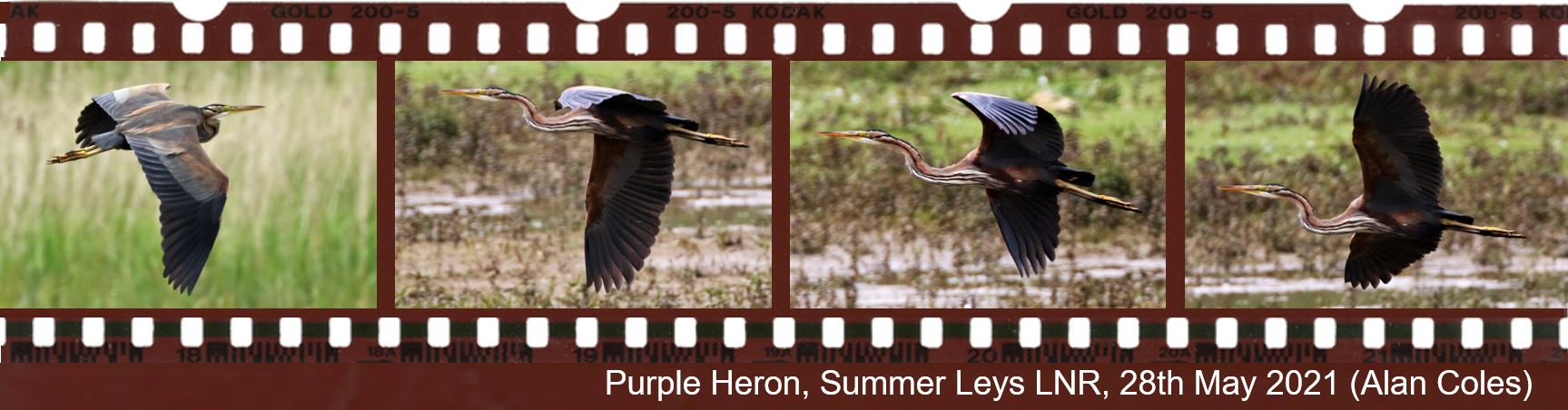
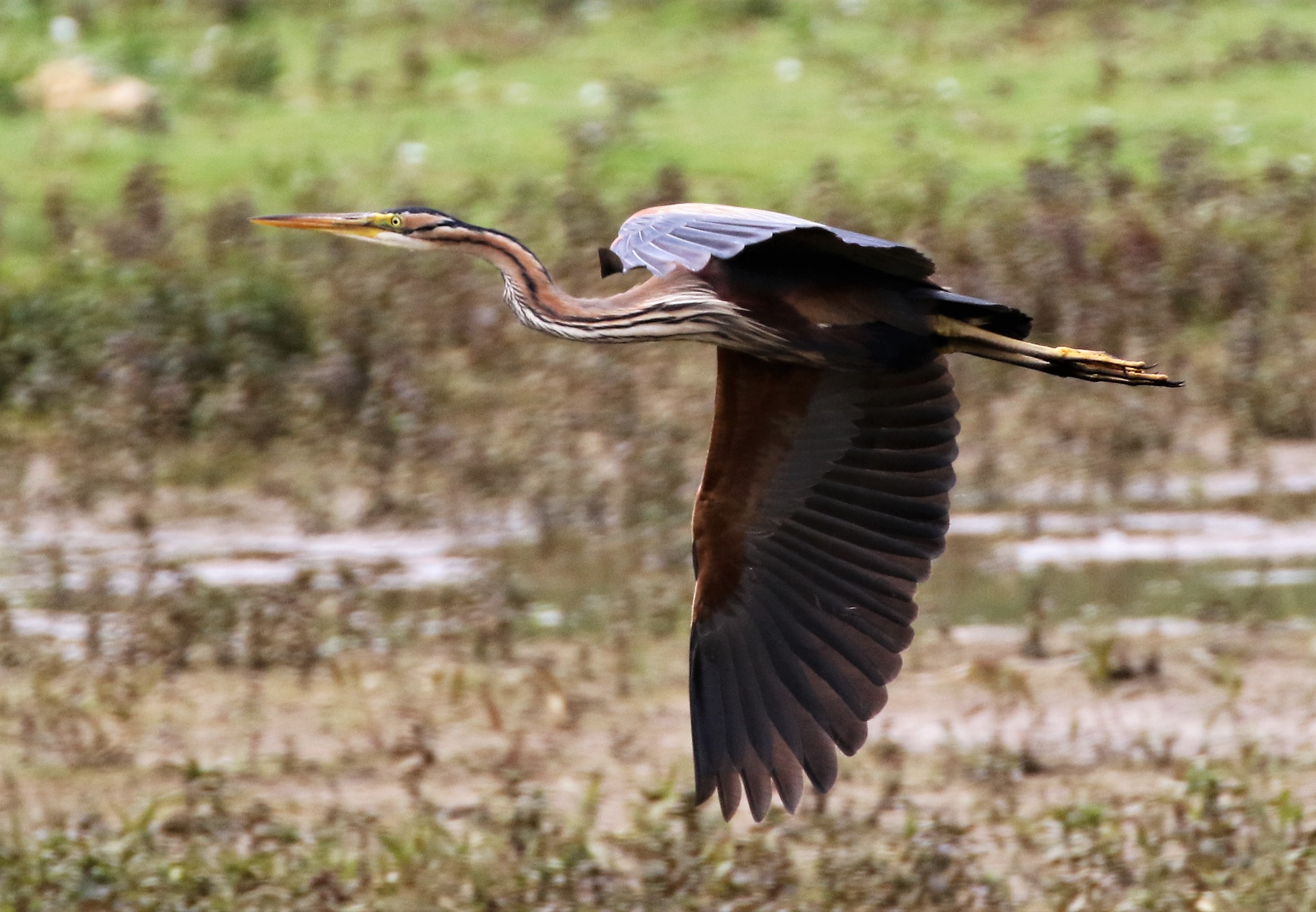
Keeping a low profile, at least two Cattle Egrets remained in the favoured location of Stanwick GP on 23rd-24th but it was a different kettle of fish altogether that became this week’s birding blitzer. Snapped and subsequently flagged up by the Summer Leys photographic fraternity, a smart adult Purple Heron broke cover onto the scrape on 27th before allegedly disappearing. But, next day, there it was again, as it happened, going on to please all comers from dawn until dusk, albeit partly obscured by reeds for the majority of the time.
Purple Heron, Summer Leys LNR, 27th May 2021 (Colin Waite)Purple Heron, Summer Leys LNR, 28th May 2021 (Alan Coles)
Purple Heron, Summer Leys LNR, 28th May 2021 (Mike Alibone)
With visits more frequent in the last century, it’s been a long, 10-year wait since the last one, in 2011, with the 1980s enjoying records in 6 out of 10 years, including annual occurrences in the 4 consecutive years of 1984-87. This year’s bird is the 20th county record.
On the raptor front, single Marsh Harriers were at Harrington AF briefly on 25th and over Stanford Res on 27th.
This week’s wader action – such as it was – was confined to DIRFT 3, where six of last week’s ten Sanderlings remained on 22nd and a Tundra Ringed Plover put in an appearance on 26th. The same site also continued to produce gulls of note, including five Yellow-legged Gulls on 22nd and two on 27th, when two first-summer Caspian Gulls were also present.
Second-summer Yellow-legged Gull, DIRFT 3, 22nd May 2021 (Mike Alibone)First-summer Caspian Gull, Pitsford Res, 23rd May 2021 (Dave Jackson)Black Tern, Summer Leys LNR, 27th May 2021 (Alan Coles)
Another first-summer Caspian Gull visited Pitsford Res on 23rd, when a Black Tern was also discovered there. This was followed by another which lingered at Earls Barton GP and Summer Leys from 25th to 27th.
The start of May was marked by a bank holiday weekend and barely had the week kicked off when the drums started beating out news of the discovery of one of the rarest waders on the county list – a mere stone’s throw from Northampton …
But before all that … Lost and lonely, last week’s Pink-footed Goose was back at Stanwick GP on 4th-5th, clearly having decided not to move north yet and another lingerer was Summer Leys LNR’s drake Garganey, which remained all week.
Drake Garganey, Summer Leys LNR. 4th May 2021 (Bob Bullock)
There’s a niggling belief in the Western psyche that bad things always come in threes but this was certainly not the case at Ravensthorpe Res on 2nd, when three Black-necked Grebes, in all their summer finery, were on display close to the causeway. Needless to say, they did not stay.
Black-necked Grebes, Ravensthorpe Res, 2nd May 2021 (Ken Prouse)Black-necked Grebes, Ravensthorpe Res, 2nd May 2021 (Bob Bullock)
And after a week with no sightings, Cattle Egrets were back in the game, with two at Stanwick on 2nd, one there on 5th and one at Pitsford Res at the week’s end, on 7th. Unsurprisingly, as we move deeper into spring, Great Egrets were down to singles at Clifford Hill GP on 1st, Thrapston GP from 3rd to 7th and Pitsford on 4th.
Raptors, too, were in short supply with single Ospreys at Hollowell on 5th and 7th and in flight over the A45 near Earls Barton on the latter date, while Stanford Res produced another Marsh Harrier on 4th.
Osprey, Hollowell Res, 7th May 2021 (Jon Cook)
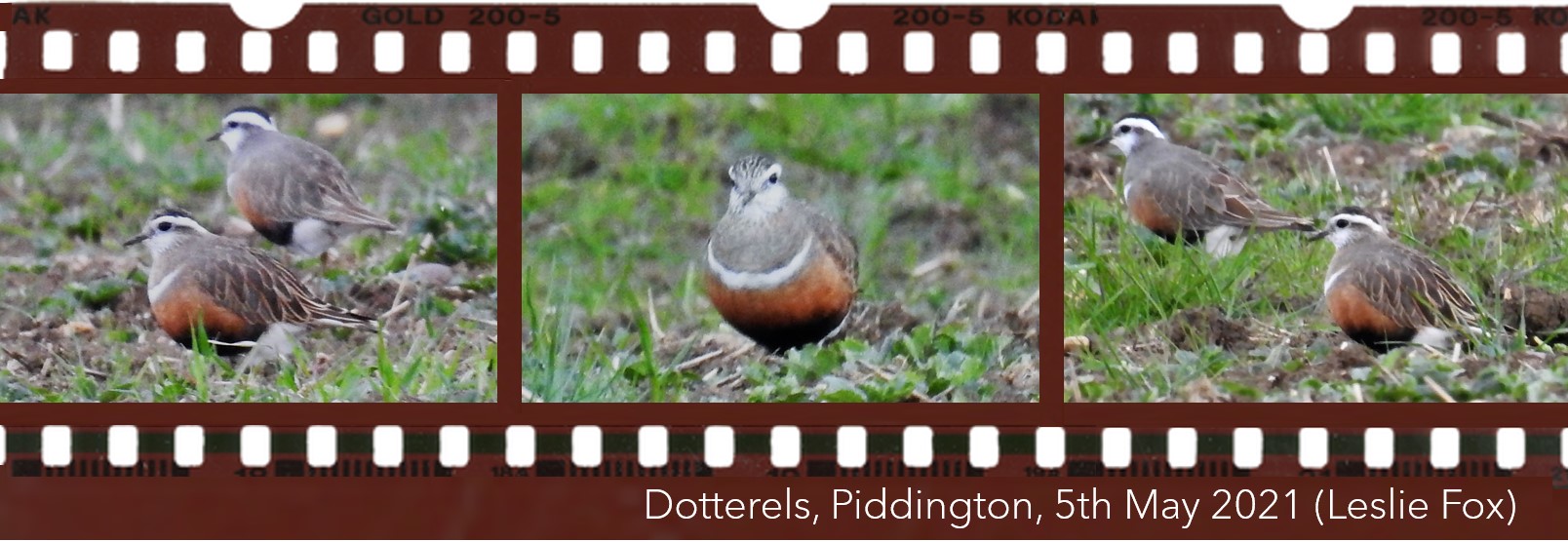
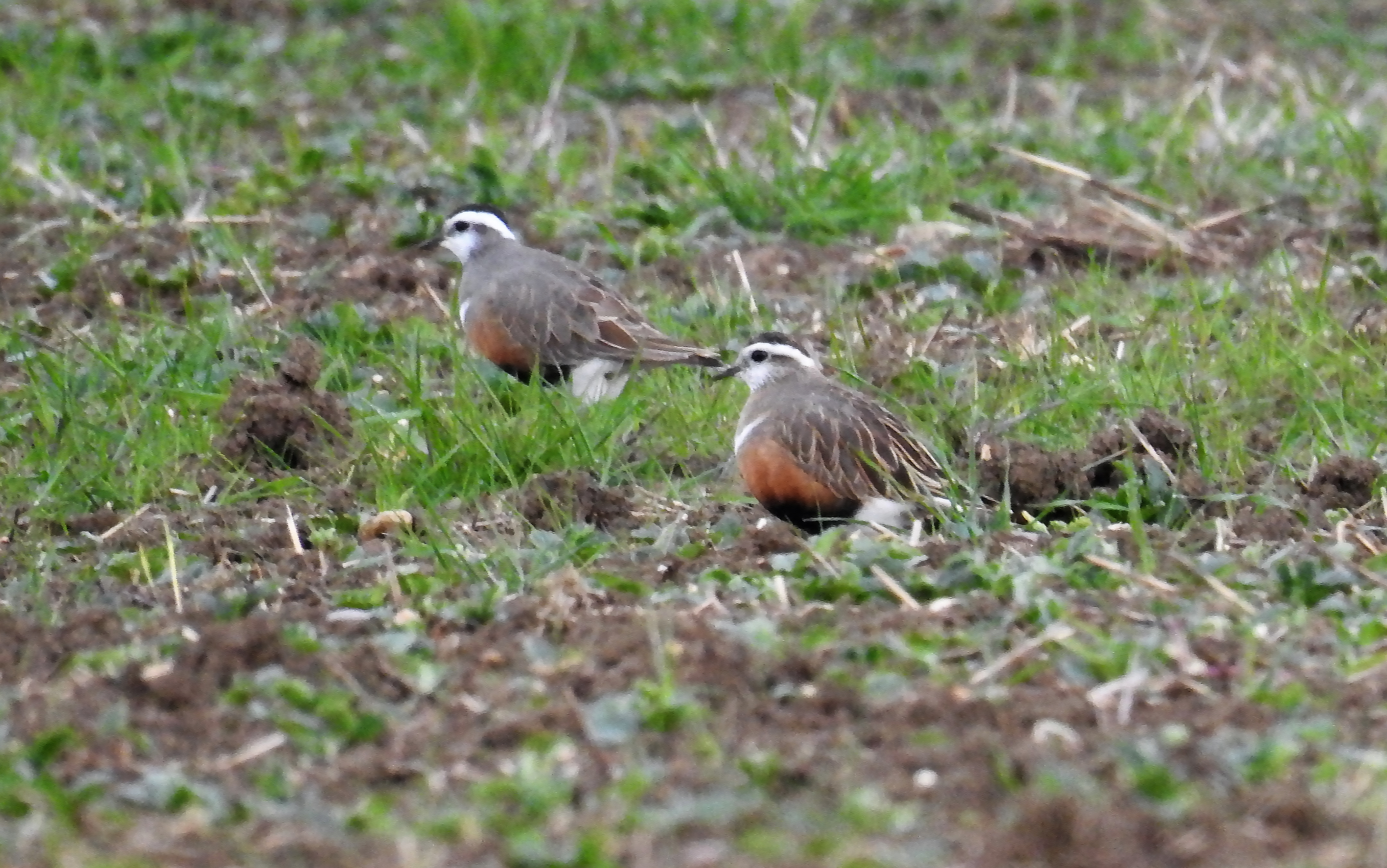
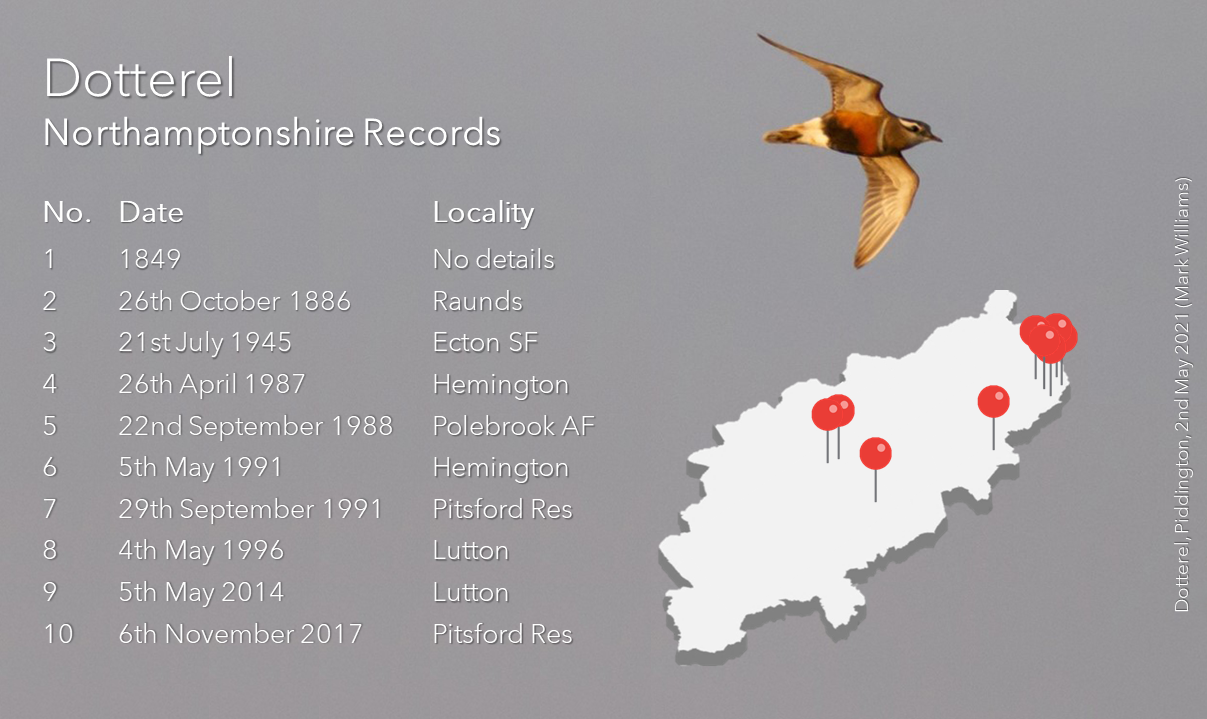
But it was waders that came to the fore and what better way to kick the week off than with a Dotterel … or two. So, history was made with the discovery, on 1st, of Northamptonshire’s eleventh at a relatively unknown site, only a stone’s throw from the county town. The extensive, flat bean fields, alongside New Farm AF at Piddington, proved attractive to two of these highly attractive, montane beasties as they took a break from their journey from Africa to likely breeding sites in Scotland and/or Scandinavia. Staying for five days, they became crowd-pullers and pleasers – their admirers coming from further afield than just Northants.
Dotterel, Piddington, 1st May 2021 (Peter Willmott)Dotterels, Piddington, 2nd May 2021 (Mark Williams)Dotterels, Piddington, 5th May 2021 (Leslie Fox)
The last record in the county was a fly-over, photographed at Pitsford Res in November 2017 but the last truly twitchable bird was near Lutton, an area with reputational pulling power for this species, in May 2014. The population, however, is said to be declining. The estimate of 423 breeding males in 2011 represents a decline of 43% since 1999, when the comparable total was 747 pairs, and of 57% since 1987/1988 (981 pairs) (Appleton, 2015 & 2020).
Other waders were available, with many again making longer stays than we have come to expect during spring. One such species was Whimbrel, with the number of localities hosting them matching last week’s eight, although the total number of birds seen had fallen by a third to just twenty-one. This week’s peak included up to eight at Clifford Hill all week, while last week’s three were still at Hollowell Res until 3rd, two remaining on 4th, two were at Summer Leys on 1st and singles there on 2nd and 7th, two flew over DIRFT 3 on 6th and singles were in flight over the A361 near Byfield on 1st, at Stanwick on 4th, at Thrapston on 4th and 7th and at Stanford Res on 5th.
Whimbrels, Clifford Hill GP, 5th May 2021 (Bob Bullock)
Away from breeding sites, a Curlew visited Summer Leys on 1st, the latter site producing the week’s only Black-tailed Godwits, with five on 4th, one on 5th and two on 7th. The year’s first Turnstone made landfall at Clifford Hill on 6th and a single Ruff remained at Summer Leys throughout the period.
Black-tailed Godwits, Summer Leys LNR, 4th May 2021 (Mike Alibone)Black-tailed Godwit, Summer Leys LNR, 7th May 2021 (Bob Bullock)Male Ruff, Summer Leys LNR, 5th May 2021 (Mike Alibone)
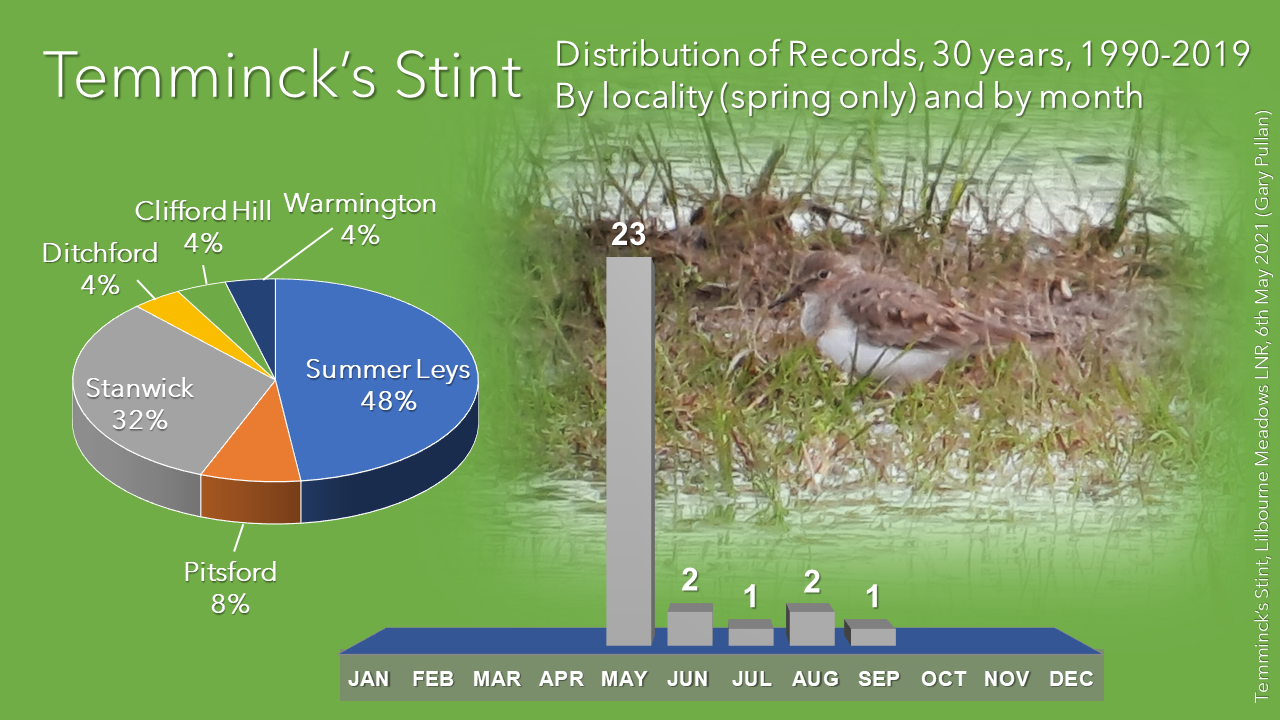
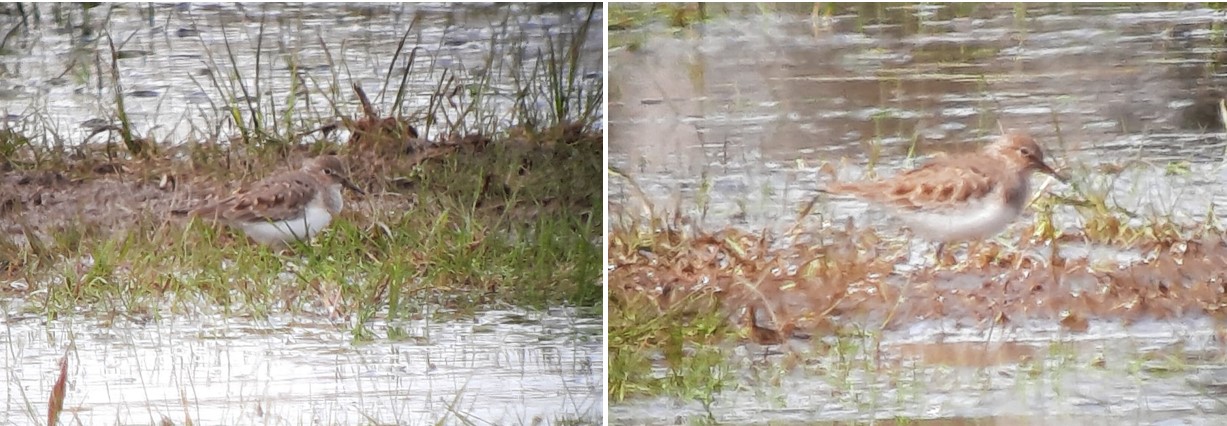
Which brings us neatly to the second-best wader of the week, Temminck’s Stint – the first in the county for four years. Discovered on 6th at the A5 Pools of the DIRFT 3 industrial development site, it has now significantly contributed to putting the locality firmly on the map after its potential was flagged up here in 2017 and again here in a wider context in 2021. The vast majority of previous records have been in spring and of those, the easybirdin’ site of Summer Leys has (artificially, through observer number bias) exerted the most pull, as the graphic below neatly illustrates. Almost annual in the last decade of the previous century it has, however, become a less frequent visitor in recent years.
Temminck’s Stint, DIRFT 3, 6th May 2001 (Gary Pullan)
Temminck’s Stint, Lilbourne Meadows LNR, 6th May 2021 (Mike Alibone)
The year’s first Sanderling was found on 3rd May at Clifford Hill, quickly followed by another the next day, at Thrapston GP. And the waders still kept coming, with birders in the Nene Valley experiencing a Dunlin rush on 4th, when double-figure counts were made at four localities as birds moved quickly through. These included forty-two at Clifford Hill, at least thirty-eight through Stanwick GP, thirty-two at Earls Barton GP’s New Workings (North) and twenty-two at Summer Leys. Outside of this date these, along with two further localities recorded a total of at least 52 between them during the week.
Dunlins, Clifford Hill GP, 4th May 2021 (Bob Bullock)
The Summer Leys long-staying Spotted Redshank again remained there throughout, being joined by a fine summer-plumaged bird from 4th until the week’s end.
Spotted Redshanks, Summer Leys LNR, 4th May 2021 (Mike Alibone)Spotted Redshank, Summer Leys LNR, 5th May 2021 (Tony Stanford)Spotted Redshank, Summer Leys LNR, 5th May 2021 (Clive Bowley)
Compared to the previous week, Greenshank numbers were well down, with three at Ecton SF on 1st and two at DIRFT 3 on 2nd being the highest counts. Elsewhere, singles were at Earls Barton GP on 1st, 6th and 7th, Summer Leys on 2nd and 7th and Pitsford on 6th.
Gulls and terns also tailed off dramatically, with an adult Little Gull at Thrapston on 7th and single Caspian Gulls at DIRFT 3 on 1st and 7th. The 5th saw a Sandwich Tern fly through at Summer Leys and mere single-figure counts of Arctic Terns included two at Stanwick on 3rd, followed by six there the next day, which also delivered three to Summer Leys, two to each of Pitsford and Stanford and one to Clifford Hill, while one visited Stanford on the following day, 5th. A Black Tern was also at Stanford on 7th.
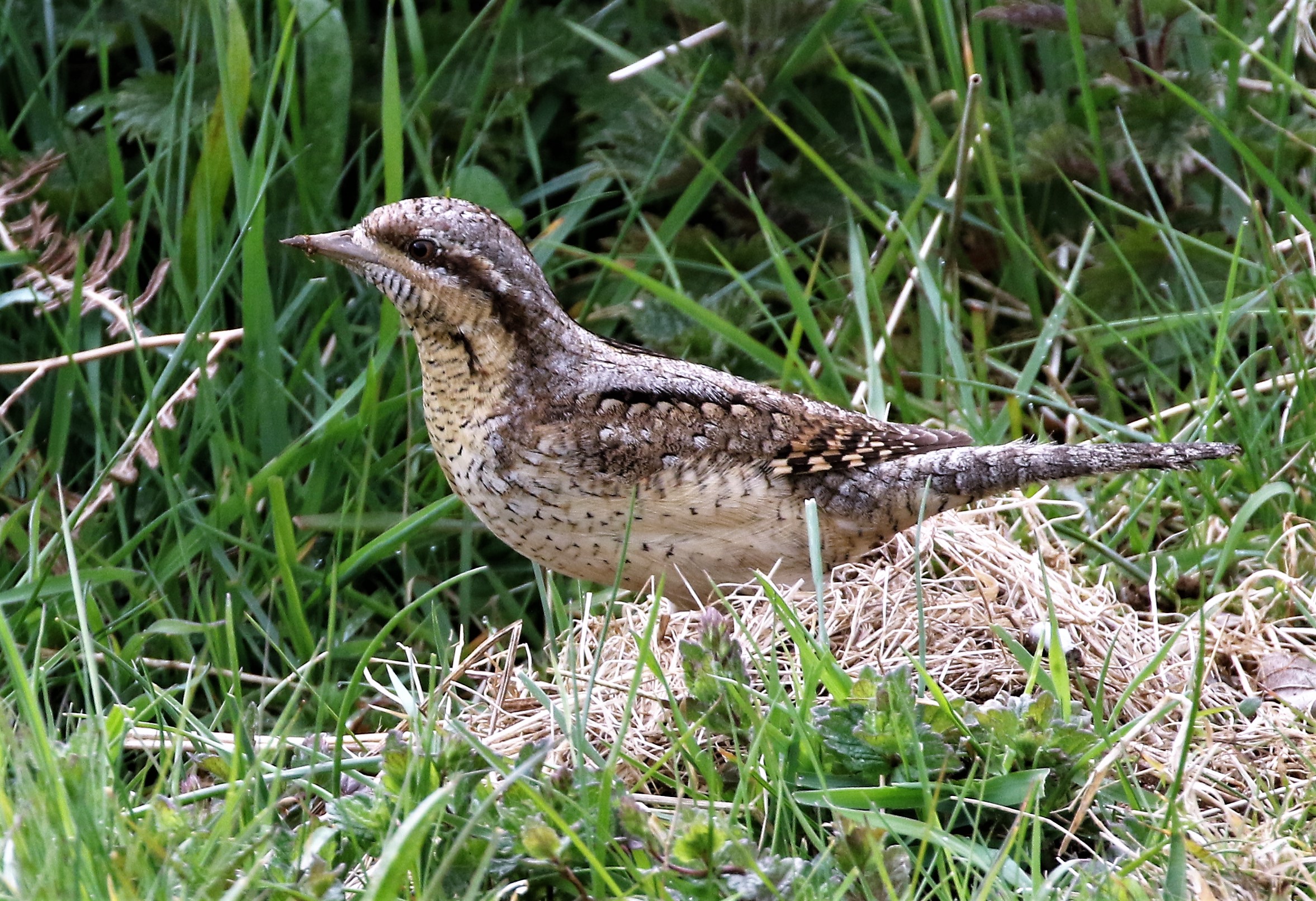
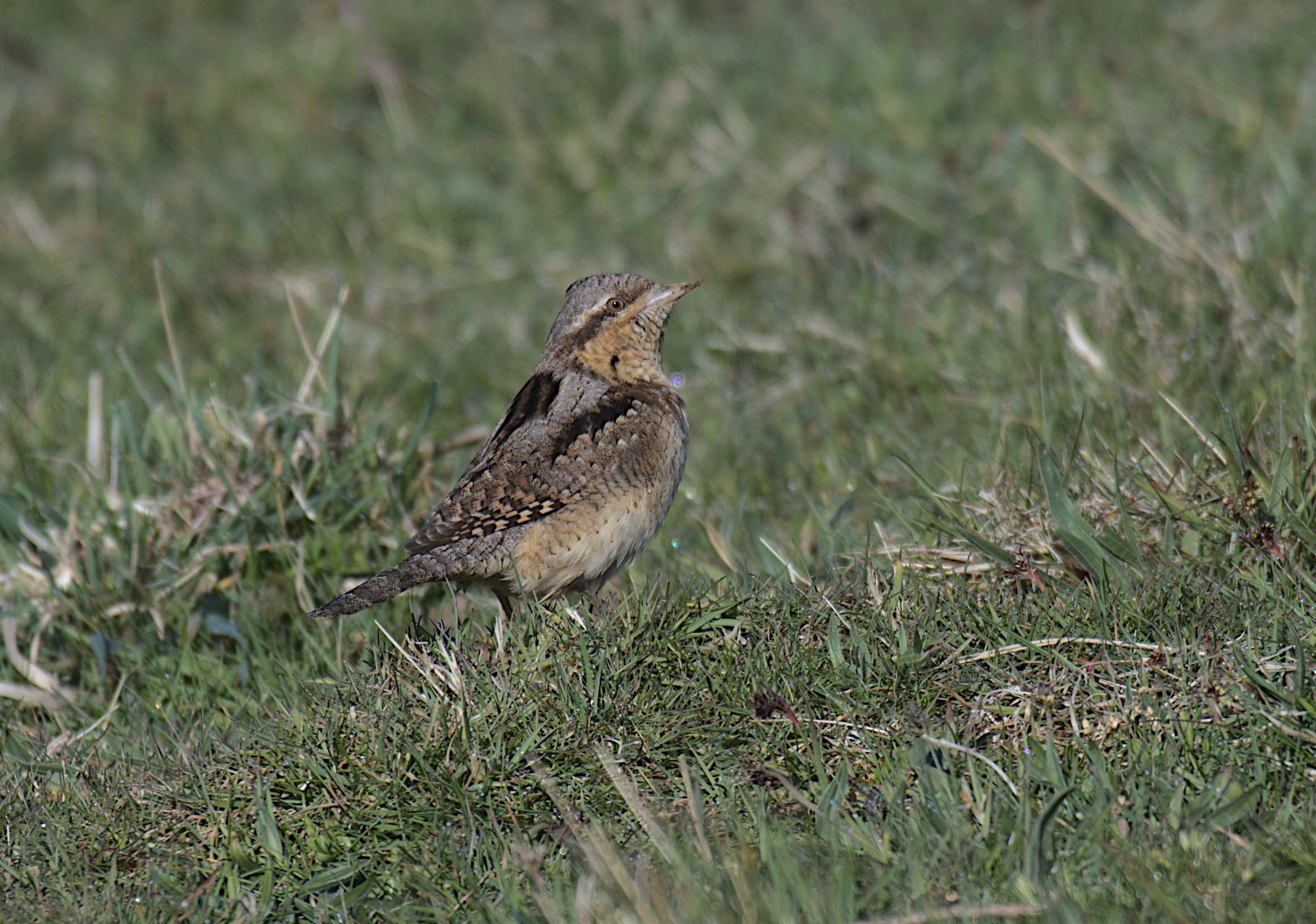
Topping the passerines bill this week was a Wryneck, found on Borough Hill on 2nd. It remained for a further three days, showing particularly well and providing superb photographic opportunities for all comers.
Wryneck, Borough Hill, 3rd May 2021 (Jon Cook)Wryneck, Borough Hill, 5th May 2021 (Alan Coles)Wryneck, Borough Hill, 5th May 2021 (Ken Prouse)Wryneck, Borough Hill, 5th May 2021 (Martin Swannell)
Although dubbed by some as the most confiding Wryneck we’ve ever had, the truth is it wasn’t. That accolade goes to one which, completely oblivious to vehicles and bystanders, occupied a small mown grass roundabout on a busy road, bizarrely within spitting distance of Borough Hill, at High March Industrial Estate, Daventry on 8th September 2003. The difference is this week’s bird stayed four days, providing a comfortably protracted period for anyone who wanted to catch up with it. The number of Wrynecks visiting Northants averages just above one per year, with September being the peak month.
Another week, another Wood Warbler and in contrast to last week’s crowd-pleaser it remained in the shadows of Barnwell CP during the morning of 1st.
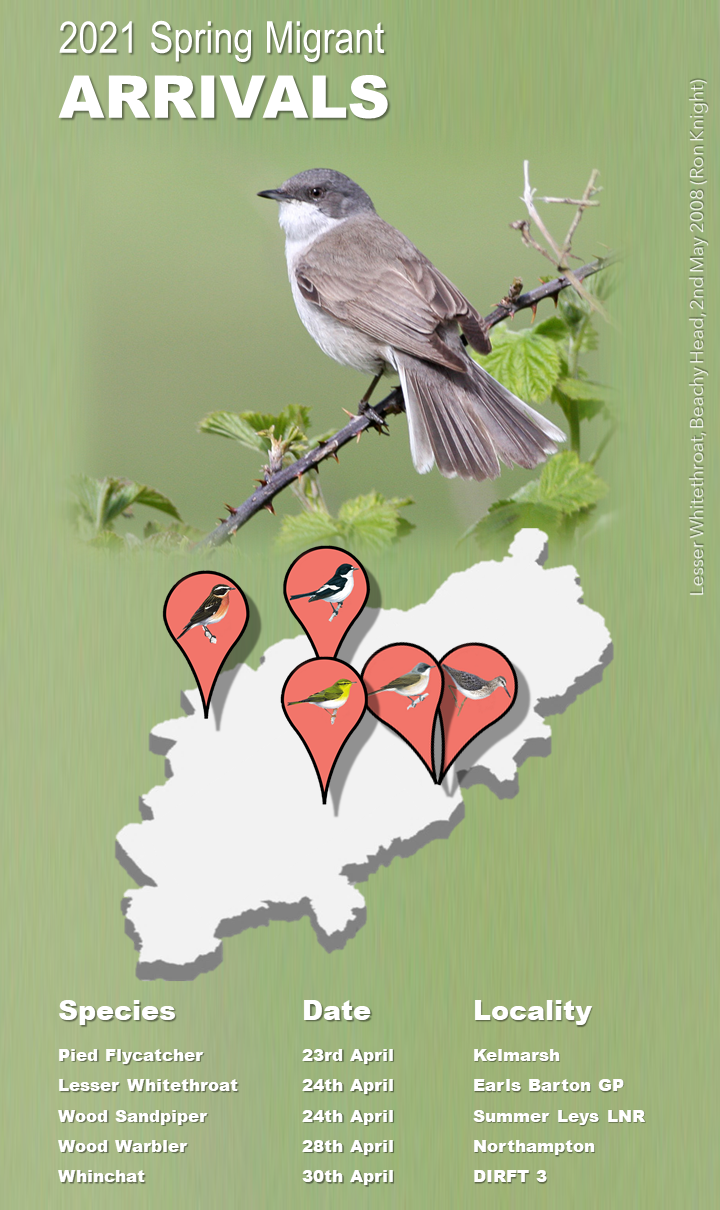
And while we’re talking ‘firsts’, the first Spotted Flycatcher of the spring appeared at Hollowell Res on the relatively early date of 2nd but it still would have had a long way to go to have beaten the joint record-holders of 1971 and 1976, when the earliest of all recorded arrivals were on 20th April. Hot on the heels of the first Whinchat of the spring, on 30th April, were six more scattered across the week and shared between Borough Hill, Honey Hill, Northampton, Piddington and Ravensthorpe STW.
Male Whinchat, Honey Hill, 1st May 2021 (Jon Cook)
Northern Wheatears also put on a reasonable showing, with ten at Piddington on 1st, two near Charwelton on 7th and singles at Boddington Res, Deenethorpe and Clifford Hill.
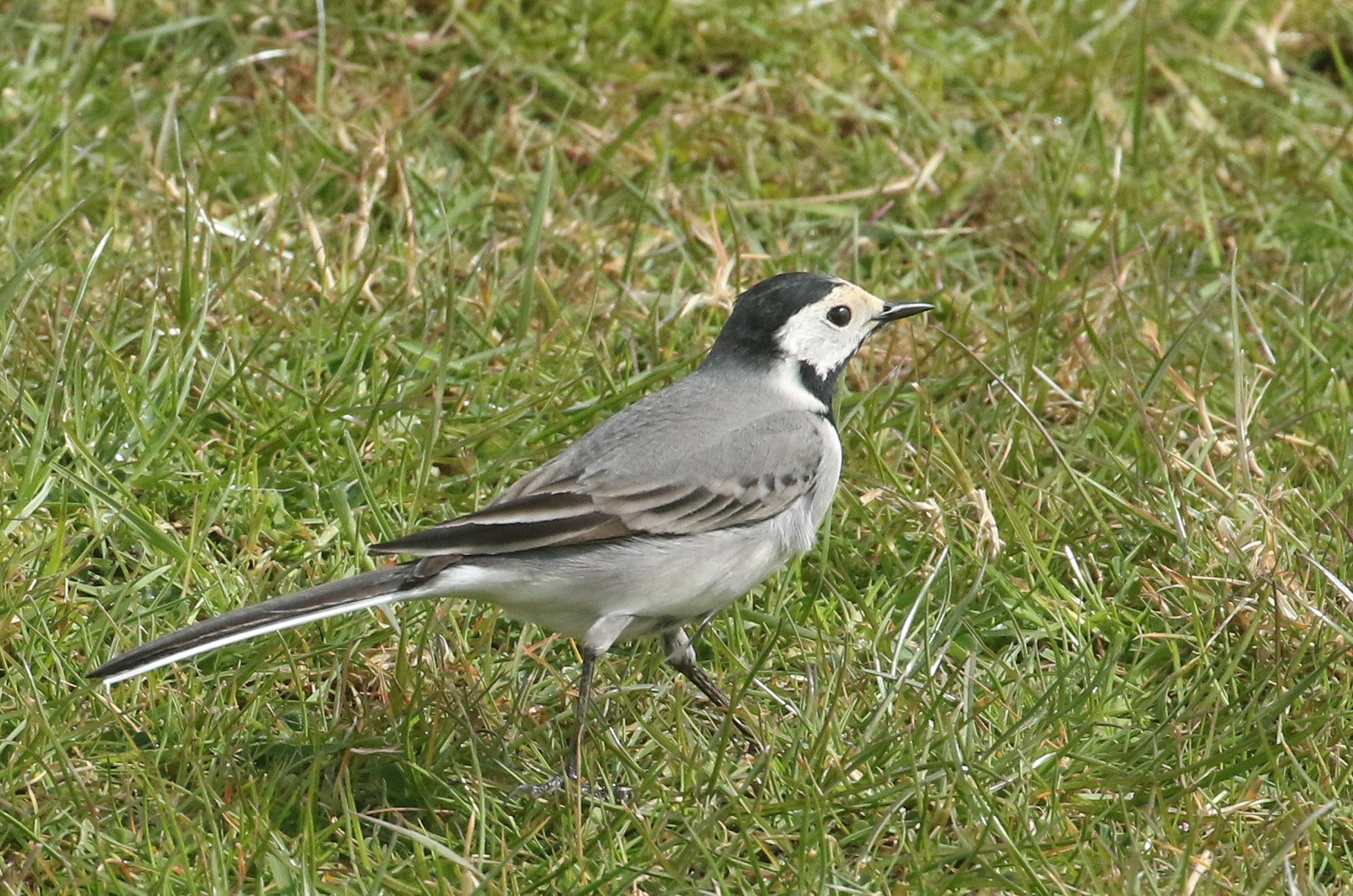
Northern Wheatear, Borough Hill, 1st May 2021 (Jon Cook)White Wagtail Clifford Hill GP, 4th May 2021 (Bob Bullock)
White Wagtails continued to trickle through and singles were found at Earls Barton on 1st, Clifford Hill on 2nd and Welford Res on 5th and the year’s second-only Tree Pipit flew over Borough Hill, early on the last of these dates.
Being treated to easterlies and north-easterlies throughout the period, this week we say goodbye to the UK’s frostiest April for 60 years and one of the driest to boot. Against a backcloth of continually arriving spring migrants, waders piled in ahead of some bright and shiny passerines, with many taking remarkably protracted breaks in their spring migration.
Wildfowl numbers continued to decline, with a lone Pink-footed Goose appearing for a day at Stanwick GP on 29th, and two similarly northbound Common Scoters making a stopover on Thrapston GP’s Town Lake on 28th.
Common Scoters, Thrapston GP, 28th April 2021 (Nick Parker)
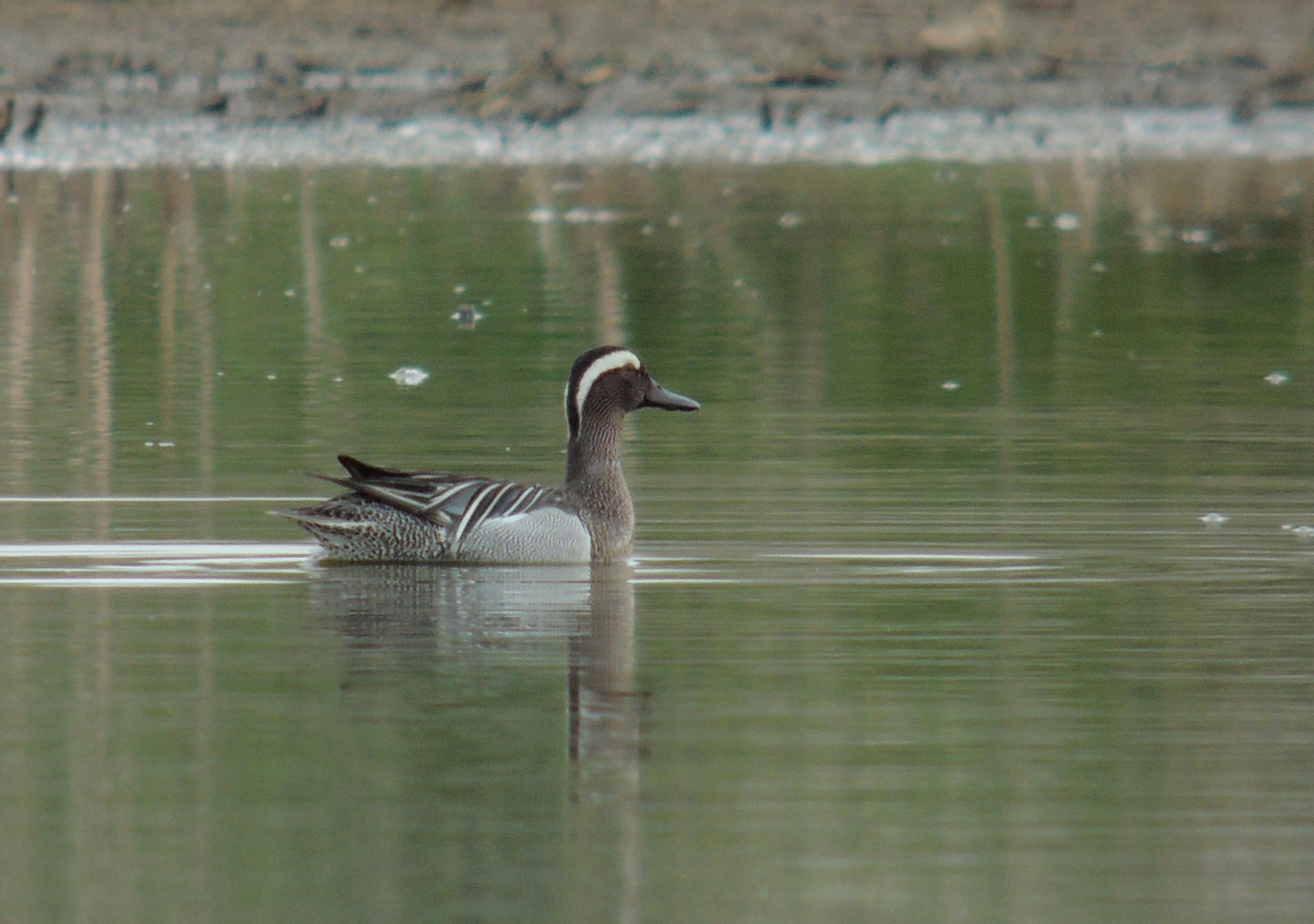
This week’s Garganey count was pretty much on a par with last week’s and included the lingering pair at Pitsford Res on 27th and lone drakes visiting Ecton SF on the latter date and Summer Leys LNR on 29th-30th.
Drake Garganey, Ecton SF, 27th April 2021 (Mike Alibone)
Out on their own, Great Egrets were still to be found at five locations – namely Clifford Hill GP, Hollowell Res, Pitsford, Summer Leys and Thrapston, with a maximum of three at Pitsford on 29th.
And, in keeping with last week’s low number of reports, this week’s Ospreys were singles at Pitsford on 25th, Hollowell on 28th, Stortons GP on 30th and what was probably the same individual over nearby Far Cotton, Northampton later the same day. The only other raptors of note were Marsh Harriers at Stanford Res on 24th and Summer Leys on 26th.
Migrant wader numbers continued to build, records were broken and lengths of stay were stretched in many instances. One locality stood proud in this respect. Ah yes, Summer Leys … and the birdin’ is easy … This site pulled in thirteen wader species during the period but, surprisingly, managed to miss out on a couple of species which might have otherwise found their way to this locally unique reserve. But it’s still early days. The first of these was Grey Plover, one of which stayed at Thrapston GP between 24th and 26th, quickly followed by another flying east over Stanford two days later, on 28th. And the other? Well, after the appearance of the year’s first, last week, Whimbrels arrived in force, with eight localities elsewhere collectively producing at least thirty-two birds. Clifford Hill bagged the lion’s share, with ten on 29th, seven on 26th and one on 30th. The length of stay award was won by three that remained at Hollowell for the entire week and the only other site to produce this number, too, was Stanford Res on 28th. Further singles were seen at Wadenhoe on 24th and Stanford on the same date, DIRFT 3 on 24th and 30th, Stanwick on 25th and 26th, Pitsford on 27th and Thrapston on 28th.
Whimbrels, Hollowell Res, 30th April 2020 (Jon Cook)
Away from breeding sites, a Curlew joined the Whimbrels at Hollowell on 26th, while Bar-tailed Godwits enjoyed another strong week, with singles at Hollowell Res on 24th-25th, Thrapston on 28th and Summer Leys on 24th, followed by five there on 25th. Other multiples were three at Thrapston and four at Stanwick on 25th, plus six at Clifford Hill and two at Pitsford on 26th.
Once again in the shade, Black-tailed Godwits mustered three at Summer Leys on 25th and one at Thrapston on 28th. Three Ruffs remained at Summer Leys from 27th to 30th and one visited DIRFT 3 on 28th, when a Dunlin was also at the same site and nine were at Clifford Hill, followed by singles at Earls Barton GP on 29th and Summer Leys on 30th. A late Jack Snipe was found at Clifford Hill GP on 24th.
Ruff, Summer Leys LNR, 29th April 2021 (Mike Alibone)
The year’s first Wood Sandpiper pitched up at Summer Leys on 24th, staying until at least 27th, while last week’s Spotted Redshank remained at the same site throughout. In contrast to the handful we normally see in spring, Greenshanks arrived en masse this week, including a record-breaking spring flock of sixteen, again at Summer Leys, on 25th, with six still there the following day and singles on 27th and 29th. Another notable flock was seven at Ecton SF on 27th, with four present on 29th. Elsewhere, three were at DIRFT 3 on 24th and one there on 25th, three visited Stanwick on 26th, two were at Clifford Hill on 24th with singles there on 26th and 28th, two were at Earls Barton on 27th, singles were at Oundle on 24th and 26th and two were at Thrapston on 26th-27th, with singles there on 28th and 30th.
Greenshanks, Ecton SF, 27th April 2021 (Mike Alibone)Greenshank, Ecton SF, 29th April 2021 (Mike Alibone)
Little Gulls, Summer Leys LNR, 26th April 2021 (James Underwood)
The beginning of the period saw the tail-end of last week’s Little Gull influx – and some more very respectable site totals. Leading the way, Thrapston held sixty-two on 24th, the same day producing twenty-six at Pitsford, thirteen at Clifford Hill and probably in excess of a dozen birds at Summer Leys. On 25th, three visited Daventry CP and singles were at Clifford Hill and Summer Leys, while the following day saw four at the latter site and one at Pitsford. Unsurprisingly for the time of year, other gulls were in short supply. Up to two adult Mediterranean Gulls were around all week at Summer Leys, while two second-winter Yellow-legged Gulls were at DIRFT 3 on 25th, followed by a third-winter there on 28th.
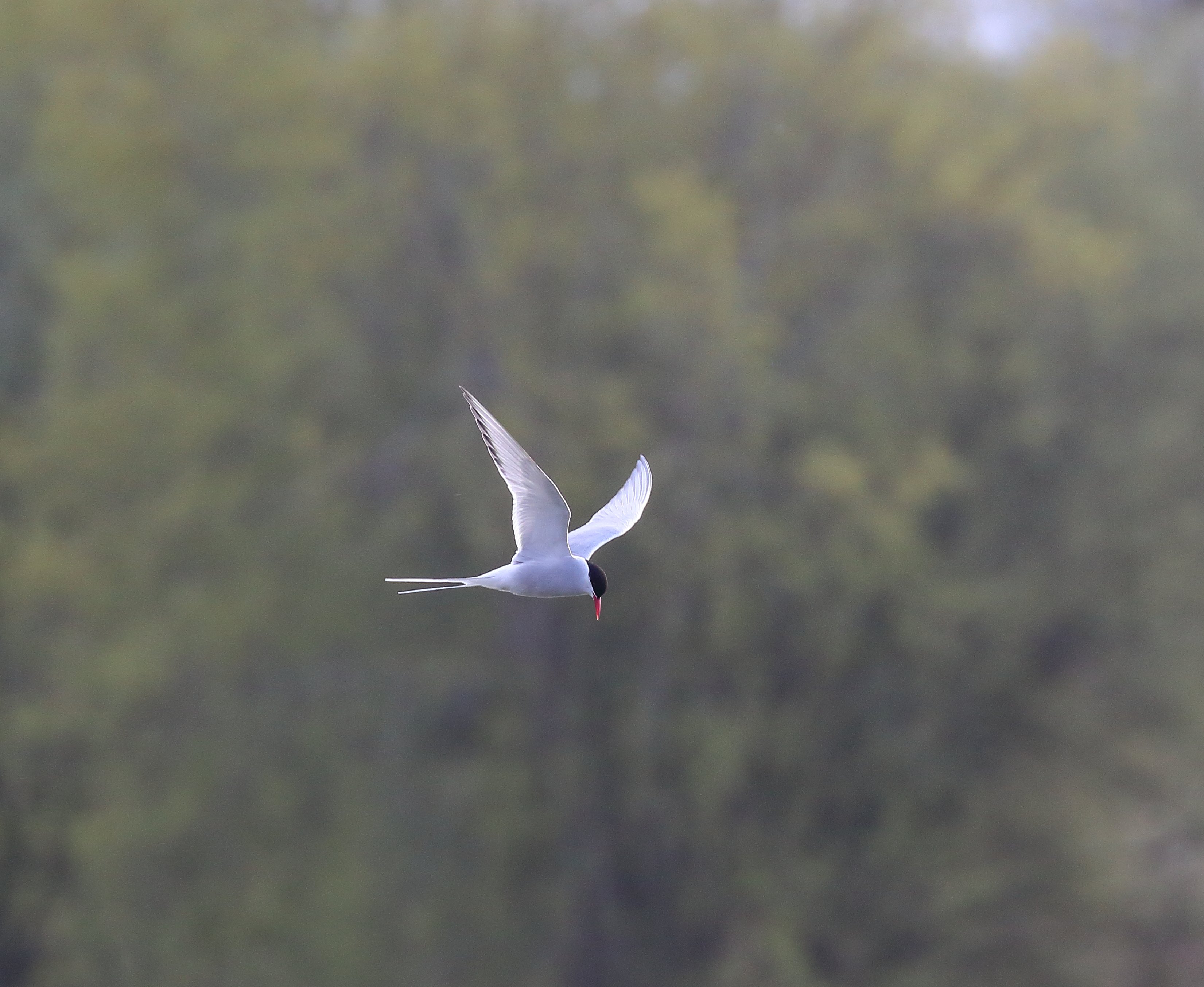
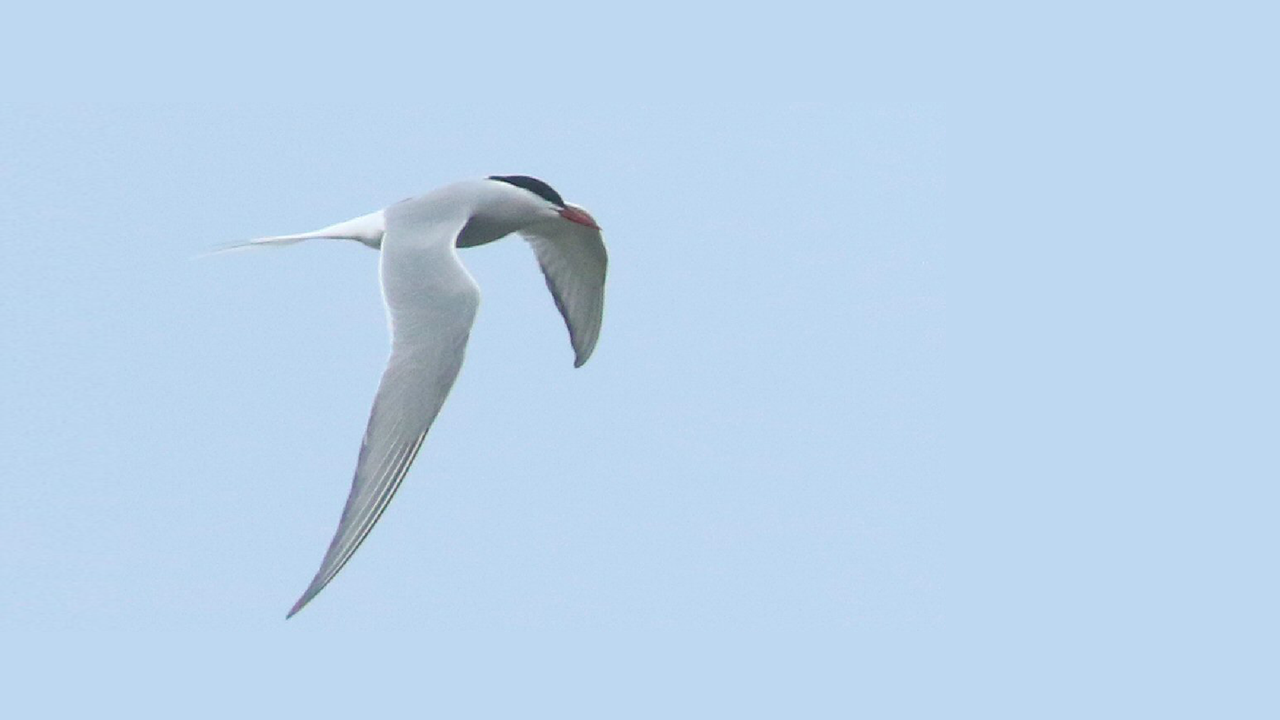
Arriving in impressive numbers, Arctic Terns took over where Little Gulls left off. Summer Leys, Thrapston and Stanwick each had up to five during 24th-26th but the biggest movement was noted on 28th-29th, when Boddington held approximately forty, Thrapston saw in excess of forty and seventy-six passed north-east through Stanwick. Maximum site counts elsewhere were fourteen at Clifford Hill and four at Stanford Res – both on 28th, which also saw three Black Terns at Thrapston and one at Boddington.
Arctic Tern, Boddington Res, 28th April 2021 (John Friendship-Taylor)Arctic Tern, Thrapston GP, 28th April 2021 (Bob Bullock)Black Tern, Boddington Res, 28th April 2021 (John Friendship-Taylor)
A male Merlin was between Clopton and Bythorn on 25th.
Among the arriving summer visitors this week were some class passerines. Kicking off was a bright and shiny Wood Warbler in the unusual location of Abington Park, Northampton on 28th – a crowd-pleaser for the one day it was present. Another was also found near Mary’s Lake at Earls Barton on the same date but clearly did not exert the same pull as the soft target, drive-up-and-see bird in the suburban setting of Northampton.
Wood Warbler Abington Park, Northampton, 28th April 2021 (Bob Bullock)Wood Warbler Abington Park, Northampton, 28th April 2021 (Bob Bullock)
Somewhat amazingly, a first-summer male Pied Flycatcher was found in the above location on the same date by those twitching the Wood Warbler. Both birds had departed by the following day.
First-year male Pied Flycatcher, Abington Park, Northampton, 28th April 2021 (Martin Swannell)First-year male Pied Flycatcher, Abington Park, Northampton, 28th April 2021 (Bob Bullock)
Another first for the year materialised in the shape of a Lesser Whitethroat, at Earls Barton GP, on 24th – a date on the slightly later side of average for this species.
Other smart passerines included a Ring Ouzel, which lingered by the River Nene at Thrapston from 28th to 30th, two Common Redstarts at Stanford Res on 26th and the first Whinchat of the spring at DIRFT 3 on 30th, scraping into April by the skin of its teeth.
Ring Ouzel, Thrapston, 28th April 2021 (Mark Hammond)
Northern Wheatears were also still on the move, with one at Harrington on 25th, five in the Brampton Valley and seven Clifford Hill GP on 28th, while a male Greenland Wheatear was at Boddington Res the following day.
Male Greenland Wheatear, Boddington Res, 29th April 2021 (Gary Pullan)
Female Blue-headed Wagtails were identified at Ravensthorpe Res on 25th, Thrapston on 26th-28th Stanford Res on 27th and Summer Leys on 28th.
Female Blue-headed Wagtail, Ravensthorpe Res, 25th April 2021 (Paul Crotty)
Next up is May, arguably the grandest spring birding month, although April will be a hard act to follow locally.






































 Northants birds