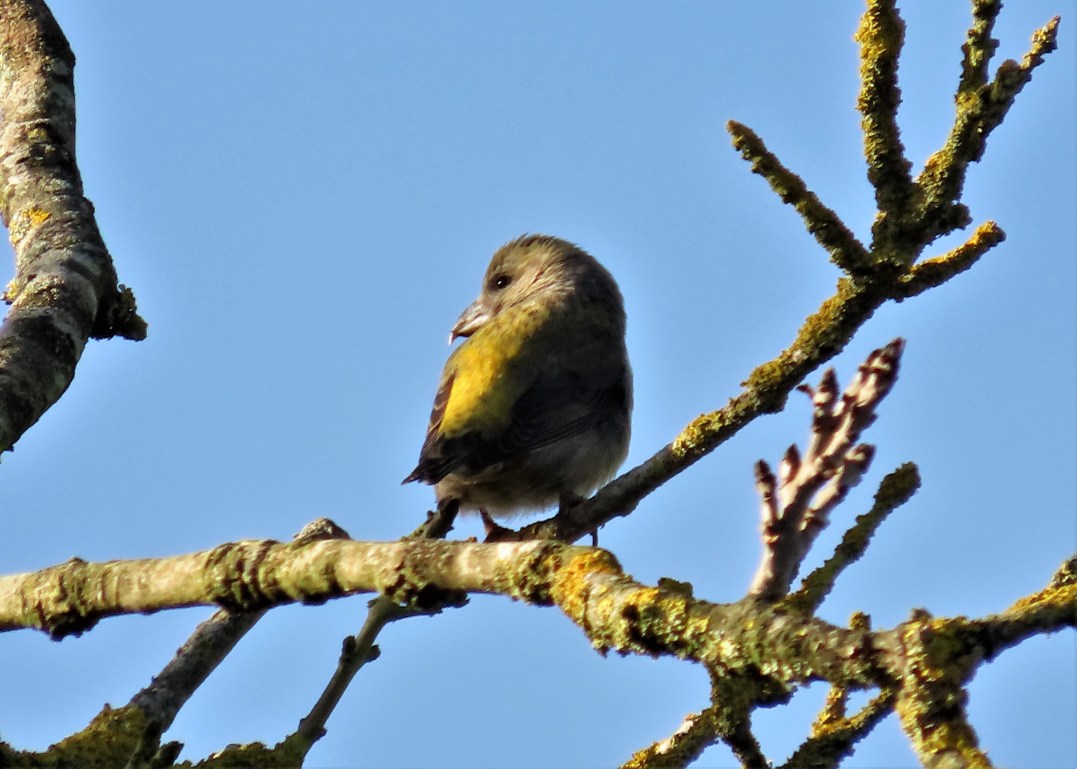
Newsround – 30th January to 5th February 2021

Chilly east to north-easterlies kept temperatures depressed in the first half of the period, after which a mild spell saw a double-figure rise to 11°C, under the influence of a south to south-westerly airstream. The week’s focus was centred firmly on the presence of two White-tailed Eagles, the anticipated easy connectivity with one giving rise to a small, though appreciable, stream of ‘local’ birders to its favoured wetland site.

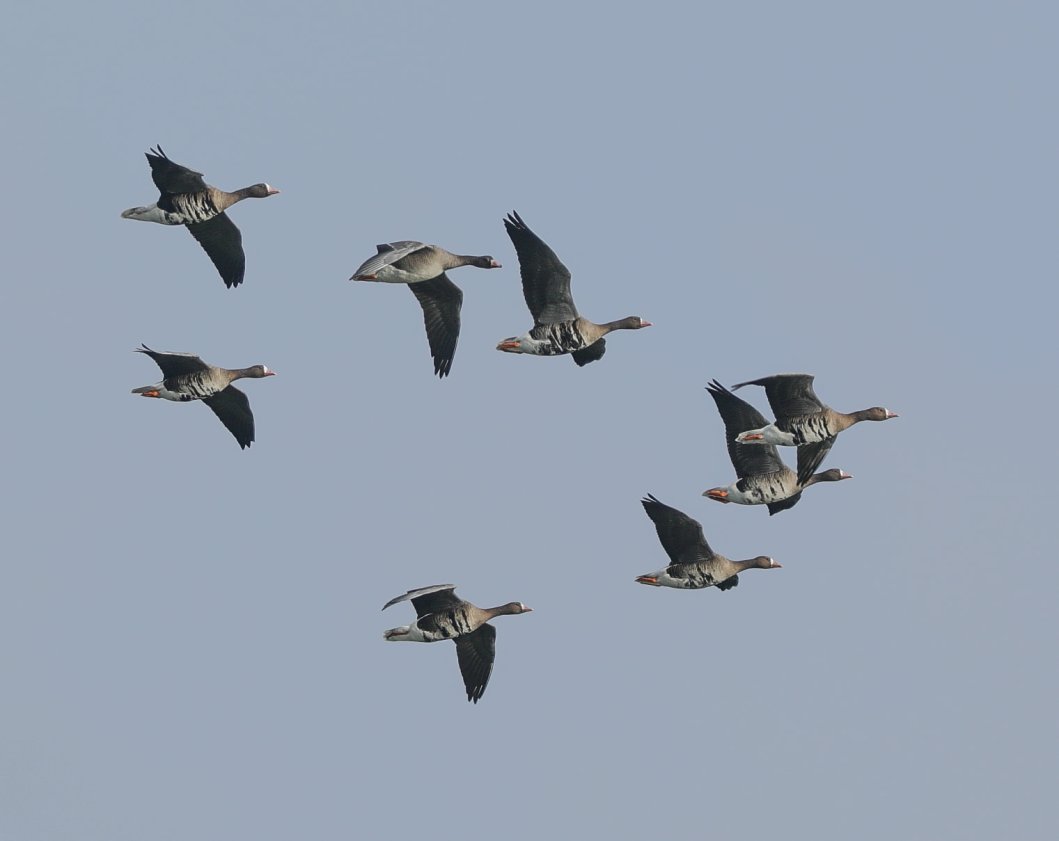
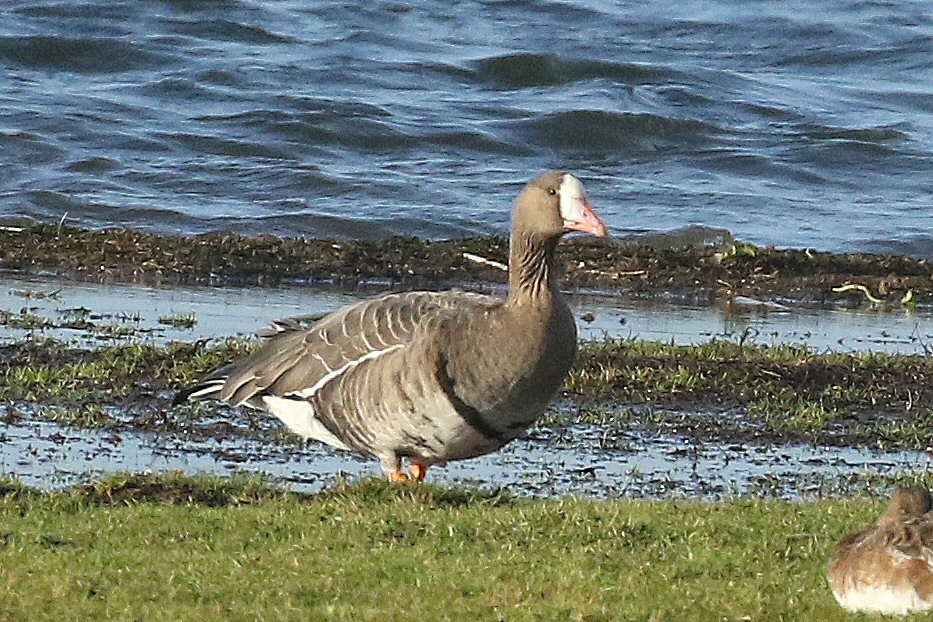
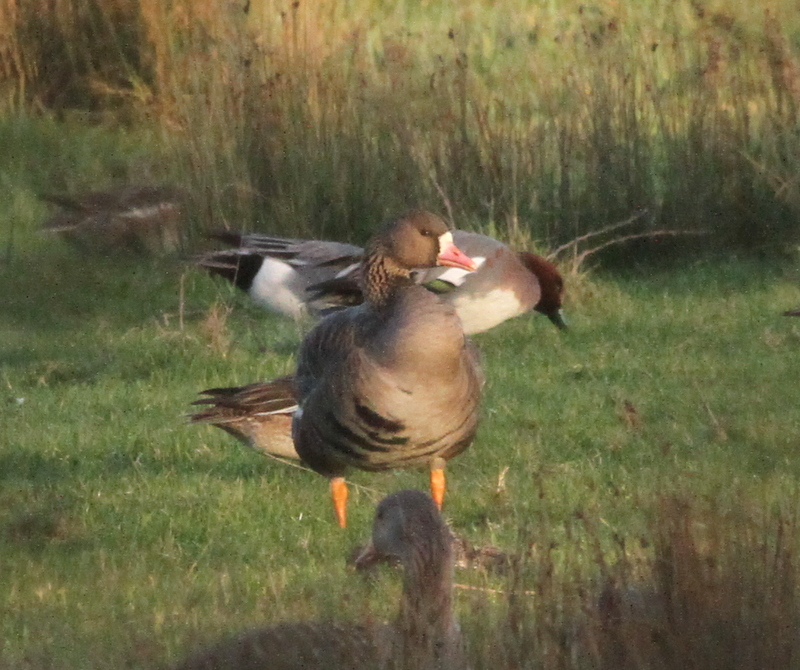
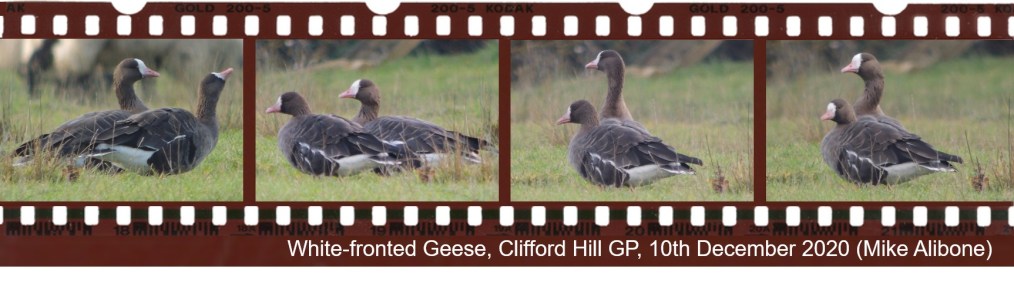
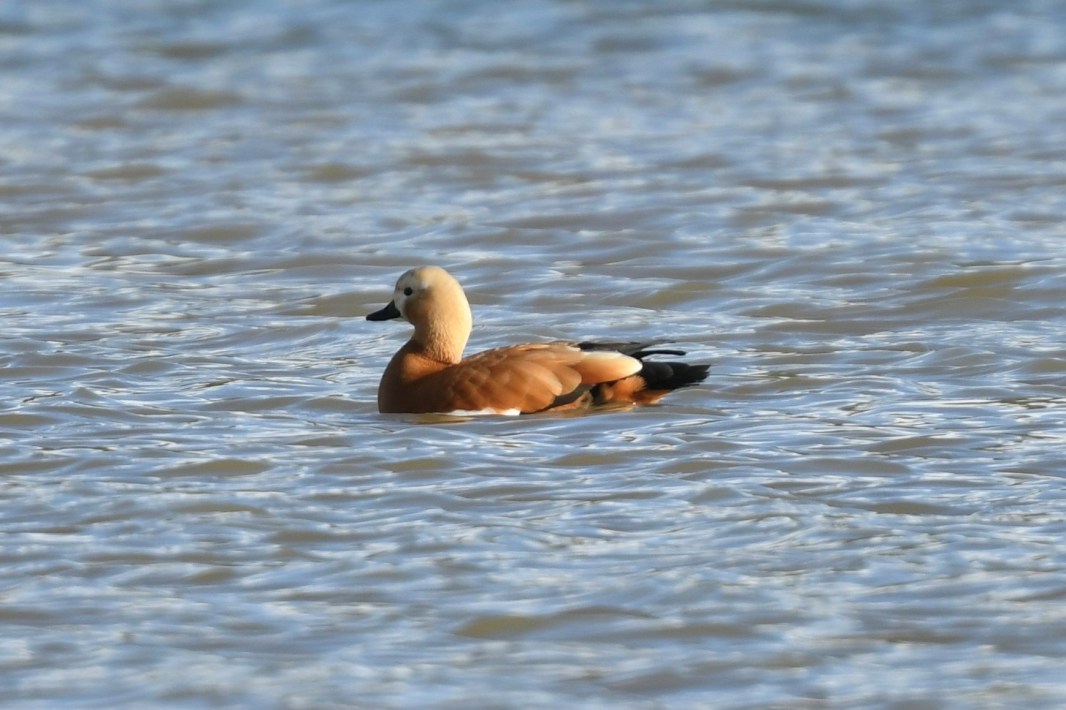
It was, however, a poor week for wildfowl by recent standards with the thirty or so White-fronted Geese remaining around their chosen fields at the northern extremity of the Stanwick GP complex until at least 2nd and the female Ruddy Shelduck enjoying an away-day at Foxholes Fisheries, Crick on the same date. The infamous female Ferruginous Duck x Pochard hybrid again materialised at Stanwick on 31st, remaining in the area until at least 3rd. In terms of its physical appearance it looks almost the real deal – close but no cigar.
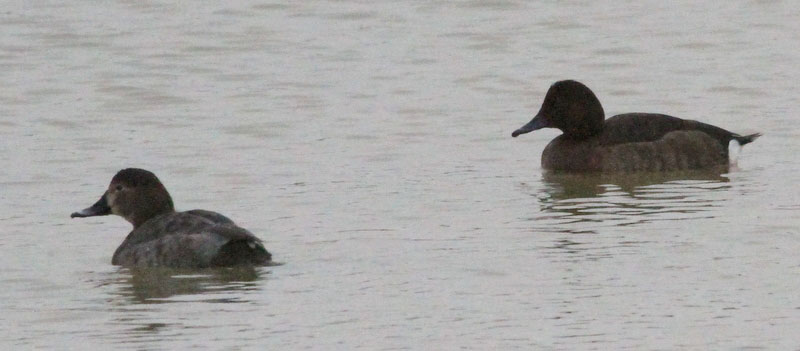
Female Ferruginous Duck x Pochard hybrid, Stanwick GP, 31st January 2021 (Steve Fisher)

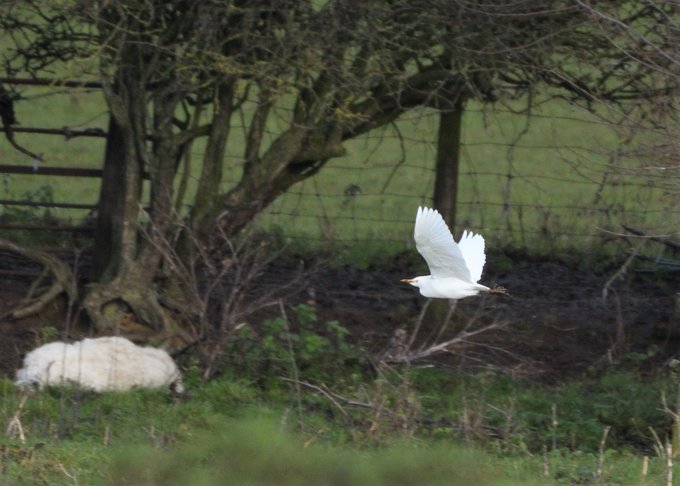
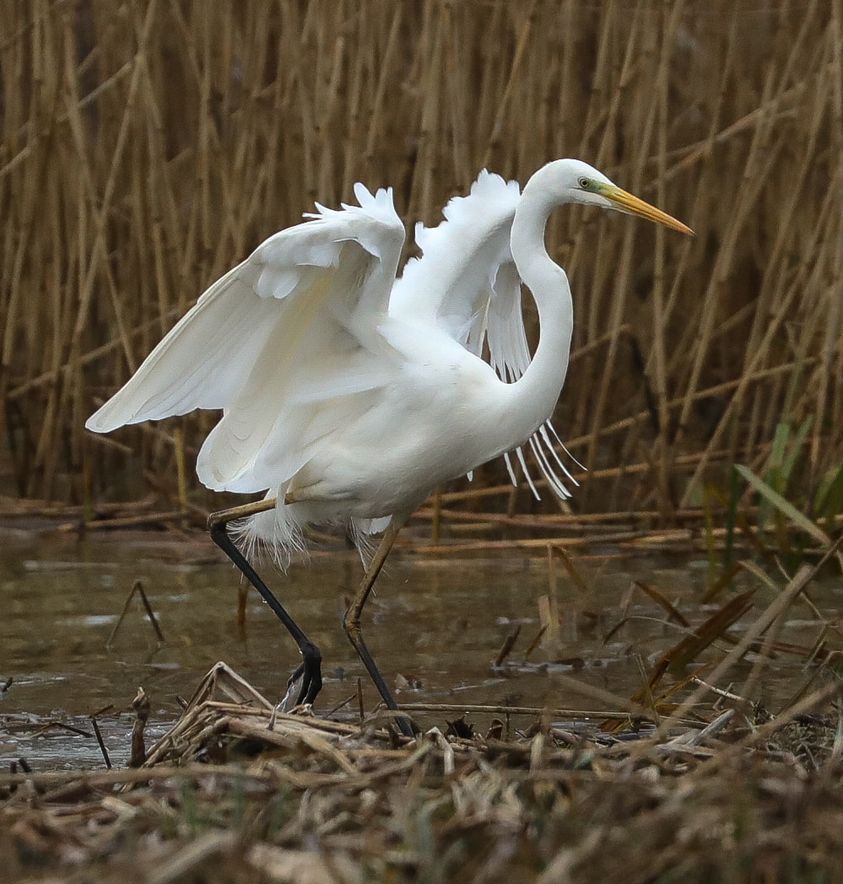
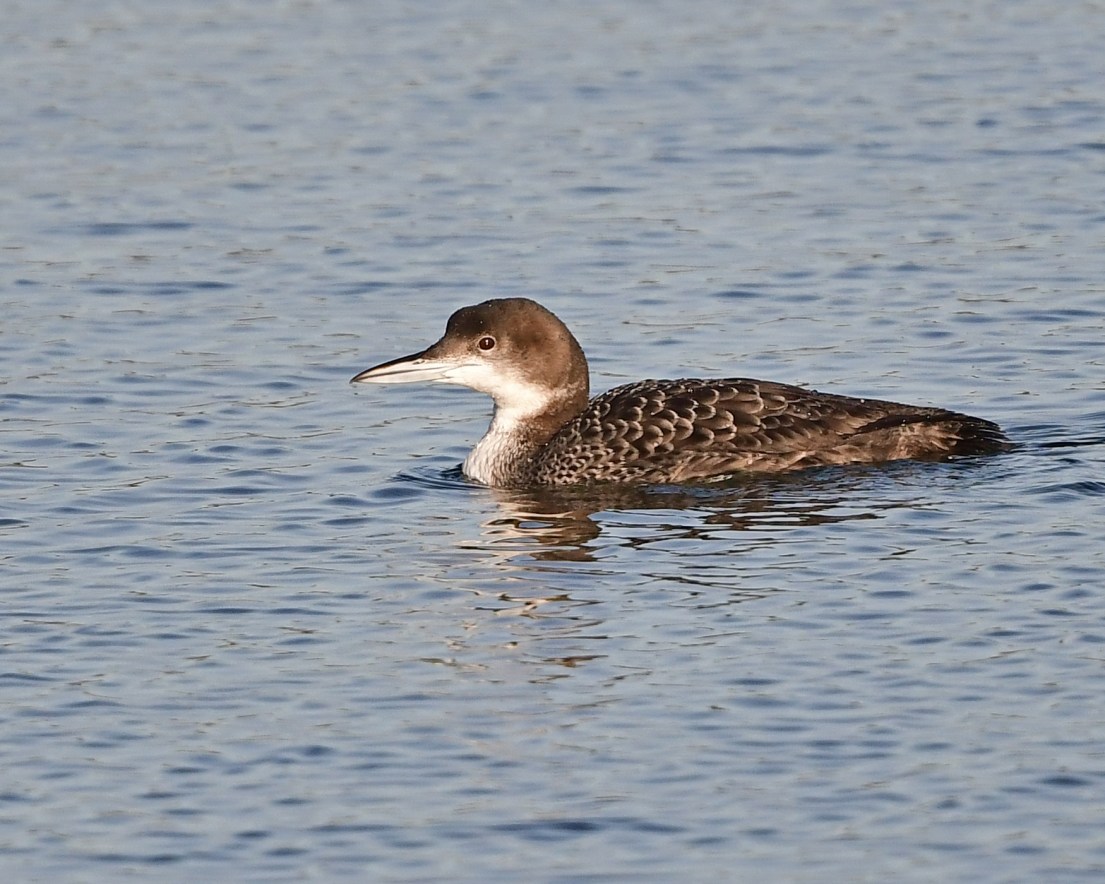
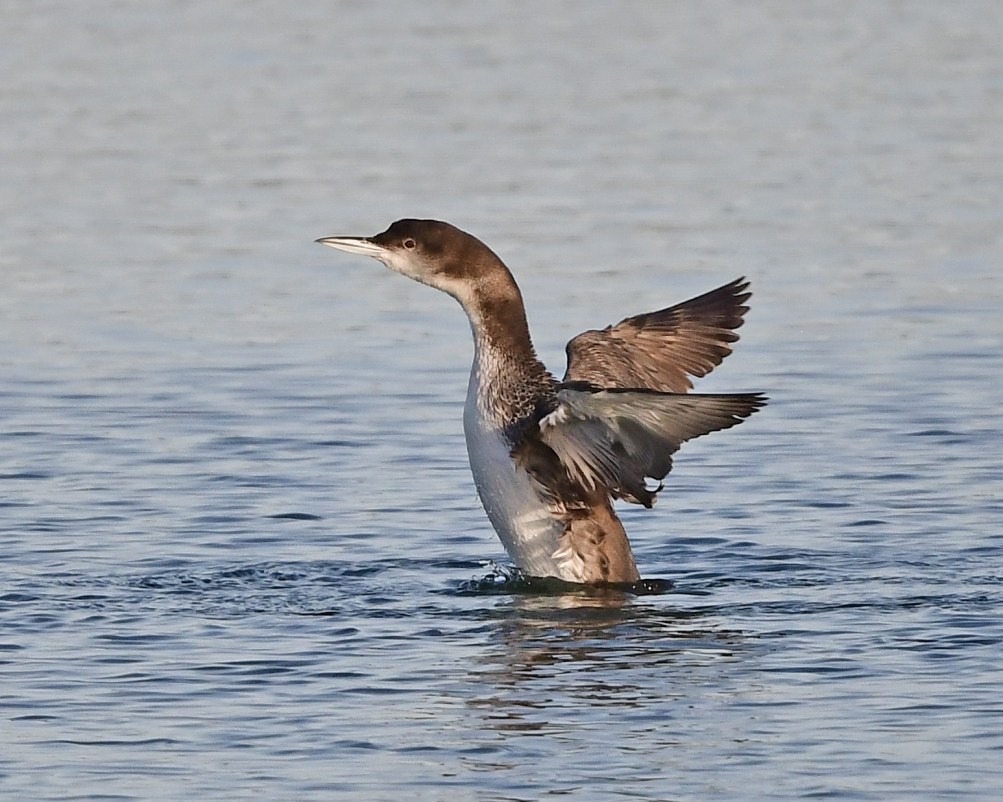
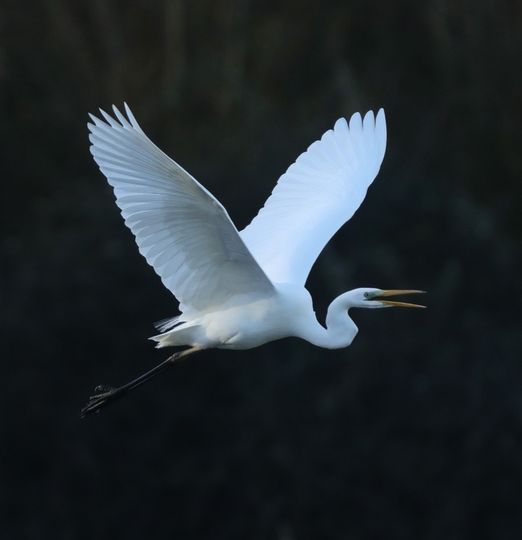
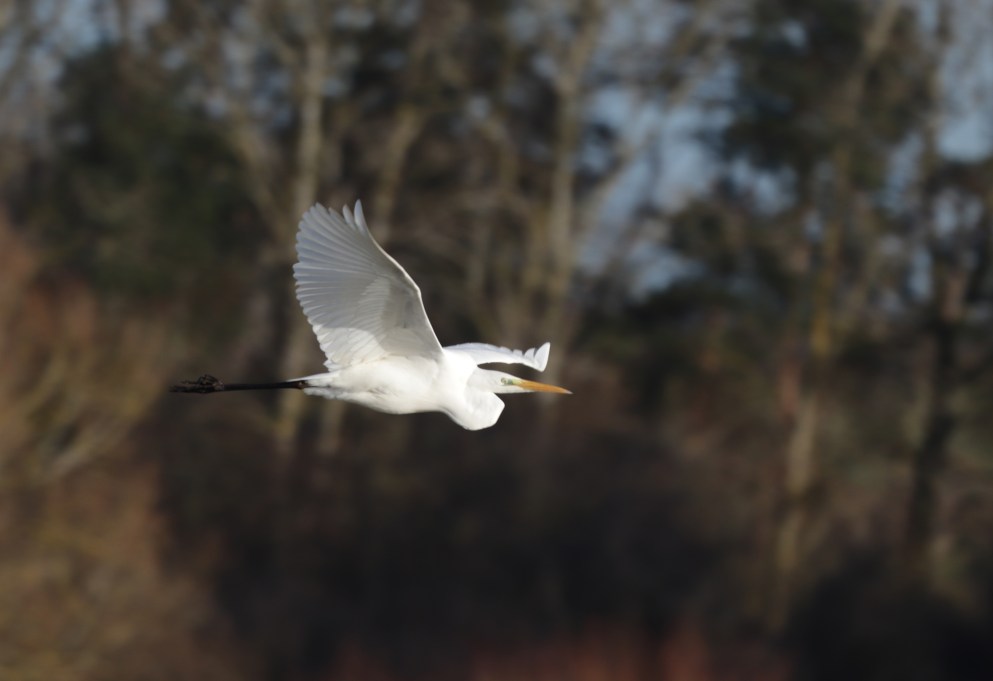
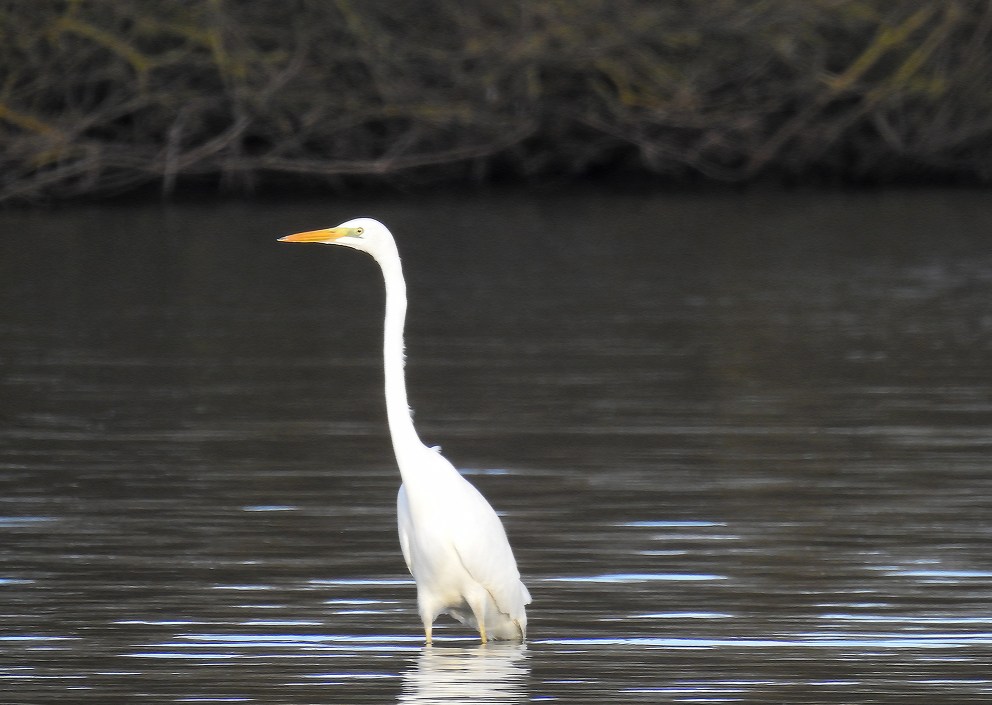
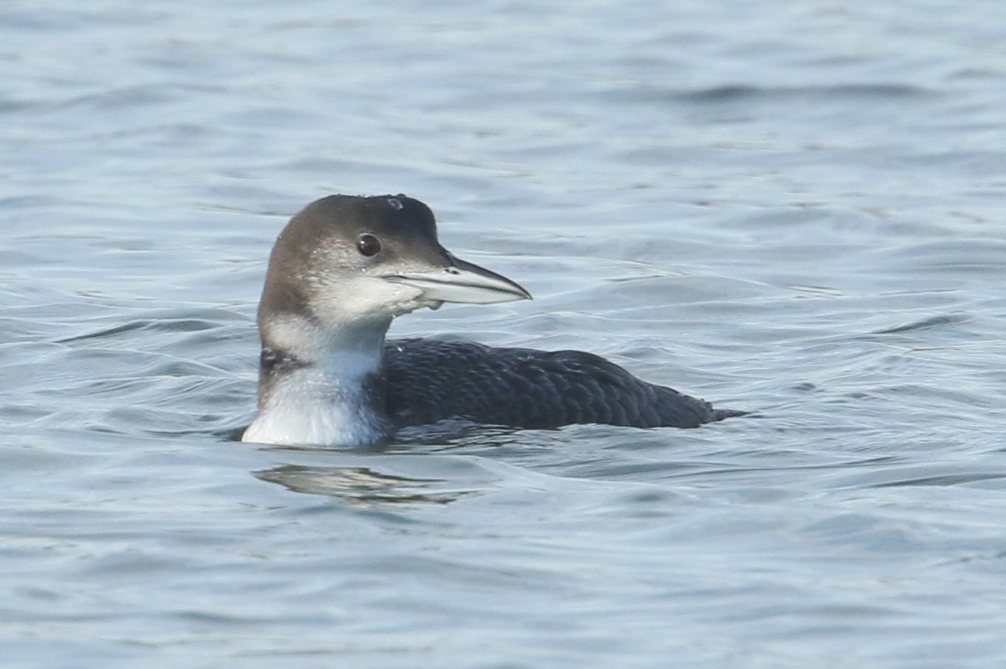
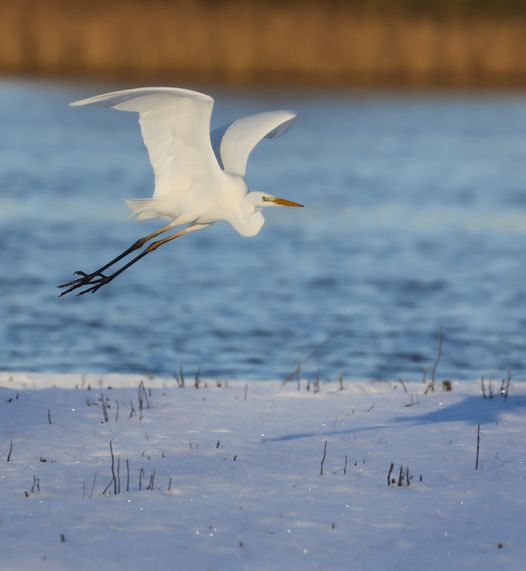
The juvenile Great Northern Diver remained loyal to Pitsford Res all week and, keeping a low profile, between one and three Cattle Egrets were seen at Stanwick GP throughout, while three were on fields immediately south of Irthlingborough on 31st. A rather modest number of Great Egrets was logged, with up to three at Stanwick and singles at Ditchford GP (IL&M), Hollowell Res, Pitsford, Ringstead GP, Stanford Res and Stortons GP.

Great Egret, Stortons GP, 31st January 2021 (David Smith)

This week, the county played host to no less than two immature White-tailed Eagles from the Isle of White introduction scheme, their paths almost crossing near Pitsford Res on 1st. Their movements are documented here. Despite not being ‘fully wild’, their majesty, grandeur and sheer enormity were more than enough to captivate, interest, and inspire a number of local birders to make the interpreted ‘permitted short journey to exercise’ at Pitsford to connect with the lingering male, on 31st. He departed to Oxfordshire the following day, when the female arrived, this second bird remaining in the county until moving into Cambridgeshire on 3rd.
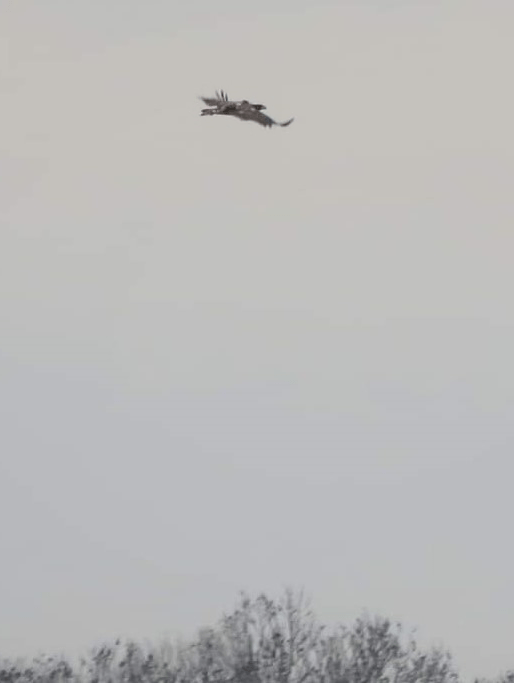
Immature male White-tailed Eagle, G393, from the Isle of Wight reintroduction scheme, Pitsford Res, 31st January 2021 (David Preece)

Waders’ sole representative this week was a Jack Snipe at Hollowell on 30th-31st but gulls rallied somewhat, with an adult Mediterranean Gull in the roost at Stanford on 4th, followed the next day by a juvenile Iceland Gull at Rushton Landfill – only the second of the winter so far, the previous one having also been found at the same site. Two adult Caspian Gulls were also present there on 5th and another adult visited Hollowell on the same date, while single adult Yellow-legged Gulls visited Daventry CP on 1st, Pitsford on 2nd and Hollowell on 5th.

Juvenile Iceland Gull, Rushton Landfill, 5th February 2021 (Mike Alibone)
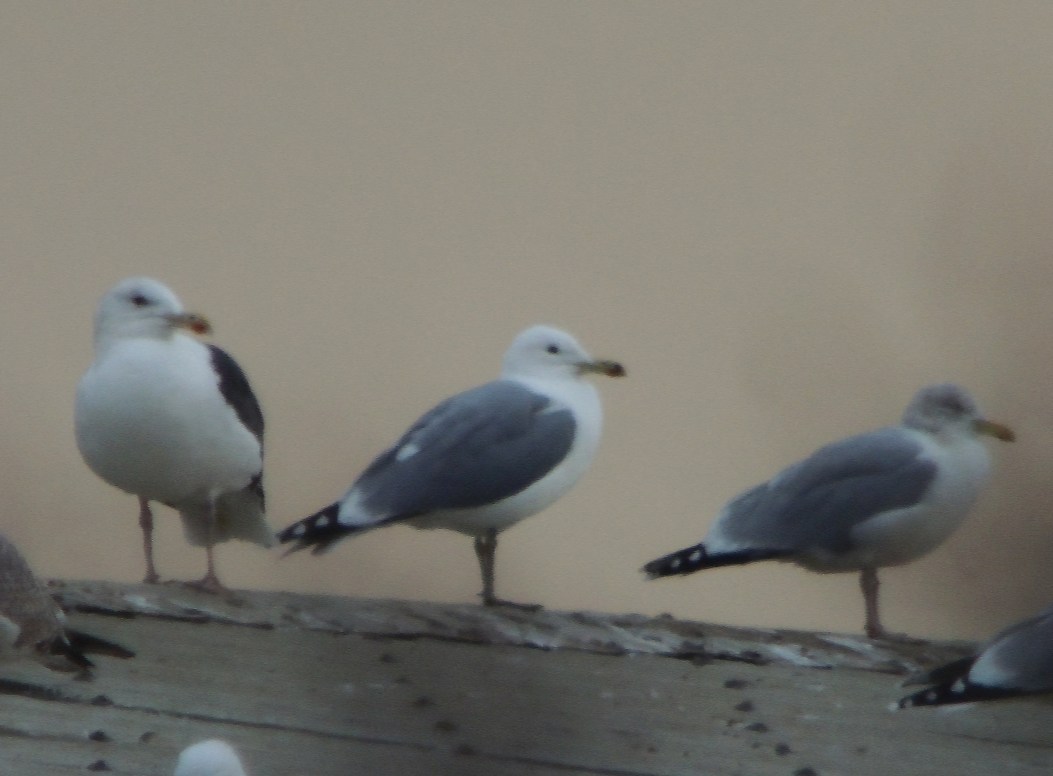
Adult Caspian Gull, Rushton Landfill, 5th February 2021 (Mike Alibone)

Although passerines were poorly represented during the period, suburban Northampton was still delivering the goods in the shape of at least one Bearded Tit, a male, at Stortons GP, where it popped up again in the reedbed on 4th.

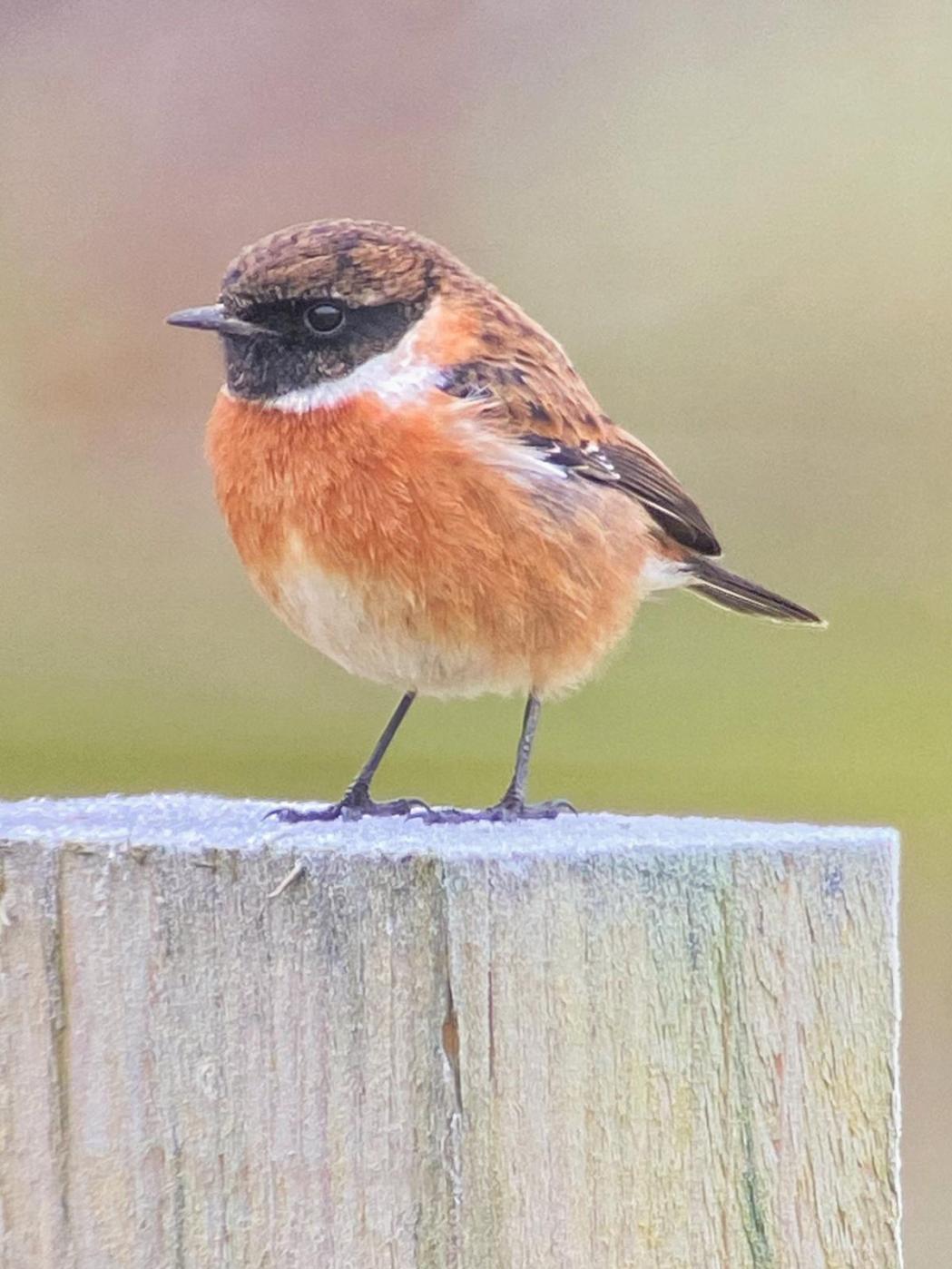
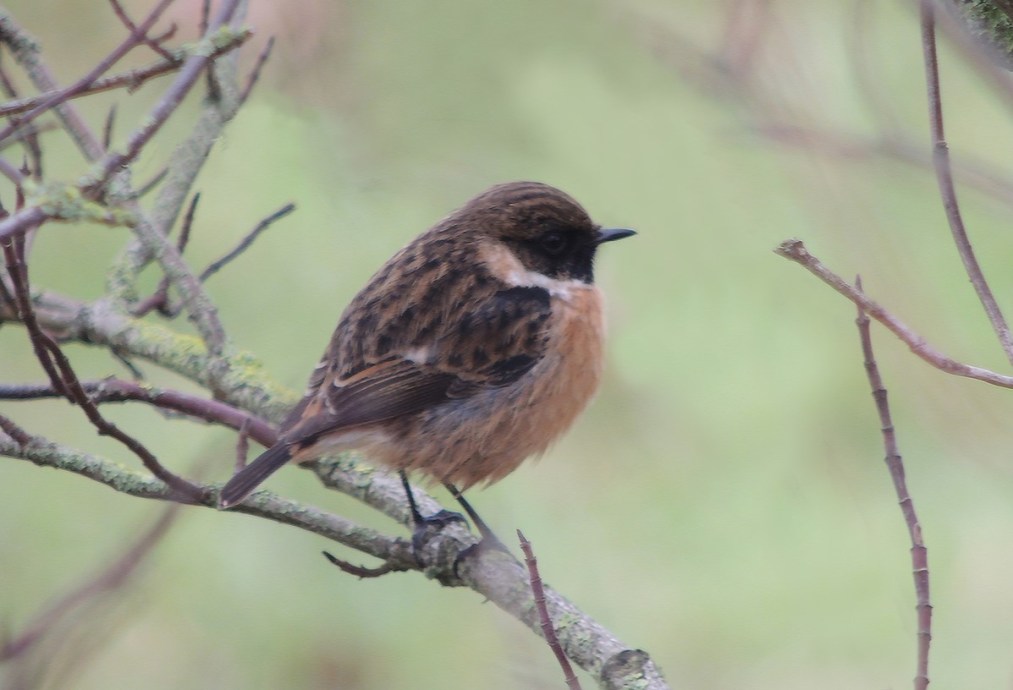
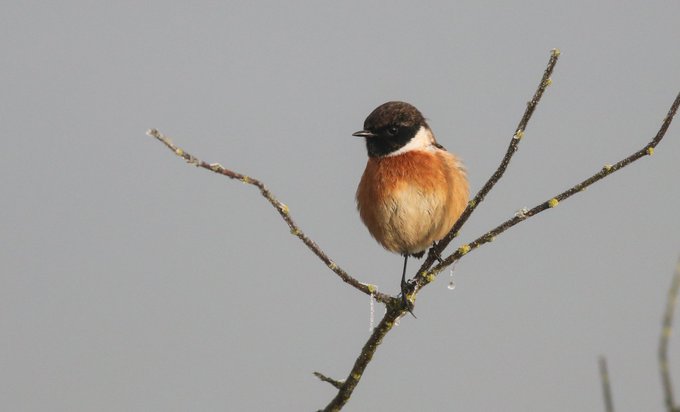
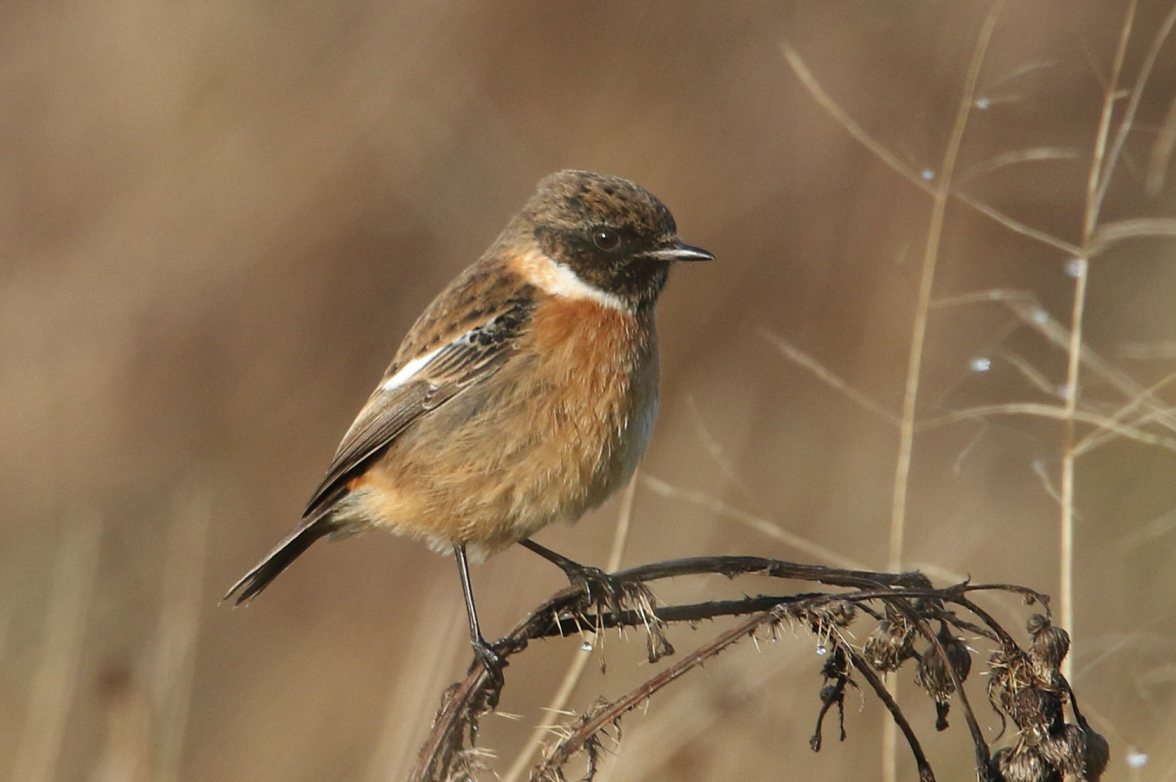
Stonechat, Raunds, 31st January 2021 (Mark Tyrrell)

Otherwise, Stonechats continued to delight at Hollowell, Pitsford, Raunds, Stanford, Summer Leys and Sywell CP, with no more than three at any one locality.
Newsround – 23rd to 29th January 2021

The cold, northerly, Arctic air brought the first lying snow of winter to the county at the beginning of the period, before giving way to a warmer, Atlantic weather system in the latter part of the week, while a certain large raptor slipped in, unnoticed …

Otherwise, there was little change in the county’s mid-winter mix, with the thirty or so White-fronted Geese remaining around the northern extremity of the Stanwick GP complex throughout and the three Pink-footed Goose at Kislingbury GP on 22nd hanging on until 23rd in the waterlogged meadows of the surrounding Upton CP. A Barnacle Goose was also present there on the same date a, while the Stanford Res bird remained until at least 26th and six were found at Clifford Hill GP on 24th.

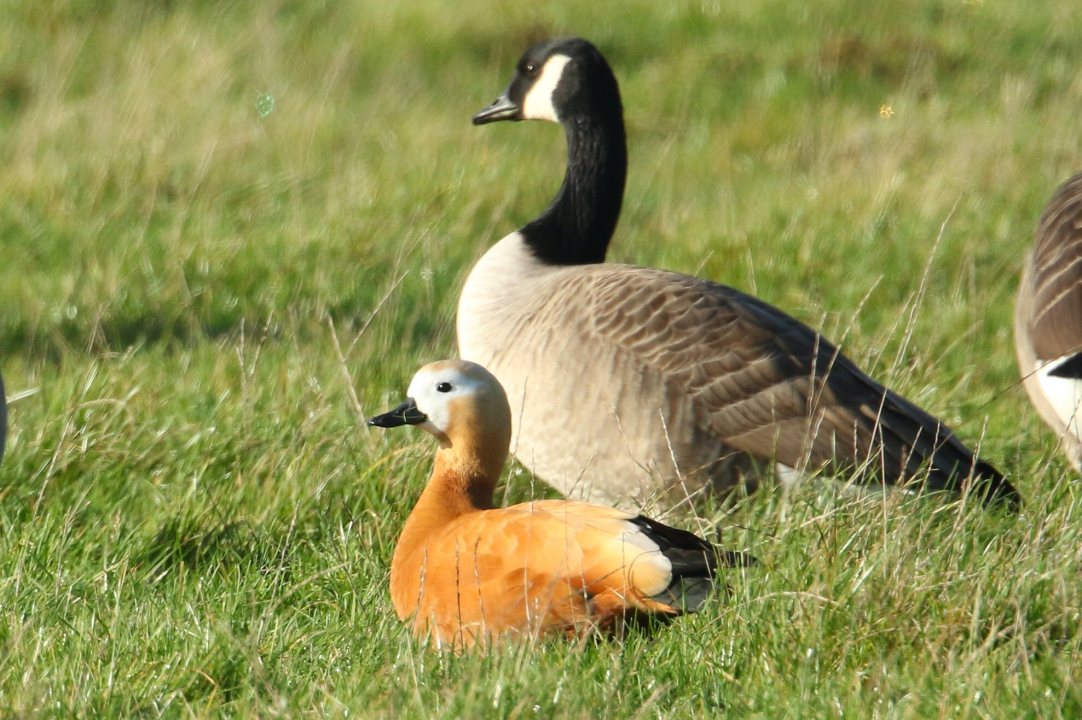
Back on the menu, once again, were Whooper Swans, with a mighty large dollop of thirty-five dished out onto the flooded meadows south of Nassington on 24th. This would appear to be the largest flock recorded in Northamptonshire in recent history although, as the swan flies, the location is not too far away from its Cambridgeshire wintering grounds, where such herds are commonplace. Not quite measuring up in many birders’ books, the long-staying female Ruddy Shelduck was still at Hollowell on 26th. In terms of it being taken more seriously, things could change, however, with the recent announcement by the BOURC that it is currently reviewing the status of this species on the British List as it is potentially occurring in Britain as a vagrant from established naturalised populations on the near continent. It should, therefore, be treated as a candidate for Category C5 (vagrant naturalised species from outside Britain). We await the outcome of the review with bated breath …

Female Ruddy Shelduck, Hollowell Res, 23rd January 2021 (Jon Cook)

The juvenile Great Northern Diver was still at Pitsford Res on 27th and four Cattle Egrets were still at Stanwick GP on 24th, one was seen there the following day and one visited Irthlingborough Lakes & Meadows LNR on the same date. This week’s Great Egrets were at Ditchford GP (IL&M), Hollowell, Oundle, Pitsford, Ringstead GP, Stanford, Stanwick and Summer Leys LNR, with no more than two at any one locality.

Great Egret, Summer Leys LNR, 26th January 2021 (Ricky Sinfield)

Eclipsing all of the above, literally, was the immature White-tailed Eagle, which roosted at Brampton Wood, near Desborough on 28th and just north of Pitsford’s Scaldwell Bay the following evening, on 29th. Yes, he’s back. G393, the radio-tagged immature male from the Isle of Wight’s reintroduction scheme, which visited Northamptonshire last year, slipped into the county after spending five months in West Norfolk from 1st August 2020, before moving west into Lincolnshire and then Leicestershire earlier this month.

G393 Satellite tracking data.

It is amazing how elusive the birds from this scheme are proving to be and this individual hasn’t actually been reported since it left Norfolk! Many thanks to Dr Tim Mackrill for supplying the satellite tracking information. Where will it appear next?

Back down to earth and well out of the limelight, a Jack Snipe was found on floods just north of Summer Leys on 25th and three days later, on 28th, fourteen Ruffs were nearby, on the reserve proper – a superb mid-winter total, beating any single-site autumn counts in recent years!

Ruffs, Summer Leys LNR, 28th January 2021 (Leslie Fox)

A paucity of gulls this week left just a single adult Yellow-legged Gull at Pitsford on 23rd and this week’s token Merlin was a female, over farmland near Braunston, on the same date.

Stonechat, Stanford Res, 24th January 2021 (Chris Hubbard)

Stonechats were present at Earls Barton GP, Ecton SF, Oundle, Pitsford, Stanford, Stanwick, Sywell CP and near Towcester, with the highest count of at least five at Pitsford on 28th. Apart from two at Salcey Forest on 23rd, Crossbill sightings were confined to Hollowell, where they were seen on four dates, with a maximum of ten present on 29th.

Newsround – 16th to 22nd January 2021

A largely westerly airstream, bringing intermittent rain, served to top up existing areas of floodwater throughout the county this week. ‘Dry January’ it isn’t and, apart from the rediscovery of the recent Greenland White-fronted Goose, there was little change to the birding mix.
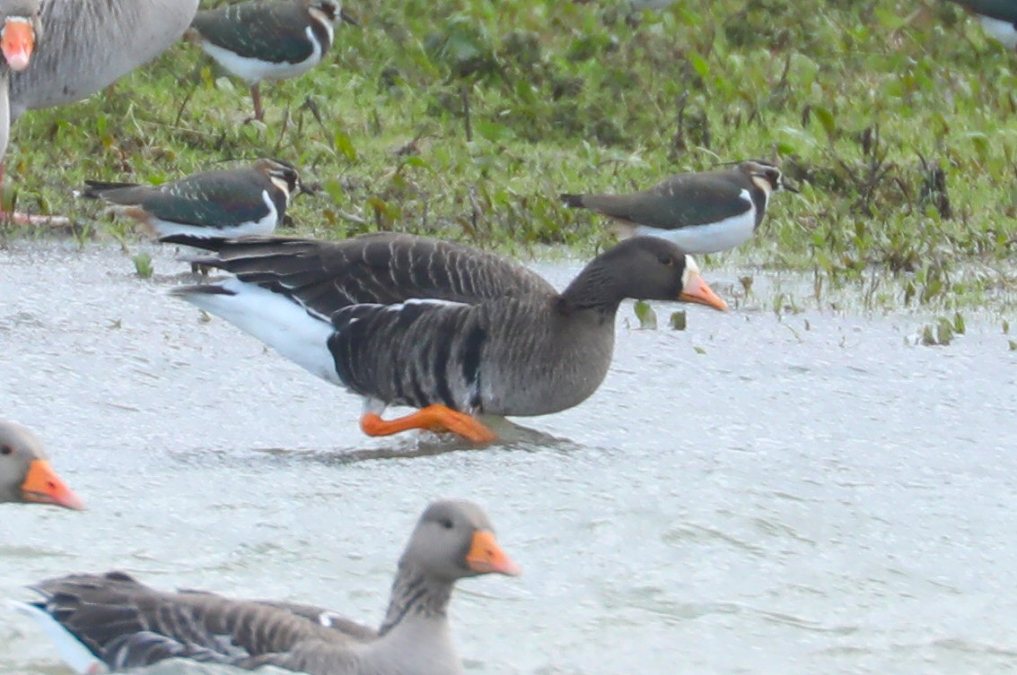
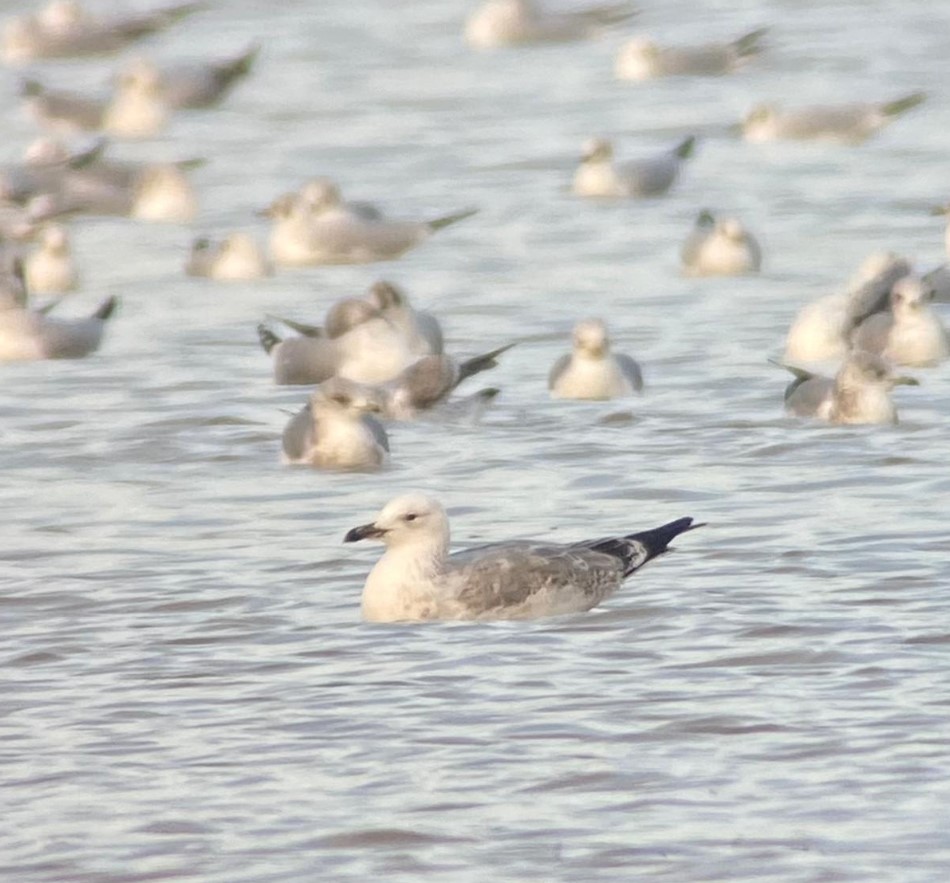
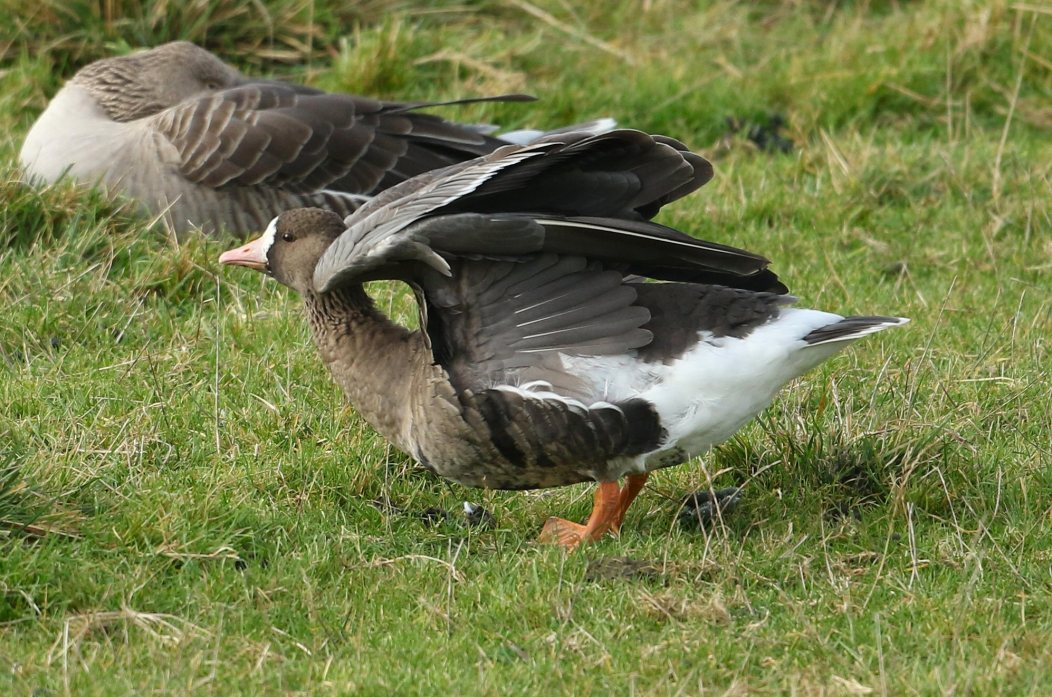
However, the winter goosefest continued apace, beginning with the relocation of the Greenland White-fronted Goose in the Nene Valley, close to Summer Leys LNR, on 16th. It was still present on 19th, when it was also seen on the reserve proper.

Adult Greenland White-fronted Goose, Summer Leys LNR, 19th January 2021 (Bob Bullock)

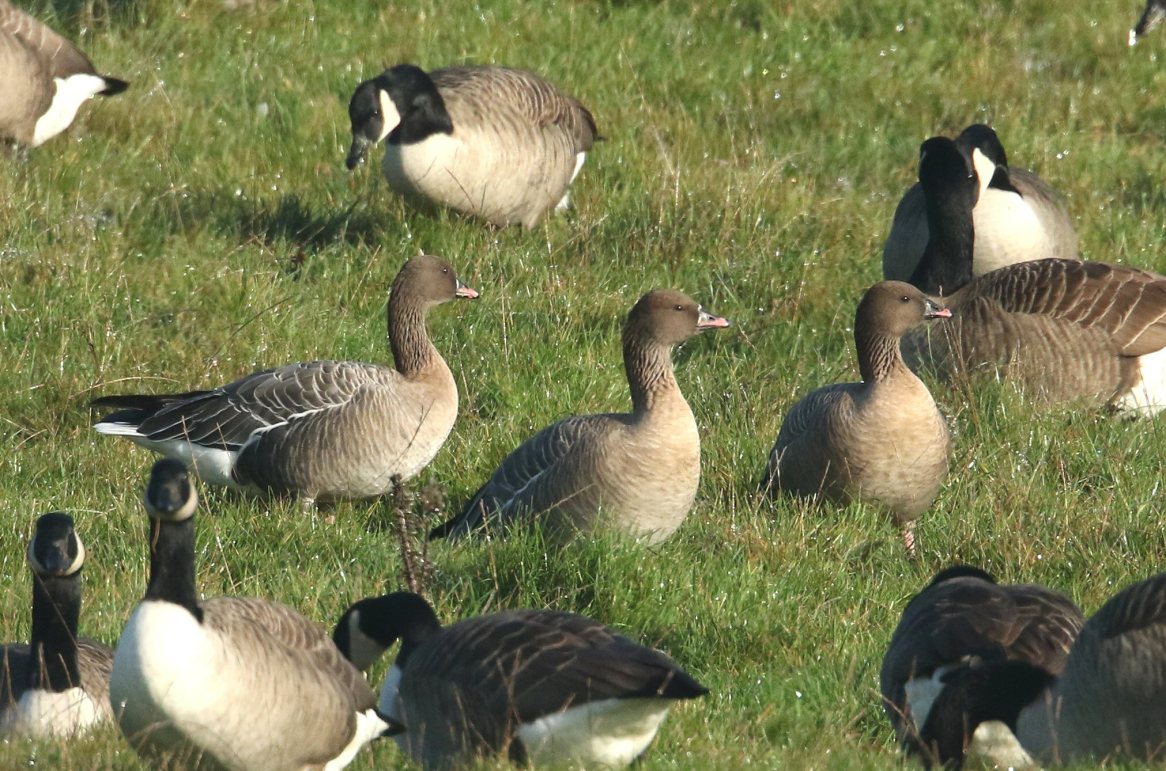
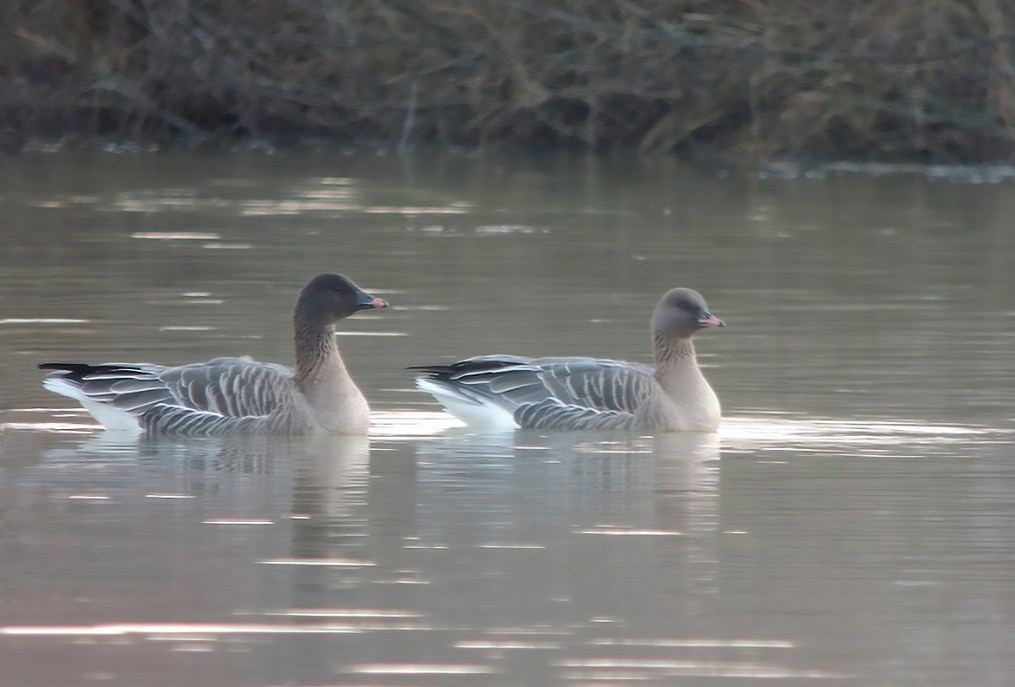
Further east, around thirty White-fronted Geese remained at Stanwick GP until at least 19th and following last week’s Pink-footed Goose at Hollowell, more appeared this week – one on water meadows between Thrapston GP and Islip on 22nd and three at Kislingbury GP on the same date. A Barnacle Goose at Stanford Res on 17th was the only one recorded during the period.

Pink-footed Geese, Kislingbury GP, 22nd January 2021 (Mike Alibone). Two of three present on this date.

Other wildfowl were also available but limited to the long-staying female Ruddy Shelduck at Hollowell on 17th and a female Red-crested Pochard, mobile between the gravel pits at Stortons and Kislingbury from 17th to 22nd, accompanied by a drake at the latter site on 21st.

The juvenile Great Northern Diver was still at Pitsford Res on 21st, the same date that three Cattle Egrets – the only ones reported this week – visited Irthlingborough Lakes & Meadows LNR. Great Egrets were still very much in evidence, being seen at Ditchford GP (IL&M), Ecton SF, Hollowell, Pitsford, Stanford, Summer Leys and Woodford, the last two sites producing the maxima of four and three, respectively.

A Marsh Harrier caused a stir at Irthlingborough Lakes & Meadows on 19th. Winter records are on the increase but the species remains scarce at this time of the year, nonetheless.

No waders of note could be squeezed out of the week and winter gulls bounced back from last week’s zero to include an adult Mediterranean Gull at Pitsford on 19th, an adult Caspian Gull at Hollowell on 16th, plus a second-winter in the Stanford roost on 22nd and single adult Yellow-legged Gulls at both Pitsford and Stanford on 16th.

Second-winter Caspian Gull, Stanford Res, 22nd January 2021 (Chris Hubbard)

This week’s token Merlin was a male, just west of Hardwick, on 17th. Passerine numbers were somewhat depressed, with the two Bearded Tits at Stortons showing well on 17th and the male only on the following day, 18th.

Male Bearded Tit, Stortons GP, 17th January 2021 (Bob Bullock)

And this week’s highest Stonechat total goes to … Hollowell, where five were present on 16th. Stonechats were also present at Clifford Hill GP, Ditchford, Irthlingborough, Pitsford, Stanford and Thrapston. Hollowell was also the only locality this week to produce Crossbills – a combined total of up to forty on 22nd.

Newsround – 9th to 15th January 2021

Despite a shift toward a warmer Atlantic airstream, northerlies persisted, temperatures remained depressed and more rain added to an already waterlogged landscape. Add the restrictions of ‘local area’ travel to the mix and this week’s rather subdued birding didn’t quite hit the mark …

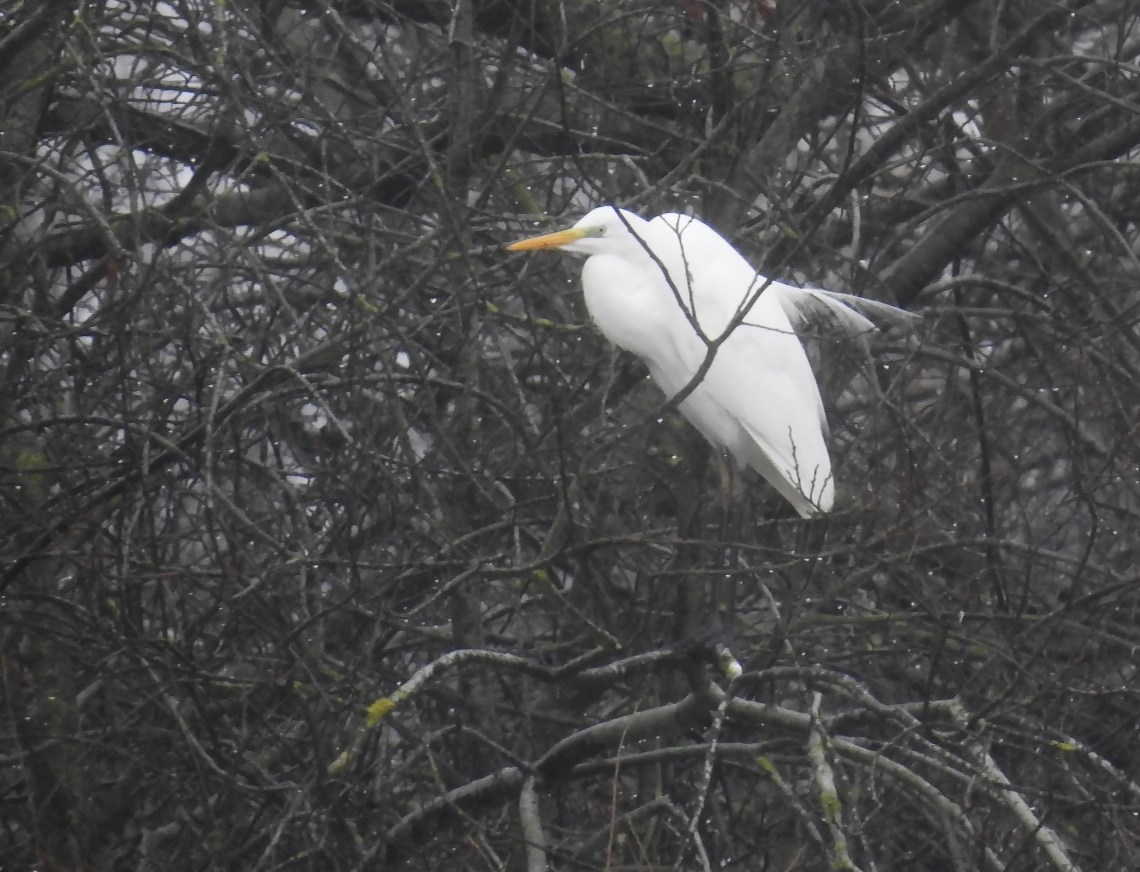
Still, for those fortunate enough to live on the doorstep of a not too shoddy birding location, there were still birds to be had. Among these, the regular White-fronted Geese at Stanwick GP remained throughout, albeit a little depleted in numbers, with the highest tally nudging thirty on 13th. A Pink-footed Goose at Hollowell Res on 12th was the first to be seen there for three weeks and two Barnacle Geese accompanied the regular canalside Greylag and Canada flock at Braunston on 10th.

Other wildfowl were limited to two Red-crested Pochards at Stortons GP on 11th and what was presumably last year’s female Ferruginous Duck-type hybrid performing an encore, for one day only, at Stanwick on 13th.

Juvenile Great Northern Diver, Pitsford Res, 10th January 2021 (Angus Molyneux)

The long-staying juvenile Great Northern Diver was still at Pitsford Res on 10th, as were up to six Cattle Egrets at the northern end of Stanwick throughout the week.

Cattle Egret, Stanwick GP, 9th January 2021 (Adrian Borley)

Gleaming white Great Egrets, perhaps visible from space, were to be found loafing in most of the usual places, including Deene Lake, Pitsford, Stanwick, Summer Leys and Thrapston, with a maximum of three at Stanwick on 13th.

Great Egret, Summer Leys LNR, 14th January 2021 (Leslie Fox)

No gulls this week and just one Jack Snipe, at Stanford Res on 10th, served to fill the slot on an otherwise empty list of waders.

Continuing a run of winter records, Merlins were seen at Harrington AF on 10th and 11th and over Stortons GP on the second of these two dates, the latter site continuing to provide both sight – on 9th – and sounds, on 10th and 11th, of the two Bearded Tits which were present there on 8th.

Once again, Pitsford produced the highest count of Stonechats, with four on 12th, three were at Clifford Hill GP on 15th and singles at Stanford Res on 10th and Sywell CP on 15th.

Stonechat, Clifford Hill GP, 15th January 2021 (Mike Alibone)

Perhaps vying with the Bearded Tits, ‘passerine of the week’ arguably goes to the female Hawfinch seen and caught fleetingly on camera in Weldon on 13th. Hopefully there will be more before the winter is out. Other large-billed finches are available, of course, and this week’s Crossbills were limited to nine at Hollowell Res on 12th and 15th, while the larches of Wakerley Great Wood continued to hold several on 13th.

Newsround – 2nd to 8th January 2021

Unrelenting north-easterlies during the period resulted in below-average temperatures persisting throughout the week, while snow showers early on 6th and 8th were short-lived. New arrivals and hard weather movements of some species duly materialised as a result.
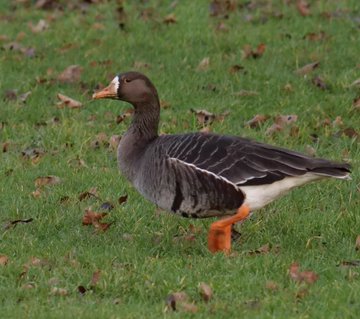
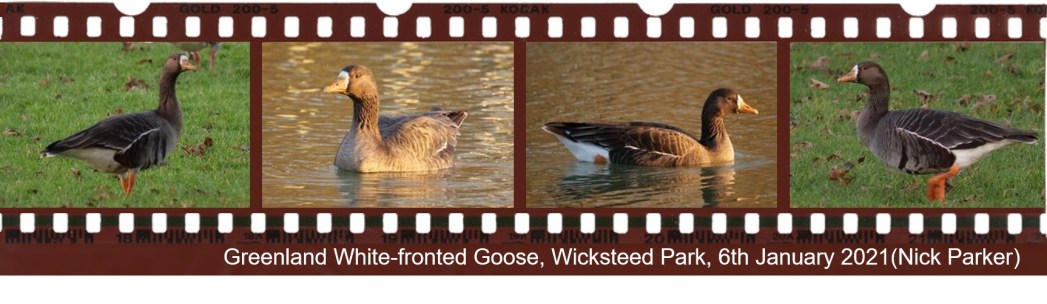
But if the snow was short-lived, so was the stay of Northamptonshire’s sixth-ever Greenland White-fronted Goose at Wicksteed Park, Kettering, on the first of these two dates. Clearly it was not cut out for parklife and those would-be observers who turned up to see it early the following morning left disappointed … and most certainly without a sense of enormous well-being … This individual is believed to be one which was initially found at Watermead in Buckinghamshire on New Year’s eve and subsequently departed. Its approachability has led some to question its provenance.

Adult Greenland White-fronted Goose, Wicksteed Park, Kettering, 6th January 2021 (Nick Parker)

The five previous records of this distinctive, orange-billed race are limited to an even shorter stop by a radio-tagged female near Aynho on 27th October 2018, a first-winter at Daventry CP on 7th February 2009, a juvenile at Pitsford Res on 27th October 1991, five adults and a juvenile at Pitsford Res on 19th December 1981 and an adult plus three first-winters at Stanford Res between 8th and 14th February 1981.

Apart from twenty-two flying south-west over Laxton on 3rd, nominate race White-fronted Geese were limited to the regular gaggle of thirty-three, mobile about Stanwick GP throughout the week.

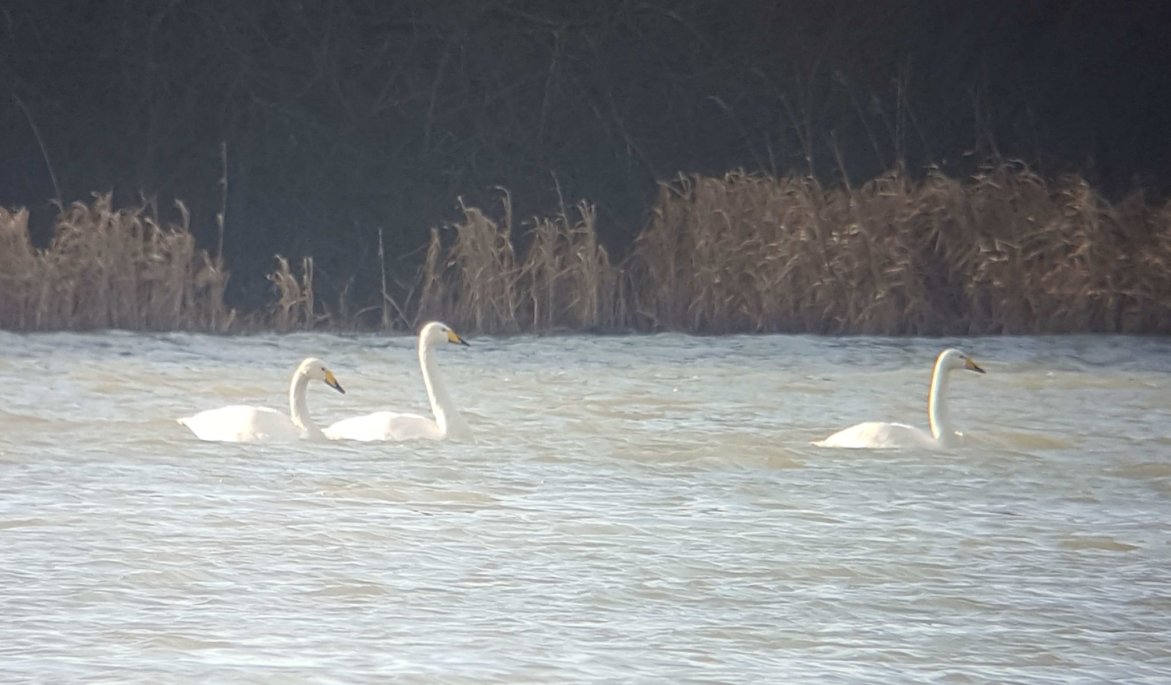
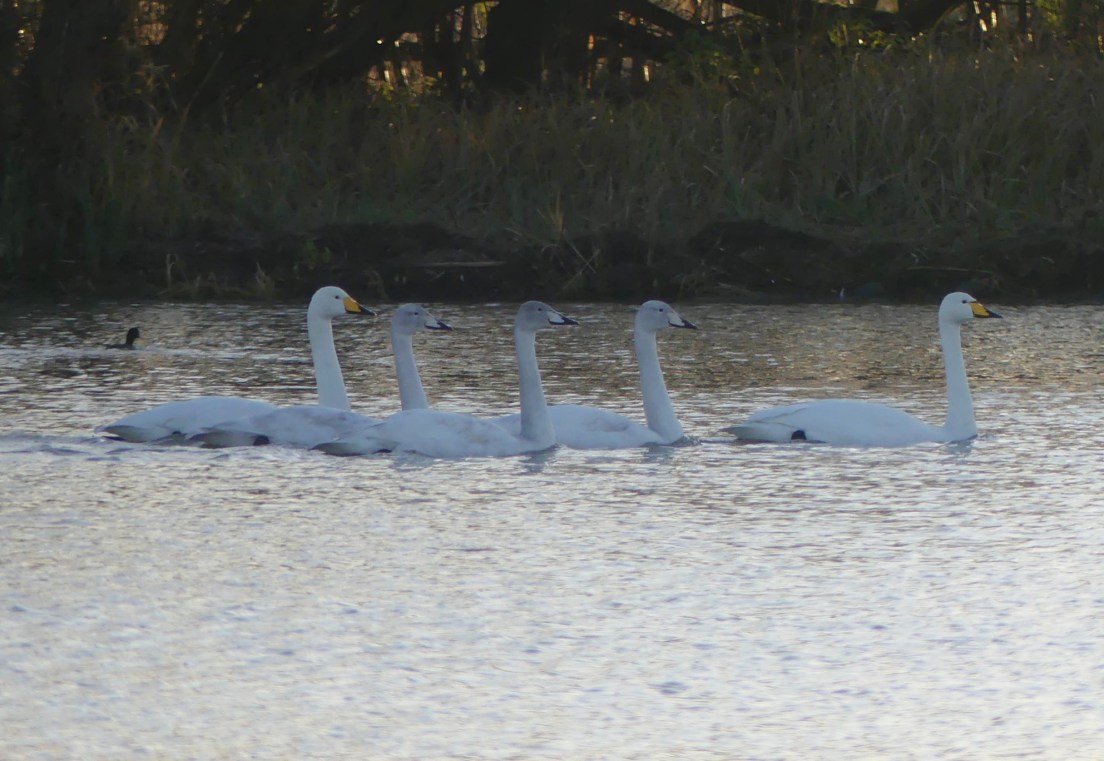
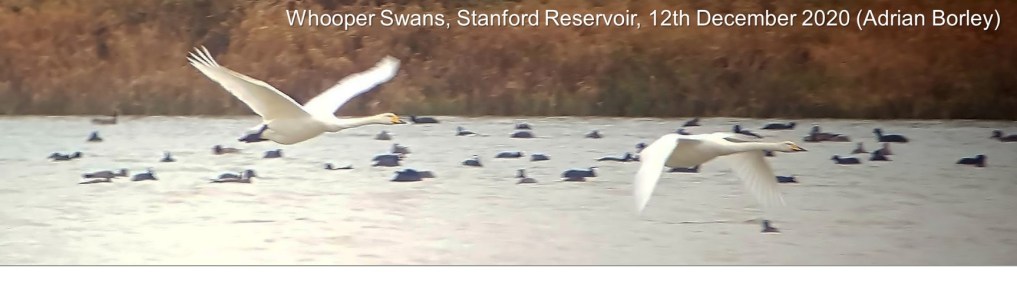
It seems highly likely that the aforementioned hard weather conditions resulted in the movements of Whooper Swans, presumably pushed west from the continent. Northants has experienced an increase in numbers recorded annually in recent years, pretty much in line with the general UK trend, which has seen a 210% increase in the wintering population over the 25 years 1992/93 to 2017/18 (Frost et al. 2020). None of this week’s birds lingered, all moving on within a matter of hours or, in some cases, minutes. The first day of the period, 2nd, brought six to Pitsford, from where they moved off west within half an hour of their discovery, arriving at Hollowell shortly afterwards.

Adult Whooper Swans, Pitsford Res, 2nd January 2021 (Bob Bullock)
Whooper Swans, Hollowell Res, 2nd January 2021 (Jon Cook)

Their stay there was also brief and they soon departed north. The following day, three flew south-west over Barton Seagrave, with presumably the same birds arriving at Hollowell an hour later where, again, they did not linger.

Whooper Swans, Hollowell Res, 3rd January 2021 (Adrian Borley)

Later in the day, two flew south-west over Pitsford – again without stopping. On 5th, five made a short stopover at Stanford Res and seven were discovered at Clifford Hill GP just prior to dusk. They were not present the following morning.

Whooper Swans, Stanford Res, 5th January 2021 (Chris Hubbard)

More reliable – though eliciting little or no interest – the female Ruddy Shelduck was still present at Hollowell on 2nd, while two Red-crested Pochards were found at Pitsford on 3rd and one was at Kislingbury GP on 5th.

The sole Great Northern Diver of the winter so far, remained at Pitsford all week, mobile between the dam and the causeway, sometimes showing well off the latter in the early part of the period.

Juvenile Great Northern Diver, Pitsford Res, 2nd January 2021 (Bob Bullock)

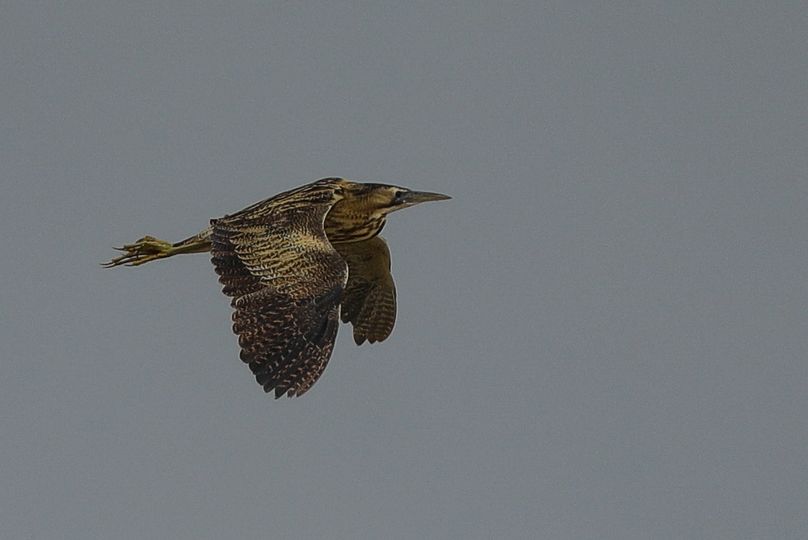
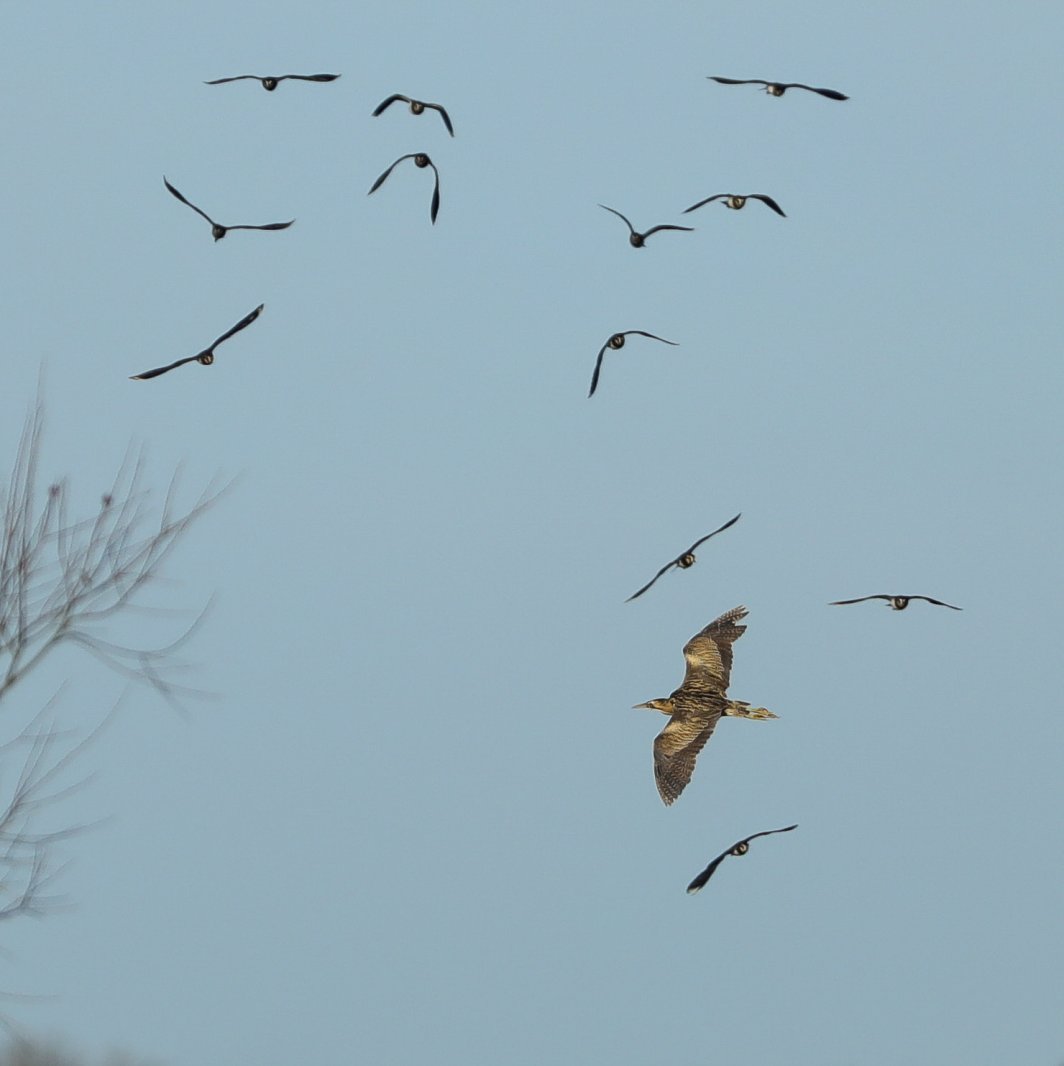
Last week’s Bittern was again seen in flight at Earls Barton GP’s Quarry Walk on 3rd and two flew into the reedbed at Stortons GP, at dusk, on 6th. It was mid-December when six Cattle Egrets were discovered feeding in sheep fields north of Summer Leys, north-east of Wollaston Lock. This week, between 2nd and 5th, five were again there and they could sometimes be seen more closely from the road running through Great Doddington to Wellingborough.

Cattle Egret, Great Doddington, 3rd January 2021 (Ant Hall)

Four were at the northern end of Stanwick on 3rd, two on 4th and one on 6th. Meanwhile, Great Egrets were to be found at seven sites, with a maximum of six at Thrapston GP on 8th.

On 4th, what should surely prove to be a record-busting count of fourteen Jack Snipes was made at Daventry CP, counts scraping into double-figures being highly exceptional. Elsewhere, singles were at Hollowell Res and Stanford Res on 2nd and up to two were on a marshy field pool near Ravensthorpe Res between 3rd and 5th.

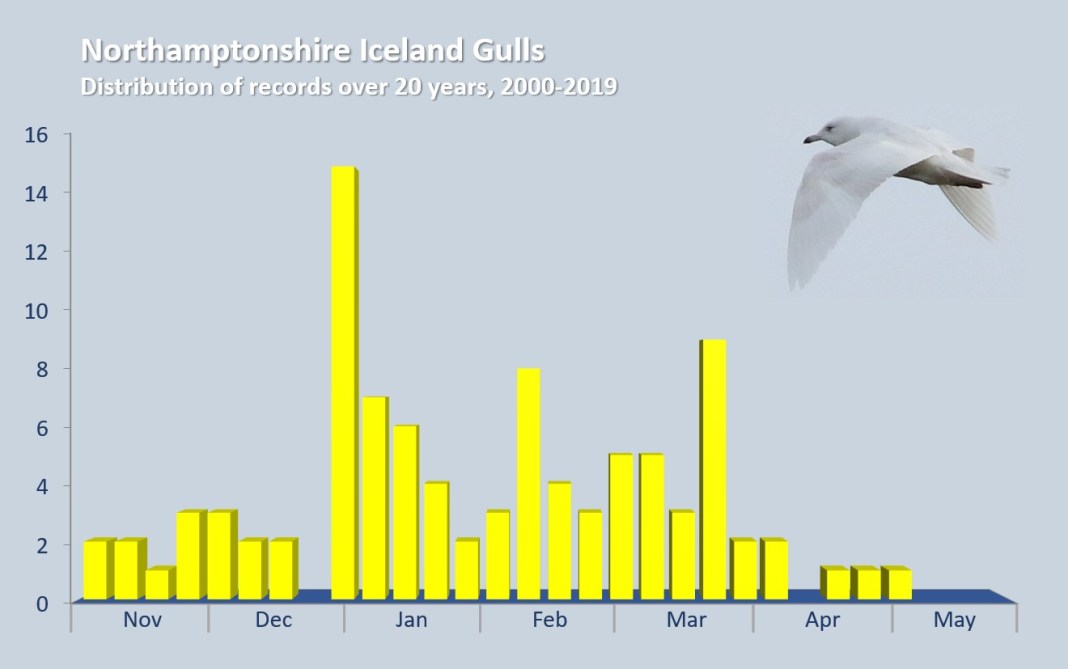
Once again, Boddington gull roost produced multiple Mediterranean Gulls – three to be precise – an adult plus two first-winters in the fading light of the 5th. But the true joys of the depths of winter crystallised in the form of an Iceland Gull at Rushton Landfill on 5th. This one, a second-winter, will hopefully be the first of a run of ‘white-wingers’ over the next couple of months. Iceland Gulls have occurred annually, in varying numbers, in the county since 1986.

Iceland Gull, Rushton Landfill, 5th January 2021 (Mike Alibone). Tertial pattern and extent of barring in flight feathers indicate advanced second-winter rather than third-winter.
Temporal distribution of Iceland Gulls in Northamptonshire. Background image: second-winter Iceland Gull, Rushton Landfill, 10th February 2018 (Bob Bullock)

Rushton also held an adult Caspian Gull on 2nd, plus a first-winter and second-winter on 5th, while another first-winter was in the Boddington roost on the same date, as was this week’s only Yellow-legged Gull.

Back on dry land, Merlins were seen at Helmdon on 4th and near Arthingworth on 6th. But it was the long-absent Bearded Tits which popped up again at Stortons GP on 8th which will no doubt rekindle interest in this suburban reserve. With Bitterns there, too, Stortons looks set to become the legally permissive ‘go to’ site for Northampton-based birders over the lockdown period.

Male Bearded Tit, Stortons GP, 8th January 2021 (David Smith)
Female Bearded Tit, Stortons GP, 8th January 2021 (David Smith)

Other ‘tits’ with attenuated rear ends are also available – one such being the Ravensthorpe Long-tailed Tit, resembling the Northern race caudatus, from 3rd to 6th. With its credentials blemished, however, it seems to be a continental europaeus-based intergrade at best (more here).

Pitsford produced the highest count of Stonechats, with six on 5th, while between one and three were present at five other locations during the period. Crossbills were down a little on last week, with the larches of Wakerley Great Wood still hanging on to at least twenty until at least 4th, Hollowell maxing out at ten on 8th and six at Harlestone Heath (or Firs, if you prefer) on the same date.

Newsround – 26th December 2020 to 1st January 2021

The week kicked off with two severe flood warnings, indicating a potential threat to life, in place at Cogenhoe Mill and on the River Nene at Billing Aquadrome as Storm Bella swept in from the Atlantic. Following this, local temperatures struggled to reach 3°C throughout the greater part of the period as winds swung north to north-westerly before we crossed the dateline into 2021.

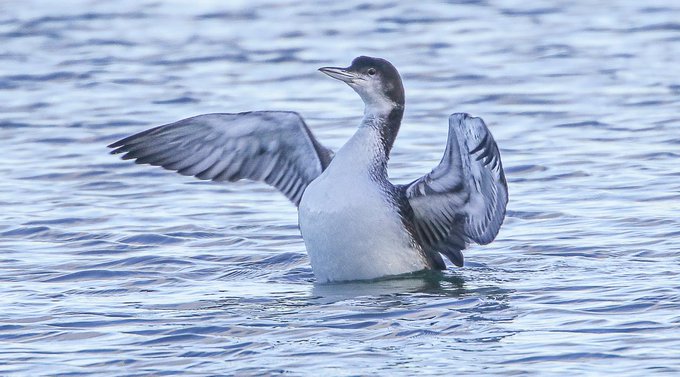
Again, the focus was very much on wildfowl, the latter dominated by the growing number of White-fronted Geese in the Nene Valley. While eight – seven adults and a dissociated juvenile – remained at Stanwick GP on 31st, last week’s twenty-three at Summer Leys LNR had become twenty-six by 27th, remaining in the vicinity until 31st, when they were seen to fly off east.

White-fronted Geese, Summer Leys LNR, 31st December 2020 (Mark Tyrrell)

On New Year’s Day they were at Stanwick, bringing the site total there to at least thirty-three. A single Barnacle Goose remained at Stanford Res, visiting nearby Stanford on Avon on 1st and at Hollowell Res, the female Ruddy Shelduck extended her already protracted stay by another week.

Bewick’s Swans, Welland Valley, 27th December 2020 (James Underwood)

Following last week’s fleeting Yuletide trio at Pitsford Res, two more Bewick’s Swans were found – this time in the Welland Valley, between Rockingham and Gretton, on 27th. Staying on-trend they, too, had done a bunk by the following day.

Juvenile Great Northern Diver, Pitsford Res, 27th December 2020 (Martin Swannell)

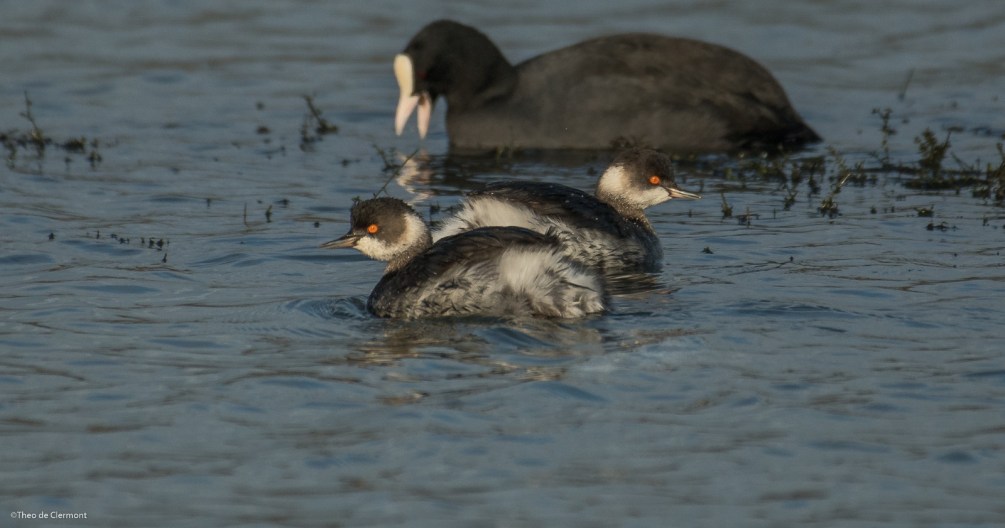
In for the long haul, it seems, the juvenile Great Northern Diver remained at Pitsford all week but after a 30-day stay, the four Black-necked Grebes failed to see the new year in at Stanford, having departed by 30th. A Boxing Day Bittern was the reward for patience at Summer Leys, after which it – or another – was seen at Earls Barton GP’s Quarry Walk the following day and again on 29th.

Bittern, Summer Leys LNR, 26th December 2020 (Ricky Sinfield)

Up to seven Cattle Egrets remained at Stanwick throughout, while ten sites held Great Egrets, the highest counts being of six at Summer Leys on 27th and five at both Ravensthorpe Res on 26th and Stanwick on 30th.

Great Egret, Summer Leys LNR, 29th December 2020 (Ricky Sinfield)

Jack Snipes single-handedly filled the wader slot this week, with up to three at Hollowell throughout the period and one at Stanford on 27th, the latter site sucking in a one-night-only Kittiwake to the gull roost on 28th, taking this highly productive site’s 2020 final species total to a record one hundred and sixty-four. Meanwhile, down to the south-west, the Boddington gull roost produced a first-winter Mediterranean Gull on 30th, joined there by an adult on 1st. Caspian Gulls were found at three localities this week, with an adult at Hollowell on 28th, two adults at Rushton Landfill on 30th and 31st, being joined there by a first-winter on the first of these two dates, and a first-winter in flight over Harrington AF on 1st. The only Yellow-legged Gull, however, was an adult at Pitsford on 30th.

Adult Caspian Gull, Rushton Landfill, 30th December 2020 (Mike Alibone)

Harrington also produced a female Merlin on 27th while, back at Hollowell Res, a Siberian Chiffchaff was discovered on 26th and the latter site also held the highest number of Stonechats, with five there on 1st. Between one and three Stonechats were present at four other locations during the period.

Stonechat, Upton CP, 1st January 2021 (Tony Stanford)

Still on the up, Crossbills were again seen at five sites, with the Wakerley Great Wood count pushing fifty on 30th. Maxima elsewhere were twenty-three at Bucknell Wood on 31st, at least twenty at Fineshade Wood on 28th, seven at Hollowell on 1st and three at Badby Wood on 30th.

Newsround – 19th to 25th December 2020

Northerly winds and sub-zero overnight temperatures, followed by heavy rain and widespread flooding, did little to dampen this week’s festive fare.

Wildfowl were again very much the order of the week, with White-fronted Geese coming to the fore as twenty-three made landfall at Summer Leys LNR on 20th, while the two adults remained at Clifford Hill GP until the same date. Similarly, the eleven Pink-footed Geese held out at Hollowell Res until 22nd but were not reported subsequently. Two Barnacle Geese visited Summer Leys on 24th and the one at Stanford Res remained until at least 21st while, back at Hollowell, the female Ruddy Shelduck took rising water levels in her stride, remaining throughout and this week’s Red-crested Pochards were a drake at Thrapston GP on 21st, a female at Ravensthorpe Res on 22nd and one of each at Stanwick GP on 24th.

White-fronted Geese, Summer Leys LNR, 20th December 2020 (Ricky Sinfield). Part of the flock of 23 which visited the site on that date.

As the 25th dawned crisp and bright, many sites remained devoid of birders and, while most were tucking into their Christmas roasts, a handful of lost souls (or old stalwarts, depending on your perspective) were out there, finding what were arguably the best birds of the week. On the menu, then, were five Smew, including one fine drake, found in Pitsford’s Scaldwell Bay along with three Bewick’s Swans, the icing on the cake, though all had quickly melted away by the time Boxing Day came round.

Juvenile Great Northern Diver, Pitsford Res, 25th December 2020 (Clive Bowley)

At the opposite end of said reservoir, a juvenile Great Northern Diver emerged from Pintail Bay before cruising down to the dam, where it subsequently remained. Speculation that it’s ex-Hollowell seems prudent, as it was not reported from the latter site after 22nd. Stanford’s four Black-necked Grebes also remained all week.

Bittern, Summer Leys LNR, 19th December 2020 (Ricky Sinfield)
Bittern, Summer Leys LNR, 19th December 2020 (Joe Savage)

A little Christmas magic saw Summer Leys pull a Bittern out of the hat, presenting flight-only views on 19th and again on 21st, while Cattle Egrets once again became fair game at Stanwick, where eight were present at its north end on 22nd and 25th. The latter site was also one of nine to produce Great Egrets, with Thrapston holding the highest count of five on 19th.

Great Egret, Summer Leys LNR, 24th December 2020 (Ricky Sinfield)

Three of the larger bodies of water hosted Jack Snipes this week, with singles at Hollowell on 19th and Stanford on 20th, while five were found at Daventry CP on 24th but the only other wader of note was the regularly roosting Curlew at DIRFT 3 on 20th and 22nd. The same site on the same dates produced the week’s only Caspian Gulls, with two adults on both dates being joined by a third-winter on 22nd, up to three Yellow-legged Gulls were at Pitsford between 21st and 25th and another visited Daventry CP on 24th.

After neither sight nor sound at the locality for several weeks, a Bearded Tit was heard at Stortons GP on 20th. It seems the installation of a grit-tray in the reedbed, designed to keep them there, seems to have had the opposite effect. Sod’s law, as they say …   Not so difficult to come by, though, were wintering Stonechats, which were prominent at six sites in all, with a maximum count of five at Ditchford GP on 19th.

Stonechat, Great Doddington, 25th December 2020 (Adrian Borley)

After last week’s low, Crossbills rallied somewhat during the period. Five sites accounted for this week’s modest haul of at least twenty at Wakerley Great Wood on 19th, three at Harlestone Heath on the same date, with approximately ten there on 22nd, two at Hollowell Res on 20th and singles at Pitsford Res and at Brookfield Plantation, Corby on 22nd.

Newsround – 12th to 18th December 2020

As we dig deeper into what would traditionally be the coldest season of the year, right on cue, the first true ‘winter’ duck pays a fleeting visit to the county’s most heavily watched reservoir … and is gone in a flash …
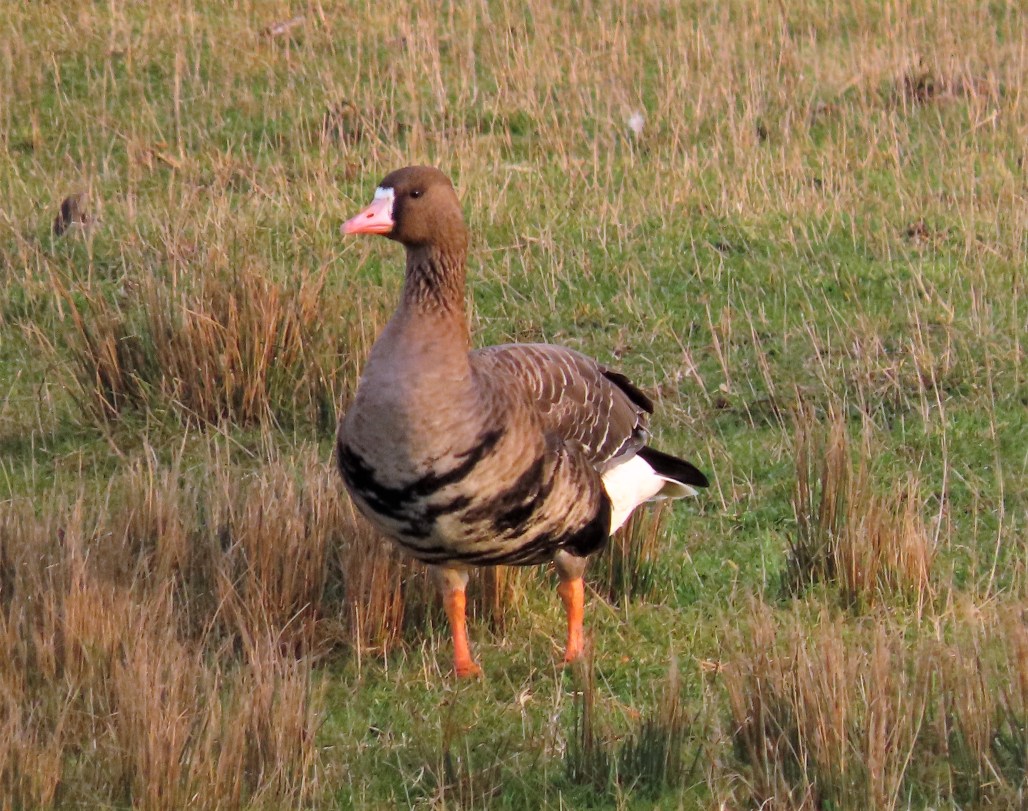
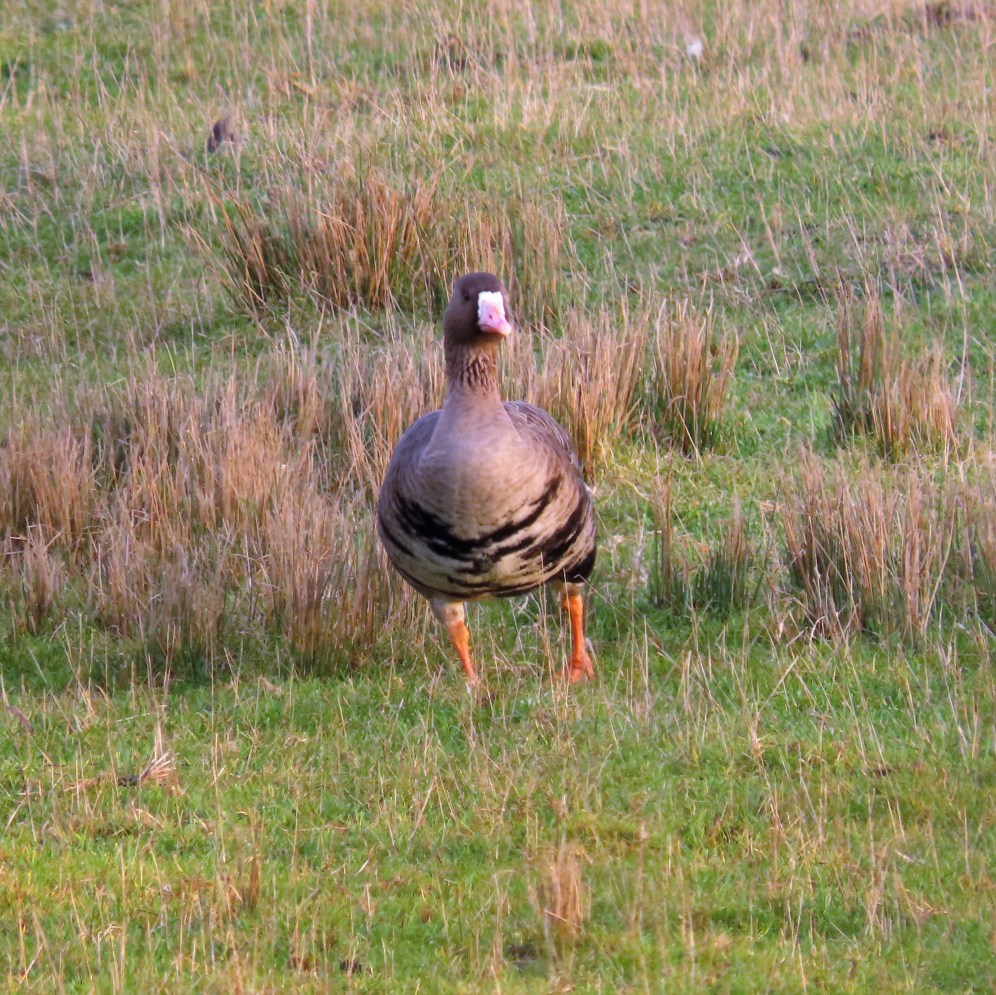
But it’s geese which continue to dominate the local scene and elicit the most interest. While there were no reports this week of the ‘Clifford Hill 20’, two Barnacle Geese appeared at Thrapston GP on 14th and the one at Stanford Res remained until at least 16th. Meanwhile, eight northings down, at Hollowell Res, the eleven Pink-footed Geese hung on all week.

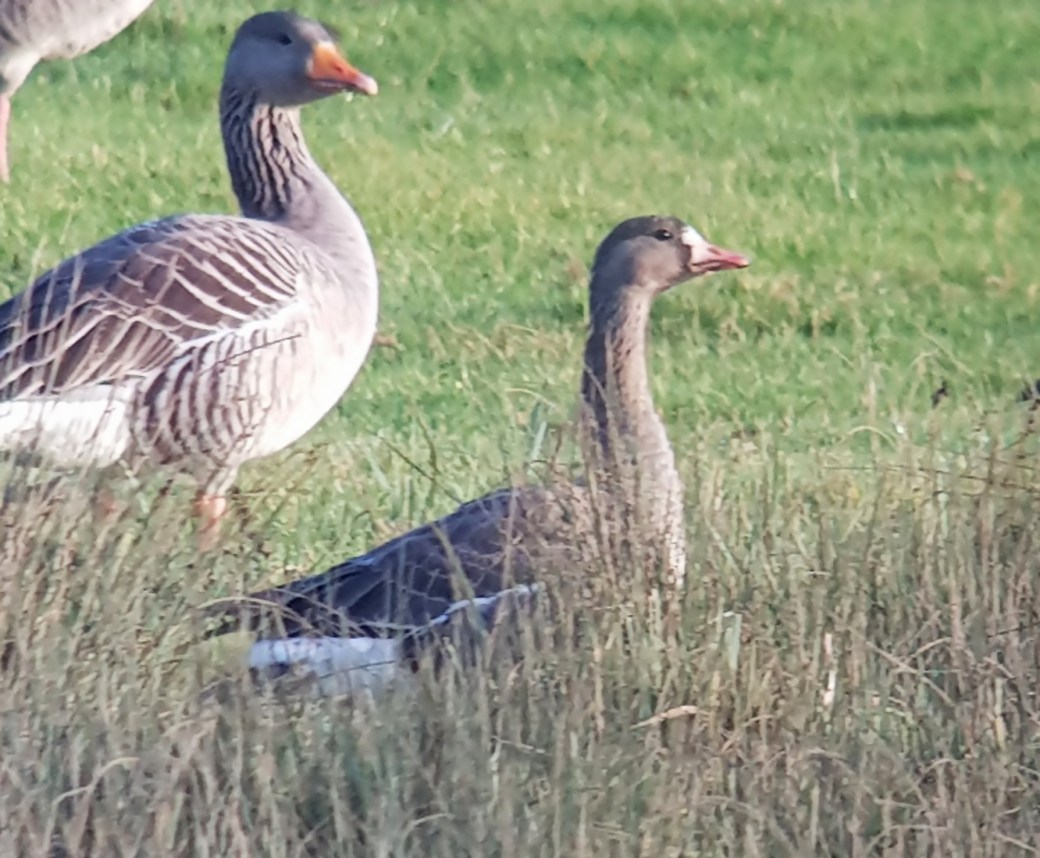
However, the Nene Valley further cashed in on this winter’s generous offering of White-fronted Geese, with Saturday 12th delivering double figures to both Summer Leys, where thirteen arrived, and Thrapston, over which ten flew south-west. In addition to last week’s juvenile – which remained until at least 15th – seven were discovered at Stanwick GP on 14th, remaining there until the week’s end and nine were at Earls Barton GP, opposite Summer Leys, on 15th. Additionally, the two adults from last week remained with the Greylags at Clifford Hill GP throughout the period.

Adult White-fronted Goose, Summer Leys LNR, 12th December 2020 (Jim Dunkley)
Adult White-fronted Geese, Clifford Hill GP, 12th December 2020 (Bob Bullock)
Adult White-fronted Goose, Clifford Hill GP, 12th December 2020 (Bob Bullock)
Adult White-fronted Goose, Stanwick GP, 15th December 2020 (Steve Fisher)
Adult White-fronted Geese, Stanwick GP, 15th December 2020 (Steve Fisher)

On 12th, two adult Whooper Swans completed a brief stopover at Stanford, where a ‘redhead’ Smew – the first of the season – topped this week’s ducks deluxe, equally briefly, on 15th. Back at Hollowell, the female Ruddy Shelduck was still putting in appearances, on and off, until at least 16th and a drake Red-crested Pochard was seen at Pitsford Res between 13th and 17th.

Once again, Hollowell hung on to its juvenile Great Northern Diver throughout the period and Stanford’s four Black-necked Grebes also remained all week.

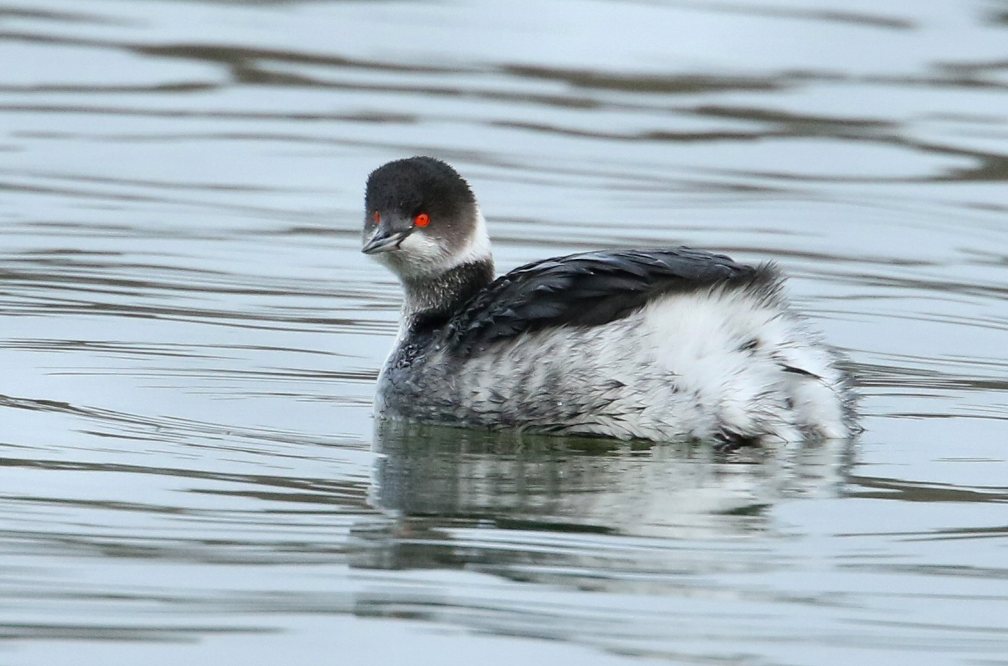
Black-necked Grebe, Stanford Res, 14th December 2020 (David Smith)

The first Cattle Egrets to be seen in the county for a month were six with sheep in a field beyond the northern end of Earls Barton GP on 12th-13th, while another was discovered in a horse field at Grendon on 16th, before flying off west.

Eliciting rather less excitement – if any at all – between one and four Great Egrets continued to languish at the usual sites, which included Hollowell, Pitsford, Stanford, Stanwick, Thrapston and Summer Leys, with six reported from the latter site on 12th. Additionally, singles were seen at Billing GP on 17th, Ringstead GP on 18th and Thorpe Malsor Res on 12th.

Great Egret, Pitsford Res, 17th December 2020 (Tony Stanford)
Great Egret, Billing GP, 17th December 2020 (Leslie Fox)

In a week when uncommon waders failed to feature, the number of scarce gulls also remained low, with a third-winter Caspian Gull at Hollowell on 12th, an adult there on 16th and an adult at Rushton Landfill on 15th, while a second-winter Yellow-legged Gull was at Hollowell on 16th.

A Short-eared Owl was seen at the northern end of Summer Leys on 12th, the same site being one of six from which wintering Stonechats were reported, along with Earls Barton GP, Hollowell, Pitsford, Stanford and Yardley Chase.

Male Stonechat, Pitsford Res, 15th December 2020 (Bethan Clyne)

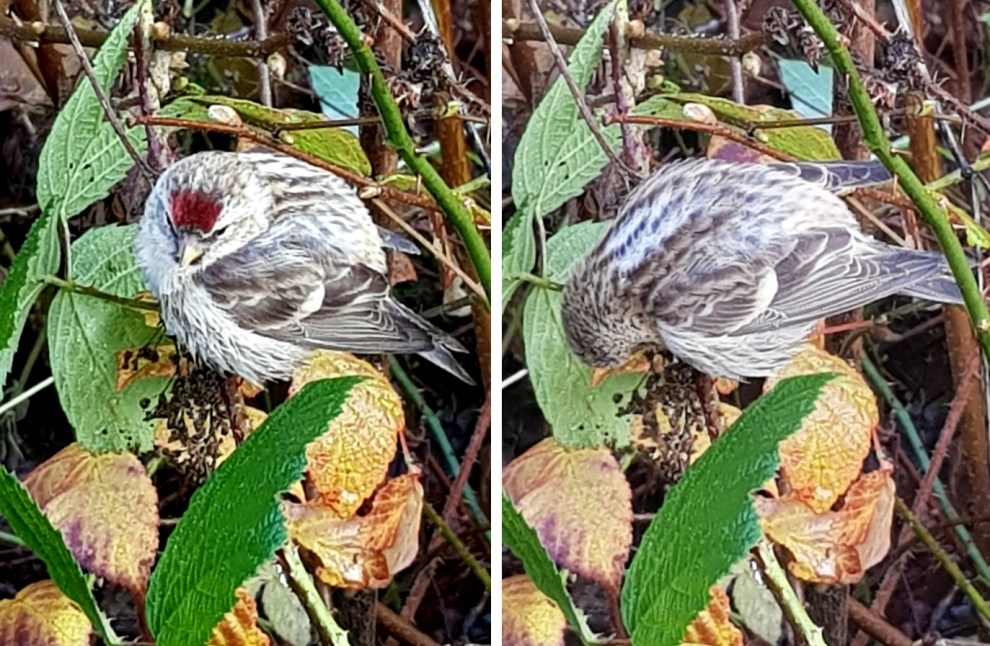
Scarce passerines came to the fore this week in the shape of two Firecrests along the northern side of Stortons GP on 17th, while belated news from earlier in the month concerns a Mealy Redpoll, seemingly moribund, and photographed in Salcey Forest on 7th December, representing only the third record for the year after two at Stanford during October.

Mealy Redpoll, Salcey Forest, 7th December 2020 (Mike Taylor)

Which just leaves Crossbills. They were down this week to appearing at only two localities – Harlestone Firs, with at least twenty-six on 17th and Hollowell, where four were present on 15th and eleven on 17th …

Newsround – 5th to 11th December 2020

Winter wildfowl and a period of little change was the order of the week, in which temperatures remained largely below average, murk prevailed and wind direction appeared to make little difference to any new arrivals on the scene.
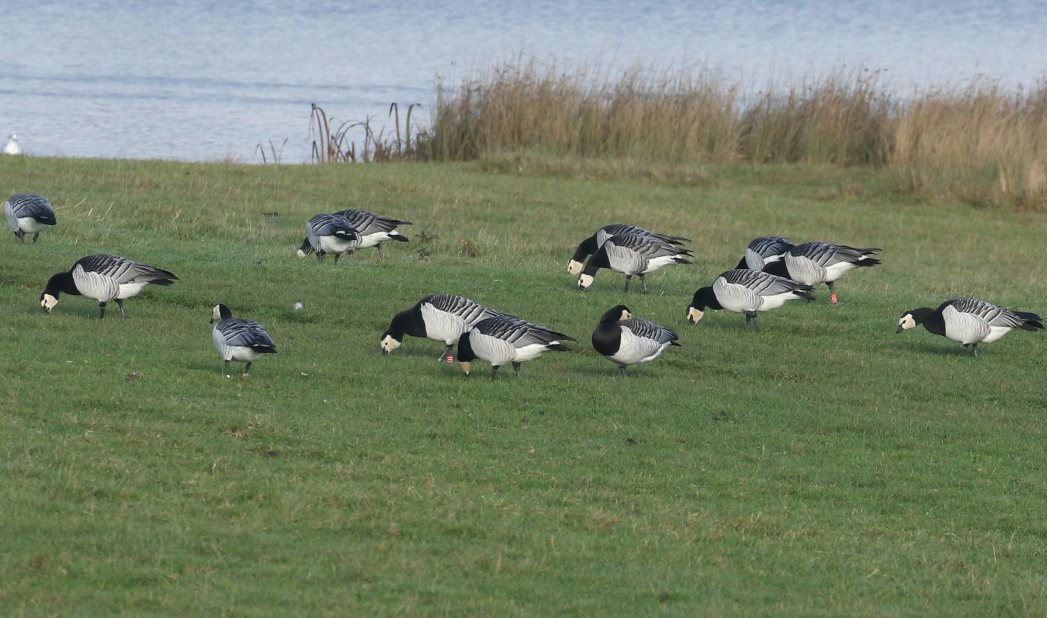
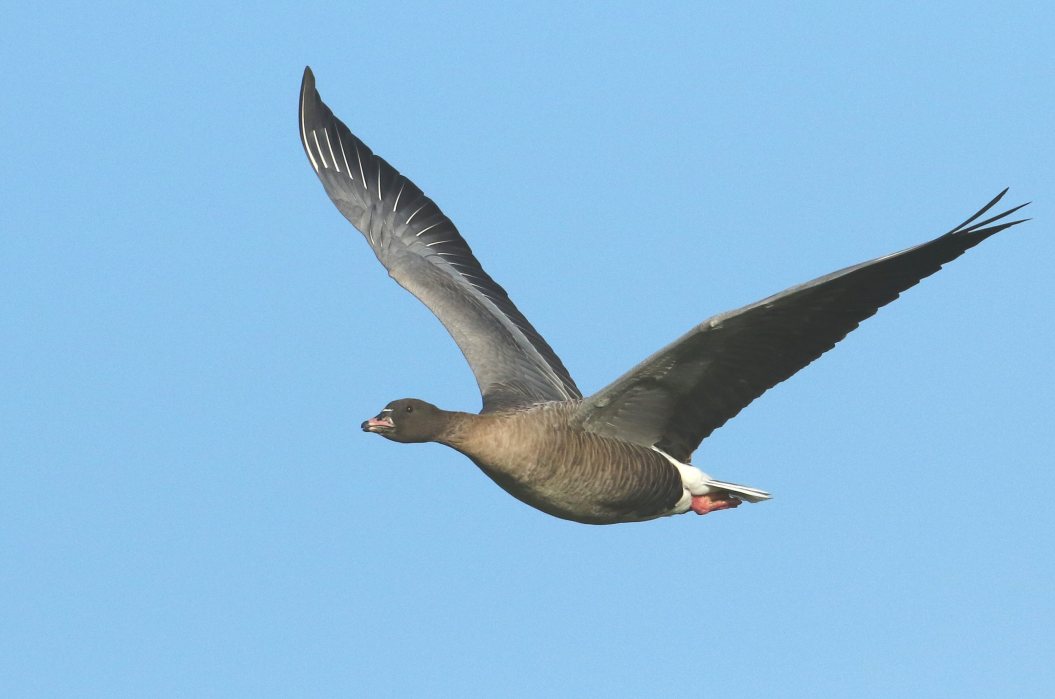
Looking at home and grazing happily in the flat grassland of the Nene barrage, the twenty Barnacle Geese held their ground at Clifford Hill GP throughout the period and the one at Stanford Res remained until at least 9th.

Barnacle Goose ‘H1’, Clifford hill GP, 5th December 2020 (Bob Bullock). An individual from the feral population in Bedfordshire.
Barnacle Geese, Clifford Hill GP, 5th December 2020 (Bob Bullock)

At Hollowell Res, the seven Pink-footed Geese were joined by four more on 6th and 8th and several more were heard calling as they flew over Wakerley Great Wood on the first of these two dates. Pink-footed Goose now appears to be turning up more frequently in the county and in greater numbers, after enjoying a ten-fold increase in population over the last seventy years. This may be only the crest of a wave, though, as it’s said to be facing an uncertain future (more here).

Pink-footed Goose, Hollowell Res, 8th December 2020 (Bob Bullock)
Pink-footed Geese, Hollowell Res, 8th December 2020 (Bob Bullock)

After what was thought to have been a fleeting visit to Stanwick GP last week, the juvenile White-fronted Goose was relocated there with Greylags, at the north-eastern end of the complex, on 7th-8th. Two adults were subsequently discovered – again with Greylags – at Clifford Hill GP on 5th, remaining there until at least 10th. One of these exhibited some interesting characteristics, offering food for thought and optimistic conjecture (see here).

White-fronted Goose, Clifford Hill GP, 5th December 2020 (Bob Bullock)
Juvenile White-fronted Goose, Stanwick GP, 8th December 2020 (Steve Fisher)
White-fronted Geese, Clifford Hill GP, 10th December 2020 (Mike Alibone)

Up in the north of the county, three adult Whooper Swans were reported from Deene Lake on 6th but they were not present subsequently. Back at Hollowell, the female Ruddy Shelduck was seen on 5th, 8th and 10th.

Female Ruddy Shelduck, Hollowell Res, 8th December 2020 (Bob Bullock)

Hollowell also hung on to its juvenile Great Northern Diver throughout the period and Stanford’s four Black-necked Grebes also remained all week. One or two Great Egrets were reported from seven sites, including Cottingham, Deene Lake, Hollowell, Pitsford Res, Stanford, Stanwick and Summer Leys LNR with, once again, the eighth site of Thrapston logging the week’s highest site count of six, which were present throughout.

Juvenile Great Northern Diver, Hollowell Res, 8th December 2020 (Bob Bullock)
Black-necked Grebes, Stanford Res, 8th December 2020 (Theo de Clermont)
Black-necked Grebe, Stanford Res, 9th December 2020 (Bob Bullock)

After a raptorless seven days, last week, a Marsh Harrier flew east over Ditchford GP’s Irthlingborough Lakes & Meadows on 5th and a ‘ringtail’ harrier sp., presumably a Hen Harrier, flew low over the dam at Stanford on 7th.

Waders bagged during the period were the solitary Curlew on the DIRFT 3 A5 pools again on 5th and five Jack Snipes on a field pool close to Ravensthorpe STW on the same date.

This week saw same three species of gull as the last, with a first-winter Mediterranean Gull at Rushton Landfill on 8th along with a second-winter Caspian Gull there on the same date, while the usual adult Yellow-legged Gull was at Hollowell on 10th.

Stanford logged this week’s fly-over Merlin on 9th, as well as again being one of the six localities to hold wintering Stonechats, along with Deene, Deenethorpe AF, Earls Barton GP, Thrapston and Hollowell, the latter site laying claim to the week’s maximum of five on 8th.

Stonechat, Hollowell Res, 8th December 2020 (Bob Bullock)

///

/> bbbbbbbbbCrossbills, Wakerley Great Wood, 5th December 2020 (Stewart Short)

The number of sites from which Crossbills were reported was up this week to five. Unsurprisingly, Wakerley Great Wood took the lion’s share of thirty on 6th, while twenty-five were seen at nearby Fineshade Wood on 6th and 10th and Hollowell’s maximum during the period was seven on 8th. Elsewhere, singles flew over Badby Wood on 6th and Deenethorpe on 7th.

Newsround – 28th November to 4th December 2020

It’s official. This week saw us cross the date-line into meteorological winter and to mark the event, the wind turned to a chilly northerly on the day. In conjunction with this, a run of easterly winds over the preceding days produced conditions conducive to the inbound movement of some notable winter visitors, intent on escaping increasingly inclement conditions on the Near Continent.
The goose theme continued this week with the twenty-strong Barnacle Goose flock still at Clifford Hill GP on 29th and the one at Stanford Res remaining all week. Up to seven Pink-footed Geese lingered at Hollowell Res until at least 1st but more significant was a juvenile White-fronted Goose, new in at Stanwick GP on 28th. ‘Russian’, ‘European’, ‘Eurasian’ – whichever name is currently de rigueur – it had moved on by the next day and was clearly part of a national influx, with more than 100 sites between Norfolk and the Isle of Wight having logged this species since 29th November. This included plenty of single birds, such as the Stanwick individual, as well as small flocks, some of which were in counties where groups are rare, including Bedfordshire, Oxfordshire and Surrey. Clearly Stanwick’s bird was in the vanguard. The only other record this year was two adults at Clifford Hill GP on 2nd-3rd January so, if nothing else changes, it looks like 2020 will end up being an exceedingly poor white-front year, locally … but there is still time for things to turn around. And then there was Bewick’s Swan, four of which paid a brief visit to Pitsford before flying off north-west on the morning of 4th. In so doing, it narrowly preserved its status as an annual visitor to the county and if there are no more in 2020, this year will rank alongside 2002 and 2010 as the worst on record, with just one occurrence in each.

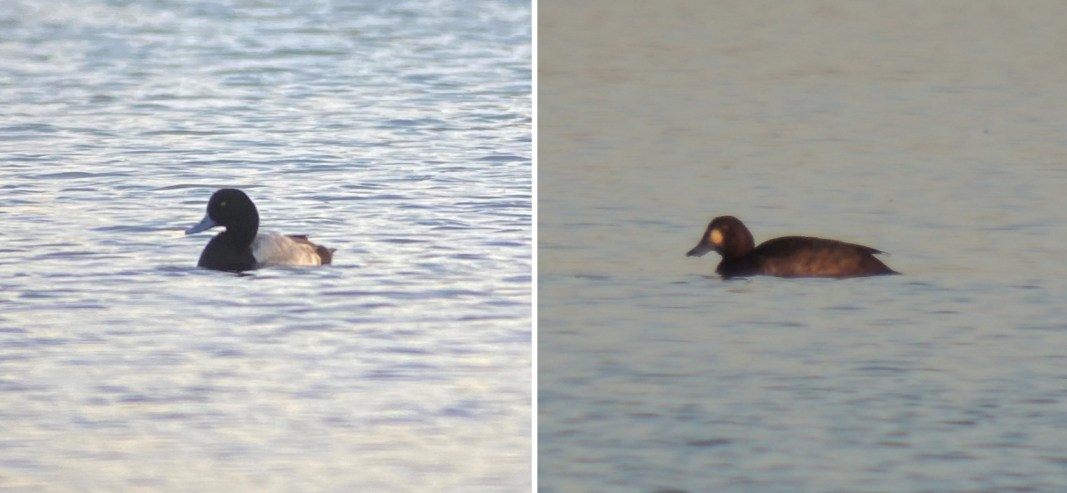
Greater Scaups, 1st December 2020. Left: drake, Stanford Res (Chris Hubbard). Right: first-winter, DIRFT 3 (Mike Alibone)

Besides up to three Red-crested Pochards remaining at Pitsford Res and a female being found at Deene Lake on 30th, two Greater Scaups were discovered on the afternoon of 1st – a drake at Stanford Res and a first-winter at DIRFT 3 – only the 2nd and 3rd records in this half of the year, following one at Pitsford Res on 31st October. More transient winter wildfowl appeared in the shape of two female-type Common Scoters at Clifford Hill GP on 28th and six more at Thrapston GP, two days later, on 30th.

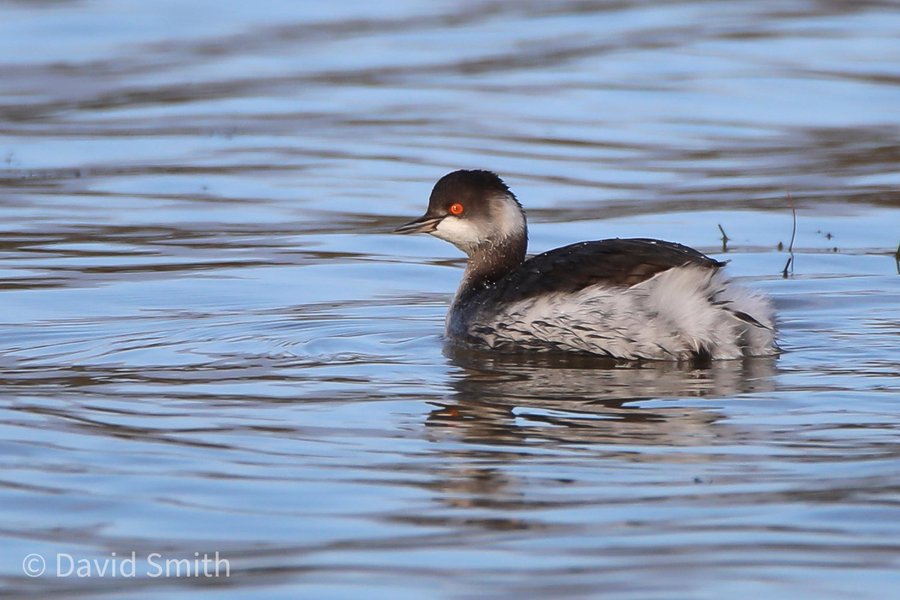
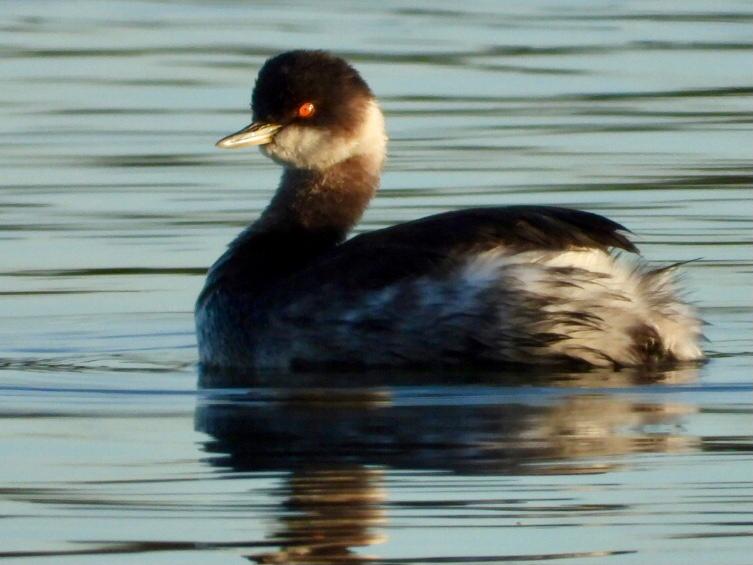
At Hollowell, the juvenile Great Northern Diver remained throughout. Meanwhile, a stone’s throw to the north-west, Stanford magicked up four cute Black-necked Grebes on 30th – the record-breaker for the number of species logged there in one year. They remained all week.

Black-necked Grebe, Stanford Res, 1st December 2020 (Matt Jackson)
Curlew, DIRFT 3, 1st December 2020 (Mike Alibone)

Great Egrets were again reported from seven sites with, once again, Thrapston logging the week’s highest site count of five on 28th and 1st.

On 1st, just one Curlew was seen to come in to roost on the DIRFT 3 A5 pools prior to dusk, while other large, long-legged waders this week were two Black-tailed Godwits at Summer Leys LNR on 29th and one at Stanwick GP the following day. The only Jack Snipe reported during the period was one at Pitsford on 28th.

Winter roost-watching produced an adult Mediterranean Gull at Pitsford on 30th and a first-winter Caspian Gull at Boddington Res on 1st and the semi-regular third-winter Caspian was again at Hollowell on the same date. Nine Yellow-legged Gulls were in the Boddington roost on 1st but elsewhere, it was single adults at Hollowell on 28th, 30th and 3rd, Pitsford on 28th and 30th and in the roost at Thrapston on 30th.

Wintering Stonechats were limited to Deene, Hollowell, Wicksteed Water Meadows (Kettering), Stanford and Pitsford, with a maximum of four at the latter site on 30th. On 2nd, Pitsford also produced – albeit very briefly – the second Water Pipit of the year in 2020 – the first was at Ditchford GP on 13th March.

Male Crossbill, Hollowell Res, 1st December 2020 (Jim Dunkley)

Lastly, we come to cone-crunchers’ corner, in which the male Parrot Crossbill was again reported from Wakerley Great Wood on 1st, the same site continuing to host up to a dozen Crossbills, this number being well down on last week’s total of sixty-plus. The only other site at which Crossbills were reported this week was Hollowell, where a maximum of eleven was seen on 28th.

Female Crossbill, Hollowell Res, 1st December 2020 (Jim Dunkley)

As we stand on the brink of further invasive cold air from the Arctic, hopefully there will be more exciting winter visitors in the offing over the forthcoming weeks.