Rarity Round-up, 13th-19th April 2019

The prolonged easterly airstream continued as the Scandinavian high pressure system filled and slipped further south, dragging warm air up from the continent as it did so. By the week’s end, local temperatures had hit 22°C and migrants continued to arrive in significant numbers throughout the period.

Summer visitors recorded arriving for the first time during the past week include:
13th April – Reed Warbler, Earls Barton GP
14th April – Common Whitethroat, Stanford Res
16th April – Cuckoo, Barnwell CP/Salcey Forest
17th April – Whimbrel, Hollowell Res/Summer Leys & Lesser Whitethroat Summer Leys
18th April – Nightingale, Thrapston GP
19th April – Garden Warbler, Stanford Res/Thrapston GP

Now sporting a predominantly yellow bill, thereby graduating to ‘first-summer’, the Whooper Swan continued its prolonged stay at Thrapston GP throughout the week, as did at least two of the three Pink-footed Geese. Summer Leys LNR retained its monopoly on Garganeys, a drake remaining for the duration and being joined there by another on 17th, while Daventry CP produced the only Red-crested Pochard of the week, a drake on 19th.

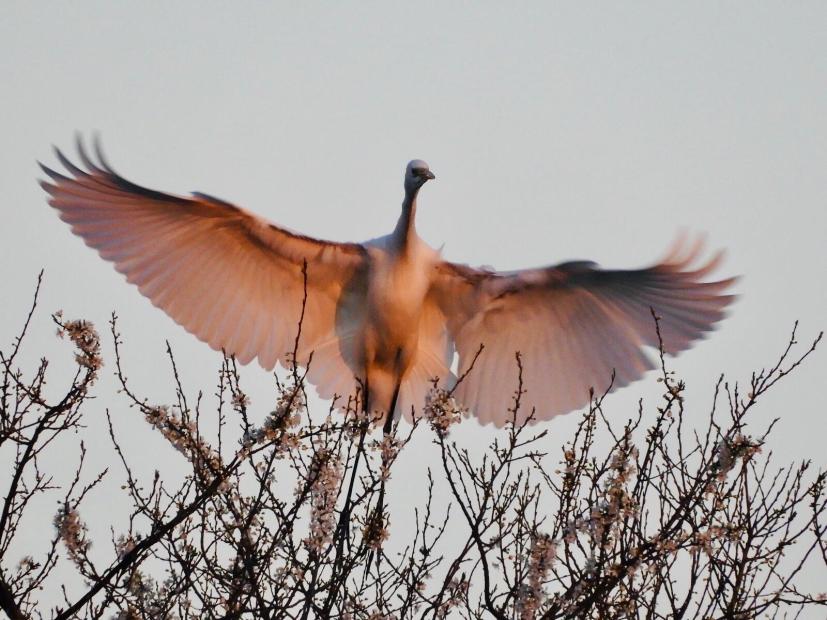
A Great Northern Diver was again reported from Pitsford Res on 16th – the day prior to a Cattle Egret being discovered feeding with cattle at the northern end of the Stanwick GP complex, where it remained at the week’s end. It’s difficult to be certain but it would seem highly likely this is the same individual which had been present, on and off, in the nearby Delta Lake area of Ditchford GP, where it was last seen on 30th March. The contours and vegetation of its chosen feeding area, at Stanwick’s North Lake, render it difficult to see, suggesting it may have been on site for some time prior to 17th.

Cattle Egret, Stanwick GP, 19th April 2019 (Mike Alibone)

By contrast, Great Egrets were, as usual, far more obvious, with Stanford Res taking the lion’s share of three on 13th and 16th, while Summer Leys retained two and singles were seen Daventry CP, Earls Barton GP, Foxholes Fisheries (Crick), Oundle, Stanwick and Thrapston.

Ospreys were recorded at four sites during the period, including singles in the Nene Valley – flying east at Earls Barton GP on 13th and west at Oundle on 15th – at Hollowell Res, where there were two different birds on 16th and at Pitsford Res on 16th, 18th and 19th.

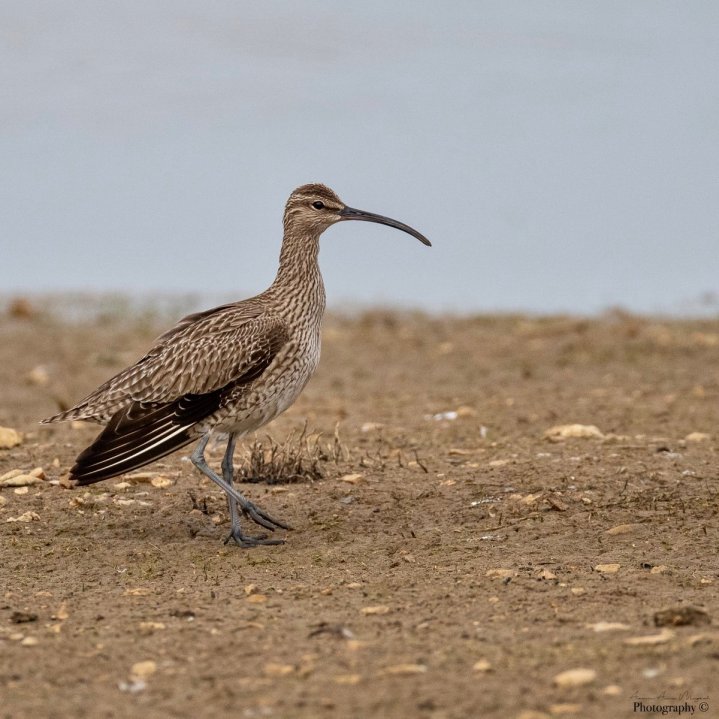
Whimbrel, Hollowell Res, 17th April 2019 (Martin Swannell)
Whimbrel, Summer Leys LNR, 17th April 2019 (Amir Mughal)
Whimbrel, Summer Leys LNR, 18th April 2019 (Alan Coles)

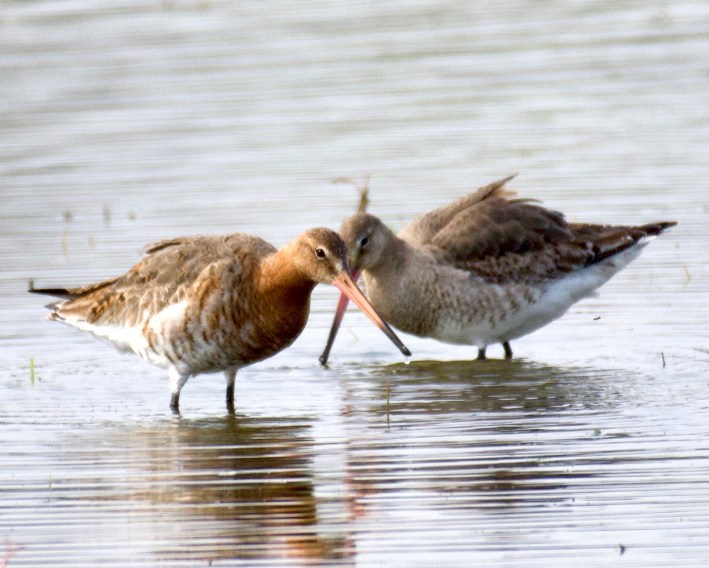
Wader passage continued to gain momentum as another Grey Plover appeared at Clifford Hill GP on 18th, remaining there the following day. The first Whimbrels of the spring appeared on 17th, when two visited Hollowell Res and one was found at Summer Leys, from where further records of one came on 18th and 19th and two Black-tailed Godwits remained there from 16th to 19th.
Whimbrel, Summer Leys LNR, 18th April 2019 (Ian Hicks)
Black-tailed Godwit and Dunlins, Summer Leys LNR, 17th April 2019 (Alan Coles)
Black-tailed Godwits, Summer Leys LNR, 19th April 2019 (Alan Coles)

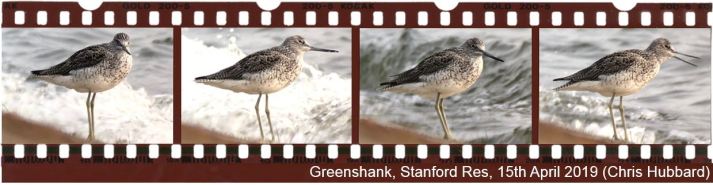
A Bar-tailed Godwit also put in a brief appearance at Summer Leys on 15th and another appeared at Clifford Hill GP, late on 19th while back at Summer Leys, a Ruff was present on 15th and again on 17th. Up at Stanford Res, the year’s first Greenshank was found on the dam on 15th, while single Jack Snipes lingered at Hollowell Res on 13th and on floodwater at Barnwell the following day.
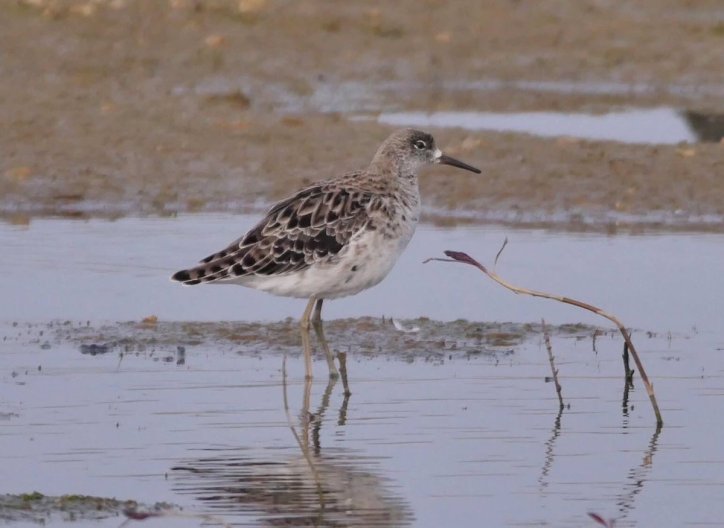
Ruff, Summer Leys LNR, 15th April 2019 (Rishi Askoolum)
Greenshank, Stanford Res, 15th April 2019 (Chris Hubbard)

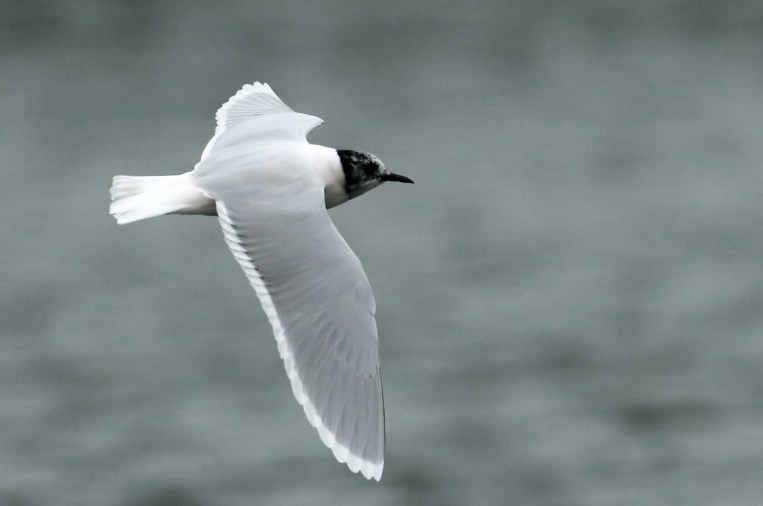
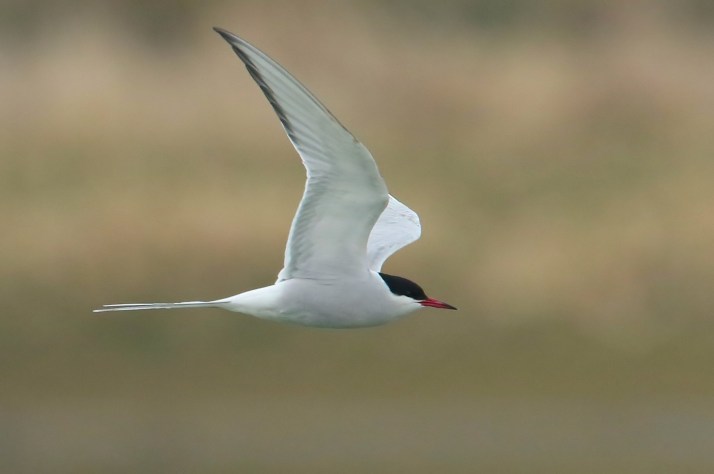
Hot on the heels of last week’s, a trio of Black Terns included one briefly at Summer Leys on 18th and two at Hollowell the next day. Similarly, an Arctic Tern was at Summer Leys on 16th and further down the valley, two visited Ditchford GP on 19th. Numbers of Little Gulls fell flat compared with the previous week’s influx, with Summer Leys producing one on 17th and 18th, two visited Wicksteed Park Lake on the same dates and two were at Thrapston on 18th-19th.
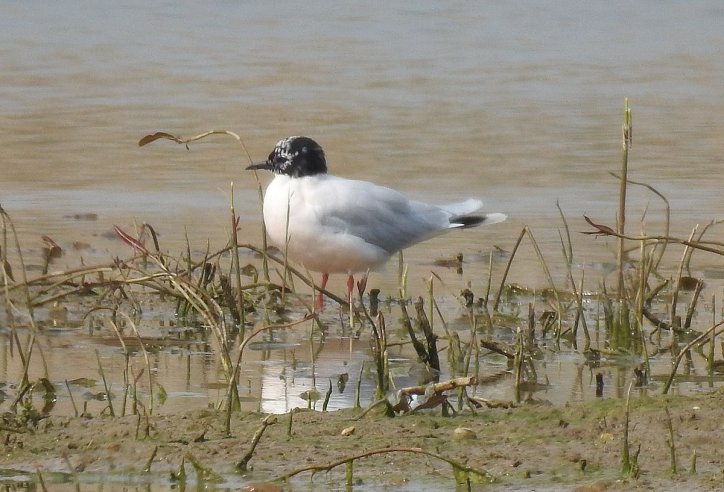
Adult Little Gull, Summer Leys LNR, 18th April 2019 (John Moon)

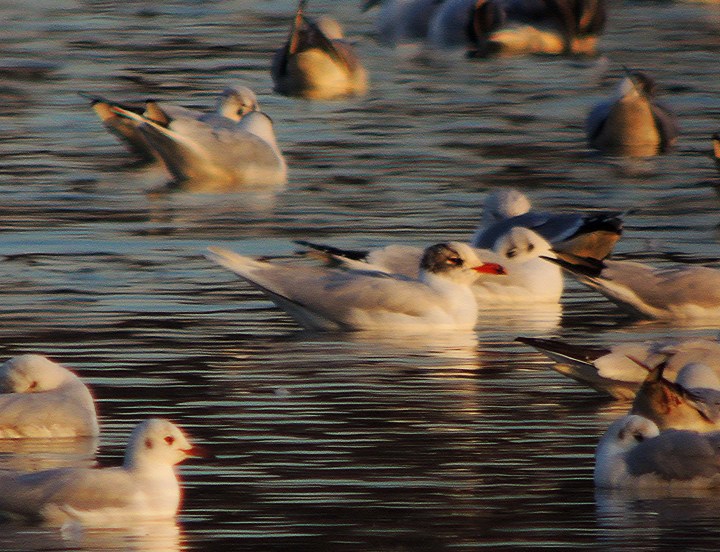
Coming to a Black-headed Gull colony near you, two adult Mediterranean Gulls – clearly a ‘pair’ in the traditional sense of the word – appeared to be prospecting suitable breeding sites in the Nene Valley on 19th, being seen first at Stanwick before moving to Summer Leys and then heading back down the Nene to Thrapston. Last of the larids, this week’s ‘token’ Yellow-legged Gull was at Pitsford Res on 15th.

Adult Mediterranean Gulls, Stanwick GP, 19th April 2019 (Mike Alibone)

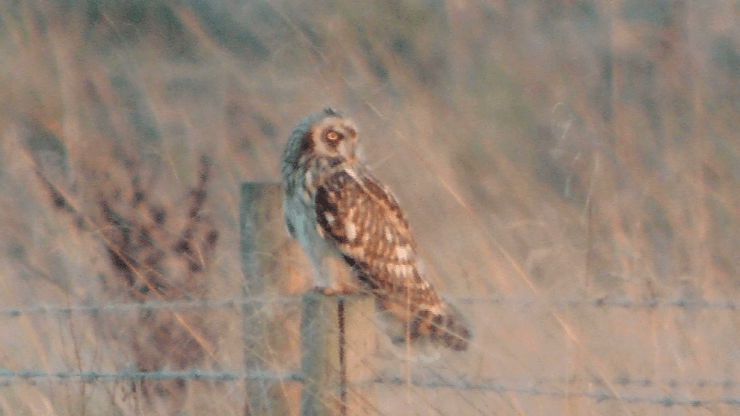
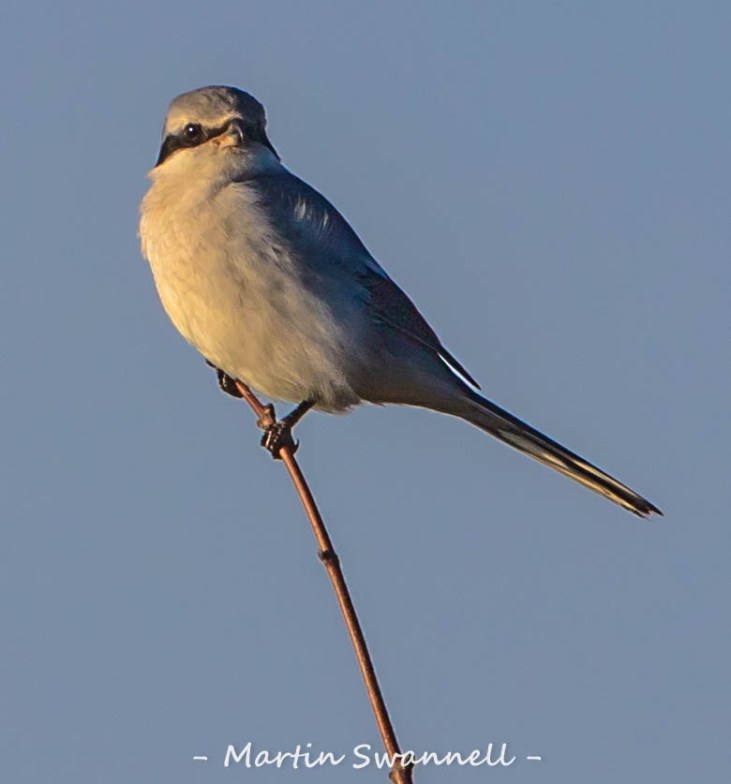
Late in the season but not unprecedented, a Short-eared Owl was out at the northern end of the Stanwick complex during the evening of 19th and the wintering Great Grey Shrike remained in the Brampton Valley below Hanging Houghton until at least 17th. The second Woodlark to be found in the county this year flew east over the dam at Pitsford Res on 15th. Surprisingly, for a species which breeds only tens of kilometres from Northamptonshire and is also a migrant, there have been only three previous records this century (2001, 2014 and 2016) as well the aforementioned individual in January this year, if accepted.

Male Pied Flycatcher, Barton Seagrave, 16th April 2019 (Stephen Quincey)

Of more reliable occurrence and only to be expected in April, however, is Pied Flycatcher but predicting just where one will turn up is far less easy. Trees bordering a playing field at Barton Seagrave would not be the first choice locality for many a birder to go looking but that’s precisely where one was found, late in the evening on 16th.

Male Common Redstarts (Gary Pullan). Hellidon, 13th April 2019 (left), Daventry CP, 16th April 2019 (right).

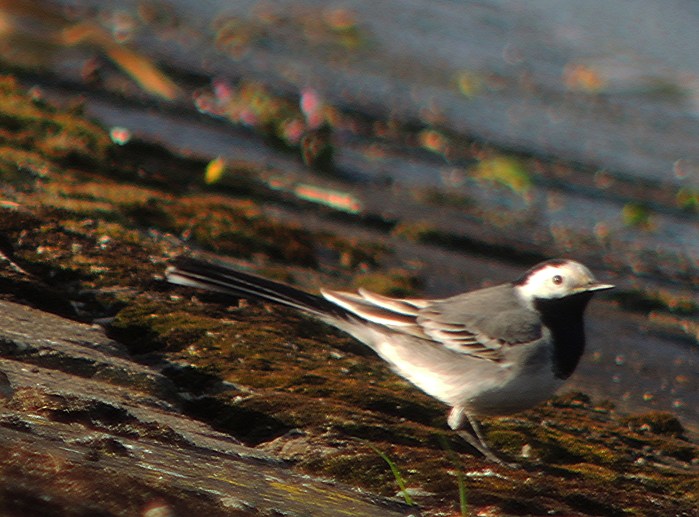
Common Redstarts were a little more abundant, though, with single males at Hellidon on 13th and 18th, Daventry CP on 15th, near Rothersthorpe on 16th and at Summer Leys on 19th, while Northern Wheatears were even better represented by singles at Stanwick and Pitsford Res on 15th, Harrington AF on 16th and 19th, near Brackley on 17th, at both Kelmarsh and Rushden on 18th and in the Brampton Valley below Hanging Houghton on 19th. In addition, five were at an undisclosed locality on 18th. This week’s White Wagtails were fewer in number compared with last week and included singles at Stanford Res on 14th and 19th, with three there on 17th and further singles at Pitsford Res on 14th and Hollowell Res on 17th.

Rarity Round-up, 6th to 12th April 2019

Following last week’s swing to a south-easterly airstream, the period began with more of the same, the wind quickly turning east to north-east as a high pressure system became anchored over Scandinavia for much of the week. Low cloud, mist and occasional drizzle ensued – such conditions being the stuff of dreams on the east coast in autumn. This was, however, Northamptonshire in early April but the birds did not disappoint, with Little Gulls once again rising to prominence alongside early Black Terns and the arrival of more summer visitors.

Summer visitors recorded arriving for the first time during the past week include:
7th April – Black Tern, Summer Leys LNR
8th April – Arctic Tern, Hollowell Res
10th April – Tree Pipit, Daventry CP

Still in apparently no hurry to leave, the first-winter Whooper Swan remained at Thrapston GP until at least 7th and the three Pink-footed Geese continued to be seen there, present and correct, through to the week’s end, on 12th. A drake Garganey also remained at Summer Leys LNR throughout the period and last week’s drake Red-crested Pochard was still at Pitsford Res on 10th. However, it was the Nene Valley that cashed in on the first spring migrant Common Scoters of 2019, with four remaining all day at Summer Leys on 9th.

Common Scoters, Summer Leys LNR, 9th April 2019 (Bob Bullock)

After an apparent absence of two weeks, a Great Northern Diver was reported again at Pitsford Res on 8th and apart from three Great Egrets at Thrapston GP on the same date, twos were seen at each of Stanford Res and Sulby Res, while singles were present at Ravensthorpe Res, Stanwick GP and Summer Leys.

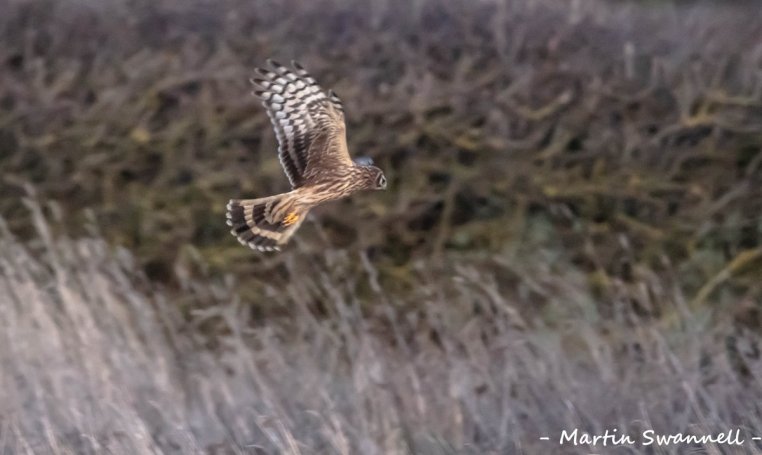
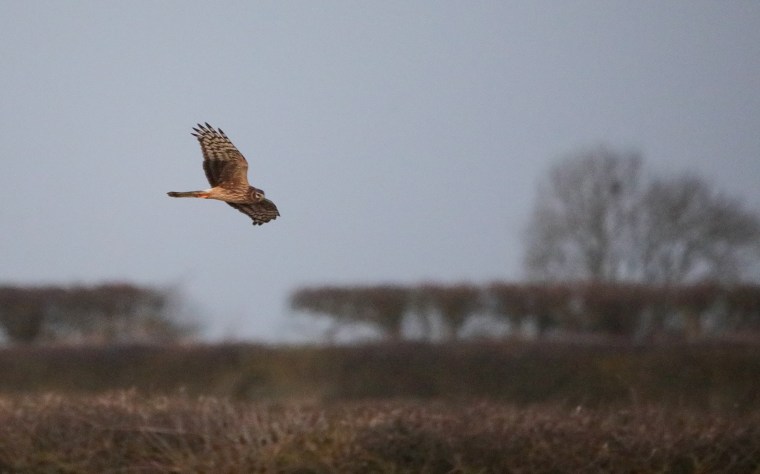
A distant view of an unidentified male harrier at Fawsley Park on 7th suggested another week in which a Hen Harrier visited the county, but these days nothing is a given and, as they say, other harriers are available …  Prior to that it had also been seen at nearby Eydon. Ospreys continued to move through, with singles visiting Pitsford Res on 8th, Ravensthorpe Res on 9th, Summer Leys on 10th and 11th, Ditchford GP on 11th and Thrapston GP on 12th. On 11th, the Summer Leys sighting of one moving east was only 25 minutes prior to that of the eastbound bird at Ditchford and indeed, all the Nene Valley occurrences may have referred to the same individual. Also on the move, another Common Crane flew high north over Hanging Houghton, early in the evening on 12th.

Grey Plover, Hollowell Res, 8th April 2019 (Martin Swannell)

Wader interest was piqued this week as the first two spring Grey Plovers made landfall at Hollowell Res on 8th, both remaining until the following day, when two Black-tailed Godwits were found at Stanwick GP and a Bar-tailed Godwit appeared at Clifford Hill GP.

Bar-tailed Godwit, Clifford Hill GP, 9th April 2019 (Bob Bullock)

Hot on their heels came a Knot on the A45 Lay-by Pit at Stanwick, on 12th, although its visit there was all too brief before it continued its northward migration, moving on shortly after its discovery.

Knot, Stanwick GP, 12th April 2019 (Bob Bullock)

In addition to these expected spring migrants, single Jack Snipes were still at Hollowell Res on 6th and at Upton Mill (Northampton) on the same date.

Following the trickle of Little Gulls during the last day of the previous week, the dam burst and many more appeared at reservoirs and gravel pits across the county. The largest numbers arrived on 8th, when the highest site counts were twelve at Stanford Res and eleven at Hollowell Res and 9th, when twelve were at Clifford Hill GP. Additionally, records throughout the seven days came from Boddington Res, Ditchford GP, Pitsford Res, Ravensthorpe Res, Stanwick GP, Summer Leys and Thrapston GP. The influx is likely to have involved almost one hundred birds.

Adult Little Gull, Hollowell Res, 8th April 2019 (Bob Bullock)
Little Gull, totals by day, 6th-12th April 2019

Caught up among the many Little Gulls and no doubt ushered in by the easterly winds, were the first Black Terns of the spring. One at Summer Leys on 7th was quickly followed by another at Clifford Hill GP the following day. These two are the earliest ever to be recorded in Northants, both narrowly beating the previous record holder, which was at Ditchford GP on 9th April 2017. Arctic Terns arrived too, with singles at Hollowell Res on 8th, Boddington Res and Clifford Hill GP on 9th and two paid a brief visit to Stanwick on 10th.

Arctic Tern, Hollowell Res, 8th April 2019 (Bob Bullock)

Stanwick also produced all two of this week’s Mediterranean Gulls – an adult on 6th and a second-summer on 8th-9th while all, bar one, Yellow-legged Gulls were to be found at Daventry CP, which held singles from various age groups on 7th, 9th 11th and 12th with two there on 8th. The other one was at Pitsford Res – also on 8th.

Great Grey Shrike, Hanging Houghton, 12th April 2019 (Ken Prouse)

The long-staying, wintering Great Grey Shrike – by far the easiest to see in the county for decades – remained in the Brampton Valley below Hanging Houghton throughout the week but the other passerines recorded this week were all of a transitory nature.

Female Ring Ouzel, Gretton, 7th April (James Underwood)

Two Ring Ouzels comprised singles at Gretton on 7th and another photographed in a garden at Hellidon the following day. A male Common Redstart was in scrub north of Mary’s Lake at Earls Barton GP on 11th and more Northern Wheatears included two at Clifford Hill GP from 6th to 11th, one at Pitsford Res on 7th and up to four near Bugbrooke on 7th-8th, while two relatively early male Greenland Wheatears were found in a paddock east of the country park at Daventry on 11th.

White Wagtail, Stanford Res, 10th April 2019 (Mike Alibone)

Making up for a rather poor showing of just one last week, White Wagtails rose to prominence with up to twelve at Clifford Hill GP between 6th and 11th, two at Summer Leys on 9th and singles at Hollowell Res on 9th and Stanford Res on 10th and 11th. Now a lamentably scarce migrant, a Tree Pipit flew north over Daventry CP on 10th. This former local breeder is difficult to catch up with locally – hopefully there will be a few more to come …

Rarity Round-up, 30th March to 5th April 2019

Despite a warm start on day one, temperatures subsequently plummeted as the winds quickly swung northerly, remaining so for much of the week. Hail and snow were notable features of 3rd, before the wind did a one-eighty at the end of the period and more welcome south-easterlies helped lift temperatures and spirits by producing a last-minute flush of Little Gulls.

Summer visitors recorded arriving for the first time during the past week include:
30th March – Common Sandpiper at Pitsford Res & Yellow Wagtail at Hollowell Res
2nd April – Common Tern at Daventry CP and Willow Warbler at Summer Leys LNR
3rd April – Sedge Warbler at Earls Barton GP
4th April – House Martin at Stanford Res
5th April – Common Redstart, Moulton & Grasshopper Warbler, Summer Leys LNR

Hanging on in there, the first-winter Whooper Swan and the three Pink-footed Geese were still at large at Thrapston GP on 3rd and 4th respectively, while last week’s drake Garganey (or another) was at Summer Leys LNR from 1st to 5th, being joined by a second drake on 4th. Last week’s drake Red-crested Pochard was still at Pitsford Res on 3rd.

Great Egret, Stanford Res, 30th March 2019 (Matt Jackson)

Great Egret numbers continued to dwindle. No more than two were reported at each of Stanford Res, Summer Leys/Earls Barton GP and Thrapston and last week’s Cattle Egret remained at Ditchford GP’s Delta Lake until at least 30th.

As we emerge from what has already been acknowledged as a good winter locally for Hen Harriers, another ‘ringtail’ was seen in flight between Stoke Albany and Desborough AF on 4th.Northbound Ospreys continued to move through, including singles over the A43 near Bulwick on 30th, at Pitsford Res on 1st and at Hollowell Res on 3rd and 4th. The Pitsford individual was a male, which had been ringed (‘03’) at Rutland Water in a previous year and was paired with a female there last year. At the time ‘03’ reached Pitsford, the female had already arrived at Rutland and paired up with a different male and by 3rd, ‘03’ still had not appeared back at ‘his’ nest …

Osprey, Pitsford Res, 1st April 2019 (Matthew Rivers). Male ’03’ from Rutland Water.

This week’s waders were limited to three – maybe four – Black-tailed Godwits at Summer Leys on 30th, with one remaining until the following day. Always well-received and a delight to watch, arguably the most popular new arrivals this week were the adult Little Gulls appearing at the eleventh hour, on 5th. No doubt aided and abetted by the strong south-easterly airstream, these included singles at Daventry CP, Stanford Res and Summer Leys, while two were found at Hollowell.

Adult Little Gulls, 5th April 2019. Left, Daventry CP (Gary Pullan), right, Stanford Res (Chris Hubbard)

Also never to be sniffed at, summer-plumaged adults of the ‘big version’, Mediterranean Gull, were at Summer Leys on 30th and two visited Stanwick on 31st and 5th, while a second-summer was seen at Pitsford on 30th.

Adult Mediterranean Gull, Summer Leys LNR, 30th March 2019 (Ricky Sinfield)

Two Short-eared Owls this week comprised a fly-by at Blueberry Farm (Maidwell) and one still at Neville’s Lodge (Finedon) on 1st, while the long-staying Great Grey Shrike remained at the first of these two localities throughout the period.

Great Grey Shrike, Hanging Houghton, 1st April 2019 (Alan Coles)
Great Grey Shrike, Hanging Houghton, 1st April 2019 (Matthew Rivers)

Over at Wicksteed Park, Kettering, a ‘Nordic’ Jackdaw was seen on 2nd and the first Common Redstart of the spring – a male – was found at Moulton on 5th.

‘Nordic’ Jackdaw, Kettering, 2nd April 2016 (Alan Francis)

More Northern Wheatears appeared this week, with singles at Harrington AF and Kingsthorpe Meadows LNR (Northampton) on 31st and one again at Clifford Hill GP on 5th but still thin on the ground, a White Wagtail appeared at Hollowell Res on 4th.

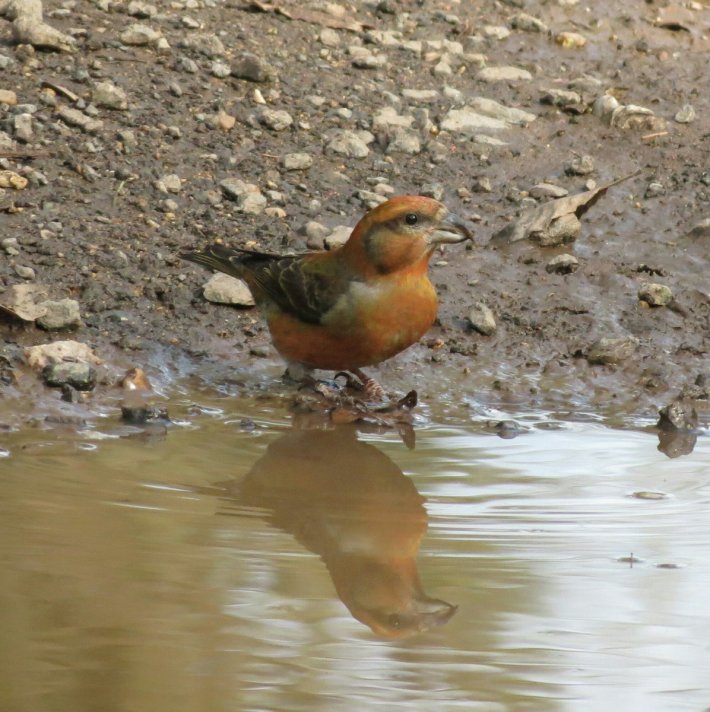
Male Crossbill, Wakerley Great Wood, 31st March 2019 (James Underwood)

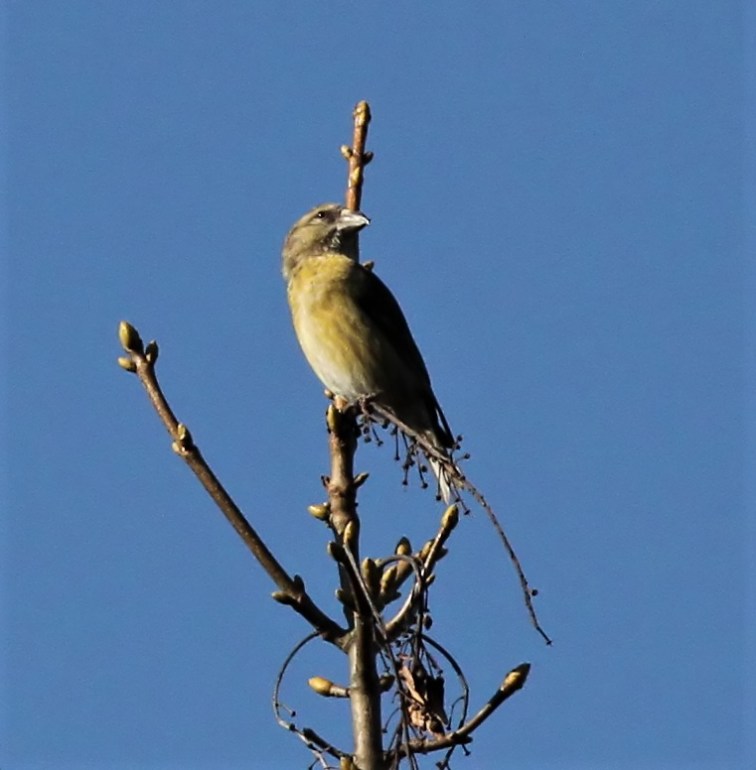
In the far north of the county, two Crossbills – a male and female – were still at Wakerley Great Wood on 31st.


Rarity Round-up, 23rd to 29th March 2019

The week remained dry, largely sunny and pleasantly mild, with a predominantly light westerly to south-westerly airstream – conditions which were again conducive to migration. The birding wasn’t too shoddy, either. Cattle Egret, White Stork, Common Crane and Hooded Crow were the new in highlights, alongside some more of the expected summer migrants, including the first Swallows on 24th.

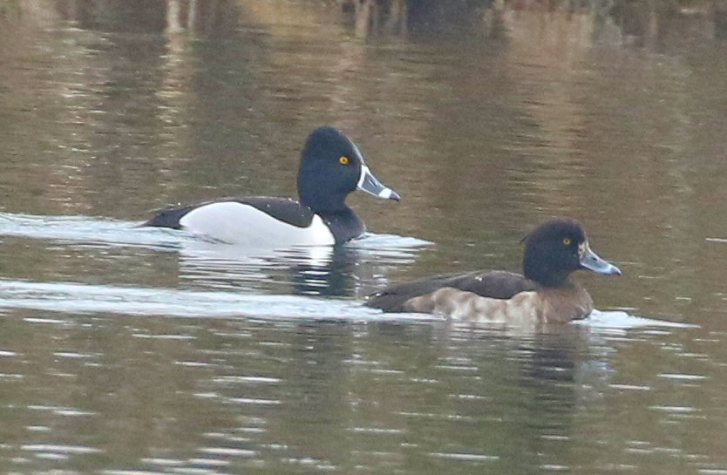
Time must surely be running out for the first-winter Whooper Swan and the three Pink-footed Geese still ensconced at Thrapston GP at the week’s end, as the arrival of a drake Garganey at Summer Leys LNR on 25th heralds the onset of ‘wildfowl spring’ and sets the clock ticking for their departure. Last week’s drake Red-crested Pochard remained at Pitsford Res until at least 26th and after missing a day, the drake Ring-necked Duck was back at Thrapston for 23rd-24th only.

Just one Great Northern Diver was seen at Pitsford on 23rd and 26th and this same locality pulled back a Great Egret on 28th, after an absence of several weeks. Top counts of this species at other sites comprised three at Summer Leys and twos at Stanford Res, Stanwick and Thrapston. A Cattle Egret also (re)surfaced in the Nene Valley. Following unconfirmed reports of one off Ditchford Lane last week, one was located on 25th, roosting in trees around the Cormorant colony at Ditchford GP’s Delta Lake. It was still present on 29th, having visited nearby Stanwick GP on 27th.

White Stork, Sawbridge, Warwickshire, 28th March 2019 (Bob Hazell)

Continuing the herons, storks and allies theme, a White Stork which roosted in Warwickshire, little more than a kilometre from the county boundary, on 27th, entered Northamptonshire airspace early the following morning as it made its way north-east over the A45 toward Barby. During the early afternoon of the same day it, or quite possibly another, was seen circling low over the A6 and the eastern end of Ditchford GP before drifting off west over Higham Ferrers. This is/are about 23rd/24th records of this species for the county, following a well-documented Dutch-ringed individual at Clifford Hill GP last year. There have been several reports around the UK so far this spring and the likelihood of their being different individuals is commented upon here.

Keeping eyes to the skies produced two Ospreys this week – one over Deene Lake on 26th and another flying west over Honey Hill, near Cold Ashby, on 29th but up there with them, in the troposphere, were two, four or six Common Cranes, depending on how you cut it. Two were seen flying east over Brixworth on 23rd, two flew south over Moulton late in the morning of 26th and on the same day, about 90 minutes later, two were over Holcot, heading toward Pitsford Res. Given the close geographical proximity of these reports, it seems logical to assume the same birds accounted for all sightings. These, then, constitute about the 27th record, following on from the ‘gang of five’ over Daventry CP last September, the migration path of which was tracked as they moved south over the UK.

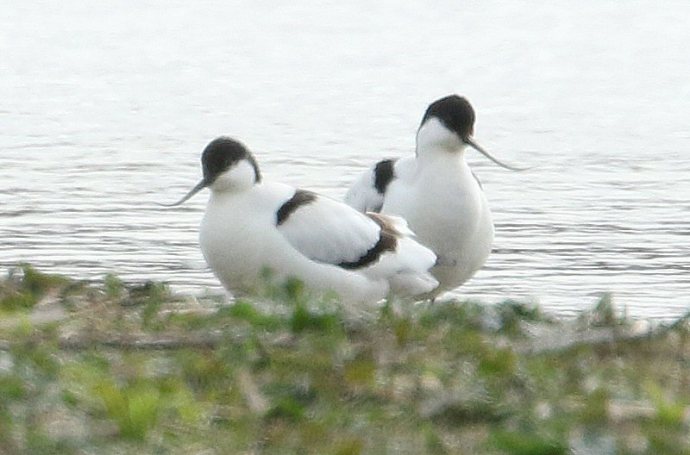
Avocets, Summer Leys LNR, 23rd March 2019 (Bob Bullock)

On the wader front, Summer Leys attracted two Avocets on 23rd and further down the valley, Stanwick played host to sixteen Ruffs for the morning of 28th. A Jack Snipe was also found at the latter site on 26th, while another was at Thrapston GP two days earlier, on 24th.

In a week perhaps unsurprisingly devoid of scarce gulls, late news of the second-winter Iceland Gull revisiting Stanford Res on 22nd emerged too late to be included in last week’s round-up.

Short-eared Owl, Irthlingborough Lakes & Meadows LNR, 29th March 2019 (Tony Vials)

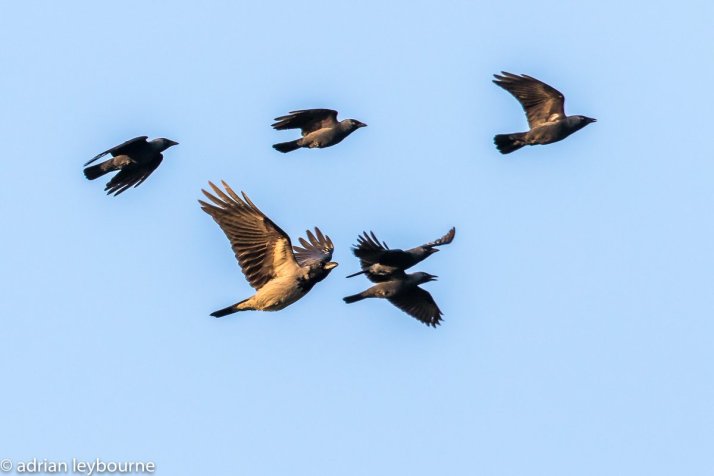
Two Short-eared Owls remained at the much favour’d locality of Neville’s Lodge (Finedon) all week, one was still at Lilbourne Meadows on 23rd and another was watched being mobbed by Carrion Crows over Ditchford GP’s Irthlingborough Lakes & Meadows on 29th. Which brings us neatly on to the rarest bird of recent times, Hooded Crow, one of which was seen in flight with Jackdaws, just beyond the northern boundary of Summer Leys on the same date. This is only the second county record this century, following one at Alderton in November 2018, which prompted this status review.

Hooded Crow, Summer Leys LNR northern periphery, 28th March 2019 (Ady Leybourne)

Meanwhile, the Great Grey Shrike remained in the Blueberry Farm area all week, and the first Firecrest to be found this year was in Pitsford’s Scaldwell Bay on 28th. Following the spring’s first Northern Wheatears last week, further singles were seen at Mears Ashby on 23rd, in the Blueberry Farm area on 24th and 29th and at Harrington AF on the latter date. Crossbills managed to keep up their recent weekly appearances, albeit scantily, with flyovers at Scotland Wood (Kelmarsh) on 23rd and Pitsford Res (two) on 27th. At least one Corn Bunting remained in the Blueberry Farm area again all week.

Rarity Round-up, 16th to 22nd March 2019

The storm before the calm saw a continuation of last week’s gale force westerlies for the first two days of the period, before high pressure built over the country to deliver conditions more conducive to migration. On that theme, the first Osprey was seen cruising north and Northern Wheatears made landfall at three localities.
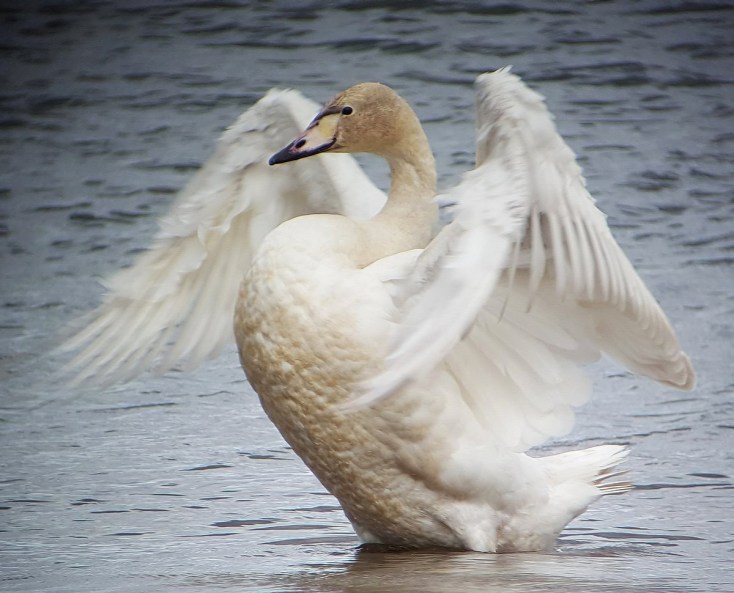
Maintaining the status quo, the first-winter Whooper Swan – now developing some yellow bill pigmentation – and the three Pink-footed Geese remained at Thrapston GP all week, as did the two Pink-footed Geese at Stanford Res.

First-winter Whooper Swan, Thrapston GP, 17th March 2019 (Adrian Borley)

A drake Red-crested Pochard was present at Pitsford Res between 18th and 21st and a drake Ring-necked Duck paid a fleeting visit to Thrapston GP on the latter date. Tempting, though it is, to believe this was a reappearance of the Earls Barton/Summer Leys/Stanwick bird, with more than twenty individuals scattered across a dozen sites this winter, the fact that remains that it could simply be another of its kind on the move.

Great Northern Diver, Pitsford Res, 19th March 2019 (Alan Coles)
Great Northern Diver, Pitsford Res, 20th March 2019 (Ken Prouse)

Pitsford’s two juvenile Great Northern Divers, now having moulted a good proportion of their pale-fringed juvenile feathers, stayed all week, ranging widely between the causeway and the dam, while dwindling top counts of Great Egrets were restricted to three at Stanford Res, two at each of Summer Leys and Thrapston, and singles at Ditchford GP and Welton.

Back at Pitsford, an Osprey flew north over Brixworth CP on 18th and a fly-by Merlin was seen south of the causeway the following day. At the time of compiling this report, five Ospreys have now returned to their Rutland Water breeding site.

Aside from the first spring migrant Little Ringed Plovers at Stanwick on 18th and at both Clifford Hill GP and DIRFT3 on 21st, other waders on the move this week were single Black-tailed Godwits at Stanwick on 18th and Summer Leys the following day, while Hollowell’s wintering Jack Snipe was still present on 17th and further singles were discovered at Pitsford Res on 18th-20th and at Stortons GP on 21st.

Black-tailed Godwit, Summer Leys LNR, 20th March 2019 (John Moon)

More Mediterranean Gulls came through this week, including single adults at both Clifford Hill GP and Stanford Res on 17th and at Daventry CP the following day. Two days later, on 20th, Daventry also hosted a juvenile Glaucous X Scandinavian Herring Gull hybrid, commonly dubbed ‘Viking Gull’ but it did not linger. Elsewhere, the first-winter Caspian Gull was again at Hollowell on 17th, while a first-winter Yellow-legged Gull visited Pitsford on 16th and a second-winter dropped in at Hardingstone GP on 18th.

Second-winter Yellow-legged Gull, Hardingstone GP, 18th March 2019 (Mike Alibone)

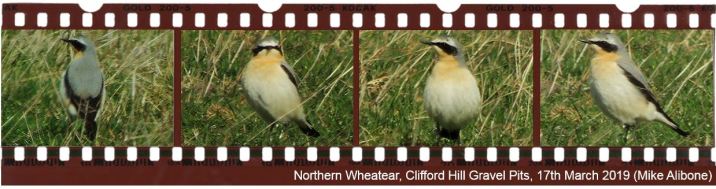
Remaining site-faithful, two Short-eared Owls were still at the regular location of Neville’s Lodge (Finedon) on 21st and one was still at Lilbourne Meadows on 20th, while the Great Grey Shrike remained in the Blueberry Farm area, becoming even more mobile and elusive towards the week’s end. The spring’s first Northern Wheatear was discovered on 17th at Clifford Hill GP, where it remained the following day, while the second appeared at Blueberry Farm on 20th, followed by a third at Borough Hill on 21st.

Northern Wheatear, Clifford Hill GP, 17th March 2019 (Mike Alibone)

After last week’s White Wagtails at Hollowell, further singles appeared at Clifford Hill GP on 17th and at nearby Hardingstone GP the next day and Crossbills were back on the menu at Wakerley Great Wood, where seven or eight were present on 18th, including one noticeably large-billed individual. Two Corn Buntings remained in the Blueberry Farm area all week, fuelling speculation that they might breed locally. Let’s hope so …

Rarity Round-up, 9th to 15th March 2019

A succession of low-pressure systems, scudding rapidly across the North Atlantic, brought intermittent gales and rain on predominantly north-westerly winds. A fallout from this was the year’s first Kittiwake – one of a series of inland records during the period.
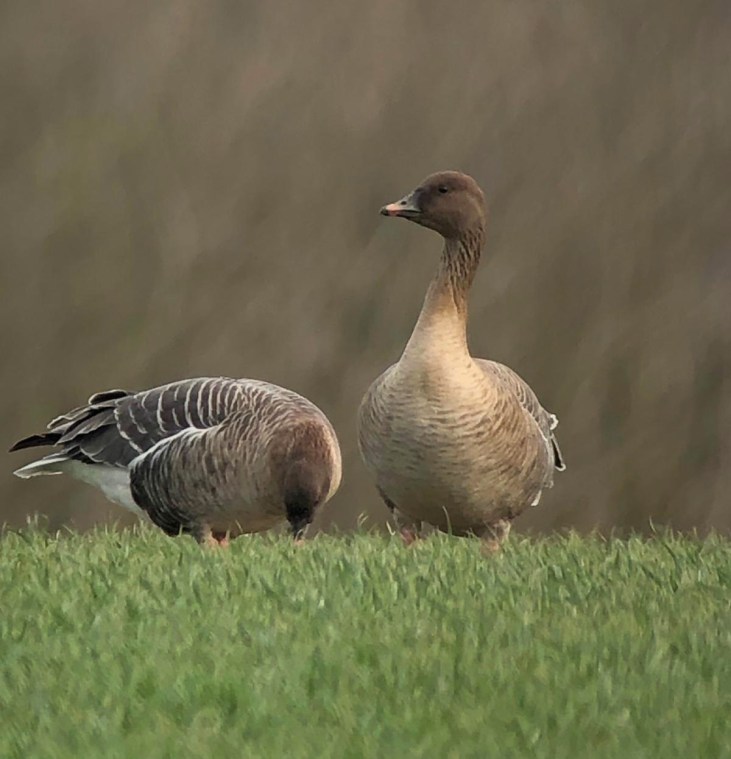
At Thrapston GP, the first-winter Whooper Swan was still present as the week came to a close and the three Pink-footed Geese were still on site on 11th, although only one could be found there on 15th. At Stanford Res, the two Pink-feet remained until at least 14th, while a Barnacle Goose, along with a drake Red-crested Pochard, at Clifford Hill GP on 9th, unsurprisingly elicited little interest.

Pink-footed Geese, Stanford Res, 15th March 2019 (Chris Hubbard)

Pitsford’s two juvenile Great Northern Divers were hunkered down well north of the dam all week and Great Egret numbers rallied a little against last week’s low, with maxima of four at Summer Leys, three at both Stanford Res and Thrapston GP and singles at Ditchford GP, Foxholes Fisheries (Crick) and Stanwick GP. An unconfirmed report of a Bittern from Summer Leys’ Pioneer Hide on 14th remained just that, with no sightings the following day.

In the raptor zone, a male Merlin was again in the Blueberry Farm area on 10th-11th and the Hollowell Res Jack Snipe was the only wader of note this week.

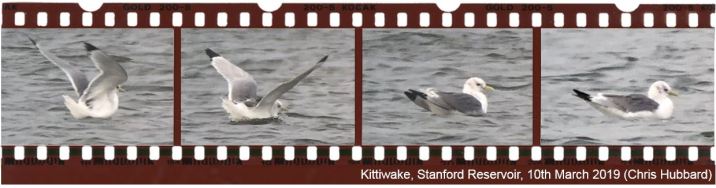
Kittiwake, Stanford Reservoir, 10th March 2019 (Chris Hubbard)

From a gulling perspective, it’s hard to see Stanford Res as anything more than playing second fiddle to Draycote, just over the border in Warwickshire but it came to the rescue to provide the best selection of this week’s larids in the form of an adult Kittiwake, for just a few minutes on the morning of 10th and the second-winter Iceland Gull from nearby Shawell Landfill (Leicestershire) again on 14th. A second-winter Yellow-legged Gull visited Pitsford on 12th but that was about it …

Just one Short-eared Owl showed during the period at the regular location of Neville’s Lodge (Finedon) on 11th and after a couple of weeks of radio silence, the Great Grey Shrike was reported again in the Blueberry Farm area on 11th and 15th. The only passerine migrants discovered during this week’s turbulent weather were two early White Wagtails at Hollowell on 9th. Hopefully, next week’s forecast of calmer conditions will open up the gates for more summer visitors with Garganey, Osprey and Northern Wheatear as odds-on favourites for arrivals over the forthcoming seven days.

Rarity Round-up, 2nd to 8th March 2019

Winds this week remained south-westerly to westerly and frequently blustery, with sporadic showers, although temperatures were still above average for the time of year. Highlights included an Iceland Gull in the north-west of the county and more Crossbills in the north-east and close to the county town while, apart from a certain roving Ring-necked Duck, the reservoirs and the Nene Valley remained cool, calm and collected …

The week opened with two Whooper Swans flying east over Duston, Northampton on the morning of 2nd, while the first winter remained in situ on Thrapston GP’s Town Lake until 4th. At least two Pink-footed Geese remained at the latter site until the week’s end and the two Pinkfeet showed up again at Stanford Res on 8th, after going AWOL for the previous six days. The only Red-crested Pochard of the week was a drake at Hardingstone GP on 5th and the drake Ring-necked Duck relocated at Stanwick GP on 28th remained until 2nd, before vanishing for the rest of the period.

Juvenile Great Northern Diver, Pitsford Res, 5th March 2019 (Beth Clyne)

Pitsford’s two juvenile Great Northern Divers were still ensconced, north of the dam, on 7th but there was a marked decline in reports of Great Egrets, with four at Thrapston on 2nd dwindling to one by the week’s end, three at Summer Leys throughout and three at Stanford Res on 5th, dropping to one on 7th.

Single Jack Snipes were at both Hollowell Res and Stanford Res on 2nd and at Boddington Res the following day.

Second-winter Iceland Gull, Stanford Res, 6th March 2019 (Chris Hubbard)

March is a prime month for passage Mediterranean Gulls – check your local roosts for one of these fine, black-hooded beauties. Two or three adults were seen this week, including singles at Daventry CP on 4th and 7th and at Stanford Res on the latter date, this last locality also producing a second-winter Iceland Gull in the roost on 6th. A third-winter Yellow-legged Gull visited Pitsford on 2nd and the adult was still at Hollowell Res, along with the first-winter Caspian Gull still, on 5th and an adult Caspian again visited Boddington Res on 3rd.

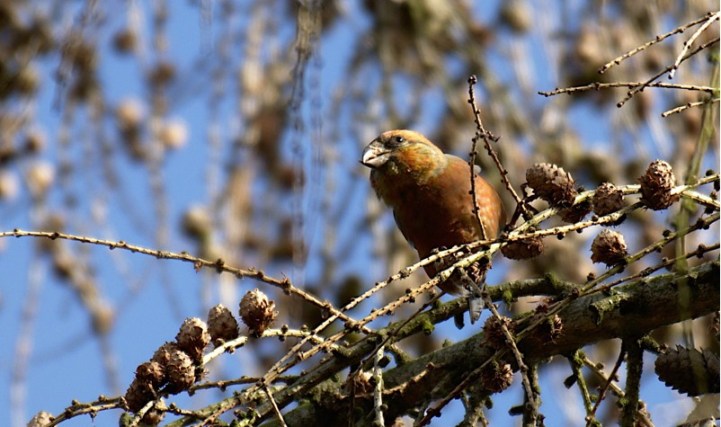
Male Crossbill, Wakerley Great Wood, 4th March 2019 (Ken Prouse)
Female Crossbill, Fineshade Wood, 5th March 2019 (Tony Vials)
Male Crossbill, Fineshade Wood, 5th March 2019 (Tony Vials)

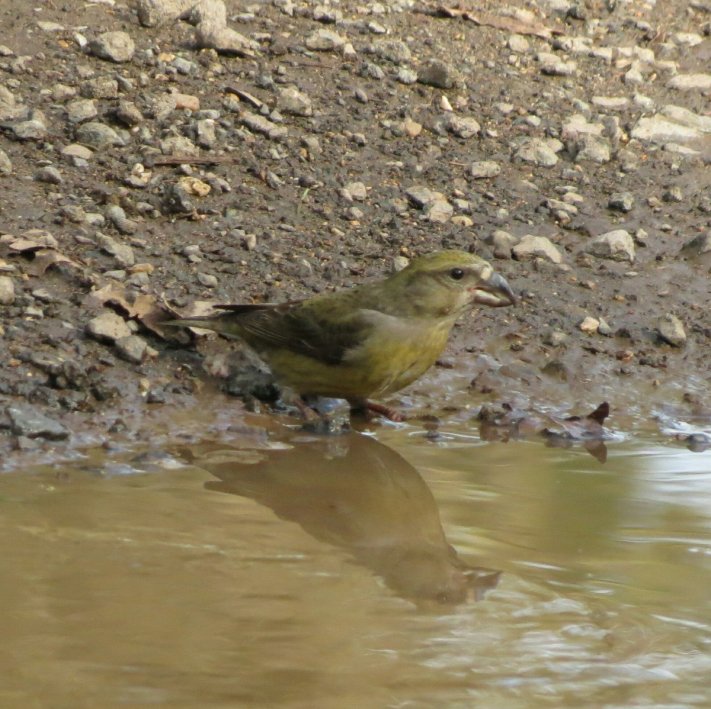
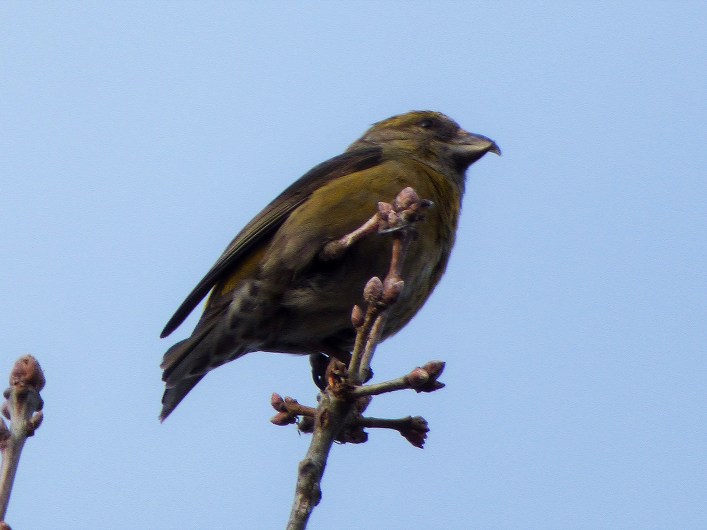
With Irchester CP appearing to have fallen out of favour with Crossbills this week, Wakerley Great Wood took on the mantle, hosting up to a dozen birds in the vicinity of the car park between 2nd and 4th. On the opposite side of the A43, at nearby Fineshade Wood, two were present on 5th, a single female was found in the pines in Hollowell’s Guilsborough Bay, on 2nd and up to eleven were at Harlestone Heath on 8th.

Rarity Round-up, 23rd February to 1st March 2019

The surge from the south continued to deliver a heady taste of spring, with local temperatures peaking at 17°C on 25th and 26th. However, it all went pear-shaped for the last two days of the period, when an area of low pressure brought showers and a corresponding fall in temperature, which remained above average for the time of year. The first true summer visitors, Sand Martins, arrived on cue on 28th – the same date a drake Ring-necked Duck was discovered at Stanwick. A Cattle Egret also remained at large in the Nene Valley.

At Thrapston GP, the first-winter Whooper Swan and the three Pink-footed Geese remained until the week’s end and the two Pinkfeet were still present around Stanford Res until at least 25th, while the adult White-fronted Goose visited Thrapston GP again the following day. The three Red-crested Pochards remained on Mary’s Lake, at Earls Barton GP, until 24th and a drake was found at Ditchford GP’s Irthlingborough Lakes & Meadows LNR on the same date. On the other side of the A6, at Stanwick GP, the roving drake Ring-necked Duck appeared on the main lake on 28th and was still present the following day.

Drake Ring-necked Duck, Stanwick GP, 1st March 2019 (Bob Bullock)

Over to Pitsford Res, where the two juvenile Great Northern Divers were still in situ, north of the dam, on 28th but no Great Egrets were reported from there this week. Topping the bill for numbers of this species was Summer Leys, with five on 25th, while Thrapston managed three, Stanford two and singles were seen at Cransley Res, Earls Barton GP, Ditchford GP/Irthlingborough Lakes & Meadows, Hollowell Res and Ravensthorpe Res. On the last day of the period, a Cattle Egret, paid a brief visit to Stanwick before disappearing – albeit likely on a temporary basis.

Great Egret, Stanford Res, 26th February 2019 (Matt Jackson)

In the absence of any other raptors, Hen Harrier narrowly makes it into this week’s report with the juvenile female again seen at Stanford on 1st March. Waders were also represented by just singles of Jack Snipe at Hollowell Res on 23rd and Black-tailed Godwit at Clifford Hill GP on 27th.

Mediterranean Gull, Summer Leys LNR, 26th February 2019 (Ken Prouse)

Gulls, too, were thin on the ground, with only a fine, summer-plumaged adult Mediterranean Gull on the scrape at Summer Leys, briefly on 26th, the adult Yellow-legged Gull and a first-winter Caspian Gull again at Hollowell Res on 23rd, and an adult Caspian Gull in the roost at Boddington Res on 26th.

Short-eared Owl, Lilbourne Meadows LNR, 26th February 2019 (Mike Alibone)

Up to two Short-eared Owls continued to be seen at Neville’s Lodge throughout the week and another was found at Lilbourne Meadows LNR on 25th-26th. At Irchester CP, last week’s eight Crossbills had fallen to two on 23rd and one on 1st but at least four were in Yardley Chase on 28th and three at Wakerley Great Wood the following day, on 1st.

Male Crossbill, Irchester CP, 23rd February 2019 (Debra Hall)

Rounding off the passerines, a Corn Bunting was found with a winter flock of Yellowhammers, south of Culworth, on 24th. Both sadly and bizarrely, this species is now rarer in Northamptonshire than Great Egret …

Rarity Round-up, 16th to 22nd February 2019

The spring-like weather continued, remaining dry, with southerly winds again bringing warm air up from well beyond south-west Europe and local temperatures hitting a balmy 15°C on 21st and 22nd. Notable birds during the period were a likely Glossy Ibis and a new Cattle Egret, while nearly all of last week’s scarce winter visitors remained in place.

At Thrapston GP, the first-winter Whooper Swan and the three Pink-footed Geese were still present throughout and the two Pinkfeet, mobile around Stanford Res and nearby Stanford Hall, remained all week. Surprisingly, there were no Red-crested Pochards reported from Pitsford Res and the only ones on show were three on Mary’s Lake, at Earls Barton GP, until at least 21st while, across the lane at Summer Leys, the itinerant drake Ring-necked Duck was seen again for one day only, on 16th. The other drake, at Pitsford, went unreported this week for the first time since its arrival in late November last year.

However, at least one juvenile Great Northern Diver remained at Pitsford throughout but Great Egrets were limited there to just two on 19th. Of the other regular sites for this species, Thrapston and Summer Leys scored joint highest with five on 20th and 22nd respectively, while singles were at Cransley Res, Ditchford GP/Irthlingborough Lakes & Meadows, Ravensthorpe Res and Stanford Res. Not entirely unexpected in these days of Bubulcus aplenty was the second Cattle Egret of 2019, discovered ‘somewhere in the Nene Valley’ on 21st, the location being withheld to avoid disturbance in a sensitive area. Odds on there will be quite a few more discovered as we move deeper into 2019.

Cattle Egret, Northamptonshire Nene Valley (location withheld), 21st February 2019 (Linda Summerfield)

Intriguing bird of the week award, however, goes to the ibis sp., which was seen from the window of a moving car, as it flew south between Moulton and Overstone on the morning of 16th. Although the observer exercised caution and refrained from going all out glossy, it appears unlikely to have been anything else – particularly with ‘new’ Glossy Ibises turning up this week in Cambridgeshire, Norfolk, Suffolk and Worcestershire.

Meanwhile, both of last week’s Hen Harriers continued to be seen – the Stanford Res individual until 18th and the one at Neville’s Lodge until 21st, while Stanford also featured a Merlin on 16th, as did Blueberry Farm on the same date.

Juvenile female Hen Harrier, Stanford Res, 18th February 2019 (Chris Hubbard)
Juvenile female Hen Harrier, Neville’s Lodge, Finedon, 21st February 2019 (Martin Swannell)
Juvenile female Hen Harrier, Neville’s Lodge, Finedon, 21st February 2019 (Ricky Sinfield)

Hollowell Res again produced the only notable wader of the week – this time a Jack Snipe on 16th. Two days later, on 18th, single adult Mediterranean Gulls appeared in the roosts at Boddington Res (and again there on 22nd) and Stanford Res and a first-winter Iceland Gull made a sortie over the dam at the latter site, before disappearing, on 16th. The only other scarce gulls – an adult Yellow-legged Gull and a second-winter Caspian Gull – were also seen on 16th, again at Hollowell Res.

Adult Mediterranean Gull, Boddington Res, 22nd February 2019 (Mike Alibone)

Just one Short-eared Owl was to be found around Neville’s Lodge, just prior to dusk, on 16 and 17th, while the Great Grey Shrike became more elusive but continued to be seen

Great Grey Shrike, Blueberry Farm area, 17th February 2019 (Martin Swannell)

throughout the period near to Blueberry Farm, where only one Corn Bunting was reported on 19th.

Female Crossbill, Irchester CP, 21st February 2019 (Alan Coles)

Again this week, up to eight Crossbills were present almost daily at Irchester CP until at least 21st.

Rarity Round-up, 9th to 15th February 2019

After the first two days, Storm Erik’s wind and rain ultimately gave way to southerly winds bringing warm air to the country from as far south as the Azores. The resultant ‘warm’ conditions were positively spring-like, with temperatures hitting a local daytime high of 14ºC. Some movement took place on the wader front, with Oystercatchers returning to three Nene Valley sites and an Avocet appearing at Hollowell Reservoir.
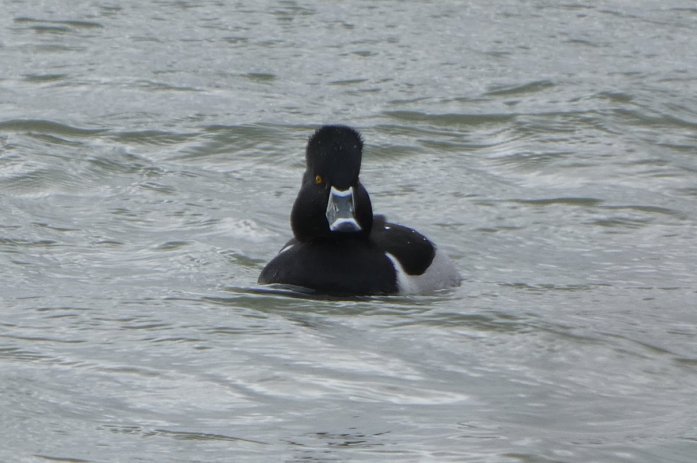
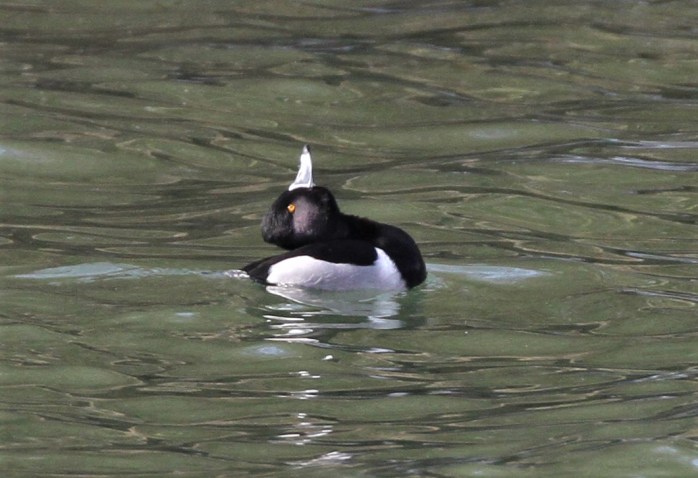
At Thrapston GP, the first-winter Whooper Swan remained on Town Lake but in terms of species, this week’s goose count was down a little with three Pink-footed Geese still ranging widely over the Thrapston GP complex, while two continued to visit Stanford Res on and off, commuting with Greylags from land adjacent to nearby Stanford Hall.

Numbers of Red-crested Pochards remained low, with a maximum of nine at Pitsford Res on 13th and again, they were not recorded elsewhere, while the drake Ring-necked Duck there continued to perform well in Pintail Bay, often allowing close approach. Once again, the other drake in the Nene Valley, after putting in a brief appearance on Earls Barton GP’s Mary’s Lake on 5th, resurfaced nearby on the main lake at Grendon on 12th. Yes, it’s still down there … somewhere in the valley.

Ring-necked Duck, Pitsford Res, 9th February 2019 (James Timms)
Ring-necked Duck, Pitsford Res, 12th February 2019 (Alan Coles)

Meanwhile, the two juvenile Great Northern Divers remained at Pitsford all week, occasionally showing well together, some distance south of the causeway. Great Egrets were a little down on last week and although Thrapston continued to hold four or five and Earls Barton GP/Summer Leys two or three, elsewhere the picture was different, with only singles at Cransley Res, Ditchford GP/Irthlingborough Lakes & Meadows, Pitsford Res and Stanford Res.

Juvenile Great Northern Divers, Pitsford Res, 10th February 2019 (Jon Cook)
Juvenile Great Northern Diver, Pitsford Res, 10th February 2019 (Jon Cook)

The juvenile Hen Harrier at Stanford Res remained for the duration and continued to show fairly frequently and the Neville’s Lodge ‘ringtail’ showed prior to dusk on 9th, 12th, 13th and 15th, also visiting Summer Leys on 10th, where photographs taken enabled it to be identified as a juvenile female. In contrast to last week, just one Merlin in the vicinity of Blueberry Farm on 13th was more this species’ usual form.

Juvenile female Hen Harrier, Summer Leys LNR, 10th February 2019 (Aamir Mughal)
Juvenile female Hen Harrier, Neville’s Lodge, Finedon, 13th February Martin Swannell)

So, wader of the week, then – in fact the only wader of the week – was the Avocet which visited Hollowell Res on 14th. Still quite scarce in Northants, hopefully this early migrant will be the first of more to come this spring. Scarce gulls were again few and far between, being represented by an adult Mediterranean Gull in the roost at Boddington Res on 14th, an adult Yellow-legged Gull at Daventry CP on 11th and 13th and an adult Caspian Gull at Pitsford Res on 9th plus a first-winter and a second-winter together at Hollowell Res on 15th.

Short-eared Owl, Neville’s Lodge, Finedon, 11th February (Ricky Sinfield)

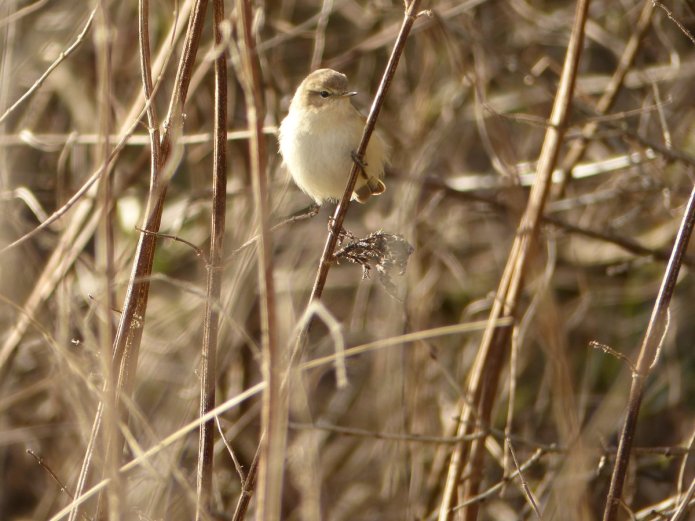
A Short-eared Owl was found at Harrington AF on 10th, while three were around Neville’s Lodge just prior to dusk on 11th and at least one was there the following evening. Close to the latter site, a Siberian Chiffchaff was at Stanwick GP on 10th, having been first glimpsed there about three weeks ago while, having entered its fourth week,

Siberian Chiffchaff, Stanwick GP, 10th February 2019 (Tom Green)

the Great Grey Shrike continued to be seen throughout the period near to Blueberry Farm, where the Corn Bunting count reached a heady four on 14th. There was a further unconfirmed report of a Great Grey Shrike at the feeder stream end of Hollowell Res on 15th.

Male Crossbill, Irchester CP, 13th February 2019 (Doug Goddard)
Female Crossbill, Irchester CP, 13th February 2019 (Doug Goddard)
Crossbills, Irchester CP, 13th February 2019 (Doug Goddard)

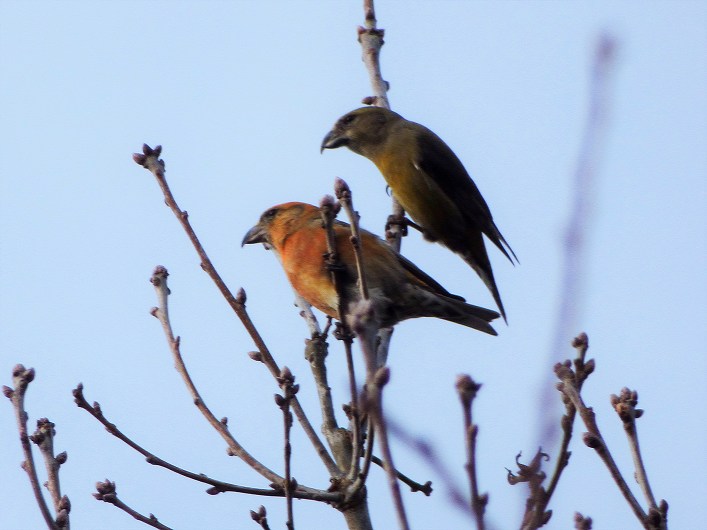
However, setting themselves up as a popular draw, up to eight Crossbills were present almost daily at Irchester CP from 9th. Although it has bred locally in the past, this species is an irregular visitor to the county, normally occurring as a result of late summer and autumn irruptions.