A mixed bag of weather ushered in five new summer visitors, while the week ended on a relatively cool note.
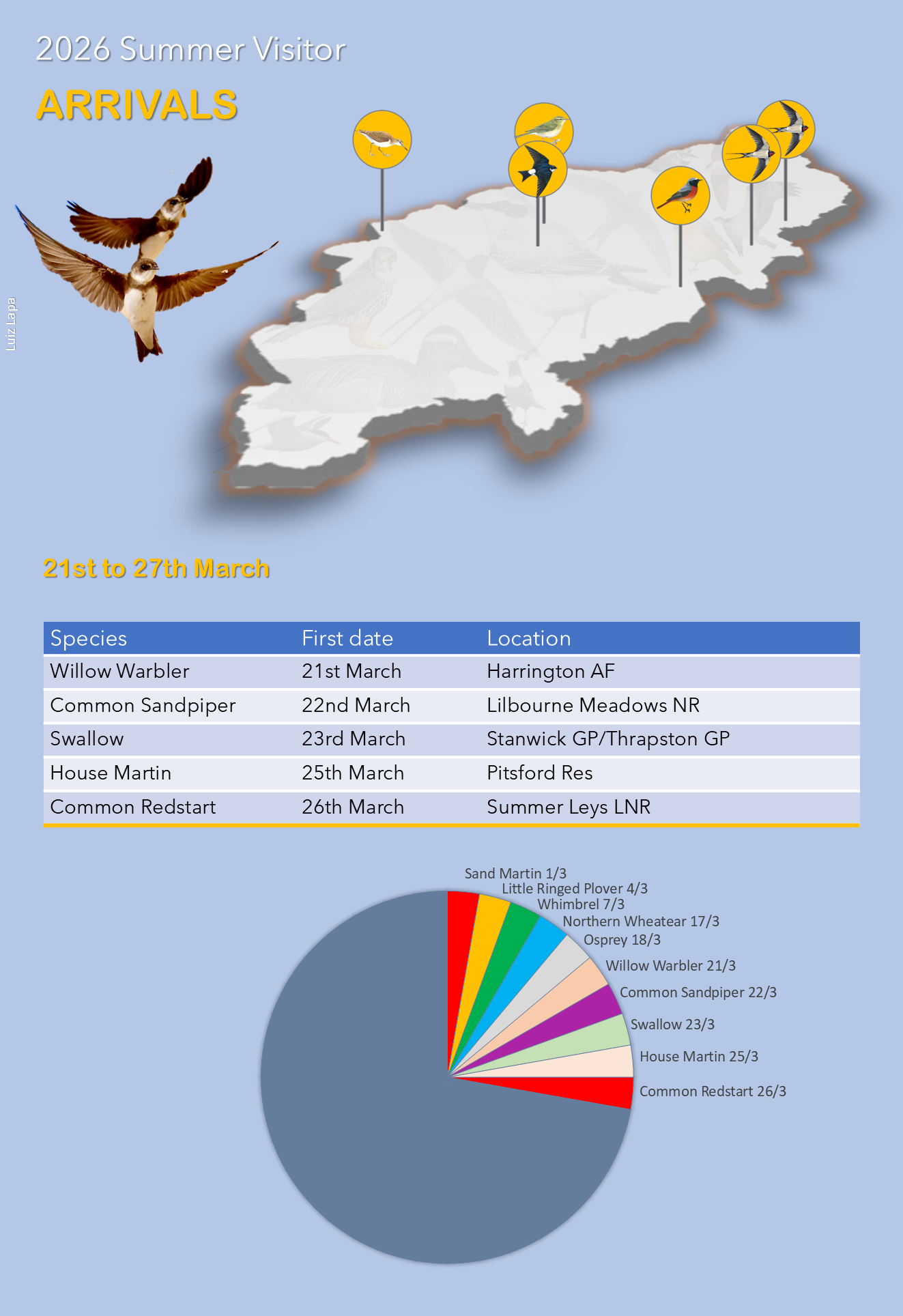
This year’s first Common Redstart is the earliest ever … by a clear four days.
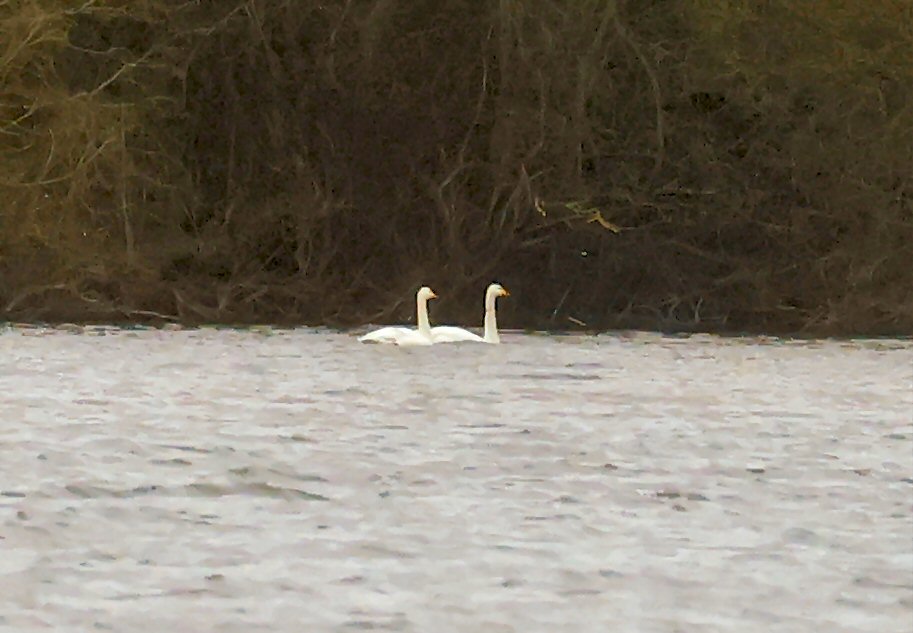
With wildfowl firmly on the move, two adult Whooper Swans at Thrapston GP on the last day of the period are the only ones since 2nd and 3rd Jan, when singles were present at Hollowell Res and Clifford Hill GP, respectively.
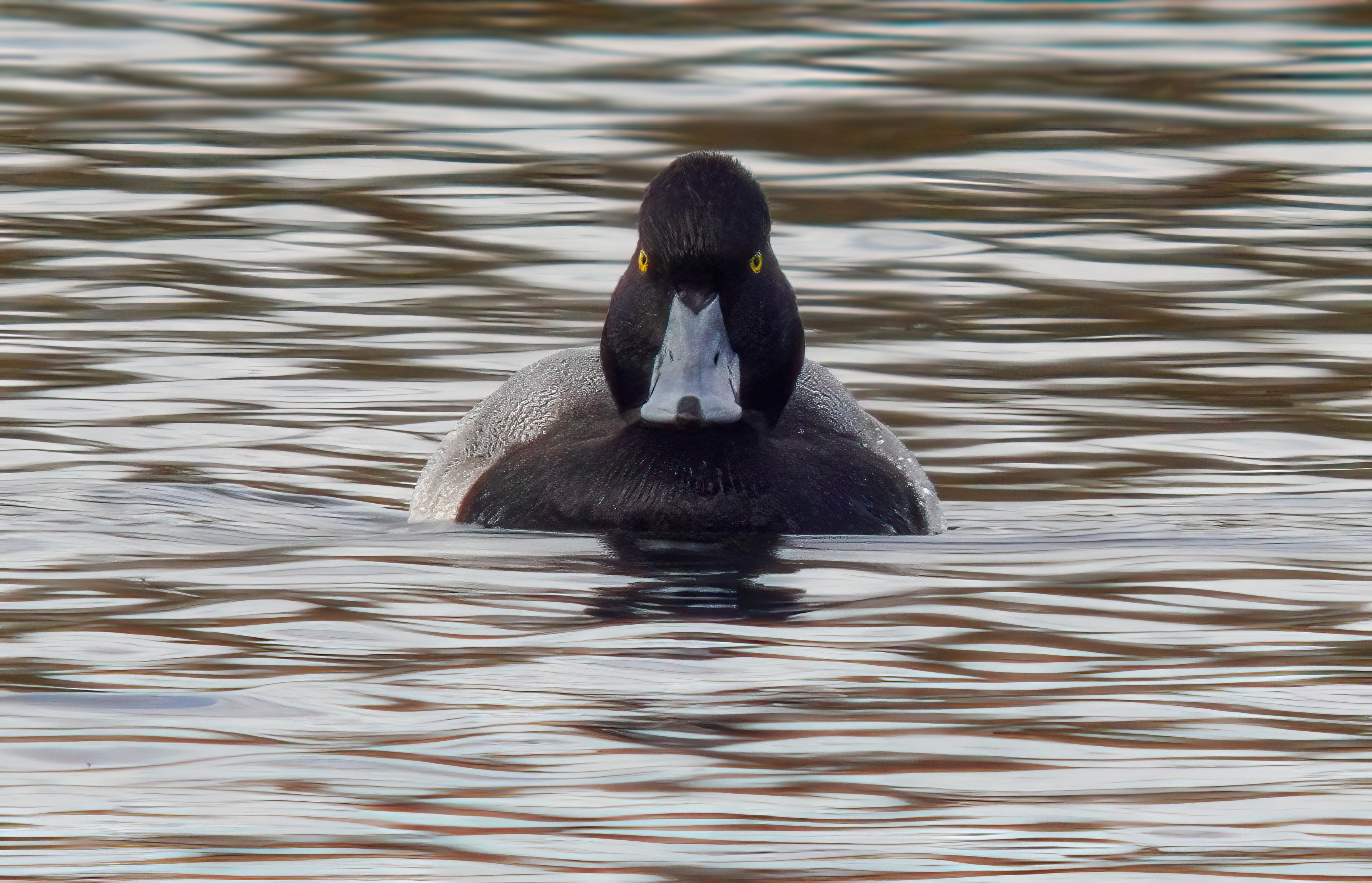
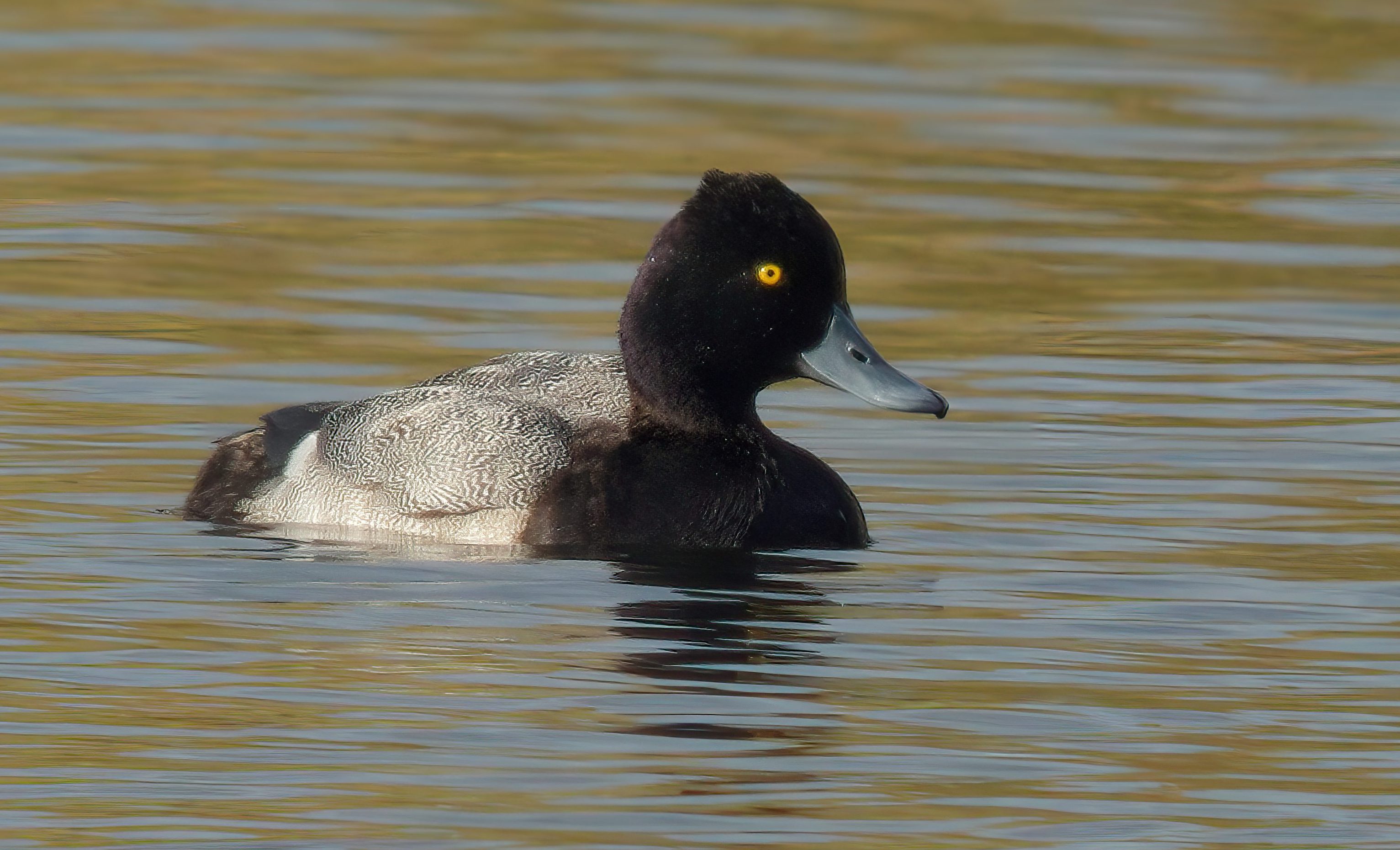
And after an apparent absence of eighteen days, the Nene Valley Ring-necked Duck was back again at Thrapston GP’s Titchmarsh NR on 23rd and 24th – its ability to disappear for long periods is uncanny and unmatched. More Common Scoters paid the county a visit this week, with a drake at Titchmarsh NR on 22nd and two at Clifford Hill the following day.
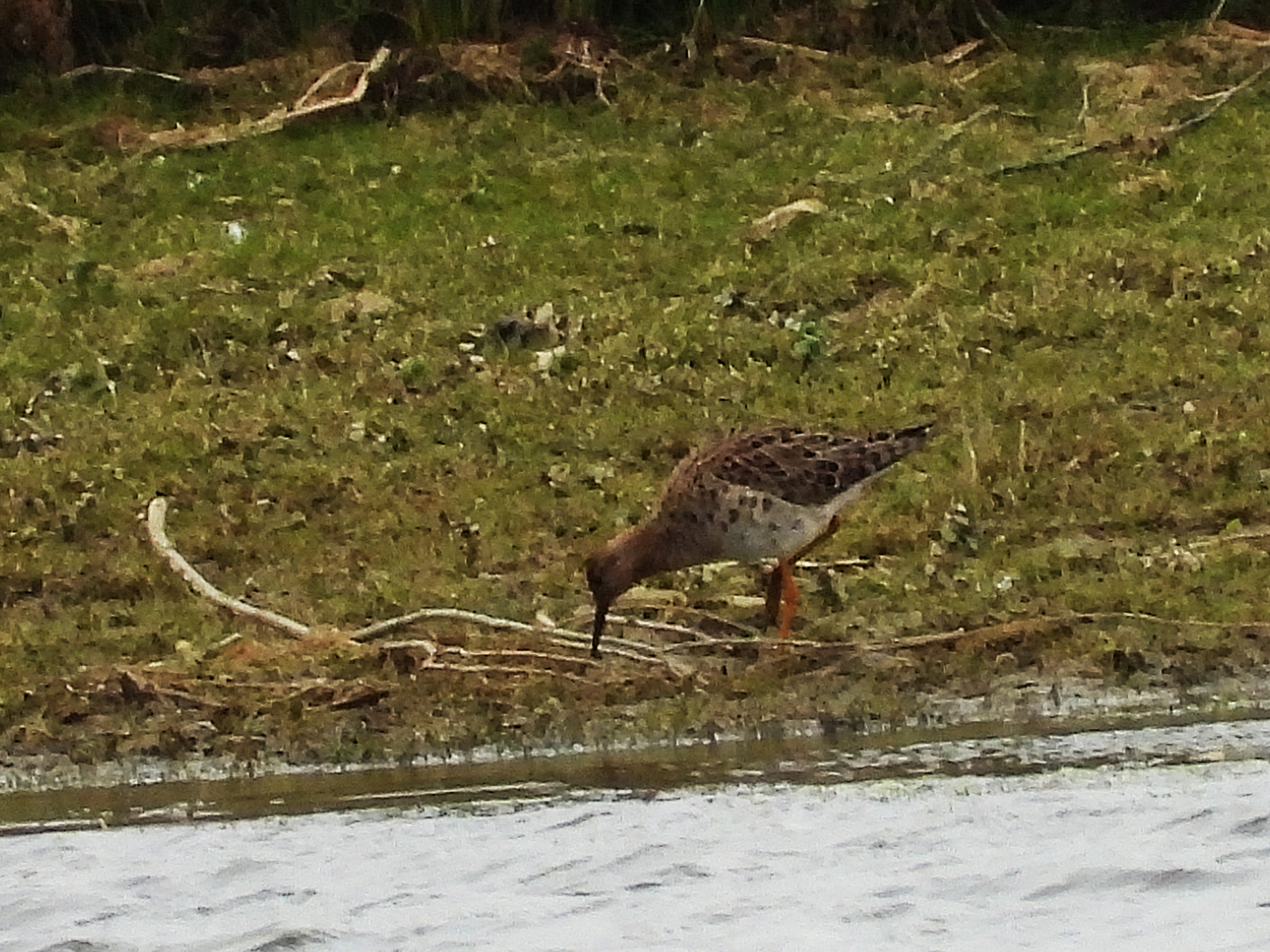
The period’s waders included three Black-tailed Godwits at Titchmarsh NR on 23rd and a run of Ruffs, comprising seven at Ditchford GP’s Irthlingborough Lakes & Meadows NR on 23rd-24th, dropping to one there on 26th, two at Earls Barton GP on 21st and singles at Summer Leys LNR on 21st and 27th.
Two Jack Snipes were at Upton CP on 22nd and two at Ditchford the following day.
Hot on the heels of last week’s Kittiwakes were three or four more – all adults – at Thrapston GP on 26th-27th and at both Clifford Hill and Ravensthorpe, also on 27th. Nice but trivial in comparison to flocks of seventeen and forty-five over two sites in adjacent Buckinghamshire on 26th … A Mediterranean Gull visited Hardingstone GP on 23rd, the week’s only Caspian Gull was at Hollowell Res on 27th, while a single adult Yellow-legged Gull remained at Pitsford Res on 23rd and 25th.
The Red-throated Diver at Hollowell extended its stay there by yet another week.
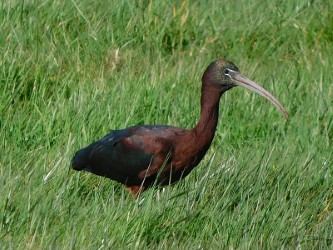
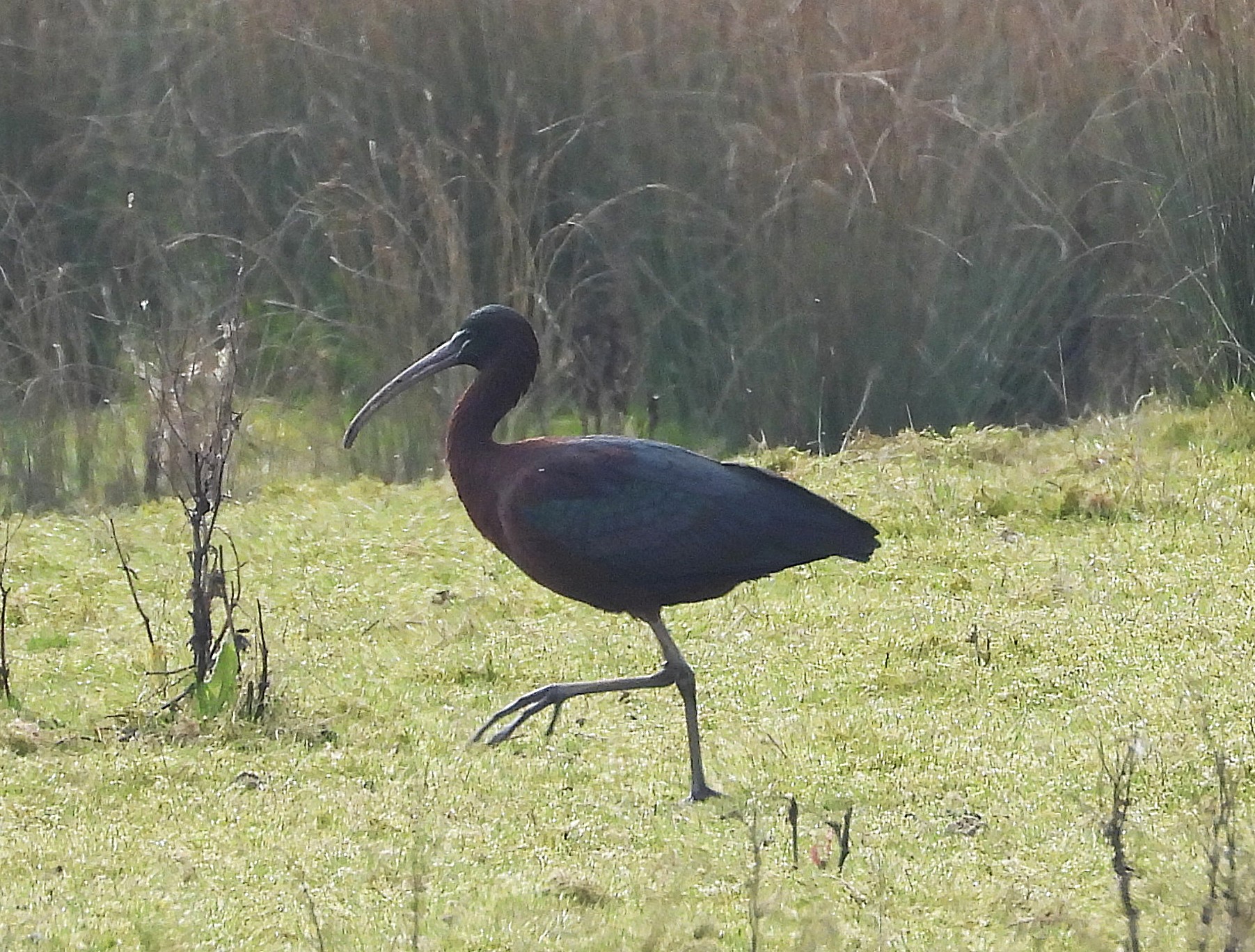
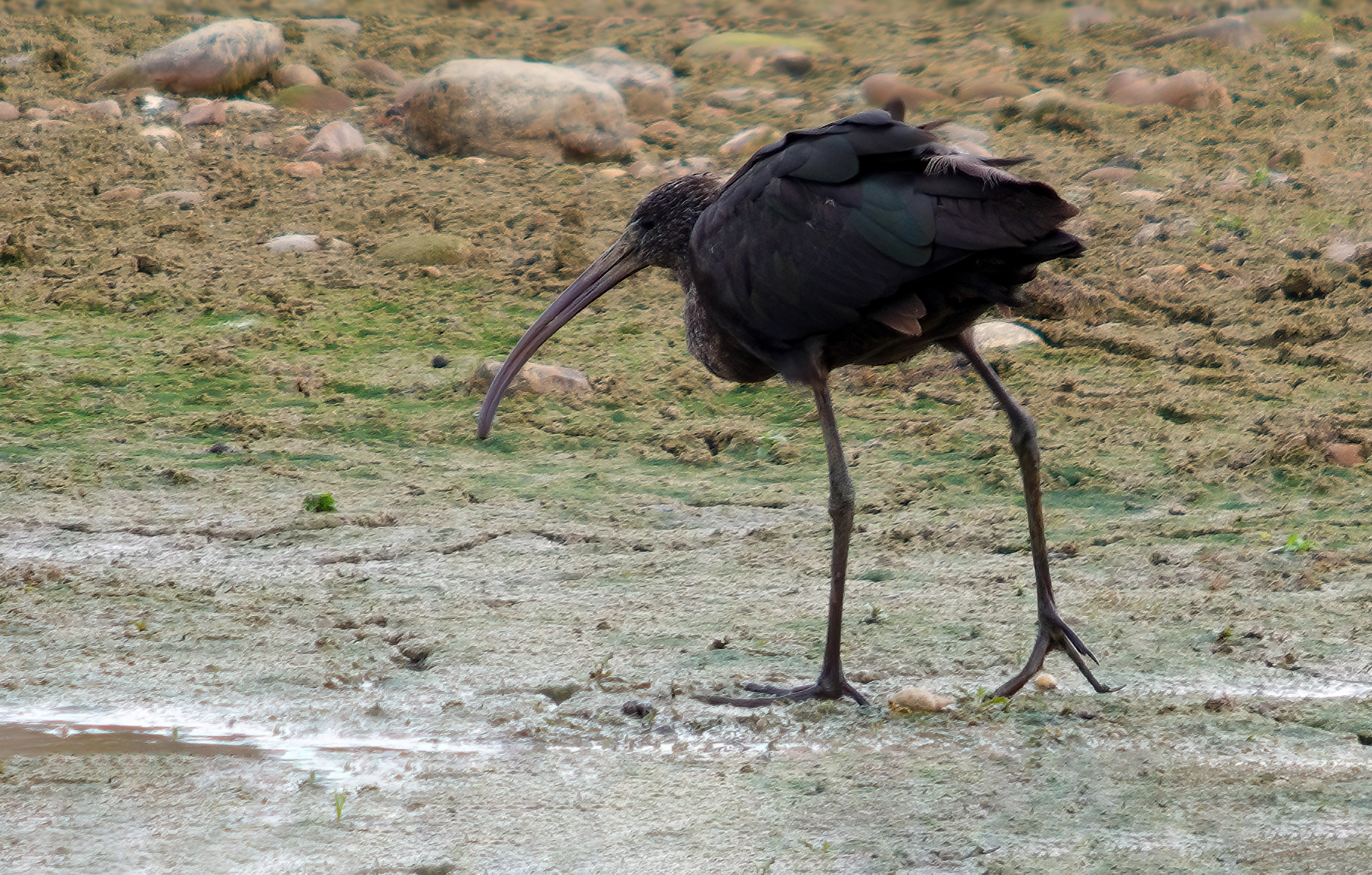
Although seen almost daily up to 26th, there were no further reports of the Glossy Ibis at Summer Leys thereafter.
The period’s Cattle Egrets were limited to three together on farmland immediately north-east of Ringstead GP’s Kinewell Lake, on 27th.
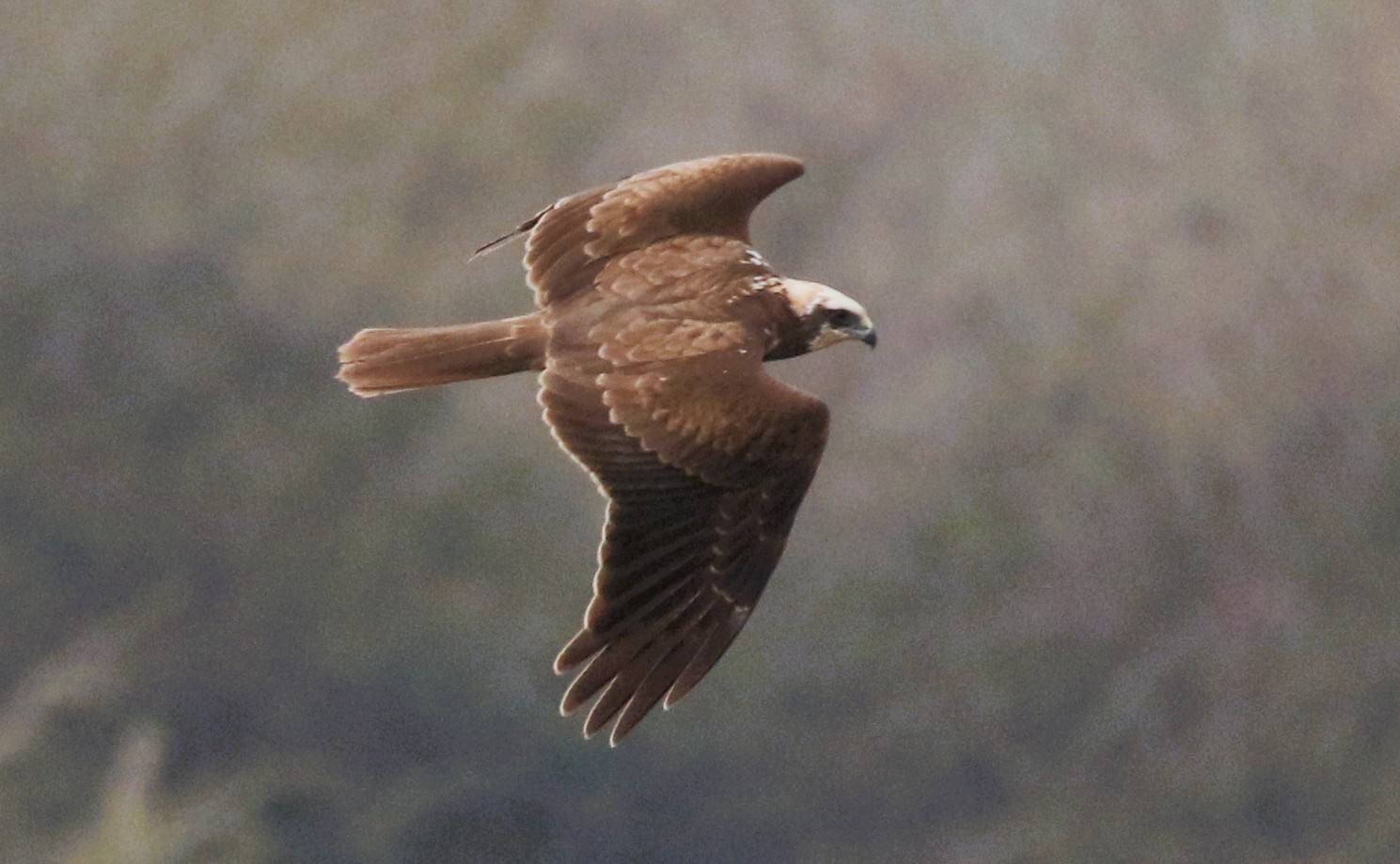
Following the first Ospreys last week, two more flyovers passed Pitsford on 25th and Boddington Res, two days later, on 27th. Marsh Harriers fanned out a bit, single birds being seen at Earls Barton on 21st, Titchmarsh on 23rd-24th, over Irthlingborough and at Ditchford GP on 23rd, at Summer Leys on 23rd and 27th, at Stanwick GP on 24th and Clifford Hill on 26th.
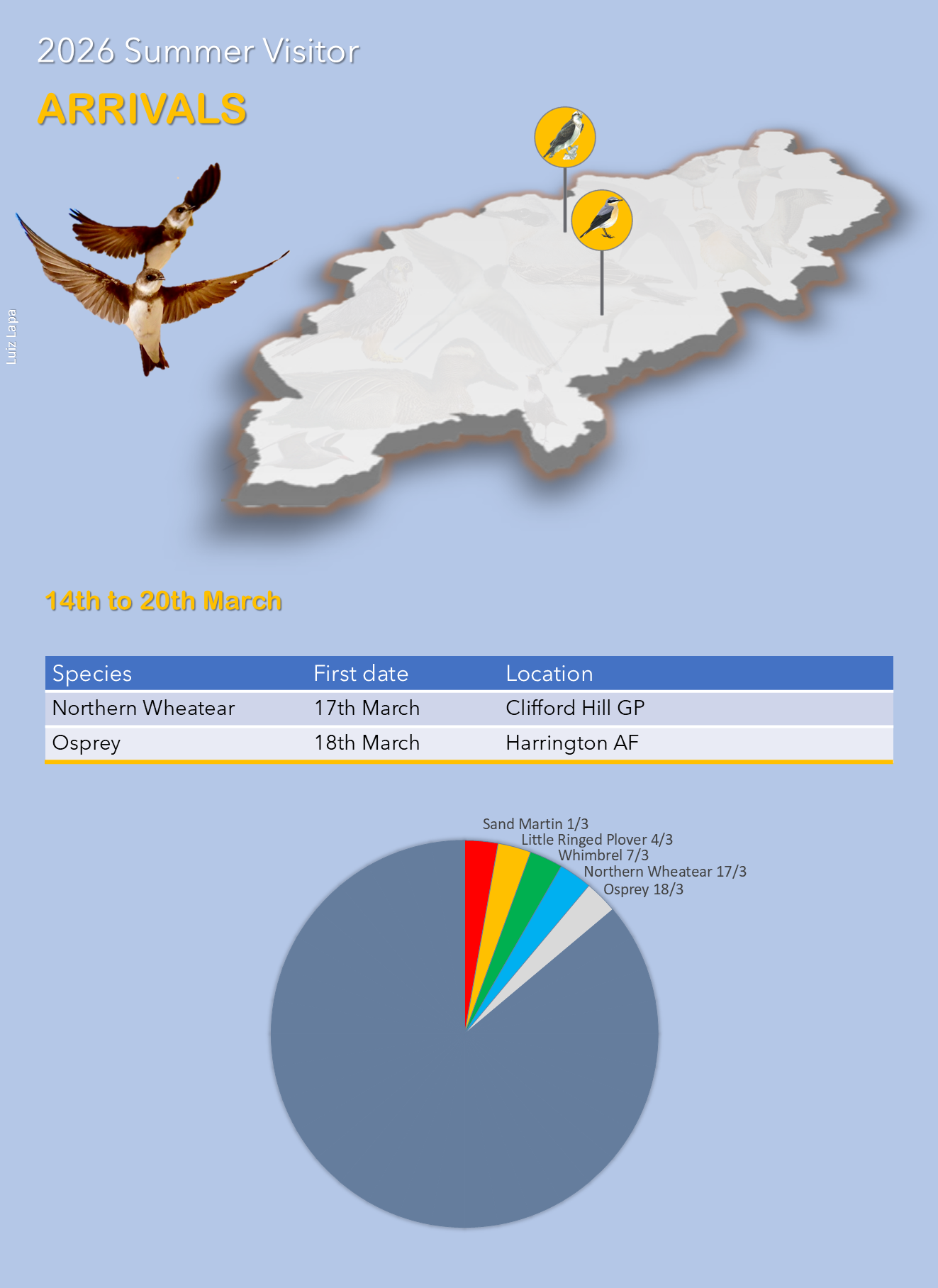
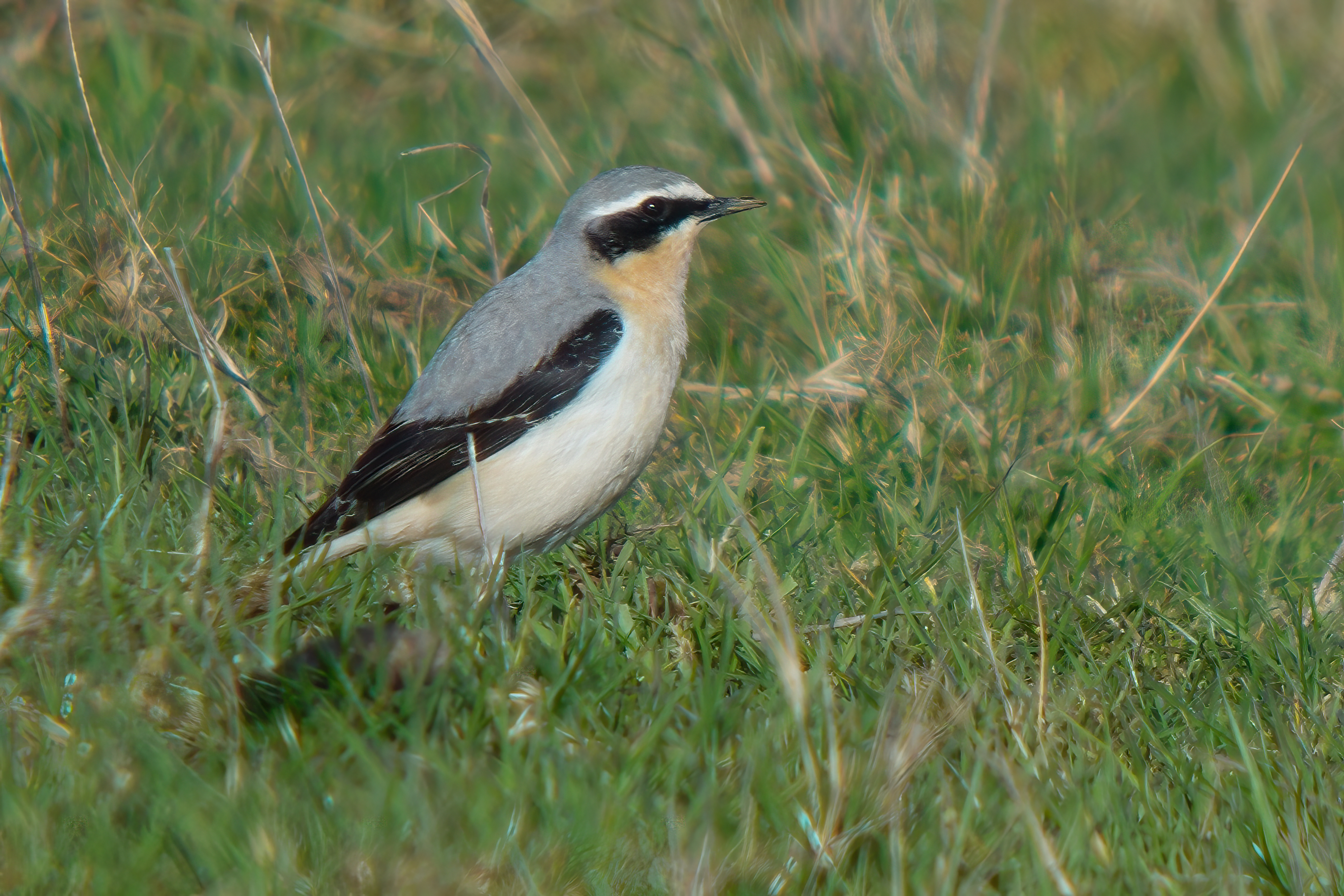
And aside from the aforementioned incoming passerines, a Black Redstart stuck rigidly to the species’ rules of late and turned up … yep … in a private garden, this time in Kettering. More Northern Wheatears were likely on the cards and they duly arrived – two at Clopton on 25th and singles near Everdon and at Harrington AF on 26th and at Clifford Hill on 27th.
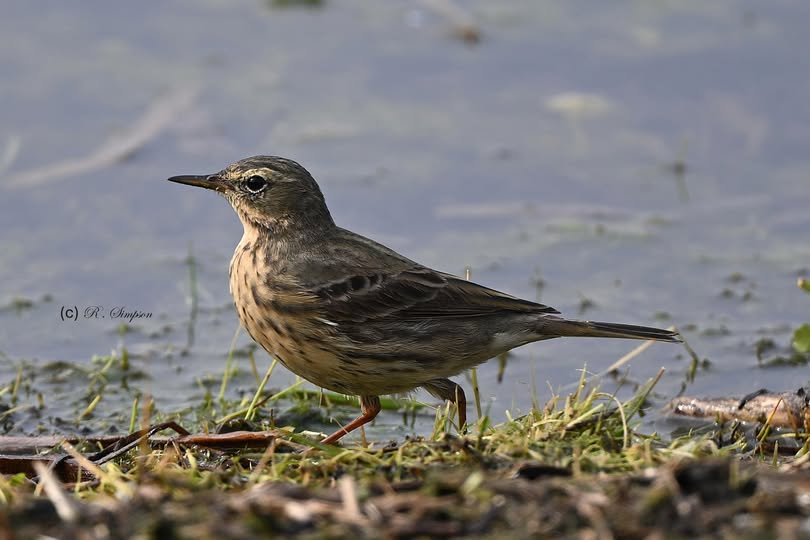
On 23rd, a Scandinavian Rock Pipit paid a brief visit to Summer Leys, much to the delight of local photographers being in the right place at the right time. A smart bird and the first this year of a species which has become increasingly difficult to connect with in the county in recent years.
Which just leaves Crossbills, singles of which were seen at Pitsford 22nd and Hollowell on 24th.



 Northants birds