 The spring-like weather continued, remaining dry, with southerly winds again bringing warm air up from well beyond south-west Europe and local temperatures hitting a balmy 15°C on 21st and 22nd. Notable birds during the period were a likely Glossy Ibis and a new Cattle Egret, while nearly all of last week’s scarce winter visitors remained in place.
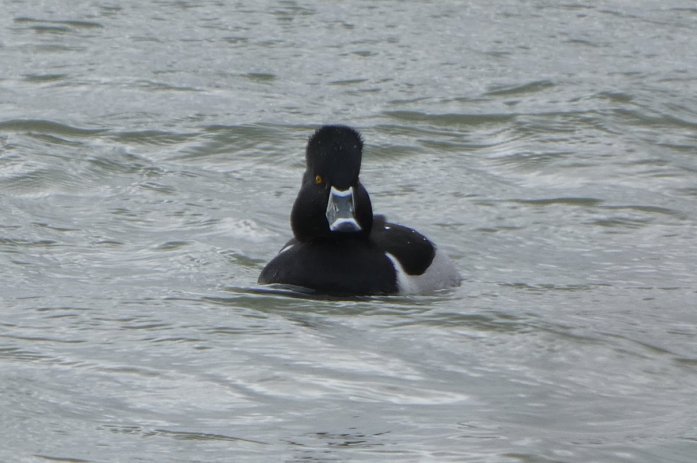
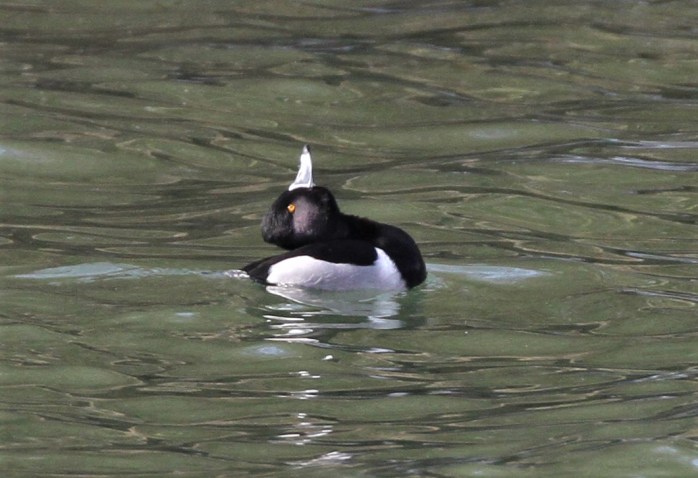
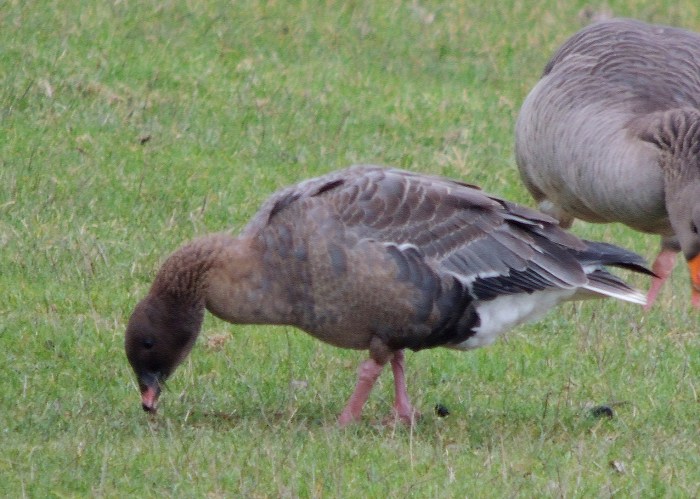
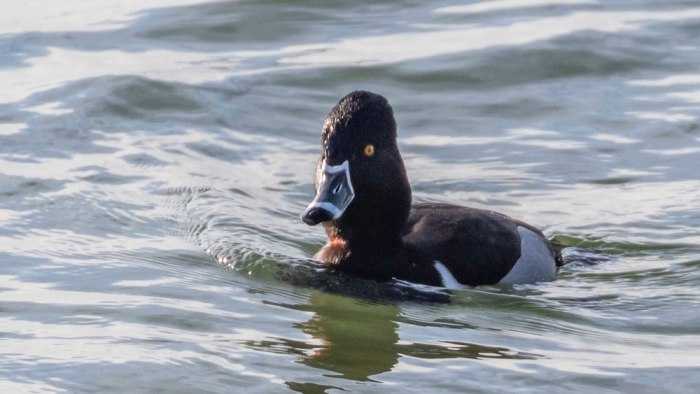
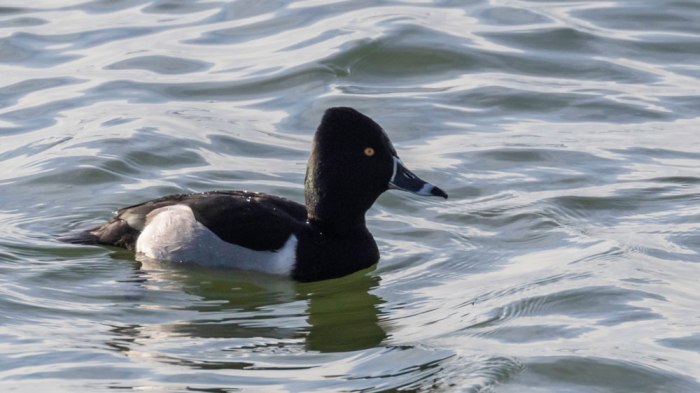
At Thrapston GP, the first-winter Whooper Swan and the three Pink-footed Geese were still present throughout and the two Pinkfeet, mobile around Stanford Res and nearby Stanford Hall, remained all week. Surprisingly, there were no Red-crested Pochards reported from Pitsford Res and the only ones on show were three on Mary’s Lake, at Earls Barton GP, until at least 21st while, across the lane at Summer Leys, the itinerant drake Ring-necked Duck was seen again for one day only, on 16th. The other drake, at Pitsford, went unreported this week for the first time since its arrival in late November last year.
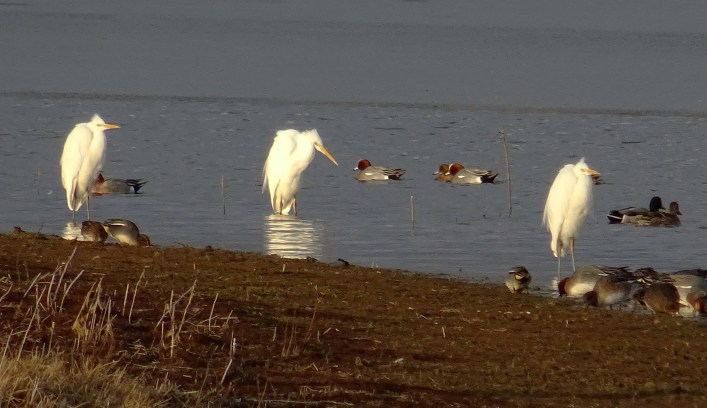
However, at least one juvenile Great Northern Diver remained at Pitsford throughout but Great Egrets were limited there to just two on 19th. Of the other regular sites for this species, Thrapston and Summer Leys scored joint highest with five on 20th and 22nd respectively, while singles were at Cransley Res, Ditchford GP/Irthlingborough Lakes & Meadows, Ravensthorpe Res and Stanford Res. Not entirely unexpected in these days of Bubulcus aplenty was the second Cattle Egret of 2019, discovered ‘somewhere in the Nene Valley’ on 21st, the location being withheld to avoid disturbance in a sensitive area. Odds on there will be quite a few more discovered as we move deeper into 2019.


Intriguing bird of the week award, however, goes to the ibis sp., which was seen from the window of a moving car, as it flew south between Moulton and Overstone on the morning of 16th. Although the observer exercised caution and refrained from going all out glossy, it appears unlikely to have been anything else – particularly with ‘new’ Glossy Ibises turning up this week in Cambridgeshire, Norfolk, Suffolk and Worcestershire.
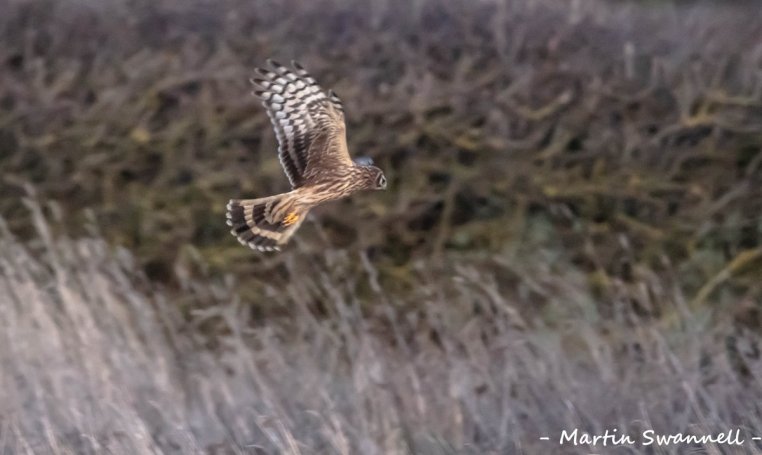
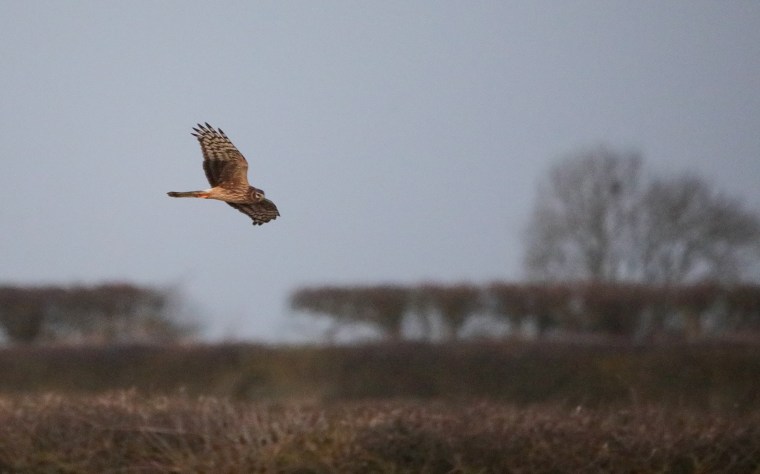
Meanwhile, both of last week’s Hen Harriers continued to be seen – the Stanford Res individual until 18th and the one at Neville’s Lodge until 21st, while Stanford also featured a Merlin on 16th, as did Blueberry Farm on the same date.

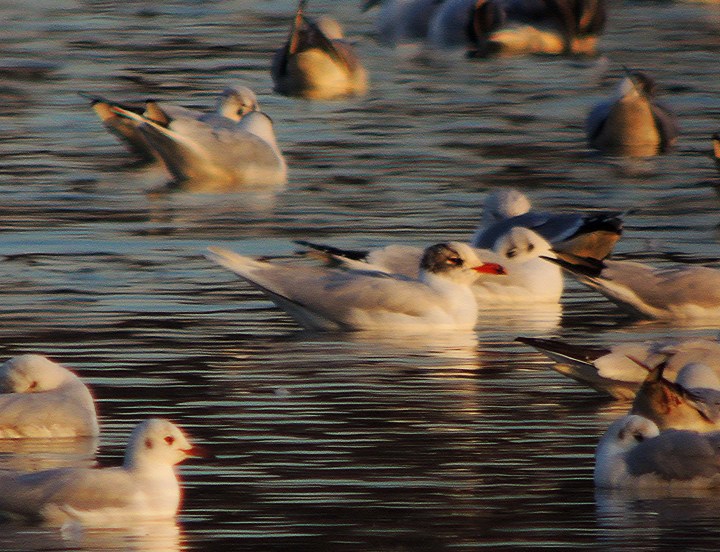
Hollowell Res again produced the only notable wader of the week – this time a Jack Snipe on 16th. Two days later, on 18th, single adult Mediterranean Gulls appeared in the roosts at Boddington Res (and again there on 22nd) and Stanford Res and a first-winter Iceland Gull made a sortie over the dam at the latter site, before disappearing, on 16th. The only other scarce gulls – an adult Yellow-legged Gull and a second-winter Caspian Gull – were also seen on 16th, again at Hollowell Res.
Just one Short-eared Owl was to be found around Neville’s Lodge, just prior to dusk, on 16 and 17th, while the Great Grey Shrike became more elusive but continued to be seen
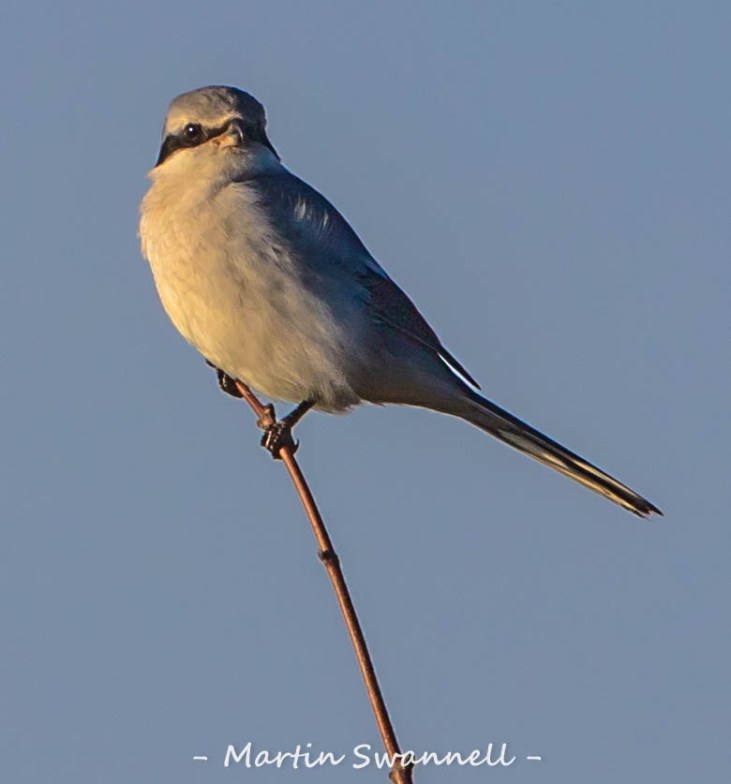

throughout the period near to Blueberry Farm, where only one Corn Bunting was reported on 19th.
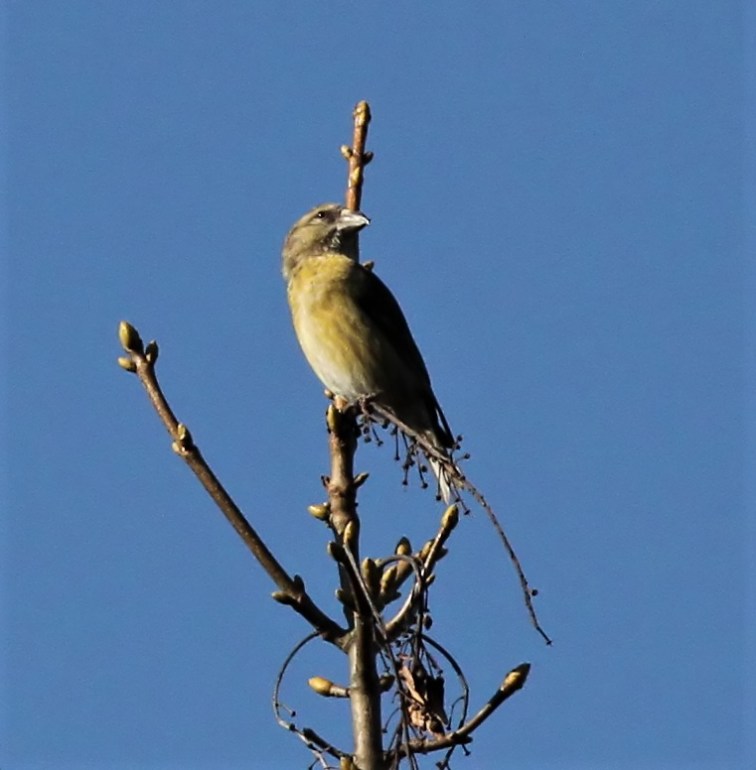
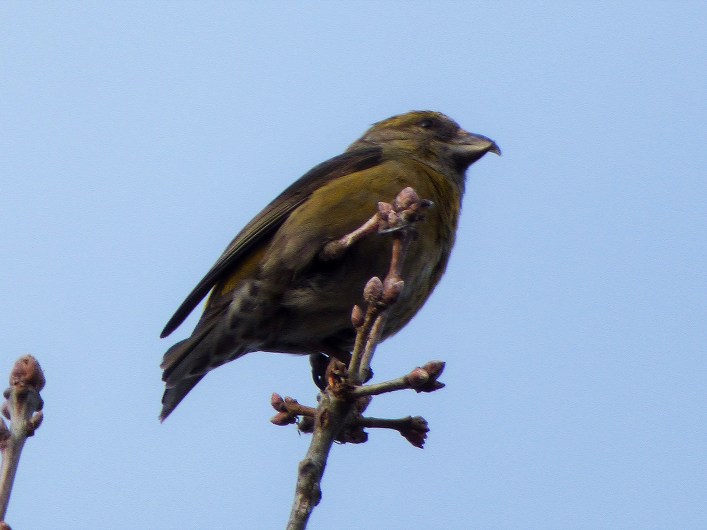
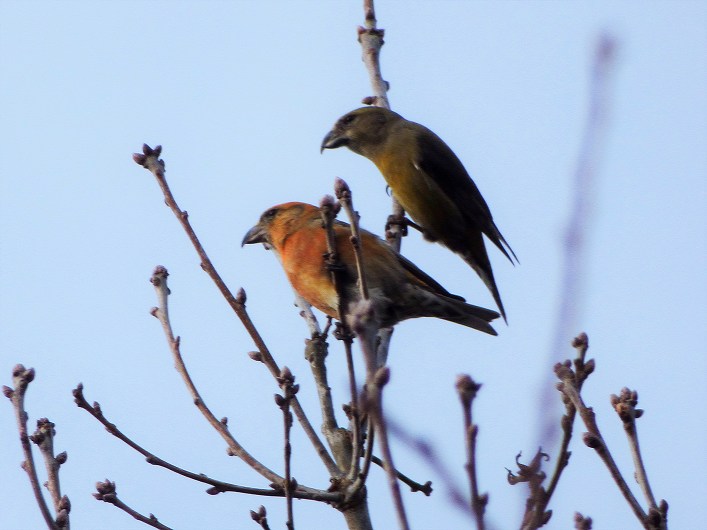
Again this week, up to eight Crossbills were present almost daily at Irchester CP until at least 21st.
 After the first two days, Storm Erik’s wind and rain ultimately gave way to southerly winds bringing warm air to the country from as far south as the Azores. The resultant ‘warm’ conditions were positively spring-like, with temperatures hitting a local daytime high of 14ºC. Some movement took place on the wader front, with Oystercatchers returning to three Nene Valley sites and an Avocet appearing at Hollowell Reservoir.
 Meanwhile, the two juvenile Great Northern Divers remained at Pitsford all week, occasionally showing well together, some distance south of the causeway. Great Egrets were a little down on last week and although Thrapston continued to hold four or five and Earls Barton GP/Summer Leys two or three, elsewhere the picture was different, with only singles at Cransley Res, Ditchford GP/Irthlingborough Lakes & Meadows, Pitsford Res and Stanford Res.




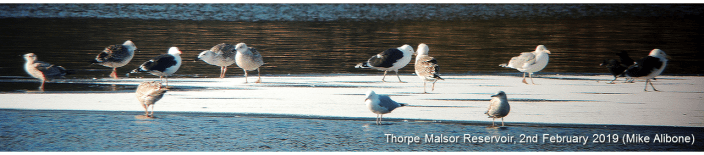 Frozen conditions continued for the first two days of the period, with continuing cold northerlies and temperatures bottoming out at -5ºC early on 3rd. After this it was all change, the winds swung round to the westerly quarter and daytime temperatures rose to 9ºC, rapidly melting ice and remnant snow. By the week’s end, Storm Erik’s gale-force winds and rain put the dampeners on things across the Midlands but none of this, it seems, made any significant difference to the birds on offer.
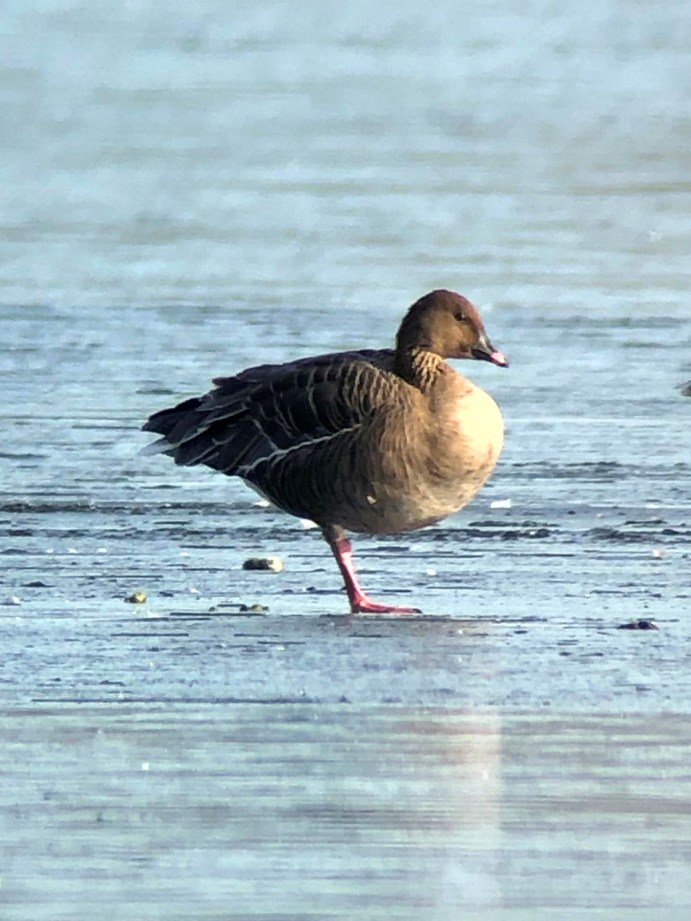



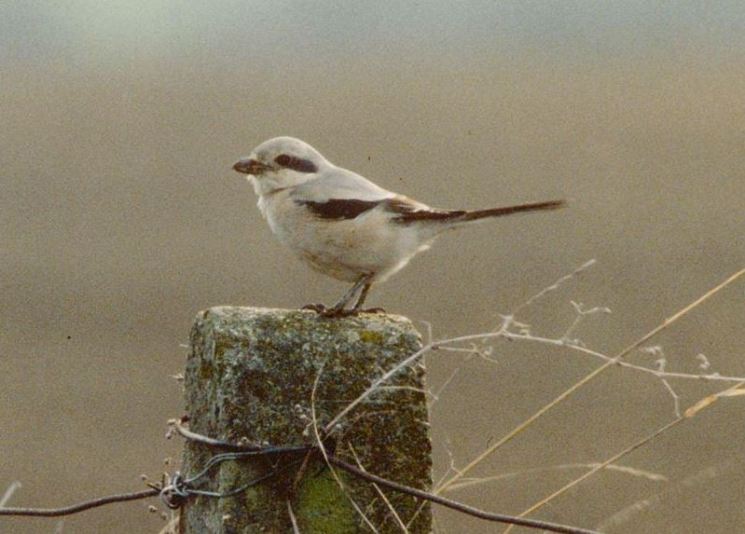
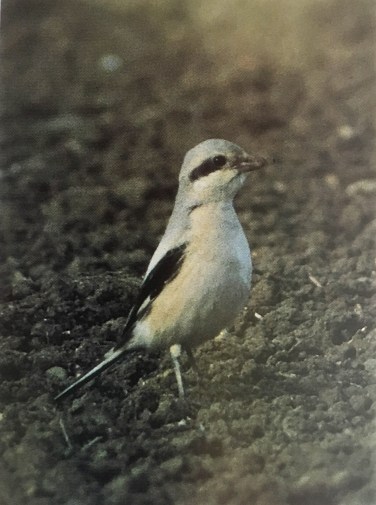
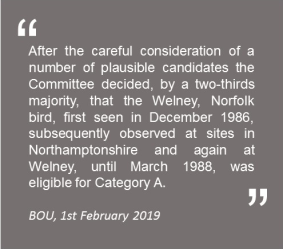 Found by Dave Burges and Matthew Rodgers on 15th February 1987, it remained at Pitsford until 5th April and the record was duly submitted to, and accepted by, the British Birds Rarities Committee. It reappeared the following winter, when it turned up at Thrapston GP on 12th December, remaining there until 24th, before relocating to nearby Ringstead GP, from where it commuted to and from Thrapston between 16th January and 6th March.


 Northants birds