With an unpleasantly wet and windy start to the New Year, the transition to 2025 was anything but smooth. Catching up with last year’s lingering leftovers was a priority for some, while the incentive to get out there and find something new was given a boost by the continuing discovery of rare and scarce birds at a national level.
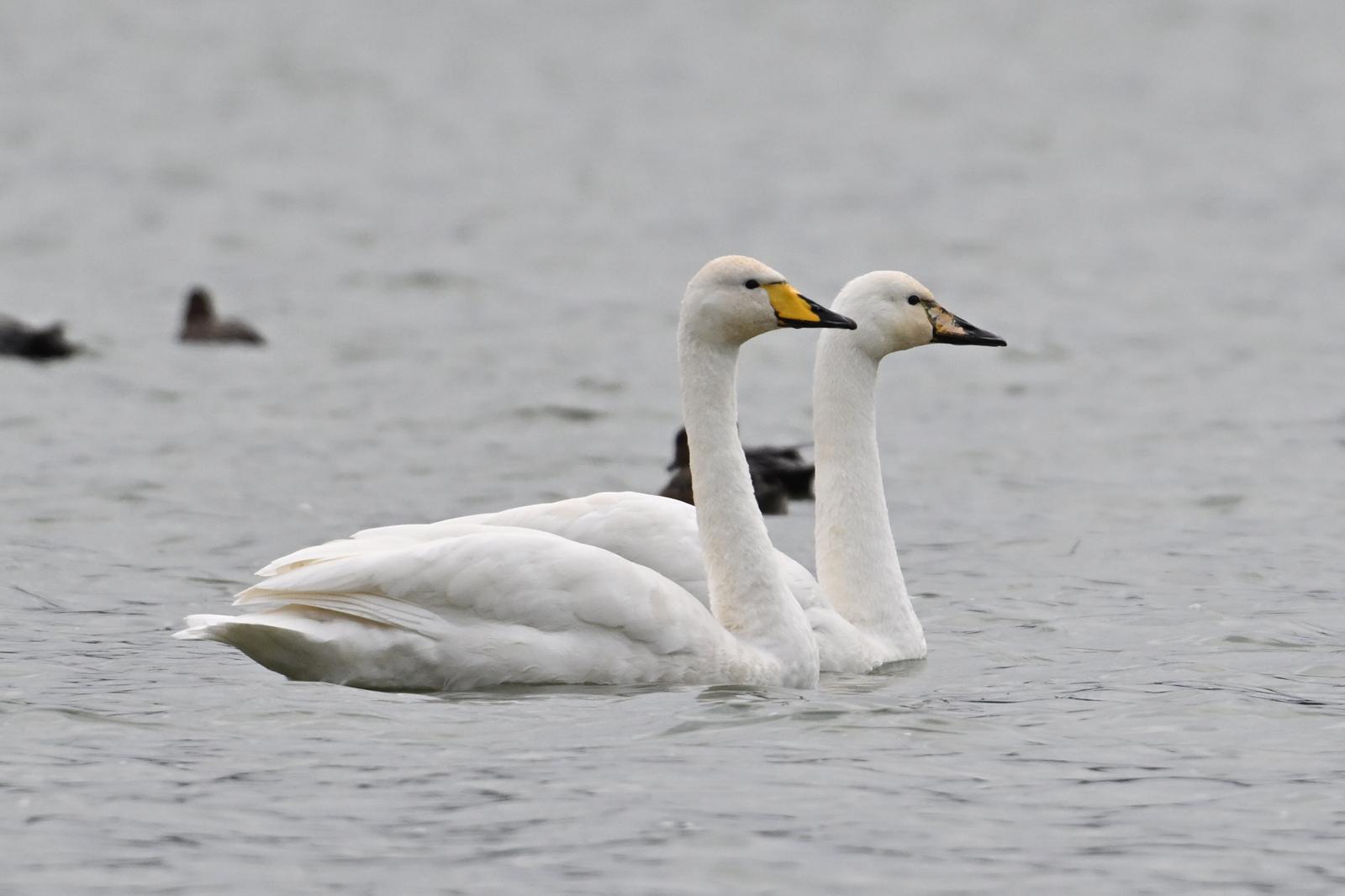
Back on the radar this week were Pink-footed Geese, a fifteen-strong skein of which flew south-east over Hanging Houghton on 3rd. Meanwhile, the two White-fronted Geese chalked up a month’s stay at Ravensthorpe Res and were still present at the end of the period and the same site also produced two Whooper Swans, for one day only, on 29th.

The only Red-crested Pochard in the week’s proceedings was a female remaining at Daventry CP until at least 2nd, while the first-winter female Greater Scaup also extended its stay Blatherwycke Lake until at least 2nd.
Blatherwycke also produced an apparent Slavonian Grebe on 29th and another was reported from the River Nene at Perio Mill, Fotheringhay on 28th-29th, although neither could be found during subsequent searches.
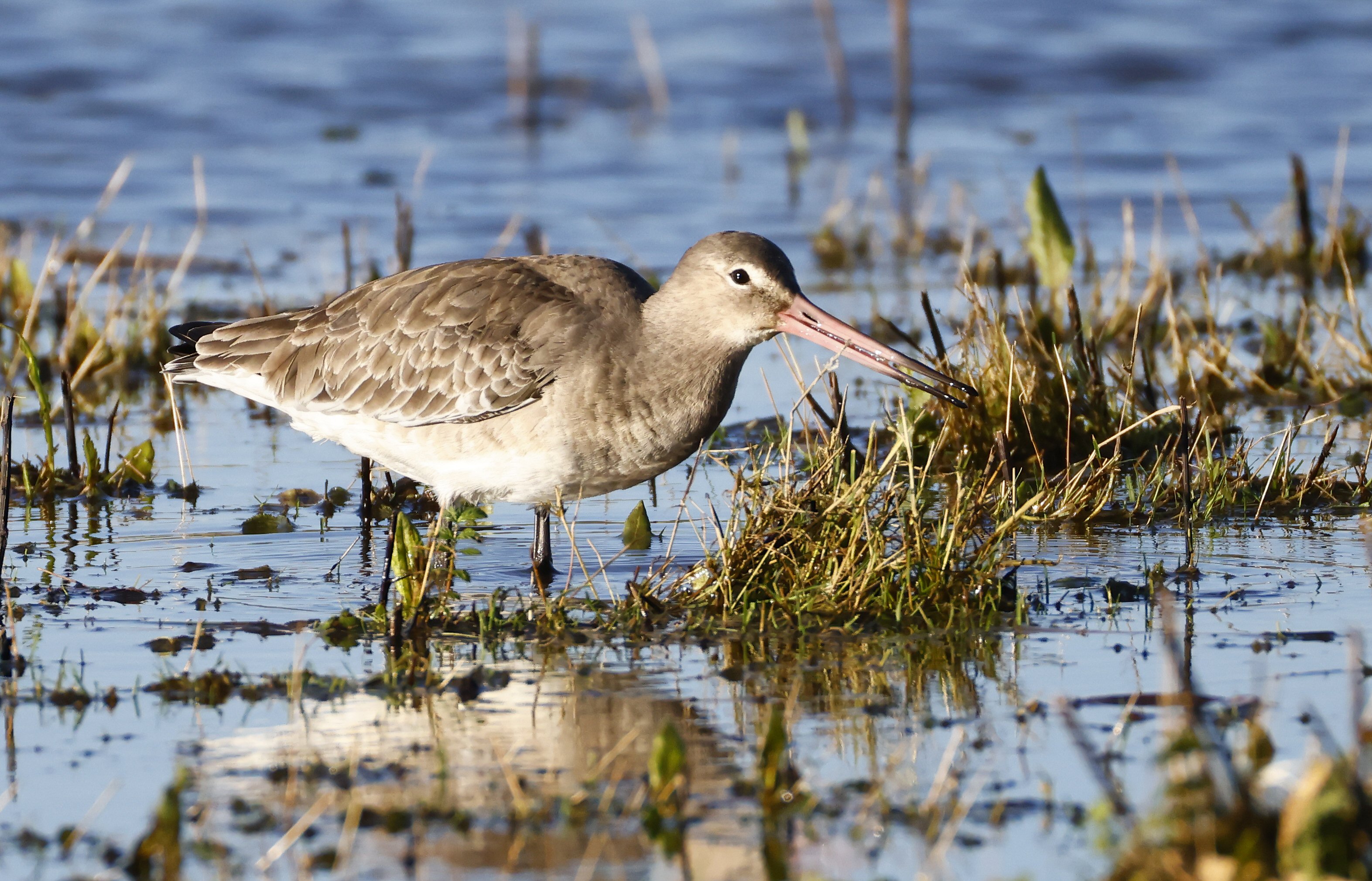
The run of Black-tailed Godwits continued into the New Year with up to two at Summer Leys LNR throughout the period and one on floodwater at Braunston on 2nd, while Jack Snipes were still to be found in the same two localities as last week – namely Hollowell Res, where there was one on 30th, and Barnes Meadow NR, Northampton, where two were present on 2nd.

Scarcer gulls fared rather better than last week with a first-winter Mediterranean Gull in the roost at Stanford Res on 28th, 30th and 1st and a daytime adult in a field between Pitsford Res and Old on the latter date. The aforementioned roost also produced at least three Caspian Gulls – an adult on 30th, a near-adult on 31st and two adults on 1st while, further to the south, diurnal sightings at Hollowell included two adults on 30th plus an adult and a third-winter on 2nd. Yellow-legged Gulls appeared in the form of single adults at Summer Leys on 29th and Stanford on 1st, followed by three in the roost at Pitsford on 2nd. We’re currently thigh-deep into winter but, given the apparent nose-dive in numbers wintering in the UK, along with the closure two years back of Northamptonshire’s last remaining landfill, the prospect of coming across any Arctic ‘white-wingers’ now seems further off than ever …
Pitsford continued to retain its juvenile Great Northern Diver into the New Year, remaining there throughout the period.
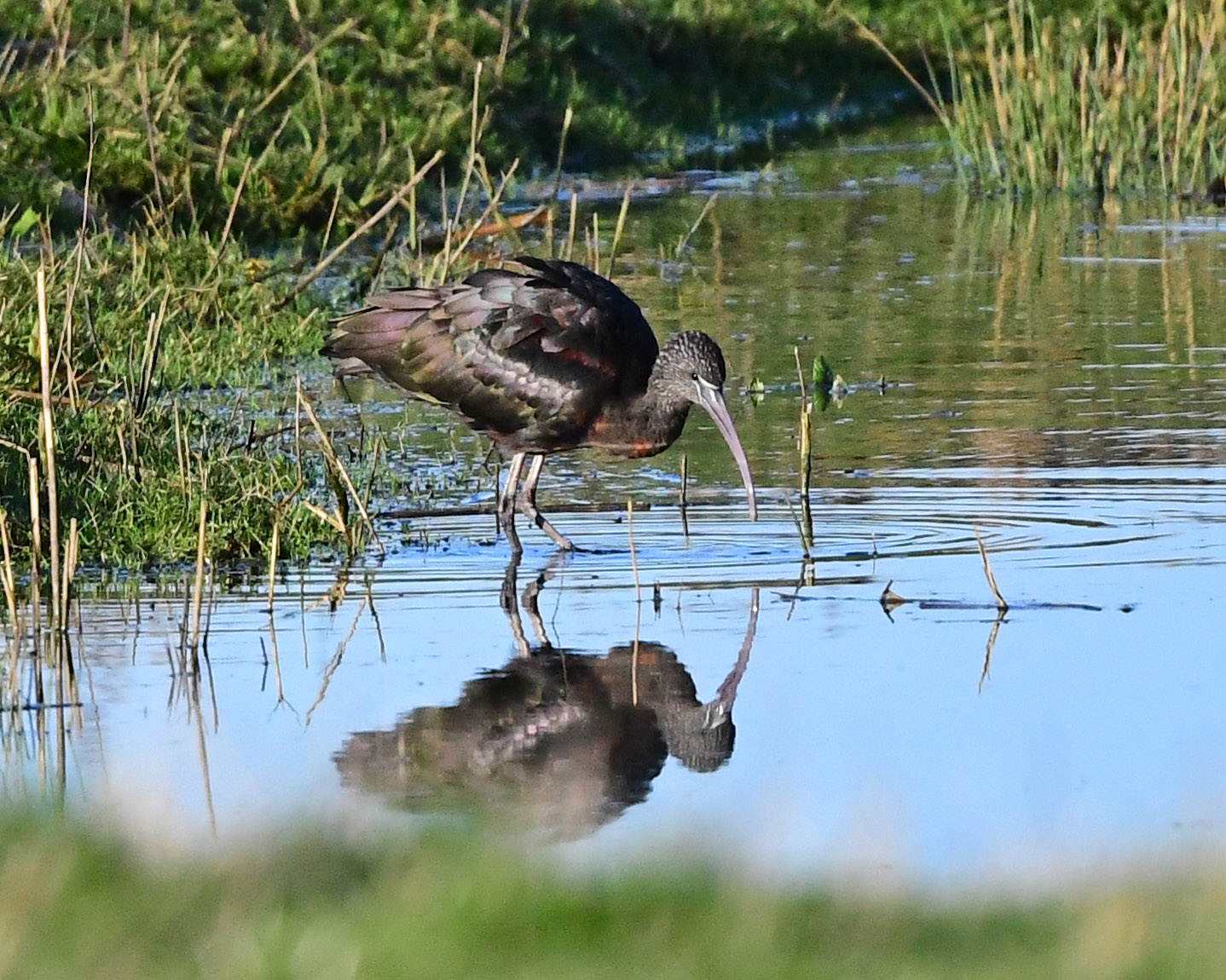
The Summer Leys Glossy Ibis similarly stayed put, while the only Cattle Egret to be reported was last week’s singleton in a field immediately north of Barnwell CP, Oundle, where it was still to be found on 1st.

A Merlin was again reported between Gayton and Tiffield on 2nd, when there was also one in the Brampton Valley, between Cottesbrooke and Hanging Houghton.
On the passerine front, a Bearded Tit was again reported from Stanwick GP on 28th, although no precise location details were forthcoming. Stonechats over the period appeared to be limited to Hollowell, Towcester and Stanford, with a peak of five at the latter locality on 2nd and twos at the other two sites on a range of different dates.
Hawfinches enjoyed a resurgence in popularity as we entered the New Year, the highly favoured, easyviewin’ localities of Blatherwycke and Cottesbrooke delivering as required, with peak counts of five at the first of these on 3rd and two at the latter between 28th and 2nd.


And who would ever have thought that they’d be rushing to see a Corn Bunting in Northants? The national decline – in excess of 86% since the late 1960s – has seen this species disappear from the county in recent years, so one in the Brampton Valley on 2nd marks a good start to 2025 and is likely to become a popular draw if it is seen again.

Discover more from Northants birds
Subscribe to get the latest posts sent to your email.

 Northants birds