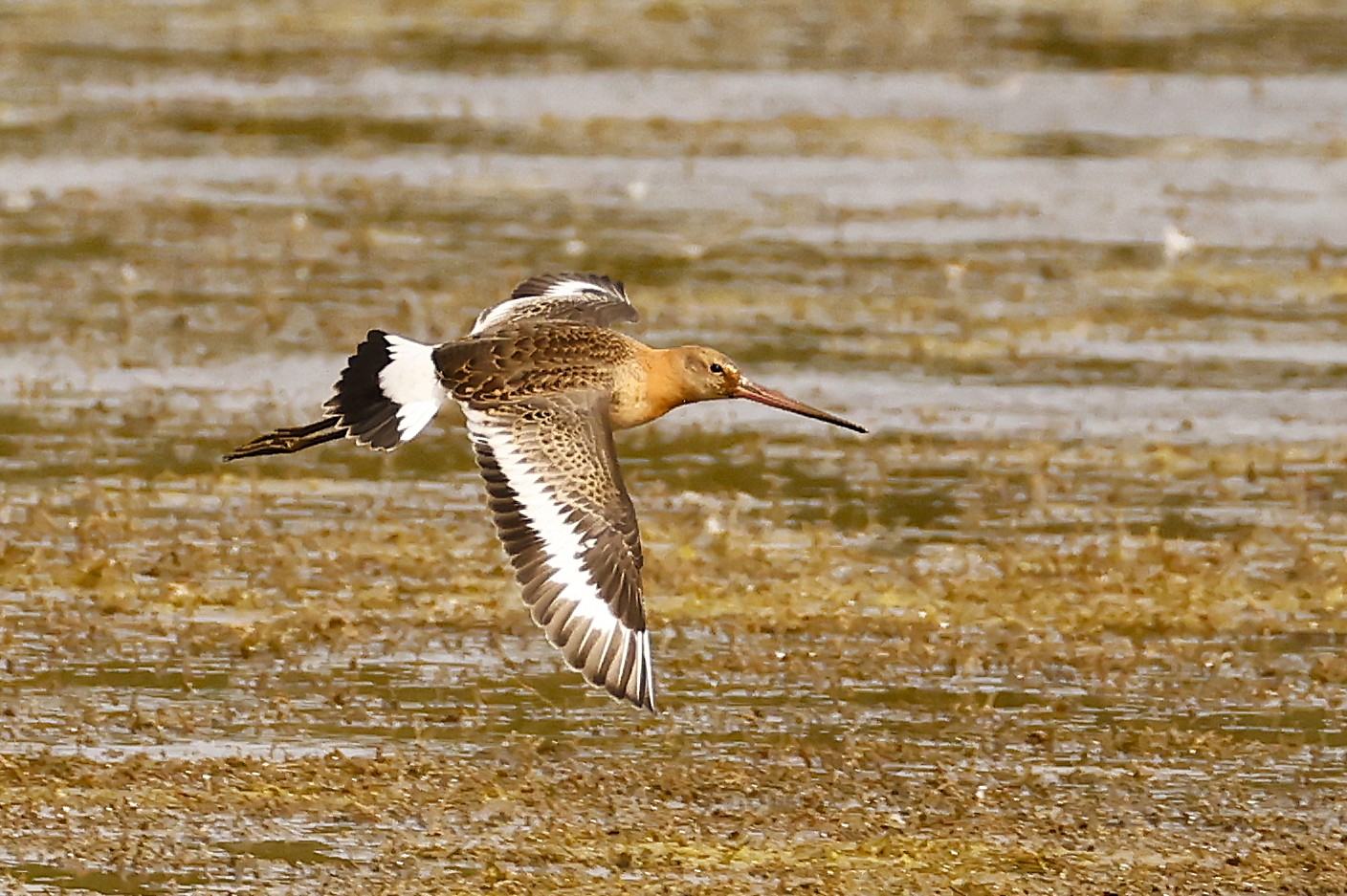
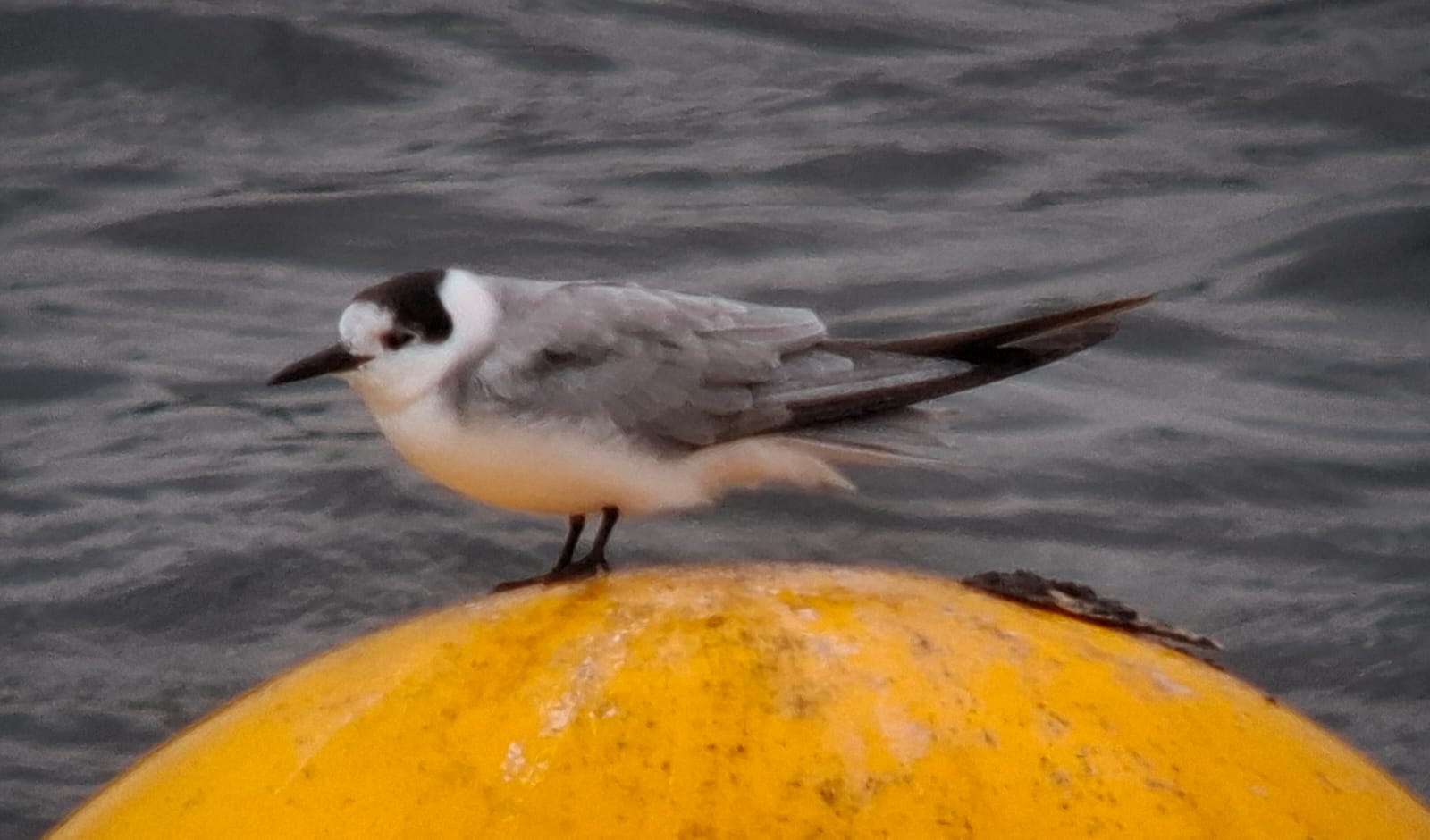
In a week ending with cold northerlies and below average temperatures, migration took a further tumble and high expectations for a mid-May crowd-puller remained to be met. But there’s still plenty of time and who knows what lies ahead …
Catching up with a Garganey has, so far this spring, been problematic in the light of their scarcity and brevity of stay but Stanwick was again instrumental in delivering another drake on 10th, staying a full three days until 12th and likely accounting for the one seen fleetingly at adjacent Ditchford GP on 11th.
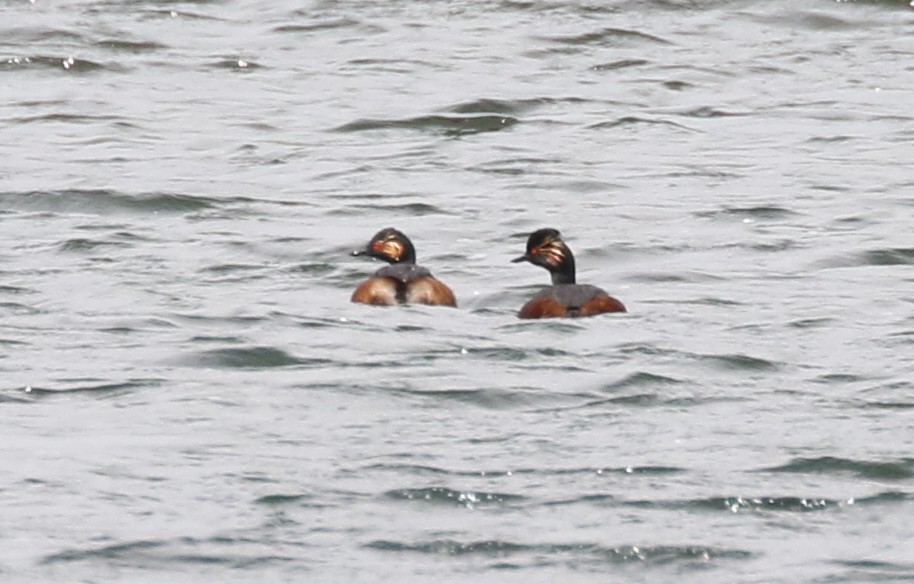
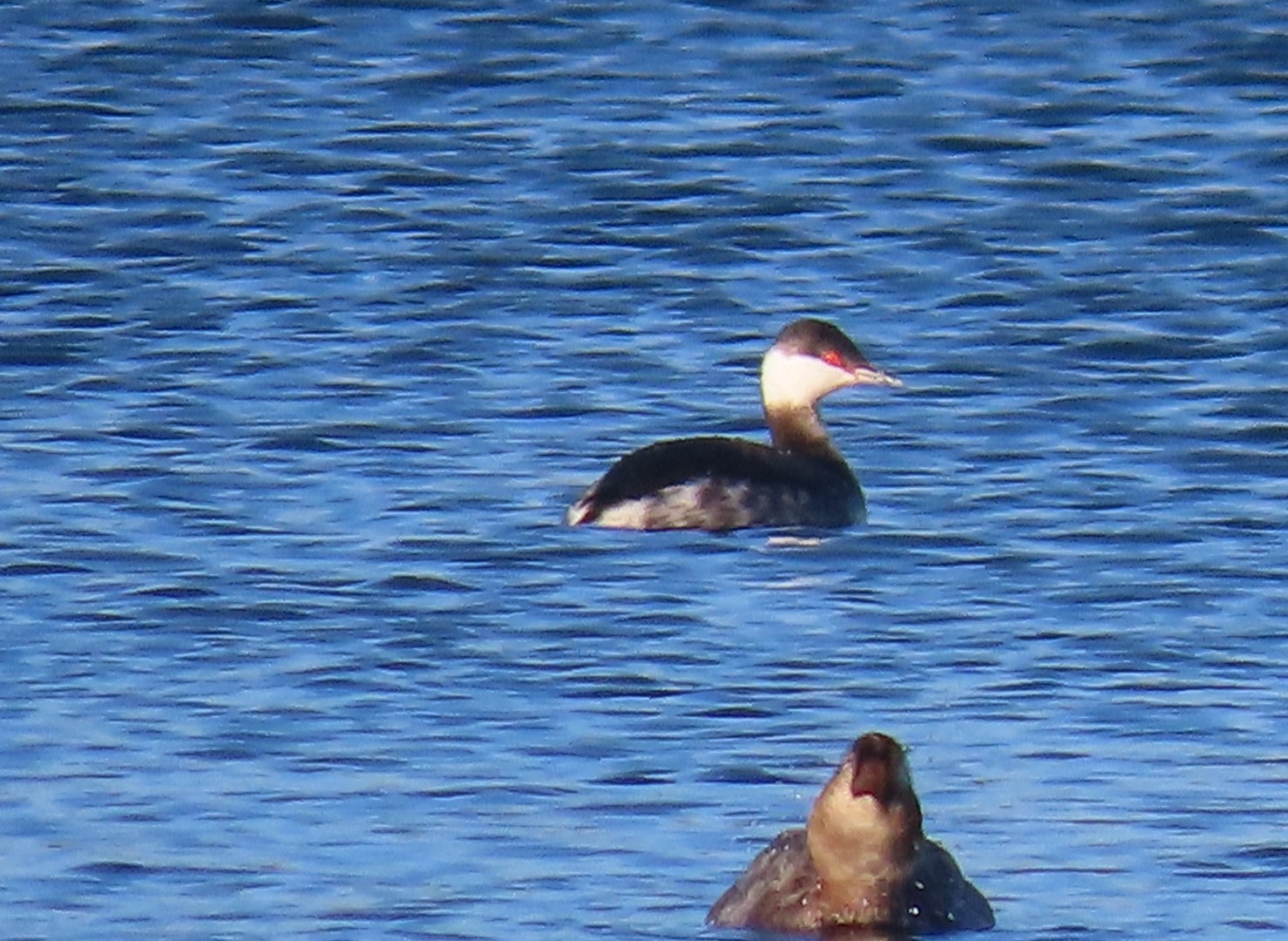
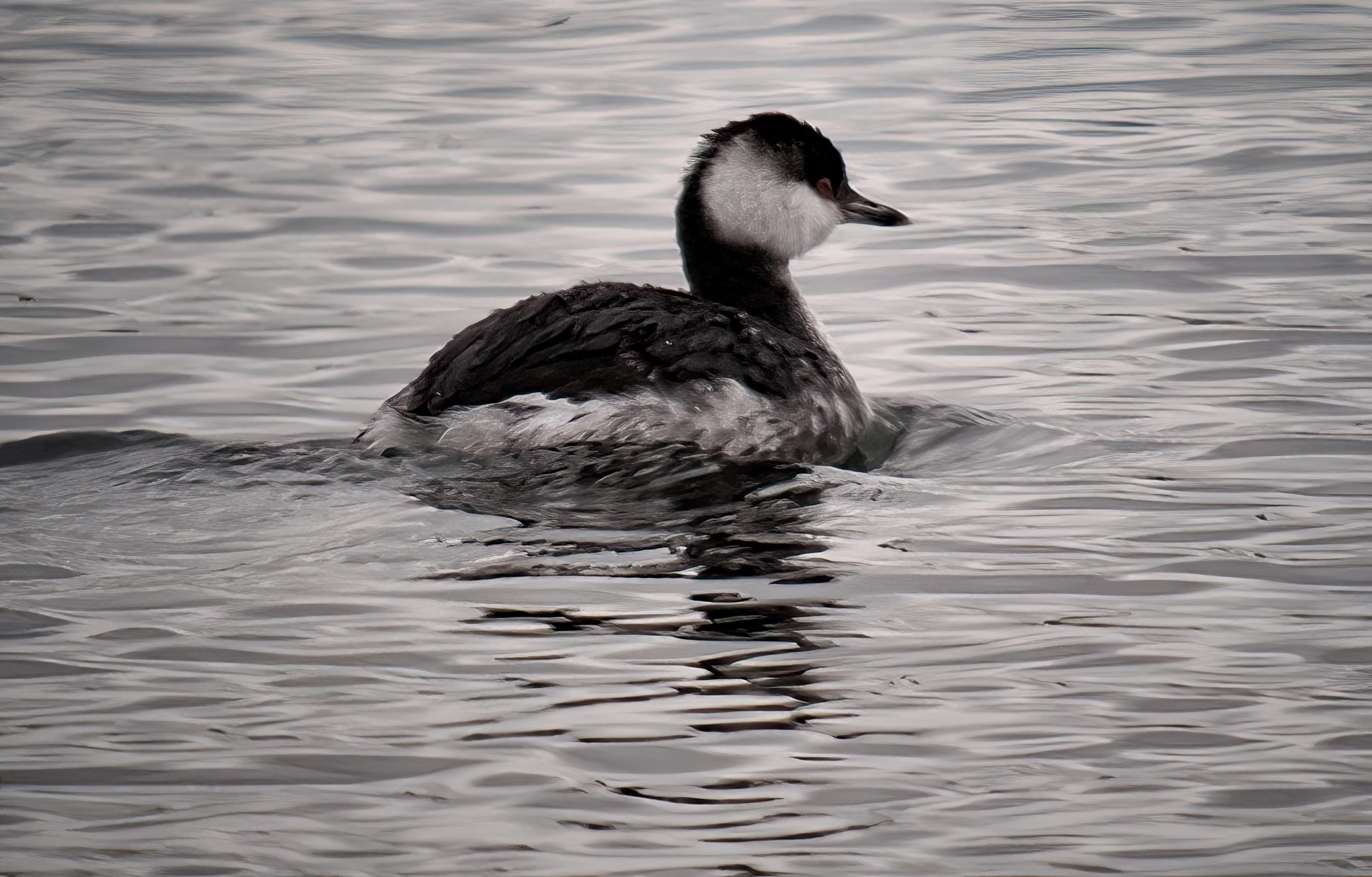
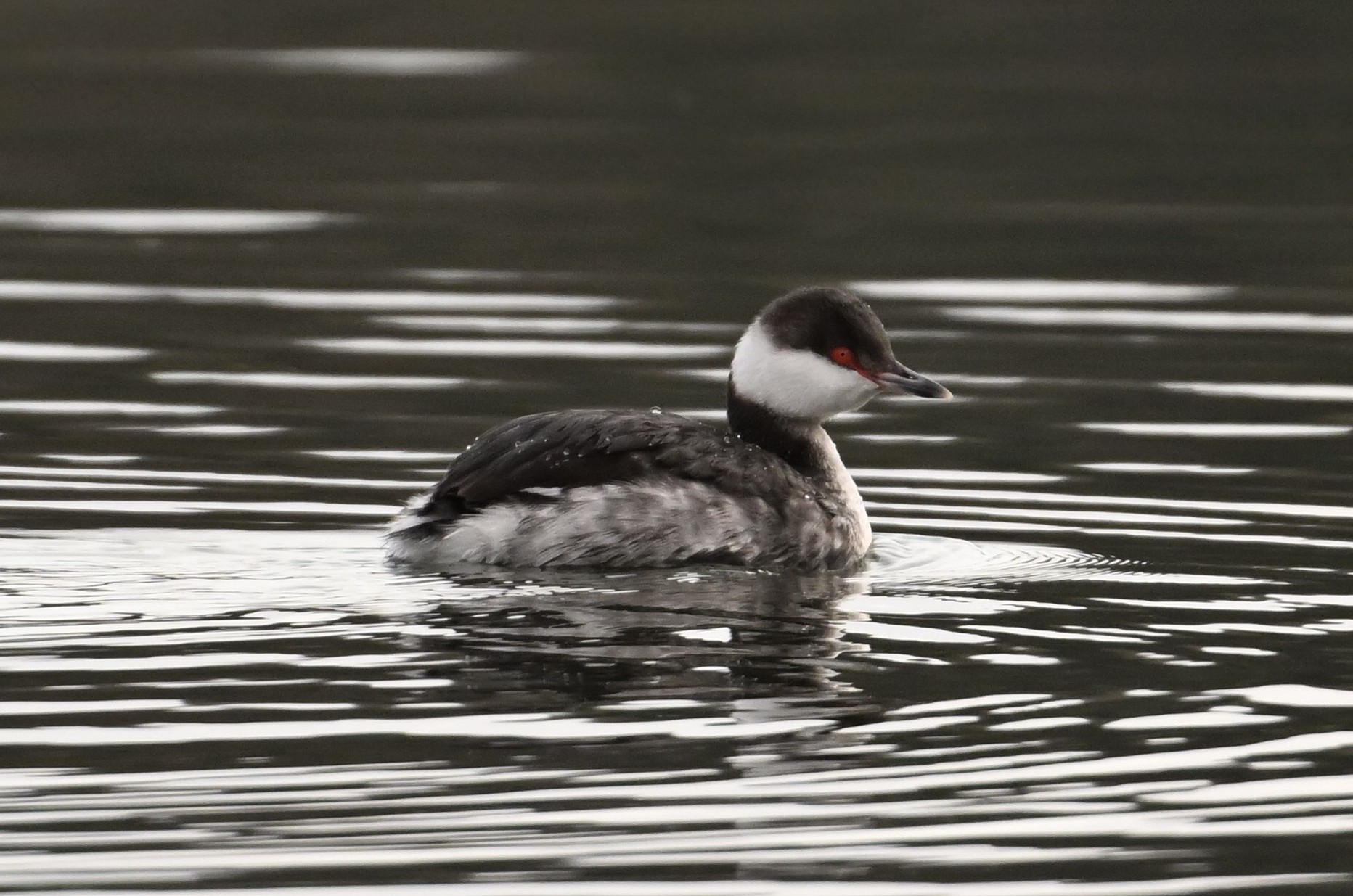
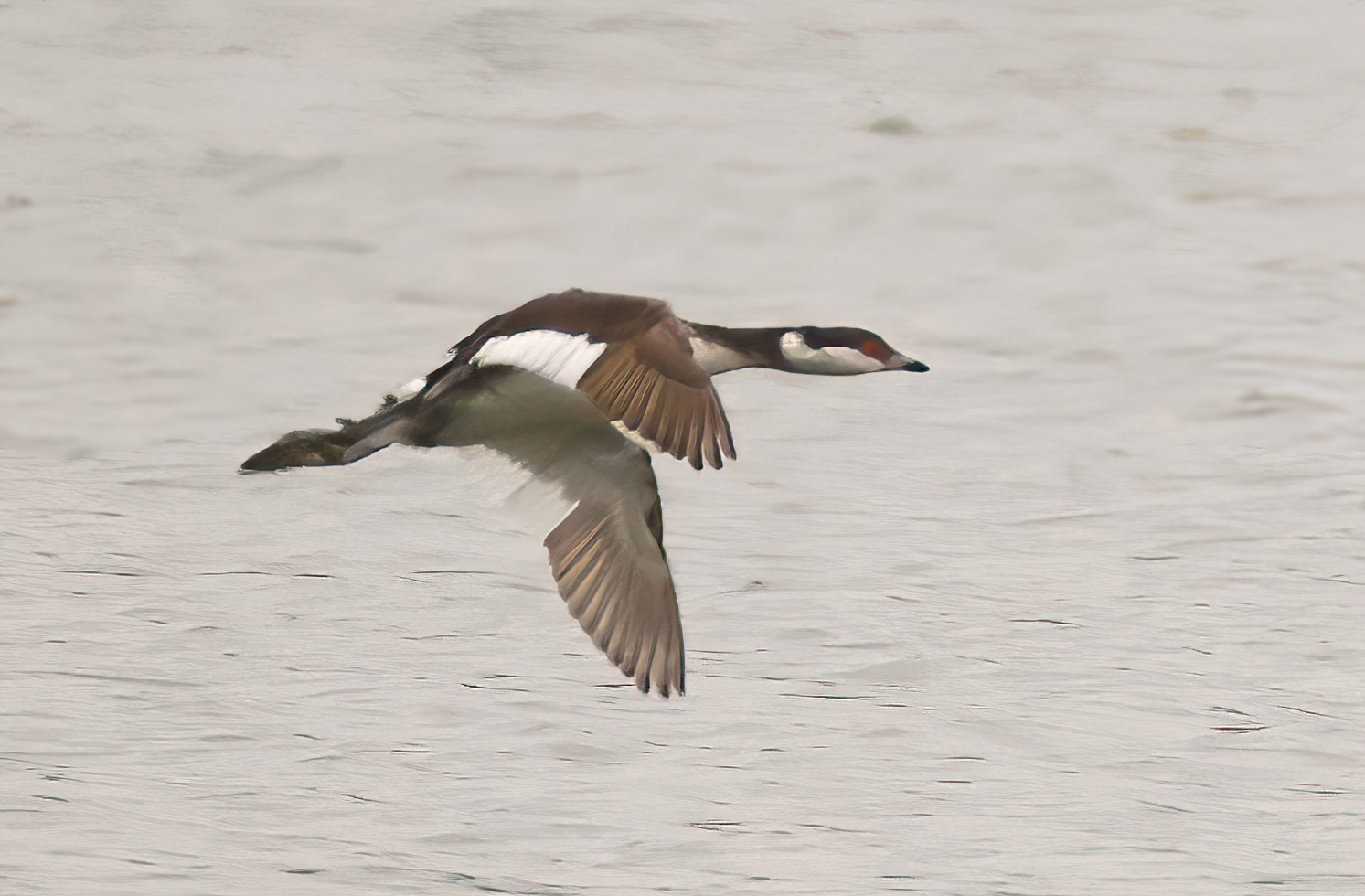
And following a long-stayer at Pitsford Res in the early weeks of the year, plus two together at Daventry CP for one day only, on 25th February, arriving on cue for late spring passage were two pairs of Black-necked Grebes – the first of these at Stanford Res on 8th and the second at Summer Leys LNR on 13th. Neither pair stayed beyond the day on which they were discovered.
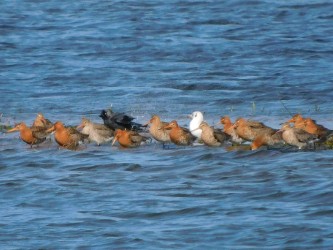
Black-necked Grebes, Summer Leys LNR, 13th May 2026 (Alan Coles)
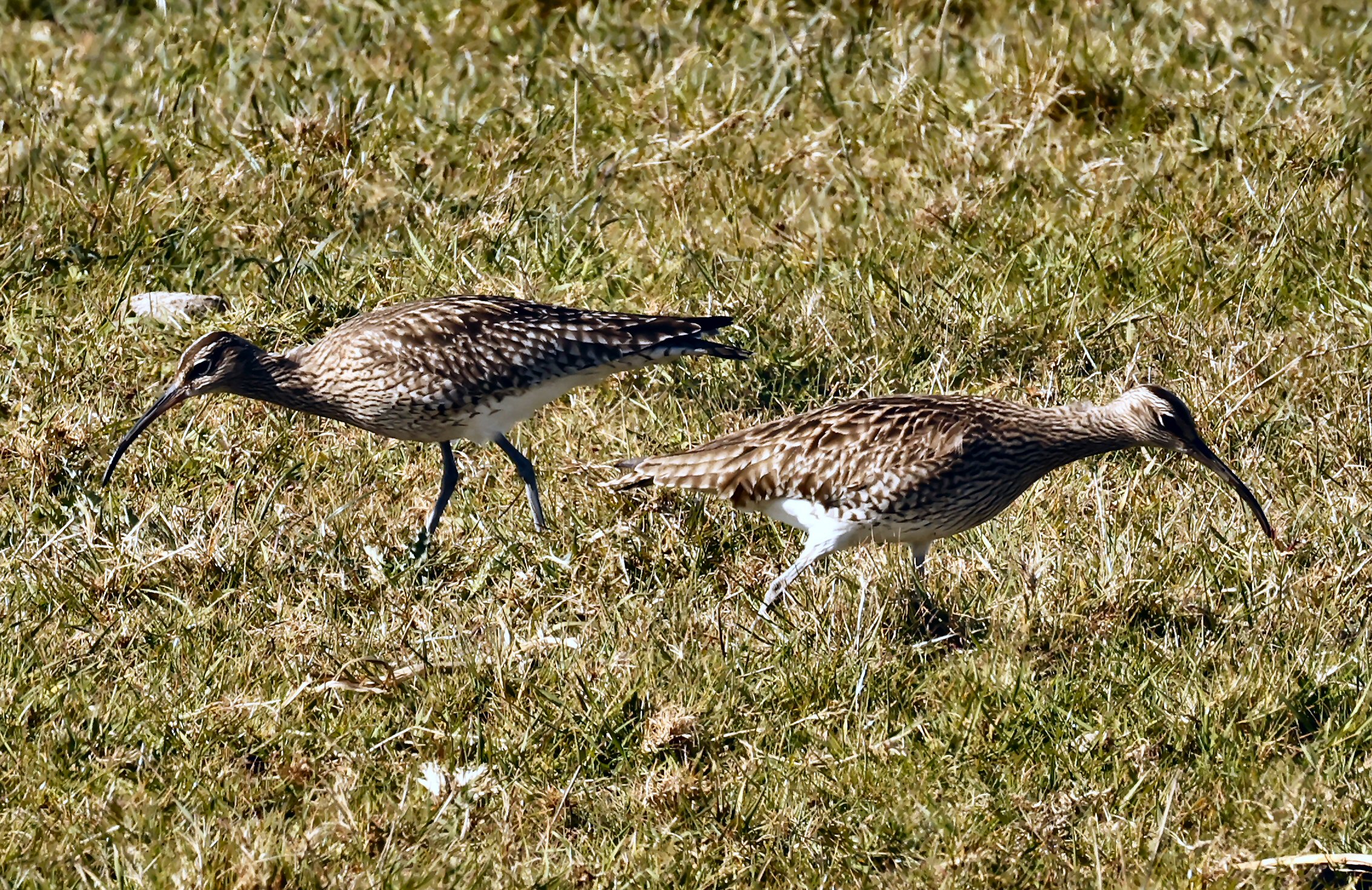
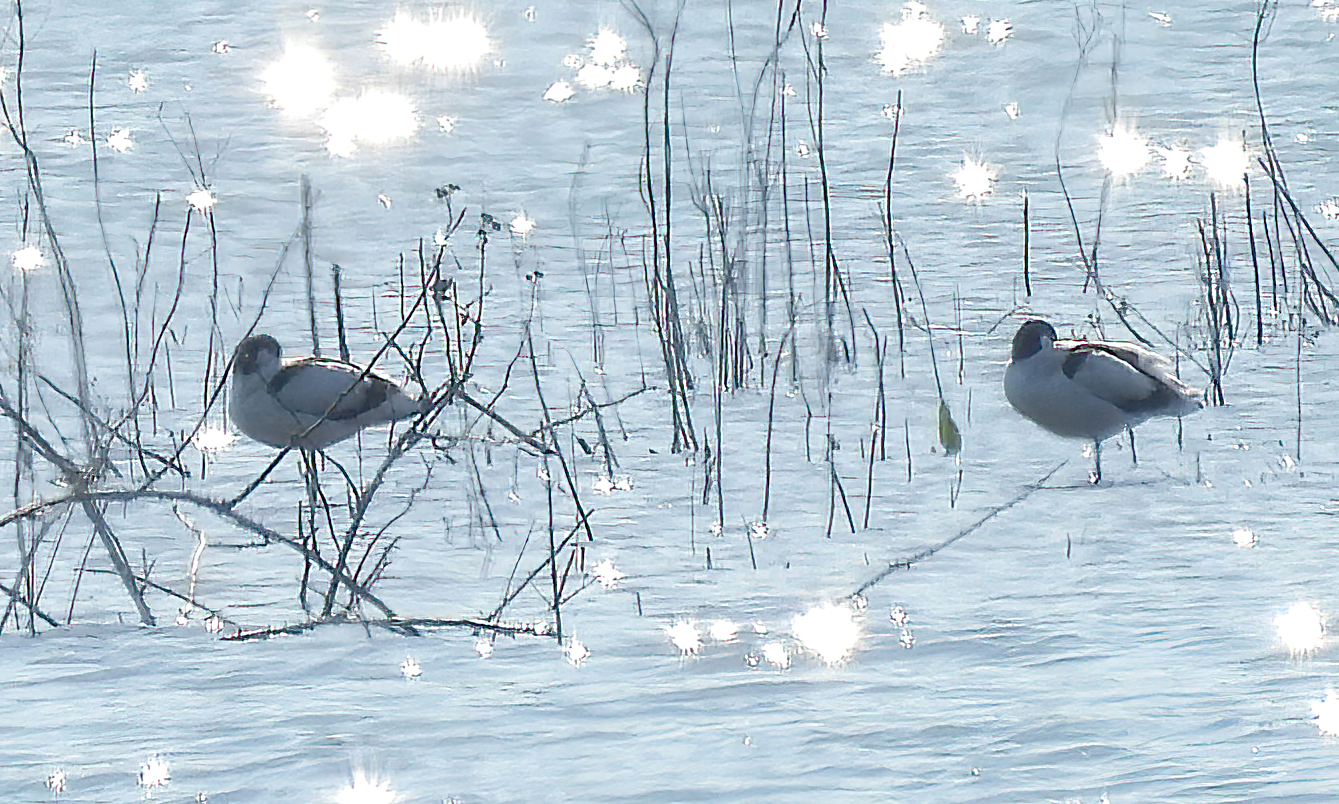
Summer Leys also continued to retain to its varying number of Avocets this week, with three from 9th to 11th, one on 13th, two on 14th and one again on 15th, the same site also producing a Ringed Plover showing characteristics of the race tundrae, colloquially known as Tundra Ringed Plover, on 10th-11th. And apart from one at Braunston’s canalside flood pool on 9th, the week’s only other Whimbrel was also at Summer Leys, from 9th until at least 13th. Other than that, two Turnstones paying a short visit to Clifford Hill GP on 10th were the best of the week’s waders and constituted only the second record for the year so far.
A single Yellow-legged Gull at Pitsford seen on 9th and 13th is all that was mustered on the larid front this week.
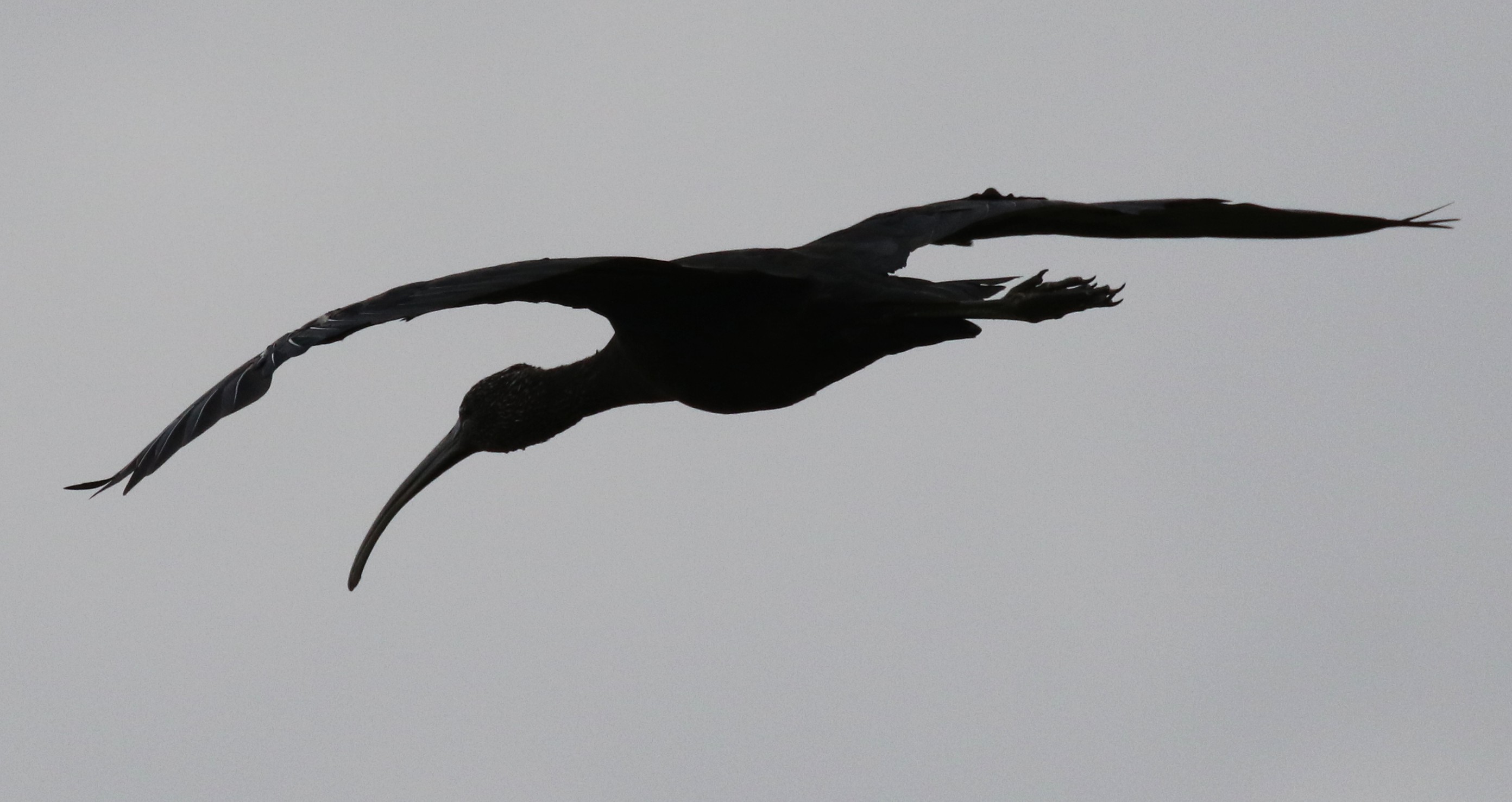
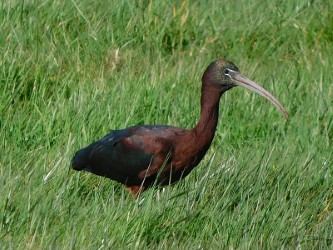
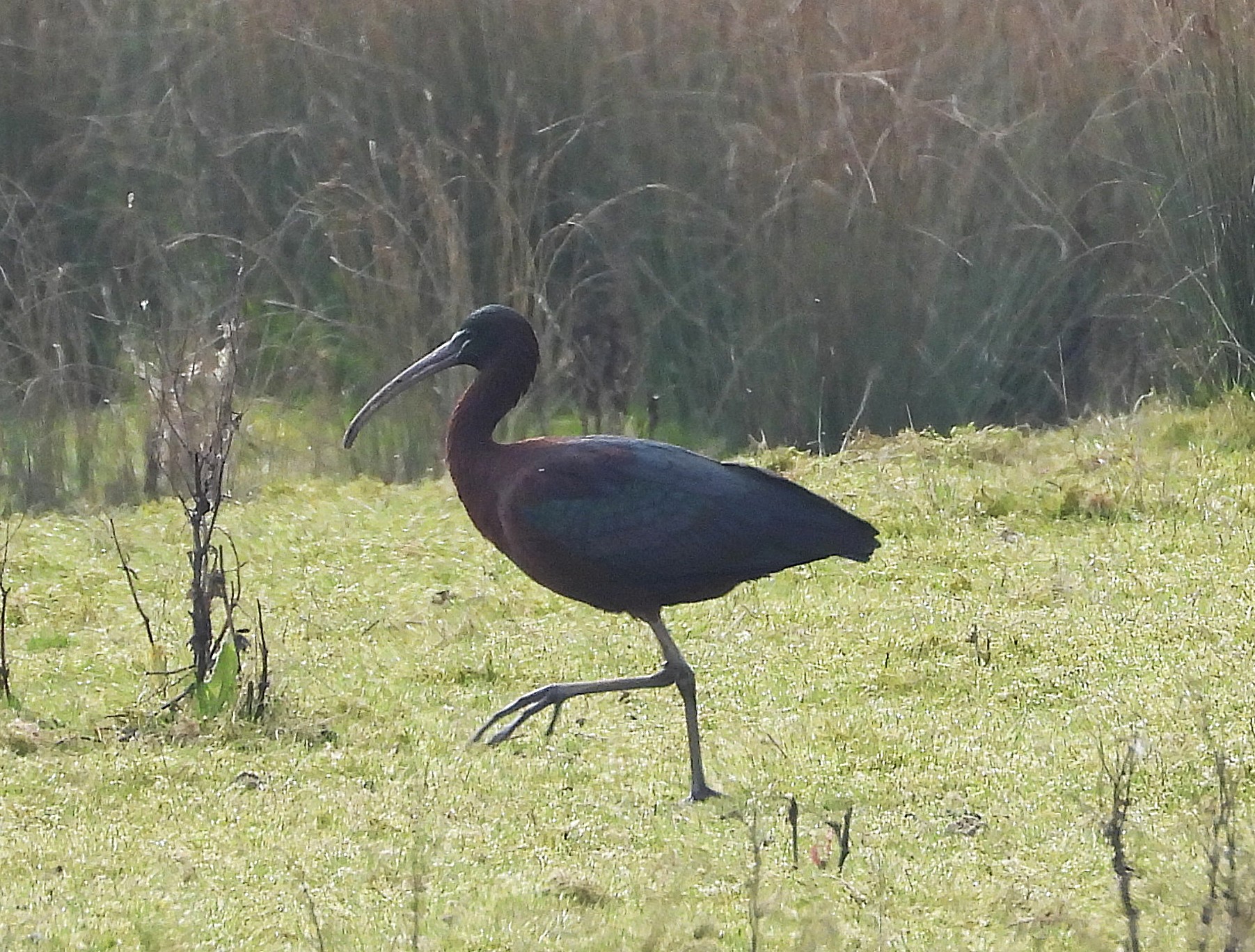
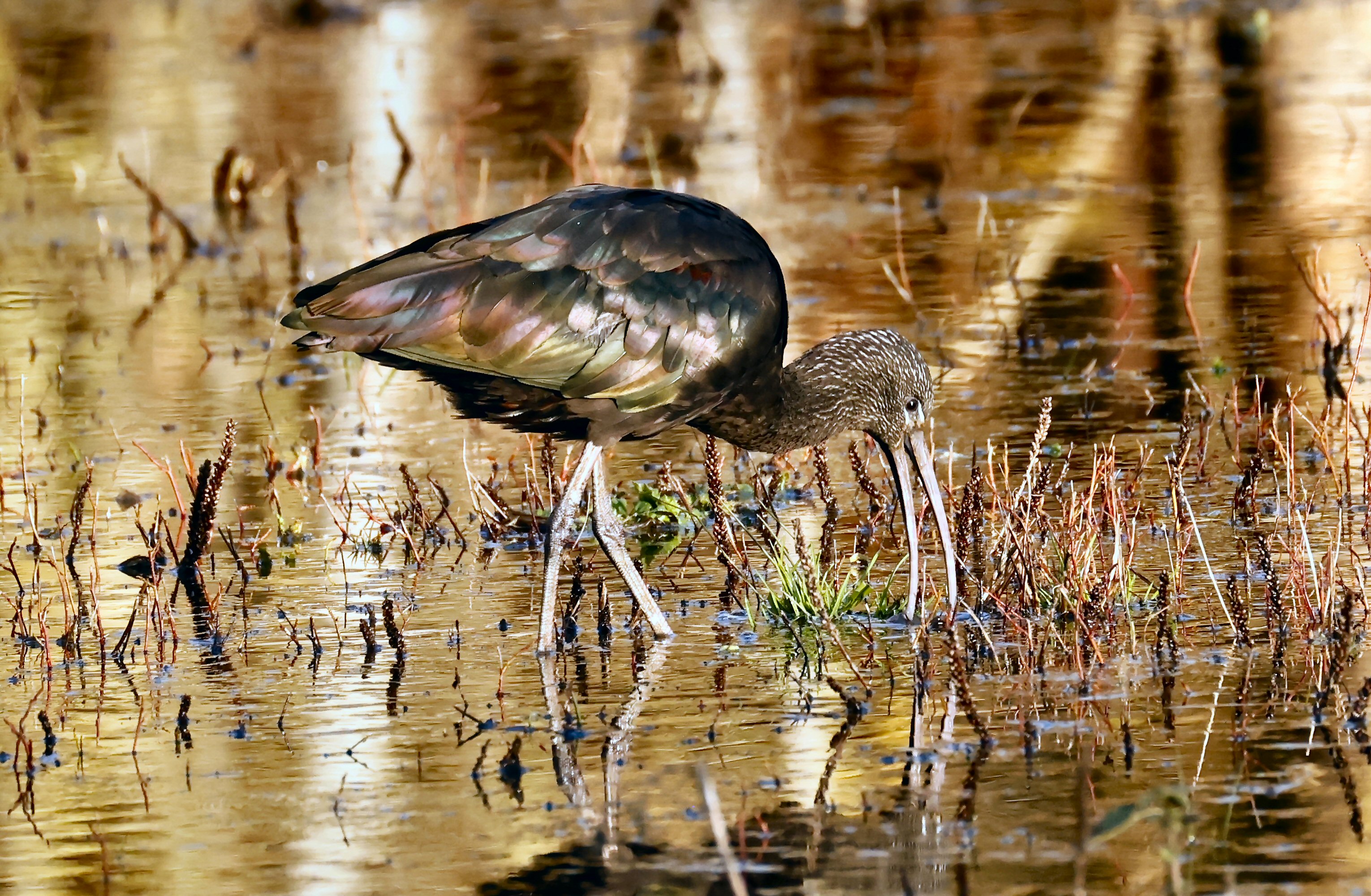
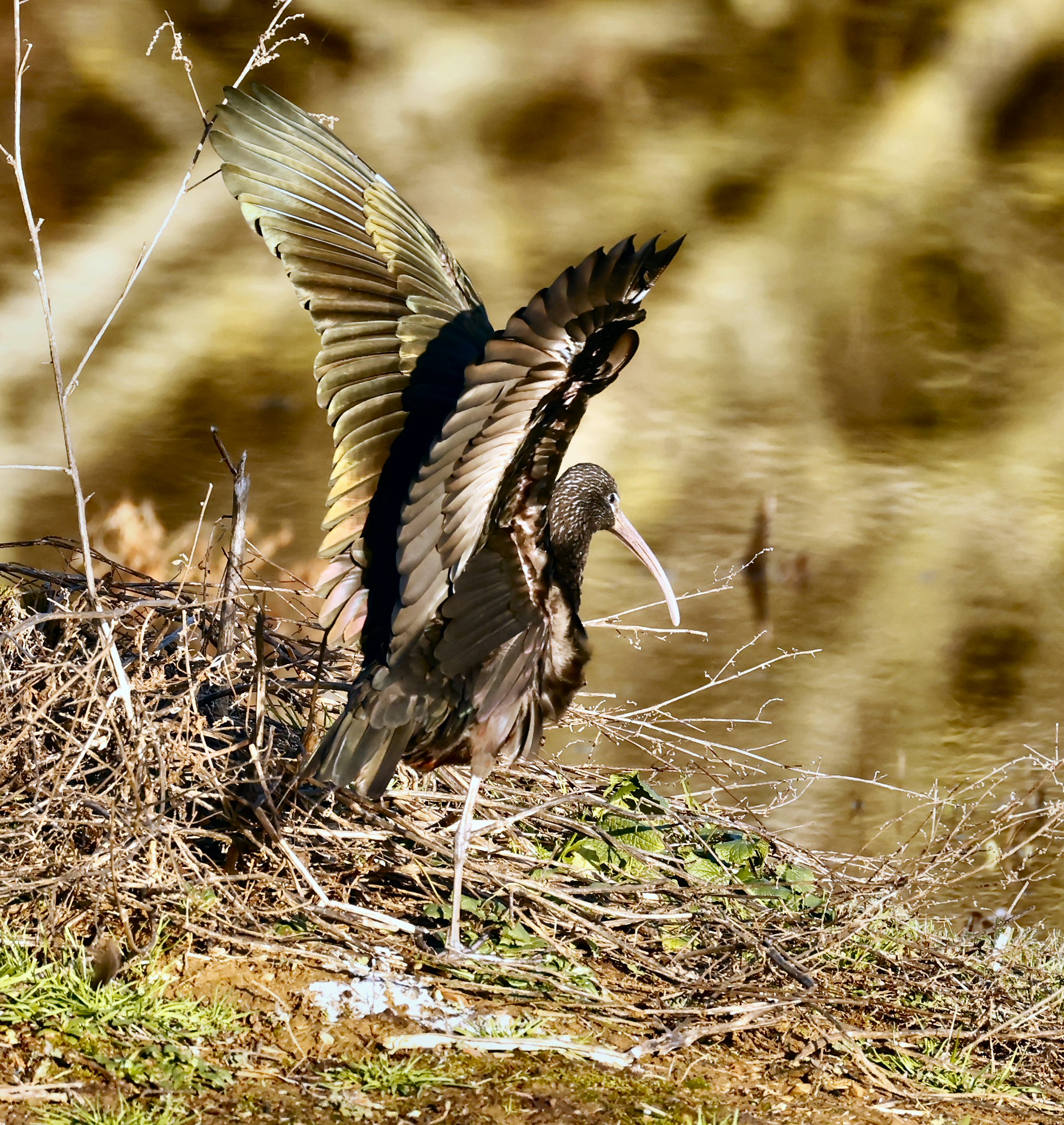
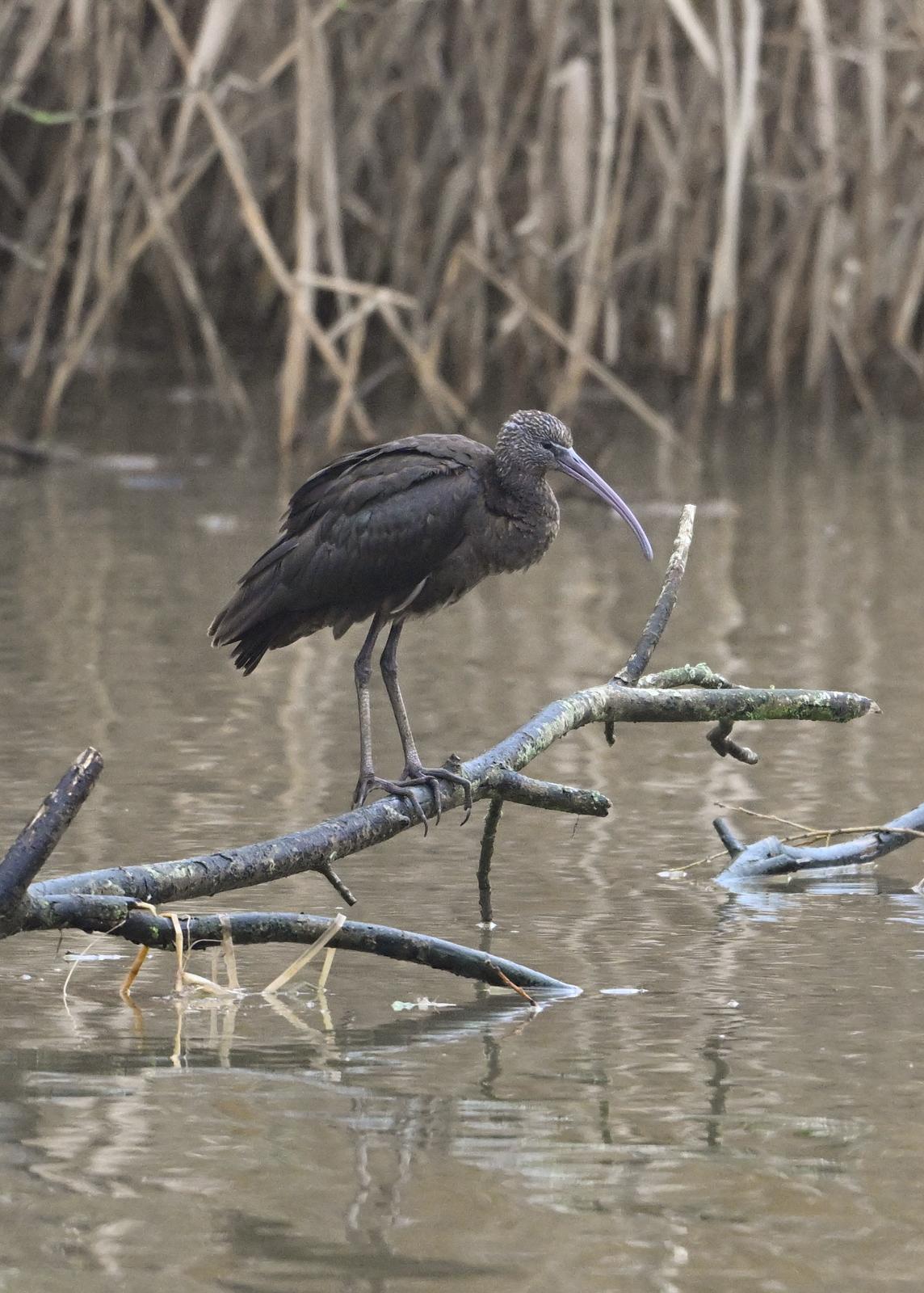
The county’s long-staying Glossy Ibis was still sitting pretty at Summer Leys throughout the period.
Glossy Ibis, Summer Leys LNR, 15th May 2026 (Alan Coles)
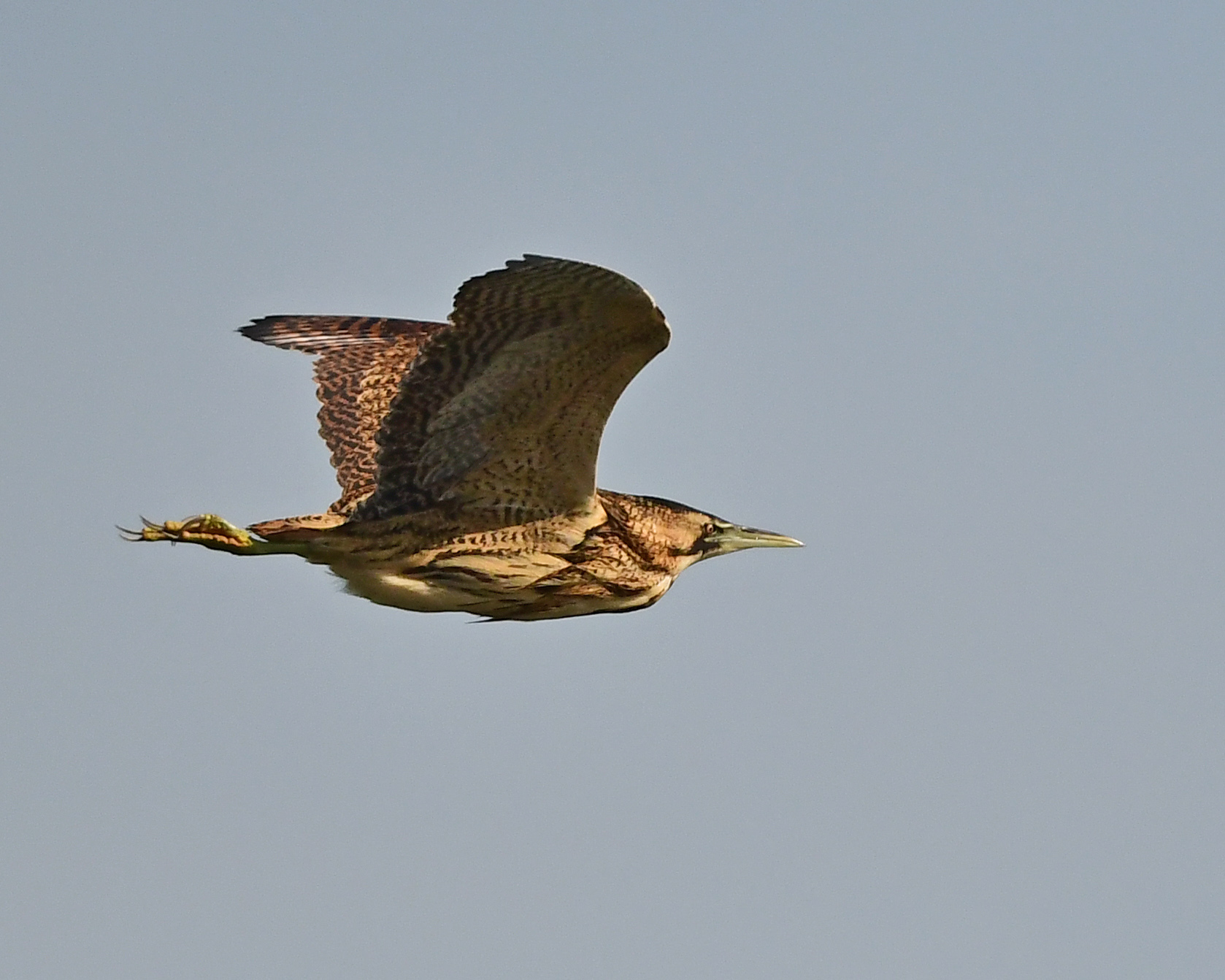
And there’s no getting away from the fact that Bitterns have risen to prominence this year, being present at a minimum of six localities during spring, so far. Singles were seen at Summer Leys almost daily, at Thrapston GP’s Titchmarsh NR on 10th and 14th and in flight along the Nene Valley at Ditchford GP’s Irthlingborough Lakes & Meadows NR on 15th. All set for residency and confirmation of breeding is now surely just around the corner.
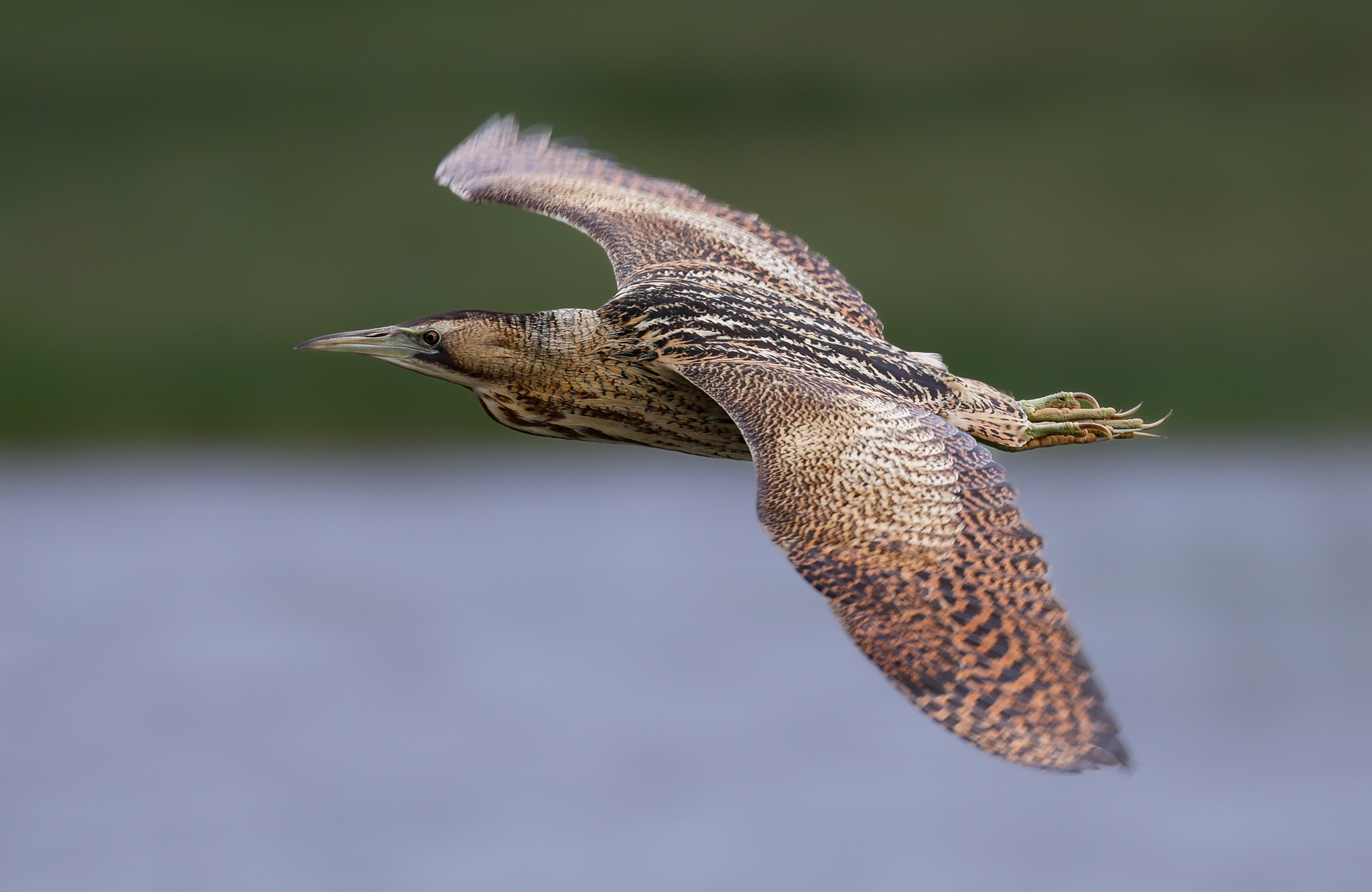
Bittern, Summer Leys LNR, 9th May 2026 (Clive Bowley)
Cattle Egrets come and go. This week’s consisted of up to three daily at Stanwick GP and three between Aynho and Clifton on 15th.
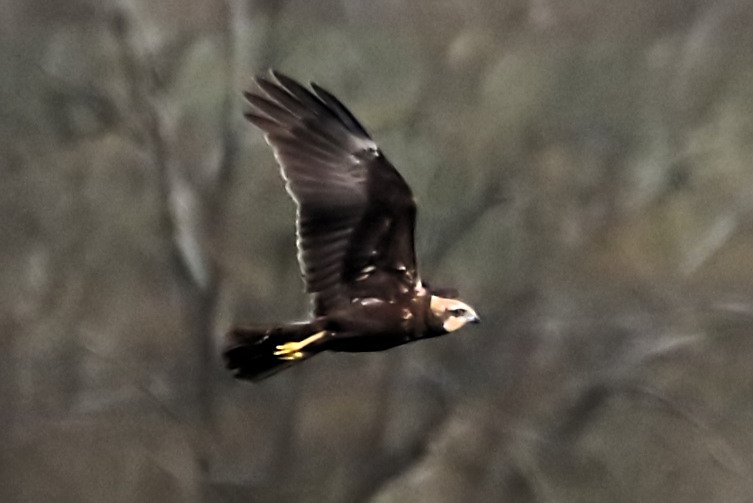
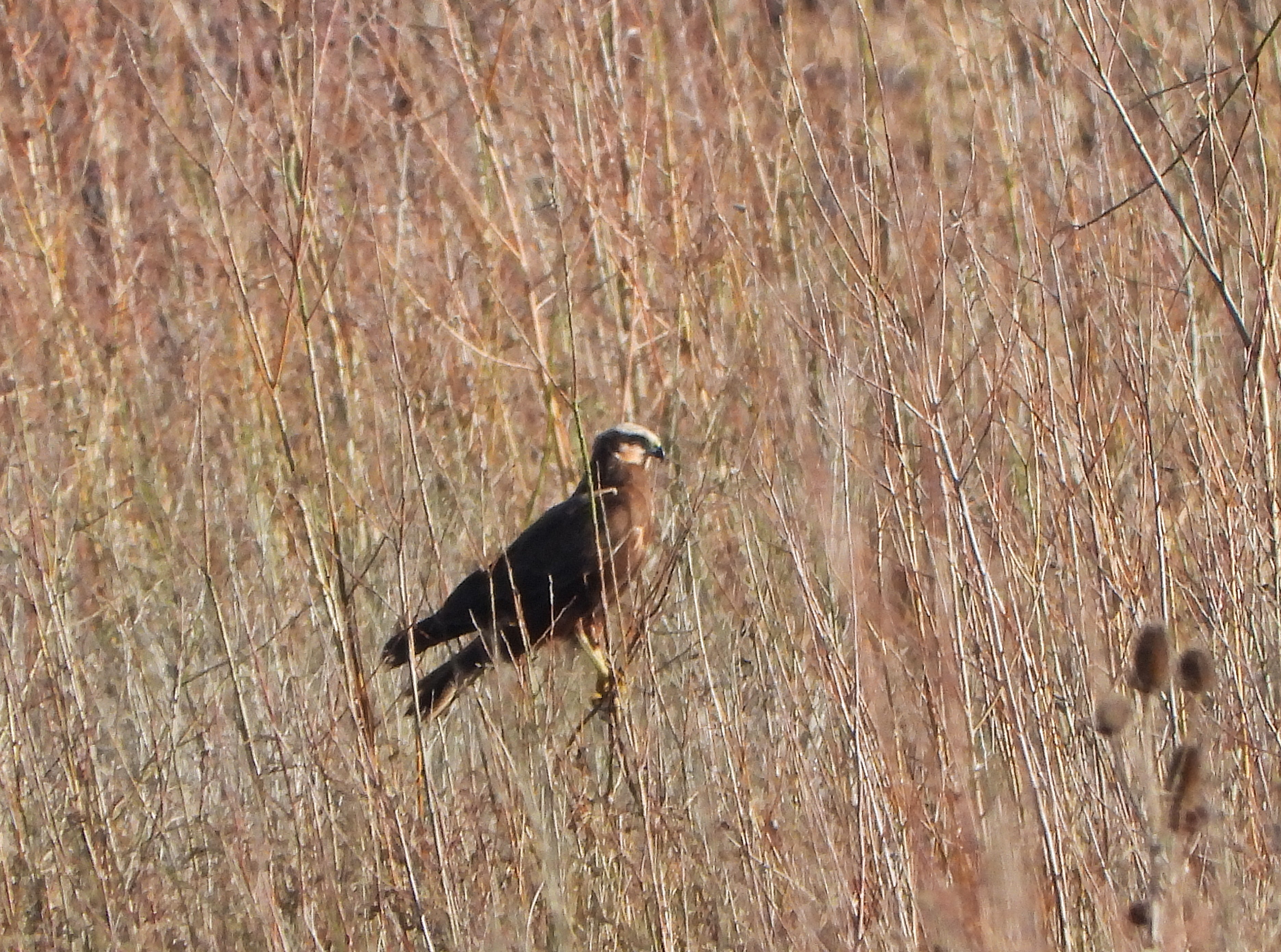
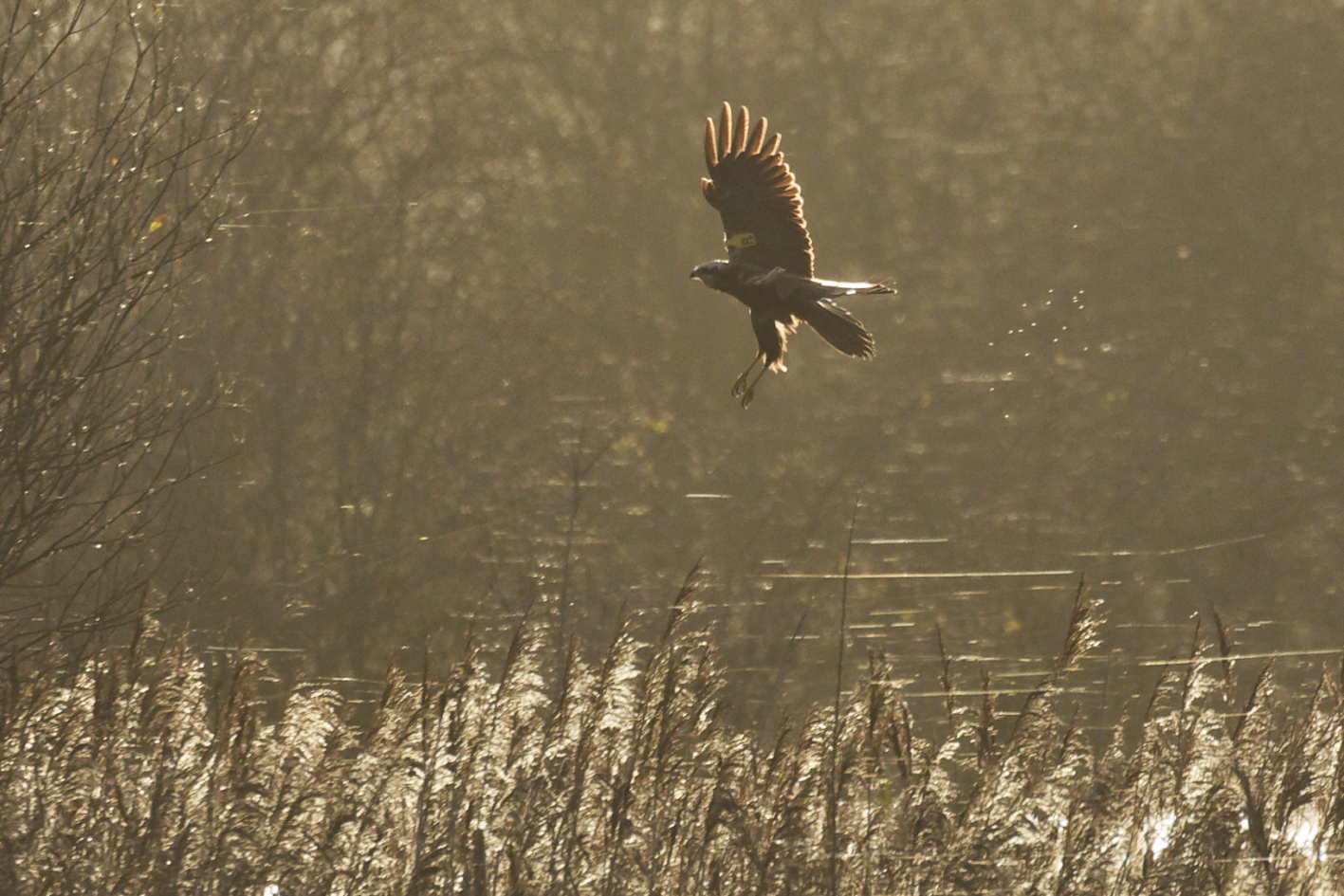
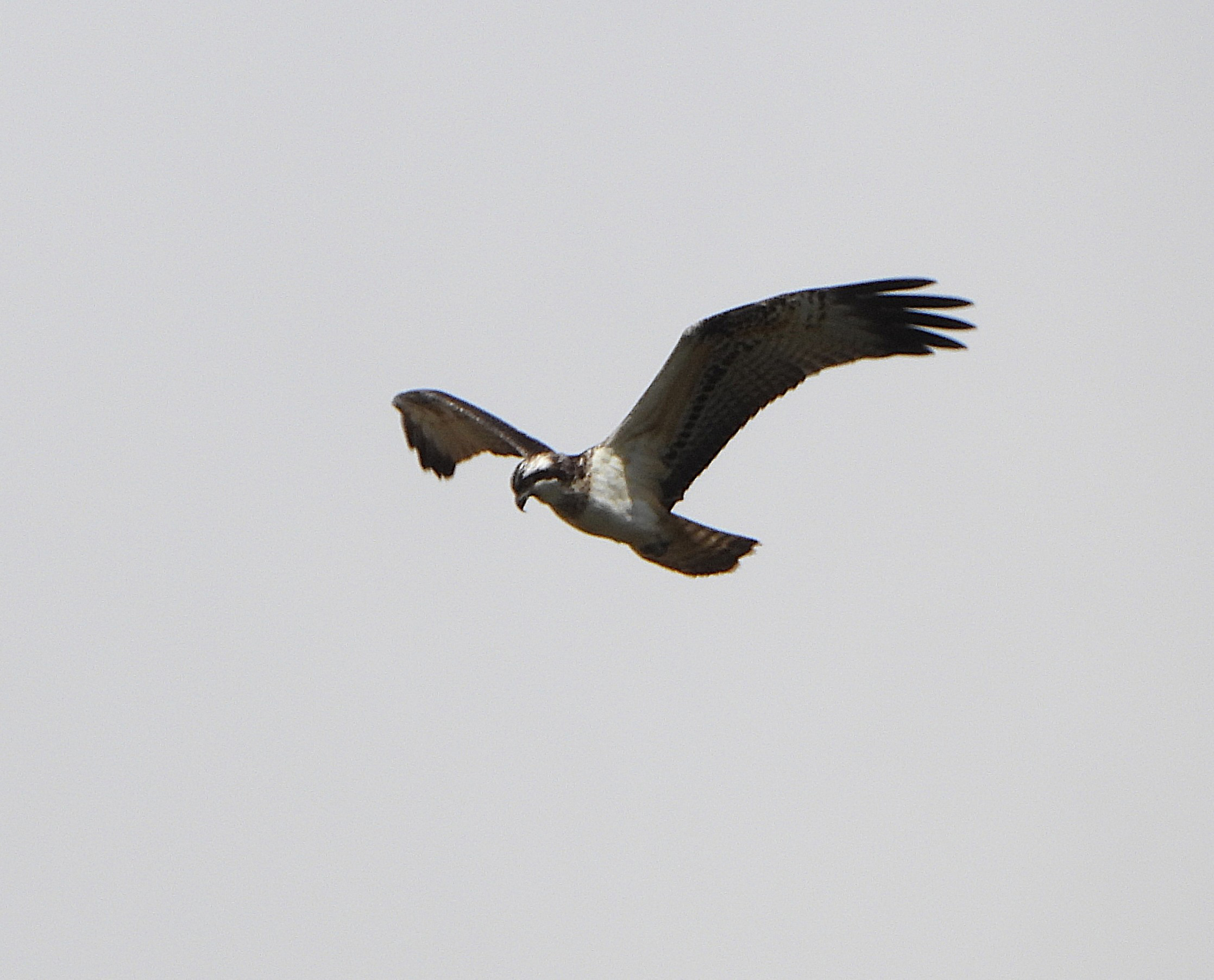
Raptors were limited to single Ospreys over both Pitsford and Earls Barton GP on 10th and at Stanford on 11th, plus a Marsh Harrier at Summer Leys on the latter date.
Having reached a crescendo on the migration front by the end of last week, the end of this week couldn’t have looked more different. A dramatic downturn in the number of waders and no new summer visitors suggested spring had all but finished but we’re now into a month in which the scales tend to tip in favour of quality, not quantity …
Wetland associates
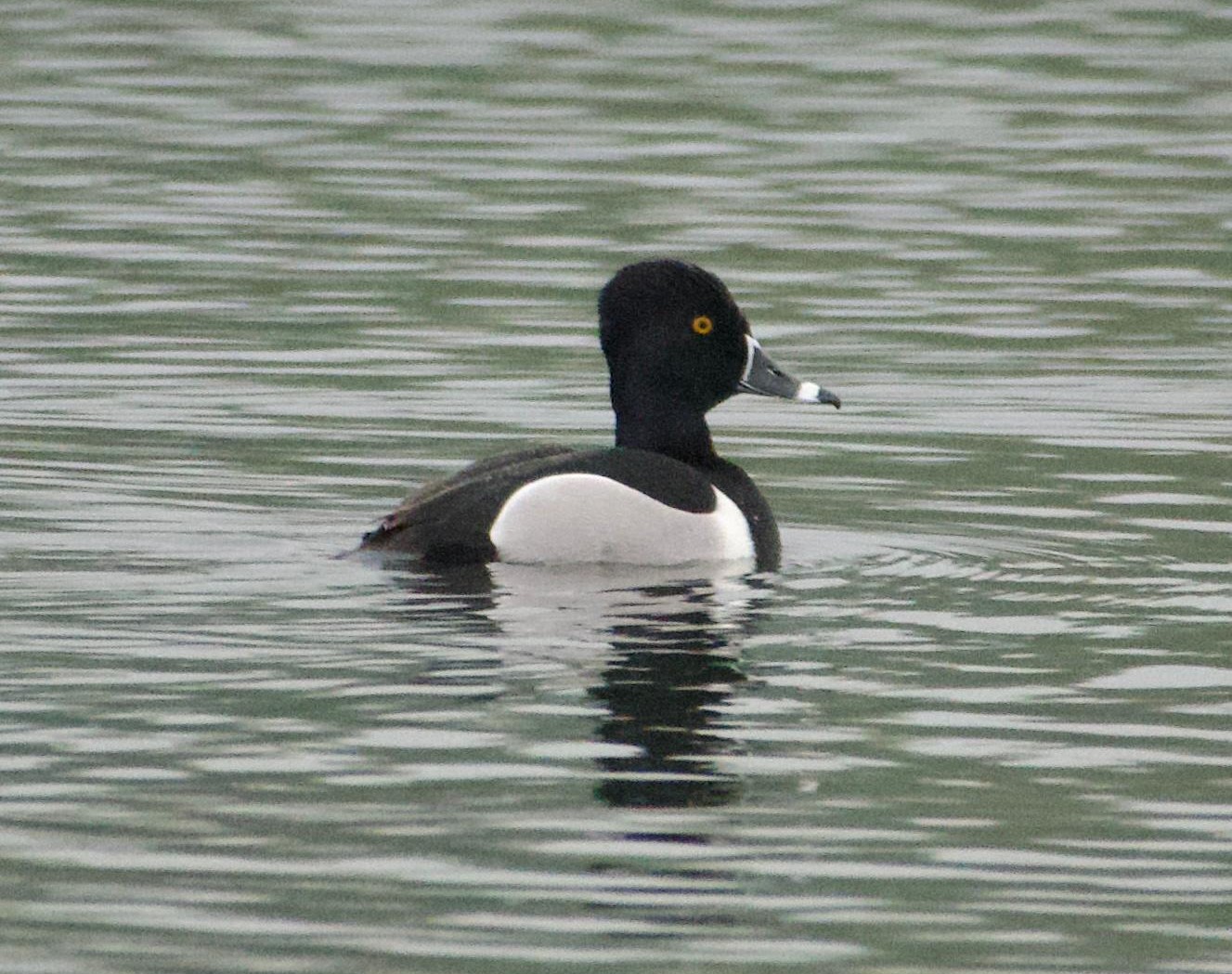
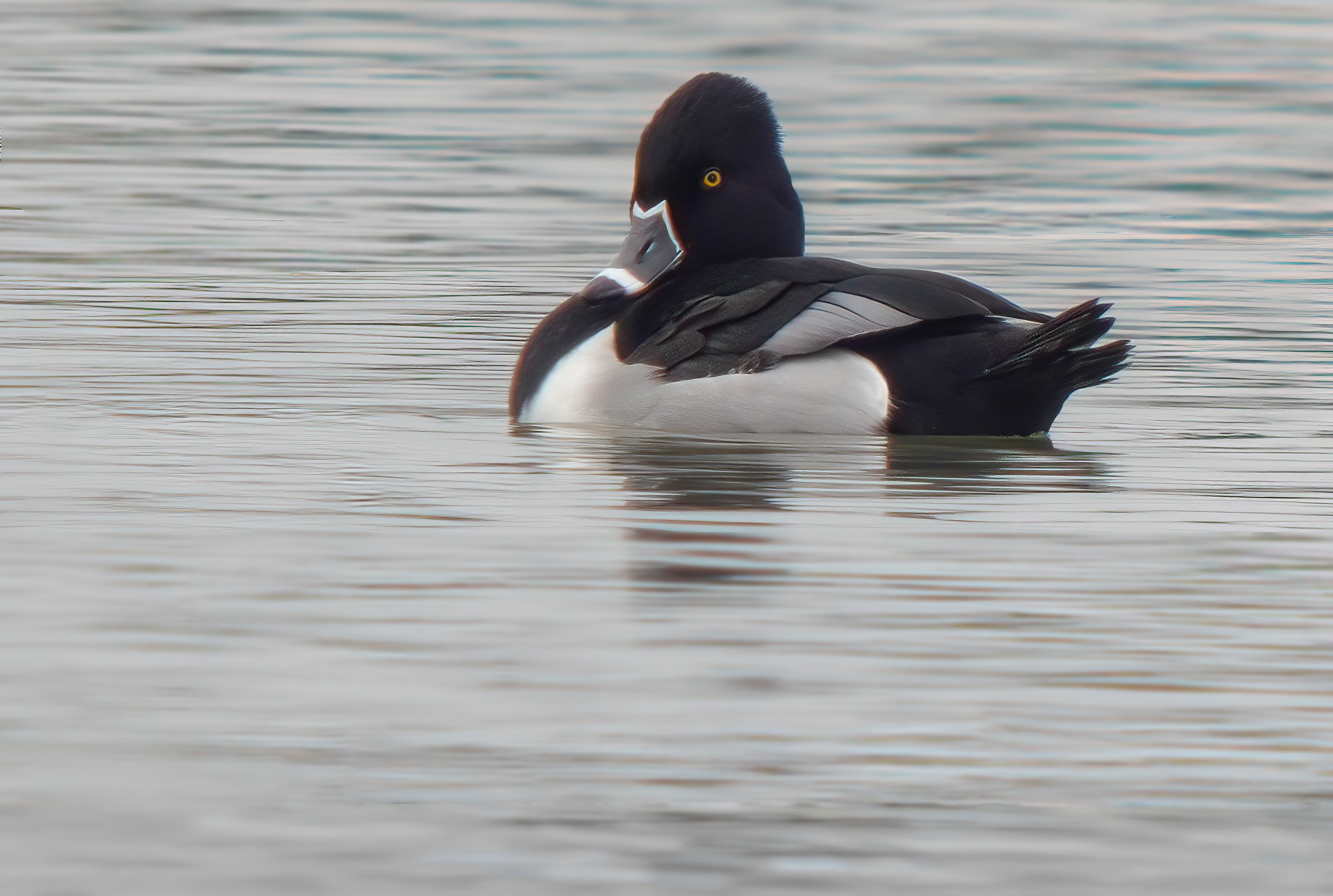
Second only for the year and hot on the heels of the recent bird at Stanwick GP, a drake Garganey graced Thrapston GP’s Titchmarsh NR on 2nd but, like last week’s, it evaded the masses, not being seen again after its initial discovery. After a cracking winter, nationally, and with at least ten still around in the UK at present, it perhaps comes as no surprise that the county pulled in another Ring-necked Duck, with a dapper drake surfacing at Stanford Res on 3rd and showing no hurry to move on until after 7th.
Drake Ring-necked Duck, Stanford Res, 3rd May 2026 (Chris Hubbard)
There was no significant change to the wader menu this week, just smaller portions to go round, with Avocets still up there as starters. Summer Leys LNR opened with four on 2nd, after which numbers dropped to three on 3rd, two on 4th-5th and one from 6th to 8th. One also visited Clifford Hill GP on 3rd, the latter location also giving rise to the county’s third Grey Plover of the year on the same date.
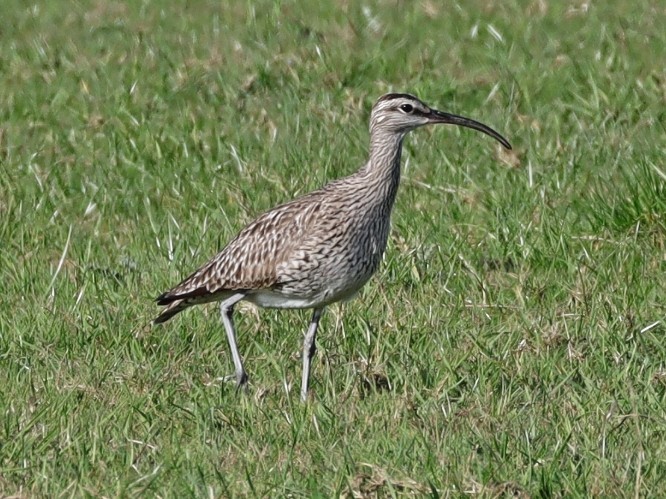
And sticking with Clifford Hill, it has emerged as the go-to site for Whimbrels this spring – not only producing the year’s first and the county’s earliest-ever but sightings virtually daily from 12th April to date. And so they continued this week, with two there on 2nd and one from 3rd until the end of the period. Elsewhere, one flew over Stanford on 2nd and singles were between Great Doddington and Summer Leys on 4th and at the latter site on 7th-8th.
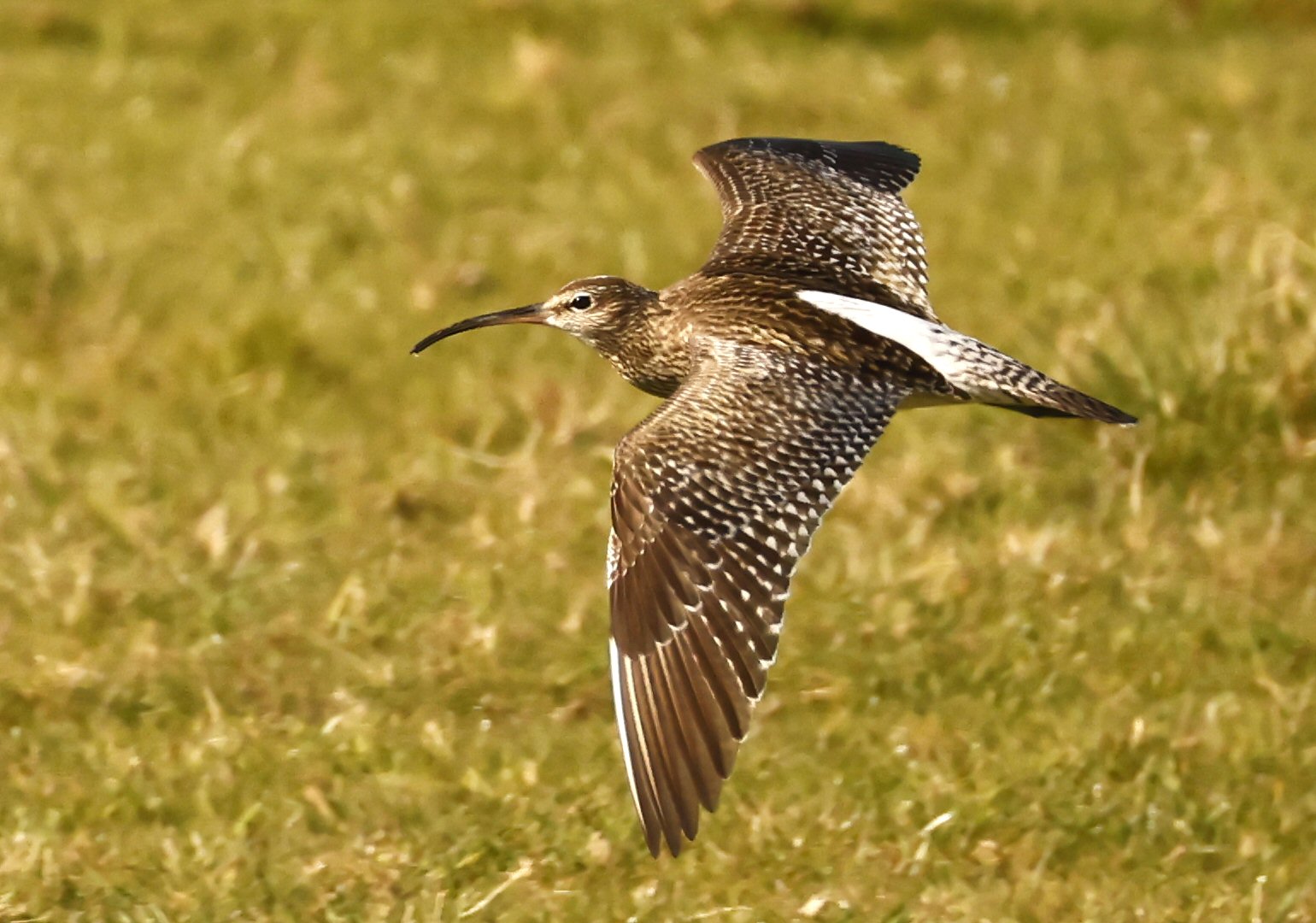
Whimbrel, Clifford Hill GP, 6th May 2026 (Tony Stanford)
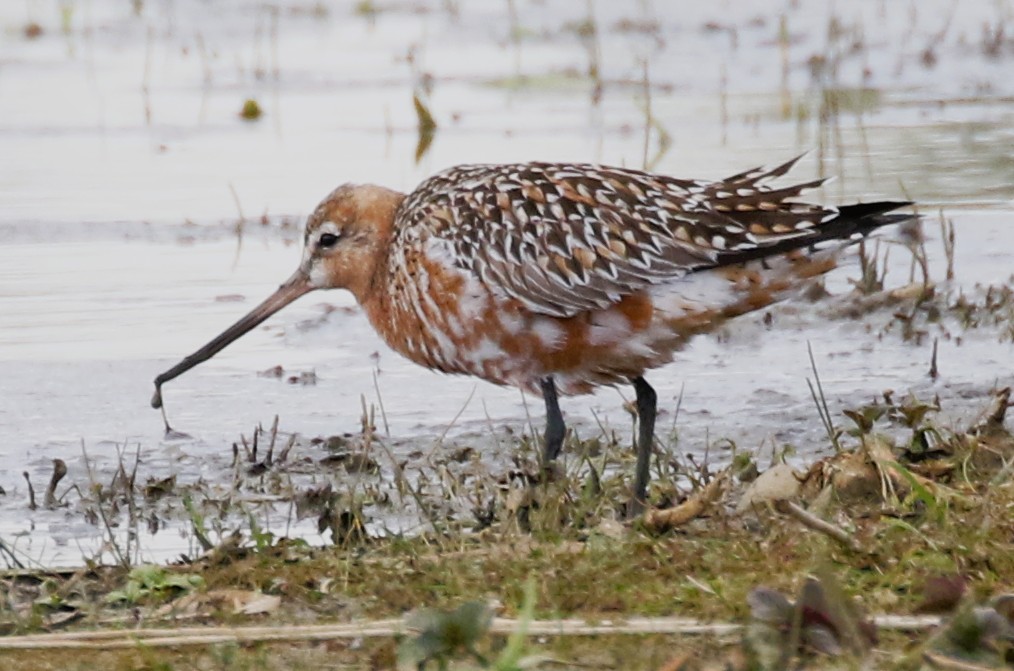
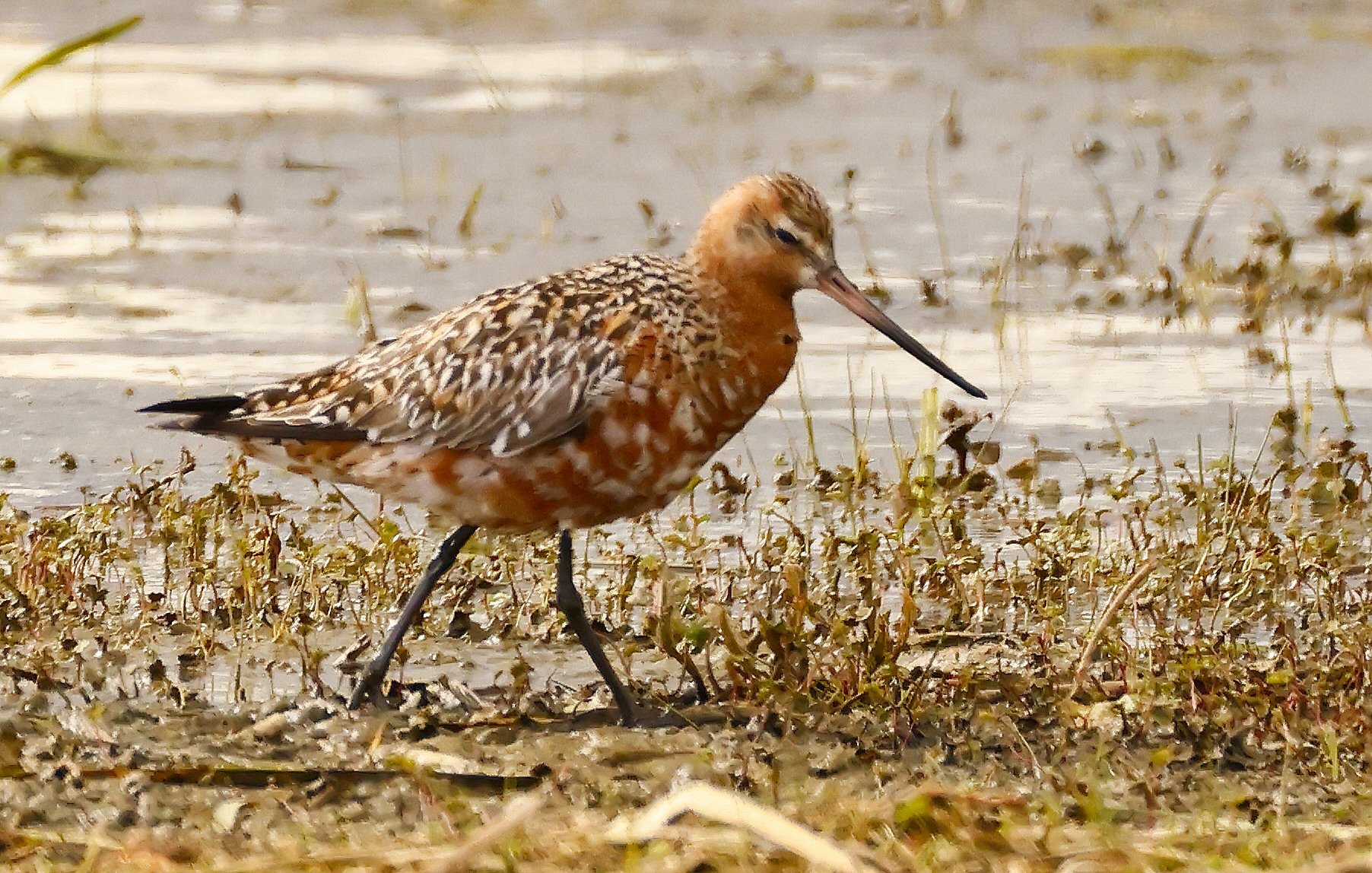
Last week’s Bar-tailed Godwit lingered at Summer Leys until 3rd but the only other to be seen this week was one at Earls Barton GP’s New Workings (South) on 6th. Following the year’s first, fast disappearing from the latter locality last week, two somewhat more obliging Sanderlings made landfall at Clifford Hill on 4th.
And still with us as the week opened were nine Wood Sandpipers at New Workings (South) on 3rd, dropping to three there the next day and one only from 5th to 7th. Britain as a whole has experienced a significant influx this spring and our own fair county was generously provided with the opportunity to get in on the action.
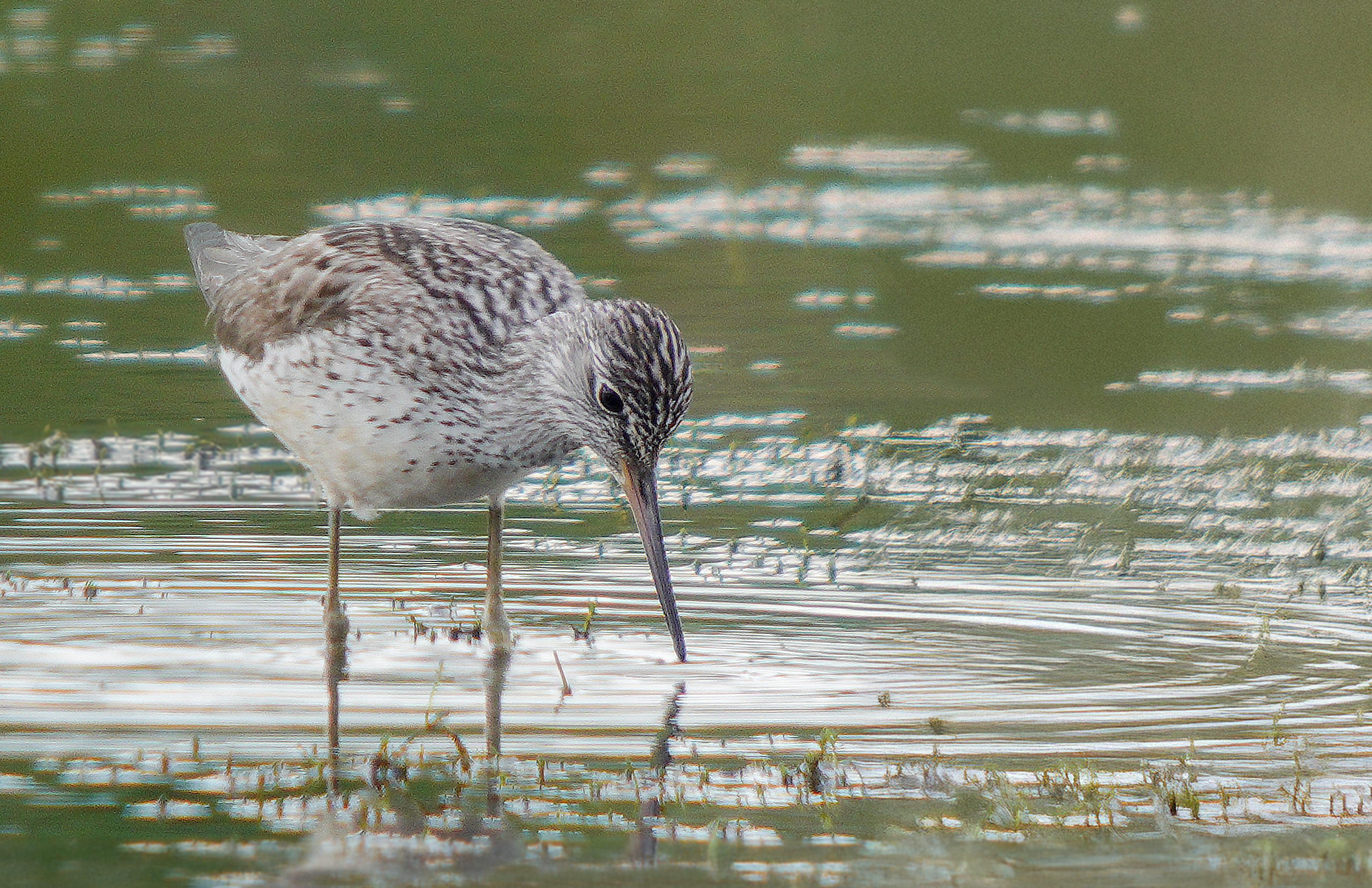
That leaves us with Greenshanks, of which we’ve also seen decent numbers of late. The first half of the week saw eight at New Workings (South) but these subsequently dwindled to three on 7th and just one on 8th. The only other site hosting them throughout the period was Lilbourne Meadows NR, with one on 2nd-3rd and two present from 4th until at least 7th.
Greenshank, Lilbourne Meadows NR, 6th May 2026 (Mike Alibone)
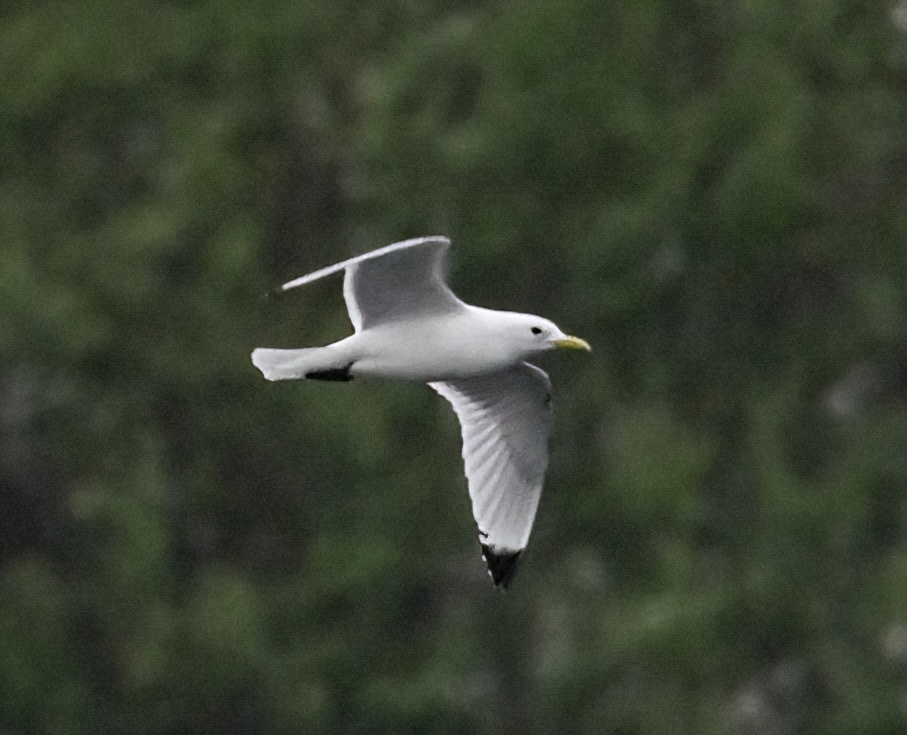
Enter gulls, and the jug had not run dry as far as Kittiwakes were concerned when one flew east over Stanford on 4th.
Kittiwake, Stanford Res, 4th May 2026 (Chris Hubbard)
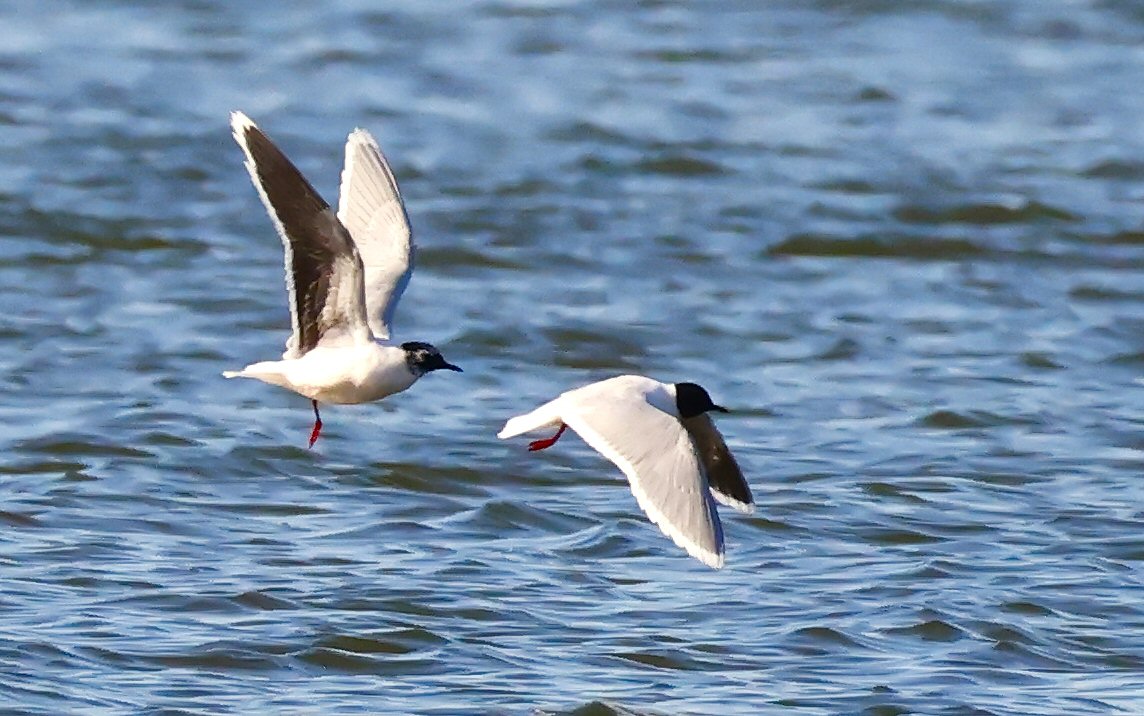
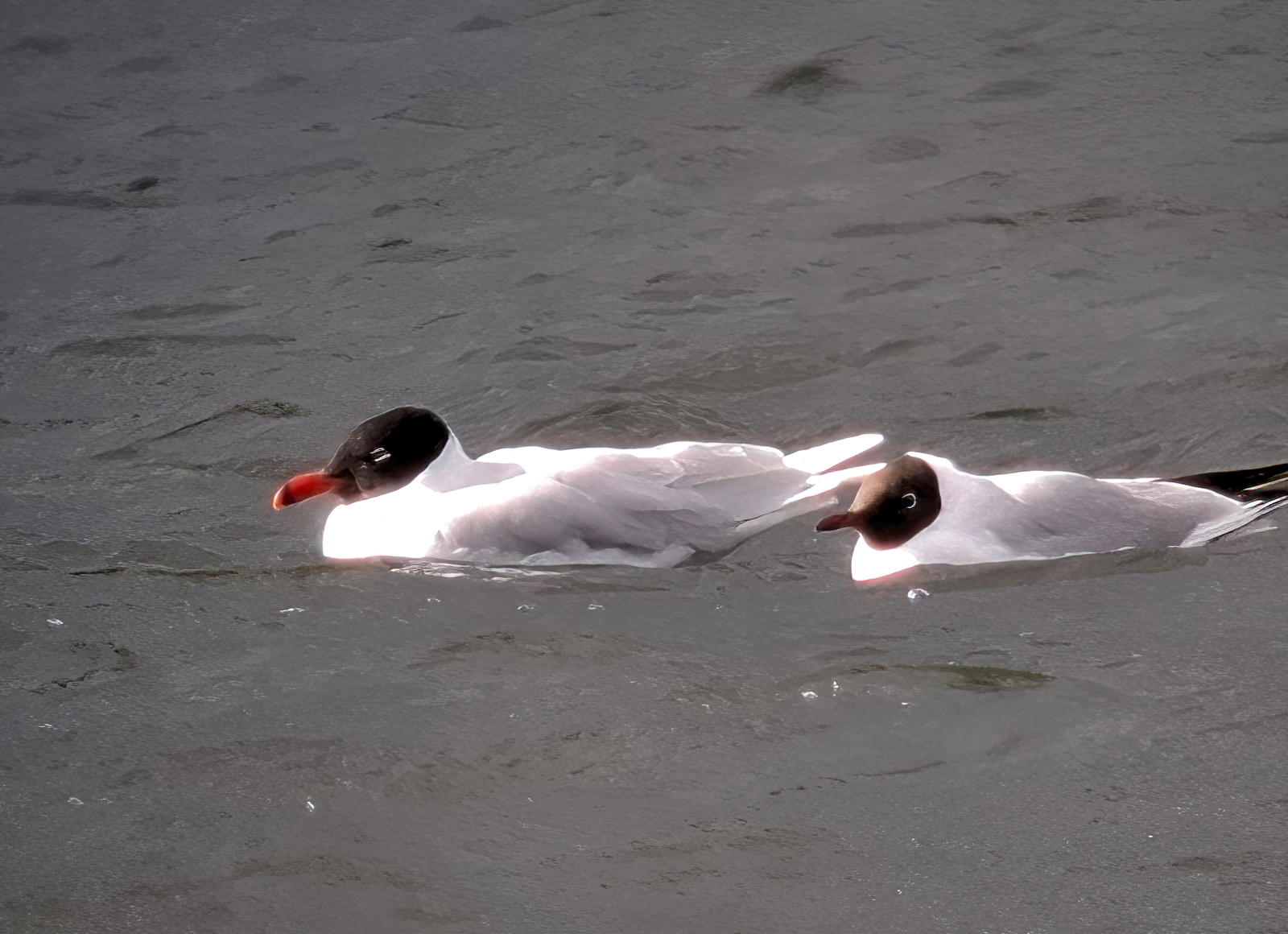
An adult Little Gull visiting Summer Leys on 2nd was the only one of its kind during the period and the latter locality also saw its two adult Mediterranean Gulls return after they made a flying visit to Clifford Hill on 3rd, one remaining until 4th.
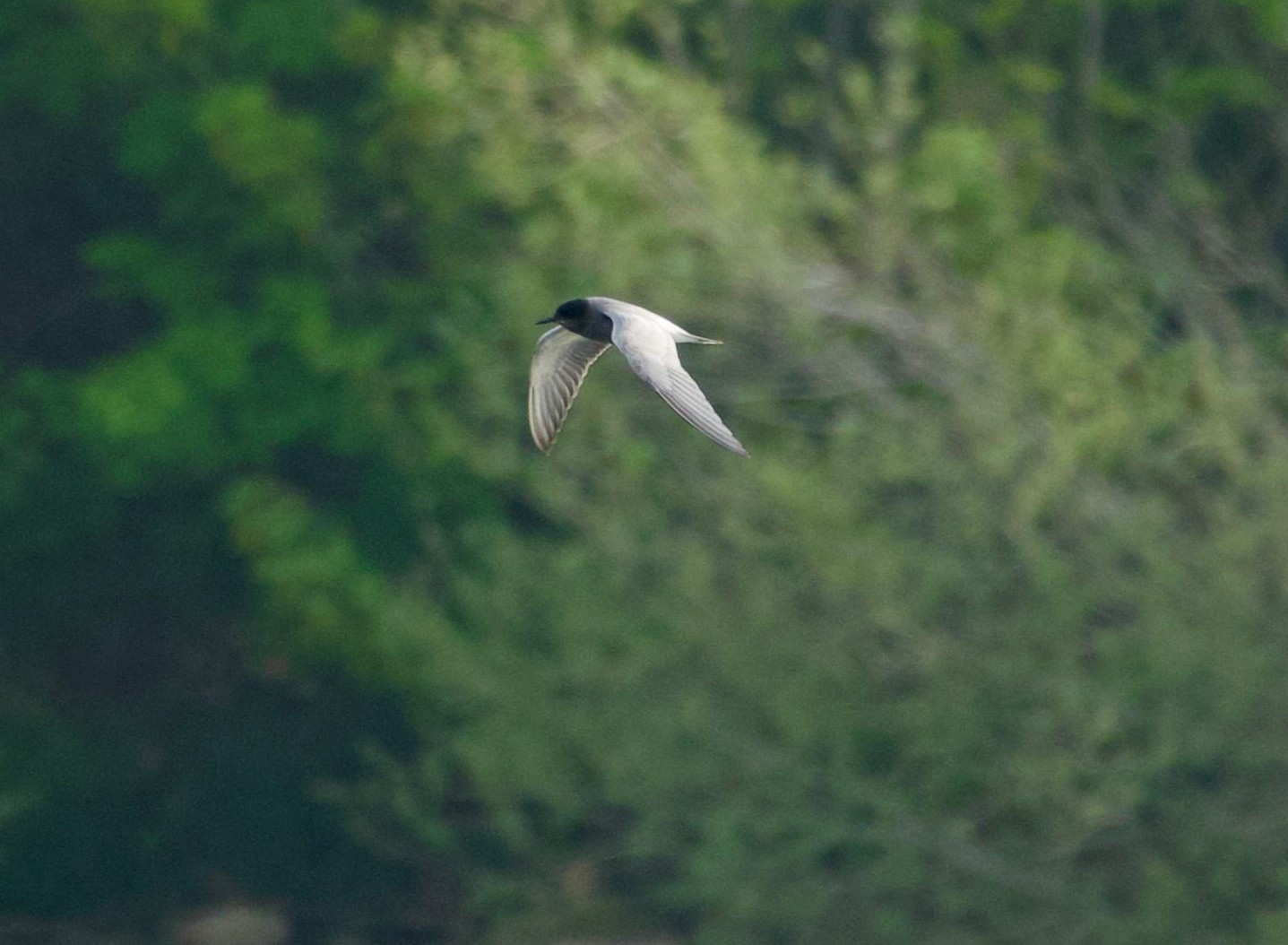
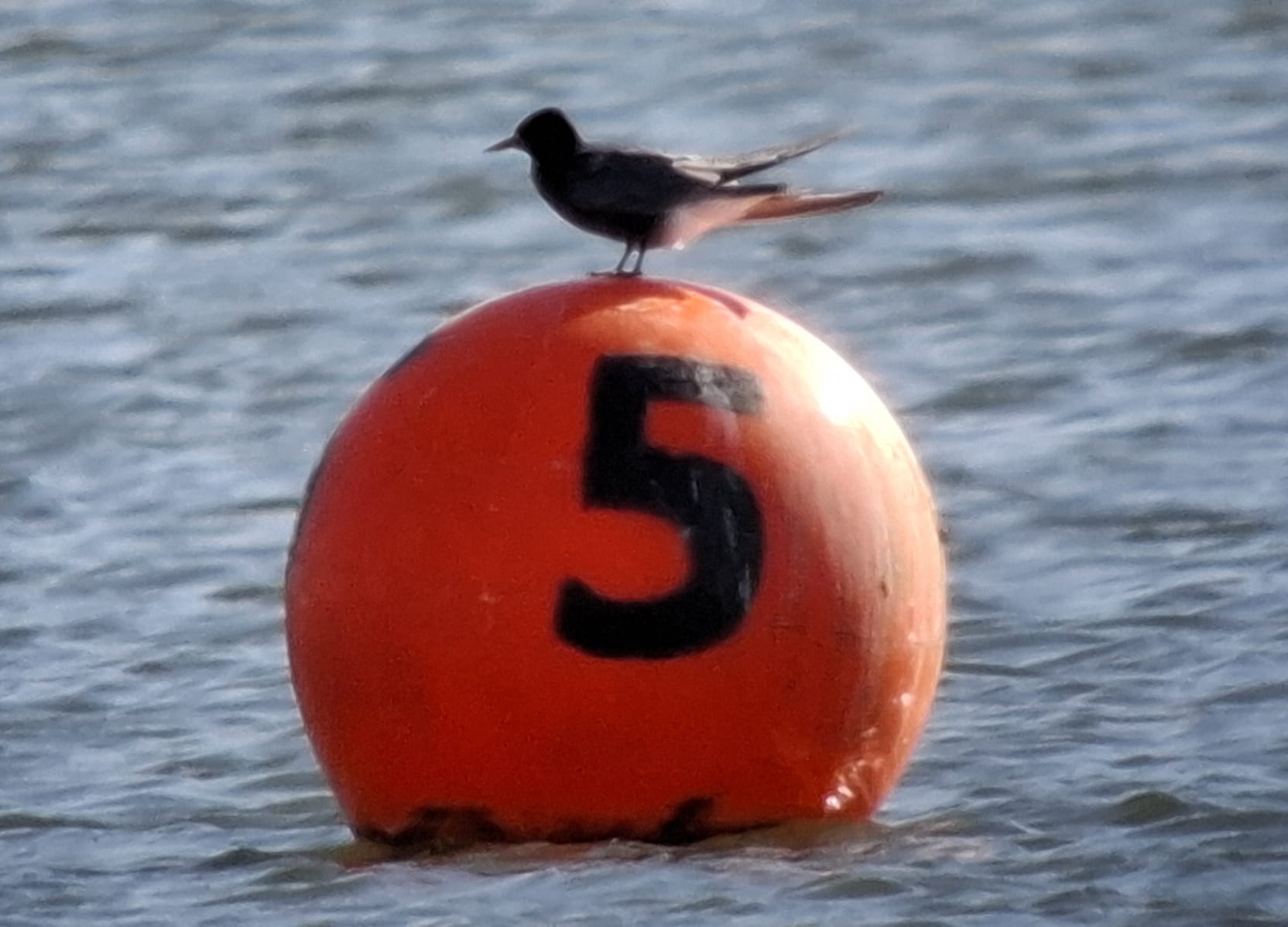
Tern numbers were down on the previous week, with 3rd seeing a single Arctic Tern at Stanford and 4th giving rise to two flying north-east through Clifford Hill and three making their way in the same direction over Stanwick. Meanwhile, Black Terns were limited to singles at Summer Leys on 2nd and Stanford on 5th.
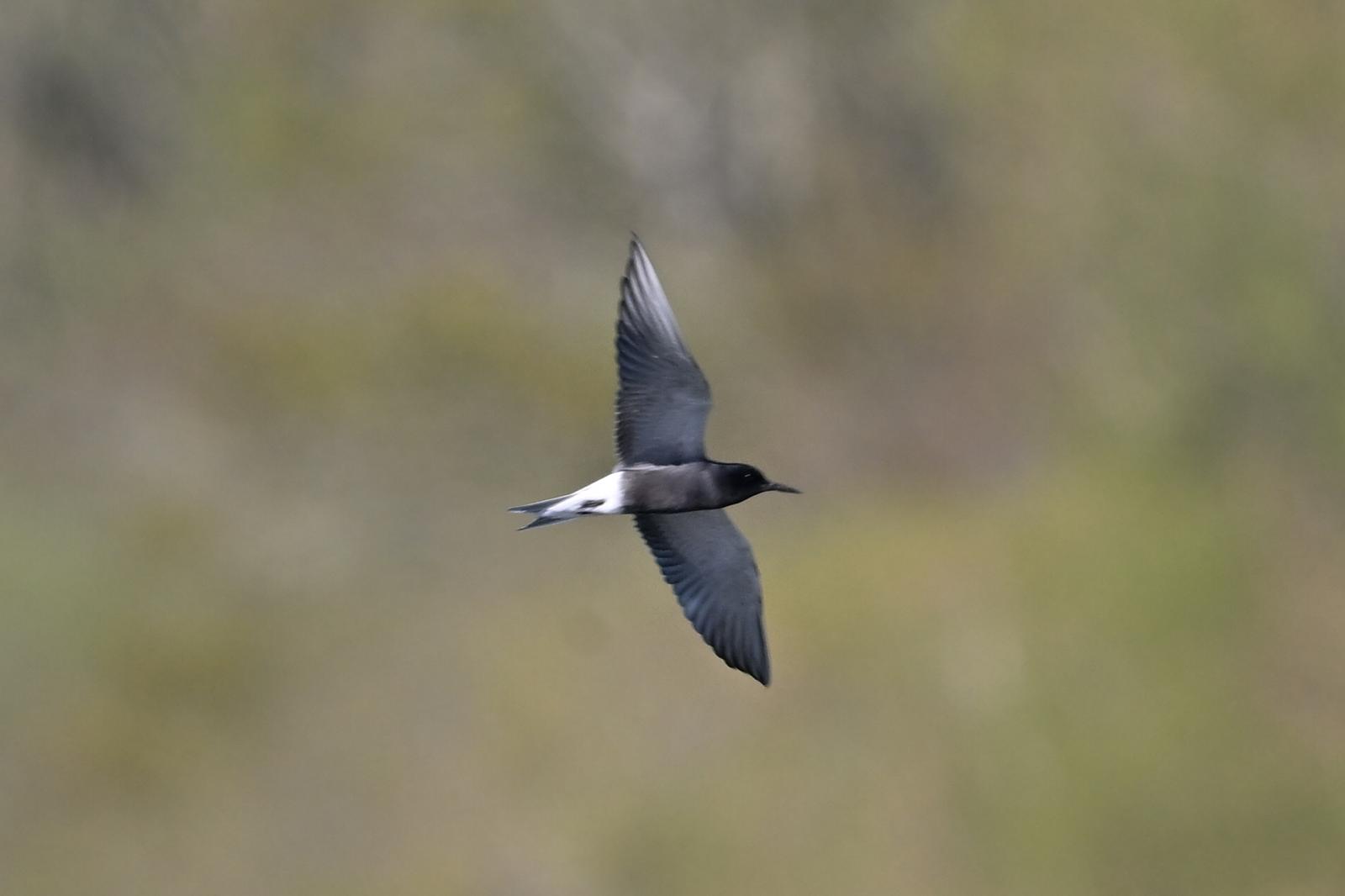
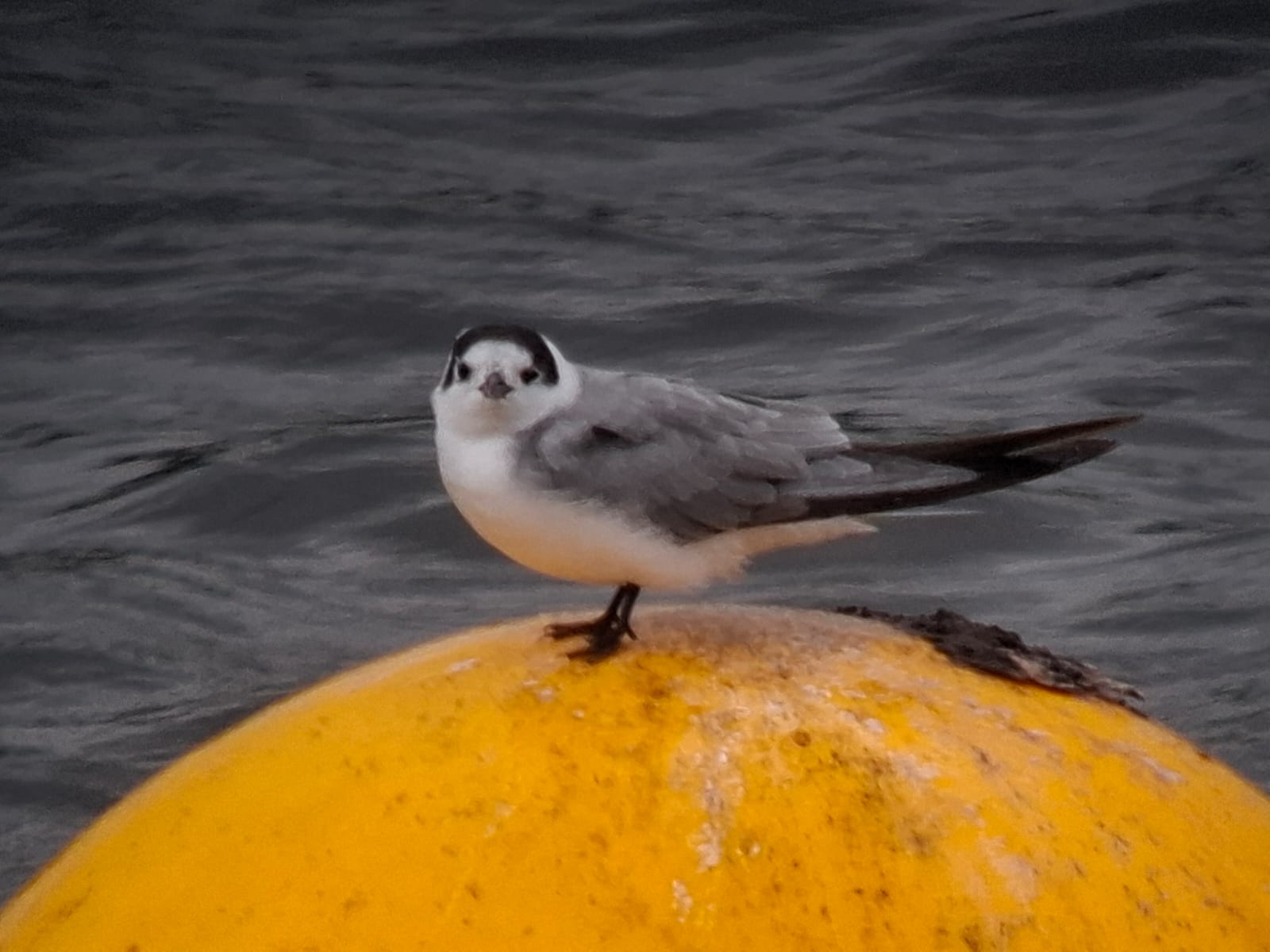
Black Tern, Stanford Res, 5th May 2026 (Chris Hubbard)
Following three in 2025, now virtually an annual visitor and, arguably, bird of the week, a White Stork soaring in a thermal near Thrapston’s Town Lake climbed to a good height before exiting south-west, on 4th.
And, further extending its dwell time, the county’s long-staying Glossy Ibis saw another week out at Summer Leys, as well as a short sojourn at New Workings (South) on 2nd.
The latter site also produced a Bittern on 3rd, while at least two were still present at Titchmarsh NR this week. Six Cattle Egrets were again at Stanwick on 2nd.
Flags and tags
There were slim pickings on the raptor front, with just a single Osprey at Pitsford Res on 6th but Summer Leys saw the return of a wing-tagged Marsh Harrier on 5th-6th. ‘Yellow DP’ – a first summer female – had previously visited the reserve on 28th March after being ringed and tagged near Hardley, Norfolk in 2025. Since its initial visit, it was recently seen at Marbury in Cheshire on 29th April before its return to Summer Leys, where there was also a non-tagged Marsh Harrier on 6th.
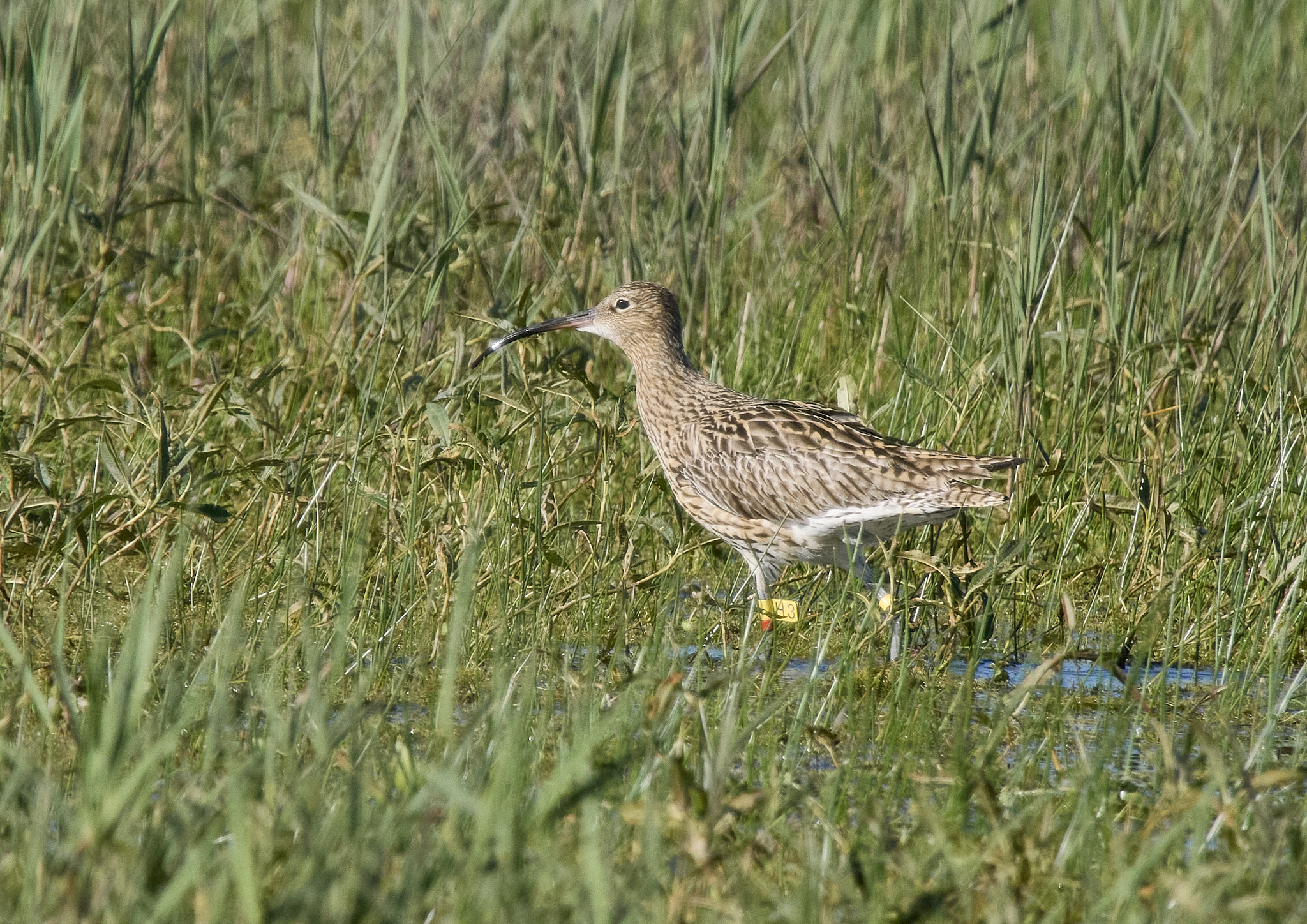
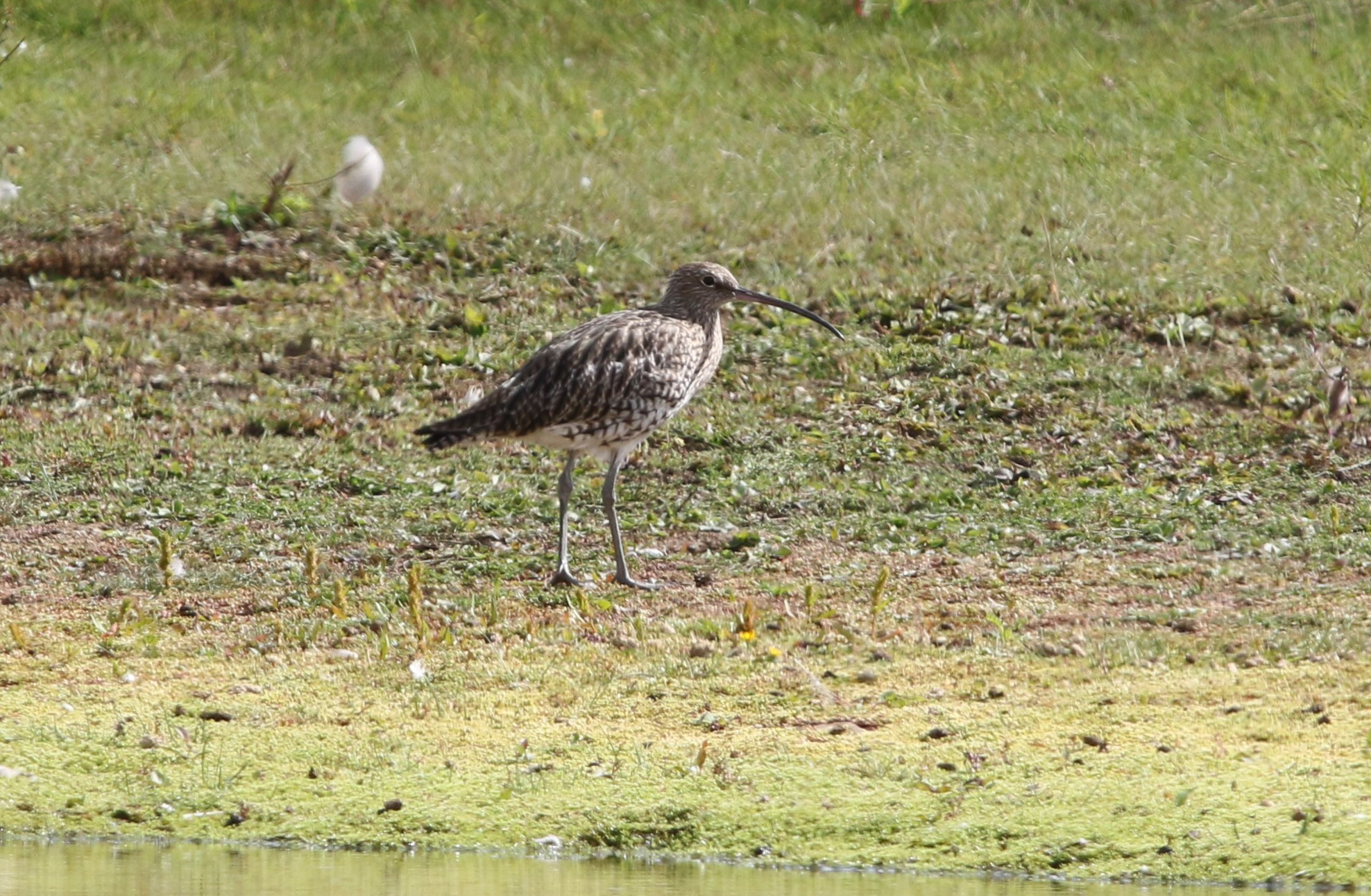
Flagged, not tagged, a Curlew, ‘yellow H3’ that was released as part of a re-introduction project in southern England dropped into Summer Leys on the 30th April. It was released as part of a re-introduction project in southern England, which involves eggs being taken from ‘at-risk’ nests within stable populations in Northern England, then incubated, hatched and reared in captivity. The young birds are released at three sites in the south: Cranborne in Dorset, Peppering in West Sussex, and Elmley in Kent. The project has been running since 2022. ‘H3’ was released at the Peppering Estate on 17th August 2024 and this is the first sighting since its release (per Roger Eads).
Curlew ‘H3’, Summer Leys LNR, 30th April 2026 (Roger Eads)
Passerines
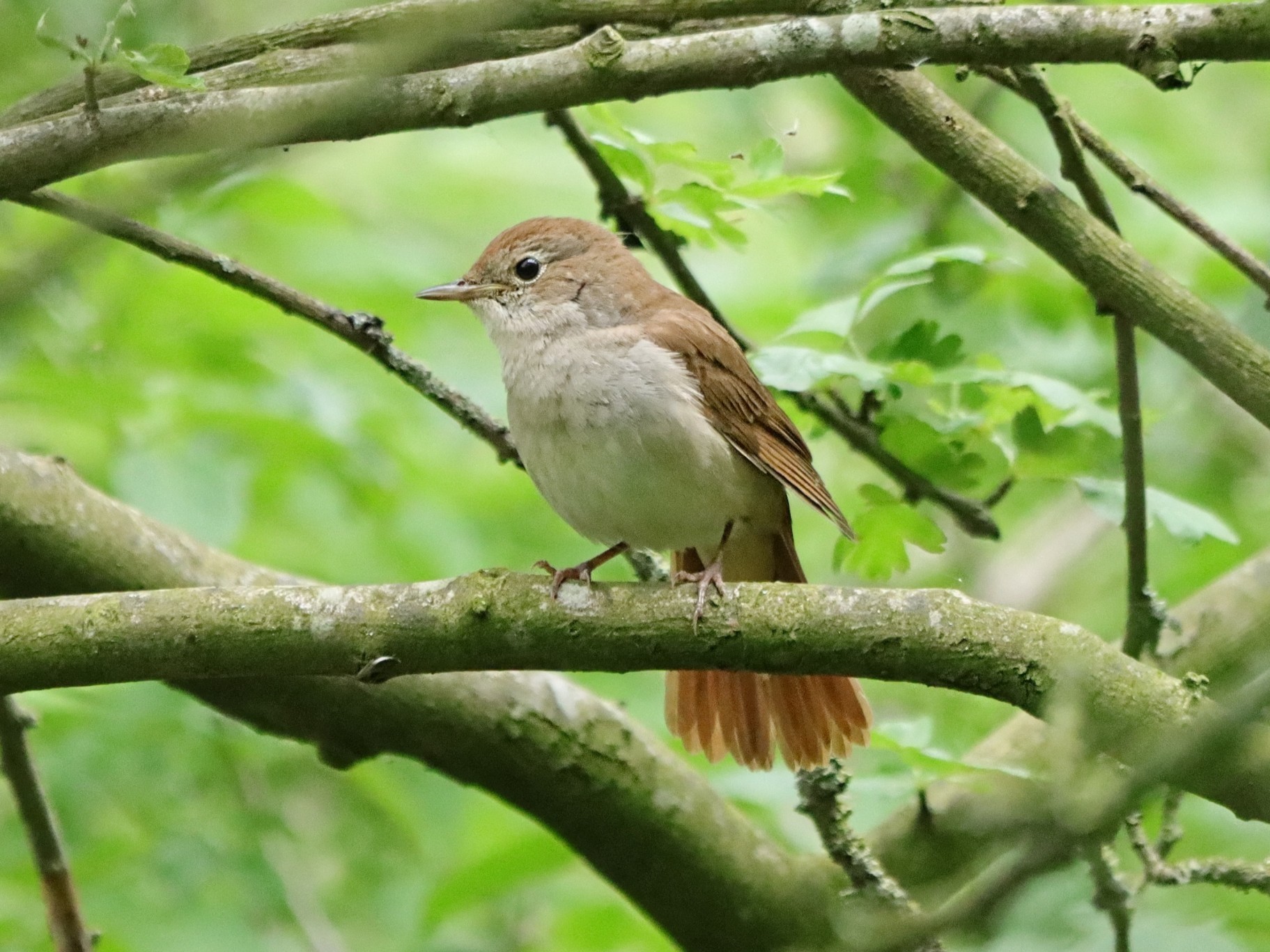
Scarcer passerines were in the minority this week but there was enough to keep the home fires burning in this respect. A male Firecrest was still singing at an undisclosed locality on 2nd. Also featuring strongly this spring are Nightingales which, although annual county breeders, have been present at notably many more sites than in recent years, including some not previously recognised as breeding localities. Although this species has seen a dramatic national population decline of 34% between 1995 and 2024, the numbers of singing males on RSPB reserves have increased over the last two summers.
Nightingale, Stortons GP, 3rd May 2026 (Tony Stanford)
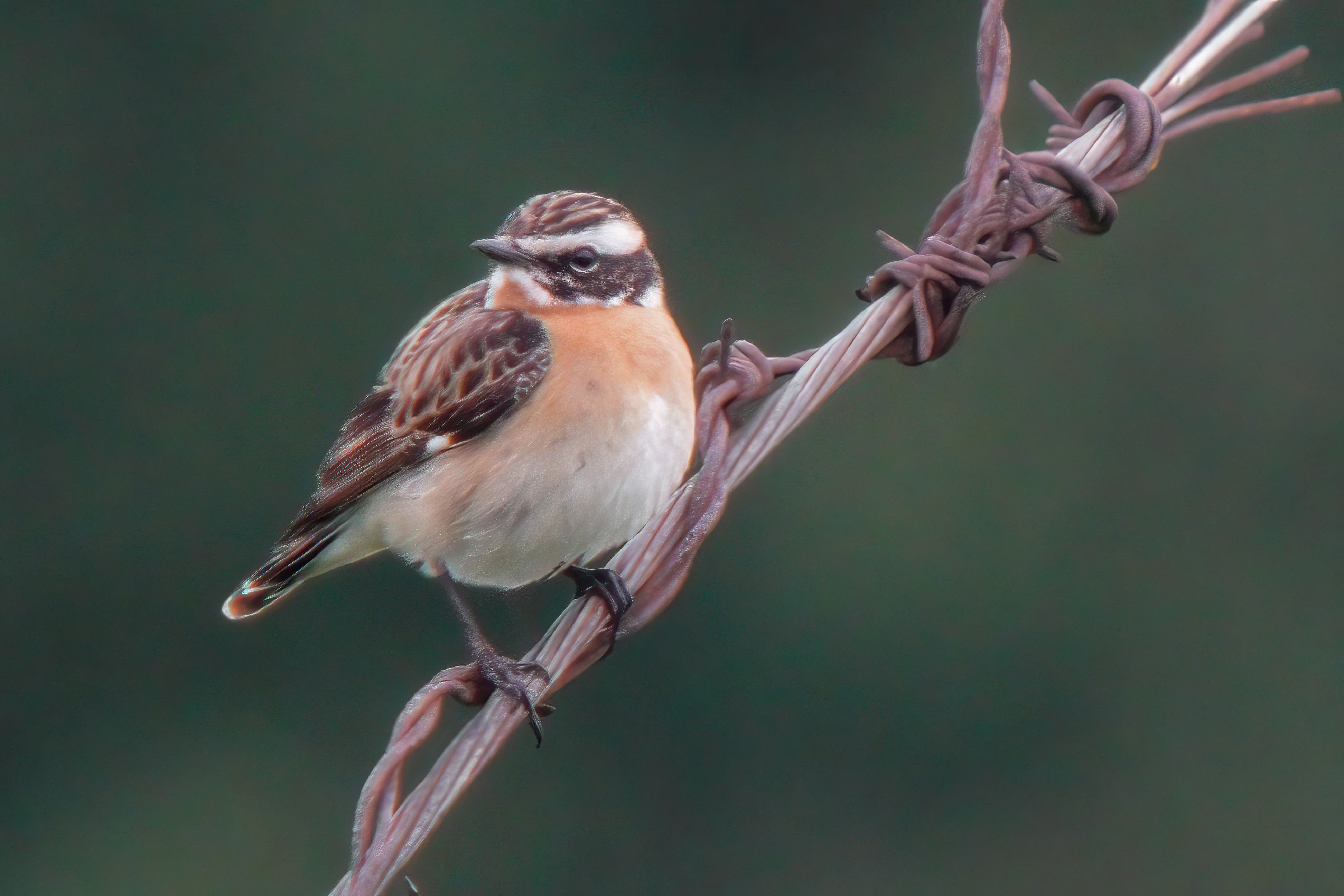
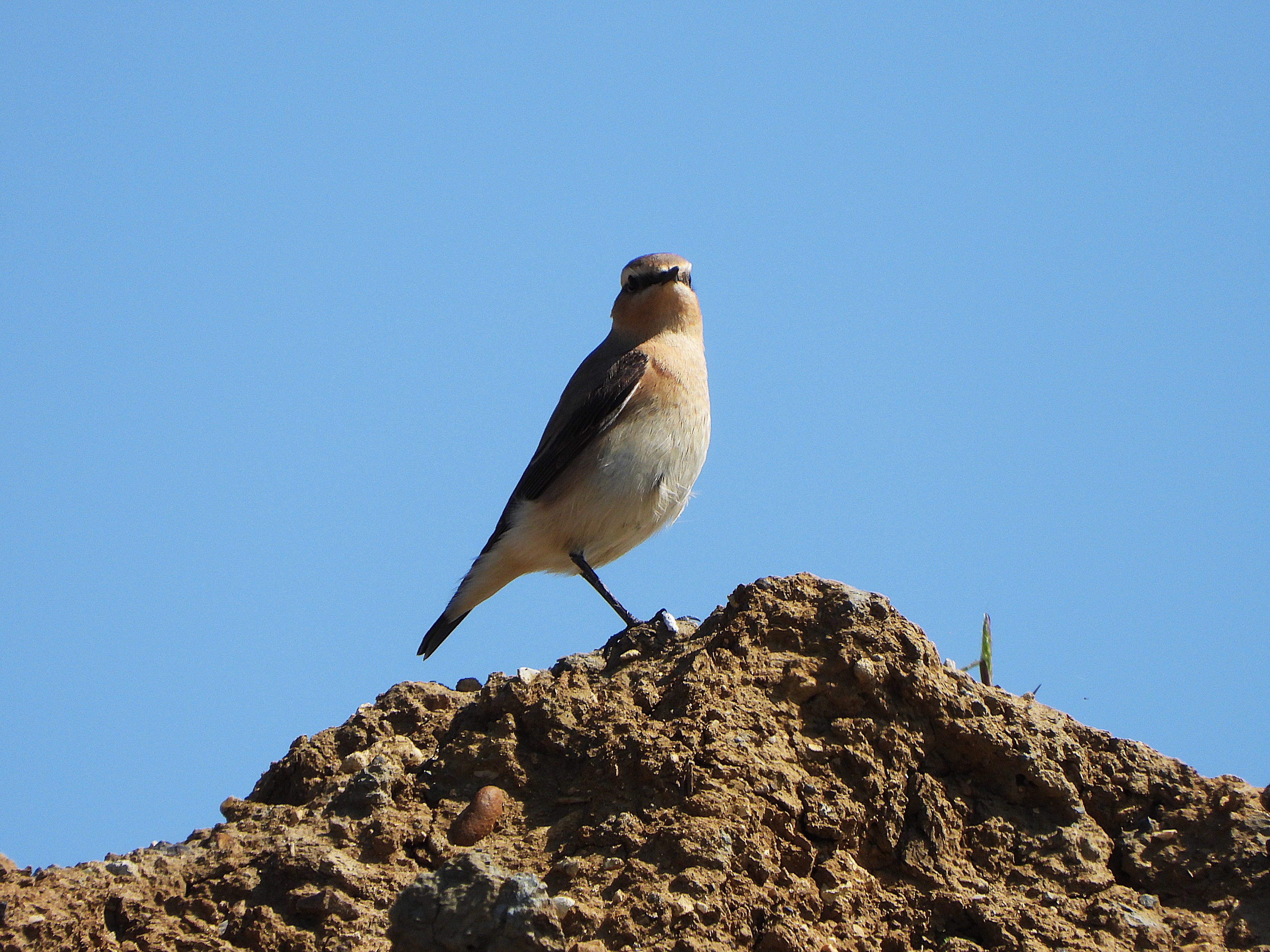
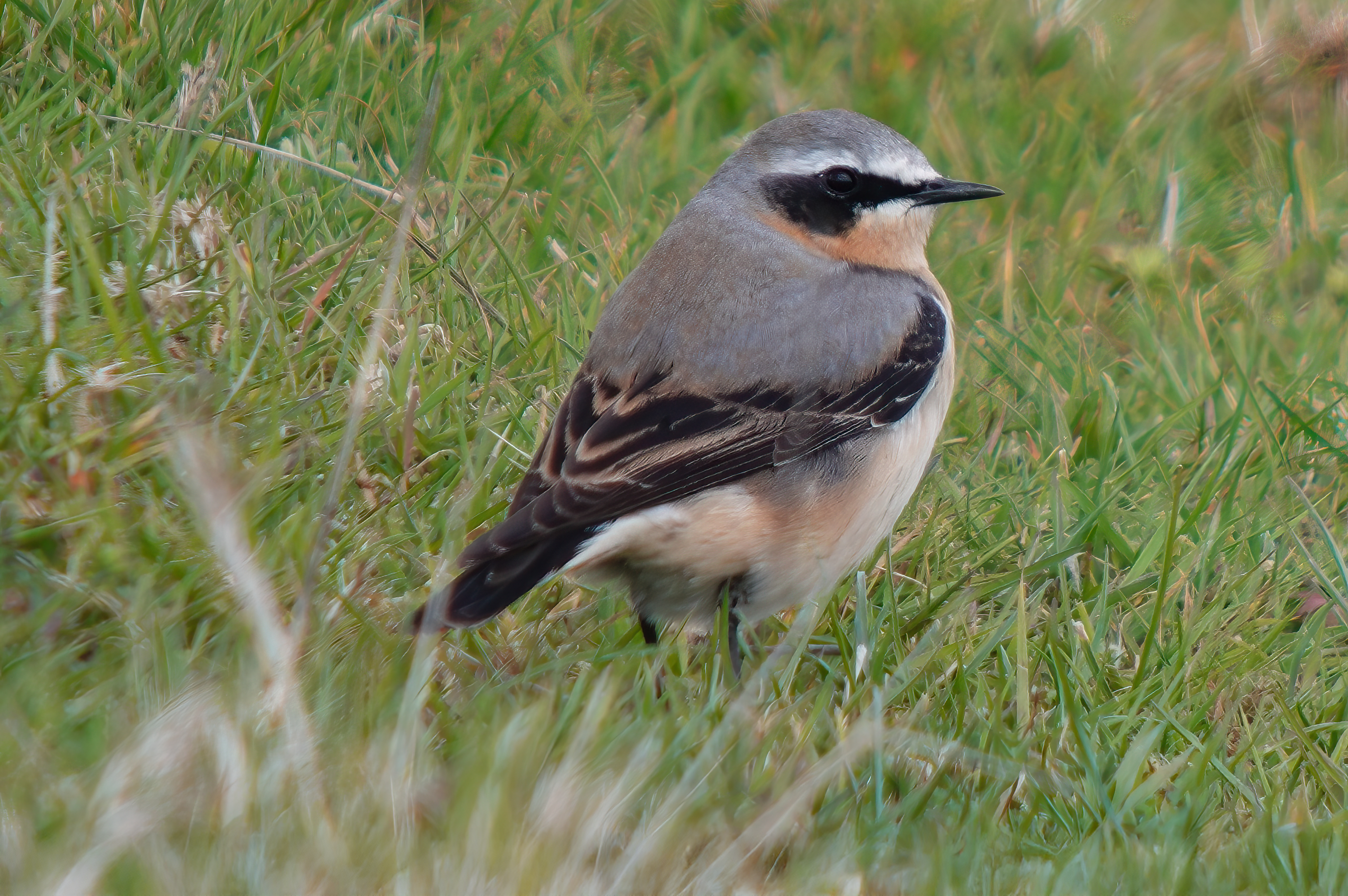
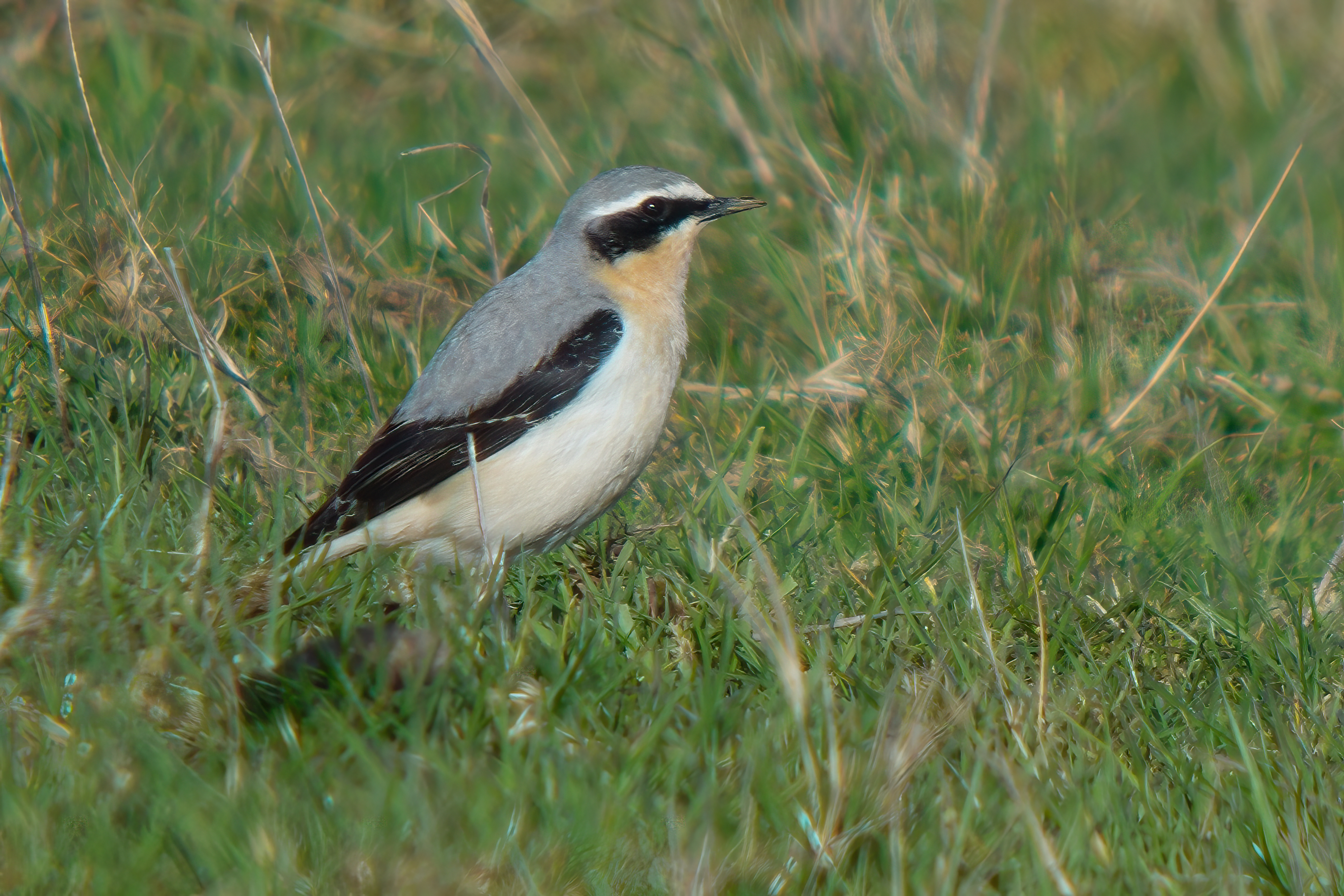
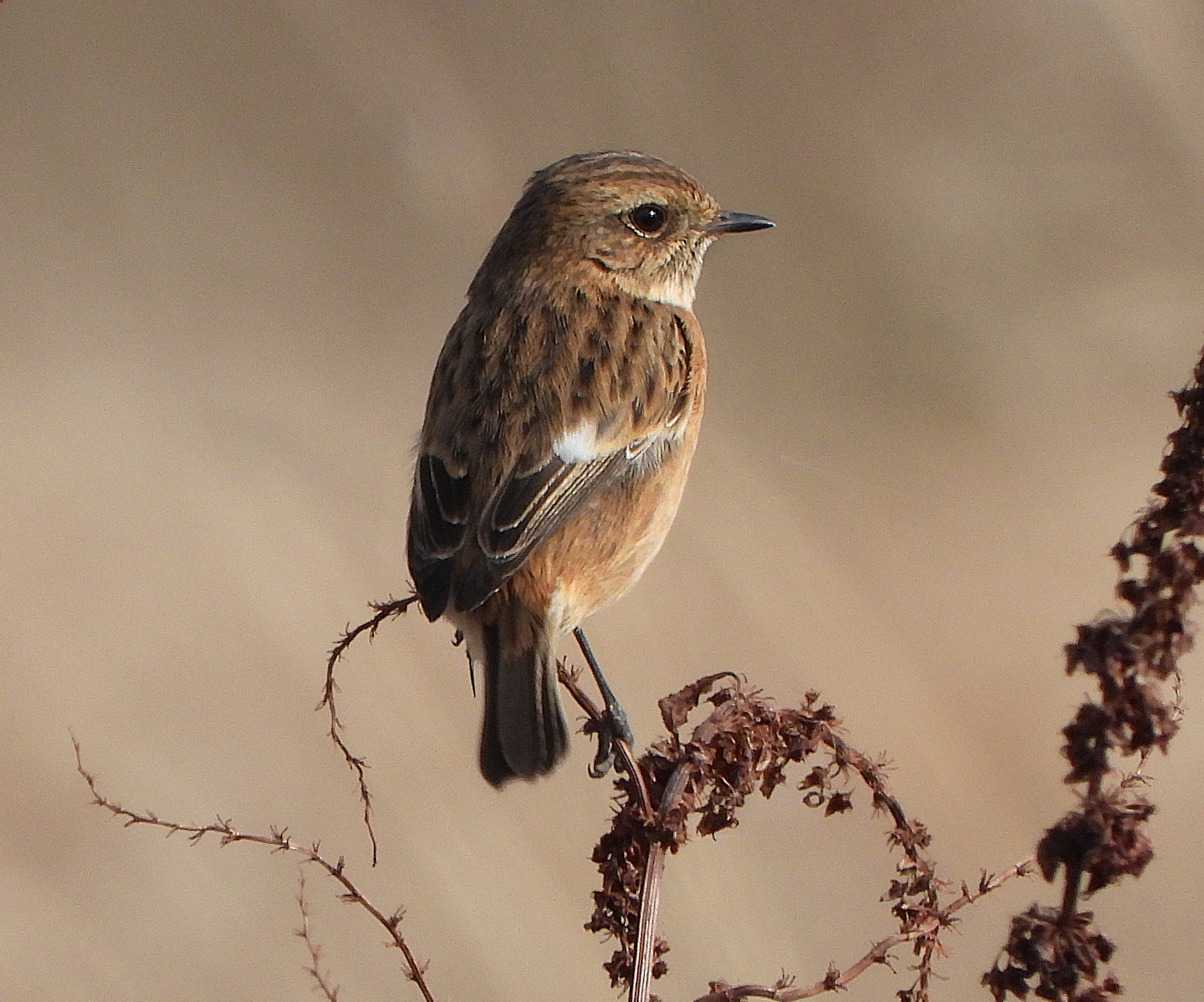
Other passerines were available, including a Whinchat at Lilbourne Meadows on 4th, a Northern Wheatear at New Workings (South) on 2nd, followed by two in the Brampton Valley between Cottesbrooke and Hanging Houghton on the last day of the week.
Whinchat, Lilbourne Meadows NR, 4th May 2026 (Mike Alibone)Female Northern Wheatear, Earls Barton GP, 2nd May 2026 (Leslie Fox)
A Blue-headed Wagtail was present at Clifford Hill on 2nd.
The Birdscape changed considerably this week, shaped largely by a sustained easterly airstream off the near continent, giving rise to a surge of wetland migrants passing through the county.
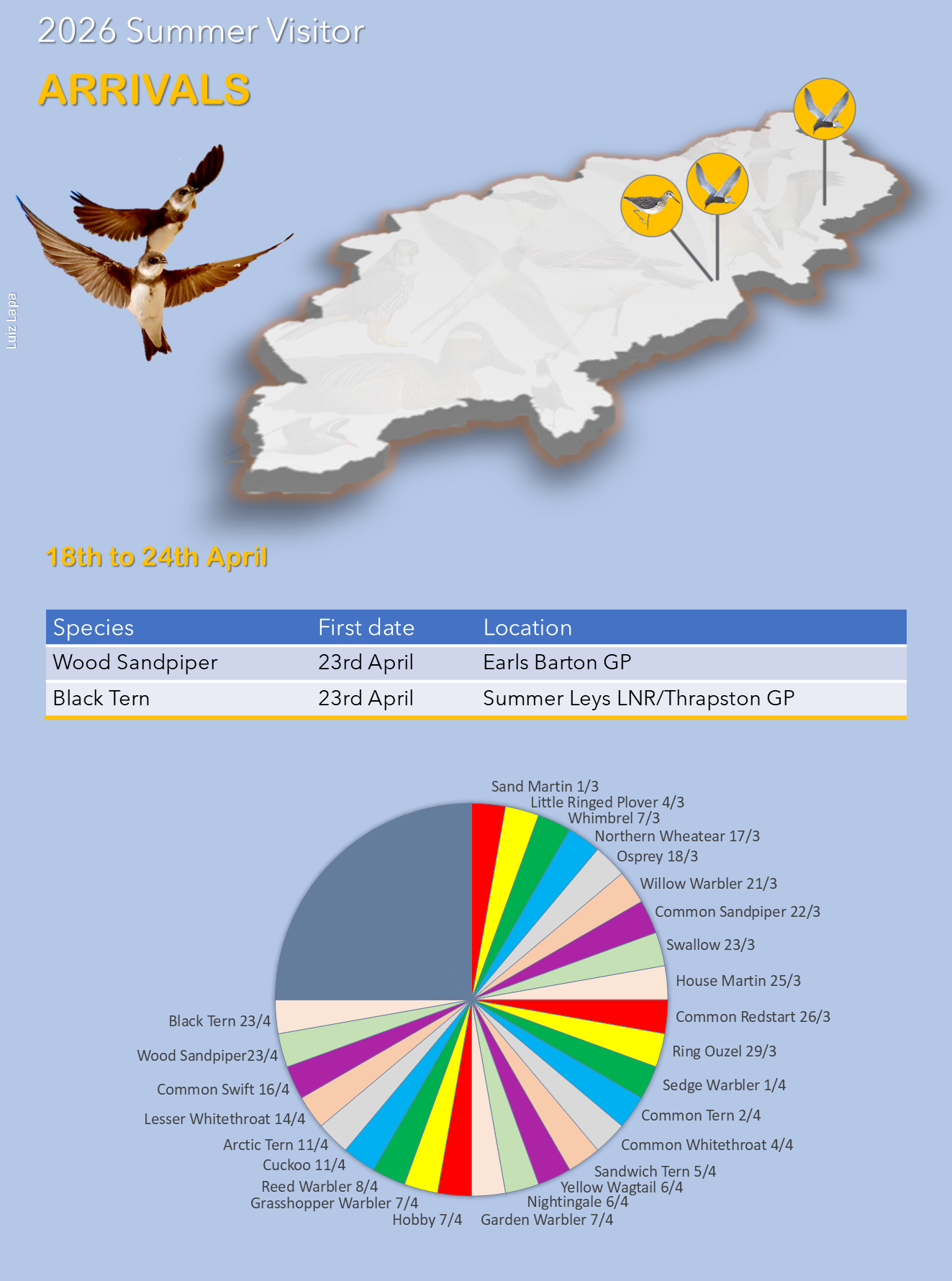
Just two new summer visitors arrived, although no new records were set in terms of early arrival dates.
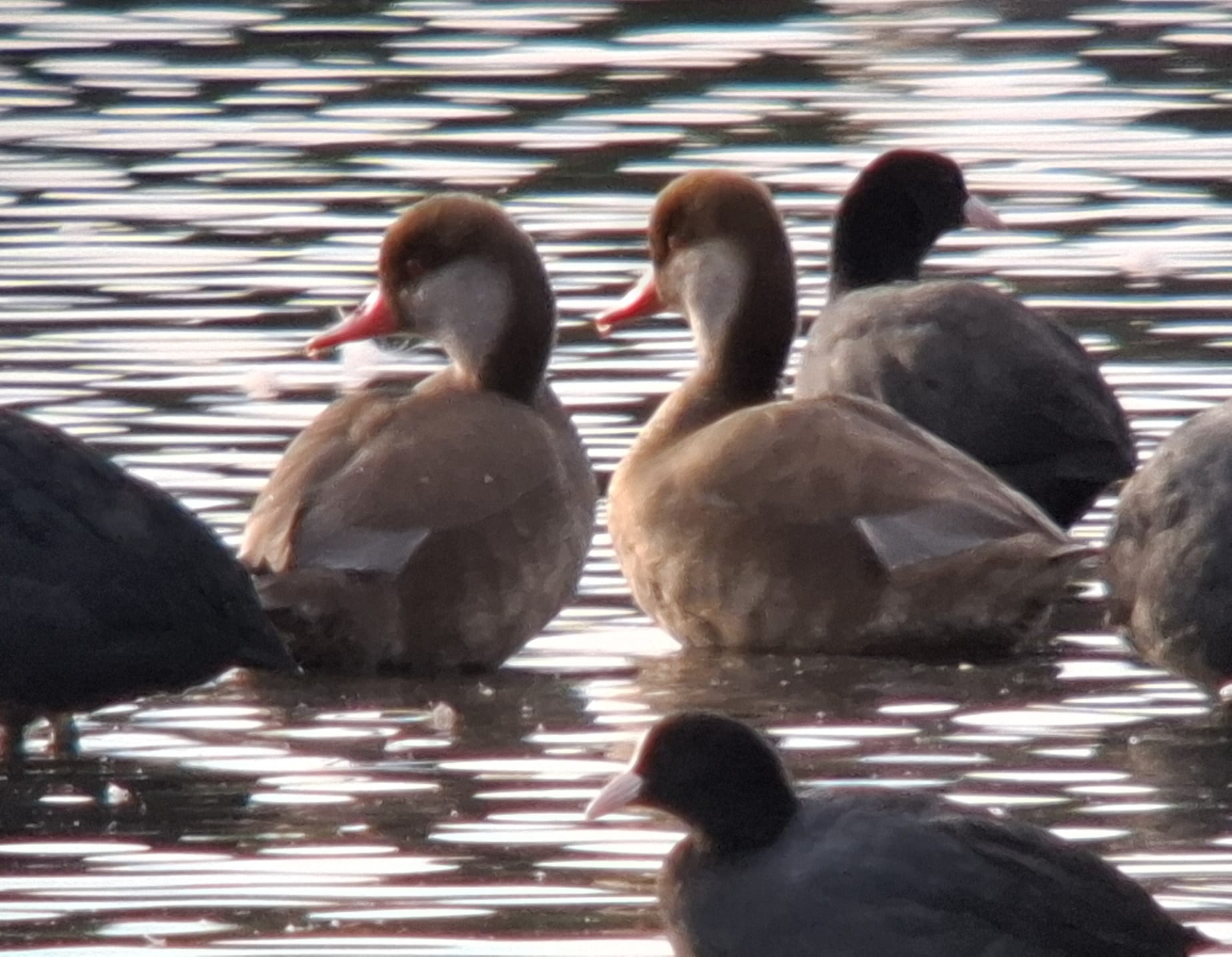
Unsurprisingly, the number of wildfowl hit rock bottom this week, the sole representative being the drake Red-crested Pochard remaining at Earls Barton GP’s New Workings (South) until at least 22nd.
Following single flyovers in the east of the county on 23rd February and 20th March, the third Common Crane of the year flew east over the Brampton Valley, between Cottesbrooke and Hanging Houghton, on 19th. One on the ground would, no doubt, be much appreciated …
Looking at the Nene Valley flyway and focussing on waders specifically, there was undoubtedly competition between the wetland localities with the easybirdin’ site of Summer Leys upstaged this week by Earls Barton GP’s New Workings (South), which dished up rich pickings for local birders.
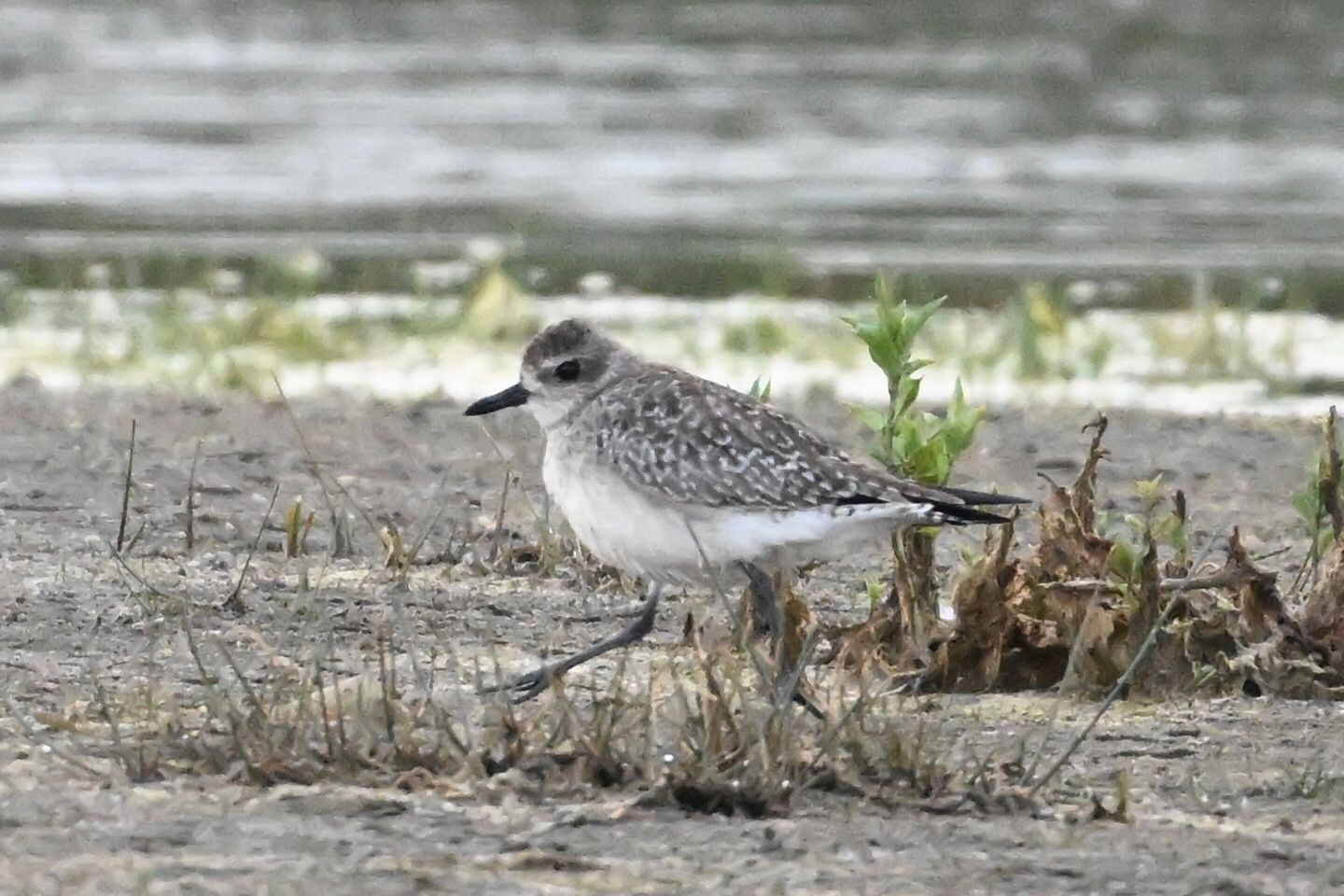
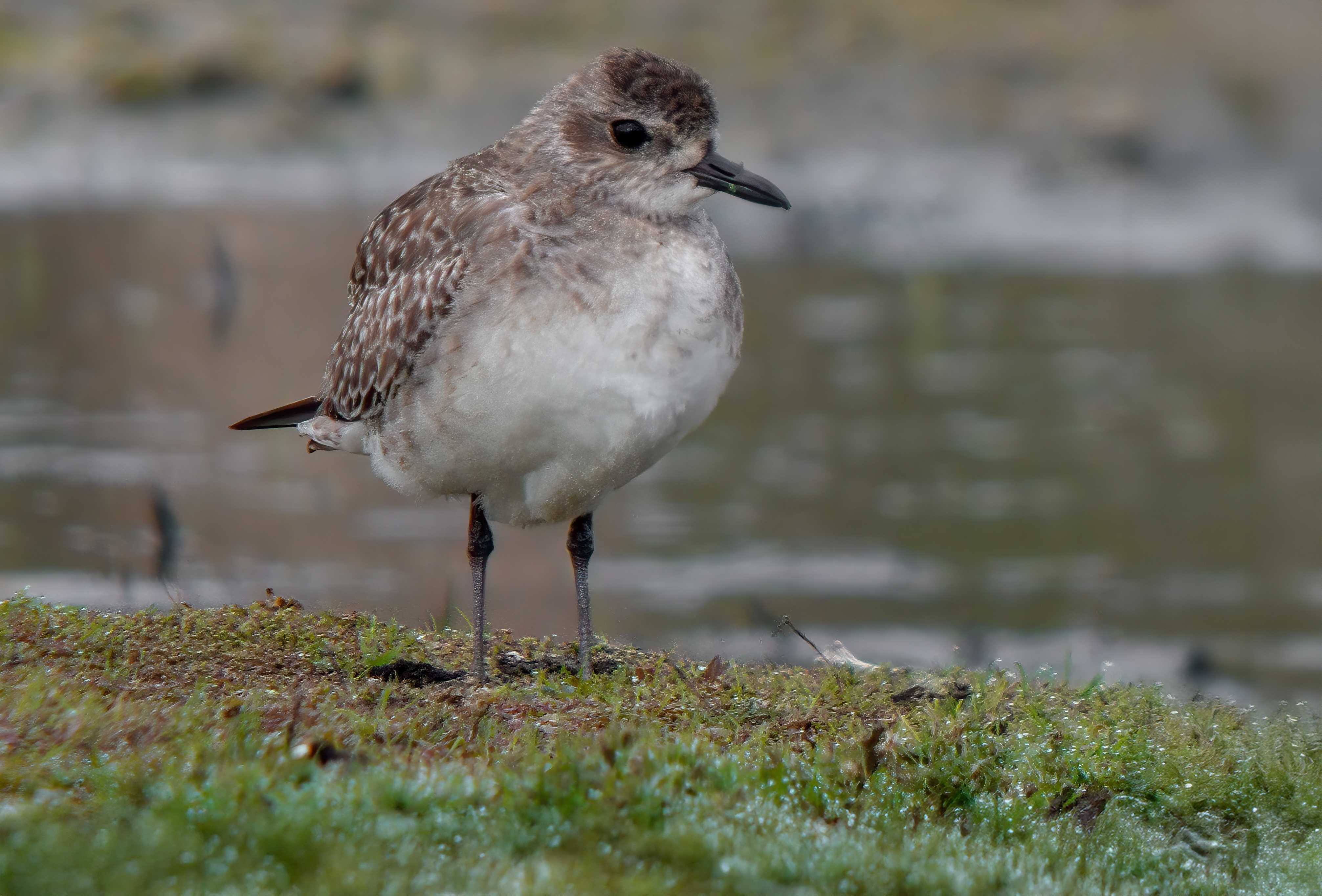
Now a weekly part of the spring furniture, it seems, the former locality kicked off with two Avocets on 18th, while two arrived for a short stay at Clifford Hill GP on 22nd and two were even briefer in their visit to Pitsford Res, where they circled fleetingly before heading high south, on 24th. Away from the Nene Valley waders are notoriously hard to come by at this time of the year, so for Lilbourne Meadows NR to dish up the year’s first Grey Plover on 23rd was a feather in its cap, so to speak.
Grey Plover, Lilbourne Meadows NR, 23rd April 2026 (Jon Cook)Grey Plover, Lilbourne Meadows NR, 23rd April 2026 (Mike Alibone)
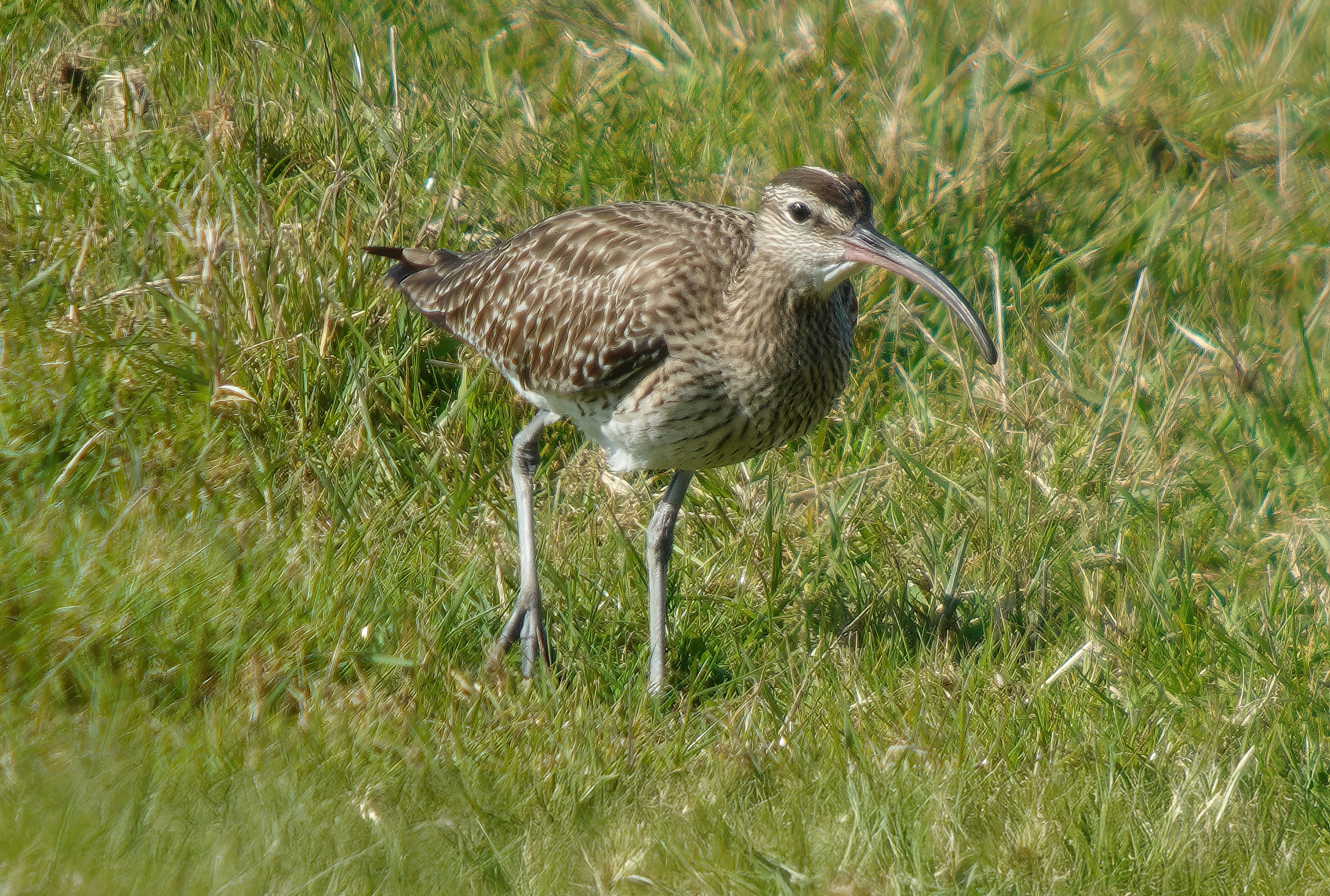
The wader rush continued with the presence of Whimbrels expanding to five localities as well as an uptick in numbers. Clifford Hill was the place to be, with last week’s single bird being joined by another from 18th to 20th, a third on 21st-22nd and the number increasing to six on 23rd before falling back to three on the last day of the period. Smaller numbers elsewhere included three on 21st at Summer Leys, where there was also one on 24th, while single birds were also at Earls Barton GP’s Hardwater Lake on 20th and 24th, New Workings (South) on 21st-23rd, Thrapston GP’s Titchmarsh NR on 21st and 23rd and on floodwater by the canal at Braunston on 22nd.
Whimbrel, Clifford Hill GP, 22nd April 2026 (Mike Alibone)Male Whimbrel, Clifford Hill GP, 22nd April 2026 (Bob Bullock)Whimbrels, Clifford Hill GP, 22nd April 2026 (Bob Bullock)
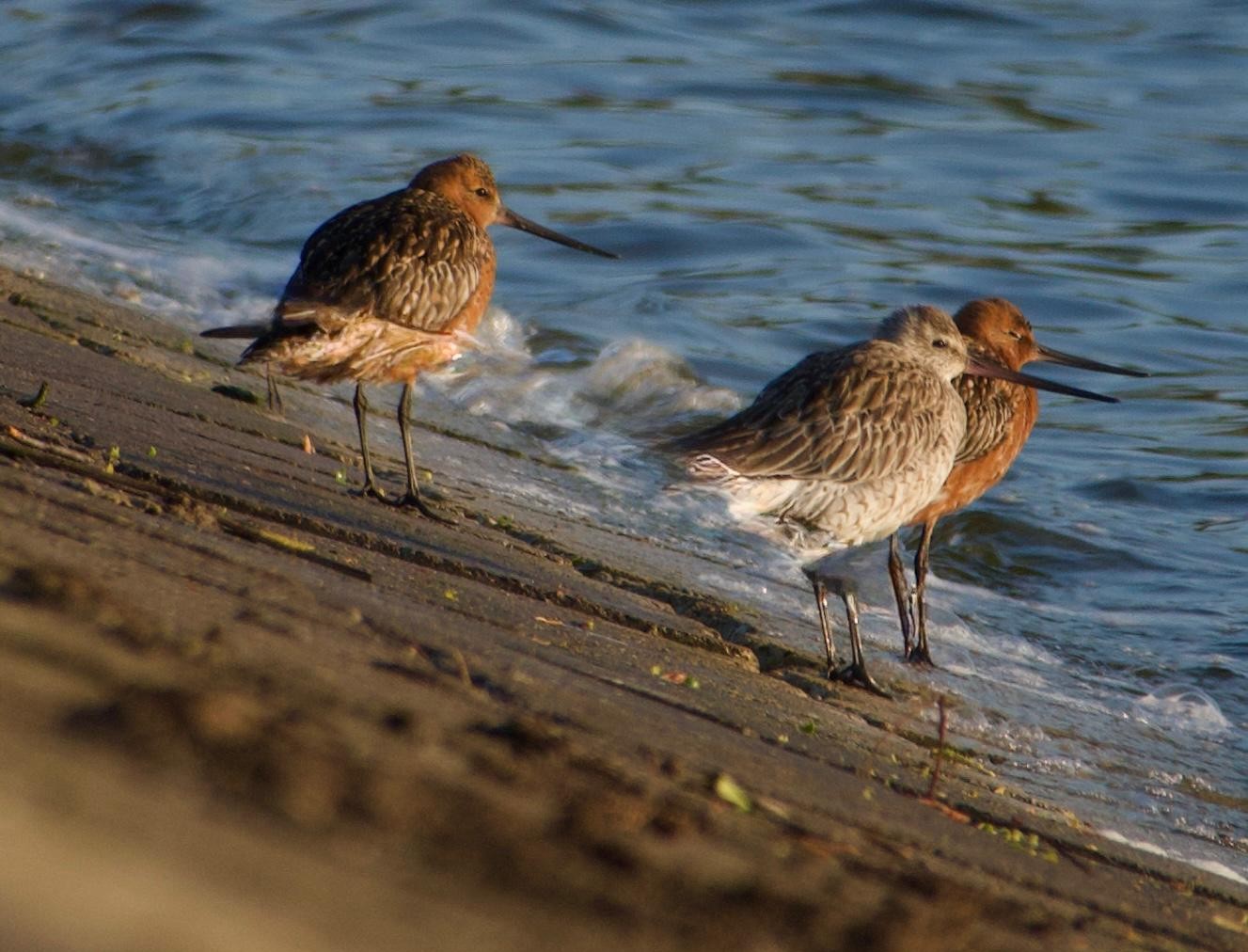
Bar-tailed Godwits joined the procession with numbers peaking at six at New Workings (South) on 22nd – following one there on 21st – and five at Clifford Hill GP on the first of these two dates. One remained at Summer Leys from 20th until 24th, two lingered at Stanwick GP from 21st until 24th with two more flying over there on 22nd, one was at Titchmarsh NR on 21st, followed by two flying over there on 23rd and three paid a brief visit to Stanford Res on 22nd.
Bar-tailed Godwit, Summer Leys LNR, 20th April 2026 (Alan Coles)Bar-tailed Godwit, Summer Leys LNR, 20th April 2026 (Bob Bullock)Bar-tailed Godwits, Stanford Res, 22nd April 2026 (Chris Hubbard)
By stark contrast, four Black-tailed Godwits were at New Workings (South) on 23rd with likely the same four appearing at Summer Leys the following day. Two Ruffs also visited New Workings (South) on 23rd-24th. The latter site also accounted for the first Wood Sandpiper of the year, on 22nd, while further singles were found at both Clifford Hill GP and Summer Leys on 24th.
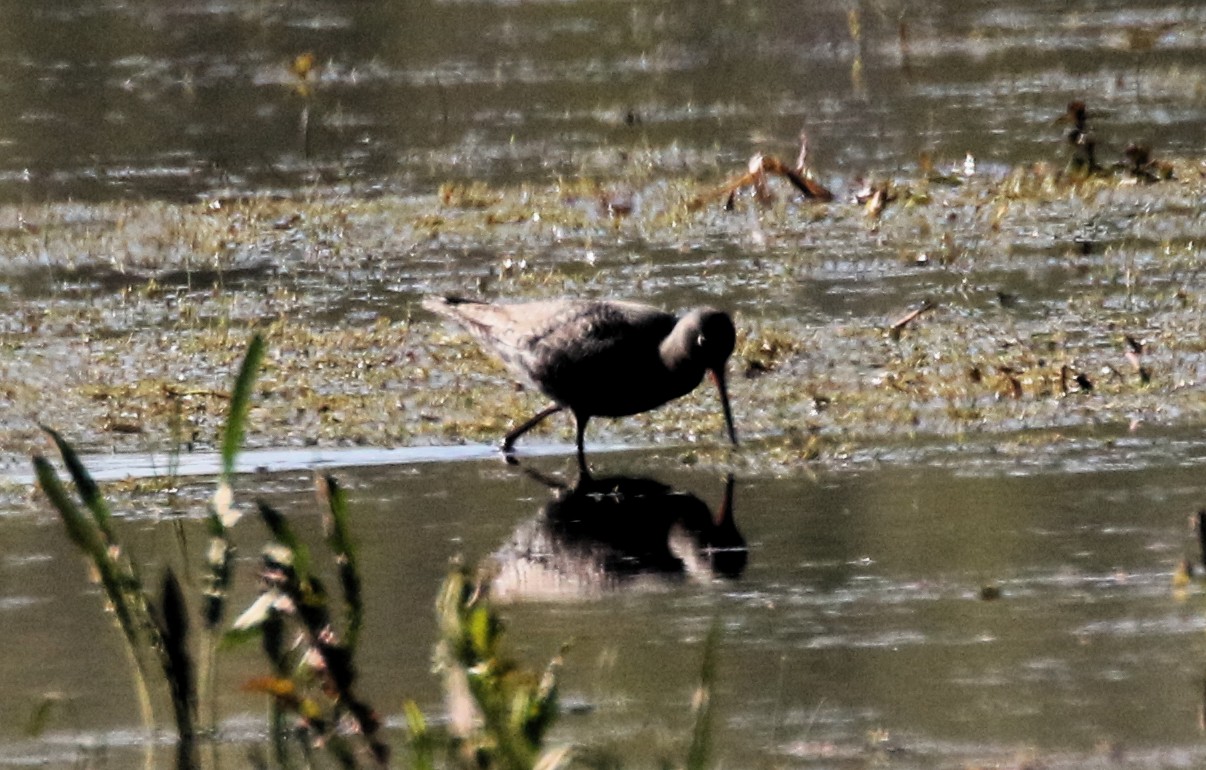
And New Workings (South) dished up a fine, summer plumaged Spotted Redshank on 23rd and 24th, which then moved only a stone’s throw to nearby Hardwater Lake on the latter date. Now considered a local delicacy, long gone are the days when numbers of Spotted Redshanks reached double figures persisting into late autumn in the outstanding wader-filled Scaldwell Bay at Pitsford Res …
Spotted Redshank, Earls Barton GP, 24th April 2026 (Alan Coles)
Numbers of Greenshanks also ramped up, Summer Leys producing five on 24th, Stanwick held on to two on 23rd-24th, while singles were found at Titchmarsh NR on 18th-19th and 23rd, floodwater near Oundle on 19th, New Workings (South) from 21st to 24th, Lilbourne Meadows on 22nd and Clifford Hill on 24th.
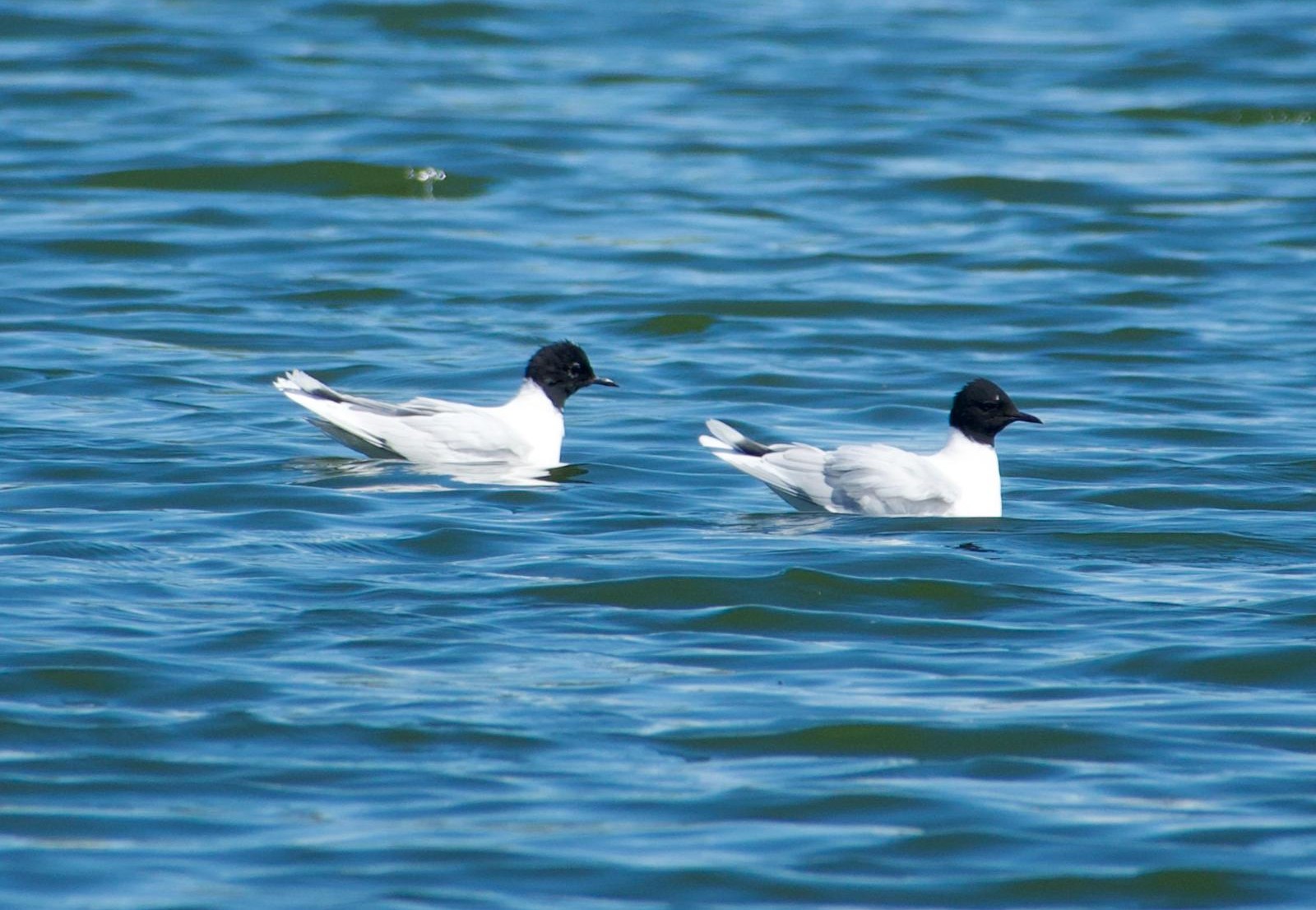
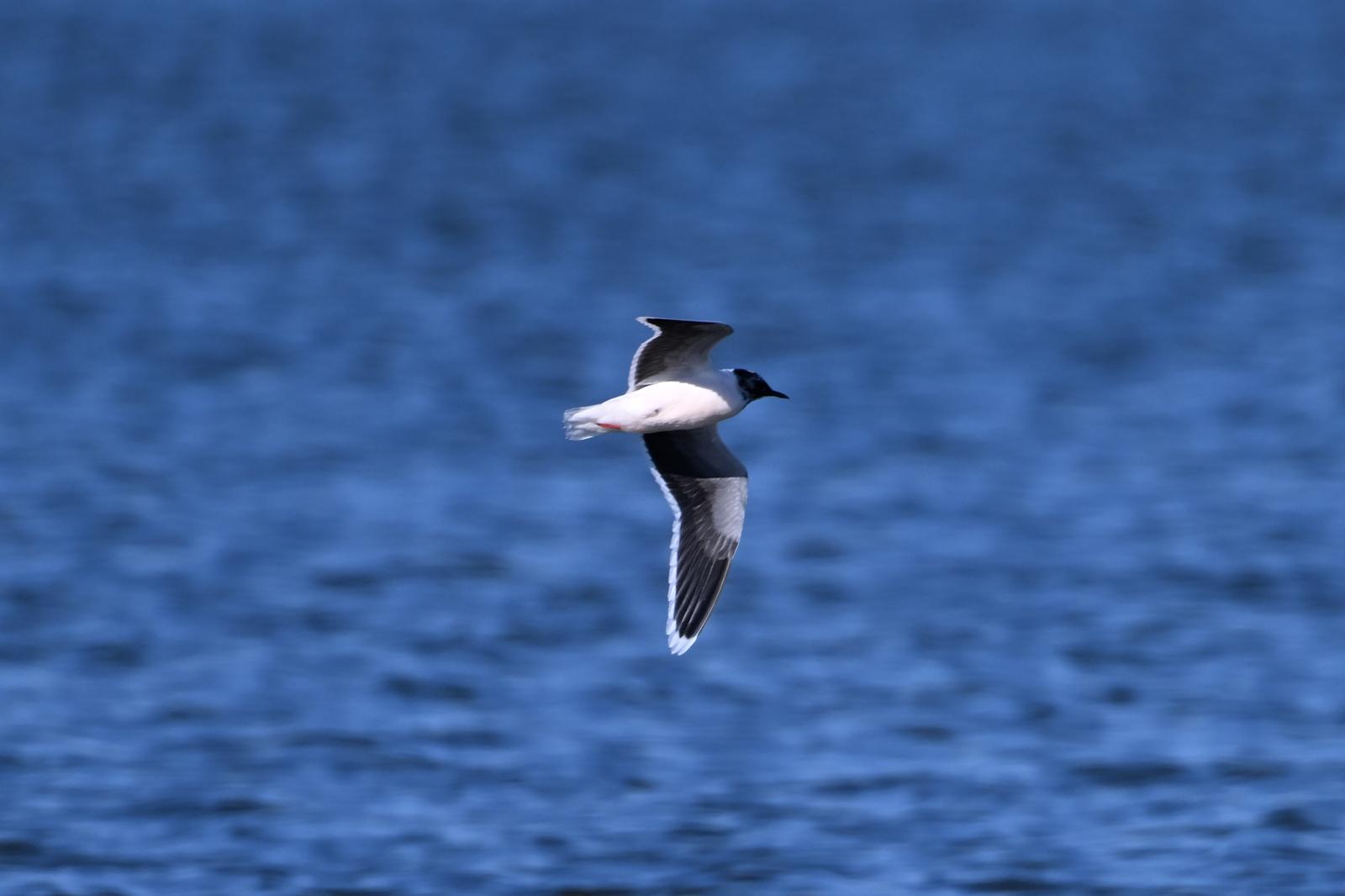
Not restricted to the chain of Nene Valley wetlands and a classic feature of spring is the passage of iconic Little Gulls through the county. We got our first taste of the year this week on 21st, when a first-summer appeared at Titchmarsh NR, followed the next day by at least five at Pitsford, five at Ravensthorpe Res, two at Daventry CP and two at Stanford. More to come, no doubt.
Adult Little Gulls, Stanford Res, 24th April 2026 (Chris Hubbard)Adult Little Gull, Pitsford Res, 24th April 2026 (Jon Cook)Adult Little Gulls, Pitsford Res, 24th April 2026 (Bob Bullock)
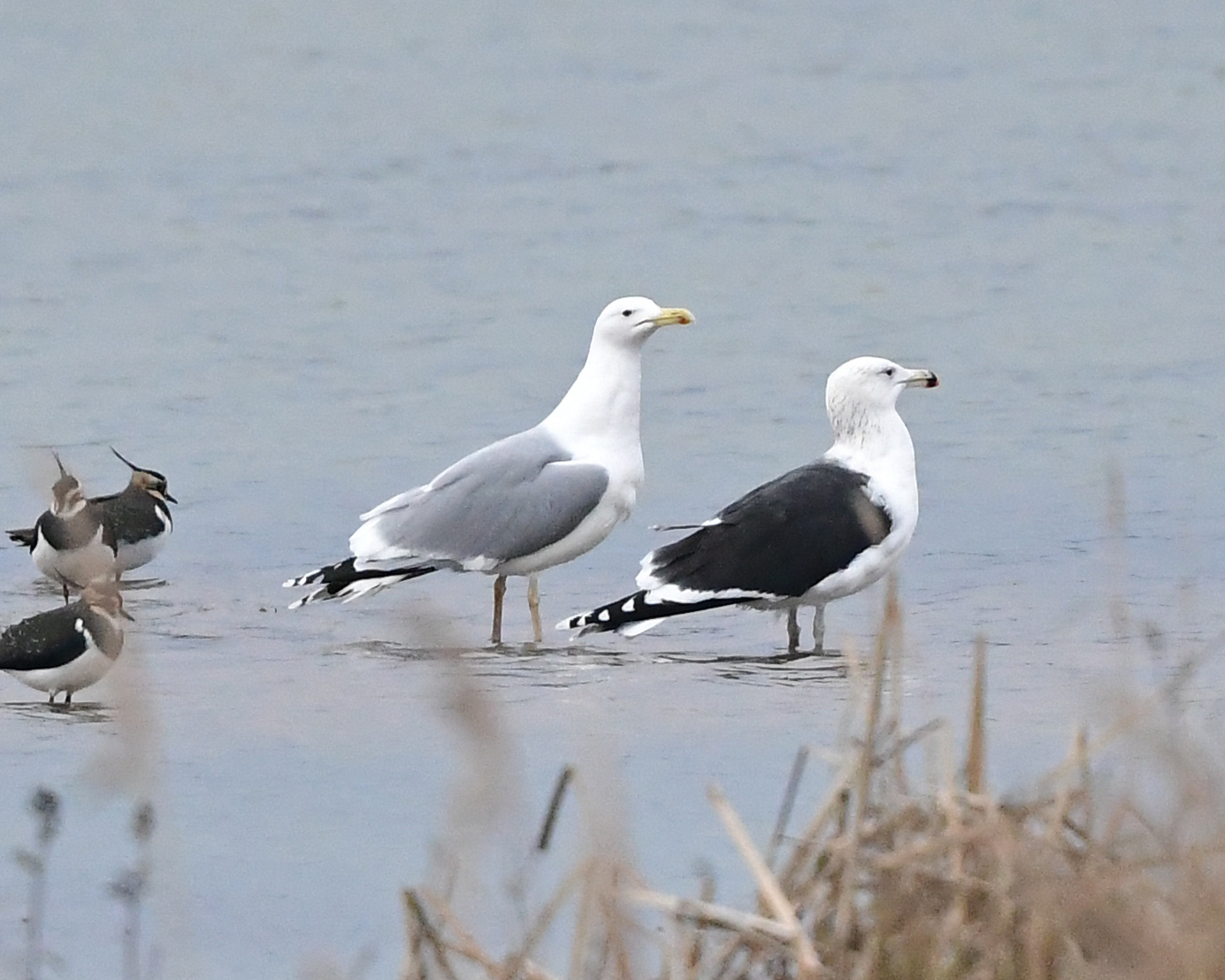
Mediterranean Gulls continued to be found, with two adults at Titchmarsh NR on 18th, two at Summer Leys on 19th, followed by one at the latter locality on 22nd. A ‘second-year’ Caspian Gull continued to be reported from Clifford Hill from 20th until 24th, while a first-summer visited Summer Leys on the last of these two dates.
The number of Arctic Terns this week was notably down on the week before with just two flying east at Clifford Hill on 19th and two at Summer Leys on 24th.
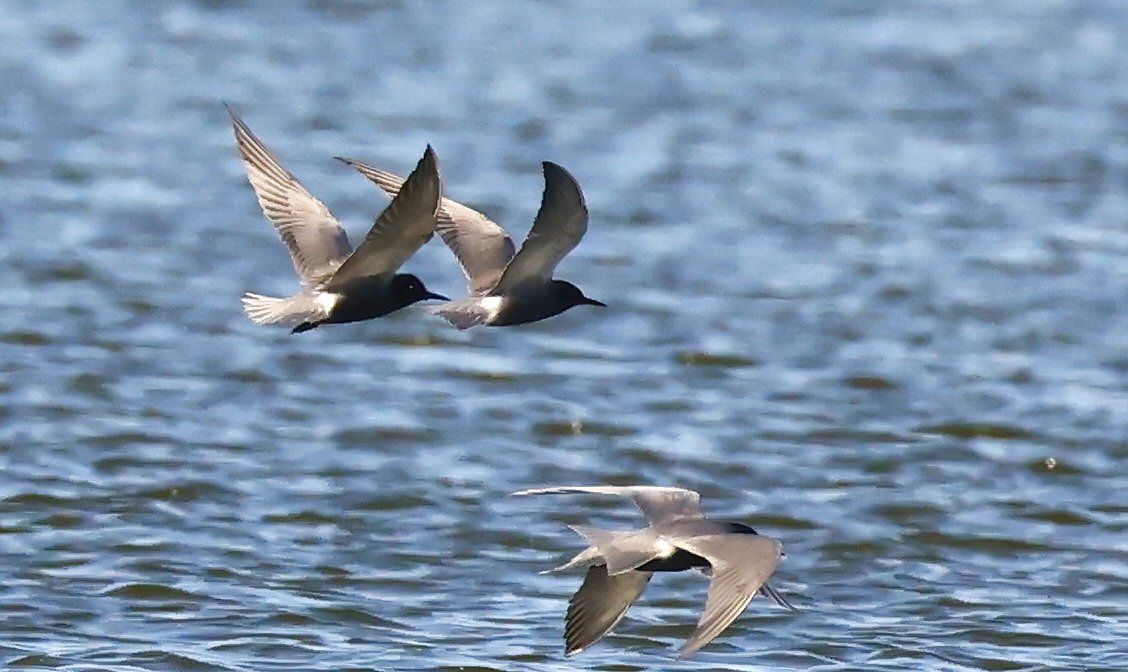
And following the aforementioned first arrivals on 23rd, numbers of Black Terns were set to quickly ramp up the next day when seventeen were together at Pitsford, two separate flocks of ten and eight, divided in time, at Ravensthorpe, twelve were at Boddington Res and four visited Summer Leys.
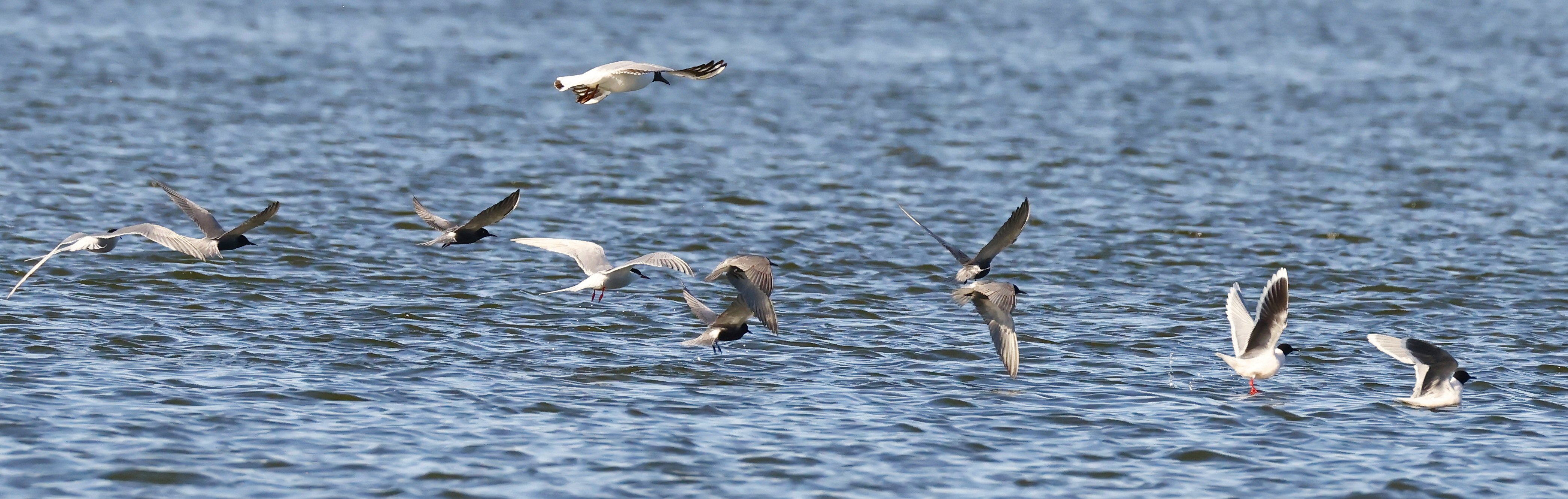
Black Tern, Pitsford Res, 24th April 2026 (Jon Cook)Black Terns, Pitsford Res, 24th April 2026 (Bob Bullock)Black Terns, Common Terns, Little Gulls and Black-headed Gull, Pitsford Res, 24th April 2026 (Bob Bullock)Black Tern, Boddington Res, 24th April 2026 (Gary Pullan)
Vying for resident status, the Glossy Ibis remained in the immediate area of Summer Leys throughout.
With up to two at Titchmarsh during the week and one at New Workings (South) on 23rd, Bitterns were again in evidence during the period and, with numbers appreciably up on last week, three Cattle Egrets visited Summer Leys on 19th and seven were at Stanwick on 21st.
On the raptor front, two Ospreys flew north-west over New Workings (South) on 18th, while singles were seen over Islip also on 18th, Pitsford and Earls Barton on 21st, Titchmarsh on 23rd and at Hollowell Res on 23rd-24th. Just one Marsh Harrier made it into the week’s proceedings when one flew west over Stortons GP on 19th.
And passerines? In what has turned out to be a spring of plenty, Northern Wheatears were on a roll with reports from seven localities, the highest counts from which were ten in the Brampton Valley on 20th, eight at Clifford Hill, seven at Harrington AF and four at Blueberry Farm, Maidwell on 19th, and twos at Earls Barton GP on 18th, between Earls Barton and Ecton on 19th and at Thrapston GP on 20th.
First-summer male Northern Wheatear, Clifford Hill GP, 20th April 2026 (Mike Alibone)
Clifford Hill produced the week’s White Wagtails with five there on 19th and one on 21st.
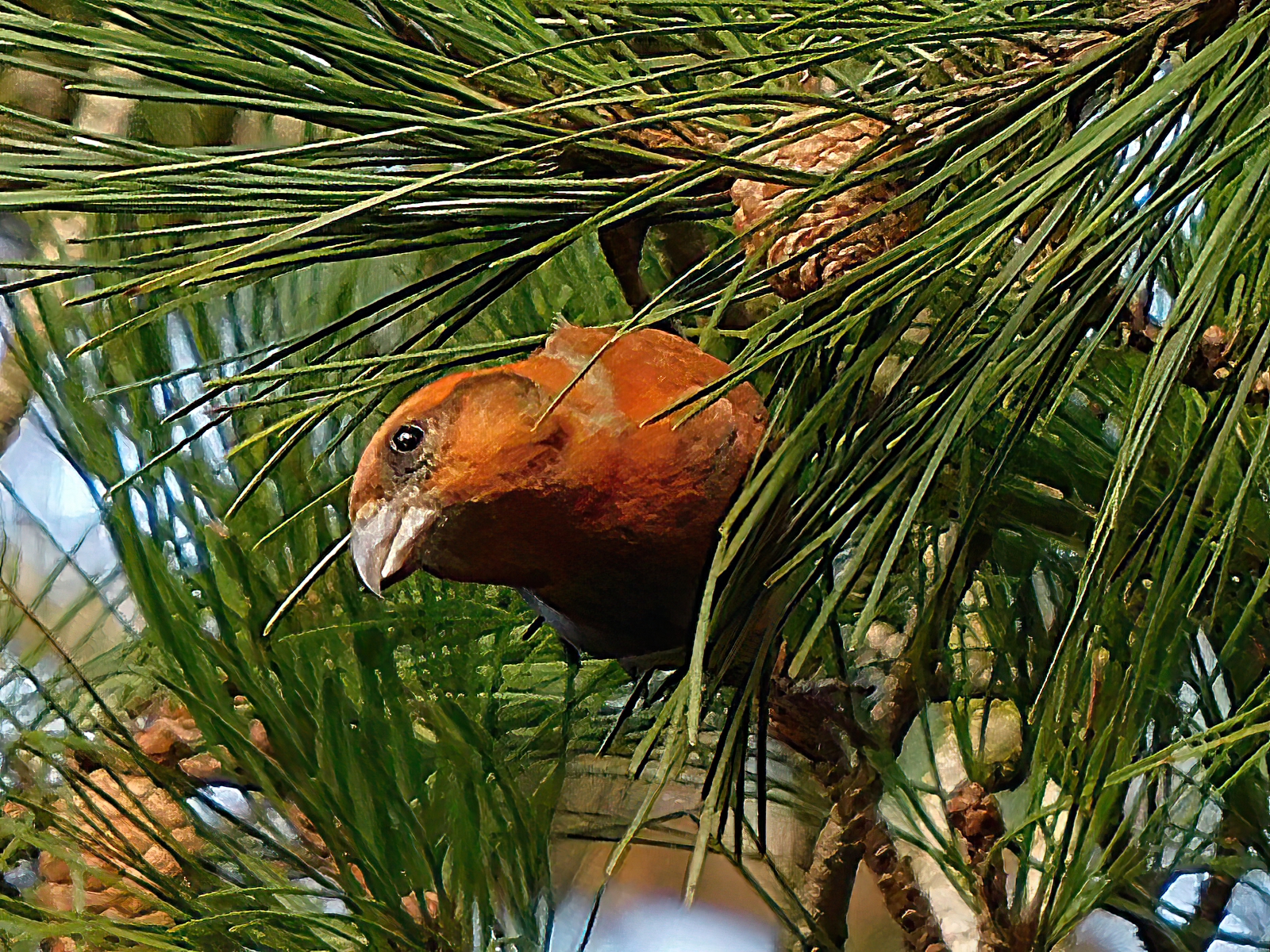
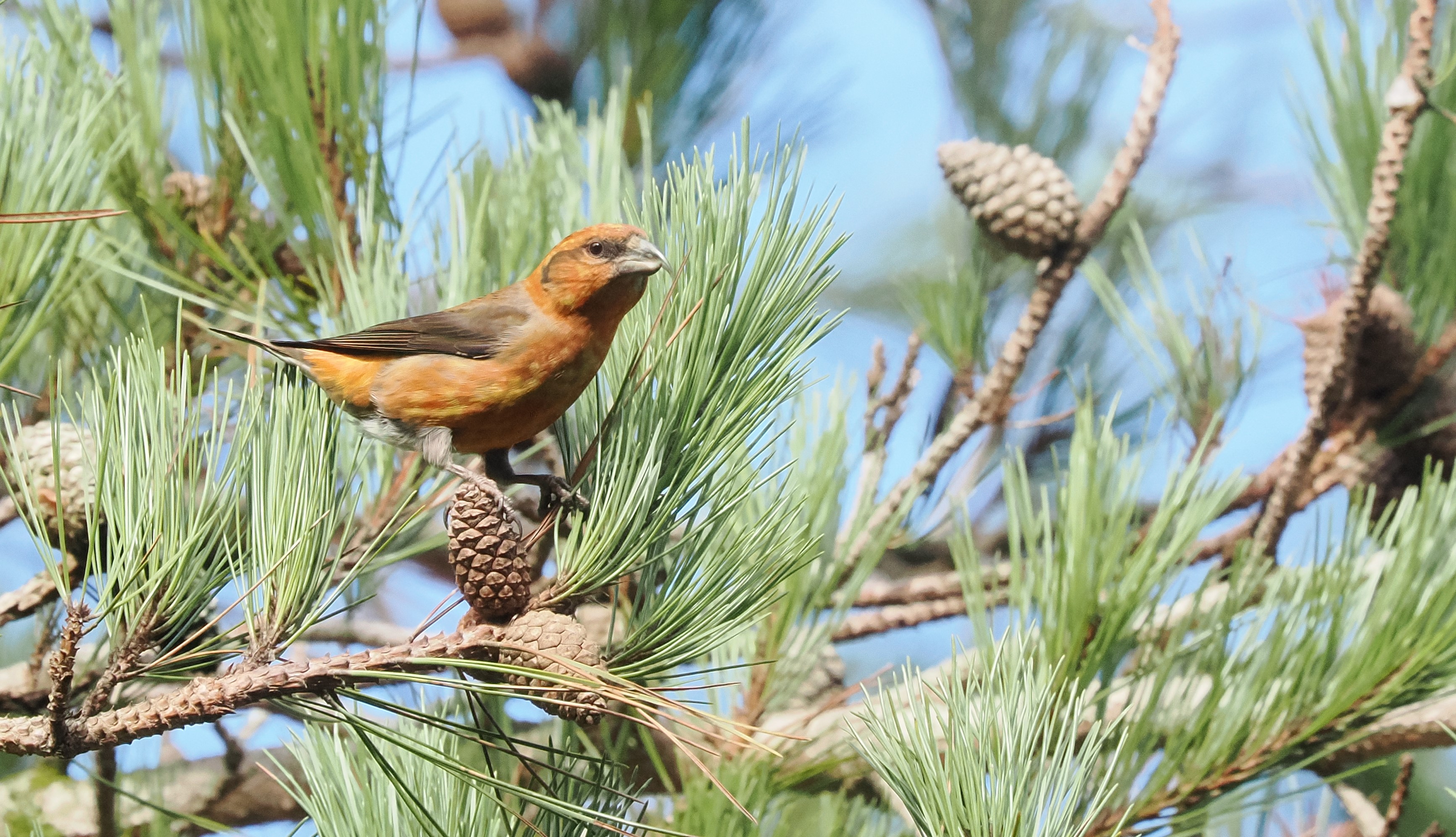
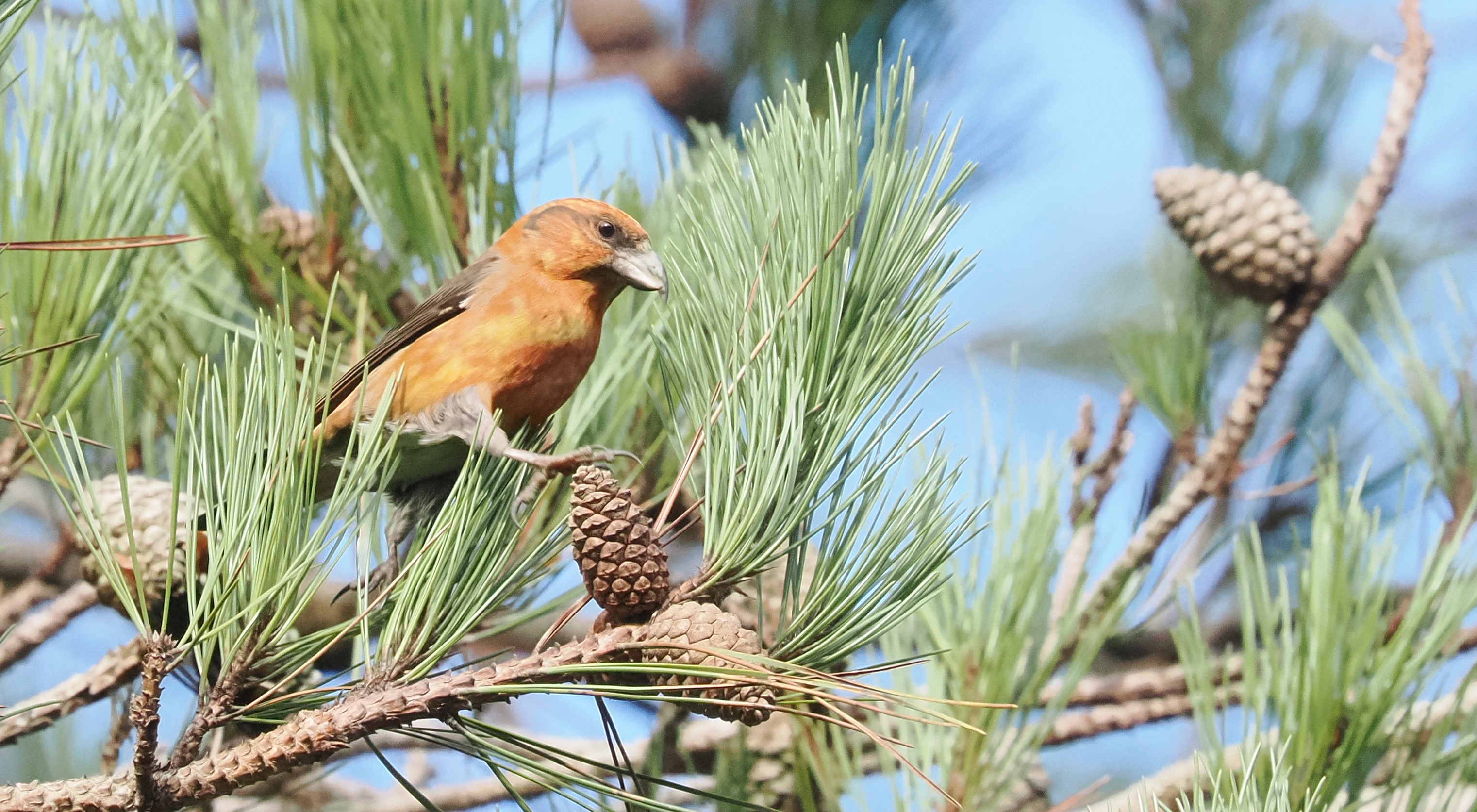
And a male Crossbill was at Gamboro Plantation in the Brampton Valley on 19th.
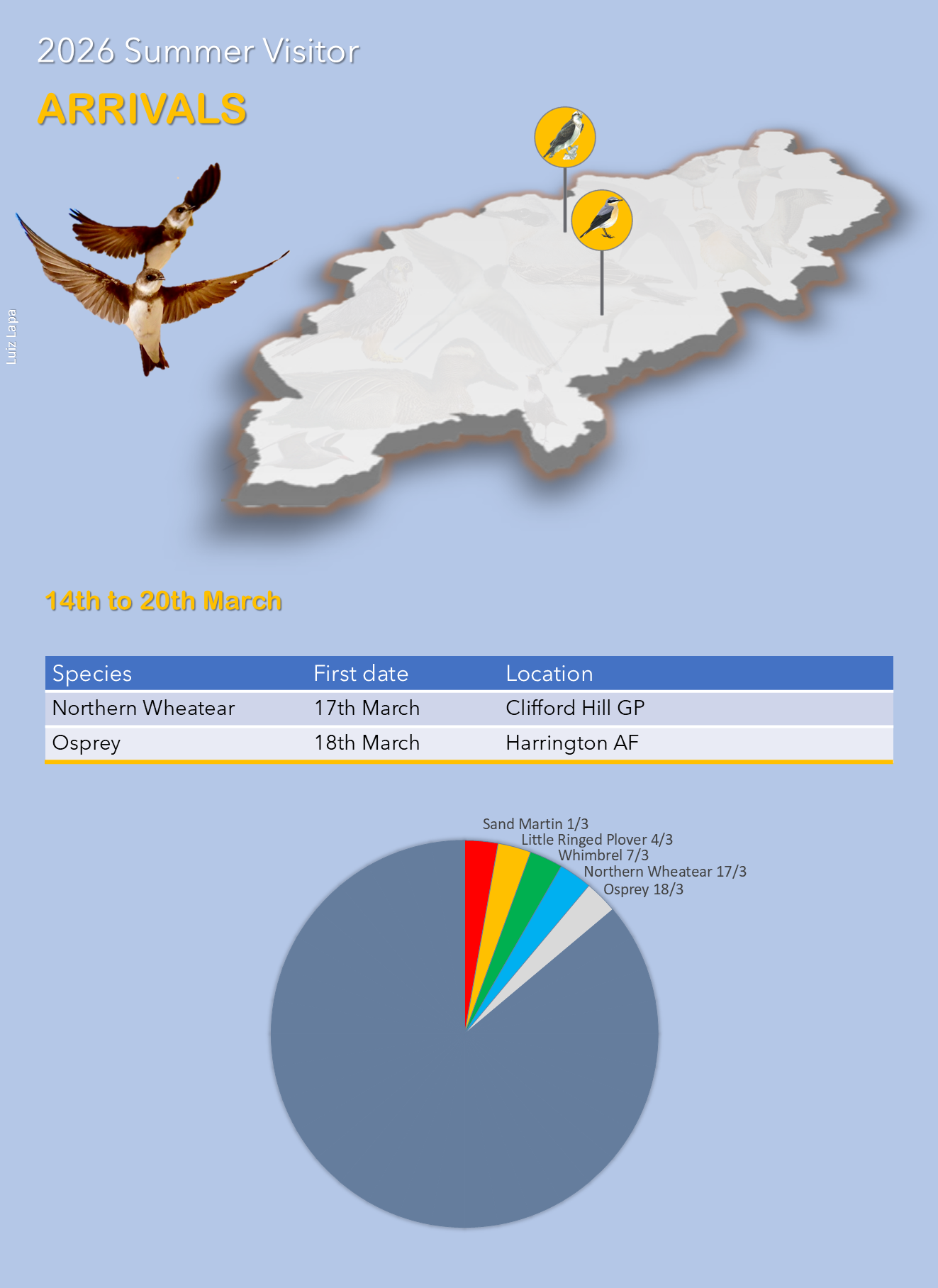
A high pressure system over the country in the latter part of the week gave rise to above average temperatures and saw the wind direction change from south westerlies to an airflow with an easterly bias. Four new species were added to the county yearlist, only two of which were summer visitors …
And while there were no early birds, both Osprey and Northern Wheatear clocked on in an expectedly timely fashion.
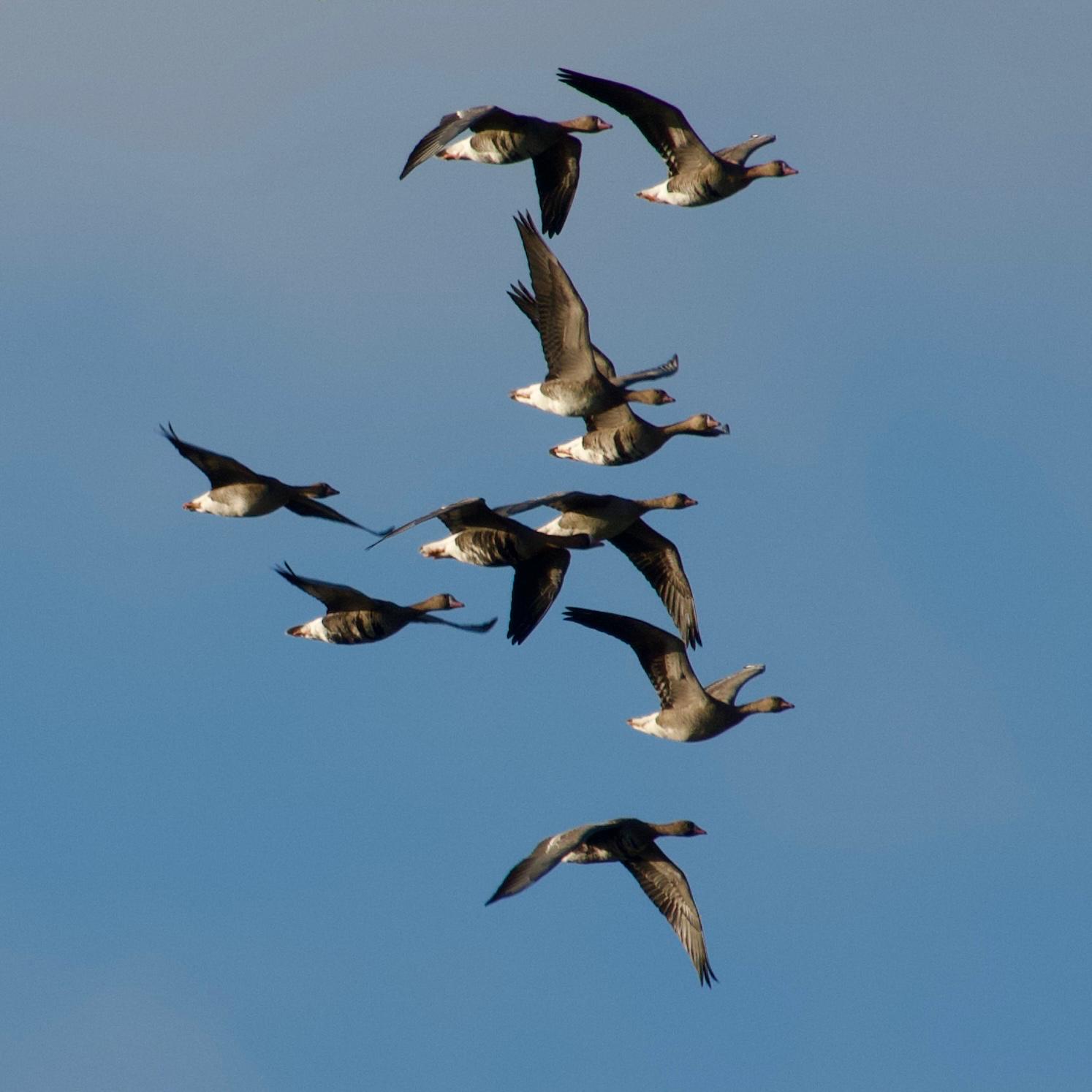
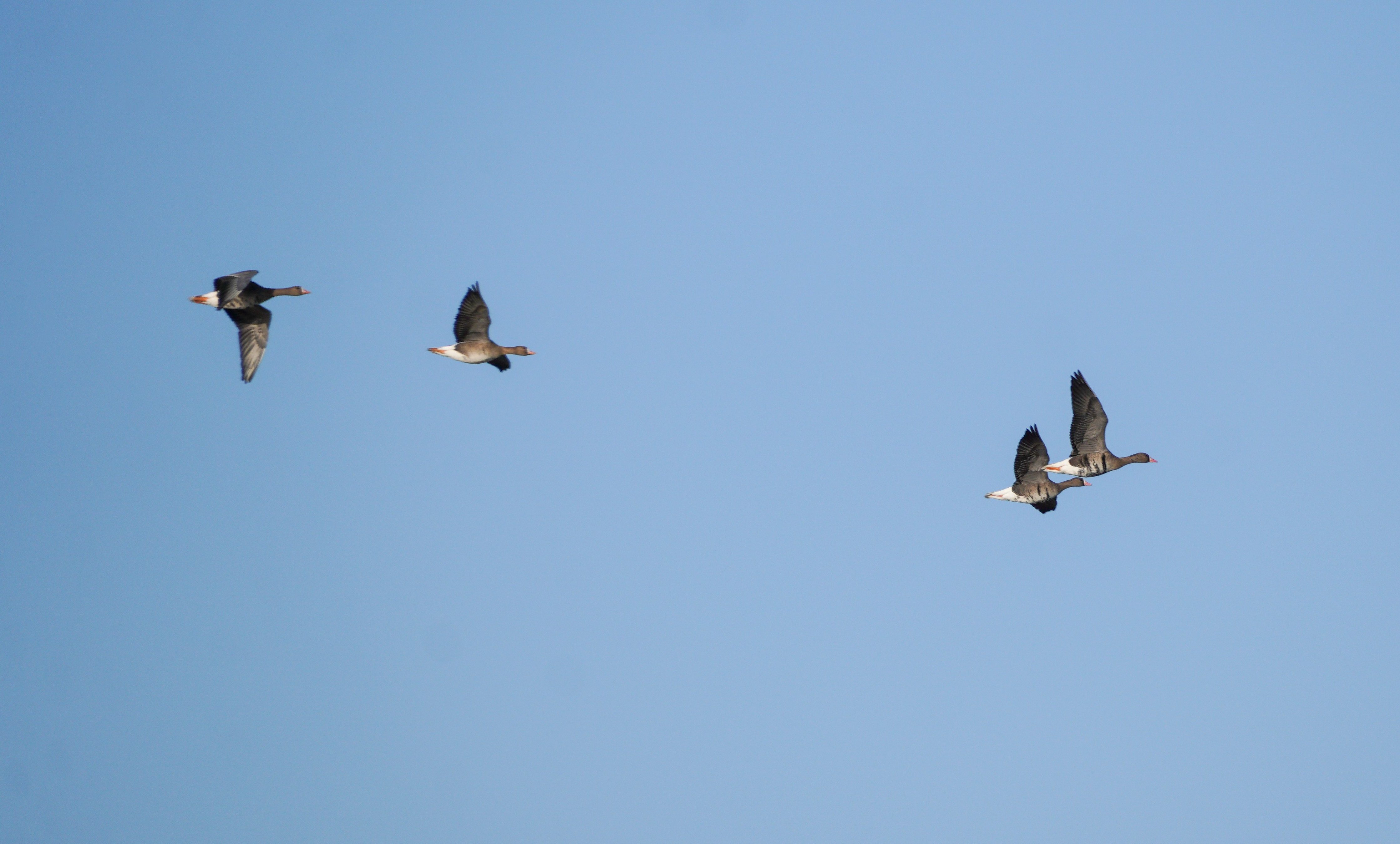
Numbers of wildfowl took a tumble, the only birds of note being eleven White-fronted Geese which dropped in, briefly, at Ringstead GP on the last day of the week.
Barely had we passed mid-March and the second Common Crane of the year was notched up – another flyover and again at the eastern end of the county – this time at Lyveden New Bield, between Brigstock and Stoke Doyle, on 20th.
And Ravensthorpe’s Slavonian Grebe completed a 26-day stay on 17th, after which there were no further reports.
On the wader front, the second and third Avocet records for the year were not totally unexpected and included one at Pitsford Res on 15th, followed by one at Earls Barton GP on 18th being joined there by another the next day.
Avocets, Earls Barton GP, 19th March 2026 (Leslie Fox)
Summer Leys produced all the period’s Black-tailed Godwits, with one on 14th, sixteen on 17th and at least one on 19th.
Black-tailed Godwits, Summer Leys LNR, 17th March 2026 (James Underwood)
Further down the Nene Valley, five Ruffs at Ditchford GP’s Townholme Meadows constituted another first for the year on 20th, while single Jack Snipes were seen at Hollowell Res between 15th and 20th and at Pitsford on the latter date. Pitsford also continued to hold on to its wintering Common Sandpiper, seen only sporadically but still present on the causeway there on 19th.
And just over two weeks after the first Kittiwake of the year came six together, at Pitsford, on 16th, while the period’s only Mediterranean Gull – a first-winter – visited Stanford Res on three consecutive days from 14th. Other gulls were available, of course, including two second-winter Caspian Gulls at Clifford Hill GP on 15th, two adults at Hollowell on 18th and a single adult at Ravensthorpe on the same date. An adult Yellow-legged Gull was present at Pitsford on 16th-17th and two visited Ravensthorpe on 18th.
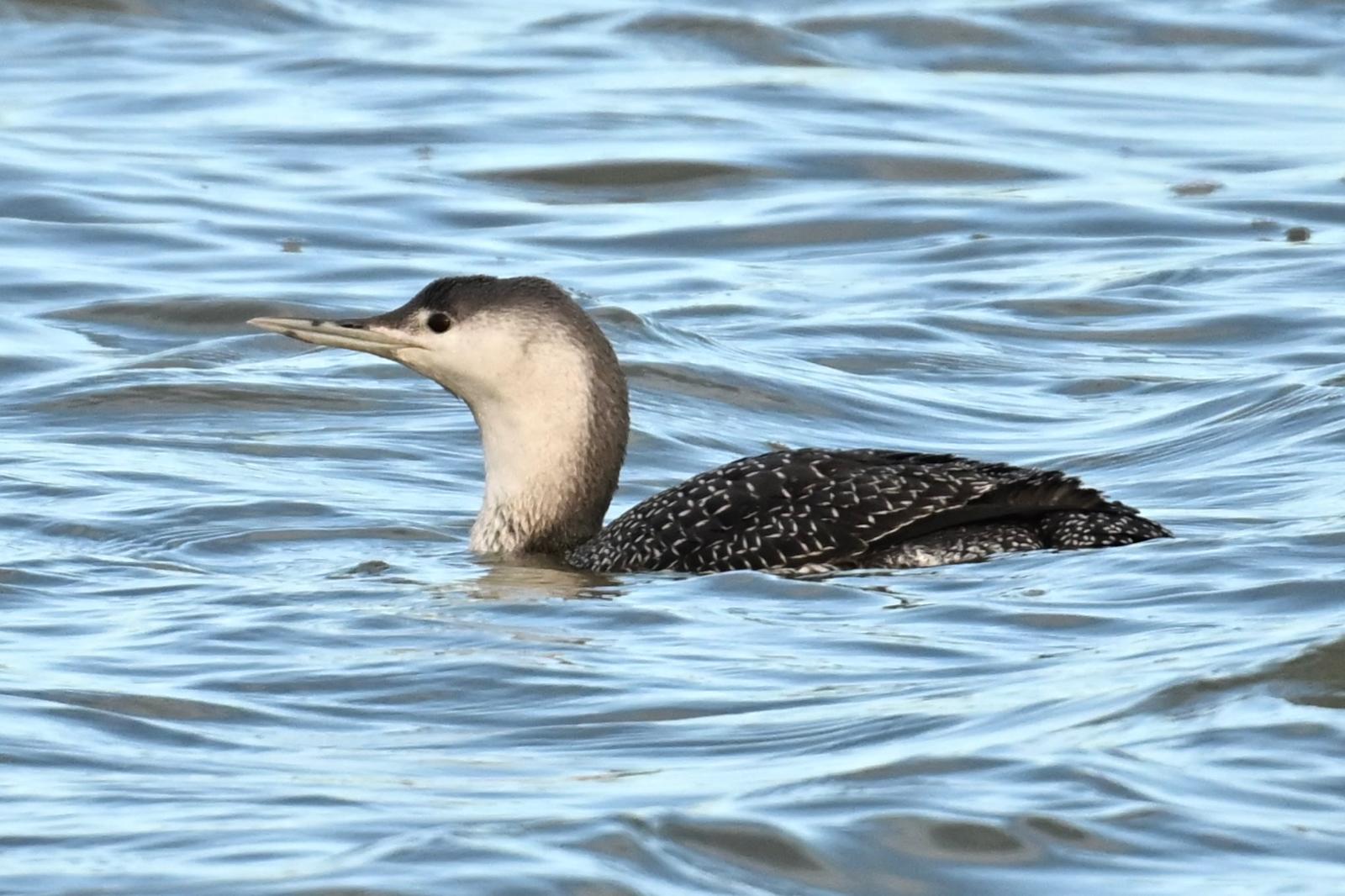
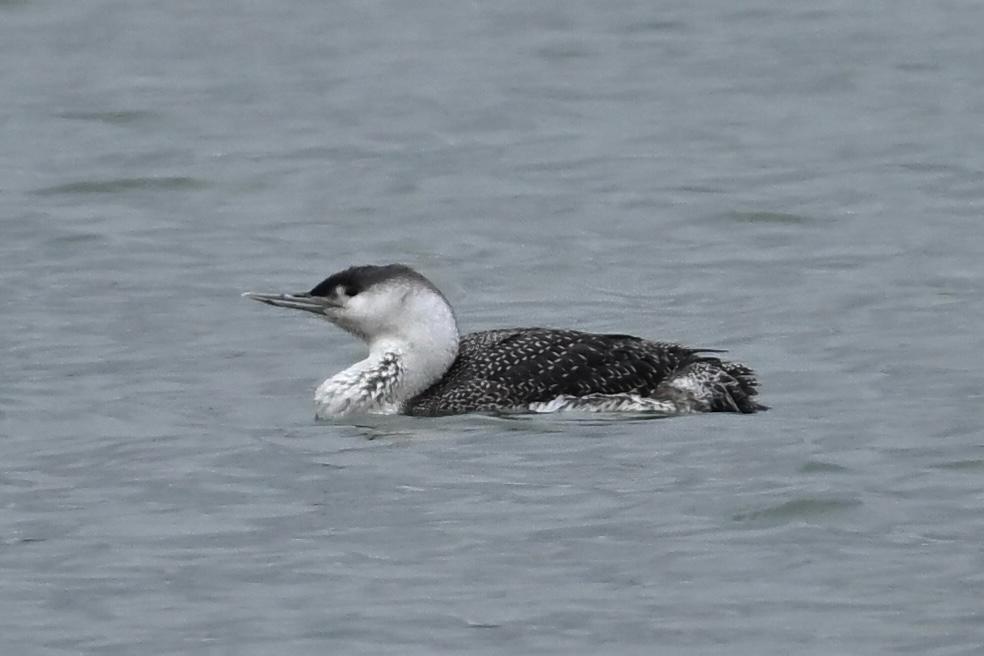
The Red-throated Diver at Hollowell extended its stay there by another week.
And the Summer Leys Glossy Ibis similarly saw another week out on site.
Glossy Ibis, Summer Leys LNR, 17th March 2026 (James Underwood)Glossy Ibis, Summer Leys LNR, 20th March 2026 (Leslie Fox)
The latter location also produced sightings of Bittern on 14th and 19th, while a Cattle Egret scraped into the period, appearing at Kislingbury GP on the first of these two dates.
Flying high north over Harrington AF on 18th, the year’s first Osprey was quickly followed by another over Hollowell two days later, on 20th. No doubt there’ll be many more to come … And now part of the furniture, it seems, Marsh Harriers were still around at Summer Leys, where single birds were seen on 14th, 16th and 18th, with two present on 17th. Nearby, in the wider reaches of Earls Barton GP, singles were at Quarry Walk on 14th and at New Workings (South) on 20th. A ‘ringtail’ Hen Harrier flew west over Harrington AF on 16th.
And the week’s other first summer visitor arrived on 17th in the shape of a smart male Northern Wheatear at Clifford Hill GP, hot on the tail of which were three more – all males – the following day, at Blueberry Hill Maidwell, in the Brampton Valley between Cottesbrooke and Hanging Houghton, and at Harrington AF.
Male Northern Wheatear, Clifford Hill GP, 17th March 2026 (Mike Alibone)
An early spring White Wagtail was found on a manure heap between Earls Barton and Ecton on 20th and the only Water Pipit so far this year flew over, calling, at Pitsford on the same date.
It’s been a tremendous winter – and indeed last year – for Crossbills and they are still with us, one being seen at Gamboro Plantation, east of Cottesbrooke, on 14th, five over Denton Wood, Yardley Chase on 16th and several at Pitsford Res on 20th.
A westerly to south-westerly bias to the wind direction this week may not have been in the best interest of migrants from the deep south but there were signs of the beginning of a winter goose clear-out, while some of the county’s recent scarcer visitors sat tight.
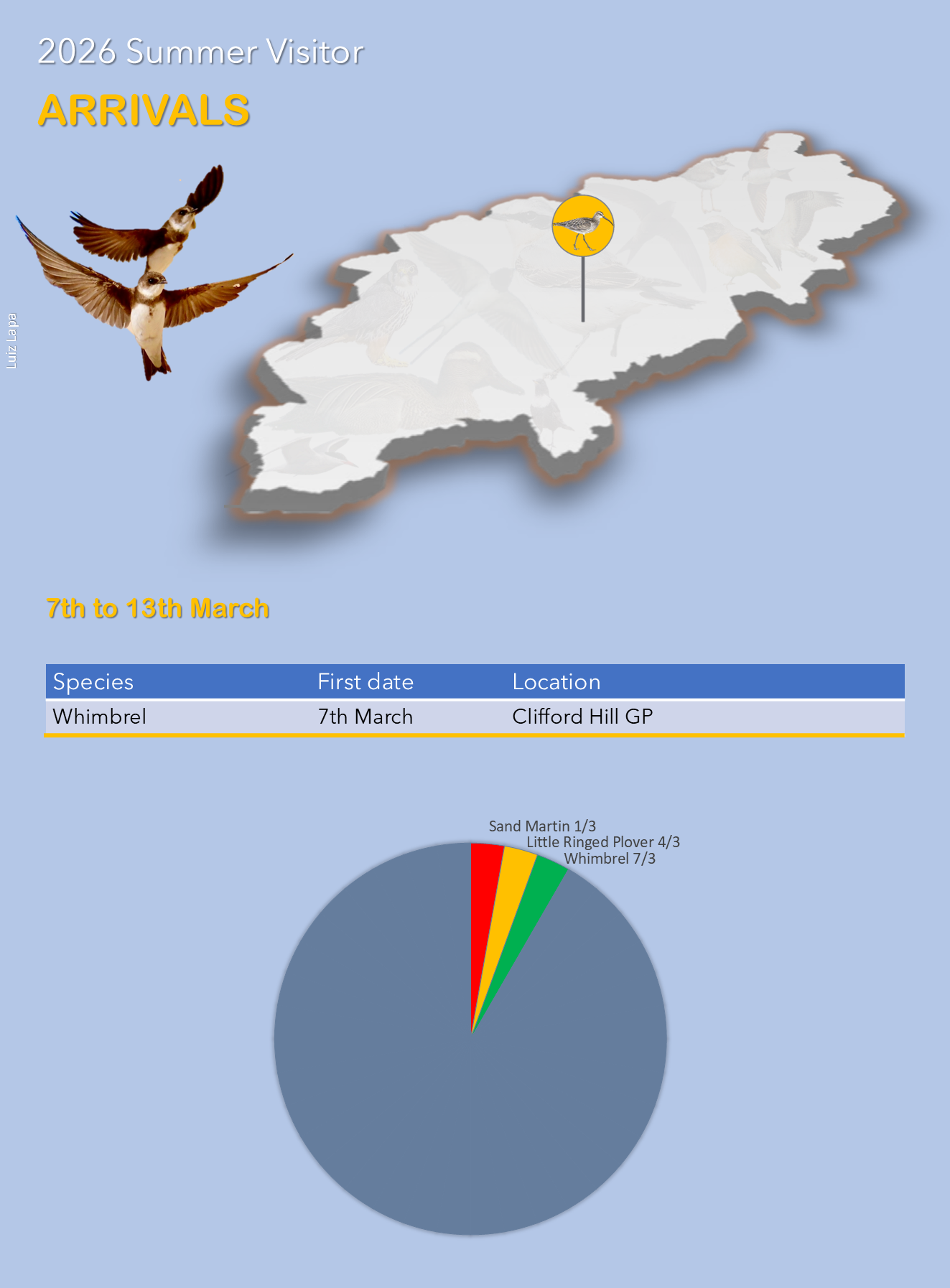
New in, however, was an early bird in the shape of a Whimbrel – the first of the year – at Clifford Hill GP on 7th.
This individual proved itself a record-breaker, comfortably beating the county’s previous earliest of one over Ravensthorpe Res on 10th March 2012. While by and large classed as a summer visitor, the UK supports a very small, but growing, wintering population with a concentration along the south coast of England, as well as some in Southern Ireland.
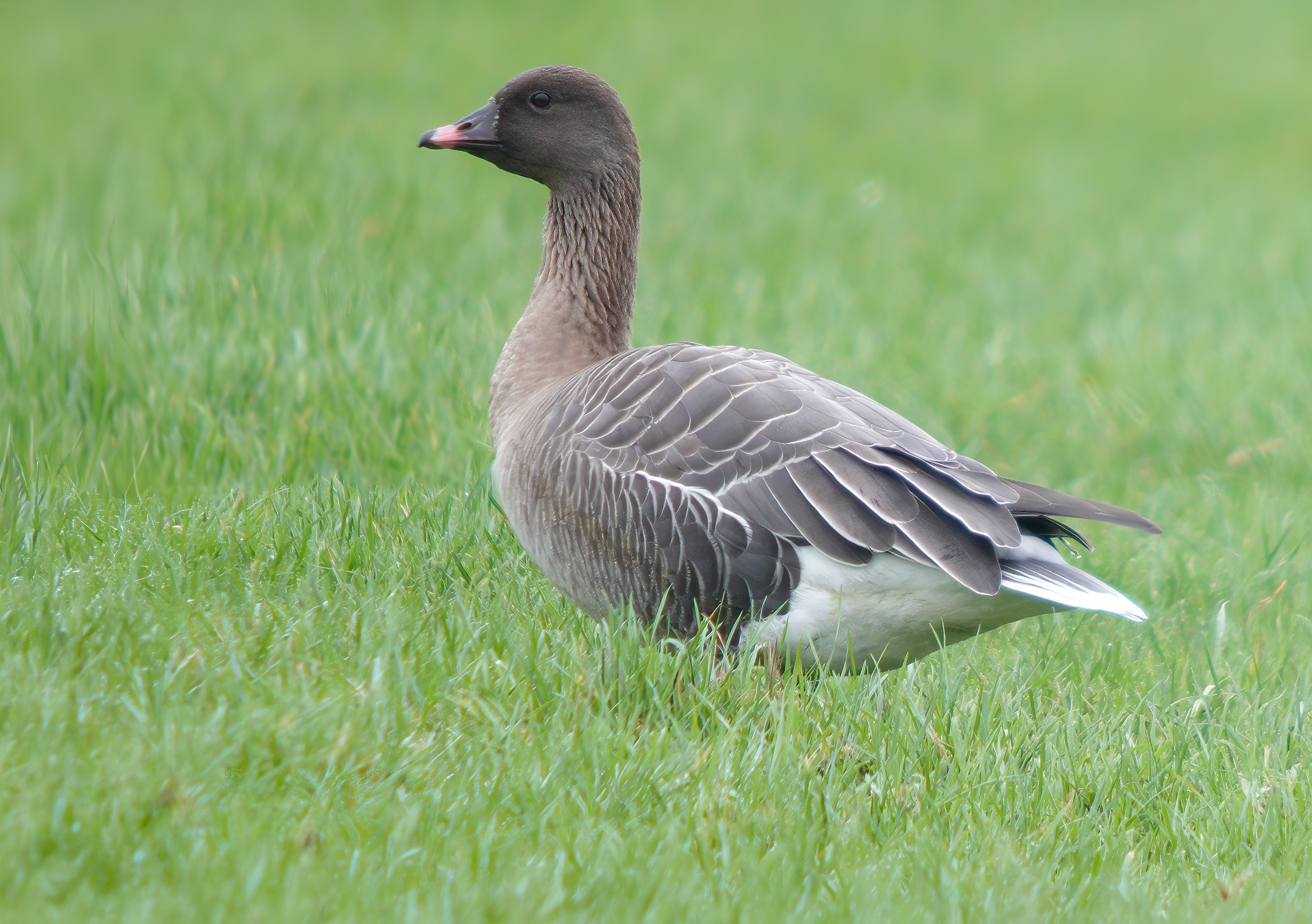
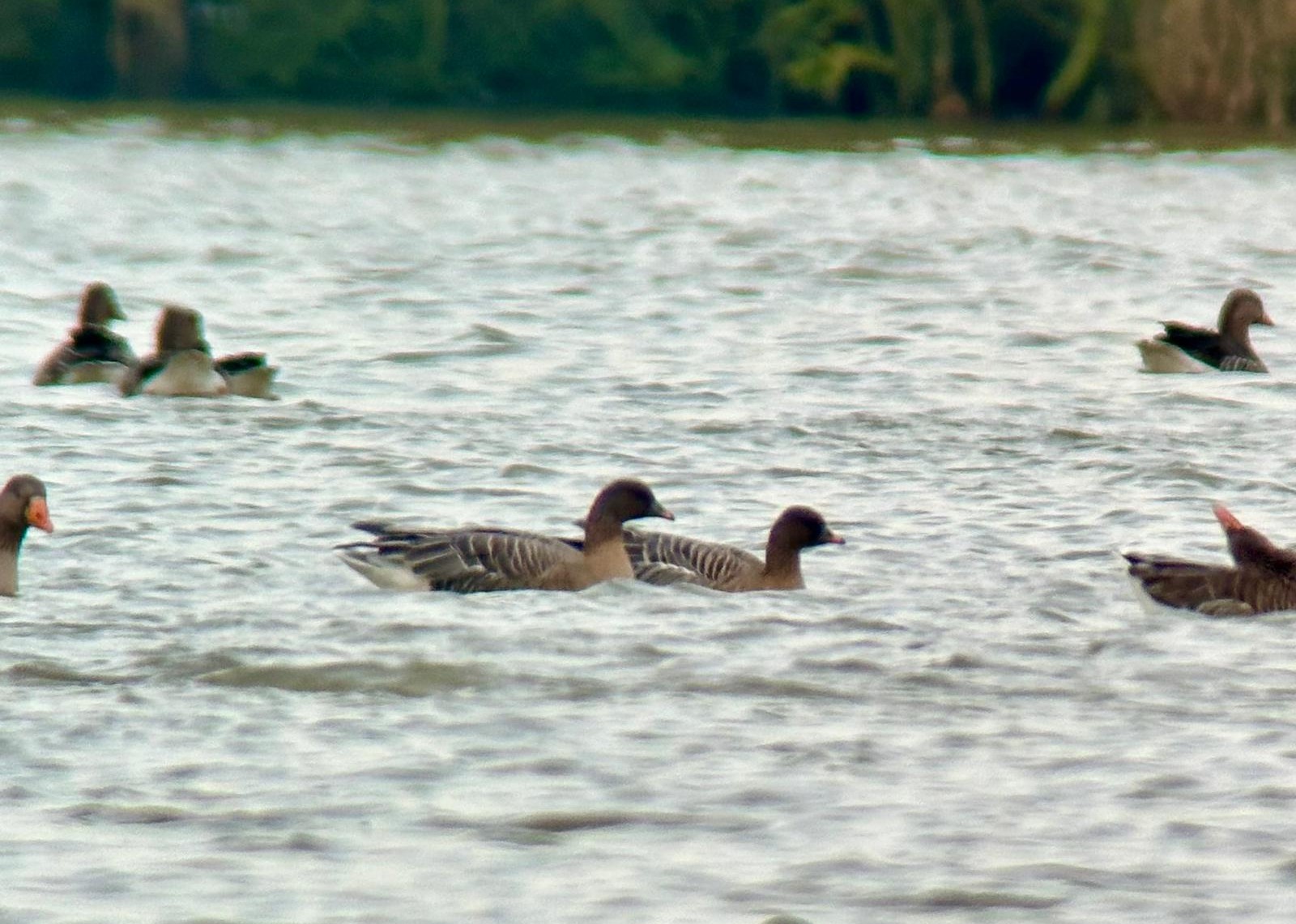
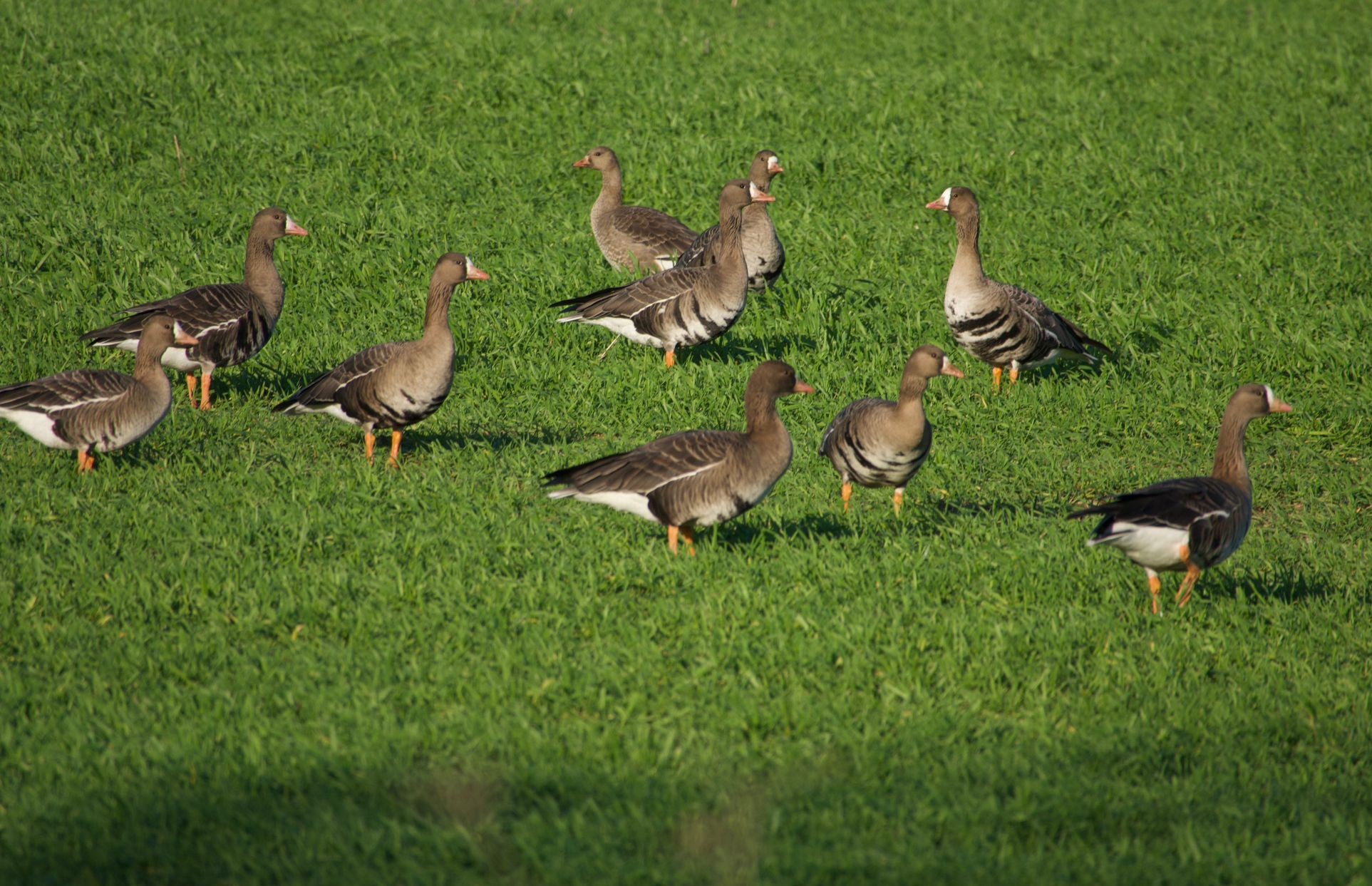
The week’s geese included a Pink-footed Goose found between Chipping Warden and West Farndon on 8th – the same date being the last on which the long-staying Tundra Bean Goose, along with its supporting cast of up to twenty-three White-fronted Geese, was seen at Ringstead GP. With regard to the latter species, the Stanwick seven were, appropriately enough, last seen on 7th, while the settled flock of up to thirty-seven remained in the vicinity of Stanford on Avon until the week’s end.
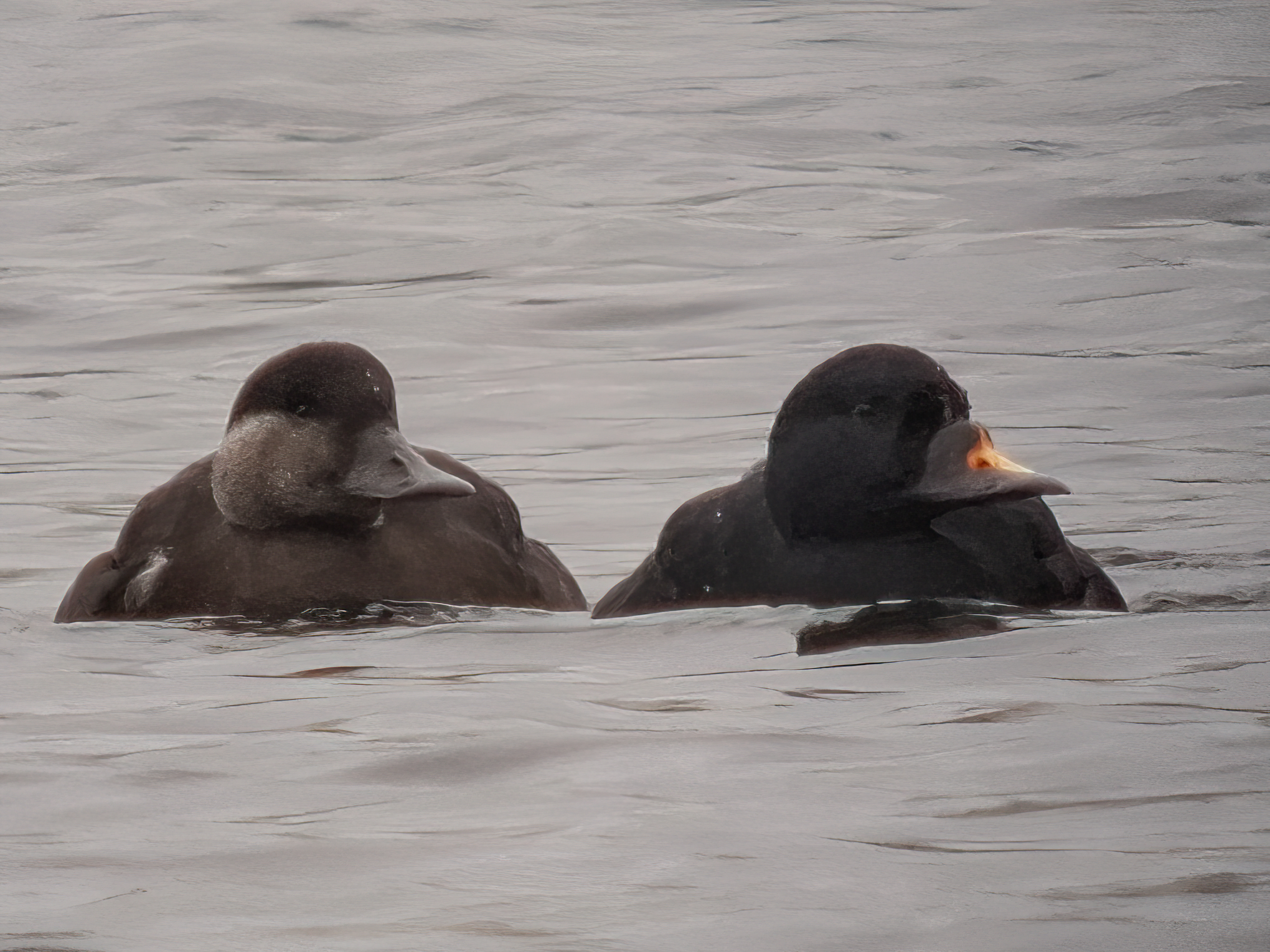
The female Ruddy Shelduck was still present at Lilbourne Meadows up to 9th but was not reported thereafter, the same being applicable to the drake Smew at Clifford Hill GP. New in, however, were two Common Scoters making a short stopover at Daventry CP, also on 9th and on the back of an inland movement across the Midlands and Northern England.
Common Scoters, Daventry CP, 9th March 2026 (Gary Pullan)
Having moved to Ditchford GP, last week’s Red-necked Grebe continued to prove elusive, having shifted to Big Lake there on 10th, the week’s only sighting, and there were no subsequent reports. By stark contrast, Ravensthorpe’s Slavonian Grebe extended its stay, being seen daily throughout the period.
Slavonian Grebe, Ravensthorpe Res, 13th March 2026 (Jim Urwin)
And aside from the aforementioned Whimbrel, the week’s prime waders were limited to a Black-tailed Godwit on floods in the Welland Valley near Harringworth on 7th and a Jack Snipe at Hollowell Res on 9th.
Mediterranean Gulls, part of the March movement menu, included a first-winter in the roost at Stanford Res on 8th-9th, an adult at Daventry on 10th and 12th and a first-winter at Hollowell on 13th.
Adult Mediterranean Gull, Daventry CP, 10th March 2026 (Gary Pullan)
Three Caspian Gulls – an adult and two third-winters – were at Clifford Hill GP on 7th, followed by a second-winter there on 9th, while an adult visited Earls Barton GP’s New Workings on 13th. The week’s sole Yellow-legged Gull was an adult at Clifford Hill on 7th.
Attracting scant attention after nearly five weeks in residence, the Red-throated Diver remained settled at Hollowell throughout the period.
Red-throated Diver, Hollowell Res, 13th March 2026 (Jon Cook)
And while the Glossy Ibis continued to busy itself at Summer Leys for yet another week, further down the Nene Valley three Cattle Egrets turned up at Stanwick on 7th before one was subsequently found on floodwater at Oundle on 13th.
Sticking with said valley, Marsh Harriers continued their presence at the hub which is Summer Leys, where at least two were seen – including the frequently present first-year male, wing-tagged ‘J4’ – between 10th and 12th. Elsewhere, singles were found at nearby Earls Barton GP’s New Workings on 9th and at Stanwick on 7th.
Marsh Harrier, Summer Leys LNR, 10th March 2026 (Alan Coles)
In the Brampton Valley, a ‘ringtail’ Hen Harrier flew south-east between Cottesbrooke and Hanging Houghton on 8th.
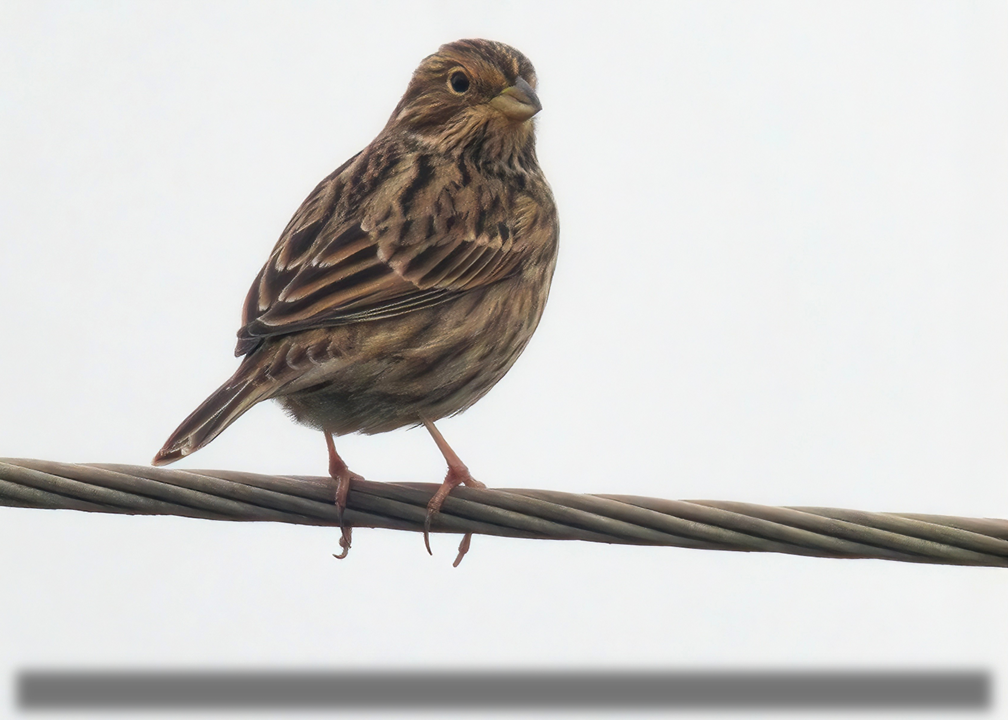
The week’s passerines were seriously thin on the ground, with just a small number of Crossbills at Harlestone Firs on 7th and five Corn Buntings between Deanshanger and Wicken on 9th.
Another late winter week saw cold, mostly overcast and foggy conditions with temperatures barely breaking 5°C, although the final day marked the beginning of something warmer to come. But the selection of birds on offer was not weather dependent and the surprise appearance of a certain duck at the week’s end went some considerable way toward breaking the ice …
The beginning of the week, however, was still owned largely by wintering geese. Following last week’s three at Stanford Res, a lone Pink-footed Goose was found with local Greylags alongside Thrapston GP at Islip Water Meadows on 15th, remaining there until 18th.
Pink-footed Goose, Islip Water Meadows, 15th February 2026 (Mike Alibone)
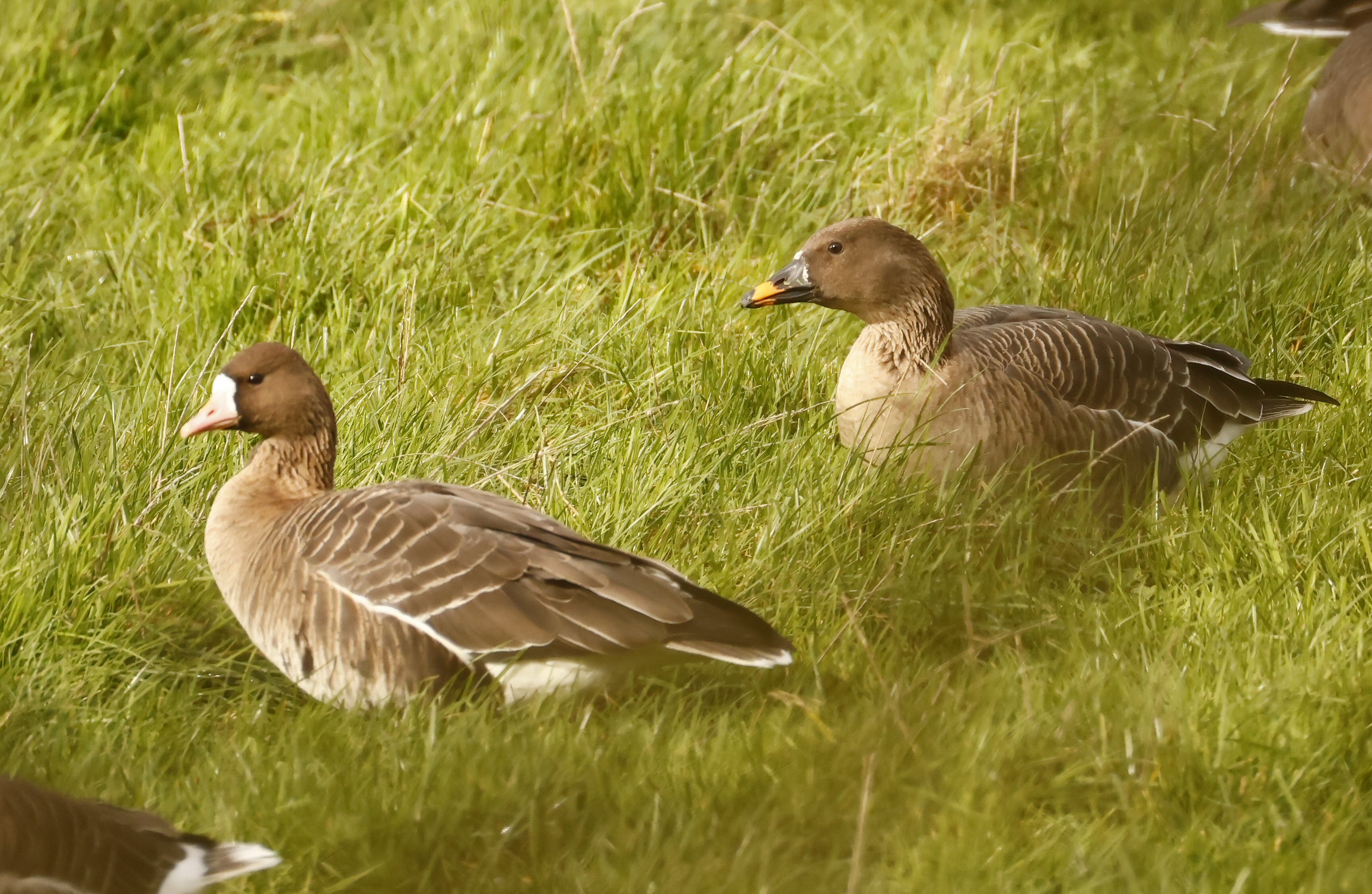
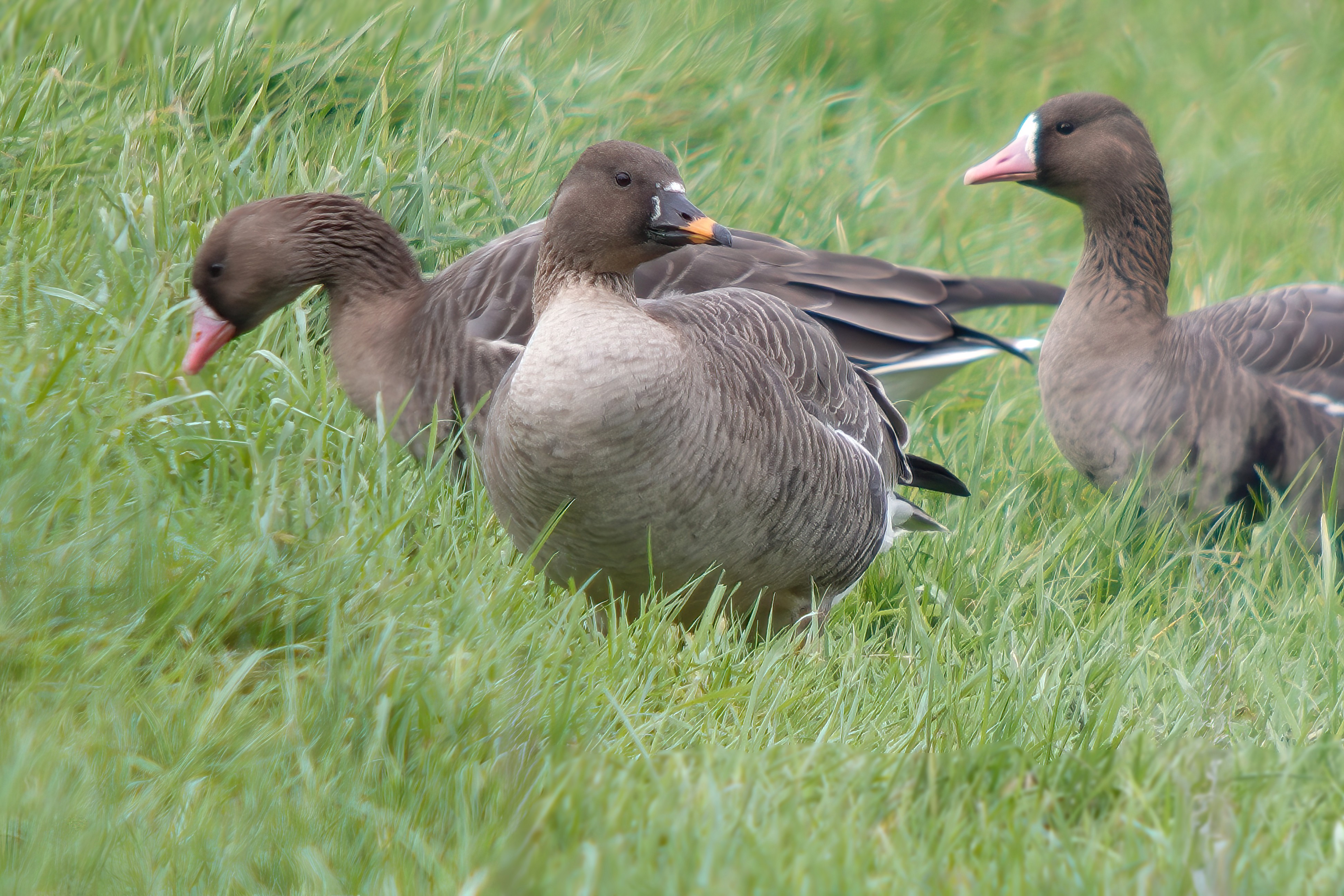
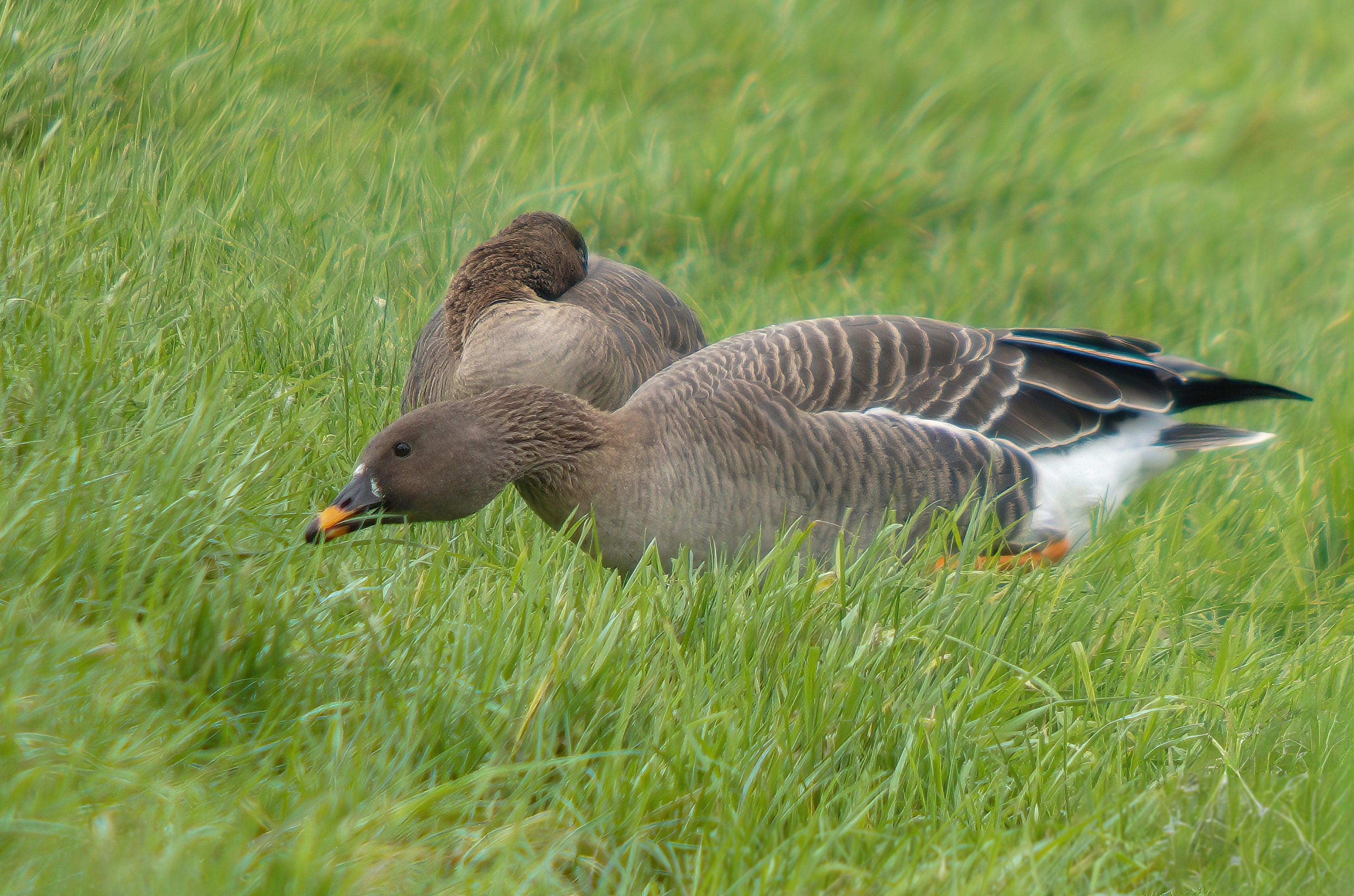
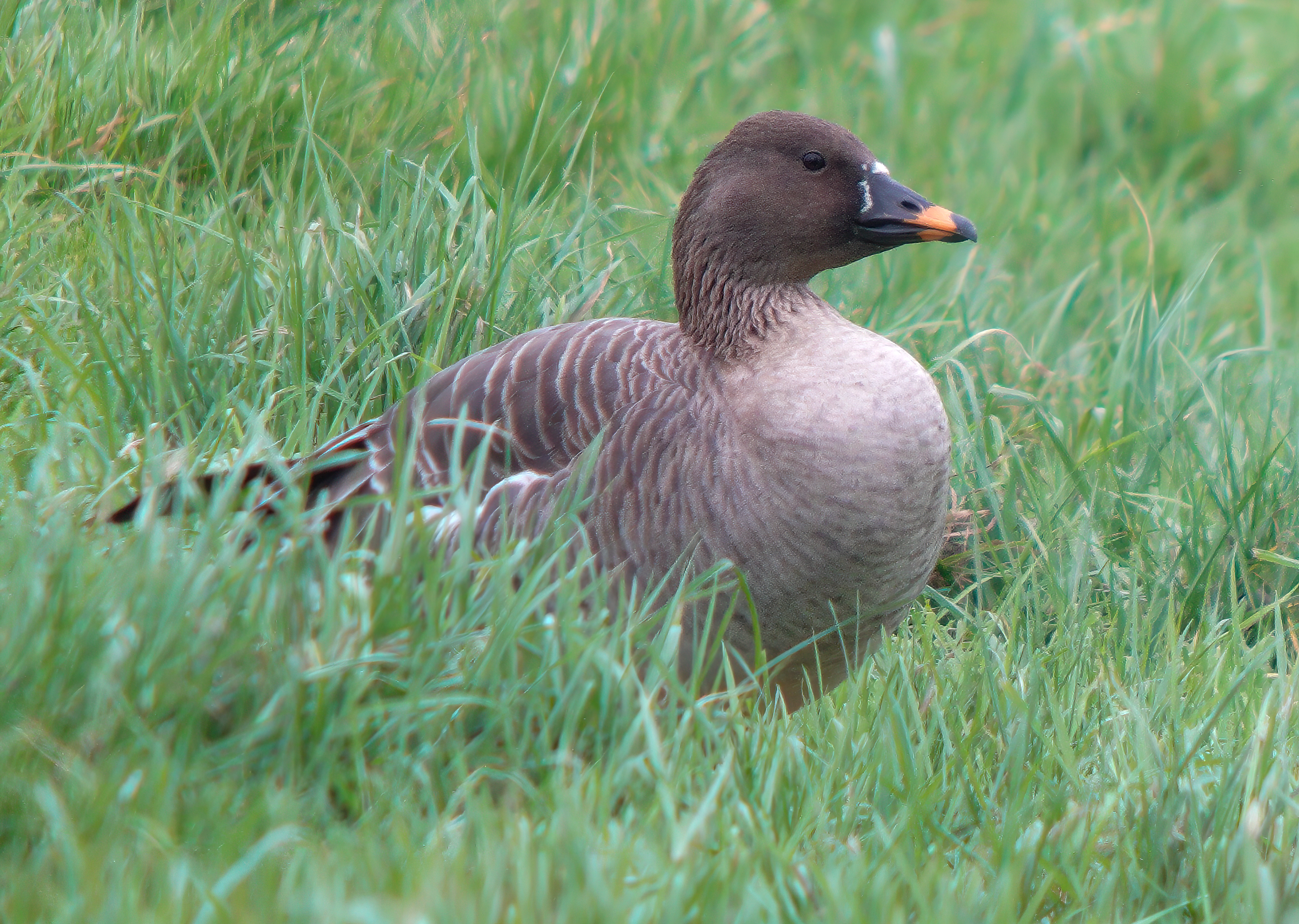
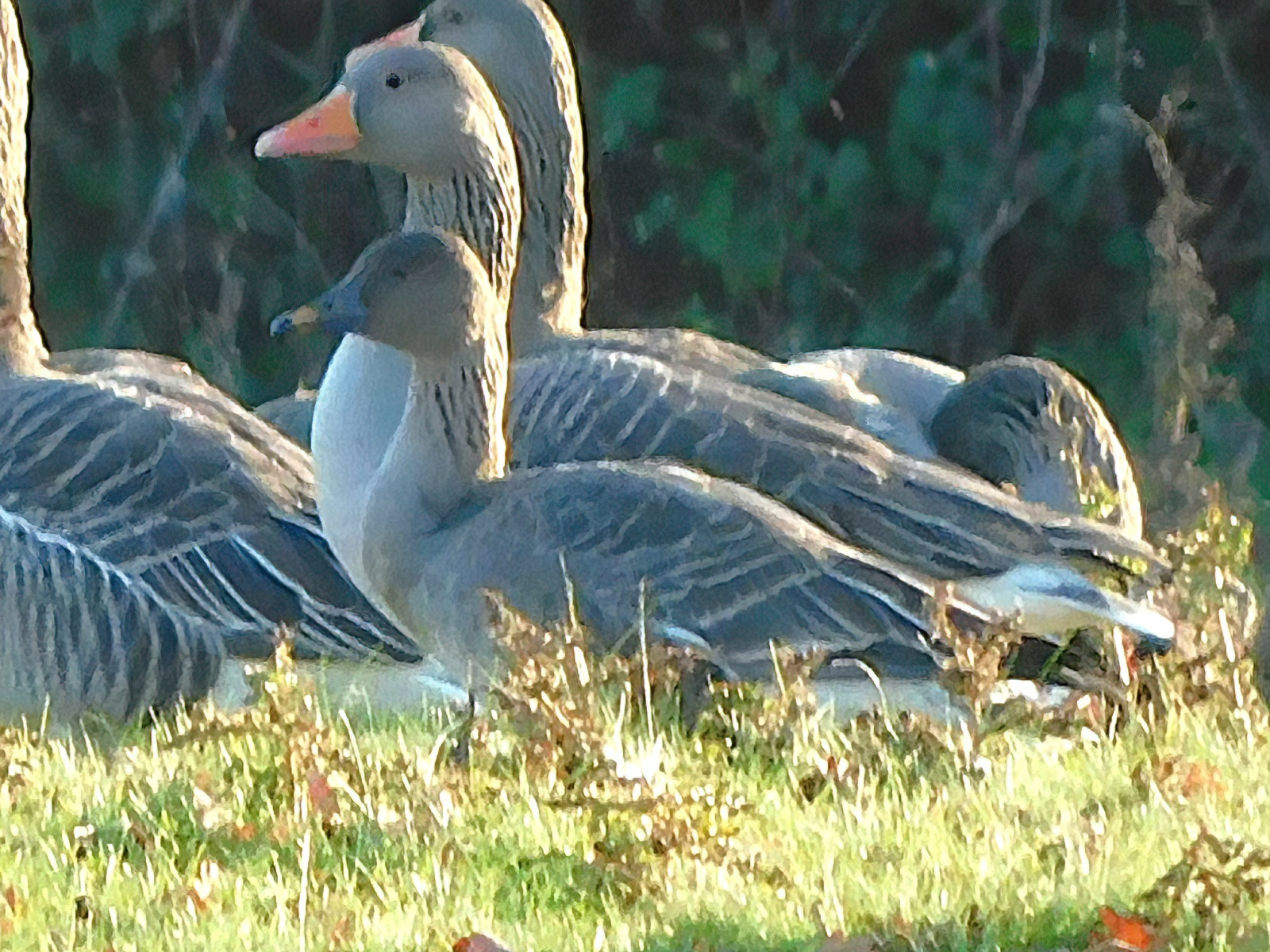
And Tundra Bean Goose was again on the week’s menu when two distinctly separate birds were present in the northern reaches of the Nene Valley. Based on its unique pattern of white at the base of the bill, the first was the same individual which has been kicking around in the Thrapston GP area since early January, although remaining under the radar for a significant amount of time. Keeping company with twenty-three White-fronted Geese, it appeared at Ringstead GP on 14th before settling in fields at nearby Denford from 16th until the end of the period. The second bird paid the briefest of visits to Islip Water Meadows with Greylags on 16th and was not seen subsequently.
Tundra Bean Goose and White-fronted Geese, Denford, 16th February 2026 (Bob Bullock)Tundra Bean Goose and White-fronted Geese, Denford, 18th February 2026 (Mike Alibone)Tundra Bean Goose, Denford, 18th February 2026 (Mike Alibone)Tundra Bean Goose, Denford, 18th February 2026 (Mike Alibone)
In addition to the aforementioned twenty-three, Stanford’s White-fronted Goose numbers remained high with at least forty mobile around fields between Stanford on Avon and the reservoir, on 15th. Lower numbers elsewhere included eight at Thrapston from 14th to 17th, visiting fields north of nearby Thorpe Waterville on 15th, and four at Stanwick GP between 15th and 18th.
Now seemingly settled on the Rosewater Fishing Lake at Ringstead, the drake Ring-necked Duck remained there from 14th until at least 18th and a Greater Scaup was reported on adjacent Kinewell Lake on 16th.
Drake Ring-necked Duck, Ringstead GP, 15th February 2026 (Mike Alibone)
But the period’s highlight was found on the last day of the week, when a dapper drake Lesser Scaup broke water on the River Nene alongside Clifford Hill GP. Had it been Northamptonshire’s first – and maybe it is the same individual from last autumn – it would have drawn a sizeable crowd, given the easily accessible location and prime viewing conditions. As it was, a trickle observers dropped in to soak up the good views on offer.
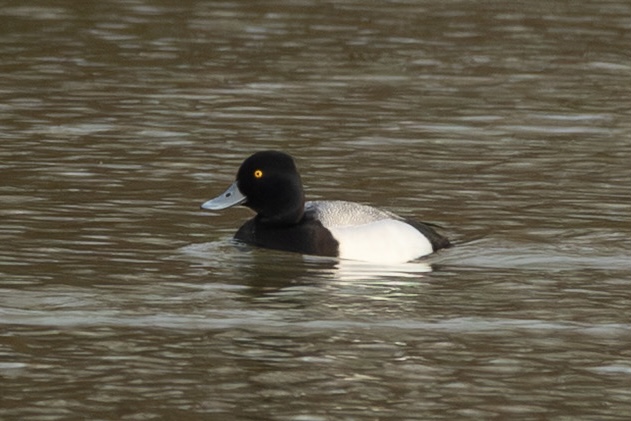
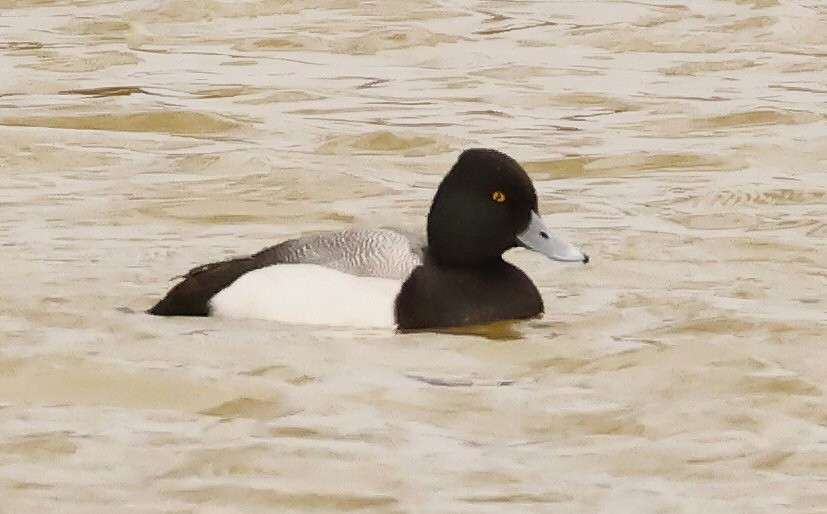
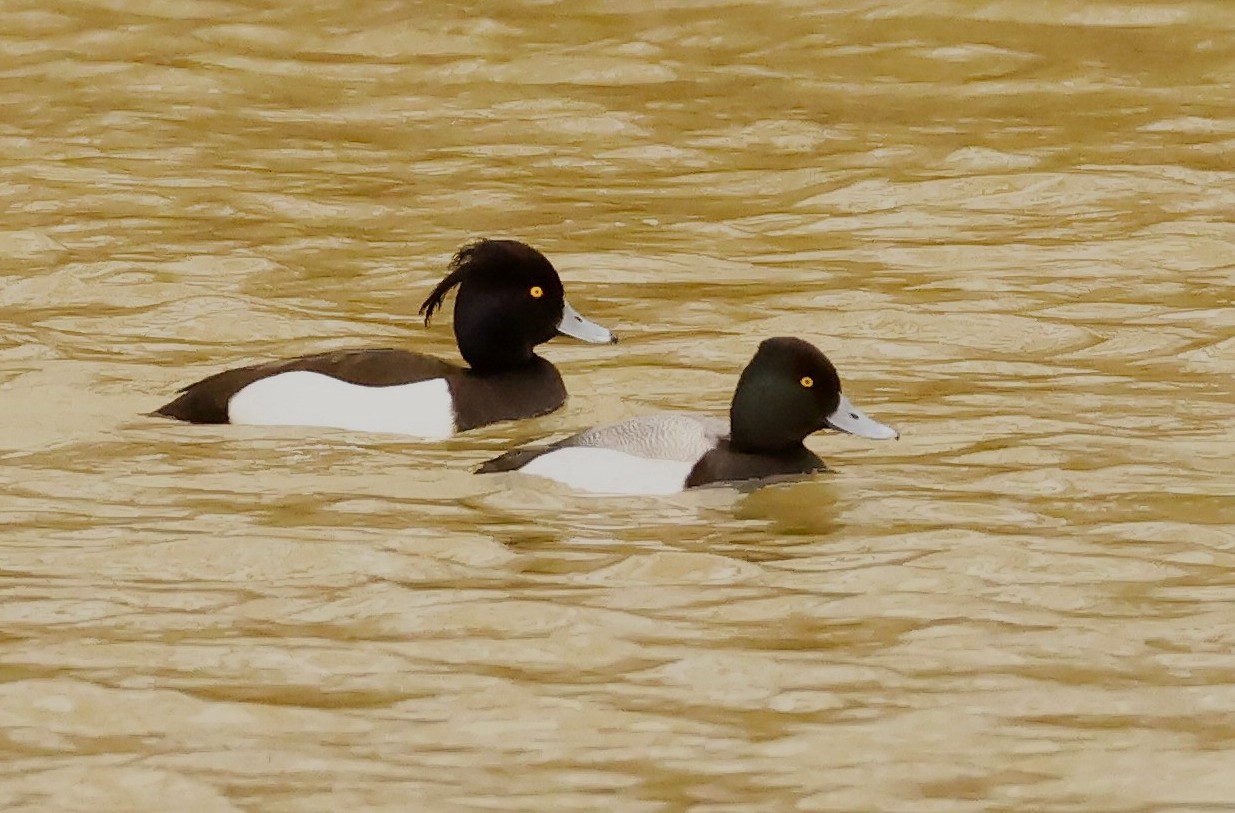
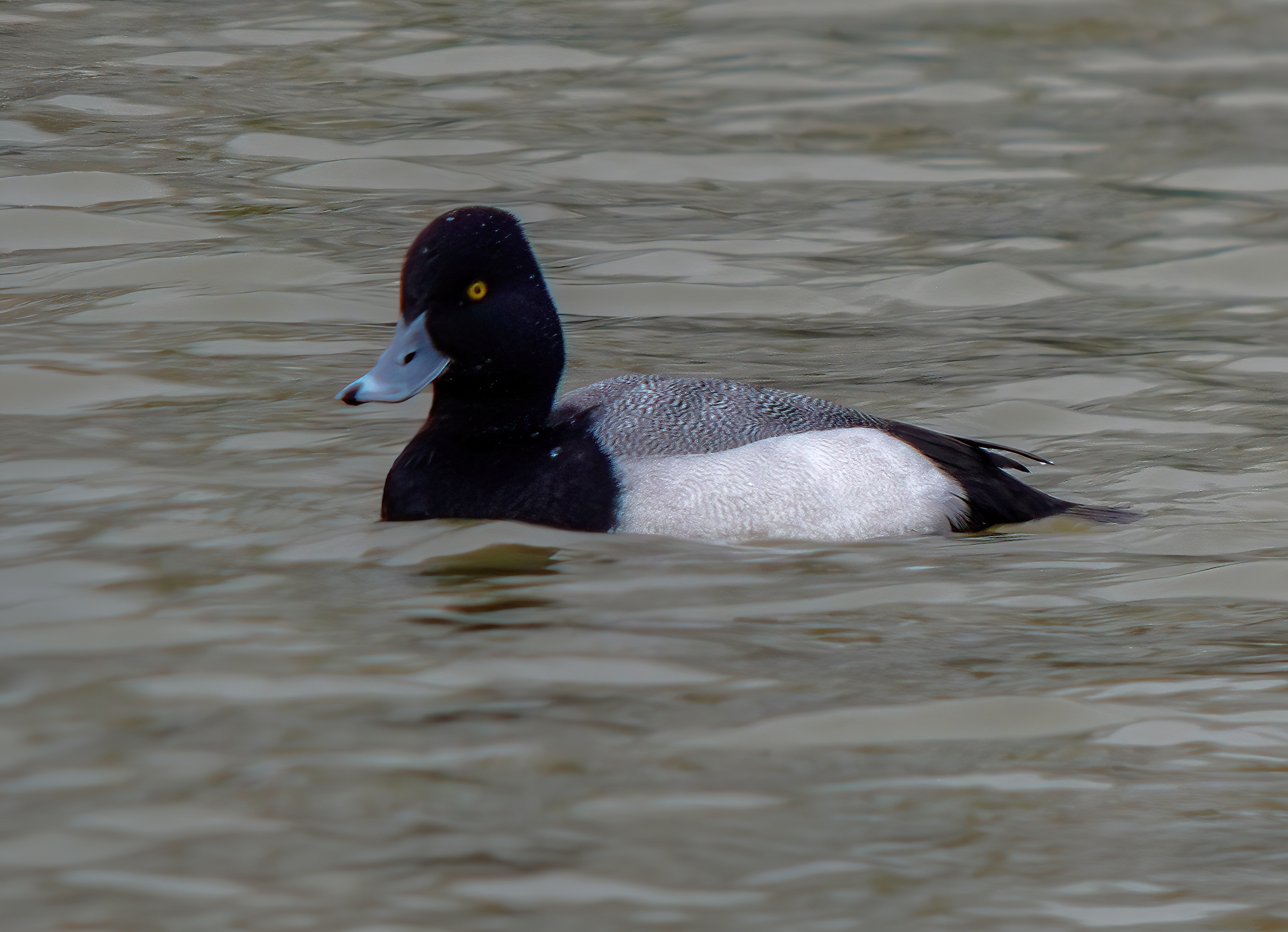
Drake Lesser Scaup, Clifford Hill GP, 20th February 2026 (Tyler Atkinson)Drake Lesser Scaup, Clifford Hill GP, 20th February 2026 (Bob Bullock)Drake Lesser Scaup and Tufted Duck, Clifford Hill GP, 20th February 2026 (Bob Bullock)Drake Lesser Scaup, Clifford Hill GP, 20th February 2026 (Mike Alibone)
Dramatically overshadowed by the above – at least in terms of rarity – was the drake Smew which saw out another week at the same location.
And hybrids? The drake Pochard x Tufted Duck remains also at Clifford Hill, as does the presumed female Pochard x Tufted Duck at Daventry CP.
Moving swiftly on … and following a recent uptick in records in the UK, another new bird for the year this week was a Slavonian Grebe. First seen at Daventry on 19th, it moved to Ravensthorpe Res on 20th, where it was still present at close of play. Hard evidence in the form of a unique, small dark stripe on the left side of its head identifies it as the same bird at both locations.
Slavonian Grebe, Daventry CP, 19th February 2026 (Gary Pullan)Slavonian Grebe, Ravensthorpe Res, 20th February 2026 (Jon Cook)Slavonian Grebe, Ravensthorpe Res, 20th February 2026 (Bob Bullock)
Two Jack Snipes at Hollowell Res on 16th sums up the week’s scarcer waders.
The week’s gulls once again comprised two adult Mediterranean Gulls – one at Daventry on 16th and the other in the roost at Stanford three days later, on 19th, with two adult Caspian Gulls at Hollowell on the same dates.
Adult Mediterranean Gull, Daventry CP, 16th February 2026 (Gary Pullan)
Hollowell also played second locality fiddle to the Red-throated Diver, which upped sticks from Ravensthorpe on 16th but returned to the latter site on 19th, still being in residence there at the week’s end. It attracted far less attention than in the previous week, the novelty likely having worn off …
Red-throated Diver, Ravensthorpe Res, 19th February 2026 (Jon Cook)
Also, considered part of the winter furniture, the Glossy Ibis remained at Summer Leys LNR throughout.
Once again, a Cattle Egret dropped into the flooded area at Wellingborough Embankment on 15th.
Also in the Nene Valley, Marsh Harriers continued their right to roam, Summer Leys producing sightings on 14th, 15th and 17th that included the first-year male ‘J4’. Elsewhere, singles were at both Ditchford GP and Earls Barton GP’s New Workings (South) on 14th. A ringtail Hen Harrier in the Brampton Valley/Blueberry Farm area on 17th was the third of the year so far, one having been seen there on 1st January, followed the next day by one near Laxton.
There was close to nothing new on the passerine front this week. Daventry’s Siberian Chiffchaff extended its stay until at least 19th, while a Firecrest was reported from Thrapston on 17th.
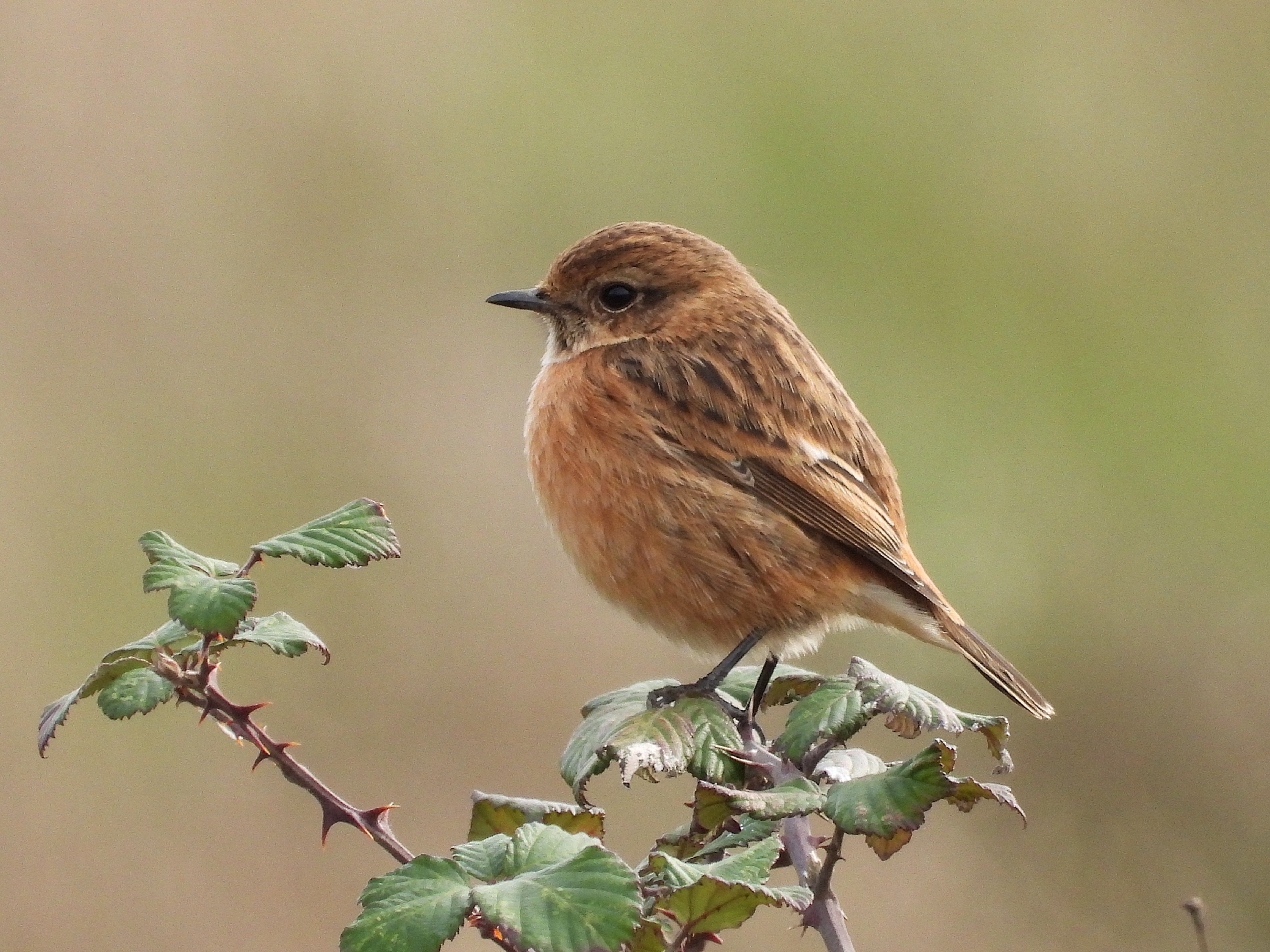
Stonechat numbers were down, with twos seen at Earls Barton GP on 14th and 17th, in the Brampton Valley on 15th, at Hollowell on 16th and at Stanwick on 18th.
Female Stonechat, Earls Barton GP, 17th February 2026 (Leslie Fox)
Up to eight Crossbills were still present at Gamboro Plantation near Cottesbrooke throughout the week and singles were at Scotland Wood, Kelmarsh on 16th and 20th.
Two Corn Buntings reappeared briefly in the Brampton Valley between Cottesbrooke and Hanging Houghton on 16th.
Sandwiched between low pressure systems driven in off the Atlantic by the jet stream and an area of high pressure stationed over Scandinavia, the UK was, by and large, under the influence of a south-easterly airstream that delivered a mixed bag of predominantly wet weather throughout the week. What effect this may have had on local birds has yet to be seen, although this last full week of January was largely quiet in terms of new arrivals.
Geese still featured prominently, though, kicking off with two Pink-footed Geese at Stanford Res on 26th-27th, followed the next day by a noteworthy skein of fifty-four flying north-east over Thrapston GP’s Titchmarsh NR.
Pink-footed Geese, Stanford Res, 27th January 2026 (Chris Hubbard)
White-fronted Geese continued to feature reasonably strongly, with Stanford continuing to lead the way in terms of numbers. Fifty-eight were still there as the week opened and at least fifty remained on 28th. The latter date saw a respectable forty flying north-east over Stanwick GP, followed by four on the ground there on 30th, while nine were again present in fields at Warmington Mill on 24th, when last week’s seven were still to be seen at Summer Leys LNR.
Ducks of note were limited to three species. Five Red-crested Pochards on 26th comprised a drake and a female at Billing GP and two drakes and a female at Deene Lake, while a drake and female Greater Scaup were found on separate lakes at Stanwick on 28th. We can’t rule out the possibility that the latter are the displaced duo from Thrapston, the same site having been previously vacated by the drake American Wigeon, which subsequently relocated downriver to Peterborough’s Ferry Meadows CP, where it was showing down to a ridiculously close 20 metres during its stay there between 24th and 27th.
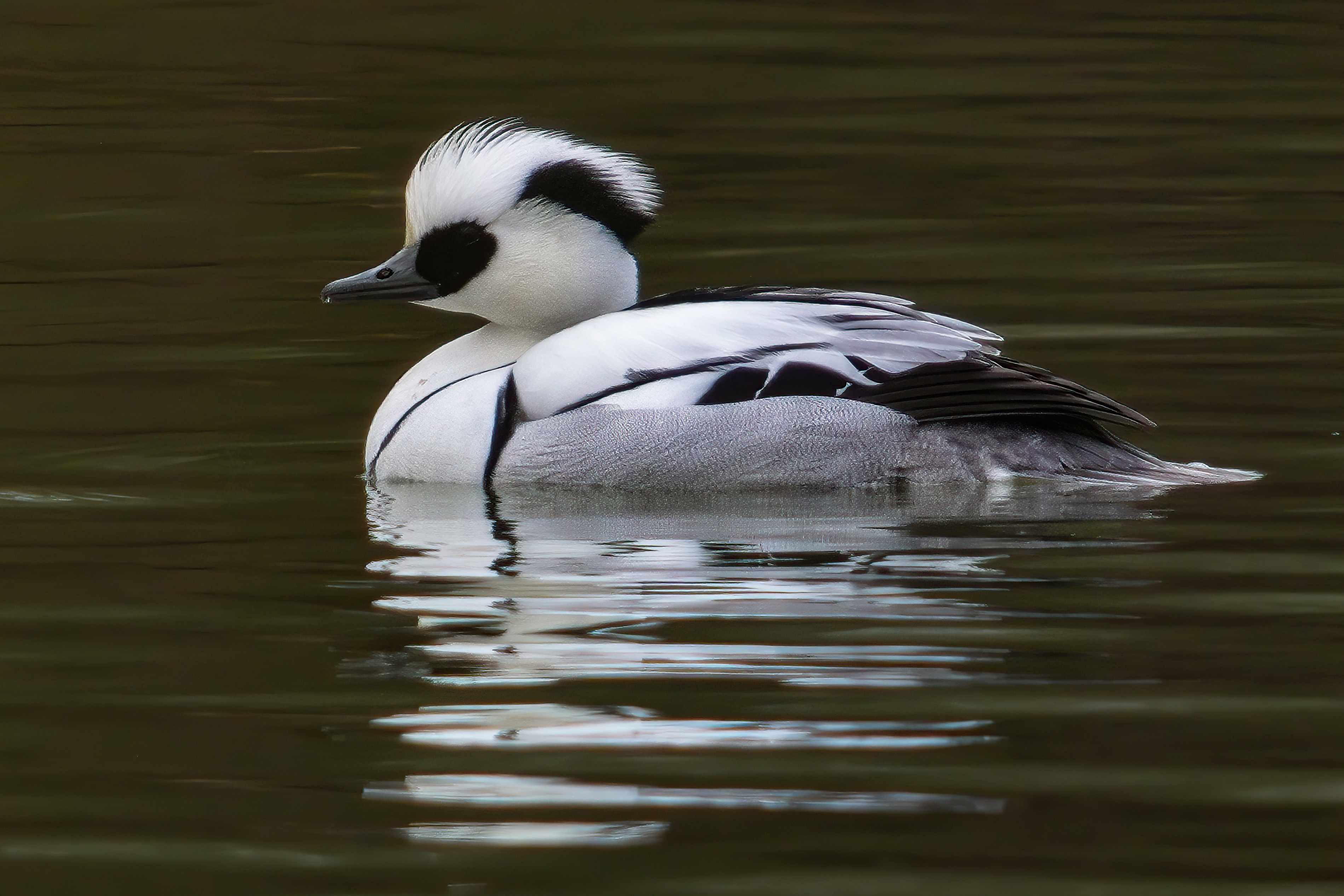
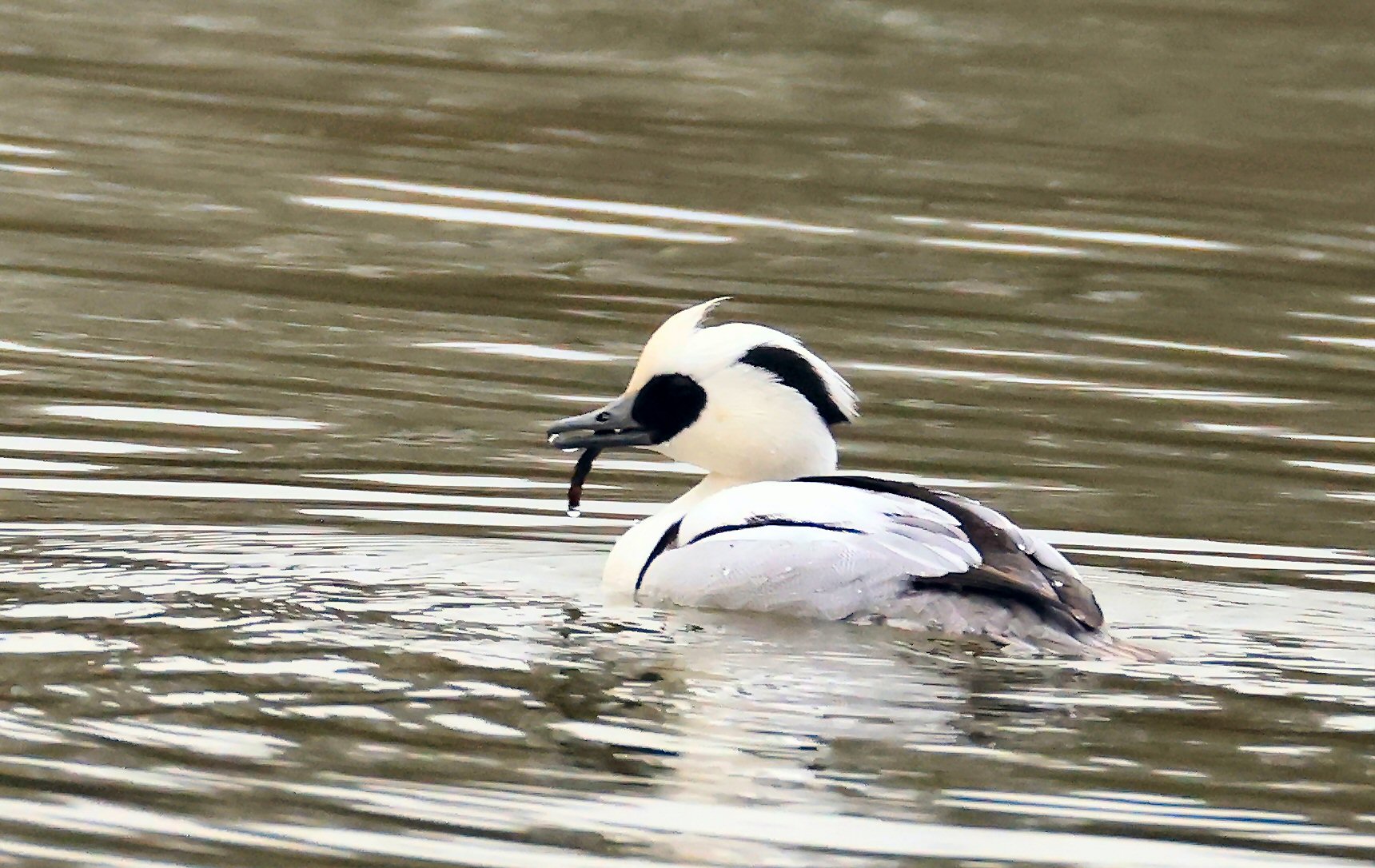
Very much a shining light in the dreary winter gloom, as well as being an easy ‘drive-up-and-see’, a drake Smew found at Ravensthorpe Res on 25th subsequently proved a popular pull throughout the following day but it was nowhere to be seen thereafter. This was not the case with the drake at Clifford Hill GP which, last seen on 5th Jan, was back there again and on view daily from 24th throughout the period.
Drake Smew, Ravensthorpe Res, 26th January 2026 (Mike Alibone)Drake Smew, Ravensthorpe Res, 26th January 2026 (Bob Bullock)
A dearth of waders saw just a Jack Snipe in the Brampton Valley between Cottesbrooke and Hanging Houghton on 28th, the same day producing a wintering Common Sandpiper again at Pitsford Res.
There was a slight improvement on the gull front, however, with single adult Mediterranean Gulls in the reservoir roosts of Pitsford on 26th and Stanford on 28th and 30th. Summer Leys’ adult Caspian Gull remained into this week, being seen intermittently between 25th and 30th, while another adult visited the roost at Stanford on 26th and a first-winter was found at Stanwick on 28th.
Yellow-legged Gulls were again at a low ebb and a single adult at Pitsford on 26th and 28th was all the week could muster.
Just the one Glossy Ibis remained prominent at its preferred site of Wellingborough Embankment this week, being seen there on 24th and on 26th-29th, having visited Summer Leys on 25th.
Glossy Ibis, Wellingborough Embankment, 28th January 2026 (Bob Bullock)Glossy Ibis, Wellingborough Embankment, 28th January 2026 (Bob Bullock)
The latter locality was again prime for Marsh Harriers, the 24th seeing the immature male ‘J4’ on site there ahead of single birds on 25th, 28th and 29th. In the wider complex of Earls Barton GP singles were seen in the New Workings area on 24th and 30th, while Stanwick also produced one on 24th. Just how many are kicking around in the Nene Valley is difficult to assess.
Marsh Harrier, Earls Barton GP, 24th January 2026 (Leslie Fox)
Headlining the cast of the week’s passerines was a Siberian Chiffchaff at Daventry CP on 30th and likely to be the same one as previously seen there on 21st November and 22nd December last year.
And continuing as an integral part of the weekly billing so far this year, a Firecrest was on site at Ravensthorpe on 26th.
Meanwhile, Stonechats were to be found at six localities, four at Pitsford on 28th being the highest single site total, while two were present in the Brampton Valley between 25th and 28th, two were at Barnes Meadow NR on 24th and 30th and singles were to be found at Earls Barton GP on 24th and 30th, Clifford Hill on 28th and Thrapston on 29th.
Female Stonechat, Earls Barton GP, 28th January 2026 (Leslie Fox)
Which just leaves Crossbills, which have maintained quite a high profile over the past ten months. This week saw a minimum of twenty at Wakerley Great Wood, between twelve and sixteen at Gamboro Plantation near Cottesbrooke and at least seven at Harlestone Heath. Breeding must surely be on the cards this year …
Male Crossbill, Wakerley Great Wood, 28th January 2026 (James Underwood)Male Crossbill, Wakerley Great Wood, 28th January 2026 (Paul Young)Male Crossbill, Wakerley Great Wood, 28th January 2026 (Paul Young)
With temperatures dropping to well below zero in eastern Europe there’s a lot to be said for taking advantage of this week’s easterly airflow and heading west to make the most of less inclement conditions. And with many birds doing just that, things lined up nicely, with some startling results to boot …
So it came to pass as Christmas Eve unfolded, a veritable Goose fest began to take shape, with a significant influx of Tundra Bean and White-fronted Geese into the UK. The week, it seems, belonged to wildfowl … and we weren’t left out.
It’s been a good while since Northamptonshire has been blessed with the presence of a Tundra Bean Goose – almost seventeen years in fact, when one joined the local Greylags at Ditchford GP for one day only, on 19th January 2009. Fast forward to the present day and Pitsford Res did the honours, delivering at least four on 24th which became part of a line up of four grey goose species north of the causeway there in the early afternoon. They didn’t stay long though, departing to the south less than two hours after being found. But they were not alone, the 26th producing another, single individual at Blatherwycke Lake during the afternoon of that date.
Tundra Bean Goose, Blatherwycke Lake, 26th December 2025 (James Underwood)
Taking a back seat in terms of comparative rarity, but not to be sniffed at, White-fronted Geese made their presence strongly felt, beginning with the arrival of an awesome flock of fifty-six at Stanford Res on 24th. This was followed by a total of thirty-one flying north-east over Irthlingborough Lakes & Meadows NR in small groups during a fifteen-minute period on the same date, on which a dozen appeared at Blatherwycke and seven were also found at Pitsford, at least four of which remained on 25th. More were to come on the latter date, Clifford Hill GP producing eleven, while Stanford retained its fifty-six through to the 26th and the final day of the period also saw twenty-one at Ringstead GP, fourteen at Blatherwycke, at least six at Clifford Hill and two at Hollowell Res.
White-fronted Geese, Stanford Res, 24th December 2025 (Chris Hubbard)White-fronted Geese, Irthlingborough Lake & Meadows NR, 24th December 2025 (Tony Vials)White-fronted Geese, Stanford Res, 25th December 2025 (Chris Hubbard)
Considered pretty much standard fare these days and completely outnumbered, Pink-footed Geese mustered three at Pitsford on 24th and at least one at Summer Leys LNR on the same date.
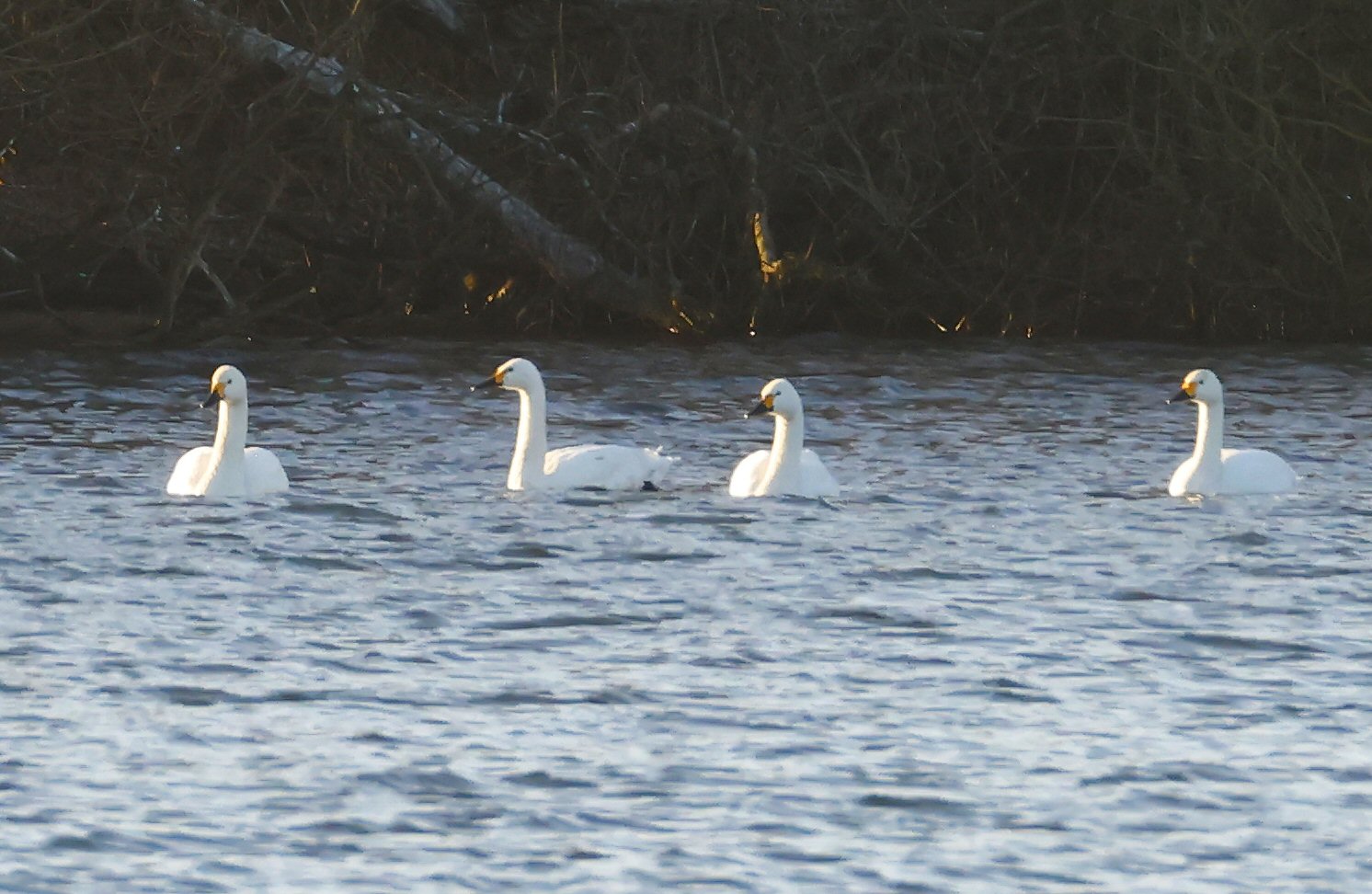
More birds in from the east constituting a pleasant surprise were four Bewick’s Swans found at Ringstead on 26th. Unsurprisingly, these were the first of their kind in the county for 2025, the numbers visiting Britain having tumbled in recent years following a significant population decline between 1995 and 2020, along with many now choosing to winter in mainland Europe.
Adult Bewick’s Swans, Ringstead GP, 26th December 2025 (Bob Bullock)
And it’s been almost seven weeks without a local Red-crested Pochard, their absence being broken by two at Kislingbury GP on 23rd. More desirable ducks were on offer during the period, though, with the first-winter drake and female Greater Scaups remaining at Thrapston GP until at least 24th, while three new females were discovered at Stanford on the latter date.
Female Greater Scaups, Stanford Res, 24th December 2025 (Chris Hubbard)
Better still, a drake Smew appeared at Clifford Hill on 22nd, being seen again there on 26th. Single drake Red-breasted Mergansers – another much sought-after sawbill, locally – paid the briefest of visits to Clifford Hill also on 22nd and to Ravensthorpe Res the following day.
Drake Red-breasted Merganser, Ravensthorpe Res, 23rd December 2025 (Jon Cook)
With no consistent reports of the Pitsford Black-necked Grebe since 15th December, it seems likely that its visit there has come to an end. Step forward Blatherwycke, where one was located on 21st and was still to be found there at the week’s end.
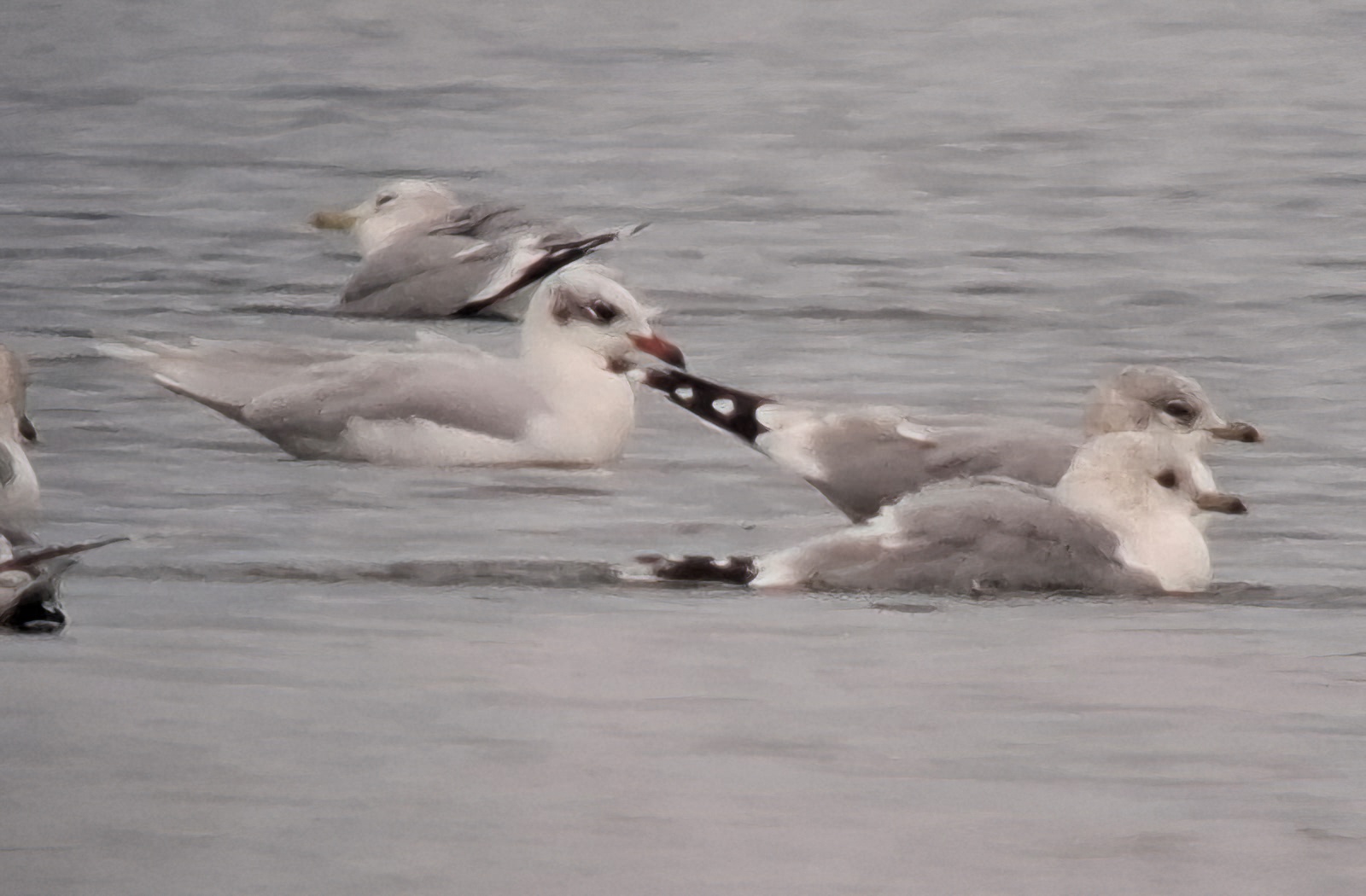
This week also proved good for Mediterranean Gulls, with 22nd producing an adult at Daventry CP, followed the next day by an adult at Pitsford and two first-winters at Stanford and then by an adult at Clifford Hill on 26th.
Adult Mediterranean Gull, Daventry CP, 22nd December 2025 (Gary Pullan)
The period’s Caspian Gull quota comprised a first-winter in the roost at Stanford on 22nd, followed by an adult there the next evening and single adults at both Daventry and Naseby Res, also on 22nd. The same two days accounted for the week’s Yellow-legged Gulls, with two adults in the Stanford roost on 22nd and one on 23rd, the latter date producing a first-winter at Clifford Hill and two adults at Pitsford.
As for Glossy Ibises … Notching up another week, the Wellingborough Embankment duo extended their stay, while one continued to be a regular visitor to the settling pond at Stanford throughout the period.
Glossy Ibis, Stanford Res, 21st December 2025 (Barry Silverman)
A Cattle Egret was reported in a flooded field at Little Irchester on 21st.
And as we continue to enjoy the presence of wintering Marsh Harriers in the county, another wing-tagged individual made it to the Nene Valley this week. Enter yellow ‘FL’ photographed at Titchmarsh NR on 20th. Research by the photographer, below, reveals it to be a first-year female, ringed and tagged on 13th June 2025 near Carlton Marshes, Suffolk, a bird which has subsequently been seen at the following locations in Norfolk: Salthouse on 7th October, Cley NWT on 15th and 25th October and Titchwell RSPB on 4th November.
Last week’s orange-tagged ‘J4’ was again present at Summer Leys, also on 20th, while sightings of individuals presumably without tags included singles at both Titchmarsh and Ditchford GP on 24th and at Summer Leys on 25th.
The Brampton Valley ‘ringtail’ Hen Harrier was again seen in the area between Cottesbrooke, Hanging Houghton and Blueberry Farm on 20th, as was a Short-eared Owl on 20th and 22nd, with another west of the A14, near Kettering Golf Course on 23rd.
The period’s passerines of note kicked off with a Siberian Chiffchaff at Daventry CP on 22nd – possibly the same individual as that seen there on 21st November.
There were fewer Stonechats on offer, this week’s birds consisting of one at Clifford Hill on 22nd-23rd, two in the Brampton Valley on 22nd and two at Neville’s Lodge, Finedon on 26th.
And is Cottesbrooke now on the radar for Hawfinches in non-invasion years? One was present there on 22nd. Crossbills, too, were to be found not far away from the latter site, with two or three at Gamboro Plantation on 20th, while seven were mobile around Harlestone Firs on 21st.
Last week’s hefty total of fifteen Corn Buntings between Deanshanger and Wicken couldn’t be matched. Just two were to be found in the same locality on 21st.
Corn Bunting, Wicken, 21st December 2025 (Mike Alibone)
A low pressure system centred to the north of the UK was the driving force for much of the week’s weather, initially delivering a short spell of south-easterlies, during which another first for the year made landfall in the west of the county.
Continuing to do the rounds, though, the female Ruddy Shelduck, was still to be found at Stanford Res on 6th-7th, aside from which a mini-arrival of Red-crested Pochards saw two eclipse drakes at Daventry CP on 7th-8th and six at Pitsford Res on the last day of the period.
In the meantime, it’s September and waders were still out there to be had. Single Curlews visited Stanford on 7th and Lilbourne Meadows NR two days later, on 9th, while three Black-tailed Godwits were hangers on from last week at Pitsford until 8th, after which one remained into the latter part of the week. One was also present at Naseby Res on 9th and 12th.
Curlew, Lilbourne Meadows NR, 9th September 2025 (Phil West)Juvenile Black-tailed Godwit, Pitsford Res, 6th September 2025 (Bob Bullock)
Ruffs, too, were present at four localities with numbers at Pitsford all week increasing from three to six on 11th. Elsewhere, Clifford Hill GP produced two on 11th following one there on 9th and singles were found at Summer Leys LNR on 6th, 9th and 11th and at Naseby on 8th and 12th. Wader of the week – and a first for the year in the county – was Curlew Sandpiper, two juveniles of which dropped in at Daventry on 7th but, alas, failed to stick around and had departed by the following morning.
Juvenile Curlew Sandpipers, Daventry CP, 7th September 2025 (Gary Pullan)Juvenile Curlew Sandpipers, Daventry CP, 7th September 2025 (Gary Pullan)Juvenile Curlew Sandpipers, Daventry CP, 7th September 2025 (Bob Bullock)
And while Wood Sandpiper was back on the menu, with one at Naseby Res on 12th, Greenshanks hit their highest single site total in recent years when numbers rose to fifteen at Pitsford on 7th, dropping down to a mere three there by the end of the week. Smaller numbers elsewhere included five at Earls Barton GP’s New Workings (South) on 10th, three flying east over Oundle on 7th and singles at Boddington Res on 8th and at Naseby on 8th-9th and 12th.
Greenshank, Earls Barton GP, 10th September 2025 (Leslie Fox)
Naseby also held on to its near-resident German-ringed adult Caspian Gull throughout the period, while a juvenile visited Hollowell and Ravensthorpe on 8th and 9th, respectively, and a second-winter was found at Wicksteed Park Lakes, Kettering on 12th. Single Yellow-legged Gulls were duly logged at both Pitsford and Stanford on 6th, also at both Boddington and Priors Hall Quarry Lake, Corby on 7th and at Thrapston GP on 10th.
Daventry continued its decent run of autumn migrants this week with a juvenile Arctic Tern, briefly, on 10th, plus a Black Tern on the same date. More were to follow with, out east, two at Thrapston on the latter date and one at Ditchford GP’s Irthlingborough Lakes and Meadows NR on 12th, while Ravensthorpe laid claim to four on 11th, the latter moving across to nearby Hollowell the following day.
Adult Black Tern, Daventry CP, 10th September 2025 (Gary Pullan)Adult Black Tern, Daventry CP, 10th September 2025 (Gary Pullan)
And, given the record-breaking influx currently under way, enter stage left, another Glossy Ibis – this time a juvenile –found on day one of the period at Pitsford where it was still in residence at the week’s end. Meanwhile, the Summer Leys bird remained settled there throughout the week. With numbers estimated to be in excess of six hundred across the UK, including a jaw-dropping ninety-two at one site in Cornwall on 8th, it seems likely we could be in for a few more in our own fair county …
Juvenile Glossy Ibis, Pitsford Res, 6th September 2025 (Bob Bullock)
Causing less of a stir, a Bittern was seen again at Summer Leys on 11th and a Cattle Egret spent a short time at Boddington Res before moving off north on 7th.
On the raptor front, up to two Ospreys were present throughout the week at Pitsford and singles elsewhere included one flying west over Northampton’s Abington Park on 6th, at Stanford Res on 7th, Boddington on 8th, Hollowell on 8th and 12th and at both Earls Barton and Summer Leys on 11th.
Osprey, Earls Barton GP, 11th September 2025 (Leslie Fox)
Taking a bit of a slide, though, Marsh Harrier numbers were down a little on last week with one at Pitsford seen on 9th, 11th and 12th, one in the Blueberry Farm/Brampton Valley area on 9th and 11th and one at Summer Leys on 11th doubling to two there the following day. Last week’s ‘ringtail’ Hen Harrier remained in the Brampton Valley between Cottesbrooke and Hanging Houghton until at least 9th.
A Merlin provided an unusually striking sight in suburbia when one flew over Abington Park on 8th.
Juvenile Merlin, Abington Park, Northampton, 8th September 2025 (Tyler Atkinson)
And then there were passerines. The continual run of Common Redstarts we have become used to took a tumble this week with numbers down to just single birds at Blueberry Farm, Maidwell on 9th and in the Brampton Valley on 10th. The same could not be said for Whinchats, with the increasingly popular locality of the Brampton Valley holding good and producing small numbers daily, peaking at five there from 8th to 11th. Nearby Blueberry Farm also held up to three between 6th and 9th and singles were found at Earls Barton GP’s New Workings (South) on 6th-7th and at Hollowell Res on 9th.
Moving further into autumn, Stonechats are beginning to creep in with two in the Brampton Valley on 9th and one at Boddington on 10th.
Stonechat, Boddington Res, 10th September 2025 (Gary Pullan)
There were fewer Northern Wheatears reported during the period – just one at Hollowell on 8th, two at Blueberry Farm on 9th and two in the Brampton Valley on 10th-11th.
And Crossbill movements have also continued to slow to a trickle with Wakerley Great Wood producing at least two on 6th, while four were at Gamboro Plantation in the Brampton Valley on 9th.
The period’s weather was dominated by a slow-moving low pressure system to the north of the UK, delivering west to south-westerly winds and showers throughout, resulting in a somewhat tepid week, birdwise. While it’s commonplace for migration to take a dive as spring fizzles out, the last week of May has, over the years, been known to produce the stuff of legend in the county. Etched into the memories of those of us of a certain age will be the hallowed 29th, which has delivered Bridled Tern, Sooty Tern and Buff-breasted Sandpiper – rarities of the highest eminence, the likes of which may never be seen locally again …
However, the week’s best birds were rather more down to earth, exemplified by the idling drake Red-crested Pochard still present throughout the period at Earls Barton GP.
Avocets were again well represented with nine at the above locality on 30th and twos at Lilbourne Meadows NR from 24th to 27th and at Clifford Hill GP on 27th-28th.
Avocets, Lilbourne Meadows NR, 25th May 2025 (Mike Alibone)
A Grey Pover spent the afternoon and evening at Summer Leys LNR on 29th, the same site having produced a Sanderling on 25th, when one also visited Lilbourne Meadows.
Grey Plover, Summer Leys LNR, 29th May 2025 (Aamir Aziz Mughal)Grey Plover, Summer Leys LNR, 29th May 2025 (Alan Coles)
Lilbourne Meadows also held on to a Tundra Ringed Plover until 27th, while a Greenshank at Pitsford Res on 24th is likely to be the last one for the spring which has seen an unusually good run of them throughout.
The same cannot be said for Kittiwake, an adult – and the first for 2025 – putting in a brief appearance at Thrapston GP’s Titchmarsh NR on 28th before heading off south. This year is fast shaping up to become possibly the worst in recent history for the species … A couple of late Caspian Gulls included one at Pitsford on 24th and a first-summer on floodwater at Braunston on 29th, while Pitsford produced the week’s Yellow-legged Gulls, with two there on 27th and one on 28th.
Bitterns continued to be seen at Summer Leys, where there were two on 25th and single birds on 26th and 30th. With Cattle Egrets up and down of late, five were at the highly favoured North Lake of Stanwick GP on 25th and one dropped in at Clifford Hill on 28th.
Bittern, Summer Leys LNR, 25th May 2025 (Ricky Sinfield)Bittern, Summer Leys LNR, 30th May 2025 (Tony Stanford)
Rounding off this week’s raptors and all, single Ospreys graced the skies over Earls Barton on 24th and Pitsford on 28th-29th.