Having reached a crescendo on the migration front by the end of last week, the end of this week couldn’t have looked more different. A dramatic downturn in the number of waders and no new summer visitors suggested spring had all but finished but we’re now into a month in which the scales tend to tip in favour of quality, not quantity …
Wetland associates
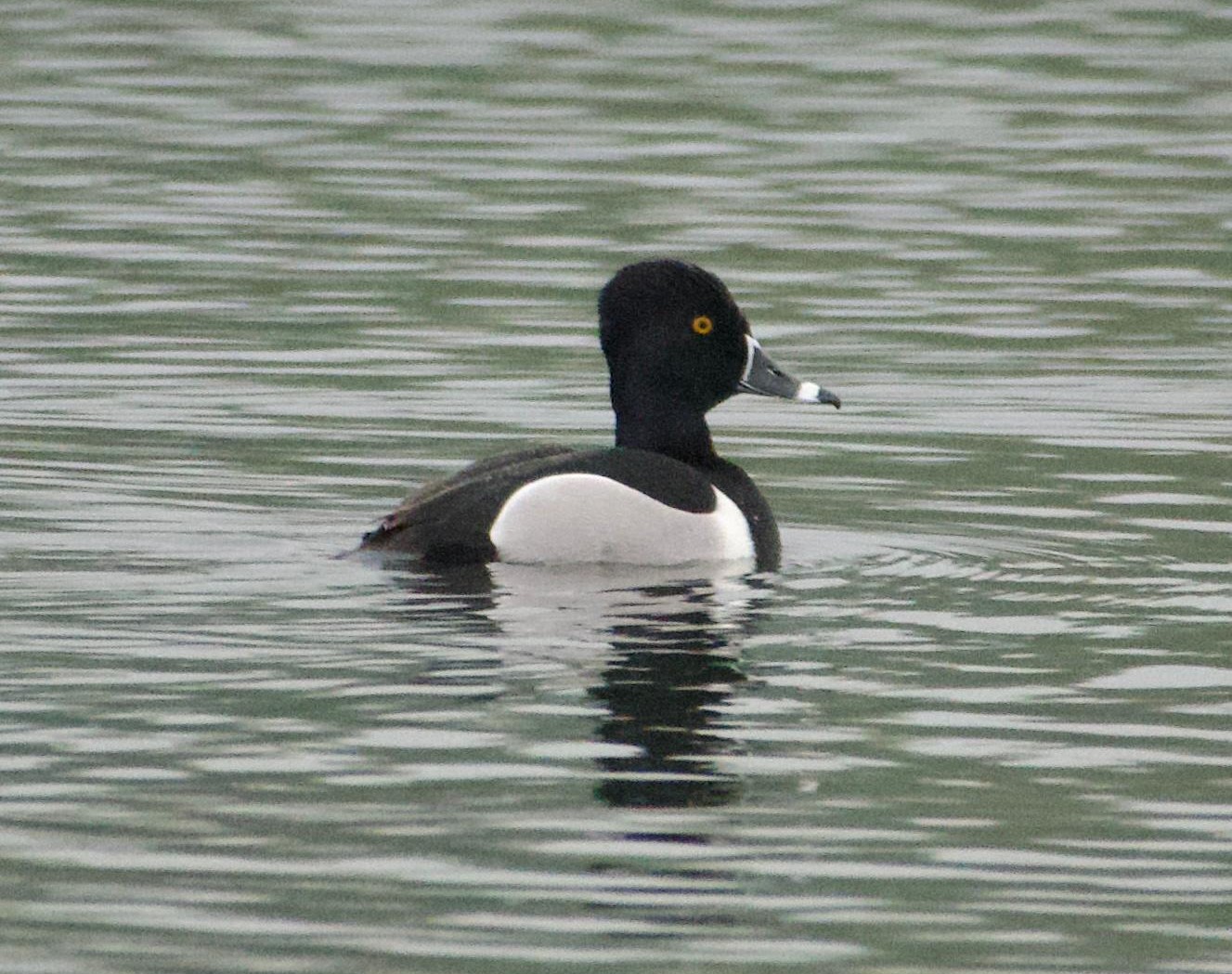
Second only for the year and hot on the heels of the recent bird at Stanwick GP, a drake Garganey graced Thrapston GP’s Titchmarsh NR on 2nd but, like last week’s, it evaded the masses, not being seen again after its initial discovery. After a cracking winter, nationally, and with at least ten still around in the UK at present, it perhaps comes as no surprise that the county pulled in another Ring-necked Duck, with a dapper drake surfacing at Stanford Res on 3rd and showing no hurry to move on until after 7th.
There was no significant change to the wader menu this week, just smaller portions to go round, with Avocets still up there as starters. Summer Leys LNR opened with four on 2nd, after which numbers dropped to three on 3rd, two on 4th-5th and one from 6th to 8th. One also visited Clifford Hill GP on 3rd, the latter location also giving rise to the county’s third Grey Plover of the year on the same date.
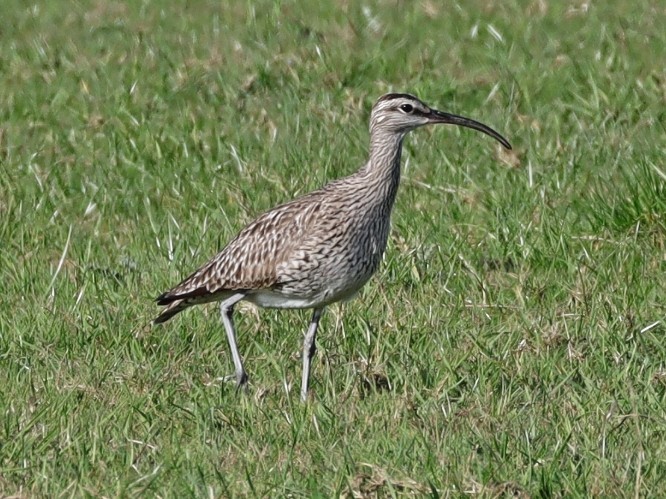
And sticking with Clifford Hill, it has emerged as the go-to site for Whimbrels this spring – not only producing the year’s first and the county’s earliest-ever but sightings virtually daily from 12th April to date. And so they continued this week, with two there on 2nd and one from 3rd until the end of the period. Elsewhere, one flew over Stanford on 2nd and singles were between Great Doddington and Summer Leys on 4th and at the latter site on 7th-8th.
Last week’s Bar-tailed Godwit lingered at Summer Leys until 3rd but the only other to be seen this week was one at Earls Barton GP’s New Workings (South) on 6th. Following the year’s first, fast disappearing from the latter locality last week, two somewhat more obliging Sanderlings made landfall at Clifford Hill on 4th.
And still with us as the week opened were nine Wood Sandpipers at New Workings (South) on 3rd, dropping to three there the next day and one only from 5th to 7th. Britain as a whole has experienced a significant influx this spring and our own fair county was generously provided with the opportunity to get in on the action.
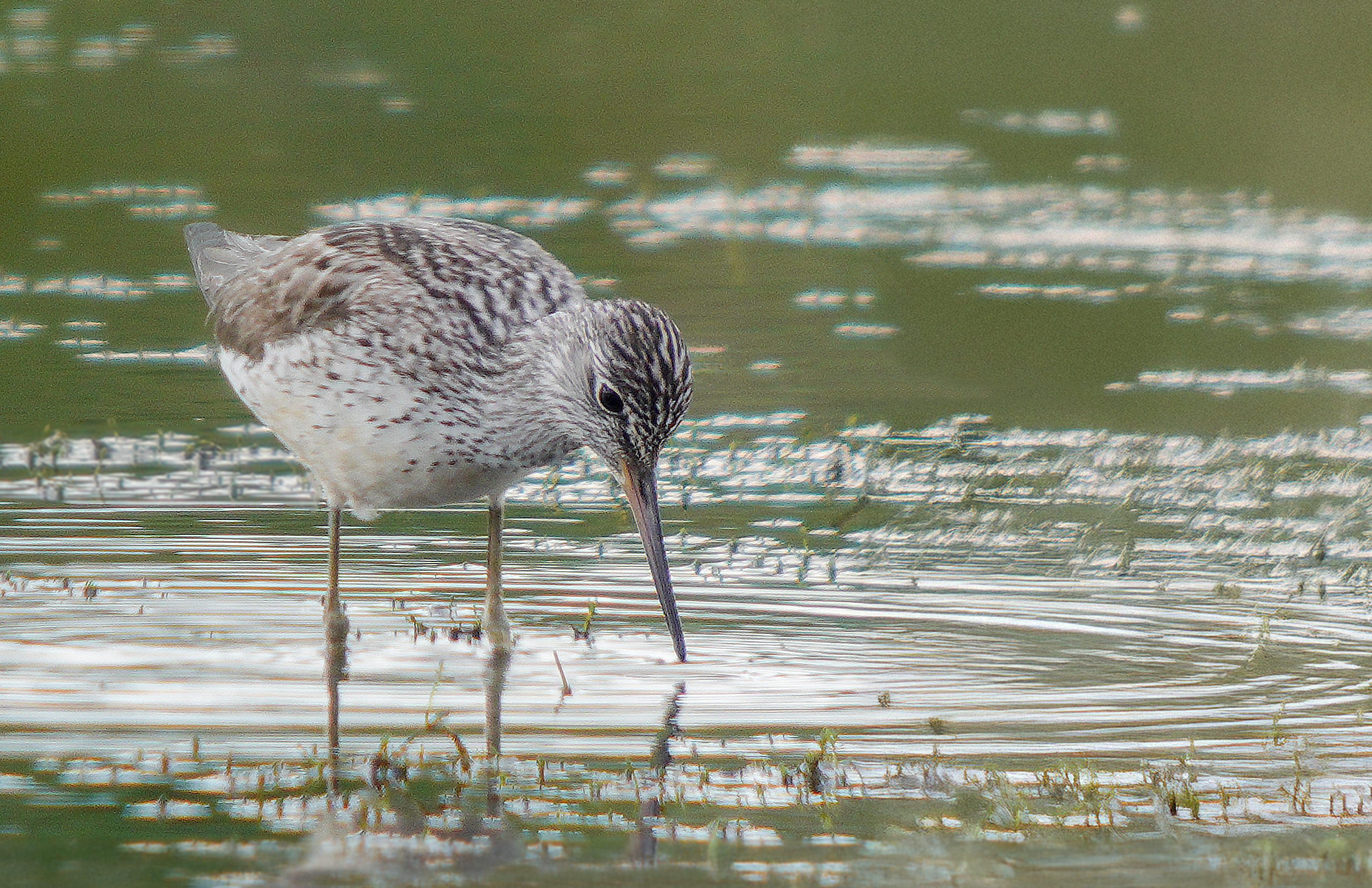
That leaves us with Greenshanks, of which we’ve also seen decent numbers of late. The first half of the week saw eight at New Workings (South) but these subsequently dwindled to three on 7th and just one on 8th. The only other site hosting them throughout the period was Lilbourne Meadows NR, with one on 2nd-3rd and two present from 4th until at least 7th.
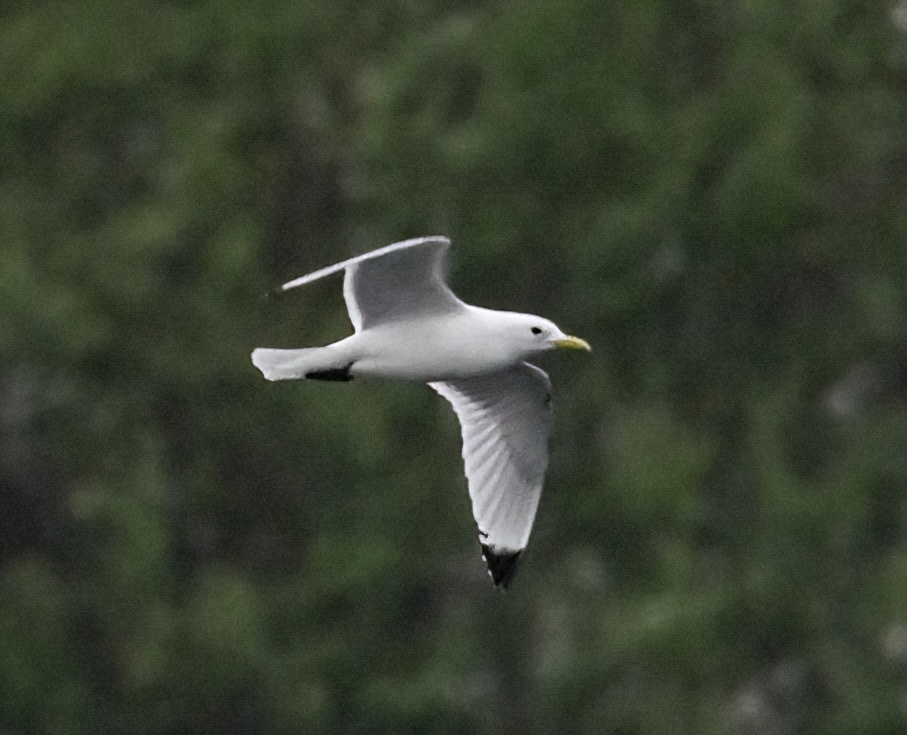
Enter gulls, and the jug had not run dry as far as Kittiwakes were concerned when one flew east over Stanford on 4th.
An adult Little Gull visiting Summer Leys on 2nd was the only one of its kind during the period and the latter locality also saw its two adult Mediterranean Gulls return after they made a flying visit to Clifford Hill on 3rd, one remaining until 4th.
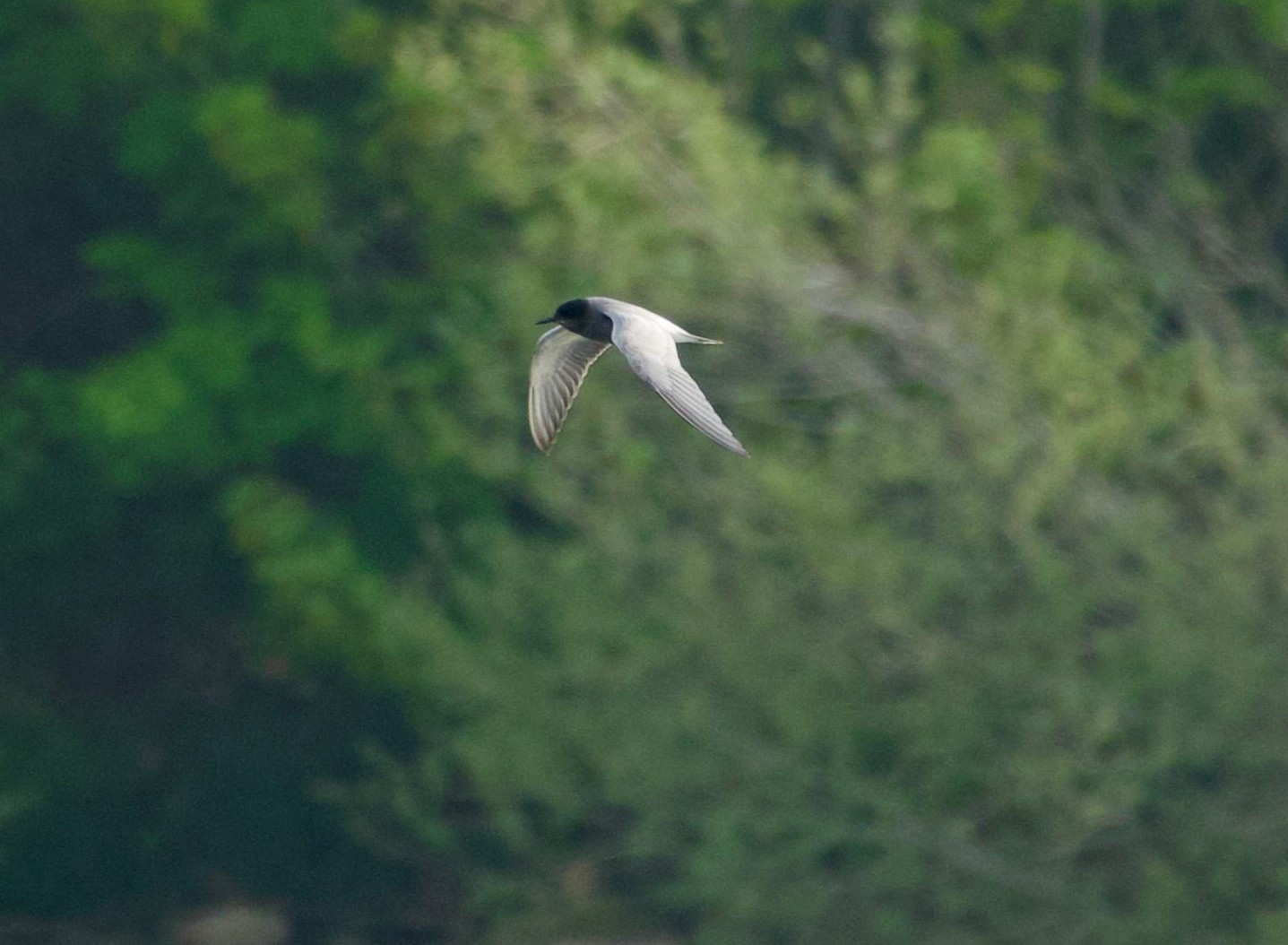
Tern numbers were down on the previous week, with 3rd seeing a single Arctic Tern at Stanford and 4th giving rise to two flying north-east through Clifford Hill and three making their way in the same direction over Stanwick. Meanwhile, Black Terns were limited to singles at Summer Leys on 2nd and Stanford on 5th.
Following three in 2025, now virtually an annual visitor and, arguably, bird of the week, a White Stork soaring in a thermal near Thrapston’s Town Lake climbed to a good height before exiting south-west, on 4th.
And, further extending its dwell time, the county’s long-staying Glossy Ibis saw another week out at Summer Leys, as well as a short sojourn at New Workings (South) on 2nd.
The latter site also produced a Bittern on 3rd, while at least two were still present at Titchmarsh NR this week. Six Cattle Egrets were again at Stanwick on 2nd.
Flags and tags
There were slim pickings on the raptor front, with just a single Osprey at Pitsford Res on 6th but Summer Leys saw the return of a wing-tagged Marsh Harrier on 5th-6th. ‘Yellow DP’ – a first summer female – had previously visited the reserve on 28th March after being ringed and tagged near Hardley, Norfolk in 2025. Since its initial visit, it was recently seen at Marbury in Cheshire on 29th April before its return to Summer Leys, where there was also a non-tagged Marsh Harrier on 6th.
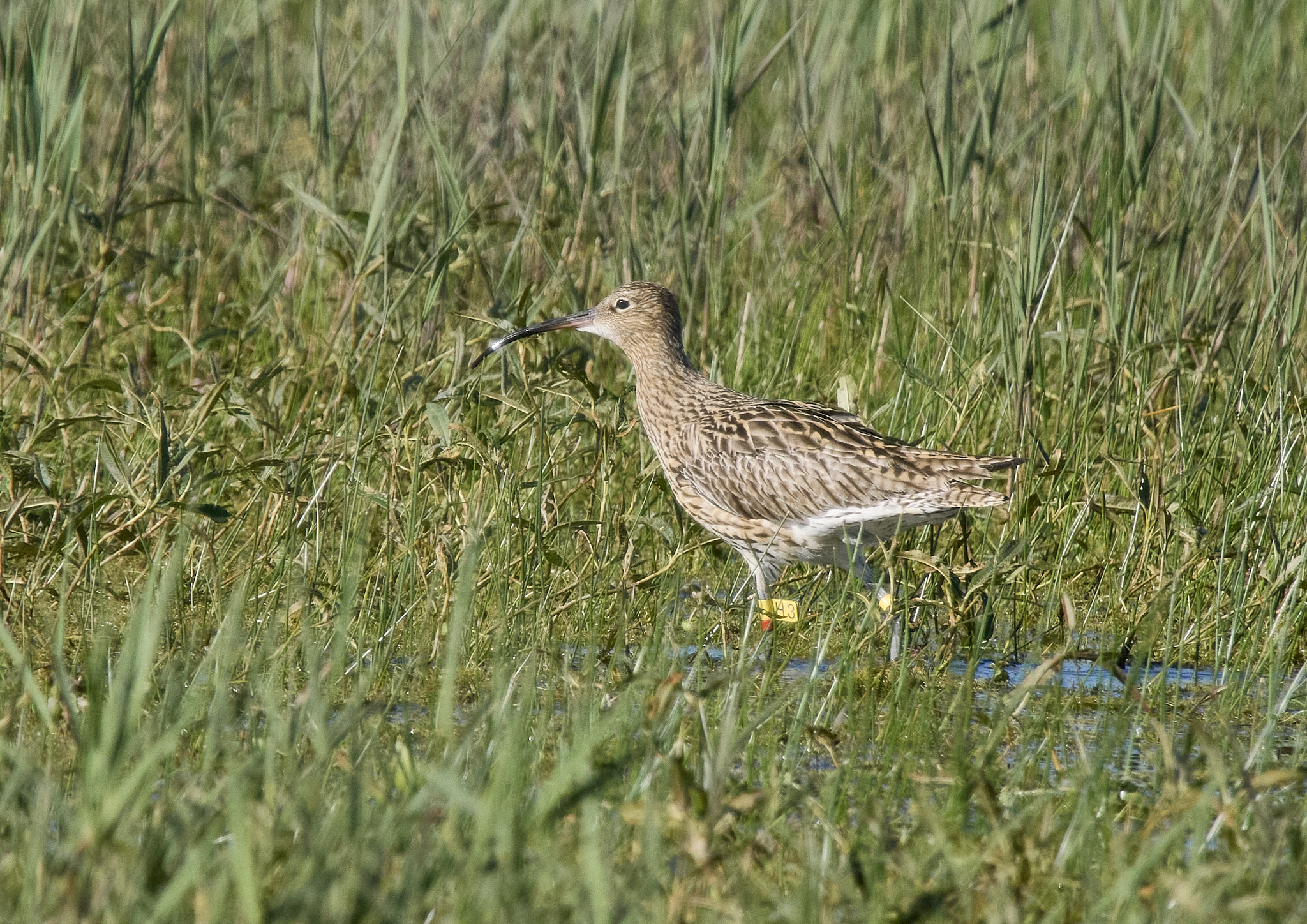
Flagged, not tagged, a Curlew, ‘yellow H3’ that was released as part of a re-introduction project in southern England dropped into Summer Leys on the 30th April. It was released as part of a re-introduction project in southern England, which involves eggs being taken from ‘at-risk’ nests within stable populations in Northern England, then incubated, hatched and reared in captivity. The young birds are released at three sites in the south: Cranborne in Dorset, Peppering in West Sussex, and Elmley in Kent. The project has been running since 2022. ‘H3’ was released at the Peppering Estate on 17th August 2024 and this is the first sighting since its release (per Roger Eads).
Passerines
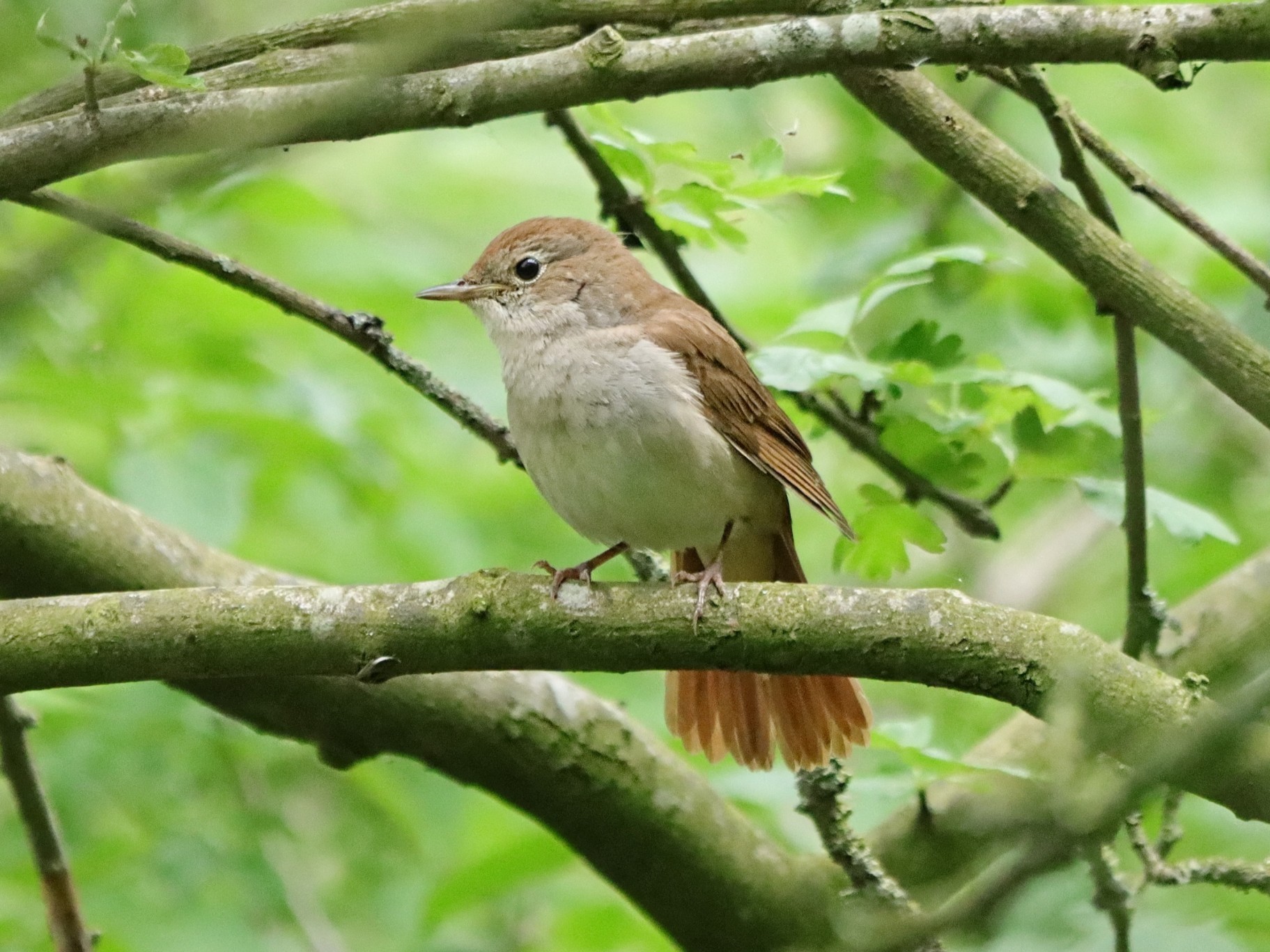
Scarcer passerines were in the minority this week but there was enough to keep the home fires burning in this respect. A male Firecrest was still singing at an undisclosed locality on 2nd. Also featuring strongly this spring are Nightingales which, although annual county breeders, have been present at notably many more sites than in recent years, including some not previously recognised as breeding localities. Although this species has seen a dramatic national population decline of 34% between 1995 and 2024, the numbers of singing males on RSPB reserves have increased over the last two summers.
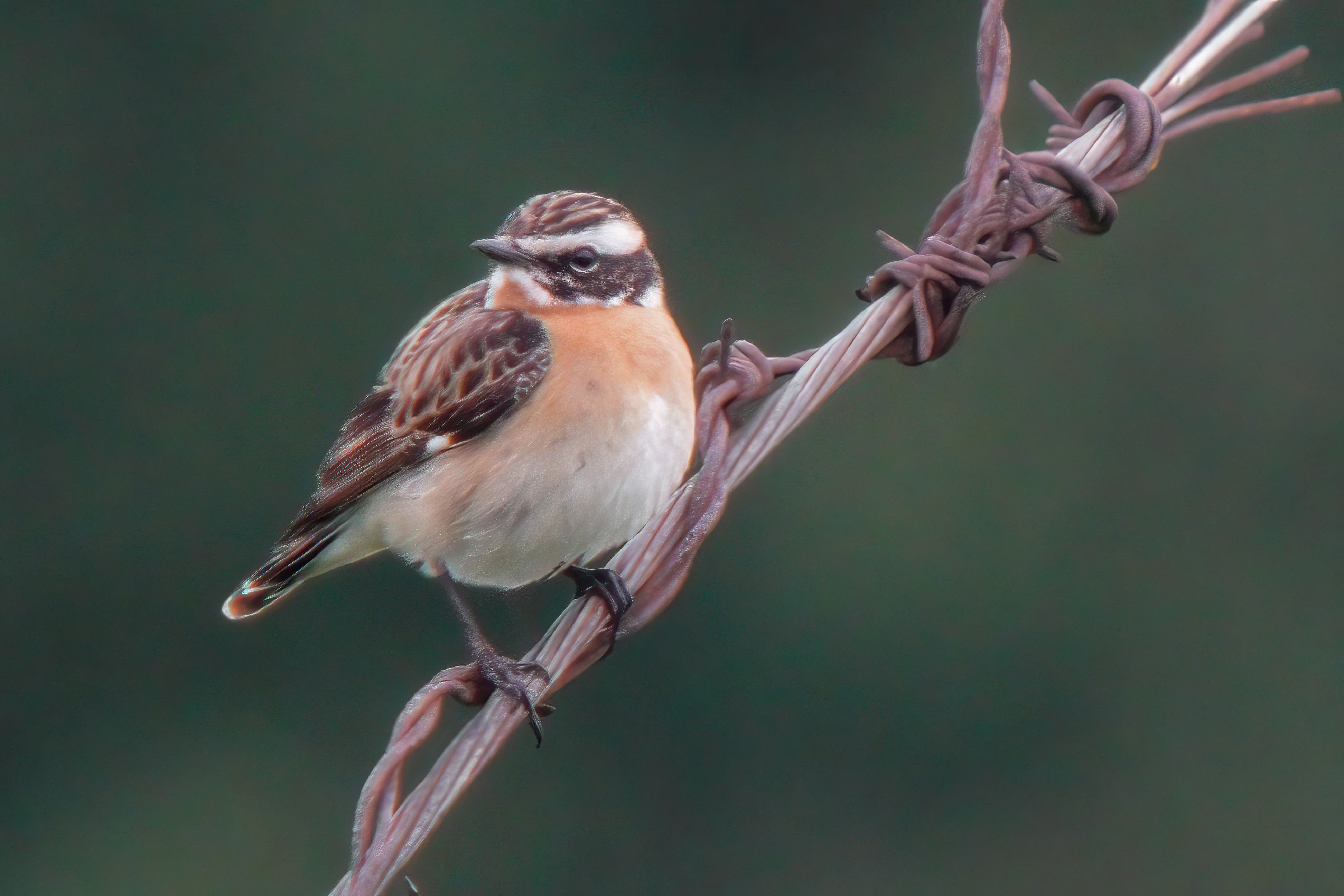
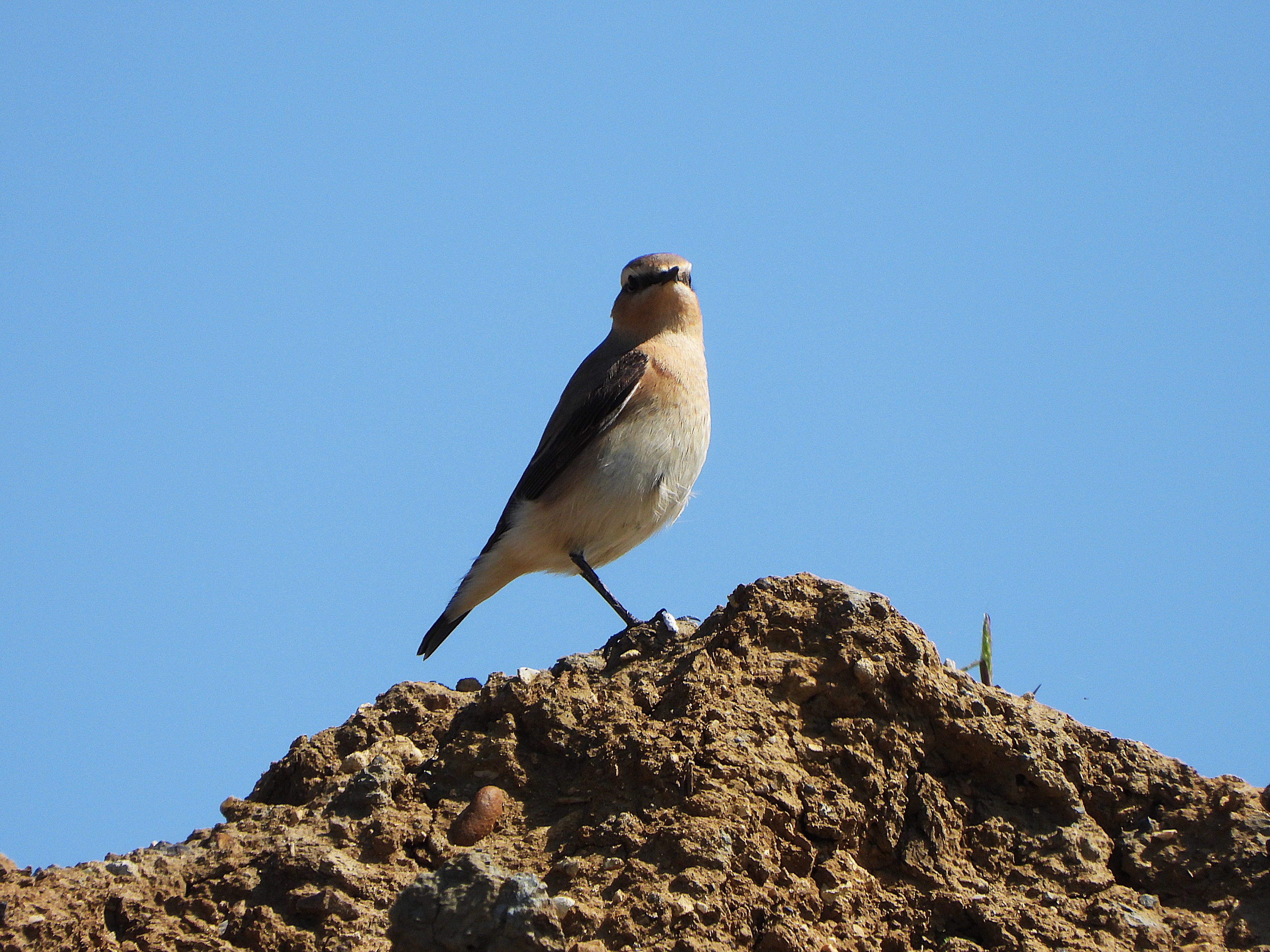
Other passerines were available, including a Whinchat at Lilbourne Meadows on 4th, a Northern Wheatear at New Workings (South) on 2nd, followed by two in the Brampton Valley between Cottesbrooke and Hanging Houghton on the last day of the week.
A Blue-headed Wagtail was present at Clifford Hill on 2nd.

 Northants birds