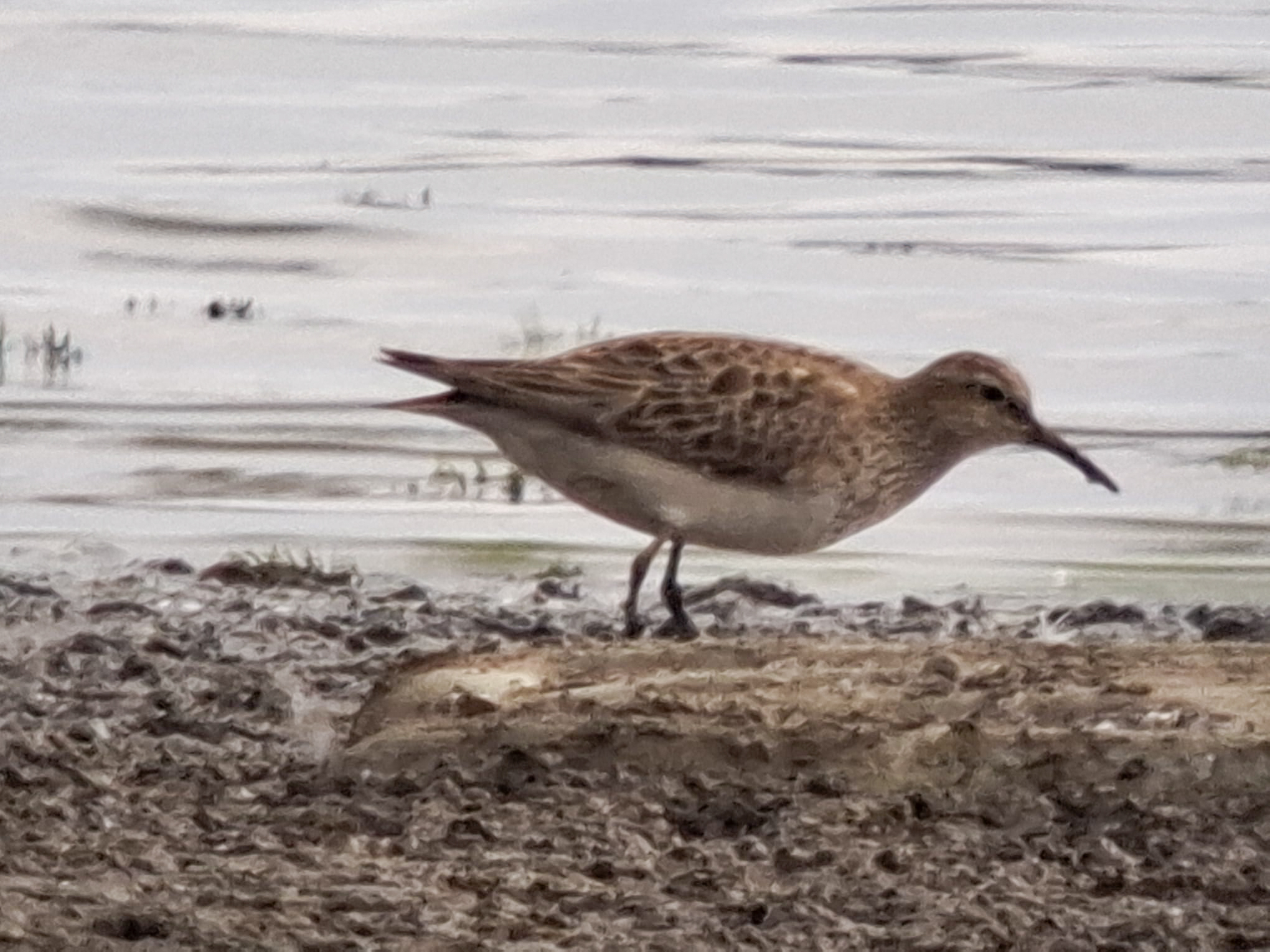
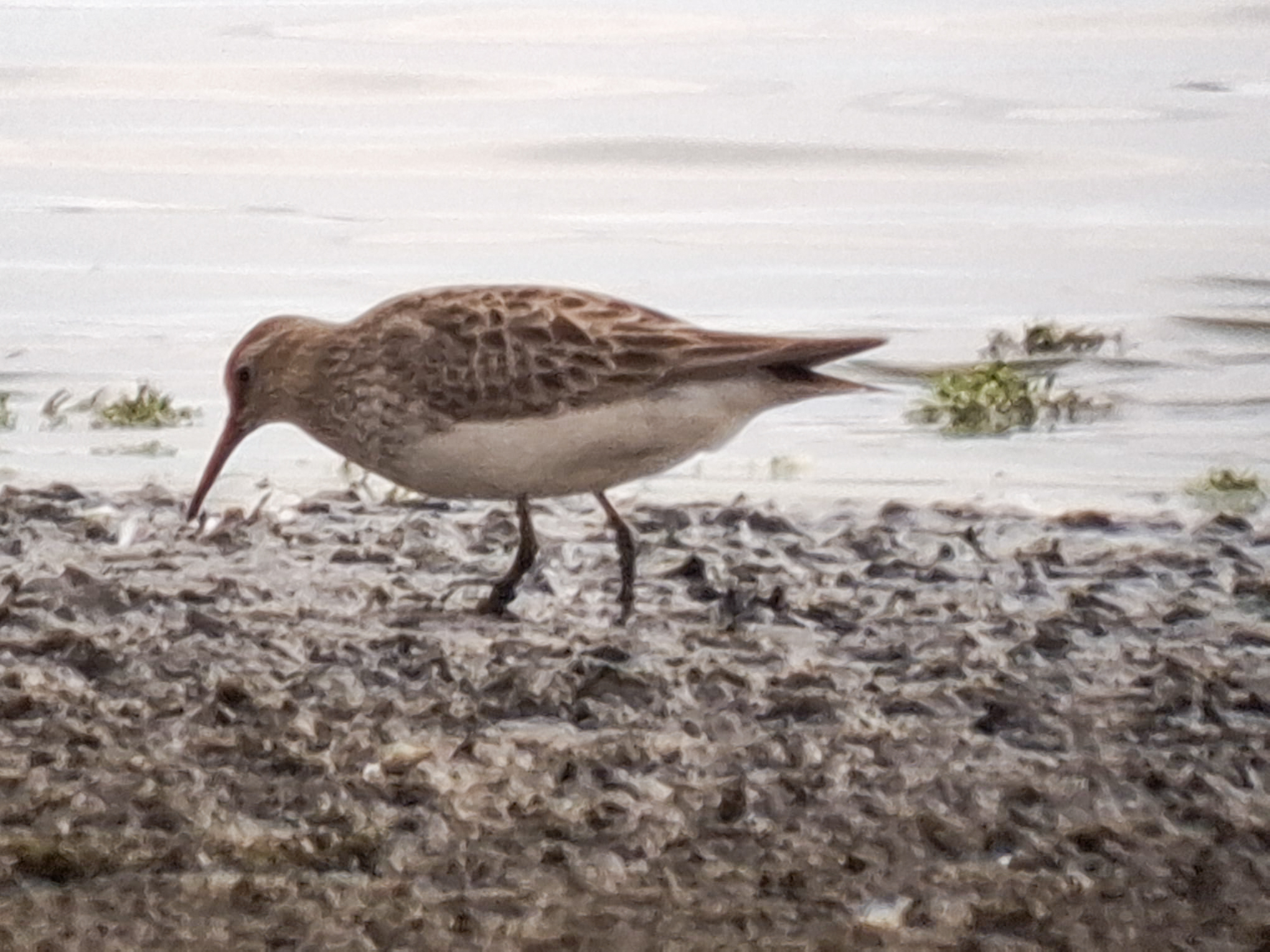
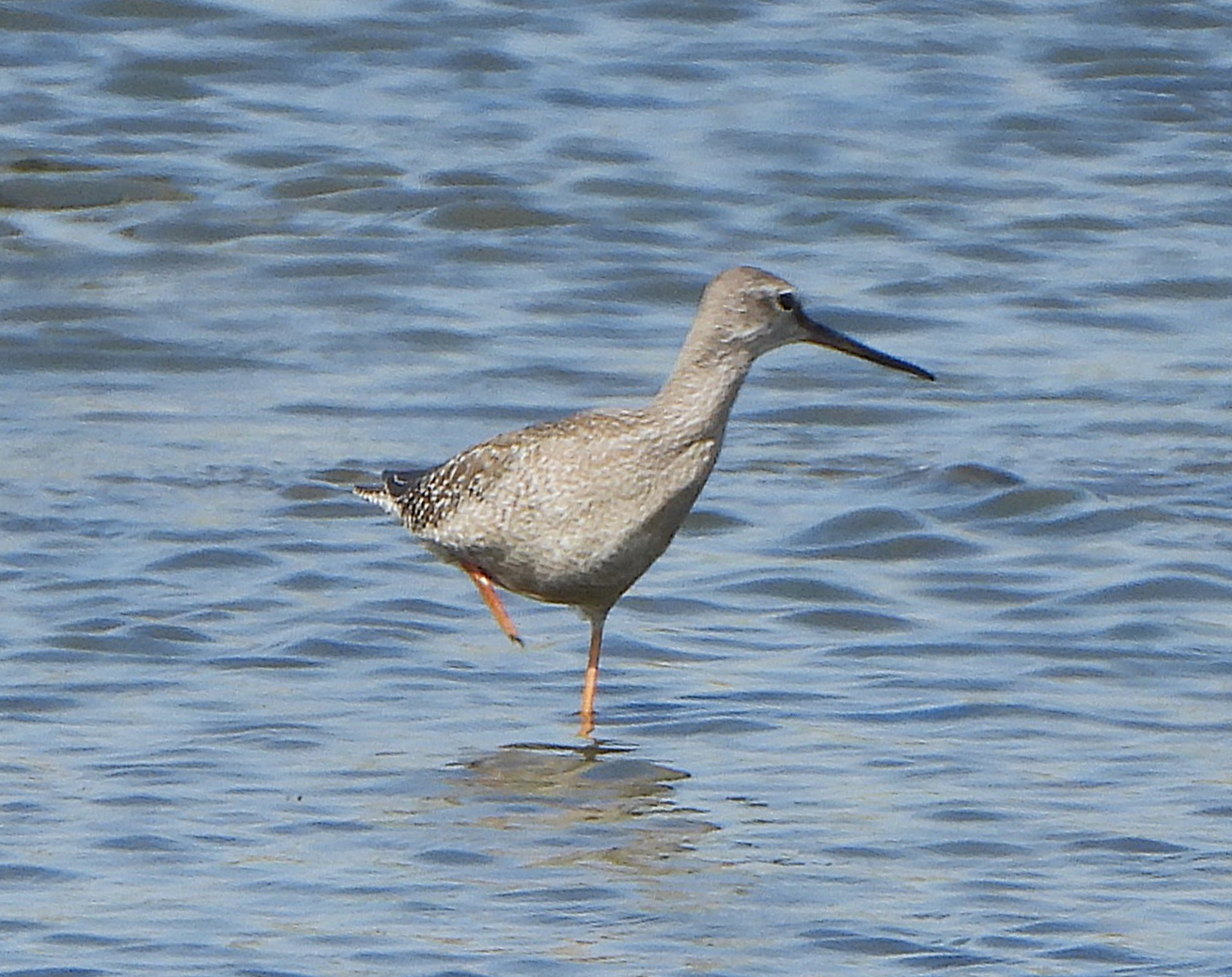
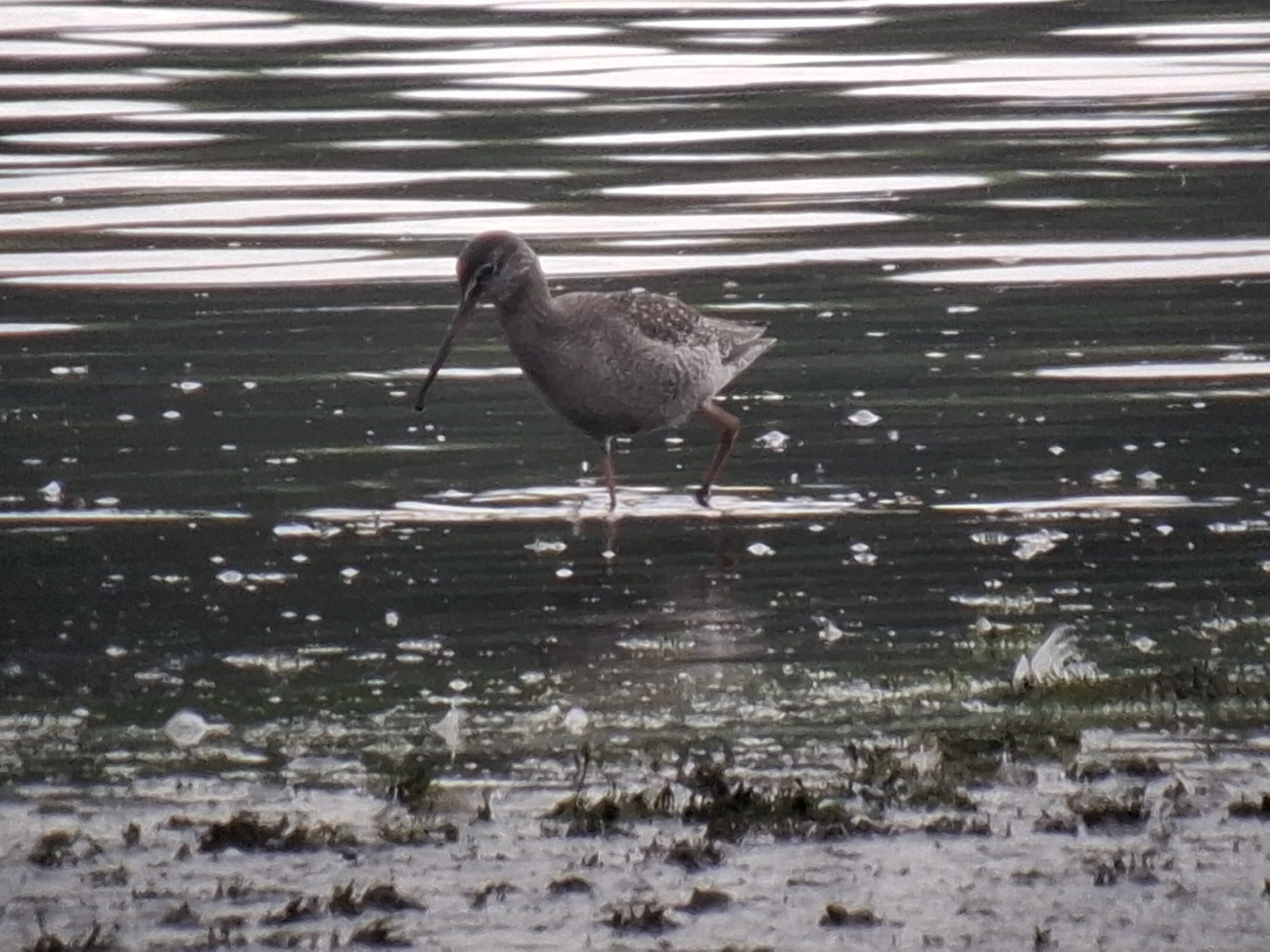
A persistent westerly airstream throughout a predominantly warm, dry week raised hopes of an Americano in the wader camp – especially in the light of recent national arrivals. It was not to be, of course, but instead, something big (quite literally) came in and was quickly out again while local birders had their backs turned …
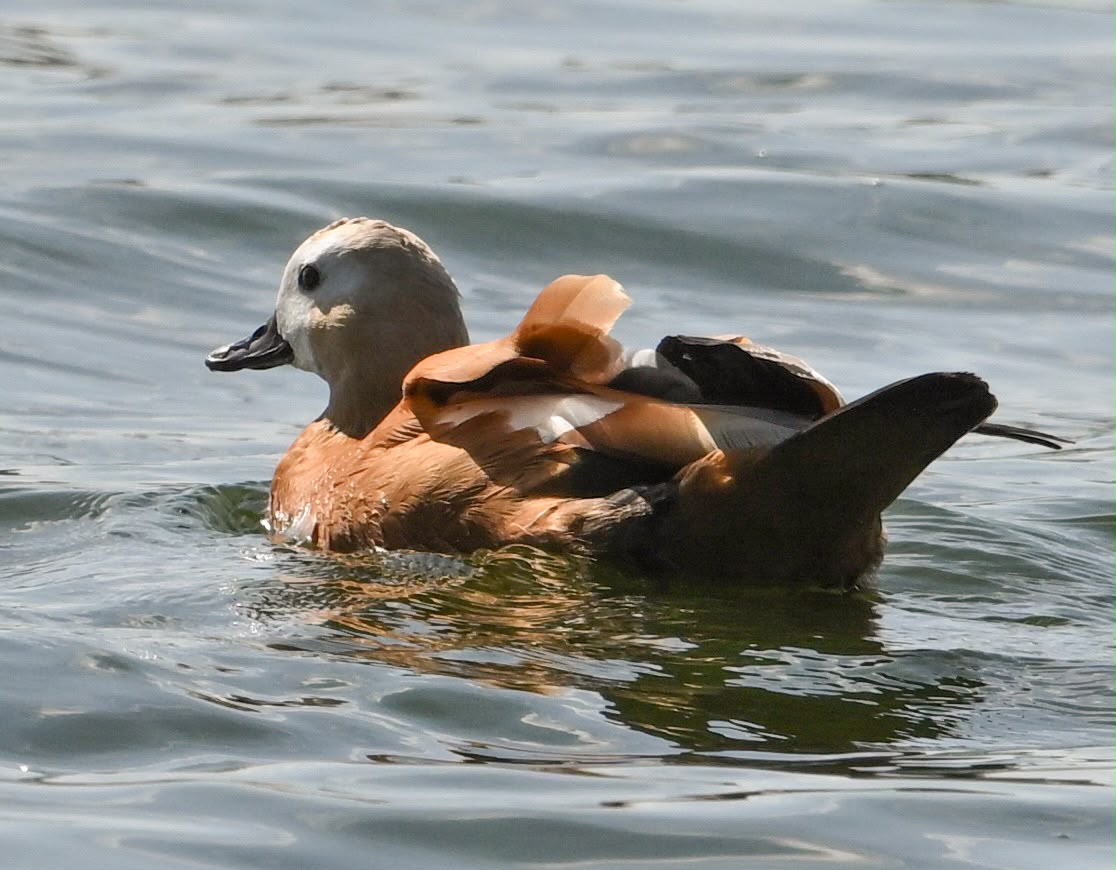
This was not the case, however, for last week’s eight Barnacle Geese which were still lingering at Clifford Hill GP on 25th. Back on the scene this week was the female Ruddy Shelduck, once again at Hollowell Res, on 21st, while a drake Red-crested Pochard was found at Pitsford on 24th.
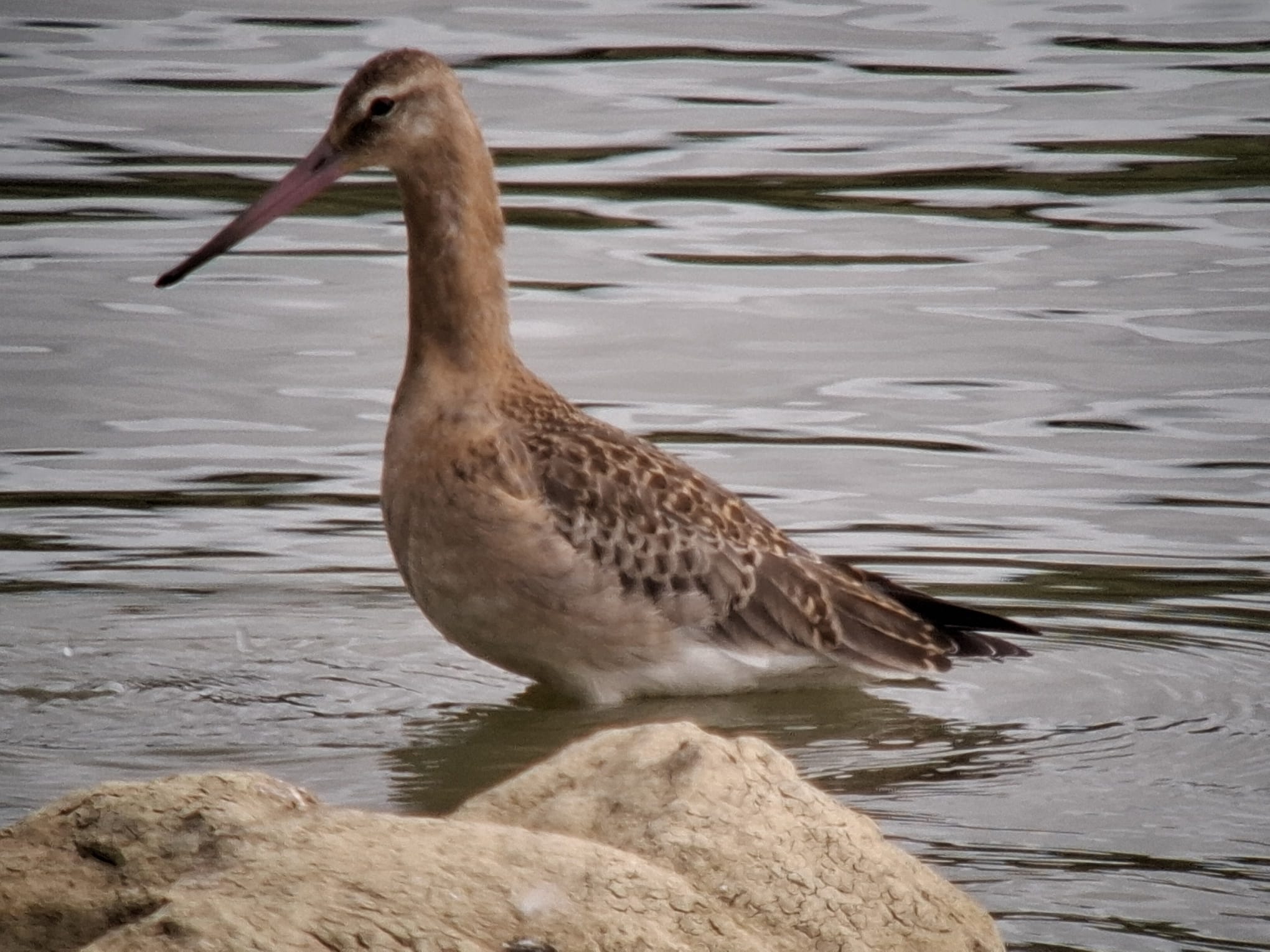
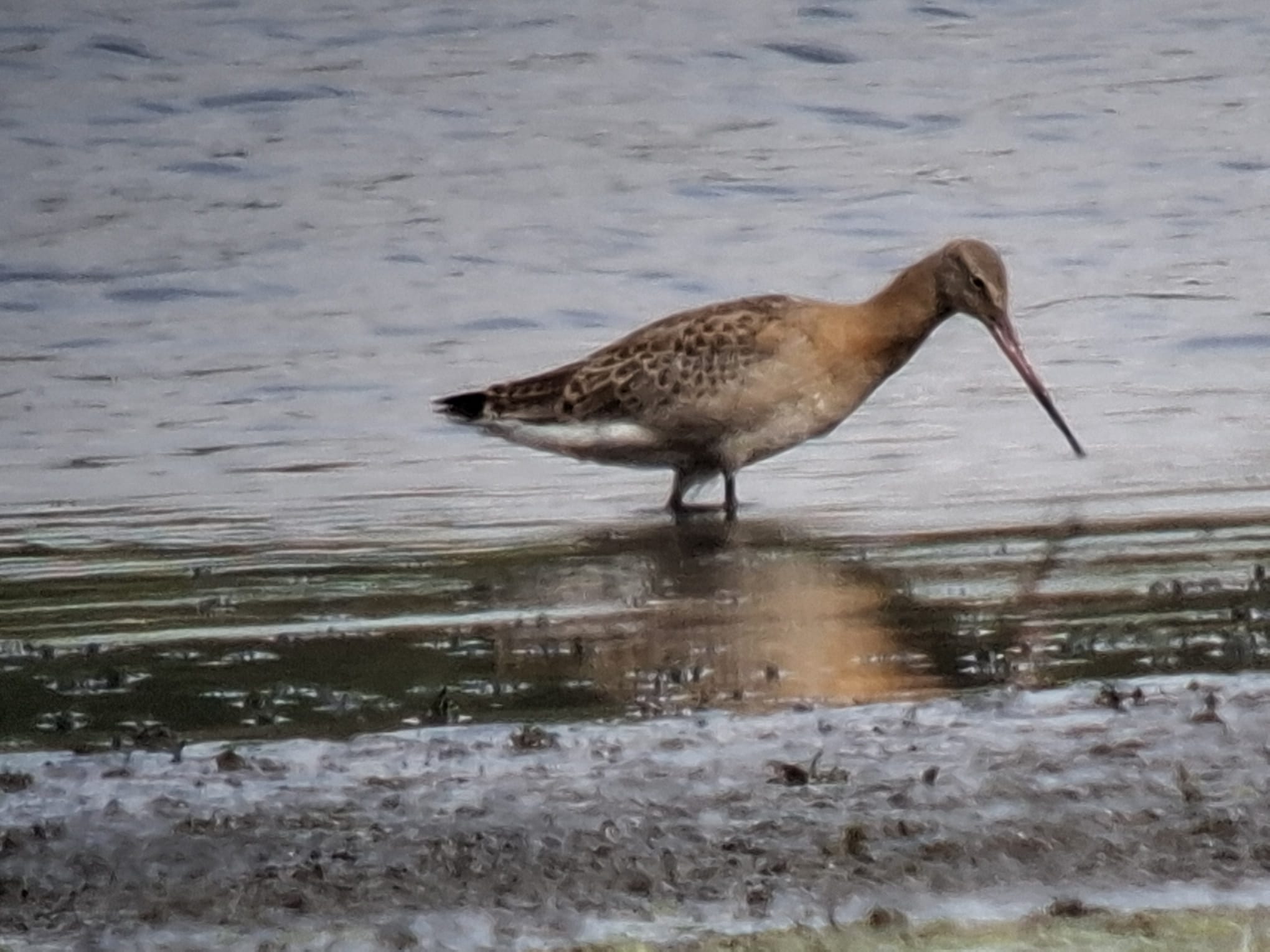
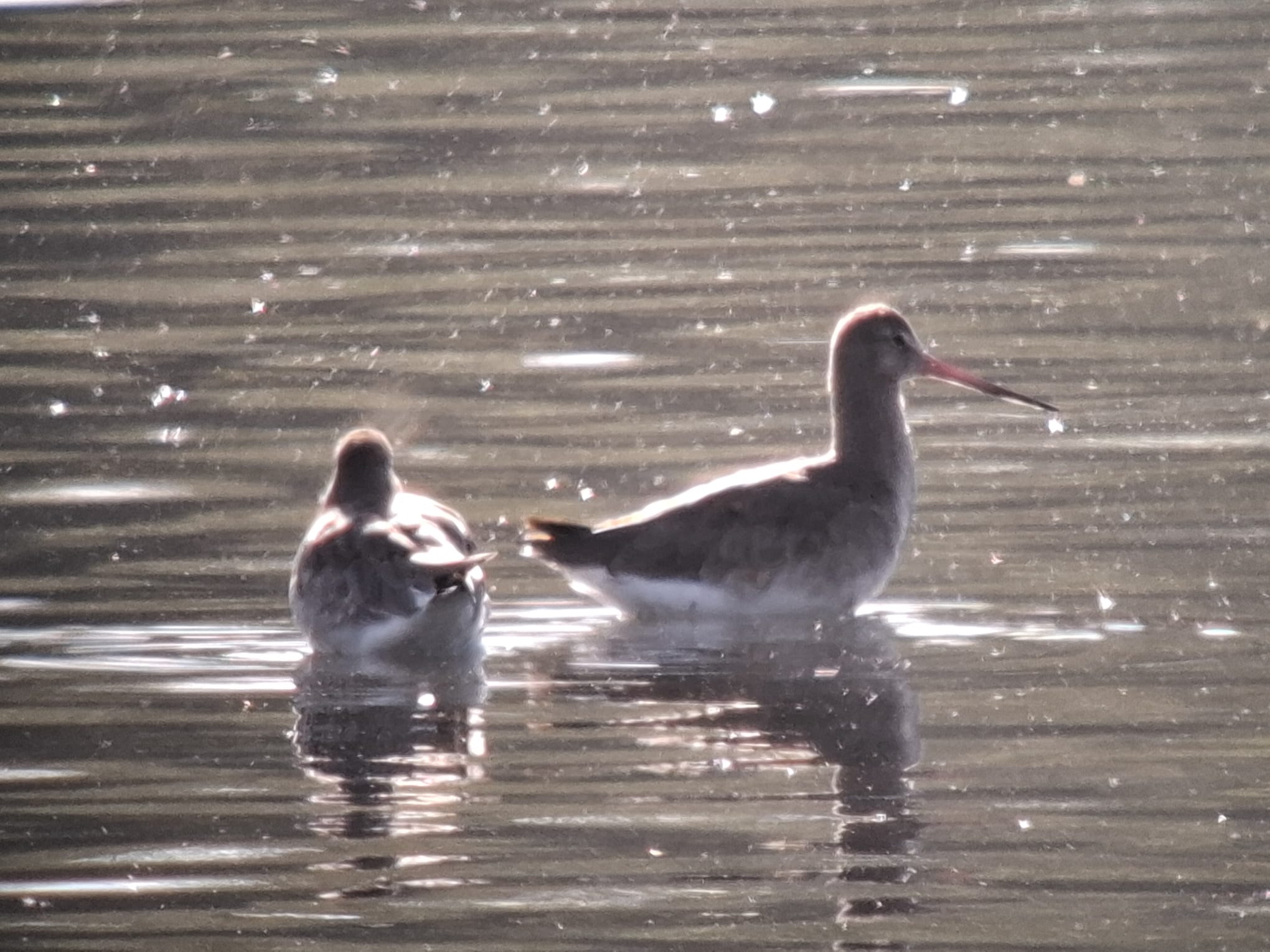
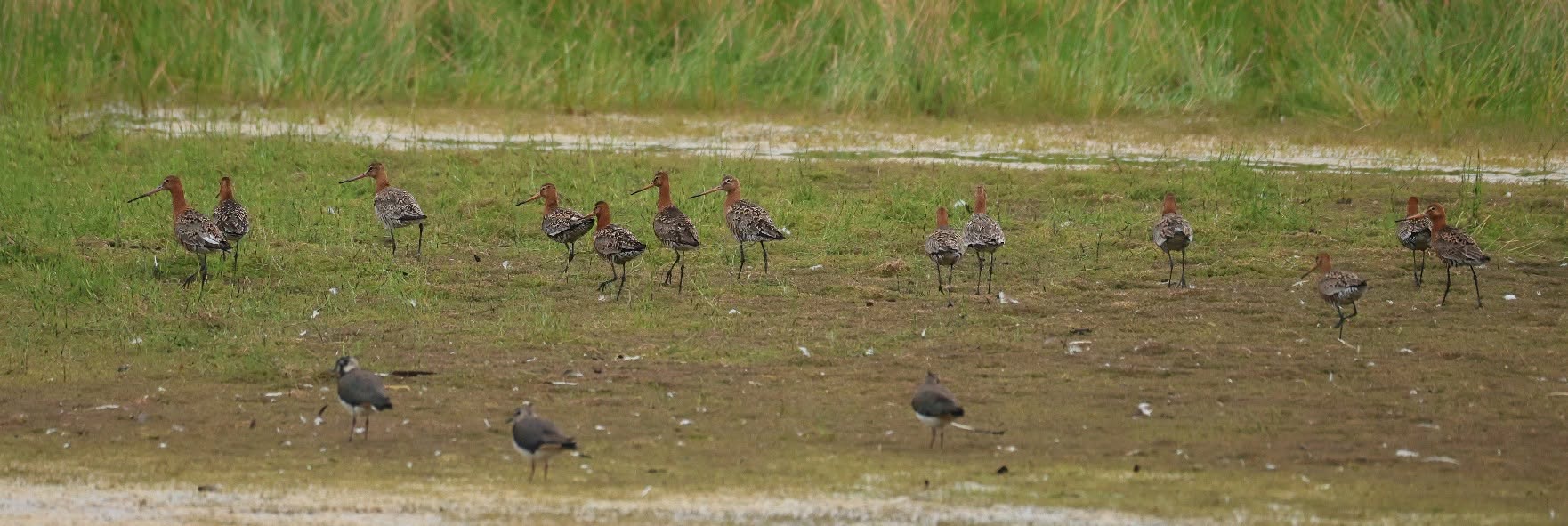
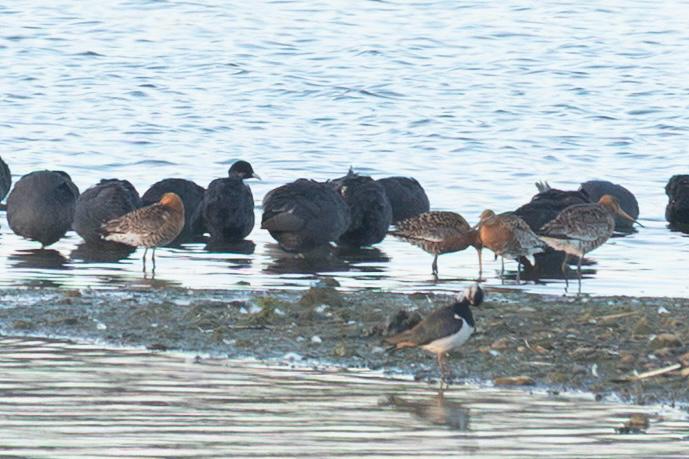
And apparently destined to go nowhere any time soon were the two juvenile Black-tailed Godwits seeing another full week out at Daventry CP. Single birds elsewhere included one at Hollowell on 21st and at Boddington Res from 21st to 23rd.
Juvenile Black-tailed Godwit, Boddington Res, 23rd September 2026 (Gary Pullan)
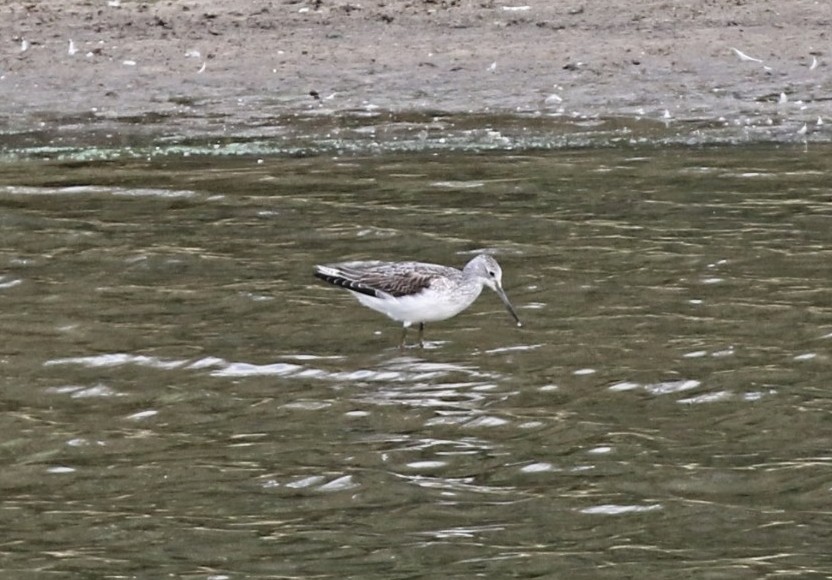
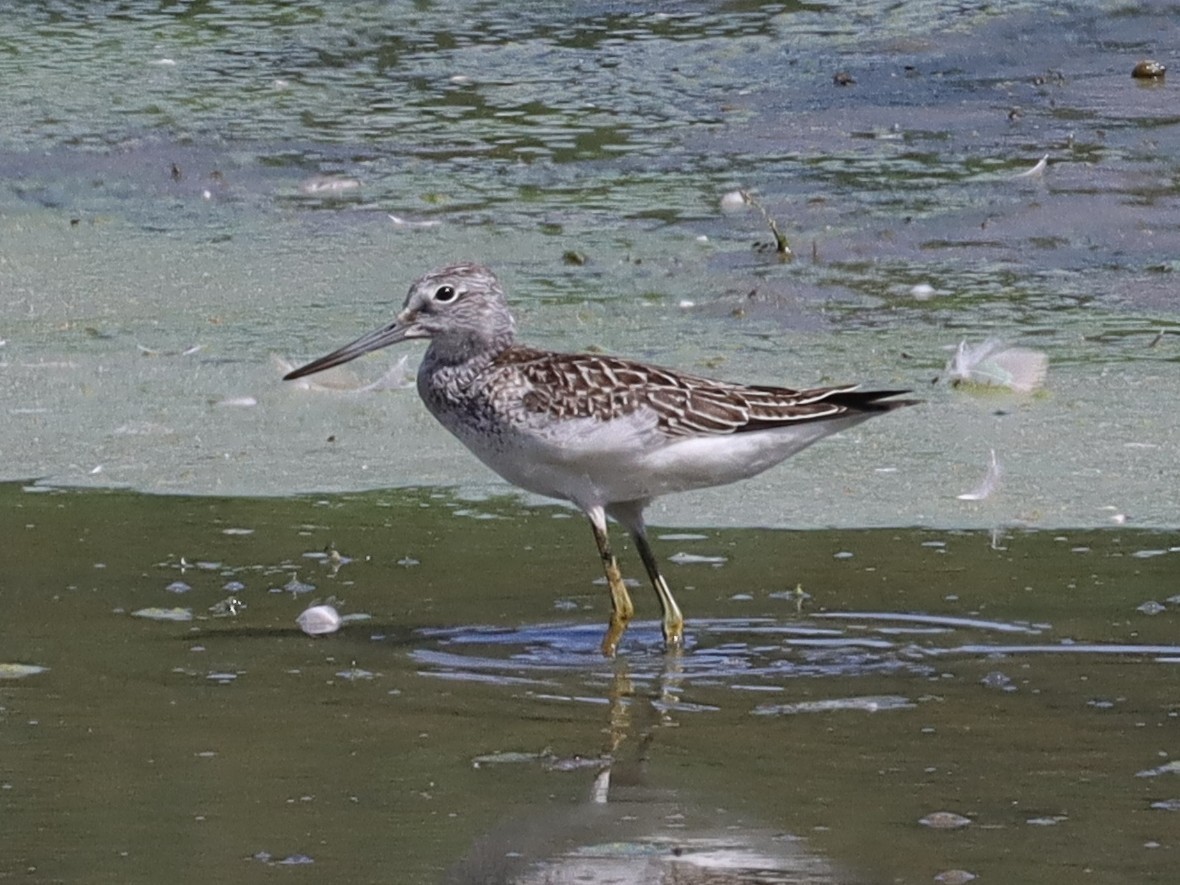
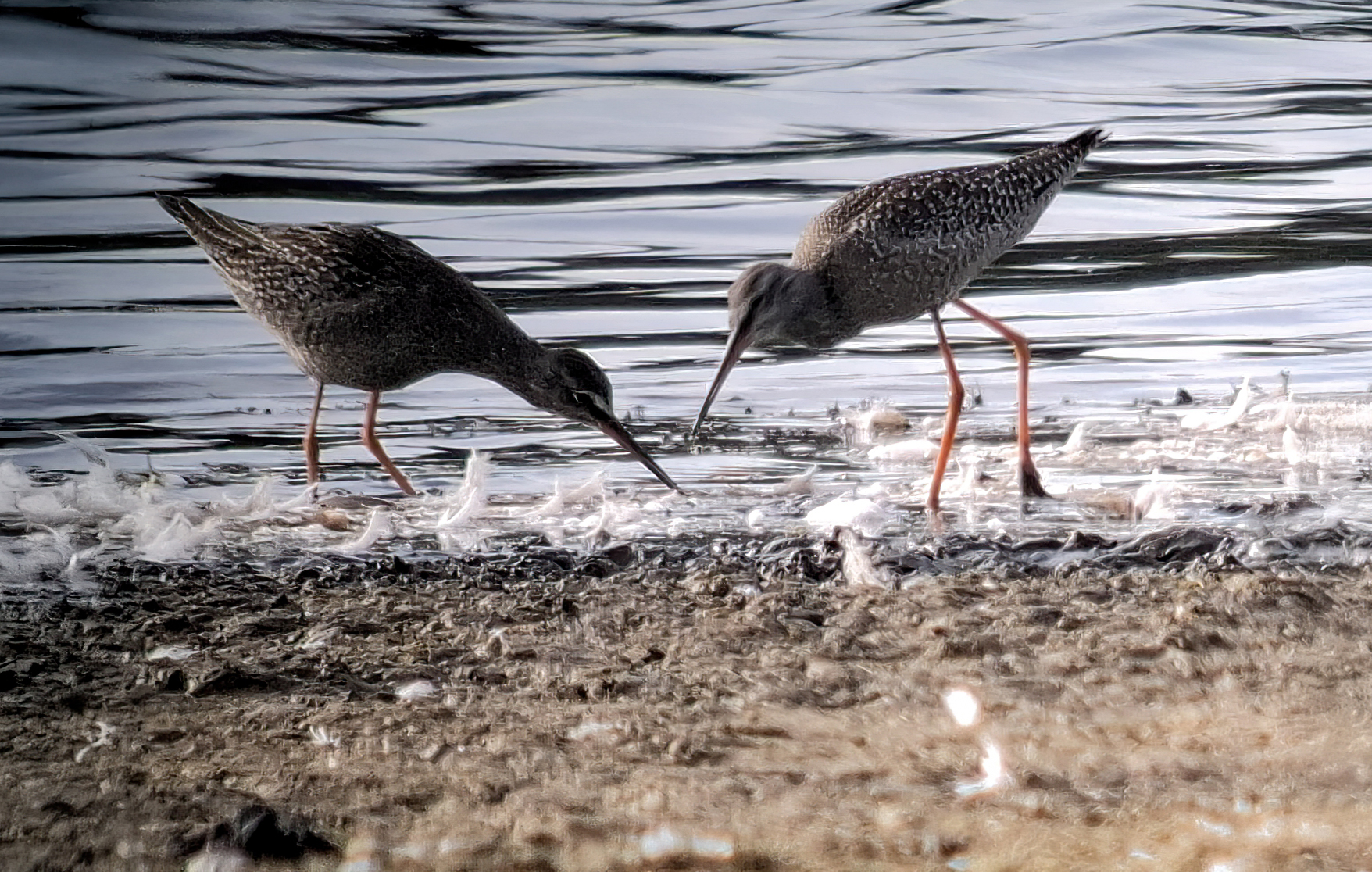
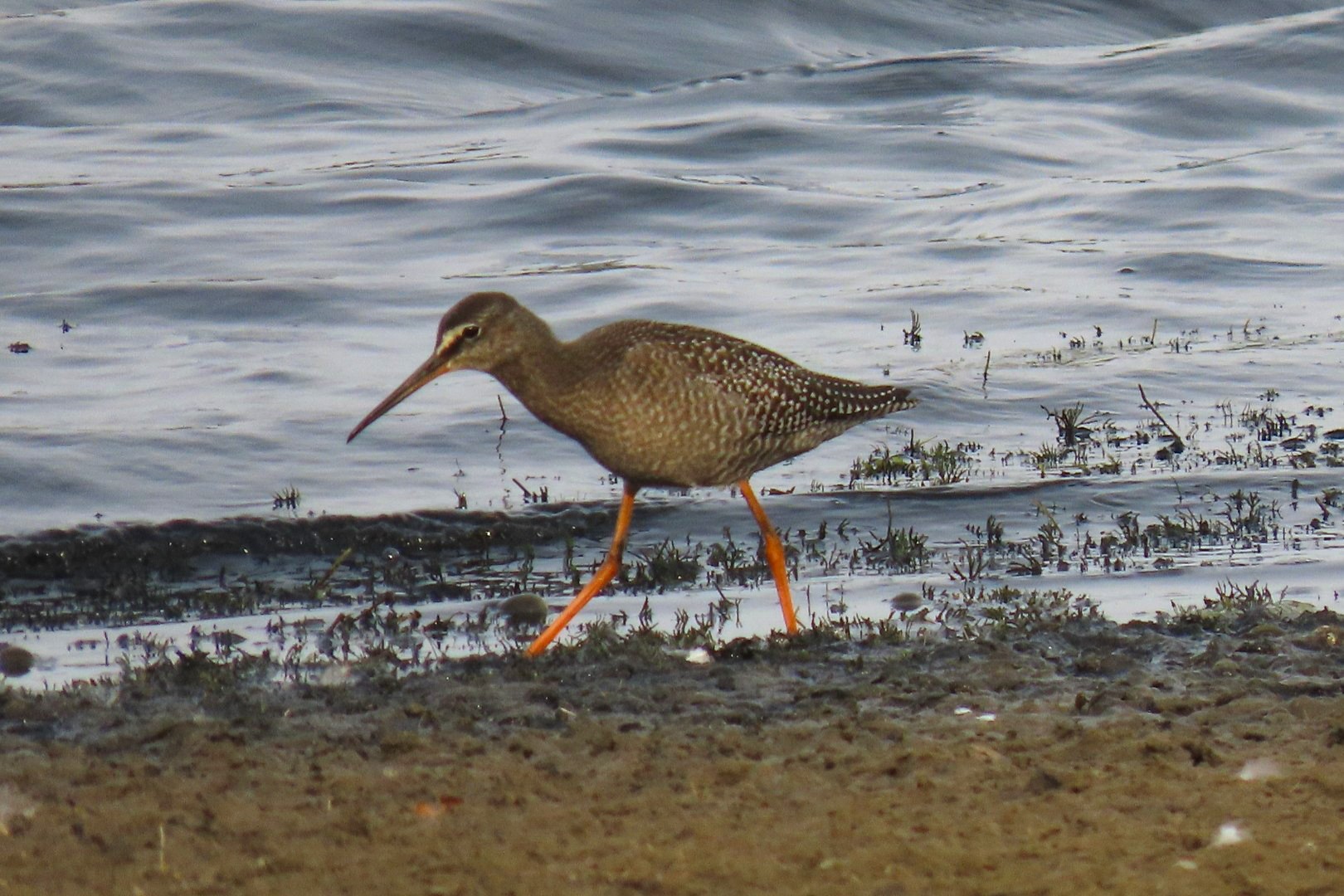
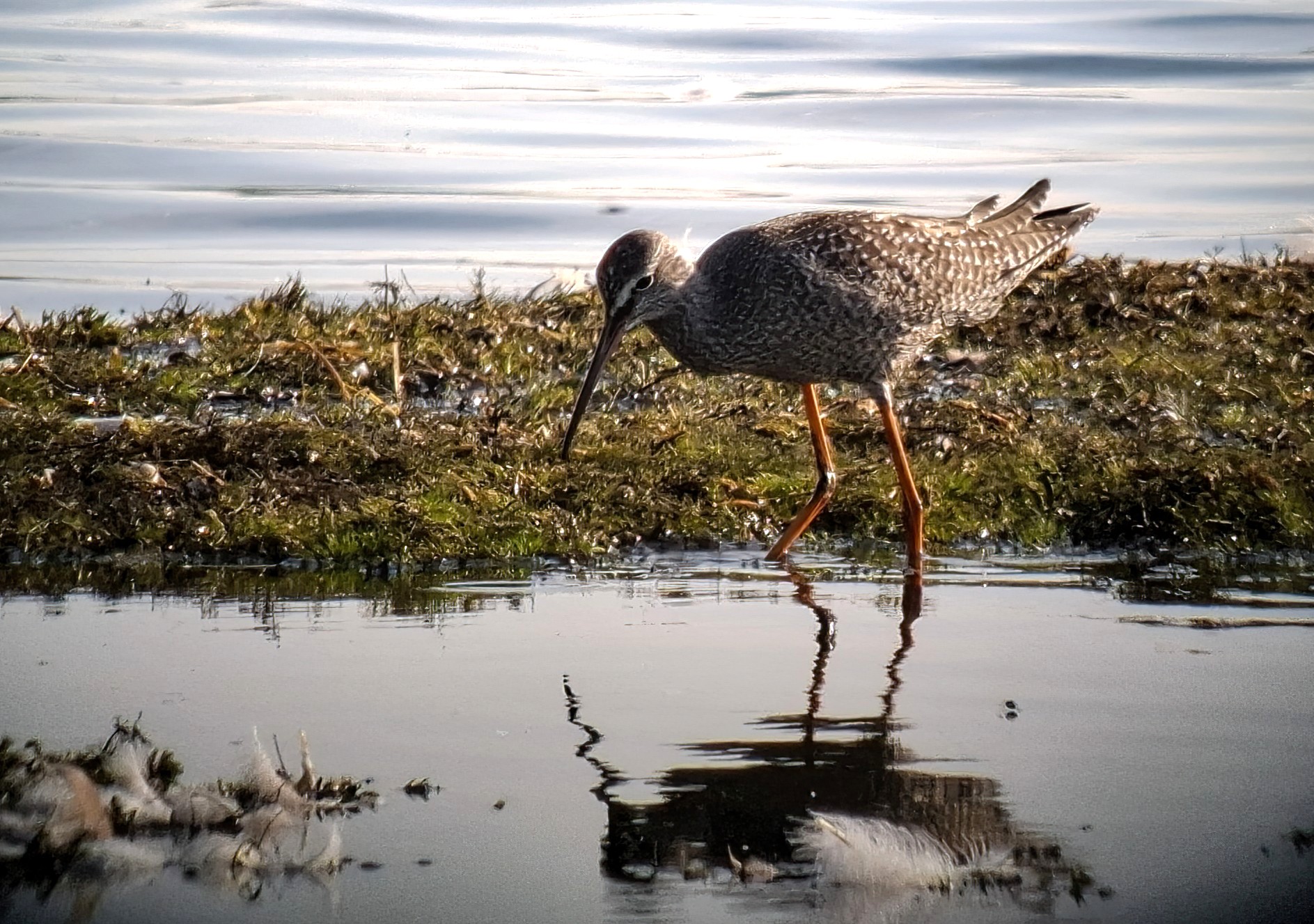
Meanwhile, Daventry’s long-staying Turnstone was nowhere to be seen after 20th. Three Ruffs at Earls Barton GP’s New Workings (South) on 25th was the period’s highest site total and singles were present at Summer Leys on 20th, at Pitsford from 20th to 25th and at Thrapston GP’s Titchmarsh NR from 21st to 25th. Greenshank numbers took a tumble with only singles at Pitsford from 19th until 25th and at Titchmarsh from 19th until 21st.
Greenshank, Pitsford Res, 25th September 2026 (Tony Stanford)
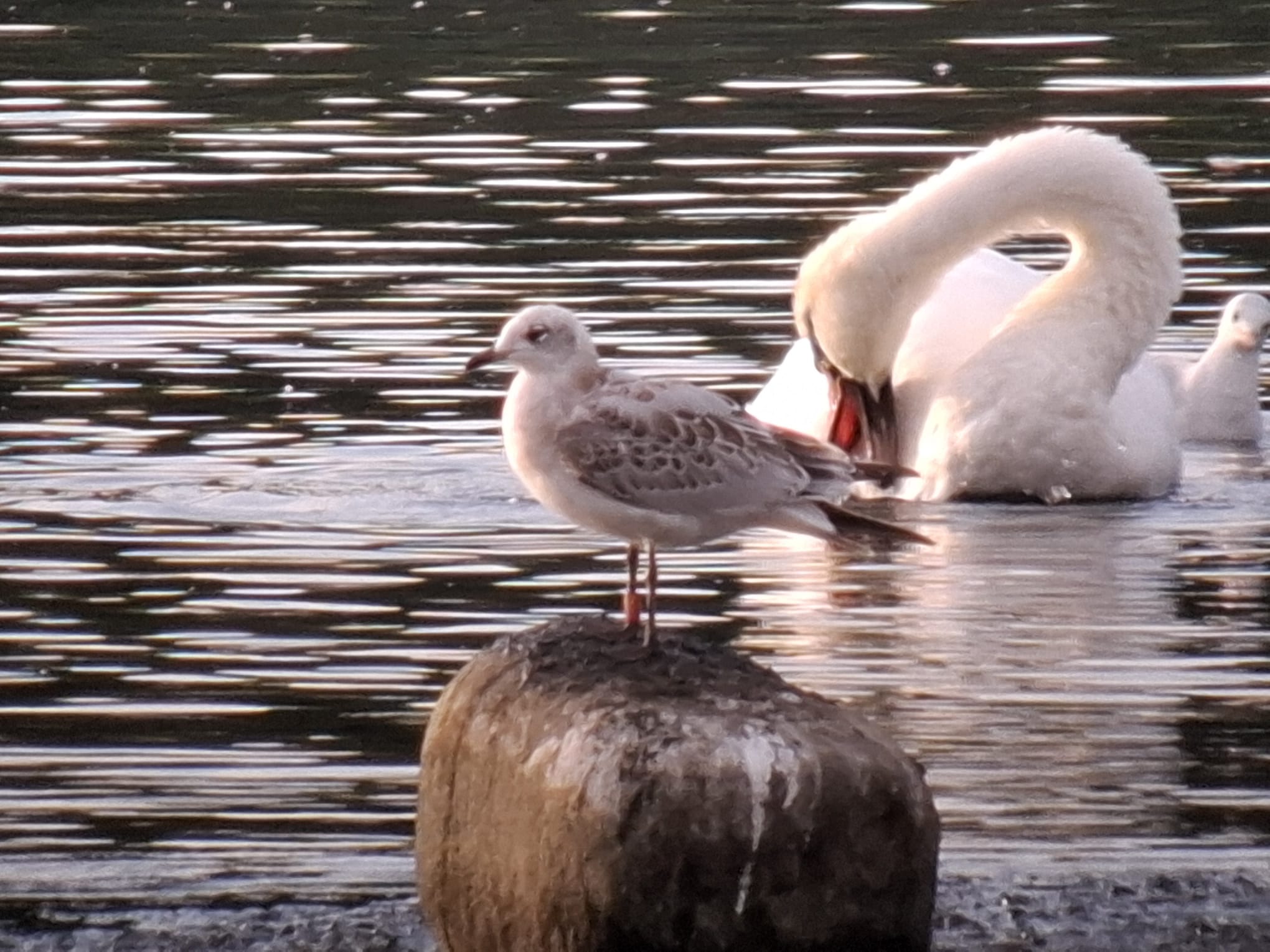
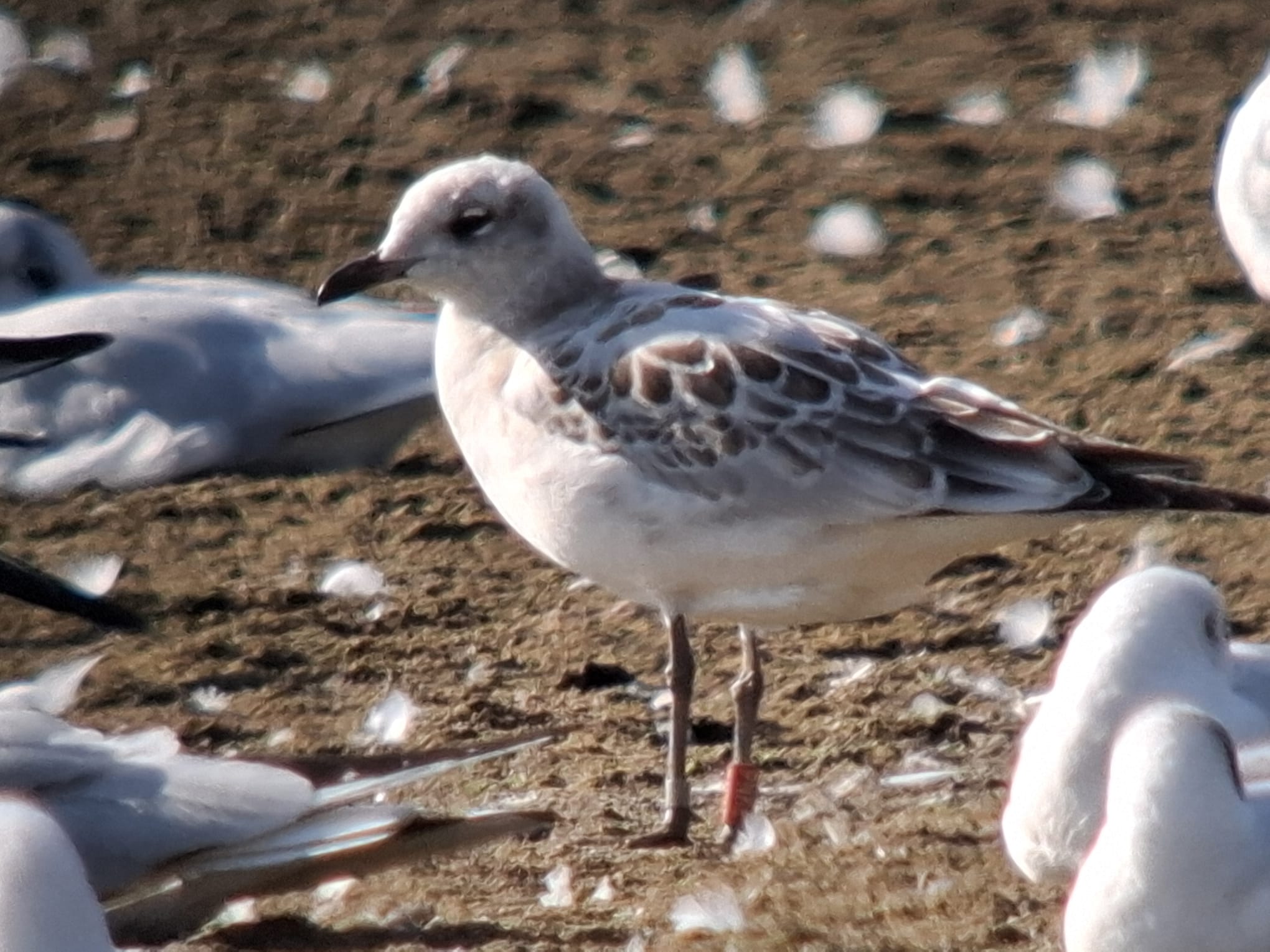
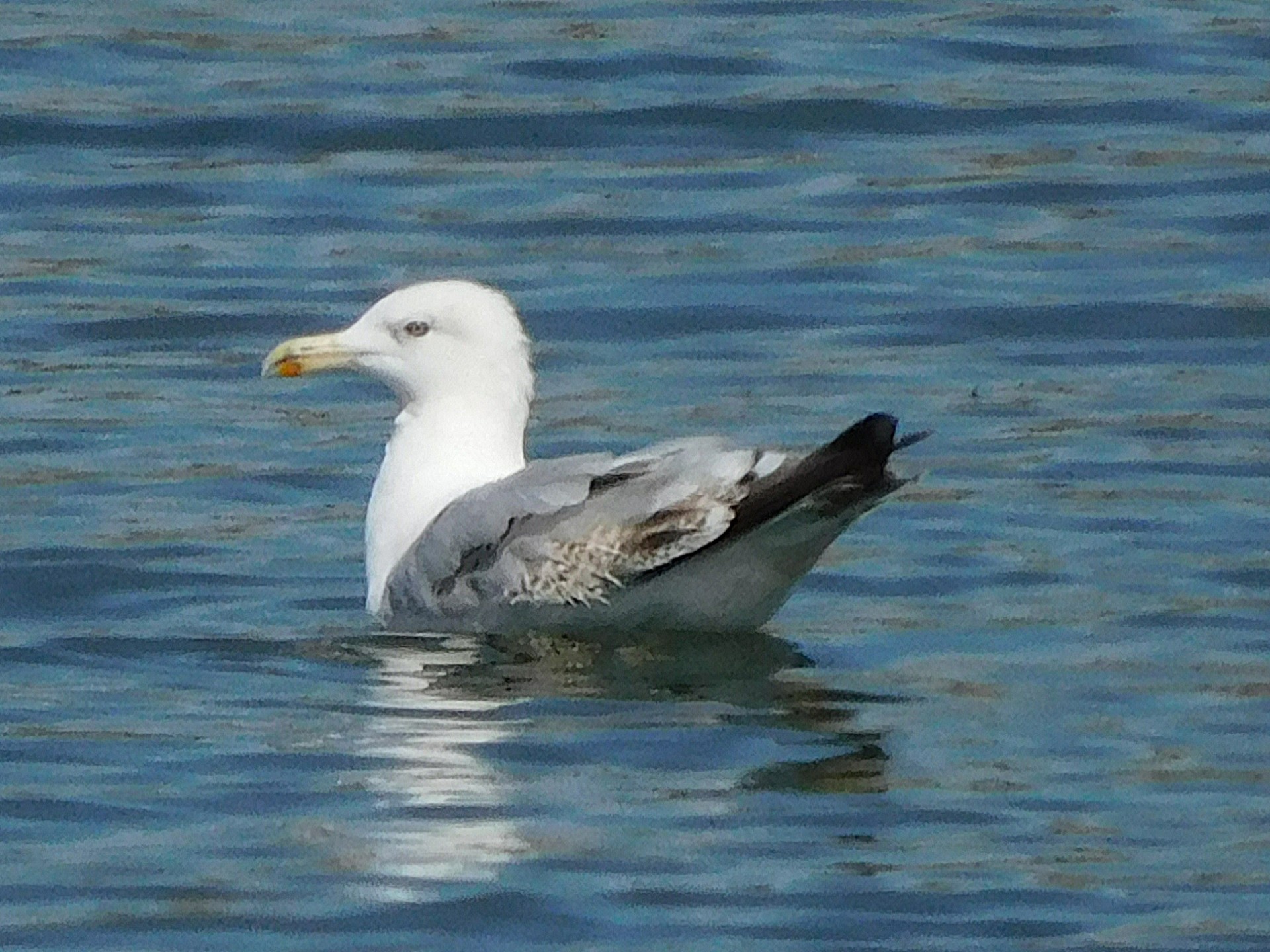
Caspian Gulls were found at four localities that included Pitsford, where there was a first-winter on 20th and 24th, Earls Barton GP, where an adult appeared on 21st, Naseby Res, where the usual German-ringed adult male was present on 23rd, and Stanford Res, where an adult turned up on 24th. As usual, Pitsford continued to deliver its weekly dose of Yellow-legged Gulls, with up to four there between 19th and 24th, while singles were at Thrapston on 19th and 23rd and at Clifford Hill GP on 25th.
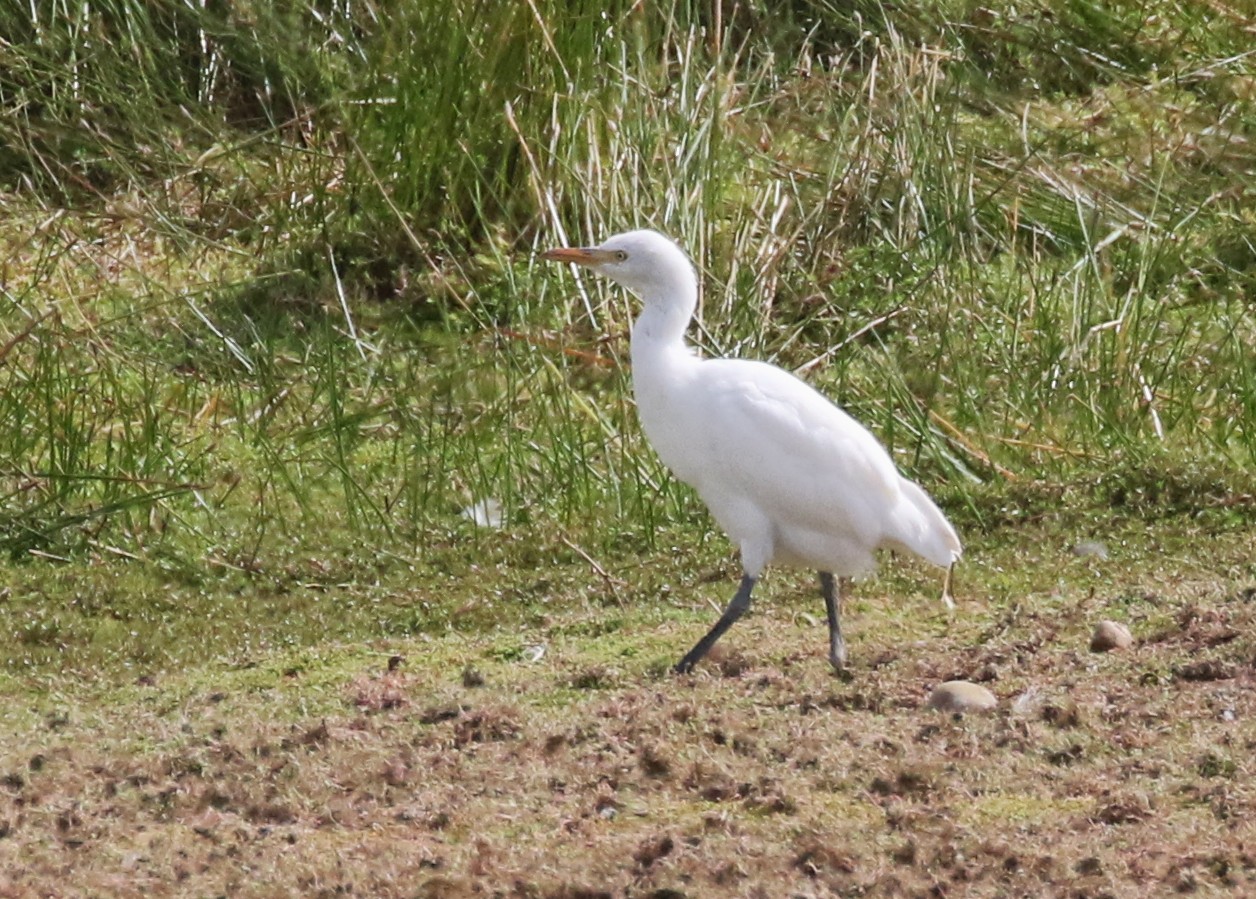
The period’s only Bittern was seen at Ditchford GP on 24th and single Cattle Egrets were at Summer Leys on 20th and at Titchmarsh NR on 24th.
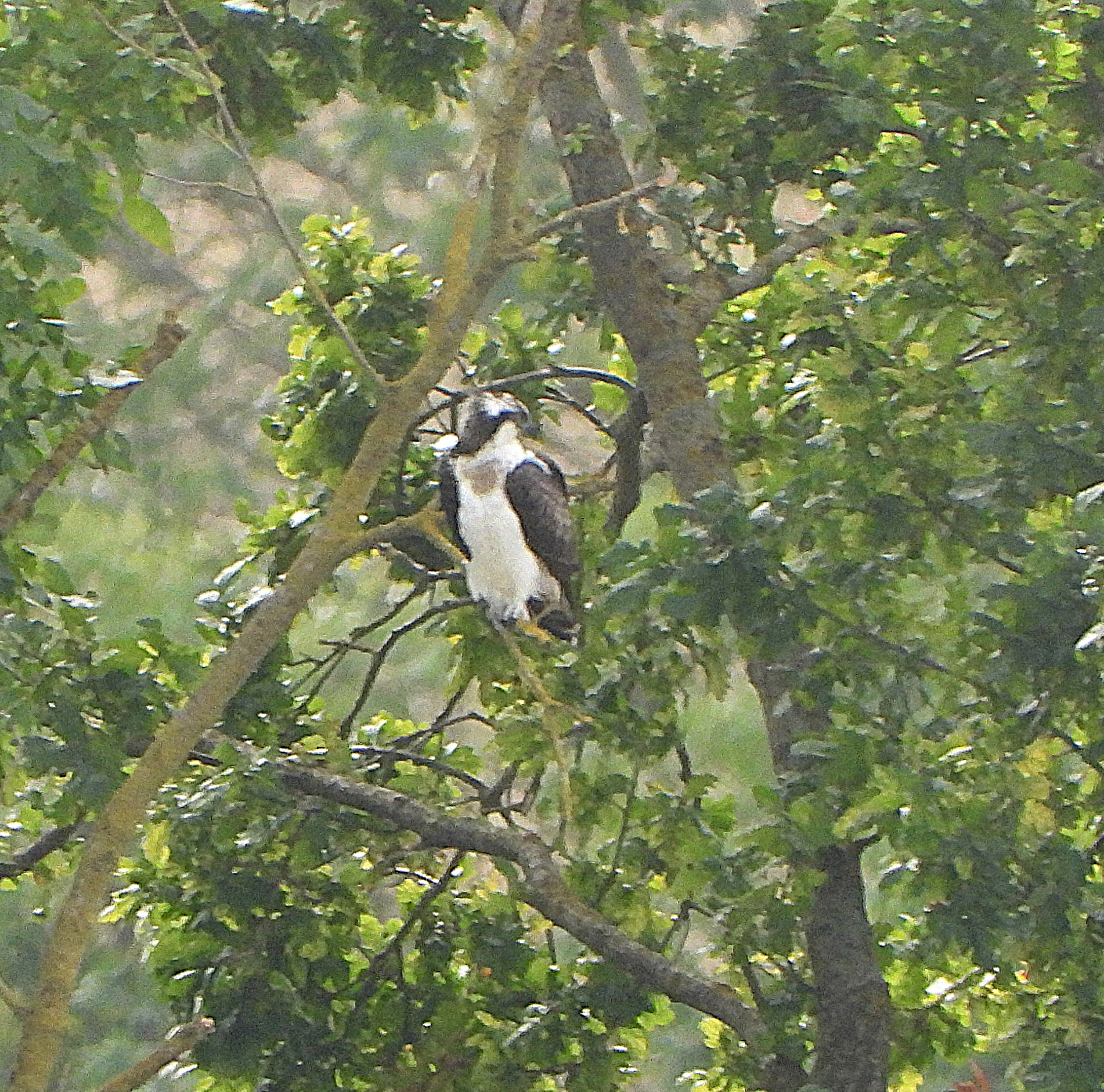
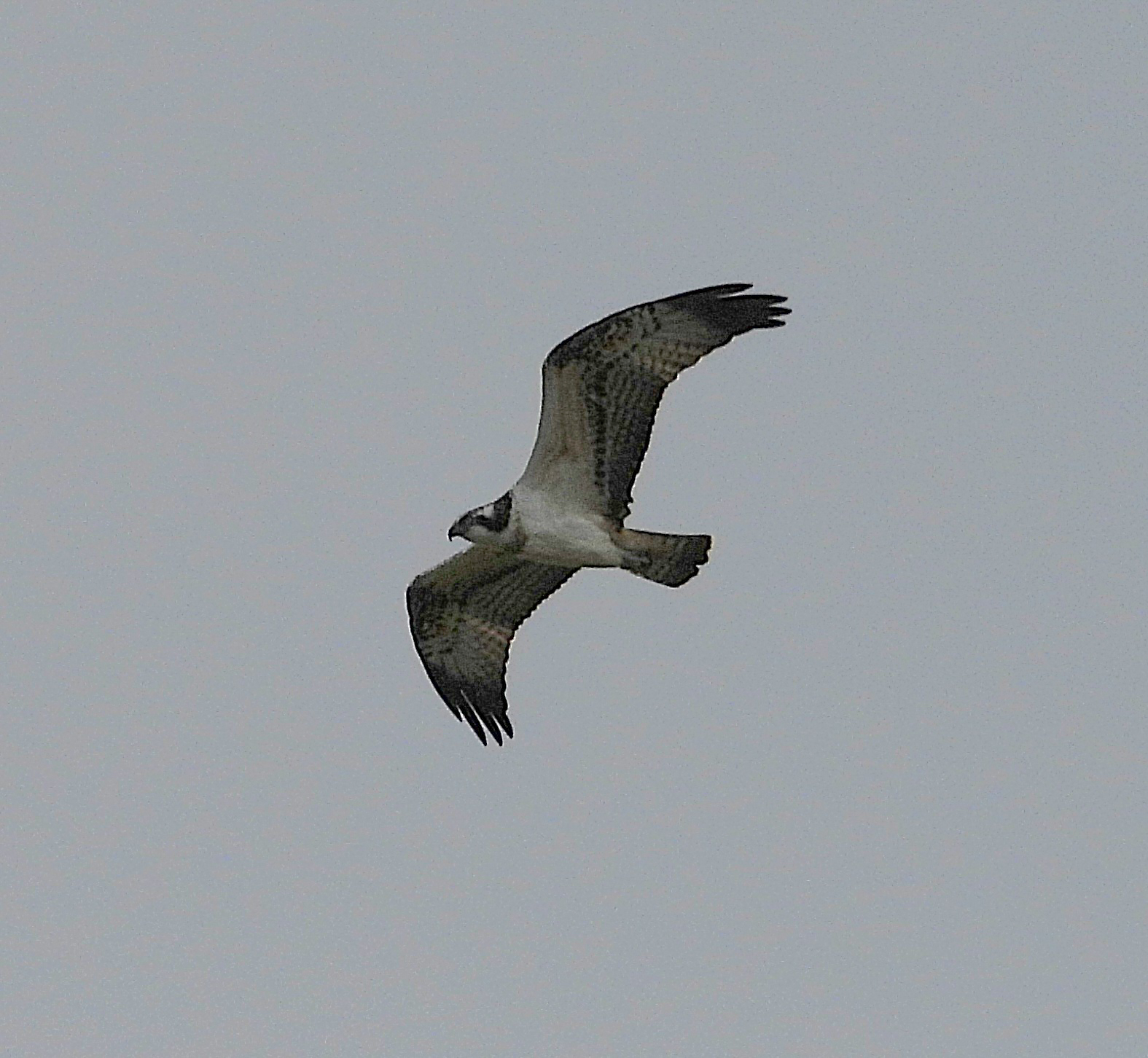
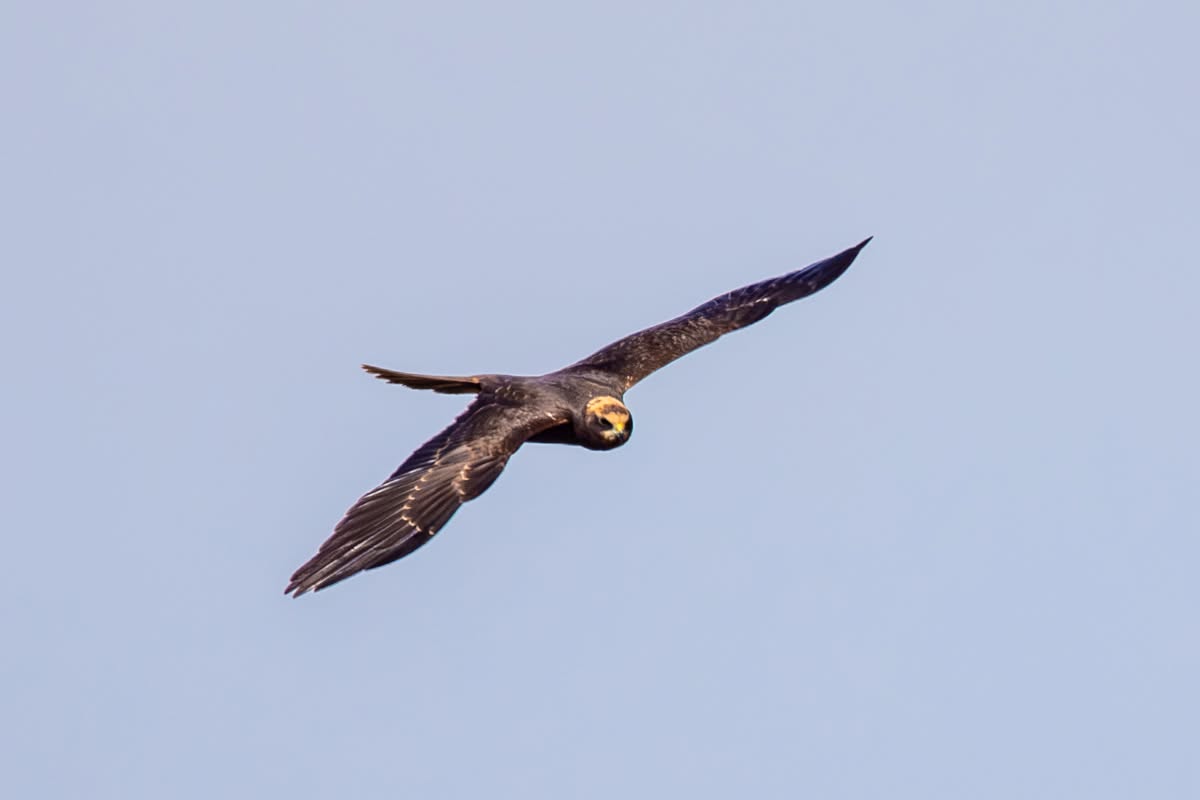
The weekly provision of raptors generated a surprisingly interesting turn-up for the books during the period. The juvenile Osprey at Earls Barton GP’s New Workings (South) extended its stay by another week and single Marsh Harriers visited Summer Leys on 19th, Brampton Valley on 20th, Pitsford on 22nd and Earls Barton GP on 24th, while twos were at Titchmarsh NR on 22nd and Summer Leys the following day.
Juvenile Osprey, Earls Barton GP, 25th September 2026 (Leslie Fox)Juvenile Osprey, Earls Barton GP, 25th September 2026 (Leslie Fox)
But it was on the 24th that the skies turned dark over Pitsford. Somehow, it appeared that between birders departing from, and arriving at, the supposedly well-watched bays north of the Causeway, a potential monster rare blatantly breezed in and, apparently unimpressed with the locality, departed after only a few minutes. The word ‘potential’ applies in this case as we don’t really know if the White-tailed Eagle that graced the site, and ruffled the feathers of a couple of gobsmacked fishermen, is a truly wild bird or one from the English reintroduction scheme. Either way, it must have been a sight to behold and by good fortune one of the fishermen managed to capture it on video, the footage subsequently appearing on Ken Reeves’ Facebook page suggesting it’s a subadult.
Single Short-eared Owls were reported from Borough Hill on 19th and again in the Brampton Valley on 20th-21st.
A Merlin was present at the latter site on 24th.
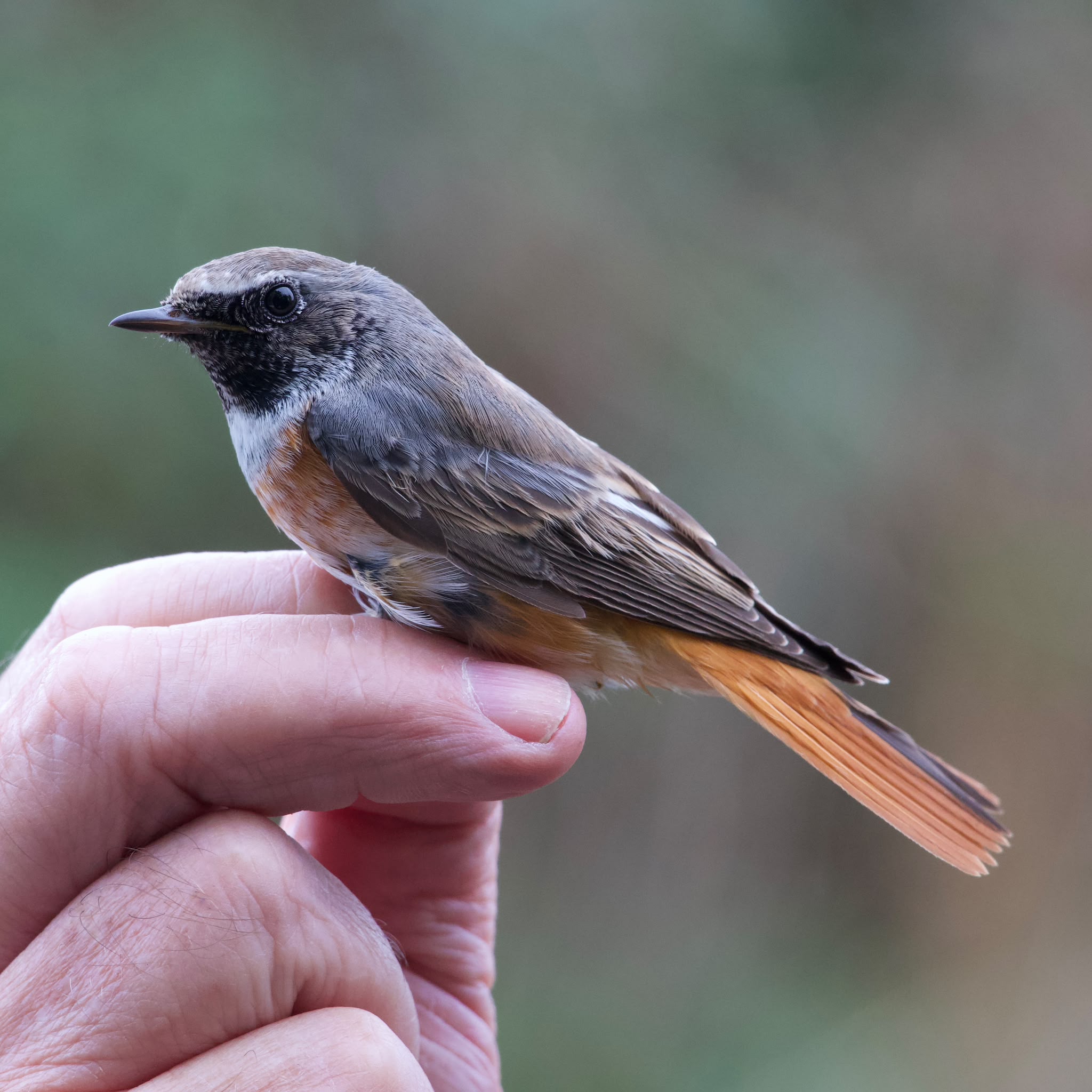
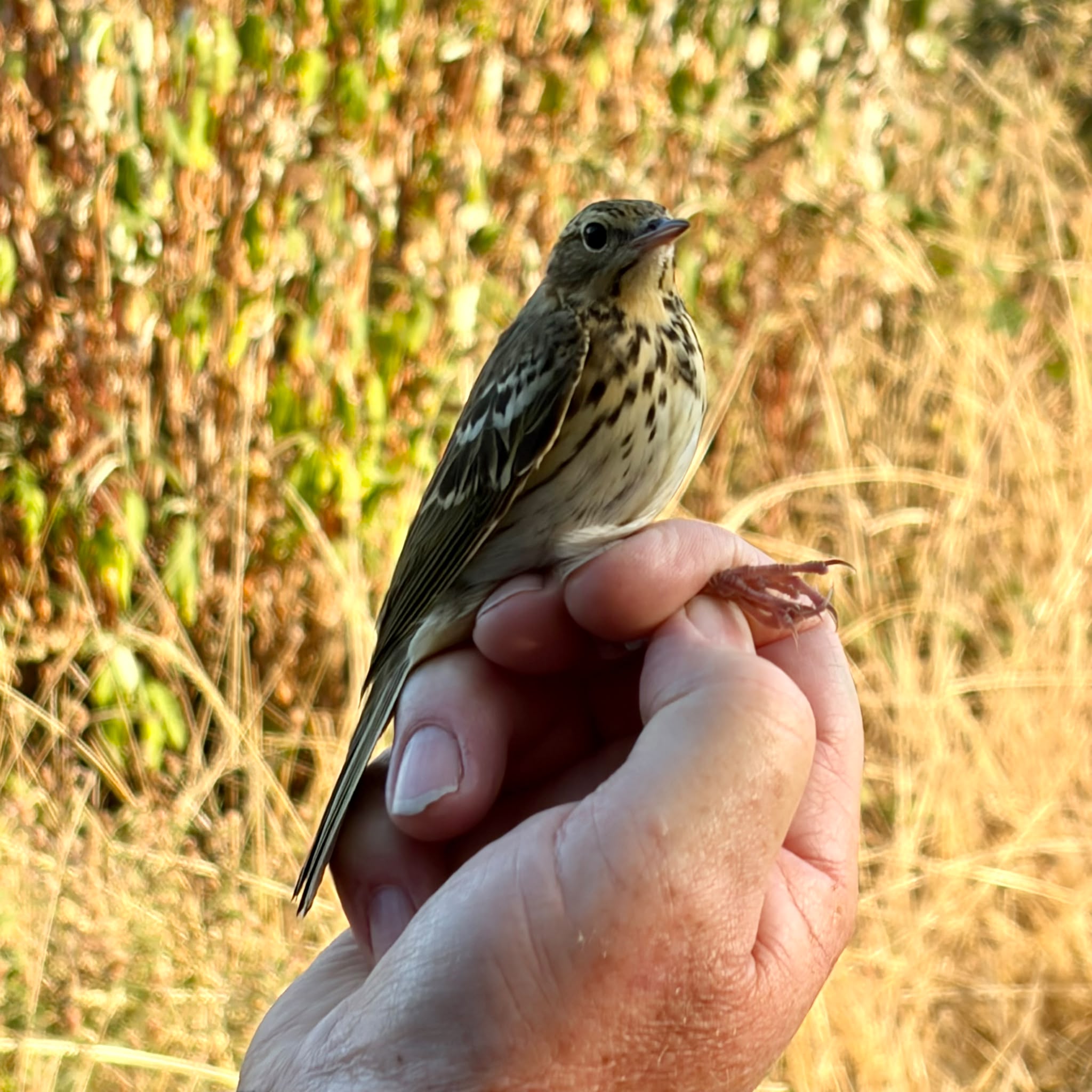
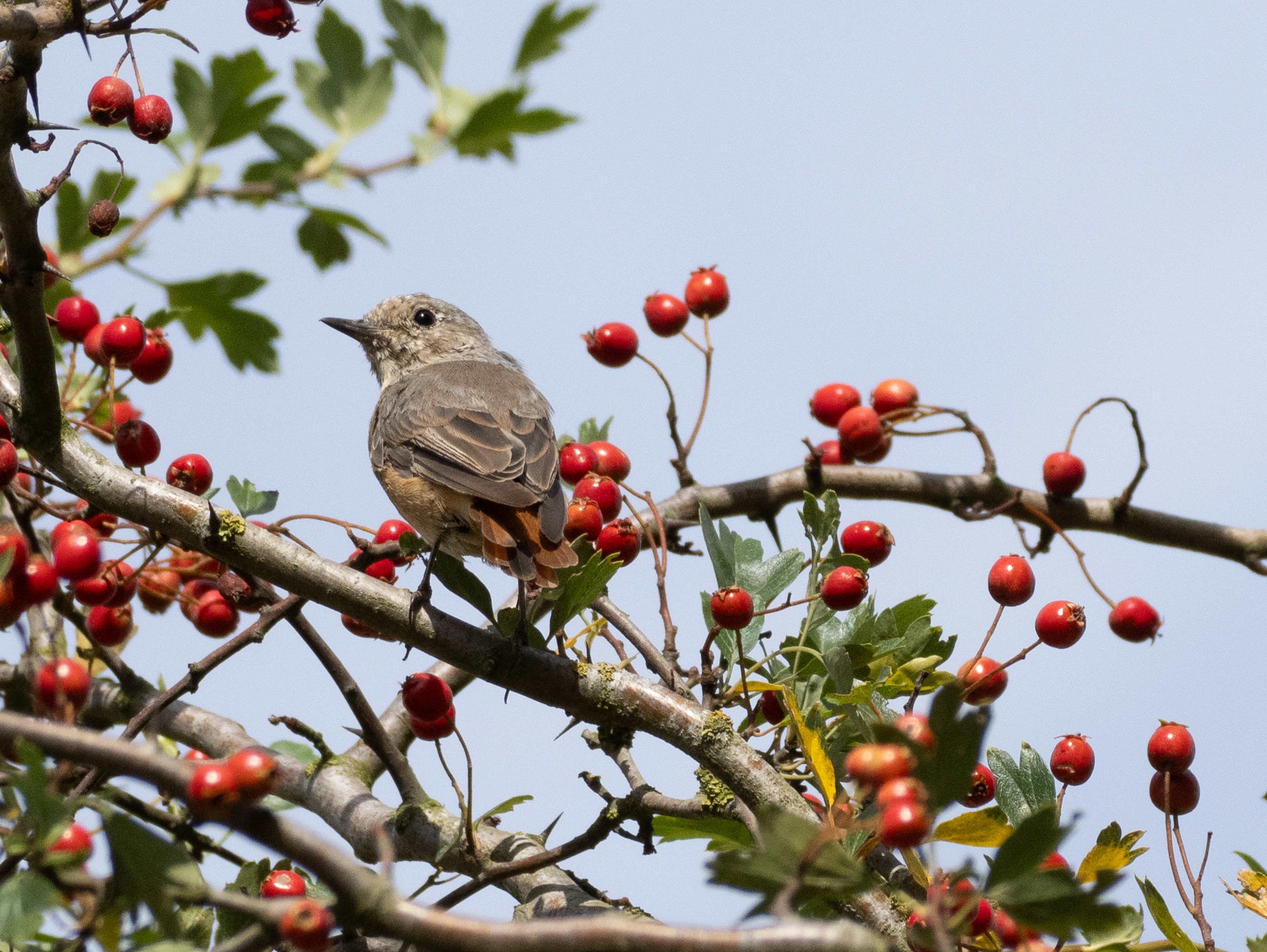
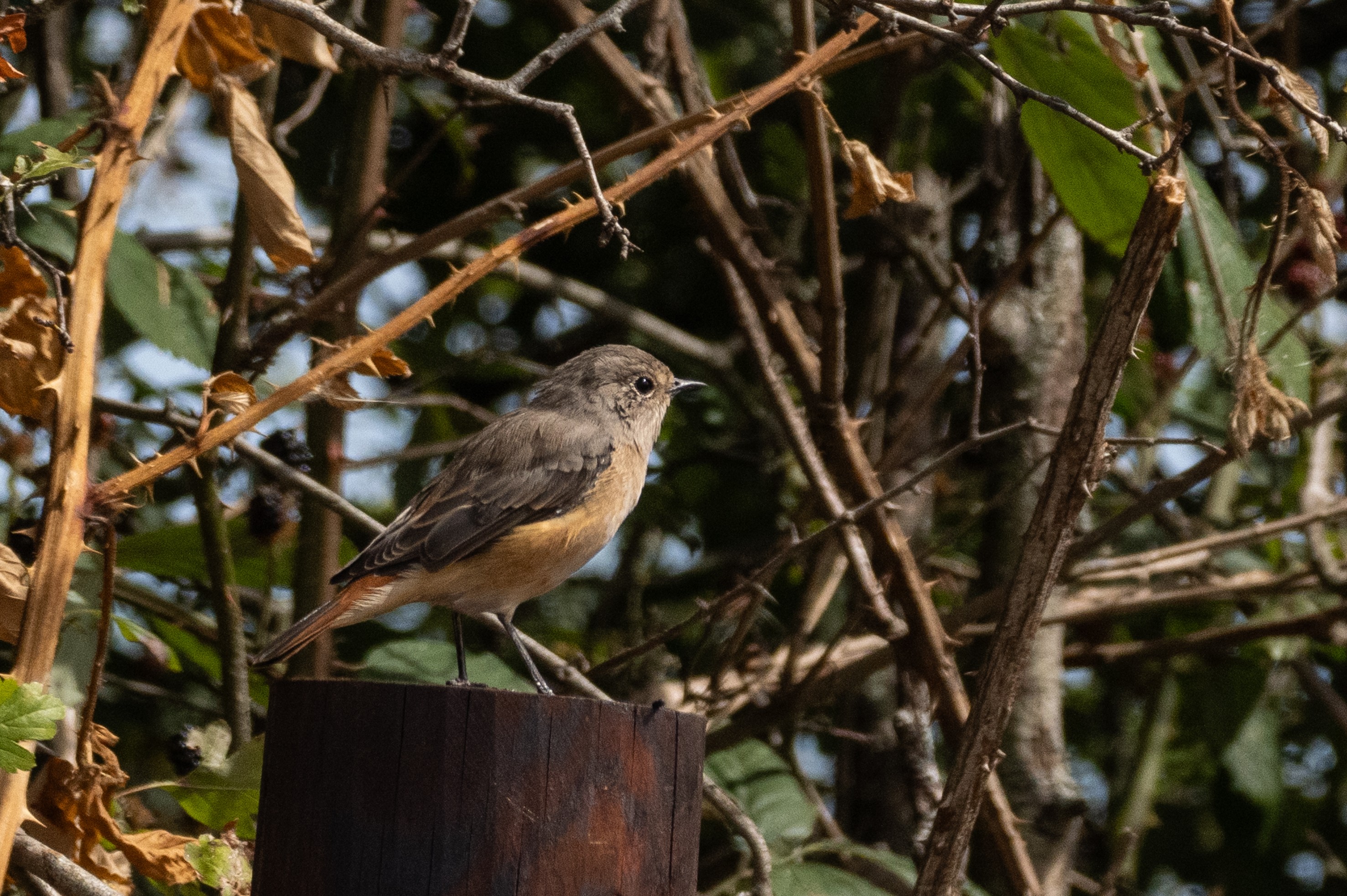
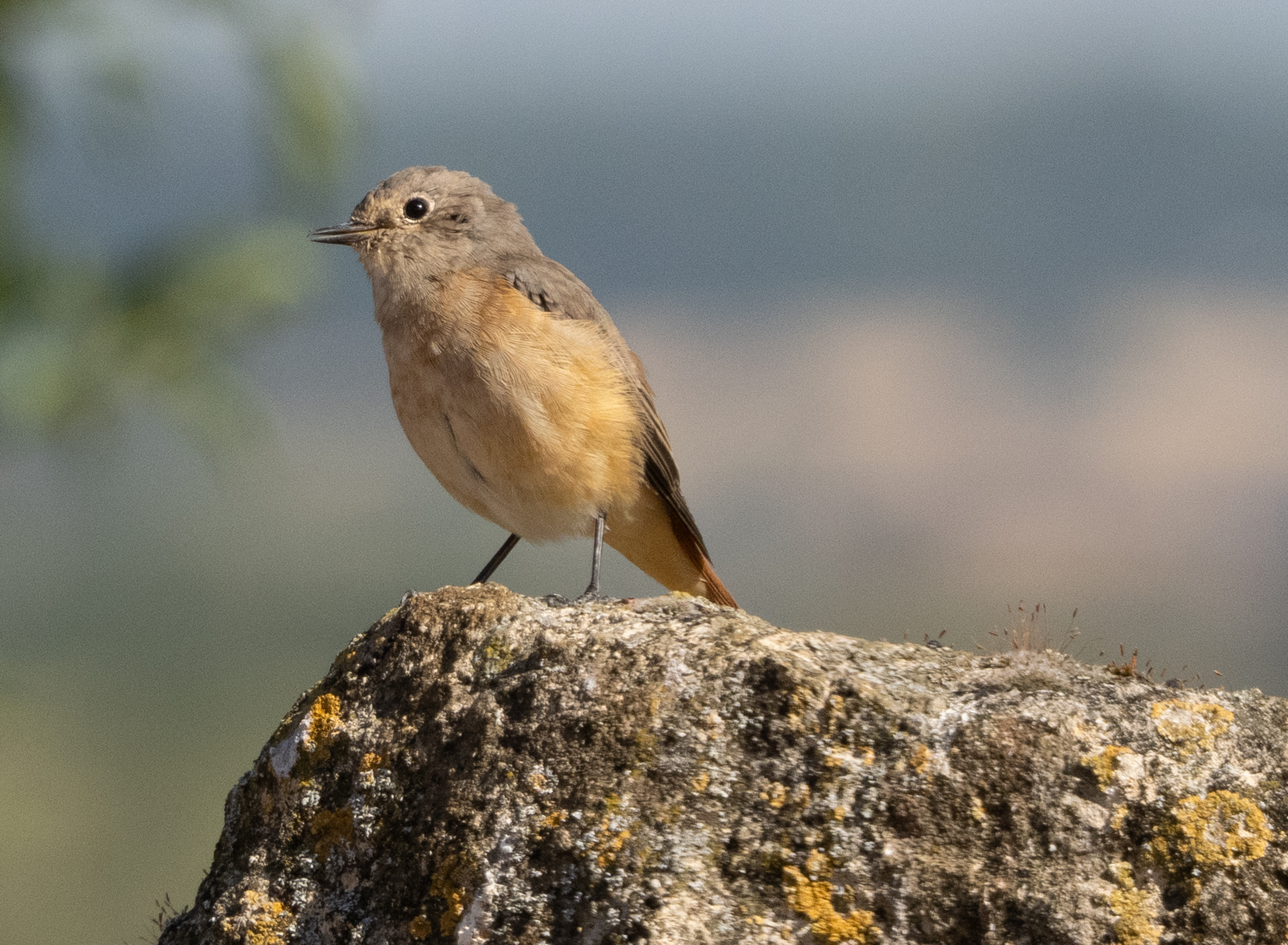
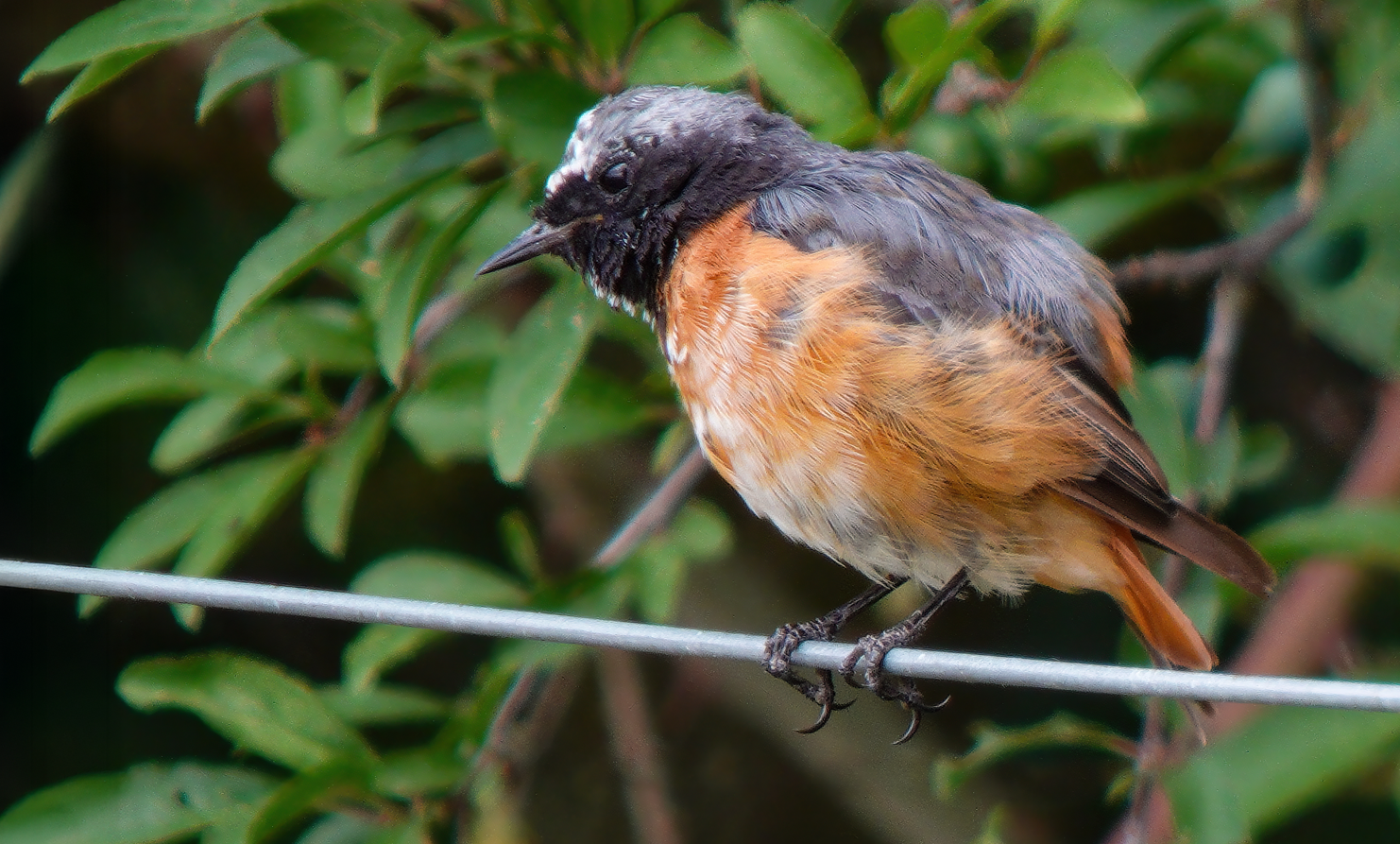
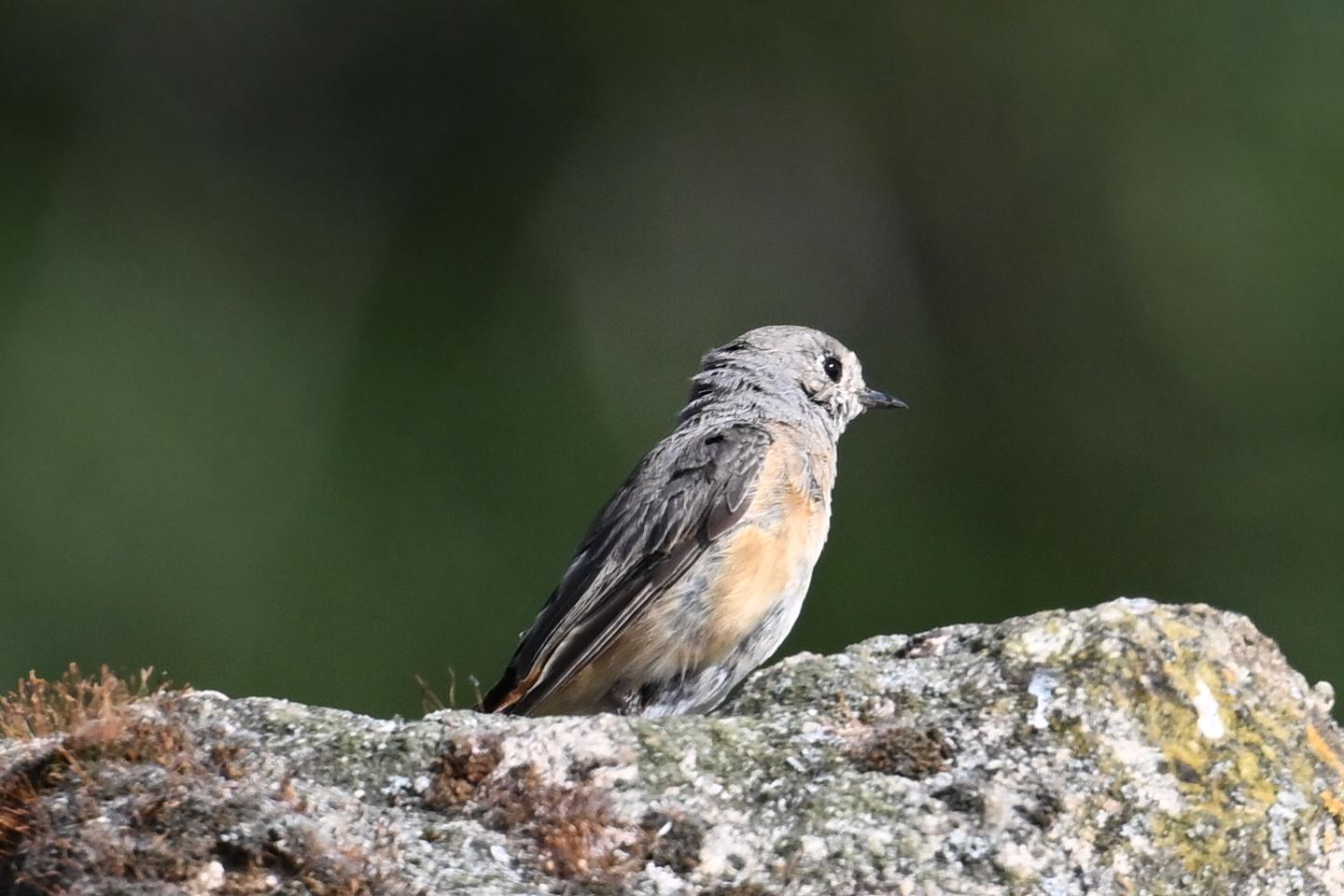
The Brampton Valley is also where we start the week’s summary of passerines, with a Common Redstart on 21st – one of only two reports this week, the other being a male and female trapped and ringed at Stanford on 24th.
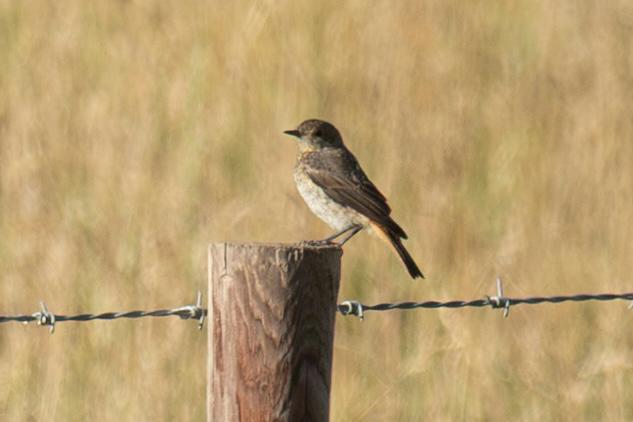
Male Common Redstart, Stanford Res, 24th September 2026 (Chris Hubbard)
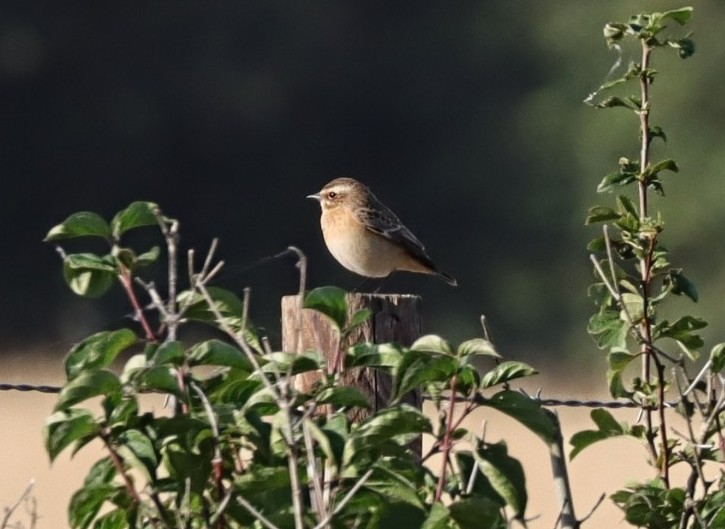
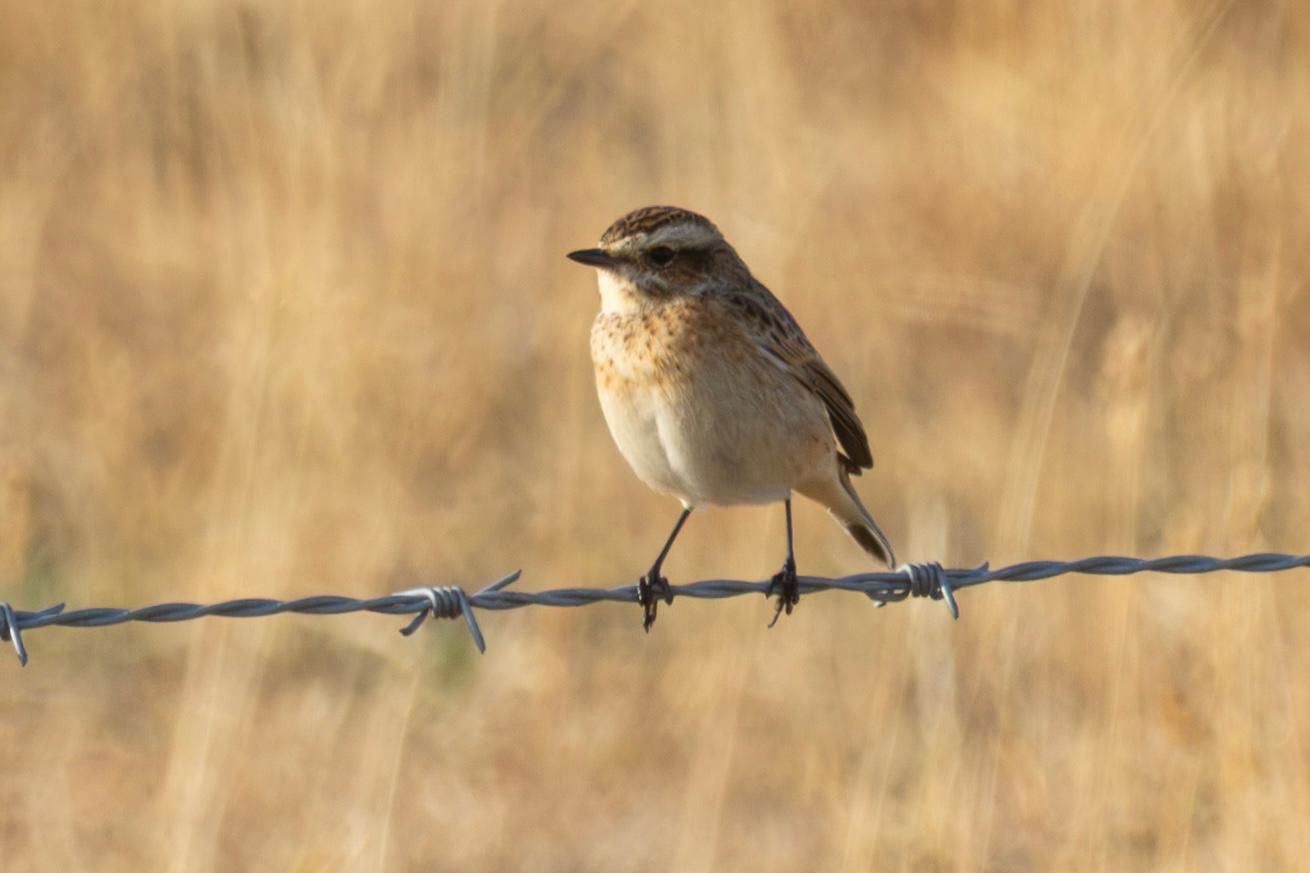
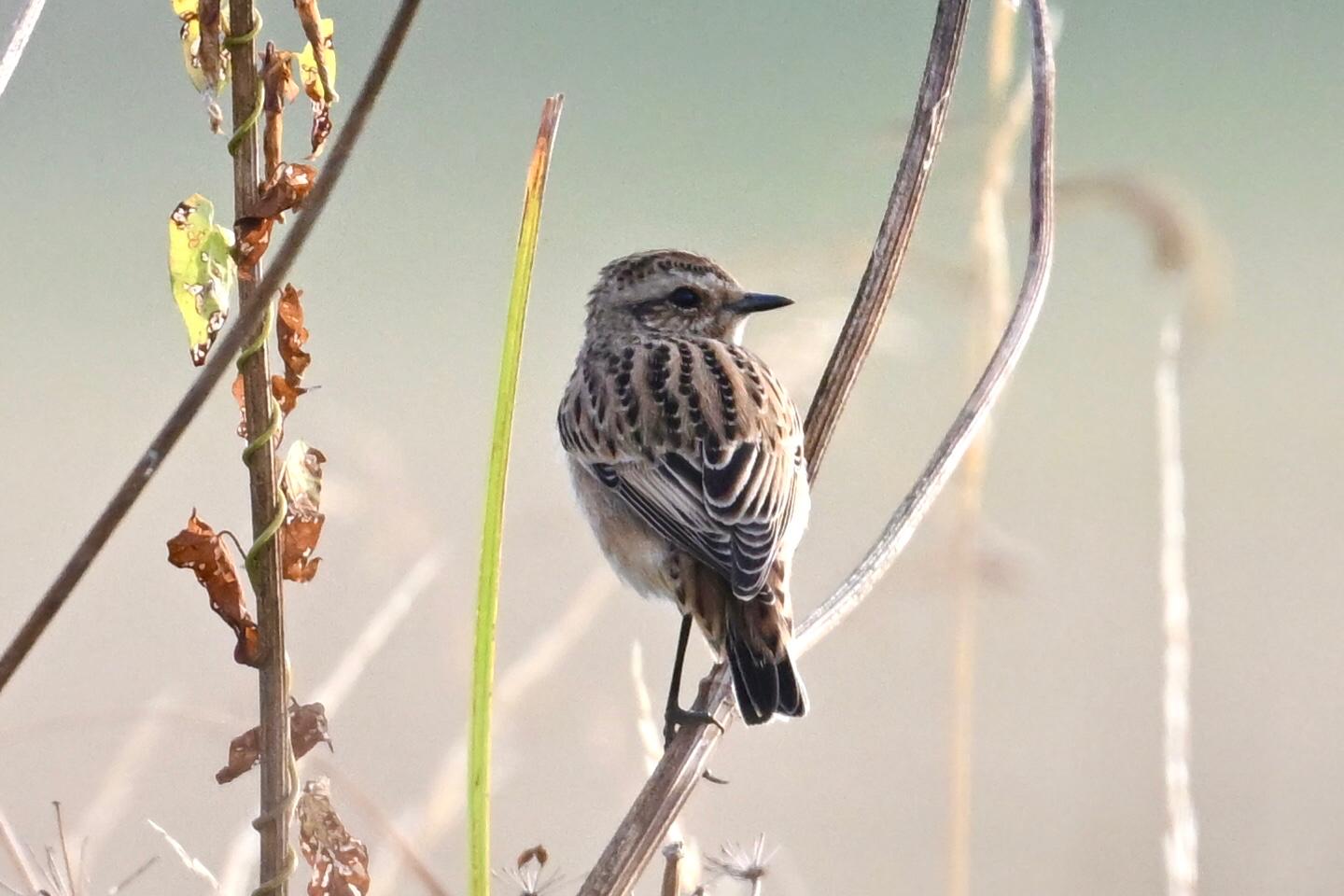
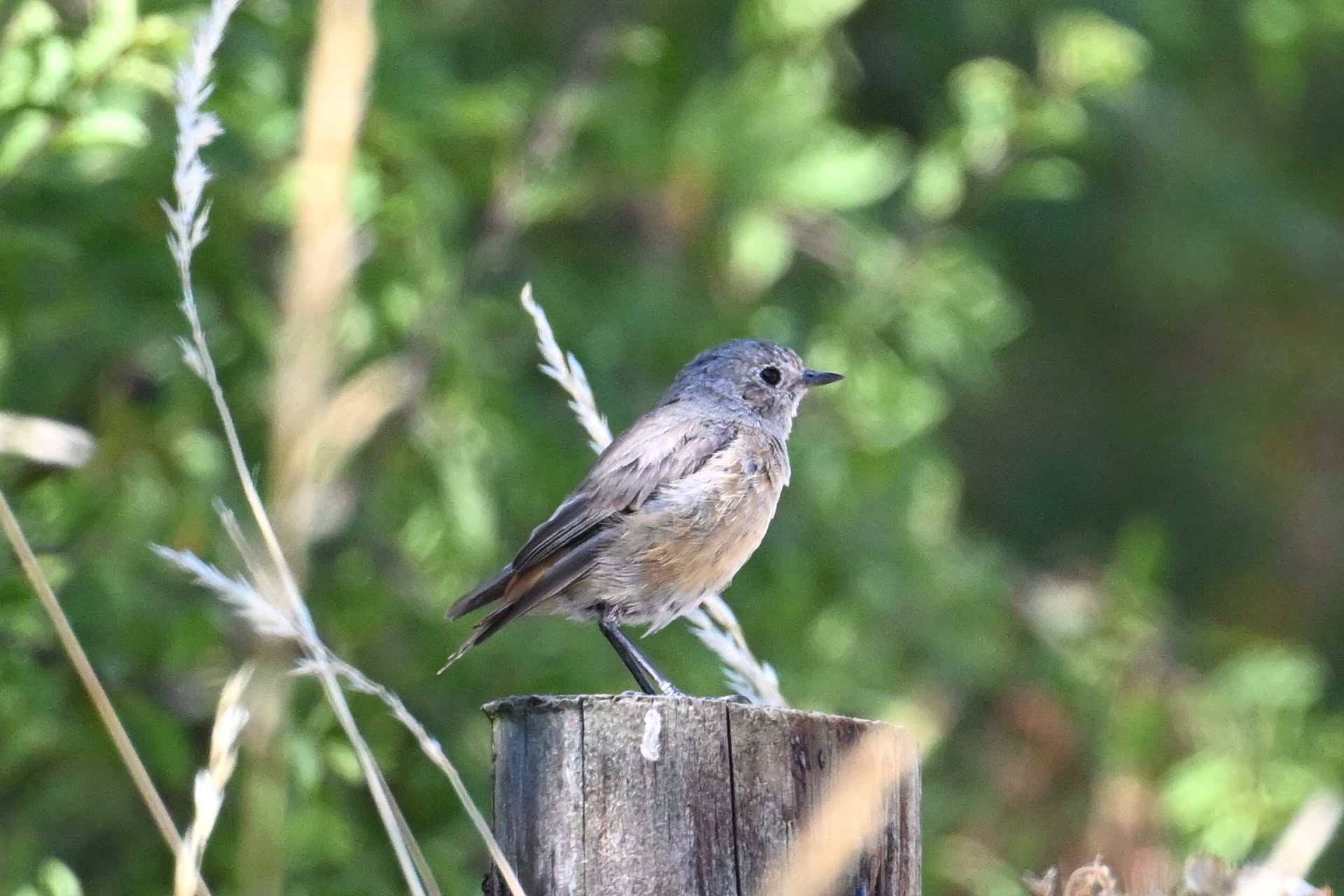
Whinchat numbers were again low, with two at Borough Hill on 19th, two in the Brampton Valley on 20th, dwindling to one there on 21st and 24th and two at Harrington AF on 22nd. In stark contrast, numbers of Stonechats were up, being found near Arthingworth, in the Brampton Valley, and at Earls Barton, Hollowell, Pitsford, Summer Leys, Thrapston and Upton CP with the highest count of three to four at Pitsford on the last day of the week.
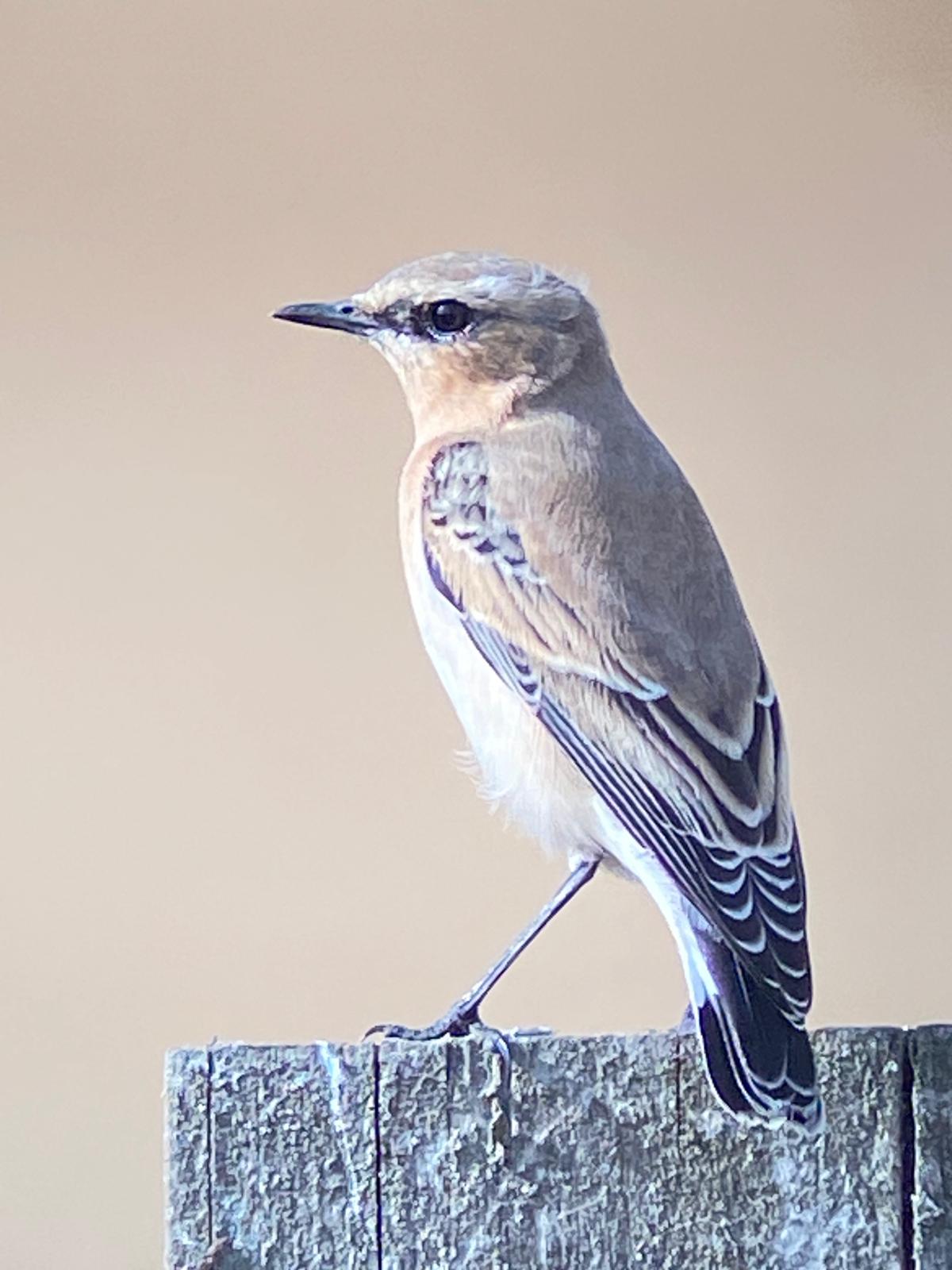
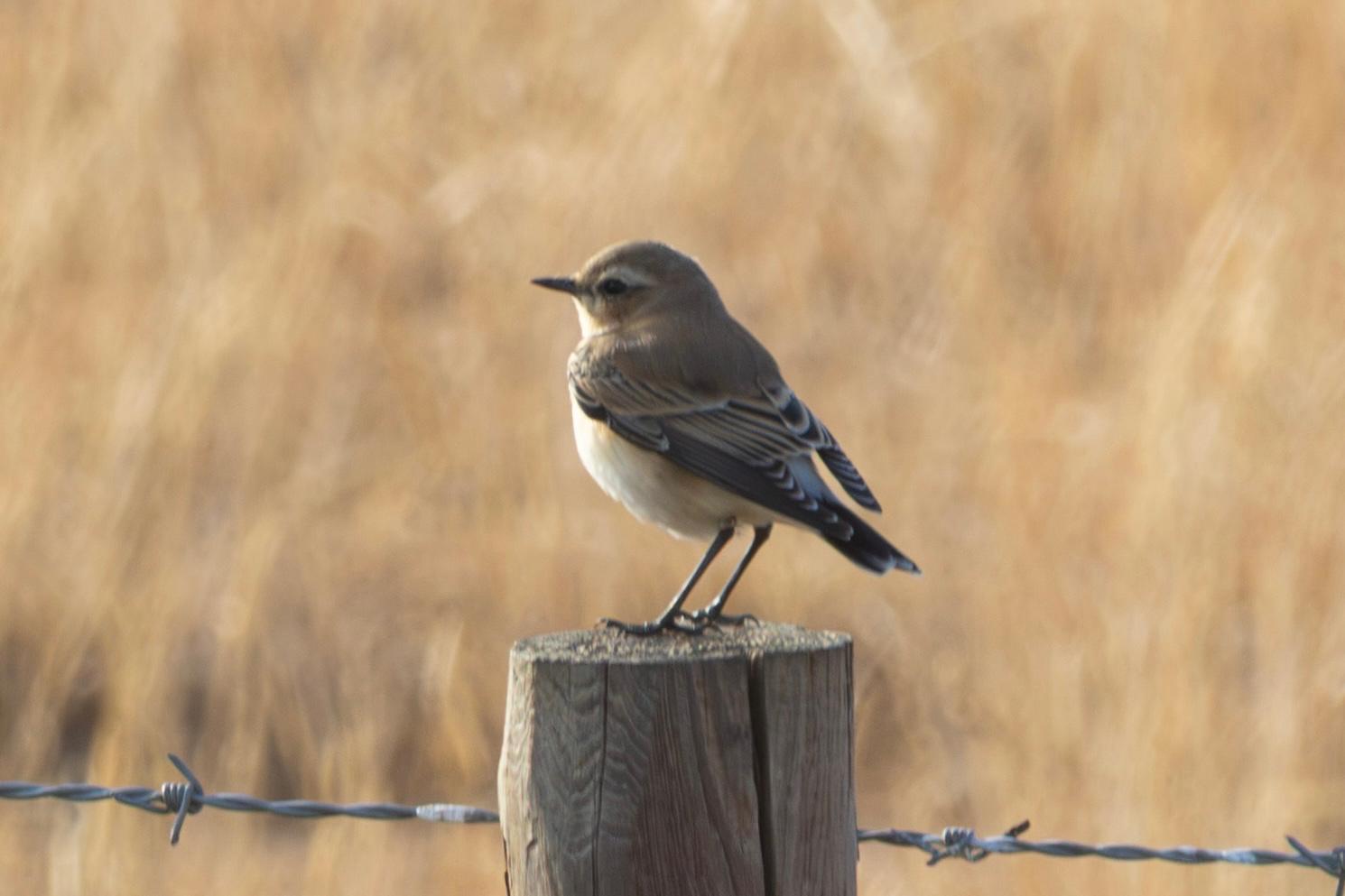
Northern Wheatears were also ebbing away, with just singles in the Brampton Valley between 21st and 25th and at Harrington on 22nd.
The long-running period of drought-induced conditions was significantly disrupted this week as a series of low-pressure systems rolled in off the Atlantic bringing, to some areas, prolonged spells of thick cloud and heavy rain. With it came more birds and it began to feel like autumn proper – waders aplenty, new birds for the year and record-breaking flock sizes were all in the week’s mix …
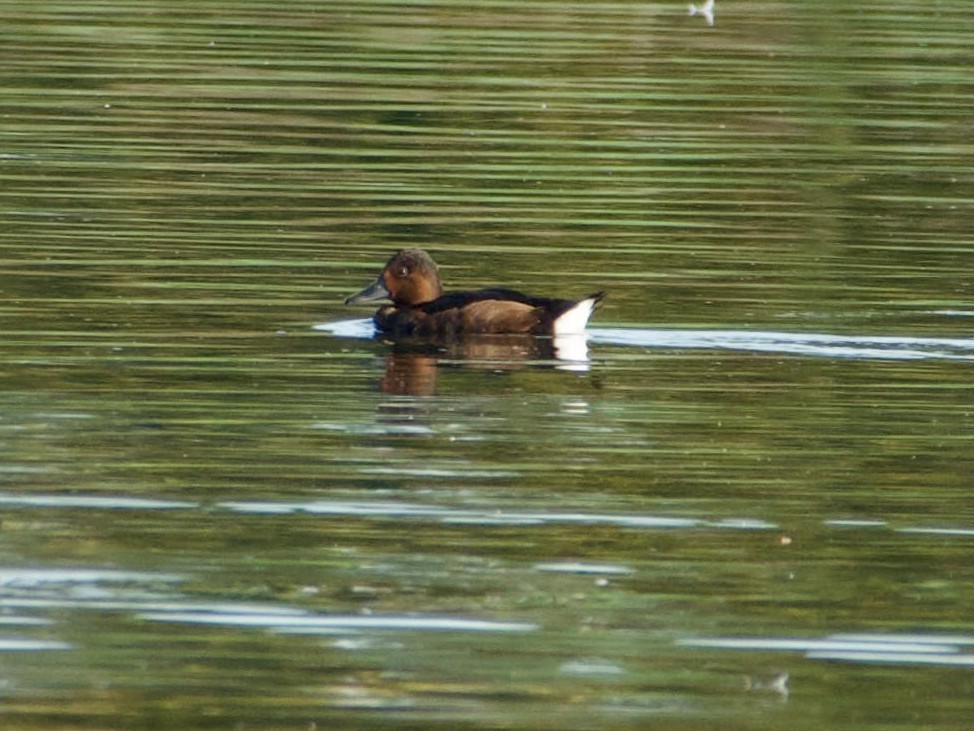
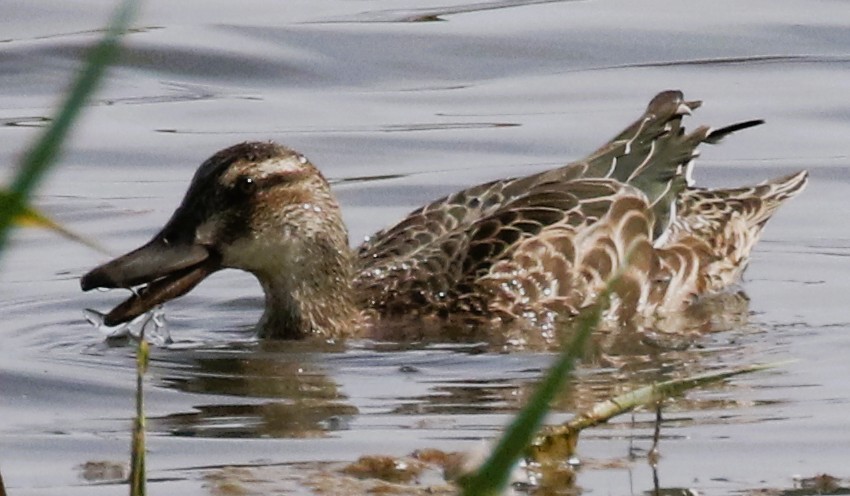
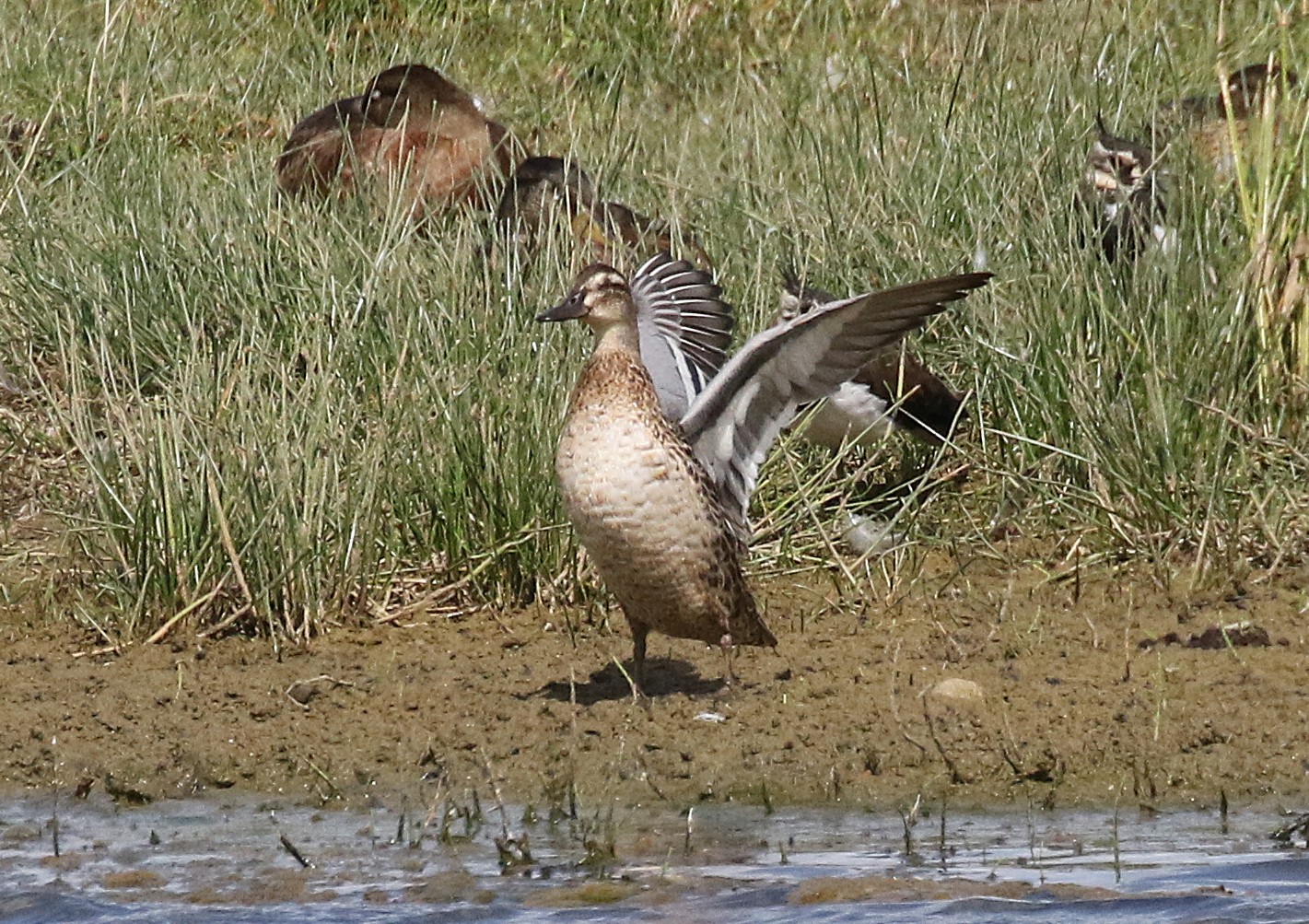
Quickly dispensing with ducks, Garganeys were found at three localities during the period and holding up as the top site was Thrapston GP’s Titchmarsh NR, where one was still present on 22nd, followed by two there on 28th. The extended shoreline of Sulby Res produced one on 24th and Pitsford Res held two on 27th. Still to be found at Stanford Res was the female Ferruginous Duck, again present at the week’s end.
In the not so ‘new order’ of species these days, one bird slotting into the systematic list at this point has become a local ‘must see’ for many new age county birders. Enter, Nightjar – now a difficult bird to catch up with in Northants. Or is it? Rumours of its presence at a small number of localities over the past few years remain just that, but searching suitable habitats after dark is, these days, perhaps considered a risky business. Two localities produced churring birds in summer 2022 but there are also recent records of autumn migrants, stumbled across quite by chance. This week’s bird falls into the latter category, found sitting on a country road outside Yarwell, on the evening of 26th.
Nightjar, Yarwell, 26th August 2026 (Tracie Garratt)
The period’s waders moved up a notch in terms of numbers. Six Curlews – a ‘high’ count in current times – flew east over Clifford Hill GP on 27th and there was a wider scattering of Black-tailed Godwits. Boddington Res produced four on 22nd, when one was present at Titchmarsh and two were at Pitsford, numbers climbing at the latter site over the week, peaking at eight on 28th, when one was also found at Daventry CP.
Juvenile Black-tailed Godwit, Daventry CP, 28th August 2026 (Gary Pullan)
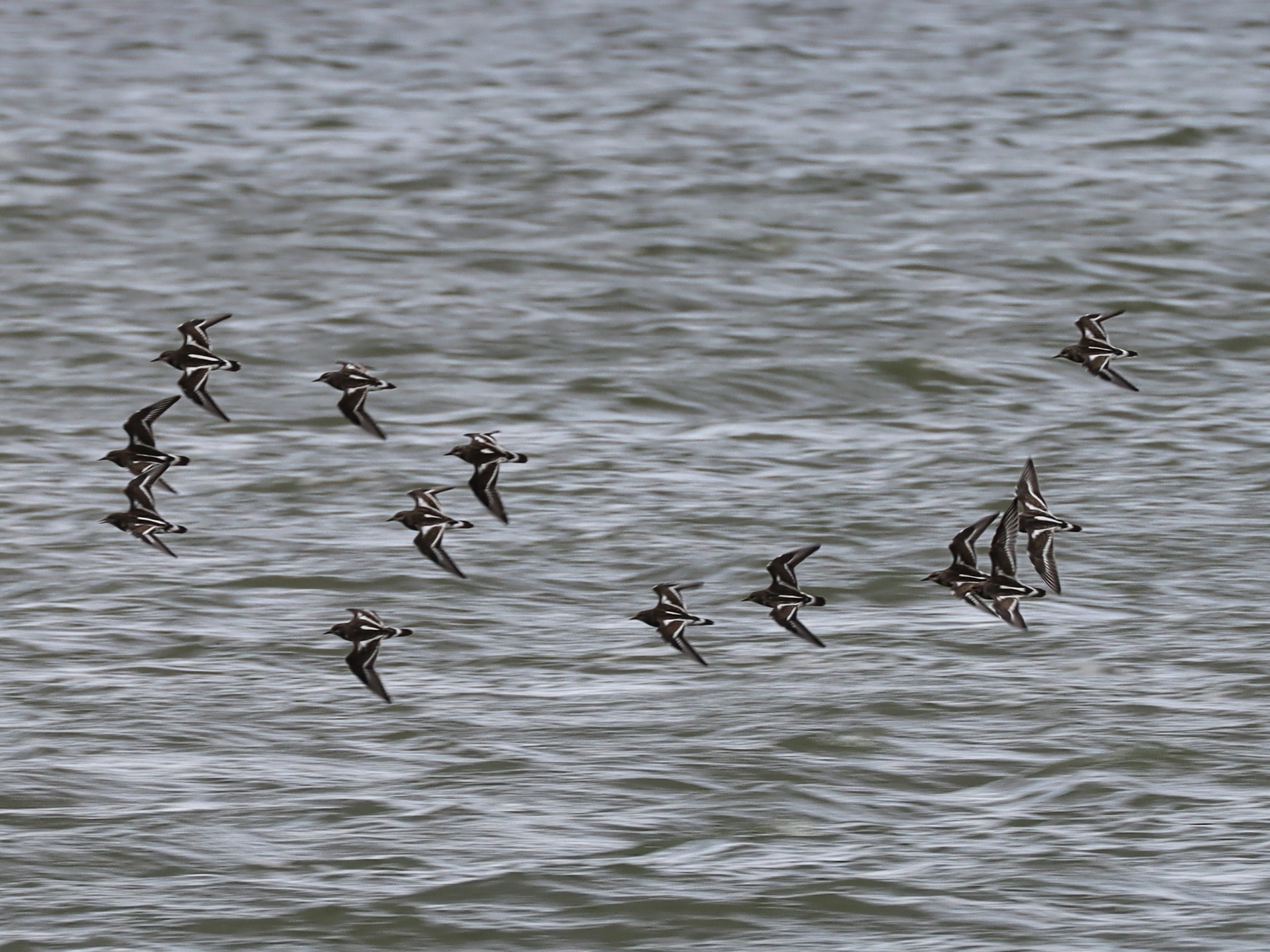
Titchmarsh also produced a Turnstone on 22nd, ahead of what is surely a record breaking-flock of thirteen in flight at Pitsford on 28th. Double-figure flocks are hitherto unheard of in Northamptonshire …
Turnstones, Pitsford Res, 28th August 2026 (Tony Stanford)
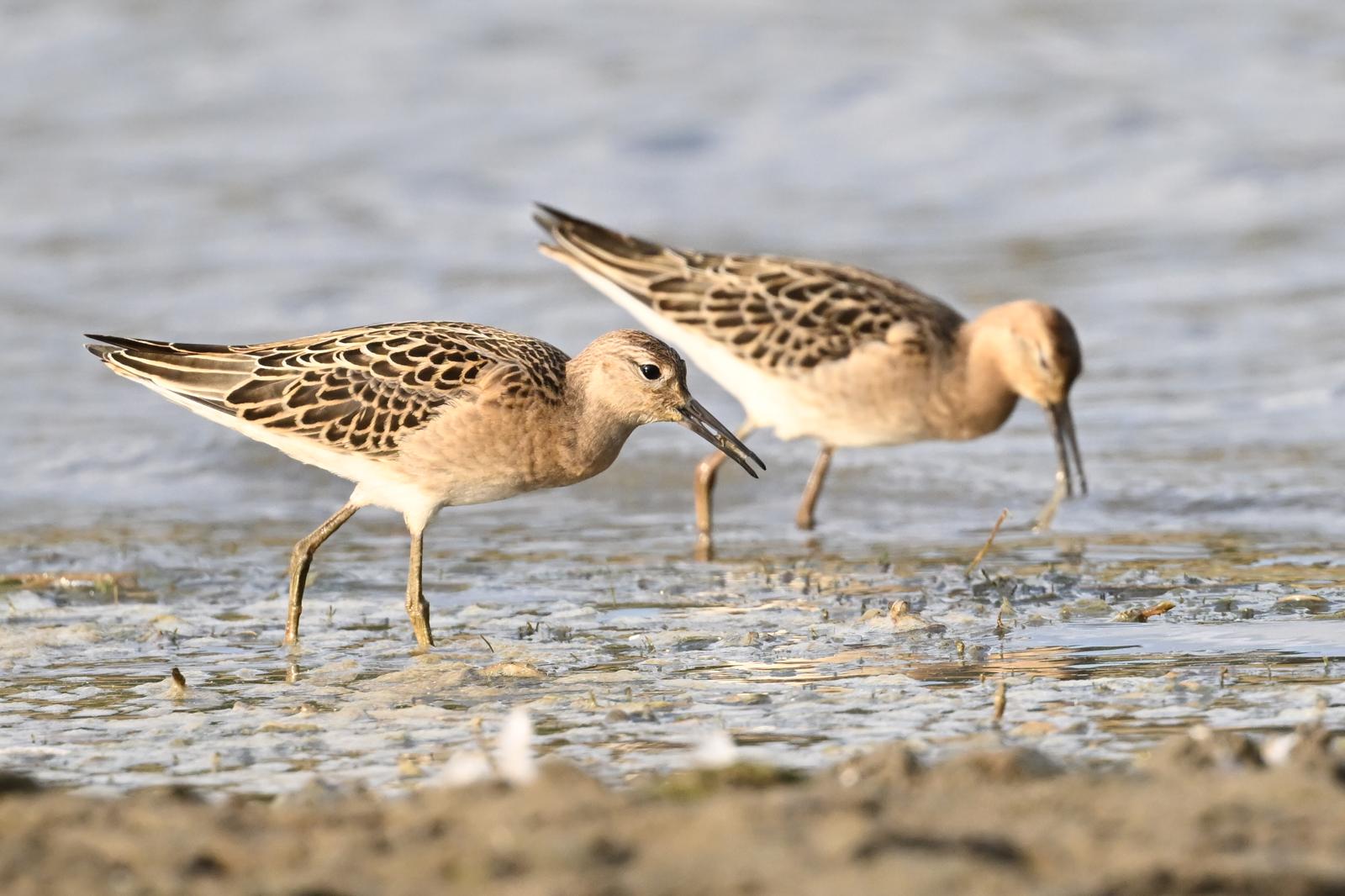
Ruffs were also on the up. Numbers at Pitsford rose from one on 22nd to four on 27th and eleven on 28th. Elsewhere, one was at Summer Leys on 22nd and from 26th to 28th, one was at Daventry between 24th and 28th, two remained at Naseby Res from 25th to 27th, two were also at Hollowell from 26th to 28th, one visited Clifford Hill on 26th and one was at Boddington on 26th-27th.
Juvenile Ruffs, Hollowell Res, 26th August 2026 (Jon Cook)Juvenile Ruff and Greenshank, Daventry CP, 26th August 2026 (Gary Pullan)Juvenile Ruff, Daventry CP, 27th August 2026 (Gary Pullan)
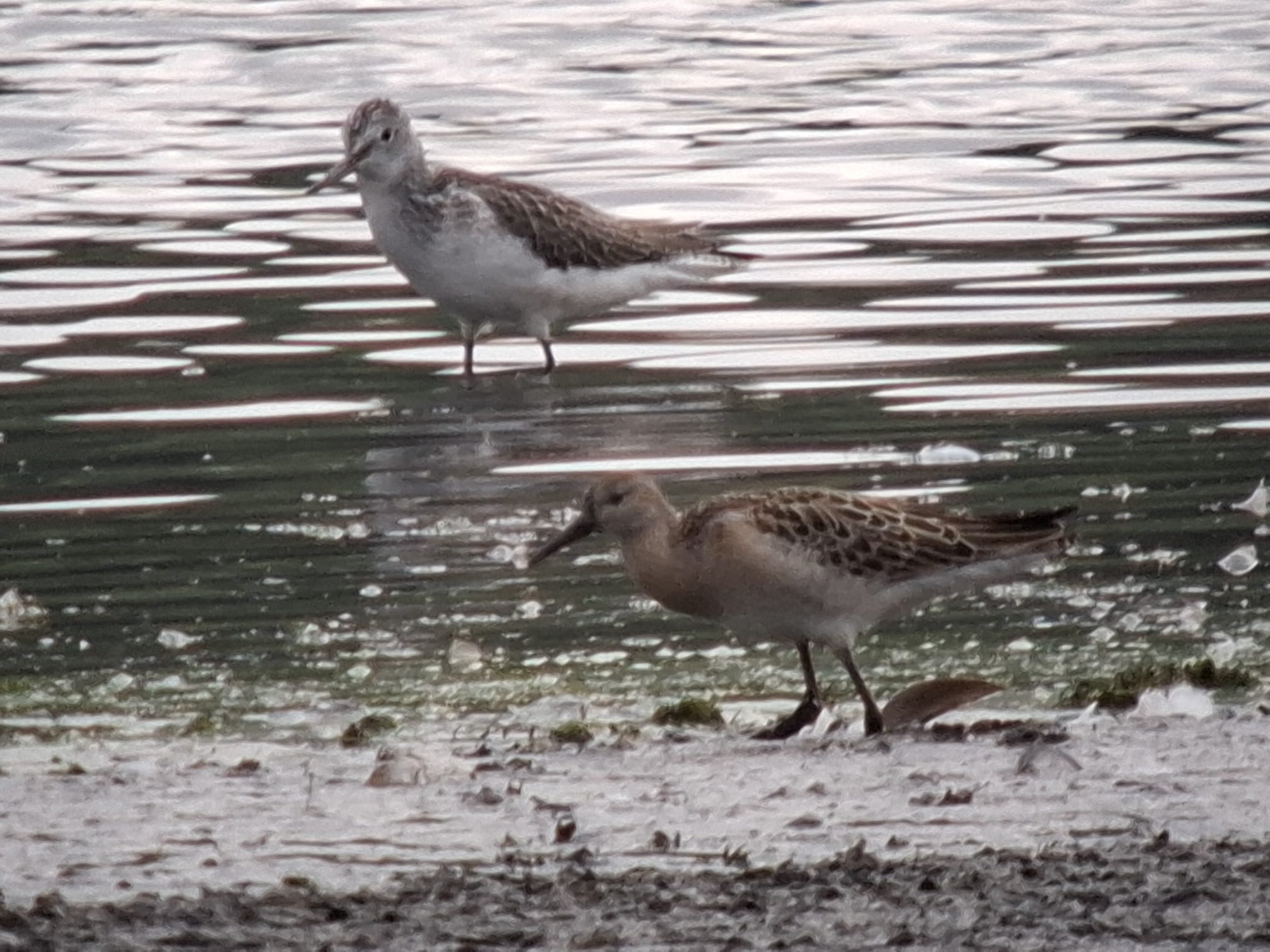
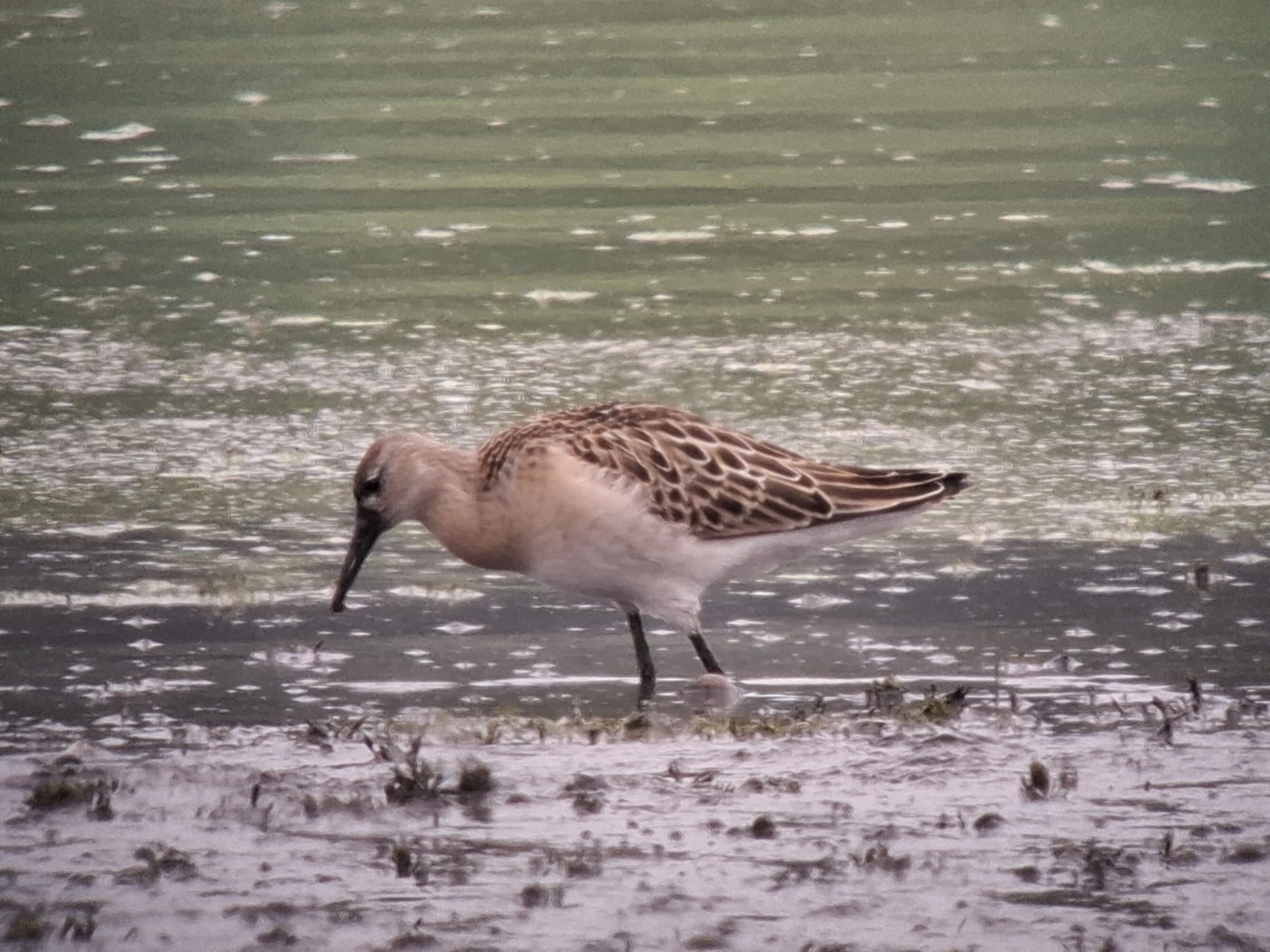
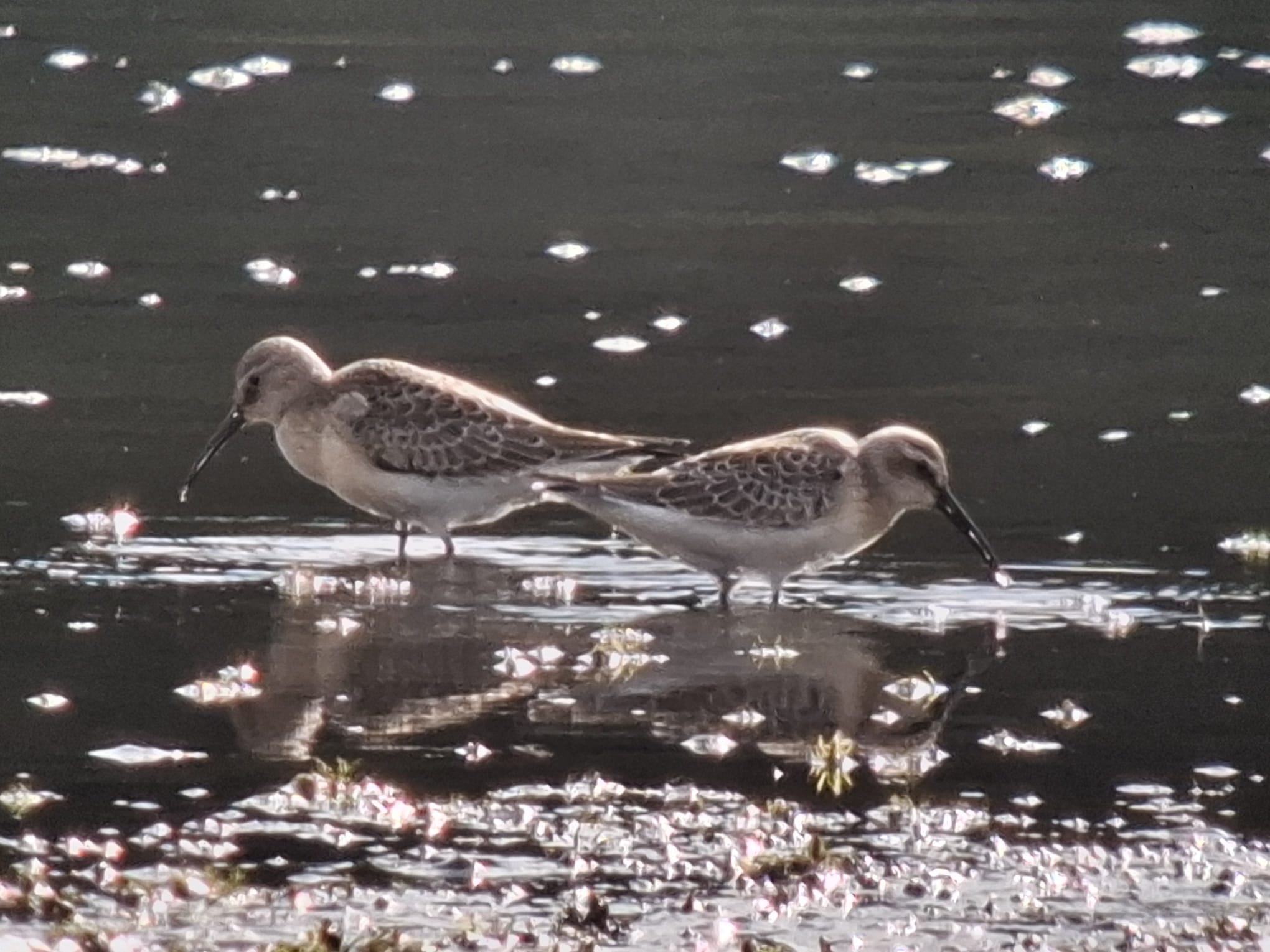
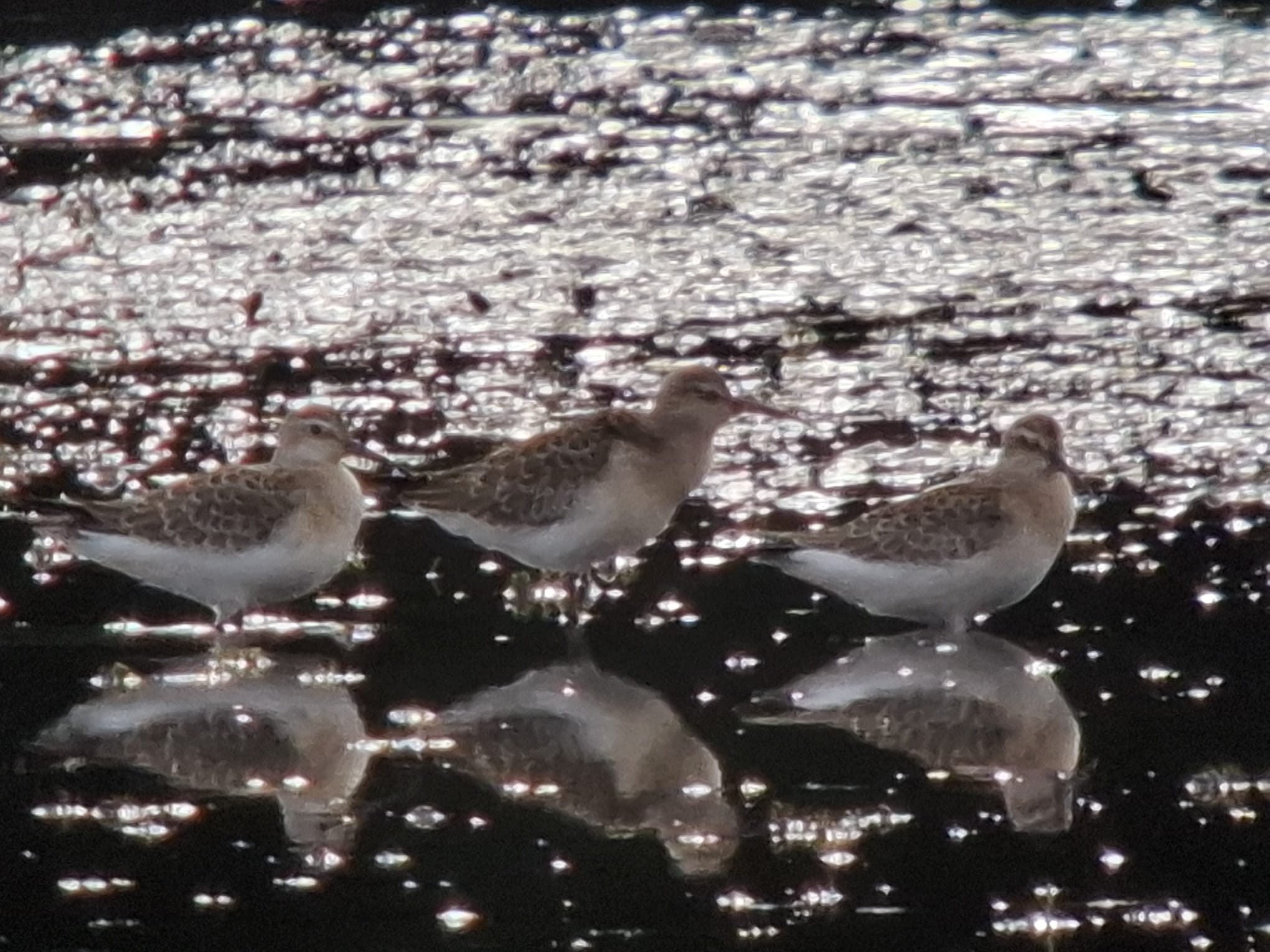
So far proving prime for scarce waders this autumn, Daventry pulled in three smart juvenile Curlew Sandpipers on the final day of the period – new for the year and perhaps the only ones we’ll see in 2026.
Juvenile Curlew Sandpipers, Daventry CP, 28th August 2026 (Gary Pullan)Juvenile Curlew Sandpipers, Daventry CP, 28th August 2026 (Gary Pullan)
Continuing to elicit interest, the adult Pectoral Sandpiper also remained at Daventry throughout the week.
Adult Pectoral Sandpiper, Daventry CP, 26th August 2026 (Gary Pullan)Adult Pectoral Sandpiper, Daventry CP, 26th August 2026 (Gary Pullan)
Mirroring the occurrence of the solitary bird at Titchmarsh last week, there was just one Wood Sandpiper to be found during the period, that being a short-staying individual at Boddington on 27th. Back at Daventry, another Spotted Redshank put on a display daily following the two that were there for three days at the beginning of the month. One was also found at Earls Barton GP’s New Workings (North) on 24th, remaining there the following day.
Juvenile Spotted Redshank, Earls Barton GP, 25th August 2026 (Leslie Fox)Juvenile Spotted Redshank, Daventry CP, 26th August 2026 (Gary Pullan)
Greenshanks were found at eight localities throughout the week, including Clifford Hill, Daventry, Earls Barton, Hollowell, Pitsford, Stanwick GP, Summer Leys and Thrapston, with the highest site totals of ten at Stanwick on 27th and eight at Pitsford on 28th.
Homing in on gulls produced the only Mediterranean Gull of the period, a juvenile at Boddington on 23rd, while late news regarding the ringing data on the Polish-ringed juvenile at Daventry last week has identified it as a nestling ringed on 6th June 2026 at Rybical, Warminsko-Mazurskie, Poland, approximately 1,491 km distant.
The slot for the week’s only Caspian Gull was filled by the German-ringed adult male that remained at Naseby throughout, while Yellow-legged Gulls were represented by at least three settled adults at Pitsford, single birds at Thrapston on 22nd, 27th and 28th, with two there on 26th, singles at Cottingham on 22nd, Ravensthorpe on 25th and Earls Barton on 28th, while Daventry produced two on 27th and one on 28th.
Rarely seen away from water, and a bird which has not been easy to catch up with this year, is Little Tern, with three bucking the trend as they were picked up in flight over Wollaston on 26th. If they dropped in anywhere local, nobody was any the wiser.
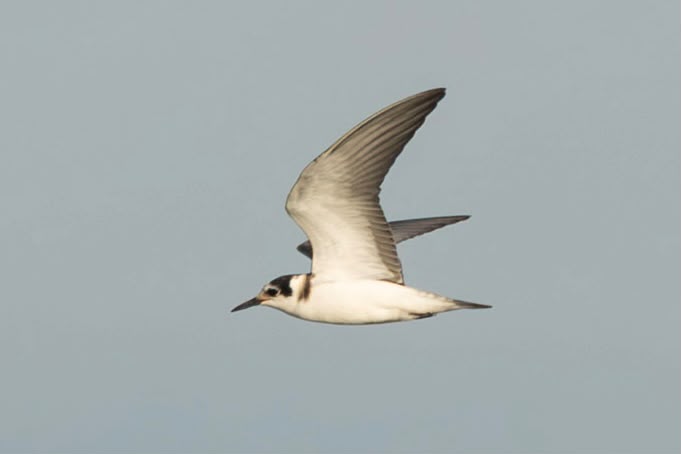
A juvenile Arctic Tern was found at Ravensthorpe on 27th, the same locality and date pulling in seven Black Terns, while singles of the latter were present at Hollowell on 25th, Boddington and Pitsford on 26th, Thrapston on 27th and Daventry on 28th.
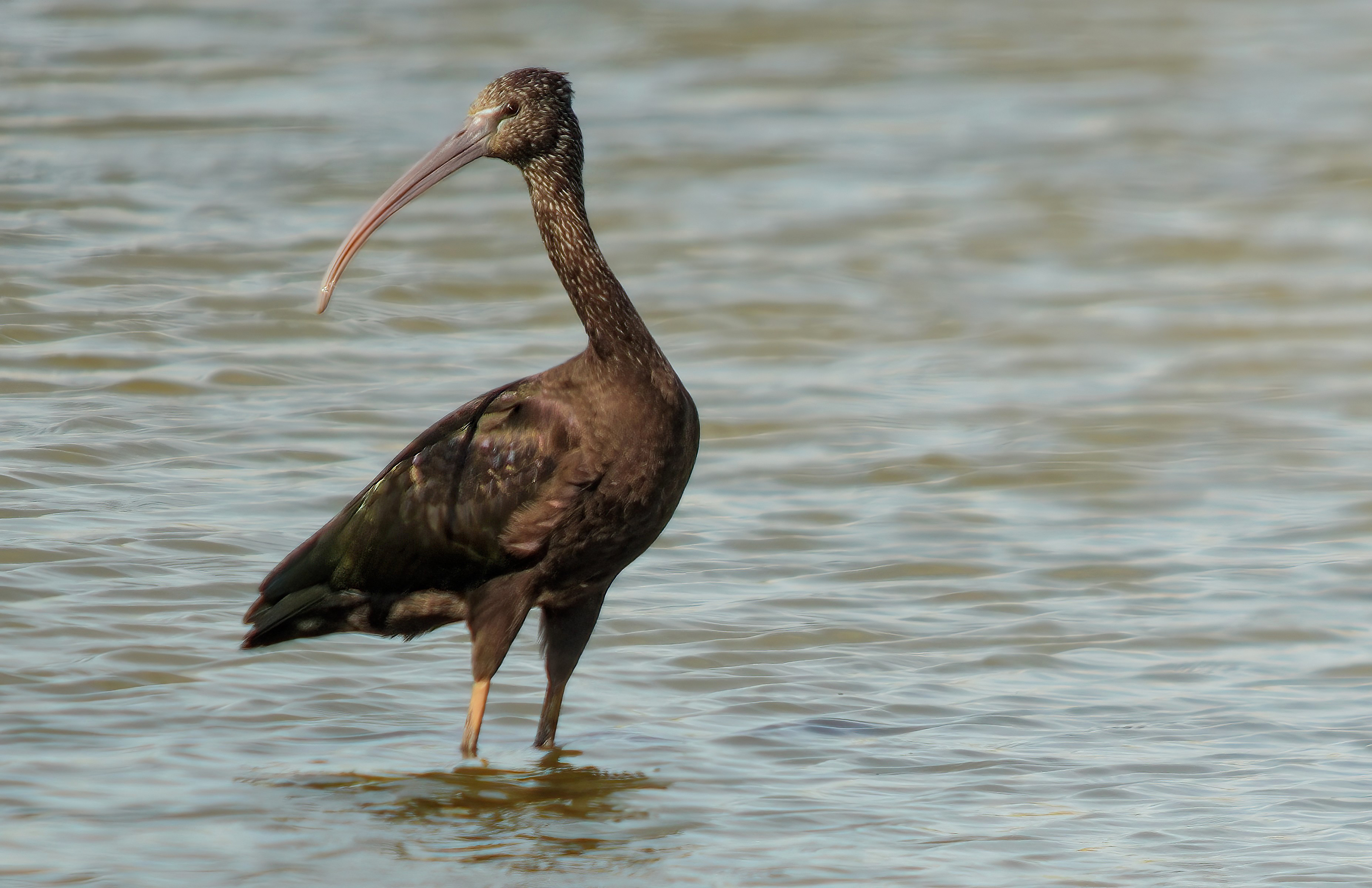
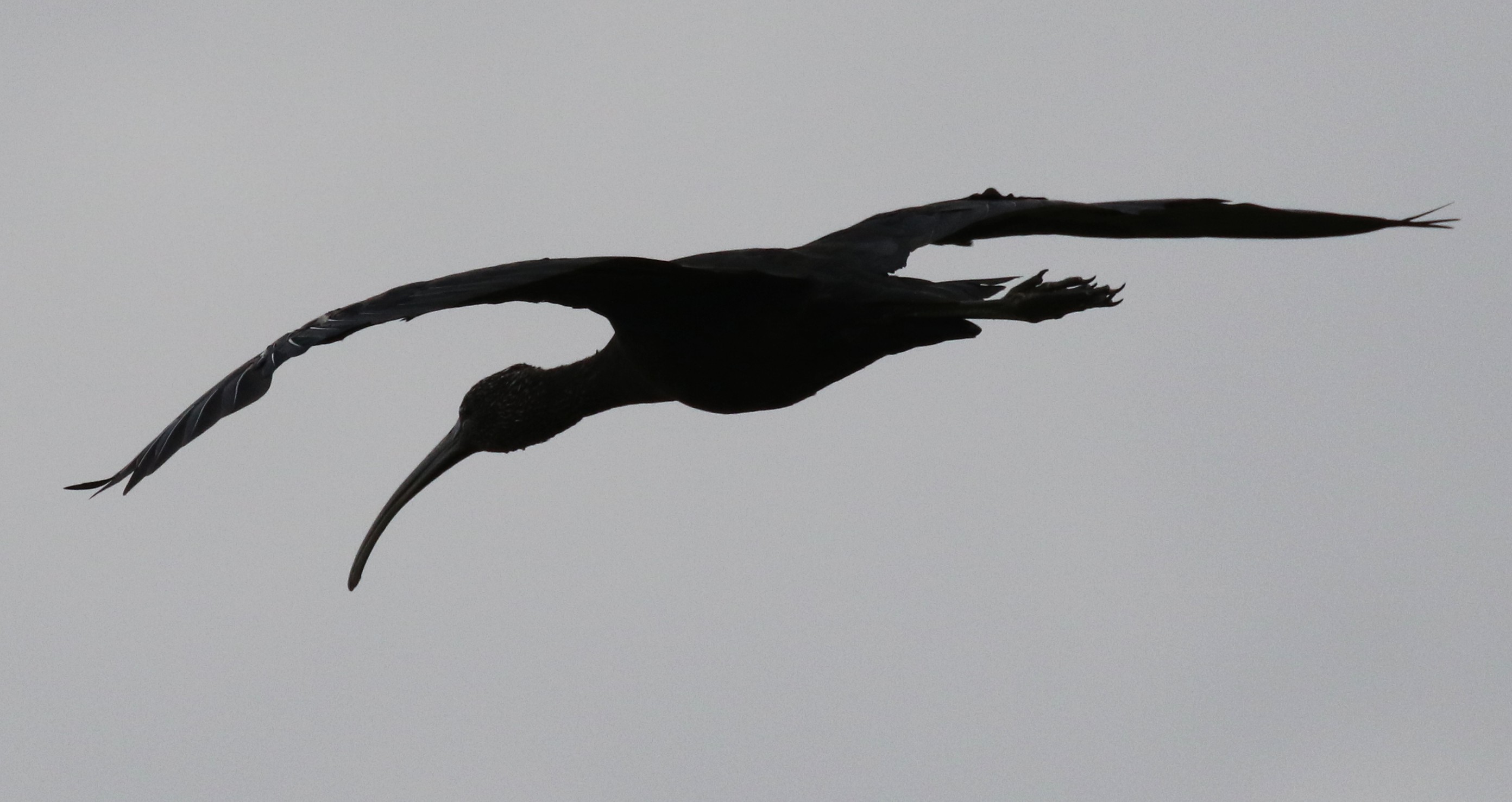
Seemingly having settled into a routine, last week’s Glossy Ibis at Earls Barton GP’s New Workings (North) periodically commuted to Summer Leys and back throughout. But in terms of numbers, this week saw another record-breaker in the form of a flock of five flying south-west over Stanwick on 28th.
Glossy Ibis, Earls Barton GP, 25th August 2026 (Mike Alibone)
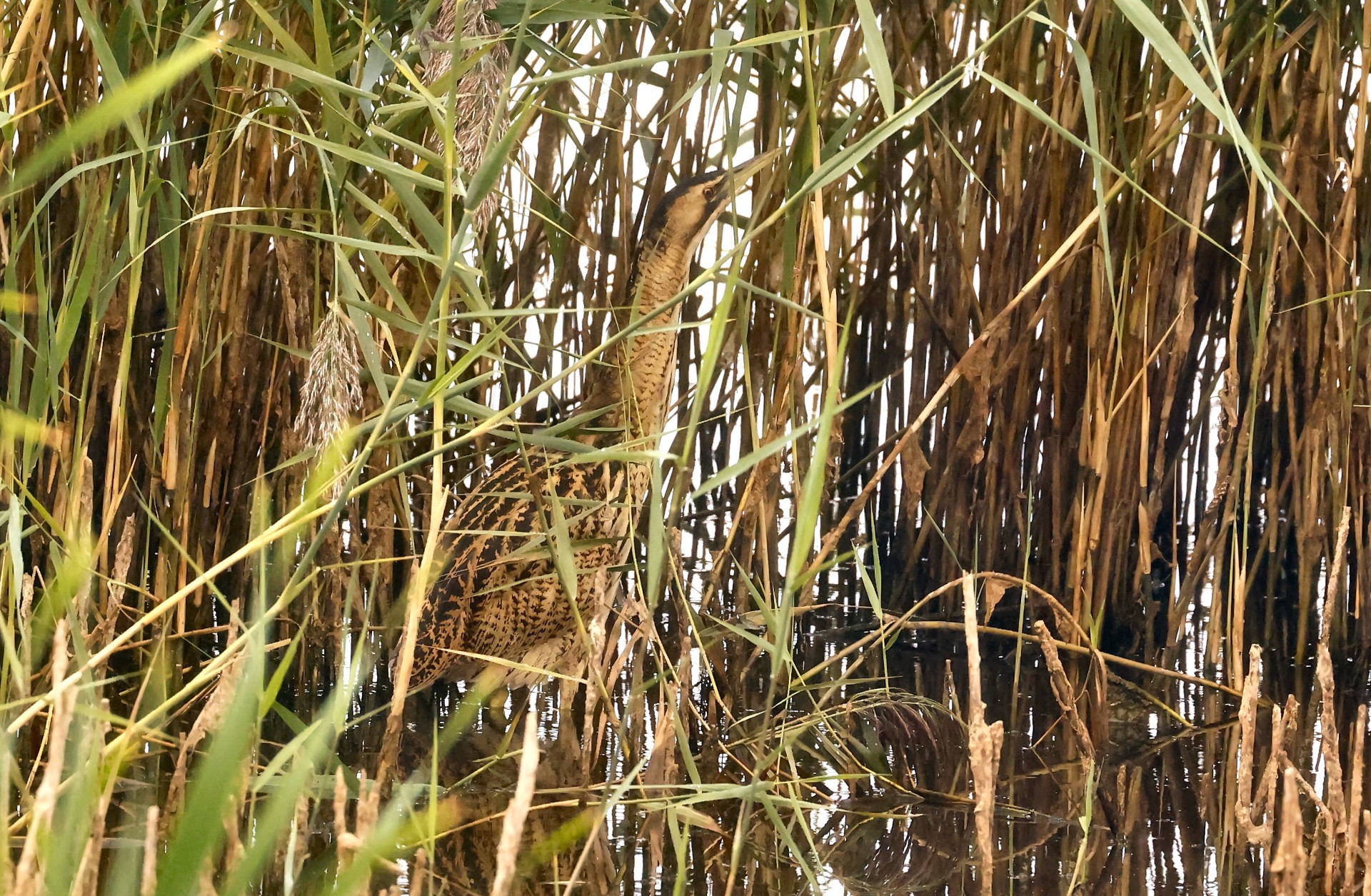
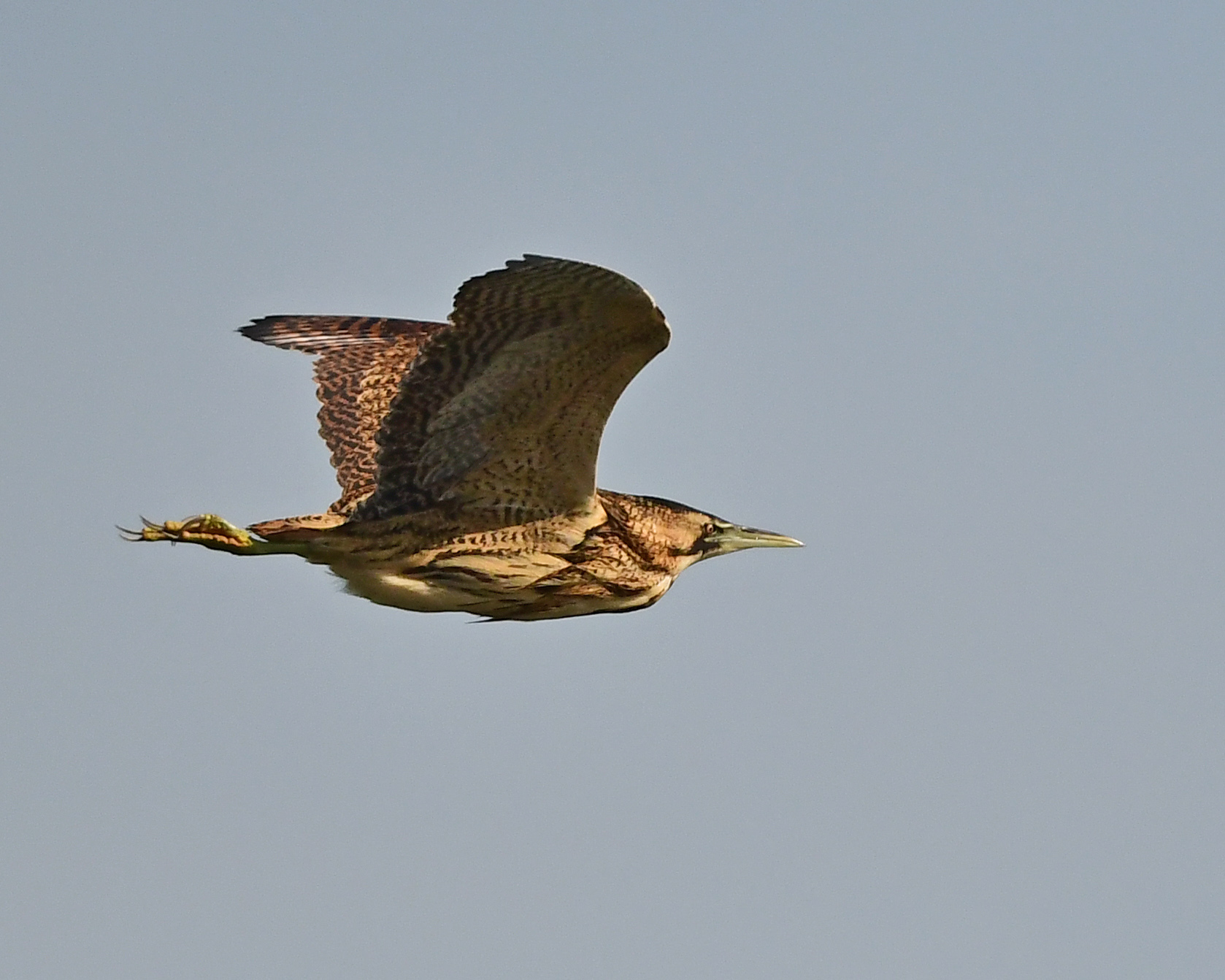
Breaking cover from the reeds every so often, a Bittern showed again at Summer Leys on 27th.
Bittern, Summer Leys LNR, 27th August 2026 (Bob Bullock)
Single Cattle Egrets flew over Stanford on 27th and Boddington on the following day.
On the raptor front, single Ospreys were at Pitsford on 22nd, 25th and 27th, Hollowell on 23rd and 28th and over Arthingworth on 26th, while two were present at Thrapston on 23rd.
Up to two Marsh Harriers were seen intermittently at Summer Leys between 23rd and 26th, while singles visited Harrington AF on 24th, Titchmarsh on 28th and the Brampton Valley between Cottesbrooke and Hanging Houghton on the same date.
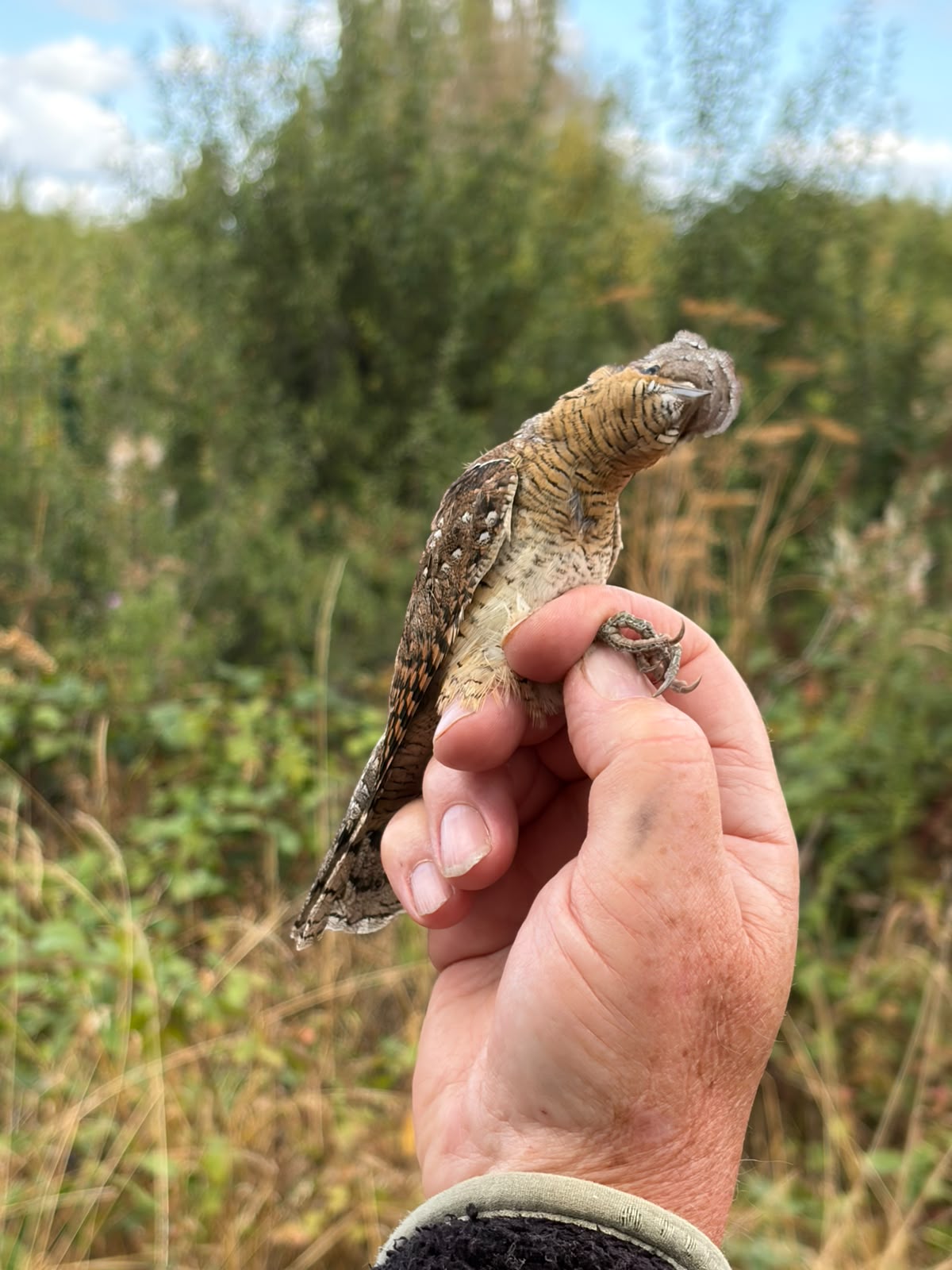
Heading down the passerine road, the week experienced a bit of a shake-up when the hallowed nets of the Stanford Ringing Group delivered a Wryneck on 22nd – another first for the year. Are we on for a sibe there later in the autumn …?
Wryneck, Stanford Res, 22nd August 2026 (Chris Hubbard)
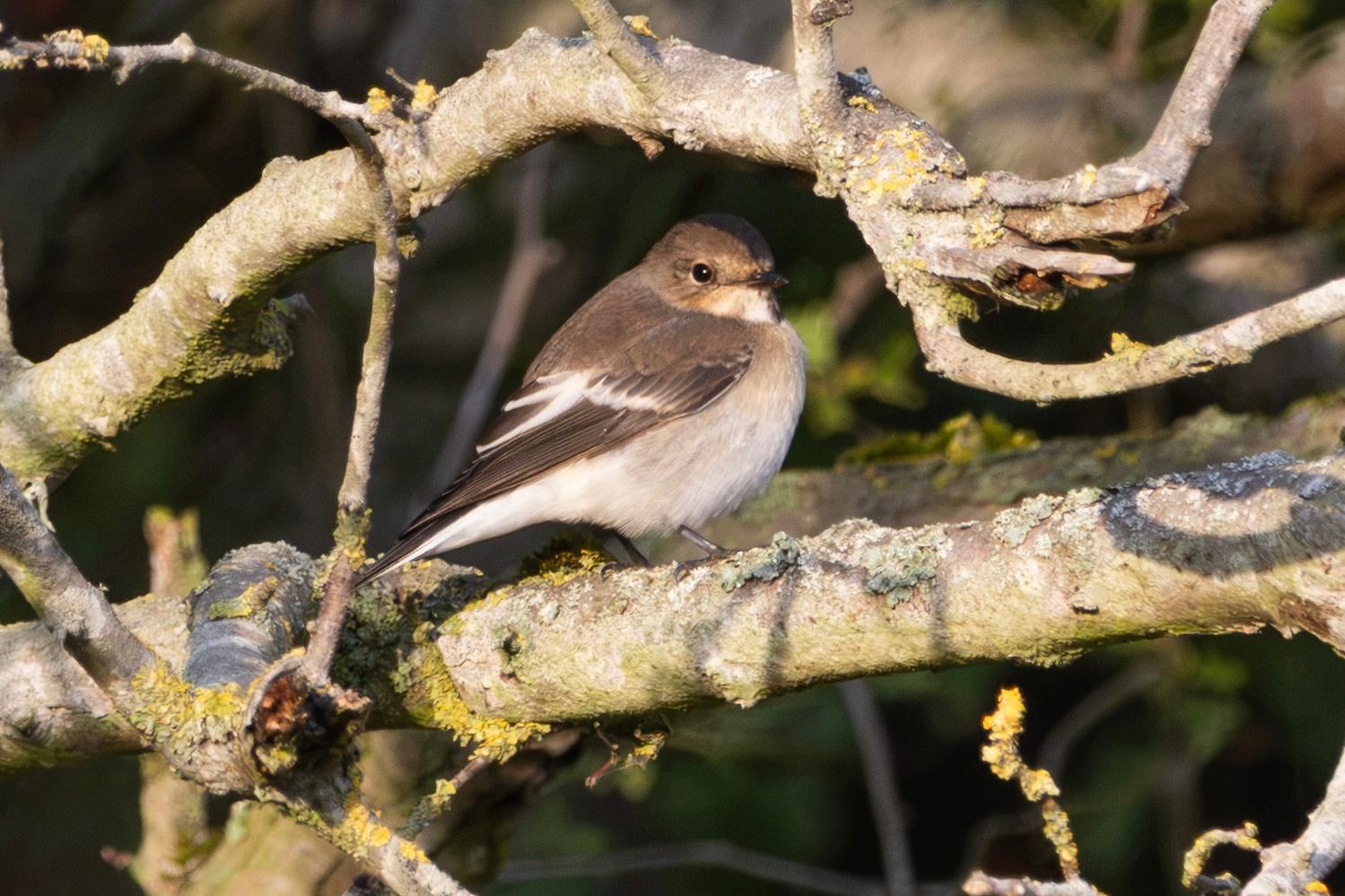
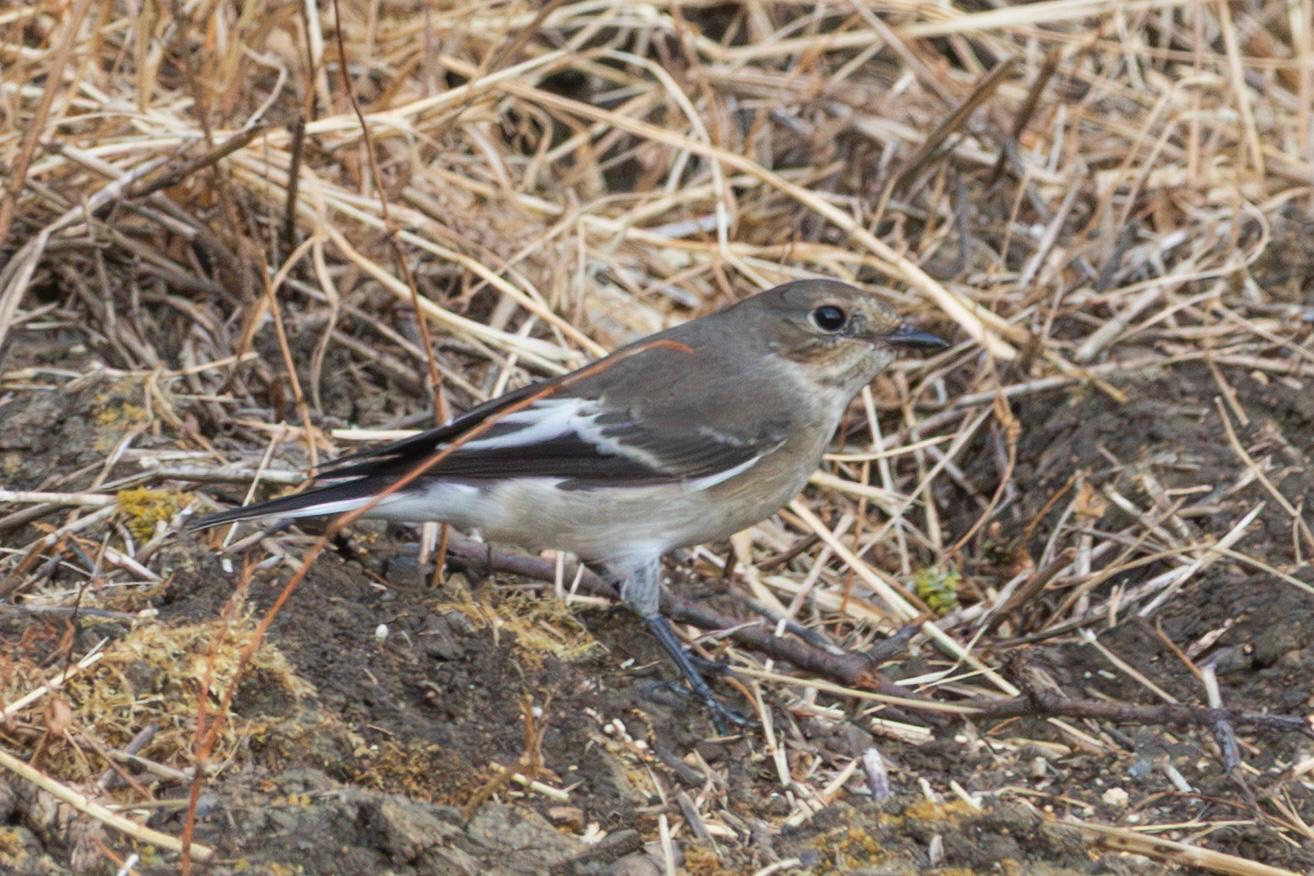
Meanwhile, Lamport Hall landed a touch of class with an adult male Pied Flycatcher found on 26th amongst the annual gathering of Spotted Flycatchers along the footpath there at this time of the year. This was followed by a first-winter male at the same location the next day. Isn’t it about time this run along the side of the estate took on an appropriate name? ‘Flycatcher Footpath’, anybody?
First-winter male Pied Flycatcher, Lamport, 27th August 2026 (Tyler Atkinson)First-winter male Pied Flycatcher, Lamport, 27th August 2026 (Tyler Atkinson)
The number of sites producing Common Redstarts remained healthily in double figures – eleven, to be precise. Blueberry Farm, Boddington Res, Brampton Valley, Brixworth, Clifford Hill, Harrington, Lamport, Lilbourne Meadows NR, Old/Walgrave, Stanford and Upper Heyford all delivered between one and three birds throughout the period.
There was a notable uptick in Whinchat numbers this week, with birds found at eight localities, the highest site total being four at Clifford Hill GP on 25th. Between one and two were also present at each of the remaining seven sites, comprising Blueberry Farm, Borough Hill, Brampton Valley, Harrington, Hollowell, Pitsford and Stanford.
Whinchat, Clifford Hill GP, 24th August 2026 (Tony Stanford)Whinchat, Clifford Hill GP, 25th August 2026 (Tyler Atkinson)Whinchat, Hollowell Res, 28th August 2026 (Jon Cook)
Following a similar pattern, Northern Wheatears also occurred more widely, with single birds at seven sites which included Aston le Walls, Brackley, Brampton Valley, Harrington, Lilbourne Meadows, Naseby, Stanford and Thrapston, while twos were seen at both Clifford Hill and Lamport.
Northern Wheatear, Stanford Res, 24th August 2026 (Steve Nichols)Northern Wheatear, Clifford Hill GP, 25th August 2026 (Tyler Atkinson)
Hot on the heels of last week’s first Tree Pipit of 2026 came three more. Single birds were noted in flight over Harrington on 22nd and Clifford Hill on 27th while, on 23rd, one was trapped and ringed at Stanford.
Tree Pipit, Stanford Res, 23rd August 2026 (Chris Hubbard)
And thrown in for good measure, a Corn Bunting in the Brampton Valley on 22nd rounds off what was clearly a decent week for passerines, as well as other birds, in the county.
With local temperatures peaking at 35°C on the penultimate day, another dry week ensued, weatherwise – but not so on the birding front, which reached a climax on the last day of the period when the cream rose to the top …
While the regular female Ruddy Shelduck remained seemingly settled at Stanford Res in the early part of the week, it subsequently defected to Hollowell Res on 12th, where it was still to be found on 14th. The same cannot be said for Stanford’s female Ferruginous Duck which, obviously having taken a shine to the place, extended its stay there by another the week.
Female Ferruginous Duck, Stanford Res, 14th August 2026 (Chris Hubbard)
Two Garganeys were present at Thrapston GP’s Titchmarsh NR from 10th to 12th, with at least one remaining subsequently.
A Quail was reported in flight between Greatworth and Helmdon on 12th.
Also in flight was a Whimbrel, south over Pitsford Res on 12th, the same locality and date seeing a Curlew over north-west, with likely the same individual over Stanford some 25 minutes later. Three Black-tailed Godwits were on the ground at Clifford Hill GP on 10th, with one in flight there the following day, while two were found at Daventry CP on 12th.
Black-tailed Godwits, Daventry CP, 12th August 2026 (Gary Pullan)
Two ‘firsts’ for our autumn wader passage materialised in the form of a Turnstone in flight over Pitsford on 12th – only the third record of the year so far, following a disappointingly lean spring showing – and a Ruff at the same locality the day prior.
A Wood Sandpiper appeared at Titchmarsh on 9th, remaining on site all week and, following last week’s much-admired Spotted Redshanks at Daventry CP, three more duly obliged – this time for one day only, at Summer Leys LNR on 14th. The number of Greenshanks continued to rise with up to four at Pitsford throughout the week, up to two at Hollowell between 12th and 14th and singles at Titchmarsh all week and Summer Leys on 14th.
Greenshank, Pitsford Res, 14th August 2026 (Tony Stanford)
And while sifting through flocks of gulls for something spicy might not be everyone’s cup of tea, on the larid front, juvenile Mediterranean Gulls continued to feature with one at Stanford on 8th and a Polish-ringed individual at Daventry from 8th until at least 13th.
Juvenile Mediterranean Gull, Daventry CP, 13th August 2026 (Gary Pullan)
Also, the German-ringed adult male Caspian Gull remained throughout at Naseby Res, being joined by a second-summer there on 13th, while another was found at Priors Hall Quarry Lake on 9th. At the same time, the latter site also produced the highest count of Yellow-legged Gulls, with seven there, while single juveniles visited Sywell CP on 8th and Daventry on 13th and one was at Thrapston GP on 10th.
Yellow-legged Gull, Priors Hall Quarry Lake, 9th August 2026 (James Underwood)
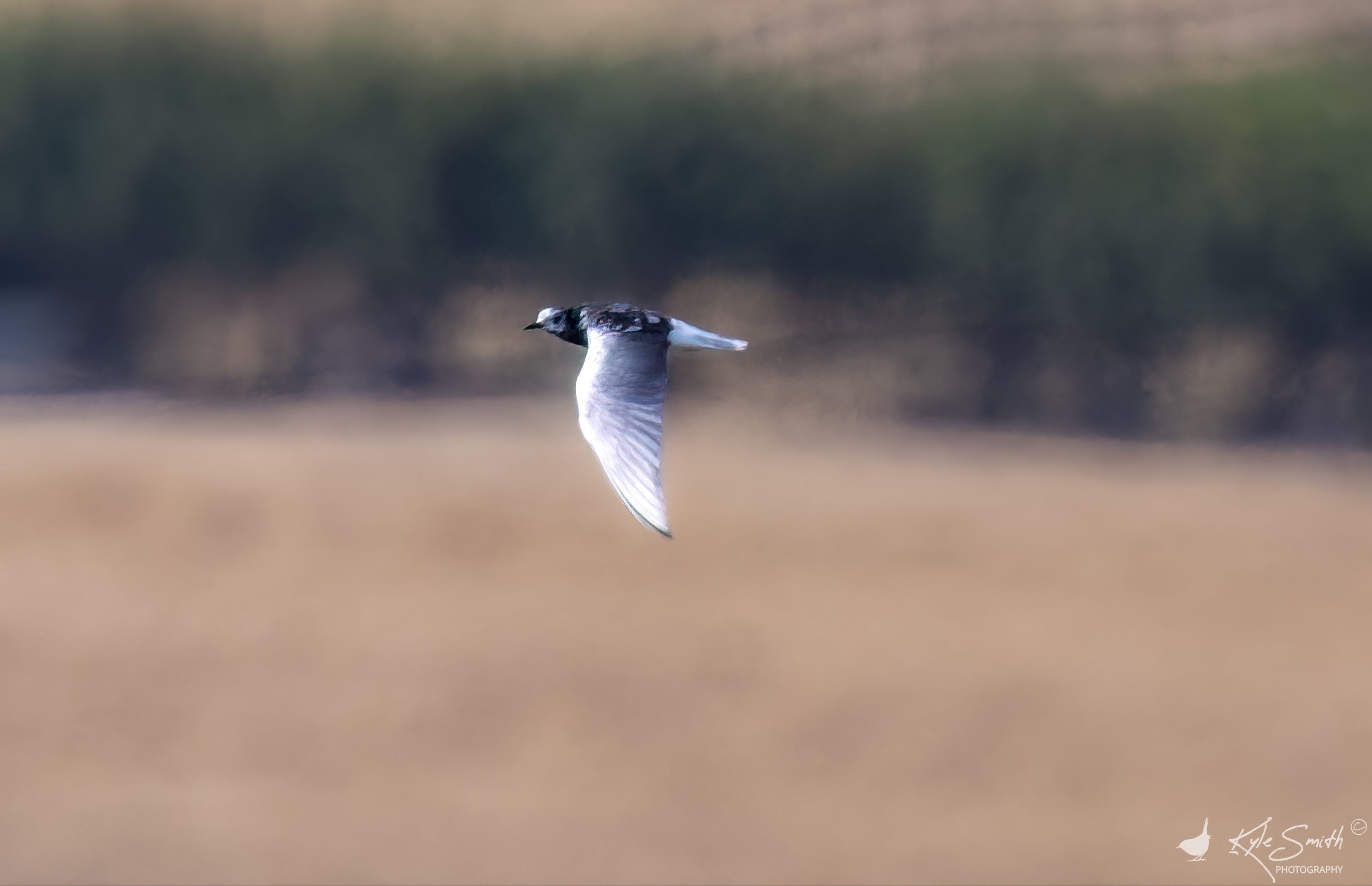
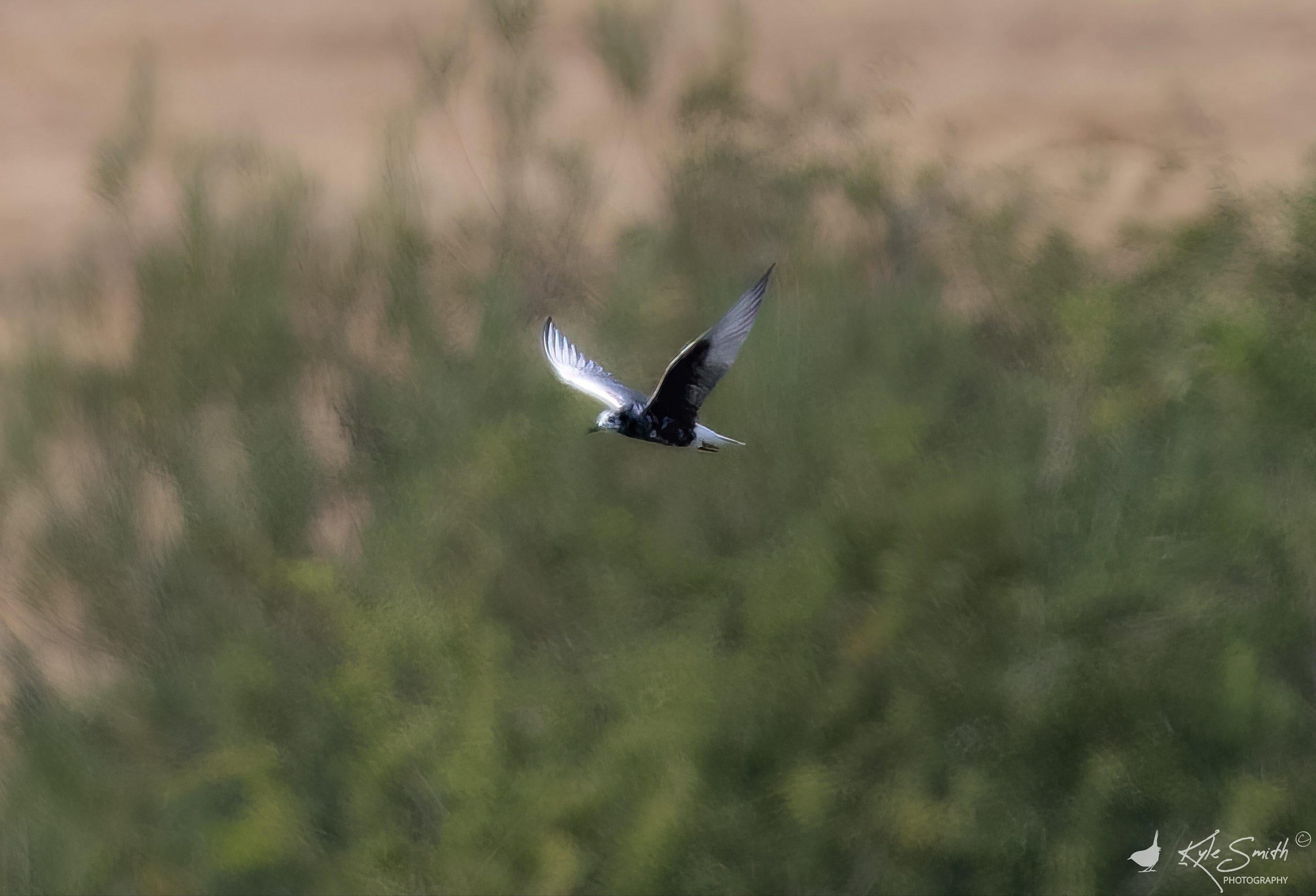
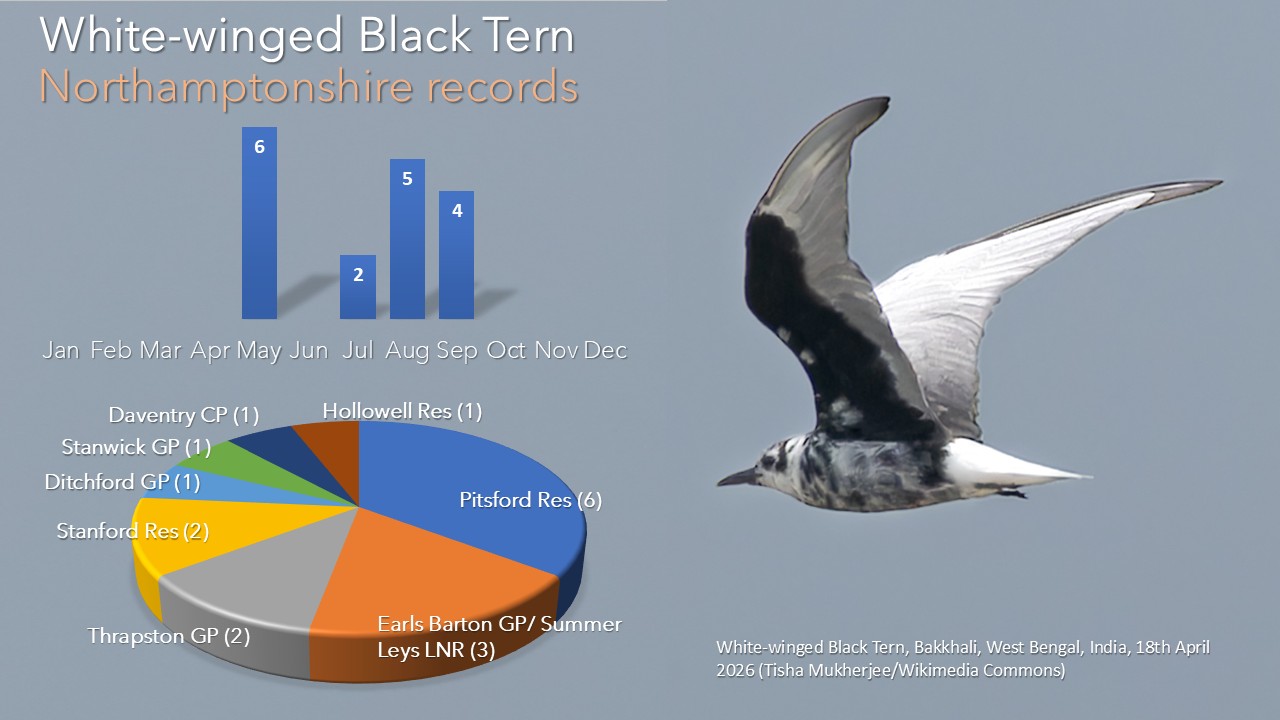
Leaving everything else in the shade, though, was the jewel in this week’s birding crown, found at Summer Leys on the final day. Initially flagged up as a Black Tern, the bird’s identification was nippily corrected as the county’s eighteenth White-winged Black Tern, feeding over the Main Lake there throughout the morning and well into the early evening. A moulting adult, it was one of four to be found in the UK during the week, hot on the heels of the last individual at the same locality during May 2025. Prior to that, we have to go back ten years to July 2015, when one was at Stanwick GP.
Adult White-winged Black Tern, Summer Leys LNR, 14th August 2026 (Kyle Smith)Adult White-winged Black Tern, Summer Leys LNR, 14th August 2026 (Kyle Smith)
Almost ironically, the last day of the week also produced two Black Terns at Clifford Hill GP.
Juvenile Black Tern, Clifford Hill GP, 14th August 2026 (Tyler Atkinson)
Back at Summer Leys, a Glossy Ibis appeared on 12th, remaining there until 14th. We’ve been spoiled rotten with them from last autumn and well into the spring so this bird did not emerge as a crowd-puller.
Single Bitterns were seen at Titchmarsh on 12th and at Summer Leys on 14th, while 2 Cattle Egrets visited the latter site on 9th and four appeared at Clifford Hill early doors on 14th.
With plenty still floating around, the 10th saw single Ospreys at Blatherwycke Lake, Hollowell, Pitsford and Thrapston, with Pitsford producing further sightings on 11th, 12th and 14th and one was again at Hollowell on the latter date. And early autumn traditionally sees a rise in the number of Marsh Harriers, exemplified perfectly by sightings coming from nine localities. Single birds were seen over Blueberry Farm (Maidwell), Byfield, Harrington AF, Lamport Hall, Pitsford, Ringstead GP, Summer Leys and Titchmarsh, while the Brampton Valley held two on 8th and 12th.
On the passerine front, Common Redstarts were again leading the way in terms of numbers. The ten localities producing them were Blueberry Farm (Maidwell), Brampton Valley, Clifford Hill, Cold Ashby, Great Oxendon, Harrington, Honey Hill, Lamport, Old/Walgrave and Stanford. Up to four at Harrington on 11th was the highest single site count and two were trapped and ringed at Stanford on 14th.
Common Redstart, Honey Hill, 10th August 2026 (Paul Young)Common Redstart, Honey Hill, 12th August 2026 (Paul Young)Common Redstart, Honey Hill, 12th August 2026 (Paul Young)
Whinchats were clearly on the up, this week, with twos in the Brampton Valley between Hanging Houghton and Brixworth and between Cottesbrooke and Hanging Houghton, while singles were also present at Blueberry Farm, Harrington, Naseby and Titchmarsh. Single Northern Wheatears were found at Harrington on 11th and 13th, in the Brampton Valley on 11th, 13th and 14th, between Stony Stratford and Wolverton on 12th and at Orlingbury on 14th.
A lone Crossbill was seen near Lyveden New Bield on 9th.
While the warm, dry weather continued, the first week of August saw mounting expectations of good things to come – particularly with regard to waders, numbers of which rose a little, with the quality moving up a notch …
Ducking and diving was the female Ferruginous Duck seen daily at Stanford Res until 5th, the same site continuing to host the regular female Ruddy Shelduck throughout the period.
Female Ferruginous Duck, Stanford Res, 3rd August 2026 (Chris Hubbard)
Meanwhile, at Summer Leys LNR, the two Garganeys remained present on the Scrape until at least 5th, while one was also found at Thrapston GP’s Titchmarsh NR on the last day of the week.
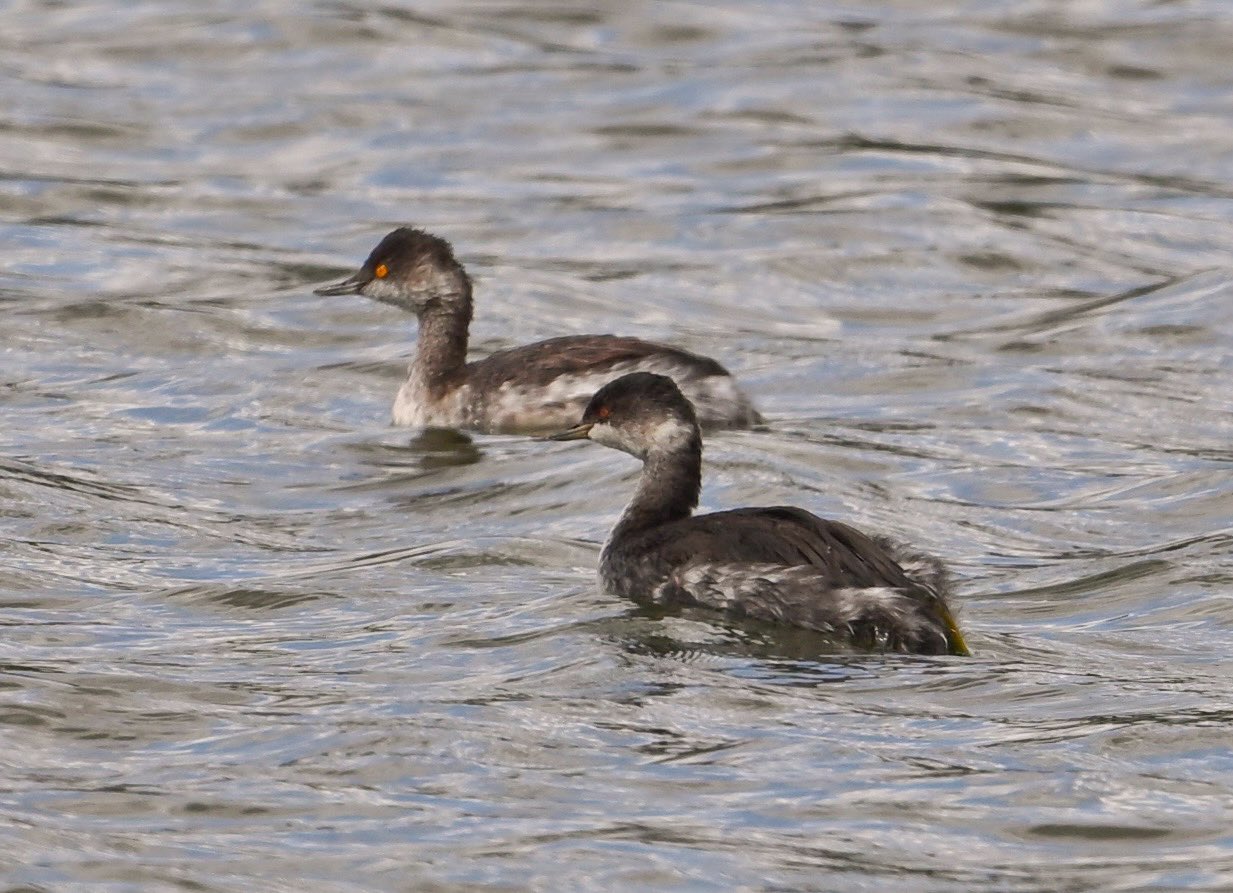
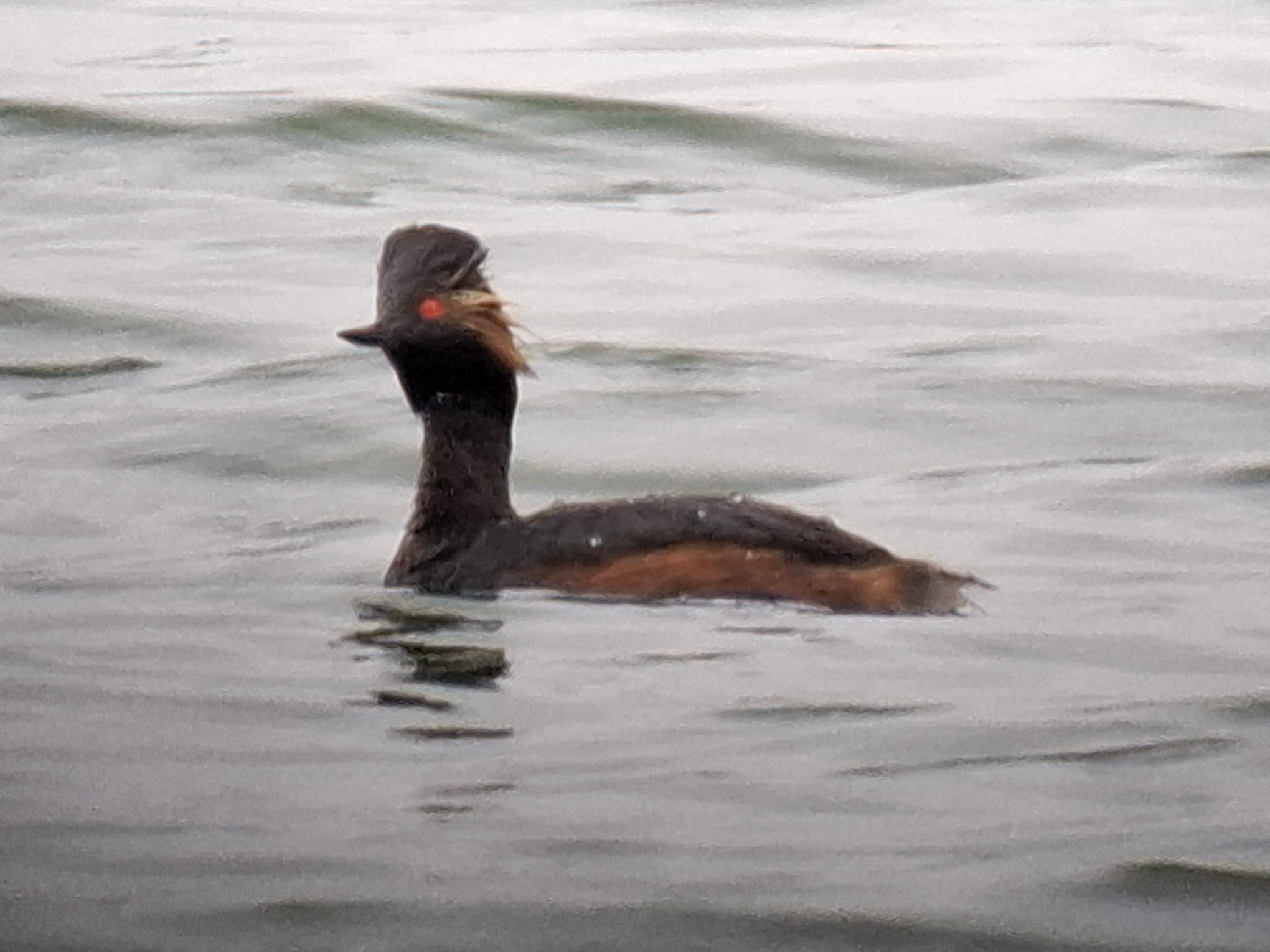
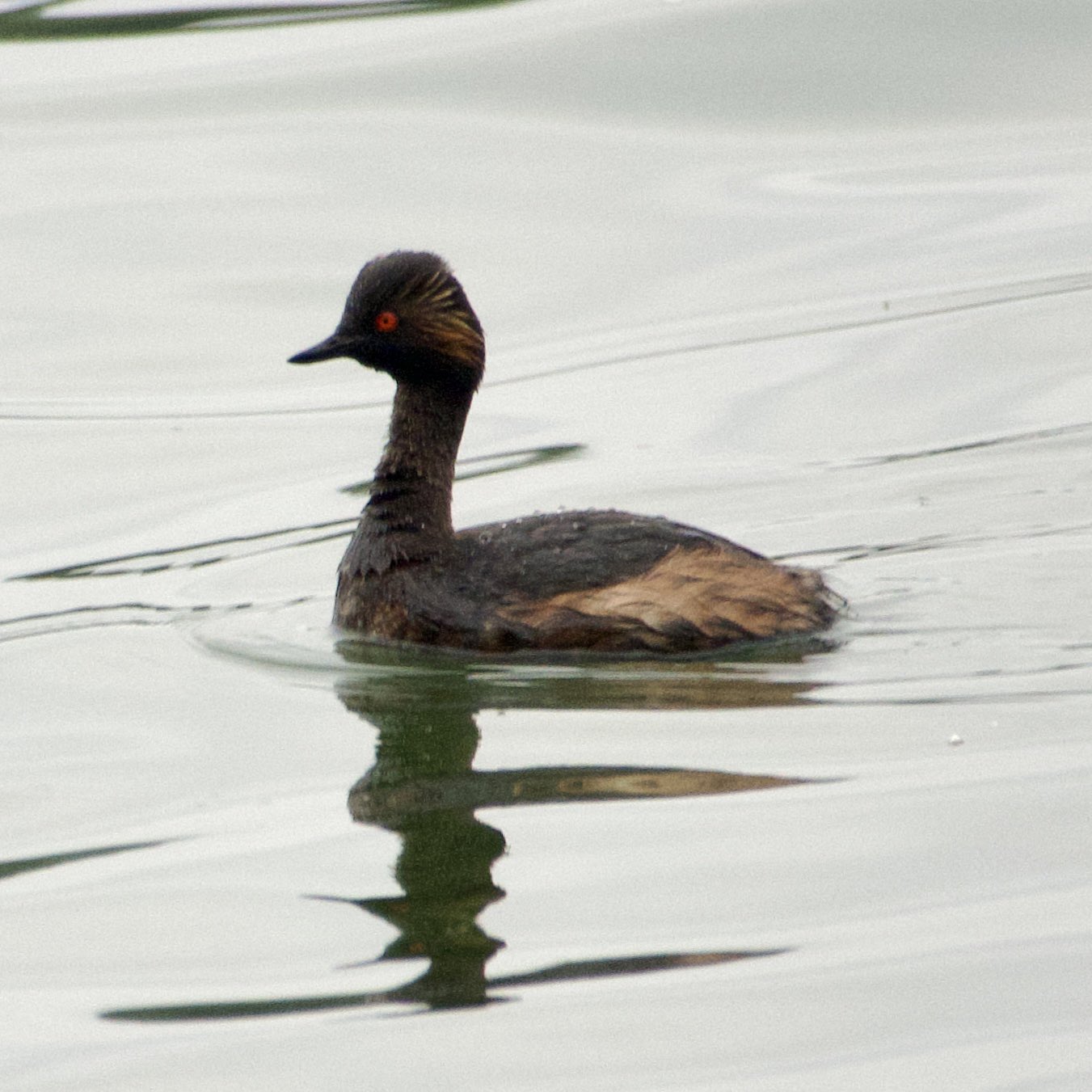
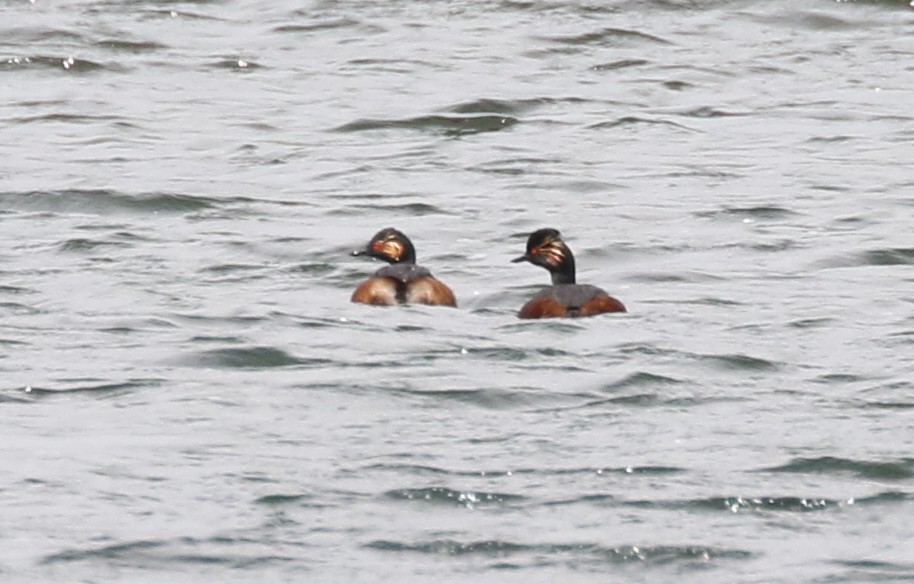
Now into its fourth week, the remarkable run of Black-necked Grebes continued with two at Stanford on 1st, at least one of which remained until 3rd, while one was reported at Daventry CP on 1st.
Black-necked Grebes, Stanford Res, 1st August 2026 (Barry Silverman)
With the water level dropping nicely, Daventry also gave rise to a Whimbrel on 4th but stealing the show there were two crisp, juvenile Spotted Redshanks from 1st until 3rd, this duo attracting a lot of attention, being only the second record of the year after one at Earls Barton GP on 23rd-24th April.
Juvenile Spotted Redshanks, Daventry CP, 2nd August 2026 (Gary Pullan)Juvenile Spotted Redshank, Daventry CP, 2nd August 2026 (Jim Urwin)Juvenile Spotted Redshank, Daventry CP, 3rd August 2026 (Gary Pullan)
Following just one bird last week, Greenshanks were up in the closing two days, the 6th seeing singles at Boddington Res and Summer Leys, followed the next day by two at Sulby Res and further singles at Hollowell Res, Pitsford Res, Stanford and Titchmarsh.
Four sites produced Black-tailed Godwits, Daventry leading with five on 1st, followed by two at Clifford Hill GP on 2nd, where one was to be found between 4th and 7th. Sulby hung on to one between 4th and 6th, with one visiting Summer Leys on the latter date.
Black-tailed Godwit, Sulby Res, 6th August 2026 (Mike Alibone)
Like last week, just the one Mediterranean Gull – again a juvenile – appeared, this time at Hollowell Res on 4th. And sticking with the reservoirs, single first-summer Caspian Gulls visited Boddington and Daventry on 3rd and 6th, respectively, while Naseby retained its German-ringed adult male throughout the period. Juvenile Yellow-legged Gulls were present at Daventry on 1st and 3rd and adults were seen at Thrapston/Titchmarsh on 2nd, 4th and 7th and at Pitsford on 4th and Hollowell on 5th.
Summer Leys’ Scrape gave rise to a Bittern on 3rd, following a Cattle Egret there the previous day, while another Cattle Egret flew over Woodford Halse on 7th.
Cattle Egret, Summer Leys LNR, 2nd August 2026 (Alan Coles)
And this week’s raptors were last week’s raptors, with Ospreys and Marsh Harriers once more filling the category between them. Singles of the former flew over Stanford on 1st and 2nd and three whirled over Hollowell together before drifting off south-east on 4th, followed again by one there the next day. Apart from one at Stanford on 1st, Marsh Harriers were largely restricted to the Brampton Valley/Blueberry Farm area, where they were seen almost daily and three were present together on 3rd. Only a stone’s throw away, one visited Harrington AF on 4th.
On the passerine front, Common Redstarts were once again dominant, eleven localities producing decent numbers. These comprised Blueberry Farm (Maidwell), Borough Hill, Brampton Valley, Clifford Hill, Cosgrove, Harrington, Honey Hill, Kislingbury GP, Lamport, Old/Walgrave and Upper Heyford. Five at Blueberry Farm on 3rd was the highest single site count.
Common Redstart, Glassthorpe Hill, 7th August 2026 (Jon Cook)
Two Whinchats were in the Brampton Valley between Cottesbrooke and Hanging Houghton on 2nd with one again in the same area on 5th and two were found at Harrington AF on the last day of the period.
Not to be outdone, Northern Wheatears kept up appearances, with single birds at Upton CP on 1st, in the Brampton Valley on 3rd and at Harrington AF on 4th.
The seemingly relentless summer heat wavered somewhat this week as the winds turned north-easterly toward the end of the period and the arrival of a fresh quota of migrants, large and small, hinted at autumn …
Now on tour, last week’s female Ruddy Shelduck vacated Winwick Pools and it was the turn of Stanford Res to play host throughout the period.
Ruddy Shelduck, Stanford Res, 12th July 2026 (Barry Silverman)
And a moult migration stopover was made by two Common Scoters at Clifford Hill GP on 12th.
On dry land, things went all quiet on the Quail front, the male near Blueberry Farm, Maidwell heard only on day one, after which … silence.
New in this week were four Black-necked Grebes – three adults together at Daventry CP on 14th, remaining there until 16th, after which one stayed on until 17th. Meanwhile, another adult arrived at Stanford on 15th, where it was still present at the week’s end. These represent only the fifth and sixth records for the year, so far.
Black-necked Grebes, Daventry CP, 14th July 2026 (Gary Pullan)Black-necked Grebe, Daventry CP, 14th July 2026 (Gary Pullan)Black-necked Grebe, Stanford Res, 15th July 2026 (Chris Hubbard)
Four sites produced Black-tailed Godwits, commencing with a flock of thirteen adults, unlucky on the overgrown Scrape at Summer Leys LNR, early doors on 12th. These were followed by single birds at Clifford Hill on 13th, Thrapston GP’s Titchmarsh NR on 16th-17th and Daventry CP on 17th.
Black-tailed Godwits, Summer Leys LNR, 12th July 2026 (Ricky Sinfield)
The only other wader deserving a mention was a Greenshank at a water-depleted Sywell CP on the last day of the period.
With regard to gulls, things perked up a bit this week with the arrival of the ‘autumn’s’ first Mediterranean Gulls, commencing with a second-summer at Daventry on 14th, quickly followed by a juvenile on 16th and an adult there the next day. A juvenile paid a brief visit to Summer Leys on 16th.
Juvenile Mediterranean Gull, Daventry CP, 16th July 2026 (Gary Pullan)Adult Mediterranean Gull, Daventry CP, 17th July 2026 (Gary Pullan)
Daventry also produced an adult (or fourth-summer) Caspian Gull on 14th, while an adult was present at Clifford Hill, two days later, on 16th. Pitsford Res held up to three Yellow-legged Gulls between 13th and 17th and, elsewhere, single birds were to be found at Thrapston on 13th and at Clifford Hill the following day.
A report of two adult Arctic Terns at Daventry CP on 15th was unseasonal, to say the least.
Potentially dicing with death, a Bittern was videoed walking along Hardwater Road near Summer Leys on 14th, while the week’s only Cattle Egret was found at Titchmarsh NR before moving to Thrapston GP’s Town Lake.
Ever popular with Ospreys, the latter site’s Elinor Trout Lake produced one on 11th and 17th, and further reports involved two flying north-east over Stanford on 12th, one at Pitsford on 16th and one over Islip the following day. Meanwhile, Marsh Harrier sightings were ticking over with single birds at Harrington AF on 13th, Pitsford on 15th and Summer Leys on 16th-17th.
Having gained considerable momentum over the week, the early autumn Common Redstart rush delivered birds to eleven localities: two in the Brampton Valley, Blueberry Farm (Maidwell), Clifford Hill, Cold Ashby, Gretton, Harrington, Honey Hill, Lilbourne Meadows NR, Old and Summer Leys. Five of these sites produced at least two birds.
Male Common Redstart, Lilbourne Meadows NR, 14th July 2026 (Mike Alibone)Male Common Redstart, Lilbourne Meadows NR, 14th July 2026 (Mike Alibone)Male Common Redstart, Honey Hill, 16th July 2026 (Jon Cook)
In much shorter supply, however, was Northern Wheatear with just the one at Harrington on 11th, while the first of the season’s Stonechats appeared in the Brampton Valley, between Cottesbrooke and Hanging Houghton, on 13th.
In a cooler week with a predominantly westerly airstream the transition from June to July wasn’t half bad, delivering more than expected for the time of year. Still, we’re now into July and migration is on the up, previous years having produced some class birds before the month is out.
But it wasn’t – and probably never will be – the best week for ducks, the last day of the period seeing a female Red-crested Pochard associating with a ‘female-type’ Mallard x Red-crestedPochard hybrid at Ravensthorpe Res on 3rd. Oh dear …
And the impressive Quail year steams on, the Brampton Valley holding at least two singing males during the week, while others were also heard near Weston on 27th and at Stanwick GP on 1st.
Amongst other things, Clifford Hill GP produced the best waders of the week with four Black-tailed Godwits on 29th, followed by five there on 1st.
Black-tailed Godwits, Clifford Hill GP, 29th June 2026 (Tyler Atkinson)
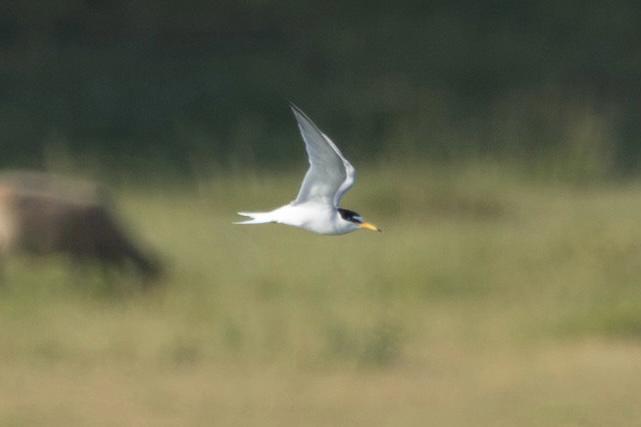
While the 29th and 3rd saw single Yellow-legged Gulls at Pitsford Res, Clifford Hill delivered a first for the year in the shape of two Little Terns, early in the morning on 27th. Sadly, the brief viewing window was limited to the finder and they moved on pretty sharpish …
Little Tern, Clifford Hill GP, 27th June 2026 (Tyler Atkinson)
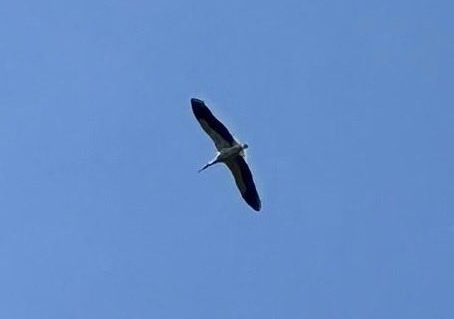
After flyovers at Thrapston GP/Titchmarsh NR on 4th and 30th May, a White Stork flying south-east between Cottesbrooke and Hanging Houghton was the third for the year. The wait goes on for one on the ground.
The week’s only Bittern was at Summer Leys LNR on 3rd and further dispersal of juvenile Cattle Egrets gave rise to four at Ringstead GP on 28th, two there on 3rd and three at Stanwick on 2nd.
Single Ospreys flew east over Brixworth on 29th and over Thrapston on 1st.
A Golden Oriole heard at Bucknell Wood on 27th remained in the shadows, subsequent to a rumoured, unconfirmed presence at the site since mid-May.
Somewhat more tangible, though, was a juvenile Common Redstart – the first of the ‘autumn’ – at Clifford Hill on 29th, followed by another at Borough Hill on 3rd.
Juvenile Common Redstart, Clifford Hill GP, 29th June 2026 (Tyler Atkinson)
And, most unusual for the time of year, was a male Channel Wagtail, also at Clifford Hill, on 3rd.
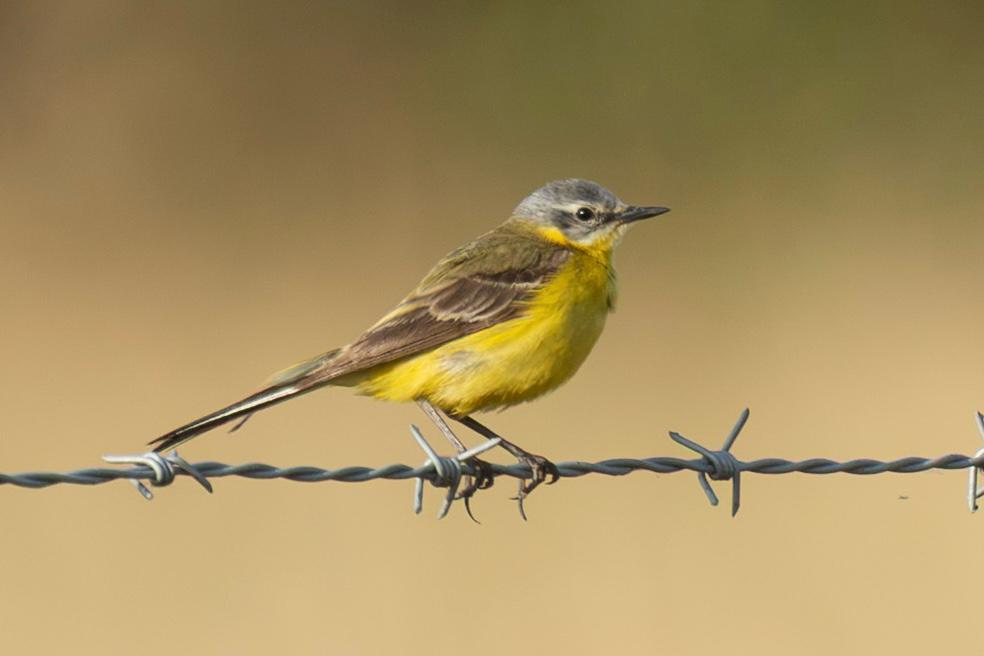
Male Channel Wagtail, Clifford Hill GP, 3rd July 2026 (Tyler Atkinson)
In stark contrast to last week, a run of low pressure systems to the north of the UK drew westerly winds in off the Atlantic, laden with rain and introducing below average temperatures. While the birding scene quietened down considerably, there was a welcome return – albeit fleetingly – of a once common species that has not been seen in the county for three years.
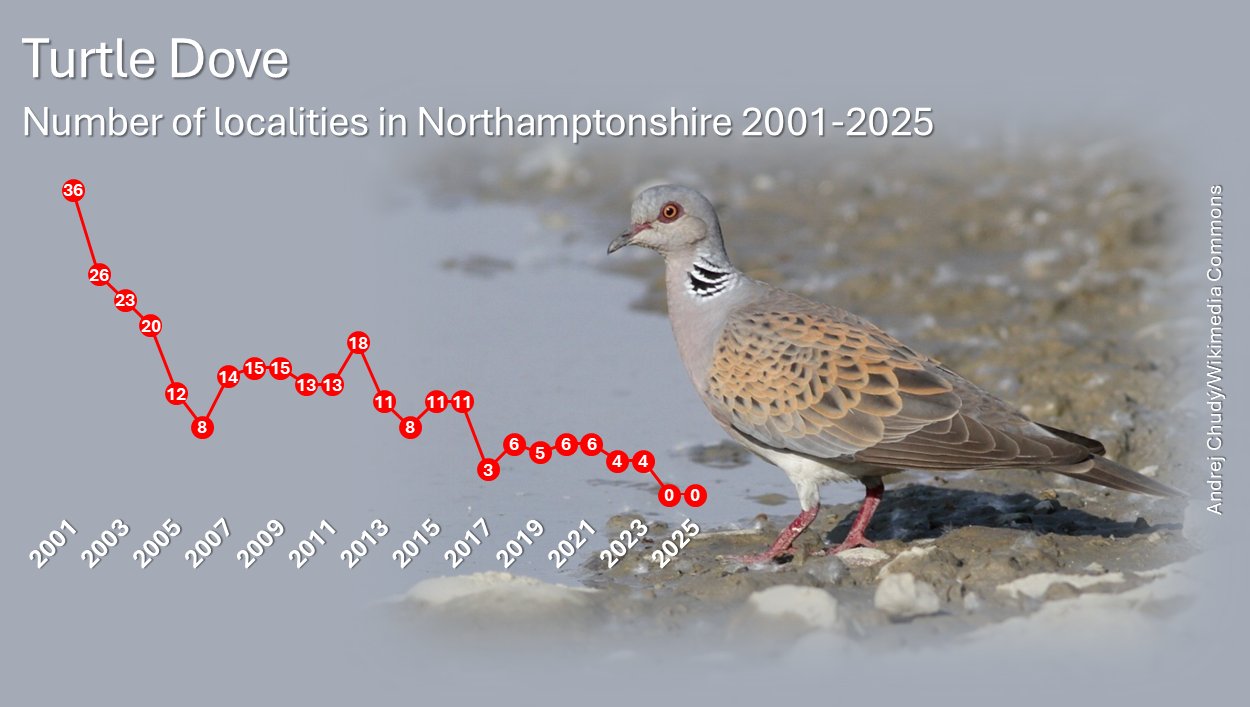
We’re talking, of course, about Turtle Dove – a long-lost, breeding summer visitor, whose UK population has declined by 98% since 1994 and one of which was seen briefly in Cogenhoe on 2nd. This dramatic drop is the largest UK decline of any of the 119 species tracked by the RSPB Breeding Birds Survey over the period of monitoring. In line with this, the number of localities where Turtle Doves were recorded in Northamptonshire during the first quarter of this century has fallen drastically from 36 in 2001 to zero in 2024-25.
Evidence suggests one reason for the overall decline is a shortened breeding period, which has reduced the number of nesting attempts, thought to be driven by reduced food availability as a result of increased herbicide use. Mortality both on the wintering grounds from habitat deterioration and on migration through hunting, are also potential drivers (BTO). A moratorium on hunting along the ‘Western European Flyway’ (France, Portugal, Spain) came into force in 2021 and has had a positive effect with the number of breeding pairs of Turtle Dove subsequently increasing along it by an estimated 40.5%. However, abundance along the Central European Flyway, where no restrictions are in place, continues to decline and the moratorium on the western flyway was lifted in 2025, although a limited quota is now in force (Joint Nature Conservation Committee, 2025). What impact this will have on our own Turtle Dove population remains to be seen.
In other news, two Avocets were at Summer Leys LNR on 31st, two flew east at Clifford Hill GP on 3rd and a Whimbrel also visited the latter site on 2nd.
Following one over Thrapston GP on 4th May, another – or the same – White Stork flew high over the A605 there on 30th and was identified as one from the Knepp reintroduction project, some of which are satellite-tagged.
White Stork, Thrapston, 30th May 2026 (Lucy Milner)
Back at Clifford Hill, a Cattle Egret was present on 1st-2nd.
It is, of course, late May – historically the peak time for the cream of the spring crop to be produced and, with UK temperatures reaching a record-breaking 35.1°C for May, the heat was on, the week delivering big time with a bird not seen in Northamptonshire for thirty-four years …
But before all that, there is more standard fare – including a fine calibre rare – to go through. More Garganeys came our way, with a drake again at Stanford Res on 24th being quickly followed by a pair at Earls Barton GP’s New Workings (South) the next day, the latter site producing three Red-crested Pochards on 29th.
And following the first of the year last week, another Quail broke silence – this time in the Brampton Valley near Blueberry Farm on 23rd, with likely the same bird again between Cottesbrooke and Hanging Houghton on 29th.
After three records already this year, the fourth was to be added this week when two Common Cranes flew east from fields near Holcot on 25th. One on the ground would no doubt be much appreciated.
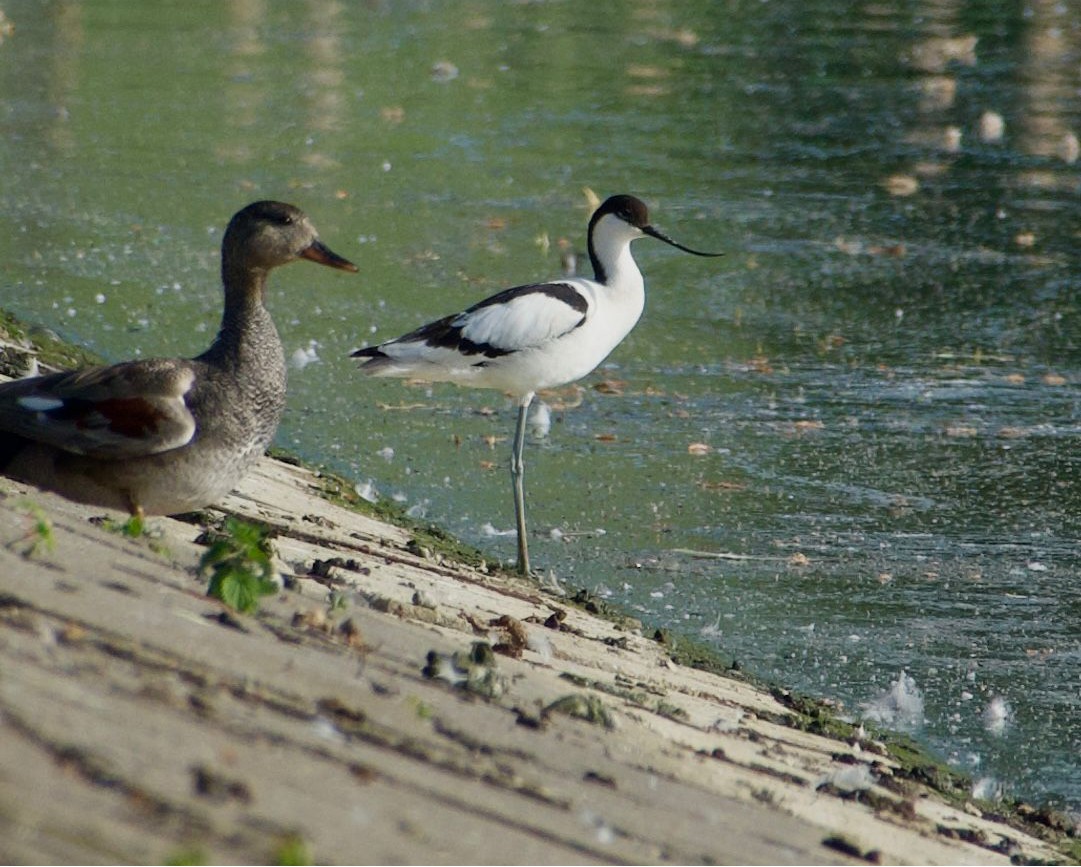
Unsurprisingly, given where we are on the calendar, the week’s waders were much reduced in numbers compared to those of previous weeks. Avocets were seen daily at Summer Leys LNR, peaking at four there on 28th, while one that turned up at Stanford Res on 26th was the first to be seen there since 2017.
Avocet, Stanford Res, 26th May 2026 (Chris Hubbard)
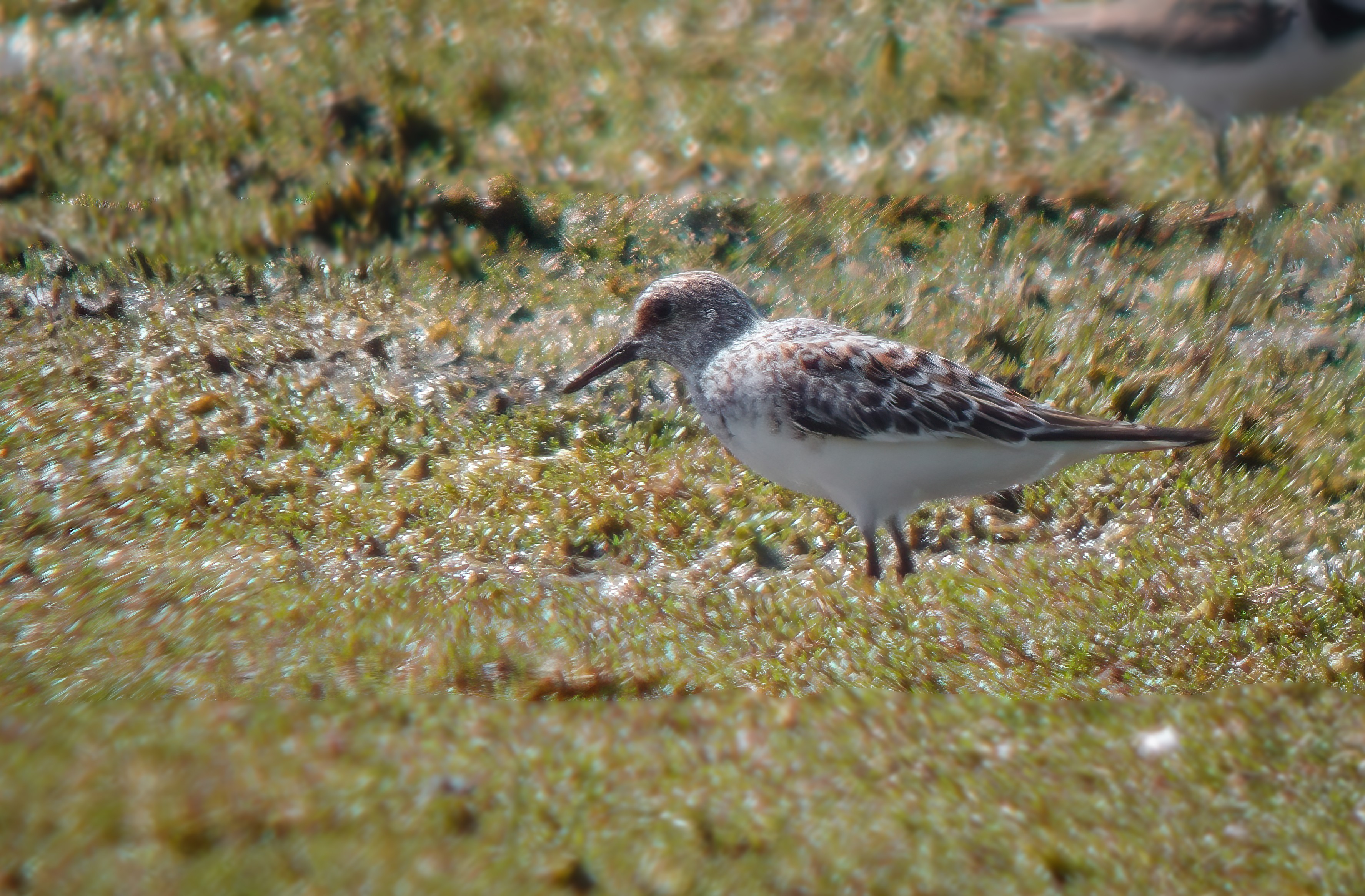
The only other noteworthy wader was a Sanderling at the now rapidly drying out Winter Flood Pools at Lilbourne Meadows NR on 25th.
Sanderling, Lilbourne Meadows NR, 25th May 2026 (Mike Alibone)
A first-summer Little Gull arrived at Summer Leys on 28th, being joined there by another on the following day.
The latter locality also produced a batch of Bittern sightings with singles on 23rd, 25th and 29th, while one was also seen at Thrapston GP’s Titchmarsh NR on 23rd and 27th. Cattle Egrets were also in evidence with one in flight over the River Nene at Denford on 23rd, three in fields between Aynho and Clifton on 24th, and one at Clifford Hill GP on 29th.
Fishing or on the fly, the week’s Ospreys were to be seen at Thrapston GP’s Elinor Trout Lake on 23rd and 27th, at Pitsford Res on 24th-25th and at Hollowell Res on 29th and, once again, Marsh Harriers were restricted to a lone male over Stortons GP on 26th-27th.
It’s not often that the period’s passerines knock everything else into a cocked hat but that was clearly the case this week … but it wasn’t all plain sailing from an observer’s point of view. Early morning on 29th gave rise to the discovery of a female Red-backed Shrike at Summer Leys. Seen only briefly, it did not linger, much to the disappointment of the many ready to scramble if the news came through that it was still present. There have been only seven previous county records so far this century, the most recent of which were in 2022 and 2024 and, prior to that, in 2015.
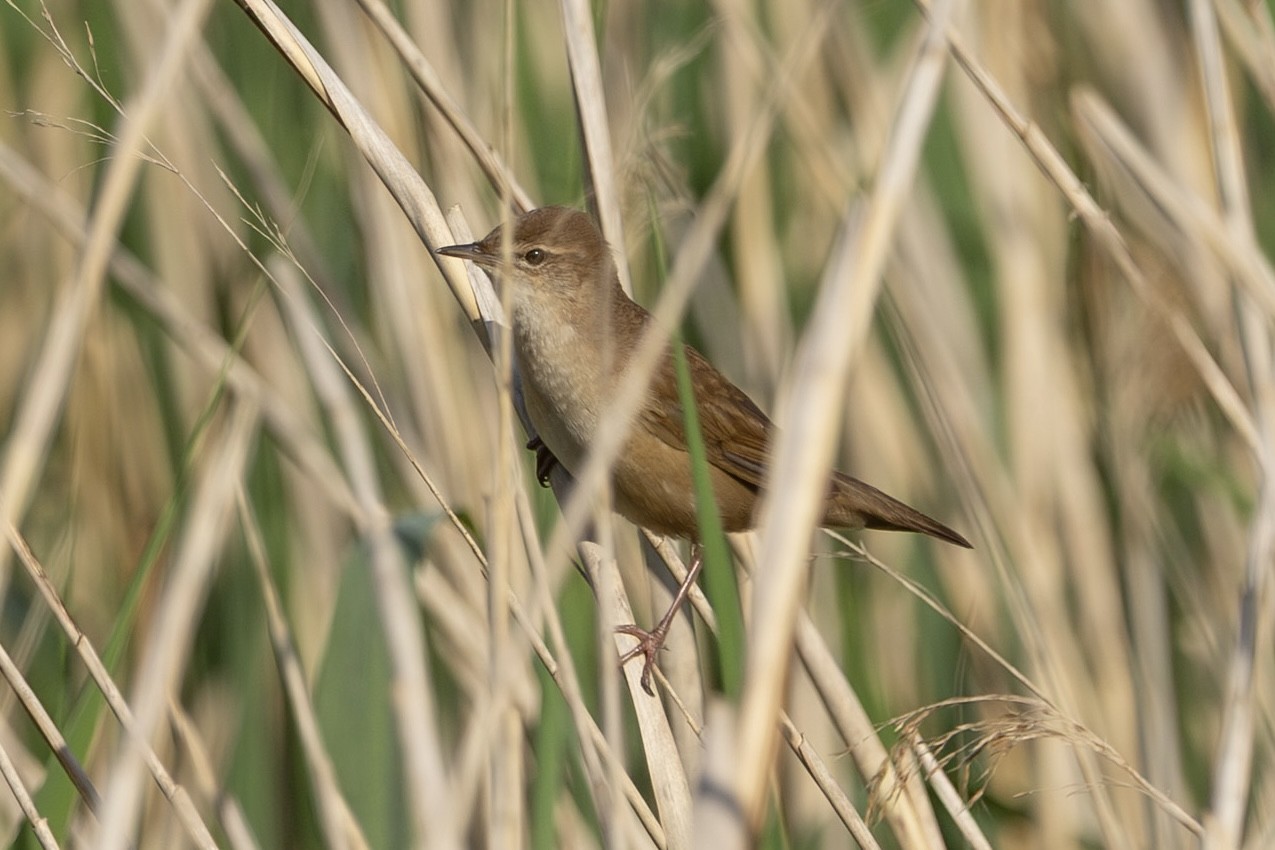
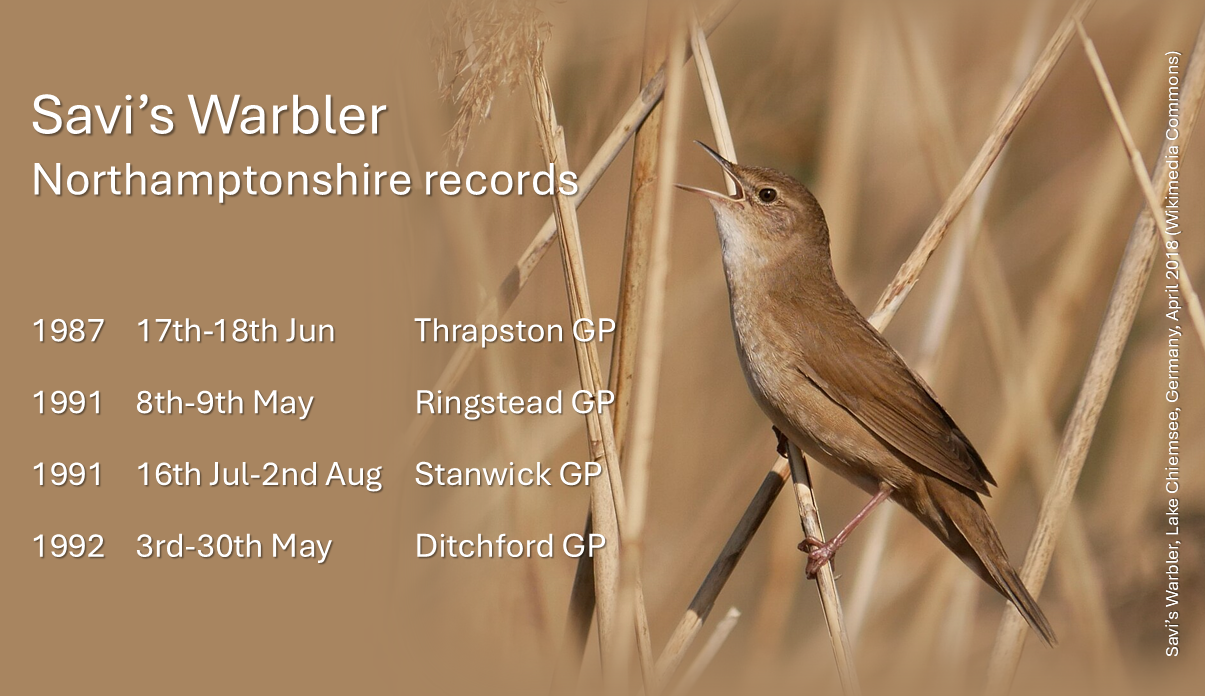
As nice as it might have been, its rarity was totally eclipsed by an entirely different animal altogether. Another early morning discovery in the shape of a singing male Savi’s Warbler was made at Stortons GP on 26th. Initially heard reeling in the reedbed, brown and dandy it made its way close to the top of the reeds on a number of occasions, much to the delight of an appreciative gathering of those who were on site in time to see it before it decided to lay low after mid to late morning. There was a repeat performance the following day but it failed to show to anything like the same extent. And after that? Gone.
Male Savi’s Warbler, Stortons GP, 26th May 2026 (Tyler Atkinson)
With only three previous records – including one present at two localities within the same area of the Nene Valley – this is only the fourth for Northamptonshire and the first for thirty-four years …
Numbers of breeding pairs of Savi’s Warblers in the UK hit thirty in the late 1970s but were running at possibly eight pairs in 2023 (British Birds Rare Breeding Birds Panel, 2024), while Keller et al (2020) showed how the range of Savi’s Warbler has shifted north and east in Europe since the 1980s, with considerable loss of range in western Europe, such as in France. What impact this will have for future records in Northamptonshire and the wider UK remains to be seen.
The week just gone saw a last-minute rise from below- to above-average temperatures as the wind direction swung from north-east to south-west at the end of the period. Spring migrants continued to move through, amongst which was another first for the year …
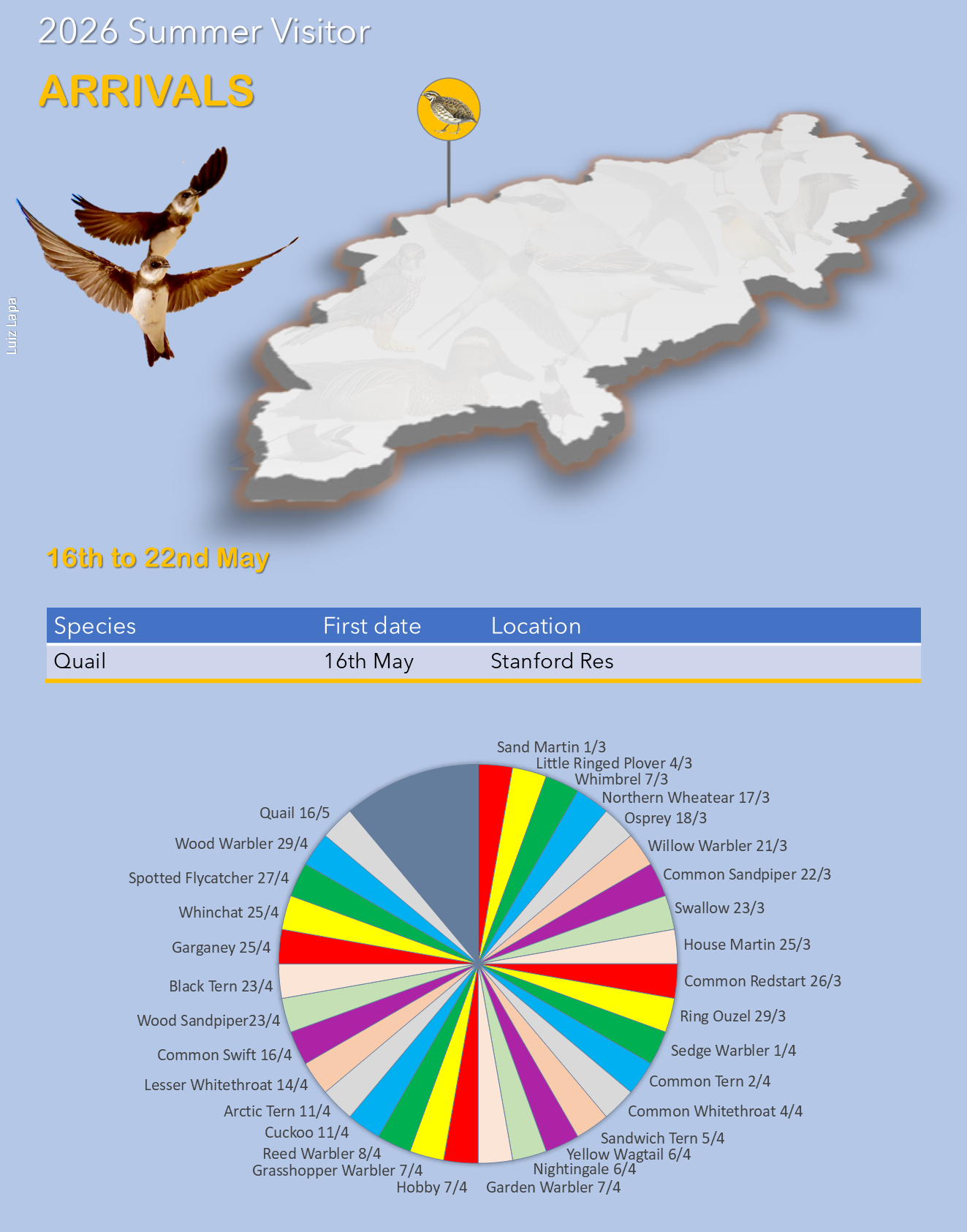
Not a record-breaker in terms of arrival date but with only three records in 2025, Quail has become somewhat scarce in the county in recent years.
With just three Garganeys to date in 2026, two more made a one-day stopover at Stanford Res on the first day of the week.
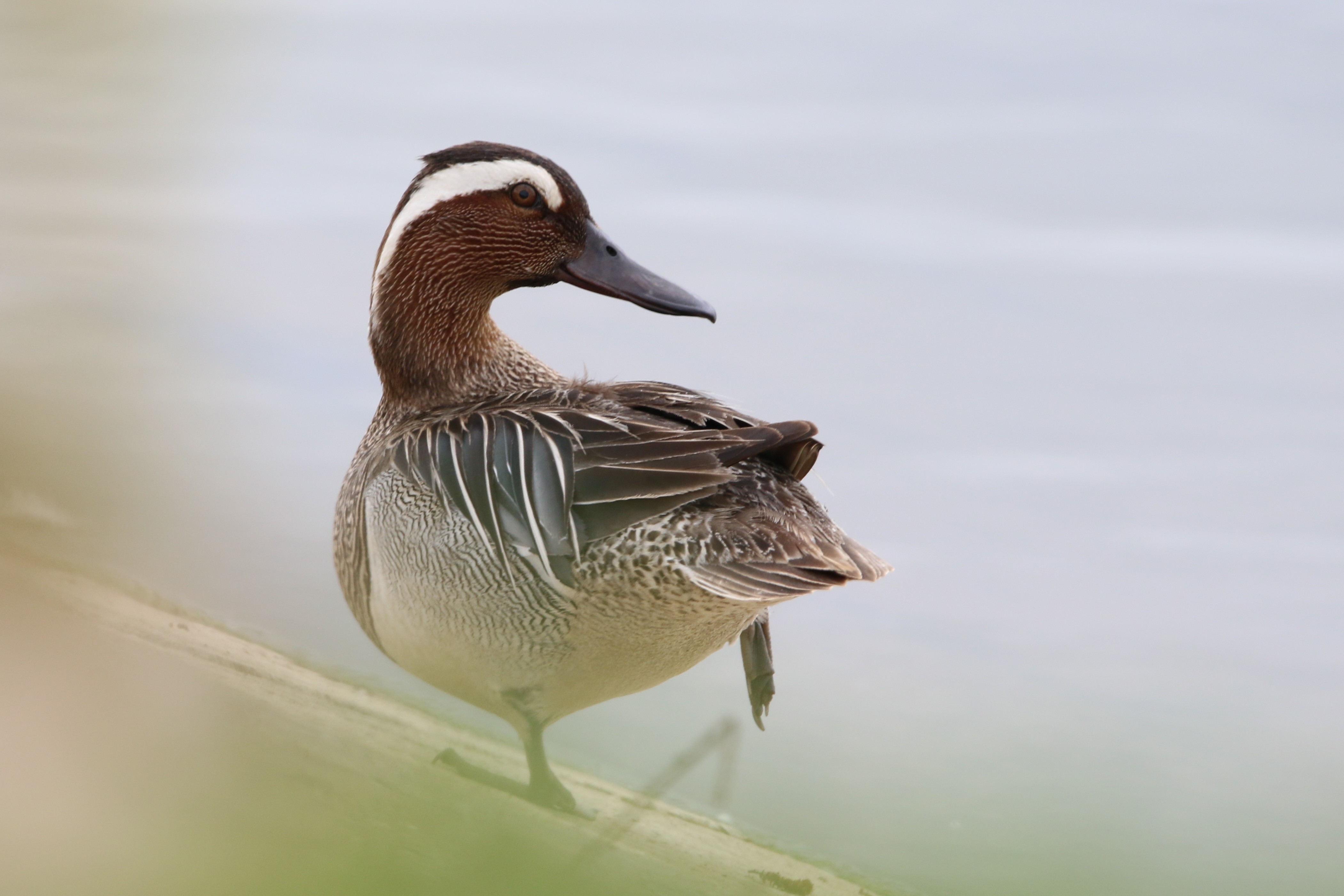
Drake Garganey, Stanford Res, 16th May 2026 (Phil West)
And a sprinkling of ‘noc mig’ went into the mix this week when two small groups of Common Scoters were heard in flight, after dark, over Kettering on 18th and at least two were heard over the Brampton Valley between Cottesbrooke and Hanging Houghton, late on 22nd.
Avocets continued to be seen at Summer Leys, where up to four were present, and in the wider reaches of Earls Barton GP, where up to three were seen on the last day of the period. Passage waders included single Whimbrels at Summer Leys from 16th to 21st and at Earls Barton GP’s New Workings (North) on 17th, a Ruff at Summer Leys on16th, five Sanderlings at Earls Barton GP’s New Workings (South) on 18th, followed on 20th by one at Clifford Hill GP, where two Wood Sandpipers flew east on 22nd. A Greenshank also visited Summer Leys on 19th.
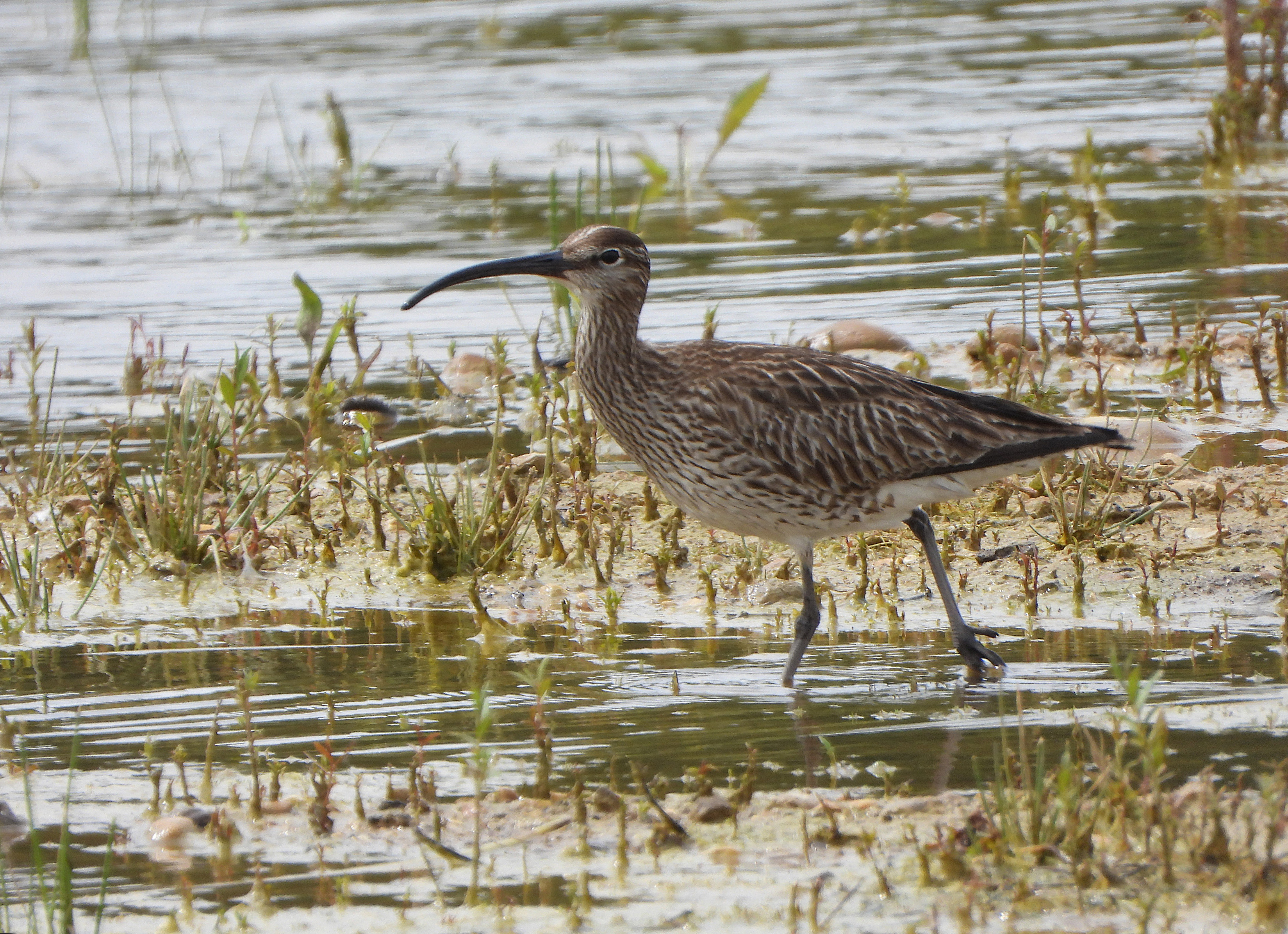
Whimbrel, Earls Barton GP, 17th May 2026 (Leslie Fox)
The week’s gulls were restricted to a Mediterranean Gull at Summer Leys on 22nd and the usual adult Yellow-legged Gull at Pitsford Res on 16th.
A Glossy Ibis at Stanwick GP’s Main Lake on 16th flew off north-east and the long-stayer at Summer Leys was reported only on 19th, begging the question of both sightings relating to the same individual …
At least one Bittern was present throughout the period at Summer Leys, while one was seen in flight over Barnes Meadow Roundabout, Northampton on 19th. Up to two Cattle Egrets remained at Stanwick until at least 20th.
Fishing or on the fly, Ospreys were viewed over Earls Barton GP on 16th, near Naseby Res on 17th, Hollowell Res on 18th and at Summer Leys on 19th and 22nd while, keeping up weekly appearances, Marsh Harriers were restricted to a male over Stortons GP on 20th.
A Crossbill was at Gamboro Plantation, east of Cottesbrooke on 20th.
And belated news emerged this week of a Hoopoe photographed in a Woodford Halse Garden on 19th April. All three of last year’s records were in April but that’s not to say there won’t be another one before the year’s out …
In a week ending with cold northerlies and below average temperatures, migration took a further tumble and high expectations for a mid-May crowd-puller remained to be met. But there’s still plenty of time and who knows what lies ahead …
Catching up with a Garganey has, so far this spring, been problematic in the light of their scarcity and brevity of stay but Stanwick was again instrumental in delivering another drake on 10th, staying a full three days until 12th and likely accounting for the one seen fleetingly at adjacent Ditchford GP on 11th.
And following a long-stayer at Pitsford Res in the early weeks of the year, plus two together at Daventry CP for one day only, on 25th February, arriving on cue for late spring passage were two pairs of Black-necked Grebes – the first of these at Stanford Res on 8th and the second at Summer Leys LNR on 13th. Neither pair stayed beyond the day on which they were discovered.
Black-necked Grebes, Summer Leys LNR, 13th May 2026 (Alan Coles)
Summer Leys also continued to retain to its varying number of Avocets this week, with three from 9th to 11th, one on 13th, two on 14th and one again on 15th, the same site also producing a Ringed Plover showing characteristics of the race tundrae, colloquially known as Tundra Ringed Plover, on 10th-11th. And apart from one at Braunston’s canalside flood pool on 9th, the week’s only other Whimbrel was also at Summer Leys, from 9th until at least 13th. Other than that, two Turnstones paying a short visit to Clifford Hill GP on 10th were the best of the week’s waders and constituted only the second record for the year so far.
A single Yellow-legged Gull at Pitsford seen on 9th and 13th is all that was mustered on the larid front this week.
The county’s long-staying Glossy Ibis was still sitting pretty at Summer Leys throughout the period.
Glossy Ibis, Summer Leys LNR, 15th May 2026 (Alan Coles)
And there’s no getting away from the fact that Bitterns have risen to prominence this year, being present at a minimum of six localities during spring, so far. Singles were seen at Summer Leys almost daily, at Thrapston GP’s Titchmarsh NR on 10th and 14th and in flight along the Nene Valley at Ditchford GP’s Irthlingborough Lakes & Meadows NR on 15th. All set for residency and confirmation of breeding is now surely just around the corner.
Bittern, Summer Leys LNR, 9th May 2026 (Clive Bowley)
Cattle Egrets come and go. This week’s consisted of up to three daily at Stanwick GP and three between Aynho and Clifton on 15th.
Raptors were limited to single Ospreys over both Pitsford and Earls Barton GP on 10th and at Stanford on 11th, plus a Marsh Harrier at Summer Leys on the latter date.