The seemingly relentless summer heat wavered somewhat this week as the winds turned north-easterly toward the end of the period and the arrival of a fresh quota of migrants, large and small, hinted at autumn …
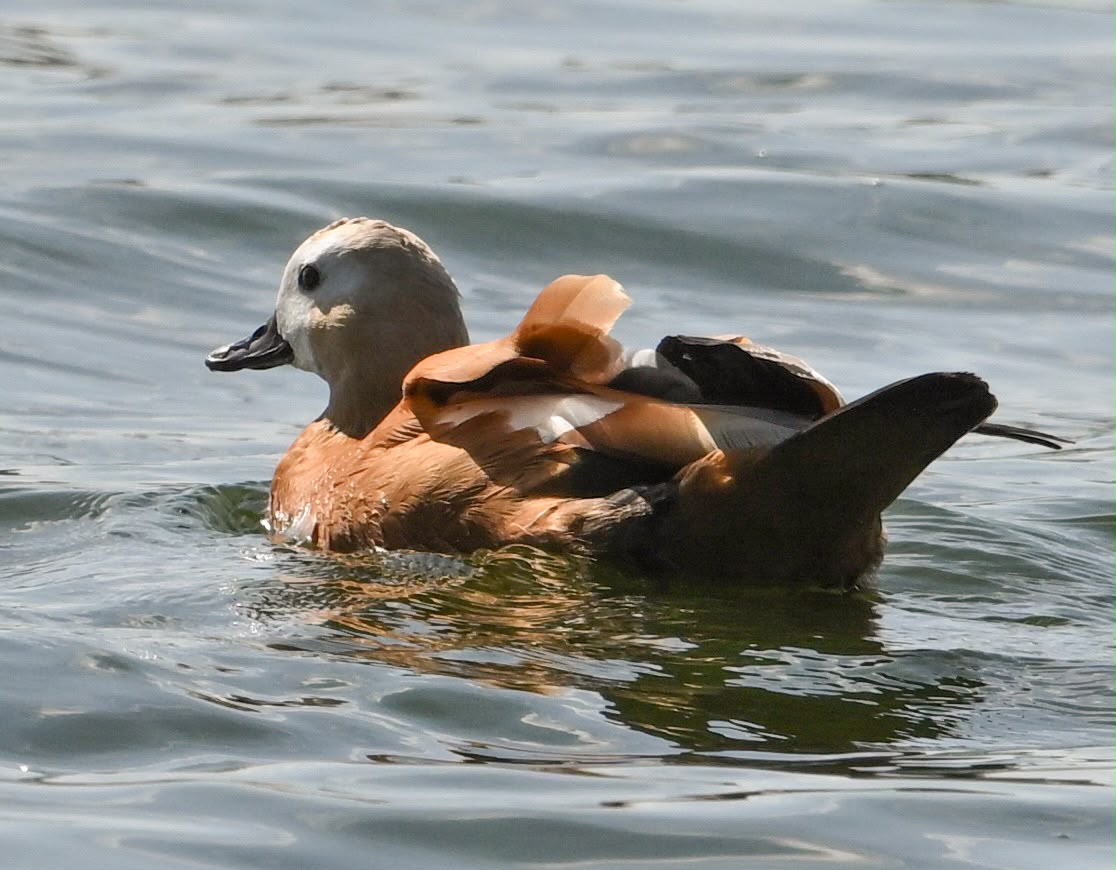
Now on tour, last week’s female Ruddy Shelduck vacated Winwick Pools and it was the turn of Stanford Res to play host throughout the period.
And a moult migration stopover was made by two Common Scoters at Clifford Hill GP on 12th.
On dry land, things went all quiet on the Quail front, the male near Blueberry Farm, Maidwell heard only on day one, after which … silence.
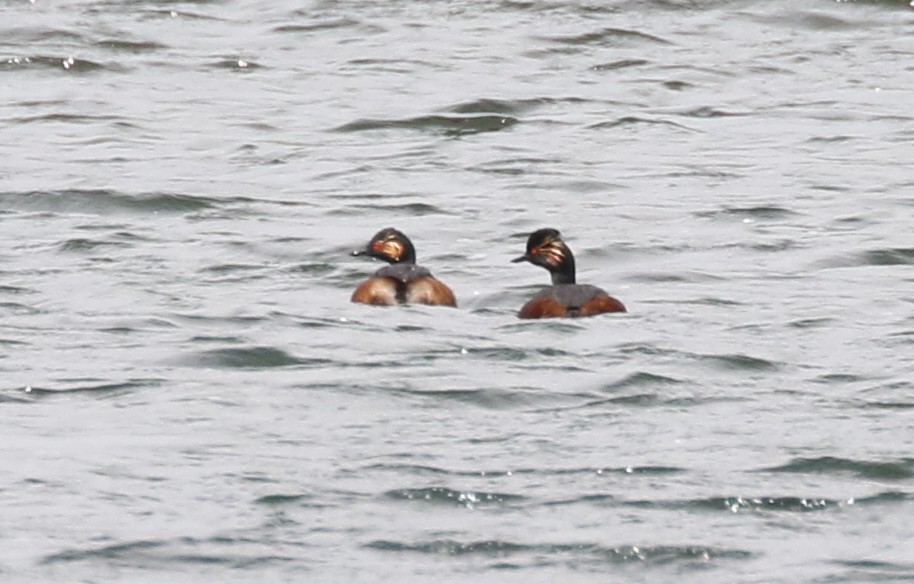
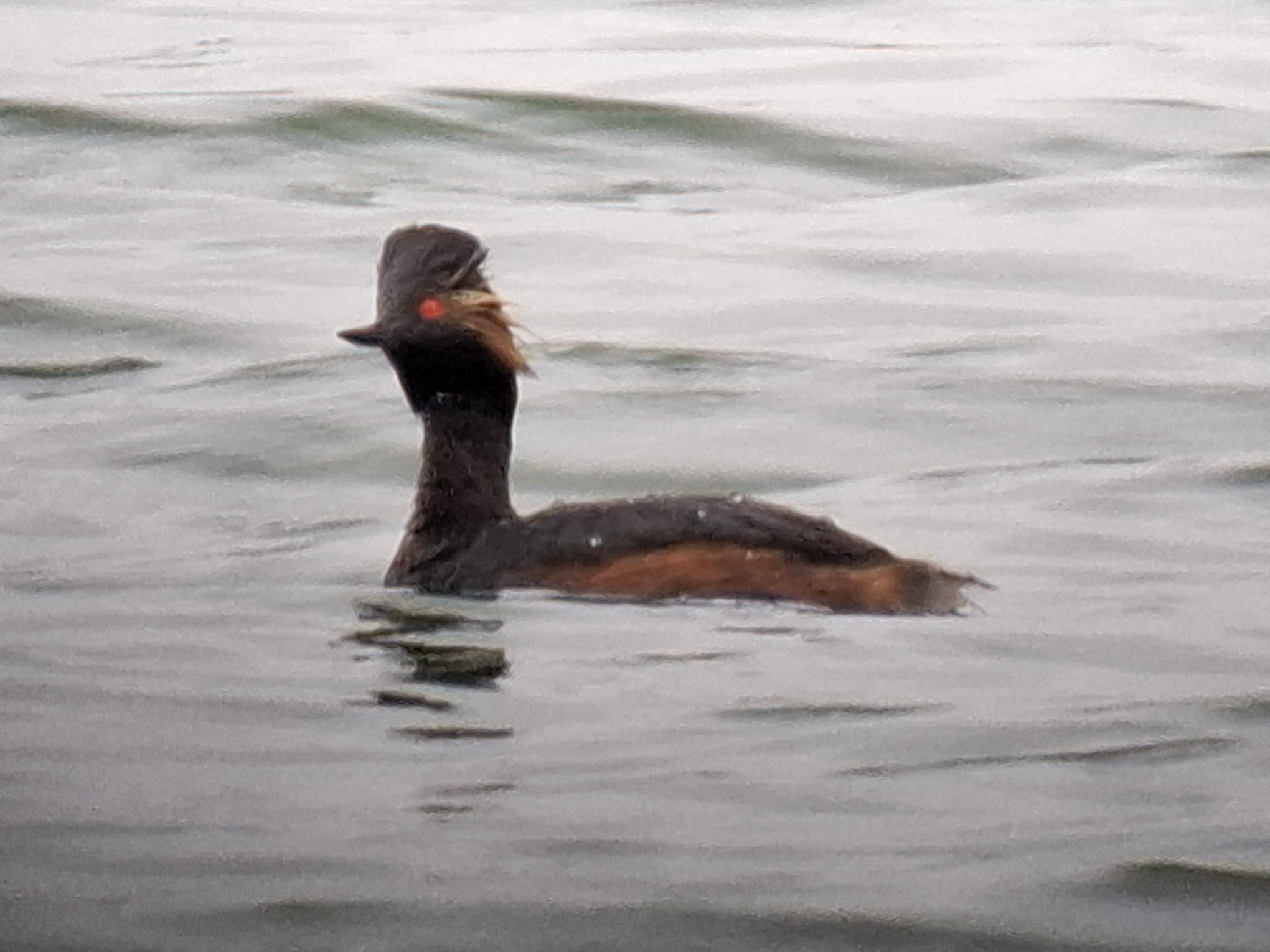
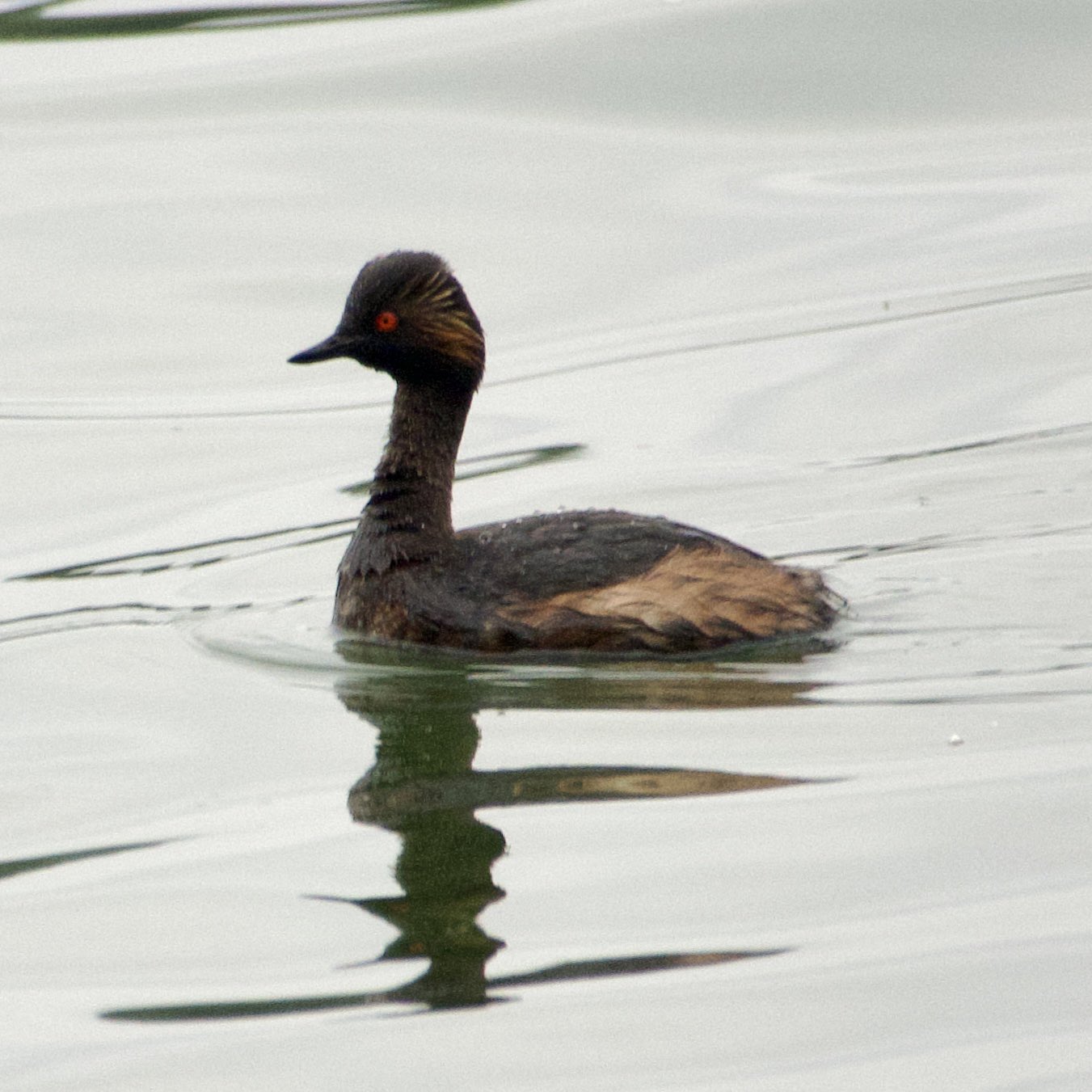
New in this week were four Black-necked Grebes – three adults together at Daventry CP on 14th, remaining there until 16th, after which one stayed on until 17th. Meanwhile, another adult arrived at Stanford on 15th, where it was still present at the week’s end. These represent only the fifth and sixth records for the year, so far.

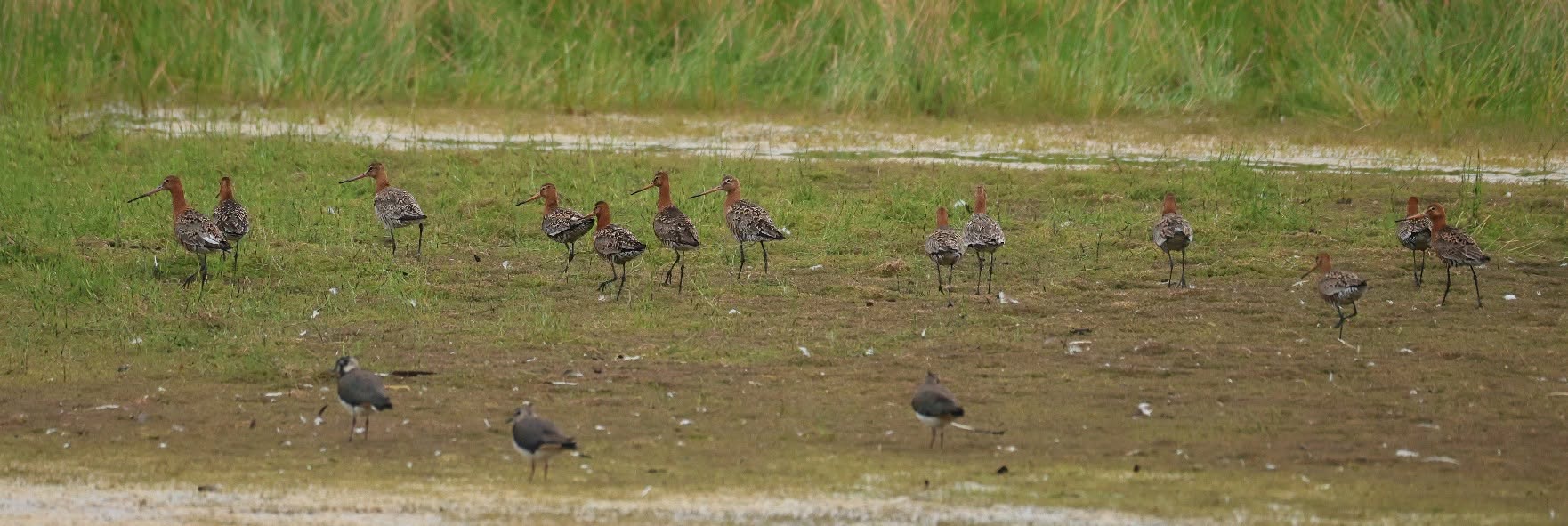
Four sites produced Black-tailed Godwits, commencing with a flock of thirteen adults, unlucky on the overgrown Scrape at Summer Leys LNR, early doors on 12th. These were followed by single birds at Clifford Hill on 13th, Thrapston GP’s Titchmarsh NR on 16th-17th and Daventry CP on 17th.
The only other wader deserving a mention was a Greenshank at a water-depleted Sywell CP on the last day of the period.
With regard to gulls, things perked up a bit this week with the arrival of the ‘autumn’s’ first Mediterranean Gulls, commencing with a second-summer at Daventry on 14th, quickly followed by a juvenile on 16th and an adult there the next day. A juvenile paid a brief visit to Summer Leys on 16th.


Daventry also produced an adult (or fourth-summer) Caspian Gull on 14th, while an adult was present at Clifford Hill, two days later, on 16th. Pitsford Res held up to three Yellow-legged Gulls between 13th and 17th and, elsewhere, single birds were to be found at Thrapston on 13th and at Clifford Hill the following day.
A report of two adult Arctic Terns at Daventry CP on 15th was unseasonal, to say the least.
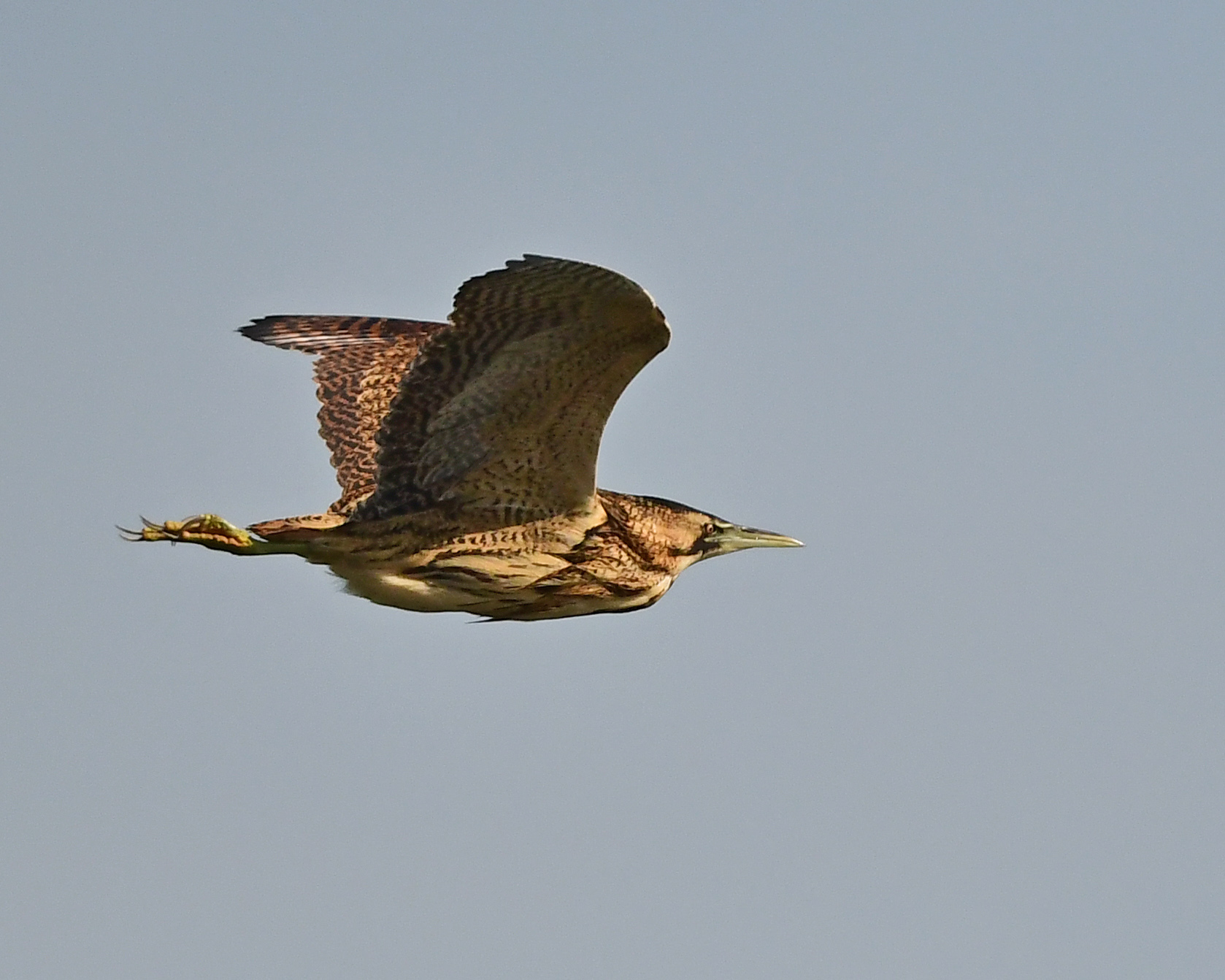
Potentially dicing with death, a Bittern was videoed walking along Hardwater Road near Summer Leys on 14th, while the week’s only Cattle Egret was found at Titchmarsh NR before moving to Thrapston GP’s Town Lake.
Ever popular with Ospreys, the latter site’s Elinor Trout Lake produced one on 11th and 17th, and further reports involved two flying north-east over Stanford on 12th, one at Pitsford on 16th and one over Islip the following day. Meanwhile, Marsh Harrier sightings were ticking over with single birds at Harrington AF on 13th, Pitsford on 15th and Summer Leys on 16th-17th.
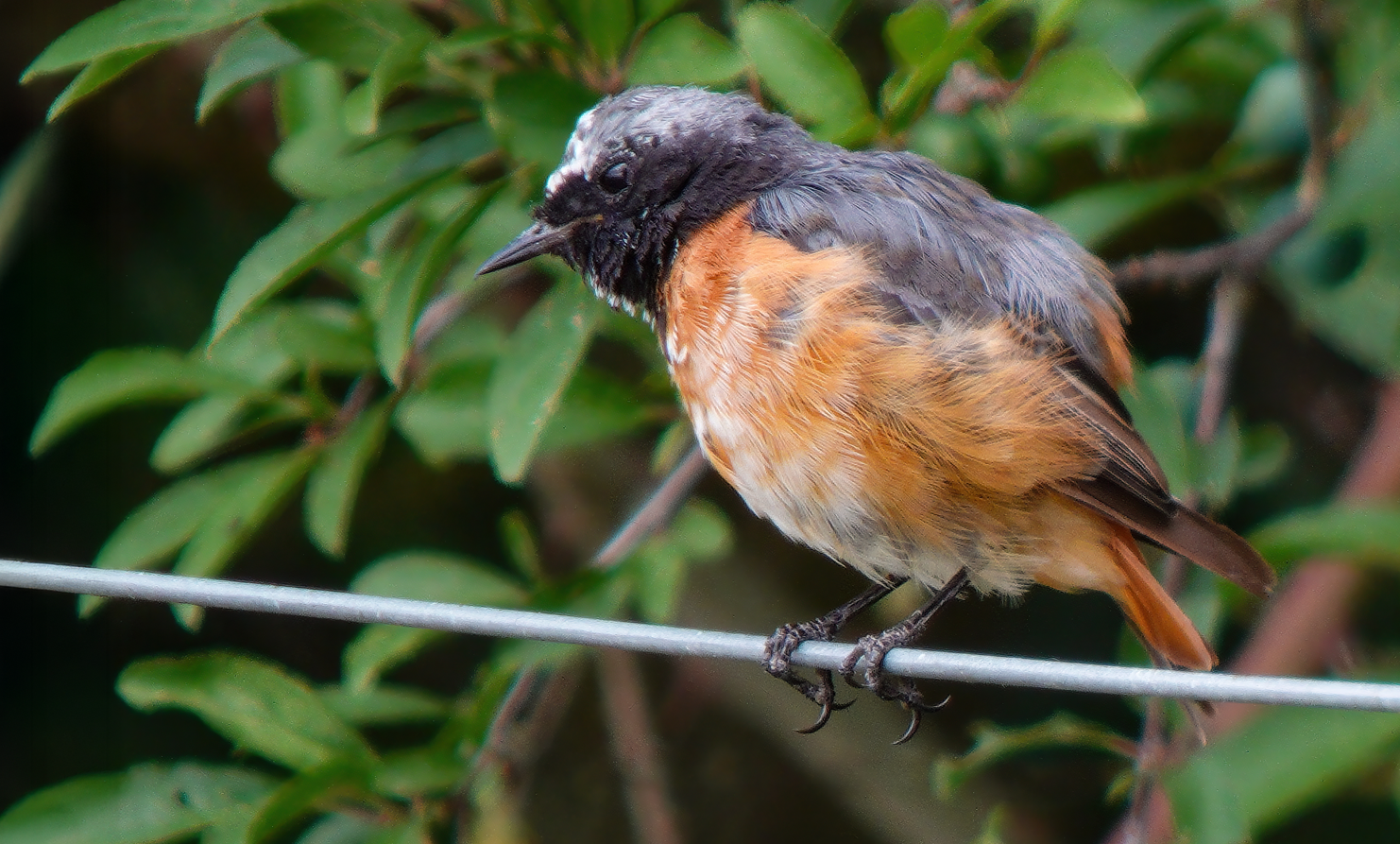
Having gained considerable momentum over the week, the early autumn Common Redstart rush delivered birds to eleven localities: two in the Brampton Valley, Blueberry Farm (Maidwell), Clifford Hill, Cold Ashby, Gretton, Harrington, Honey Hill, Lilbourne Meadows NR, Old and Summer Leys. Five of these sites produced at least two birds.

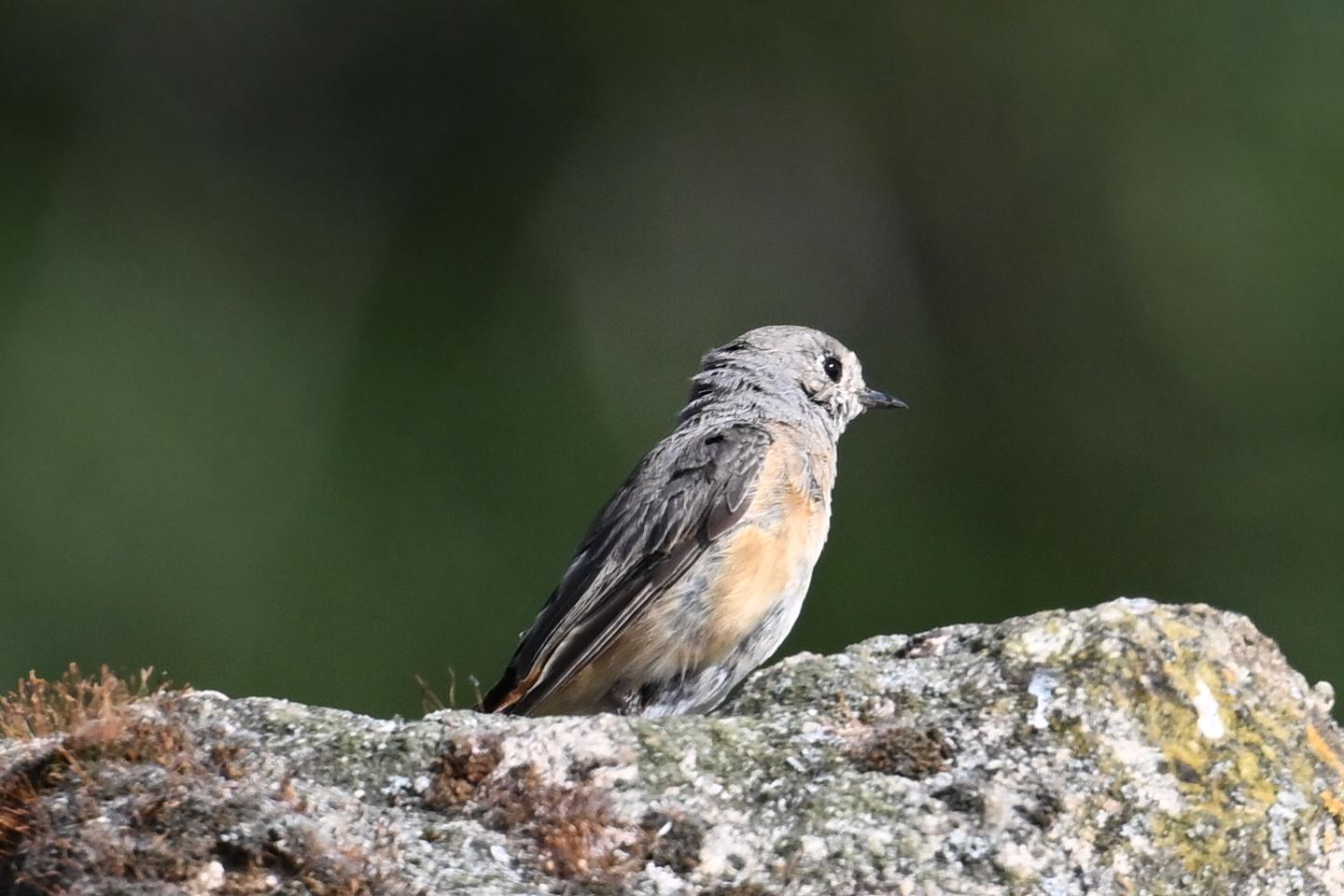
In much shorter supply, however, was Northern Wheatear with just the one at Harrington on 11th, while the first of the season’s Stonechats appeared in the Brampton Valley, between Cottesbrooke and Hanging Houghton, on 13th.