Newsround 14th to 20th November 2026

No major surprises materialised this week as things began to settle down a little …

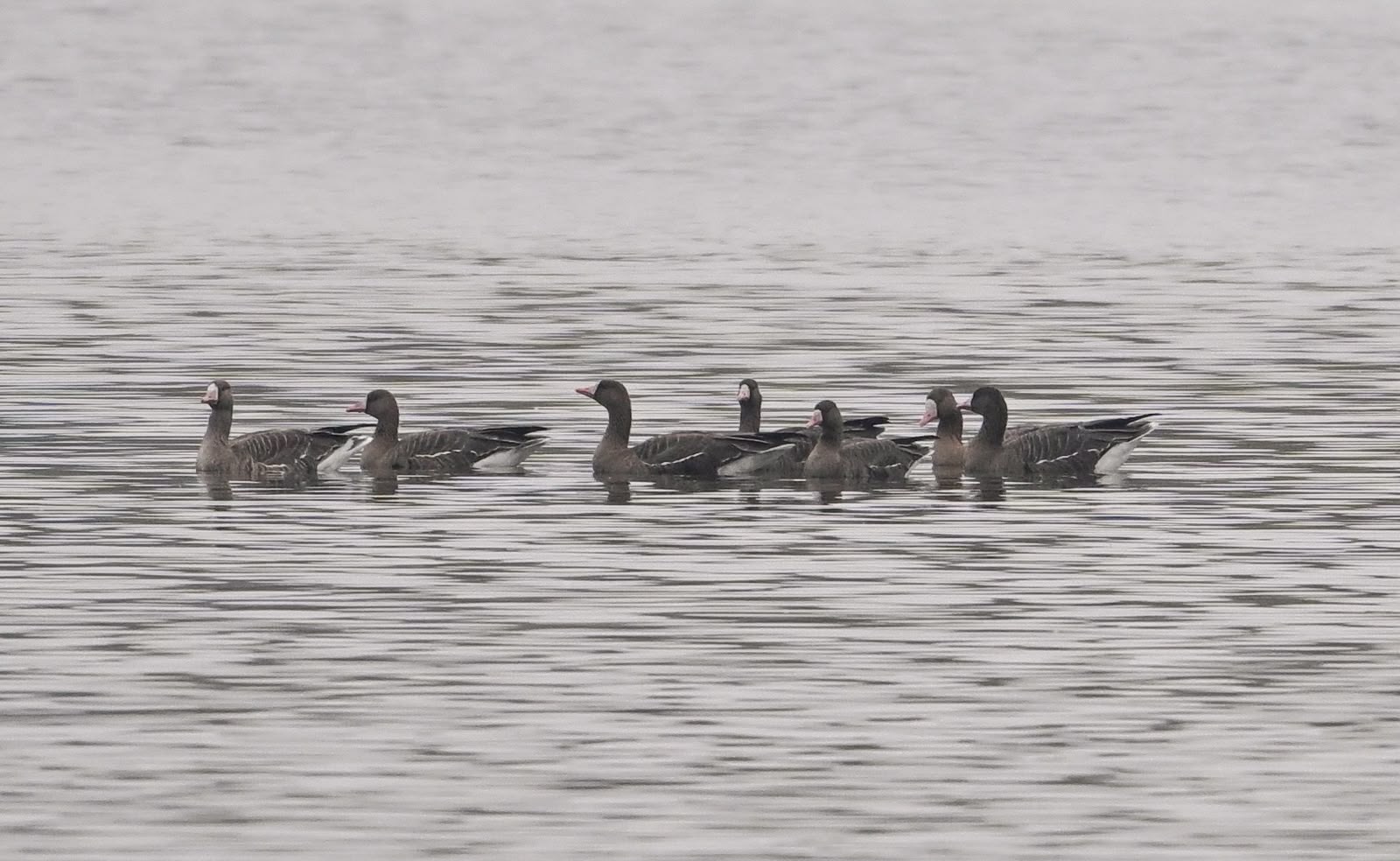
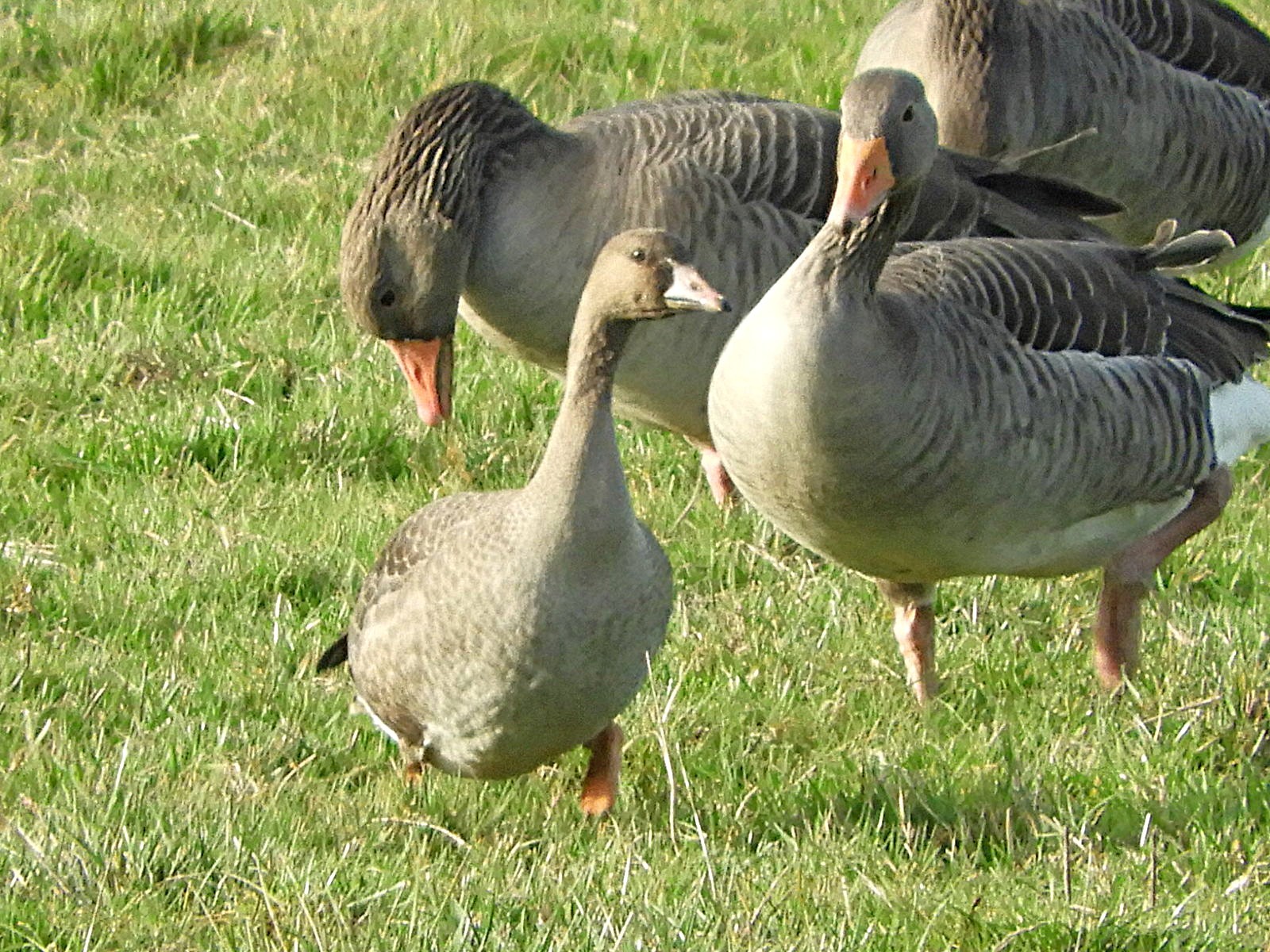
The good autumn for locally occurring White-fronted Geese continued this week with Stanford Res holding on to last week’s three on the opening day of the period, followed by one on 15th and two on 20th, the latter date also giving rise to singles at Denford and Pitsford Res.
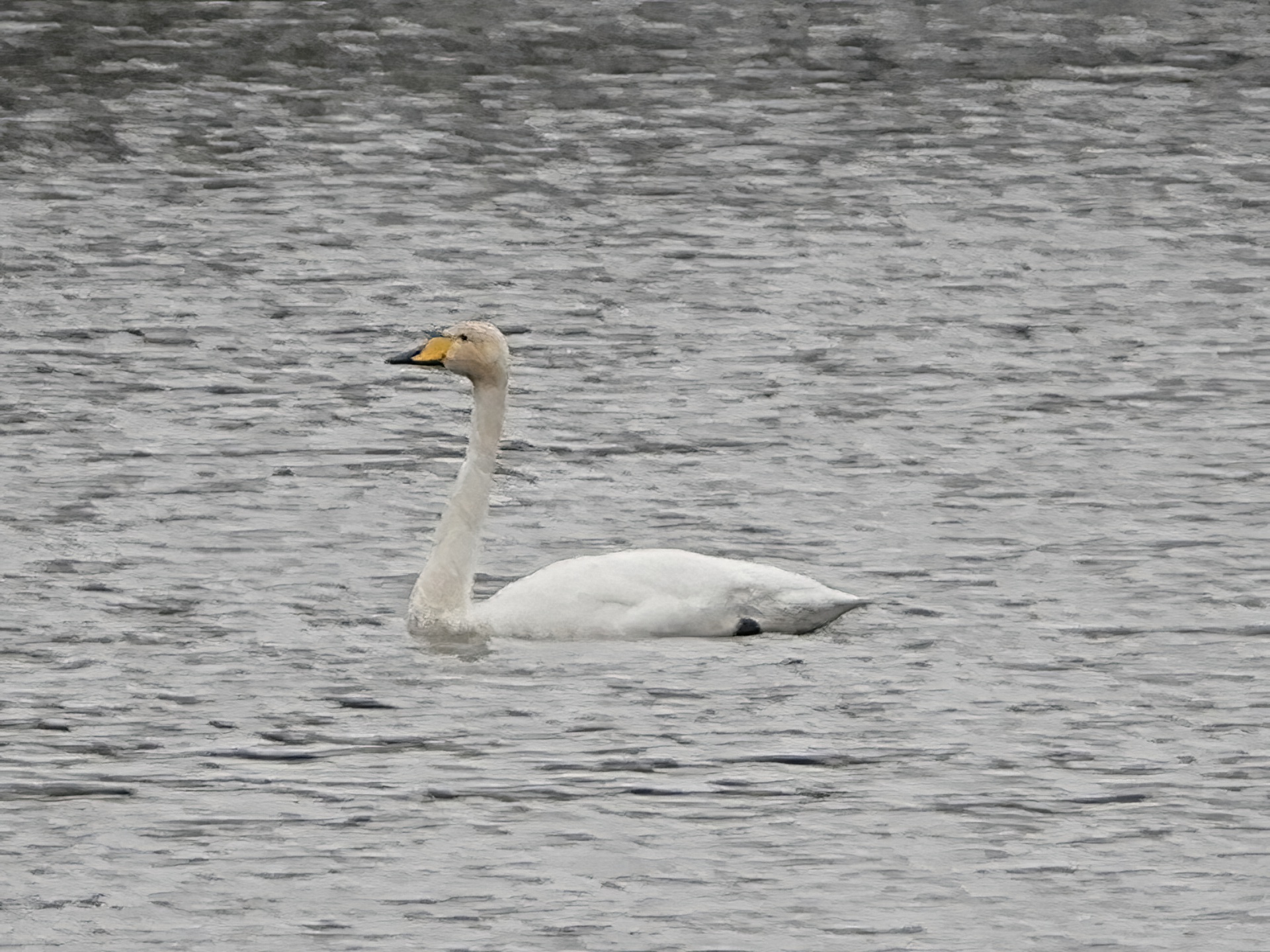
After a week with none, Whooper Swans were back on the scene, albeit briefly. Four dropped in at Boddington Res on 14th, before heading off south-east, one was at Hollowell Res under similar circumstances, two days later, and two headed off south from Ringstead GP shortly after their discovery on 20th.
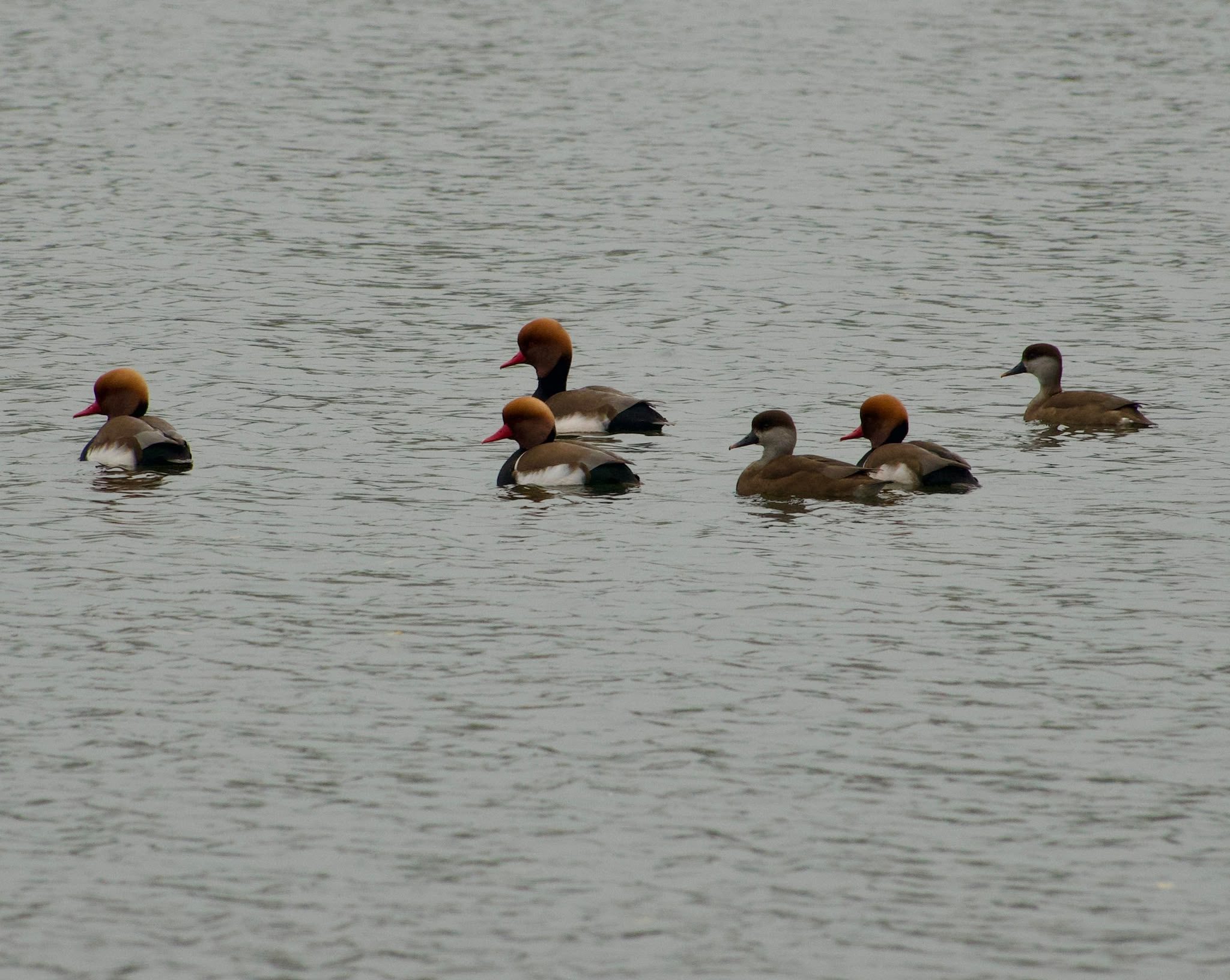
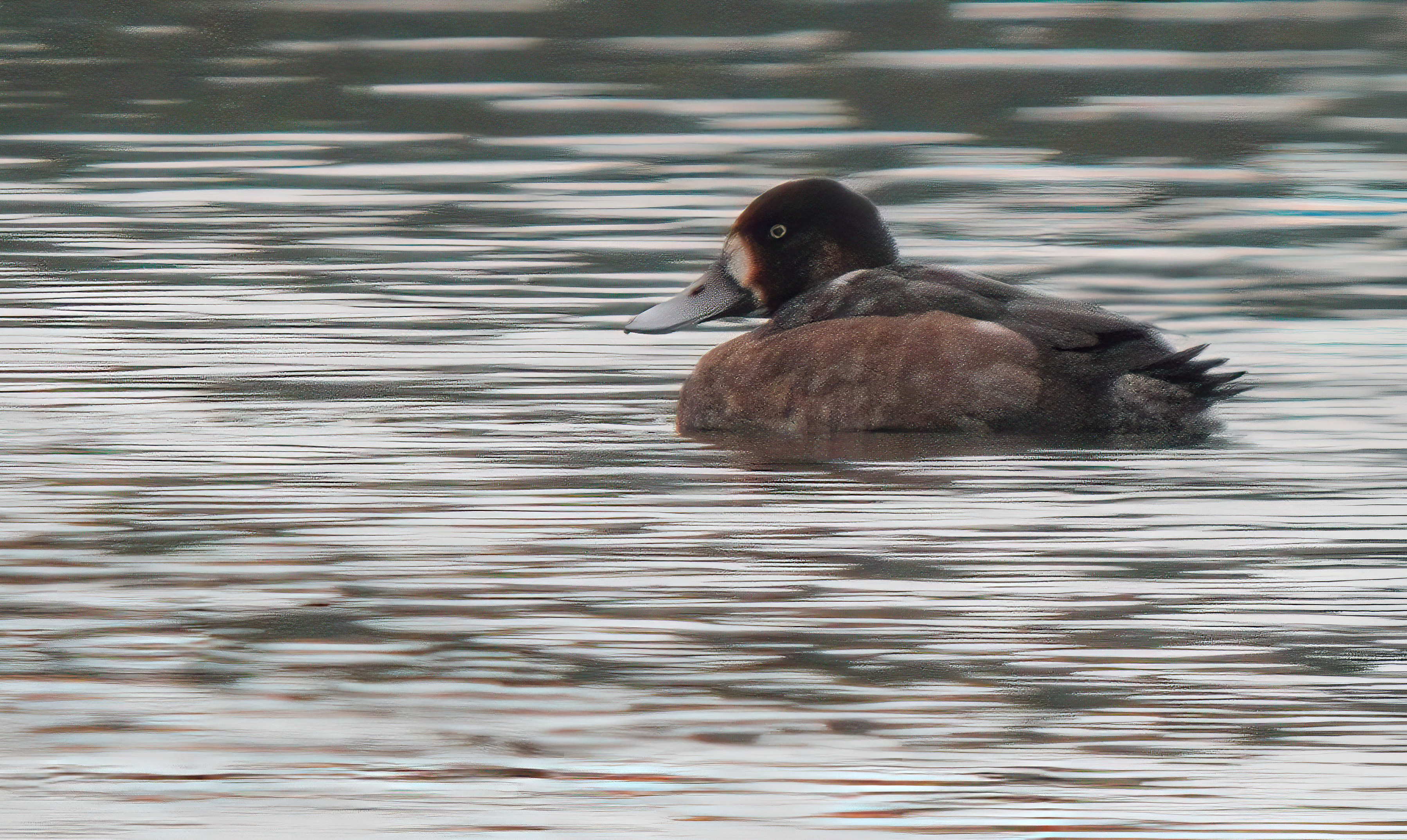
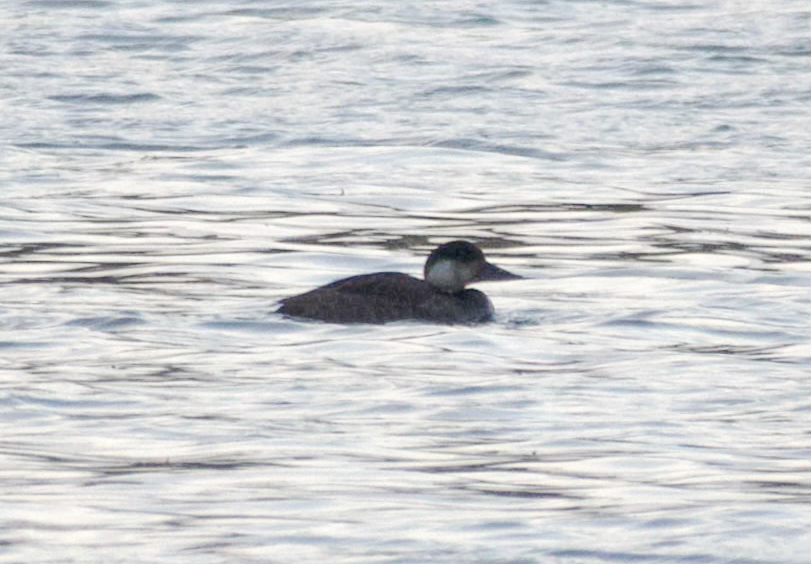
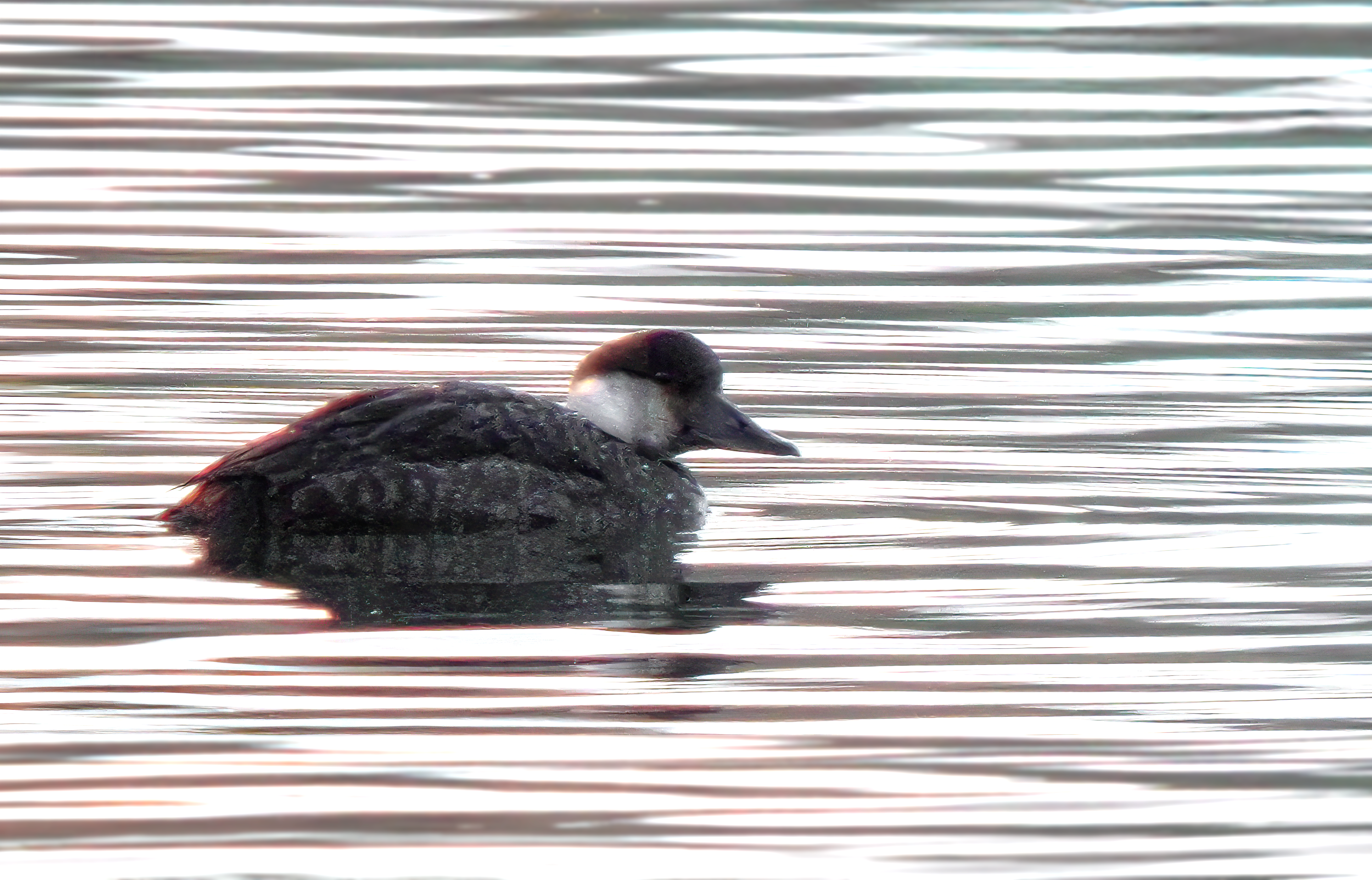
Last week’s three (one drake) Red-crested Pochards lingered at Ravensthorpe Res until 16th, when a drake also appeared at Pitsford, increasing to three drakes there on 19th-20th. Seemingly having disappeared from Ravensthorpe after its initial discovery on 5th, the first-winter drake Greater Scaup was back at the locale from 14th until the end of the period. And rounding off the week’s ducks, a female-type Common Scoter surfaced at Pitsford on 16th, remaining there until the week’s end.
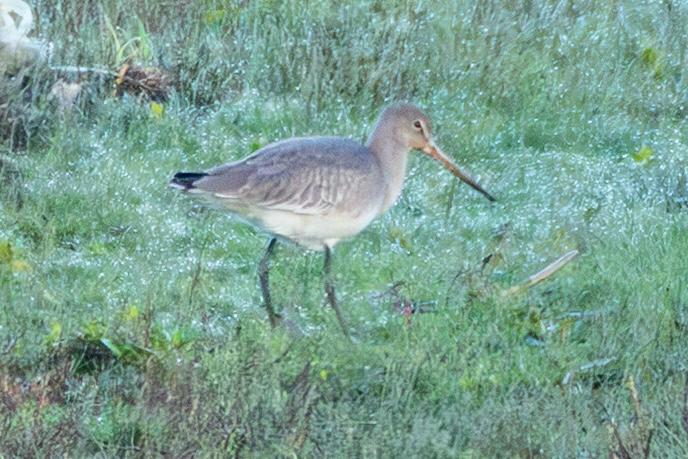
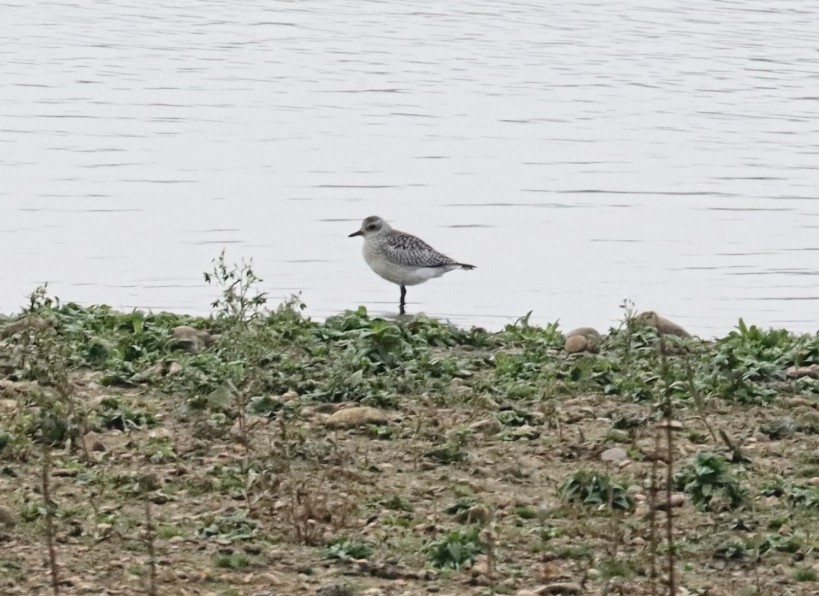
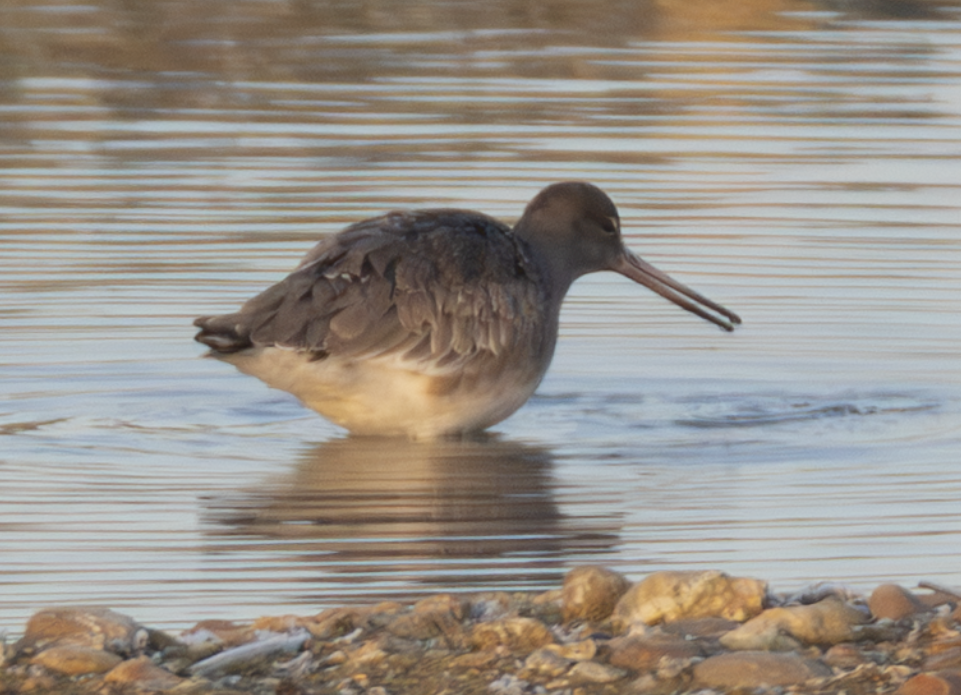
Another week, another Grey Plover, so it seems, with a flyover at Pitsford on 20th. Other waders included a Black-tailed Godwit at Earls Barton GP on 14th, single Jack Snipes at Stanwick GP and Clifford Hill GP on 15th and 18th, respectively and the late Common Sandpiper at Pitsford, still, on 17th.
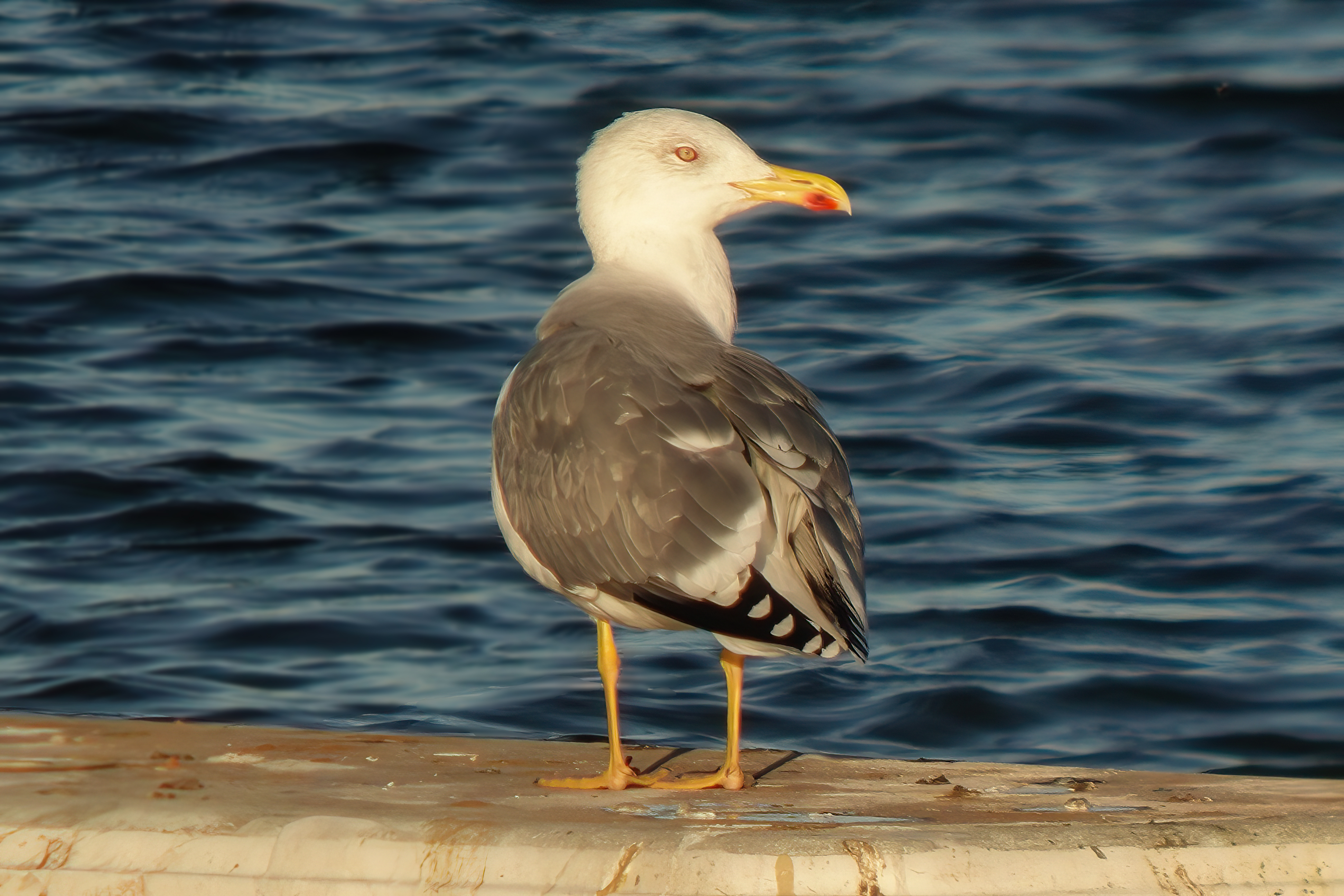
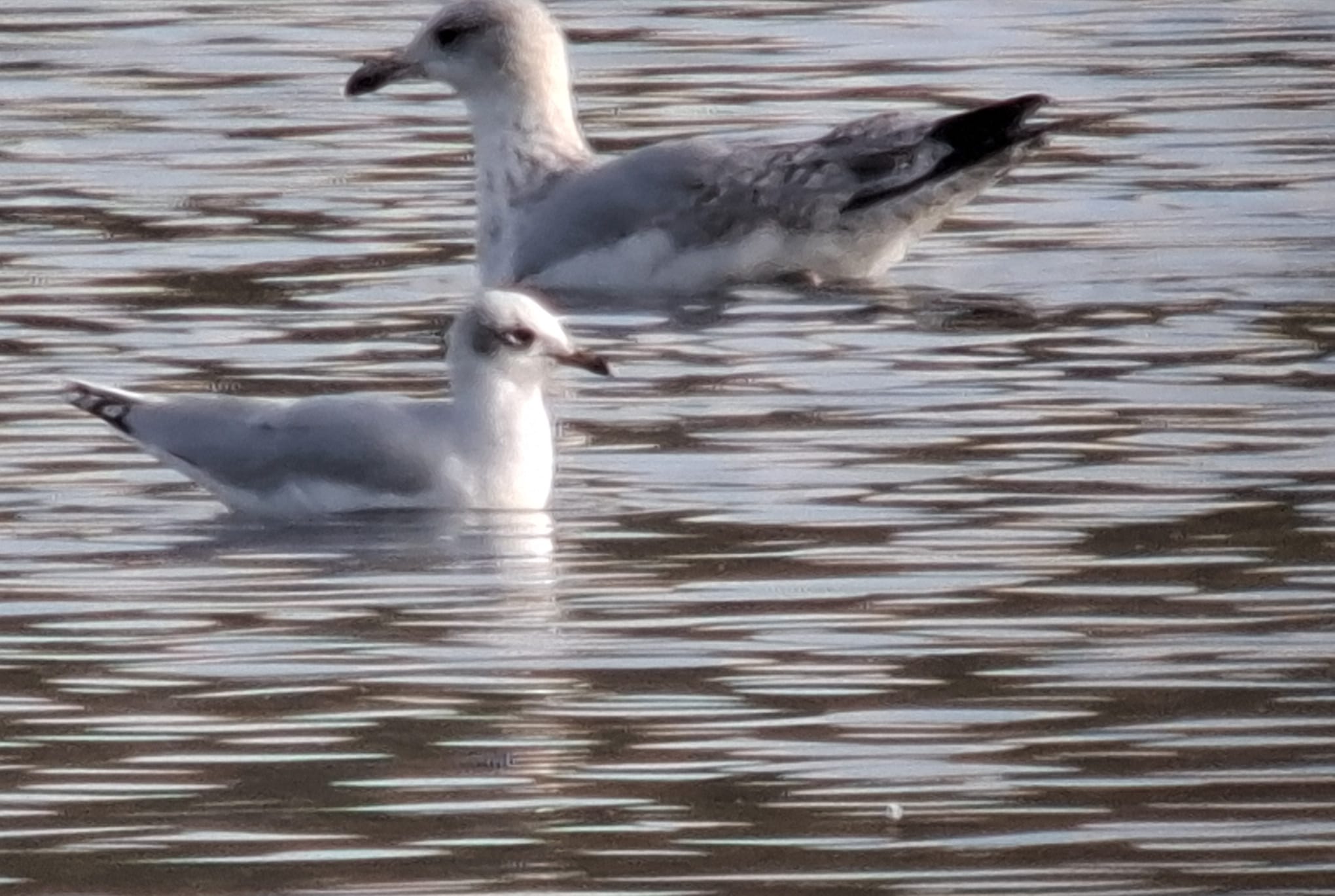
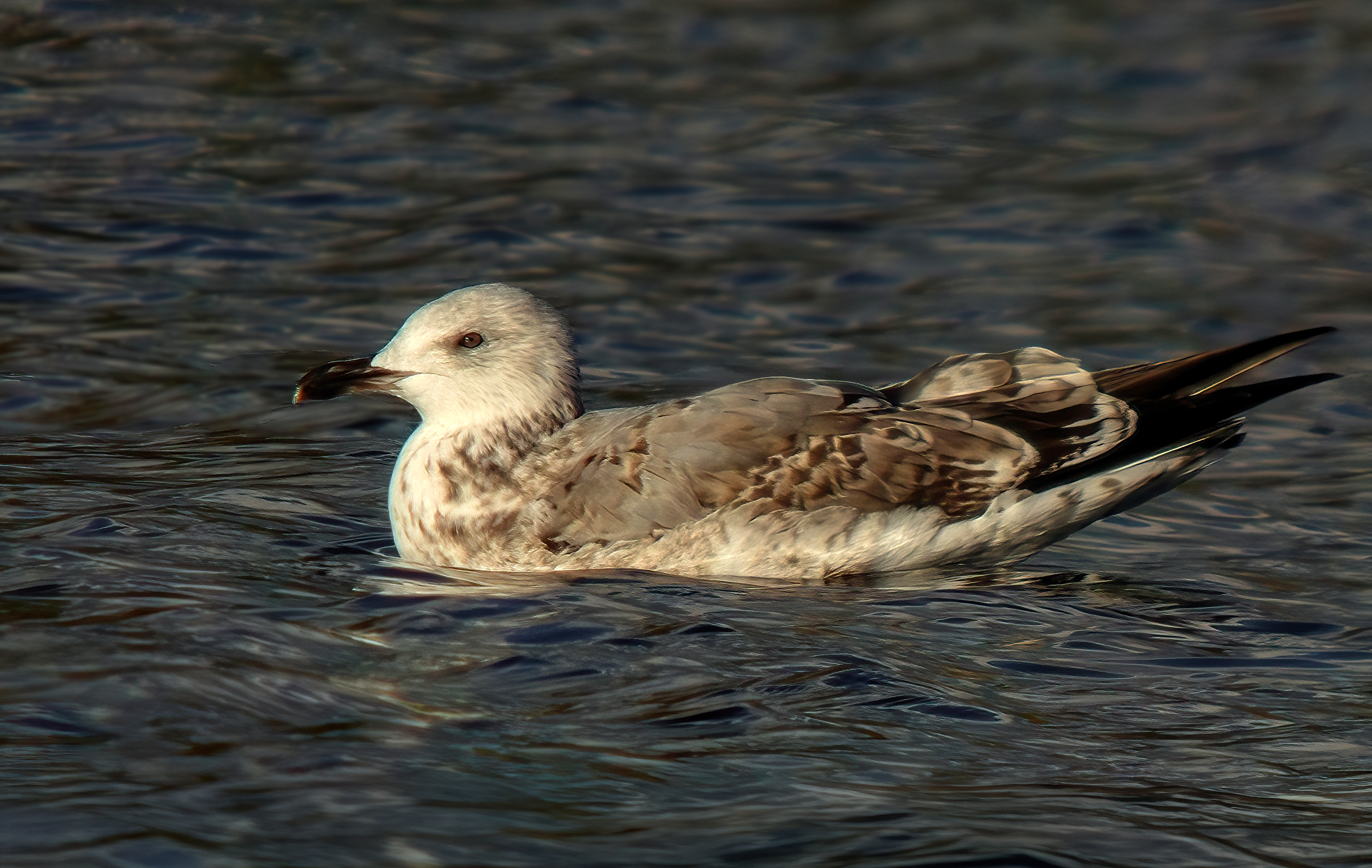
On the larid front, it was a good week for Caspian Gulls, Stanford taking the lion’s share, which peaked at four in the roost there on 16th. Elsewhere, a first-winter visited Ditchford GP on 15th, single adults were at Ravensthorpe on 16th and 20th, while a second-winter flew west at Summer Leys LNR on 17th.
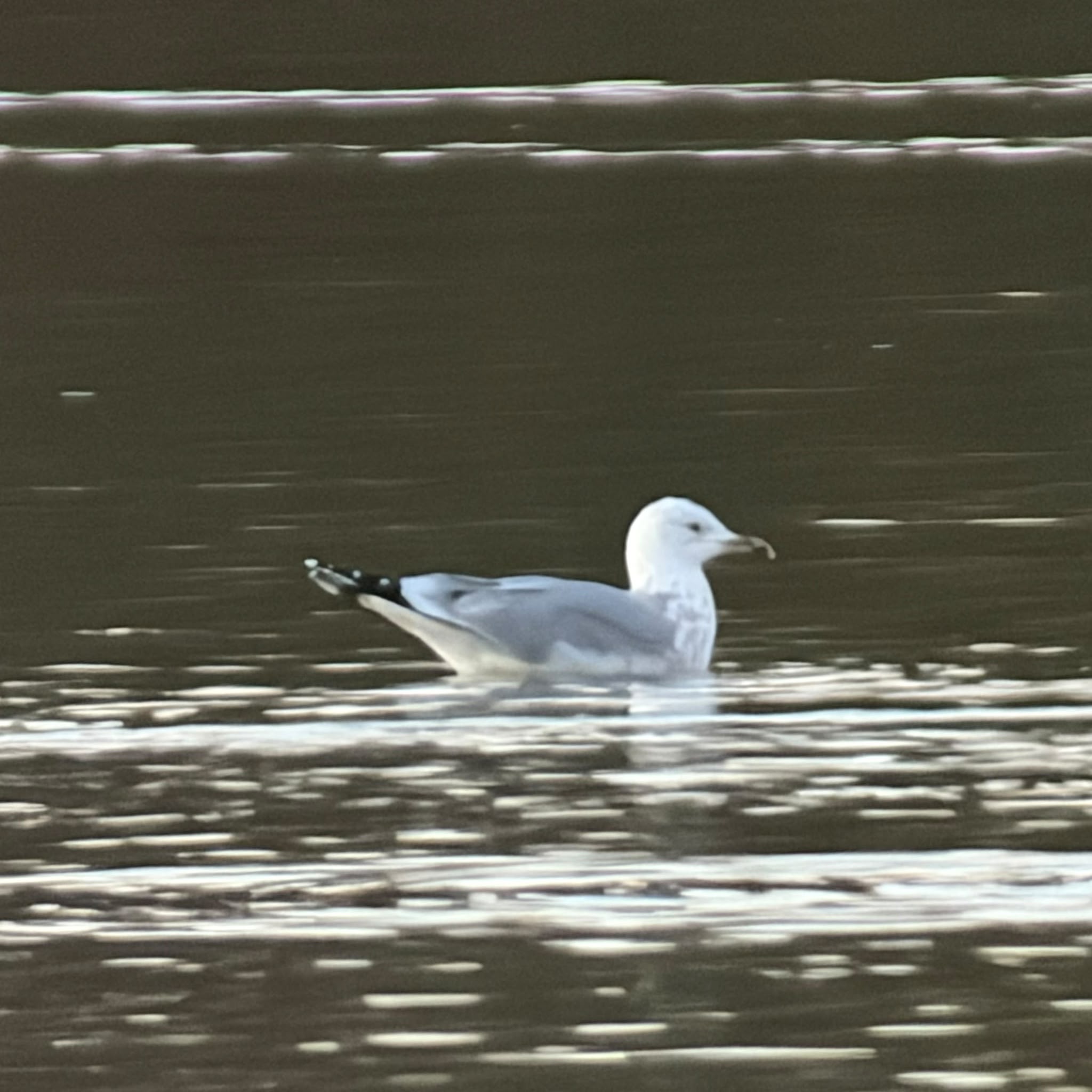
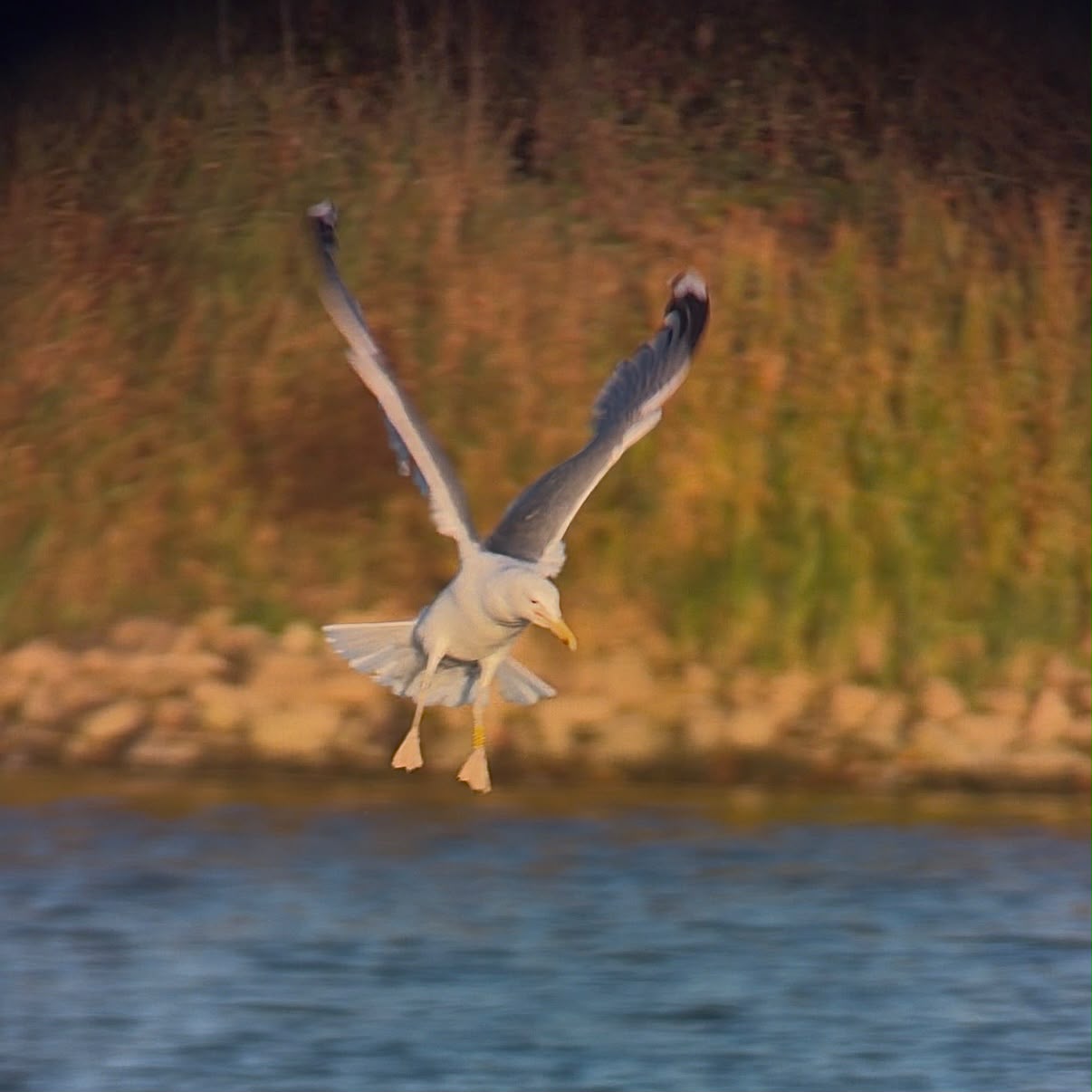
Outnumbered by the above, up to two Yellow-legged Gulls remained at Pitsford throughout the period, two were present at Ditchford on 15th and one was found at Hardingstone GP on 16th.
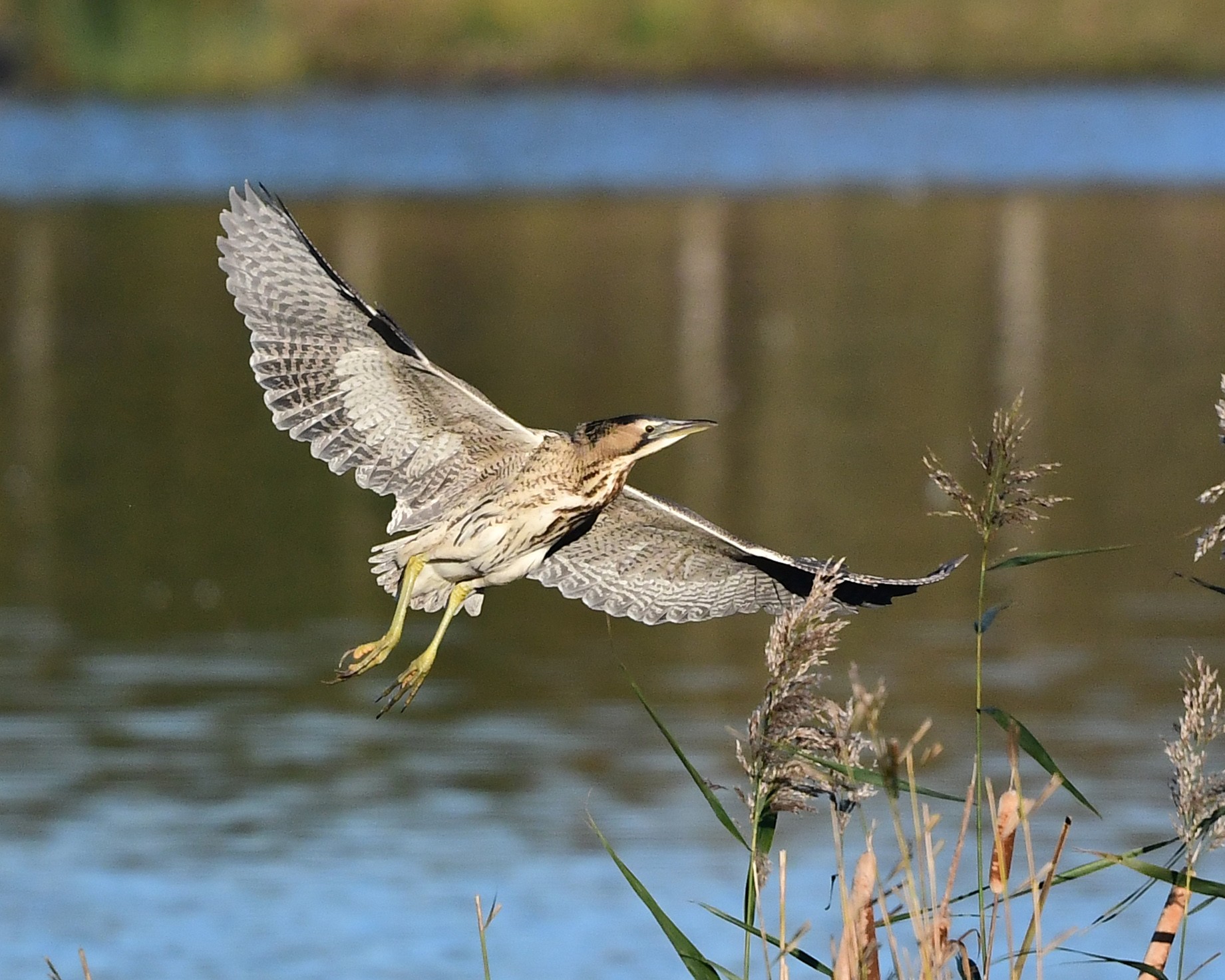
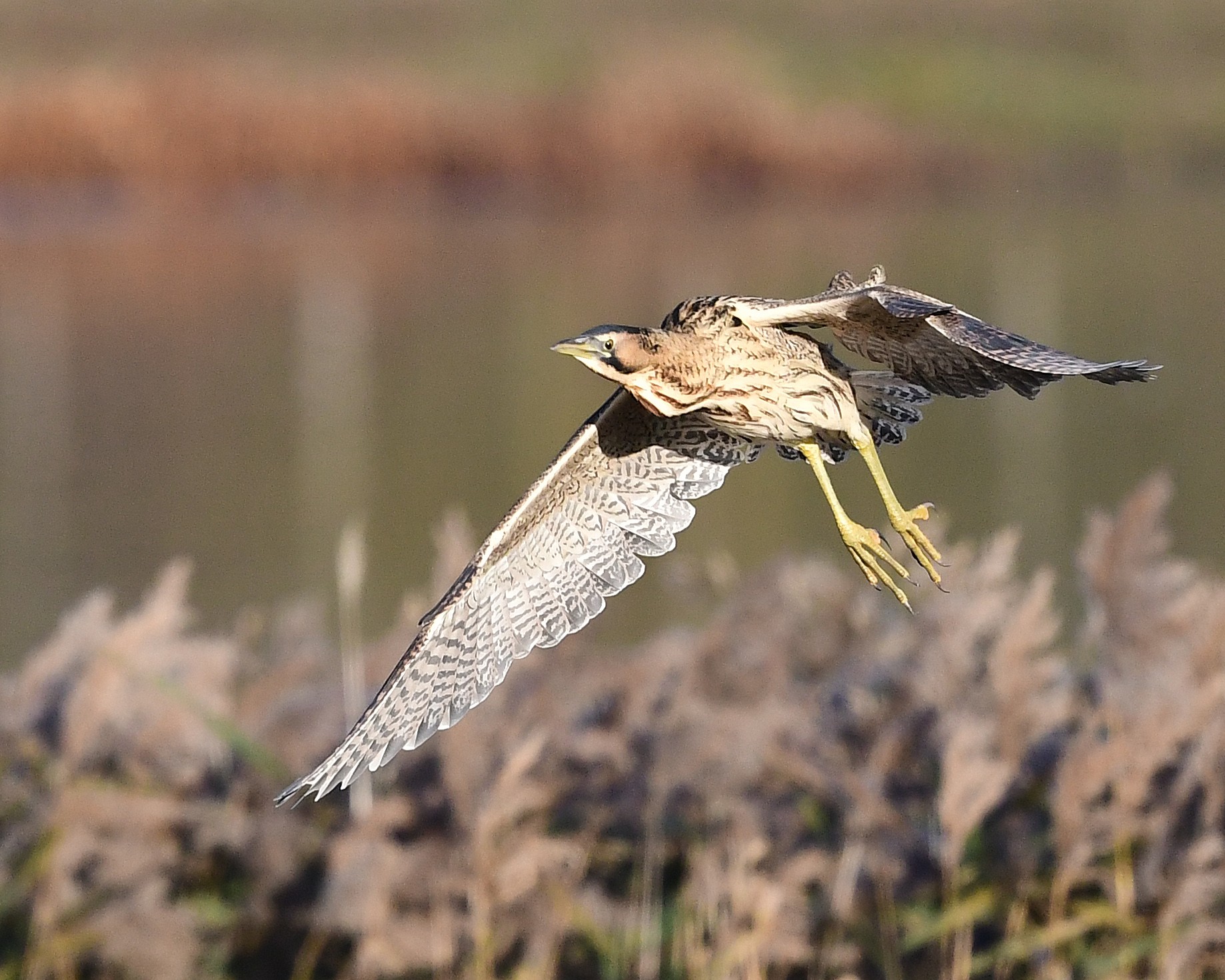
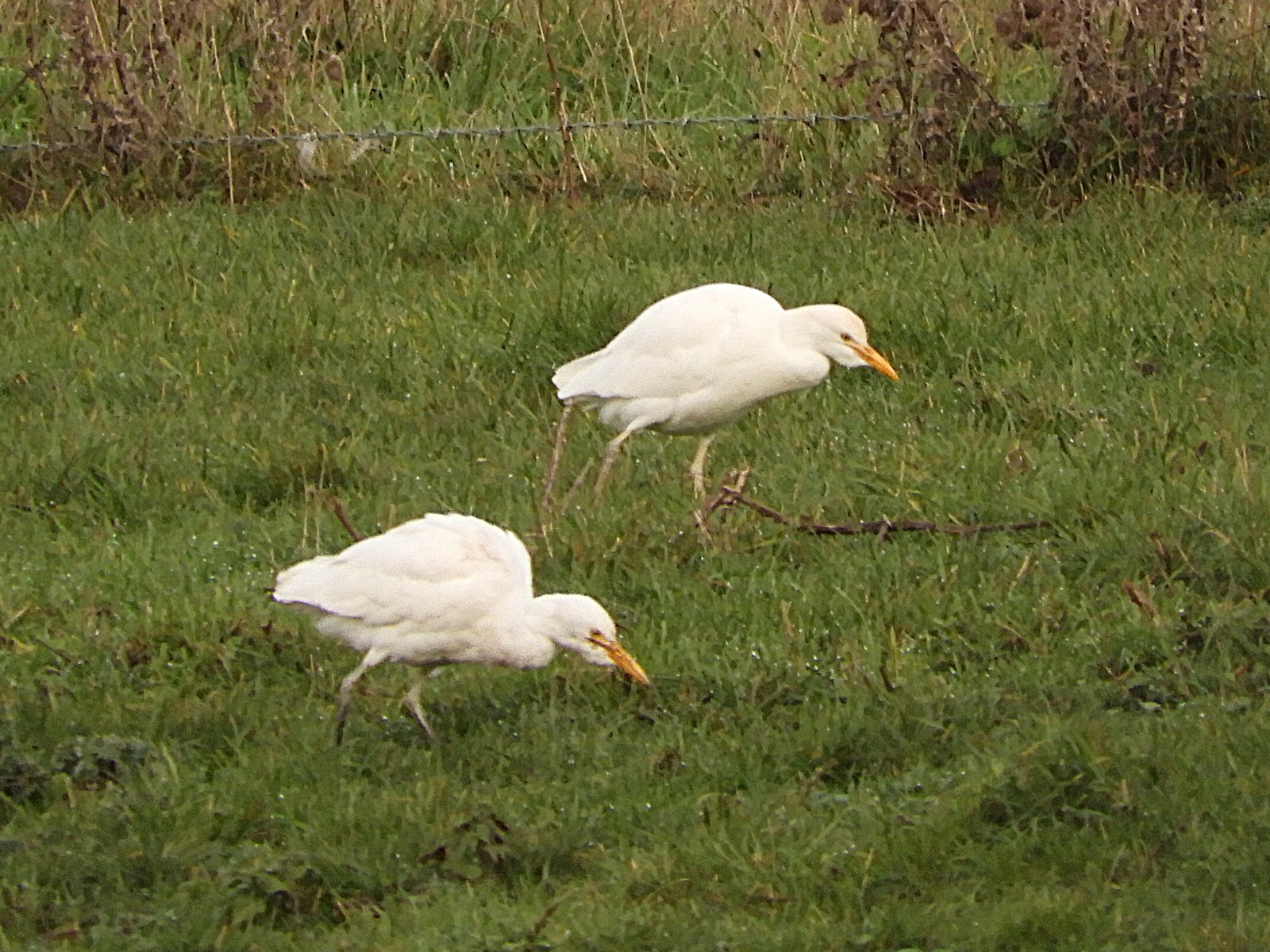
The week’s Bitterns was the preserve of the Nene Valley – Summer Leys holding on to two on 14th with singles there on 16th, 18th and 19th, while further east, one was seen again at Thrapston GP’s Titchmarsh NR on 19th and another at Stanwick the following day. The eastern end of the valley also produced all of the week’s Cattle Egrets, which included one in flight over Stanwick on 15th, one near Woodford on 16th and seven in the Ringstead GP area on 20th.
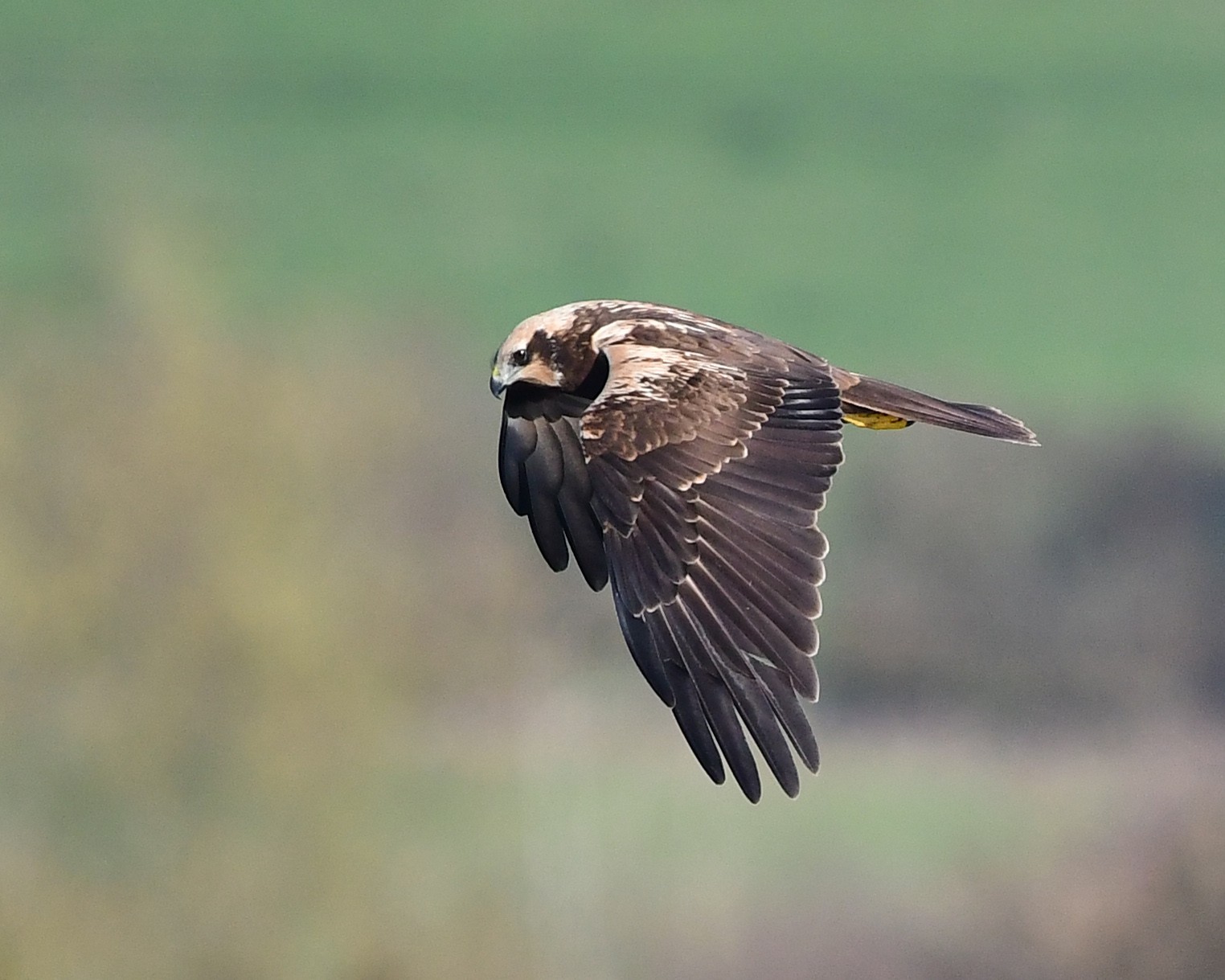
And it is of little surprise that the week’s Marsh Harriers turned out to be pretty much a carbon copy of last week’s in terms of the localities at which they occurred. Ever-reliable, Summer Leys delivered two on 17th-18th – after one there on 14th – and one again on 19th-20th. Elsewhere, singles were seen at Titchmarsh on 17th and 20th and at Stanwick on 18th. It also appeared to be another good week for Hen Harriers, with an adult male immediately south of Borough Hill on 14th and a ‘ringtail’ near Hardwick on the same date, while presumably the same, Brampton Valley individual was seen ranging over a wide area between Cottesbrooke, Blueberry Farm and Hanging Houghton on 14th, 18th and 20th.

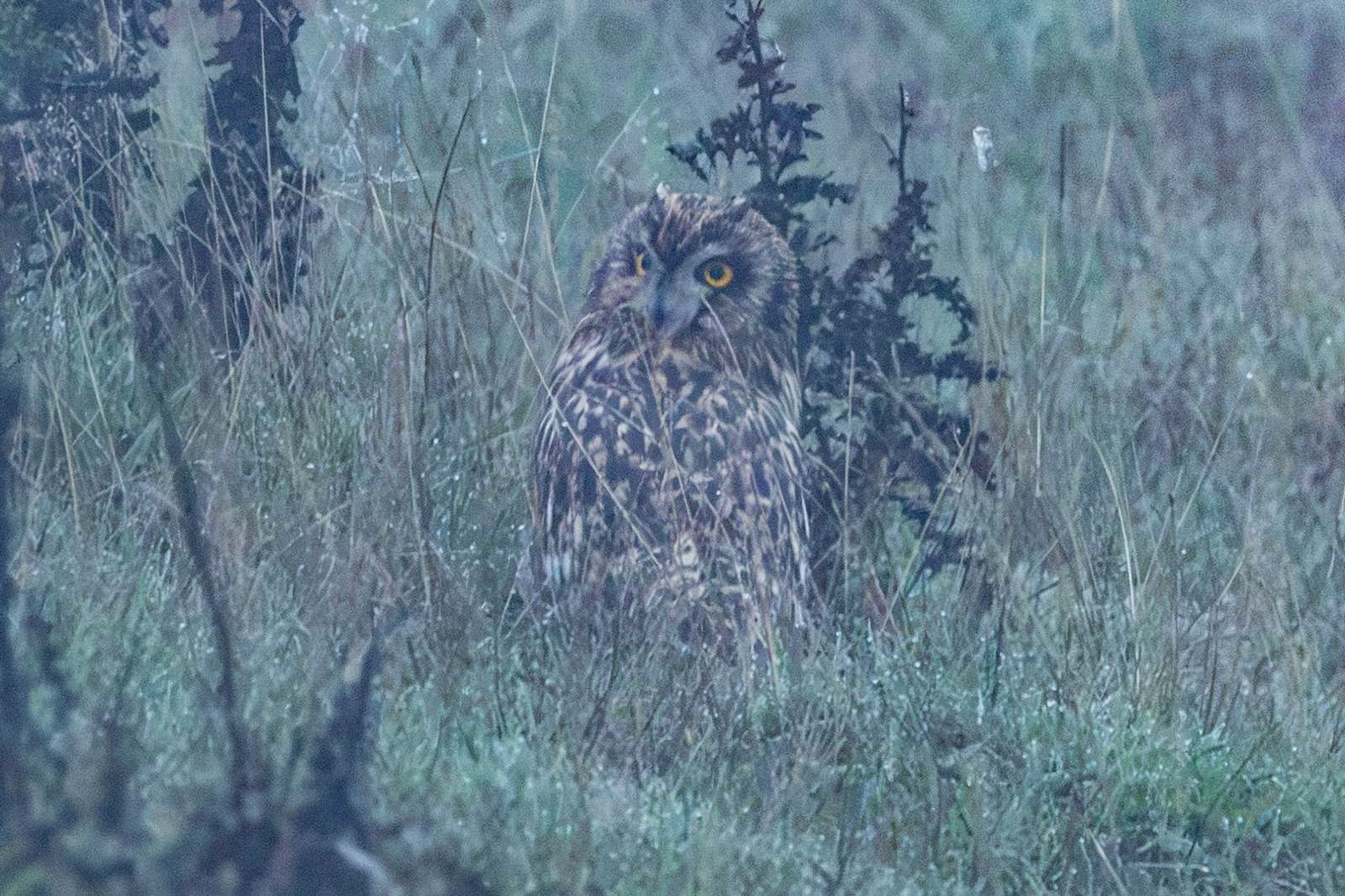
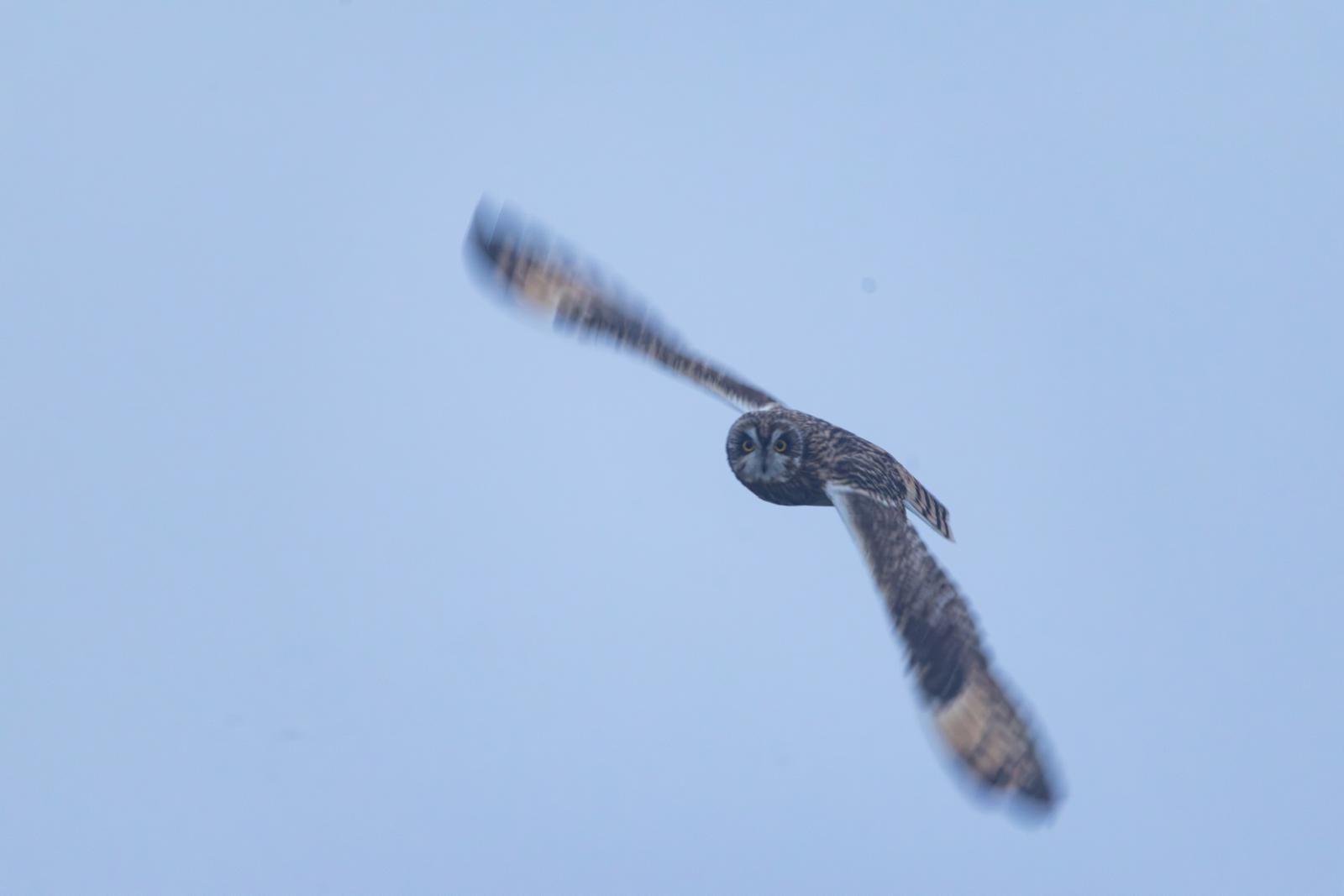
Short-eared Owls? Borough Hill produced two on 14th, while singles were in the Brampton Valley on 15th, 18th and 19th.

The latter area also held on to its Merlin, being seen there on 17th and 20th.

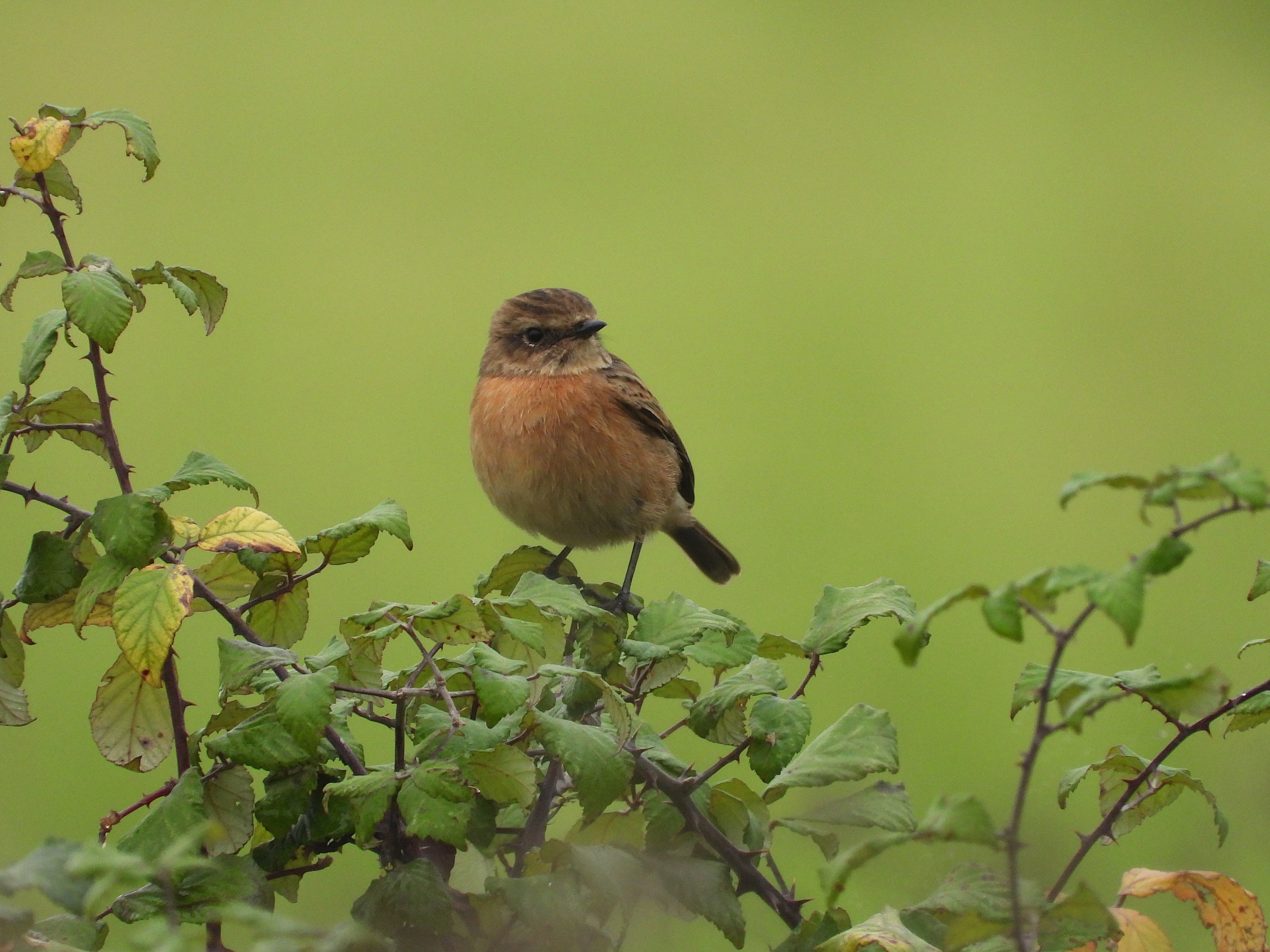
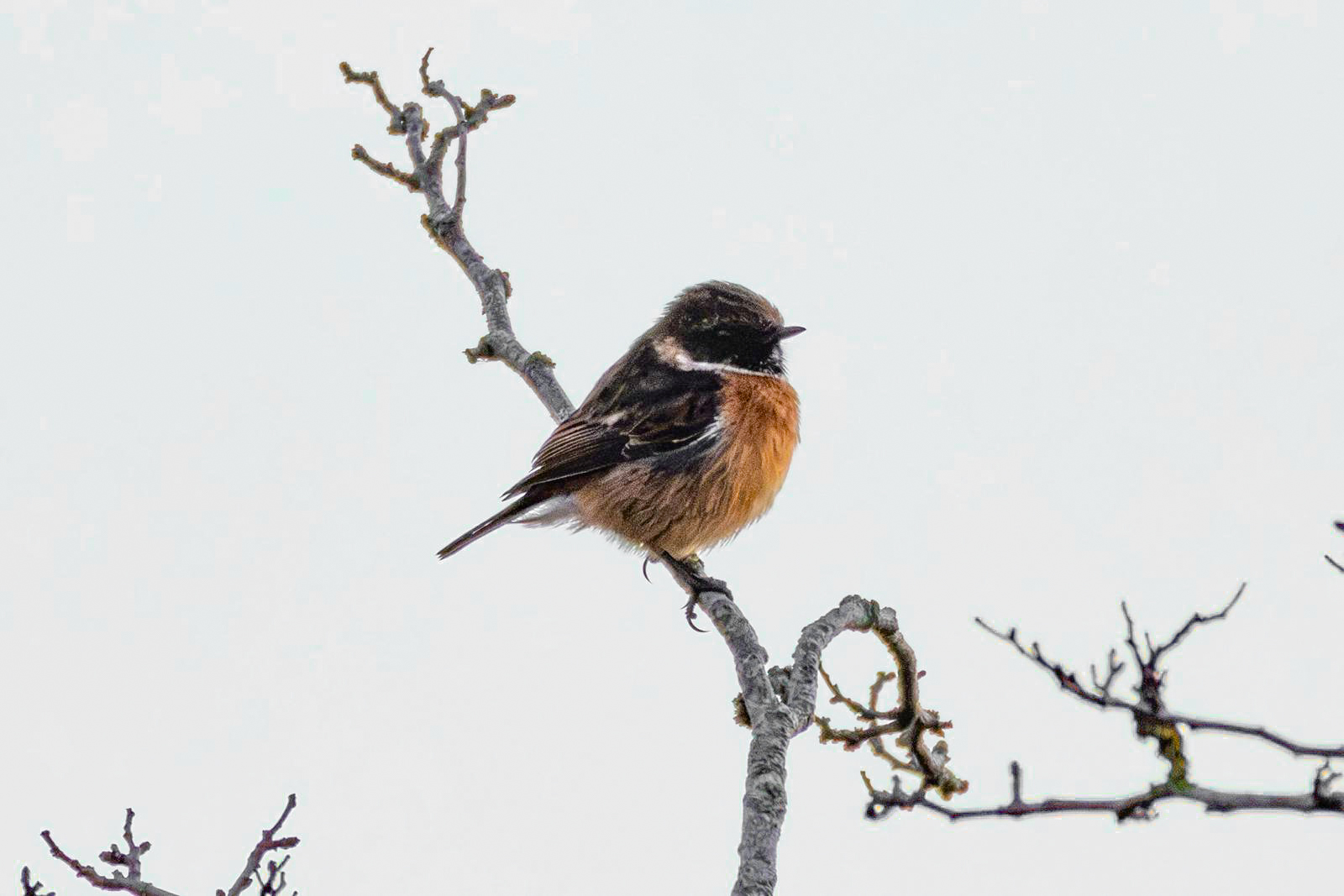
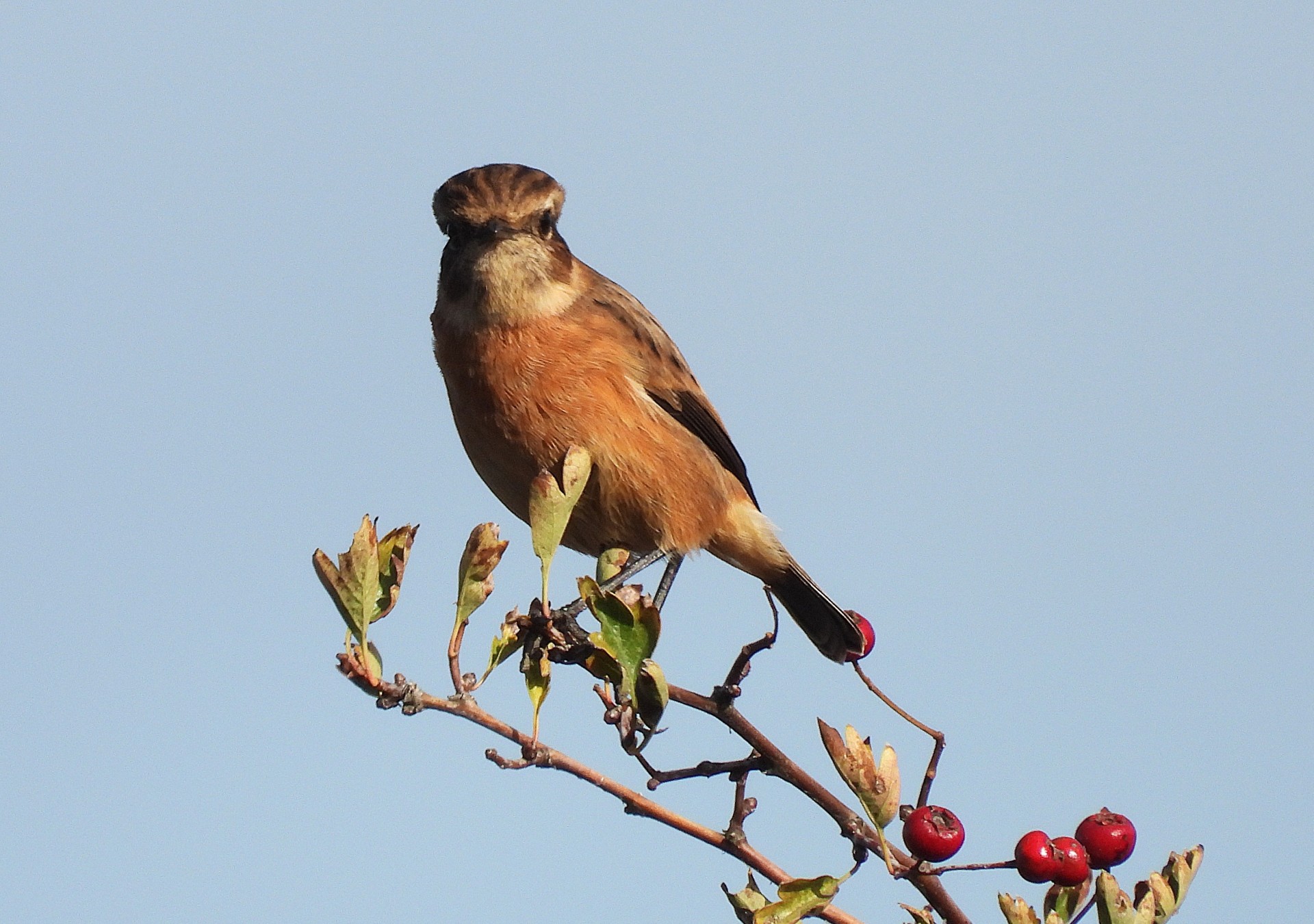
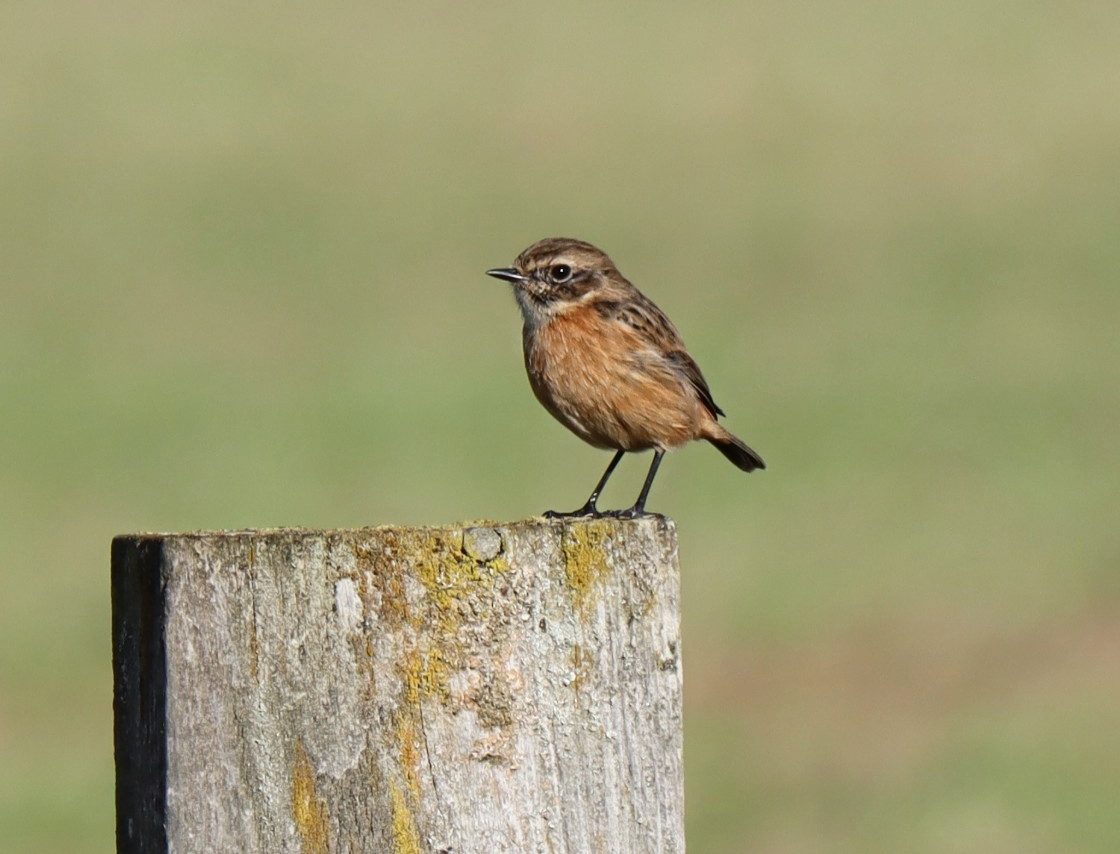
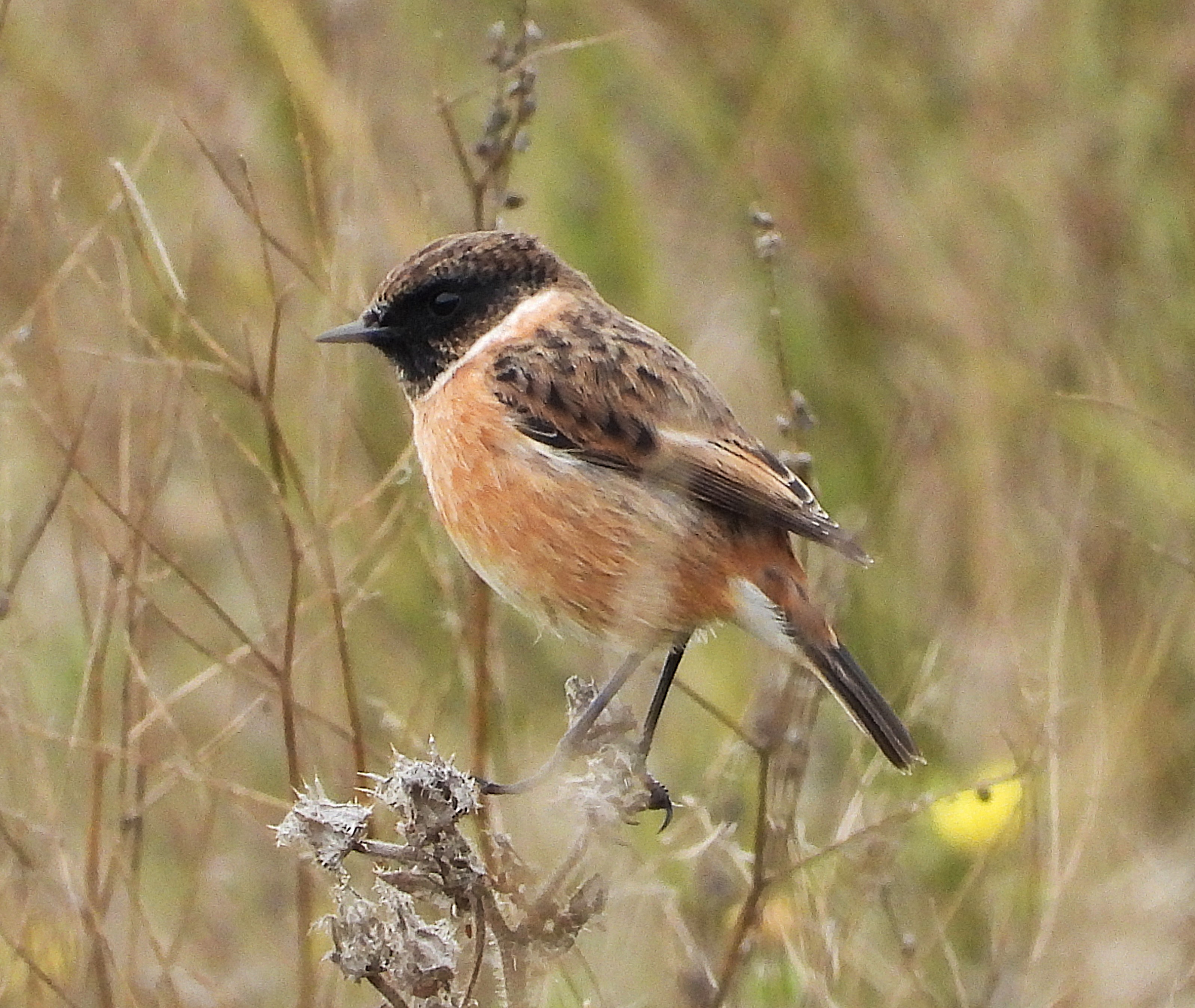
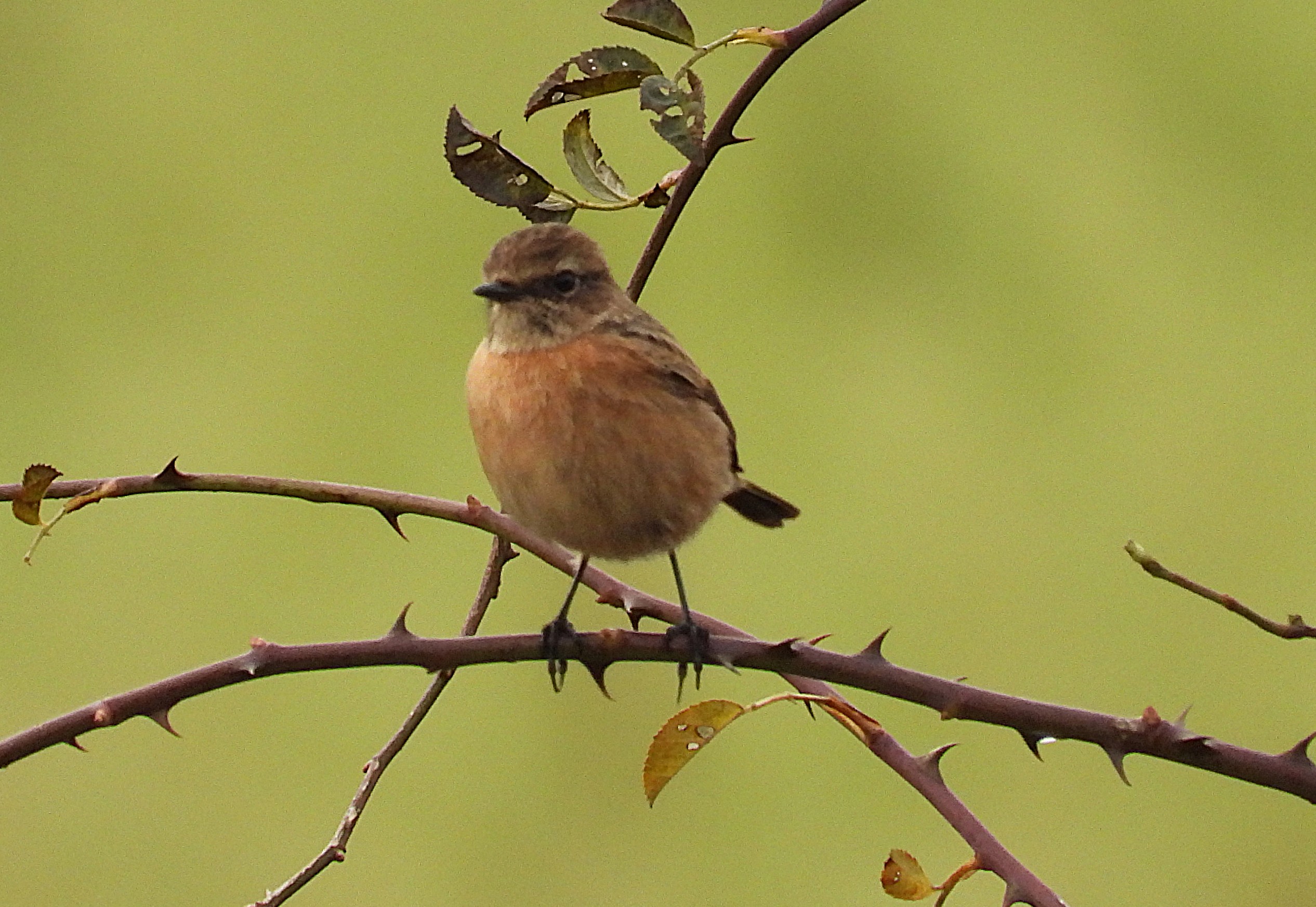
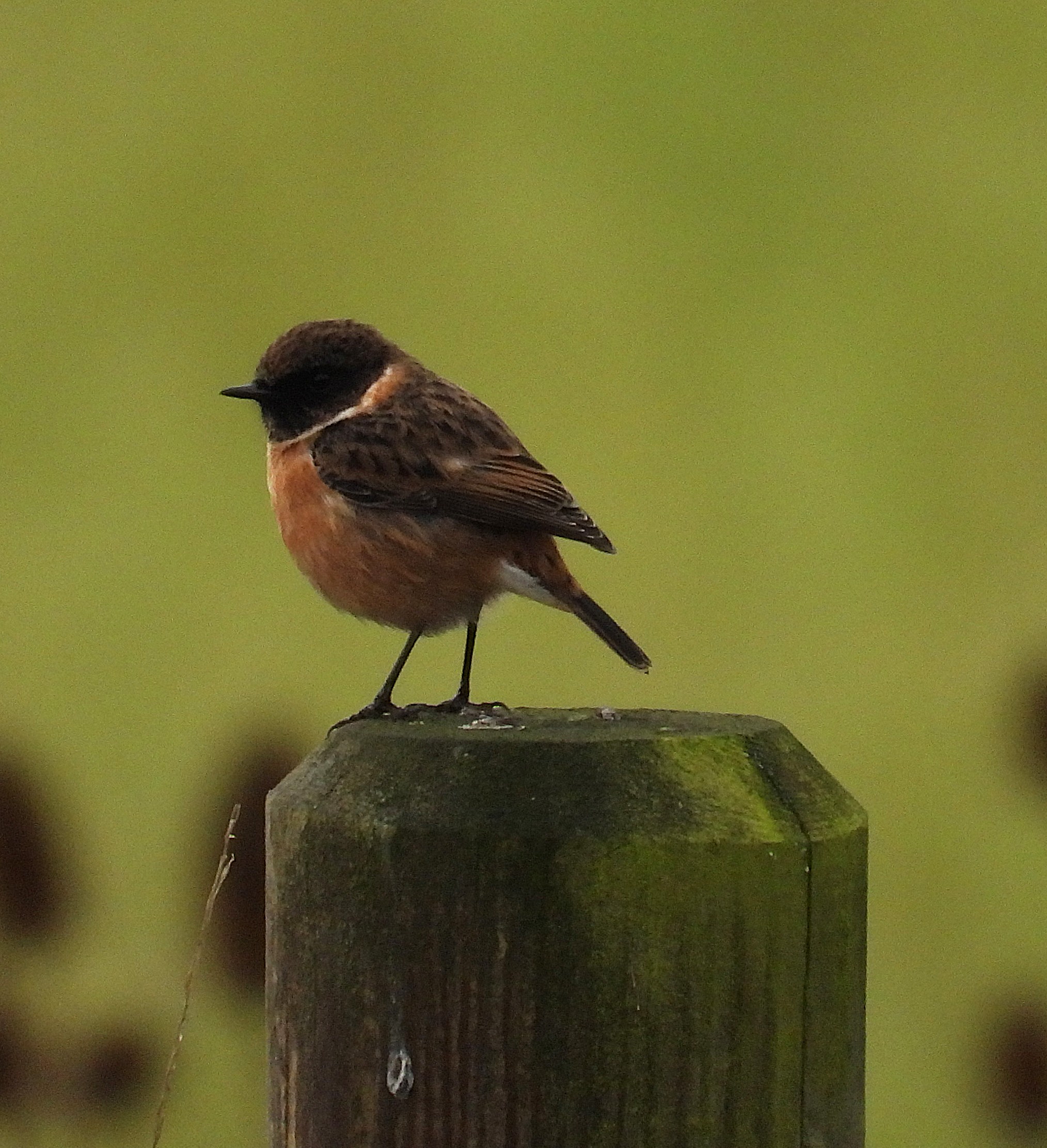
Five sites produced the week’s Stonechats, numbers of which now seem to be falling in comparison to recent weeks. Highest to lowest site totals saw five at Pitsford on 17th, four in the Brampton Valley between Brixworth and Hanging Houghton on 18th, two at Lilbourne Meadows NR on 15th and singles at Clifford Hill on 18th and Titchmarsh on 20th.
A Hawfinch at Gamboro Plantation, east of Cottesbrooke, was a turn up for the books on 18th, the same site holding at least eight Crossbills on 17th-18th, while two flew over the Brampton Valley on 15th and one was seen at Borough Hill on 14th.

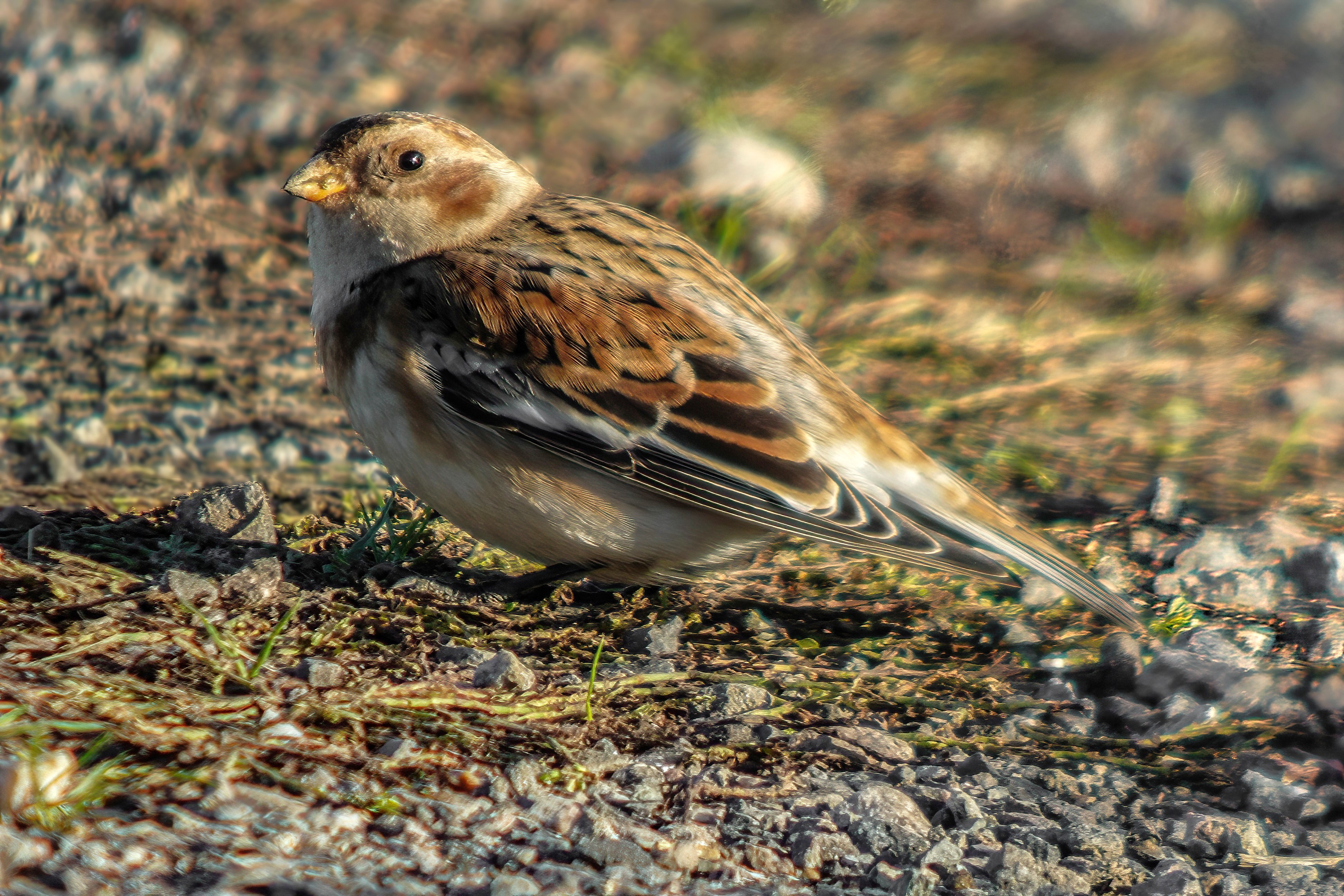
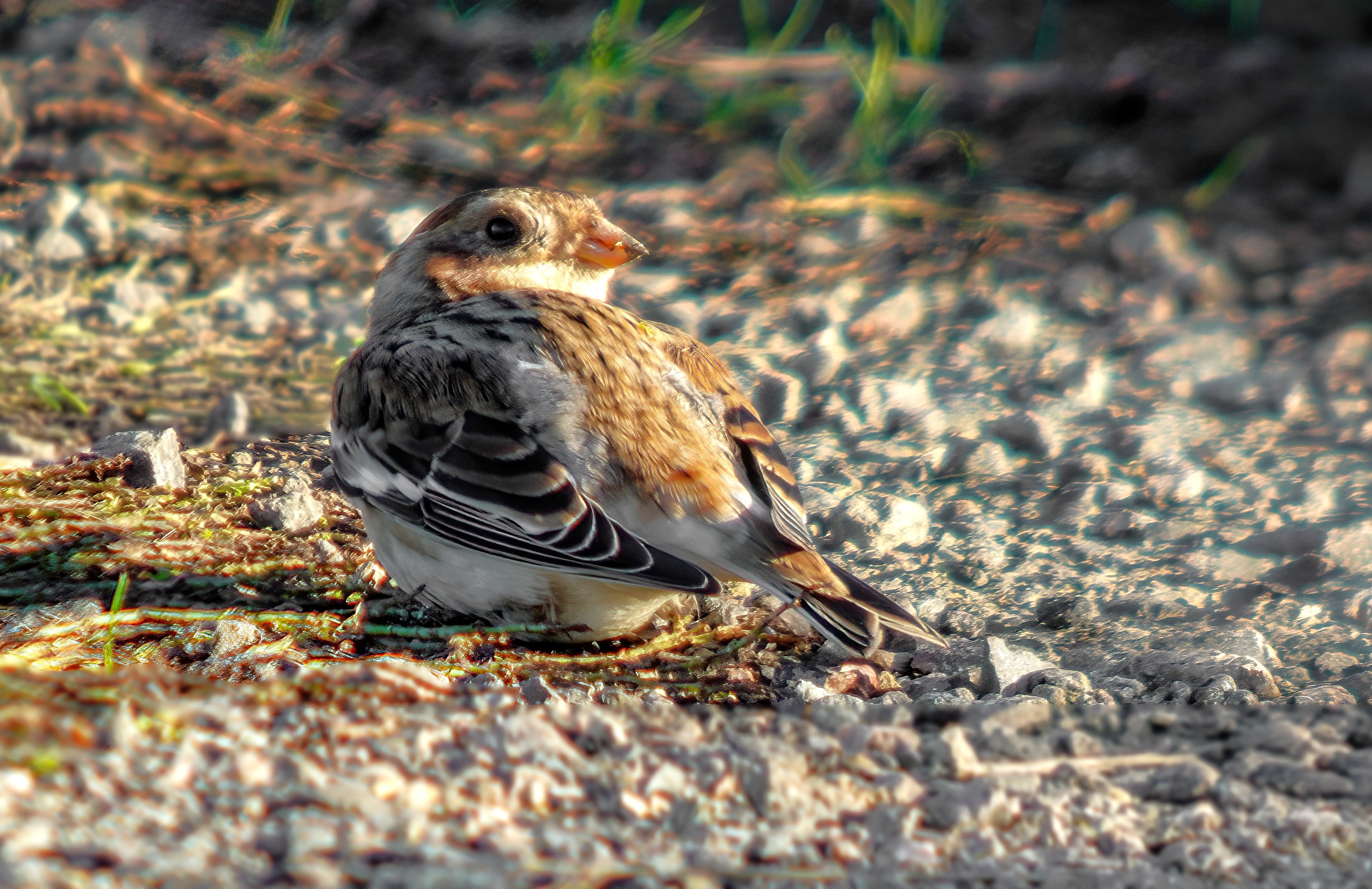
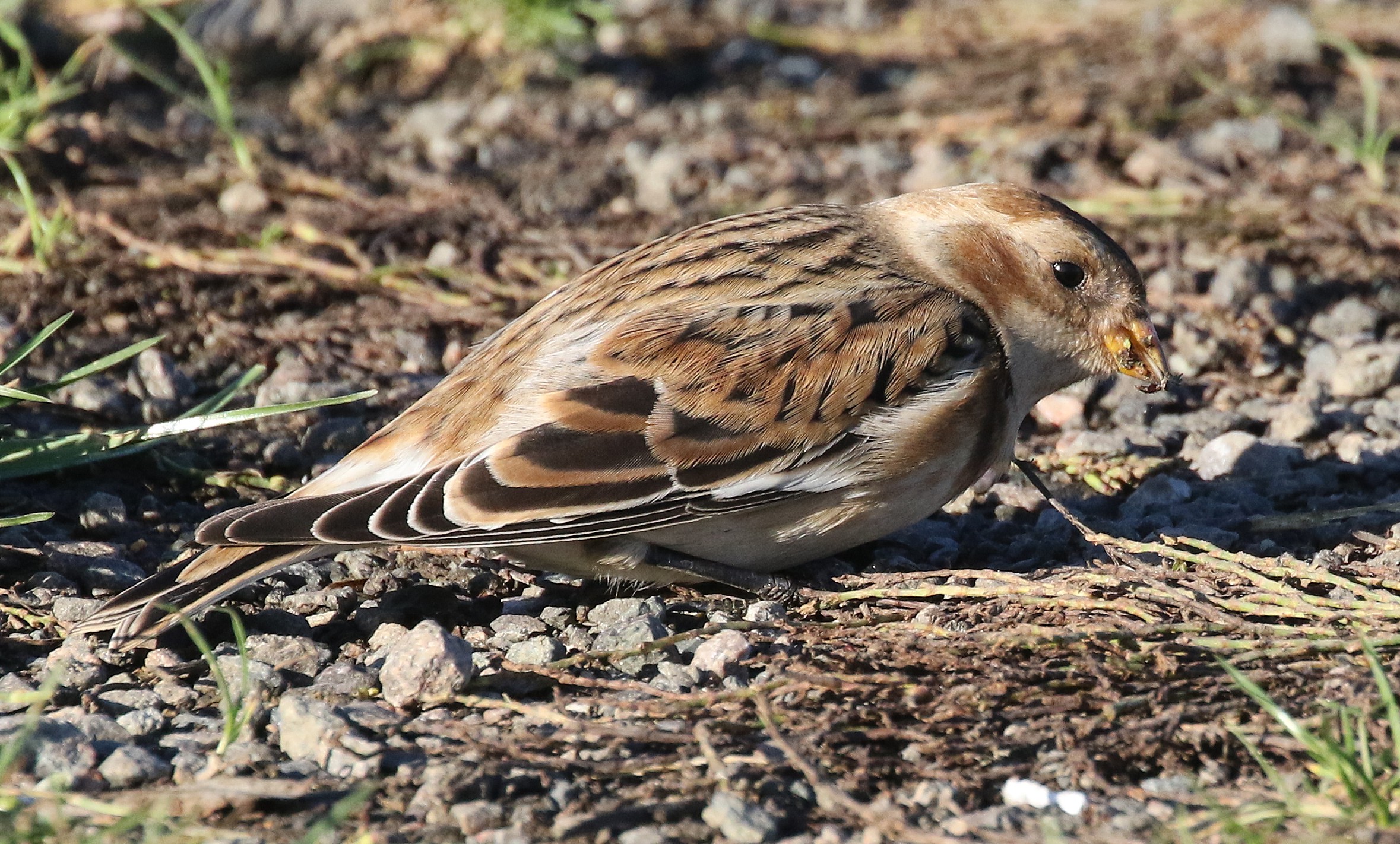
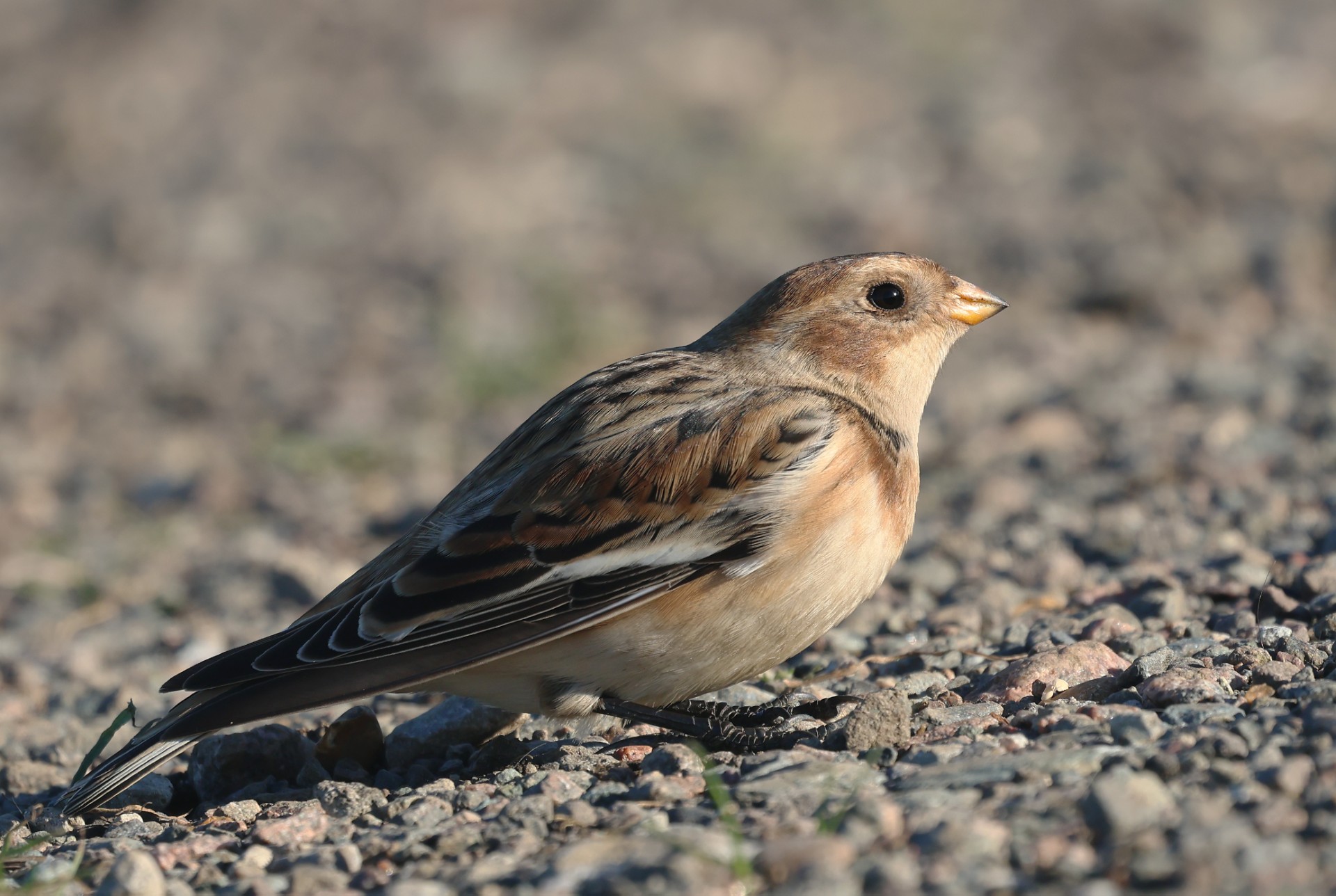
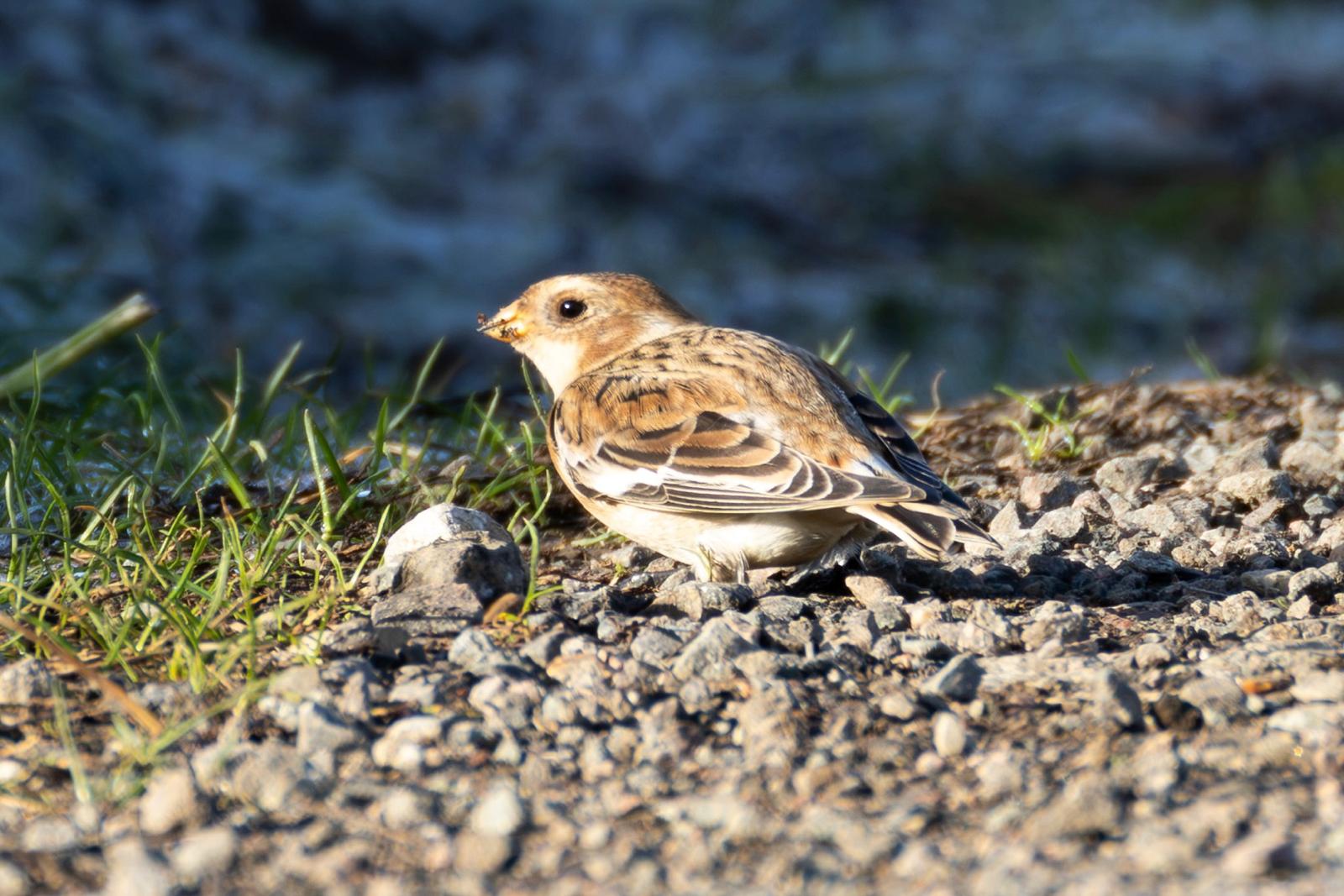
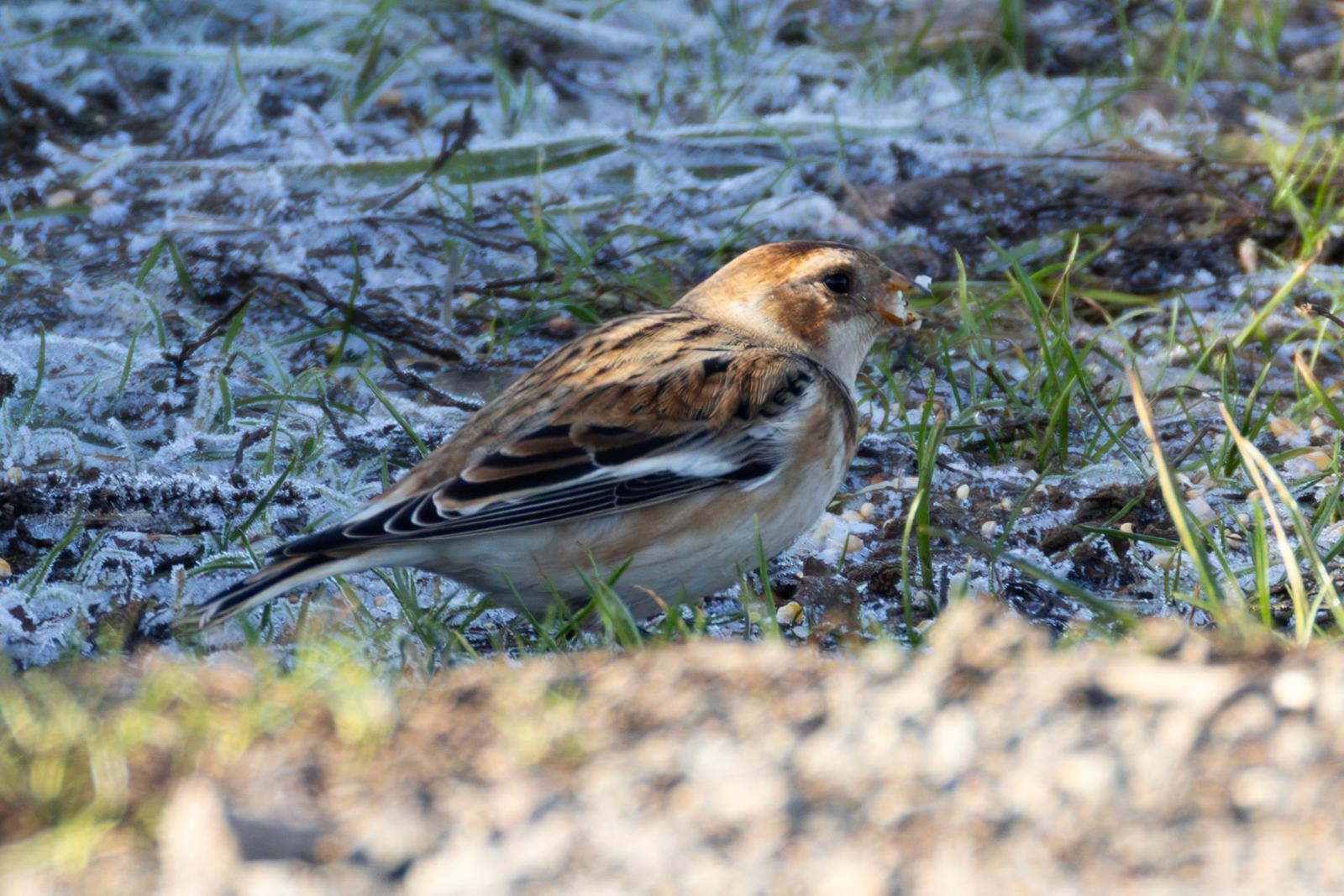
And, as we all know, nothing lasts forever. Despite having scattered the good seed on the land, last week’s Snow Bunting enjoyed a fine innings, remaining in the Brampton Valley only until 16th before deciding to move on. Another was then reported on the dam at Pitsford, briefly, on 20th.
Newsround 7th to 13th November 2026

Although we’re only just over two weeks away from winter, the autumn fires are still burning with the back end of the season continuing to deliver some class birds. Found mid-period, one such individual was the first of its kind in the county for nine years and, proving itself a crowd-puller, behaved impeccably for observers during its stay through to the week’s end …

Aside from the Cackling Goose, back again at Stanford Res on the first day of the week and ostensibly kicked into the long grass, the last day of the period saw the discovery of five Tundra Bean Geese – seemingly a family party of two adults and three first-winters – at Stanwick GP. A great find and normally something to attract significant attention but, after last winter’s unusual influx, it may be argued that we’ve had our fill this year, or that we’ve certainly been spoiled, so they elicited far less interest than may otherwise have been expected.

Meanwhile, the good run of autumn White-fronted Geese continued with twenty-two flying south-west over Blueberry Farm, Maidwell on 7th, the same date seeing four at Stanford Res, remaining there until 10th, after which there were 2 on 11th and three on 12th. Elsewhere, five flew high south-east over Daventry CP on 11th, when one was also at Islip Water Meadows, presumably the same individual being seen at adjacent Thrapston GP the following day.

Six Red-crested Pochards appeared at Stanford on 8th, four of which were still present on 10th, while the 9th and 11th saw a female at Ravensthorpe Res, followed by a drake and female there on 12th and three (one drake) on 13th. A single drake was present at Pitsford Res on 10th-11th.

Two female-type Greater Scaups were again at Thrapston on 7th-8th, one of which was still present on 11th, while a first-winter drake was found at Daventry on 9th, where it remained until the week’s end.

Yet another Grey Plover headed the cast of this week’s waders as it flew over Summer Leys LNR on 13th, while Clifford Hill GP produced the best of the rest, comprising single Black-tailed Godwits on 8th, 12th and 13th with two flying south-east on 11th, plus a late Common Sandpiper there on 9th and a Jack Snipe on 13th. Another Jack Snipe was also found at Pitsford on 7th.

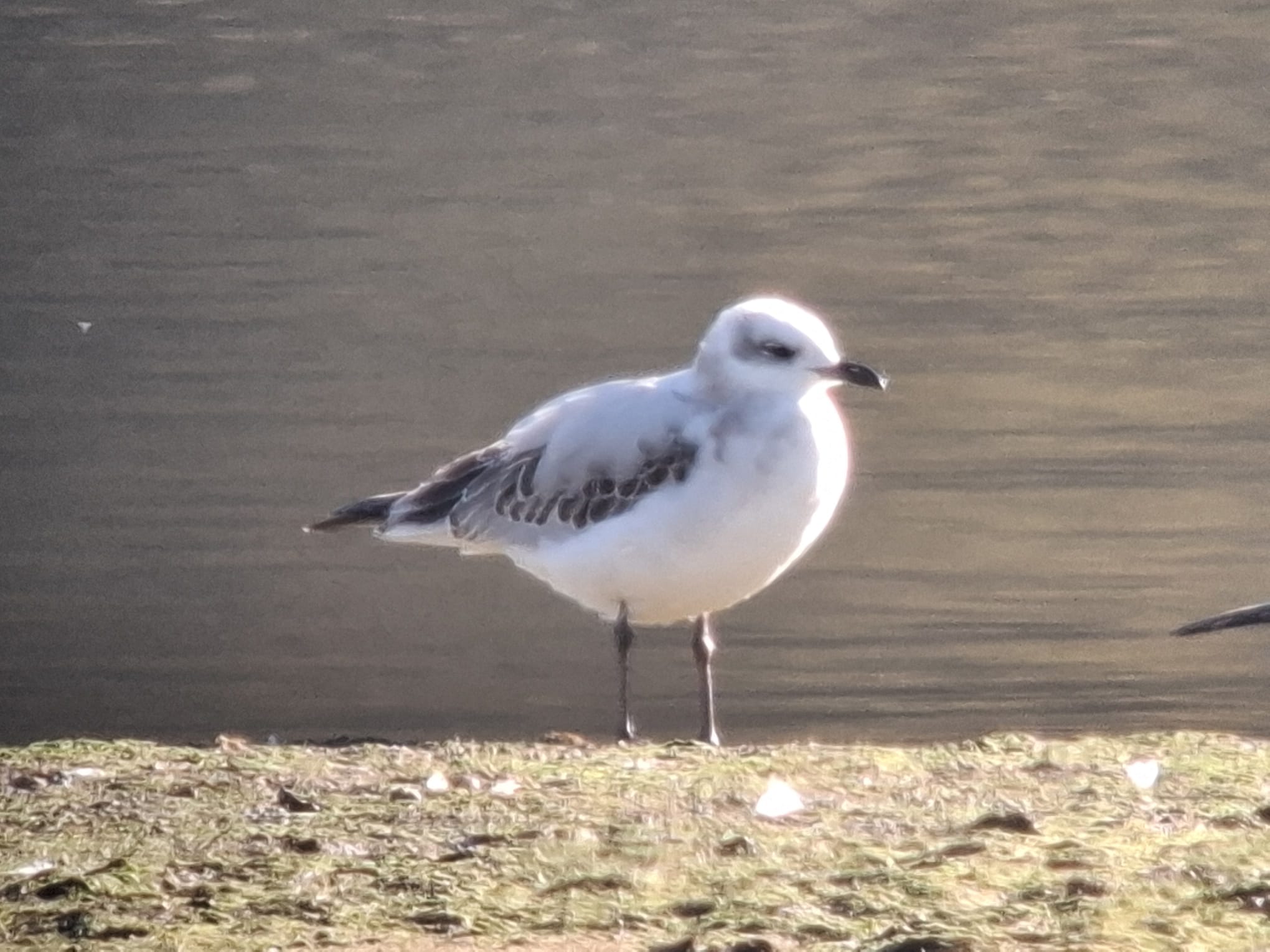
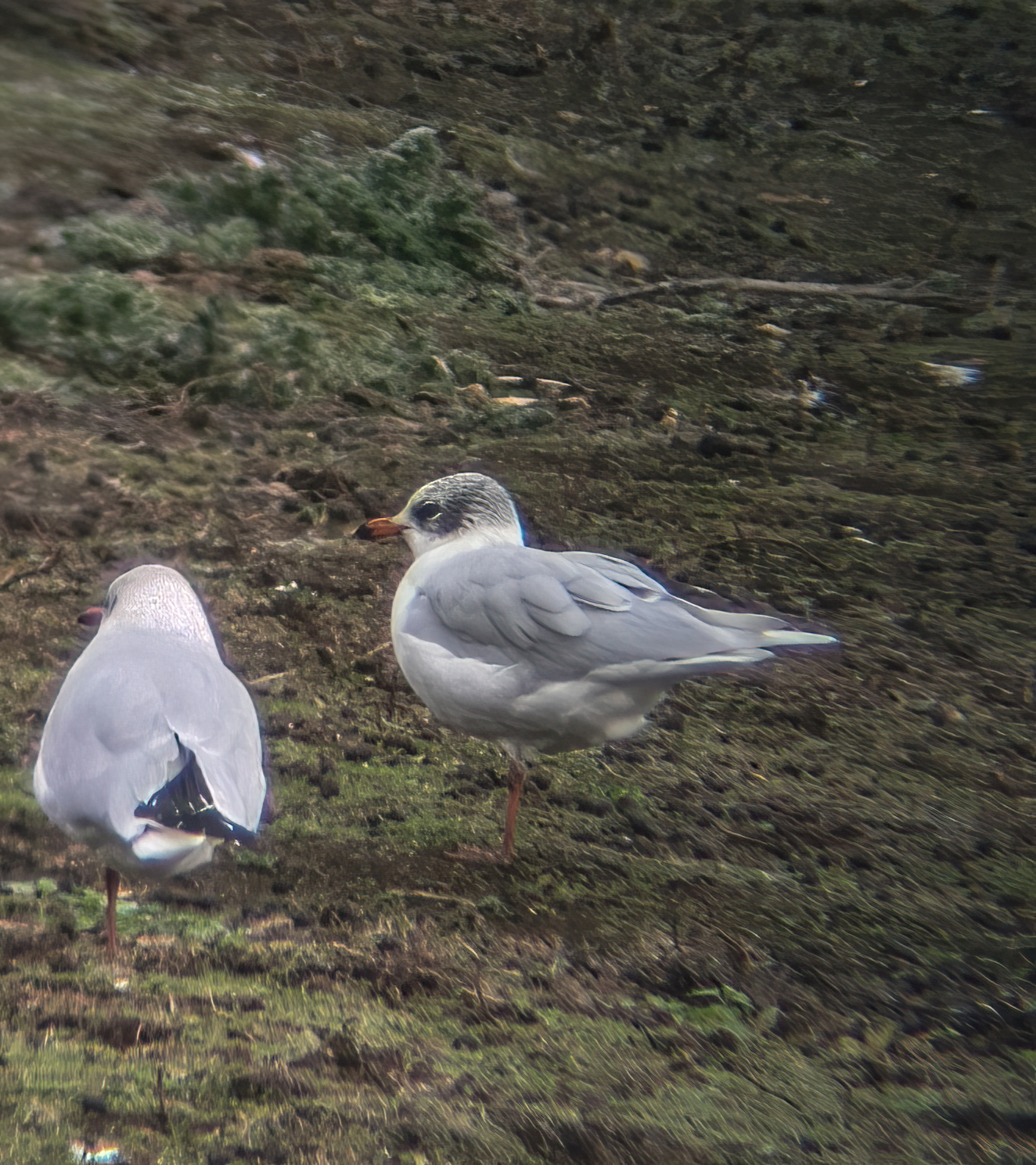
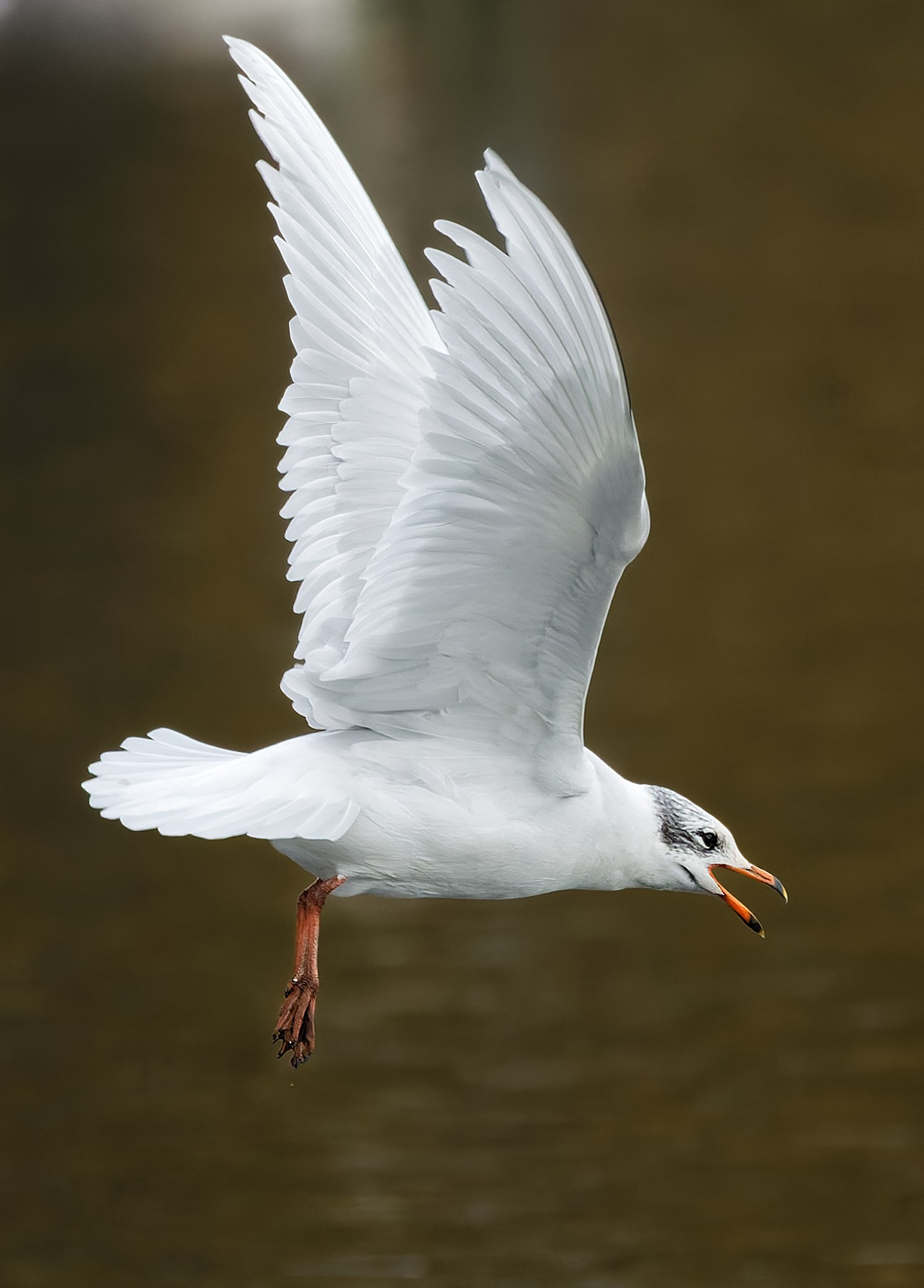
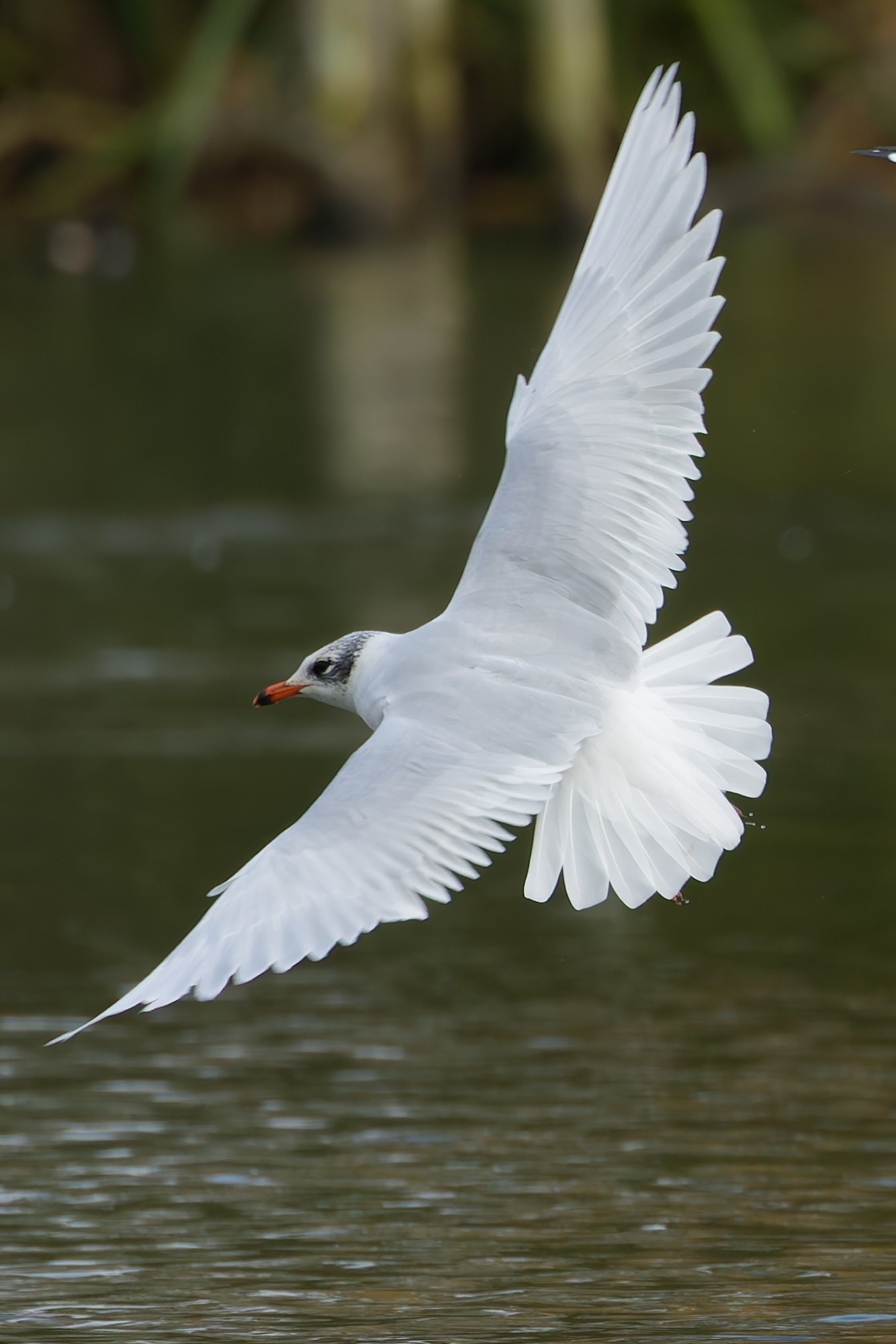
In start contrast to last week, just one Mediterranean Gull was found – a first-winter at Daventry on 13th.

Single adult Caspian Gulls were present in the roost at Stanford, nightly, on 7th-10th, while the German-ringed (XLVH) adult male – normally associated with Naseby Res – was found there on 13th. An adult also visited Ravensthorpe on 11th.

Aside from singles at Clifford Hill on 9th, 12th and 13th, Pitsford remained the most reliable locality for catching up with Yellow-legged Gulls, with four on 9th and two and 10th, 11th and 12th.

Just one report of Glossy Ibis came from Summer Leys on 8th, while two Bitterns were on show there on 13th.

There was little deviation from last week as to where Marsh Harriers were found, with Thrapston GP’s Titchmarsh NR producing one on 7th followed by two there the next day, and Summer Leys delivering single birds almost daily, with two there on 9th and 13th. Stanwick also got in on the action, with one on the latter date.

‘Ringtail’ Hen Harriers included last week’s Brampton Valley individual which was seen near Lamport Crossing on 11th and at Blueberry Farm on 13th, while another was found between Newton Bromswold and Rushden on 8th.

The Brampton Valley also held on to its Short-eared Owl, being seen on 7th, 10th, 11th and 13th, while another emerged from the fog at Clifford Hill on 9th.

Late news emerged this week of a Hoopoe seen well and photographed at Thrapston on 31st October.

For those in the right place at the right time, two Merlins were on show, albeit briefly, this week – one at Stanford on 9th and 10th and the other in the Brampton Valley between Cottesbrooke and Hanging Houghton on 10th, 11th and 12th.

On the passerine front, a Siberian Chiffchaff was reported along the Grand Union Canal at Banbury Lane, Northampton on 12th.

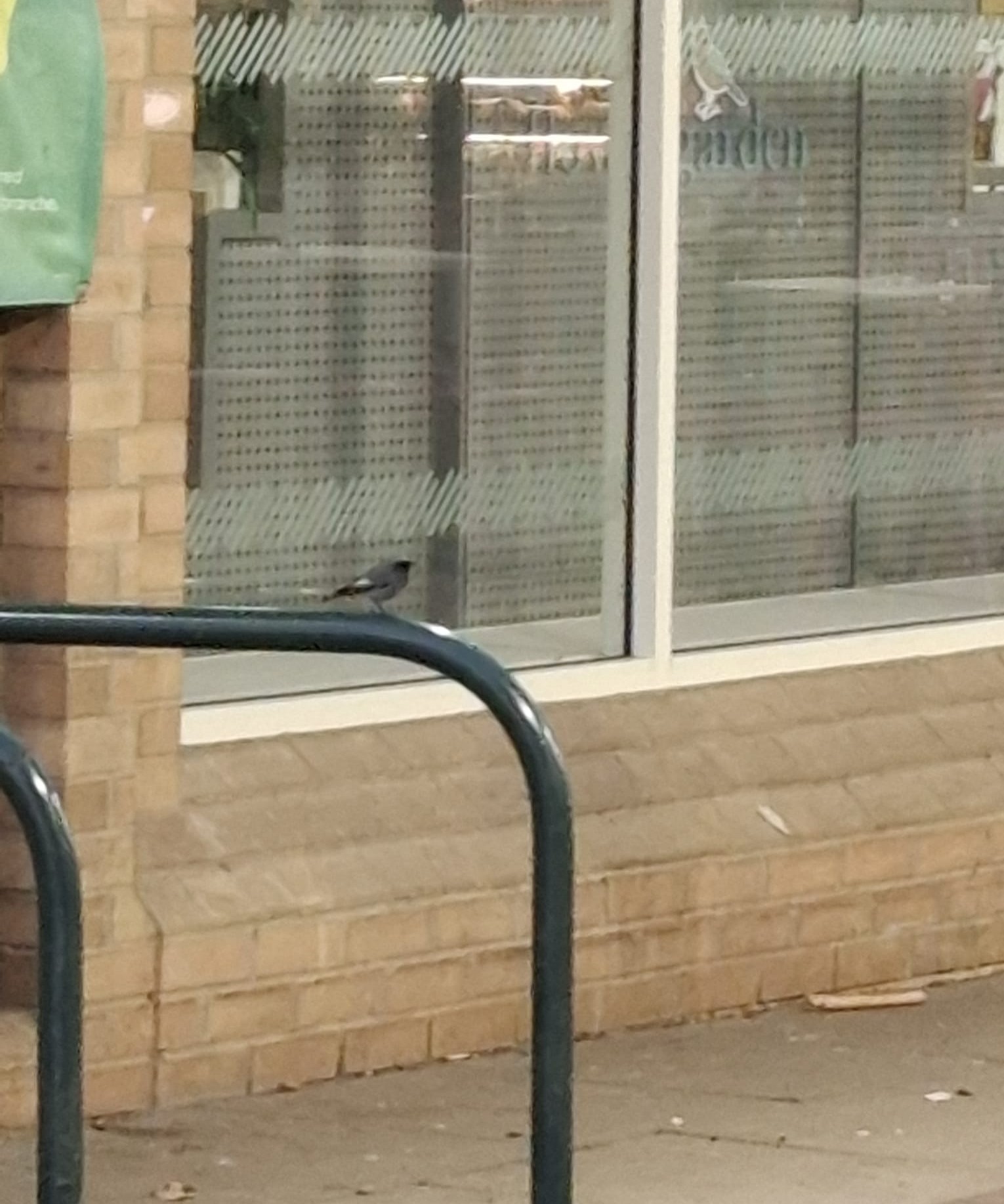
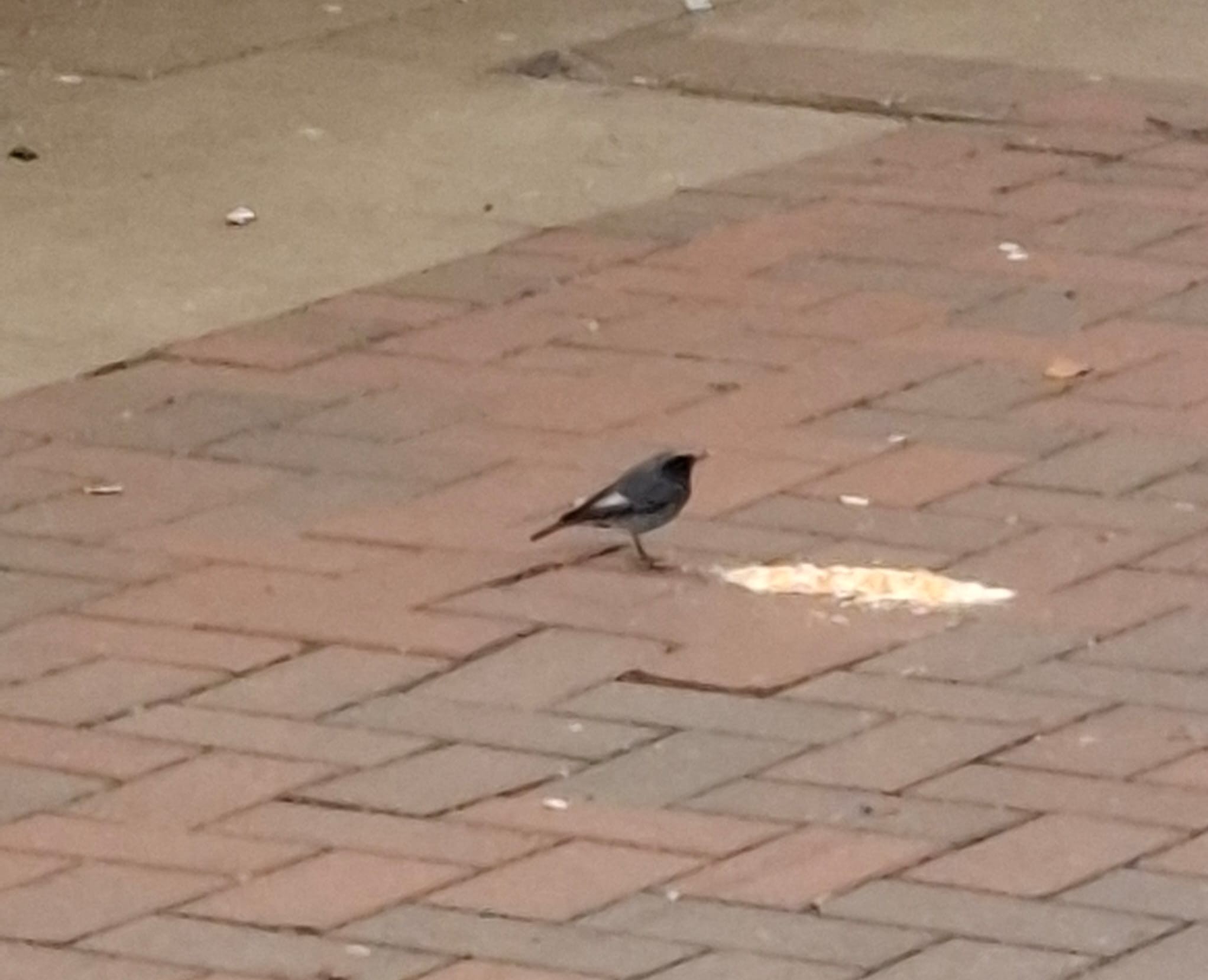
And continuing the 2026 trend for melting away immediately after having been found were two more Black Redstarts. One was in the Sailing Club grounds at Pitsford on 9th, while the other – a cracking adult male – turned up on the 12th in a busy retail area in Daventry, where it was understandably subjected to constant disturbance by shoppers. Both quickly moved on.

Seven sites produced the week’s Stonechats. The Brampton Valley, Clifford Hill, Earls Barton GP, Pitsford, Thrapston and Wellingborough all held between one and three, while four – the week’s maximum site count – were present at Lilbourne Meadows on 9th.

But it was the turn of the Brampton Valley to drop this week’s bombshell – or, at least, one of them. Discovered on the morning of the 10th, feeding out in the open and highly approachable, was the first Snow Bunting to be found in Northants for some considerable time. While a number of locals quick off the mark had caught up with it before the afternoon was out, it was, apparently, not seen the following day. Another day later and it was back again. It then continued to attract a steady stream of admirers until the week’s end, its stay likely prolonged by some generous seed scattering. Apparently unfazed and approachable to within a mere two metres, it provided easytoggin’ for participants who were so inclined.

But that’s not the end of the story. Some 12 km to the east – as the Snow Bunting flies – another female-type was found on private land near Orlingbury on the 12th. This one, however, was not for staying and it flew off shortly after its discovery and wasn’t seen subsequently.

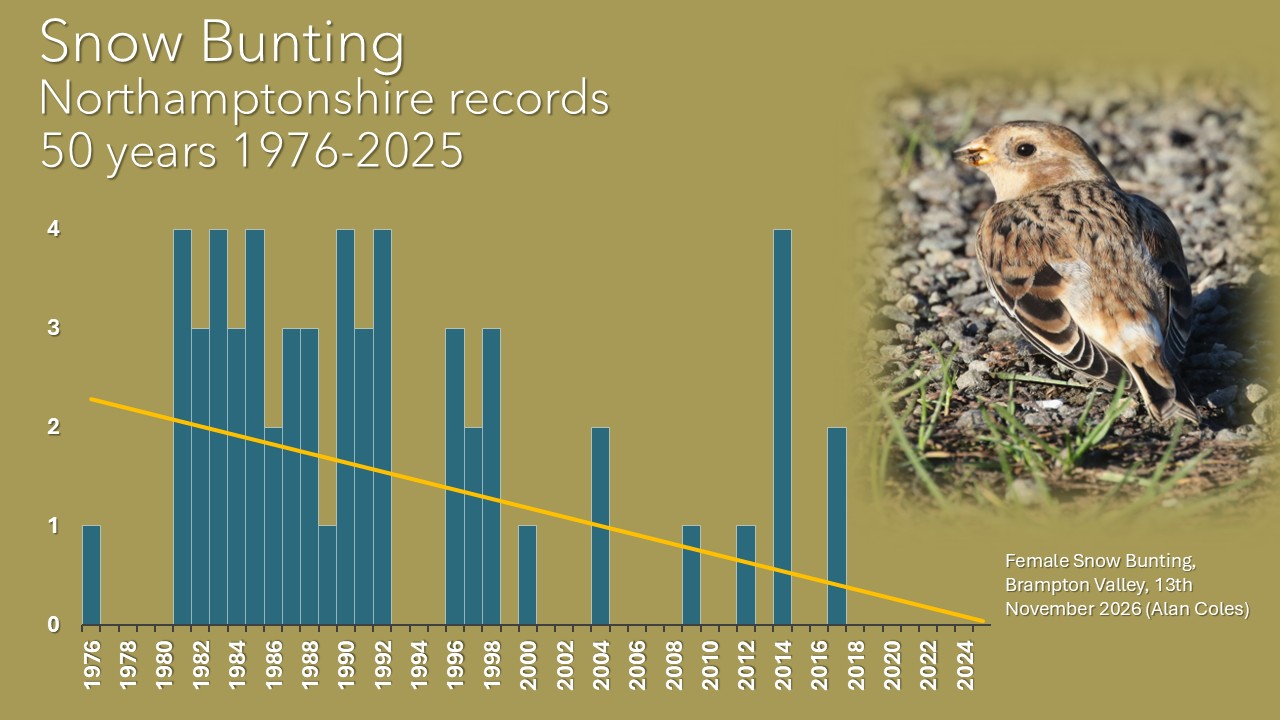
These are the first records in Northants for 9 years, the last being at Pitsford in December 2017. A look back over the last 50 years reveals that 53% of Snow Bunting records are in November and they are far less regular in the county these days than they once were, with gap years increasing and the occurrence trendline on a significant downward slope …

Newsround 31st October to 6th November 2026

The first week of November did not disappoint. The 5th saw fireworks of a different kind with, once again, Stanford Reservoir being streets ahead in providing the period’s best display …

In a week of reprieve from dodgy Brantas, it was a pleasure to welcome in more White-fronted Geese to four different localities. It’s been a good autumn so far for a bird that tends to appear in any numbers much later in the year. Single first-winters were found at Islip Water Meadows on 4th and at Boddington Res on 5th, the latter date also seeing one at Clifford Hill GP. Seven also dropped in at Stanford Res on the last day of the period.

Also incoming were more Whooper Swans – these days a much more frequent visitor to the county than in times past and so only to be expected following a wintering population increase of 171% over the 25 years 1998 to 2023. Three flew south-east over Kettering on 2nd, followed by four at Thrapston GP’s Titchmarsh NR on 4th.

The female Ruddy Shelduck was still at its favoured site of Winwick Pools on 1st and a Red-crested Pochard popped up at Ditchford GP on 6th. Last week’s female-type Greater Scaup remained at Thrapston GP until at least 5th, being joined by another of the same for one day only, on 4th. A first-winter drake appeared at Ravensthorpe Res on 5th but was absent thereafter.

The 5th also delivered a record-breaking flock of Common Scoters to Pitsford Res where an astonishing forty-nine ‘female-types’ were found in Pintail Bay, knocking the previous highest count of twenty-eight, at Ravensthorpe in July 1991, into a cocked hat. Other Common Scoters were available, with singles at Clifford Hill GP on 31st and at Stanford on 2nd.

A Black-necked Grebe was reported from Summer Leys LNR on 5th.

Topping the week’s waders was another Grey Plover, at Clifford Hill GP on the last day of the period.

Single Jack Snipes were present at Summer Leys on 2nd and at Clifford Hill on 5th, while two late Common Sandpipers were at Boddington Res on 5th and at Pitsford on 6th.

Back again to record-breaking flocks and the first day of the week saw five Mediterranean Gulls in flight over Kettering on 31st in what was another good week for them locally. An adult and a first-winter were at Stanford on 31st, when an adult also visited Summer Leys. Single first-winters were at Stanford and Daventry CP on 1st and 2nd, respectively, second-winters appeared at Boddington on 3rd and Pitsford on 5th and an adult was at Titchmarsh on the latter date.

Caspian Gulls were present somewhere on each day of the period, with Boddington, Hollowell, Pitsford, Ravensthorpe, Stanford and Thrapston all producing one to two birds. And Yellow-legged Gulls fell into the same category, although the roost at Boddington held at least eight on 3rd and smaller numbers were to be found at Clifford Hill, Stanford, Pitsford and Thrapston.

But, as dusk began to fall on 5th, the evening kicked off with an almighty bang as, out of the last glimmer of light, came a beast of a bird. Initially seen flying east over Stanford’s gull roost, a Great Skua subsequently pitched down and was then located on the water, where it remained until it quickly became shrouded in darkness. Despite a pre-dawn vigil, early the following morning, it was not seen again. This is the 22nd Great Skua to be seen in the county and the first since October 2018, when one spent an afternoon at Sywell CP, but prior to that we have to look back to 2007 …

Although keeping a low profile for some of the time, the Summer Leys Glossy Ibis saw another week out on site.

Just one locality produced Cattle Egrets, the riverside meadows at Denford holding two on 31st and a respectable eleven on 3rd.

And Summer Leys and Titchmarsh carved up the week’s Marsh Harriers between them, with almost daily sightings of up to two individuals at the first of these and singles at the latter site on 1st and 6th and two on 2nd. A ‘ringtail’ Hen Harrier was seen in the Brampton Valley between Blueberry Farm, Cottesbrooke and Hanging Houghton on 2nd and 5th, the same area again producing a Short-eared Owl on 31st.

The latter locality was also one of nine holding this week’s Stonechats, at the same time delivering the highest count of six on 5th. Numbers between one and four were present at Clifford Hill, Hollowell, Moulton, Pitsford, Priors Hall, Summer Leys, Sywell CP and Titchmarsh.

A Hawfinch was heard at Hazelborough Forest on 31st.

Newsround 24th to 30th October 2026

With the continued run of late autumn migrants – including two more new ones for the year – it was another week to be savoured, with the spotlight firmly on Stanford Reservoir …

The week’s wildfowl medley once again opens with a blisterin’ Barnacle Goose at Islip Water Meadows from 27th to 30th and the Cackling Goose of unknown origin again visiting Stanford Res on the first of these two dates. More White-fronted Geese arriving on the scene included two adults down south, between Aynho and Clifton, from 25th until at least 30th, and three dropping into Summer Leys LNR on 30th.

Six Whooper Swans paid a brief visit to Ravensthorpe Res on 29th before departing to the north-west.

The female Ruddy Shelduck remained settled at Winwick Pools and Pitsford Res produced a drake Red-crested Pochard on 28th. Thrapston GP’s drake Ring-necked Duck was seen again this week but only on the first day of the period, as was last week’s female-type Greater Scaup, mobile between Titchmarsh NR and Town Lake throughout the week.

Following no reports of Pitsford’s Slavonian Grebe subsequent to 22nd, it was seen again there on the last day of the period.

This week’s waders were limited to Jack Snipe, with singles at Clifford Hill GP on 27th and Summer Leys on 29th.

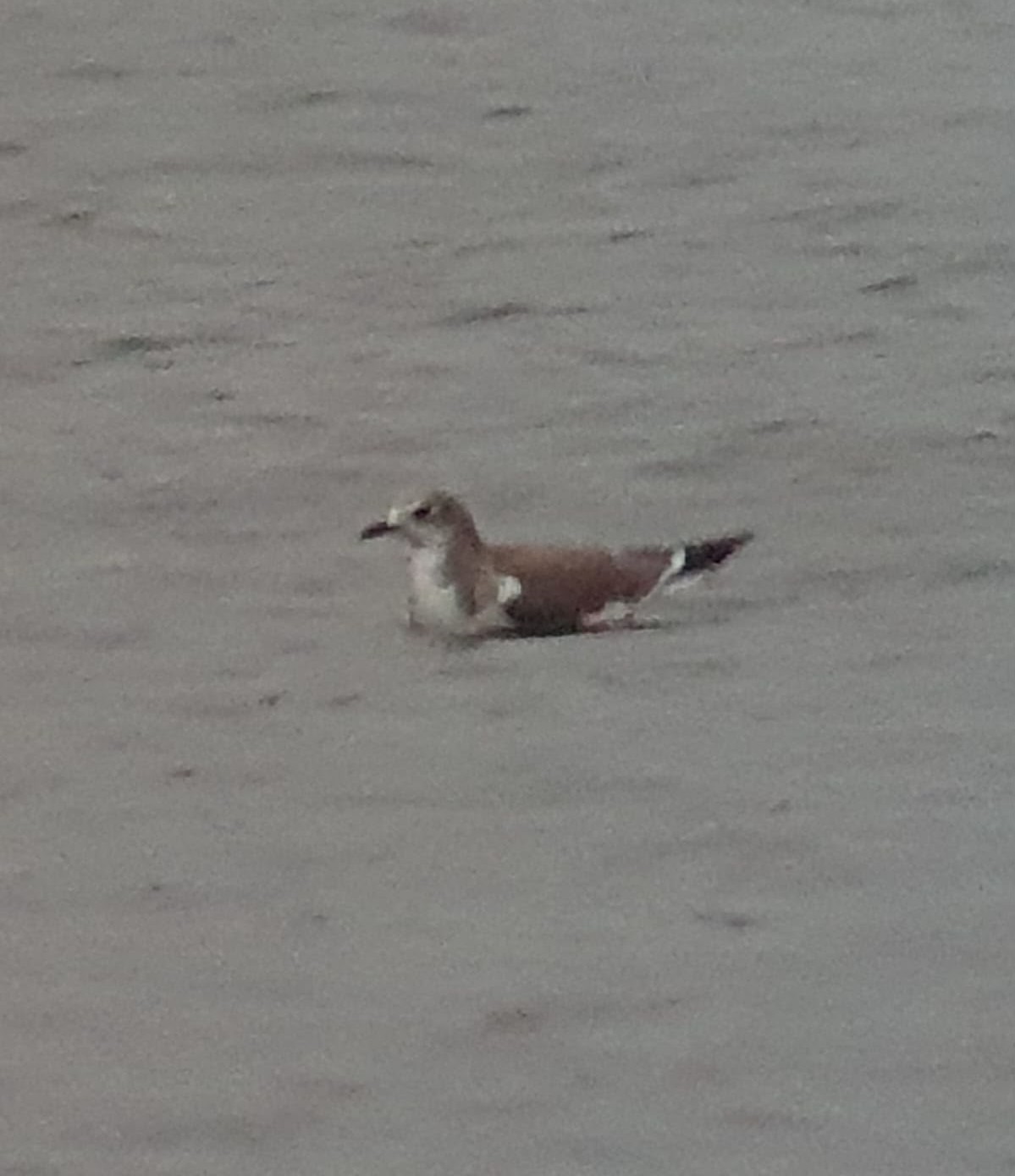
However, gull power spiced up the lives of a good many local birders this week as Stanford pulled a neat, first-winter Sabine’s Gull into its roost on 26th, which it then visited for the following four evenings, also being seen daily in the early mornings before its final departure on 31st. First recorded as recently as 1987, it’s a class rarity in Northants with only seventeen previous records, the last being at Pitsford in October 2022.

First-winter Sabine’s Gull, Stanford Res, 28th October 2026 (Chris Hubbard)

It was also another good week for Mediterranean Gulls. Following one at Earls Barton GP’s Mary’s Lake on 25th, the Stanford roost held an adult on 26th, 28th and 29th plus a first-winter on the second of these dates, after which an adult was found at Wicksteed Park Lakes, Kettering on 30th, when a second-winter also visited Daventry CP.

Caspian Gulls, too, were up for grabs, with Earls Barton producing a second-winter on 25th, Stanford a first-winter on 25th and an adult on 26th, and Hollowell an adult on 30th. Six localities produced Yellow-legged Gulls, although numbers were low, and included singles at Earls Barton, Ravensthorpe and Stanford on 25th, Clifford Hill on 27th, Thrapston GP on 27th and 29th, with three there on 30th, when one also visited Wicksteed Park Lakes.

A Glossy Ibis at Ditchford GP’s Irthlingborough Lakes & Meadows NR on 24th seems likely to have been the Earls Barton/Summer Leys individual of late. It was back at the latter site from 25th onwards.

The week’s Cattle Egrets comprised two at Islip Water Meadows on 24th and 27th.

And Marsh Harriers were still high profile, with up to two at Summer Leys daily throughout the period, a male at Stortons GP on 25th, one at Titchmarsh from 27th until at least 29th, plus one at Harrington AF on the latter date.

Short-eared Owls continued to show, this week’s restricted to one in the Brampton Valley, between Cottesbrooke and Hanging Houghton on 27th and one in flight near Cold Ashby on 29th.

Harrington produced a Merlin on 24th.

But, once again, it was Stanford that delivered another outstanding bird this week – and the first one of its kind for five years. On 30th, the first Woodlark in Northants since 2021 flew over calling, continuing on its way – sadly without dropping in. It’s not the easiest species to catch up with in the county as many previous individuals have failed to linger. During the past week, significant movements of Woodlarks were recorded across southern and eastern England.

Last week’s Ring Ouzel at Harrington was still present on 24th.

Only the fourth for 2026, a Black Redstart found in Greens Norton on 29th disappeared very rapidly after its discovery, thereby continuing this year’s trend for evasion of those looking to catch up with one locally.

Just five localities were to produce Stonechats this week. Clifford Hill, Earls Barton, Harrington, Thrapston and Upton CP, with a maximum of four at Thrapston on 29th.

Getting late in the season now for migrant Rock Pipits, one was found at Clifford Hill on 28th.