Newsround 15th to 21st August 2026

A settled period with average temperatures, brought on by a northerly airstream in the latter part of the week, saw migrational momentum on the up and delivering a now expected American wader to the shoreline of Daventry Country Park …

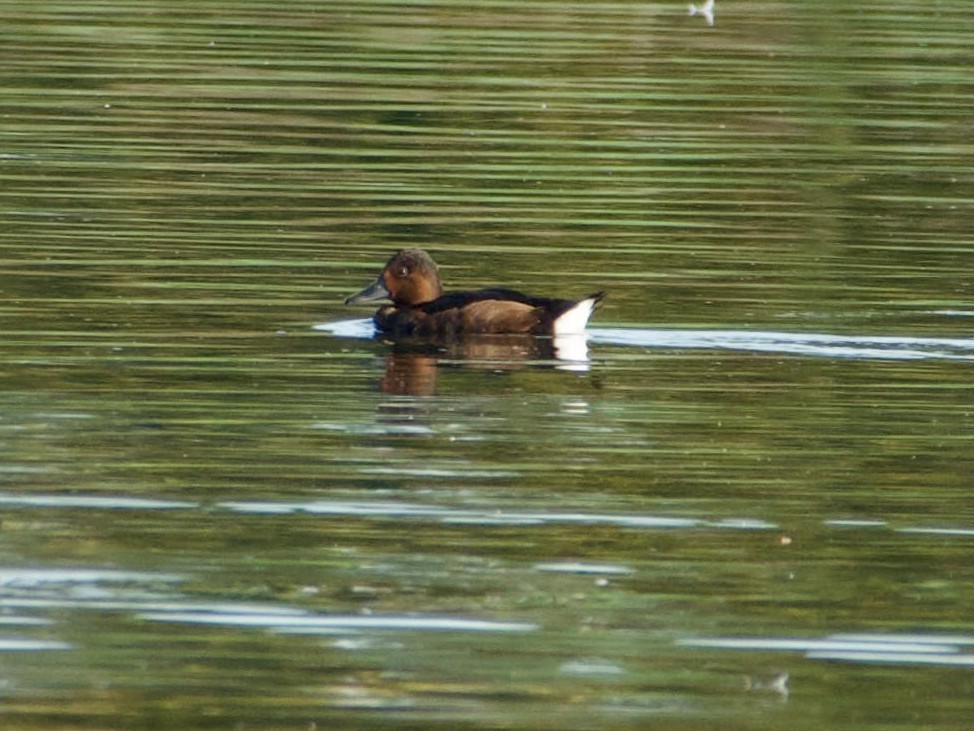
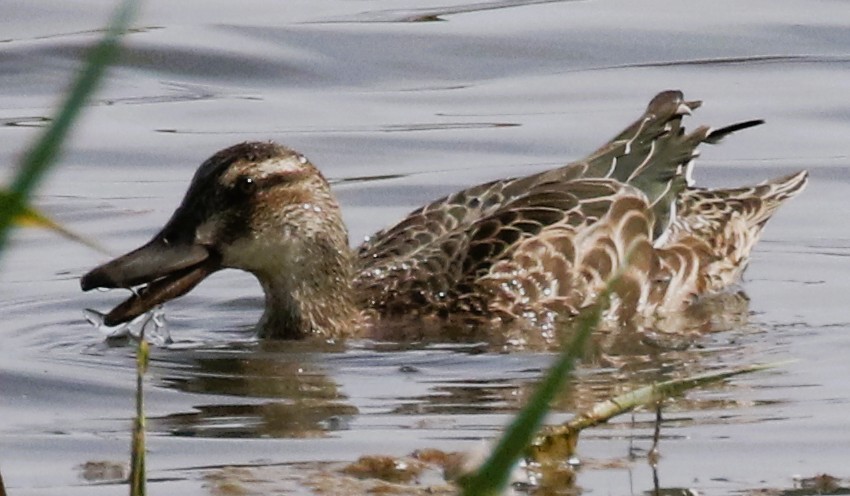
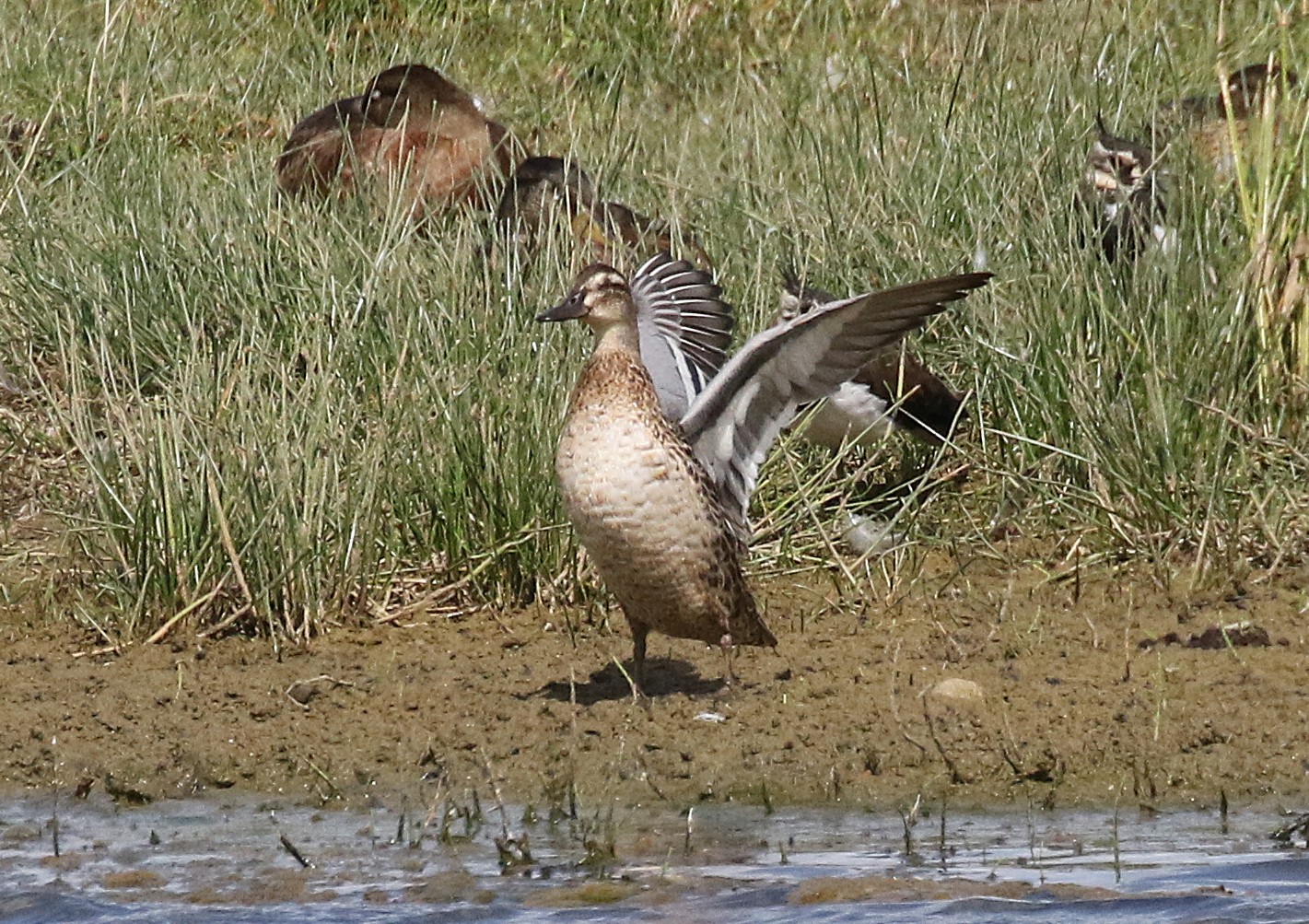
But running conventionally through the list, Garganey is a duck which has been rather scarce in the county this year, although this autumn’s few birds have been hanging around, thereby making themselves readily available to anyone intent on catching up after the dearth of spring records. Thrapston GP’s Titchmarsh NR continued to feature daily in this respect, with one on 15th-16 and three from 18th until 21st. One was also found at Pitsford Res on 18th. The now settled female Ferruginous Duck at Stanford Res also saw another week out.

Just up the road from Summer Leys on the wider periphery of Great Doddington, however, came an intriguing report of a Turtle Dove ‘on the road’ during the late afternoon of 16th, although there was no sight nor sound thereafter. A bit of a head-scratcher, that.

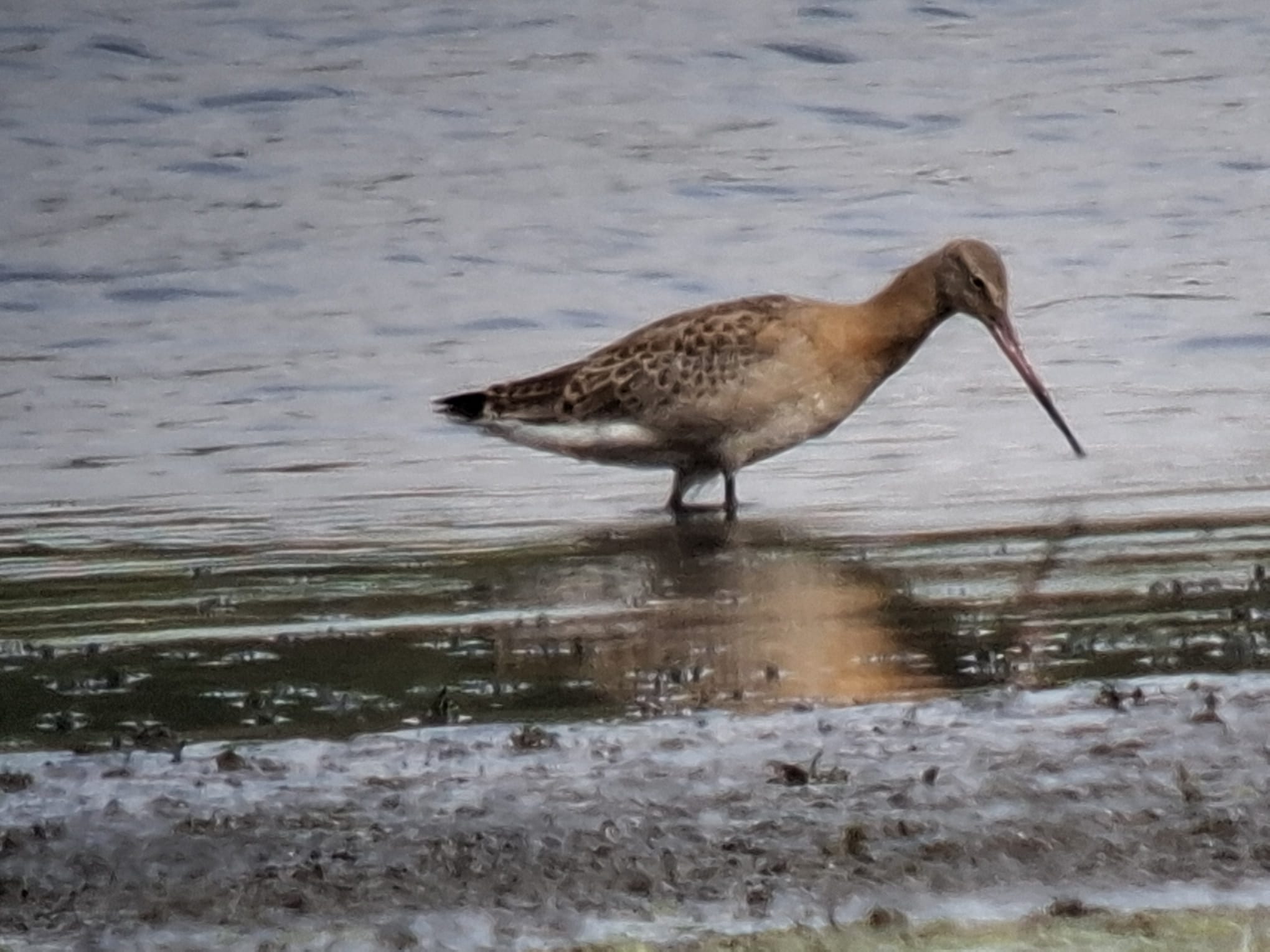
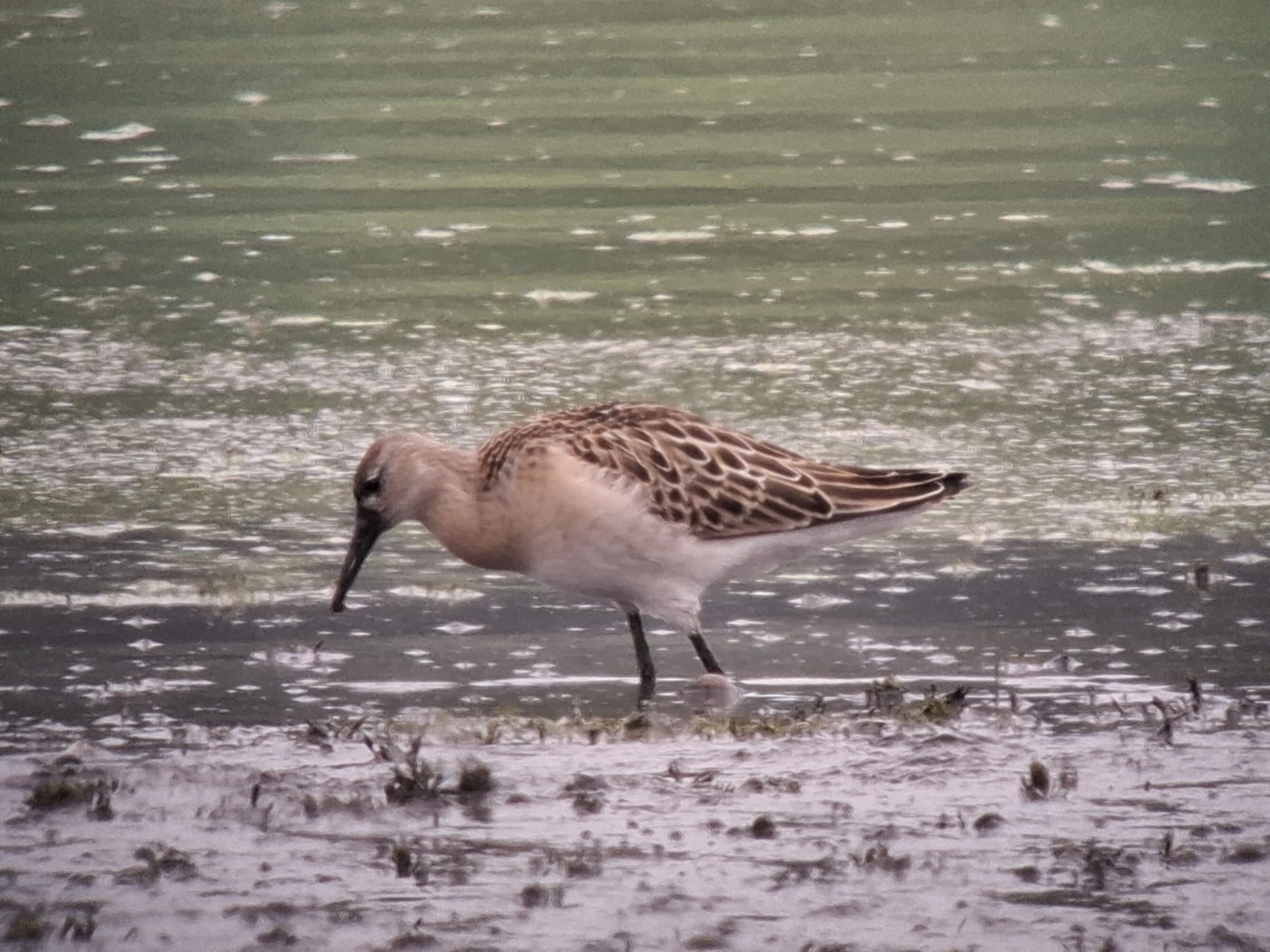
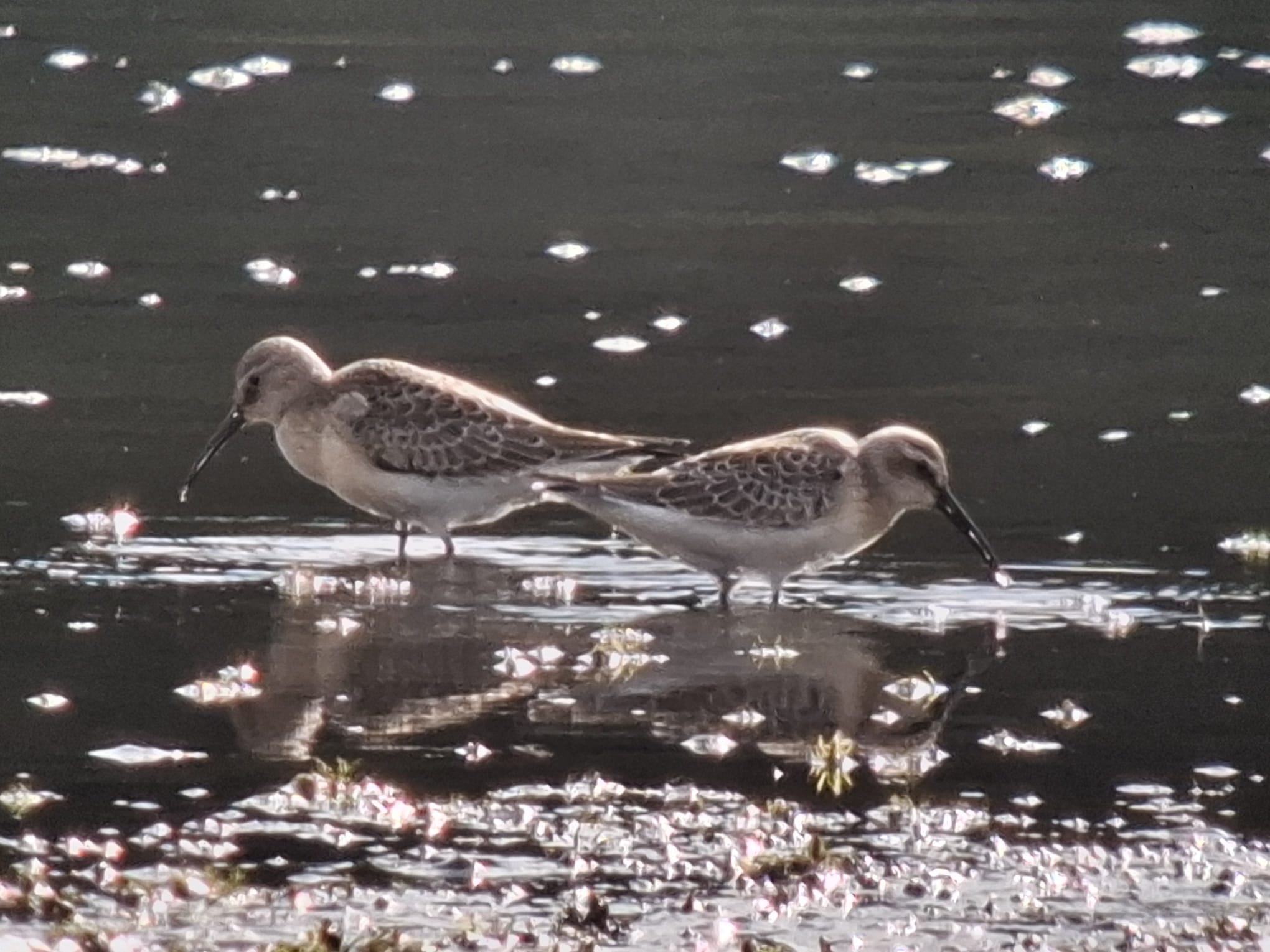
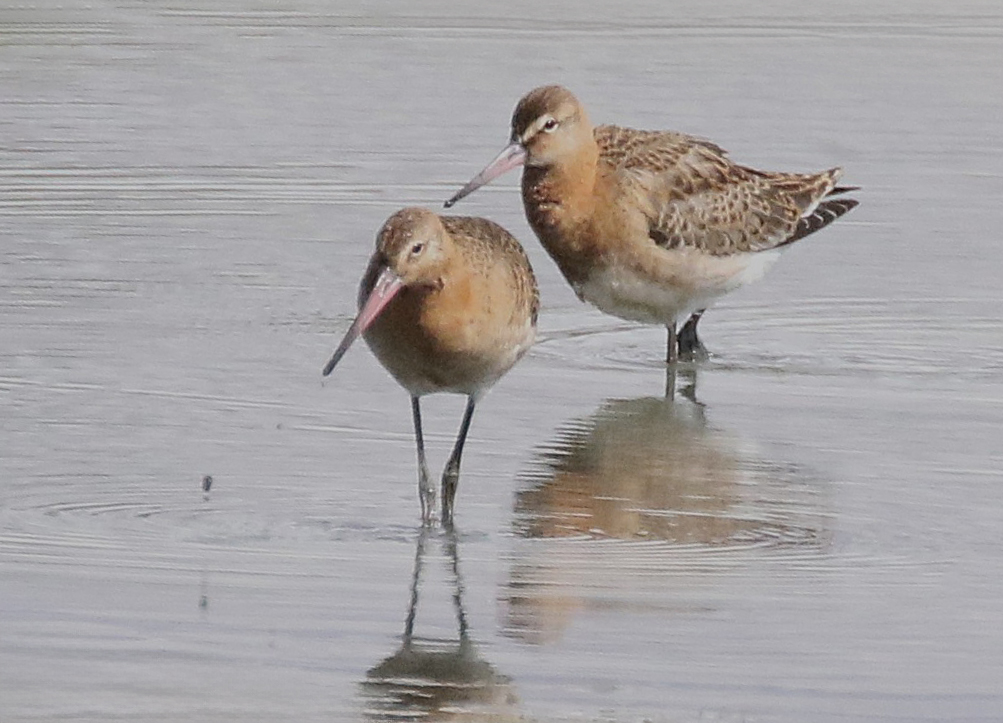
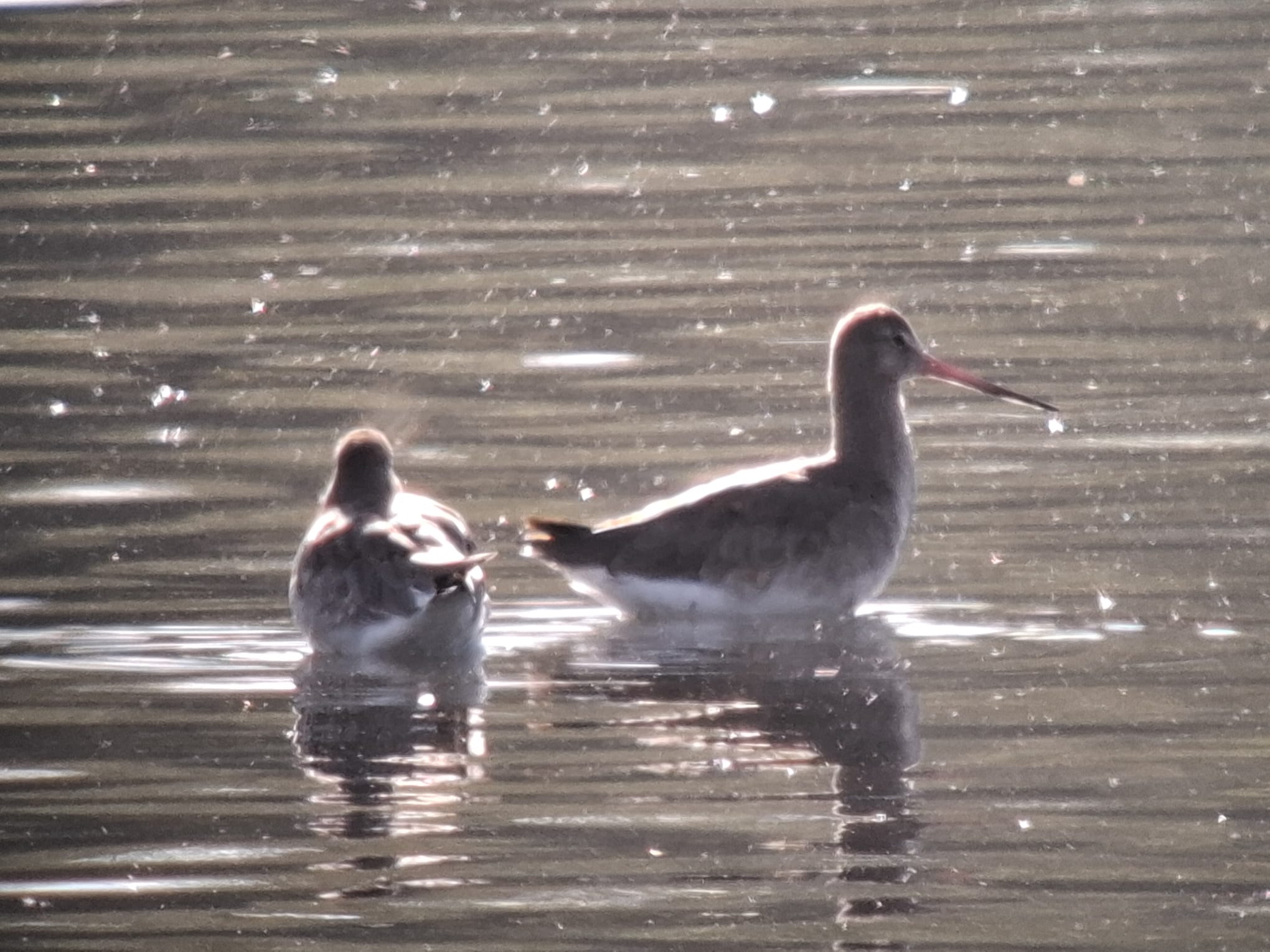
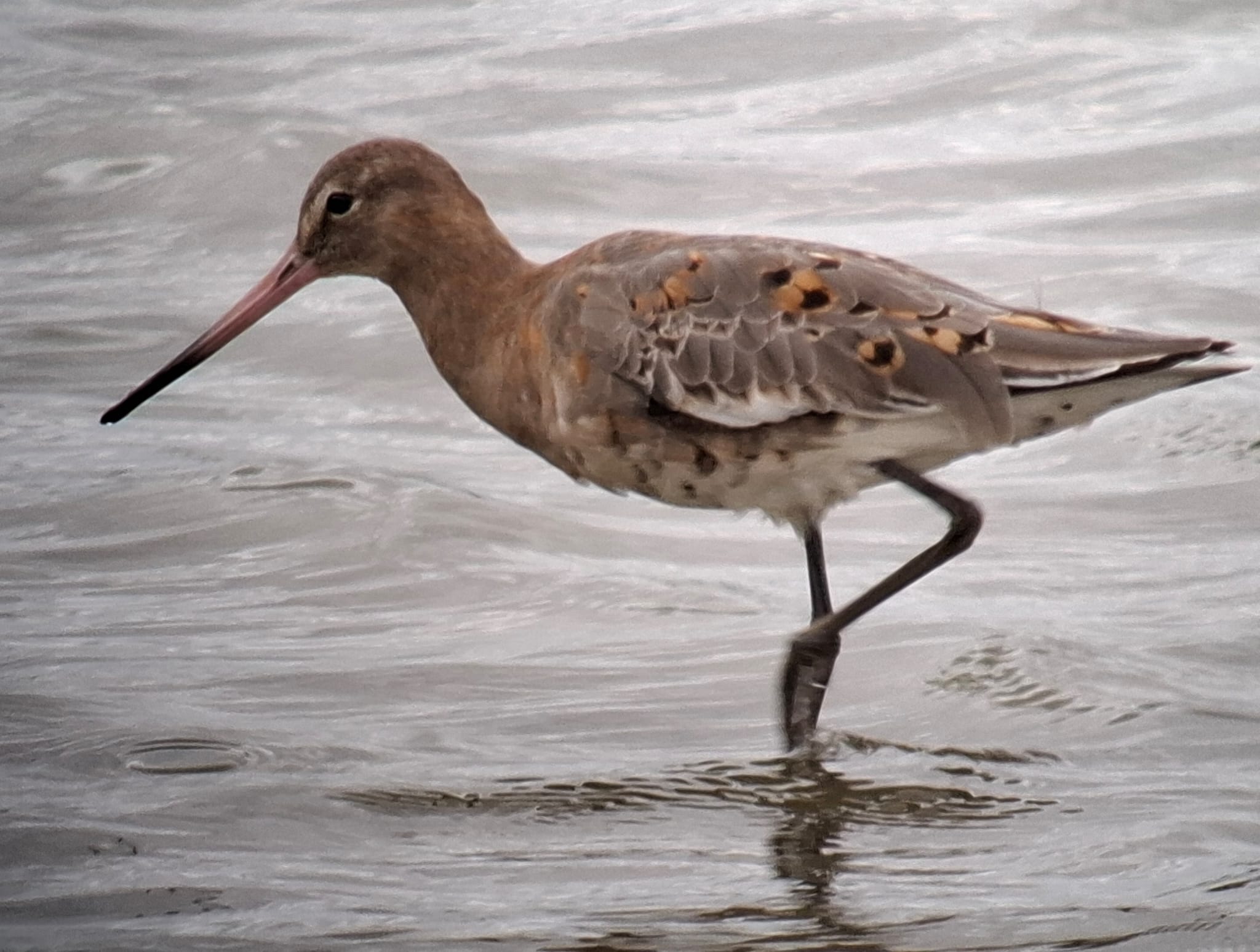
Not so with waders, though, and two with curves were a Whimbrel at Pitsford on 20th, following a Curlew at Clifford Hill GP the day before. Following one at Summer Leys LNR on 15th, Pitsford gave rise to a healthy count of sixteen Black-tailed Godwits on 18th, while numbers varying between one and three continued to be seen there up until 20th. Titchmarsh also held on to one from 19th until 21st and five were found at Hollowell Res on the latter date.

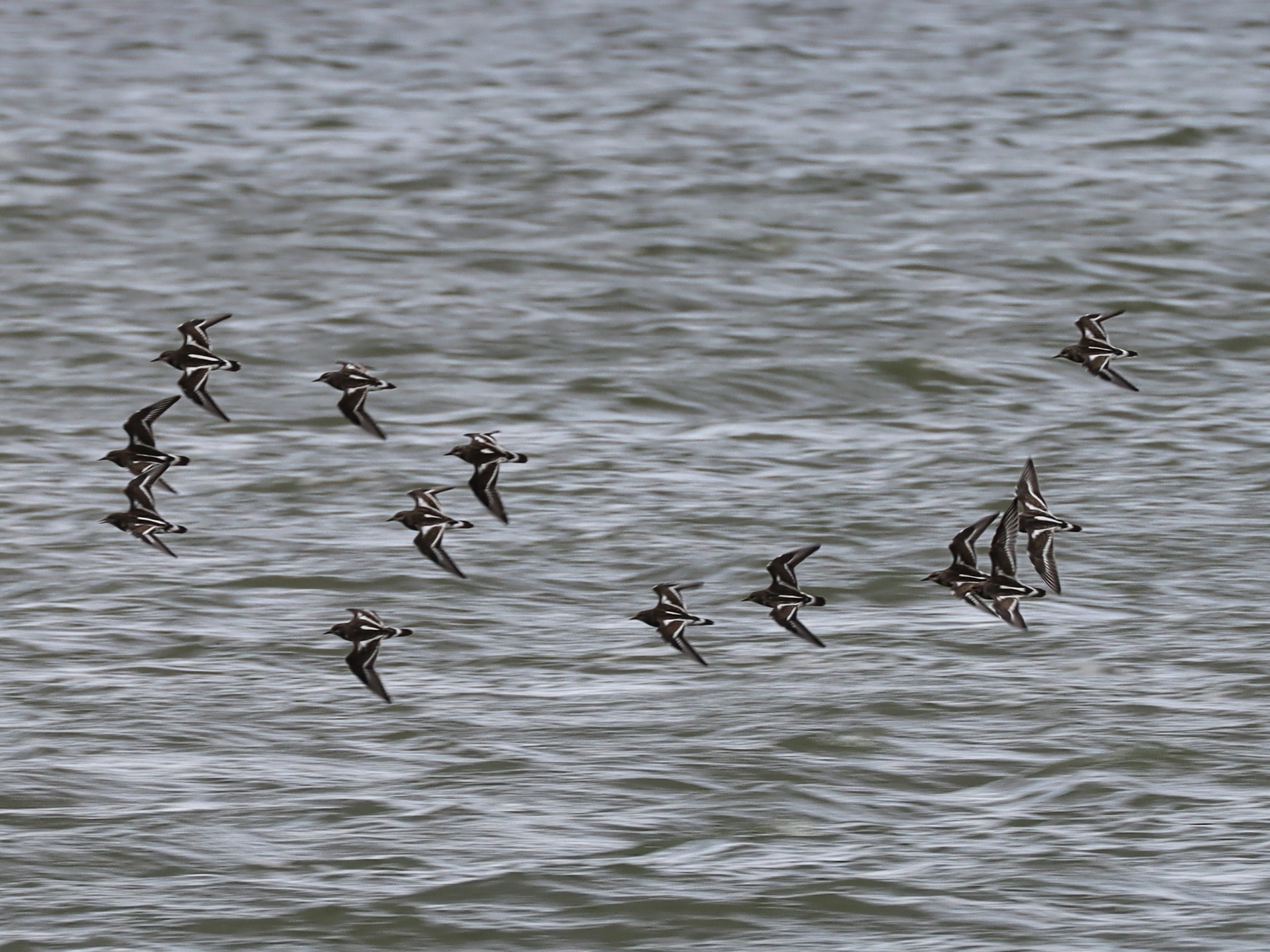
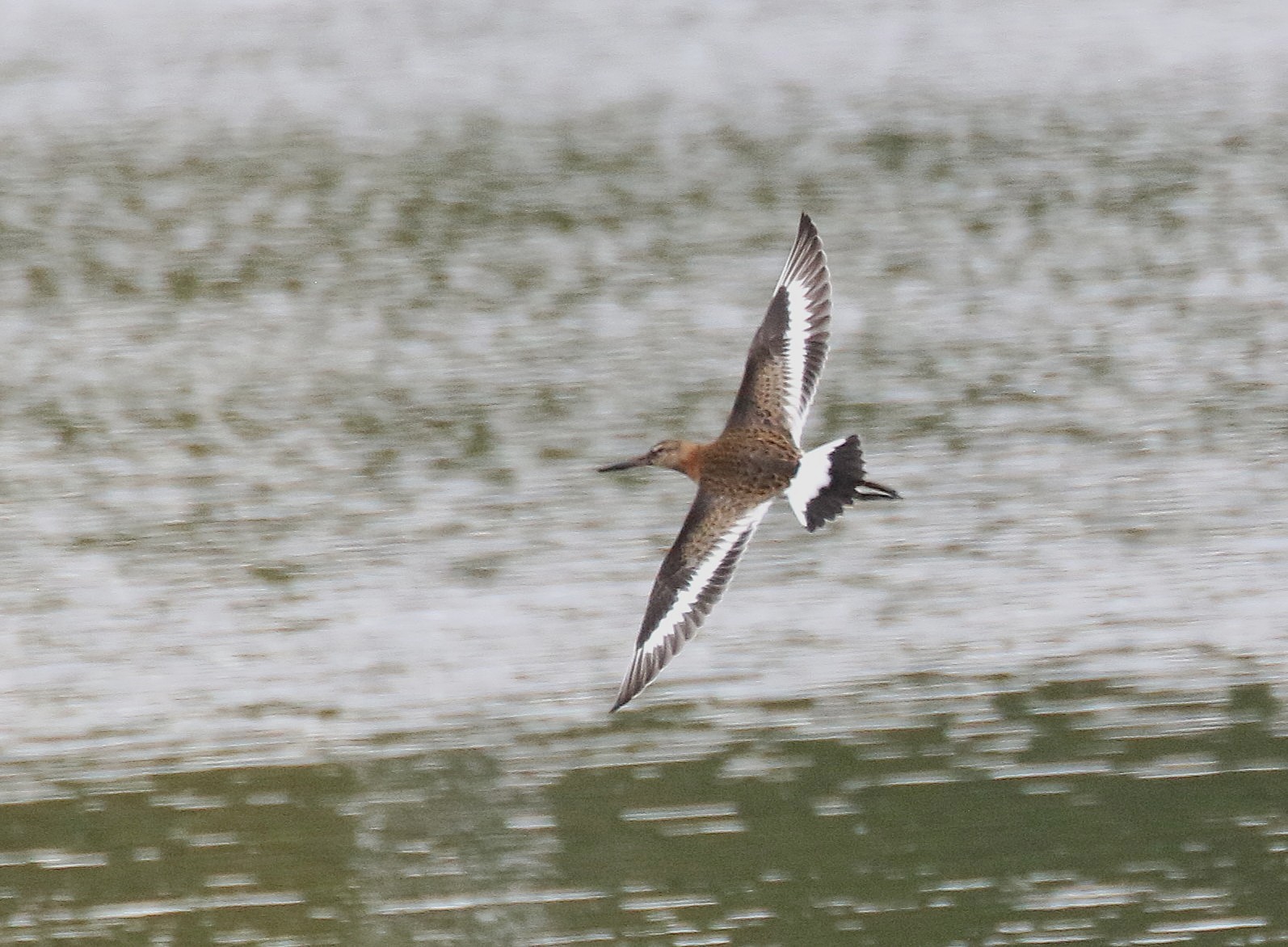
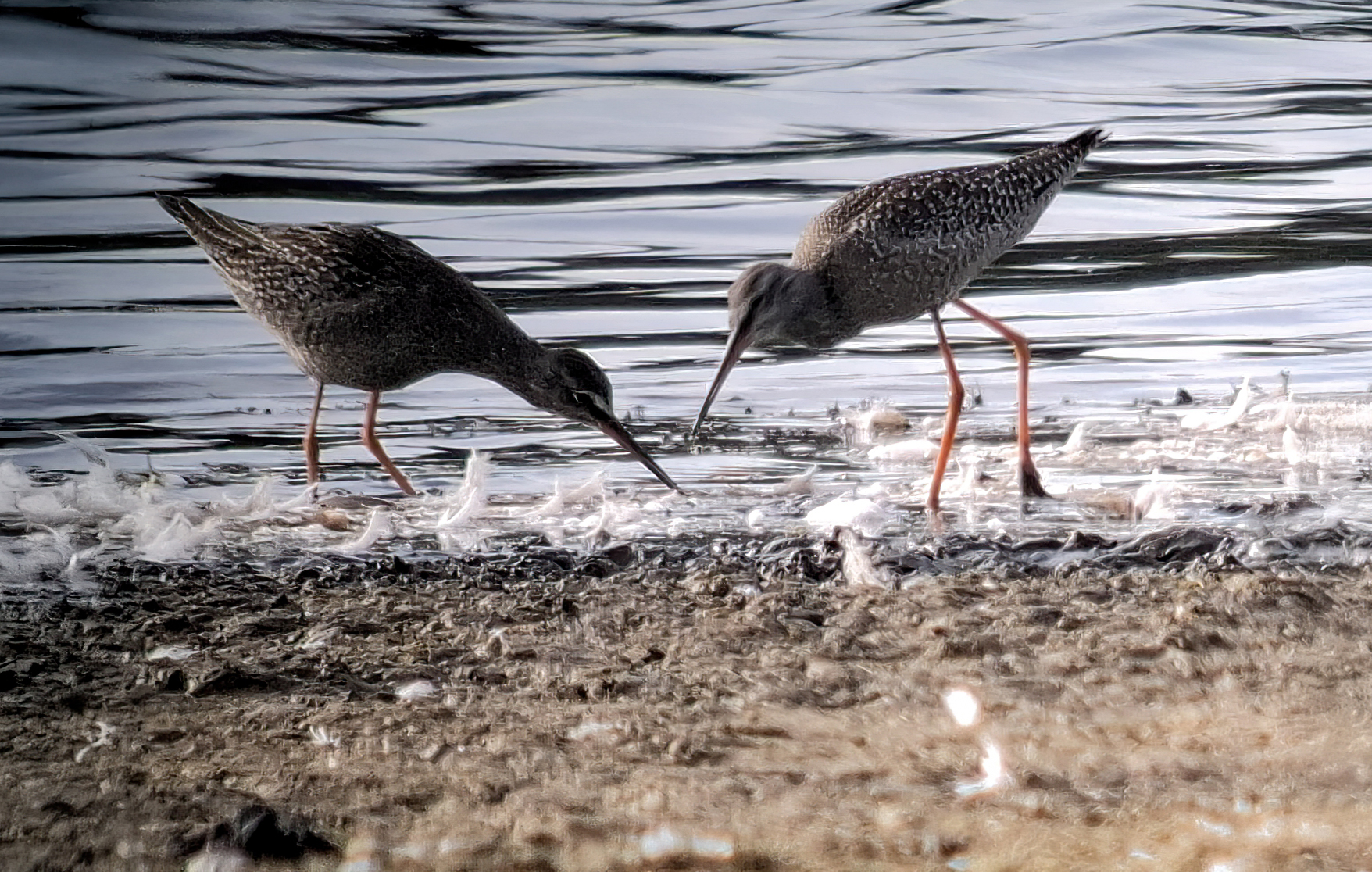
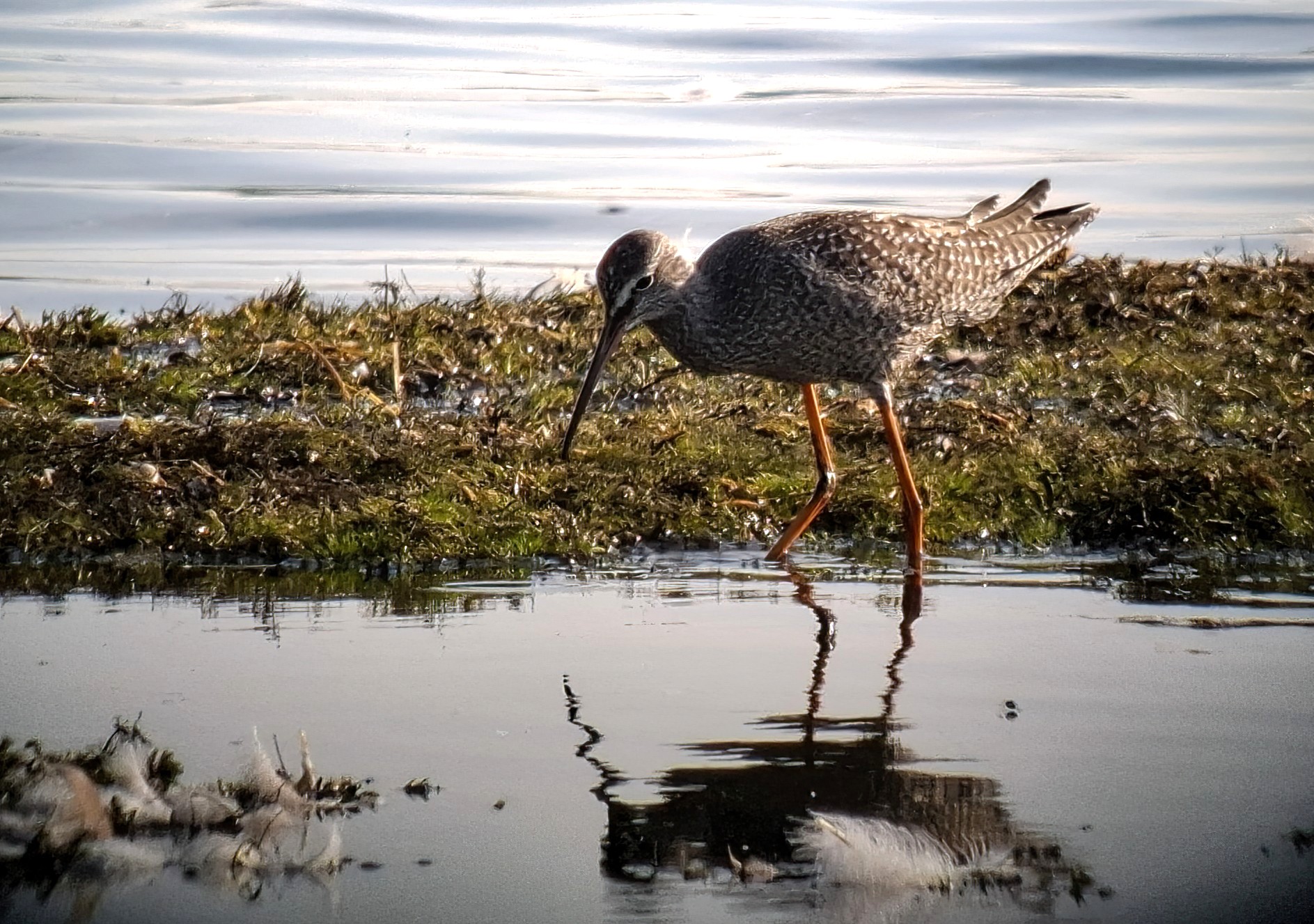
And hot on the heels of only the third for the county this year, two more Turnstones were found – one at Pitsford on 18th and the other at Titchmarsh on 21st. Only the latter remained on view for any length of time …

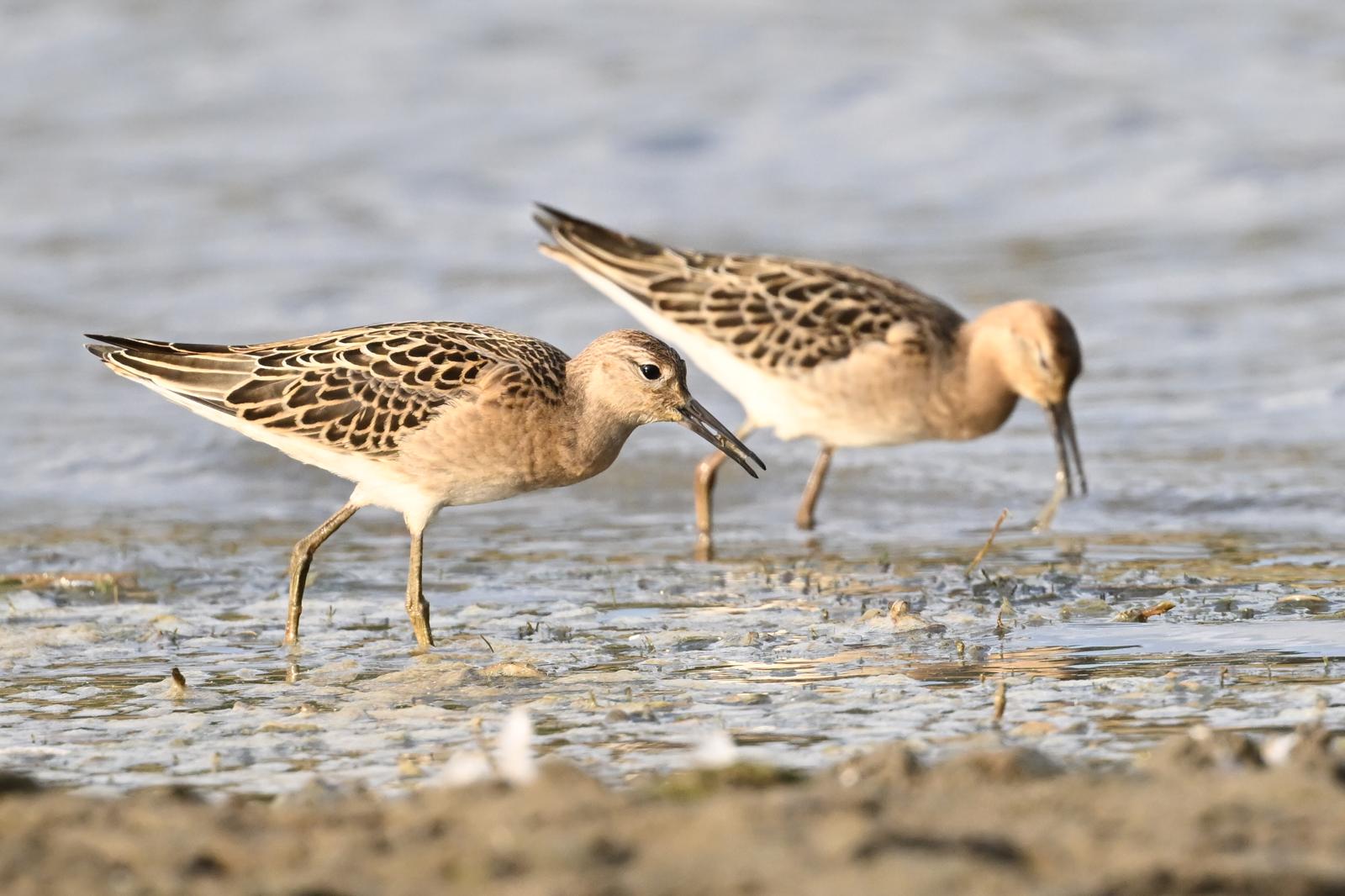
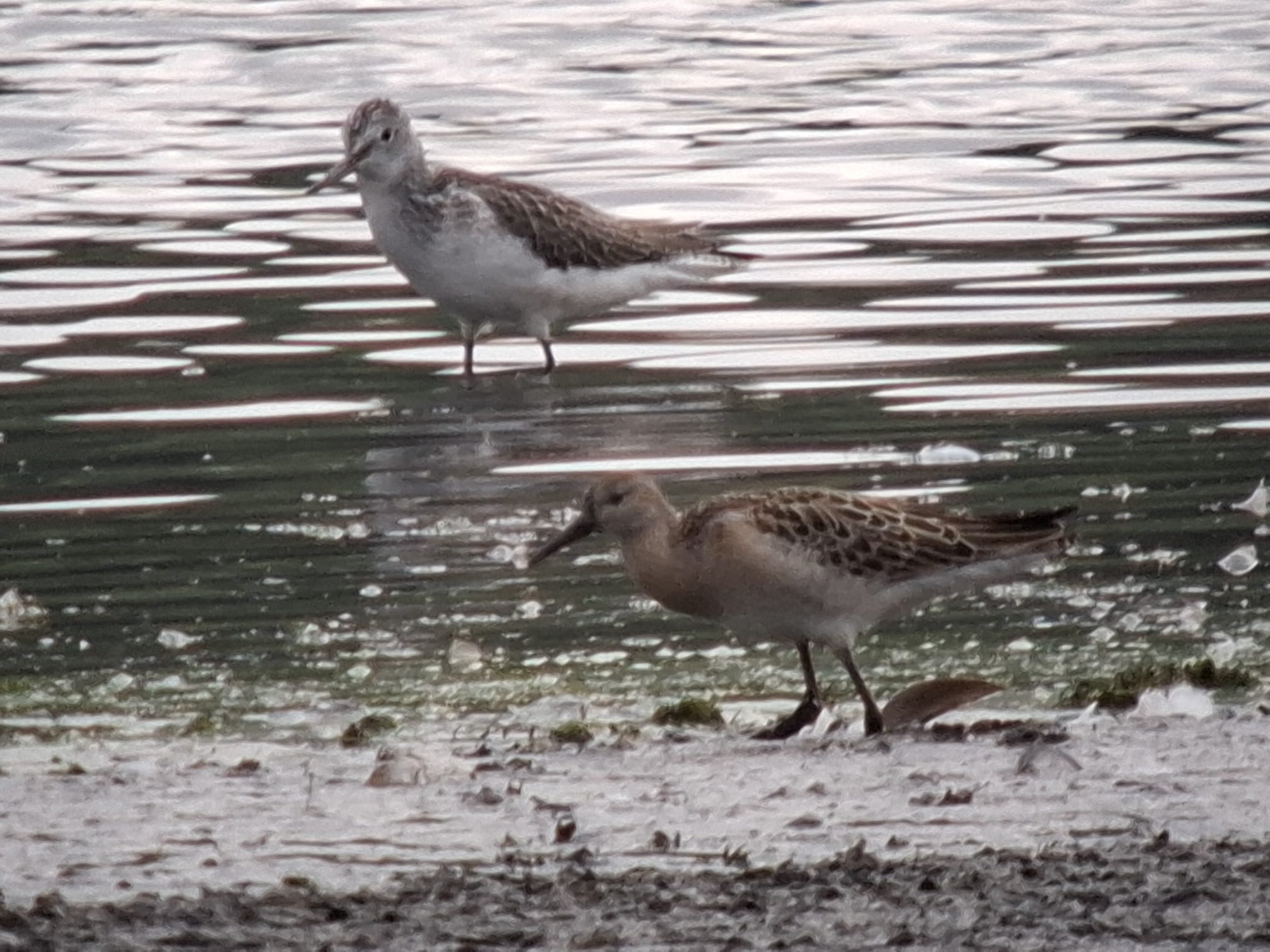
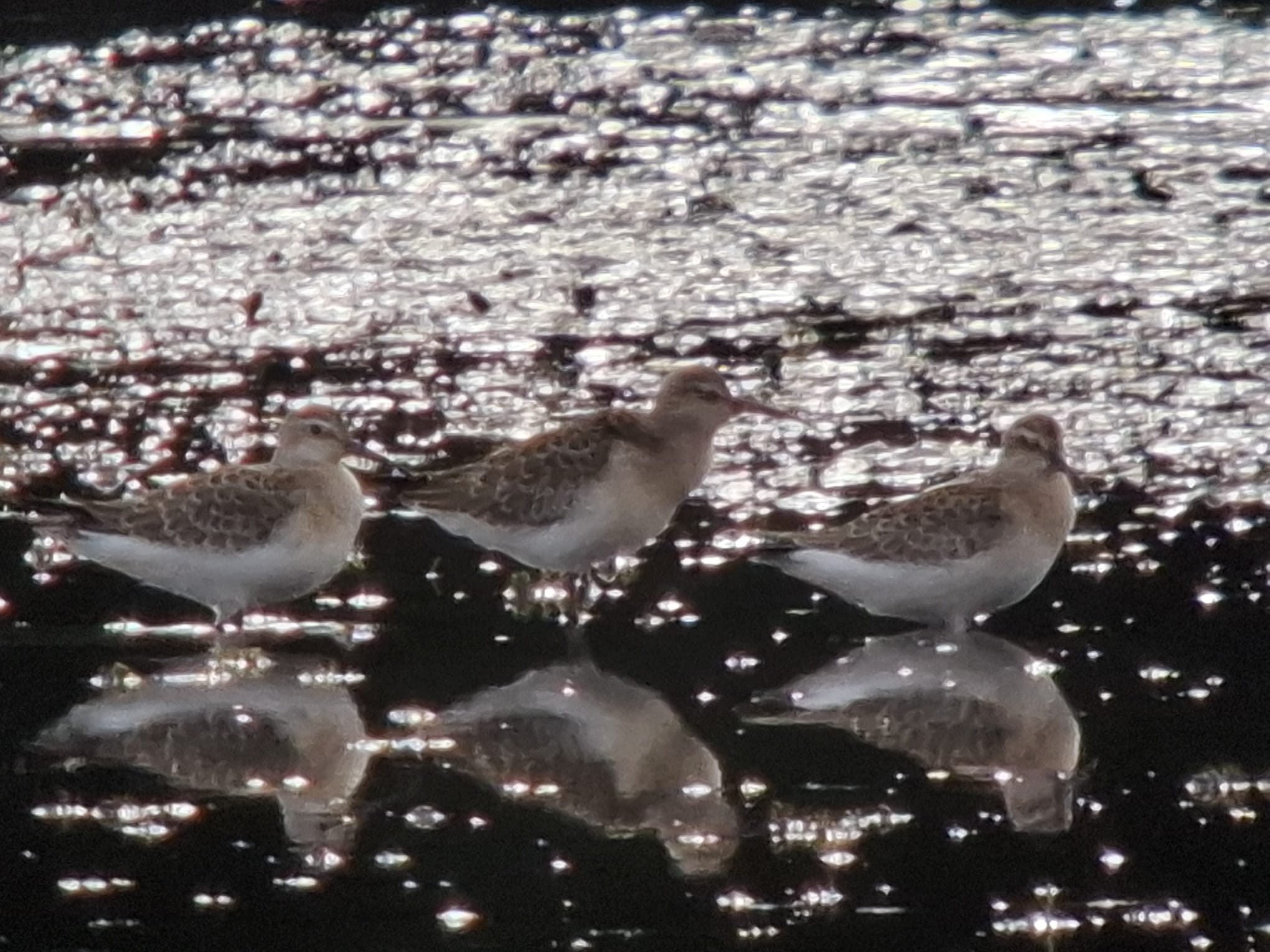
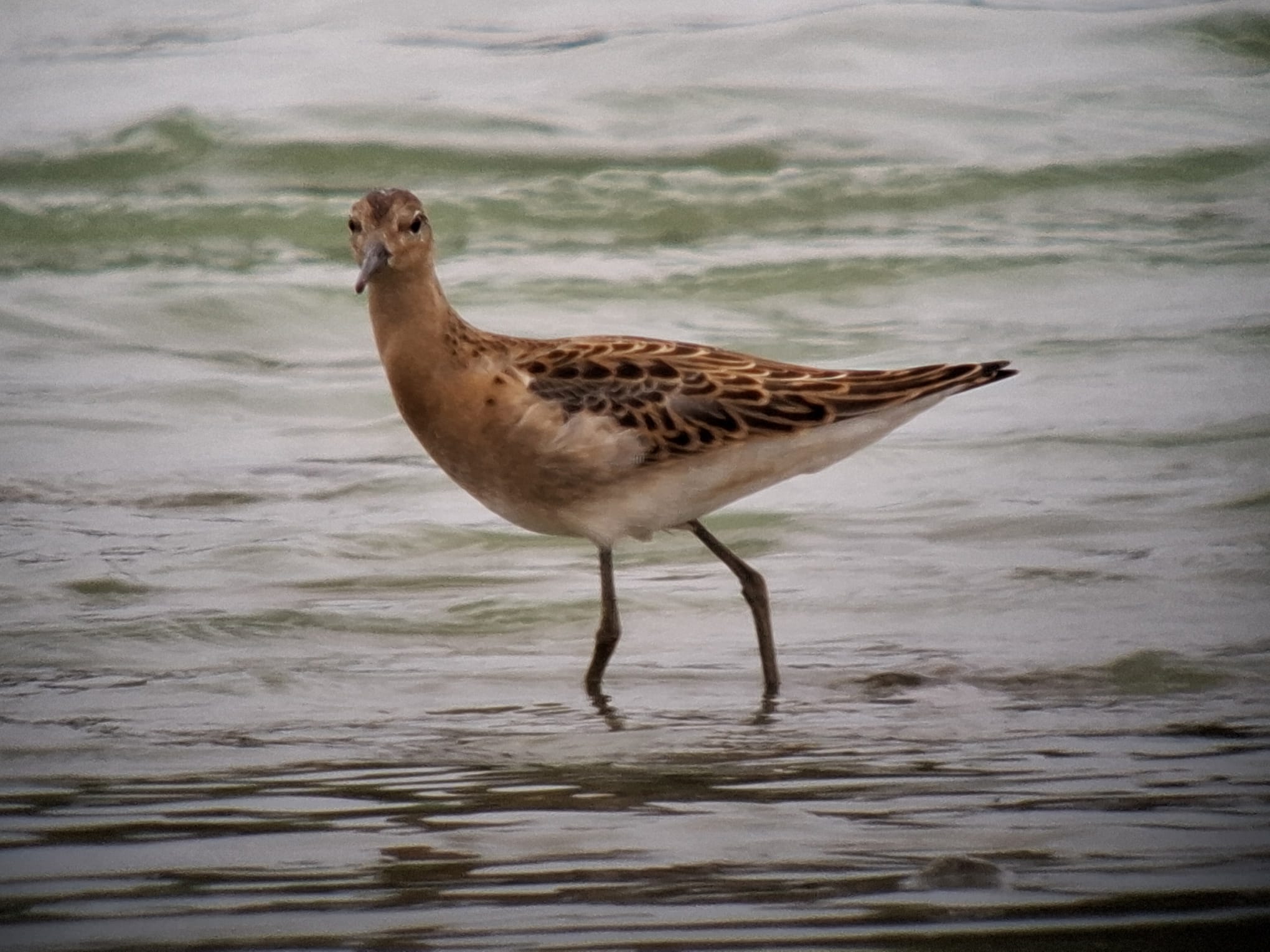
As wader passage continued to beef up, three sites gave rise to Ruffs, with Boddington Res kicking off with one from 18th to 20th, two at Pitsford on 18th-19th and one on 20th-21st, followed by two at Clifford Hill on the latter date.

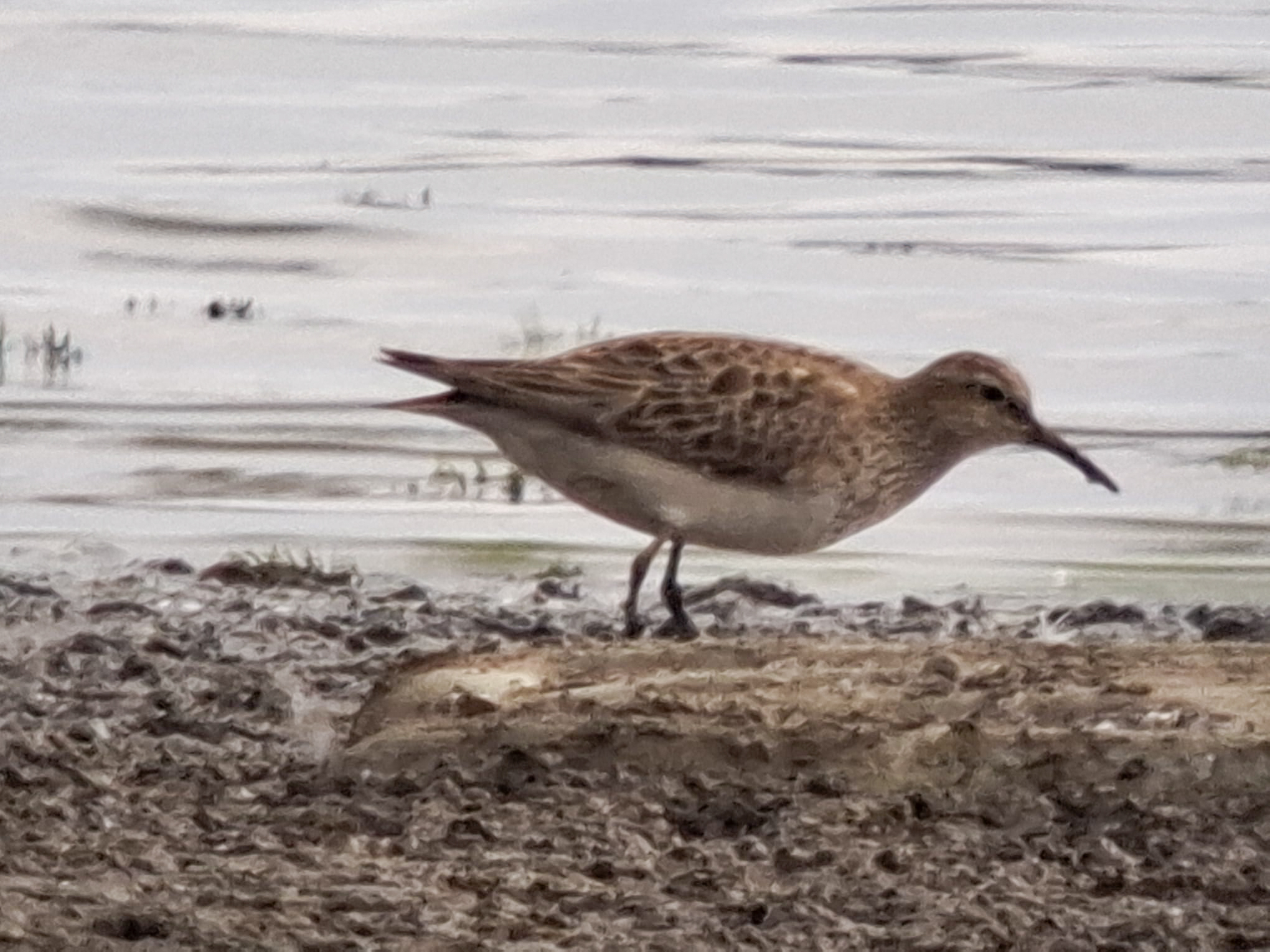
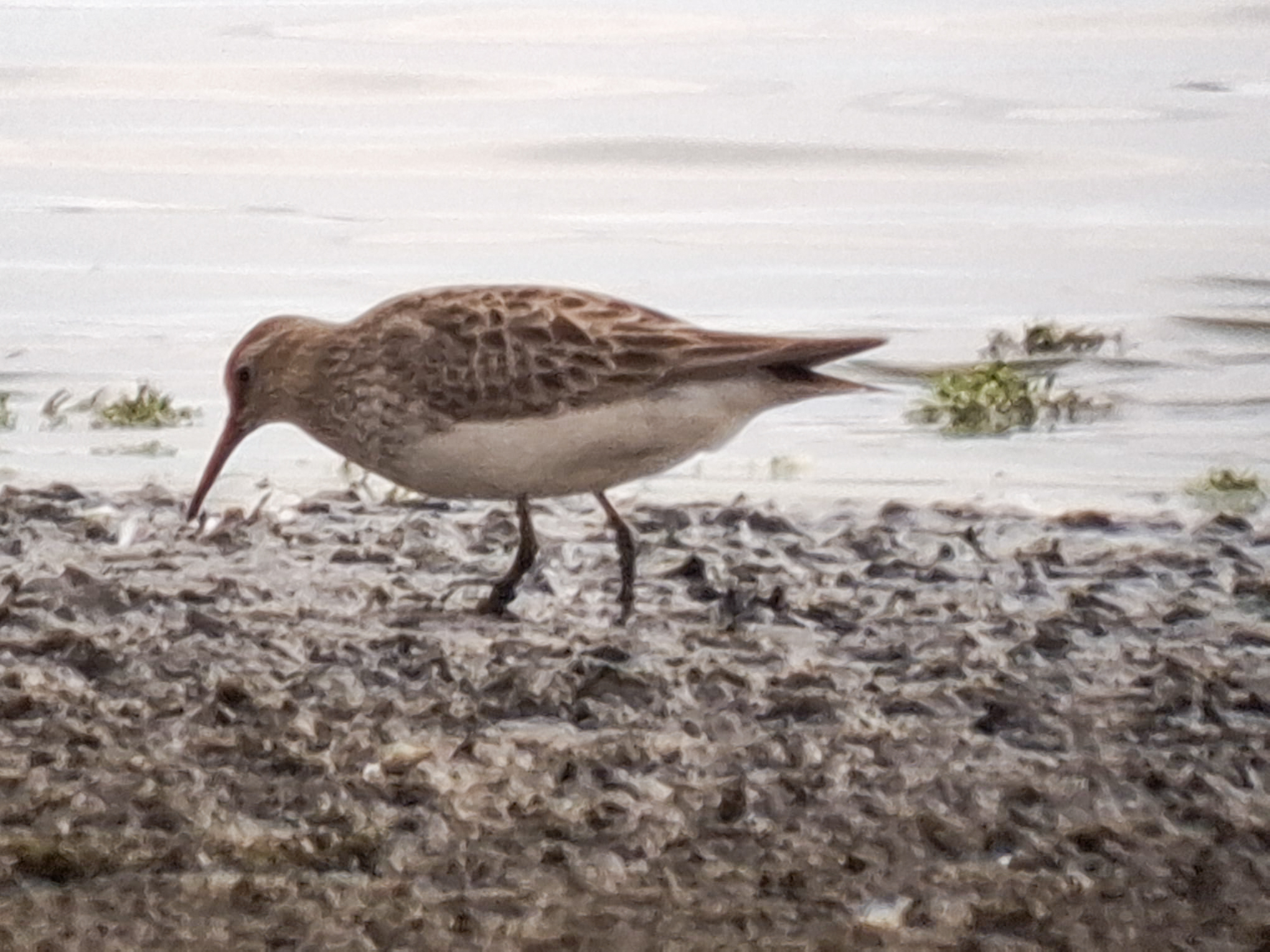
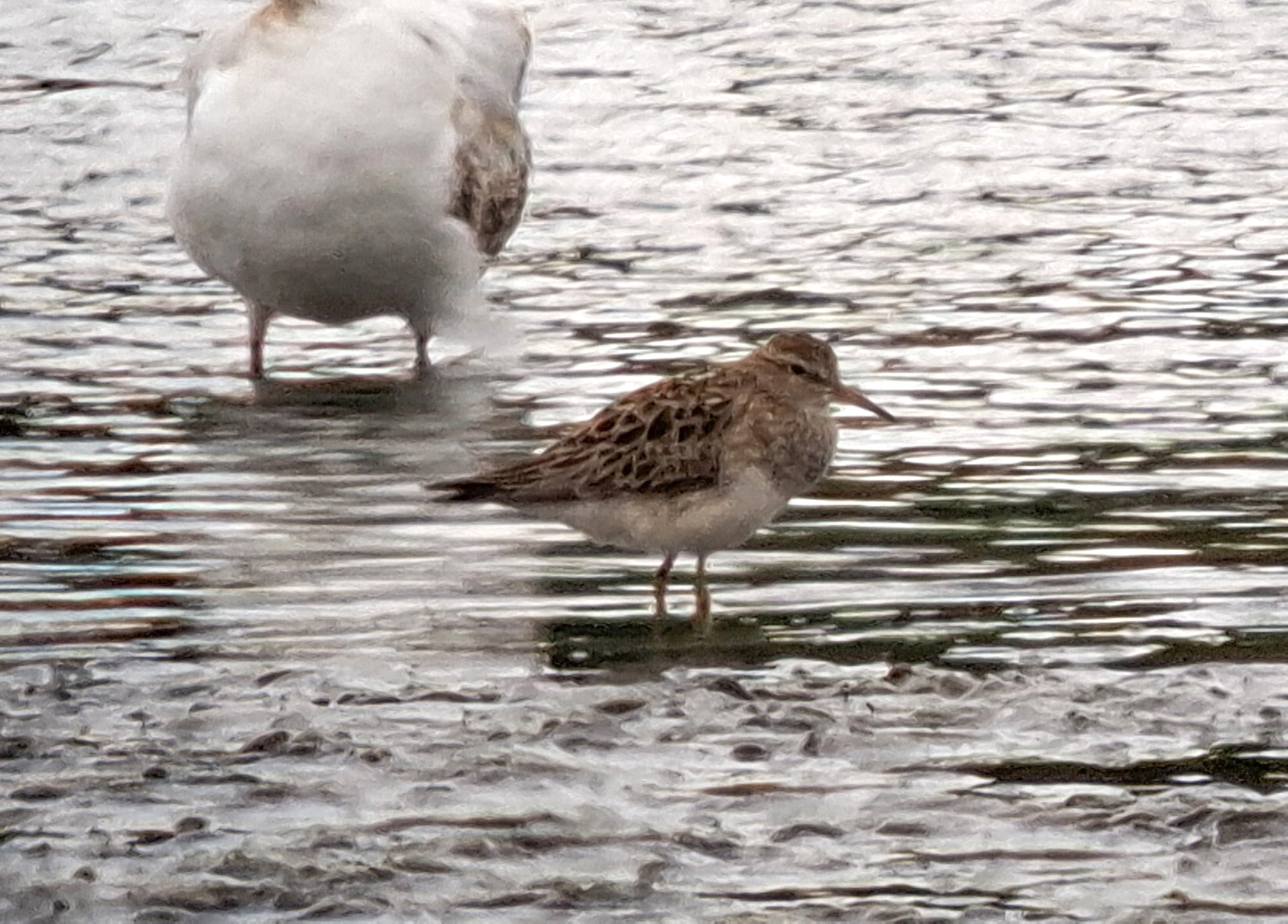
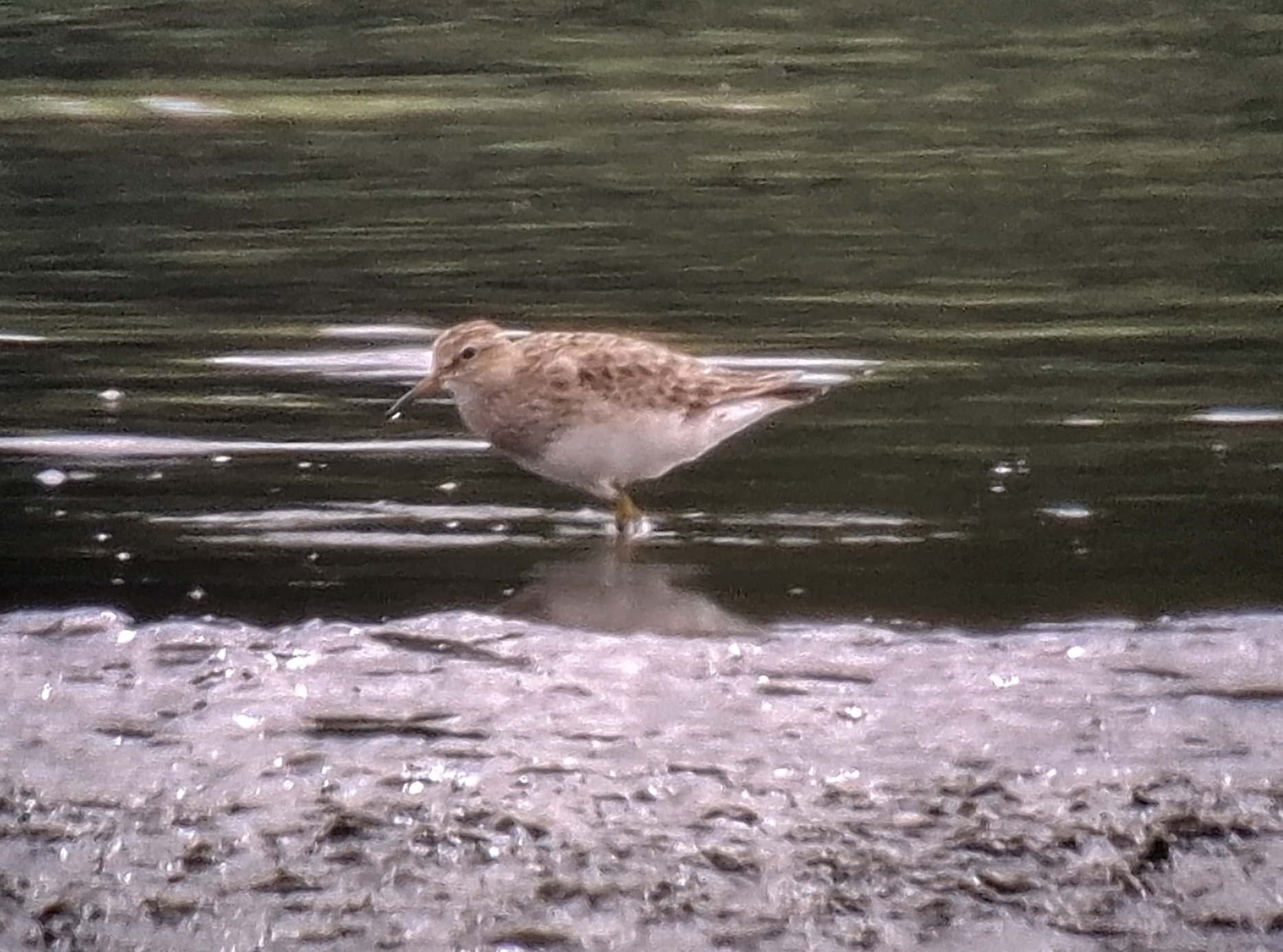
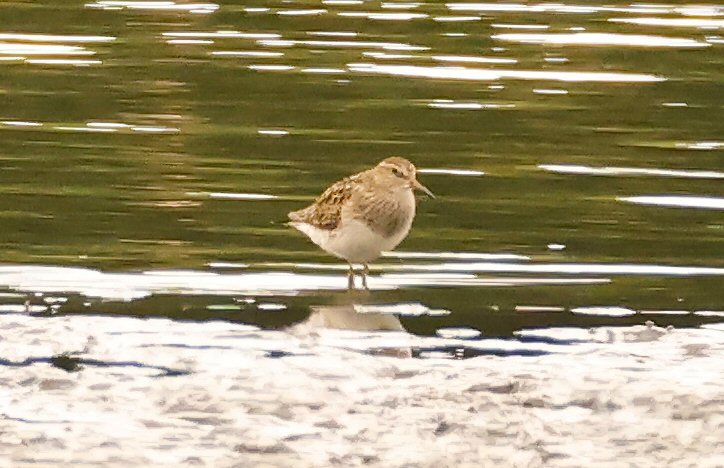
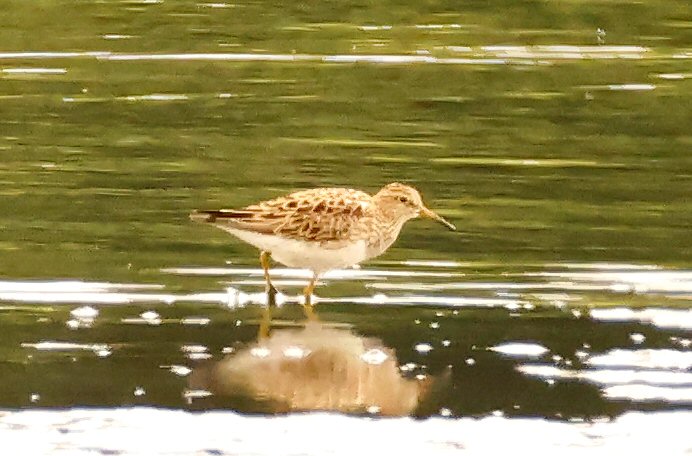
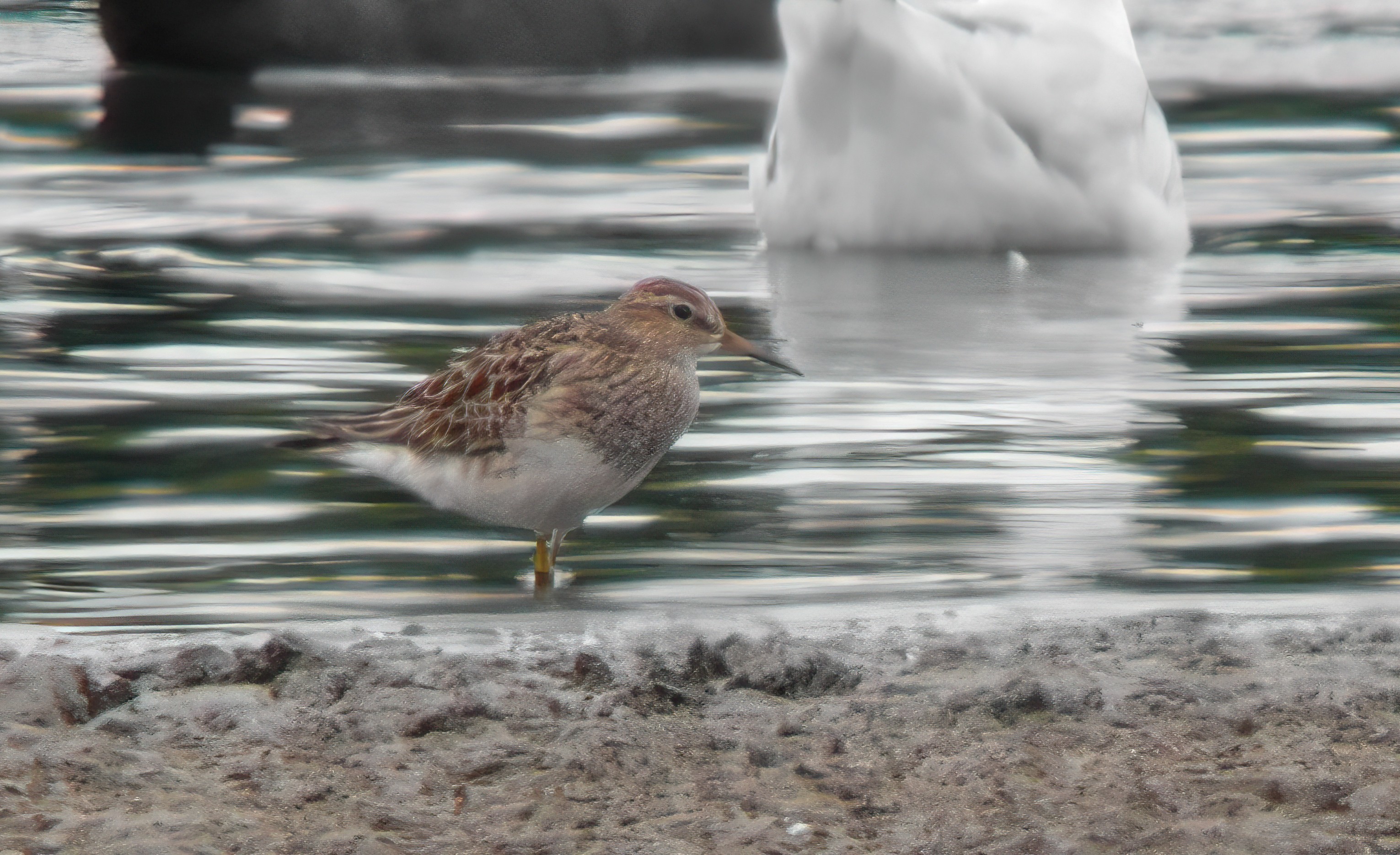
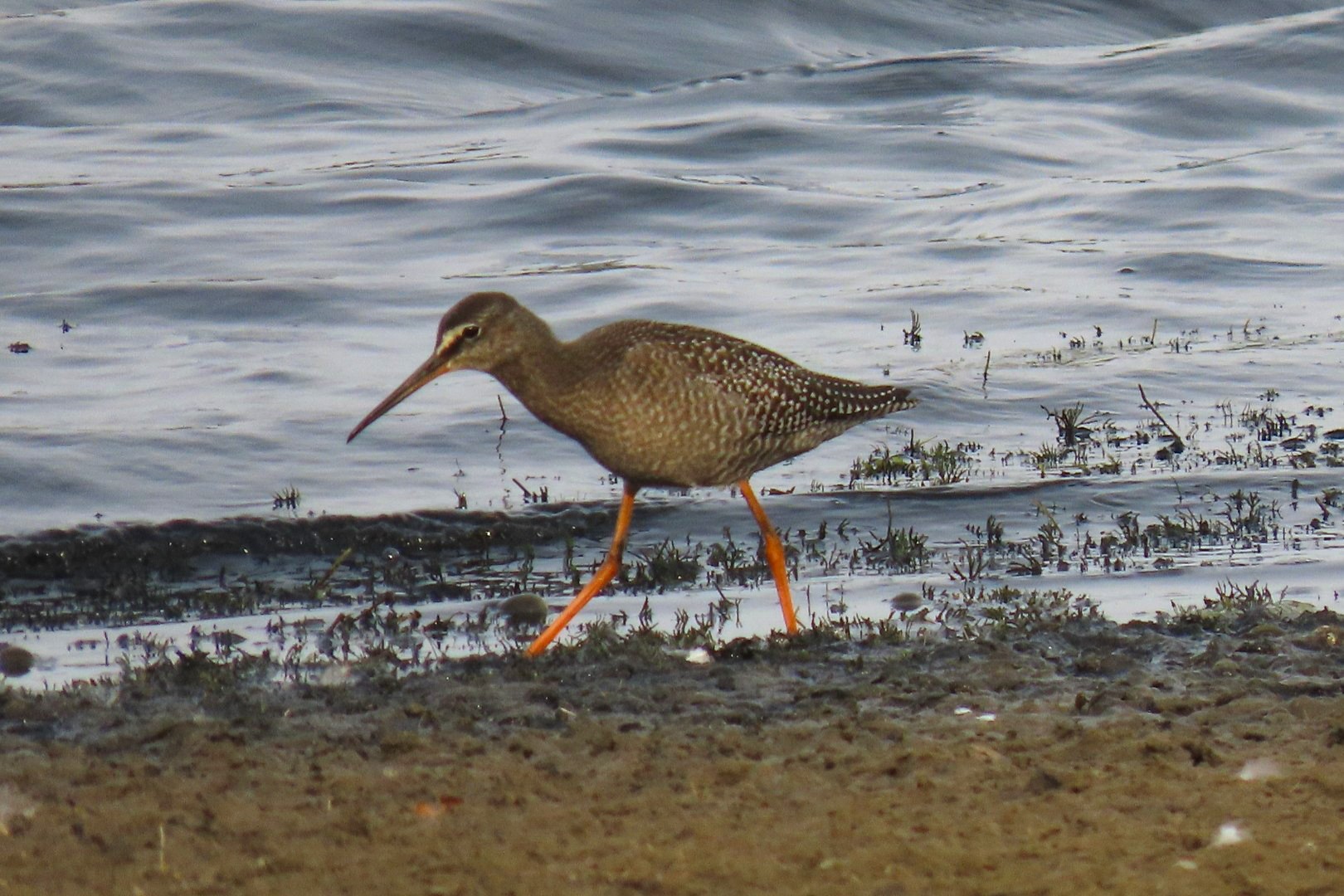
But this year it was Daventry’s turn to host what’s now again become a regular Americano – and right on cue came a fine adult Pectoral Sandpiper, clearly in a nod to the newly-constructed viewing platform overlooking the site’s West Bay. Found on 17th, it remained on view throughout the period. This wader has been of annual occurrence over the past four years but, prior to 2022, there was a big, 11-year gap in records between then and 2011.

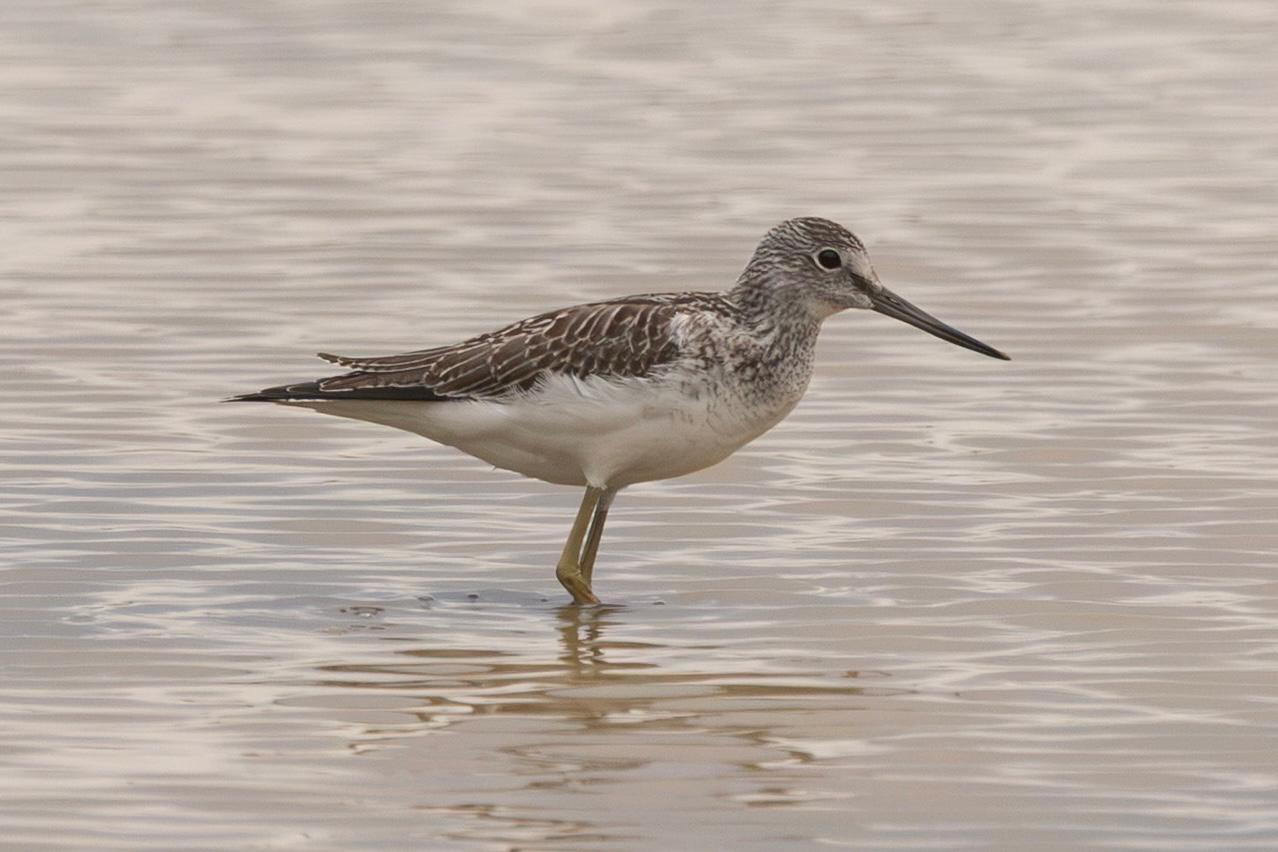
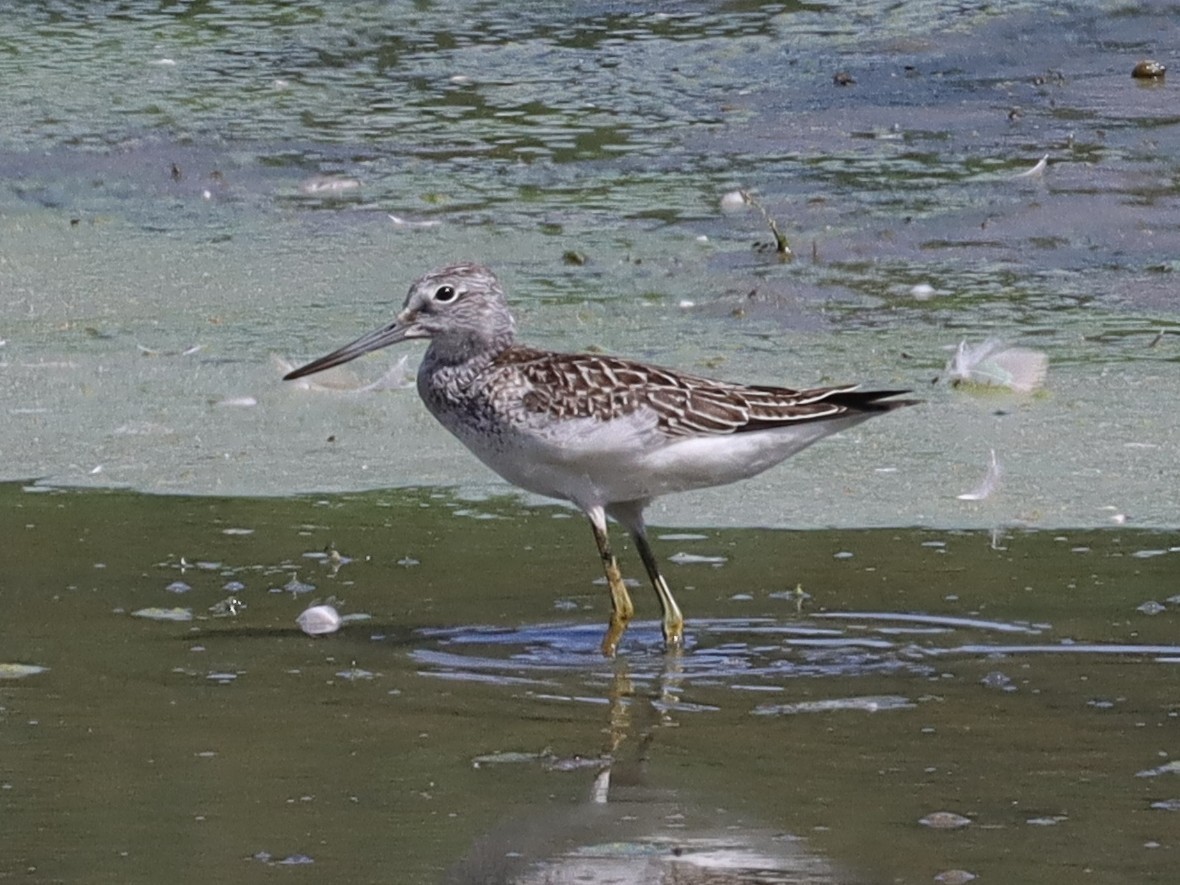
Last week’s Wood Sandpiper was still to be found at Titchmarsh until 19th but not subsequently. Greenshanks, however, continued to pour in and were present all week at Pitsford, where numbers rose from four on 15th to between seven and ten on 18th, before falling back to three on 21st. Elsewhere, one remained at Titchmarsh all week, two were at Hollowell Res on 15th with one there on 21st, one visited Ecton SF on 17th, two were at Summer Leys on 19th-20th, and singles were at Earls Barton GP’s New Workings (North) on 20th-21st and at Clifford Hill on 21st.

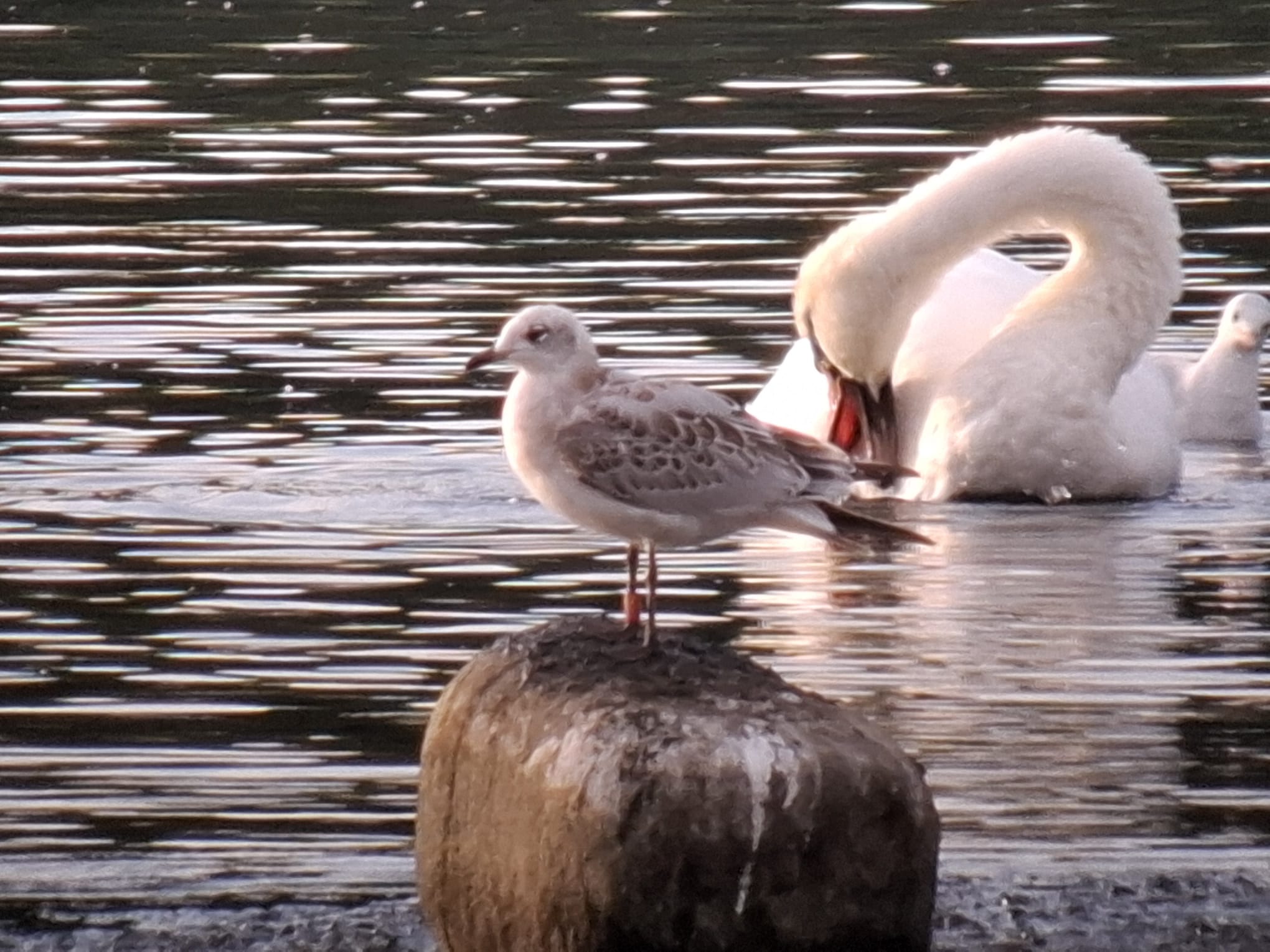
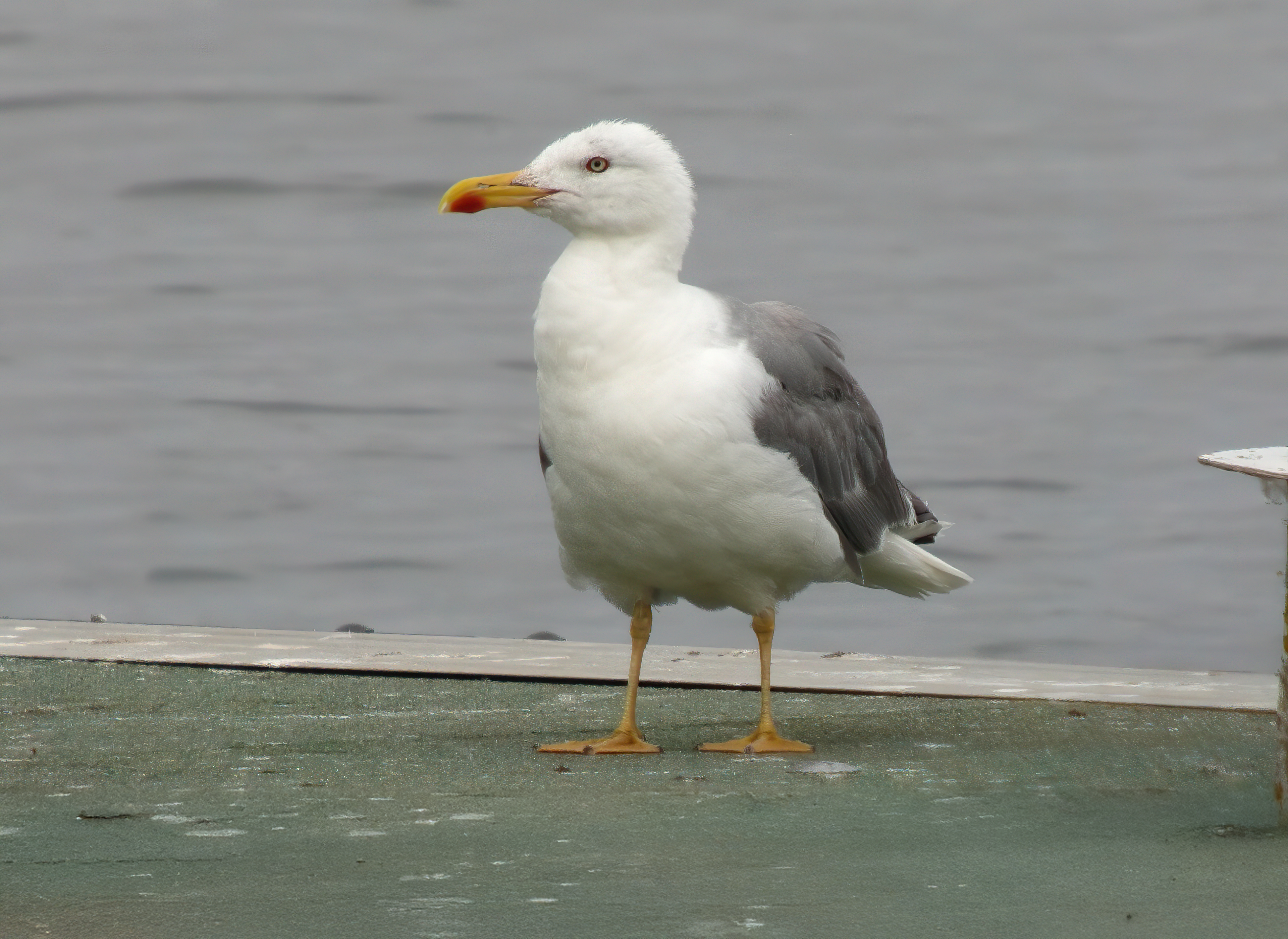
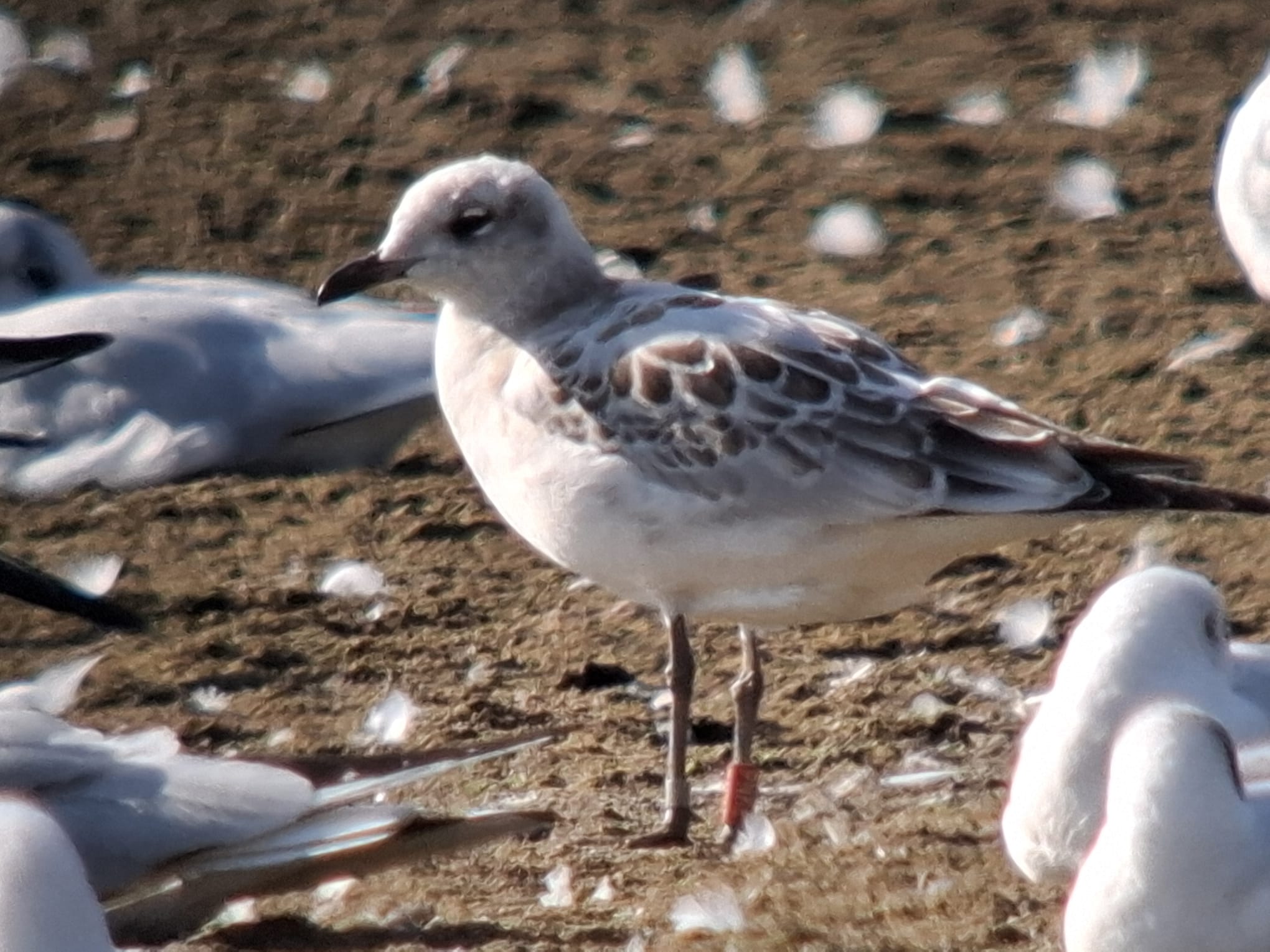
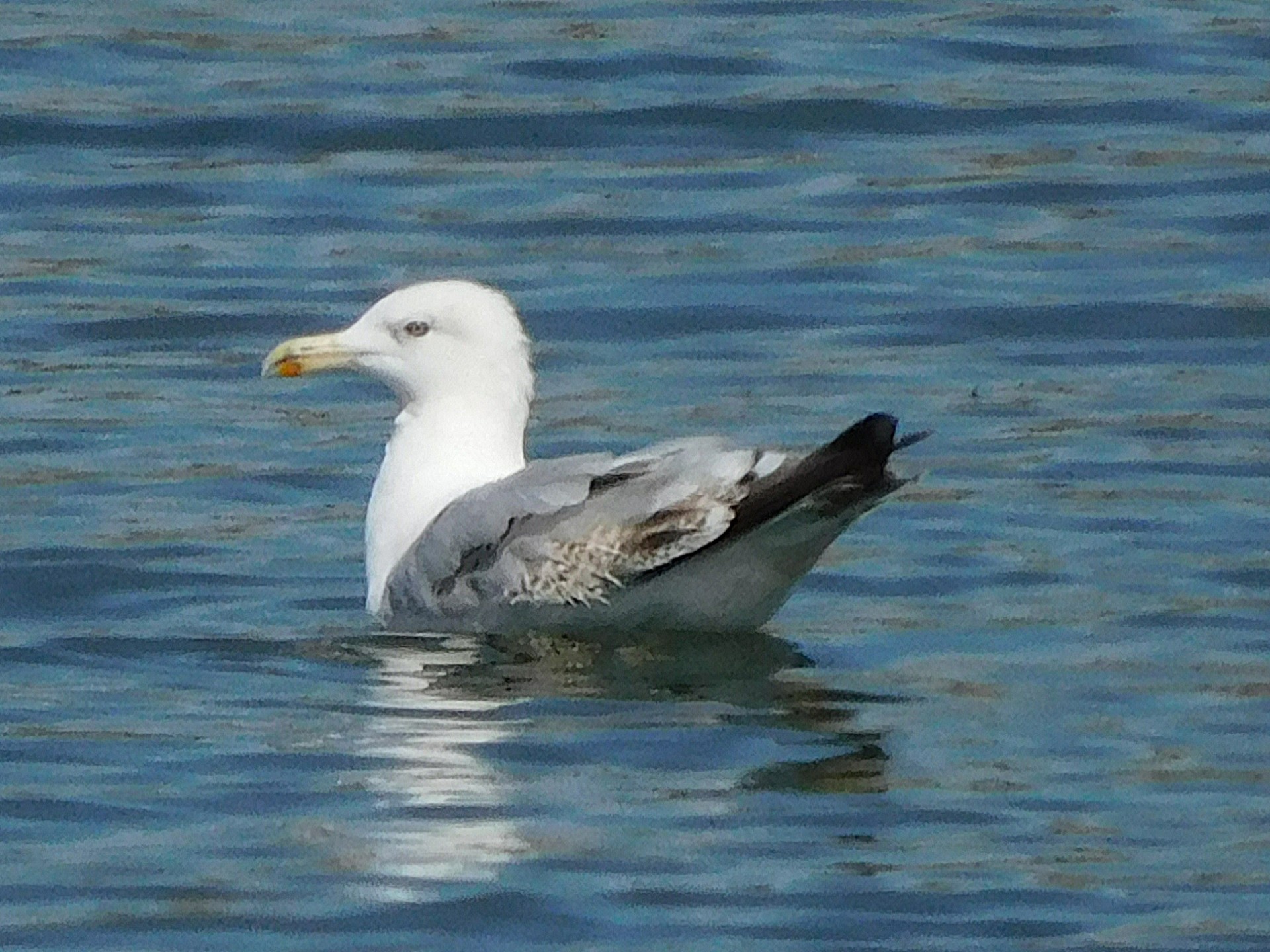
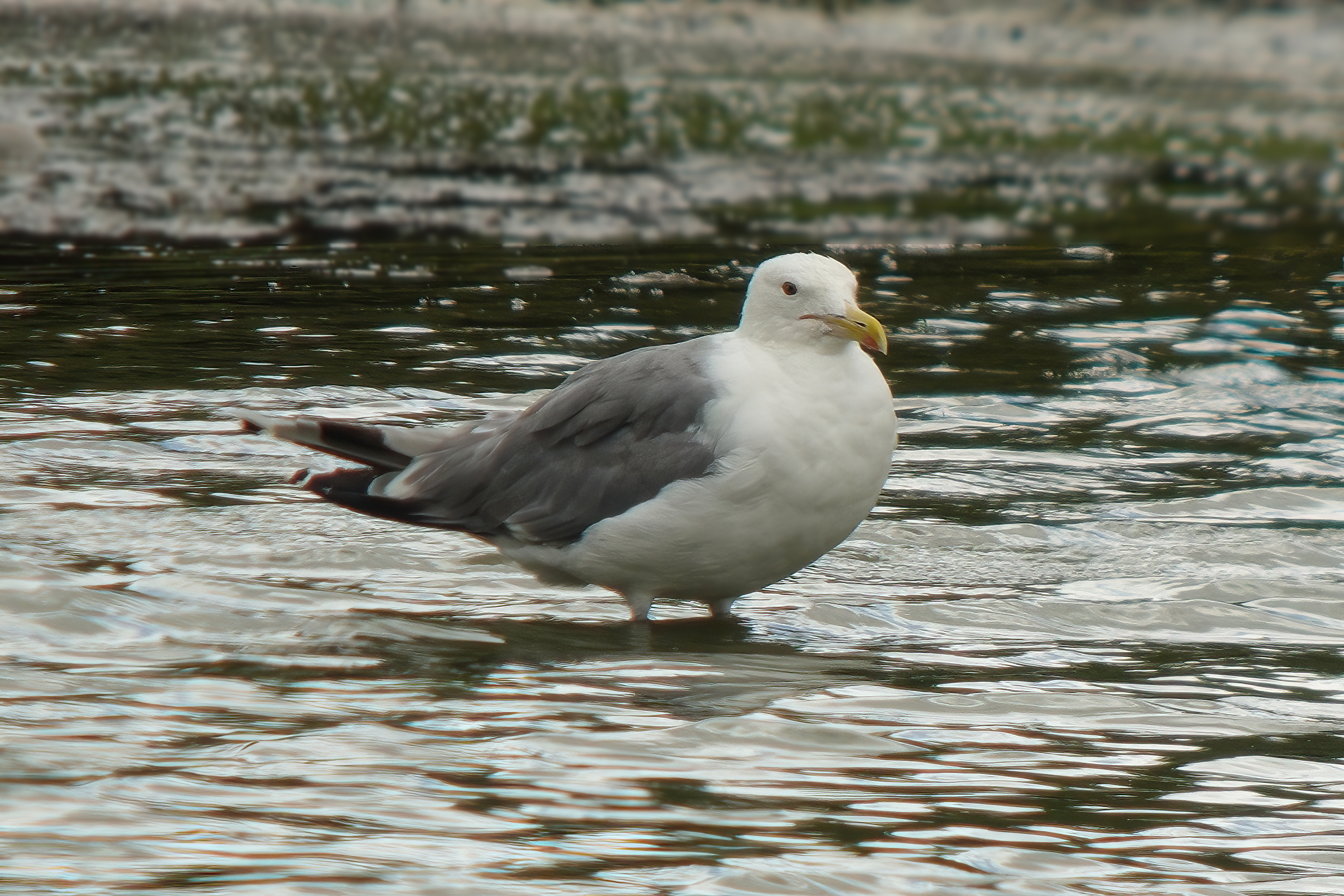
On the larid front, two juvenile Mediterranean Gulls – including last week’s with a Polish colour ring – were at Daventry on 16th after just the one there the previous day. Also, the German-ringed adult male Caspian Gull was still at Naseby Res on 18th and another adult visited Earls Barton GP’s New Workings (South) at the week’s end. Yellow-legged Gulls were down a little on last week’s numbers with six at Priors Hall Quarry Lake on 16th, one at Daventry on 17th and up to two at Pitsford from the latter date until the period’s end.

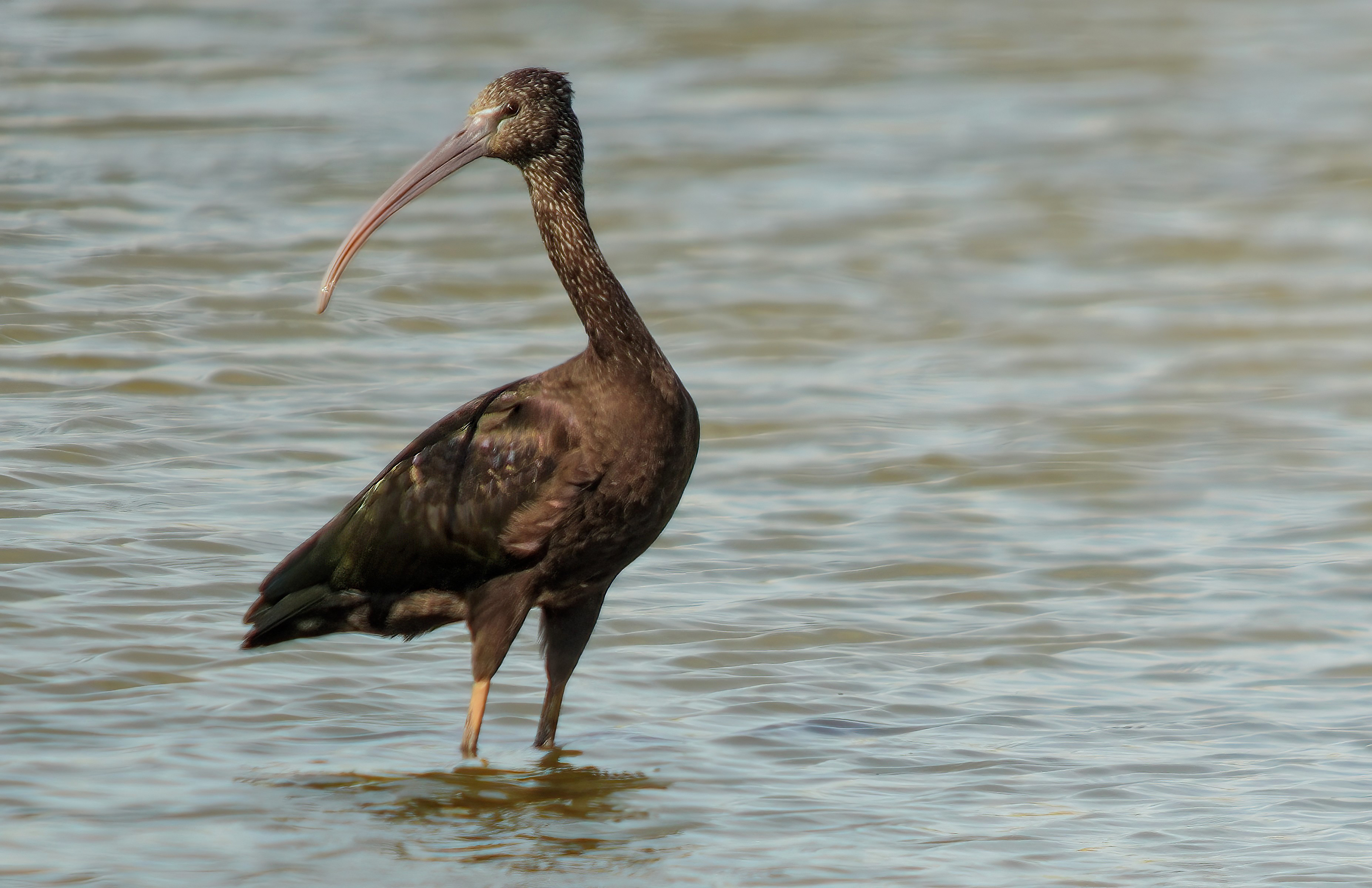
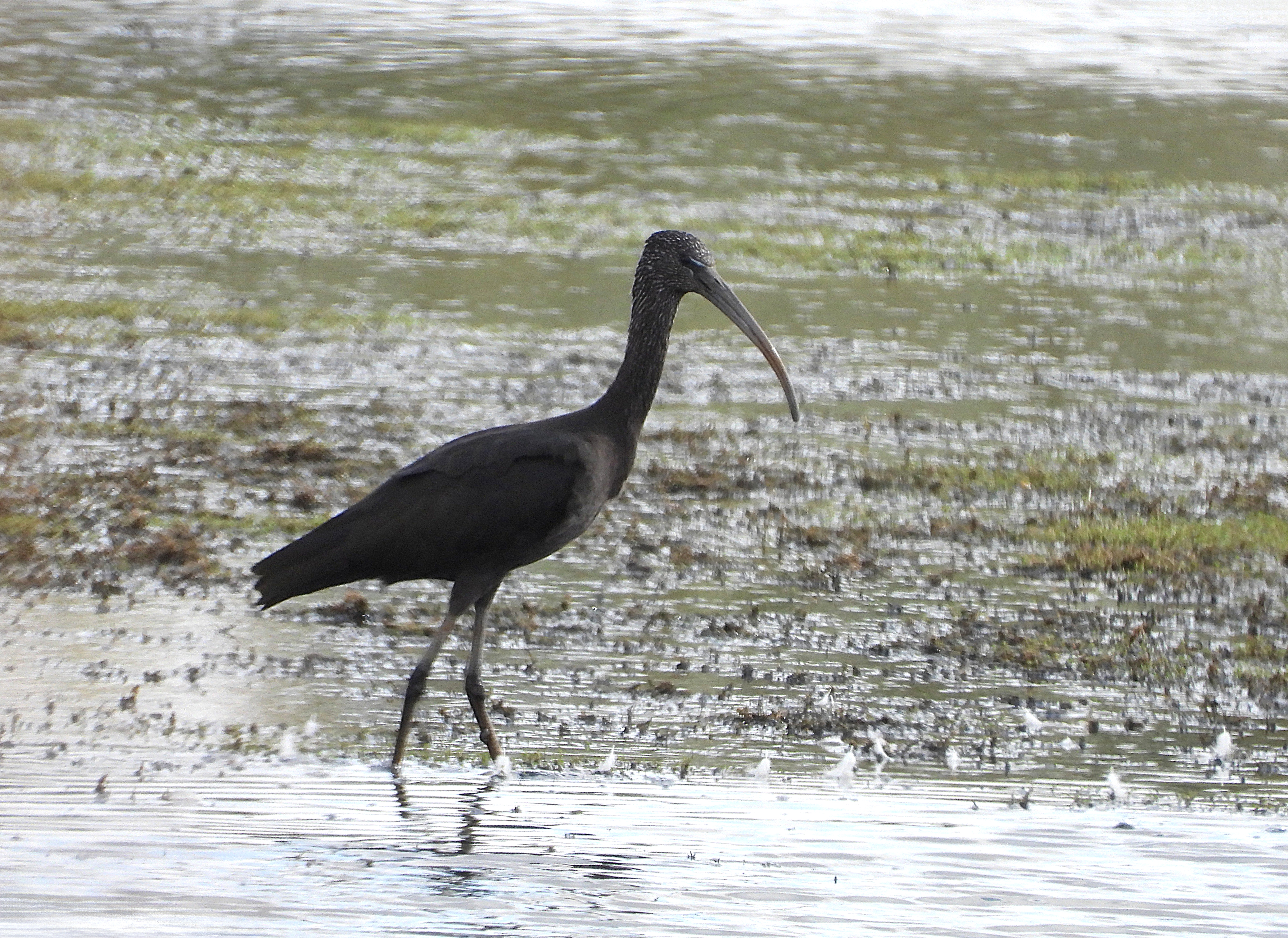
Following last week’s Glossy Ibis at Summer Leys, one appeared at Titchmarsh on 15th, then going AWOL before showing up there again on 18th. One was also reported again at Summer Leys on 18th before being relocated at nearby Earls Barton GP the next day, remaining there until 21st as well as being seen at Summer Leys again on the same date.

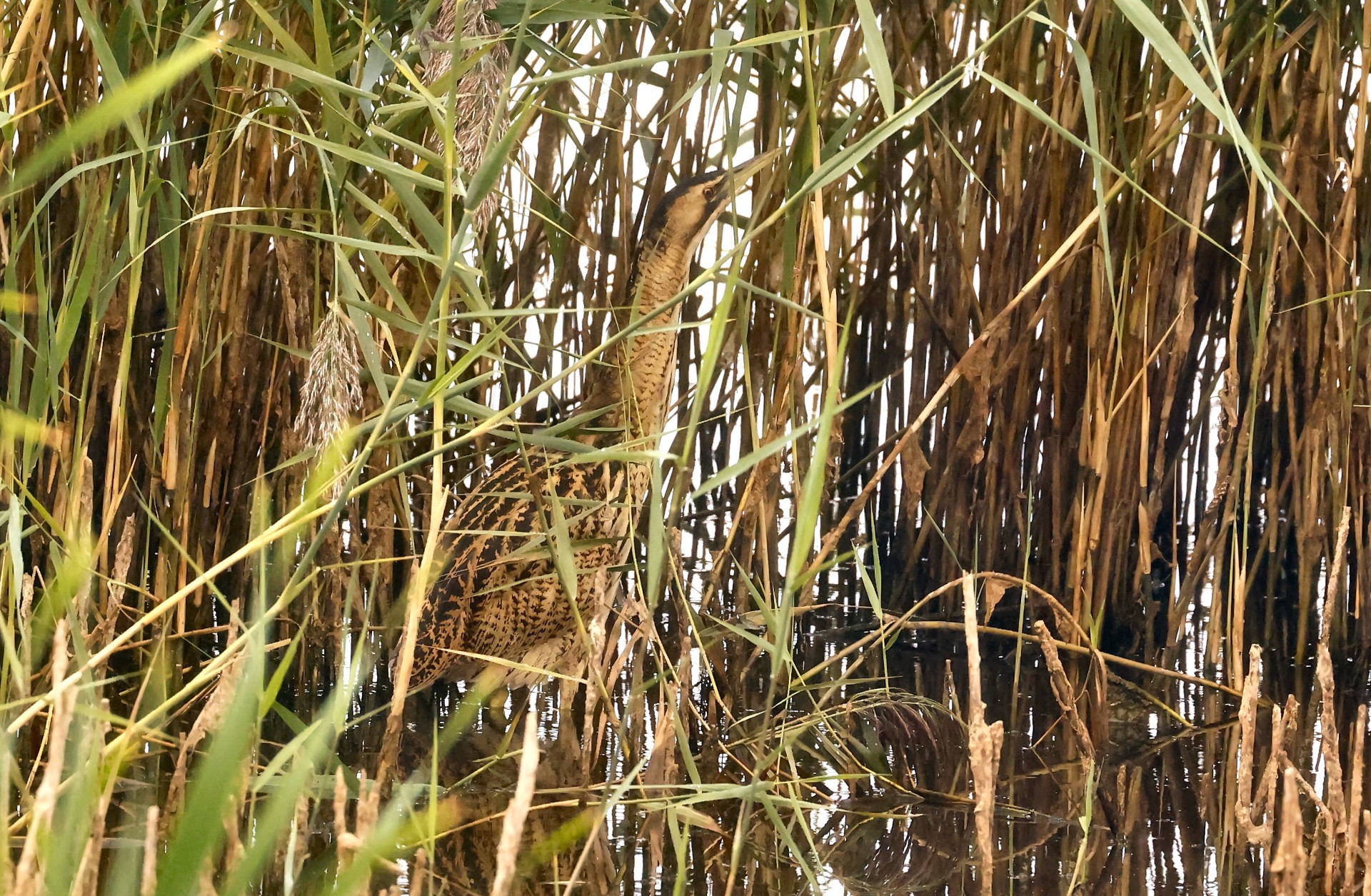
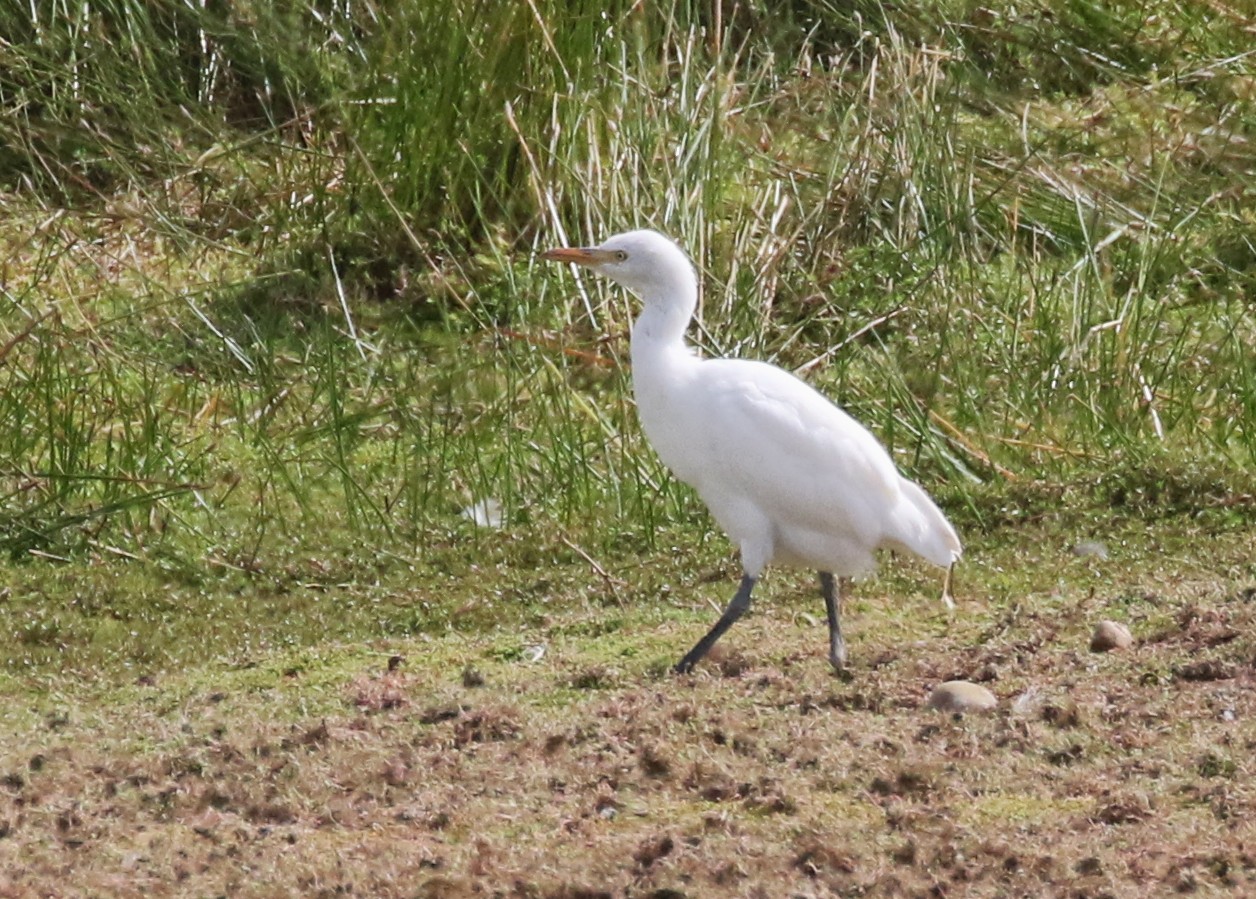
Summer Leys also produced 2 Cattle Egrets on 15th followed by a Bittern there the next day.

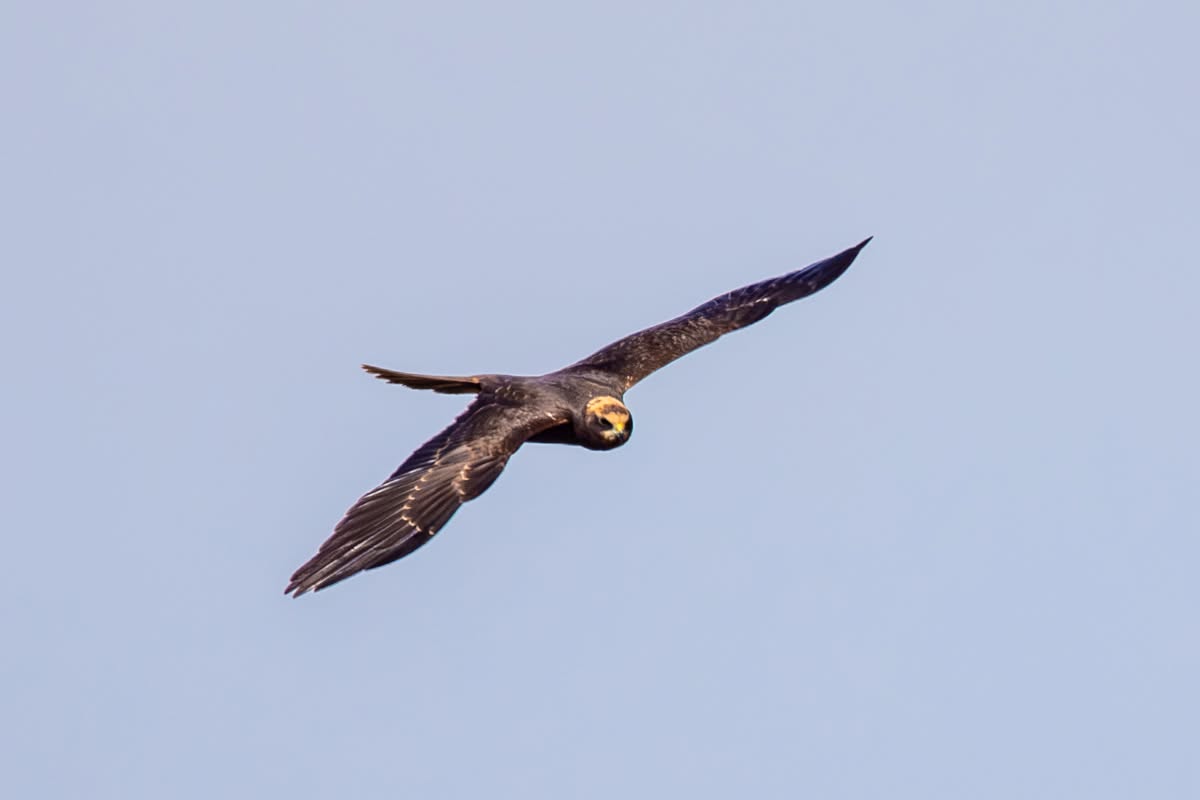
And then there were Ospreys. One at Thrapston GP on 17th and one or two over Brixworth on 18th, with two at Pitsford on 18th and 20th. Apart from two at Summer Leys on 15th, single Marsh Harriers were clocked at Titchmarsh on 15th, Stanford on 16th, Summer Leys again on 16th, at both Blueberry Farm, Maidwell and Pitsford on 18th and at Earls Barton on 21st.

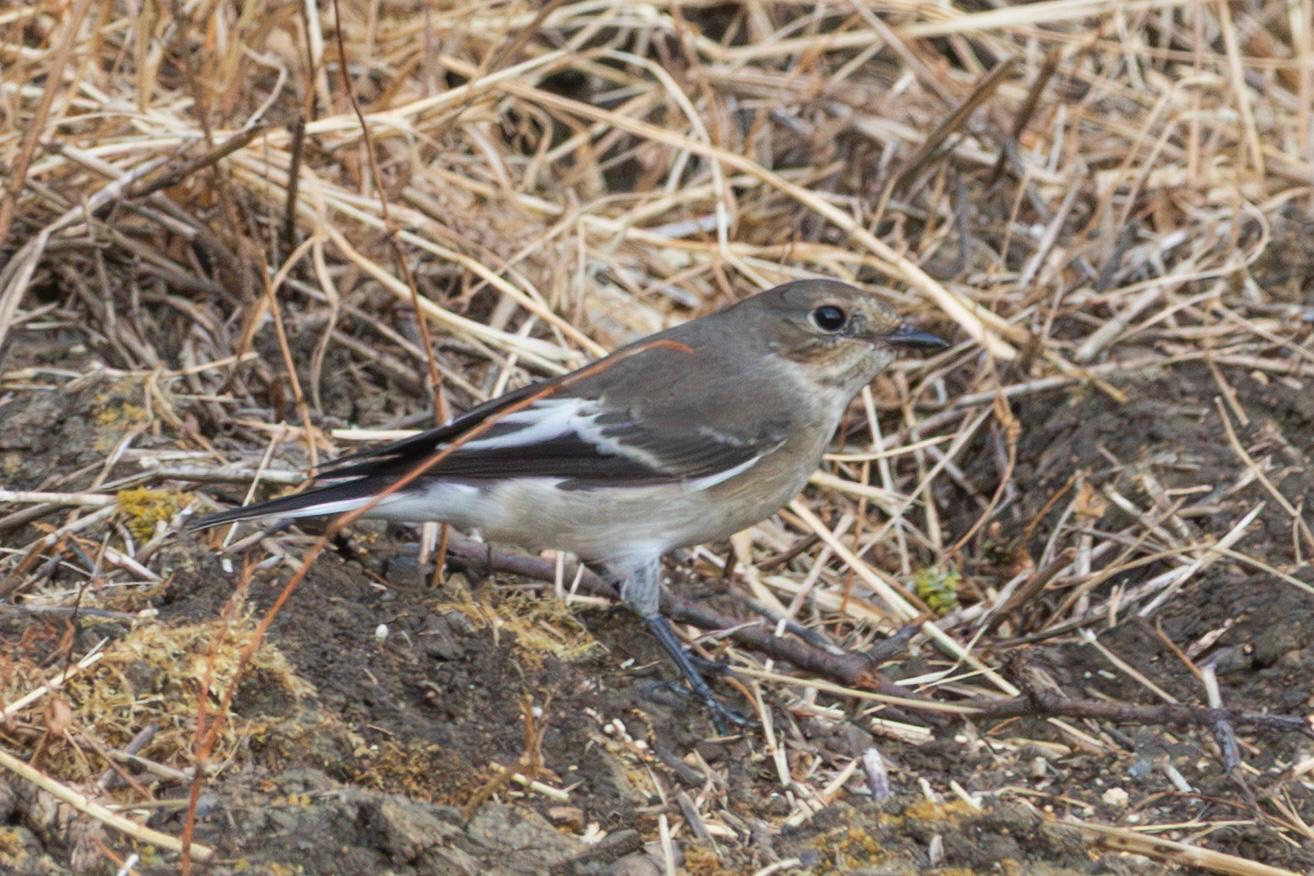
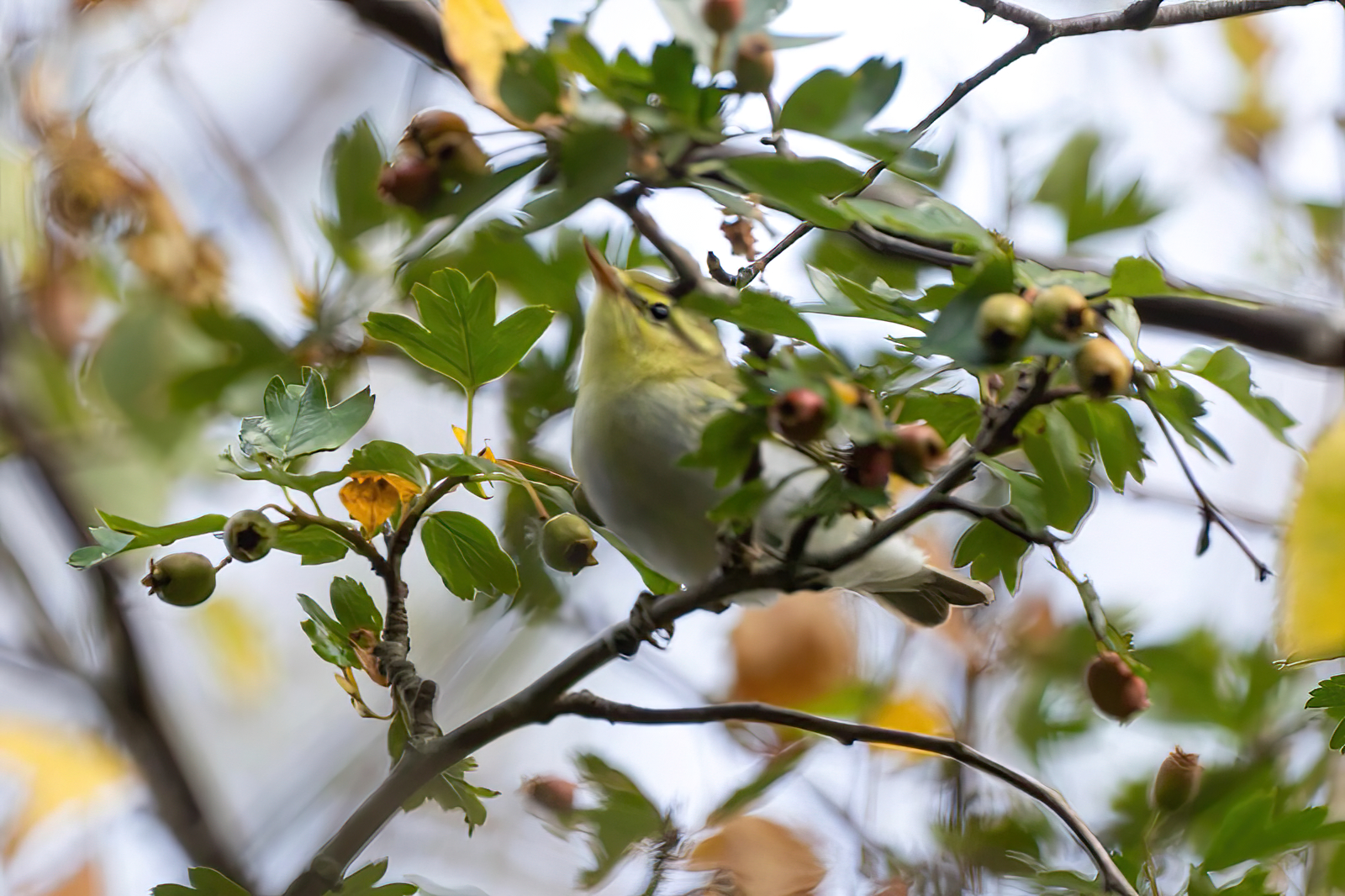
Heading up the week’s passerines was a class act in the shape of a bright and shiny Wood Warbler. Encountered on the move at Wicken Wood on 15th, it was duly photographed by the finder who, coincidentally, was also the finder of this year’s only previous record, at Clifford Hill back in May. Nowadays in the county, they’re fast heading down the road to becoming as rare as hen’s teeth …

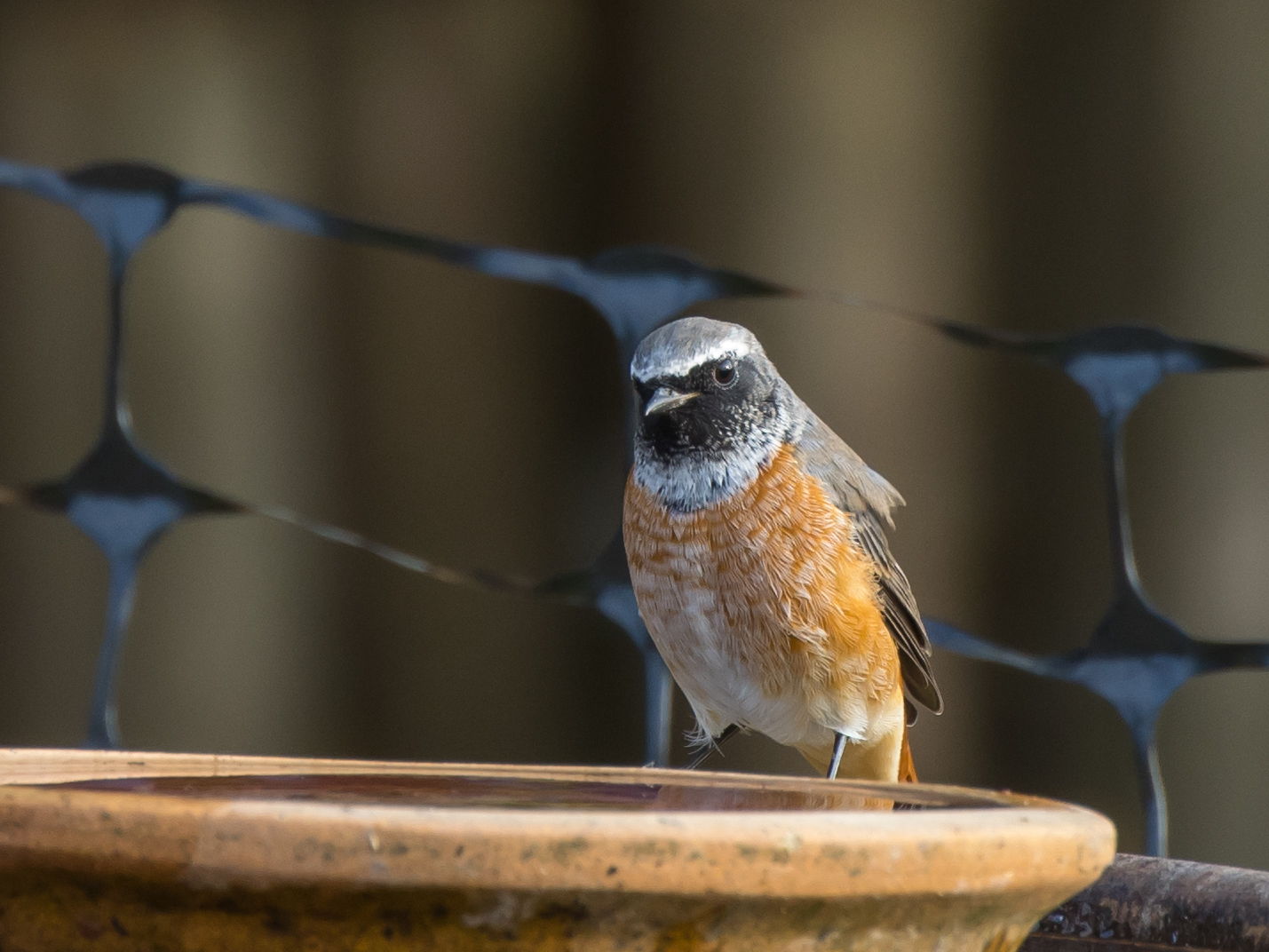
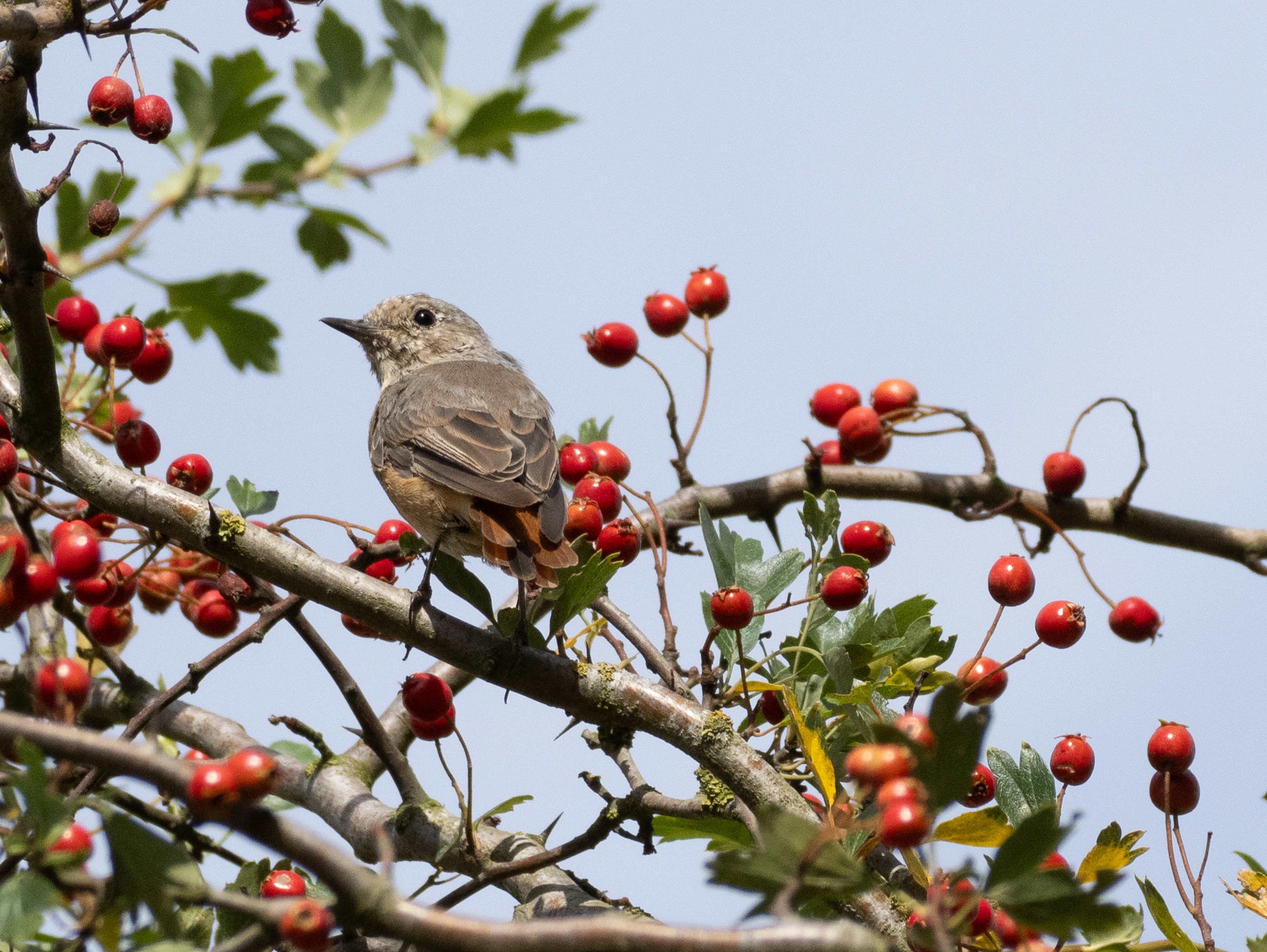
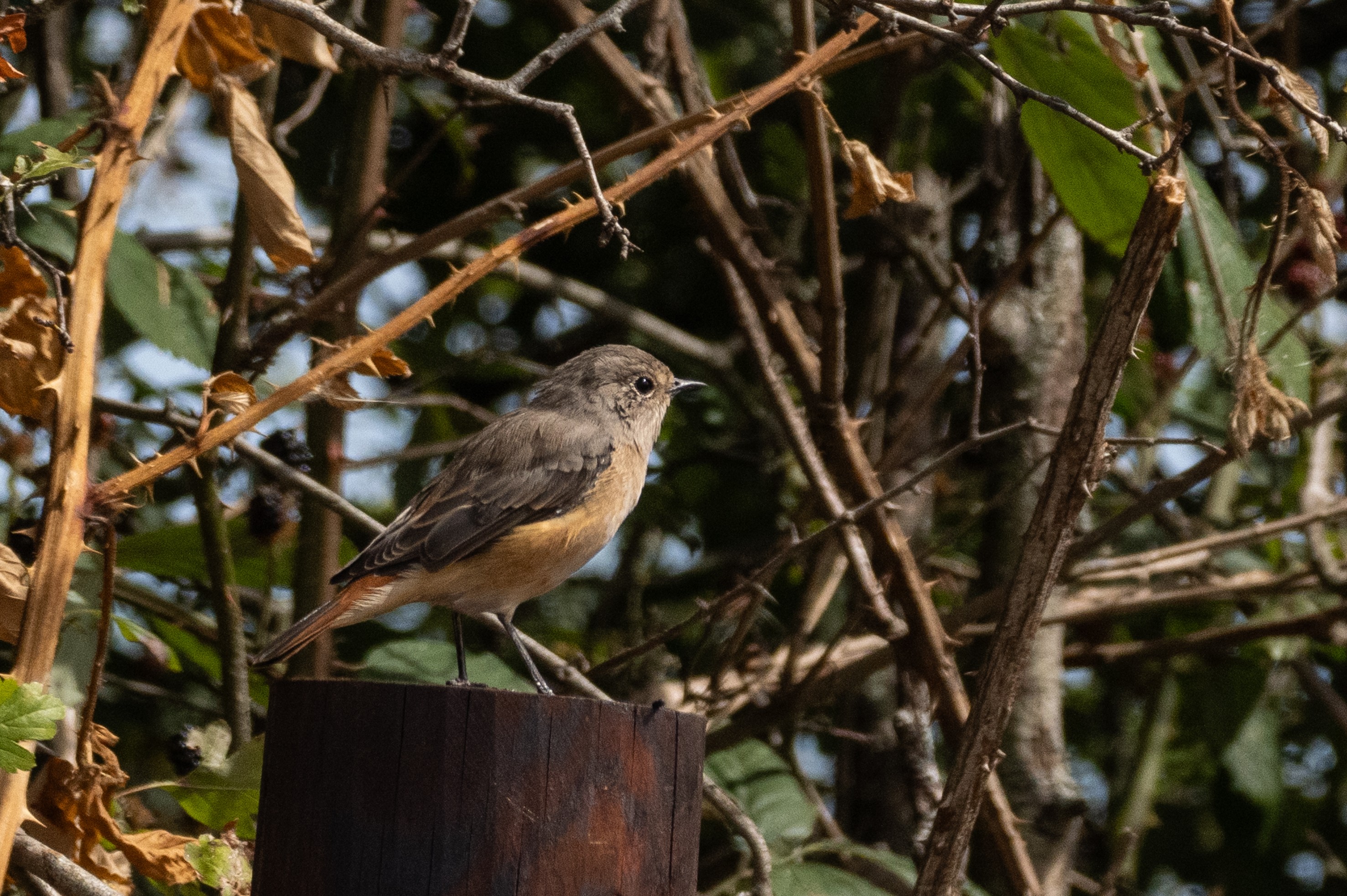
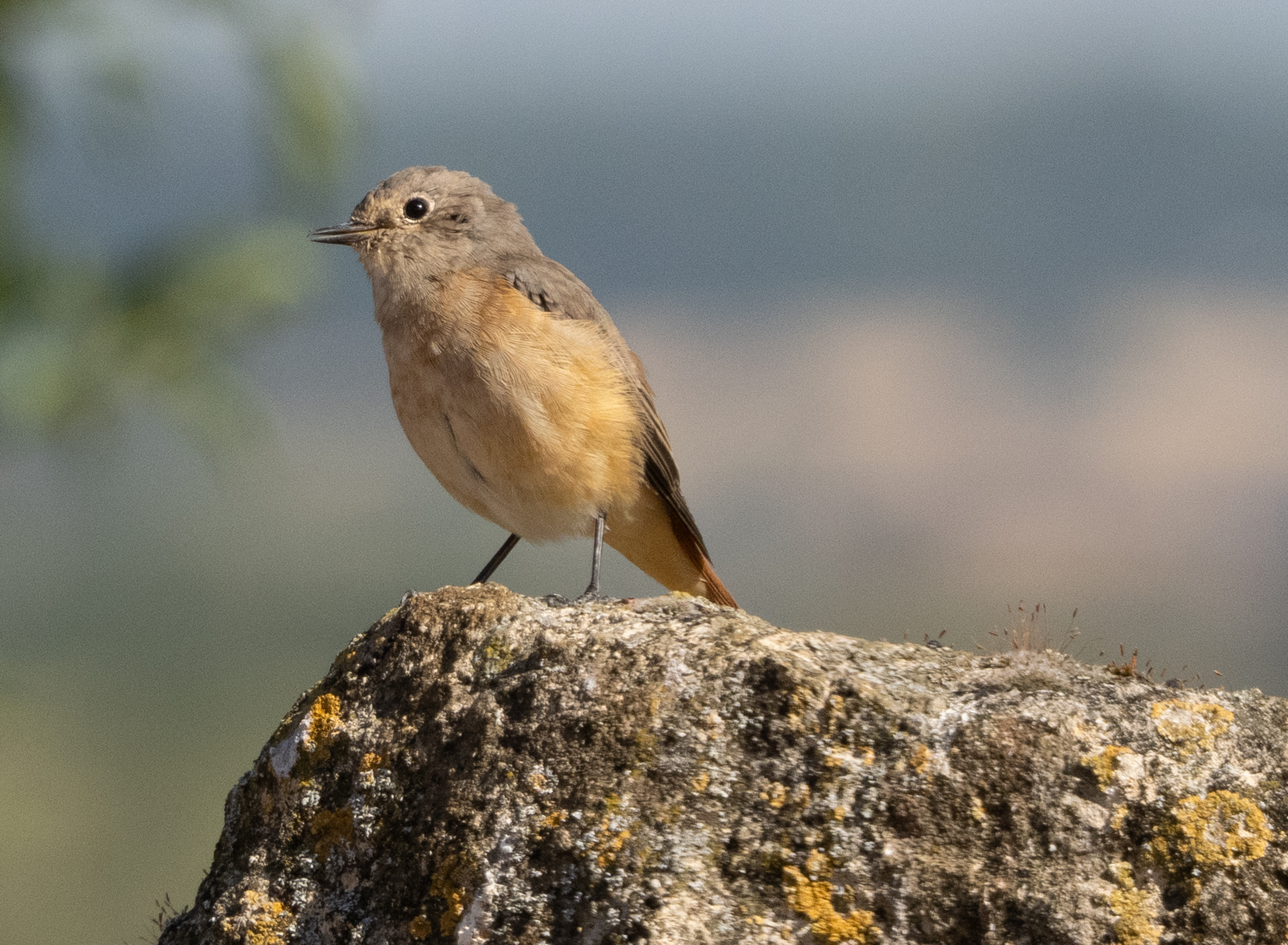
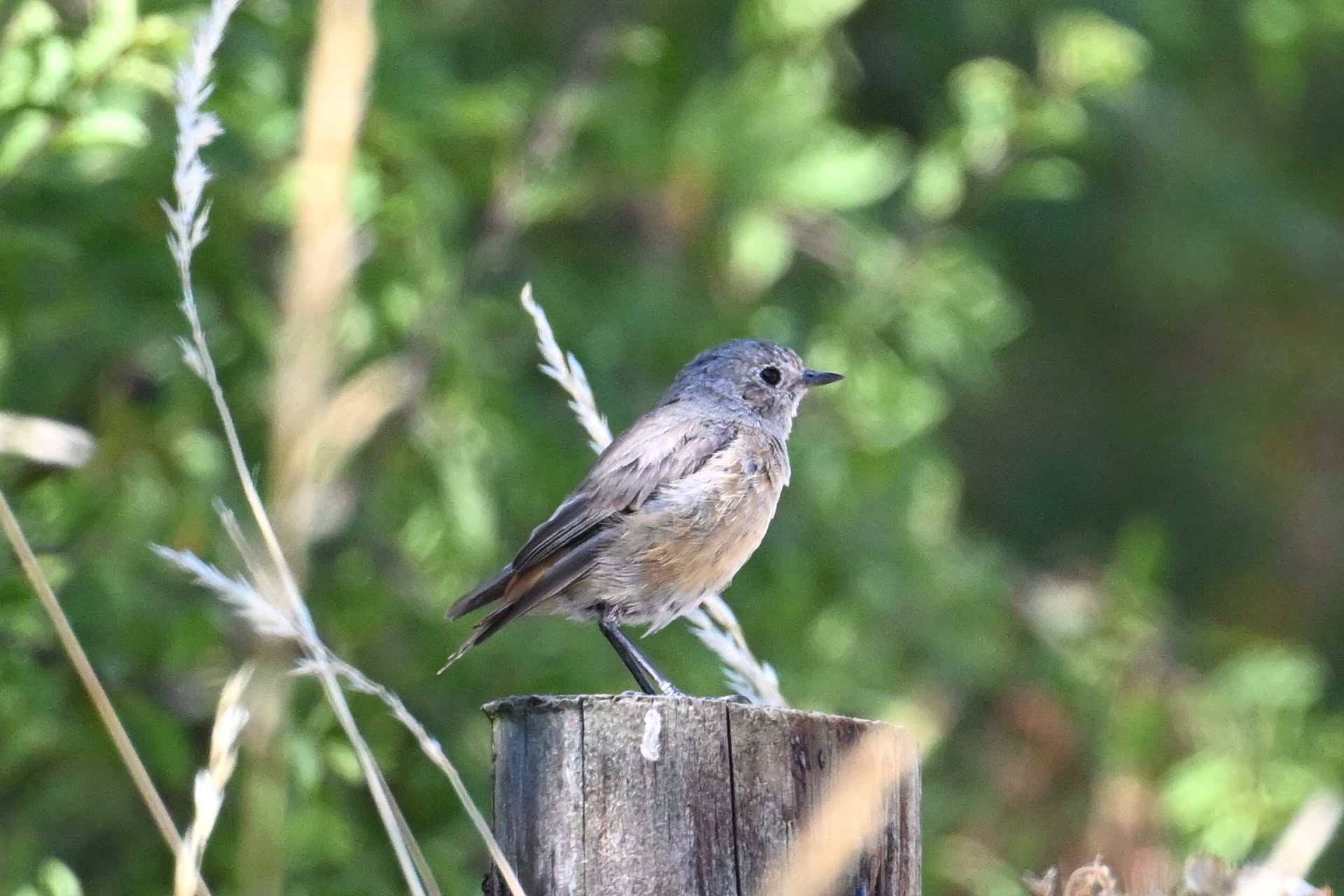
Seemingly moving in the opposite direction, the number of localities at which Common Redstarts continued to be found remained firmly in double figures, the thirteen localities producing them being Blueberry Farm (Maidwell), Boughton, Brampton Valley, Brixworth, Clifford Hill, Denton Wood, Great Brington, Harrington AF, Honey Hill, Lamport, Old/Walgrave, Pitsford and Stanford. The highest counts of three were at Harrington on 15th and Old/Walgrave on 19th and singles were trapped and ringed on 16th at both Brixworth and Stanford.

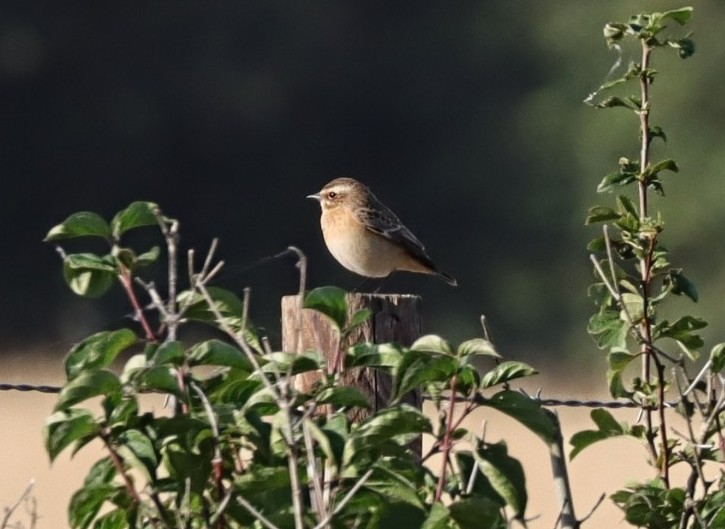
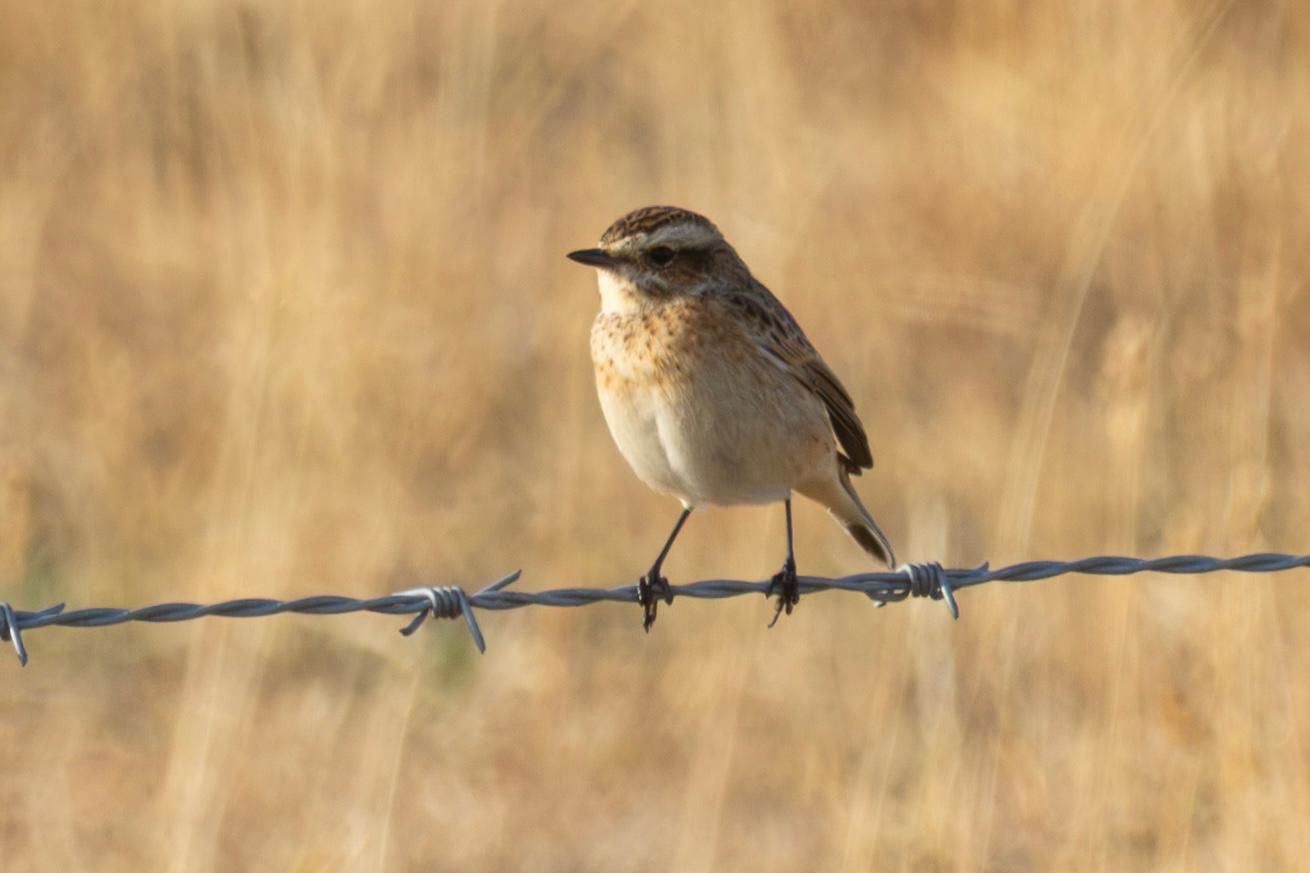
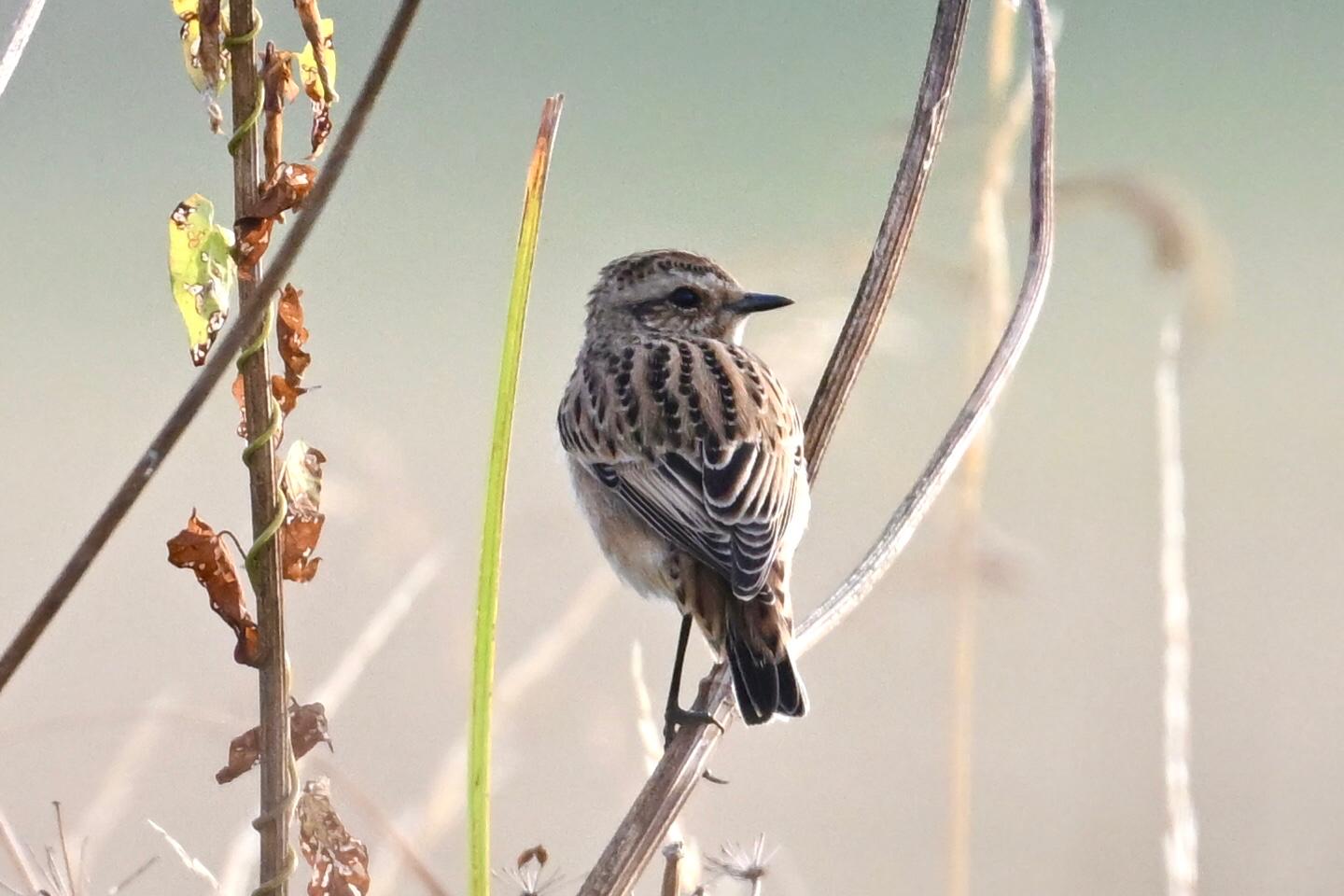
The number of Whinchats was limited to two, with single birds in the Brampton Valley between Cottesbrooke and Hanging Houghton on 18th and one at Borough Hill on 21st, while two Stonechats were also at the latter locality on the same date.

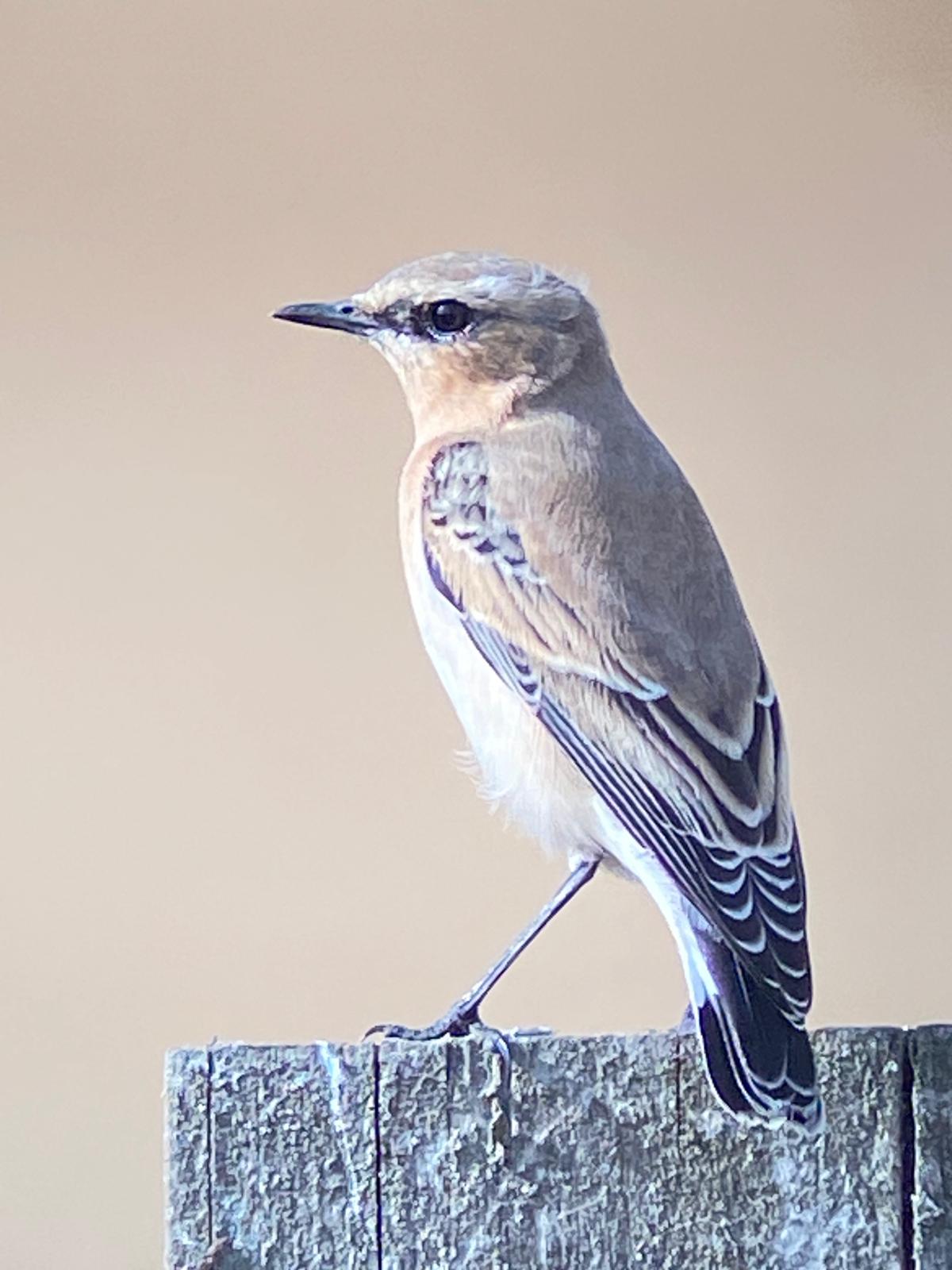
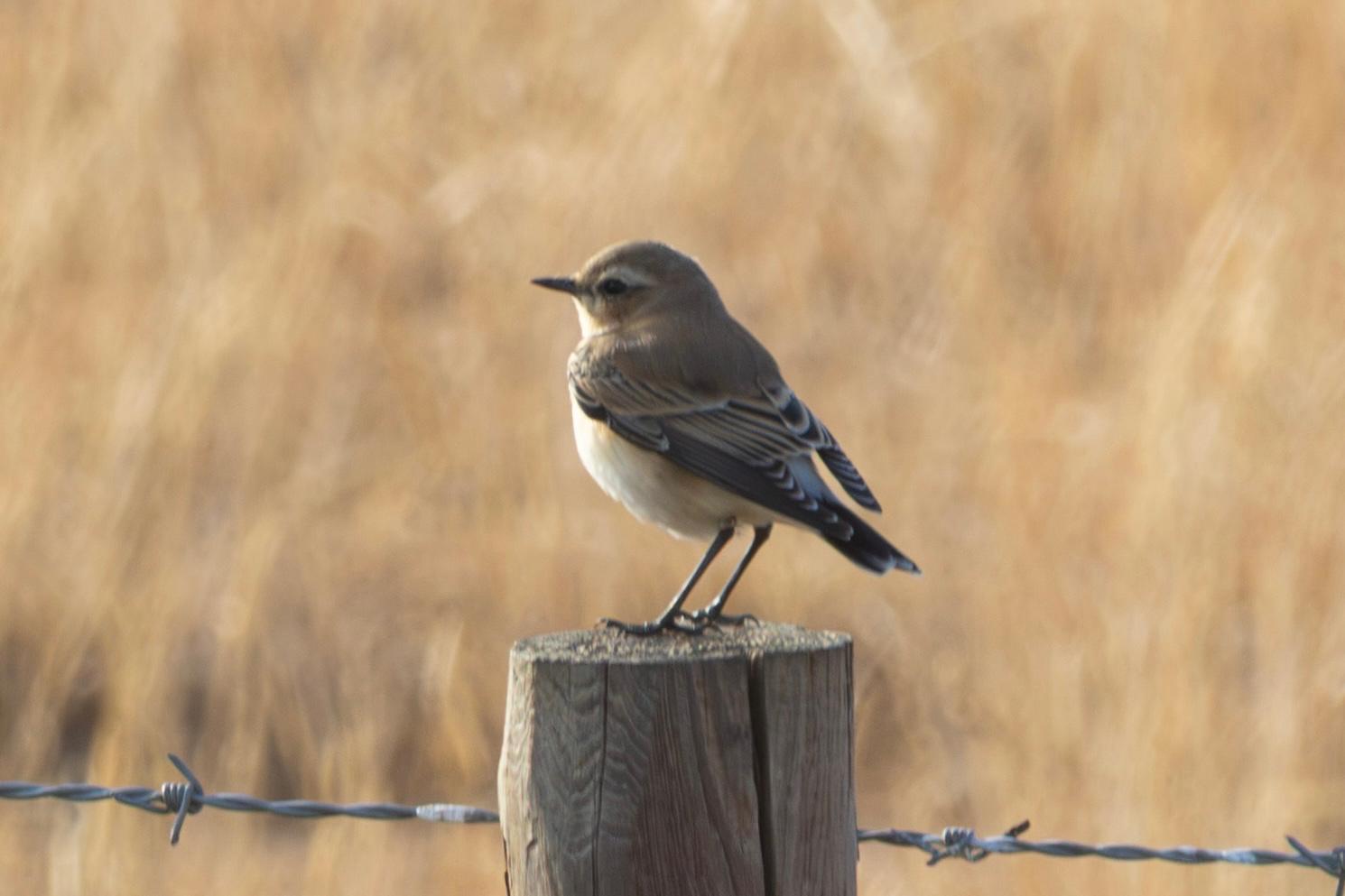
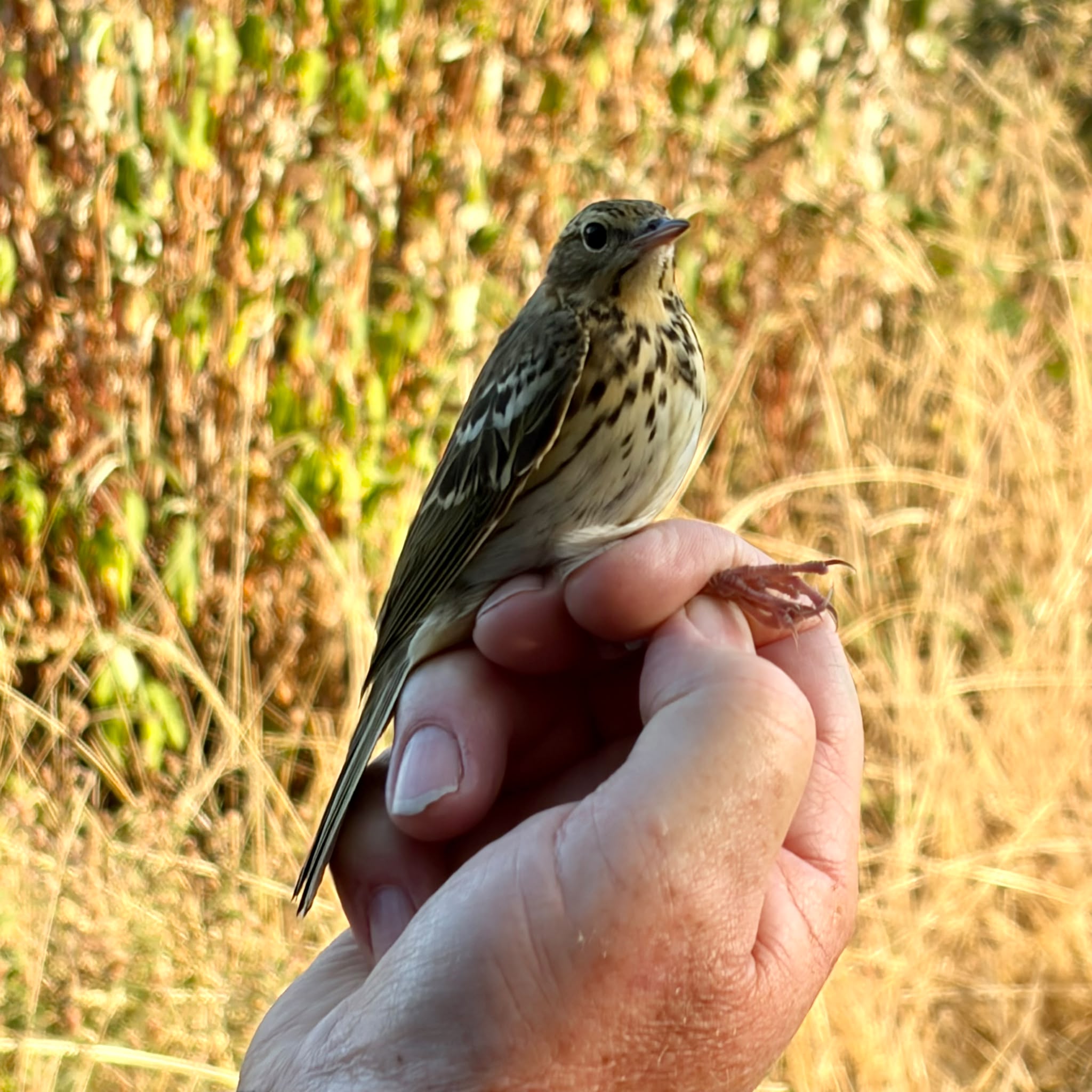
The 18th saw single Northern Wheatears in both the Brampton Valley and at Pitsford, while what would appear to be the first Tree Pipit of the year was seen at Hollowell on 15th.

A Crossbill was at Wicken Wood on 16th.

Newsround 8th to 14th August 2026

With local temperatures peaking at 35°C on the penultimate day, another dry week ensued, weatherwise – but not so on the birding front, which reached a climax on the last day of the period when the cream rose to the top …

While the regular female Ruddy Shelduck remained seemingly settled at Stanford Res in the early part of the week, it subsequently defected to Hollowell Res on 12th, where it was still to be found on 14th. The same cannot be said for Stanford’s female Ferruginous Duck which, obviously having taken a shine to the place, extended its stay there by another the week.

Two Garganeys were present at Thrapston GP’s Titchmarsh NR from 10th to 12th, with at least one remaining subsequently.

A Quail was reported in flight between Greatworth and Helmdon on 12th.

Also in flight was a Whimbrel, south over Pitsford Res on 12th, the same locality and date seeing a Curlew over north-west, with likely the same individual over Stanford some 25 minutes later. Three Black-tailed Godwits were on the ground at Clifford Hill GP on 10th, with one in flight there the following day, while two were found at Daventry CP on 12th.

Two ‘firsts’ for our autumn wader passage materialised in the form of a Turnstone in flight over Pitsford on 12th – only the third record of the year so far, following a disappointingly lean spring showing – and a Ruff at the same locality the day prior.

A Wood Sandpiper appeared at Titchmarsh on 9th, remaining on site all week and, following last week’s much-admired Spotted Redshanks at Daventry CP, three more duly obliged – this time for one day only, at Summer Leys LNR on 14th. The number of Greenshanks continued to rise with up to four at Pitsford throughout the week, up to two at Hollowell between 12th and 14th and singles at Titchmarsh all week and Summer Leys on 14th.

And while sifting through flocks of gulls for something spicy might not be everyone’s cup of tea, on the larid front, juvenile Mediterranean Gulls continued to feature with one at Stanford on 8th and a Polish-ringed individual at Daventry from 8th until at least 13th.

Also, the German-ringed adult male Caspian Gull remained throughout at Naseby Res, being joined by a second-summer there on 13th, while another was found at Priors Hall Quarry Lake on 9th. At the same time, the latter site also produced the highest count of Yellow-legged Gulls, with seven there, while single juveniles visited Sywell CP on 8th and Daventry on 13th and one was at Thrapston GP on 10th.

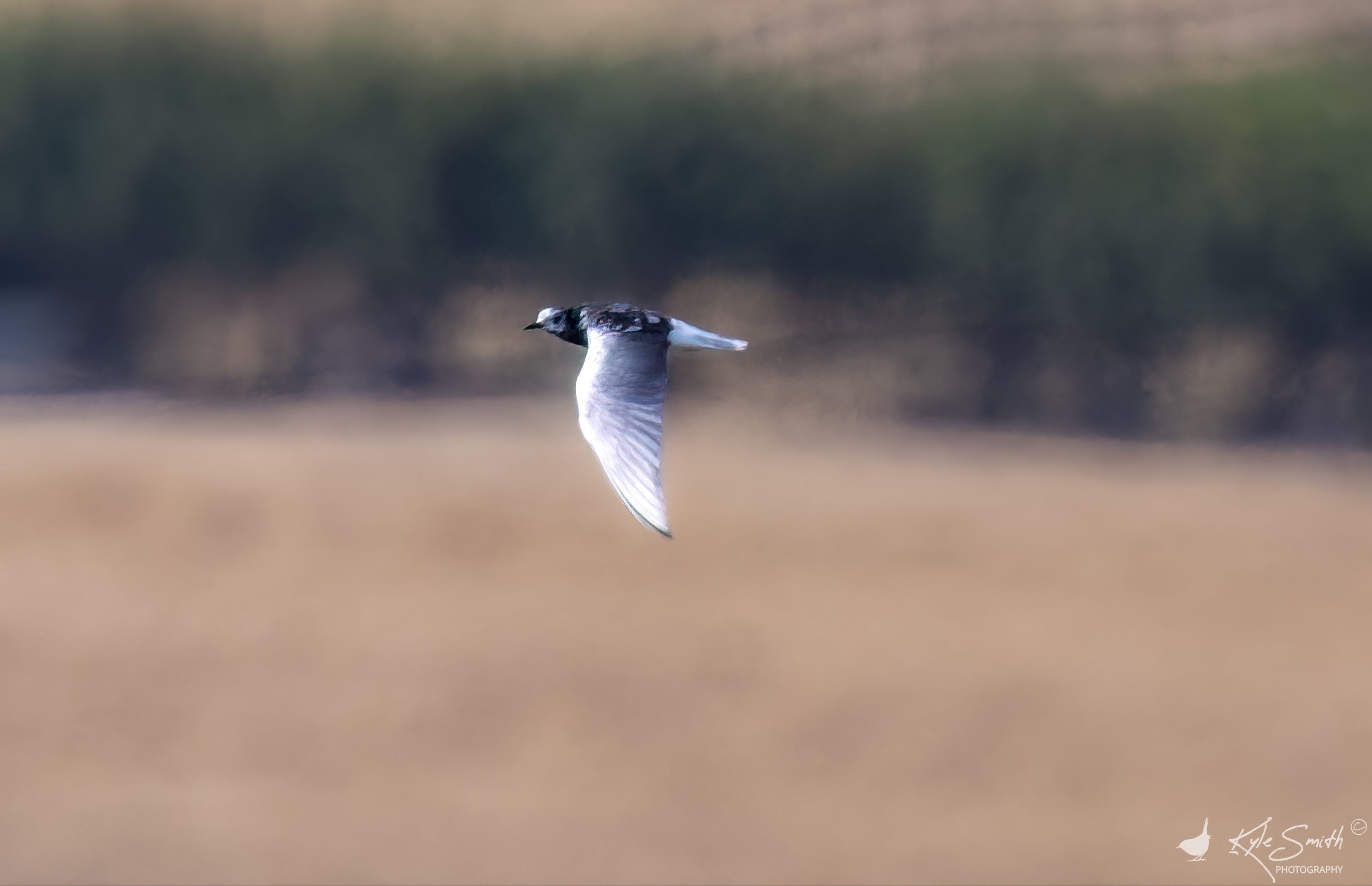
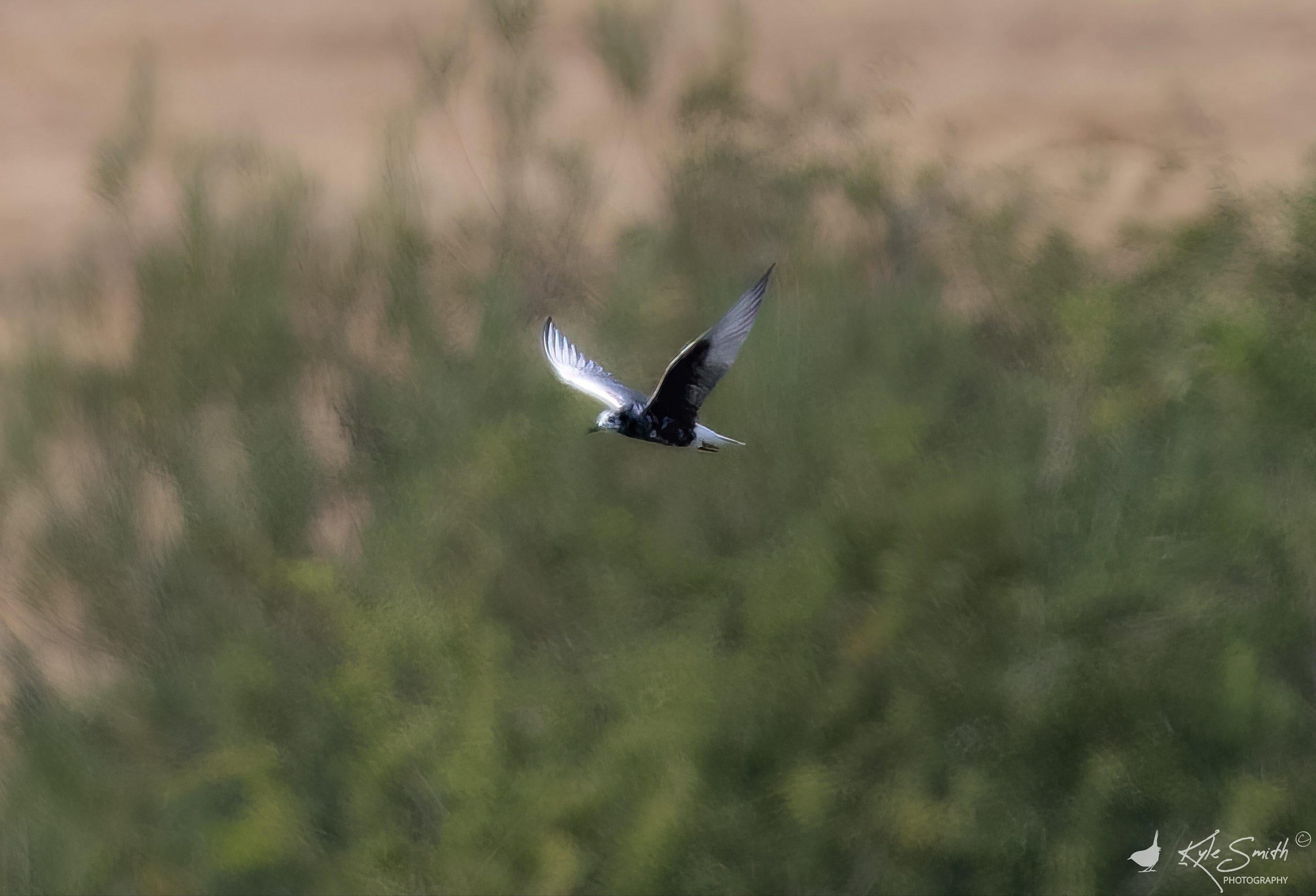
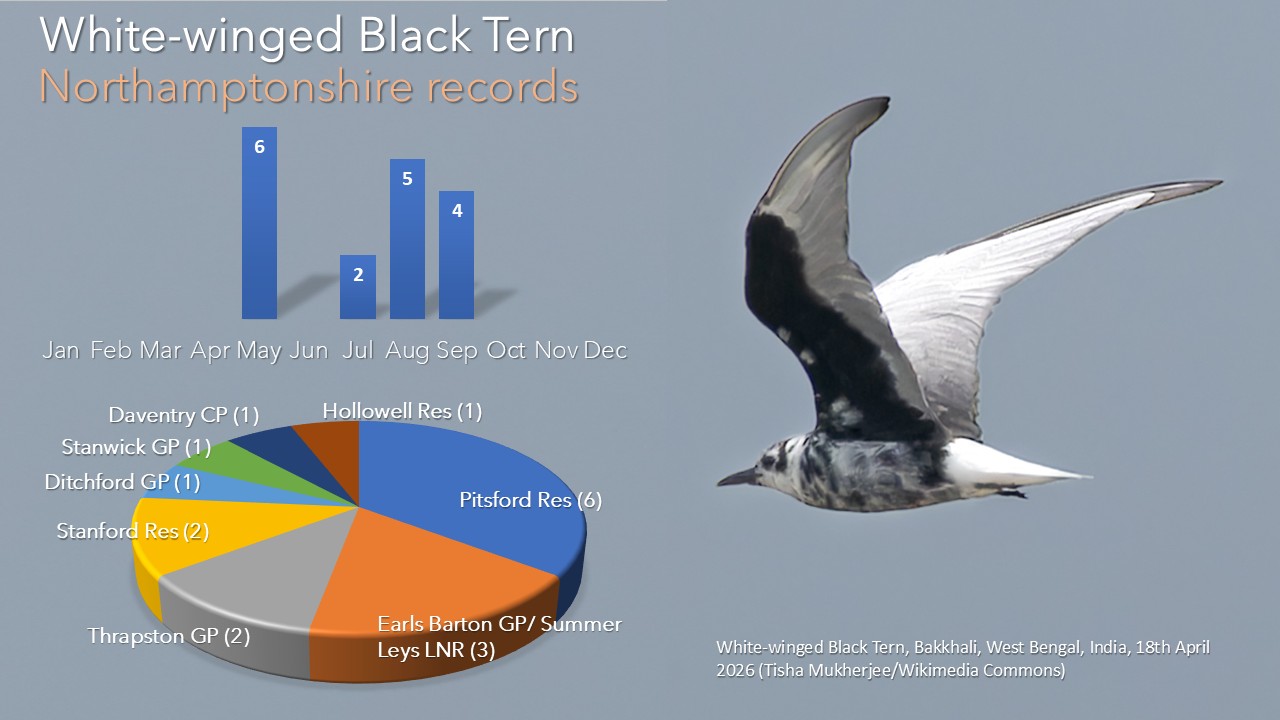
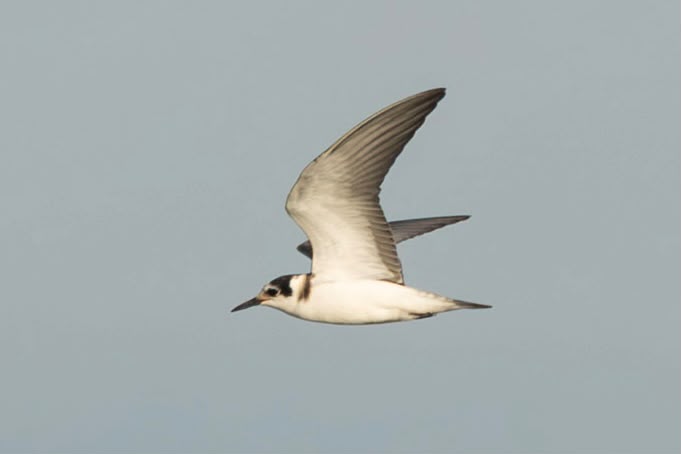
Leaving everything else in the shade, though, was the jewel in this week’s birding crown, found at Summer Leys on the final day. Initially flagged up as a Black Tern, the bird’s identification was nippily corrected as the county’s eighteenth White-winged Black Tern, feeding over the Main Lake there throughout the morning and well into the early evening. A moulting adult, it was one of four to be found in the UK during the week, hot on the heels of the last individual at the same locality during May 2025. Prior to that, we have to go back ten years to July 2015, when one was at Stanwick GP.

Almost ironically, the last day of the week also produced two Black Terns at Clifford Hill GP.

Back at Summer Leys, a Glossy Ibis appeared on 12th, remaining there until 14th. We’ve been spoiled rotten with them from last autumn and well into the spring so this bird did not emerge as a crowd-puller.

Single Bitterns were seen at Titchmarsh on 12th and at Summer Leys on 14th, while 2 Cattle Egrets visited the latter site on 9th and four appeared at Clifford Hill early doors on 14th.

With plenty still floating around, the 10th saw single Ospreys at Blatherwycke Lake, Hollowell, Pitsford and Thrapston, with Pitsford producing further sightings on 11th, 12th and 14th and one was again at Hollowell on the latter date. And early autumn traditionally sees a rise in the number of Marsh Harriers, exemplified perfectly by sightings coming from nine localities. Single birds were seen over Blueberry Farm (Maidwell), Byfield, Harrington AF, Lamport Hall, Pitsford, Ringstead GP, Summer Leys and Titchmarsh, while the Brampton Valley held two on 8th and 12th.

On the passerine front, Common Redstarts were again leading the way in terms of numbers. The ten localities producing them were Blueberry Farm (Maidwell), Brampton Valley, Clifford Hill, Cold Ashby, Great Oxendon, Harrington, Honey Hill, Lamport, Old/Walgrave and Stanford. Up to four at Harrington on 11th was the highest single site count and two were trapped and ringed at Stanford on 14th.

Whinchats were clearly on the up, this week, with twos in the Brampton Valley between Hanging Houghton and Brixworth and between Cottesbrooke and Hanging Houghton, while singles were also present at Blueberry Farm, Harrington, Naseby and Titchmarsh. Single Northern Wheatears were found at Harrington on 11th and 13th, in the Brampton Valley on 11th, 13th and 14th, between Stony Stratford and Wolverton on 12th and at Orlingbury on 14th.

A lone Crossbill was seen near Lyveden New Bield on 9th.

Newsround 1st to 7th August 2026

While the warm, dry weather continued, the first week of August saw mounting expectations of good things to come – particularly with regard to waders, numbers of which rose a little, with the quality moving up a notch …

Ducking and diving was the female Ferruginous Duck seen daily at Stanford Res until 5th, the same site continuing to host the regular female Ruddy Shelduck throughout the period.

Meanwhile, at Summer Leys LNR, the two Garganeys remained present on the Scrape until at least 5th, while one was also found at Thrapston GP’s Titchmarsh NR on the last day of the week.

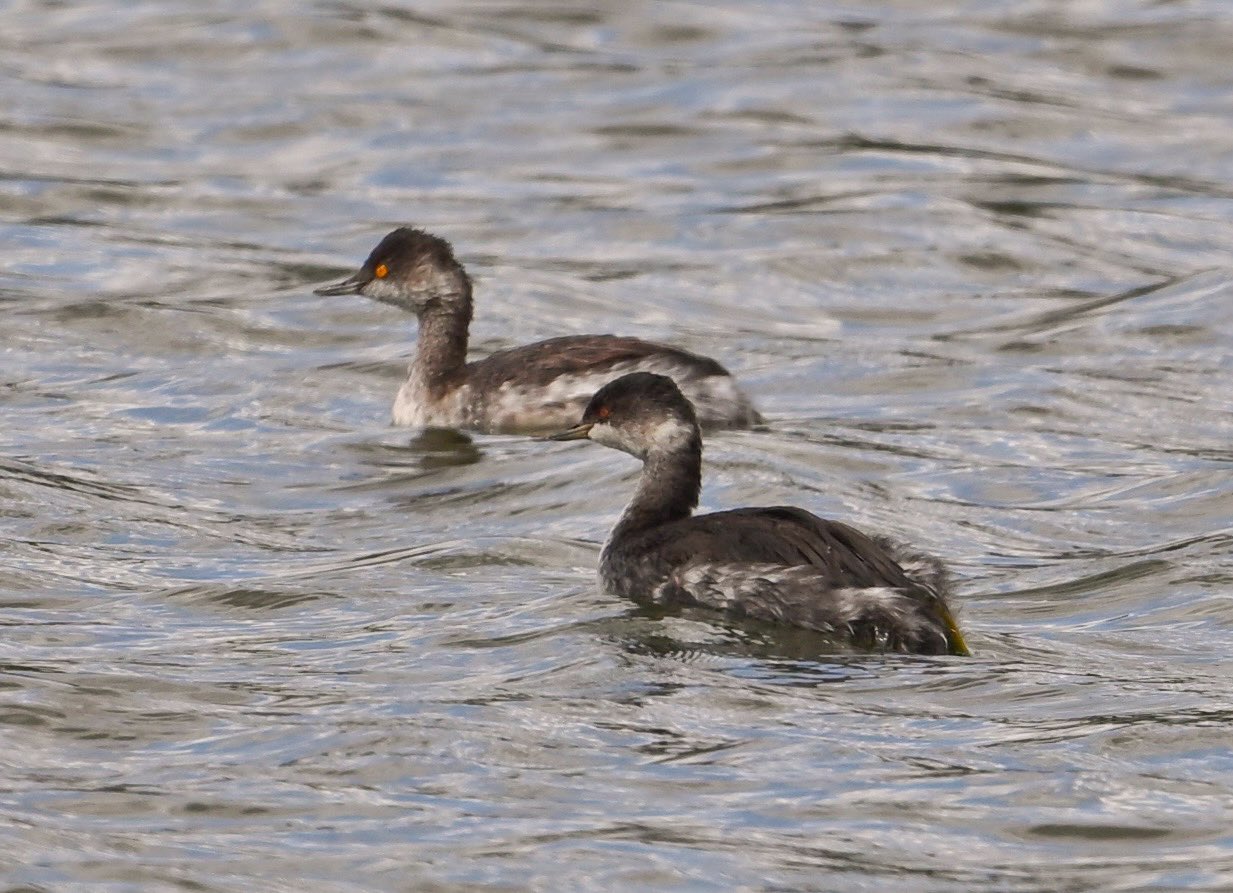
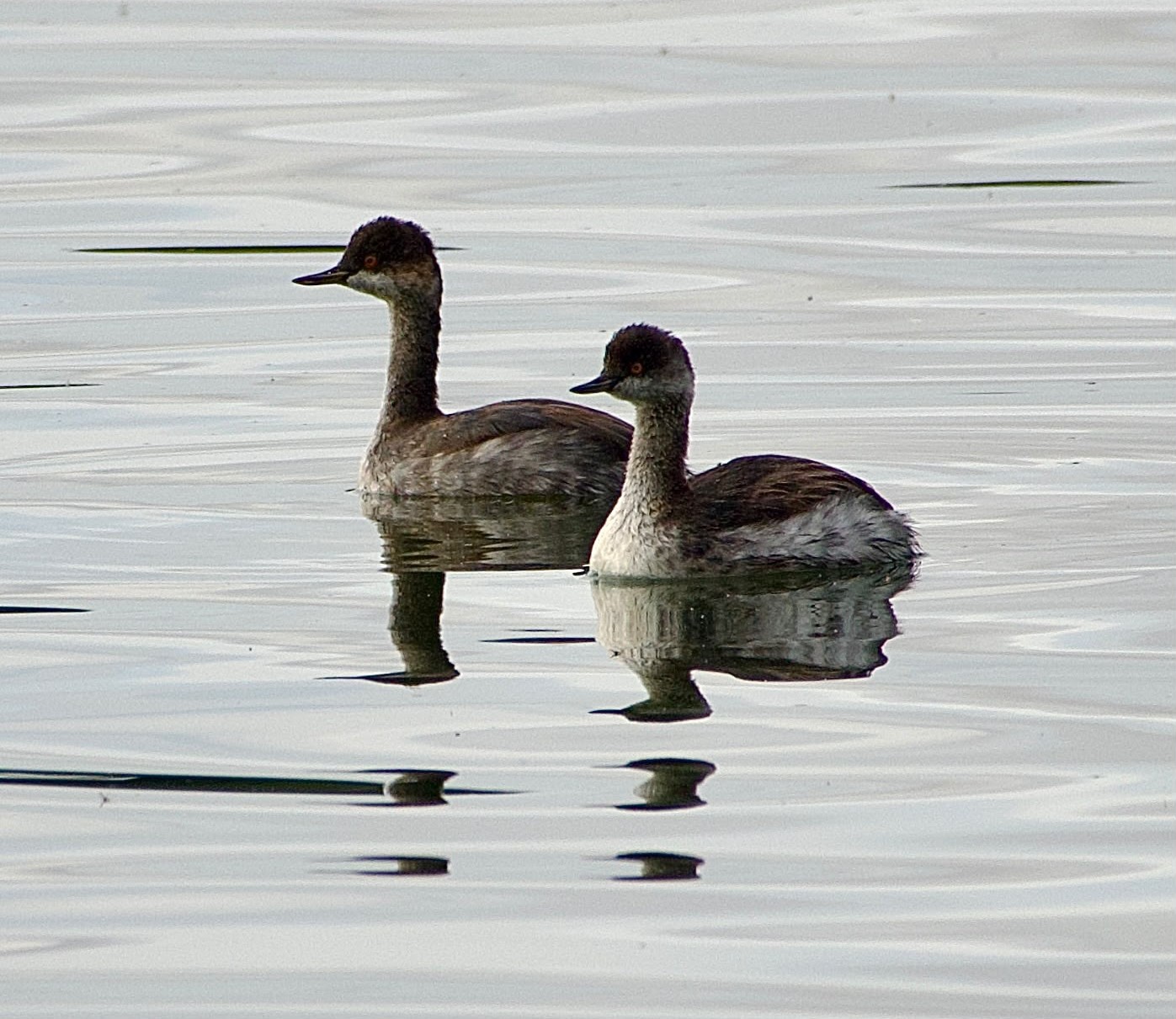
Now into its fourth week, the remarkable run of Black-necked Grebes continued with two at Stanford on 1st, at least one of which remained until 3rd, while one was reported at Daventry CP on 1st.

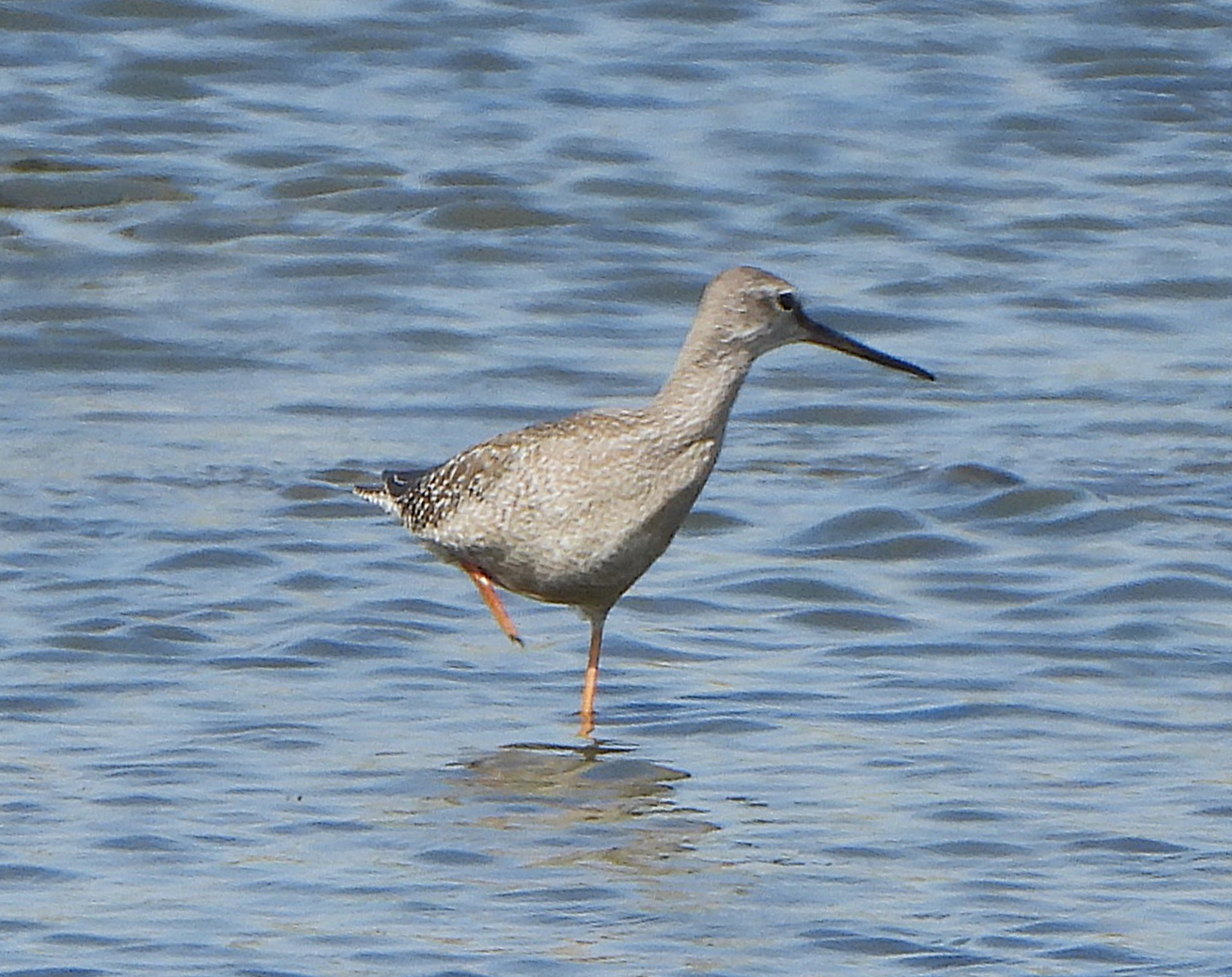
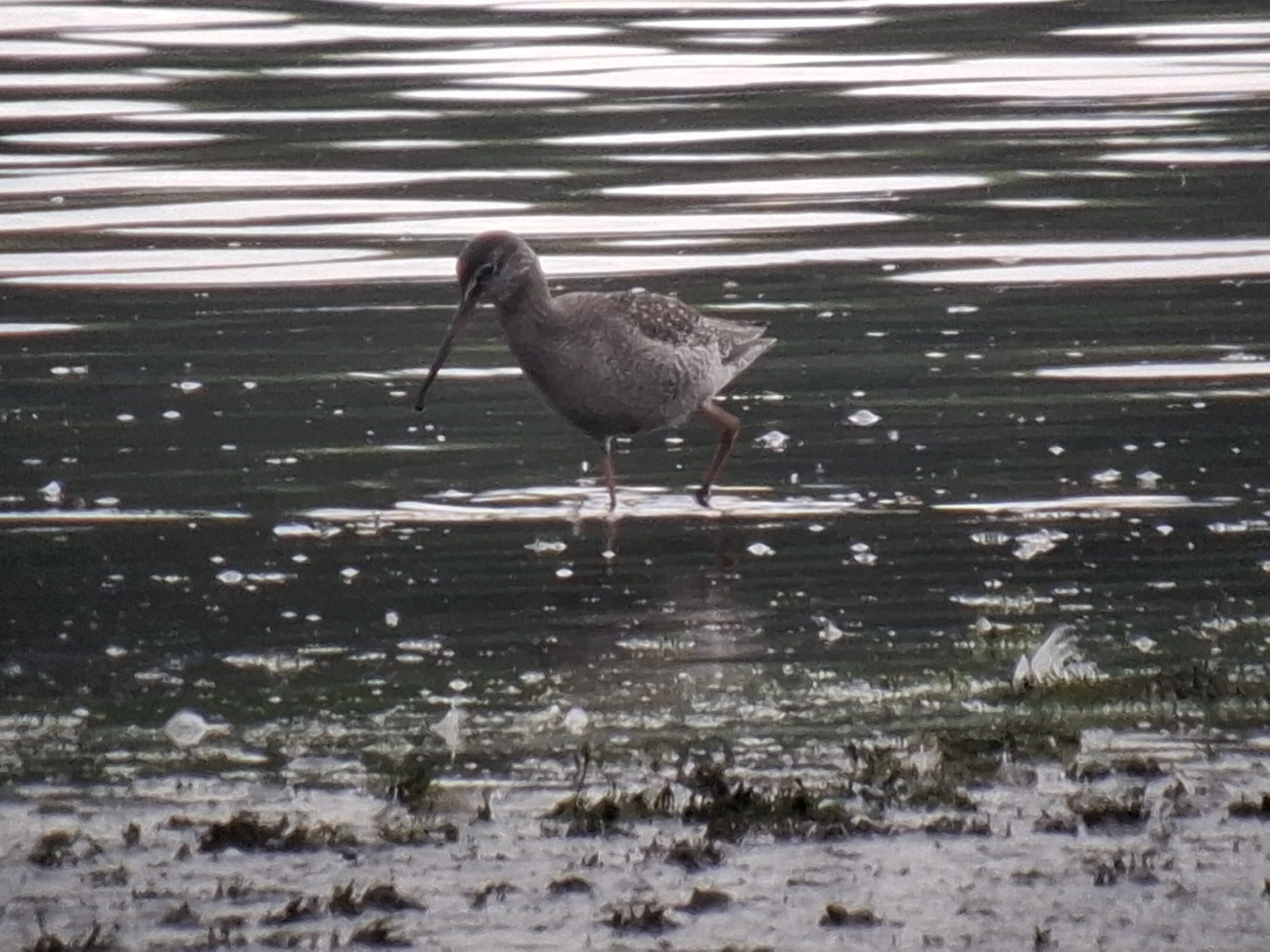
With the water level dropping nicely, Daventry also gave rise to a Whimbrel on 4th but stealing the show there were two crisp, juvenile Spotted Redshanks from 1st until 3rd, this duo attracting a lot of attention, being only the second record of the year after one at Earls Barton GP on 23rd-24th April.

Following just one bird last week, Greenshanks were up in the closing two days, the 6th seeing singles at Boddington Res and Summer Leys, followed the next day by two at Sulby Res and further singles at Hollowell Res, Pitsford Res, Stanford and Titchmarsh.

Four sites produced Black-tailed Godwits, Daventry leading with five on 1st, followed by two at Clifford Hill GP on 2nd, where one was to be found between 4th and 7th. Sulby hung on to one between 4th and 6th, with one visiting Summer Leys on the latter date.

Like last week, just the one Mediterranean Gull – again a juvenile – appeared, this time at Hollowell Res on 4th. And sticking with the reservoirs, single first-summer Caspian Gulls visited Boddington and Daventry on 3rd and 6th, respectively, while Naseby retained its German-ringed adult male throughout the period. Juvenile Yellow-legged Gulls were present at Daventry on 1st and 3rd and adults were seen at Thrapston/Titchmarsh on 2nd, 4th and 7th and at Pitsford on 4th and Hollowell on 5th.

Summer Leys’ Scrape gave rise to a Bittern on 3rd, following a Cattle Egret there the previous day, while another Cattle Egret flew over Woodford Halse on 7th.

And this week’s raptors were last week’s raptors, with Ospreys and Marsh Harriers once more filling the category between them. Singles of the former flew over Stanford on 1st and 2nd and three whirled over Hollowell together before drifting off south-east on 4th, followed again by one there the next day. Apart from one at Stanford on 1st, Marsh Harriers were largely restricted to the Brampton Valley/Blueberry Farm area, where they were seen almost daily and three were present together on 3rd. Only a stone’s throw away, one visited Harrington AF on 4th.

On the passerine front, Common Redstarts were once again dominant, eleven localities producing decent numbers. These comprised Blueberry Farm (Maidwell), Borough Hill, Brampton Valley, Clifford Hill, Cosgrove, Harrington, Honey Hill, Kislingbury GP, Lamport, Old/Walgrave and Upper Heyford. Five at Blueberry Farm on 3rd was the highest single site count.

Two Whinchats were in the Brampton Valley between Cottesbrooke and Hanging Houghton on 2nd with one again in the same area on 5th and two were found at Harrington AF on the last day of the period.

Not to be outdone, Northern Wheatears kept up appearances, with single birds at Upton CP on 1st, in the Brampton Valley on 3rd and at Harrington AF on 4th.

Newsround 25th to 31st July 2026

Another dry week, weatherwise, but not so in terms of the local birding scene, which saw a number of new arrivals, the best of which vanished within minutes of being found …

The same cannot be said with regard to ducks, however, with the ageing female Ruddy Shelduck seeing out another week at Stanford Res and sharing the water with the female Ferruginous Duck of unknown origin, which appeared there once more on 27th. A repeat performance from the first week in July saw a female Red-crested Pochard again at Ravensthorpe Res on 27th and 28th in company with the female Red-crested Pochard x Mallard hybrid on the first of these two dates. The latter is best swept under the carpet. We’ll say no more …

As well as the two Garganeys extending their stay by another week at Summer Leys LNR, two more were present at Daventry CP on 30th.

And we were reminded of the good year for Quail this week when another singing male was heard, this time near Mawsley, on 26th.

Black-necked Grebes were again very much in the spotlight during the period, with an adult from last week remaining at Daventry until 29th, a juvenile appearing at Ravensthorpe on 26th, followed by two juveniles at Stanford on 27th and one there on 31st.

There was no change in the week’s offering of waders, with the 27th seeing two Black-tailed Godwits at Earls Barton GP and singles at Boddington Res and Sulby Res, followed by another at Daventry on 31st.

Last week’s Wood Sandpiper at Daventry was also reportedly present there on the first day of this week, while a Greenshank appeared at Pitsford Res on 28th.

And it was the turn of Stanford to dish up the period’s only Mediterranean Gull with a juvenile present on the dam there on 27th.

Back this week for its sixth year, the German-ringed ‘XLVH’ adult male Caspian Gull returned to Naseby Res where it was to be found on 27th and 31st. This individual is now at least ten years old.

Single Yellow-legged Gulls were at Daventry on 26th, Pitsford on 27th, 29th and 30th and at Thrapston GP on the latter date.

Echoing last week, a first-summer Arctic Tern was again present at Daventry on 30th.

A Cattle Egret was an unusual visitor for Hollowell Res on 30th.

The period experienced a paucity in Osprey sightings with just single birds at Hollowell on 27th and at Pitsford the following day. The same cannot be said for Marsh Harriers, though, with one in the Brampton Valley between Cottesbrooke and Hanging Houghton on 25th, 28th, 30th and 31st, with likely the same individual at nearby Blueberry Farm, Maidwell on 29th. Singles were also seen at Harrington AF on 28th and at Stanford on 31st.

Had it stuck around, bird of the week, by a long chalk, would have been the Red-backed Shrike found in the Brampton Valley on 25th. Said to have been a juvenile, it was discovered appropriately on the so-called ‘shrike hedge’ between Cottesbrooke and Hanging Houghton before being flushed by one of the above Marsh Harriers, after which it was not relocated, despite searches conducted by multiple observers. Now, had it been akin to a certain shrike currently residing on the Gloucestershire/Oxfordshire border, pandemonium would have no doubt broken out …

Thirteen localities produced Common Redstarts this week, including Barton Seagrave, Blueberry Farm (Maidwell), Brampton Valley (between Cottesbrooke and Hanging Houghton), Clifford Hill GP, Daventry CP, Harrington AF, Honey Hill, Lilbourne Meadows NR, Long Buckby, Old, Pitsford Res, Stanford Res and Upper Heyford.

Following the autumn’s first last week, the period’s Whinchats comprised one at Honey Hill on 26th and two in the Brampton Valley between Cottesbrooke and Hanging Houghton.