While the warm, dry weather continued, the first week of August saw mounting expectations of good things to come – particularly with regard to waders, numbers of which rose a little, with the quality moving up a notch …
Ducking and diving was the female Ferruginous Duck seen daily at Stanford Res until 5th, the same site continuing to host the regular female Ruddy Shelduck throughout the period.

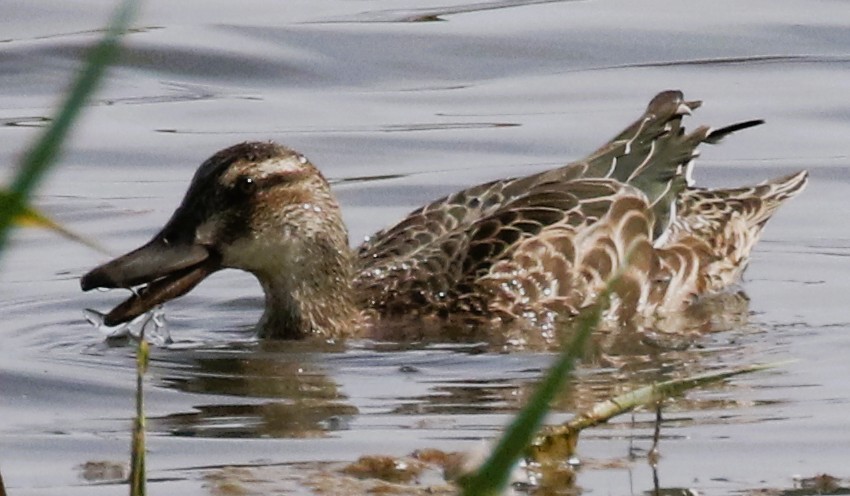
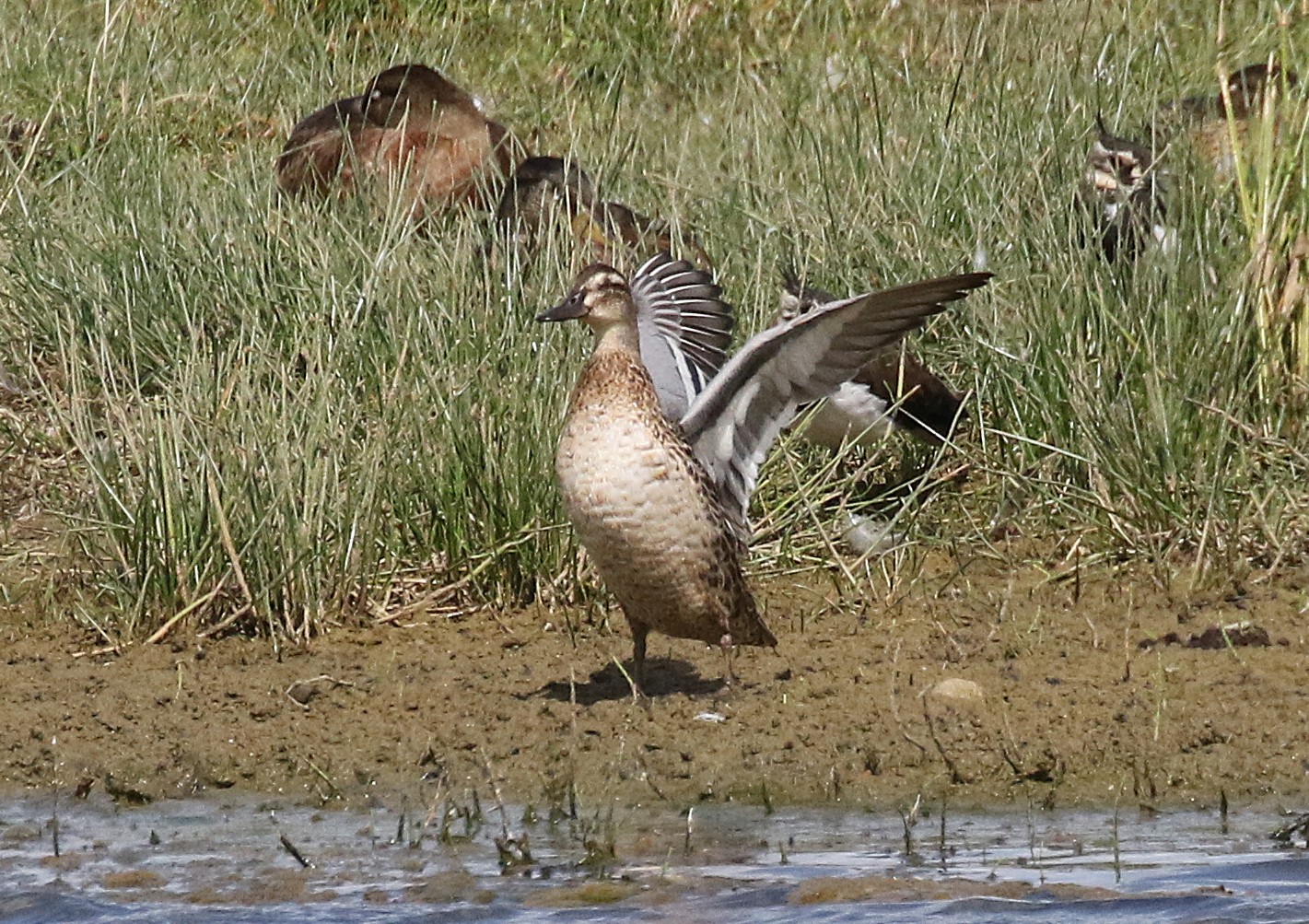
Meanwhile, at Summer Leys LNR, the two Garganeys remained present on the Scrape until at least 5th, while one was also found at Thrapston GP’s Titchmarsh NR on the last day of the week.
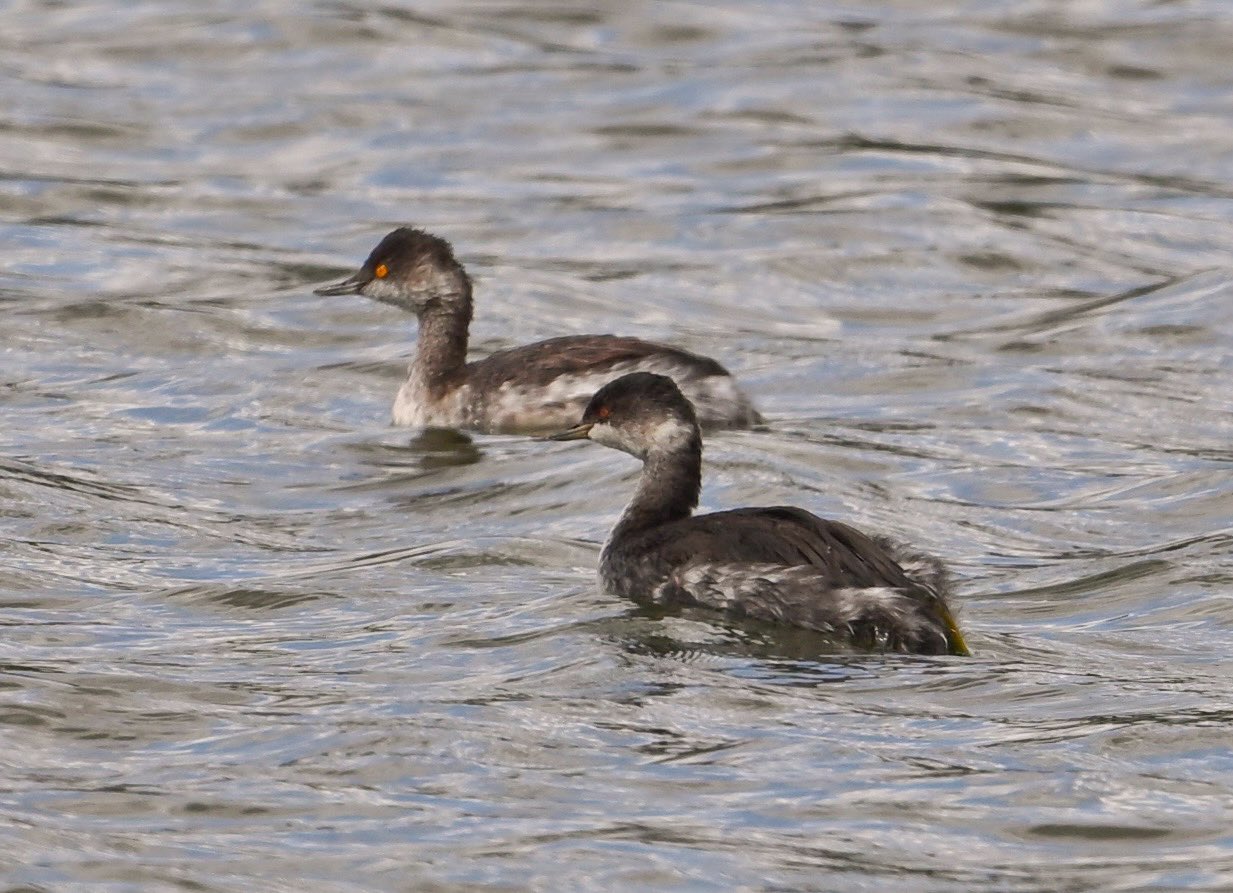
Now into its fourth week, the remarkable run of Black-necked Grebes continued with two at Stanford on 1st, at least one of which remained until 3rd, while one was reported at Daventry CP on 1st.
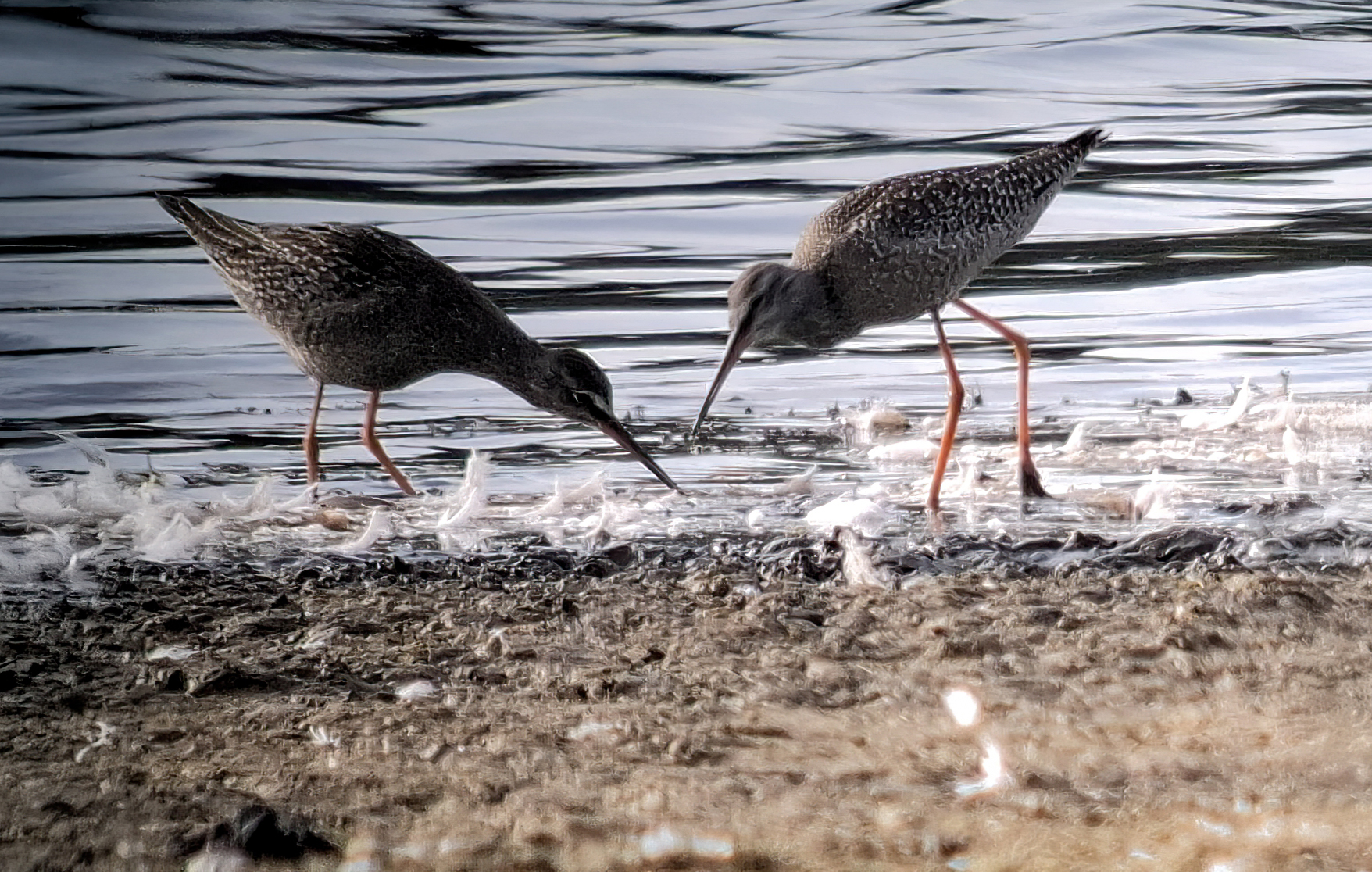
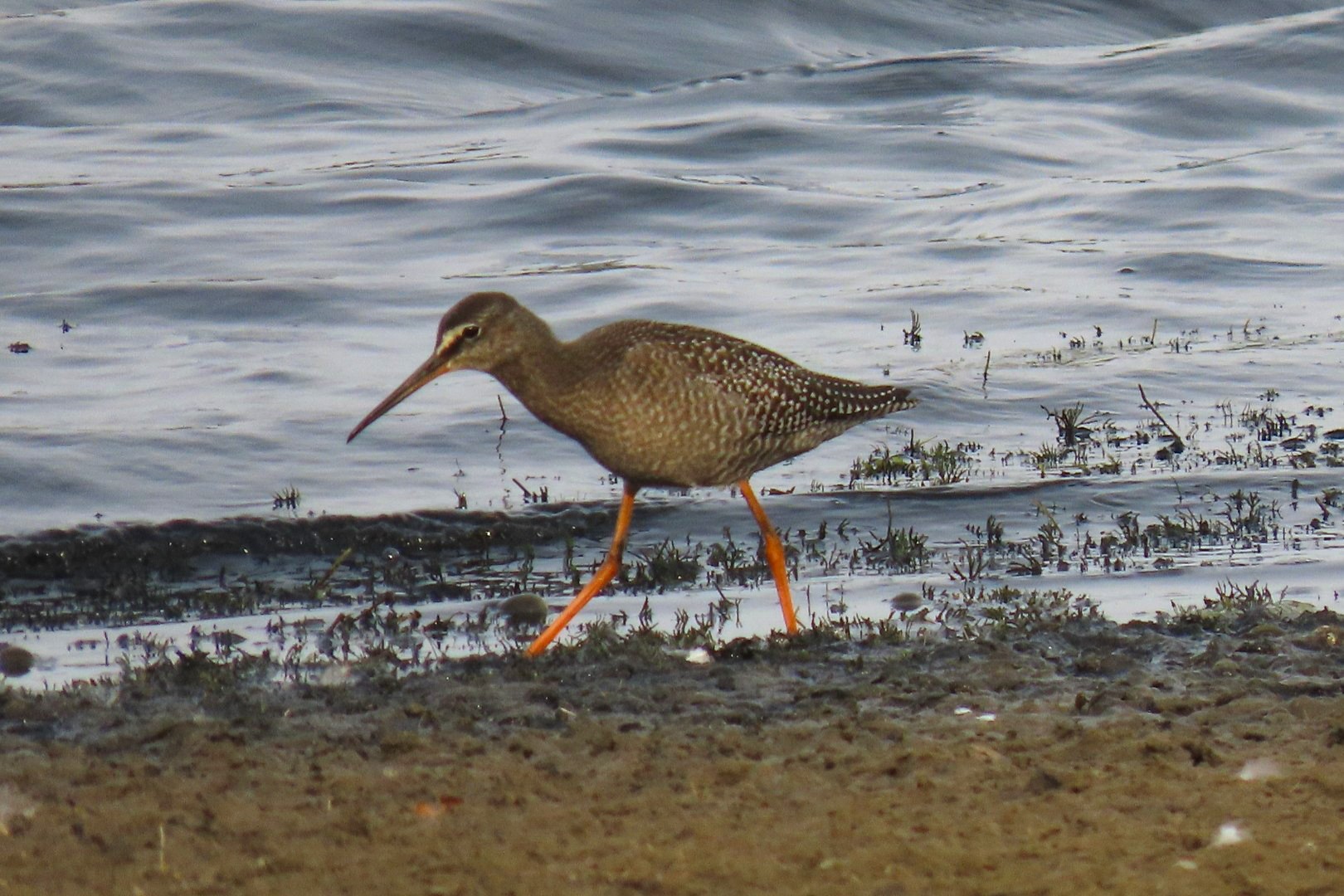
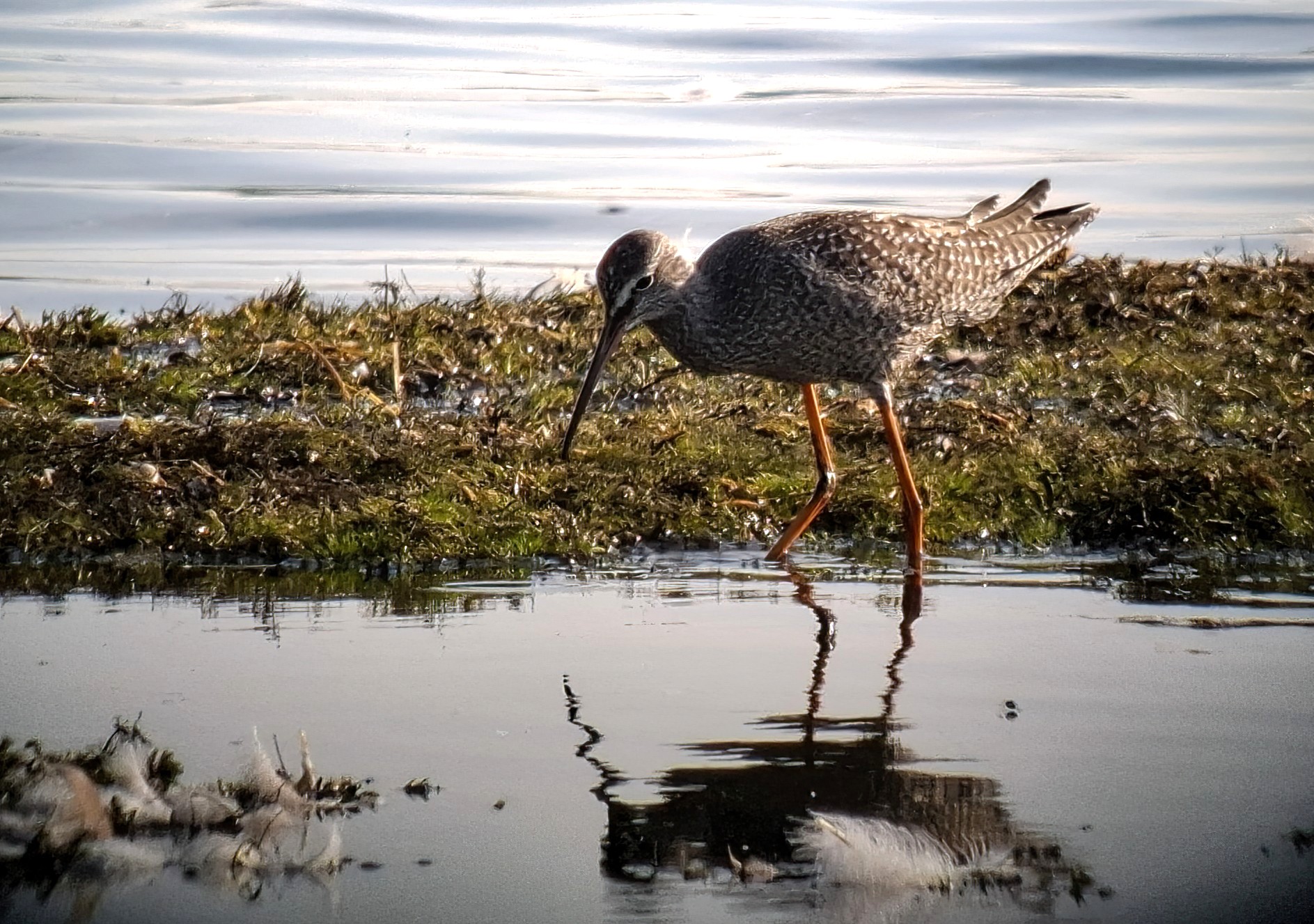
With the water level dropping nicely, Daventry also gave rise to a Whimbrel on 4th but stealing the show there were two crisp, juvenile Spotted Redshanks from 1st until 3rd, this duo attracting a lot of attention, being only the second record of the year after one at Earls Barton GP on 23rd-24th April.
Following just one bird last week, Greenshanks were up in the closing two days, the 6th seeing singles at Boddington Res and Summer Leys, followed the next day by two at Sulby Res and further singles at Hollowell Res, Pitsford Res, Stanford and Titchmarsh.
Four sites produced Black-tailed Godwits, Daventry leading with five on 1st, followed by two at Clifford Hill GP on 2nd, where one was to be found between 4th and 7th. Sulby hung on to one between 4th and 6th, with one visiting Summer Leys on the latter date.

Like last week, just the one Mediterranean Gull – again a juvenile – appeared, this time at Hollowell Res on 4th. And sticking with the reservoirs, single first-summer Caspian Gulls visited Boddington and Daventry on 3rd and 6th, respectively, while Naseby retained its German-ringed adult male throughout the period. Juvenile Yellow-legged Gulls were present at Daventry on 1st and 3rd and adults were seen at Thrapston/Titchmarsh on 2nd, 4th and 7th and at Pitsford on 4th and Hollowell on 5th.
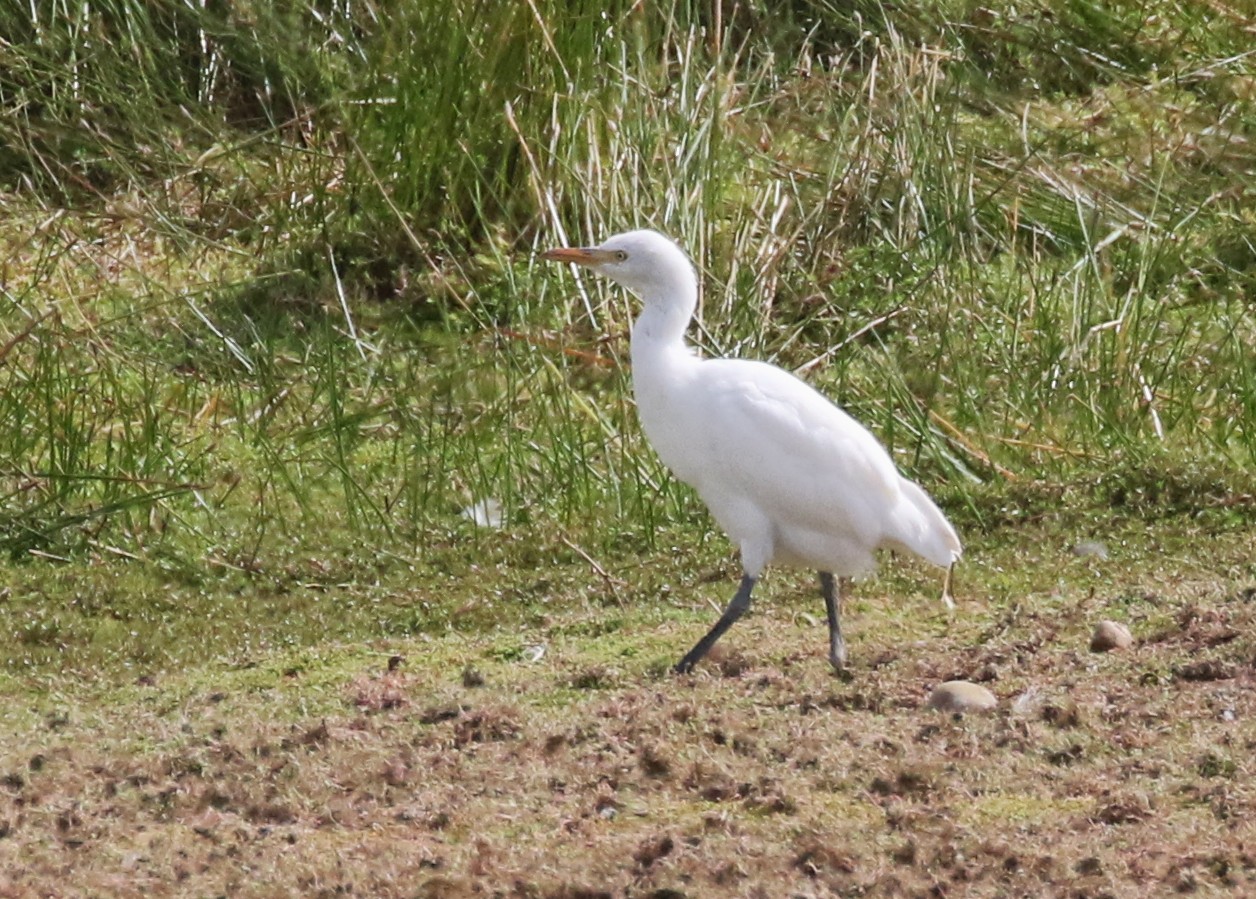
Summer Leys’ Scrape gave rise to a Bittern on 3rd, following a Cattle Egret there the previous day, while another Cattle Egret flew over Woodford Halse on 7th.
And this week’s raptors were last week’s raptors, with Ospreys and Marsh Harriers once more filling the category between them. Singles of the former flew over Stanford on 1st and 2nd and three whirled over Hollowell together before drifting off south-east on 4th, followed again by one there the next day. Apart from one at Stanford on 1st, Marsh Harriers were largely restricted to the Brampton Valley/Blueberry Farm area, where they were seen almost daily and three were present together on 3rd. Only a stone’s throw away, one visited Harrington AF on 4th.
On the passerine front, Common Redstarts were once again dominant, eleven localities producing decent numbers. These comprised Blueberry Farm (Maidwell), Borough Hill, Brampton Valley, Clifford Hill, Cosgrove, Harrington, Honey Hill, Kislingbury GP, Lamport, Old/Walgrave and Upper Heyford. Five at Blueberry Farm on 3rd was the highest single site count.
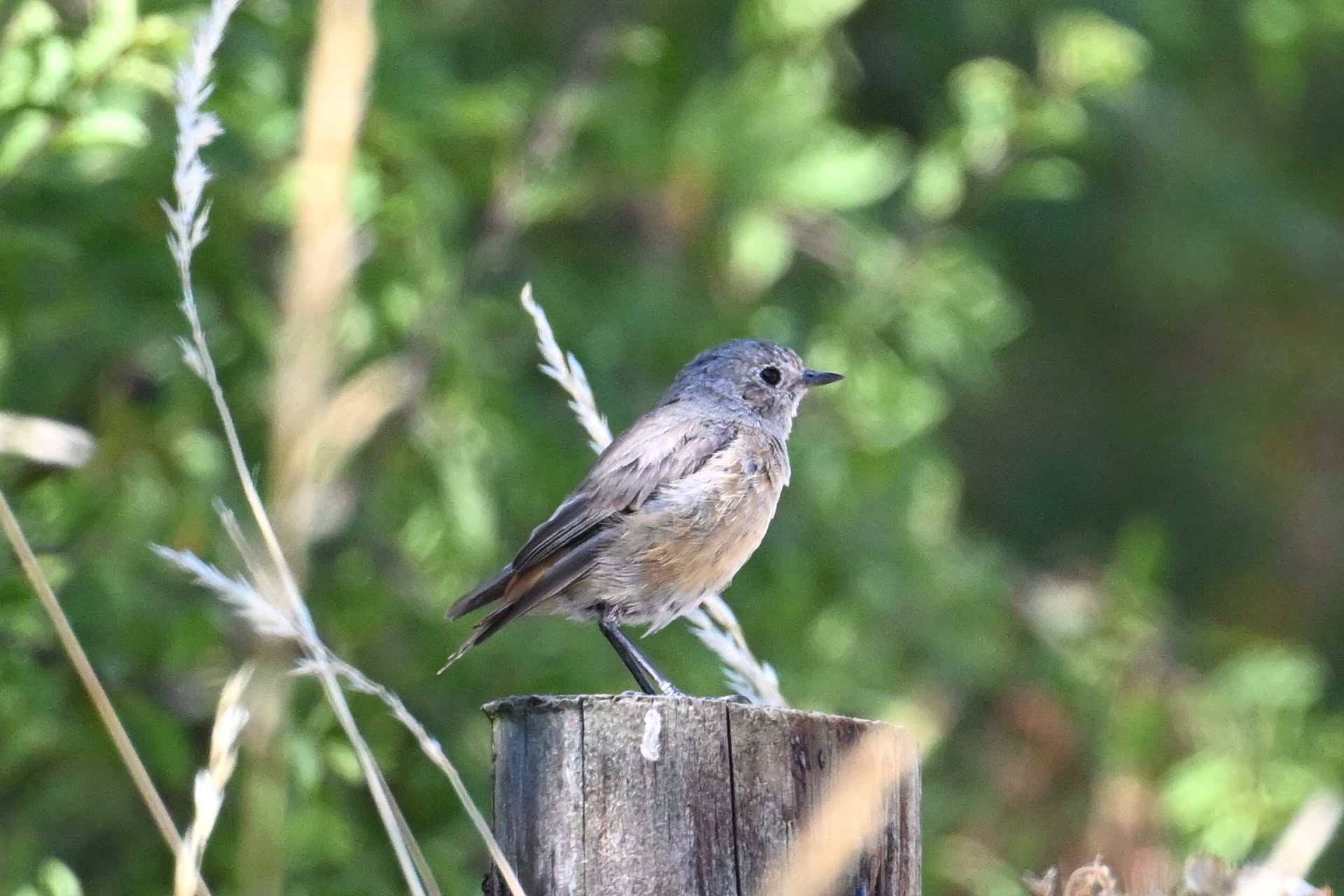
Two Whinchats were in the Brampton Valley between Cottesbrooke and Hanging Houghton on 2nd with one again in the same area on 5th and two were found at Harrington AF on the last day of the period.
Not to be outdone, Northern Wheatears kept up appearances, with single birds at Upton CP on 1st, in the Brampton Valley on 3rd and at Harrington AF on 4th.

Discover more from Northants birds
Subscribe to get the latest posts sent to your email.

