October, a month with an unwavering reputation for delivering some of the year’s finest birds, duly proved its worth this week in the run up to its midpoint …
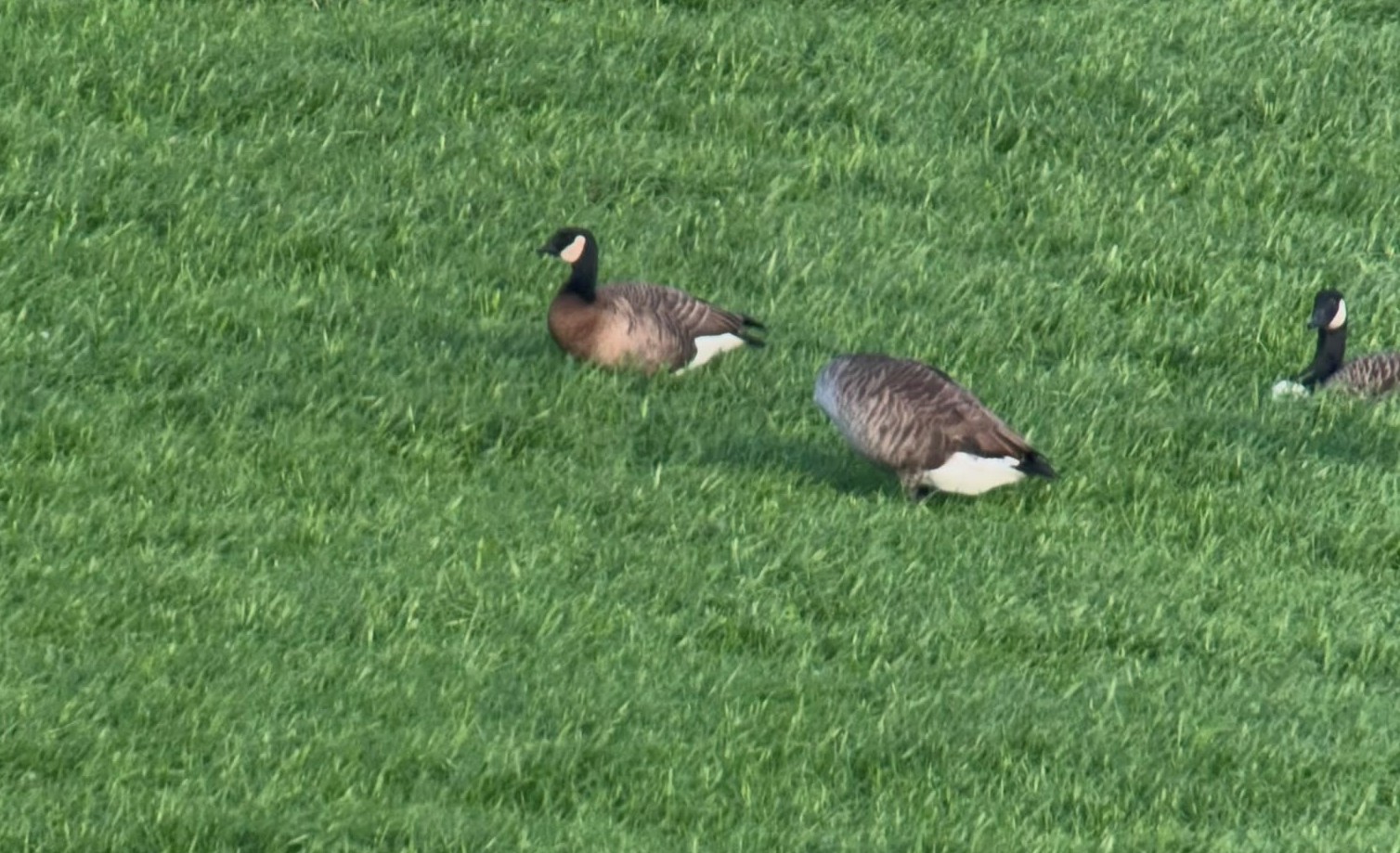
Of unknown origin – but overwhelmingly likely an escape – a Cackling Goose appeared at Stanford Res on 10th, remaining in the area until at least 15th. This species was officially added to the British List as recently as ten years ago, in 2016, and Northants has a handful of previous records, all of which have been relegated to the escapes category.
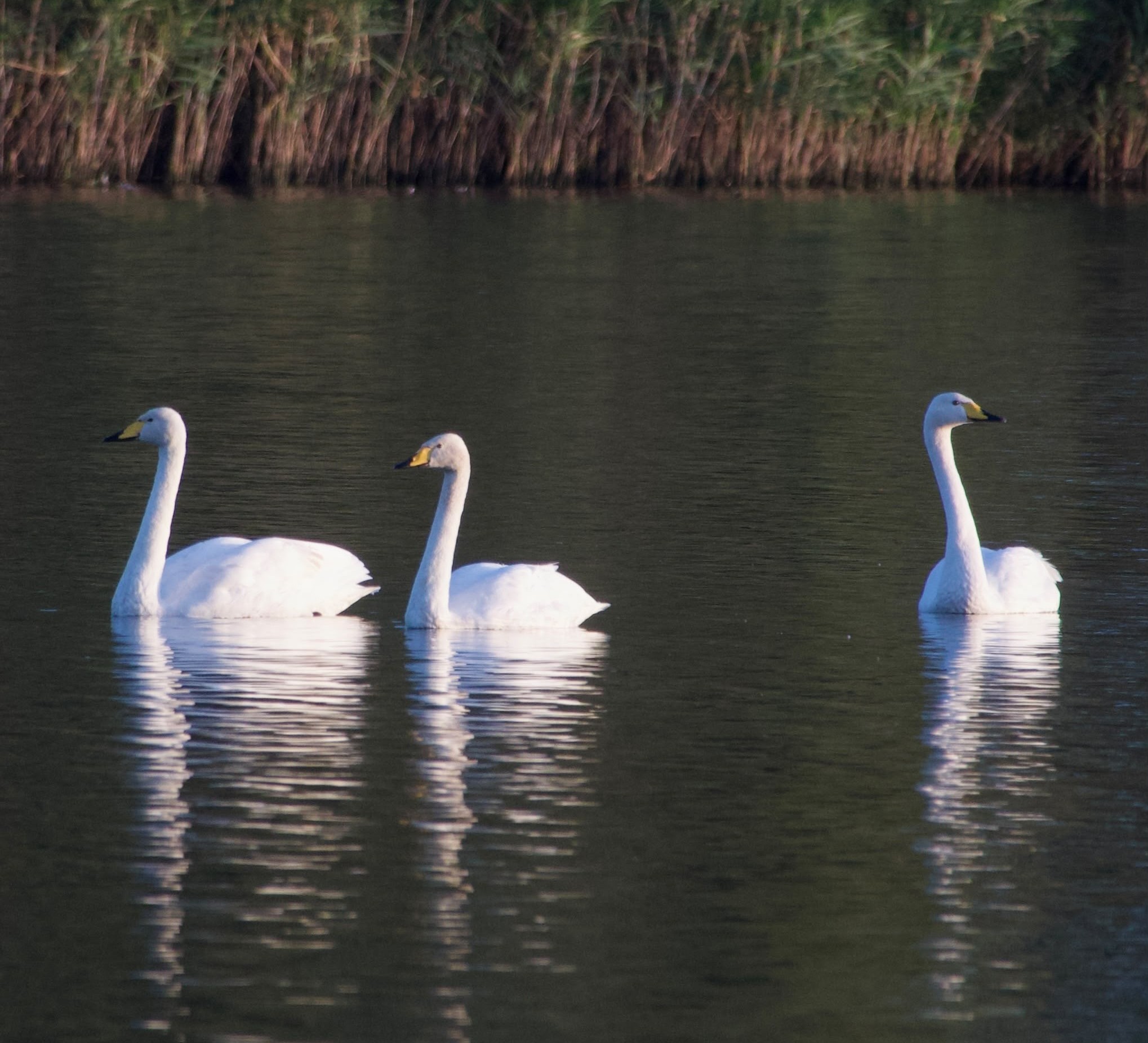
A Pink-footed Goose between Cottesbrooke and Hanging Houghton in the Brampton Valley on 12th was the second record for the autumn, as was three Whooper Swans at Stanford on 11th following three – possibly the same – there on 8th.
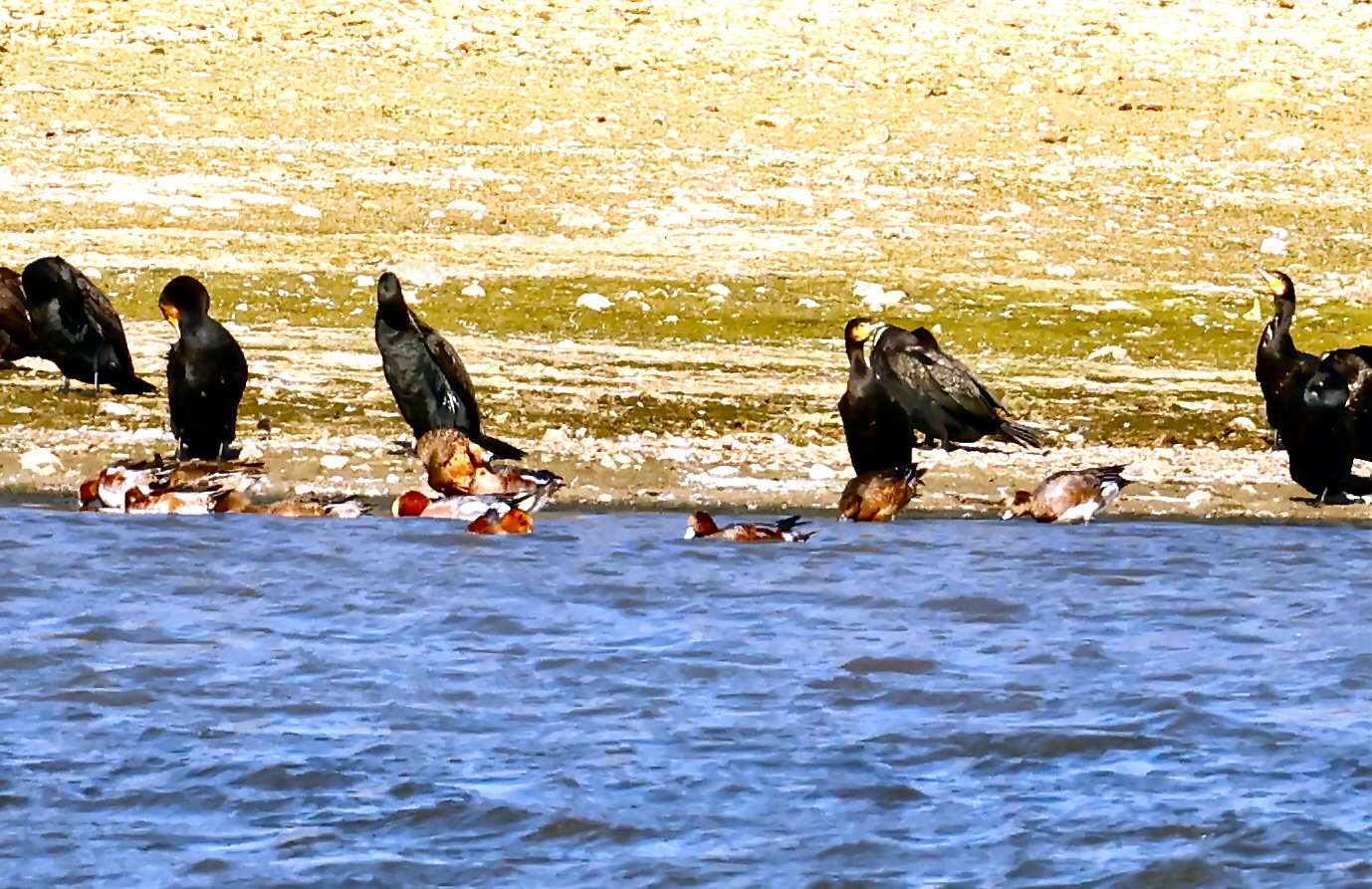
Getting late now for Garganey, one visited Summer Leys LNR on 11th but this was rightly outshone by a drake American Wigeon at Pitsford Res on 13th, which was one of ten in the UK during the period. Hot on the heels of the wintering drake at Thrapston GP’s Titchmarsh NR in December 2025-January 2026, this week’s bird was only the ninth record for the county, while the one prior to the Titchmarsh individual was way back in 2004. Had it not been for last winter’s drake lingering for the best part of a month, there would have been a lot of long faces at Pitsford as this week’s bird was nowhere to be seen subsequently.
Further echoing last winter, a drake Ring-necked Duck found at Titchmarsh on 12th must surely be a returning bird as this site now looks like it might be set to host one for the third consecutive winter.
By no means in the same league, a female Red-crested Pochard was present at Ravensthorpe Res from 12th until 16th.
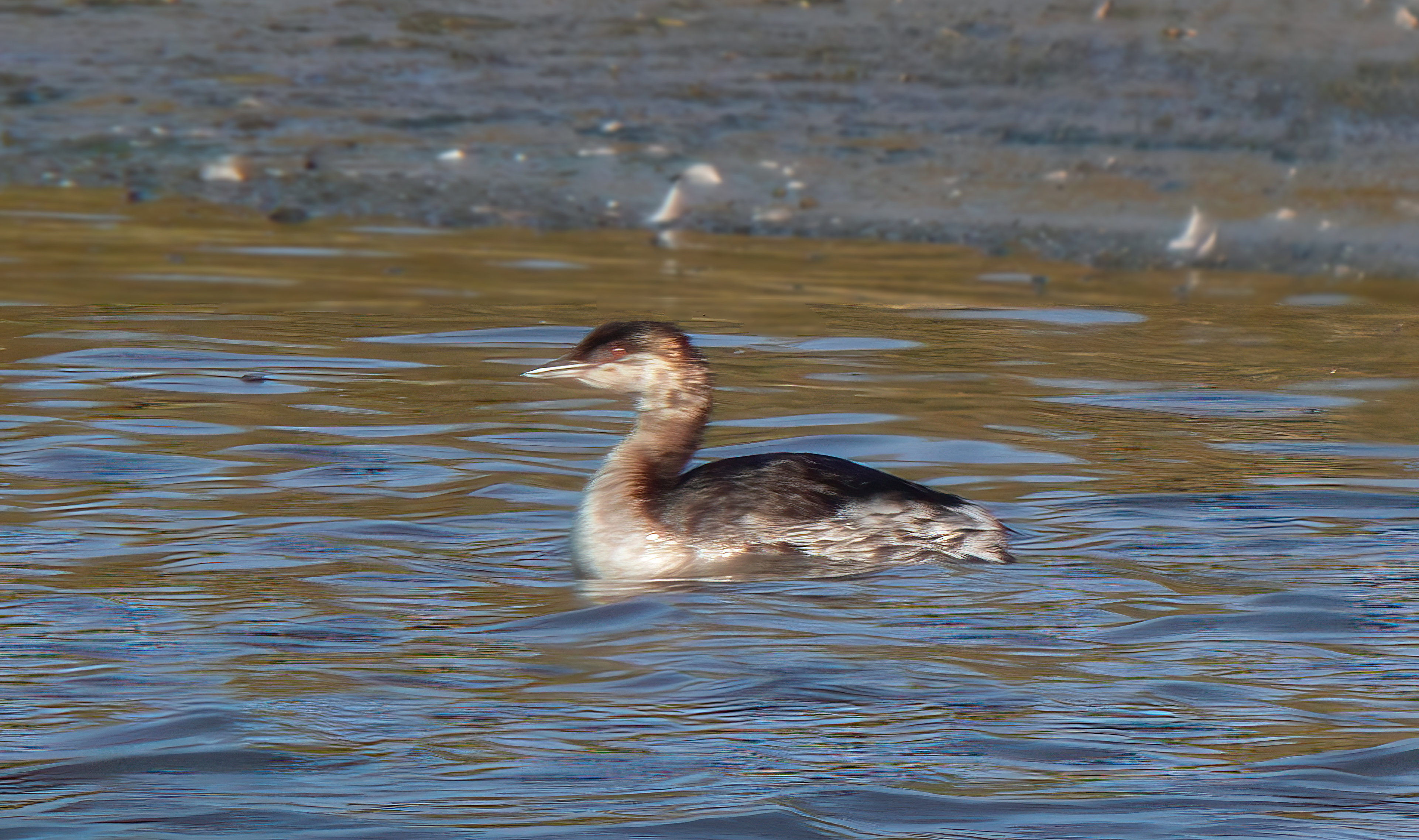
Following a much-admired individual at the latter site early in the spring, another Slavonian Grebe appeared at Pitsford on 11th, remaining there to see the rest of the week out.
Moving deeper into October, waders were looking decidedly thin on the ground but, once again, it was Grey Plover that topped the bill with three at Pitsford on 10th and one at Earls Barton GP’s New Workings (South) on 14th. All turned out to be short-stayers.
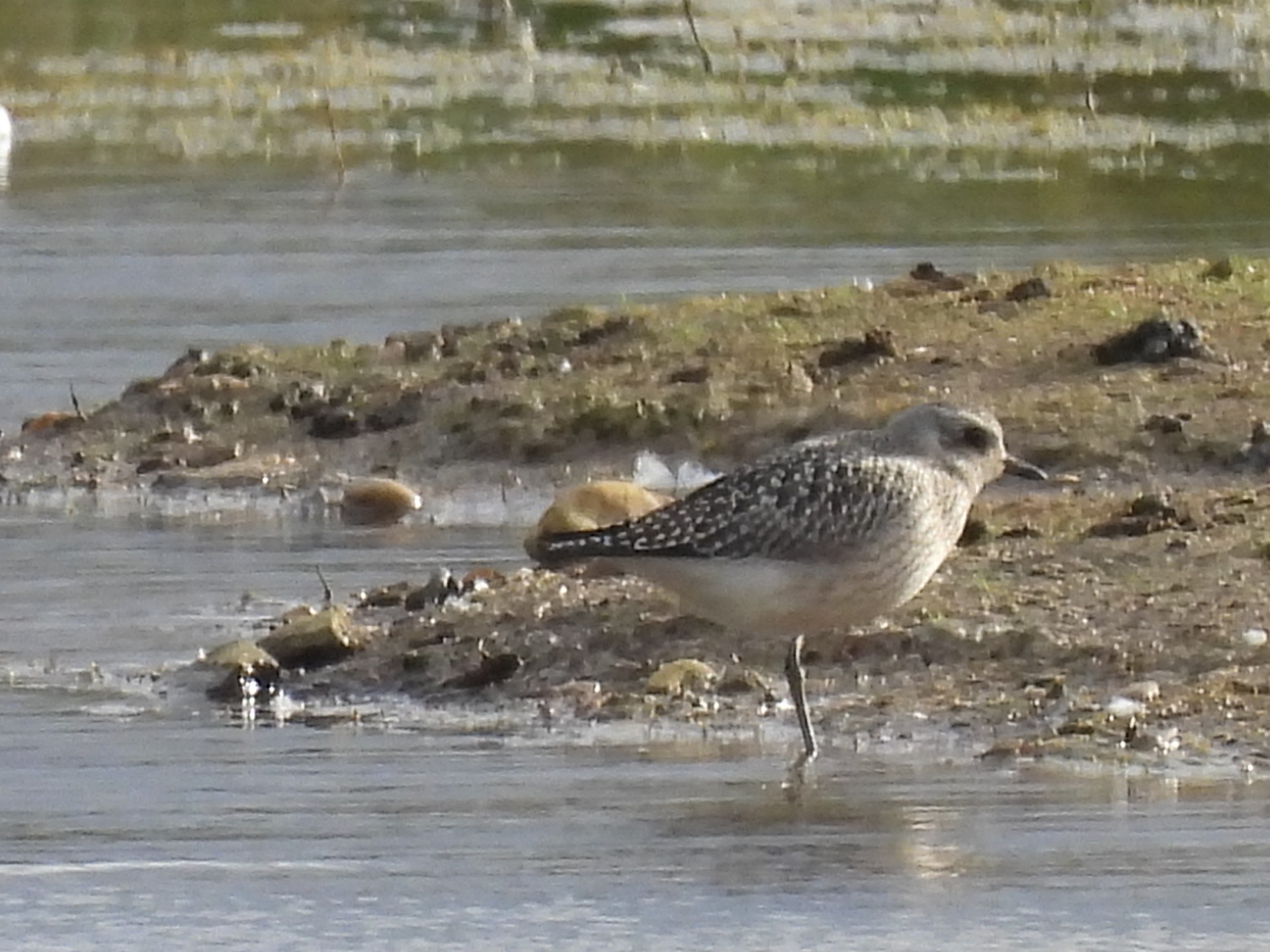
The latter site also produced a westbound Whimbrel on 15th, while two Curlews and a Ruff were present at Lilbourne Meadows NR on the same date. Another Ruff was found at Stanwick GP on 13th.
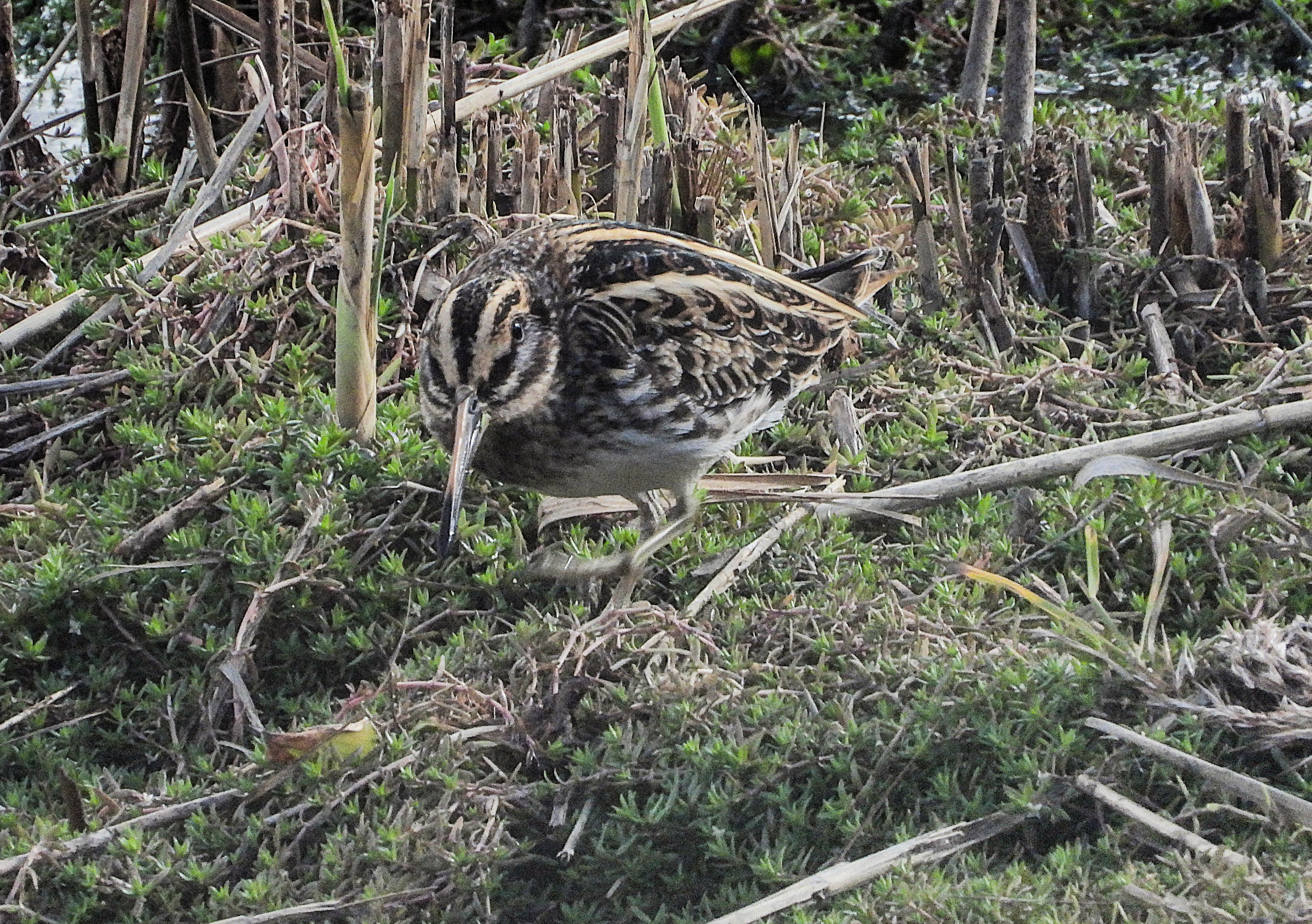
The last day of the period produced more Jack Snipes, with two at Clifford Hill GP and one at Summer Leys.
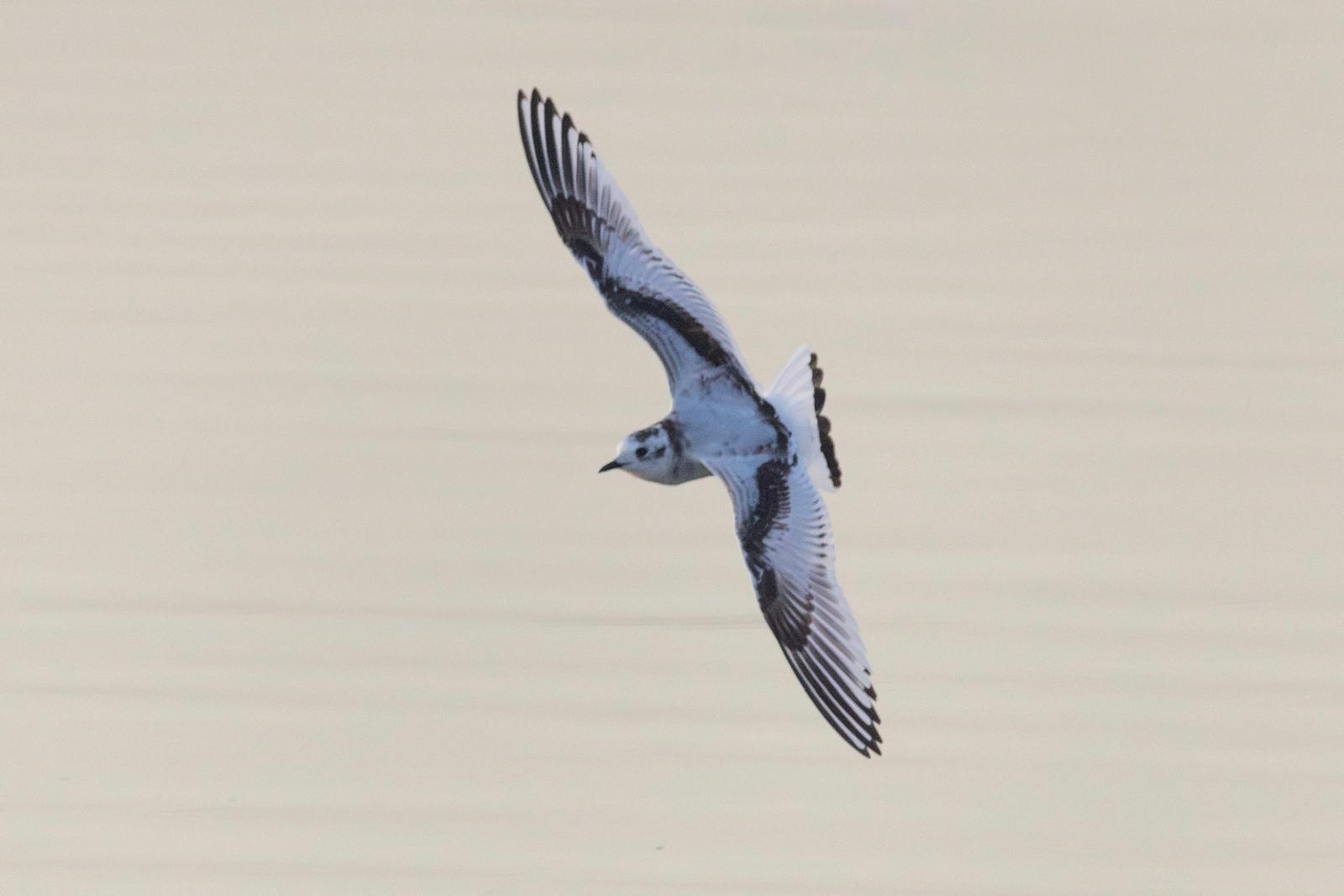
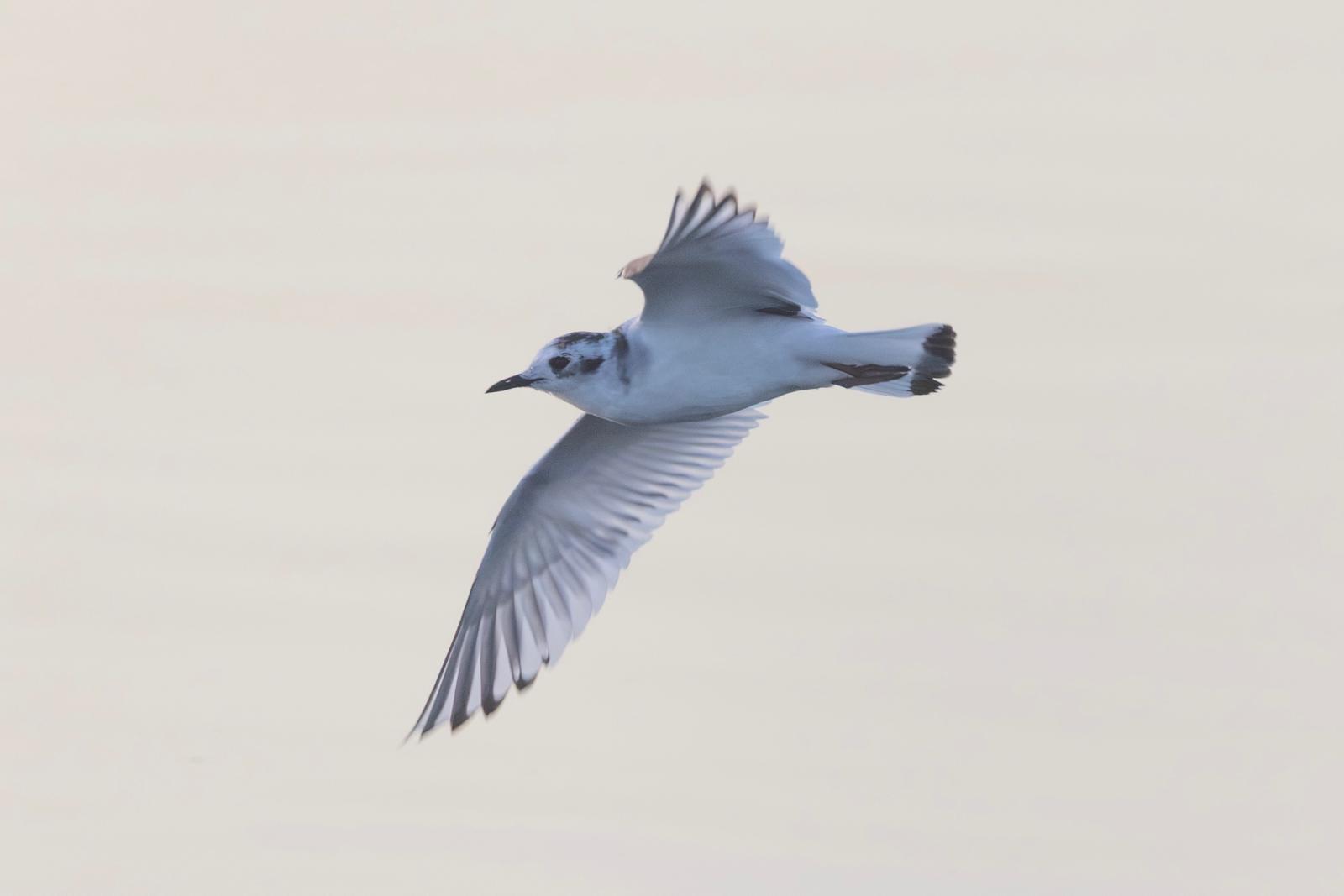
It was a good week for gulls and terns, considering where we are in October. Two Little Gulls appeared at Clifford Hill GP on 12th, one of which remained there until 16th.
The period’s Caspian Gulls were found at three localities, Daventry CP producing an adult on 12th and a second-winter on 13th-14th, while another second-winter visited Hollowell Res on 12th and an adult appeared at Stanford on 14th.
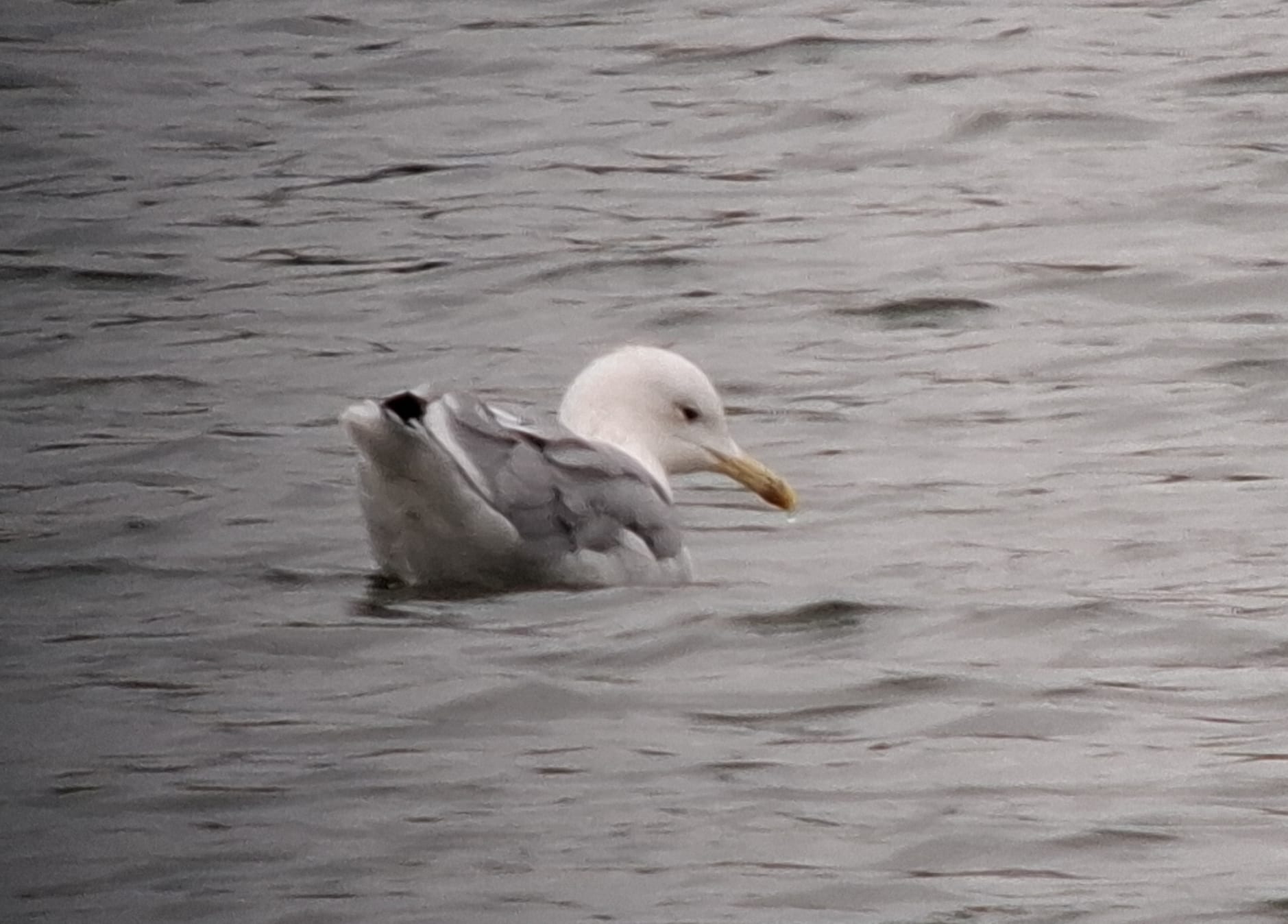
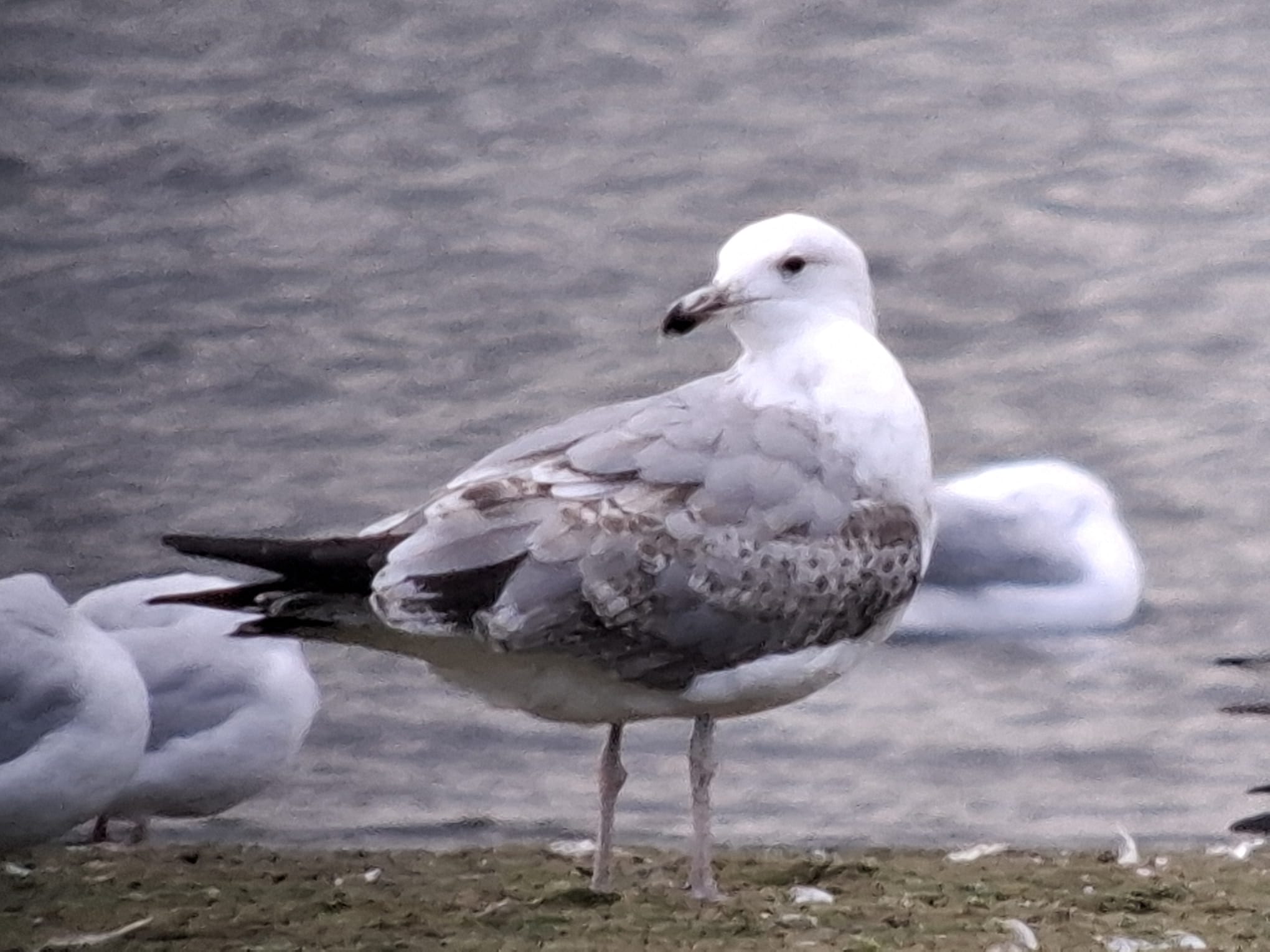
Yellow-legged Gulls included five at Pitsford on 12th and two there on 14th, singles at Titchmarsh on 12th-13th, Daventry on 13th and Clifford Hill on 14th-15th.
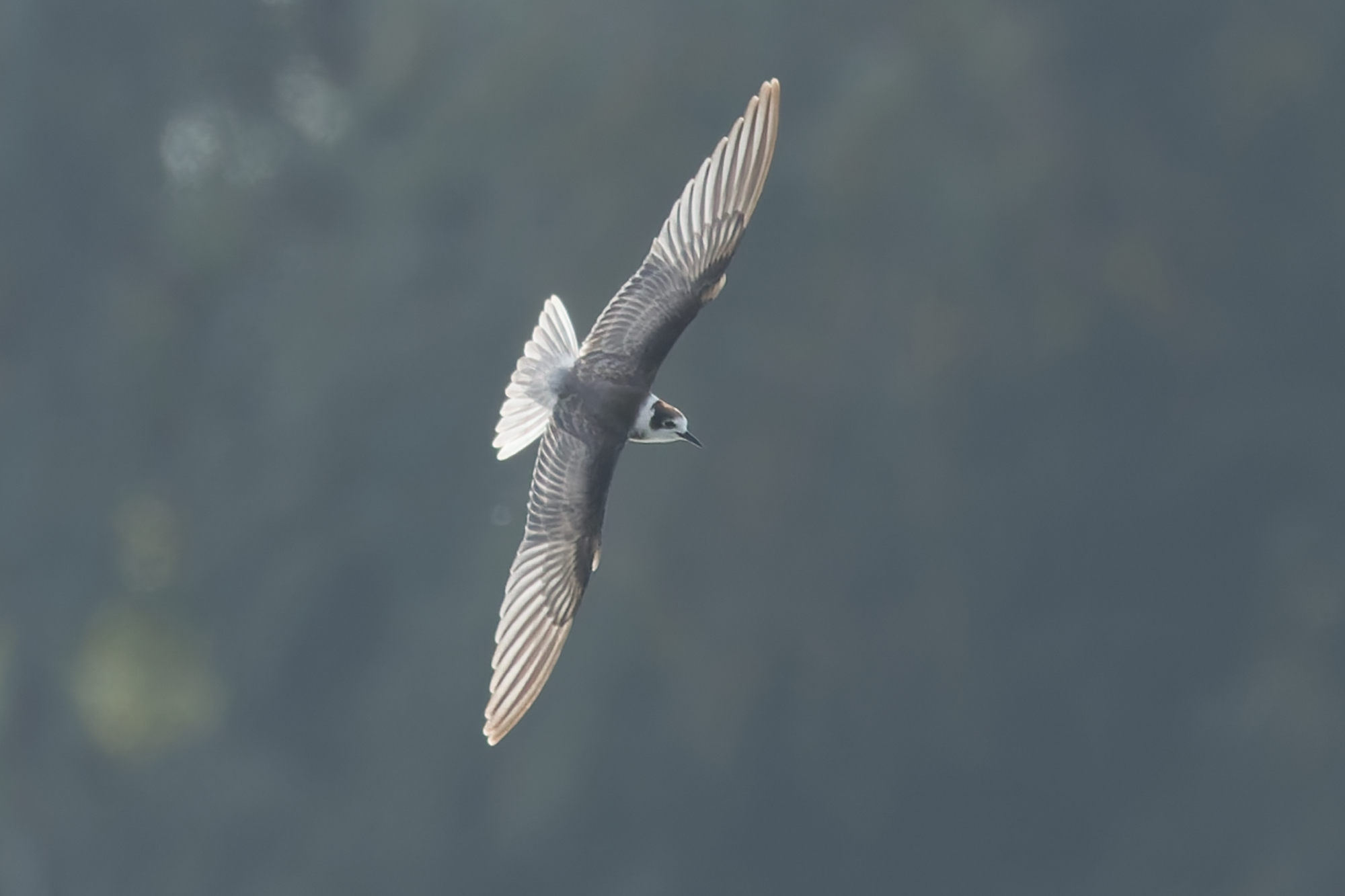
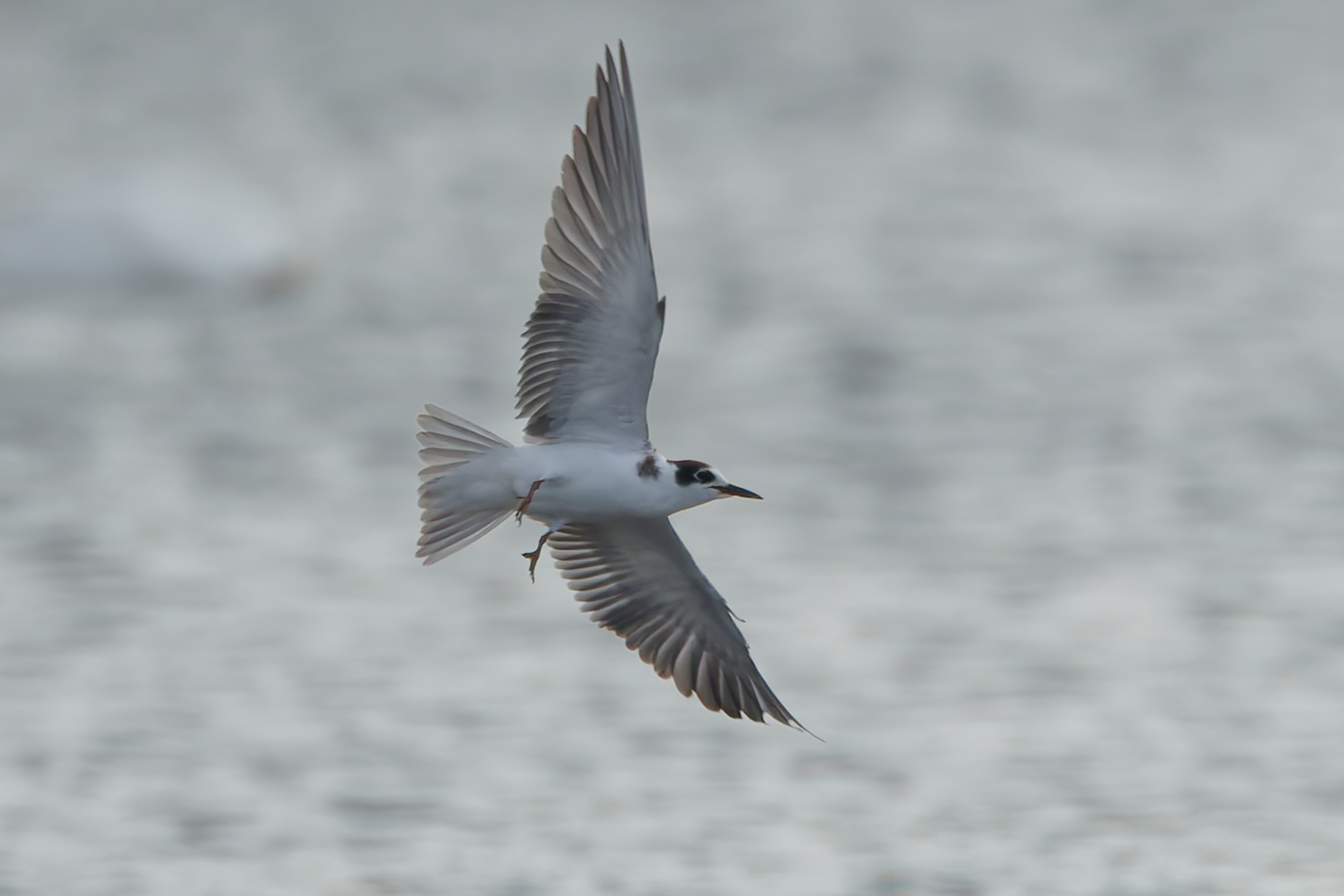
Interestingly, juveniles of all three of the county’s commonest terns appeared at Pitsford on 12th, when singles of Common Tern, Arctic Tern and Black Tern were up for grabs, these being followed by a juvenile Black Tern at Wicksteed Park Lakes on the last day of the period.
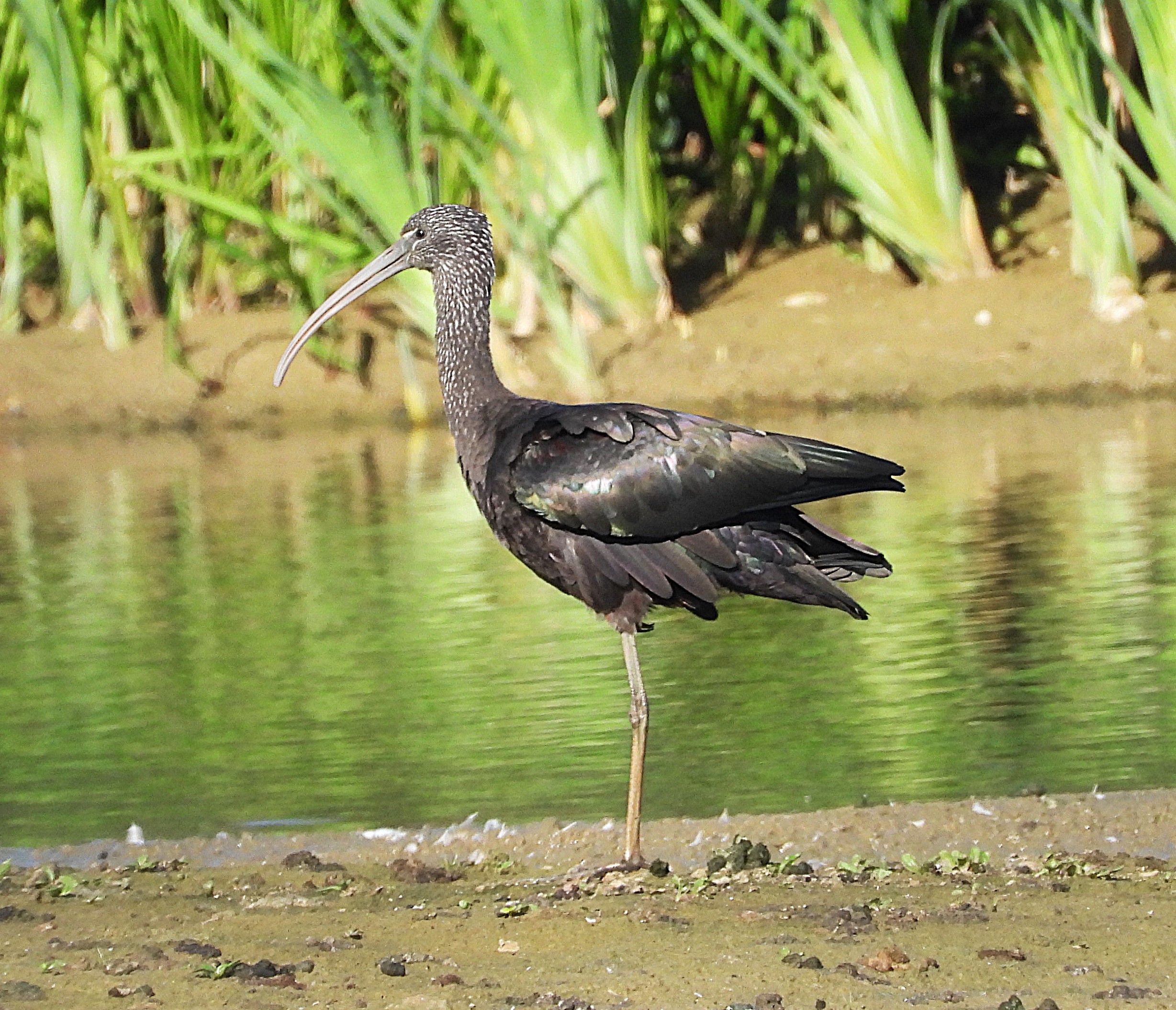
Back again in the Nene Valley – if it ever left – was a Glossy Ibis. First seen at Summer Leys on 11th-12th, it was relocated nearby at Earls Barton GP’s New Workings (South) on 14th-15th, before returning to Summer Leys on 16th.
Ironically, far less rare than the above but much harder to catch up with this year, was a short-staying, first-winter Spoonbill which dropped in at Boddington Res on 15th. Initially seen by two dog-walkers in the shallow waters of the south-west corner before becoming airborne, identified, photographed (with a mobile phone) and watched heading high north-east, it is only the second to be found in the county in 2026. The first was a one-day bird at Clifford Hill on 5th April.
The week’s Bitterns were limited to singles at Titchmarsh on 12th and 13th and at Summer Leys on the latter date. Three Cattle Egrets flew over Stanwick GP on 16th.
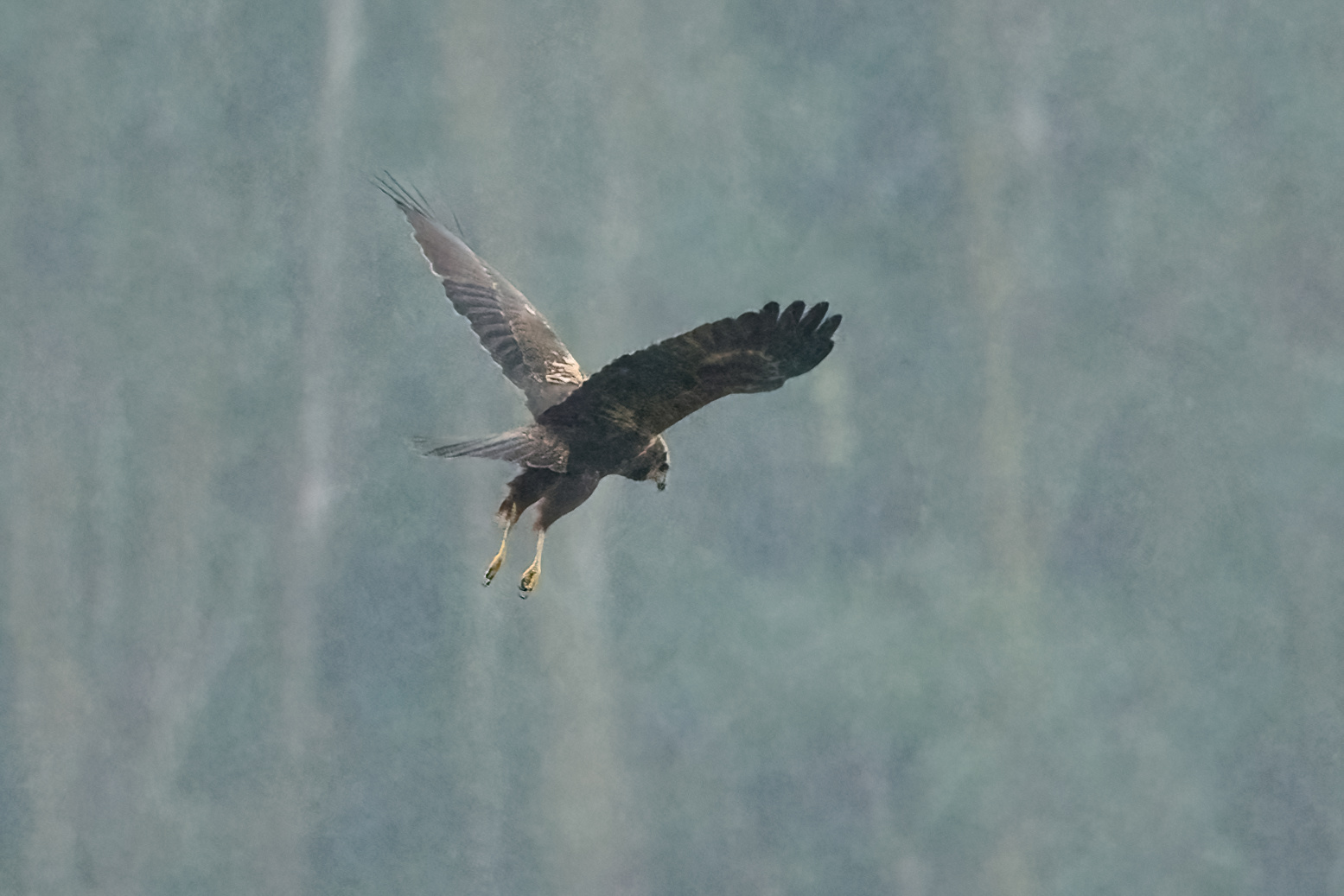
On the raptor front, at least two Marsh Harriers were present at Summer Leys between 10th and 15th, up to two were seen at Stanford between 12th and 15th, the same going for Titchmarsh between 12th and 16th, while one flew over Stanwick GP on 13th.
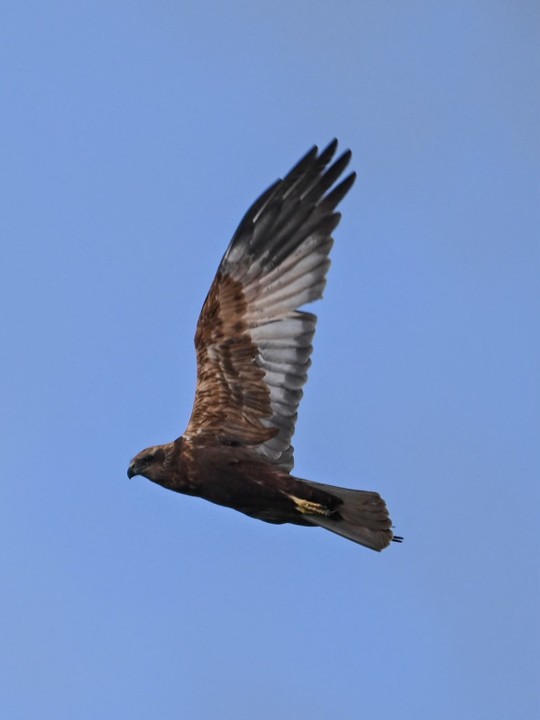
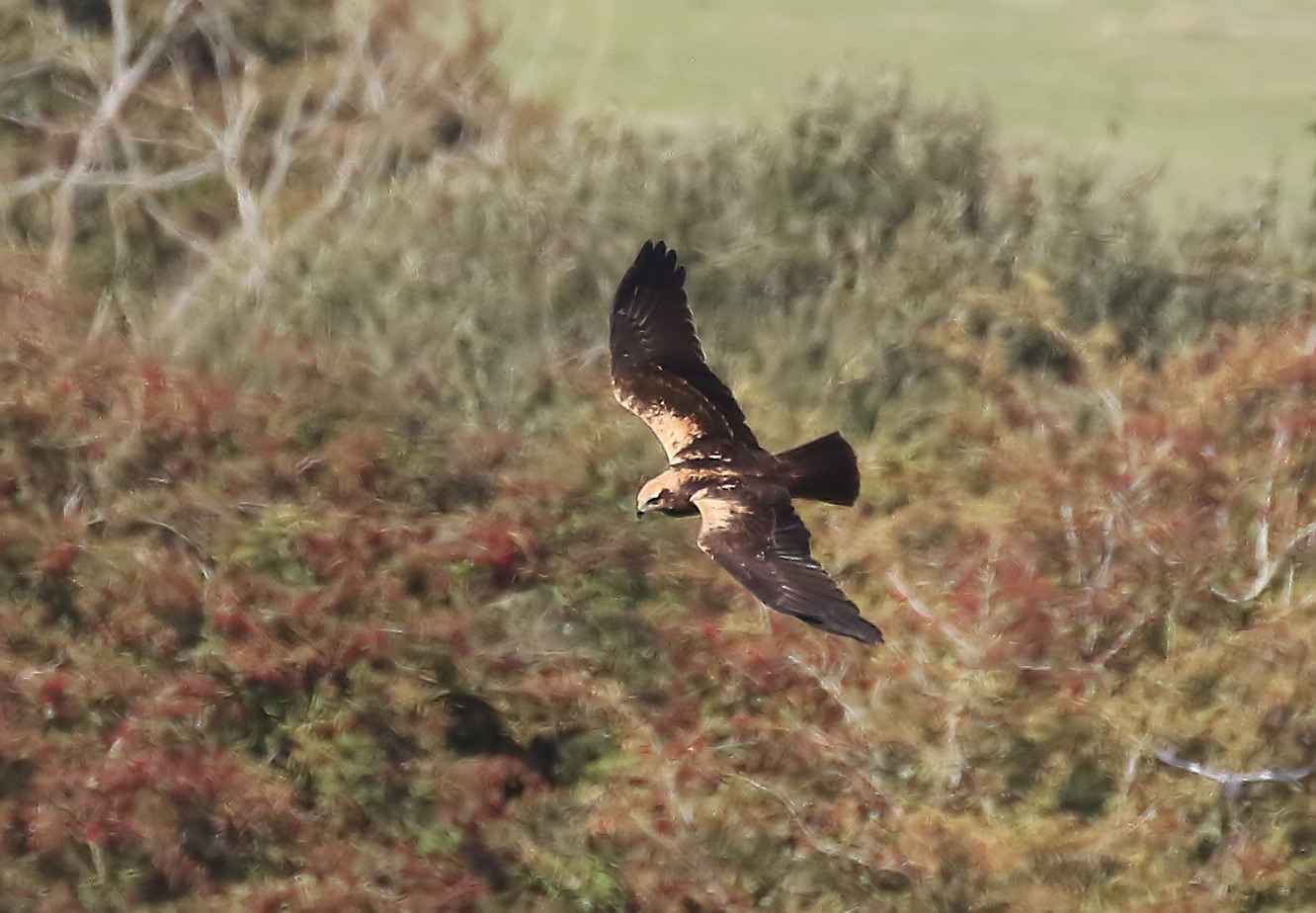
Past years have proven October to be a standout month for Hen Harriers and this week saw single ‘ringtails’ at Blueberry Farm, Maidwell on 12th and 13th and flying west over Byfield on the latter date.
A Short-eared Owl flew south over Harrington AF on 15th.
And the Brampton Valley between Cottesbrooke and Hanging Houghton gave rise to a Merlin during the three days 13th to 15th, while another was seen over fields south of the dam at Boddington on 16th.
Titchmarsh scored a Yellow-browed Warbler on 16th, now only to be expected as an annual visitor, with several hundred having already entered the UK this autumn. Alas, it melted away before any potential audience had a chance to connect with it.
A Ring Ouzel at Harrington AF on 16th was the second of the autumn, so far.
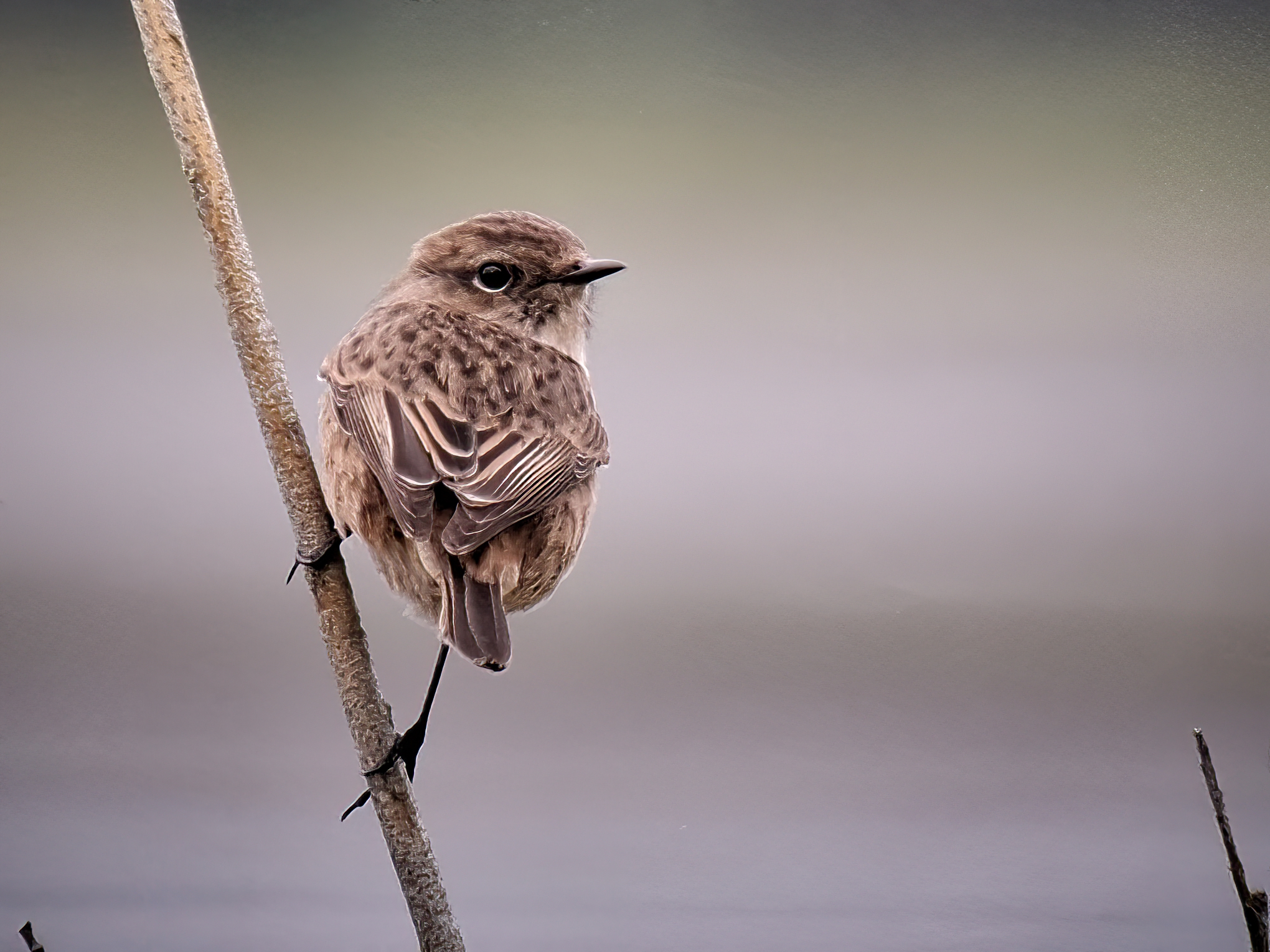
And probably the last of the year, a late Whinchat was found at Clifford Hill on 12th. In stark contrast, of course, Stonechats were present at nine localities, including Borough Hill, Brampton Valley, Clifford Hill, Daventry, Harlestone, Hollowell, Pitsford, Summer Leys and Titchmarsh. Maximum site counts were seven at Pitsford on 16th and six at Borough Hill on 12th.
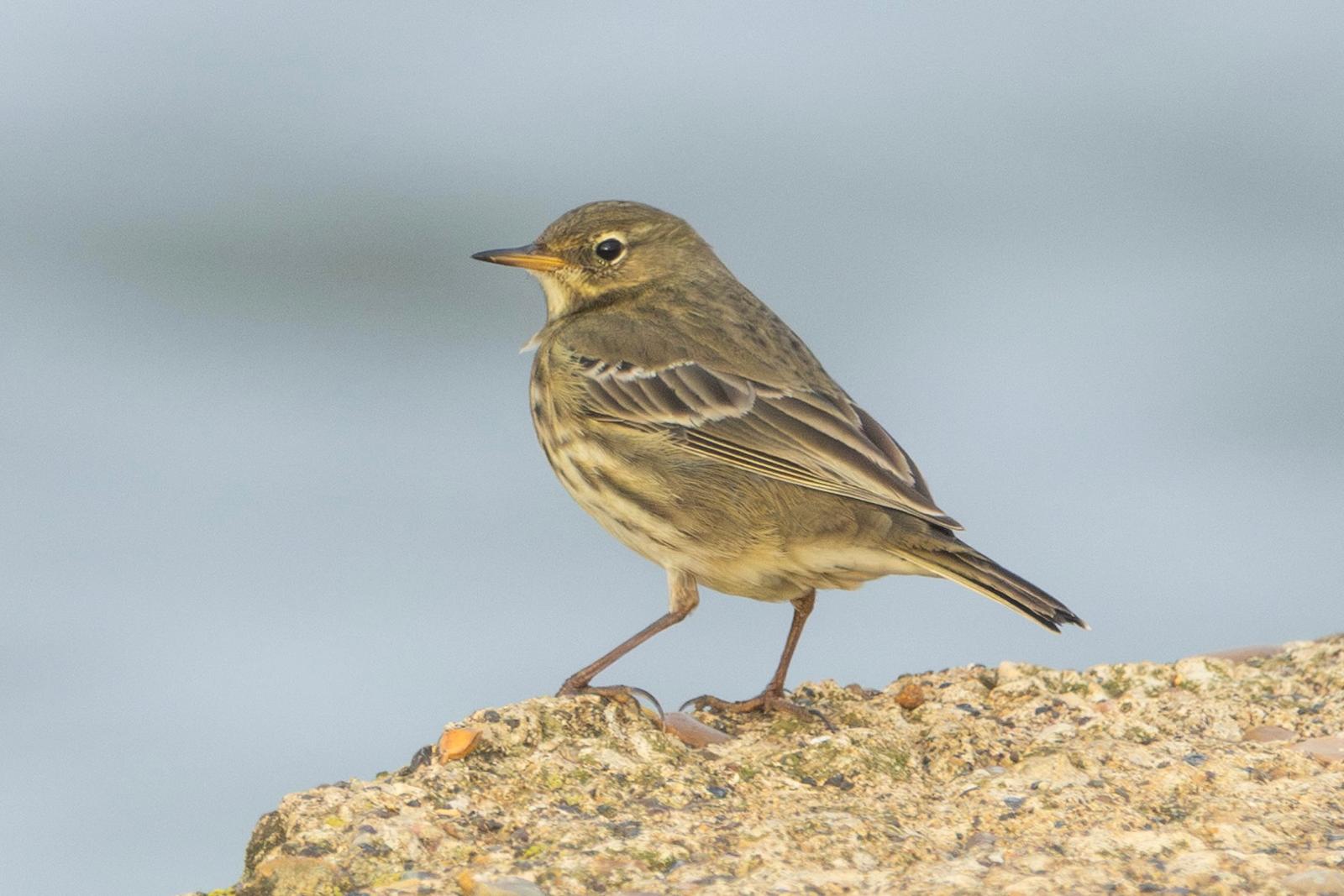
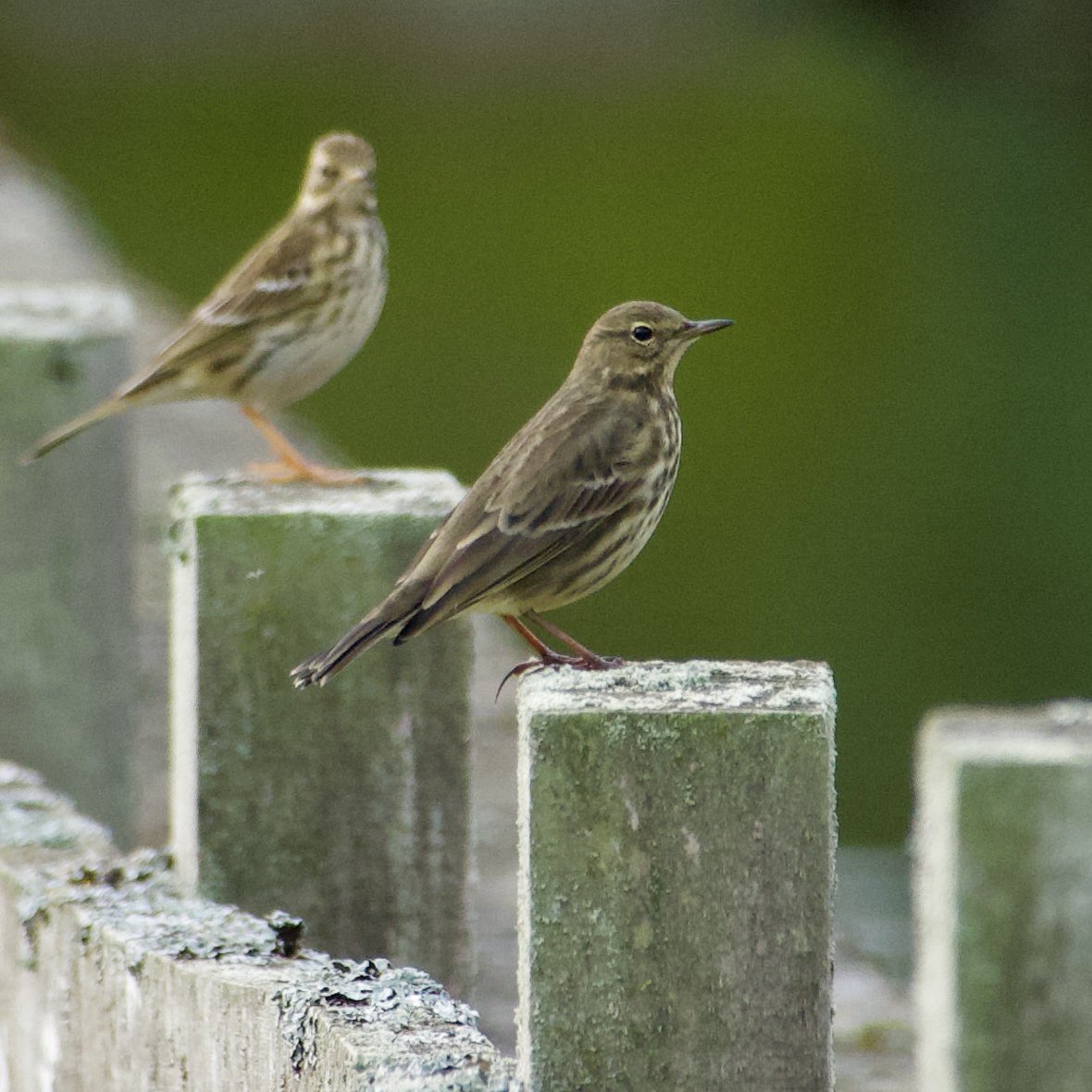
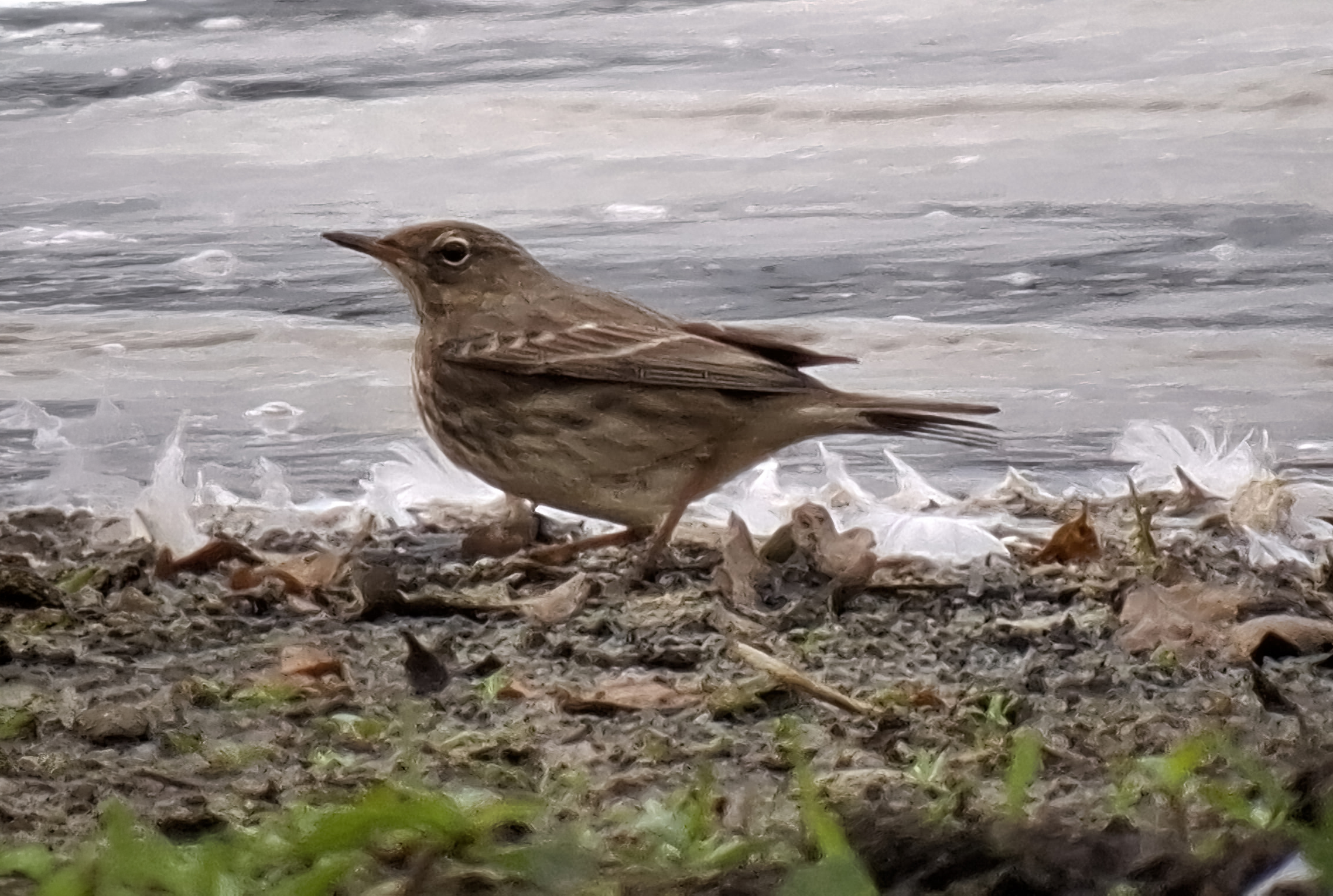
And finally, not quite a landslide, but a small fall of Rock Pipits occurred this week when single birds were found at three localities. One appeared at Clifford Hill GP on 14th, remaining there until 16th, while the 15th produced one-dayers at both Boddington and Stanford, bringing the autumn’s total to seven so far.

Discover more from Northants birds
Subscribe to get the latest posts sent to your email.

