With migrants on the move, the penultimate week of July wasn’t too bad, as it happened. The prevailing wind from northerly quarters took the edge off the heat and, while parts of Wales declared official drought conditions, six counties in central and southern England moved a step closer, officially announcing ‘prolonged dry weather’, the Environment Agency’s drought status that sits between ‘normal’ and ‘drought’ conditions. Northamptonshire was one of these, this following Anglian Water’s hosepipe ban announced the week before. Funny, that, because if you take a look at Pitsford, the county’s largest reservoir, there are only narrow muddy margins running to about the extent expected for the time of year. Hopefully there will be waders aplenty in the weeks to come …
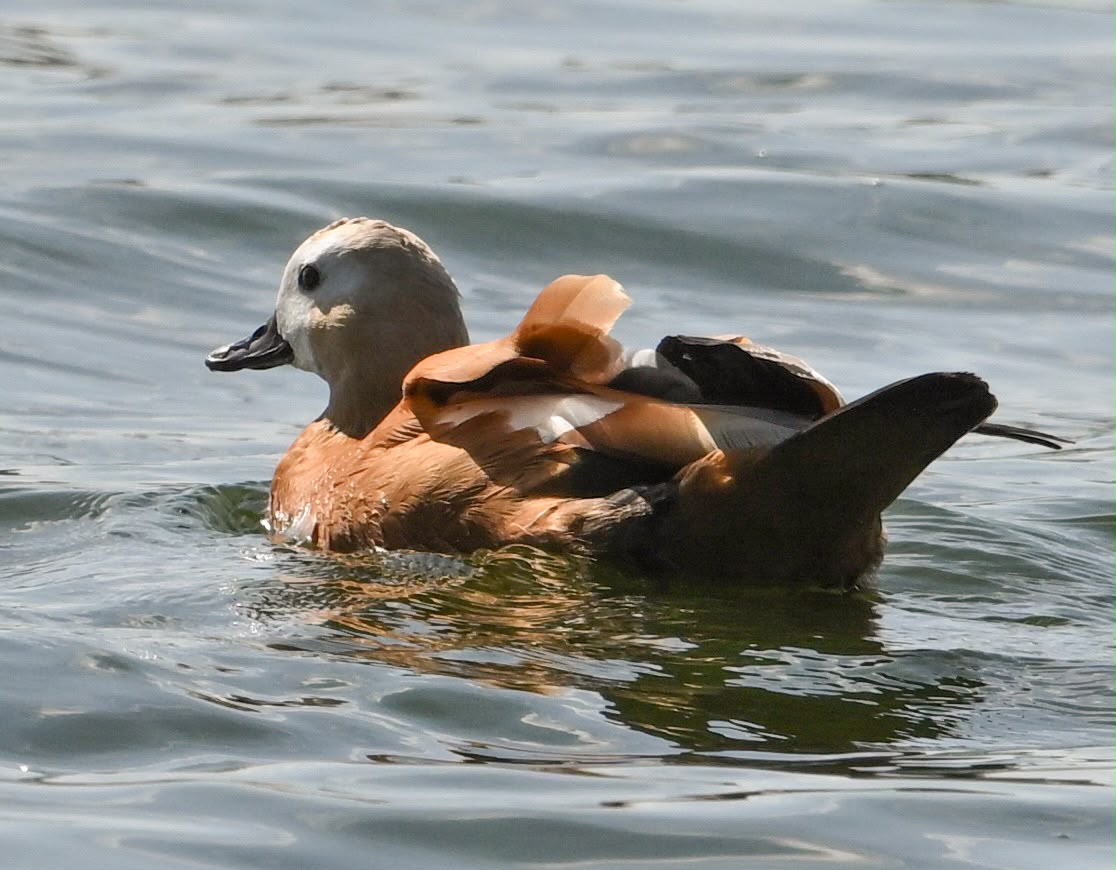
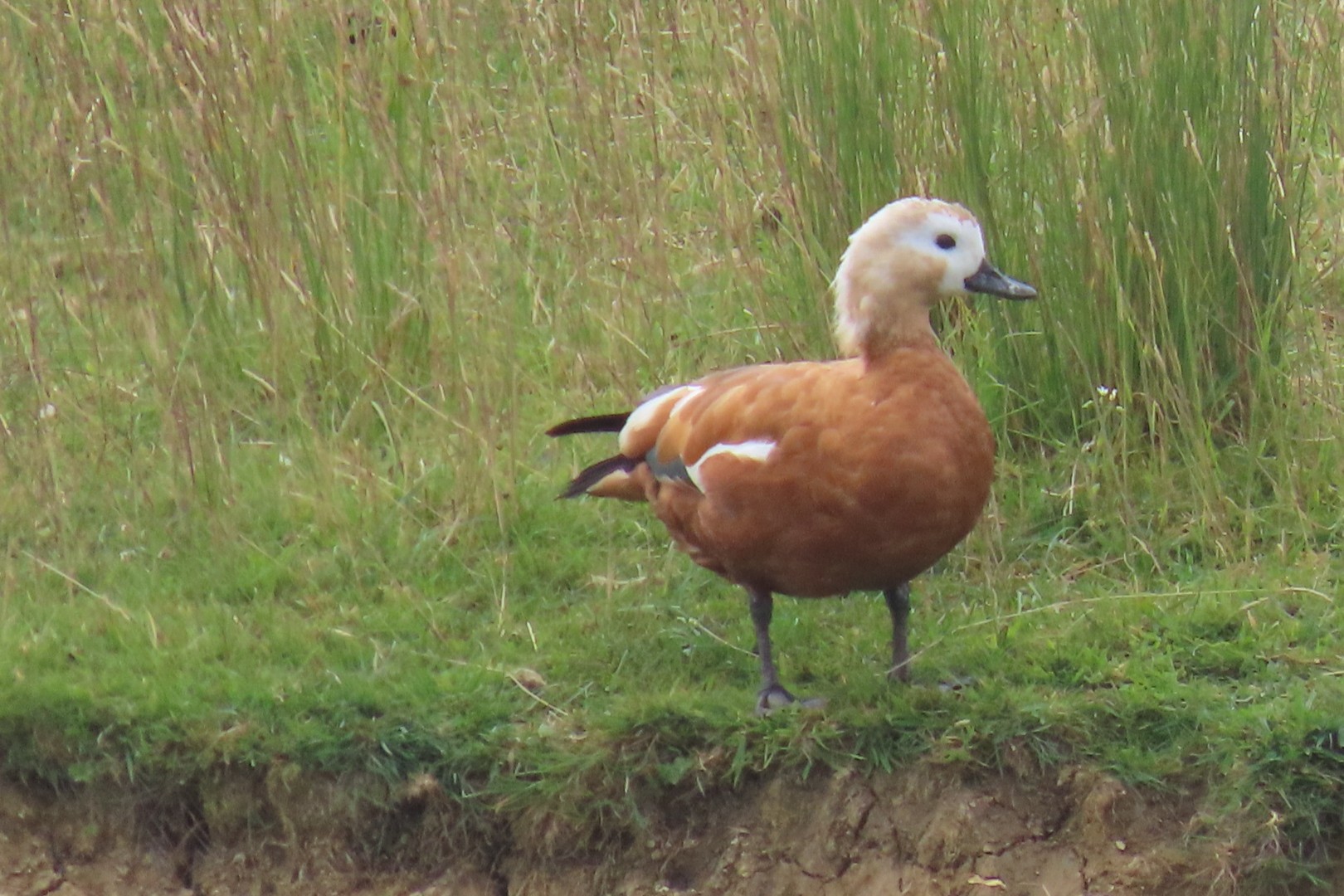
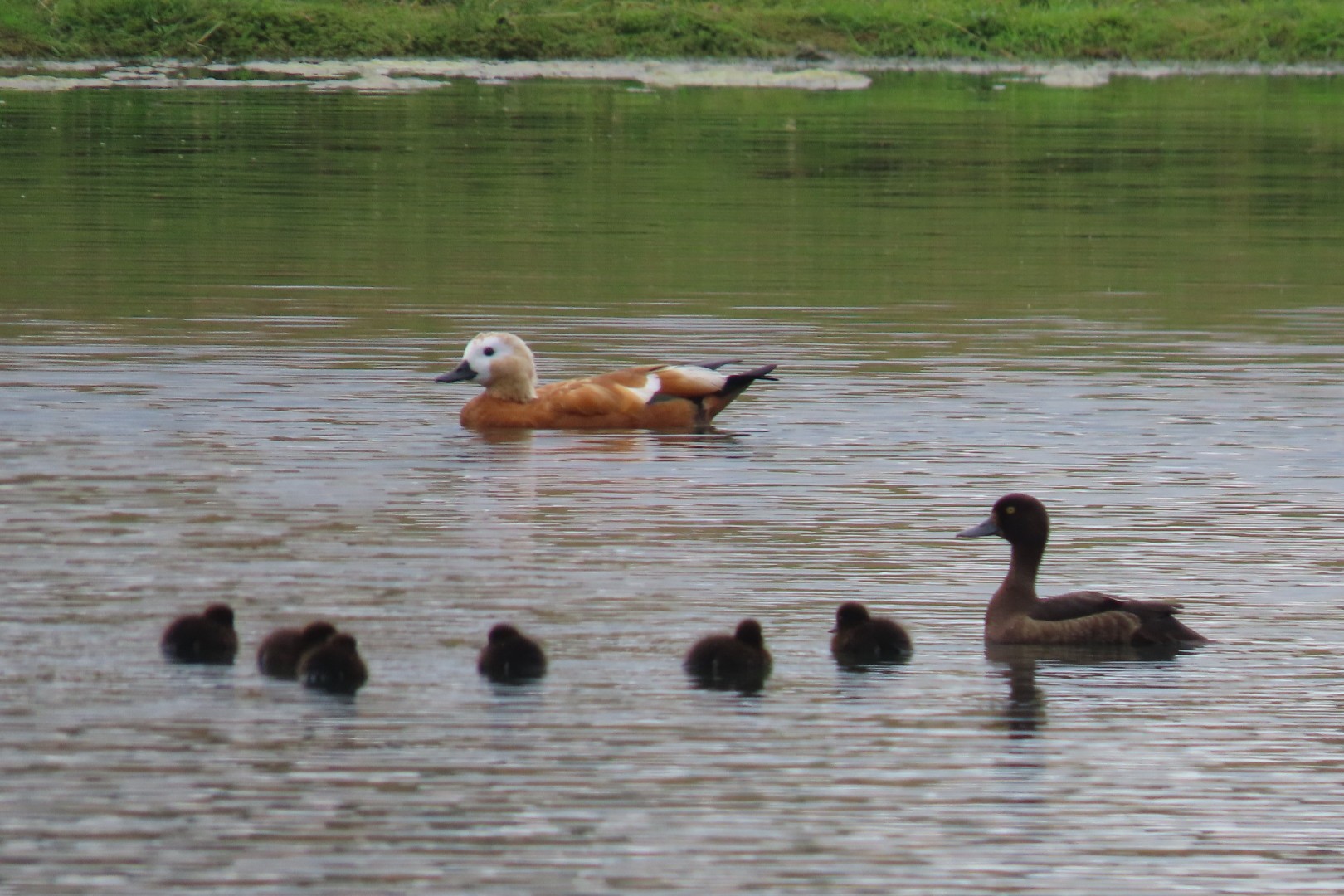
Seemingly settled and beginning its summer moult, the female Ruddy Shelduck remained all week at Stanford Res where, on the first day of the period, a female-type Ferruginous Duck was also present. Most certainly from nearby Shawell, just over the border in Leicestershire, where it was seen earlier in the month, this individual has been earmarked as of ‘unknown origin’ and forms part of a cluster of unseasonal summer sightings in this part of the Midlands over the past couple of years. In fact, all Ferruginous Duck records in neighbouring Warwickshire since 2021 have been relegated to Category E by the British Birds Rarities Committee.
No such derision of status applies to the drake and female Garganeys that were found at Summer Leys LNR on 20th. Still present at the week’s end, they are squeaky clean …
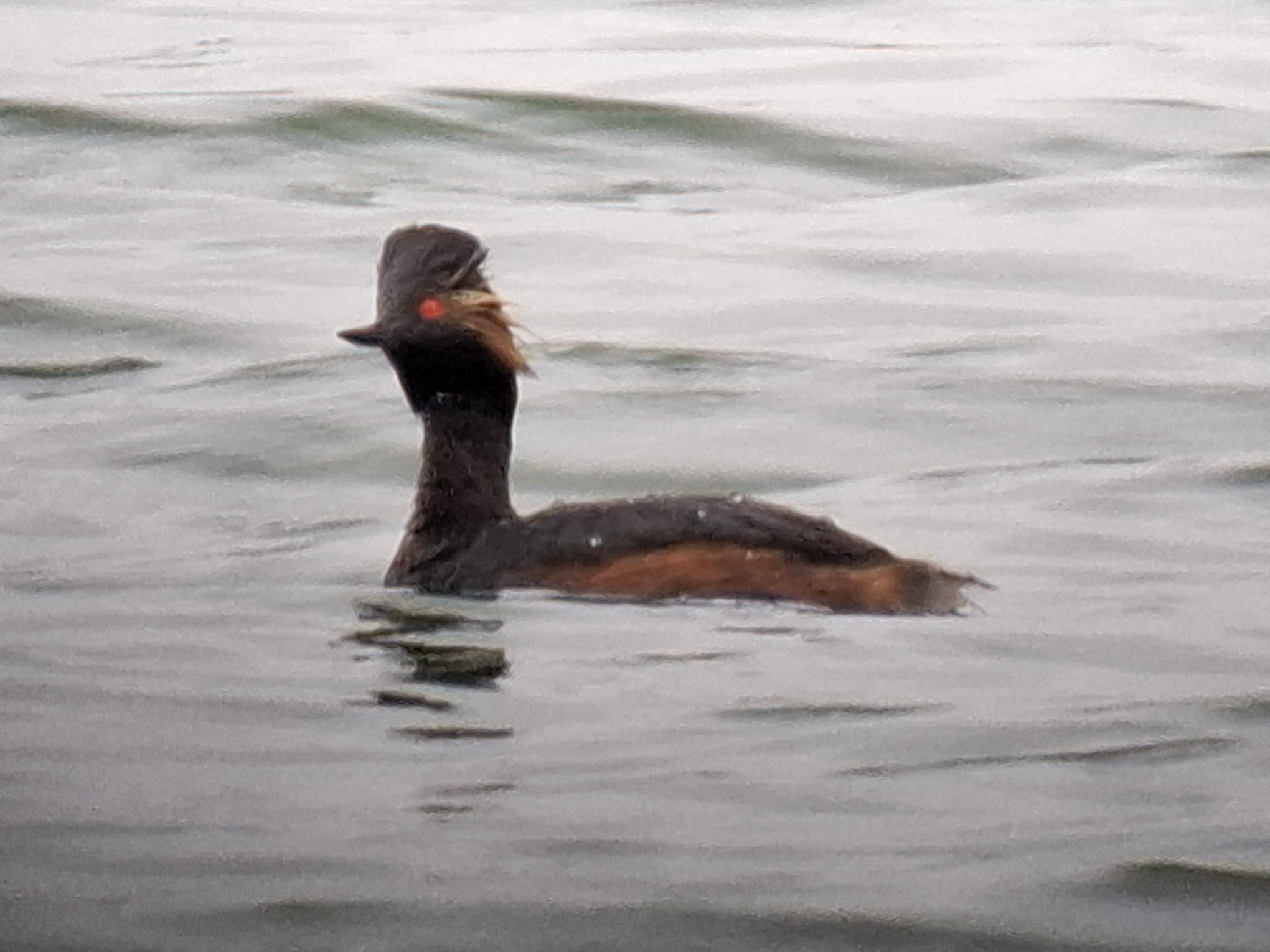
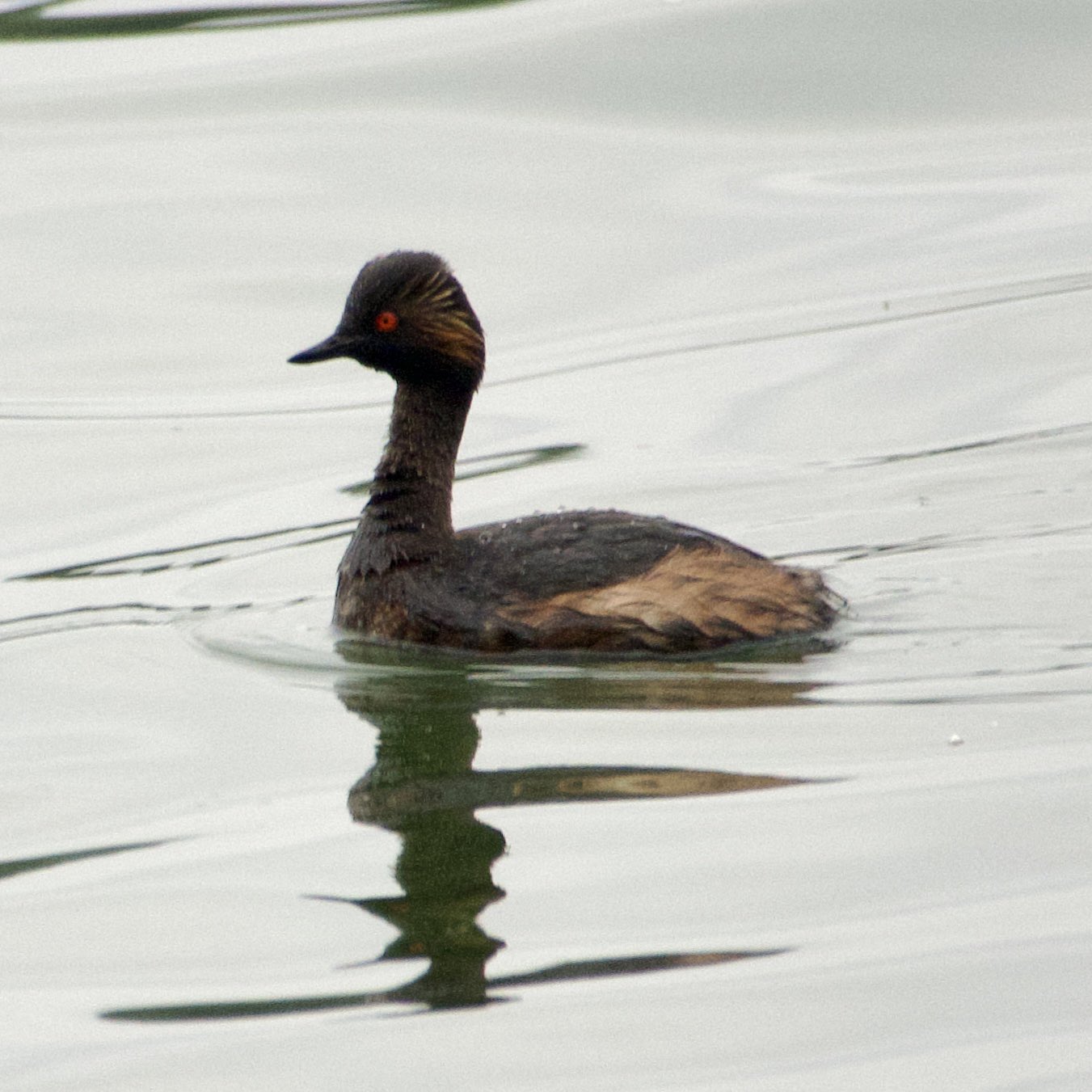
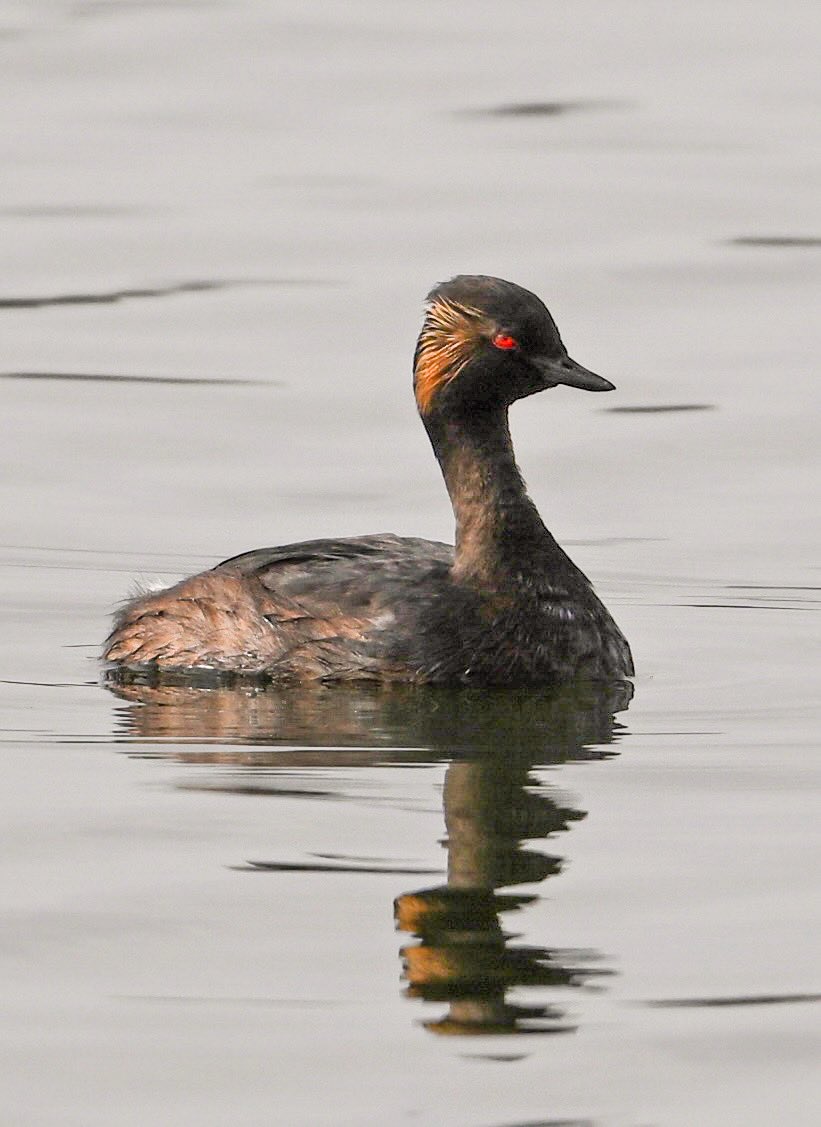
Once again, the period proved good for Black-necked Grebes, with last week’s adult remaining at Stanford until 18th and two (more?) adults appearing at Daventry CP on 21st after the last sighting of one there on 17th. Both were still present until 22nd, after which one stayed on until the week’s end. Meanwhile, the Nene Valley delivered two juveniles, with one at Clifford Hill GP on 21st being joined there by another on 24th.
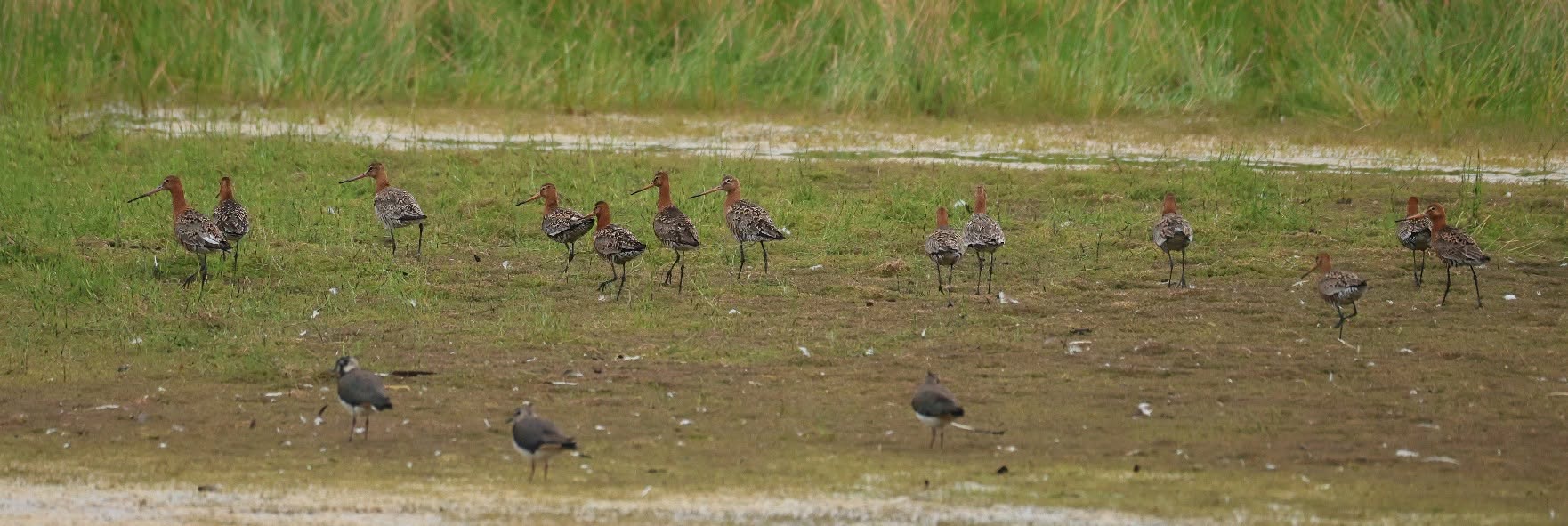
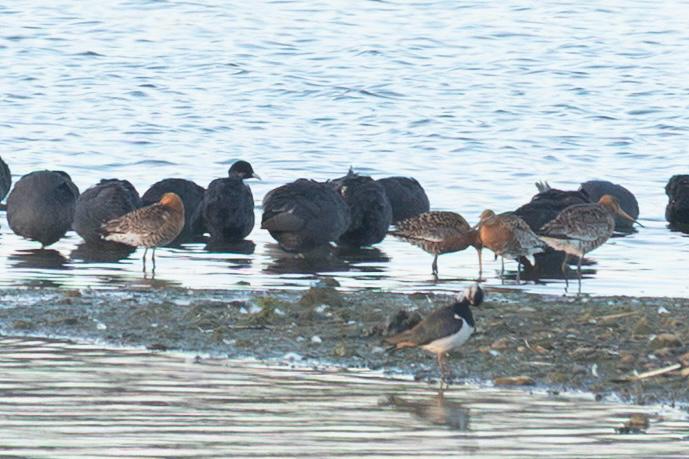
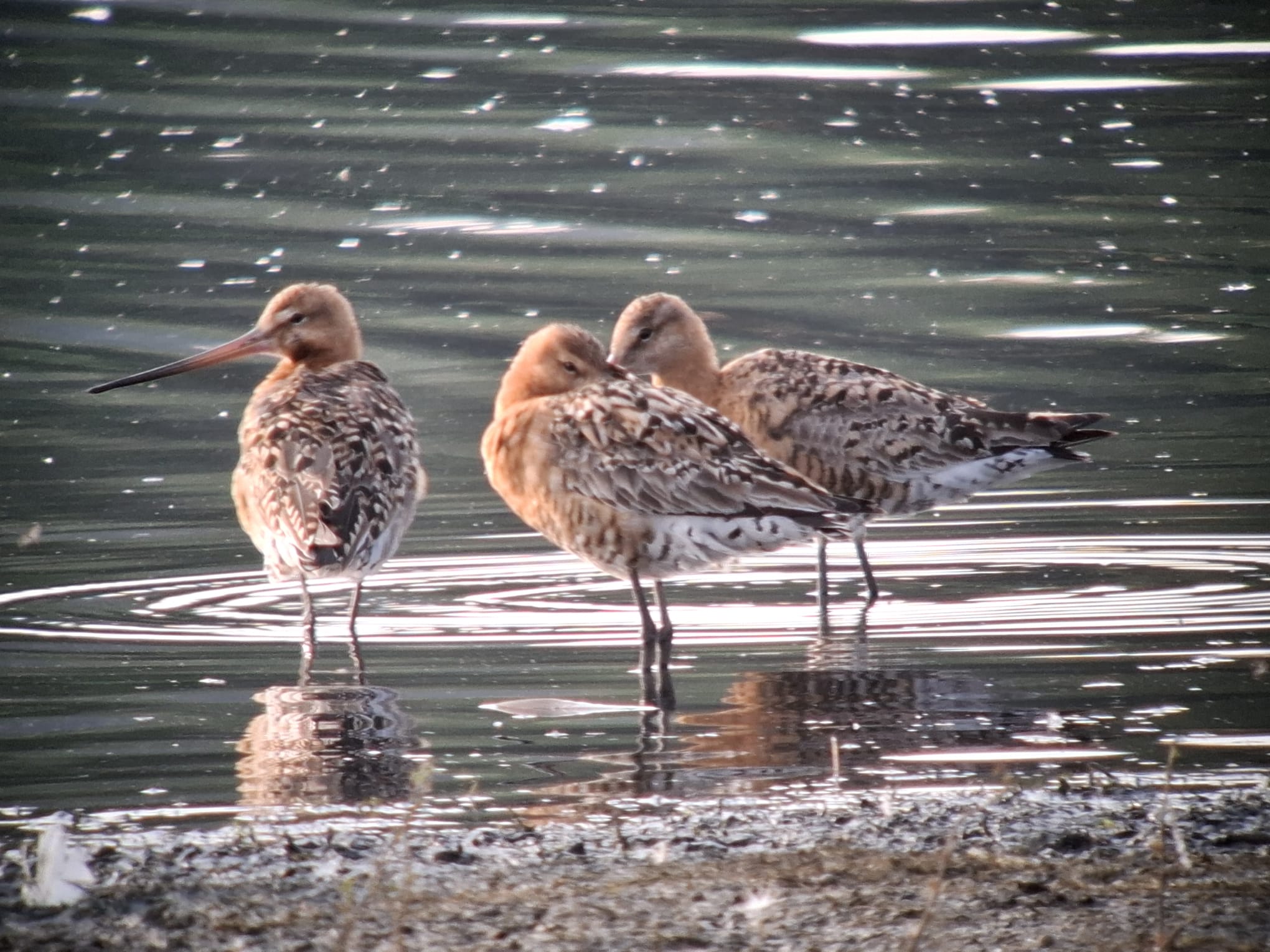
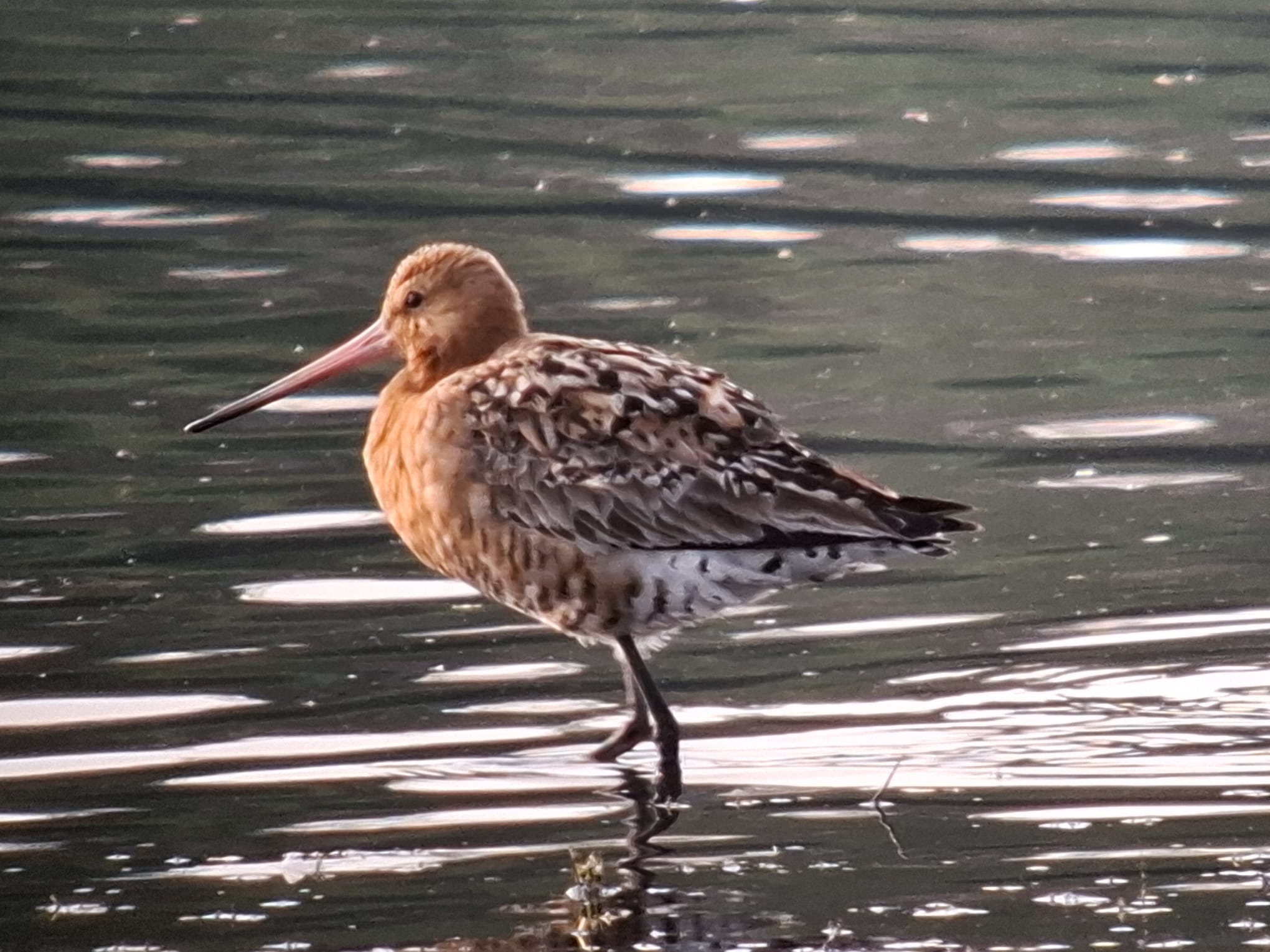
So, from Black-necked Grebes to Black-tailed Godwits, small numbers of which saw last week’s Titchmarsh NR individual remaining until 20th, single birds at Clifford Hill on 18th, Pitsford Res on 21st and Summer Leys on 24th and three at Daventry CP on 21st.
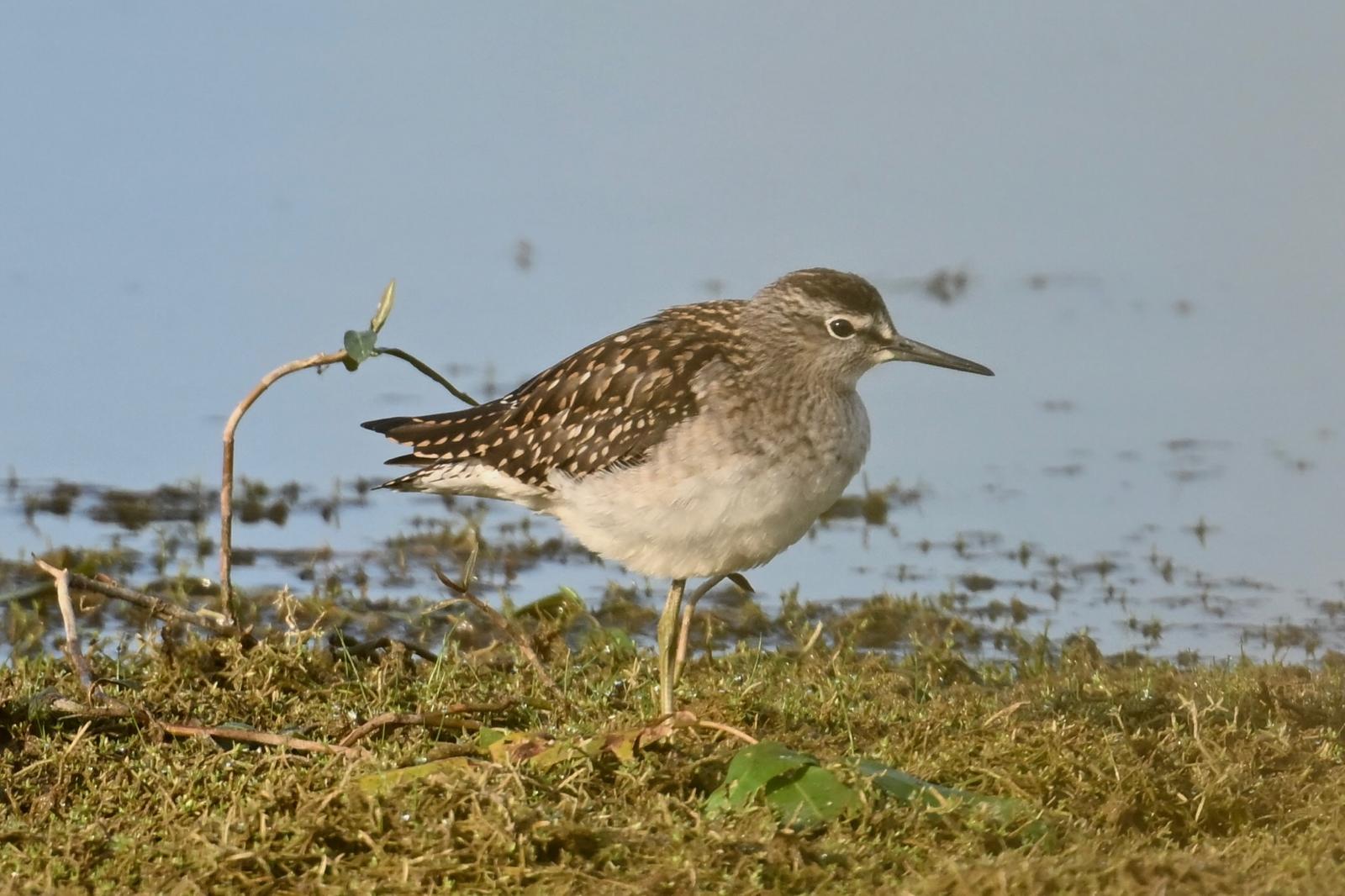
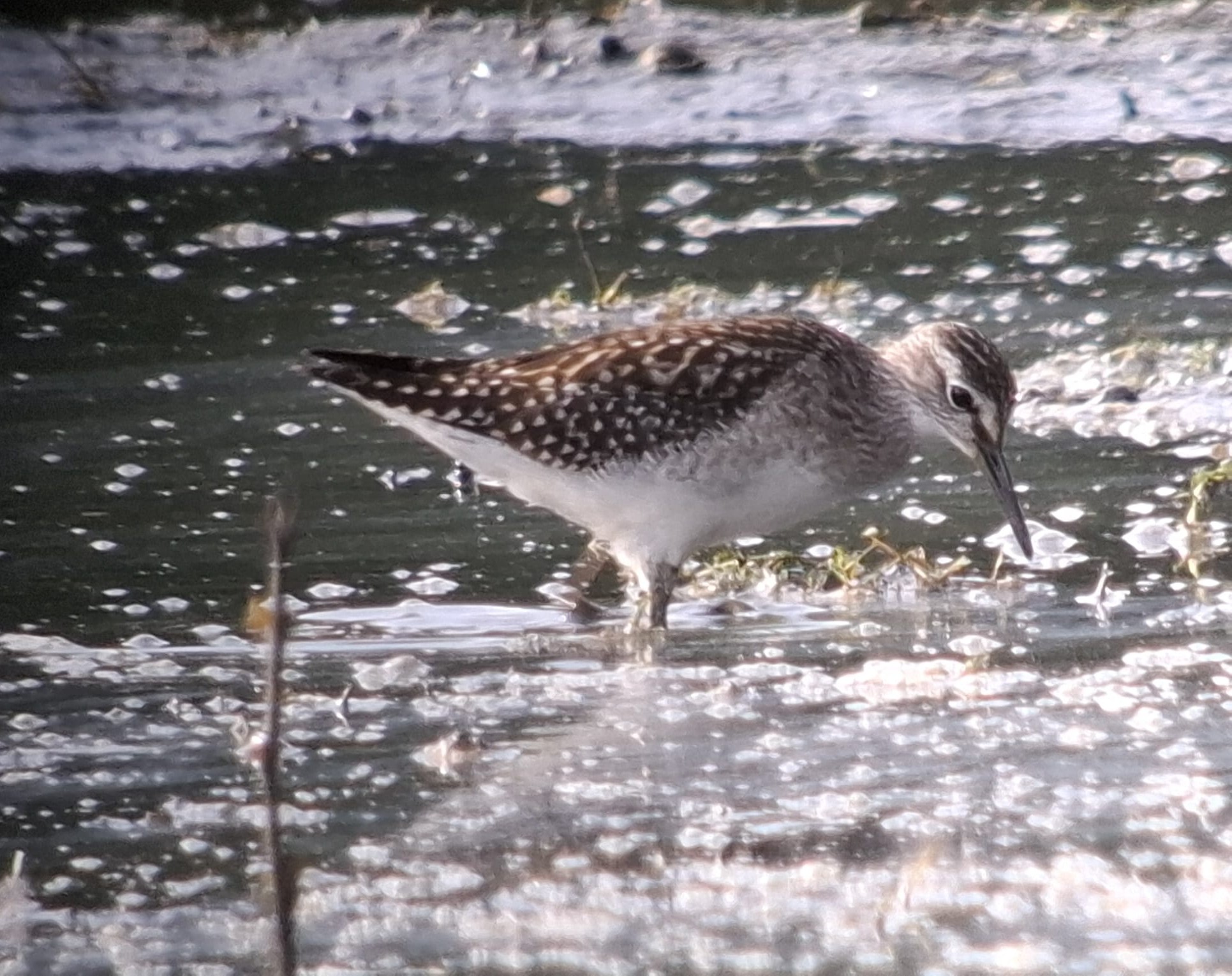
And, after being treated to an impressive spring passage of Wood Sandpipers, the first of the autumn dropped into Hollowell Res on 22nd, still to be found there at the week’s end, while another also appeared at Daventry on the last day of the period.
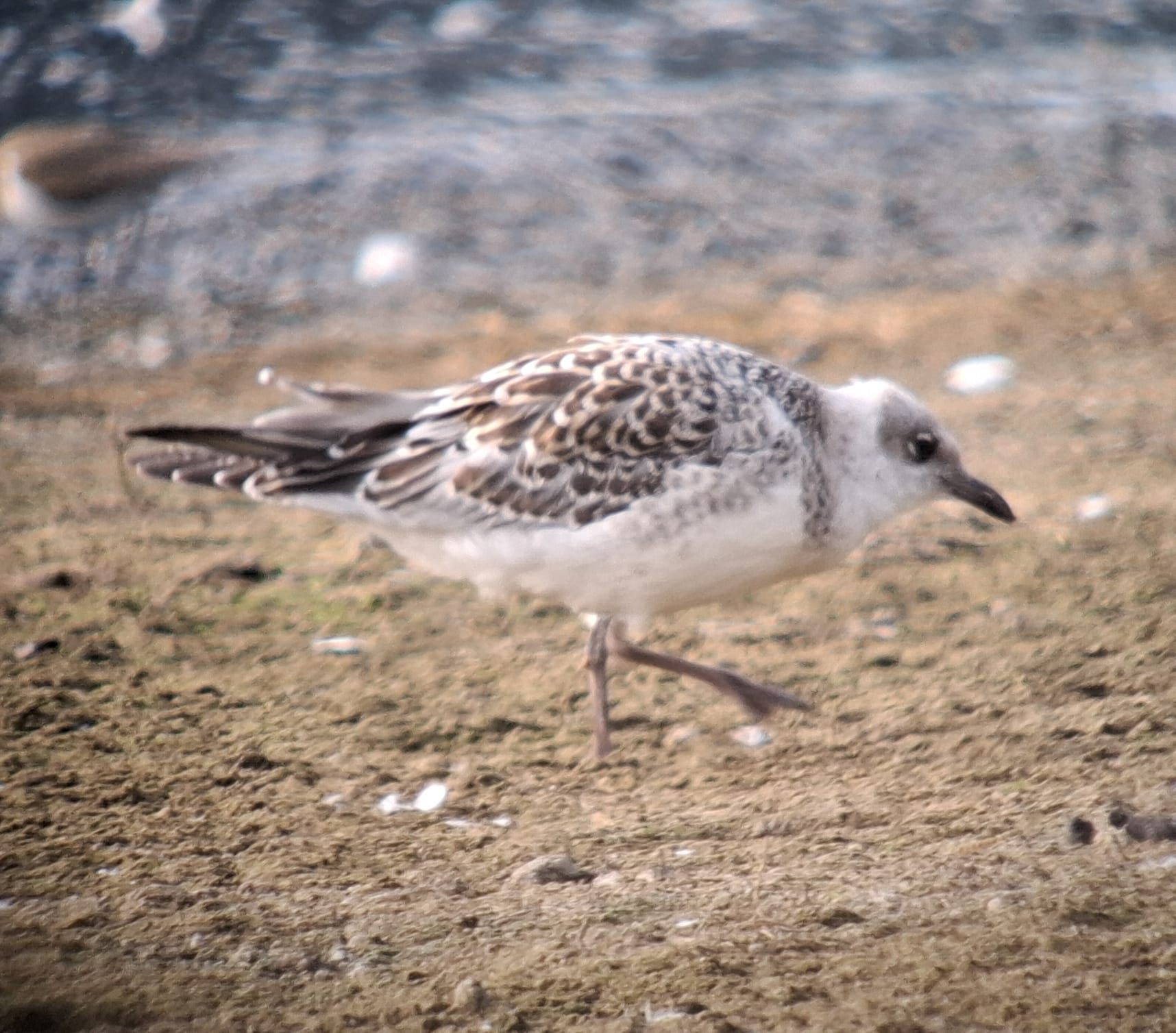
Daventry also produced the week’s only Greenshank, on 22nd, the muddy margins there also giving rise to a juvenile Mediterranean Gull on 21st.
The week’s Yellow-legged Gulls were to be found at four localities, with Pitsford holding up to three throughout, while singles were at Thrapston GP on 18th, 20th and 22nd, Clifford Hill on 20th and 22nd and Sywell CP on 24th.
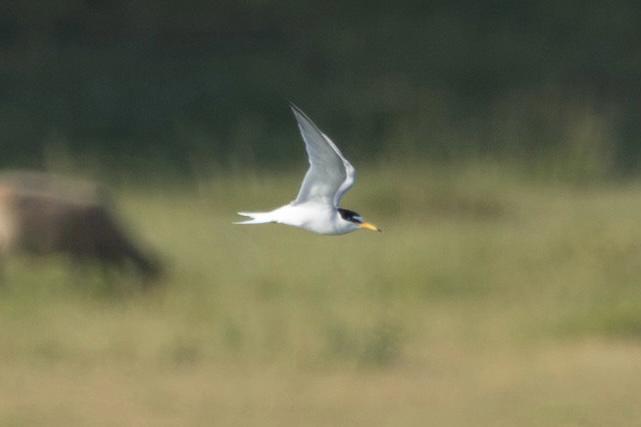
Back at Daventry, a first-summer Arctic Tern dropped in, briefly, on 24th.
Just the one Bittern showed this week – where else but at Summer Leys.
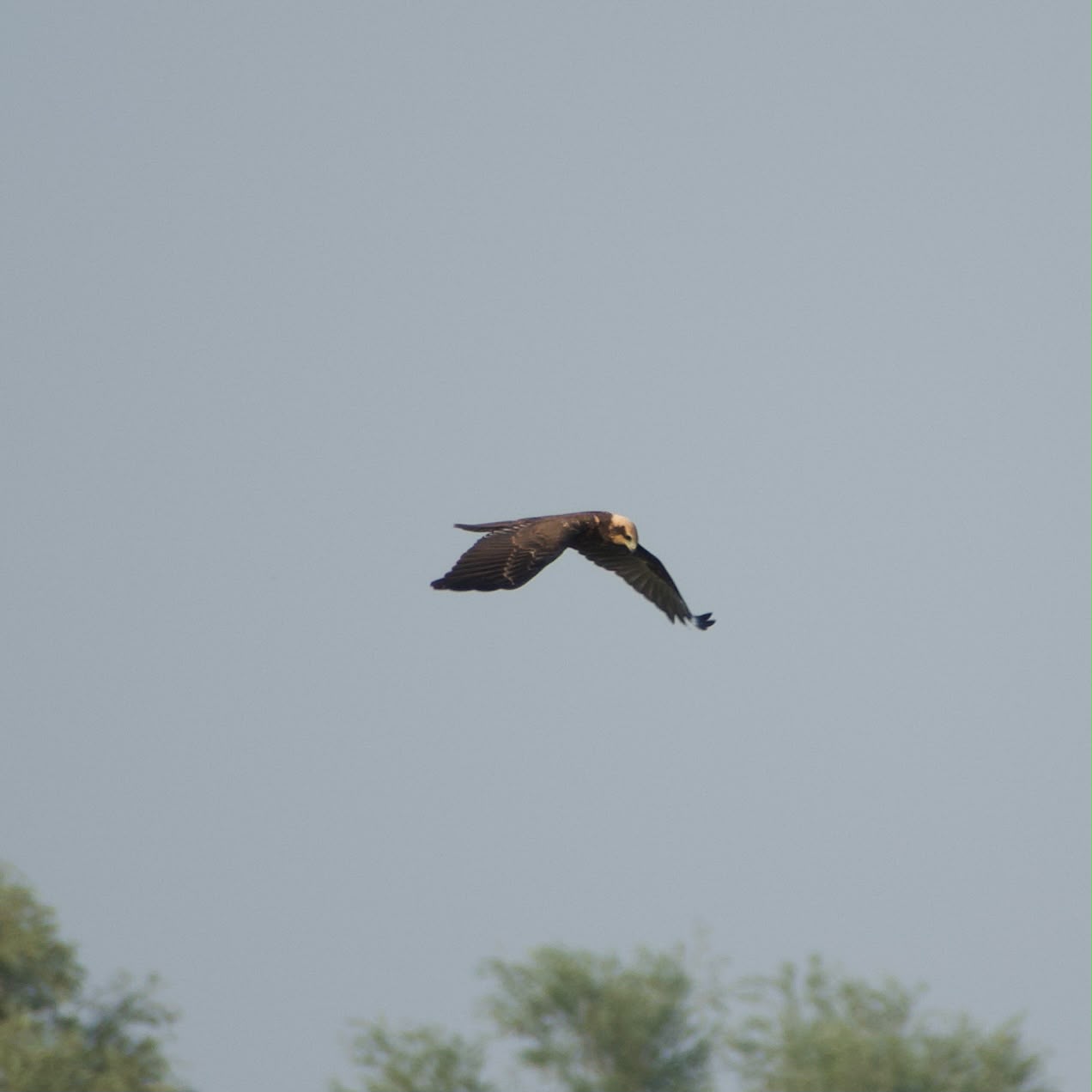
Ospreys showed up at four localities and included twos at Pitsford on 18th and Cransley Res the following day, while Thrapston GP’s Elinor Trout Lake produced singles on 18th, 20th, 22nd and 24th. Single birds also visited Pitsford on 19th, 20th and 23rd and one was seen over Ravensthorpe Res on the latter date. The number of Marsh Harriers increased on the previous week’s with single birds at Summer Leys on 18th, in the Brampton Valley between Cottesbrooke, Hanging Houghton and Blueberry Farm on 18th, 19th, 20th, 23rd and 24th, Pitsford on 19th and 21st and over Byfield on 23rd.
Borough Hill produced a one-day wonder in the shape of a Pied Flycatcher on 23rd which is, so far, the sole representative of its kind in the county this year.
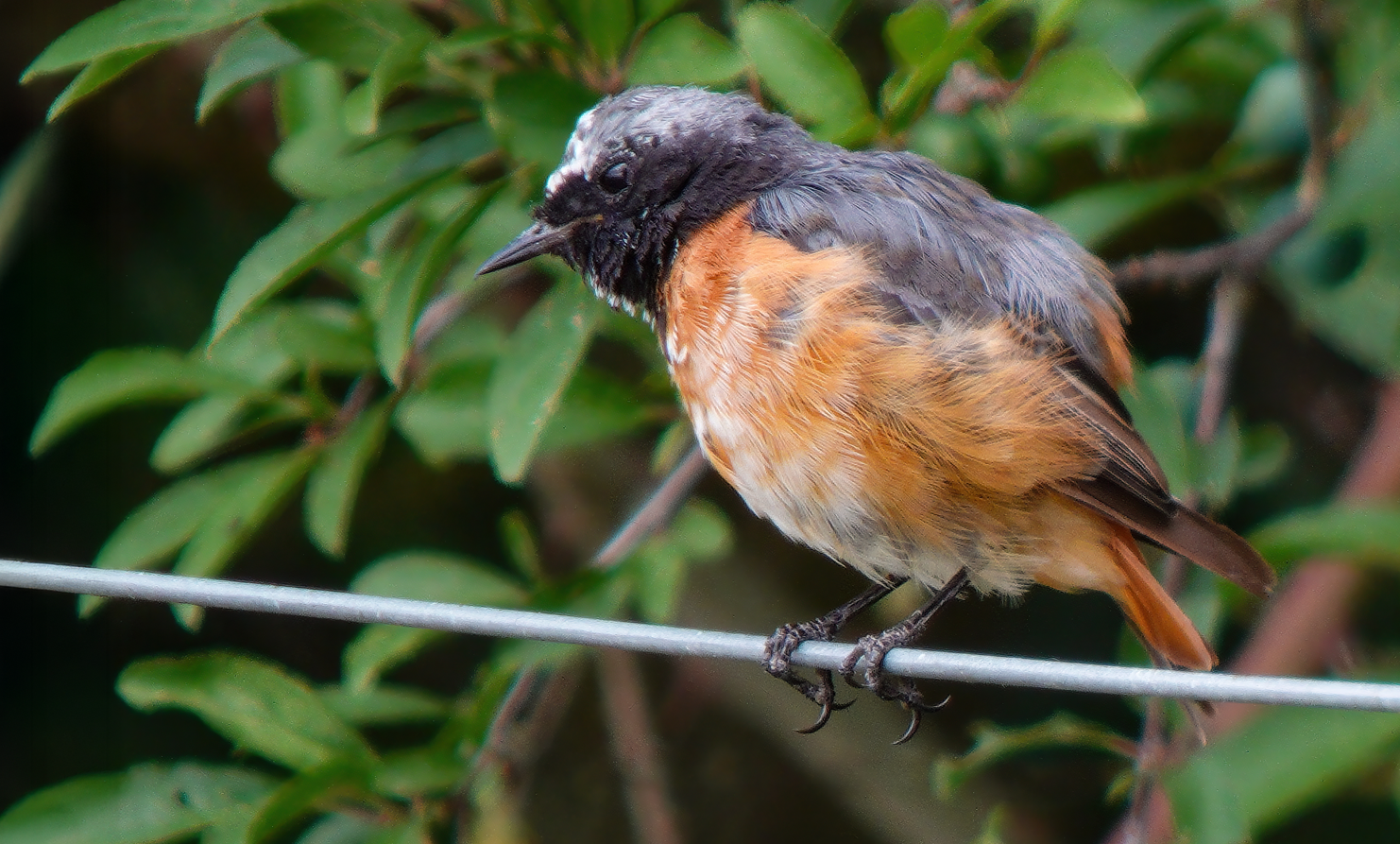
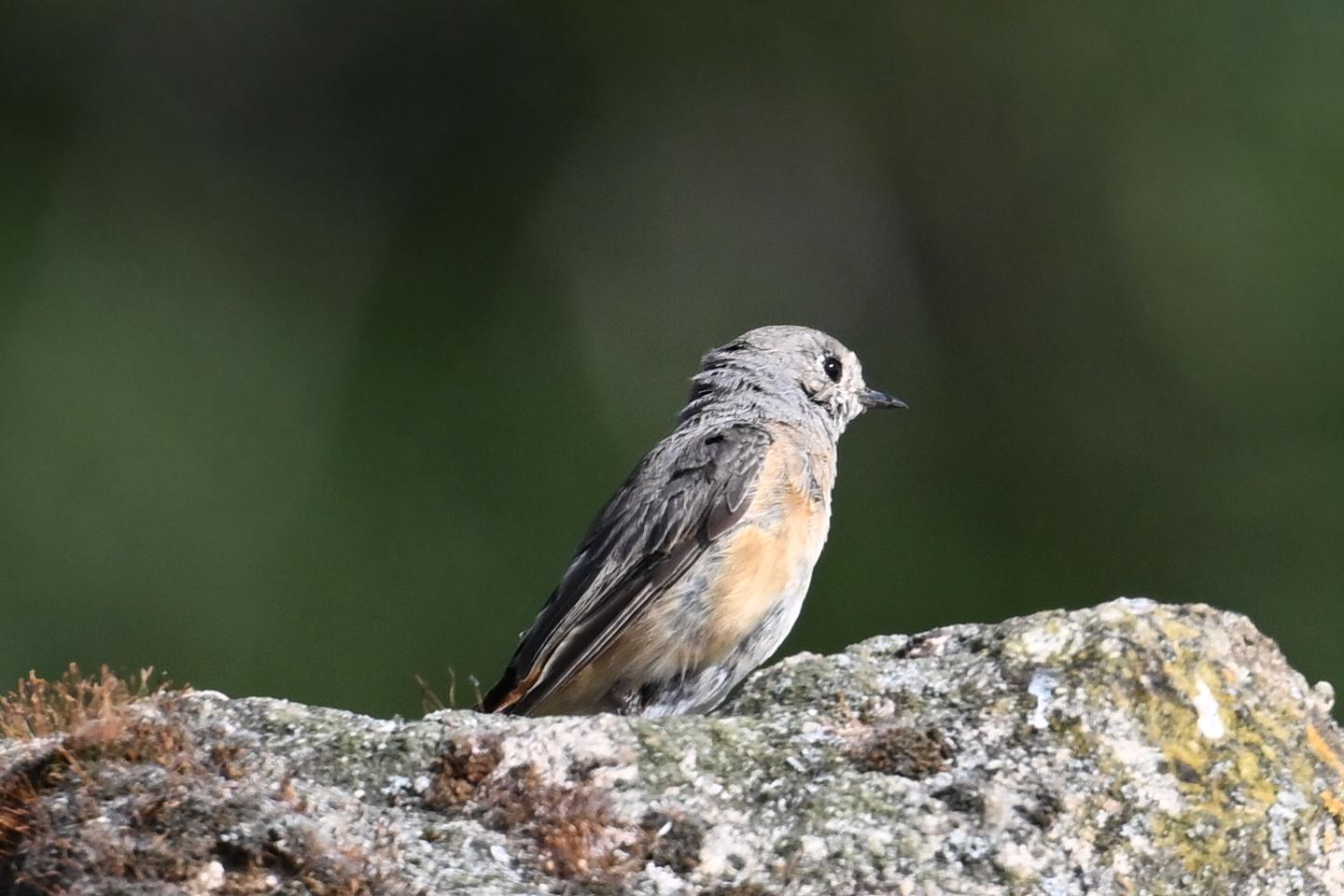
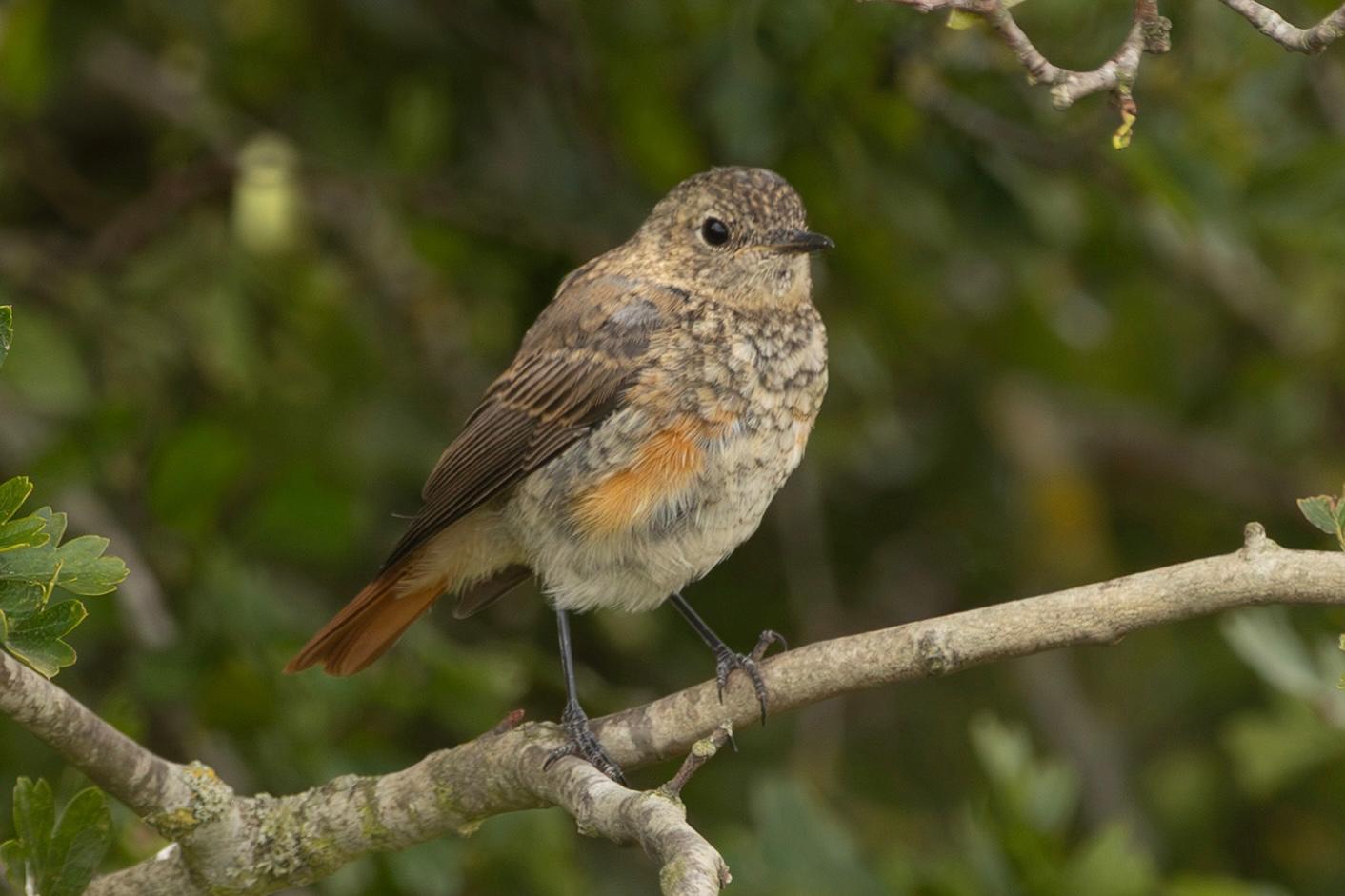
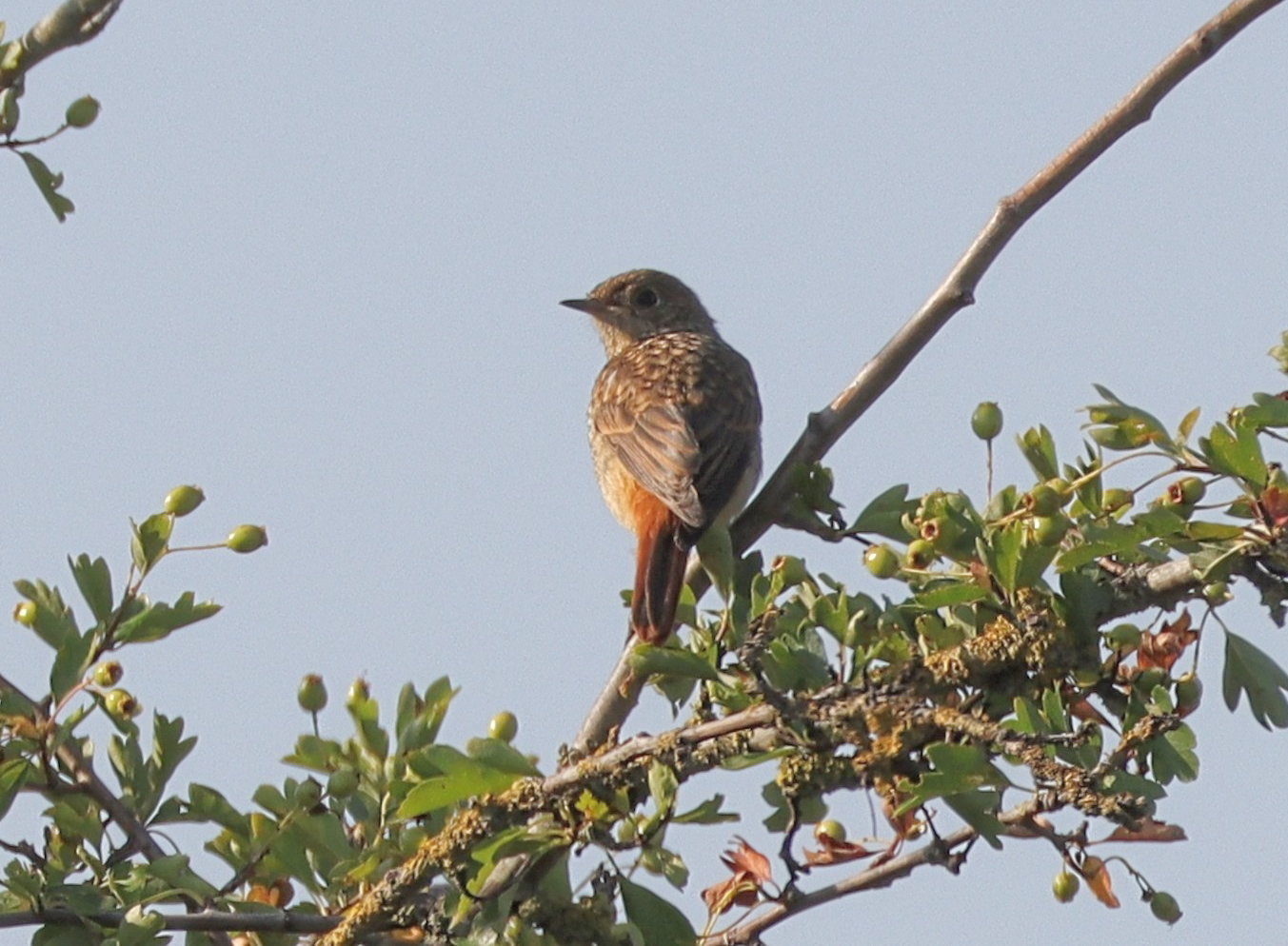
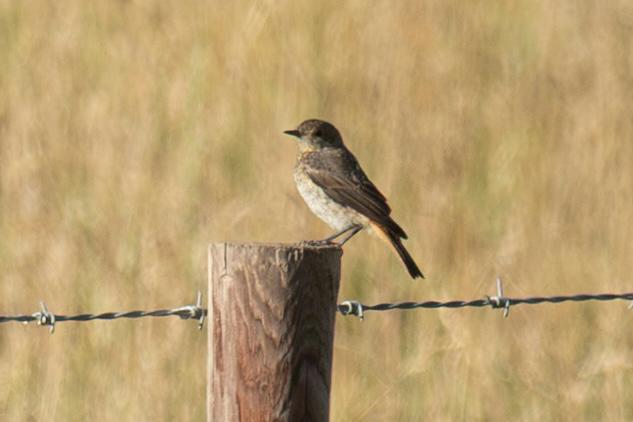
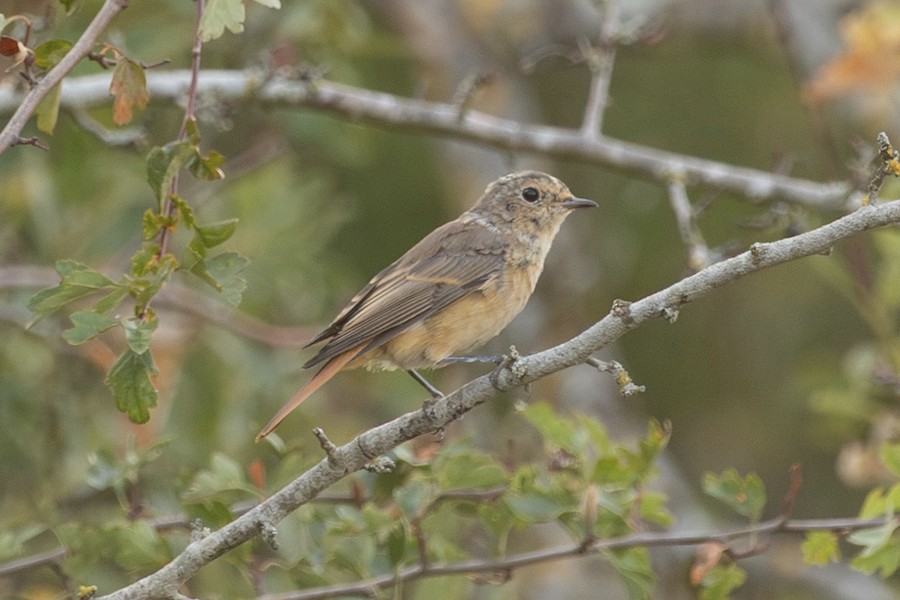
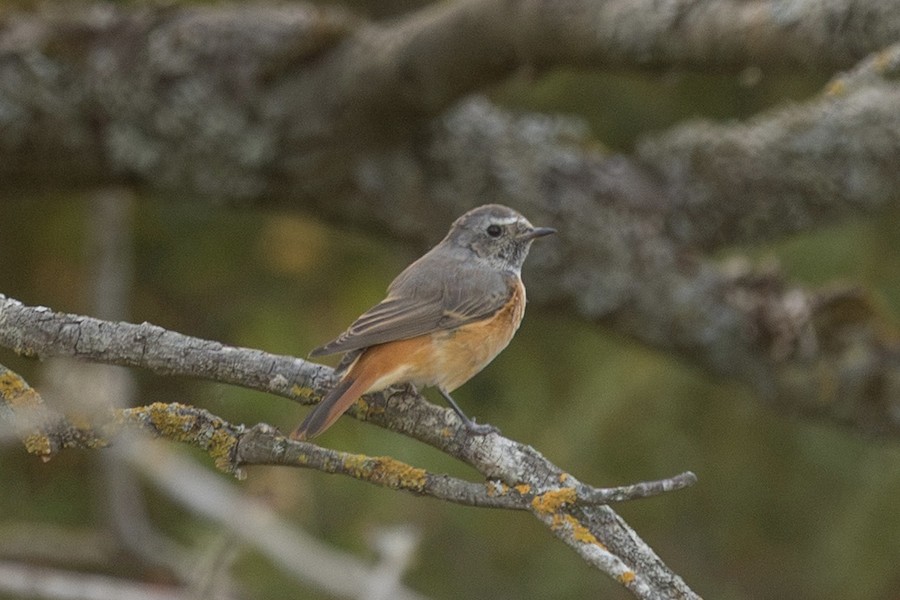
And the run of Common Redstarts rumbled on, with the number of recorded localities matching last week’s eleven. These comprised two in the Brampton Valley, Blueberry Farm (Maidwell), Borough Hill, Clifford Hill, Harrington, Honey Hill, Lilbourne Meadows NR, Pitsford, Ravensthorpe and Walgrave, seven of these sites producing multiples.
The autumn’s first Whinchats appeared this week when a juvenile was found at Harrington on 23rd, quickly followed by two in the Brampton Valley between Cottesbrooke and Hanging Houghton the next day.
Northern Wheatears maintained a low profile with just the one at Harrington on 23rd. More to come, no doubt …