An Azores high pressure system ushered in a south-westerly airstream, sealing an extension to the ongoing heatwave and, for many attending Global Birdfair at the week’s end, making for a decidedly uncomfortable experience. Roasting aside, there were still birds to be found, with peak activity in the early mornings before temperatures climbed and many passerines sought cover …
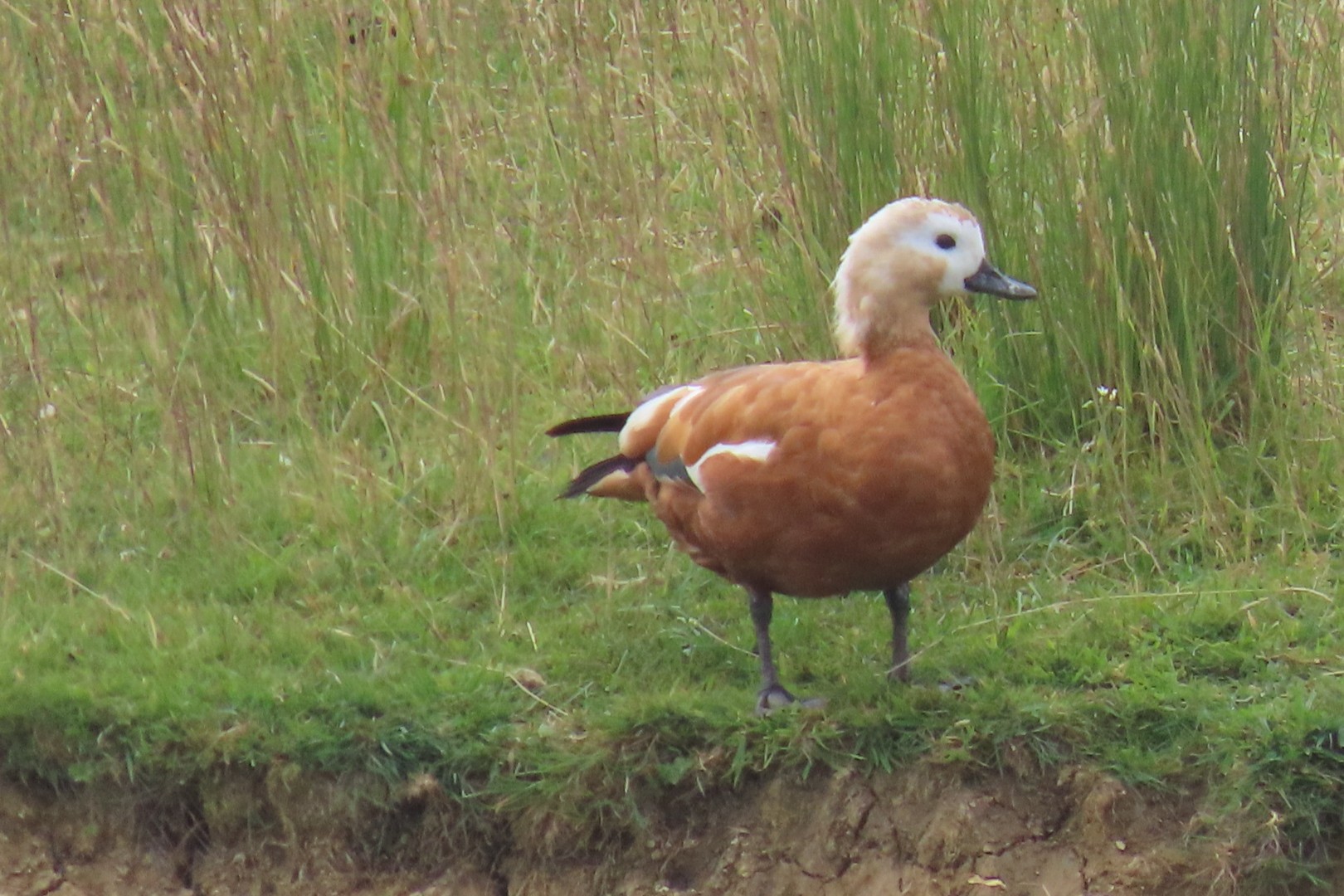
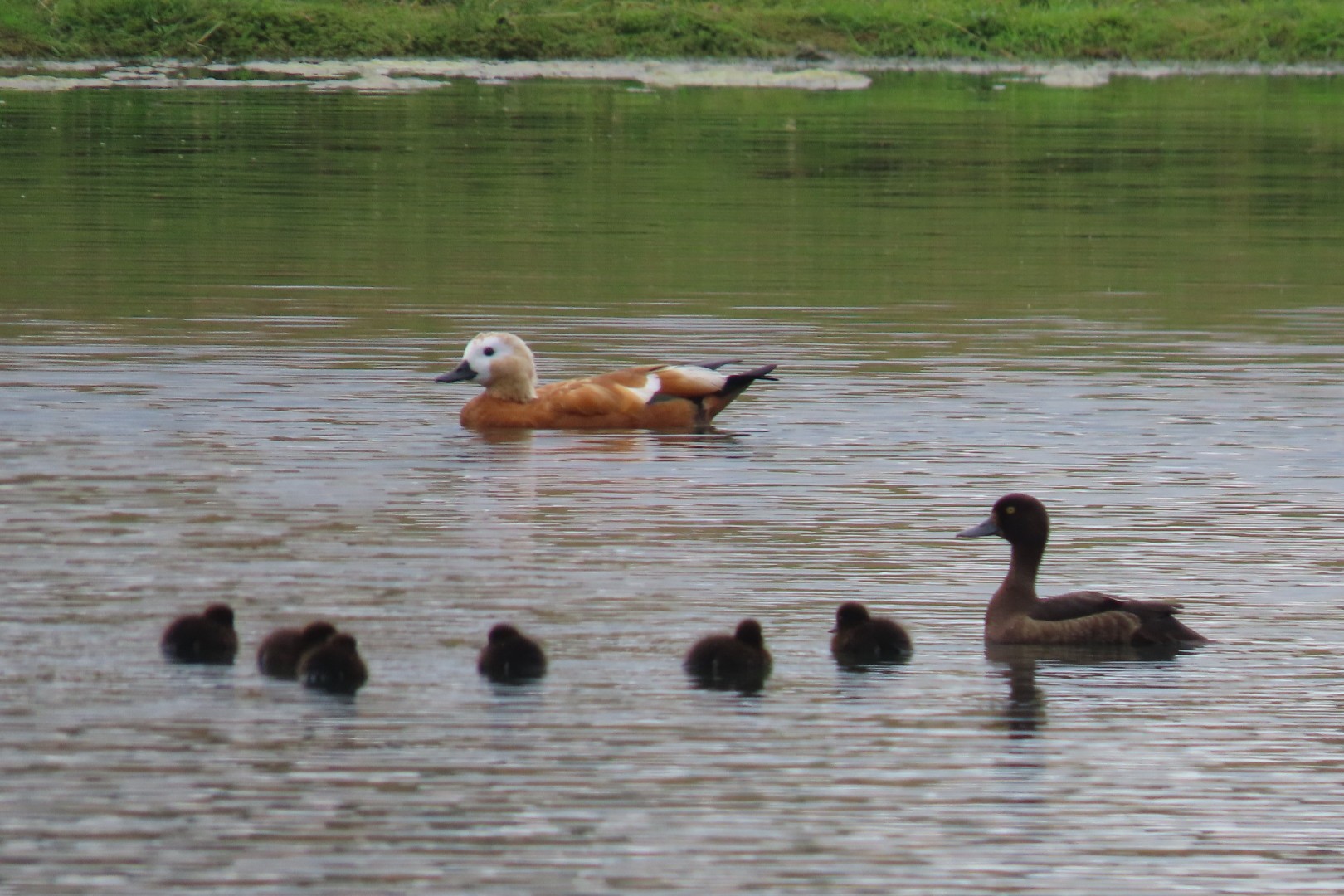
A slightly better week for ducks saw the reappearance of an old faithful at Winwick Pools on 5th with the returning female Ruddy Shelduck back for her eleventh consecutive year. A contentious individual with opinions divided on whether it is of captive origin or whether it originates from the ever-growing feral European population, the majority of which moves north to The Netherlands to moult in early summer, with some overshooting to the UK. As a species its status has been under review by the British Ornithologists Union Records Committee since 2021 with a view to making a decision on whether it should be admitted to the British List under Category C5 (a vagrant naturalised species from outside Britain) in addition to its existing status in Categories B, D, and E. The wait for a decision goes on …
There were no raised eyebrows or any such analysis required, of course, for Red-crested Pochard, five drakes of which were found at Ravensthorpe Res, also on 5th, when the long-staying drake was also present at Earls Barton GP’s New Workings (South).
Just the one Quail remained in the Brampton Valley – the daily male near Blueberry Farm still in song at the week’s end.
And waders were represented by a trickle of Black-tailed Godwits, with Pitsford Res producing one on 4th, four on 6th and seven on 9th, while one paid a visit to Clifford Hill GP on 8th, and a Greenshank was present at Stanwick GP on 4th.
The majority of the week’s quota of Yellow-legged Gulls were at Pitsford, where there was one on 5th, three on 7th and five on 8th, while one was found at Thrapston GP on 6th.
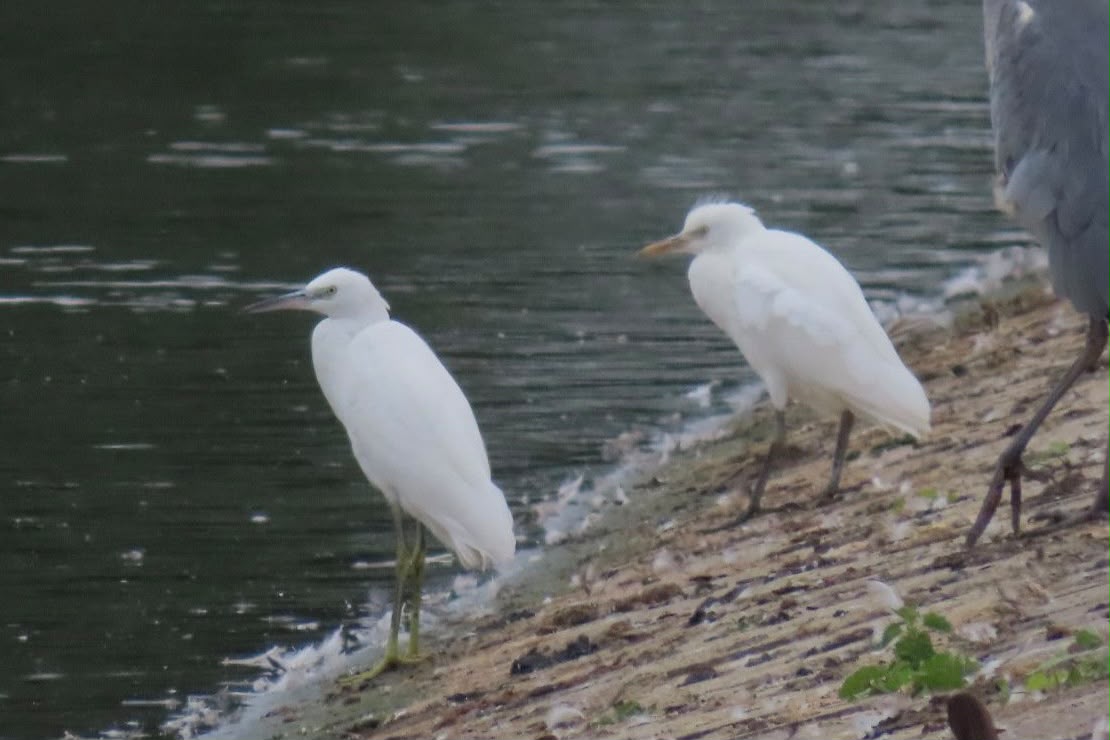
A Cattle Egret was an unusual site record for Stanford Res on 4th.
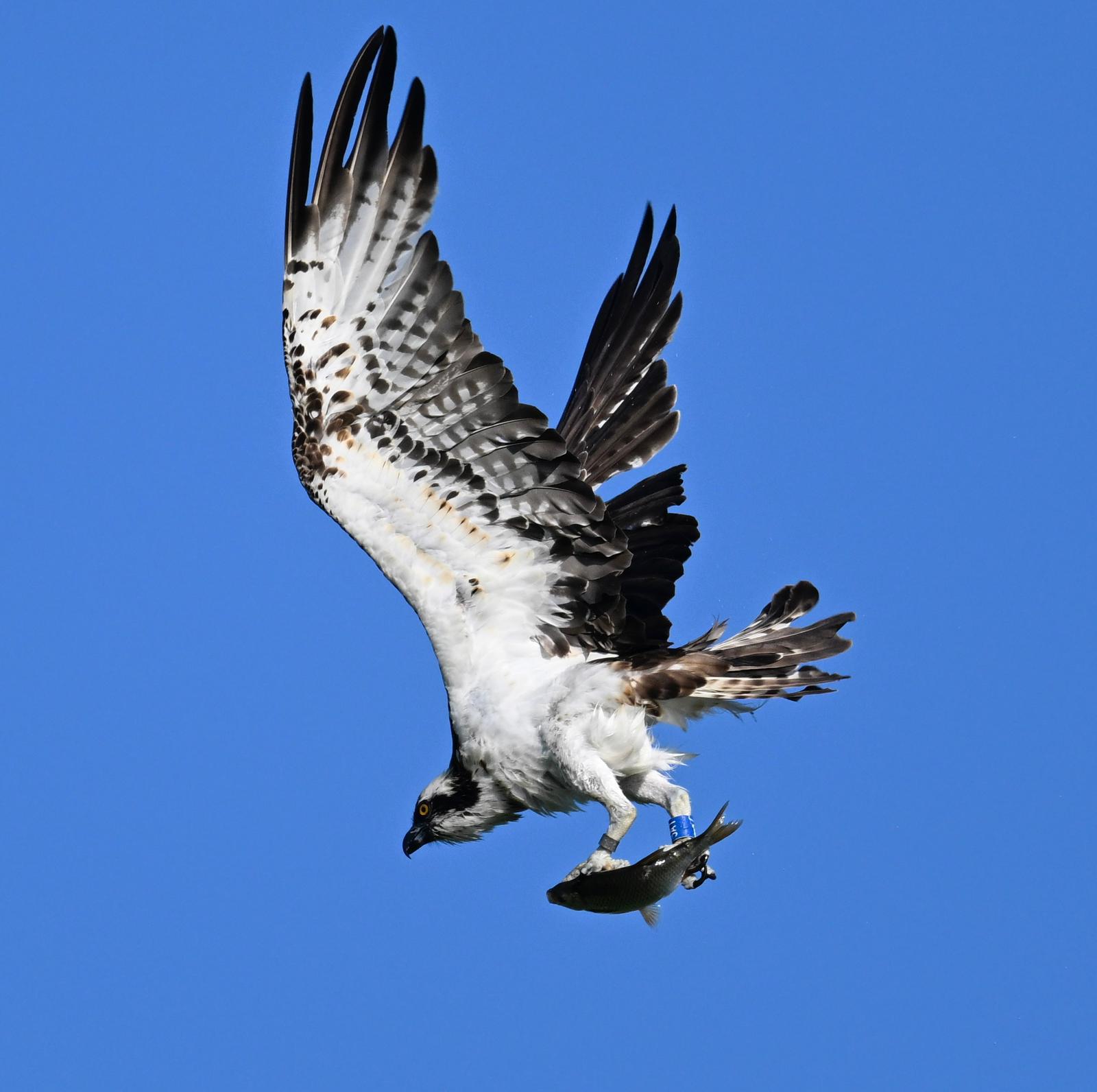
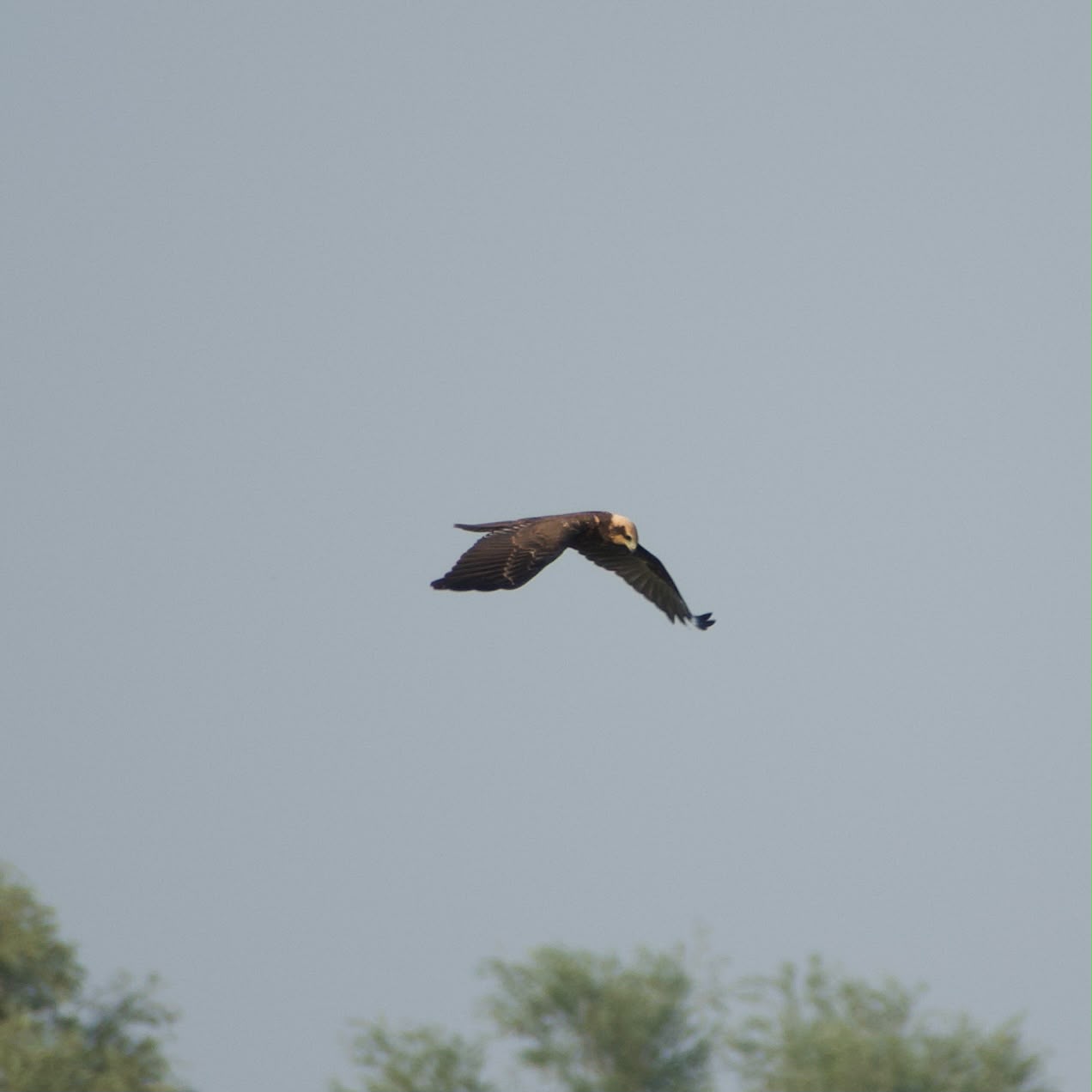
Pitsford played host to single Ospreys on 5th and 9th, while one flew over Hollowell village on the latter date. Other raptors included a lingering juvenile Marsh Harrier at Stanford on 9th-10th and another at Harrington AF on 10th.
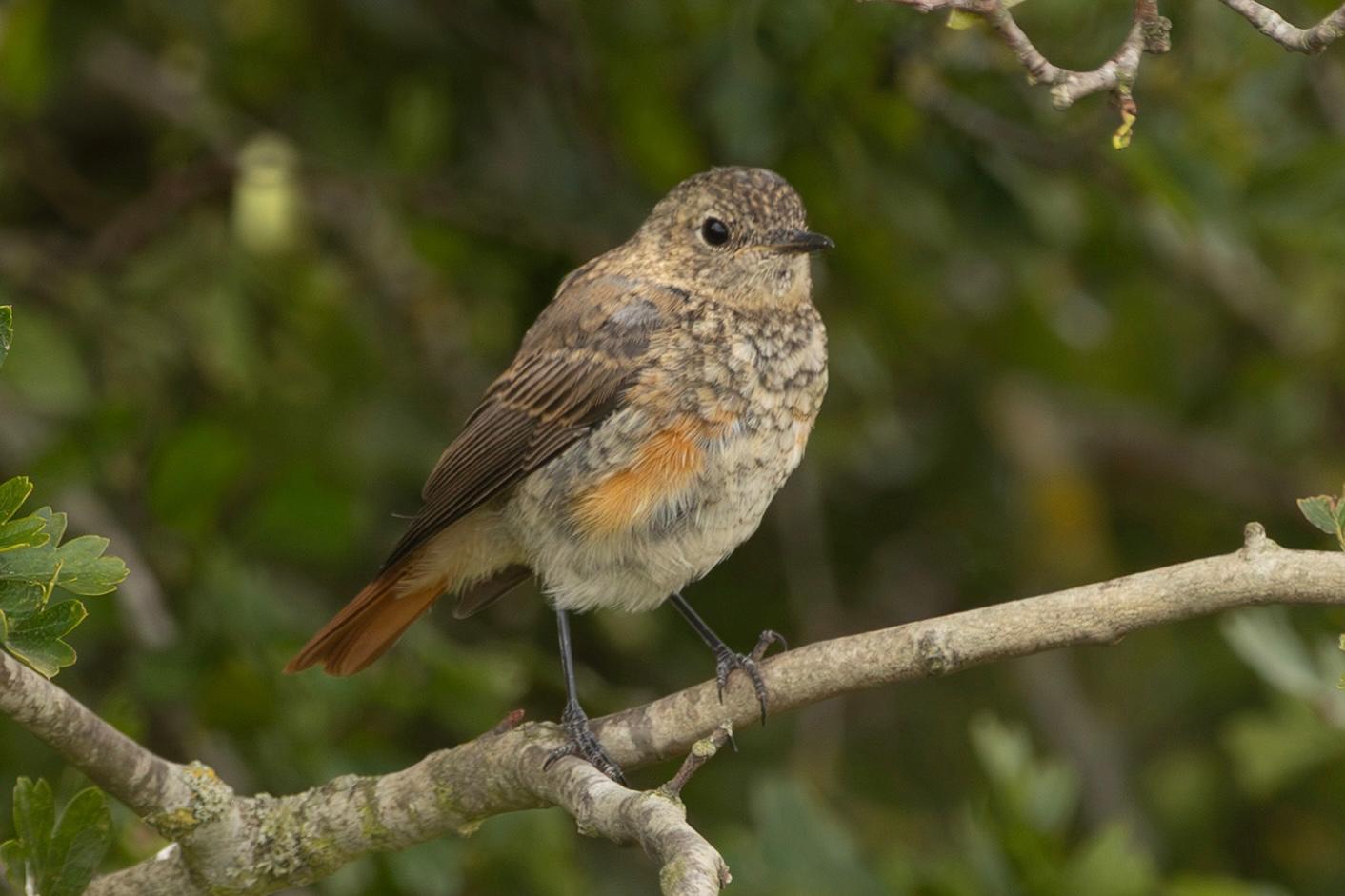
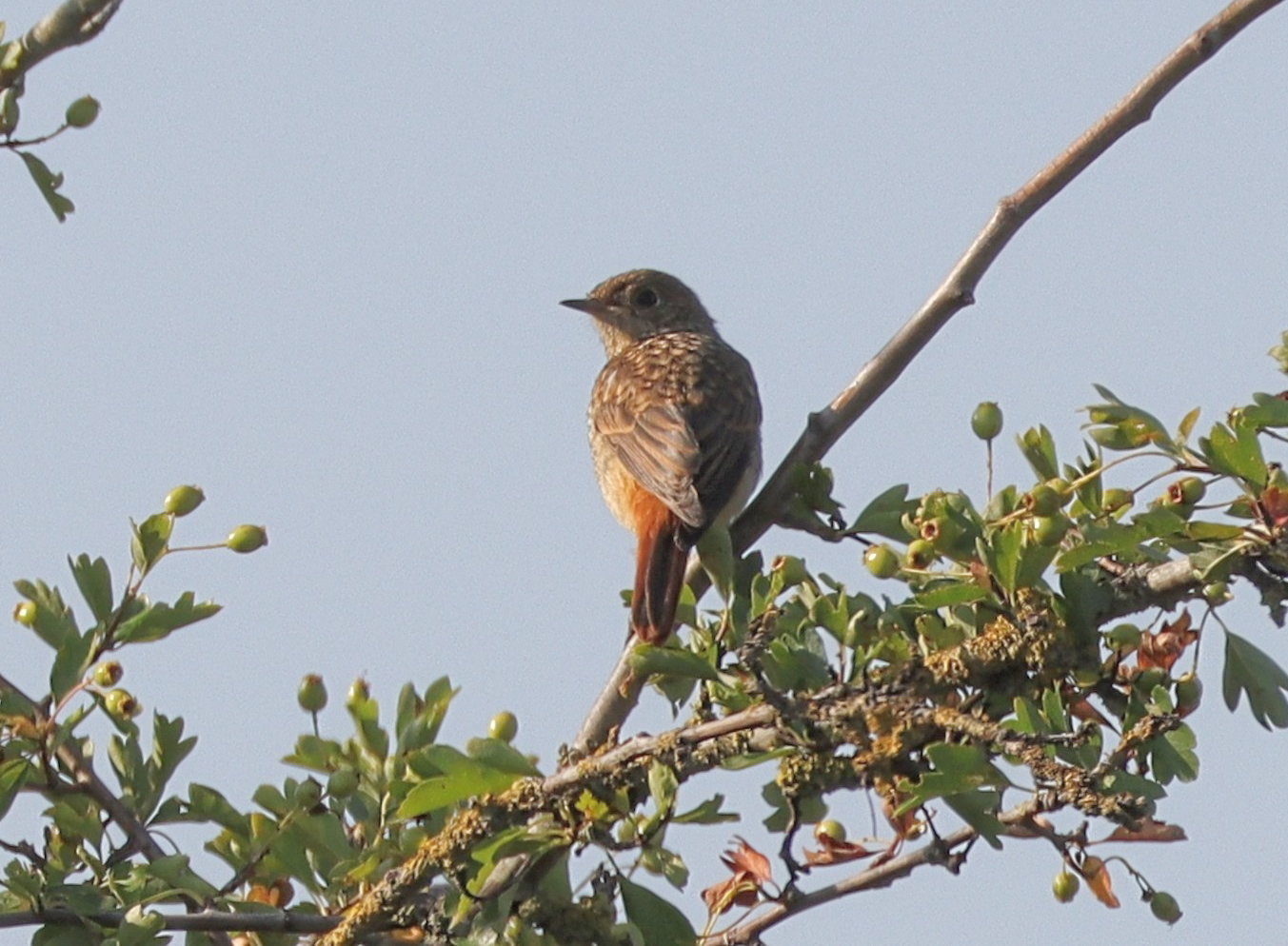
And representing returning passerines, a run of Common Redstarts consisted of an adult male at Lilbourne Meadows NR between 7th and 9th, two juveniles at Clifford Hill GP also from 7th to 9th, three at Harrington on 9th with at least two still the following day and singles at Blueberry Farm, Maidwell and in the Brampton Valley between Cottesbrooke and Hanging Houghton on 9th.

Moving south, the first Northern Wheatear of the autumn – a juvenile – appeared at Clifford Hill on 5th and, up in the north-easterly reaches of the county, a Hawfinch was reported at Fermyn Woods CP on 8th and at least two Crossbills were at Wakerley Great Wood on 7th.